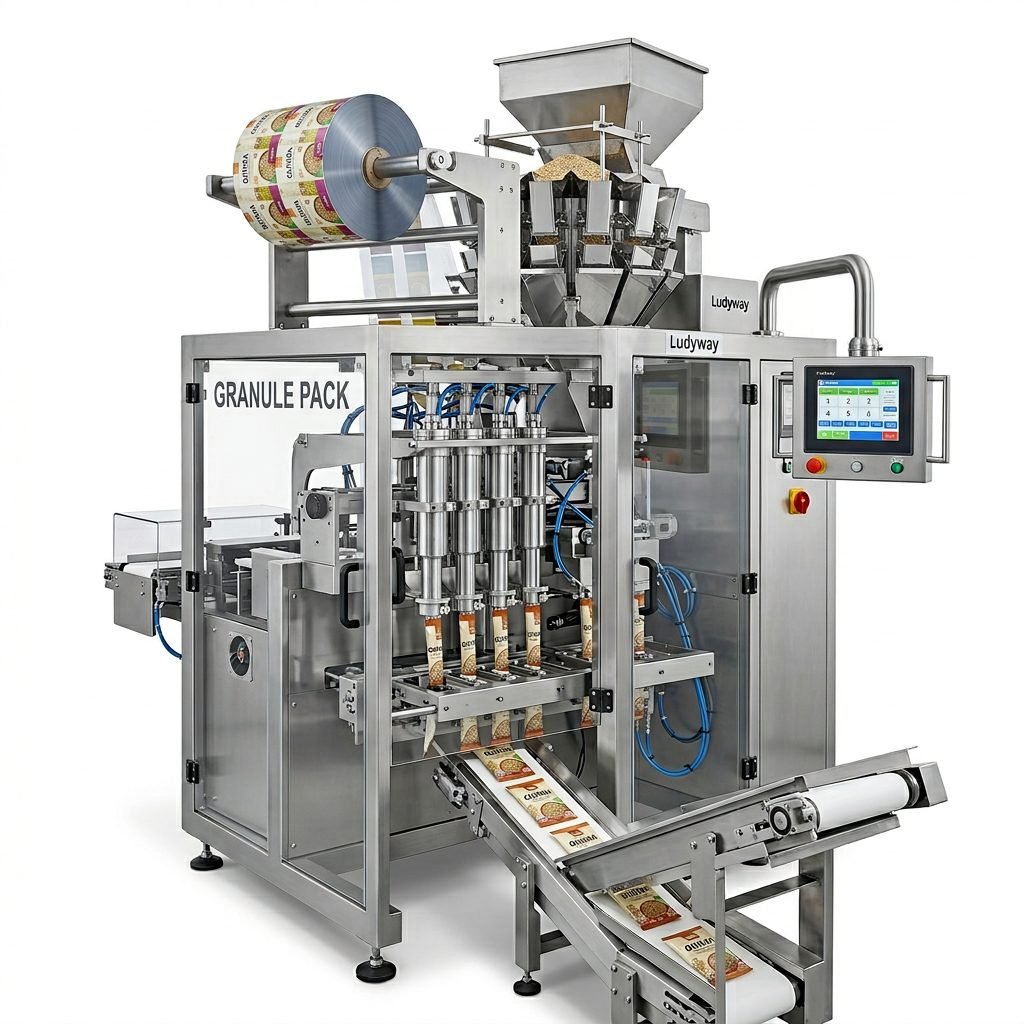
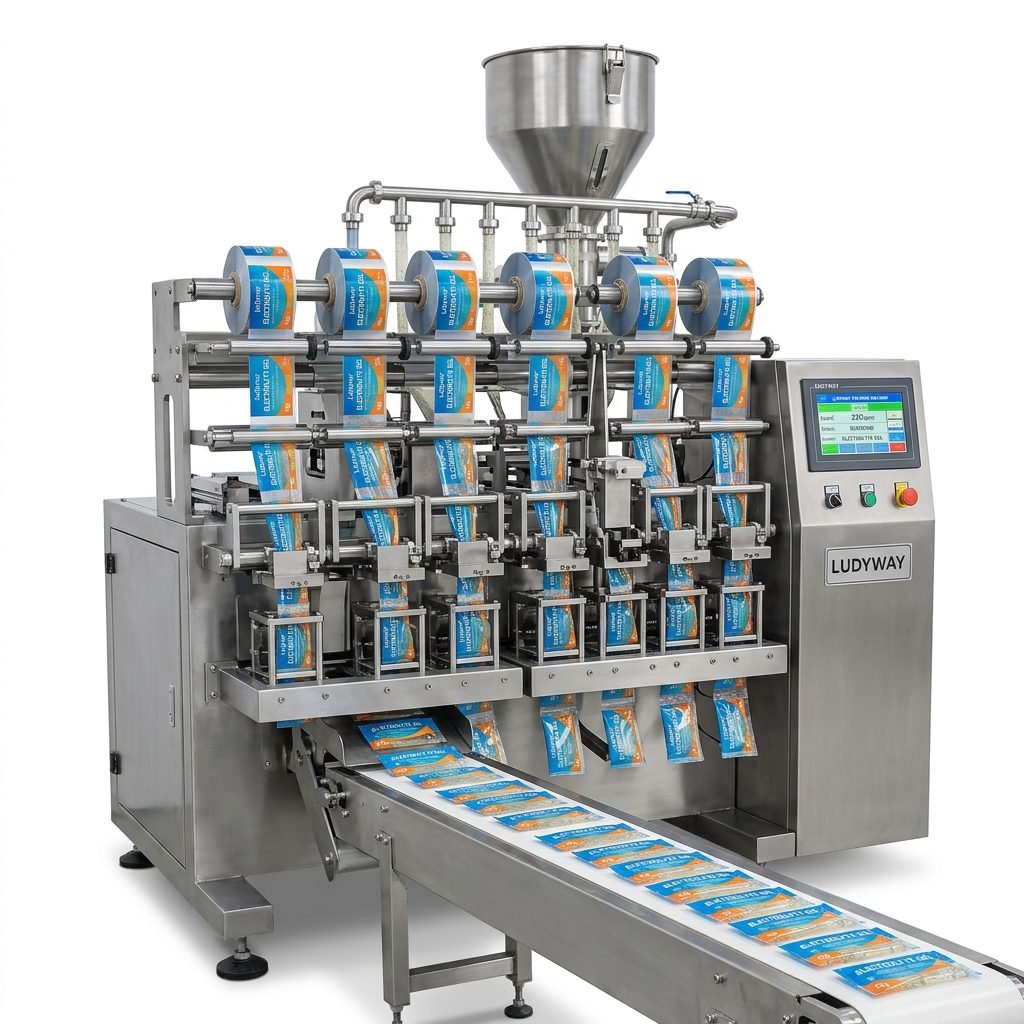
Investing in a packaging tape machine is a critical decision that directly impacts your production line efficiency, shipping quality, and bottom line. Whether you are running a high-volume distribution center or a growing e-commerce operation, the right equipment automates the case sealing process, reduces material waste, and provides consistent carton security. This guide breaks down the essential factors, from machine types to advanced features, helping you make an informed purchase.
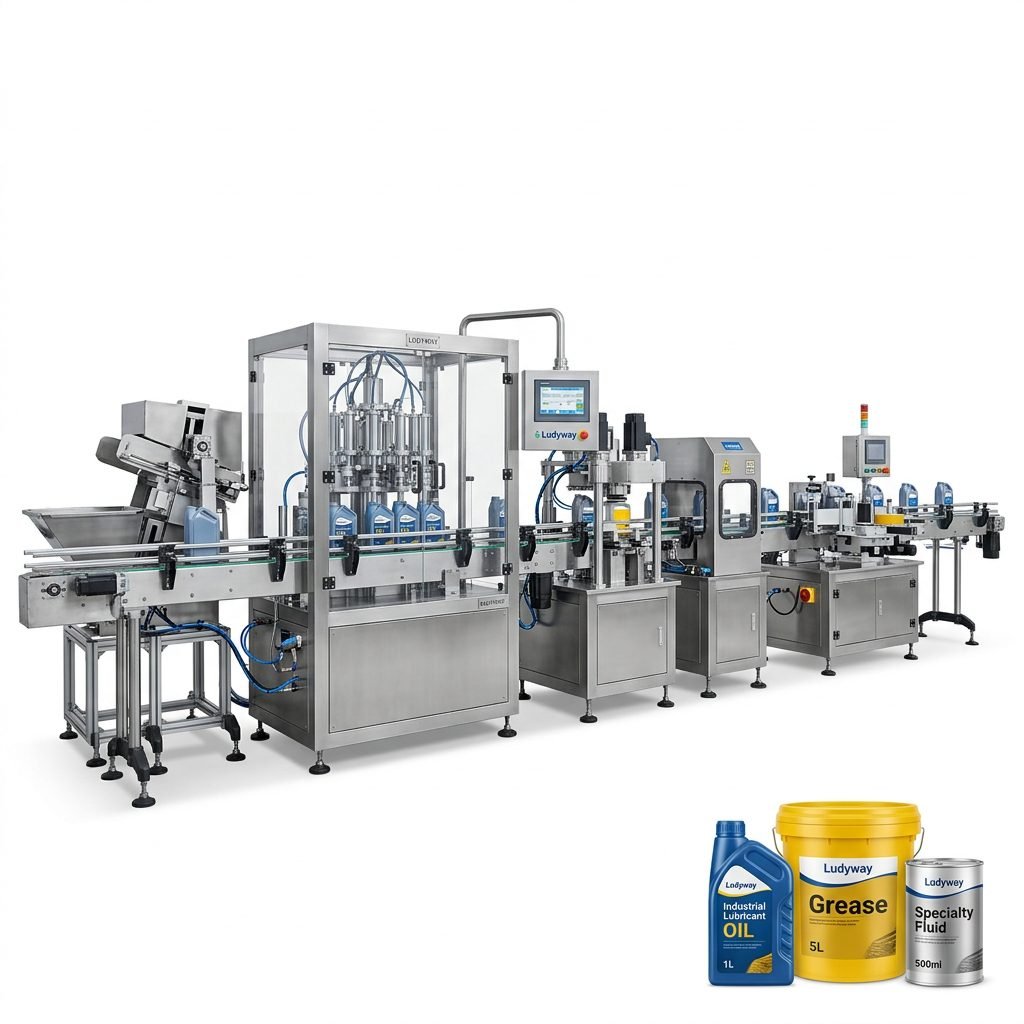
Understanding Your Operational Requirements
Before comparing models, you must first define your operational landscape. A common mistake is purchasing a standard uniform case sealer when your workflow demands a random case sealer. Analyze your production environment by focusing on three core variables:
- Production Volume: How many cartons do you process per day? Low-volume lines might suit semi-automatic machinery, whereas high-speed fulfillment centers require fully automatic systems capable of handling hundreds of boxes per hour.
- Carton Consistency: Do you run identical box sizes all day, or does your workflow involve mixed dimensions? Uniform case sealers are optimized for single-size runs, while random sealers adjust automatically to varying heights and widths.
- Throughput Speed: Beyond just “boxes per minute,” consider the belt speed and the gap between cartons. Integrating a packaging tape machine into an existing conveyor line requires matching the infeed and outfeed speeds precisely.
Types of Case Sealers and Taping Equipment
Choosing the correct form factor is essential. The two most common categories serve distinct purposes, and mixing them up can cripple your line’s efficiency.
| Machine Type | Best For | Key Limitations |
|---|---|---|
| Uniform Case Sealer | High-volume single-size batches, dedicated production lines | Requires mechanical changeover for new box sizes; not flexible |
| Random Case Sealer | E-commerce, 3PL, mixed-pallet shipping environments | Typically higher initial investment; slightly slower on uniform runs |
Beyond these, consider drive belt configurations. Side-belt drives are standard for lightweight cartons, while bottom-belt drives better handle heavy or unstable packages. Top-and-bottom drive systems offer the most secure grip for demanding applications.
Critical Features to Evaluate Before Buying
Not all taping heads are created equal. The quality of the tape application directly correlates with carton integrity during transit. Pay close attention to these technical specs:
Tape Head Technology and Wiper Pressure
The tape head is the “engine” of the machine. Pneumatic pressure on the wiper rollers ensures bubble-free adhesion. Look for machines offering adjustable pressure settings. A poor wipe-down process is the leading cause of “pop open” returns in e-commerce.
Ease of Threading and Maintenance
Downtime often occurs during tape roll changes. A well-designed machine features a one-throw threading path, allowing operators to reload tape in seconds without a manual. Ask suppliers if their tape path is open access or requires partial disassembly for cleaning the adhesive buildup.
Material Compatibility
Ensure the machinery supports the specific tape type you plan to use—whether it’s acrylic, hot melt, or water-activated tape. According to industry guidelines found on the PMMI packaging industry resources, the interaction between the machine’s tension control and the tape’s elongation properties is critical for preventing breakage.
Integration with Coding Systems
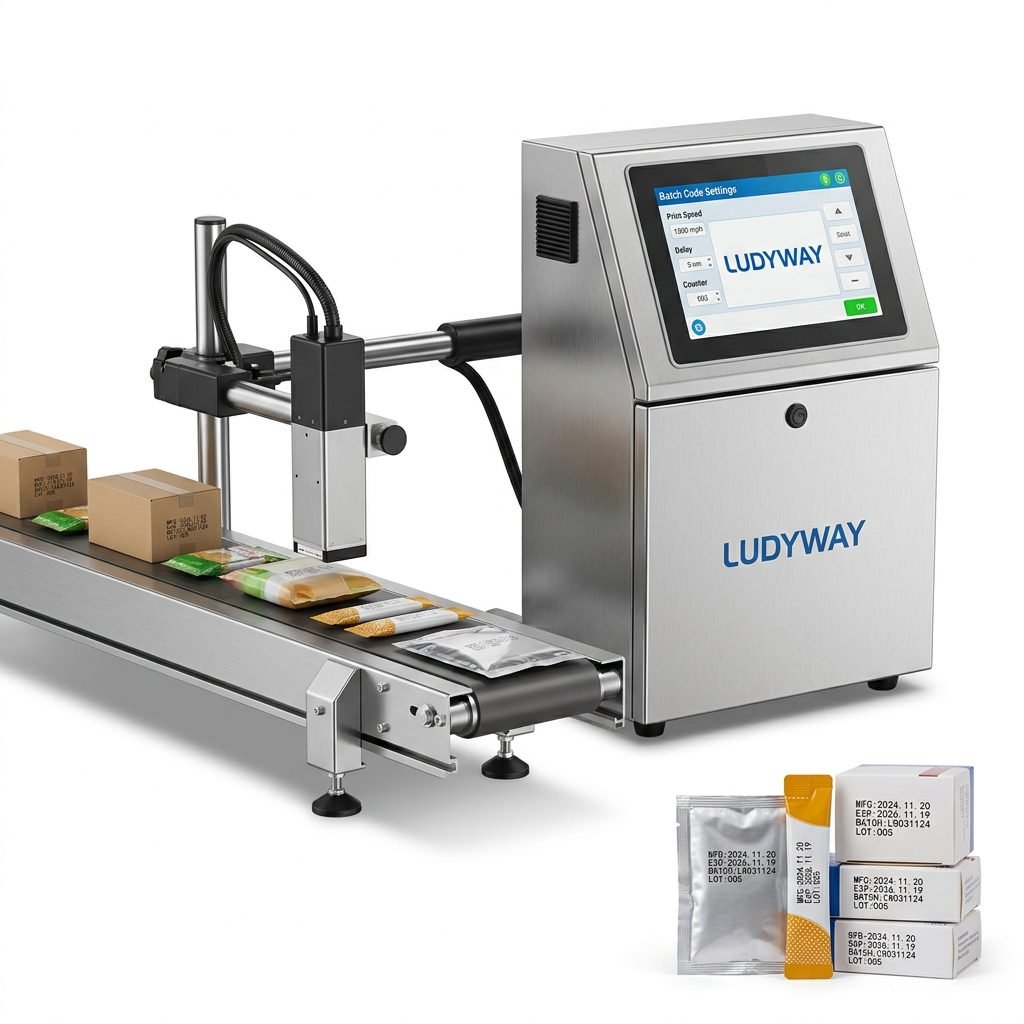
Modern lines often require inline printing. Verify that the machine frame can accommodate a bracket for an inkjet printer or a label applicator without obstructing the safety guards.
Assessing Build Quality and Safety Standards
The durability of the steel frame and the quality of the electrical components define the machine’s lifespan. Look for certified control panels and verified safety circuits rather than generic components. Critical safety features must include emergency stop buttons and, ideally, interlocked safety gates that halt operation when opened.
Compliance with international standards is non-negotiable for cross-border operations. For reference, the packaging machinery sector adheres to strict mechanical design rules. Authoritative frameworks are outlined by PMMI – The Association for Packaging and Processing Technologies, which provides insights into safety and equipment design standards.
- Frame Construction: Heavy-gauge steel resists vibration better than aluminum frames over a decade of use.
- Electrical Certification: UL or CE marks indicate conformity with international safety requirements.
- Ergonomic Design: Adjustable legs and easy-to-reach controls reduce operator strain during shift changes.
Selecting a Reliable Manufacturer and Partner
Purchasing machinery is the start of a long-term relationship. You need a supplier with deep application knowledge and quick spare parts access. When vetting a potential partner, inquire about their engineering capabilities and after-sales structure. A manufacturer that solely resells standardized machines often struggles to support custom product needs.
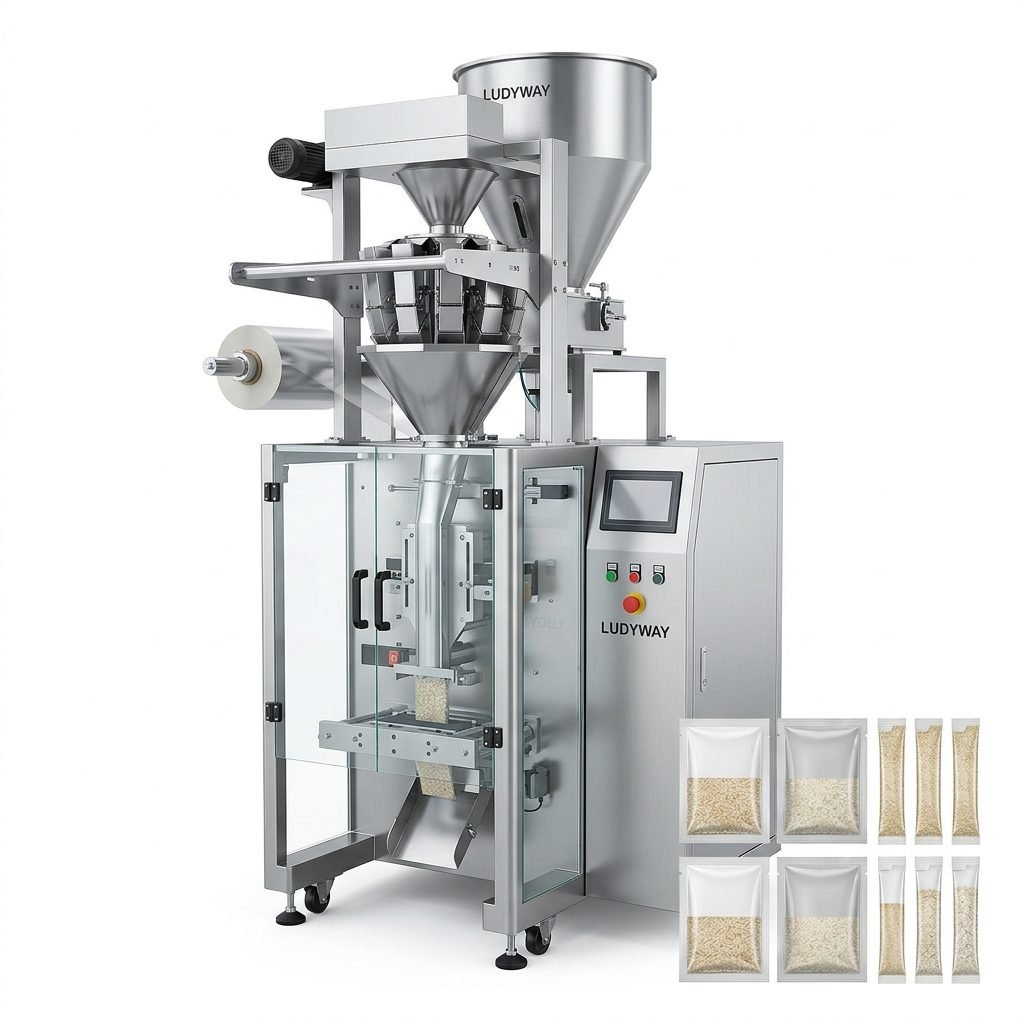
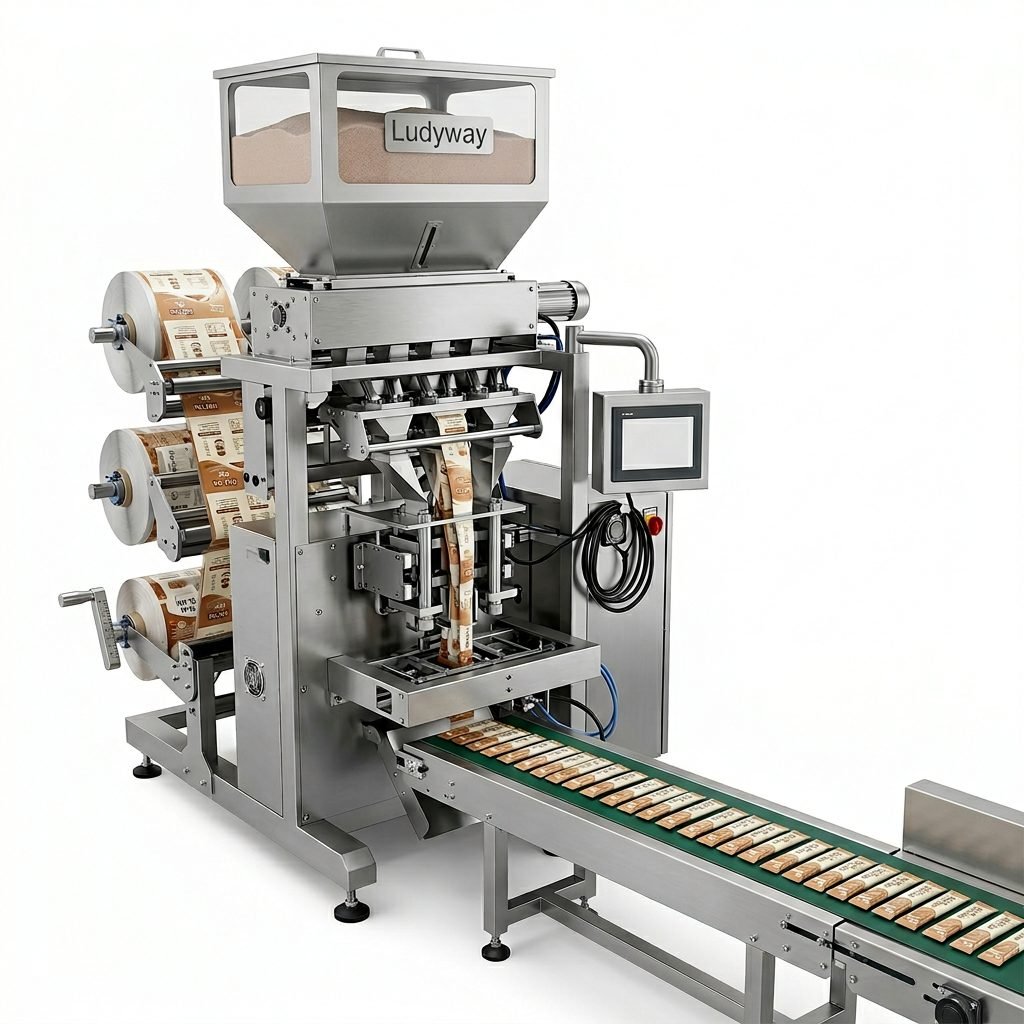
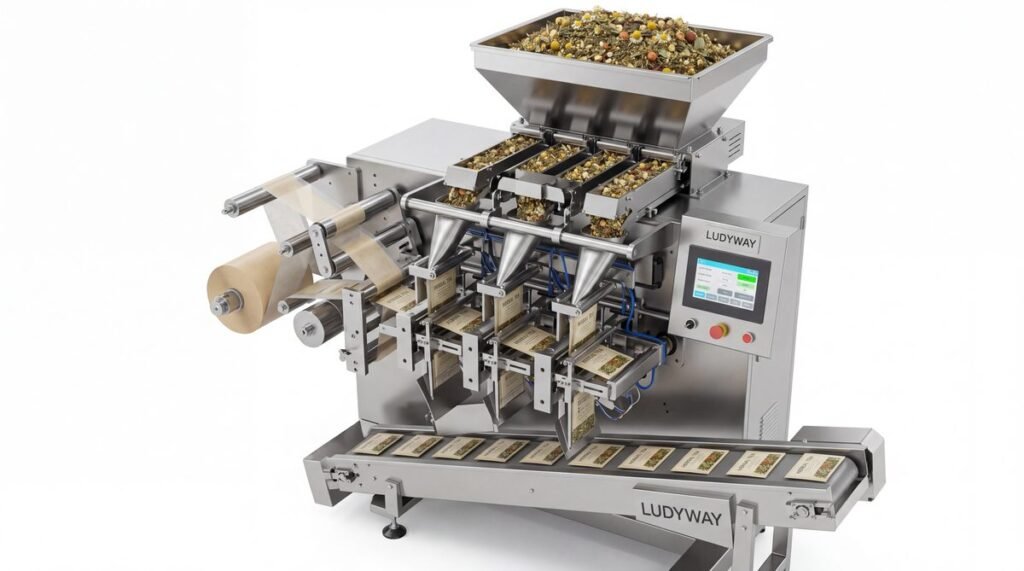
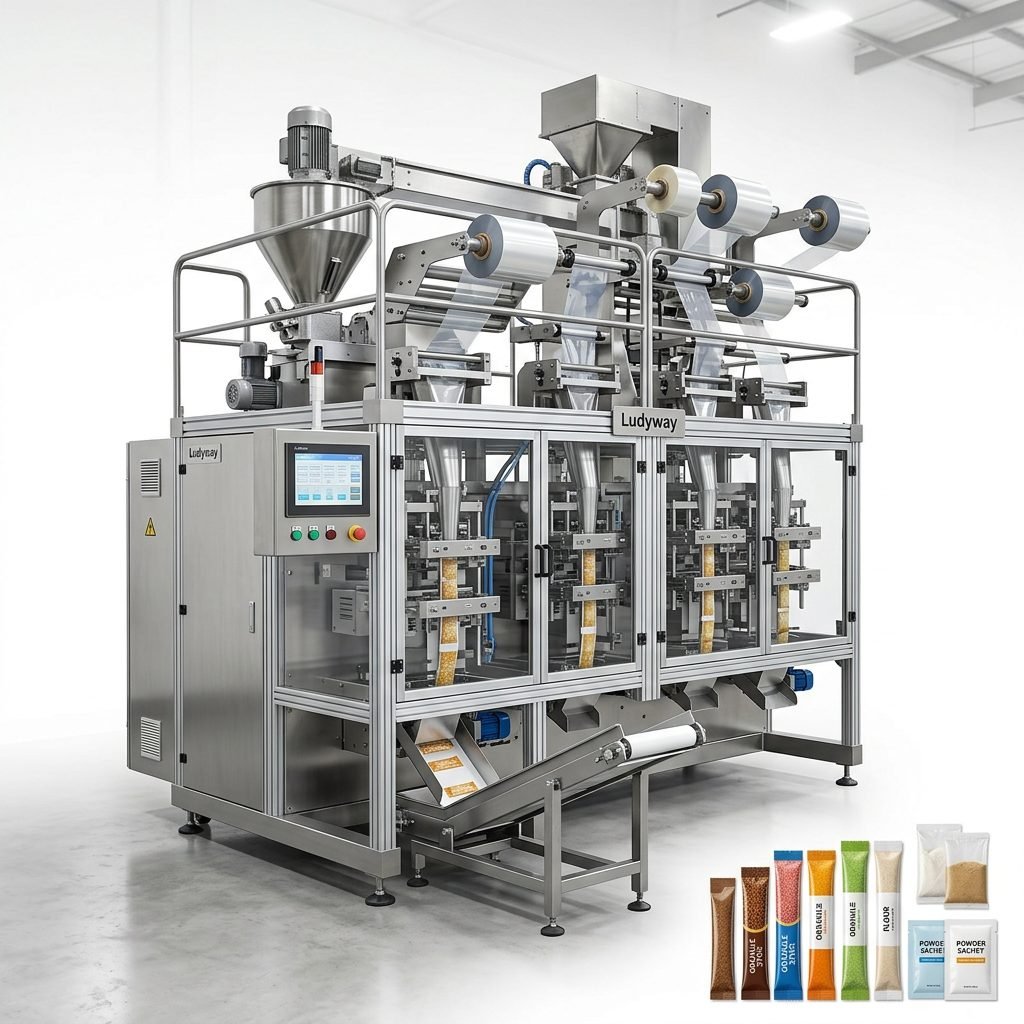
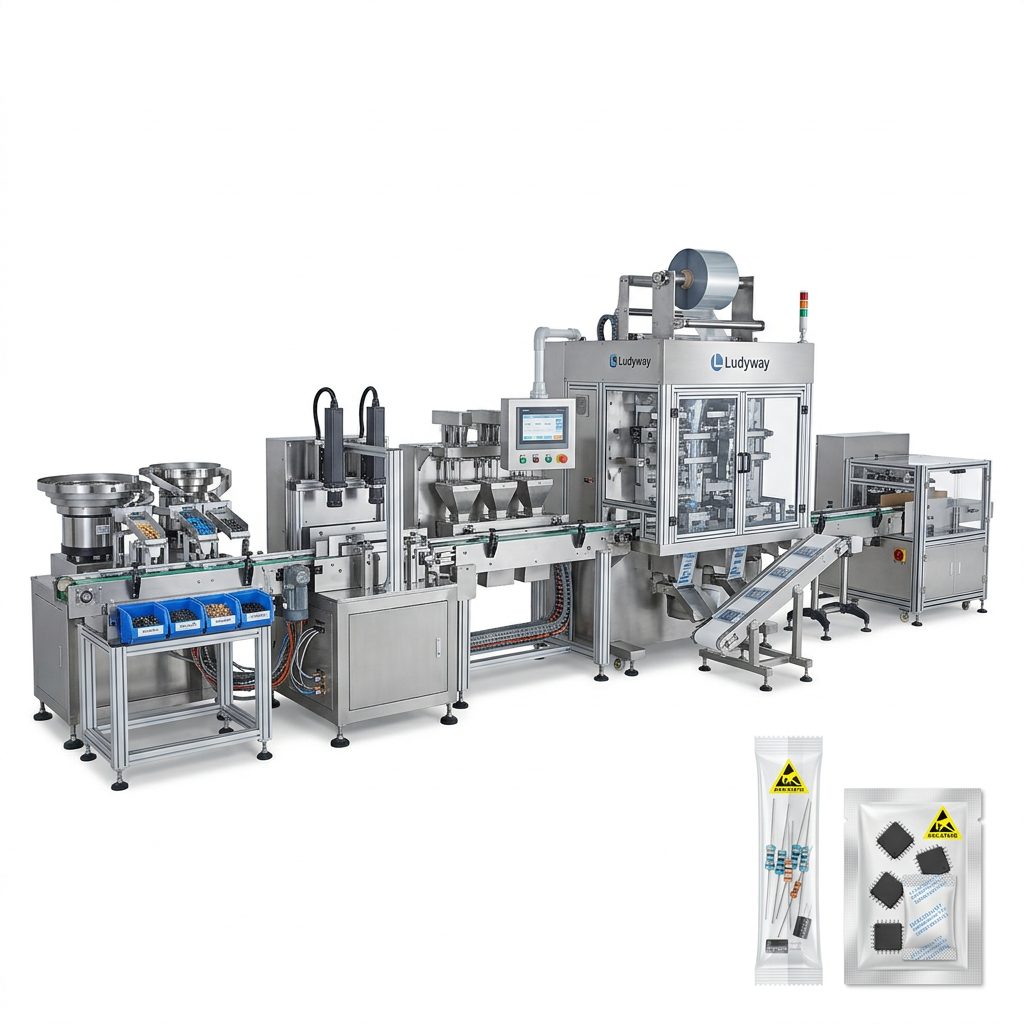
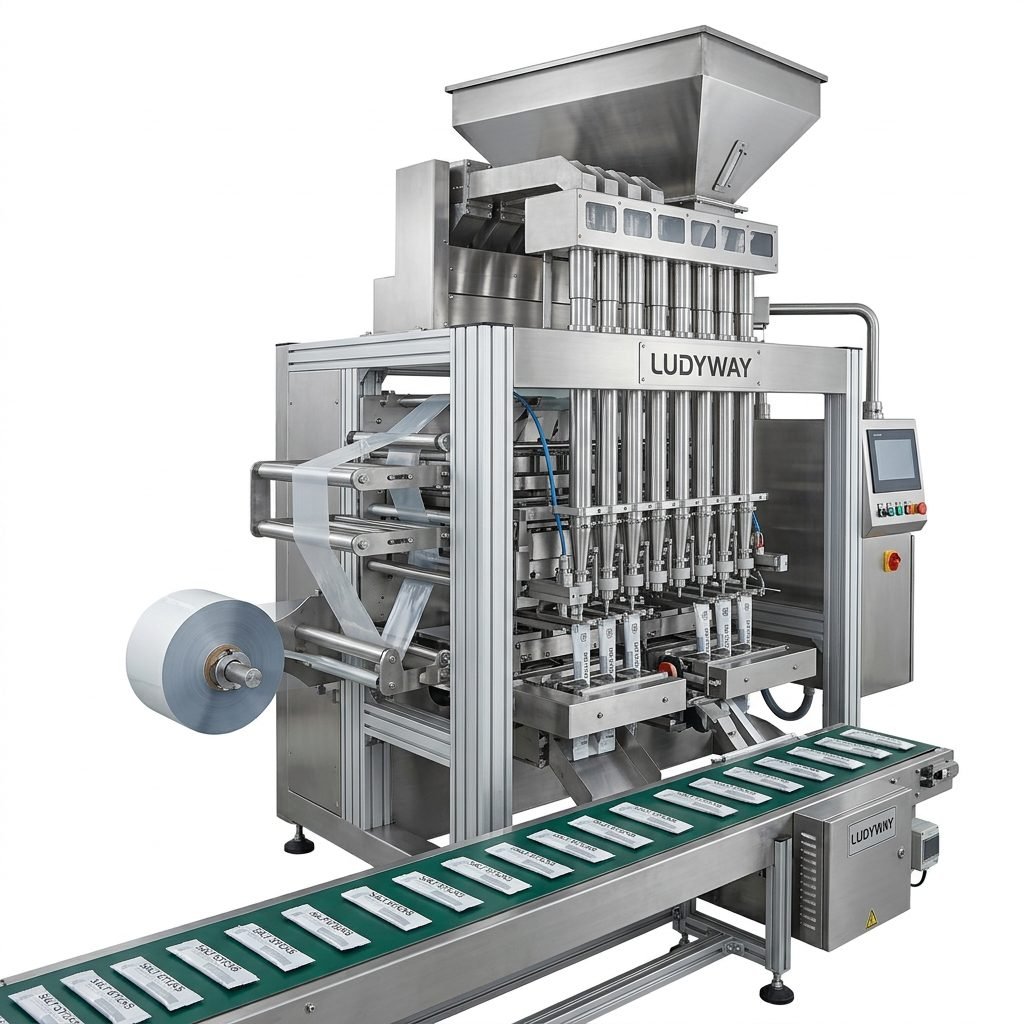
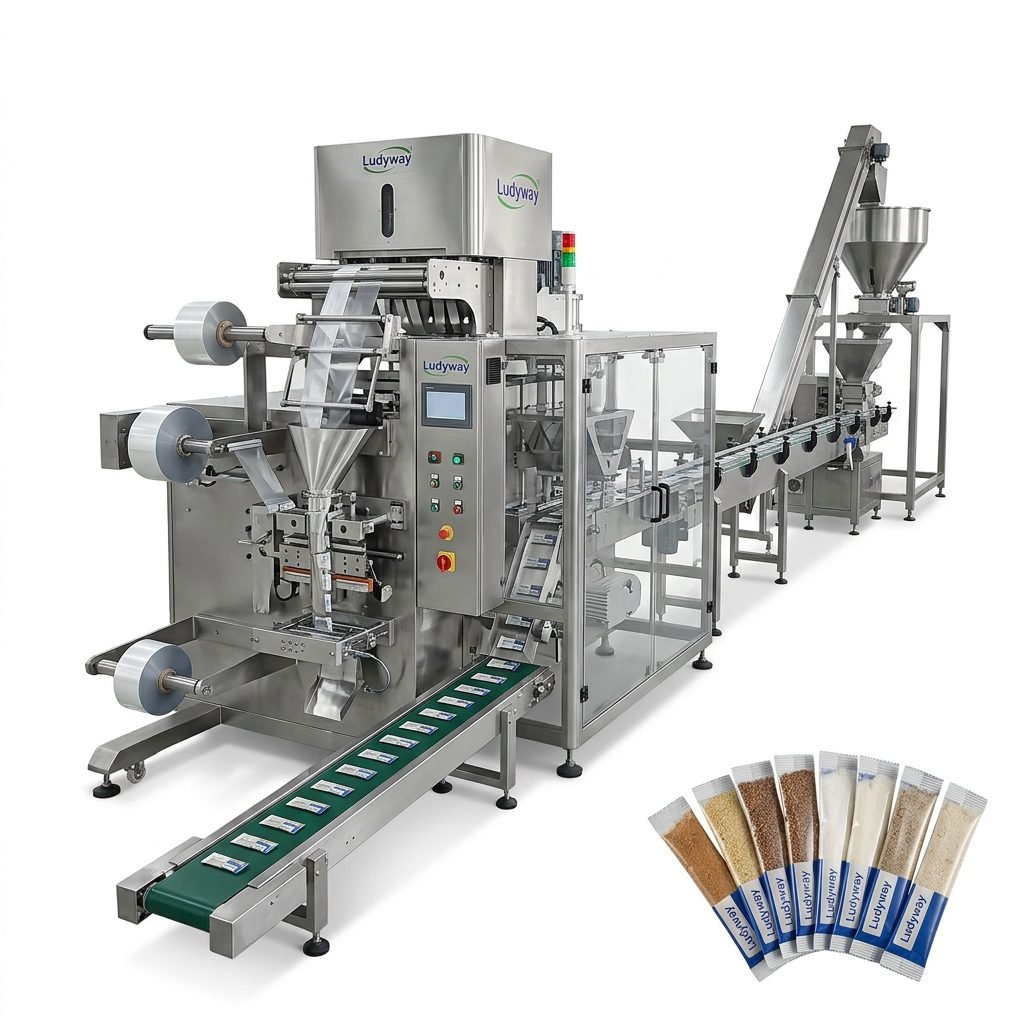
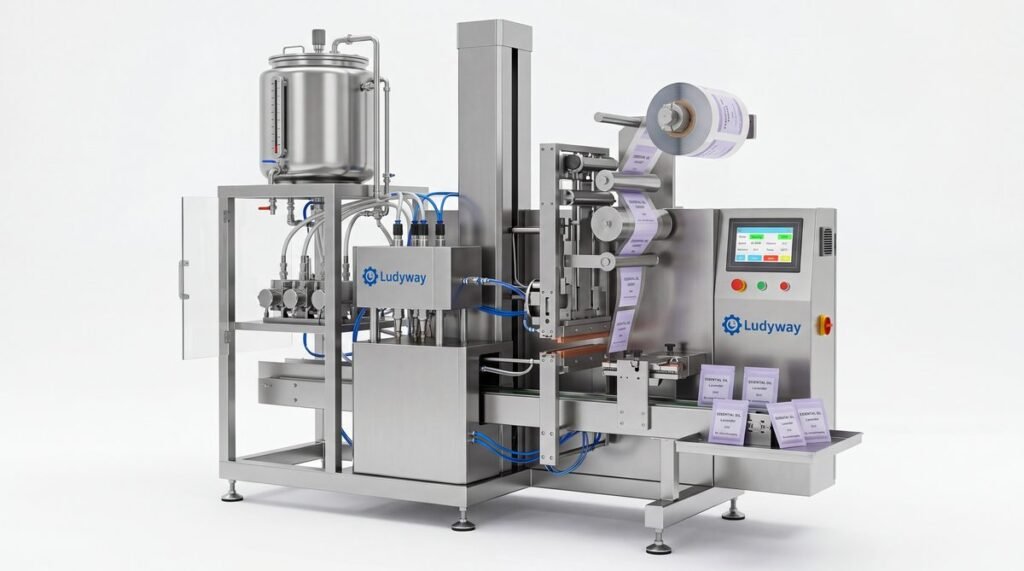
For businesses seeking comprehensive support, Ludyway Machinery stands out as a packaging machinery manufacturer with over 30 years of experience. Unlike component resellers, Ludyway operates a 20,000-square-meter facility and develops automated packaging equipment in-house, ensuring that customized configurations—including tape machines integrated into larger turnkey packaging lines—are engineered for specific production requirements. With a team of over 130 professionals, they provide technical support from installation through the entire equipment lifecycle.

Total Cost of Ownership and ROI Analysis
An attractive purchase price can mask a high total cost of ownership. Analyze these factors over a 5-year window:
- Energy Efficiency: Continuous duty motors consume significant power. Efficient servo-driven units lower electricity costs.
- Consumable Compatibility: Some proprietary machines lock you into specific (and expensive) tape rolls. Standard machines let you leverage bulk purchasing for better margins.
- Tape Usage Optimization: Advanced tab adjustment settings can reduce the “tail” length of the tape, saving millimeters per carton that stack up to massive savings over millions of cycles.
The right packaging tape machine should apply tape tightly, minimize air bubbles, and provide a clean, professional appearance. Prioritizing durability and precision engineering will future-proof your packing station against increasing throughput demands.