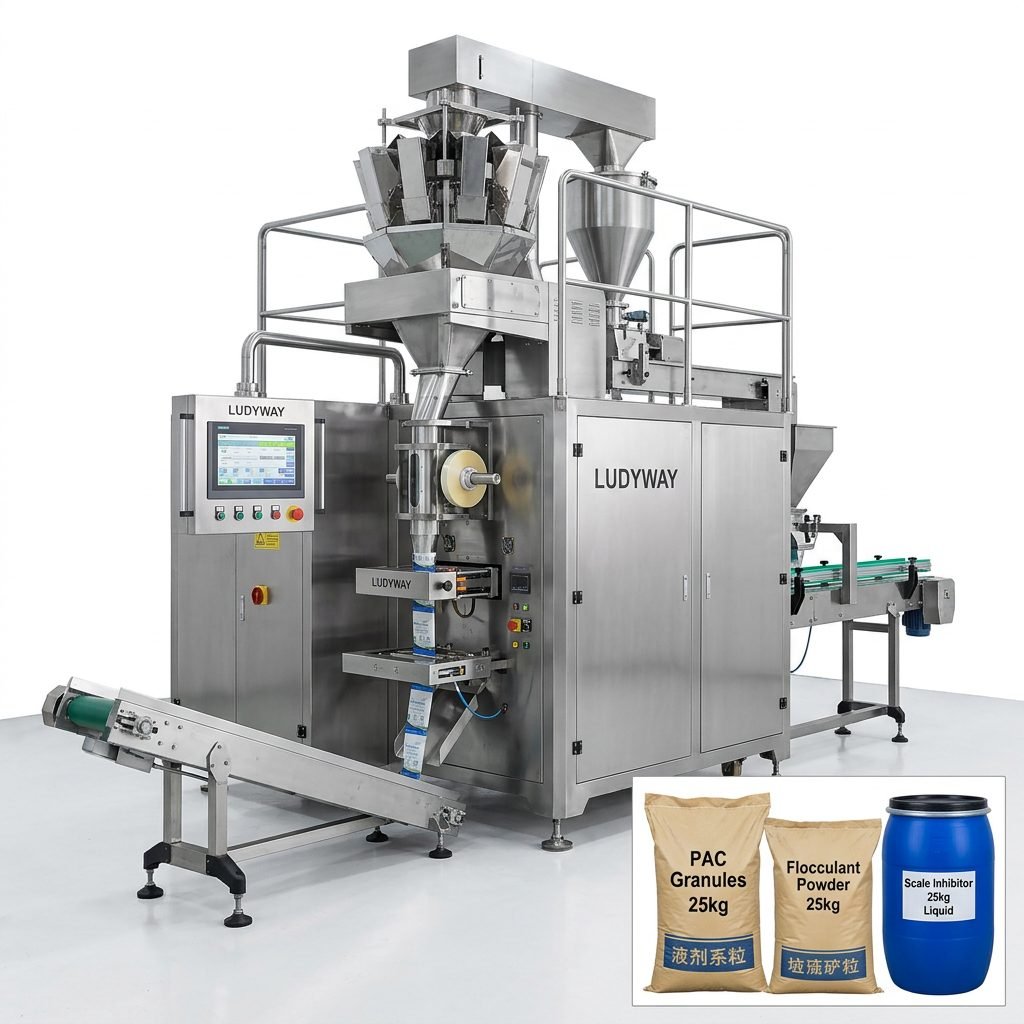
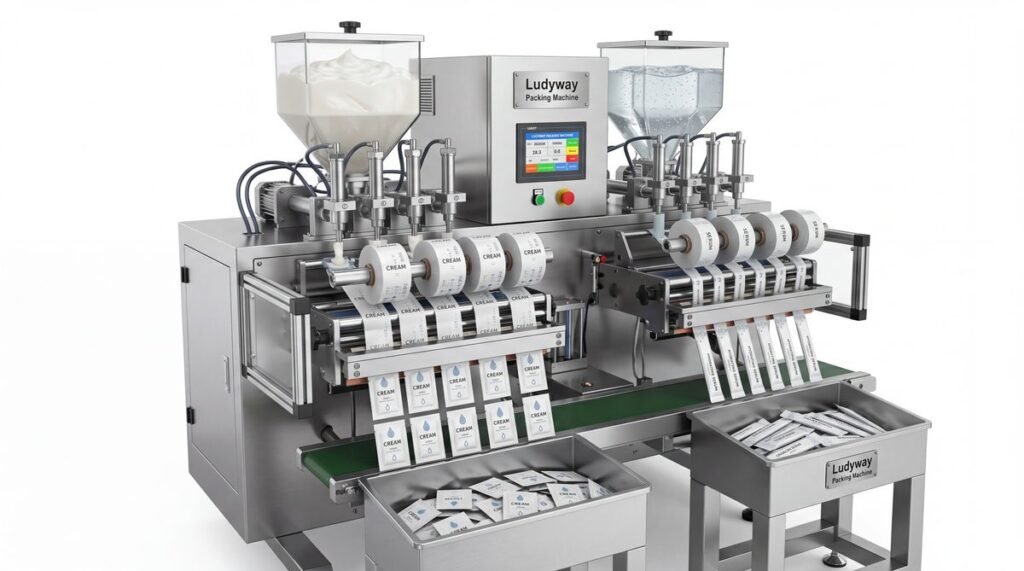
Investing in a big bag vacuum packaging machine is a significant decision for manufacturers handling bulk powders, granules, or sensitive materials. These industrial systems, also known as FIBC (Flexible Intermediate Bulk Container) vacuum packers, are engineered to remove oxygen and moisture from large-volume bags, extending shelf life, preventing oxidation, and ensuring product integrity during storage and transport. Whether you operate in the food, pharmaceutical, chemical, or agricultural sector, selecting the right equipment requires a clear understanding of your production demands, material characteristics, and long-term operational goals.
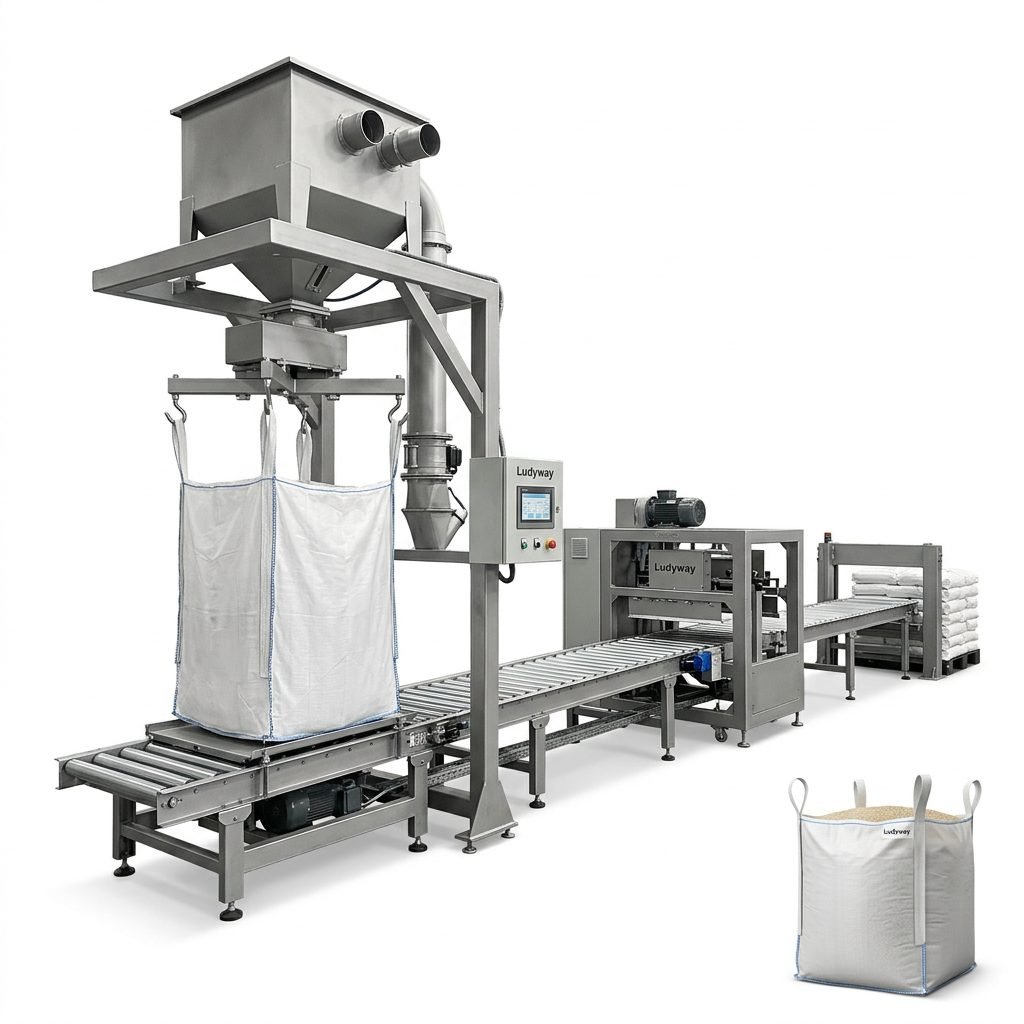
Understanding Big Bag Vacuum Packaging Technology
A big bag vacuum packaging machine combines bulk filling with vacuum-sealing capabilities. Unlike standard FIBC filling stations, these machines integrate a vacuum chamber or vacuum lance system that evacuates air from the filled bag before sealing. This process is critical for hygroscopic materials, oxygen-sensitive products, and high-value bulk commodities where quality degradation during transit can lead to significant financial losses. The technology is widely referenced in packaging machinery market research as a growing segment within industrial automation.
Key Factors to Evaluate Before Purchasing
Every production environment presents unique challenges. Before shortlisting equipment, assess these critical parameters:
- Material flow characteristics – Free-flowing granules behave differently than cohesive powders. Test bulk density, particle size distribution, and moisture content.
- Target throughput – Calculate bags per hour required during peak production. Allow headroom for future capacity expansion.
- Bag specifications – Confirm compatible FIBC dimensions, spout configurations, and liner requirements. Not all machines handle every bag style equally.
- Vacuum level requirements – Different products demand varying residual oxygen levels. Pharmaceutical-grade vacuum may differ significantly from agricultural standards.
- Cleanability and material compliance – Stainless steel construction and sanitary design are non-negotiable for food and pharma applications.
Weighing and Dosing Accuracy
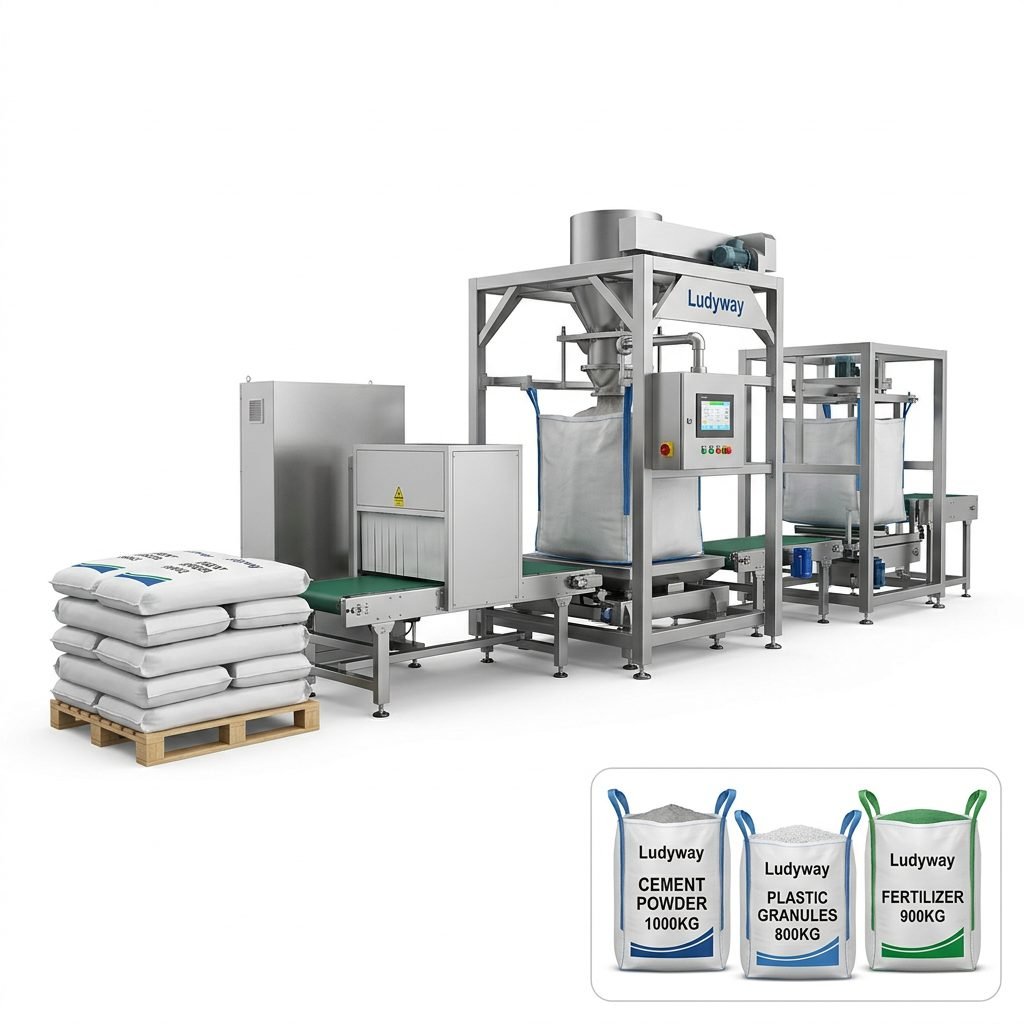
Modern big bag vacuum packaging machines often integrate multi-head weighers or loss-in-weight dosing systems directly upstream. This ensures every bag meets label claim requirements while minimizing product giveaway. For high-value materials such as pharmaceutical APIs or specialty food ingredients, even a 0.5% dosing error can erode profitability over time. Look for systems with ISO-compliant weighing modules and automated tare compensation.
Comparing Machine Types and Configurations
Not all big bag vacuum systems are built alike. The table below summarizes common configurations and their ideal use cases:
| Machine Type | Vacuum Method | Best Suited For | Typical Throughput |
|---|---|---|---|
| Chamber Vacuum FIBC System | Full bag placed in vacuum chamber | High-value powders, oxygen-sensitive chemicals | 10–20 bags/hour |
| Vacuum Lance Insertion System | Lance inserted into spout after filling | Bulk chemicals, minerals, agricultural products | 15–30 bags/hour |
| Inline Continuous Vacuum System | Integrated conveyor with vacuum sealing station | High-volume production, automated lines | 30–60+ bags/hour |
| Combination Weigh-Vacuum-Seal Unit | All-in-one dosing, vacuum, and sealing | Pharmaceuticals, nutraceuticals, specialty foods | 8–15 bags/hour (precision-focused) |
Automation Level and Line Integration
The degree of automation directly impacts labor requirements and consistency. A fully automated big bag vacuum packaging machine can include automatic bag placement, filling, vibration settling, vacuum lance insertion, heat sealing, labeling, and palletizing — all controlled through a centralized PLC with recipe management. Semi-automatic systems require operator intervention at specific stages but offer lower capital investment. According to PMMI’s 2025 State of the Industry report, manufacturers increasingly prioritize integrated packaging lines that reduce manual handling and improve traceability.

Industry-Specific Considerations
Different sectors impose distinct requirements on big bag vacuum packaging machines. Understanding these nuances prevents costly mis-specifications:
Food and Beverage
Hygienic design is paramount. Equipment must feature smooth, crevice-free surfaces, food-grade seals, and compatibility with washdown protocols. Products like milk powder, whey protein, starch, and sugar are particularly susceptible to moisture ingress and require consistent vacuum levels. FDA packaging compliance and 3-A sanitary standards often apply, so verify that the machine manufacturer can supply appropriate documentation and material certifications.
Pharmaceuticals and Nutraceuticals
Active pharmaceutical ingredients (APIs) and excipients demand the highest levels of containment and accuracy. Vacuum packaging protects potency and prevents cross-contamination. Look for machines with validated vacuum cycles, data logging capabilities, and integration with ISO 11607 compliant processes for sterile barrier systems. Dust extraction systems and isolator-ready designs are often necessary for potent compounds.
Chemicals and Industrial Materials
Corrosion resistance and explosion-proof configurations may be required for volatile or aggressive materials. Carbon steel or specialized alloy construction, ATEX-rated electrical components, and robust vacuum pumps capable of handling residual dust loads should be prioritized. Products like titanium dioxide, carbon black, and certain fertilizer compounds benefit significantly from vacuum packaging to prevent moisture absorption and caking during ocean freight.
Evaluating Vacuum System Performance
The heart of any big bag vacuum packaging machine is its vacuum generation and control system. Key specifications to scrutinize include:
- Ultimate vacuum level – Measured in mbar or Torr. Lower absolute pressure indicates stronger vacuum capability.
- Pumping speed – Determines cycle time. Larger chambers and higher throughput require greater pumping capacity.
- Vacuum retention – The system’s ability to maintain vacuum before sealing. Leak integrity is critical for long-term shelf stability.
- Filter protection – Vacuum pumps must be shielded from fine particulate ingress through multi-stage filtration.
Gas Flushing Options
Many applications benefit from modified atmosphere packaging (MAP), where the evacuated air is replaced with an inert gas such as nitrogen or carbon dioxide. This process, often integrated into big bag vacuum packaging lines, further inhibits oxidation and microbial growth. If your product requires gas flushing, confirm that the machine supports programmable gas purge cycles with precise pressure control.

Total Cost of Ownership and ROI Analysis
Purchase price is only one component of the investment equation. A comprehensive cost analysis for a big bag vacuum packaging machine should account for:
| Cost Category | Key Considerations |
|---|---|
| Capital expenditure | Machine base price, customization, auxiliary equipment, installation |
| Operating costs | Energy consumption, consumables (filters, seals, lubricants), labor |
| Maintenance and spares | Scheduled service intervals, spare parts availability, technical support |
| Downtime risk | Production losses during breakdowns, supplier response time |
| Product savings | Reduced spoilage, extended shelf life, lower returns and claims |
Manufacturers typically recover their investment within 12 to 24 months when product loss reduction and operational efficiency gains are fully realized. As noted in Flexible Packaging Association industry data, vacuum packaging consistently delivers measurable improvements in product protection across supply chains.
Supplier Selection and Due Diligence
Choosing the right equipment partner is as important as selecting the right machine. Beyond technical specifications, evaluate potential suppliers on these criteria:
- Industry experience – How many similar installations have they completed for your product category?
- Engineering capability – Can they customize the big bag vacuum packaging machine to your specific bag sizes, fill weights, and line layout?
- After-sales support – What are their service response times, spare parts logistics, and remote troubleshooting capabilities?
- Quality certifications – ISO 9001, CE marking, and any region-specific compliance documentation should be readily available.
- Global references – A supplier with installations in multiple countries demonstrates adaptability to varied operational environments.
With more than 30 years of experience in the packaging industry, Ludyway Machinery is one example of a manufacturer that provides turnkey big bag vacuum packaging solutions, including customized engineering, installation, commissioning, and global technical support across more than 100 countries. Their integrated approach spans from individual machines to complete automated packaging lines, serving sectors from food and pharmaceuticals to chemicals and animal feed. For manufacturers evaluating long-term partnerships, working with a supplier that combines in-house manufacturing with application engineering can streamline the entire procurement and implementation process.
Factory Acceptance Testing and Commissioning
Before finalizing a purchase, insist on a Factory Acceptance Test using your actual product and bag specifications. This validates that the big bag vacuum packaging machine meets agreed-upon throughput, accuracy, and vacuum performance metrics. On-site commissioning, operator training, and documented standard operating procedures should be included in the scope of supply. Reference resources from the PMMI packaging industry resources provide useful frameworks for equipment qualification and validation protocols.
Future-Proofing Your Investment
Packaging technology continues to evolve. When selecting a big bag vacuum packaging machine, consider modular architectures that allow for future upgrades — such as adding automated bag handling, inline printing, checkweighing with reject systems, or higher-capacity vacuum pumps. Scalability protects your capital investment and keeps your packaging line competitive as market demands shift. Industry trends tracked by the Flexible Packaging Association indicate growing demand for automation, sustainability, and enhanced product protection across all bulk packaging segments.
Key Takeaways for Buyers
Selecting the right big bag vacuum packaging machine requires balancing technical specifications, operational requirements, and total lifecycle costs. Prioritize material compatibility, throughput needs, and vacuum performance while carefully evaluating supplier capabilities and support infrastructure. A well-chosen system not only protects your product but also enhances production efficiency, reduces waste, and strengthens your supply chain. Take the time to test, validate, and plan for future growth — the right decision today will pay dividends for years to come.