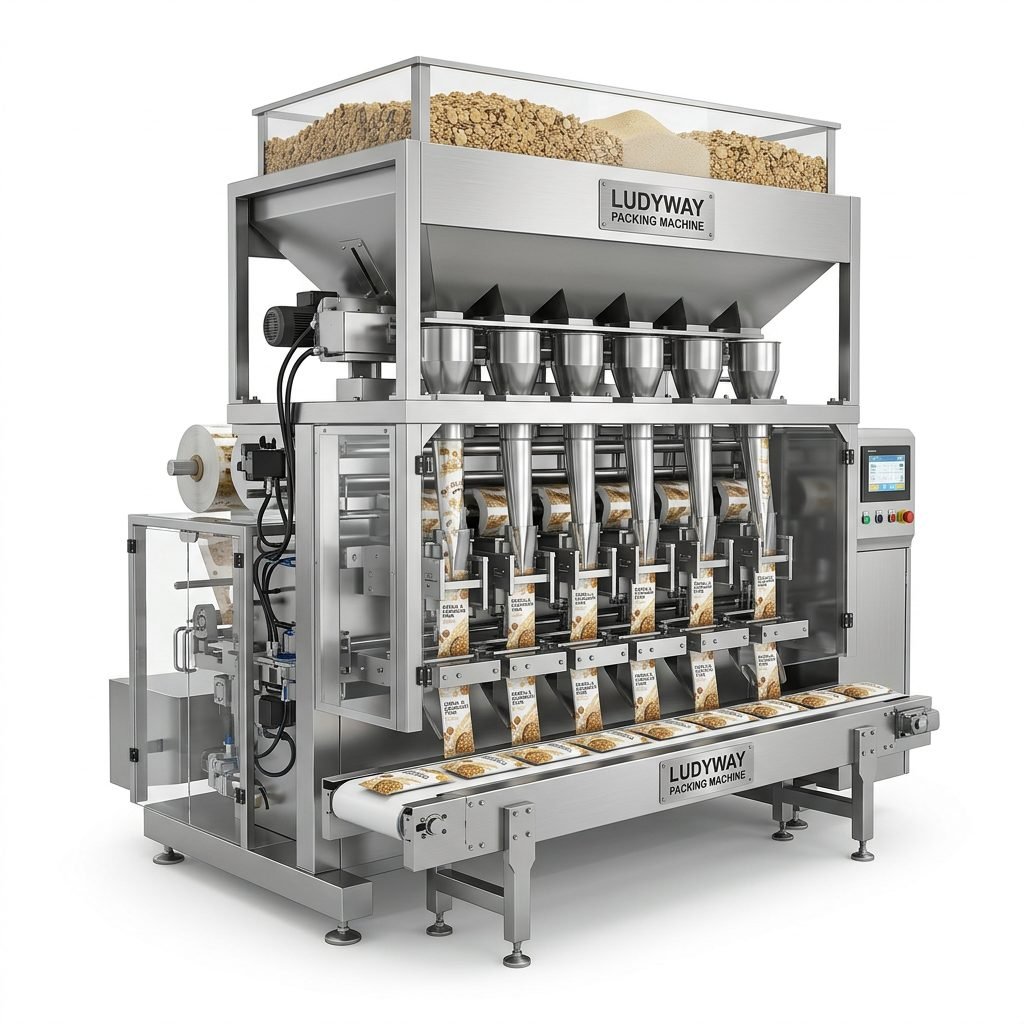
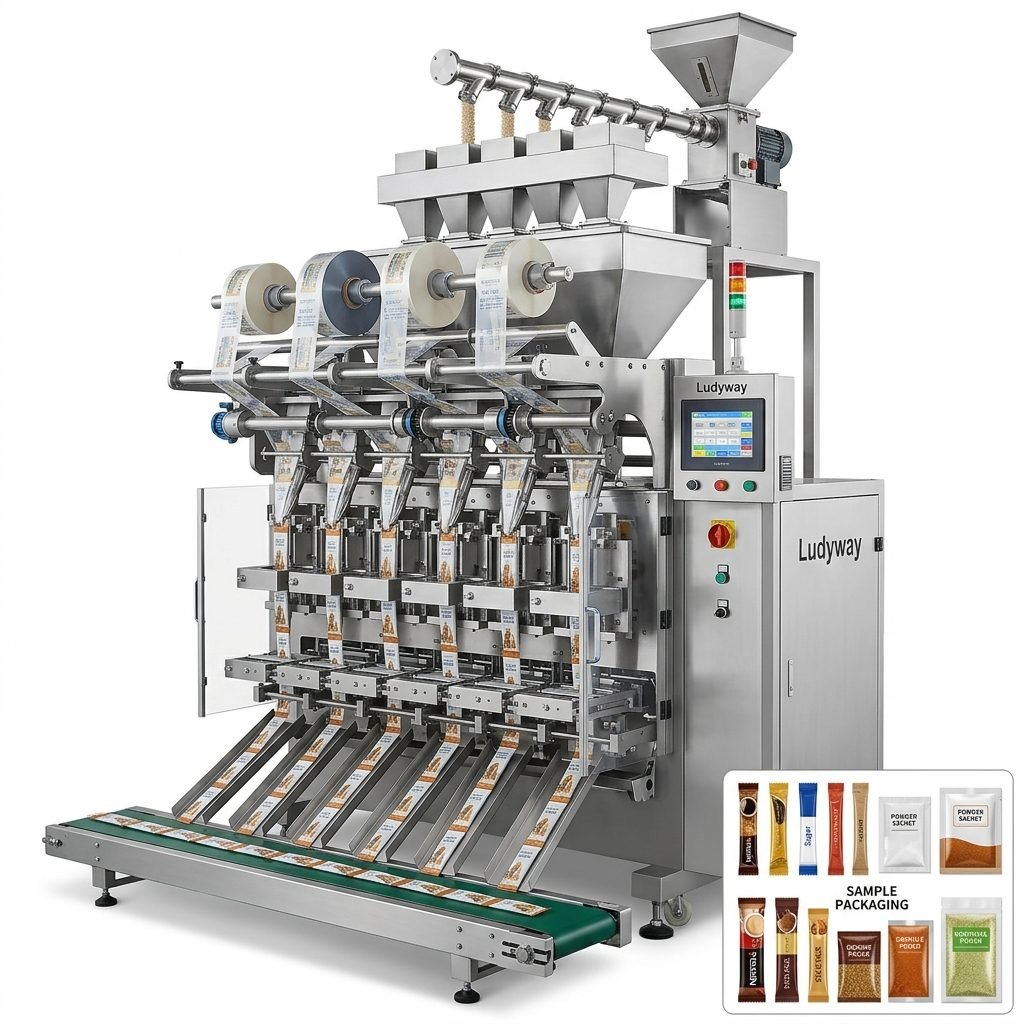
In today’s fast-paced manufacturing landscape, achieving efficiency and cost-effectiveness is paramount. Selecting the right product packaging equipment is a critical decision that directly impacts production speed, product quality, and overall operational costs. This guide explores top-tier packaging solutions designed to streamline your production line, reduce waste, and maximize your return on investment.
Understanding Modern Packaging Equipment Needs
The evolution of consumer markets demands packaging that is not only functional but also agile, precise, and adaptable. Modern production lines require equipment that can handle diverse product forms—from granules and powders to liquids and pastes—with minimal changeover time. The core objectives for any operation are clear: increase output, maintain consistency, and control expenses.
Key Drivers for Equipment Upgrade
Several factors push manufacturers toward investing in advanced packaging machinery:
✓ Rising Labor Costs: Automation reduces dependency on manual labor for repetitive tasks like filling and sealing.
✓ Stringent Quality & Hygiene Standards: Especially in food and pharmaceuticals, precision equipment ensures contamination-free, accurately dosed packaging.
✓ Demand for Flexibility: The ability to quickly switch between package sizes, shapes, and materials (like sachets and stick packs) is crucial for product diversification.
✓ Sustainability Goals: Efficient machines minimize material waste through precise dosing and sealing, supporting eco-friendly initiatives.
Top Equipment Solutions for Enhanced Efficiency
Investing in the right machinery is an investment in your factory’s future. Here are some of the most effective packaging equipment solutions that deliver both high performance and cost savings.
1. Multi-Lane Stick Pack & Sachet Packaging Machines
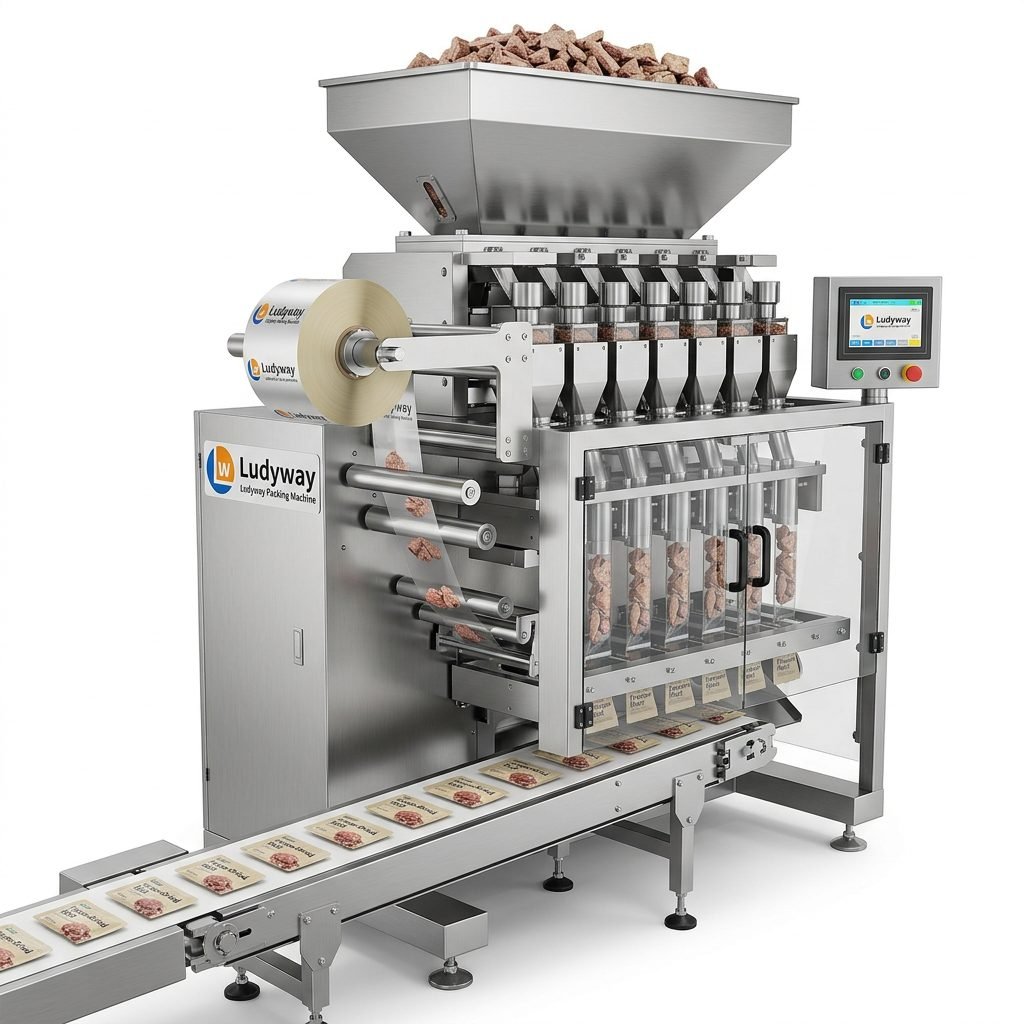
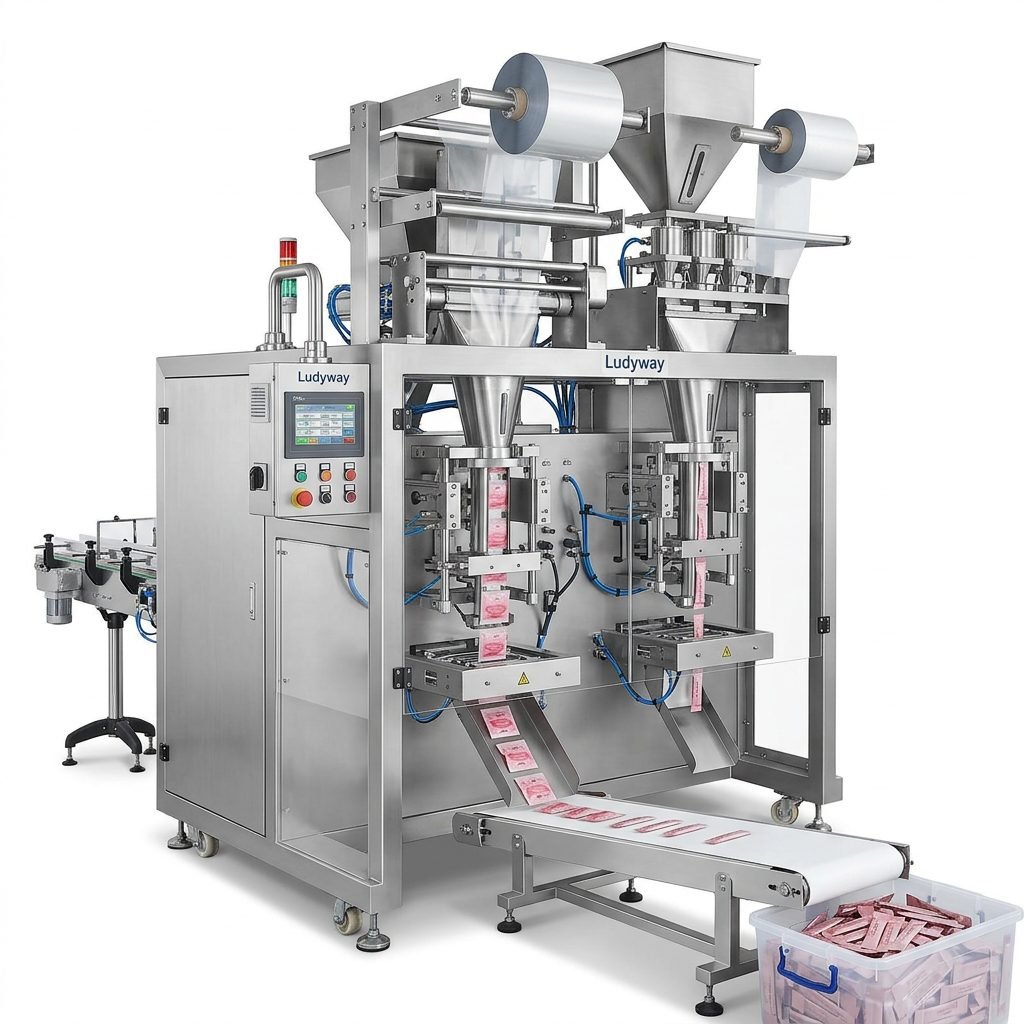
For high-volume production of single-serve portions, multi-lane systems are unparalleled. These machines can simultaneously fill and seal multiple lanes—often 10, 12, or more—dramatically increasing output. They are ideal for products like instant coffee, sugar, seasoning, and pharmaceutical powders. The efficiency gain per square foot of factory space is significant, making them a cornerstone of cost-effective production.
2. Automated Granule and Powder Filling Systems
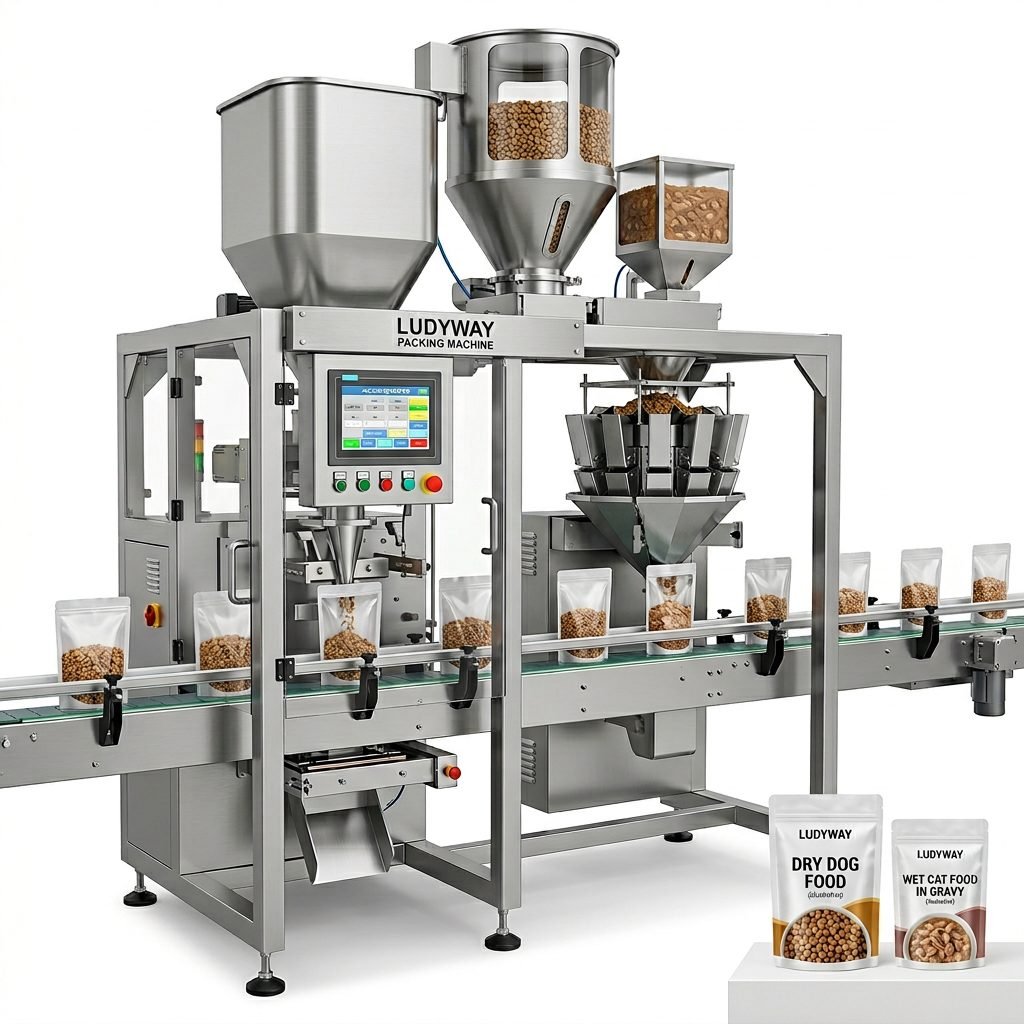
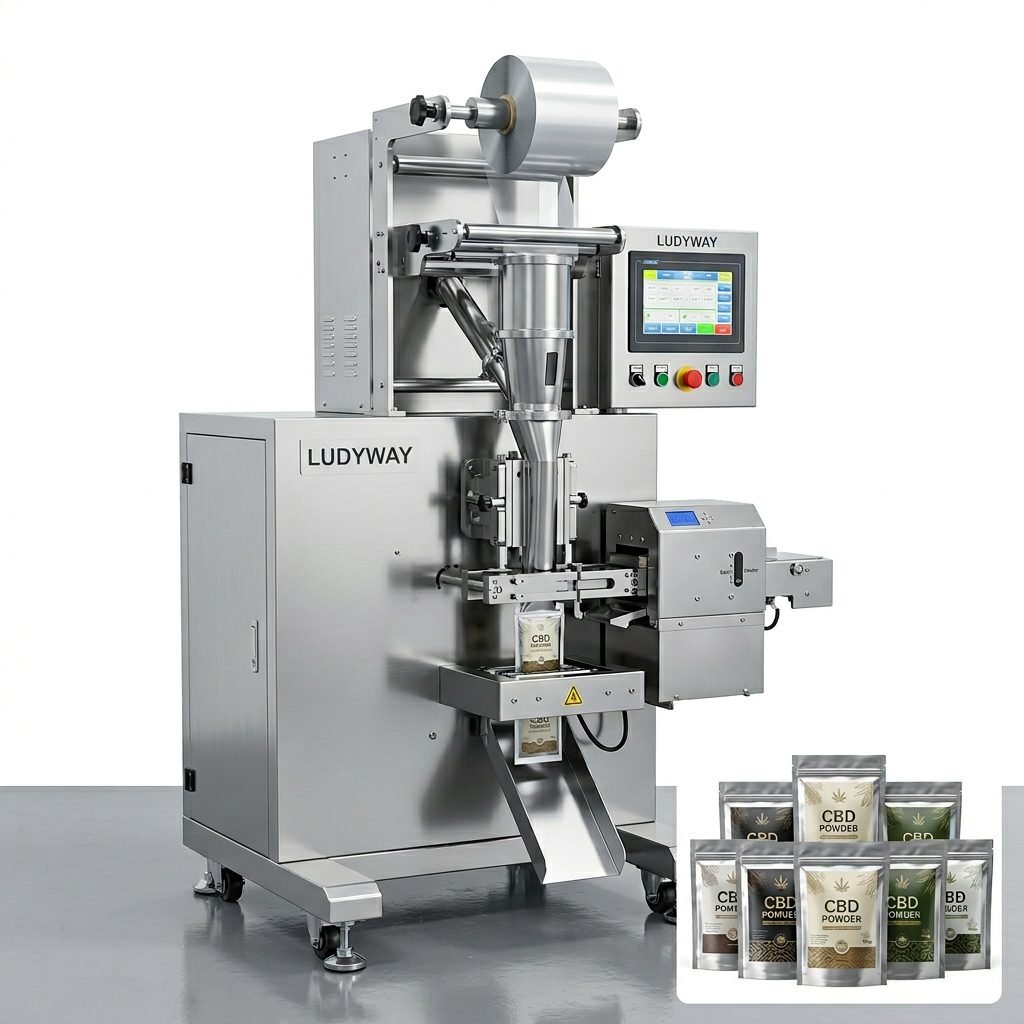
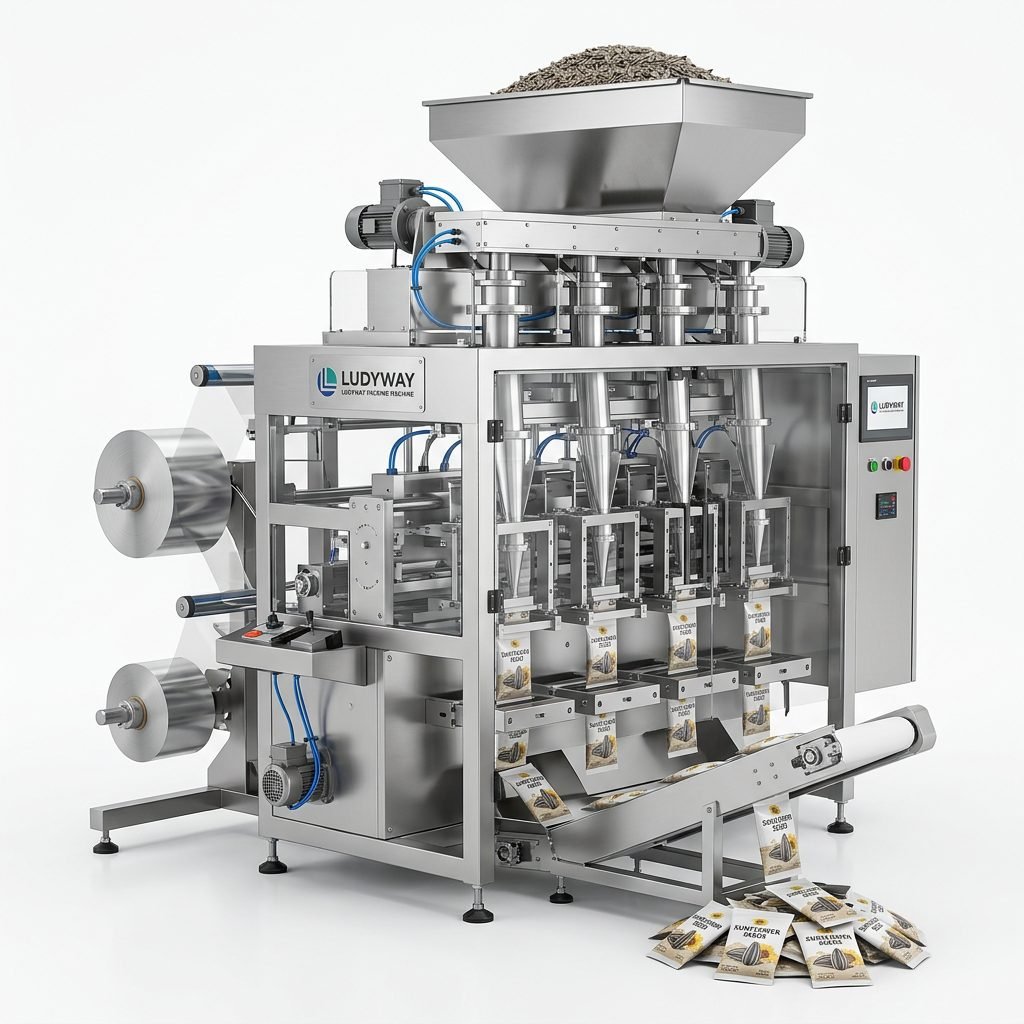
Accuracy is non-negotiable when packaging dry goods. Advanced auger or cup filling systems equipped with precision load cells ensure each package contains the exact specified weight. This eliminates giveaway (overfilling) and protects against underfilling, which can lead to compliance issues. Modern systems feature easy-to-clean designs and quick-change parts, minimizing downtime between production runs.
3. Liquid & Paste Filling and Sealing Lines
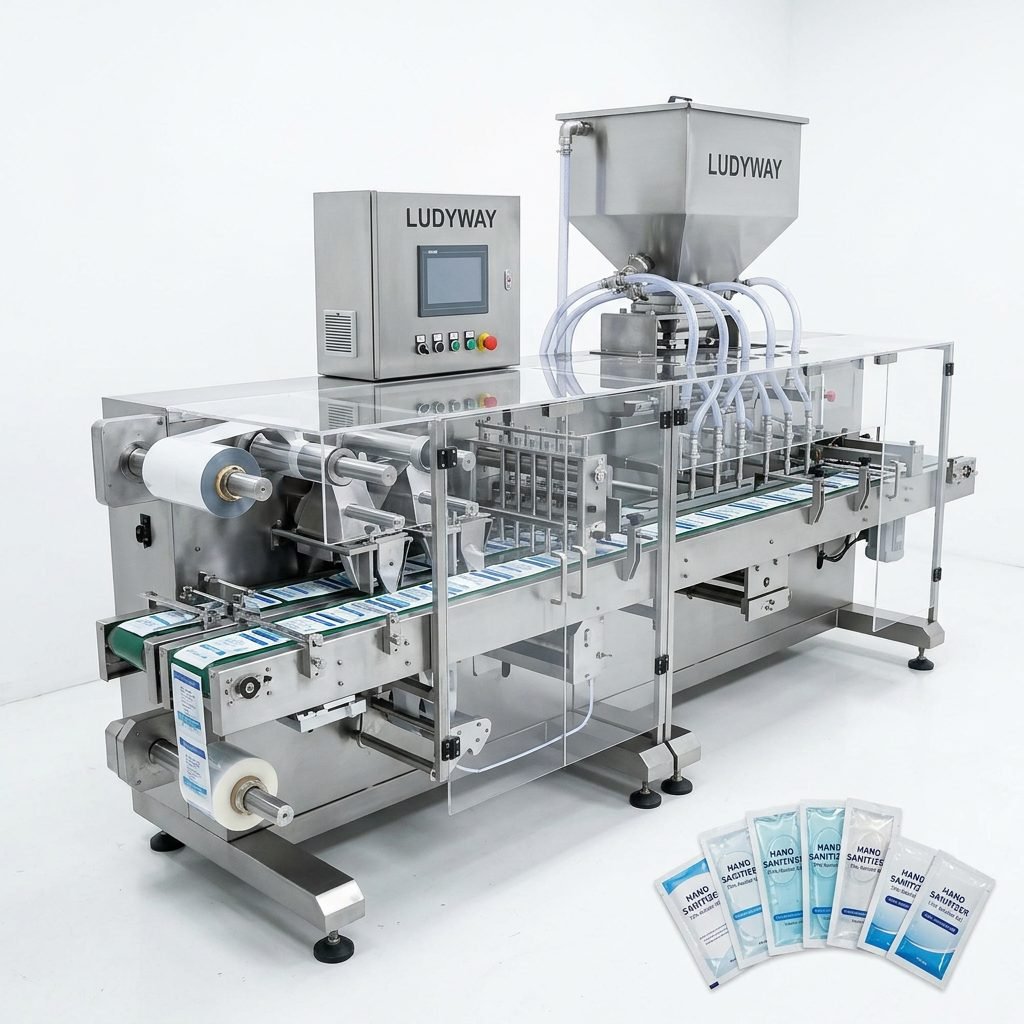
Liquid packaging presents unique challenges in sealing and preventing leakage. Piston filling machines offer exceptional accuracy for viscous products like sauces, creams, or oils. When integrated with a continuous motion vertical form-fill-seal (VFFS) system, they create a seamless, high-speed production line for pouches or sachets. The reliability of the seal integrity directly impacts shelf life and customer satisfaction.
The Turnkey Solution Advantage
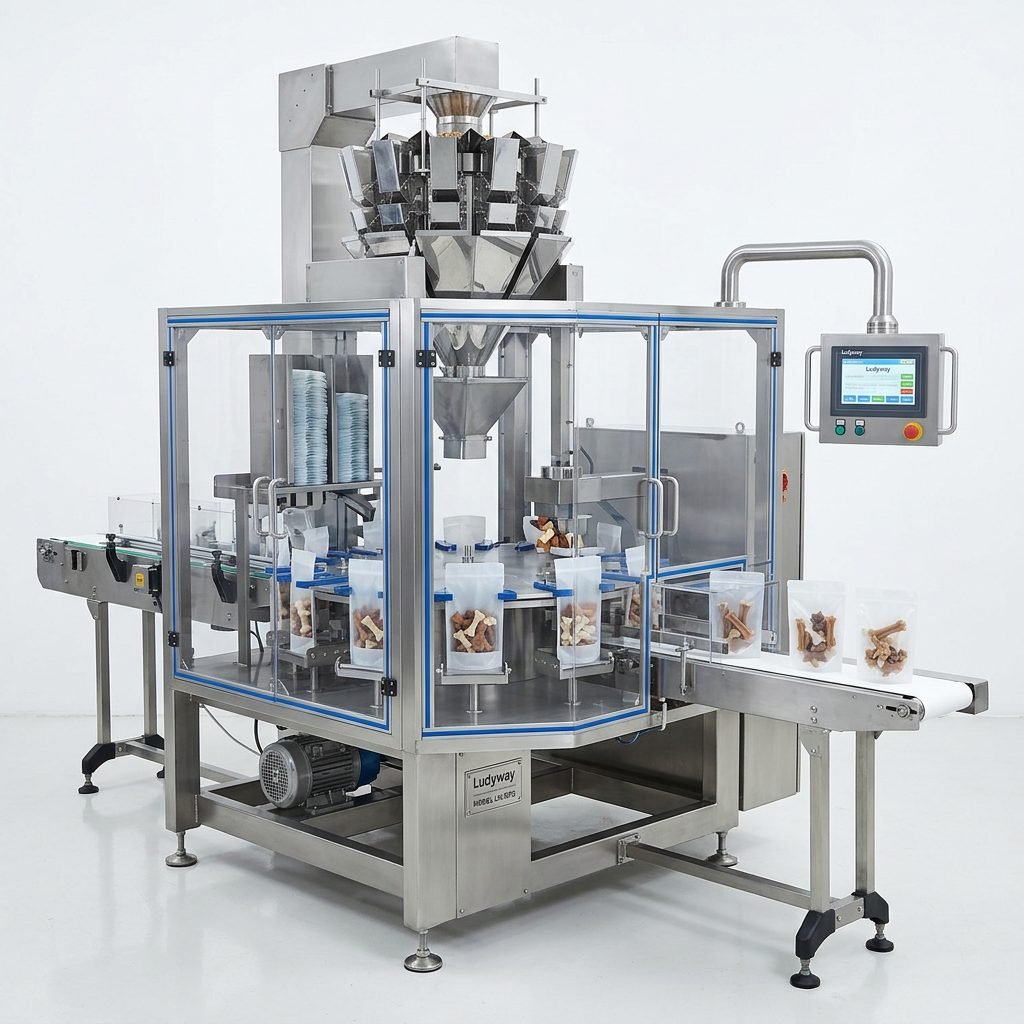
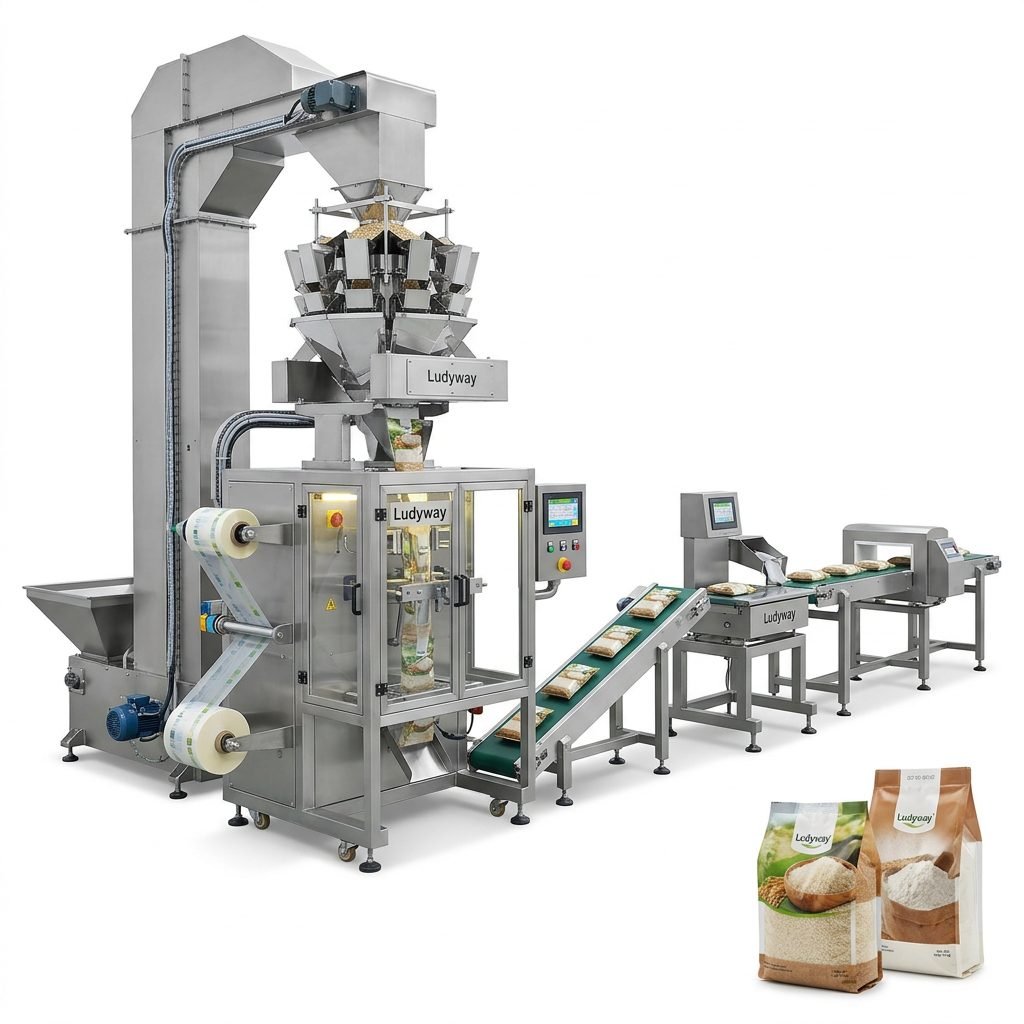
Beyond individual machines, the greatest leap in efficiency comes from integrated turnkey production lines. A holistic solution might include automated feeding, precision filling, high-speed sealing, date coding, and final cartoning—all synchronized and controlled from a central interface. This approach, offered by experienced providers like Ludyway Machinery, eliminates compatibility issues between different machine brands and ensures smooth, continuous operation. It transforms a collection of machines into a single, highly efficient production organism.
Strategies for Achieving Cost-Effectiveness
Efficiency isn’t just about speed; it’s about smart resource management. Here’s how the right equipment drives down costs.
Reducing Material Waste
Precision filling technology ensures minimal product giveaway. Furthermore, advanced sealing jaws and temperature controls reduce film waste from faulty seals. Over time, these savings on raw materials—both product and packaging film—substantially improve the bottom line.
Minimizing Downtime and Maintenance
Robust machinery built with quality components, like servo motors and durable sealing elements, experiences less unplanned downtime. Providers that offer comprehensive technical support and spare parts services ensure that any required maintenance is swift, keeping your line running and revenue flowing.
Optimizing Labor Deployment
Automated packaging lines free skilled workers from monotonous tasks, allowing them to be redeployed to quality control, supervision, or more complex value-added activities. This improves job satisfaction and optimizes your workforce investment.
Choosing Your Packaging Partner
The supplier you choose is as important as the equipment itself. Look for a partner with proven industry experience, a strong portfolio of successful projects, and a commitment to after-sales service. A partner with deep application knowledge can provide customized solutions that perfectly match your specific product and output goals, ensuring you don’t pay for capabilities you don’t need.
Final Considerations Before Investment
Future-Proofing: Can the equipment handle potential new products or package sizes? Discuss scalability with your supplier.
Total Cost of Ownership (TCO): Look beyond the purchase price. Factor in energy consumption, expected maintenance costs, and the availability of local service support.
Compliance and Safety: Ensure the machinery meets all relevant local and international safety and industry-specific standards (e.g., FDA, CE).
By carefully evaluating your needs and partnering with a reliable expert, you can implement packaging equipment solutions that become a powerful engine for efficient, cost-effective, and sustainable growth.
Frequently Asked Questions (FAQs)
Q1: What is the typical ROI period for automated packaging equipment?
The return on investment can vary but often ranges from 12 to 24 months. This is achieved through labor savings, reduced material waste, increased output, and fewer product rejects. A detailed production analysis from your supplier can provide a more accurate forecast.
Q2: How do I know if a multi-lane machine is better than a single-lane for my product?
Multi-lane machines excel at high-volume production of small, uniform doses. If your production volumes are high and your product is a free-flowing powder or granule, a multi-lane system will be far more efficient. For lower volumes or larger, irregular items, a robust single-lane machine may be more appropriate and cost-effective.
Q3: Can one machine handle different types of packaging, like both sachets and stick packs?
Some advanced models are designed with this flexibility in mind, allowing for changeovers between different pouch styles with modular parts. However, it requires precise engineering. It’s essential to discuss this requirement upfront with your equipment provider to ensure the machine is configured for such versatility.
Q4: What kind of after-sales support should I expect?
Comprehensive support includes proper installation and commissioning, thorough operator training, readily available spare parts, and access to technical assistance for troubleshooting. A reliable partner will offer remote support and have service engineers available.
Q5: How important is the choice of packaging film for machine performance?
It is critically important. The sealing properties, thickness, and coefficient of friction of the film directly affect the machine’s speed, seal quality, and reliability. Your equipment supplier should provide clear specifications for compatible films and can often recommend material suppliers.