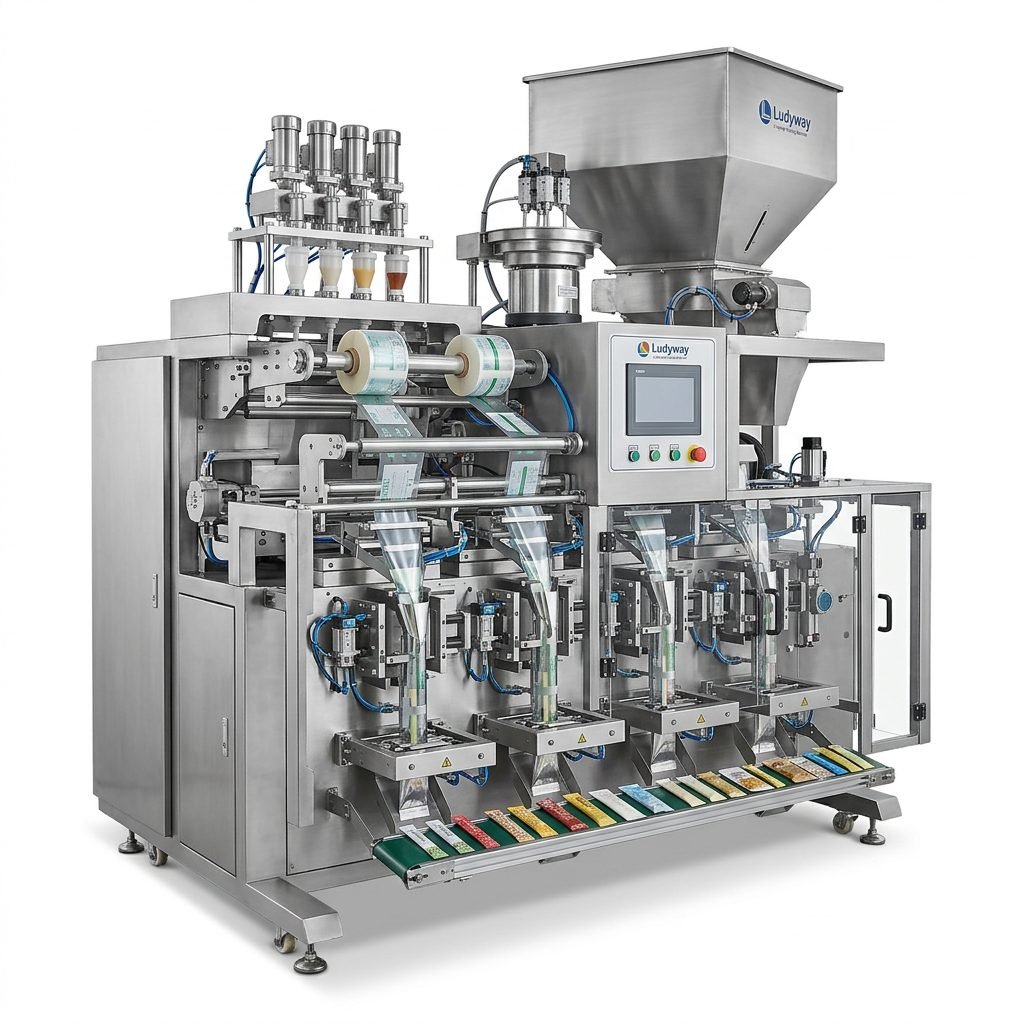
Selecting the right medical packaging machine is one of the most consequential equipment decisions a pharmaceutical, medical device, or healthcare manufacturer can make. The stakes go far beyond production speed. A packaging system must deliver consistent seal integrity, meet stringent regulatory requirements, and protect product sterility throughout the supply chain. This guide walks you through every critical factor to evaluate before making your investment.
Understanding Your Medical Packaging Requirements
Before comparing machine specifications, you need a thorough understanding of your own production environment. Medical packaging is not a one-size-fits-all discipline. A machine configured for sterile barrier packaging of surgical instruments differs substantially from one designed for unit-dose pharmaceutical powders.
Start by answering these fundamental questions:
- Product form: Are you packaging powders, granules, liquids, pastes, tablets, capsules, or medical devices?
- Packaging format: Do you require stick packs, sachets, pouches, blister packs, or multi-lane configurations?
- Production volume: What is your target output per shift, per day, or per year?
- Sterility requirements: Is terminal sterilization required, or will you operate in an aseptic environment?
- Cleanroom classification: Does your facility require ISO 5, ISO 7, or ISO 8 compliance for packaging operations?
Documenting these parameters early prevents costly mismatches between your needs and the machine’s capabilities. According to PMMI packaging industry research, a thorough needs assessment reduces the risk of post-installation modifications by over 40%.
Types of Medical Packaging Machines
Medical packaging machinery spans a wide spectrum of technologies. Understanding the primary categories helps narrow your search to equipment that matches your specific application.
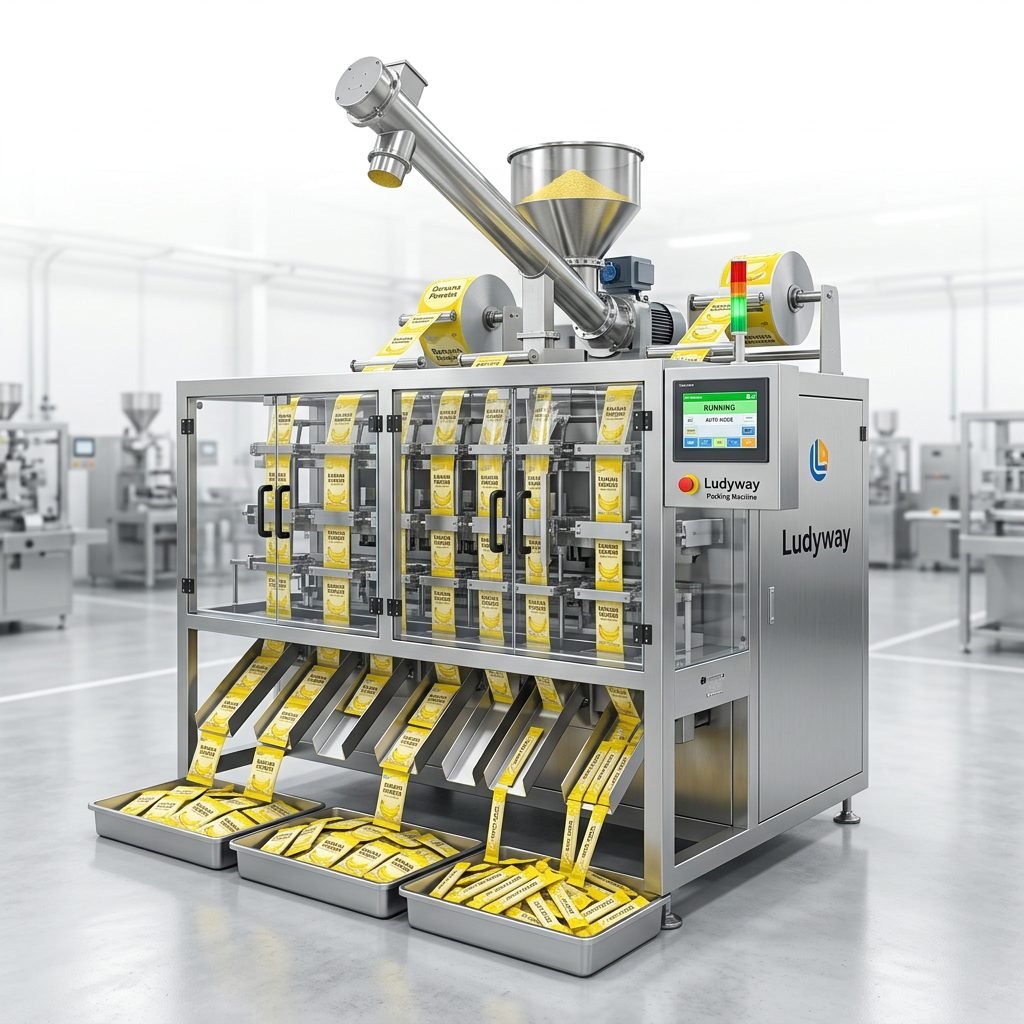
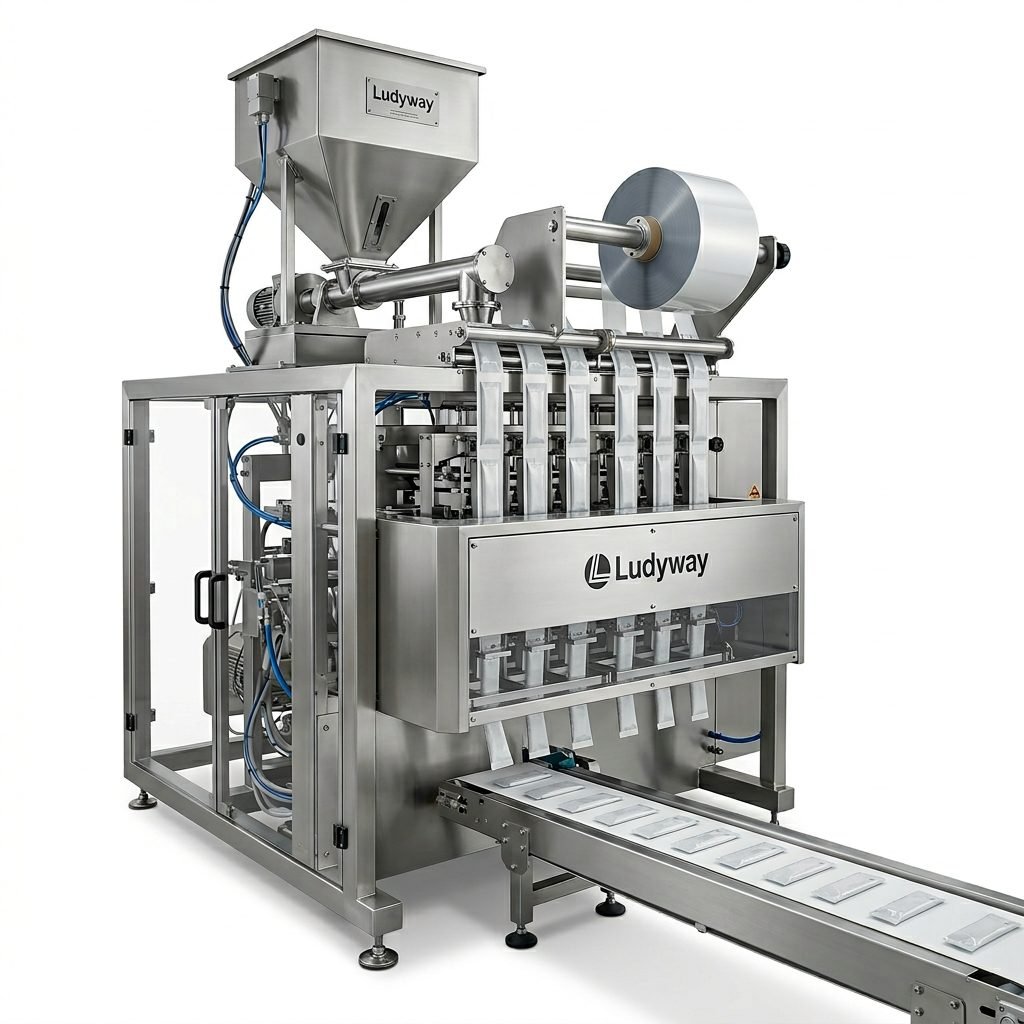
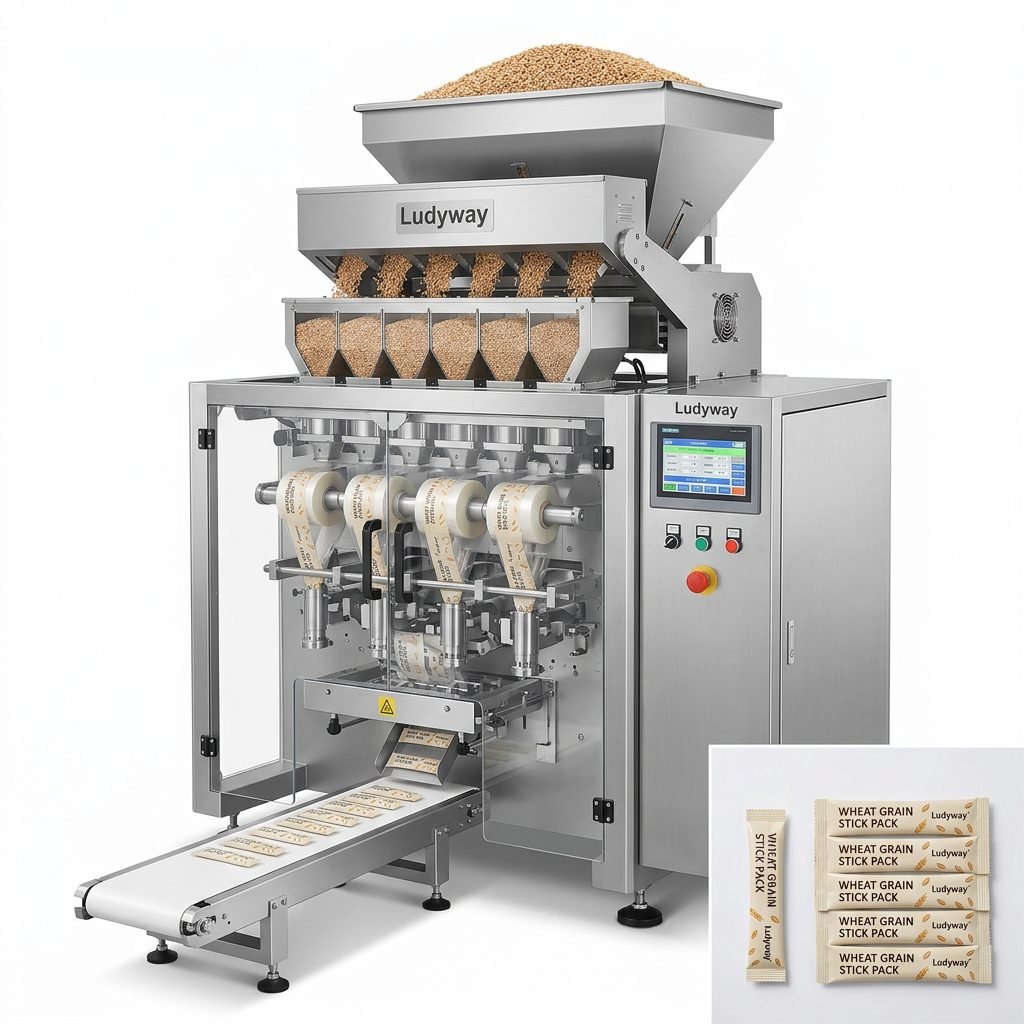
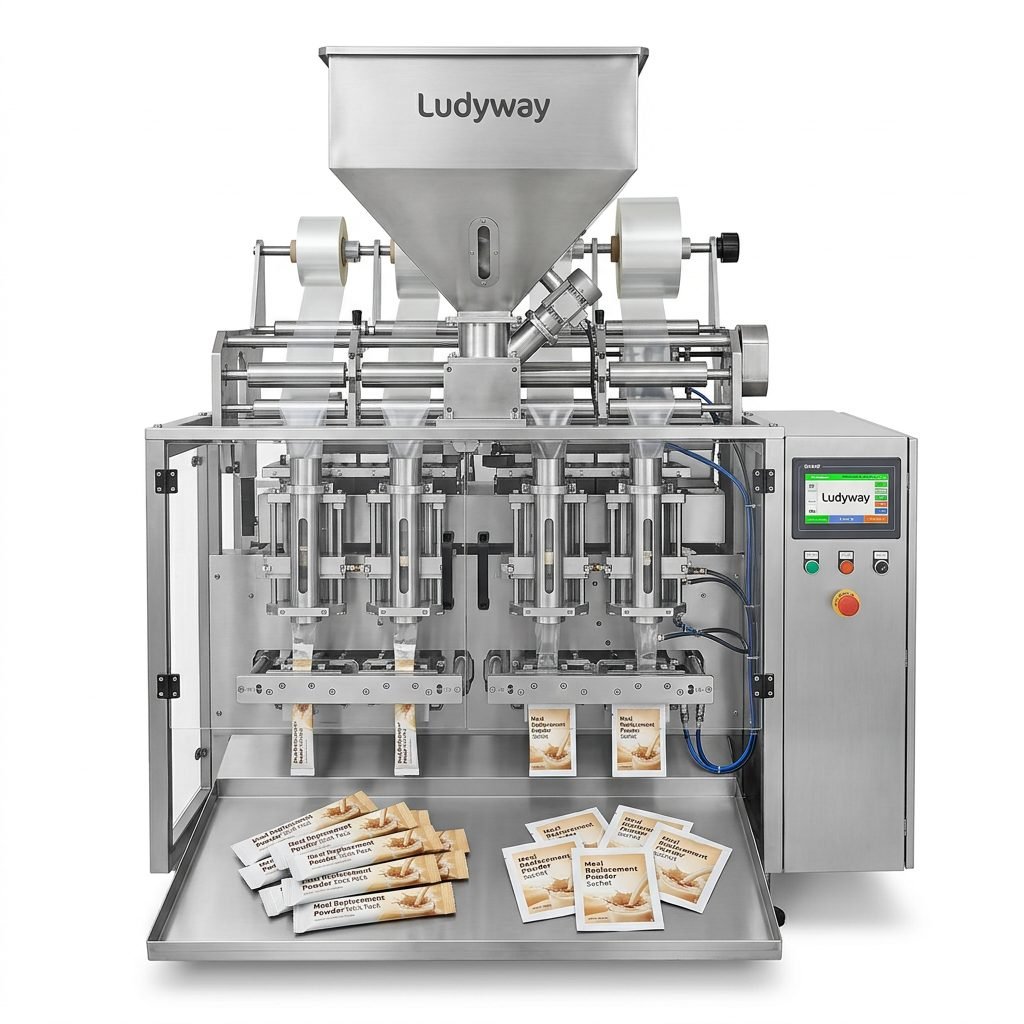
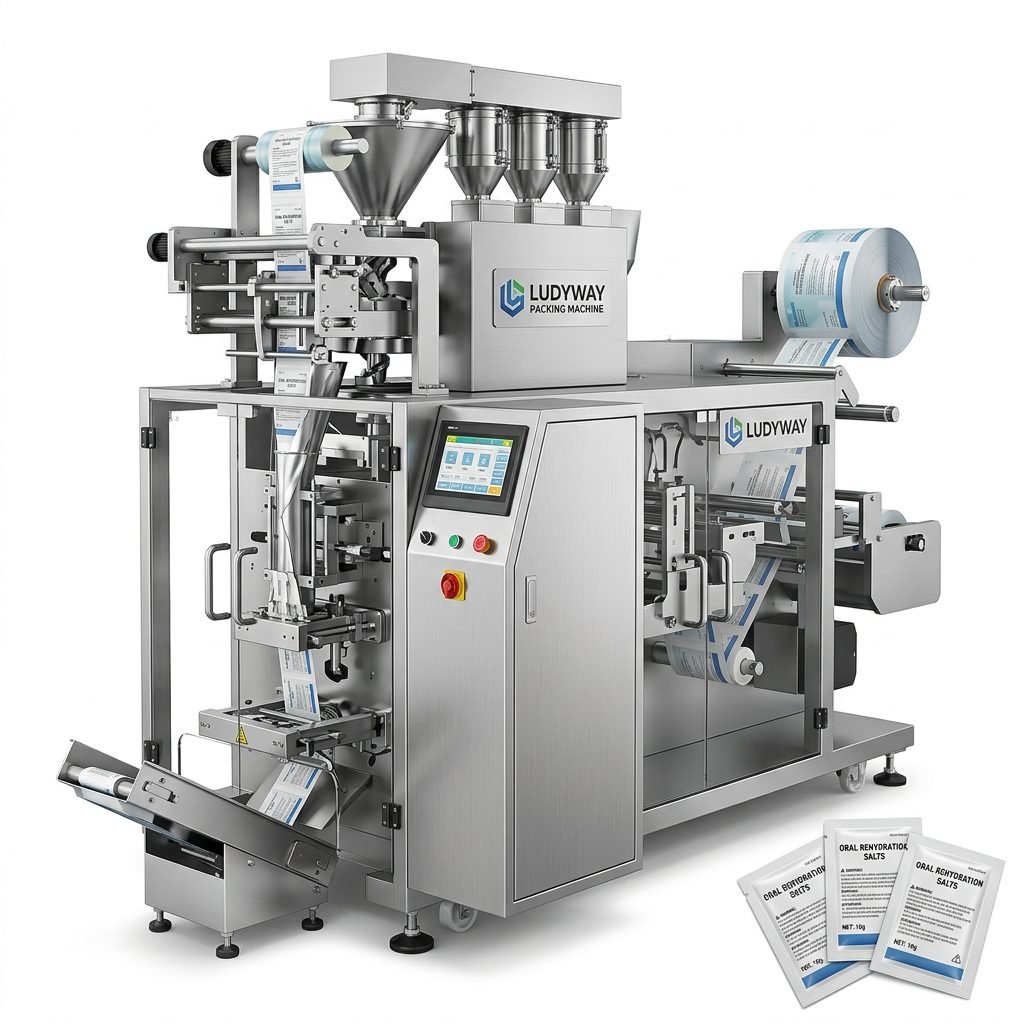
Stick Pack and Sachet Packaging Machines
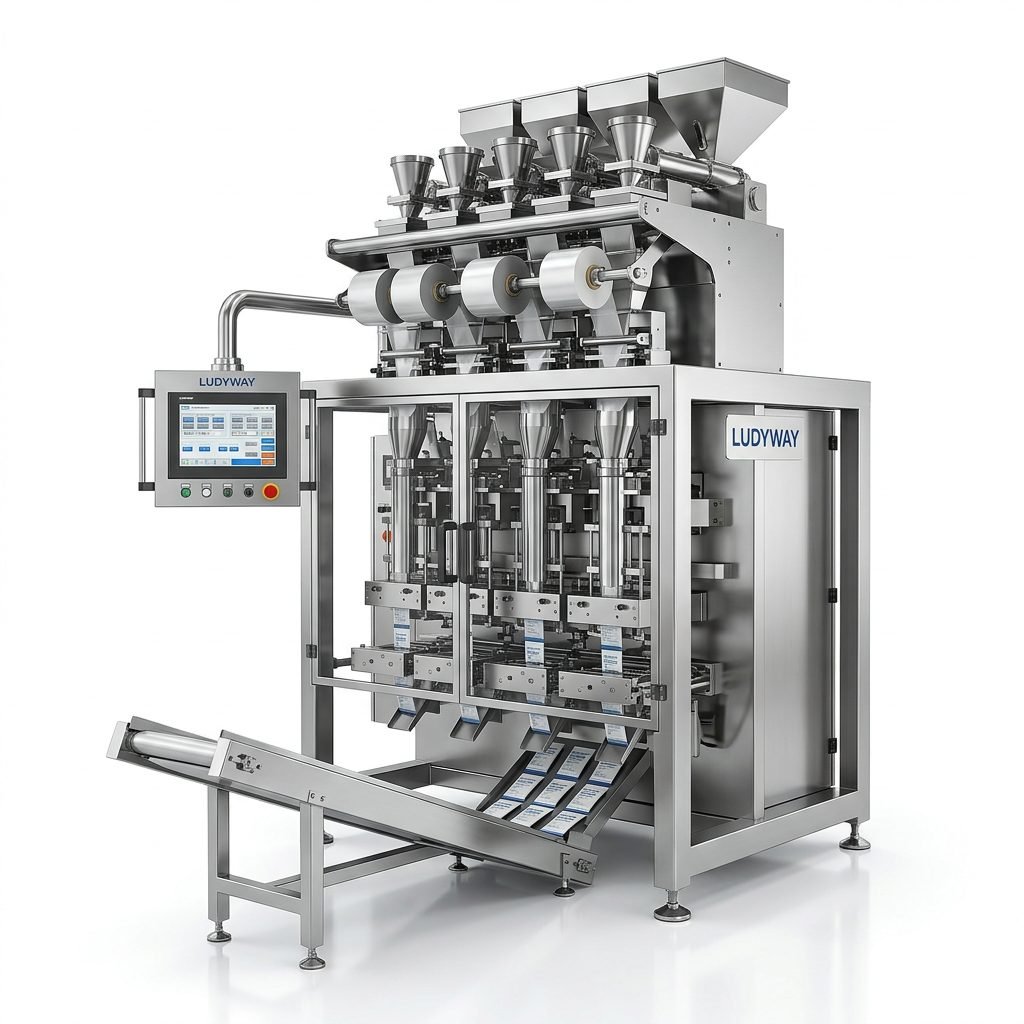
These machines produce single-dose or single-use packages ideal for powdered pharmaceuticals, granules, and certain liquid formulations. Multi-lane configurations can achieve extremely high output rates, making them suitable for large-scale pharmaceutical production. Key considerations include filling accuracy, seal integrity verification, and compatibility with barrier films required for moisture-sensitive or oxygen-sensitive products.
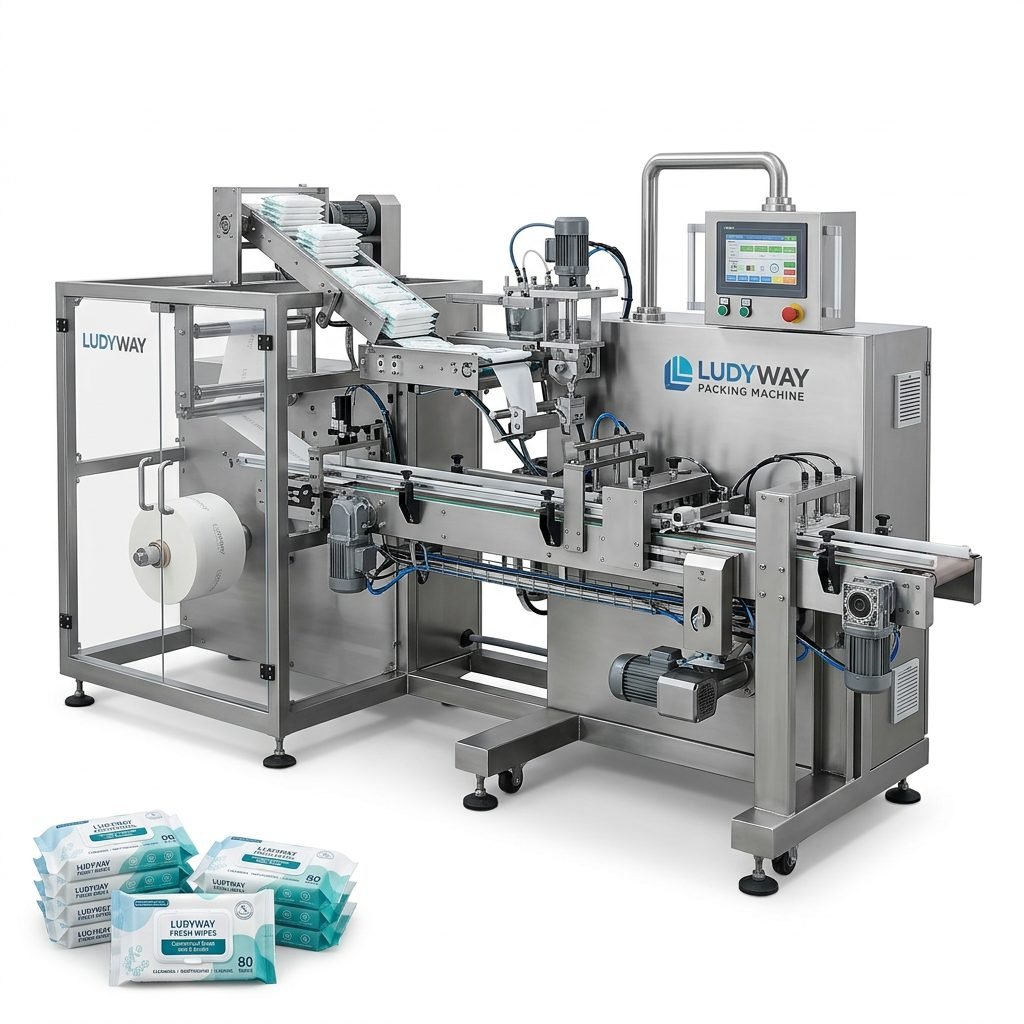
Pouch Packaging Machines
Medical pouch packaging machines handle larger formats suitable for sterile medical devices, surgical kits, and bulk pharmaceutical ingredients. These systems often integrate with ISO 11607-compliant sealing processes to ensure sterile barrier integrity. Look for machines that support validated sealing parameters with real-time monitoring and documentation capabilities.
Blister Packaging Machines
For tablets, capsules, and certain medical devices, blister packaging remains the dominant format. Modern blister machines offer high-speed thermoforming capabilities with integrated vision inspection systems. The choice between continuous-motion and intermittent-motion designs depends largely on your required output volume and the complexity of your blister cavity configurations.
Key Factors to Evaluate Before Purchasing
Once you have identified the general machine type, evaluate each candidate against the following criteria. These factors directly impact total cost of ownership, regulatory compliance, and long-term operational reliability.
| Evaluation Factor | What to Look For | Why It Matters |
|---|---|---|
| Filling Accuracy | Precision dosing systems with ±1% or better tolerance | Directly affects product efficacy and regulatory compliance |
| Seal Integrity | Validated temperature, pressure, and dwell time controls | Prevents contamination and maintains sterility |
| Material Compatibility | Support for medical-grade films, foils, and laminates | Ensures barrier properties match product sensitivity requirements |
| Changeover Speed | Tool-less changeover and recipe-based setup | Minimizes downtime for multi-product production environments |
| Cleanability | Stainless steel construction, sloped surfaces, quick-access panels | Essential for GMP compliance and cross-contamination prevention |
| Validation Support | IQ/OQ/PQ documentation and protocol assistance | Mandatory for FDA-regulated and ISO-certified operations |
Regulatory Compliance and Quality Standards
Medical packaging machinery must operate within a framework of strict regulatory oversight. The FDA’s packaging and food contact substances regulations establish clear requirements for materials and processes used in pharmaceutical packaging. Similarly, ISO packaging standards provide internationally recognized benchmarks for quality management and sterile barrier performance.
When evaluating a machine, confirm that the manufacturer provides:
- Documentation supporting 21 CFR Part 11 compliance for electronic records and signatures
- Materials certifications suitable for GMP Annex 1 environments
- Validation protocols aligned with ISO 11607 for sterile medical device packaging
- Traceability systems that support UDI (Unique Device Identification) implementation
Automation Level and Production Line Integration
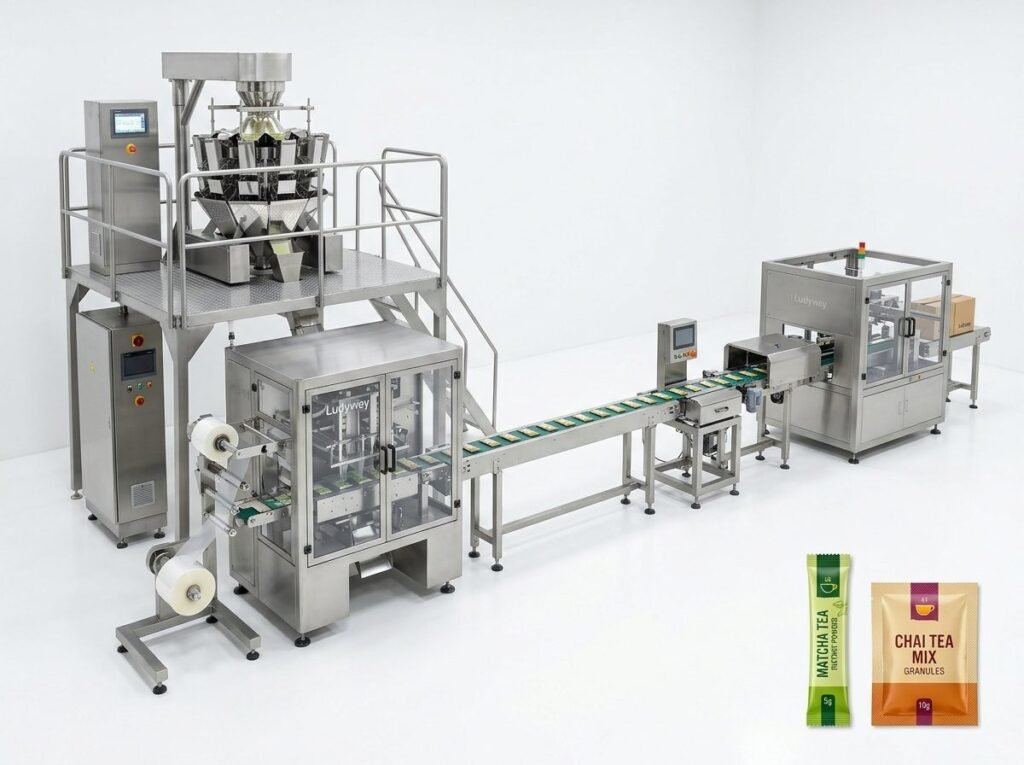
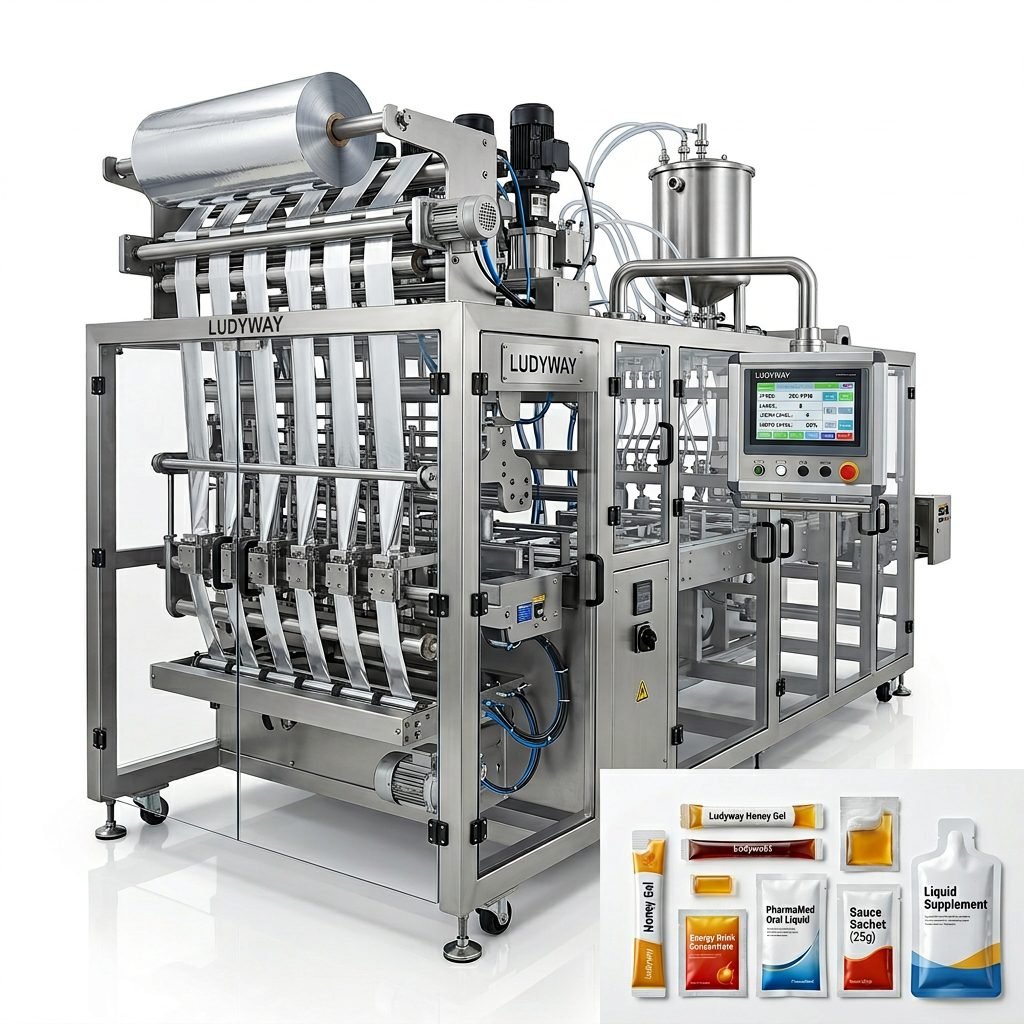
Modern medical packaging operations increasingly demand end-to-end automation. A standalone packaging machine may meet today’s needs, but forward-thinking buyers evaluate how easily the equipment can integrate into a fully automated production line. Consider these integration points:
- Upstream connectivity: Can the machine interface with automated feeding systems, checkweighers, and metal detectors?
- Downstream compatibility: Will it connect seamlessly with cartoning, case packing, and palletizing equipment?
- Data integration: Does the control system support industry-standard protocols for MES (Manufacturing Execution System) and ERP integration?
- Vision inspection: Can in-line seal inspection and print verification systems be integrated without third-party modifications?
Investing in a machine with open architecture controls and standardized mechanical interfaces future-proofs your operation against evolving automation requirements.

The Importance of After-Sales Technical Support
A packaging machine is a long-term operational asset. The quality of after-sales support directly influences machine uptime, production efficiency, and your ability to respond to regulatory audits. Before committing to a supplier, investigate the scope of their technical support infrastructure:
- Availability of remote troubleshooting and diagnostics capabilities
- Response times for on-site service and spare parts delivery
- Access to operator training programs and ongoing technical education
- Engineering support for future reconfigurations or production line expansions
- Documentation quality for maintenance procedures and validation protocols
Suppliers with dedicated packaging industry resources and global service networks provide an added layer of operational security for manufacturers operating in regulated markets.
Evaluating Customization and Engineering Capabilities
Standard machine configurations rarely address every requirement in specialized medical packaging applications. The ability of a machinery partner to deliver custom-engineered solutions becomes particularly valuable when dealing with unique product characteristics, unconventional packaging materials, or specific cleanroom constraints.
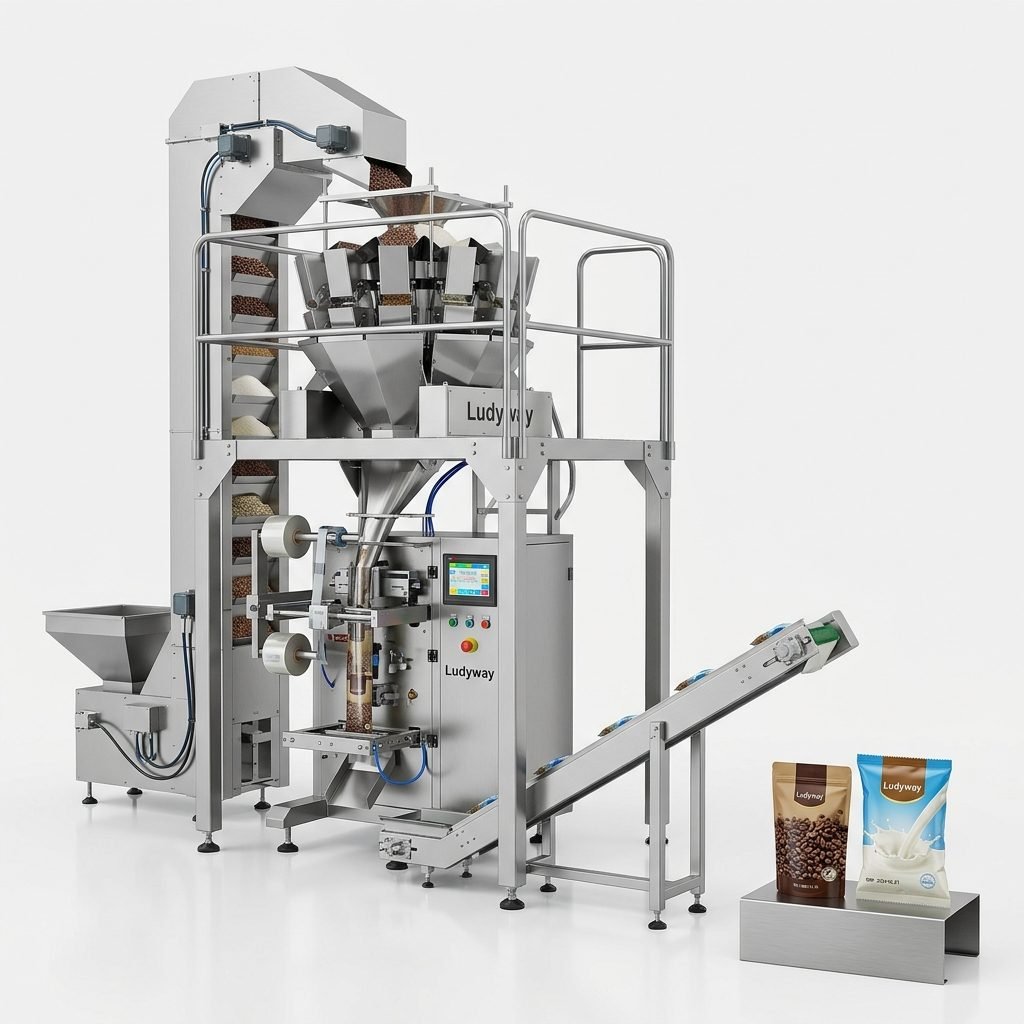
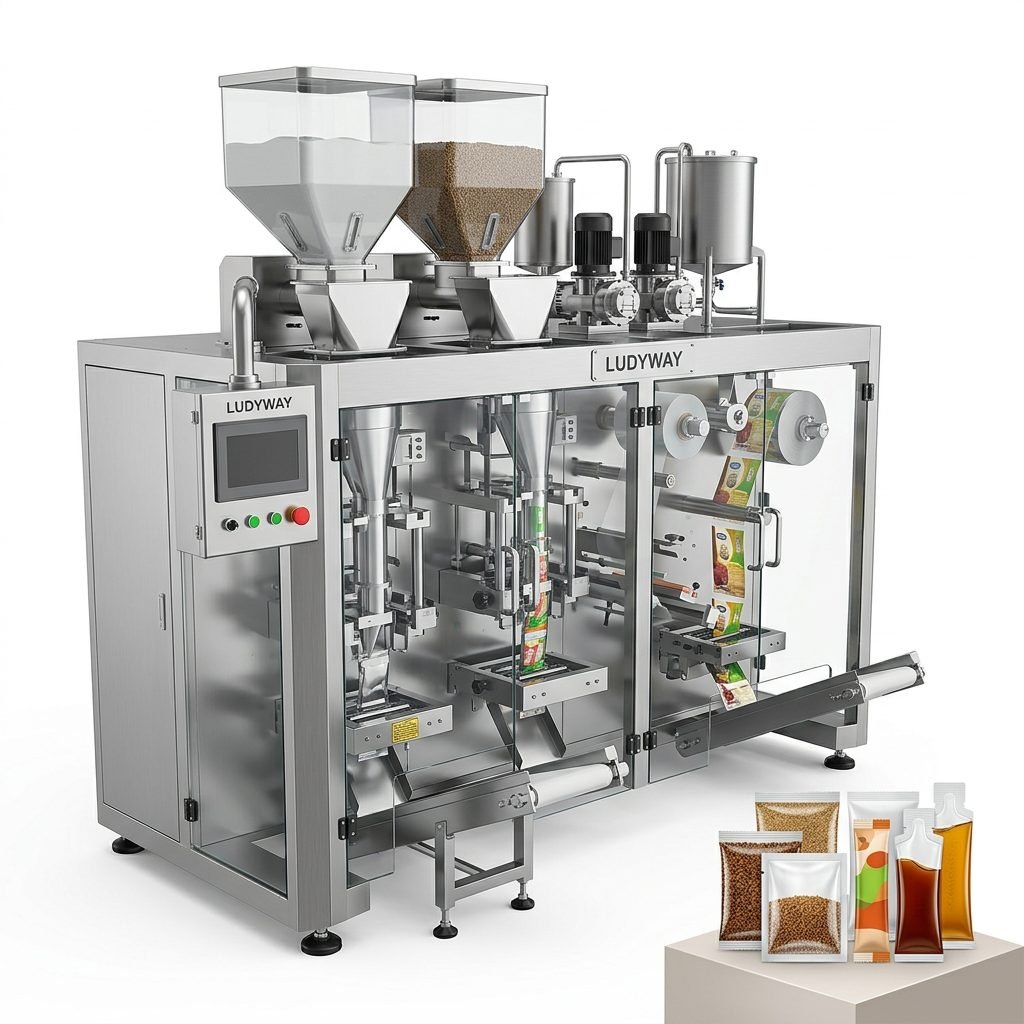
Ludyway Machinery, a packaging machinery manufacturer with over 30 years of industry experience, exemplifies this approach by providing customized equipment configurations and turnkey packaging solutions tailored to individual manufacturer requirements across pharmaceutical, nutraceutical, and medical device sectors.
Cost Considerations Beyond the Purchase Price
The initial capital cost of a medical packaging machine represents only one component of its total lifecycle cost. A comprehensive financial evaluation should account for:
- Installation and commissioning: Including facility modifications and cleanroom integration
- Validation expenses: IQ/OQ/PQ execution, documentation, and potential revalidation
- Consumables: Packaging materials, spare parts, and wear components
- Energy consumption: Compressed air usage and electrical power requirements
- Downtime costs: Production losses during maintenance, changeovers, or unexpected failures
Machines designed with modular components and readily available spare parts typically deliver lower total cost of ownership over a 10-15 year service life.
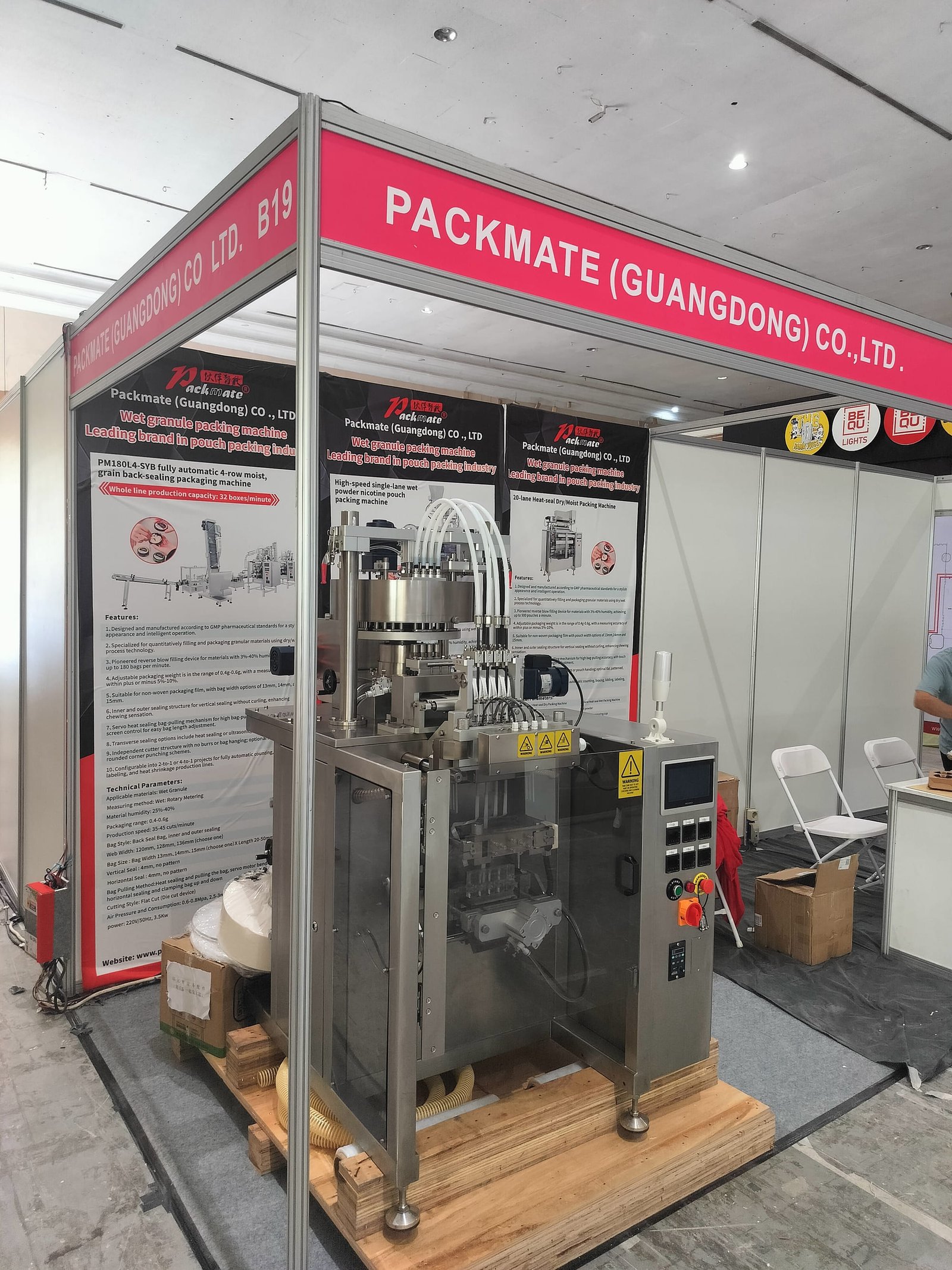
Making the Final Decision
Choosing the right medical packaging machine requires balancing technical specifications, regulatory requirements, operational needs, and long-term business objectives. Prioritize suppliers who demonstrate deep industry knowledge, provide comprehensive validation support, and maintain a commitment to after-sales service.
A structured evaluation process that includes factory acceptance testing (FAT), reference visits to existing installations, and detailed technical discussions with the supplier’s engineering team can significantly reduce implementation risk. The goal is not simply to purchase a machine, but to establish a reliable packaging partnership that supports your manufacturing objectives for years to come.