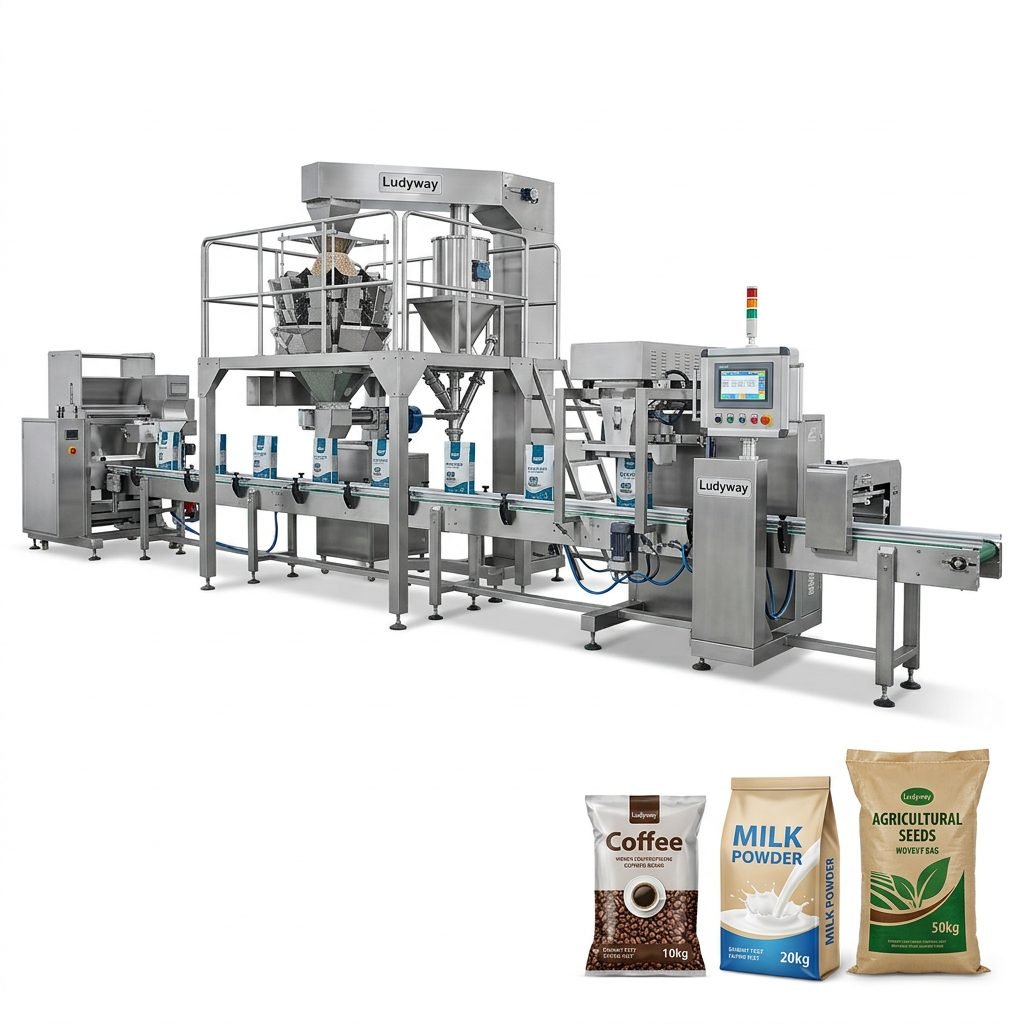
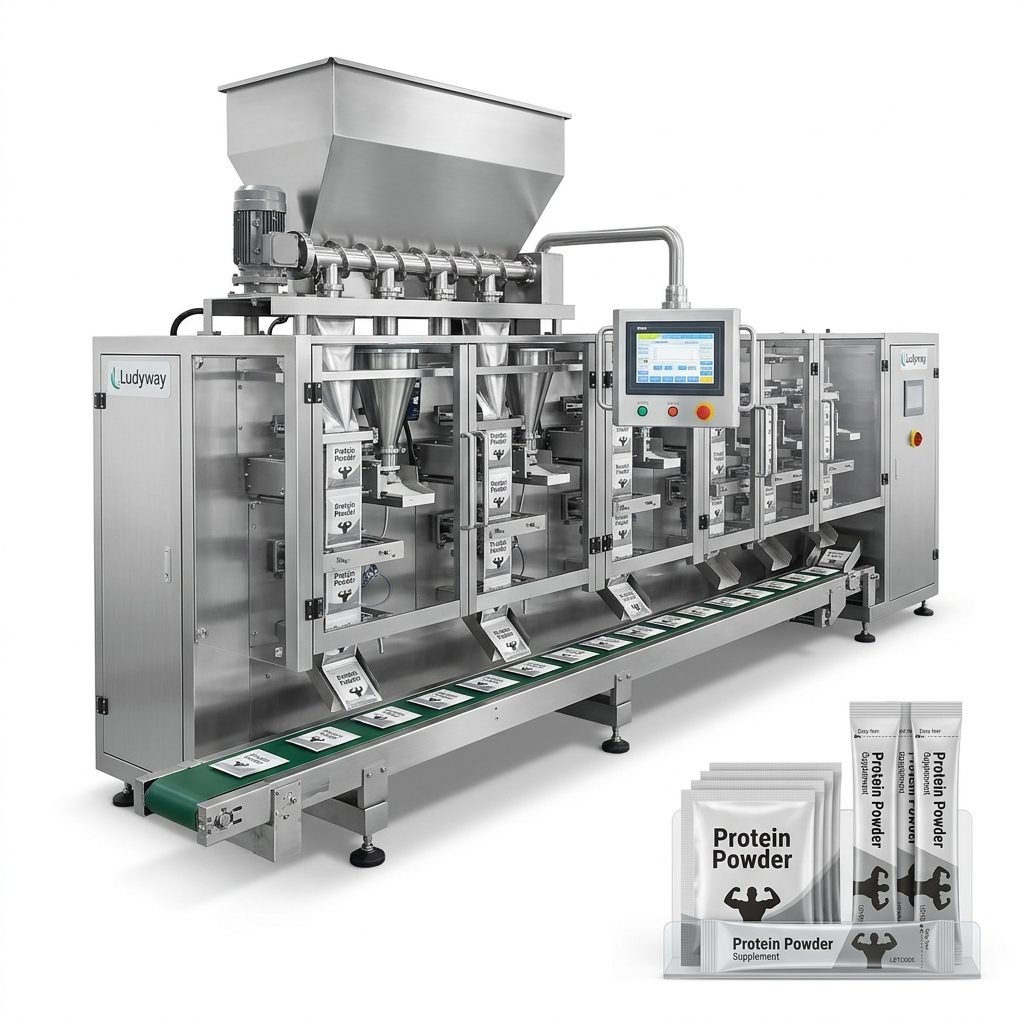
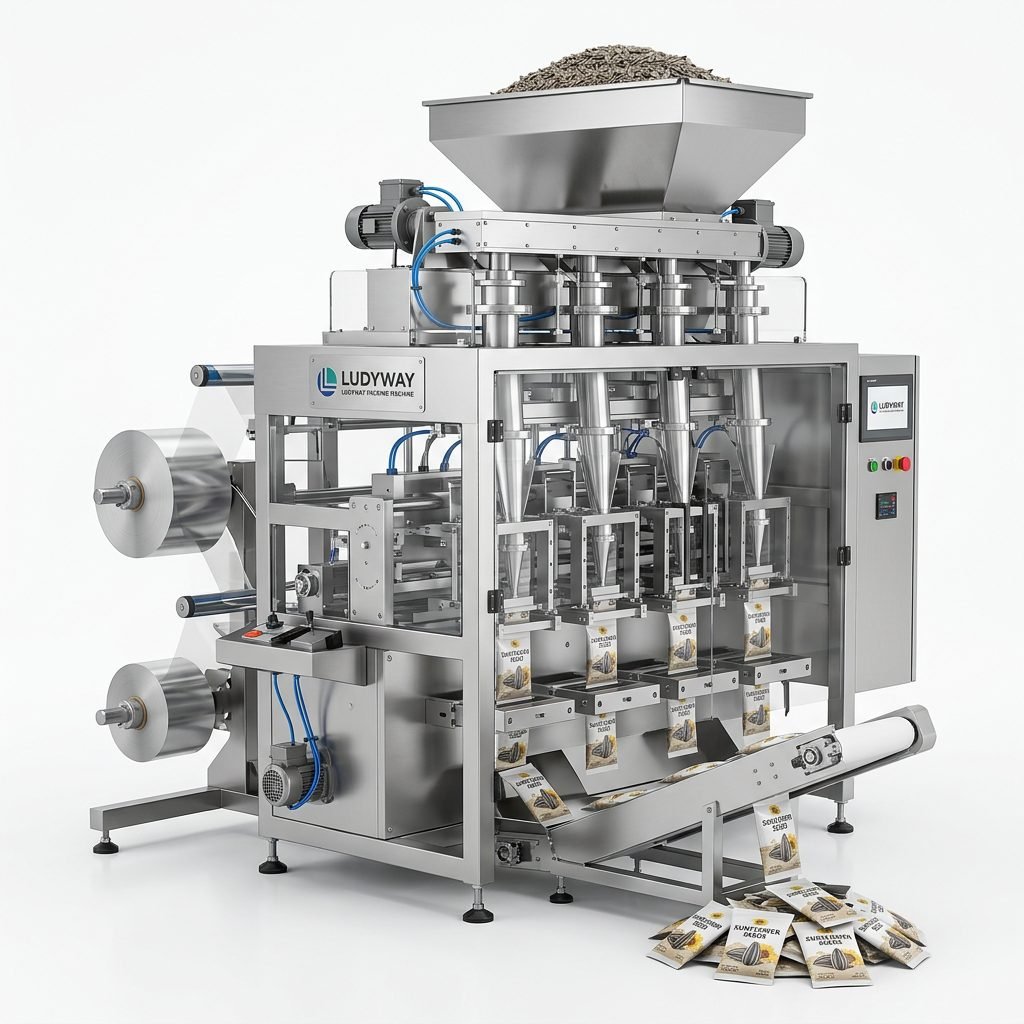
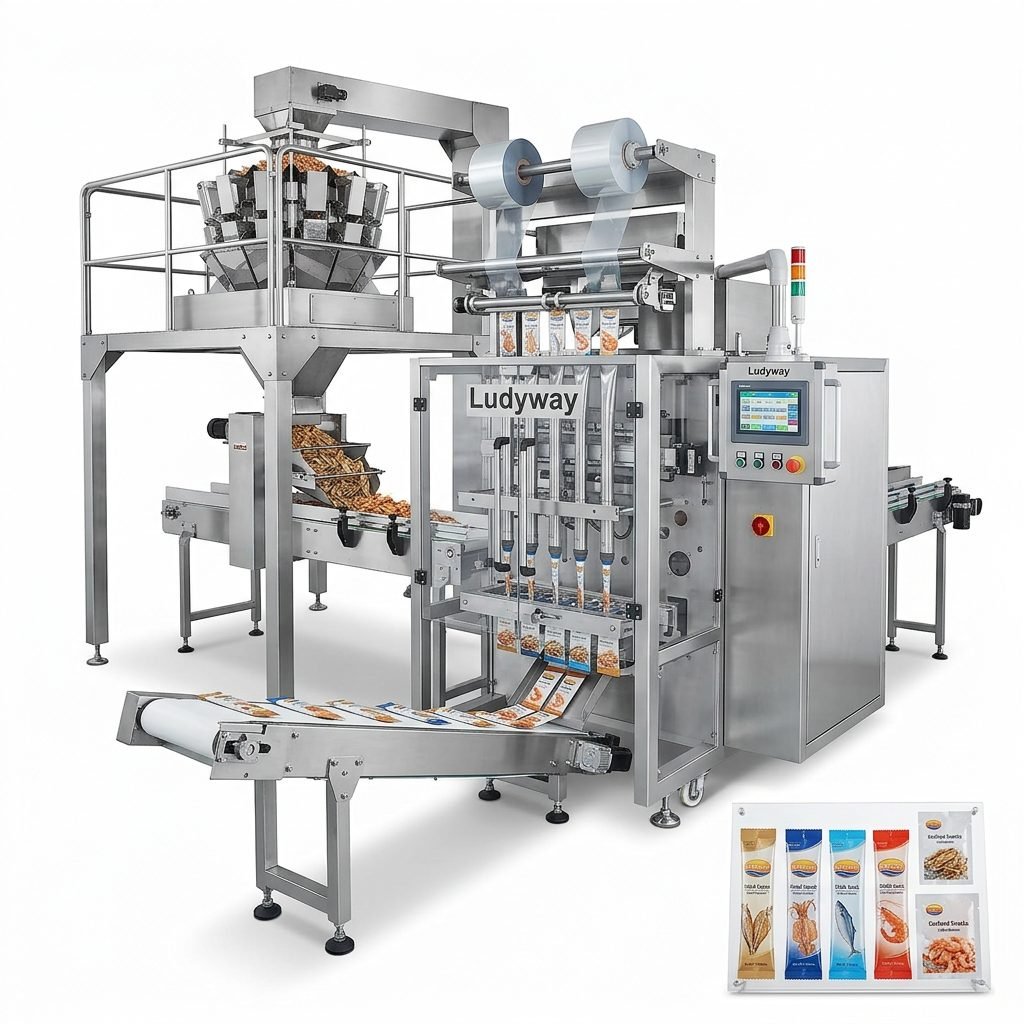
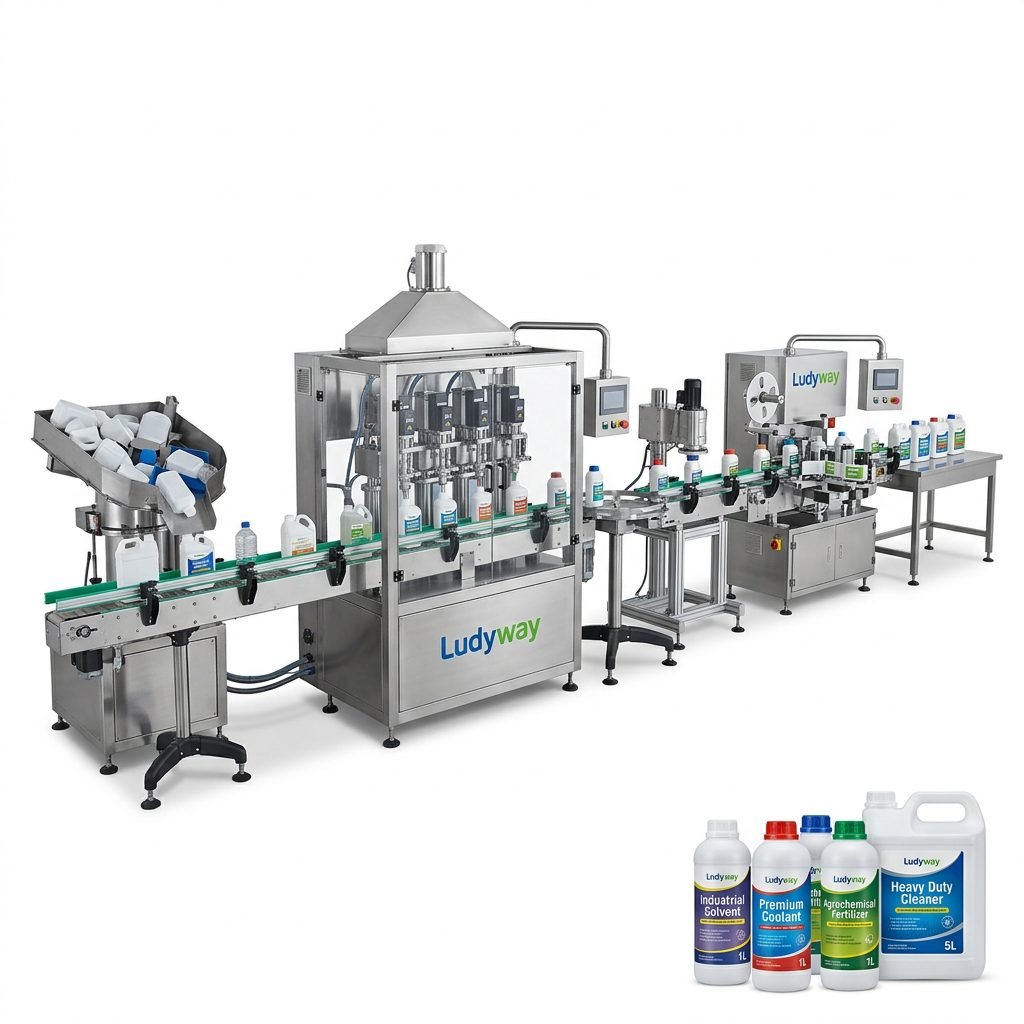
Selecting the right edible oil packing machine is one of the most critical decisions for any manufacturer, bottler, or co-packer in the food oil industry. Whether you are filling sunflower oil, olive oil, palm oil, coconut oil, or blended vegetable oils, the packaging equipment you choose directly affects production efficiency, product quality, shelf life, and regulatory compliance. This comprehensive buyer’s guide walks you through every factor you need to evaluate before making an investment, helping you match your specific production requirements with the right packaging machinery technology.
Understanding Your Edible Oil Product Characteristics
Before evaluating any oil filling machine, you must first thoroughly understand the physical and chemical properties of the oil you intend to package. Different edible oils behave very differently during the filling process.
- Viscosity: Olive oil and coconut oil have significantly different viscosities, especially at varying temperatures. Higher viscosity oils may require piston fillers or gear pump systems rather than gravity-based fillers.
- Foaming tendency: Some oils tend to foam during filling, which can affect fill accuracy and line speed. Bottom-up filling nozzles can help minimize this issue.
- Temperature sensitivity: Certain oils solidify at lower temperatures (like coconut oil), requiring heated filling systems and jacketed tanks.
- Oxidation risk: Oils high in unsaturated fats are prone to oxidation. This may necessitate nitrogen flushing or vacuum-sealing capabilities in your packaging line.
- Particulate content: Unfiltered or cold-pressed oils may contain sediments that require special nozzle designs to prevent clogging.
Understanding these product characteristics is essential for selecting compatible food-grade packaging equipment that meets both performance and safety requirements.
Filling Technology: Choosing the Right Dosing System
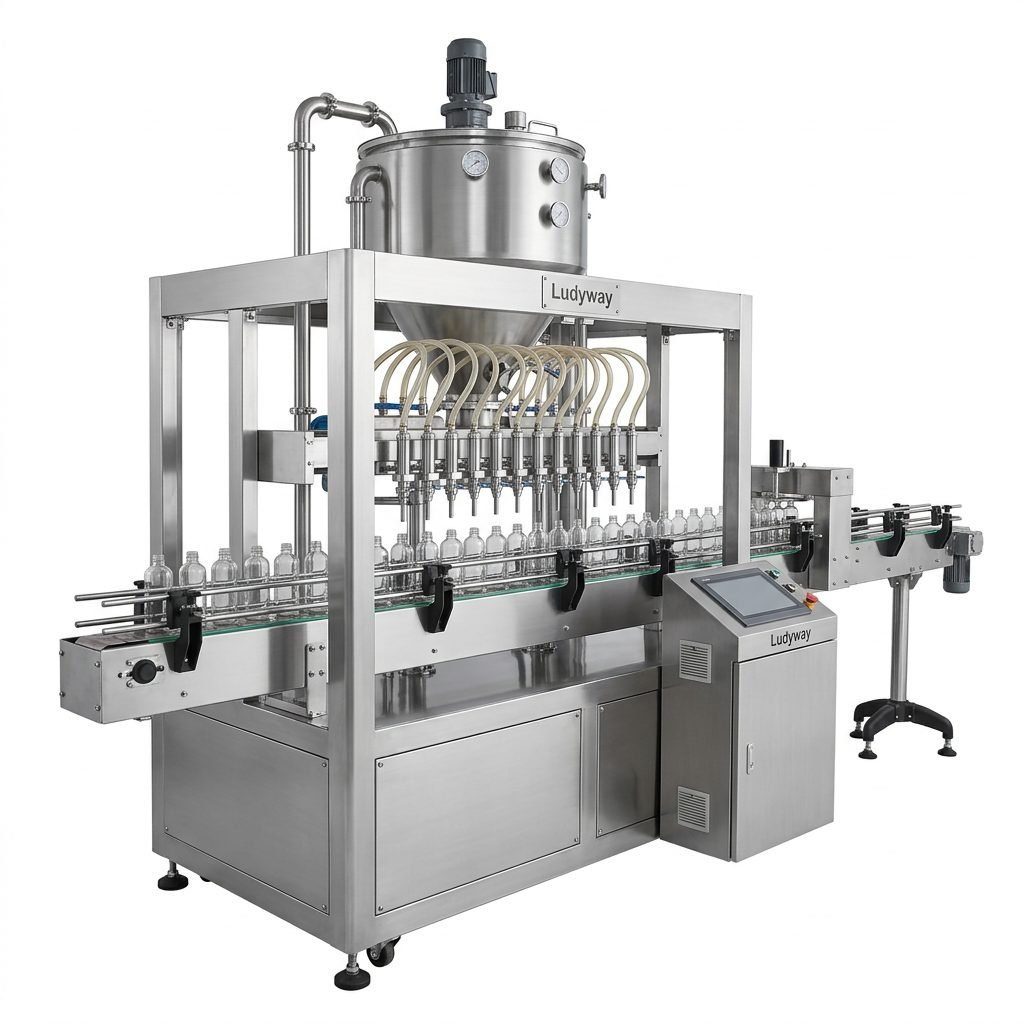
The heart of any edible oil packaging line is its filling system. Different technologies offer distinct advantages depending on your production scale, oil type, and container format. The table below compares the most common filling technologies used in the edible oil industry:
| Filling Technology | Best For | Fill Accuracy | Speed Range |
|---|---|---|---|
| Gravity Filler | Low-viscosity oils, free-flowing | ±1-2% | Medium to High |
| Piston Filler | Medium to high-viscosity oils | ±0.5-1% | Medium |
| Pump Filler (Gear/Lobe) | Thick oils, pastes, coconut oil | ±0.5-1% | Medium to High |
| Net Weight Filler | Large containers, bulk filling | ±0.1-0.5% | Low to Medium |
| Flow Meter Filler | High-speed lines, all viscosities | ±0.25-0.5% | Very High |
For most mid-to-large-scale edible oil operations, flow meter fillers and piston fillers represent the most popular choices due to their balance of accuracy, speed, and versatility across different oil types. When evaluating filling systems, always request detailed specifications on industry benchmarks for fill accuracy and repeatability.
Production Capacity and Speed Requirements
Your target production volume is a primary driver of machine configuration. Edible oil packing machines range from semi-automatic units producing a few hundred bottles per hour to fully automated high-speed lines capable of filling tens of thousands of containers per shift.
- Small-scale operations (500-2,000 bottles/day): A semi-automatic 2-4 head piston or pump filler may be sufficient, with manual capping and labeling.
- Medium-scale operations (2,000-10,000 bottles/day): Consider automatic 6-12 head fillers with inline capping and labeling modules.
- Large-scale operations (10,000+ bottles/day): High-speed rotary fillers with 16-40+ filling heads, integrated with automatic capping, labeling, coding, and cartoning systems are recommended.
When calculating required speed, always factor in future growth projections. A machine that meets today’s demand at 80% capacity leaves room for expansion without requiring a complete line replacement within two to three years.
Container Types and Packaging Formats
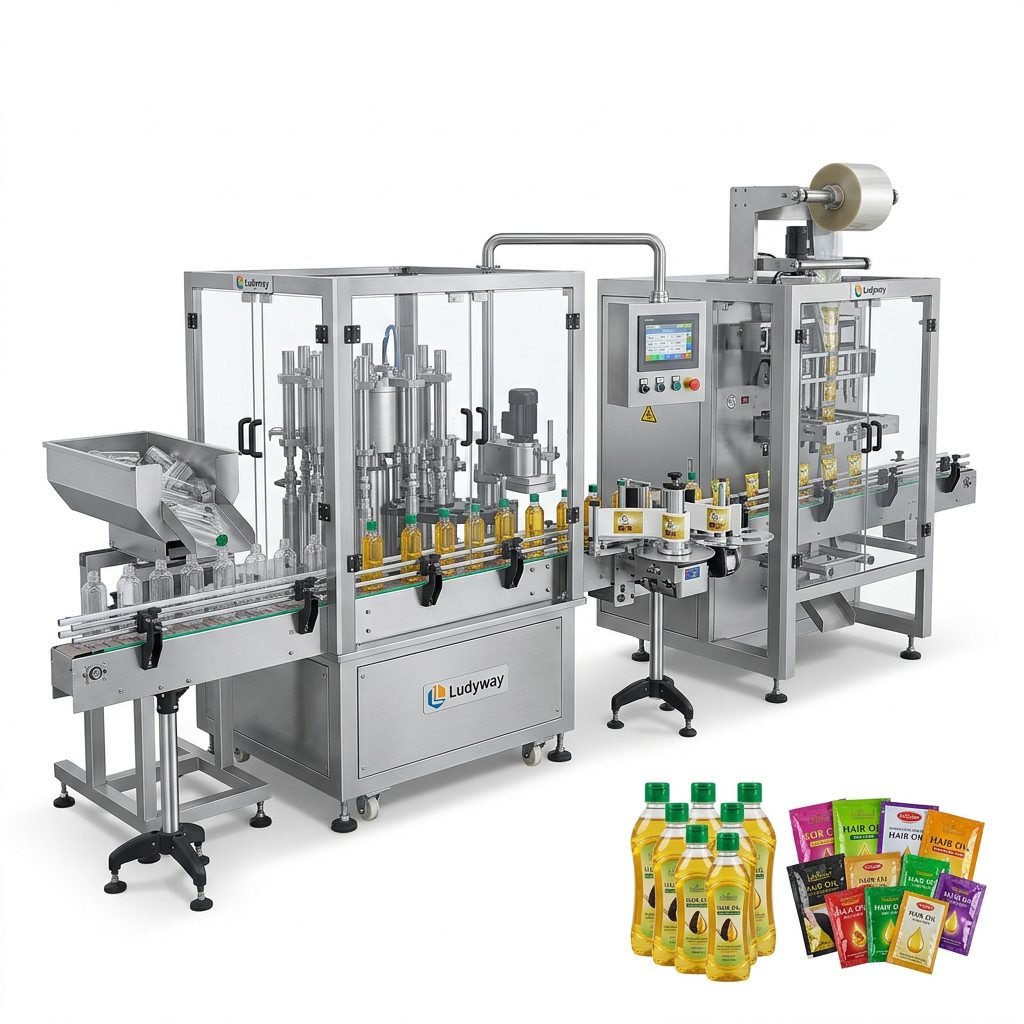
Edible oil is packaged in a wide variety of container formats, each requiring specific handling and filling configurations. Your oil packaging equipment must be compatible with your intended container types, or ideally, offer flexibility for multiple formats.
- Bottles (PET, HDPE, glass): The most common format. Machines need appropriate bottle handling, neck gripping, and filling nozzle configurations. Glass bottles require gentler handling than plastic.
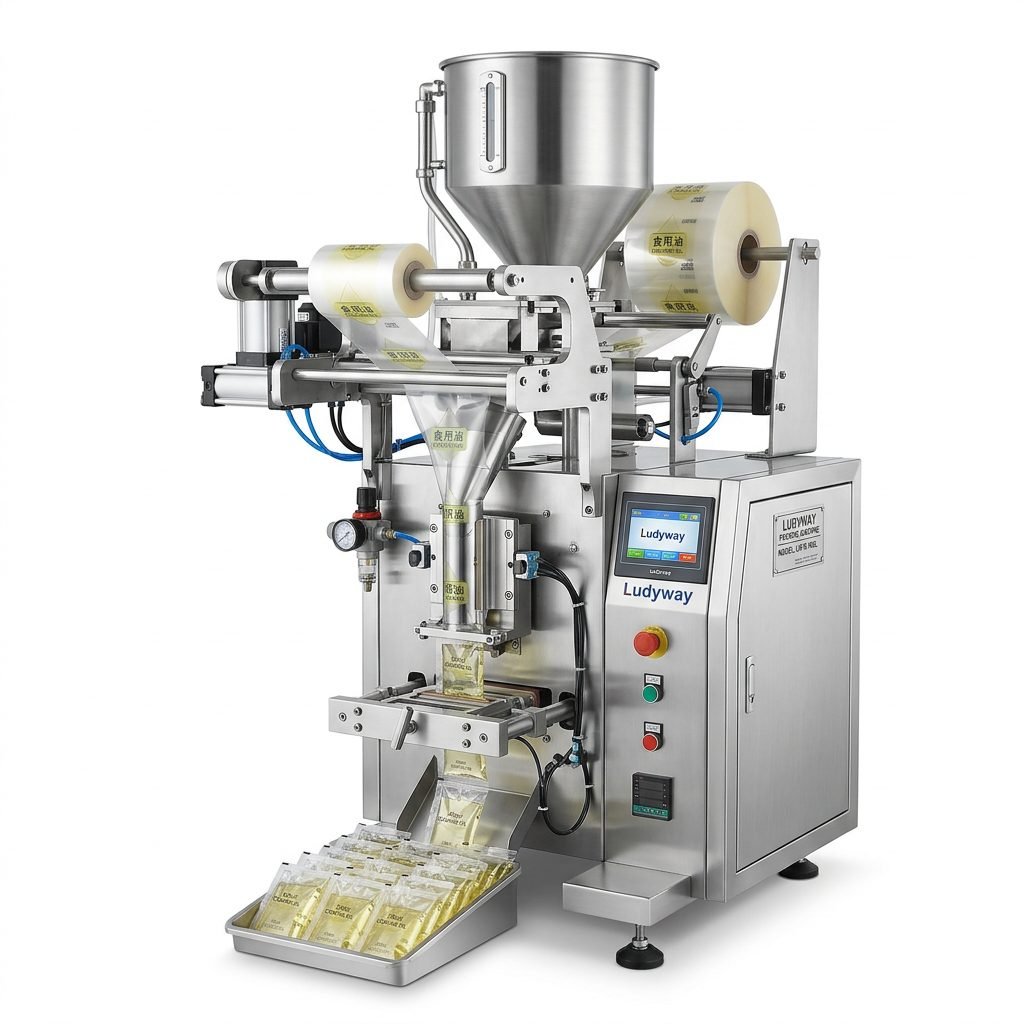
- Pouches and sachets: Growing in popularity, especially for single-serve and travel-sized portions. Requires vertical form-fill-seal (VFFS) or pre-made pouch filling systems.
- Tin cans and metal containers: Common in certain markets. Requires compatibility with metal container handling and sealing equipment.
- Jerry cans and bulk containers (5L-20L): Require heavy-duty filling systems with higher flow rates and different capping mechanisms.
- Drums and barrels (200L): For bulk industrial oil packaging, requiring specialized filling stations with weight-based dosing.
Many flexible packaging options are gaining market share in the edible oil sector, driven by consumer demand for convenience and sustainability. Ensure your chosen machine can accommodate the packaging trends relevant to your target market.
Automation Level and Line Integration
The degree of automation you choose impacts labor costs, consistency, and overall equipment effectiveness. Modern edible oil packing machines can be configured across a spectrum of automation levels:
- Manual loading and unloading with automatic filling — suitable for startups and small batches
- Semi-automatic lines with automatic filling and capping but manual container handling
- Fully automatic inline systems — automatic bottle feeding, filling, capping, labeling, coding, and accumulation
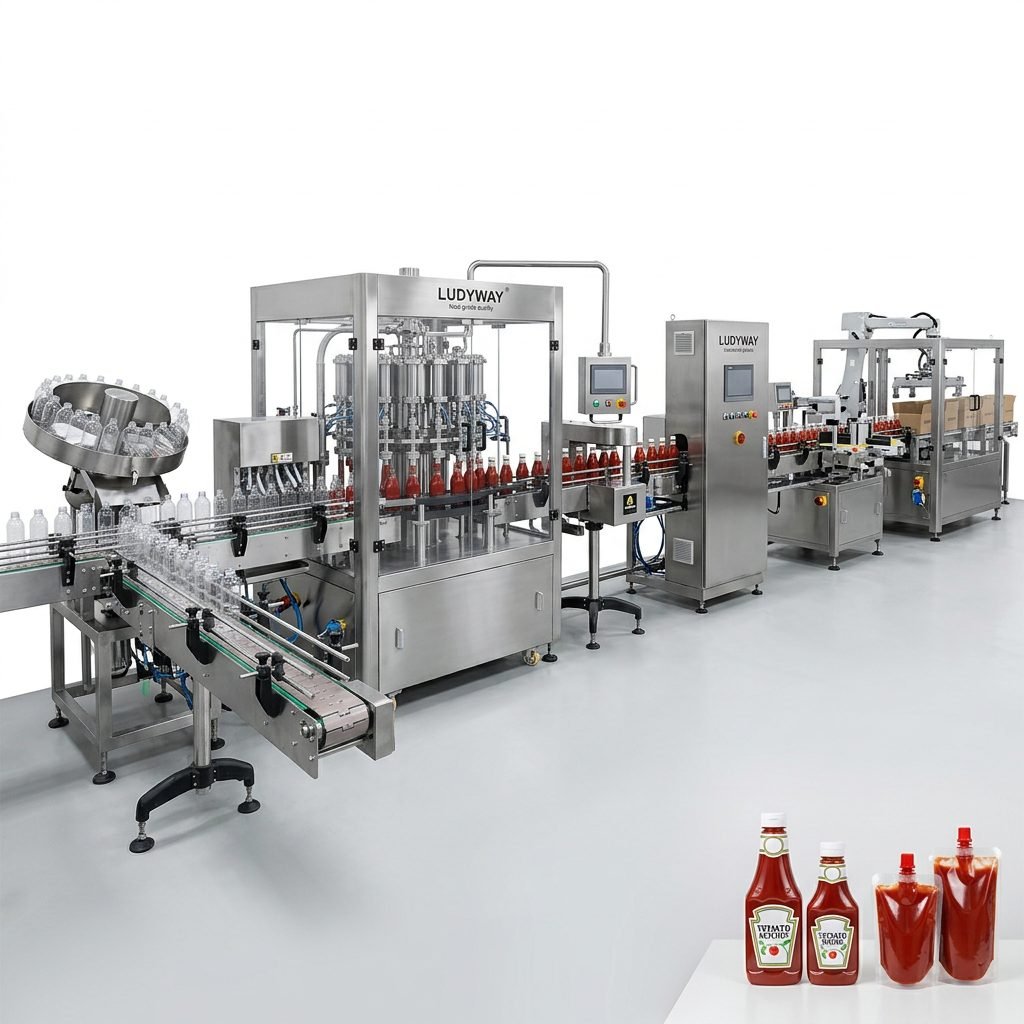
- Turnkey packaging lines — fully integrated systems including bottle unscrambling, filling, capping, labeling, coding, checkweighing, cartoning, case packing, and palletizing
When planning your line, consider how the oil filling machine integrates with upstream and downstream equipment. Compatibility with your existing or planned packaging line components — such as conveyors, cappers, labelers, and inspection systems — is essential for smooth operation.
Material Compatibility and Food Safety Compliance
All components that come into contact with edible oil must be manufactured from food-grade materials that will not react with the product or compromise its quality. Key considerations include:
- Stainless steel construction (SS304 or SS316L) for all product-contact parts
- Food-grade seals, gaskets, and hoses resistant to oil degradation
- Compliance with FDA food contact substance regulations for the U.S. market
- EU compliance with relevant European packaging regulations
- CIP (Clean-in-Place) compatibility for efficient sanitation between product changeovers
- Smooth surfaces and sanitary design to prevent bacterial growth and facilitate cleaning
Capping, Sealing, and Shelf-Life Protection
For edible oils, proper sealing is critical to prevent leakage, oxidation, and contamination. The capping system must be matched to your closure type:
- Screw caps (plastic or metal) — require torque-controlled capping heads
- Press-on caps and flip-top closures — require specialized pressing mechanisms
- Tamper-evident bands and induction seals — may require additional sealing modules
- Nitrogen flushing — displaces oxygen in the headspace to extend shelf life
- Vacuum sealing — for premium oils requiring maximum oxidation protection
Investing in proper sealing technology directly impacts your product’s shelf life and brand reputation. According to PMMI’s 2026 State of the Industry report, packaging integrity remains a top priority for food manufacturers worldwide.
Total Cost of Ownership and ROI Analysis
When budgeting for an edible oil packing machine, look beyond the initial purchase price. A thorough total cost of ownership (TCO) analysis includes:
| Cost Category | Estimated Share of TCO | Key Considerations |
|---|---|---|
| Equipment Purchase | 55-65% | Base machine, options, tooling |
| Installation & Commissioning | 8-12% | Freight, rigging, setup, training |
| Maintenance & Spare Parts | 10-15% | Annual maintenance contracts, consumables |
| Energy & Utilities | 5-8% | Electricity, compressed air, nitrogen |
| Labor | 8-12% | Operators, technicians per shift |
Calculate your expected ROI by factoring in labor savings, increased throughput, reduced product giveaway, and decreased downtime. A higher-quality machine with better accuracy and reliability often delivers superior long-term returns despite a higher initial investment.
Supplier Evaluation and After-Sales Support
Choosing the right equipment partner is as important as choosing the right machine. When evaluating edible oil packaging machine suppliers, assess the following criteria:
- Industry experience: How many years has the manufacturer been producing oil filling equipment? Do they have references in the edible oil sector specifically?
- Technical support: What level of remote and on-site support is available? What are the response times for critical issues?
- Spare parts availability: Can common wear parts be sourced quickly? Does the supplier maintain regional parts inventories?
- Training programs: Comprehensive operator and maintenance training reduces downtime and extends machine life.
- Warranty terms: Understand coverage periods, exclusions, and conditions thoroughly.
- International presence: For buyers importing equipment, the supplier’s experience with international shipping, documentation, and local regulations is critical.
Ludyway Machinery, for example, serves customers in more than 100 countries and provides comprehensive technical support throughout the equipment lifecycle, from machine selection and installation to operator training and after-sales service.
Key Standards and Certifications
Depending on your target market, your oil packaging machine may need to comply with various international standards. Verify that your supplier can provide equipment meeting applicable requirements:
- ISO packaging standards — relevant international standards for packaging machinery
- CE marking for the European market
- UL certification for electrical components in North America
- GMP compliance for pharmaceutical-grade or high-purity food applications
- HACCP compatibility for food safety management
- EPA sustainable materials management guidelines for environmentally conscious operations
Common Mistakes to Avoid When Buying
Based on industry experience, here are the most frequent pitfalls buyers encounter when selecting an edible oil filling machine:
- Underestimating future capacity needs: A machine running at maximum capacity from day one leaves no room for growth and accelerates wear.
- Overlooking container changeover complexity: If you plan to run multiple bottle sizes or shapes, verify changeover time and tooling costs upfront.
- Ignoring facility requirements: Confirm electrical supply (voltage, phase, frequency), compressed air capacity, and floor space requirements before ordering.
- Focusing solely on price: The cheapest machine often has the highest long-term cost due to lower reliability, accuracy, and support.
- Neglecting operator training: Even the best machine underperforms without properly trained operators and maintenance personnel.
- Insufficient product testing: Always request a factory acceptance test (FAT) with your actual product and packaging materials before shipment.
Making the Final Decision
After evaluating all the factors discussed in this guide, create a structured comparison matrix for your shortlisted edible oil packing machine options. Score each candidate on:
- Technical suitability for your specific oil type and container format
- Production speed and scalability
- Fill accuracy and product waste reduction
- Build quality and material compliance
- Supplier reputation and after-sales support quality
- Total cost of ownership over a 5-7 year horizon
- Warranty and service agreement terms
- Delivery timeline and installation support
Investing the time to thoroughly evaluate your options against these criteria will help ensure you select an oil packaging solution that delivers reliable performance, consistent product quality, and strong returns for years to come. The right machine becomes a competitive advantage; the wrong one becomes an ongoing operational liability.
Still evaluating your options? Contact reputable packaging machinery manufacturers with specific edible oil experience to discuss your project requirements and request detailed proposals tailored to your production goals.