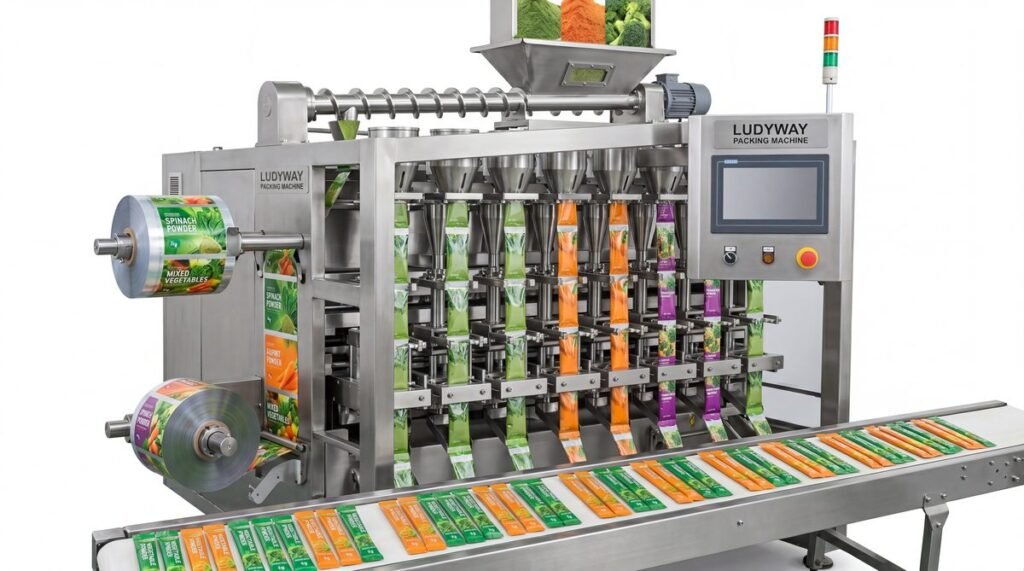
Selecting the right pepper packing machine is a critical decision that directly impacts your production efficiency, product quality, and long-term operational costs. Whether you are packaging black pepper powder, white pepper granules, or specialty pepper blends, the equipment you choose must align with your specific product characteristics, production goals, and budget. This comprehensive guide walks you through the essential factors to consider when investing in a pepper packaging solution.
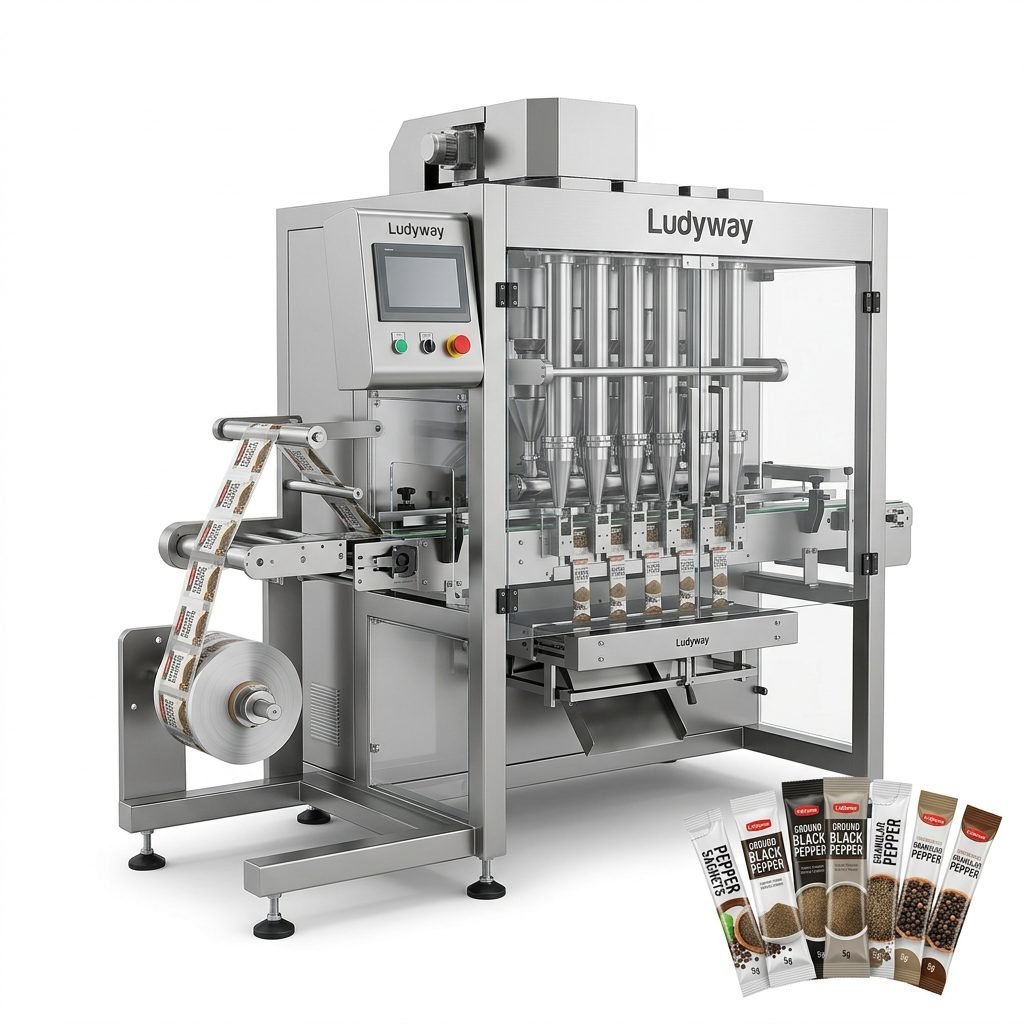
Understanding Your Pepper Product Characteristics
Before evaluating different pepper packaging machines, you need to thoroughly analyze your product’s physical properties. Pepper comes in various forms—fine powder, coarse granules, cracked pepper, and whole peppercorns—and each requires different handling and filling mechanisms.
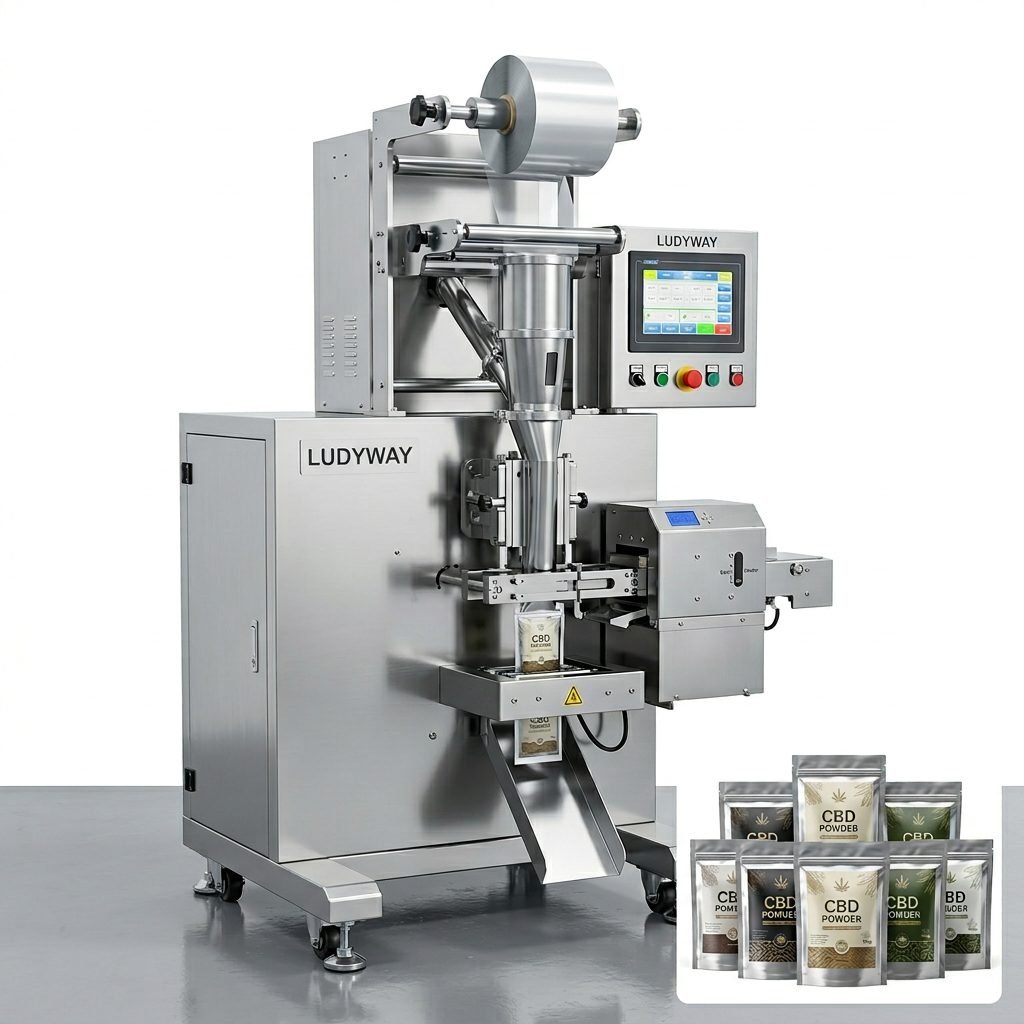
- Powder density and flowability: Fine pepper powder tends to be cohesive and may bridge or clump during filling. This requires specialized auger fillers or vibratory feeding systems to ensure consistent dosing accuracy.
- Granule size distribution: Coarse pepper granules flow more freely but may require volumetric cup fillers or multi-head weighers for precise portioning, especially in high-speed applications.
- Moisture sensitivity: Pepper is hygroscopic and can absorb moisture from the air, affecting both flow characteristics and shelf life. Your packaging machine should be compatible with moisture-barrier flexible packaging materials and may require nitrogen flushing capabilities.
- Dust generation: Fine pepper powders generate significant dust during filling, which can affect machine sensors and sealing integrity. Dust extraction systems and sealed filling zones are important considerations.
Choosing the Right Packaging Format
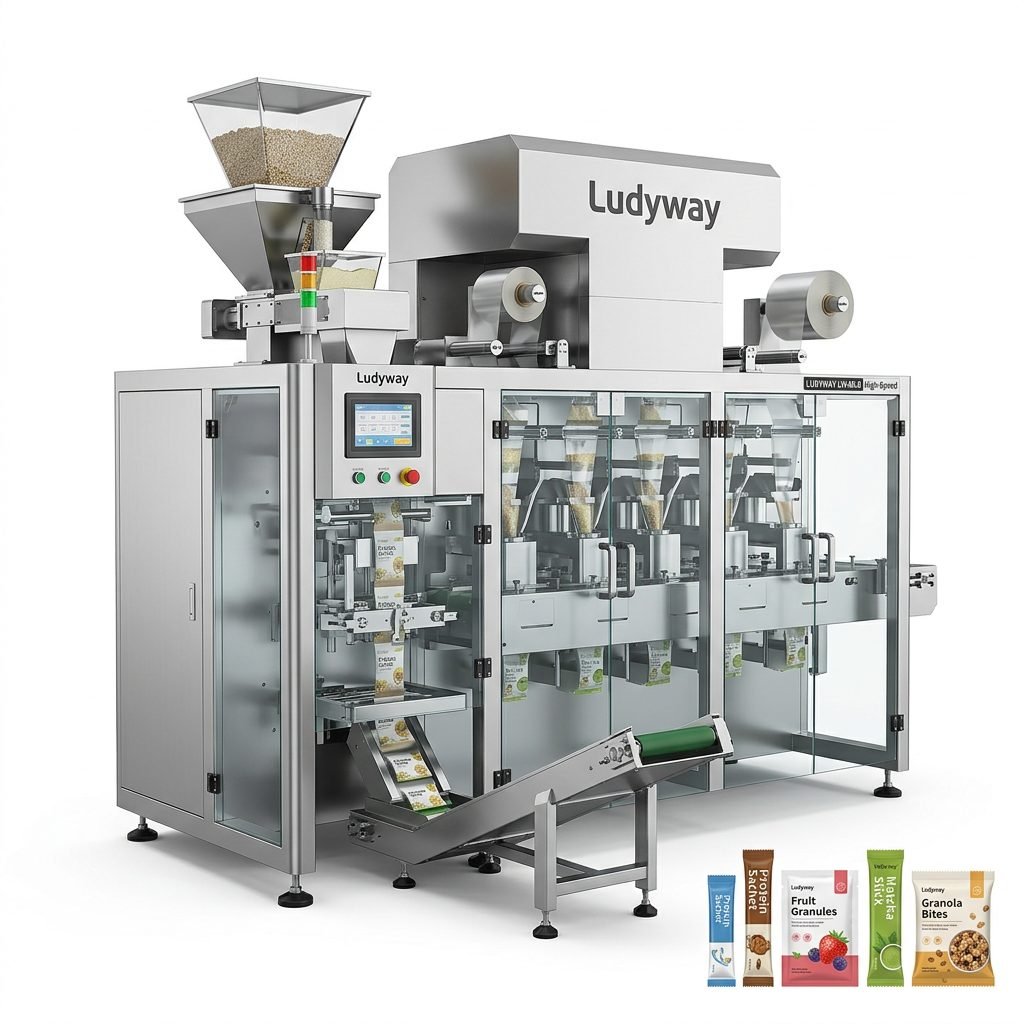
The packaging format you select influences consumer convenience, shelf presence, and production line configuration. Different pepper packing machine models are designed for specific package types. The table below compares common packaging formats for pepper products:
| Packaging Format | Best For | Key Advantages | Typical Speed Range |
|---|---|---|---|
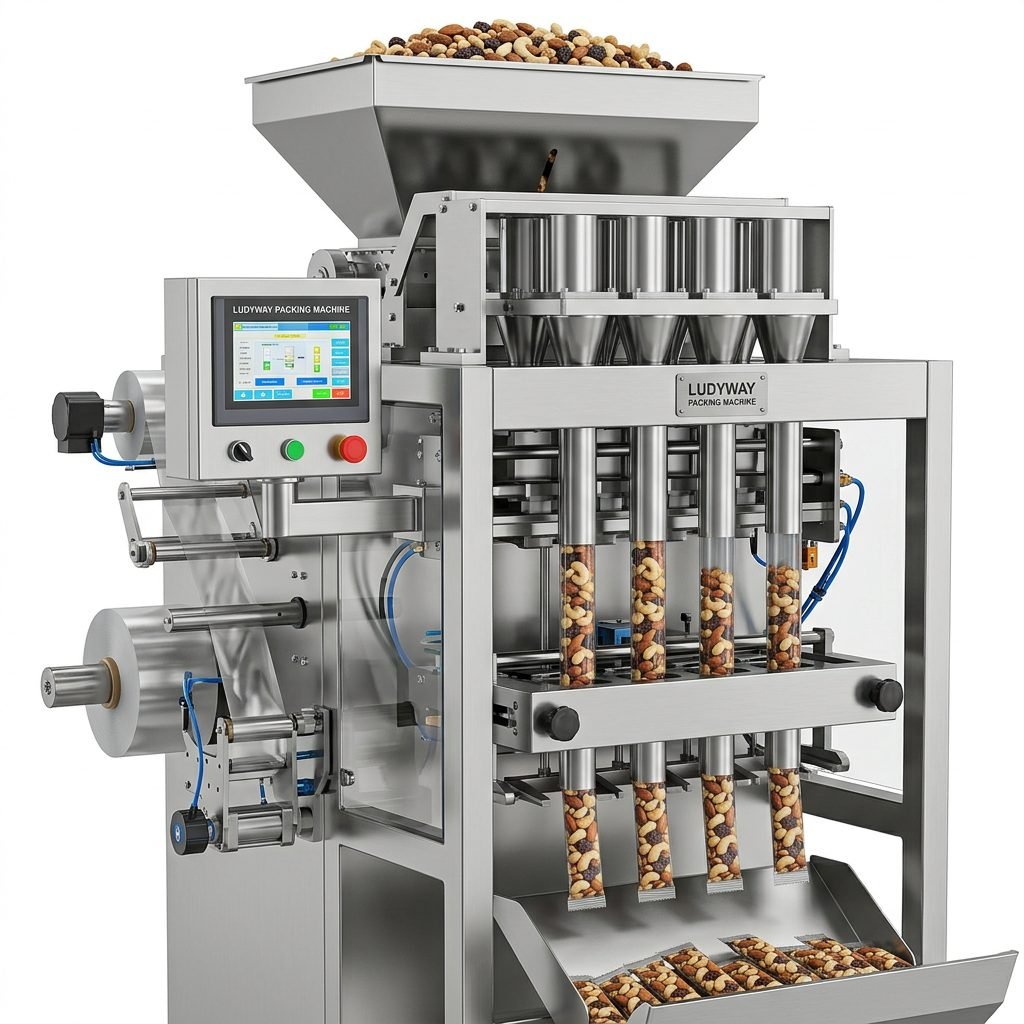
| Sachet / Stick Pack | Single-serve pepper portions, food service, travel packs | Precise portion control, extended shelf life, excellent barrier properties | 30-200 packs/min per lane |
| Stand-up Pouch | Retail pepper packaging, premium brands, resealable formats | Attractive shelf display, resealable zipper options, larger fill volumes | 20-80 packs/min |
| Flat Pouch / Pillow Bag | Bulk pepper, industrial ingredients, private label | Cost-effective packaging, high-speed capability, simple design | 40-120 packs/min |
| Jar / Bottle Filling | Premium pepper products, glass or plastic containers | Reusable packaging, premium perception, tamper-evident sealing | 20-60 containers/min |
According to PMMI’s packaging industry reports, flexible packaging formats like sachets and stick packs continue to gain market share in the spice and seasoning sector due to consumer demand for convenience and portion control.
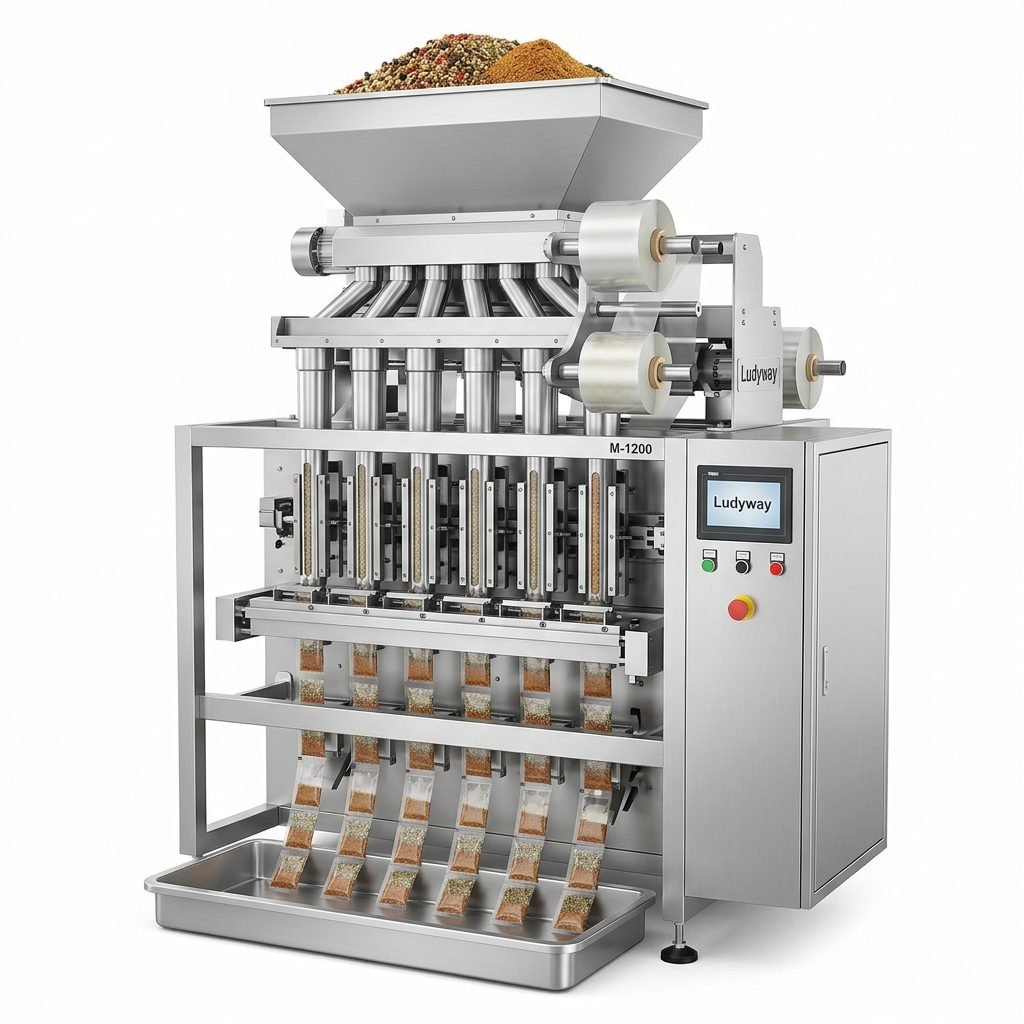
Production Speed and Capacity Requirements
Your target production volume is one of the most important factors in selecting a pepper packing machine. Matching machine speed to your actual demand—rather than simply choosing the fastest model—ensures optimal ROI and prevents unnecessary capital expenditure.
- Low-volume production (under 30 packs/min): Single-lane vertical form fill seal (VFFS) machines or semi-automatic filling systems are typically sufficient for small-scale operations, startups, or specialty pepper producers.
- Medium-volume production (30-80 packs/min): Single-lane automatic VFFS machines with advanced dosing systems offer a good balance of speed, accuracy, and investment cost for growing businesses.
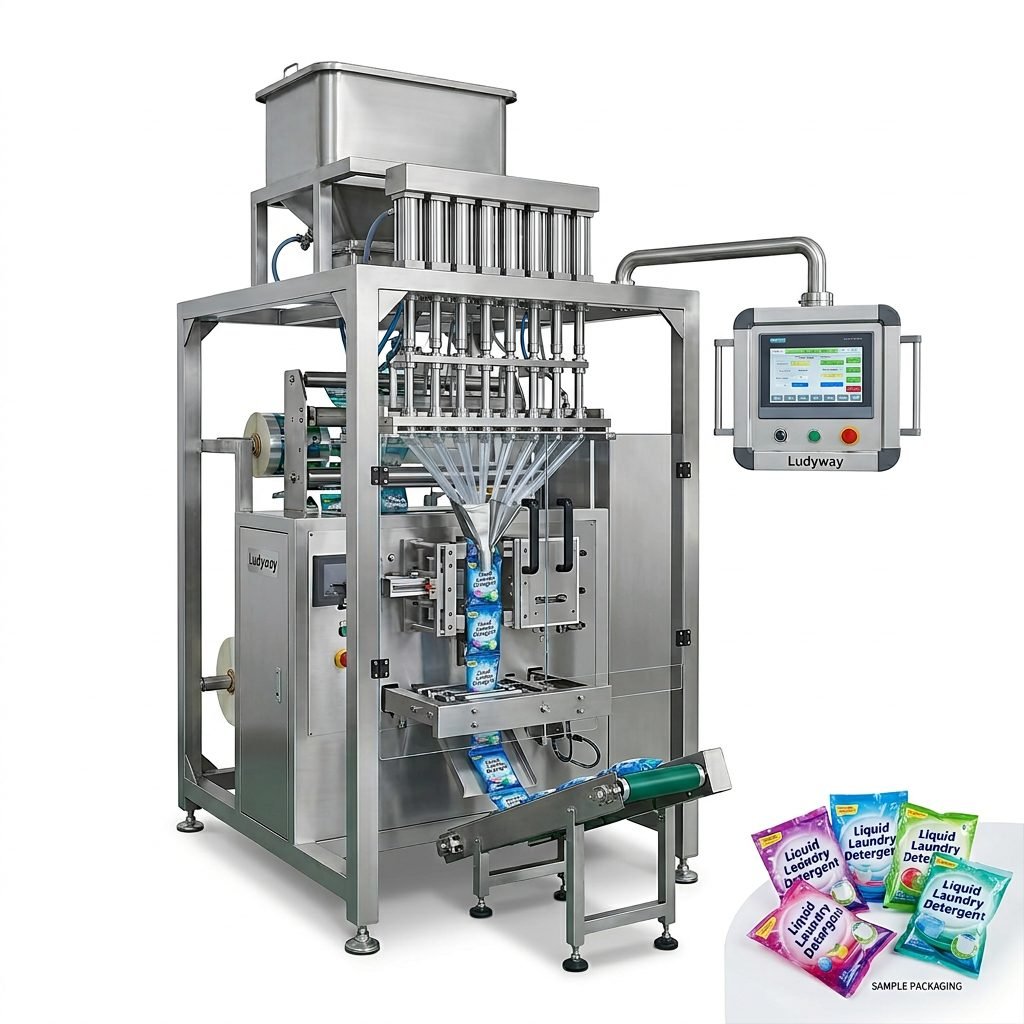
- High-volume production (80-200+ packs/min): Multi-lane sachet and stick pack machines dramatically increase output while maintaining precise fill accuracy. These systems are ideal for large-scale pepper processors supplying retail chains or food service distributors.
When calculating required speed, factor in not just current demand but also projected growth over the next 3-5 years. A machine that meets today’s requirements but cannot scale may require premature replacement.
Automation Level and Integration
Modern pepper packaging machines offer varying degrees of automation, from standalone filling units to fully integrated packaging lines. The right level depends on your labor costs, production complexity, and quality control requirements.
Key automation features to evaluate include:
- Automatic feeding systems: Vacuum conveyors, bucket elevators, or screw feeders that transport pepper from bulk storage to the packaging machine hopper, reducing manual handling and contamination risks.
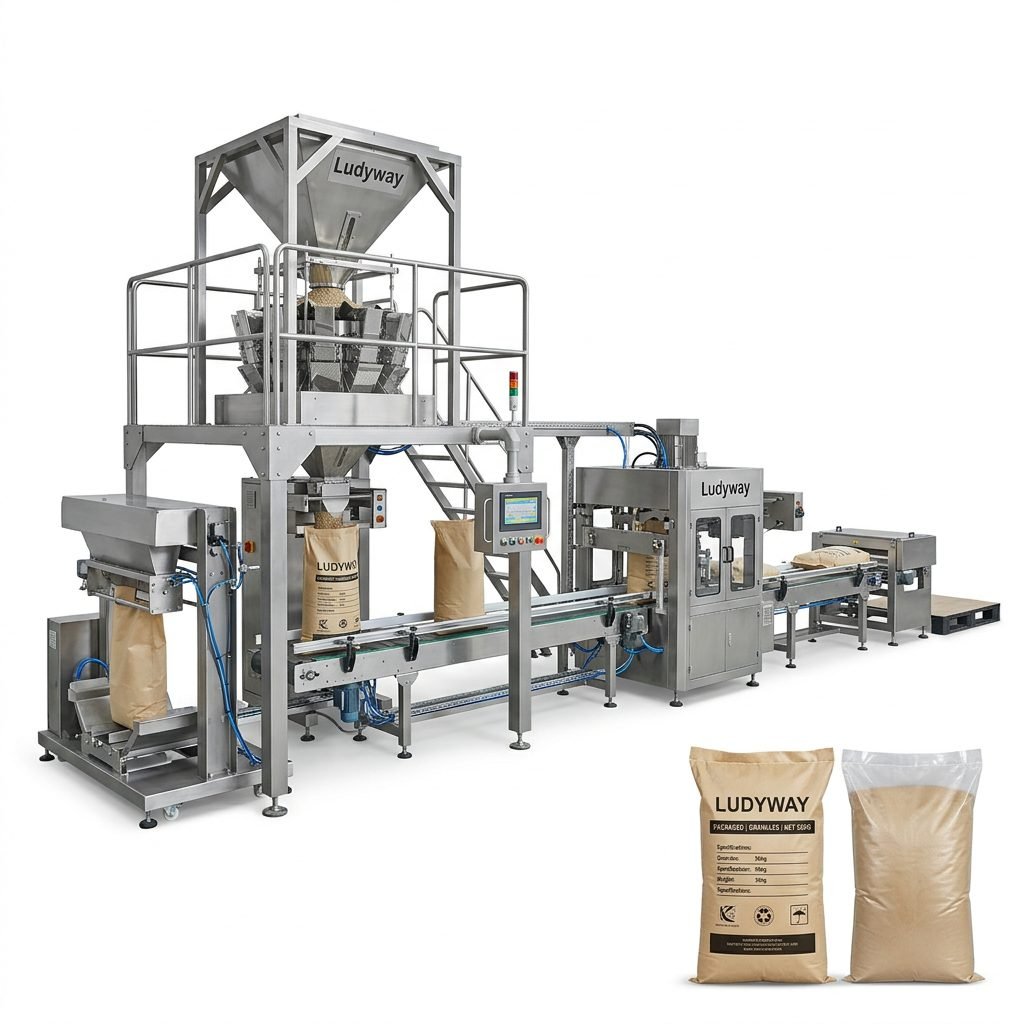
- Integrated weighing and dosing: Multi-head weighers for granules, auger fillers for powders, or combination systems that automatically adjust fill weight to minimize product giveaway.
- Inline quality control: Checkweighers, metal detectors, and vision inspection systems that verify fill weight accuracy and detect contaminants—critical for compliance with FDA packaging and food contact substance regulations.
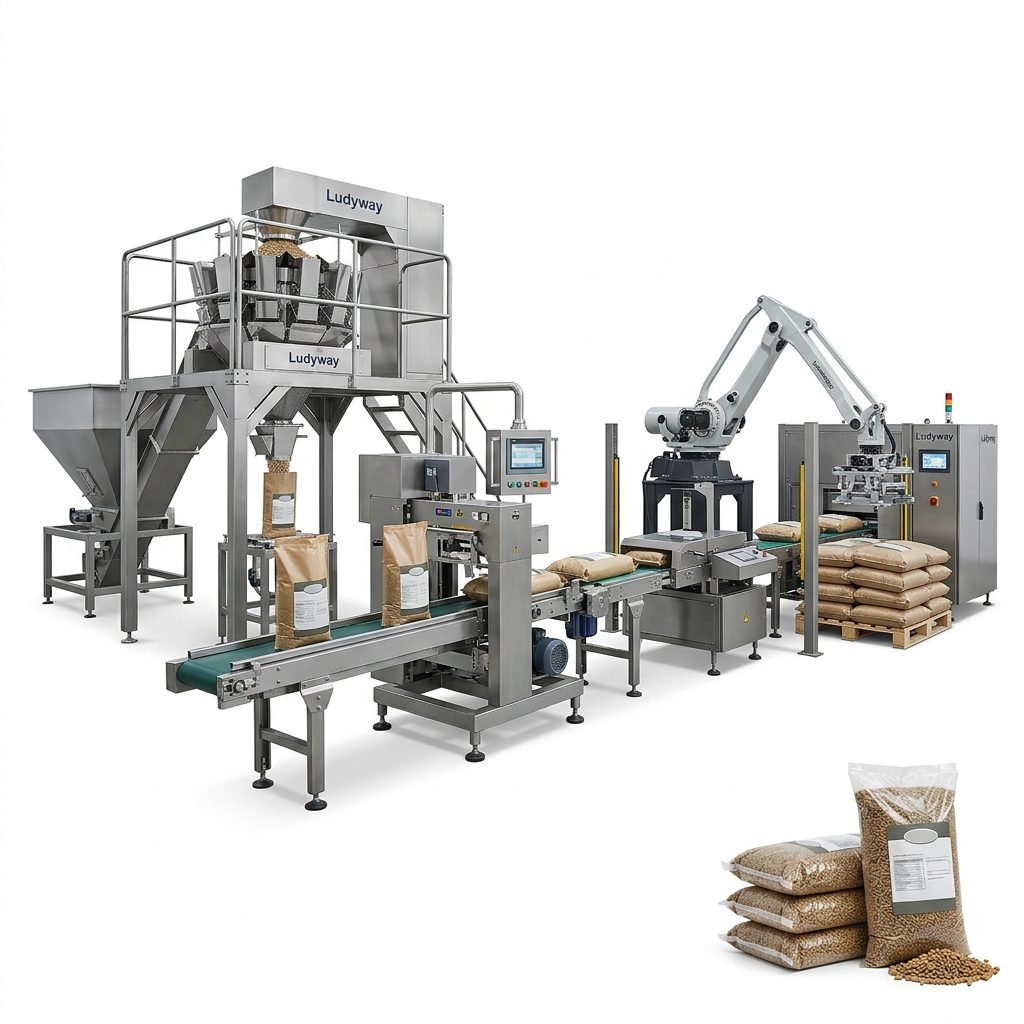
- Secondary packaging integration: Automatic cartoning, case packing, and palletizing systems that streamline the entire packaging process from primary package to shipping-ready pallet.
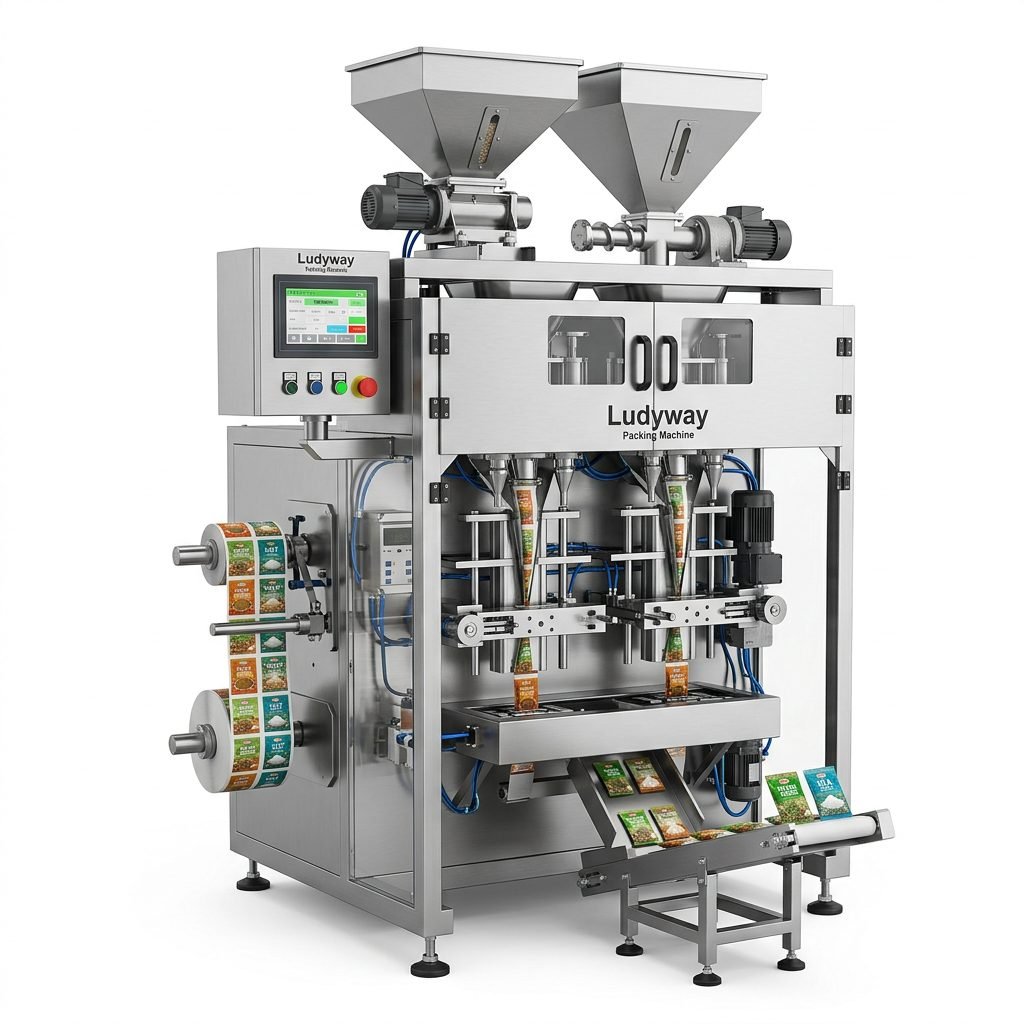
Machine Configuration and Customization
No two pepper processing operations are identical. Product characteristics, factory layout, utilities availability, and packaging material specifications all influence the optimal pepper packing machine configuration. Working with a manufacturer that offers customized engineering solutions rather than only standardized machines can significantly improve your packaging outcomes.
Consider these customization aspects:
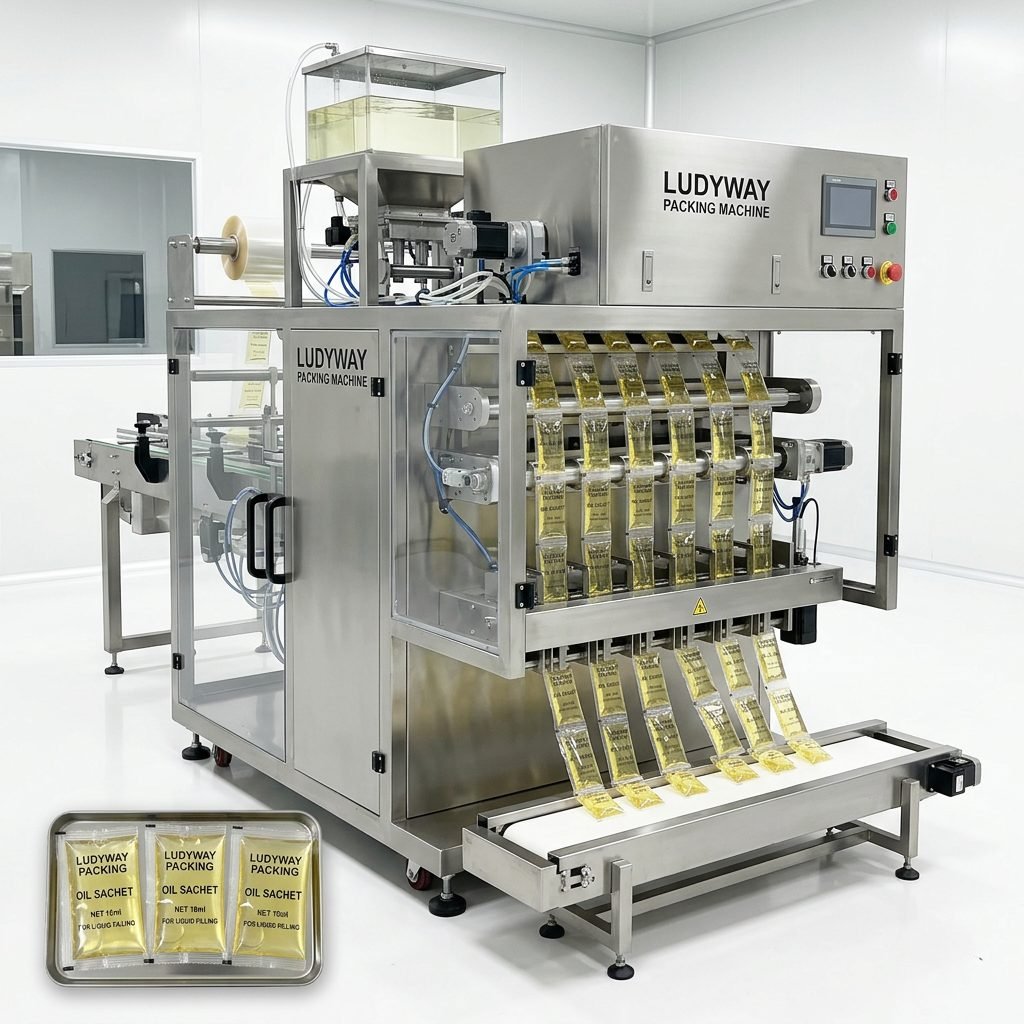
- Filling system type: Auger fillers for fine powders, volumetric cup fillers for free-flowing granules, multi-head weighers for mixed particle sizes, or piston fillers for liquid pepper extracts and sauces.
- Sealing technology: Heat sealing, ultrasonic sealing, or impulse sealing—each with different compatibility profiles for various packaging materials and production speeds.
- Gas flushing and modified atmosphere packaging (MAP): Nitrogen flushing to displace oxygen extends pepper shelf life and preserves volatile aroma compounds. This is especially valuable for premium and organic pepper products.
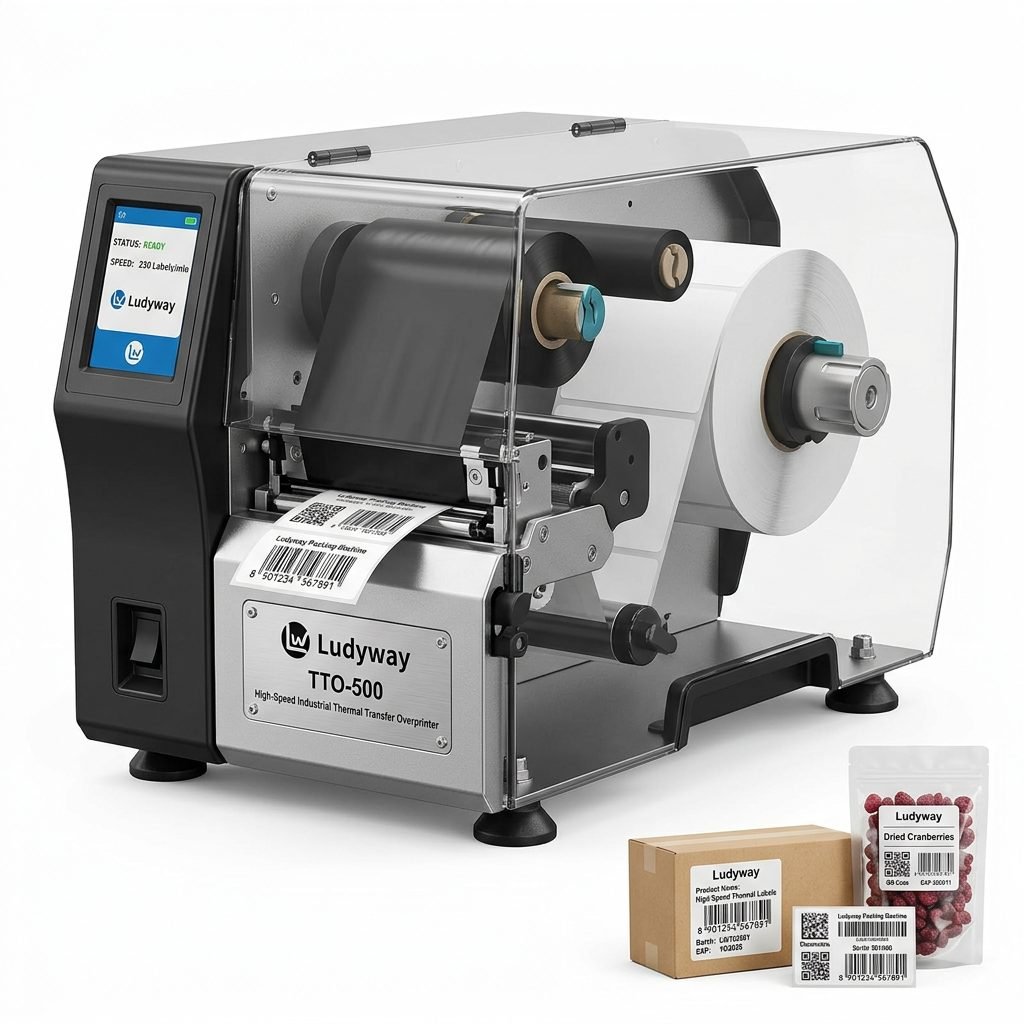
- Coding and marking: Integrated inkjet or laser coding systems for batch numbers, production dates, and traceability information as required by international ISO packaging standards.
Quality Standards and Compliance
Pepper destined for food applications must be packaged on equipment that meets rigorous hygiene and safety standards. When evaluating a pepper packing machine, verify that the manufacturer can provide equipment designed to comply with applicable regulations in your target markets.
- Food-grade materials: All product contact surfaces should be manufactured from stainless steel (typically SUS304 or SUS316L) with appropriate surface finishing to prevent product adhesion and facilitate cleaning.
- GMP compliance: For pharmaceutical-grade pepper extracts or nutraceutical applications, machines should support Good Manufacturing Practice requirements including clean-in-place (CIP) capabilities and validation documentation.
- CE marking and international certifications: For exporters serving European and other regulated markets, machinery should carry appropriate certifications and compliance documentation.
- Dust and contamination control: Enclosed filling zones, dust extraction ports, and HEPA-filtered environments help maintain product purity and worker safety when handling fine pepper powders.

Budget and ROI Considerations
Investing in a pepper packing machine requires balancing upfront capital costs with long-term operational savings. While entry-level machines may have lower purchase prices, they often incur higher ongoing costs through increased labor requirements, product giveaway, maintenance downtime, and shorter service life.
Key financial factors to evaluate:
- Initial equipment cost: Includes the base machine, dosing systems, conveyors, and any customization required for your specific pepper product.
- Installation and commissioning: Factory acceptance testing (FAT), site preparation, installation labor, and production trial runs should be included in your budget planning.
- Labor savings: Automated machines typically reduce direct labor requirements by 50-80% compared to semi-automatic or manual packaging processes.
- Product giveaway reduction: Precision dosing systems can reduce overfill by 1-3 grams per package—costs that compound significantly at high production volumes.
- Packaging material efficiency: Modern machines with precise film registration and tension control minimize material waste and changeover scrap.
- Maintenance and spare parts: Factor in preventive maintenance schedules, readily available spare parts inventory, and technical support response times.
Selecting the Right Packaging Machinery Partner
Choosing the right pepper packing machine is as much about selecting the right manufacturing partner as it is about the equipment specifications. A reliable packaging machinery manufacturer should provide comprehensive support throughout the machine’s lifecycle—from initial consultation and equipment selection to installation, training, and after-sales service.
When evaluating potential suppliers, consider these questions:
- Does the manufacturer have specific experience with pepper and spice packaging applications, or do they primarily serve other industries?
- Can they provide references or case studies from similar pepper processing operations?
- What level of customization and engineering support do they offer beyond standardized machine configurations?
- Do they provide turnkey solutions that can integrate multiple packaging line components from a single source?
- What is their global service network and technical support infrastructure?
- How do they handle spare parts availability, remote troubleshooting, and operator training?
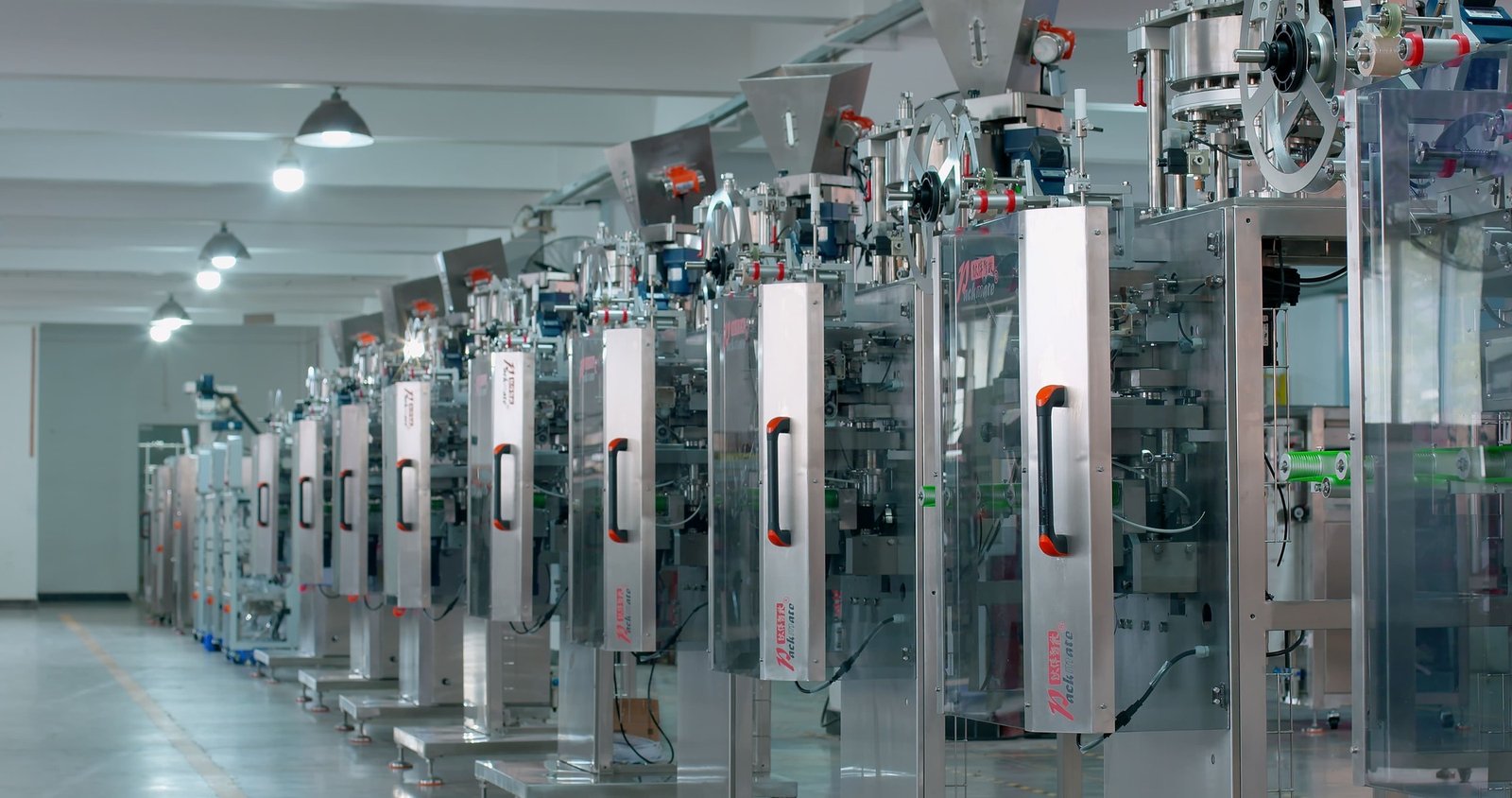
For manufacturers seeking an experienced packaging machinery partner, Ludyway Machinery offers more than 30 years of industry experience with a broad portfolio of automatic packaging equipment designed for powder, granule, and liquid products across food, pharmaceutical, and chemical sectors. With a 20,000-square-meter manufacturing facility and packaging solutions serving customers in more than 100 countries, the company provides customized machinery and turnkey packaging line solutions tailored to specific product and production requirements.
Conclusion
Selecting the right pepper packing machine is a strategic investment that affects your product quality, production efficiency, and competitive position. By carefully evaluating your product characteristics, packaging format requirements, production volume targets, automation needs, quality standards, and budget parameters, you can identify equipment that delivers reliable performance and strong ROI over its operational lifetime.
Partnering with an experienced packaging machinery manufacturer that understands the unique challenges of spice and seasoning packaging ensures that your equipment is properly configured for your specific pepper products. Whether you need a single-lane sachet machine for specialty pepper blends or a high-speed multi-lane system for mass-market production, the right combination of technology, engineering support, and after-sales service will position your operation for long-term success in the competitive pepper market.
Take the time to visit manufacturer facilities, review packaging machinery market research, test your actual pepper products on demonstration equipment, and speak with existing customers before making your final decision. The due diligence invested upfront pays dividends through years of reliable, efficient pepper packaging operations.