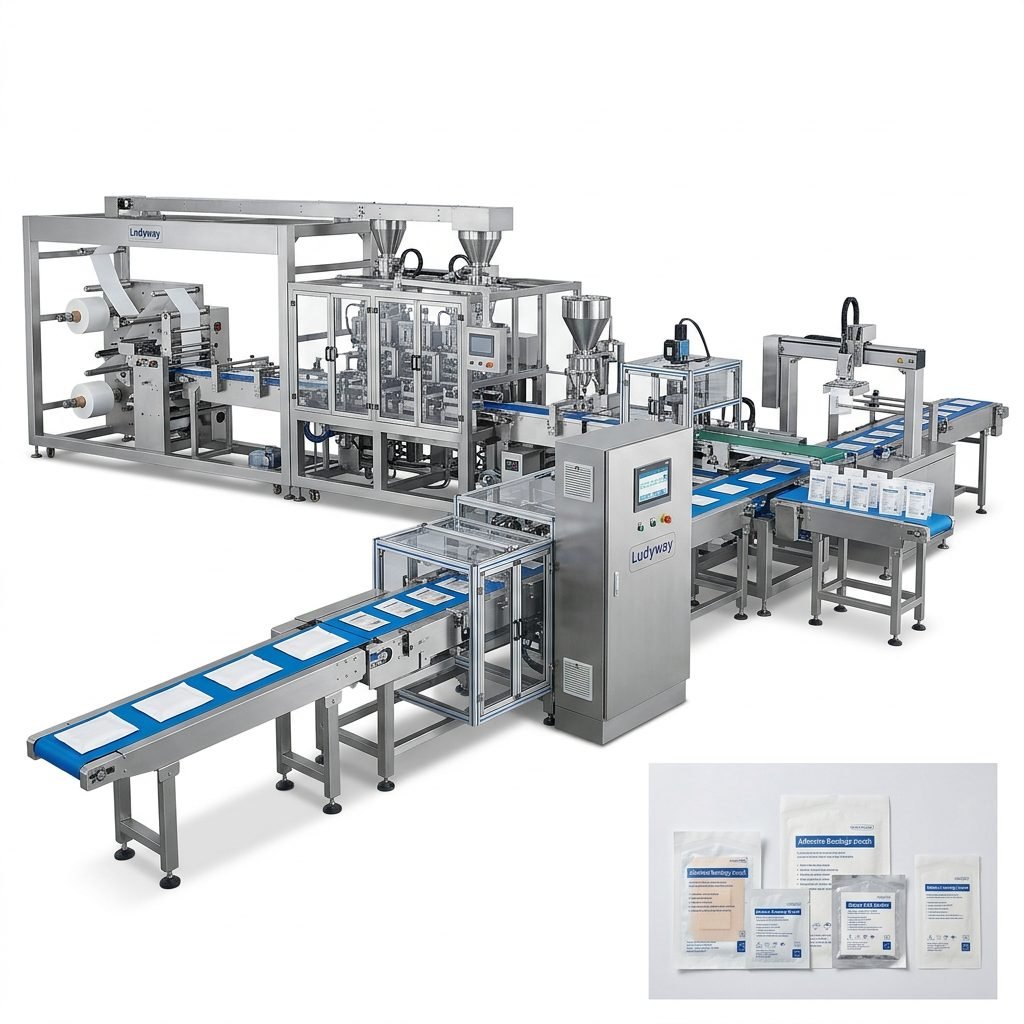
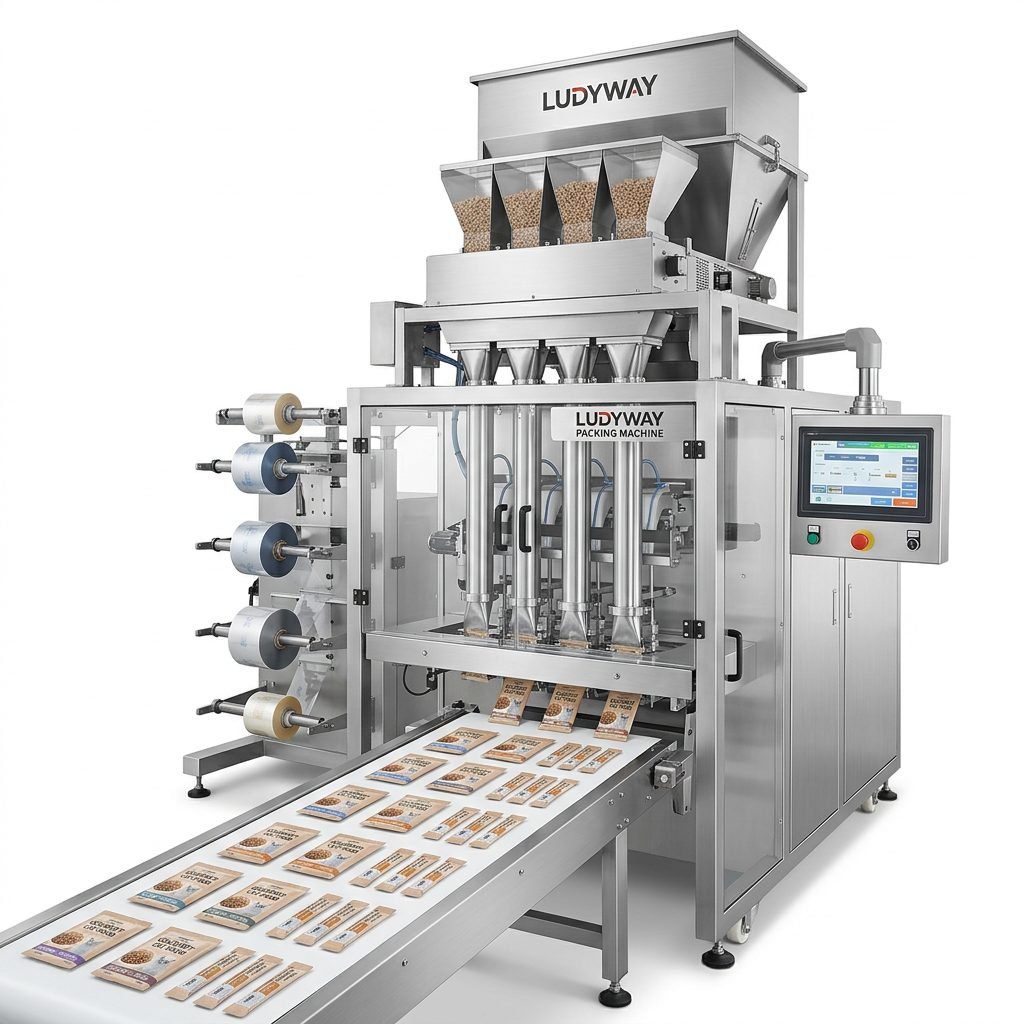
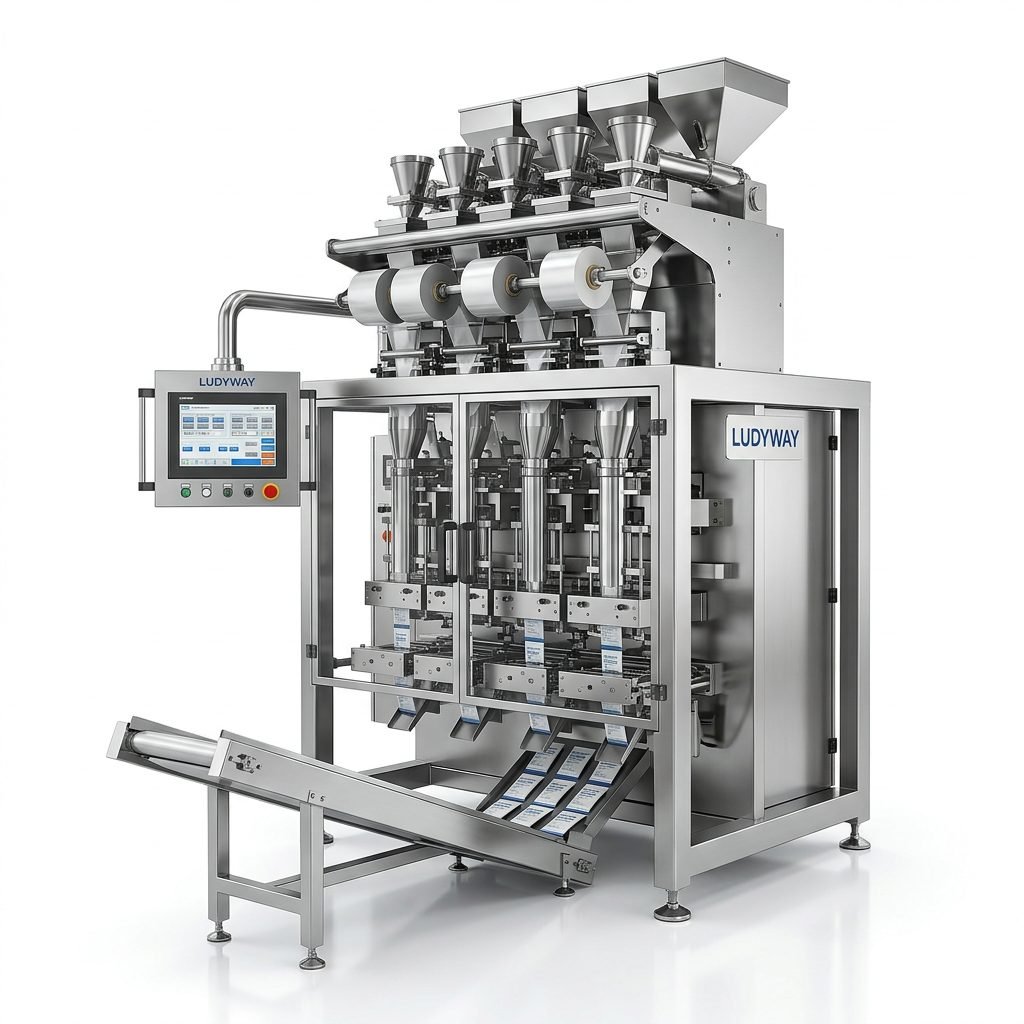
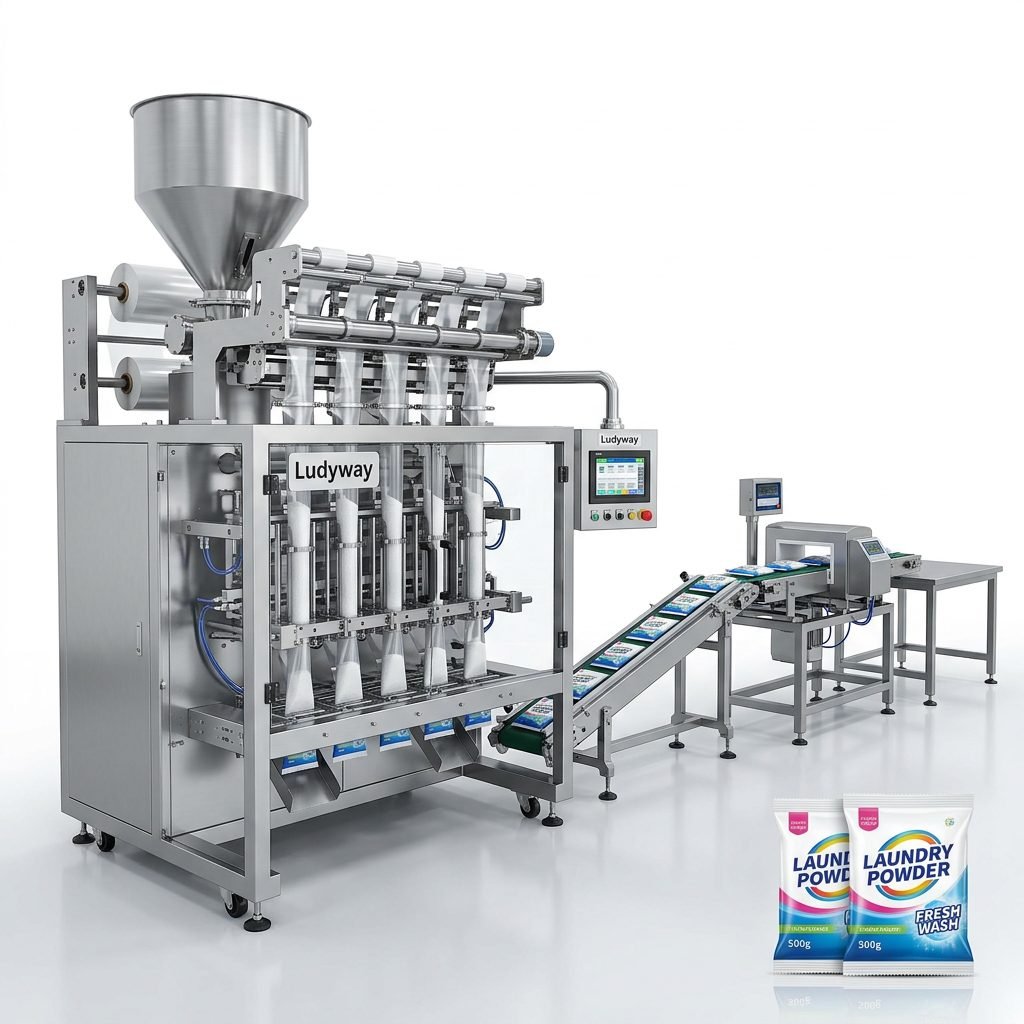
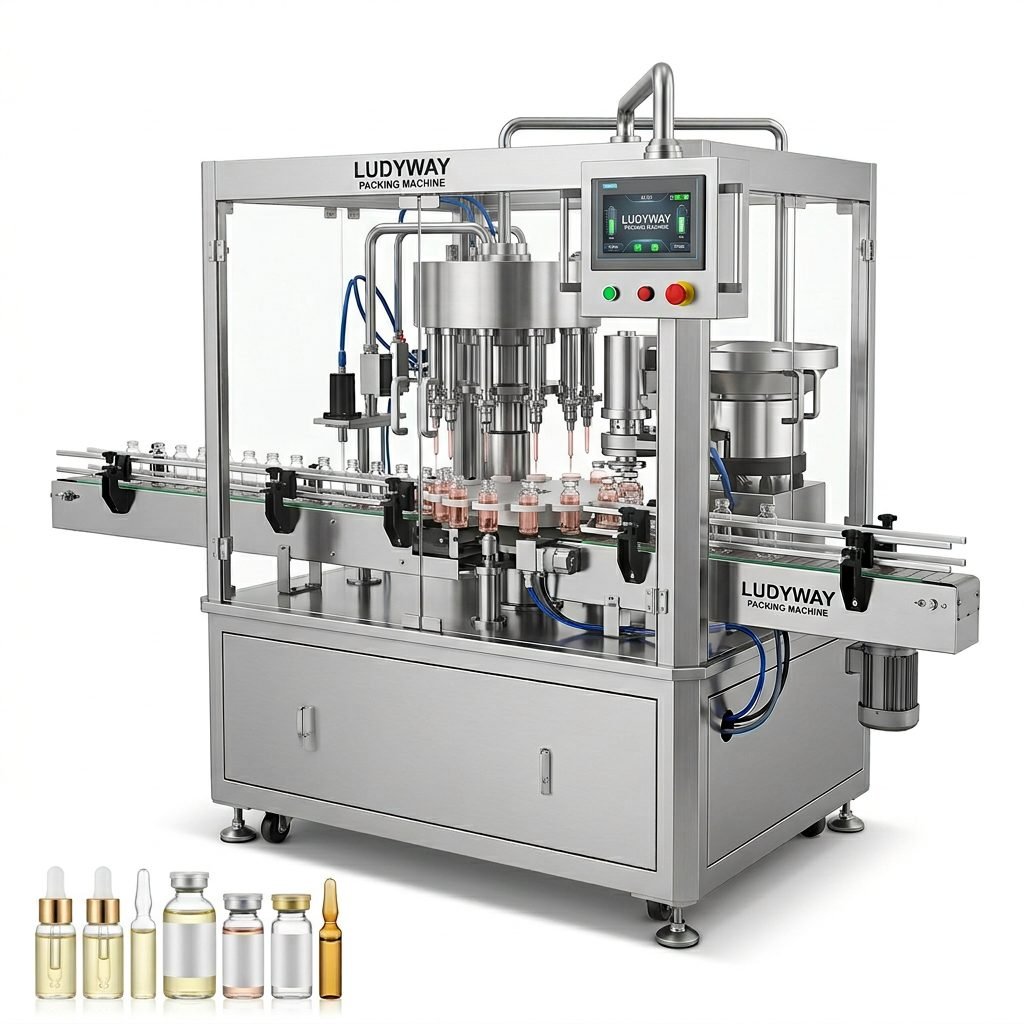
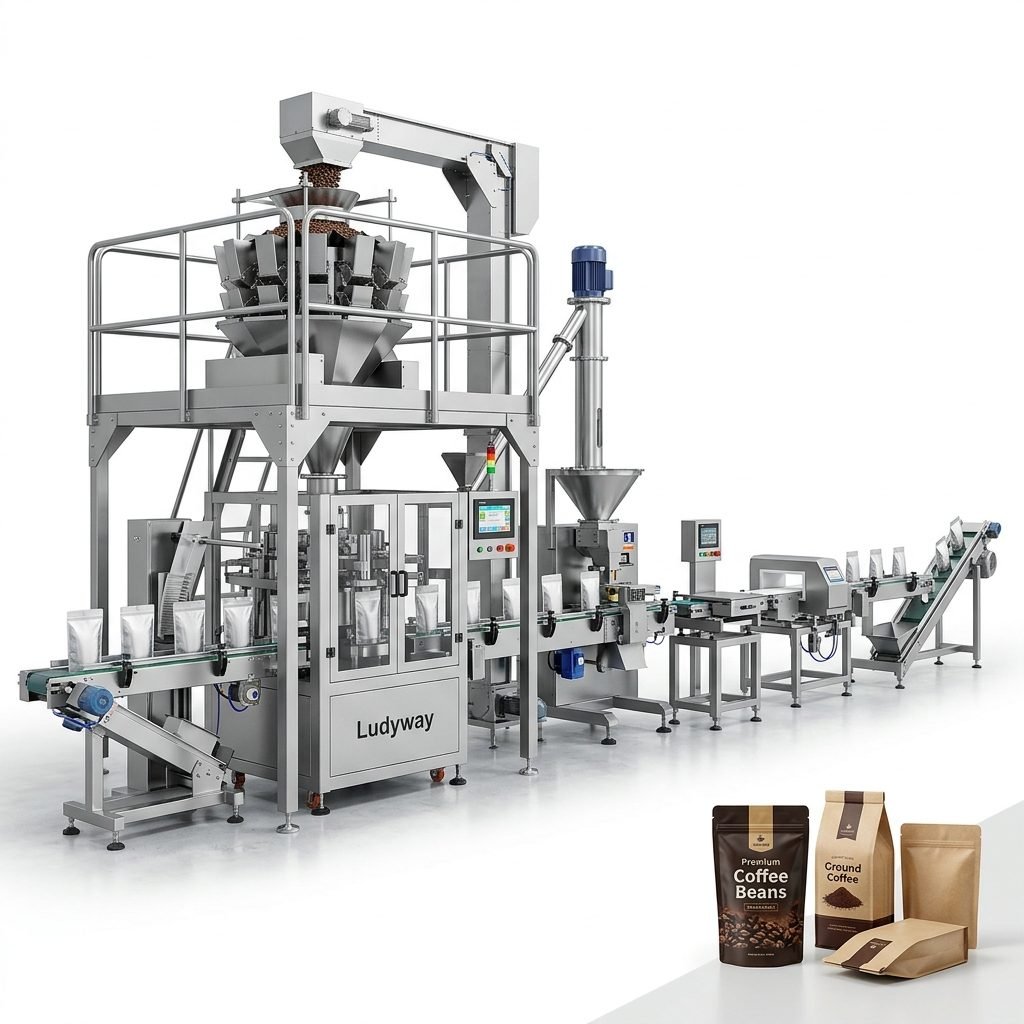
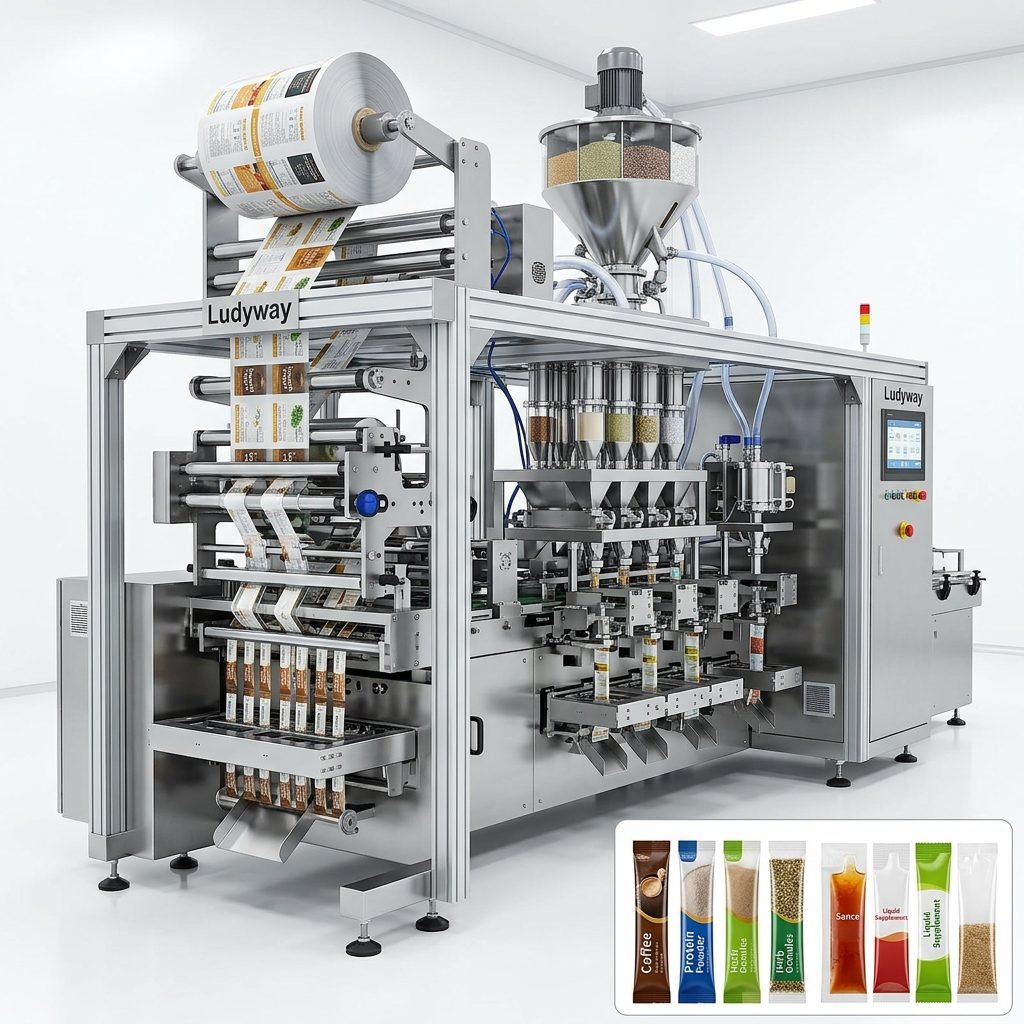
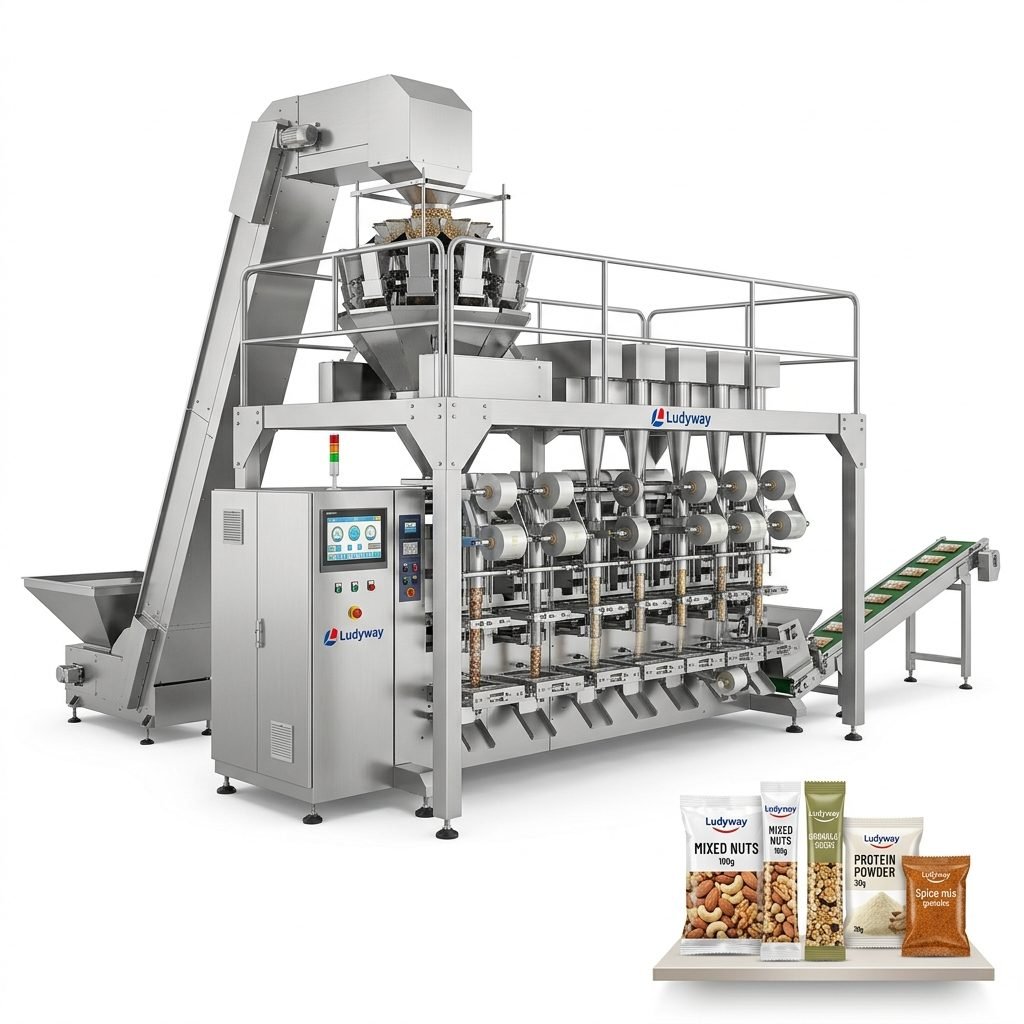
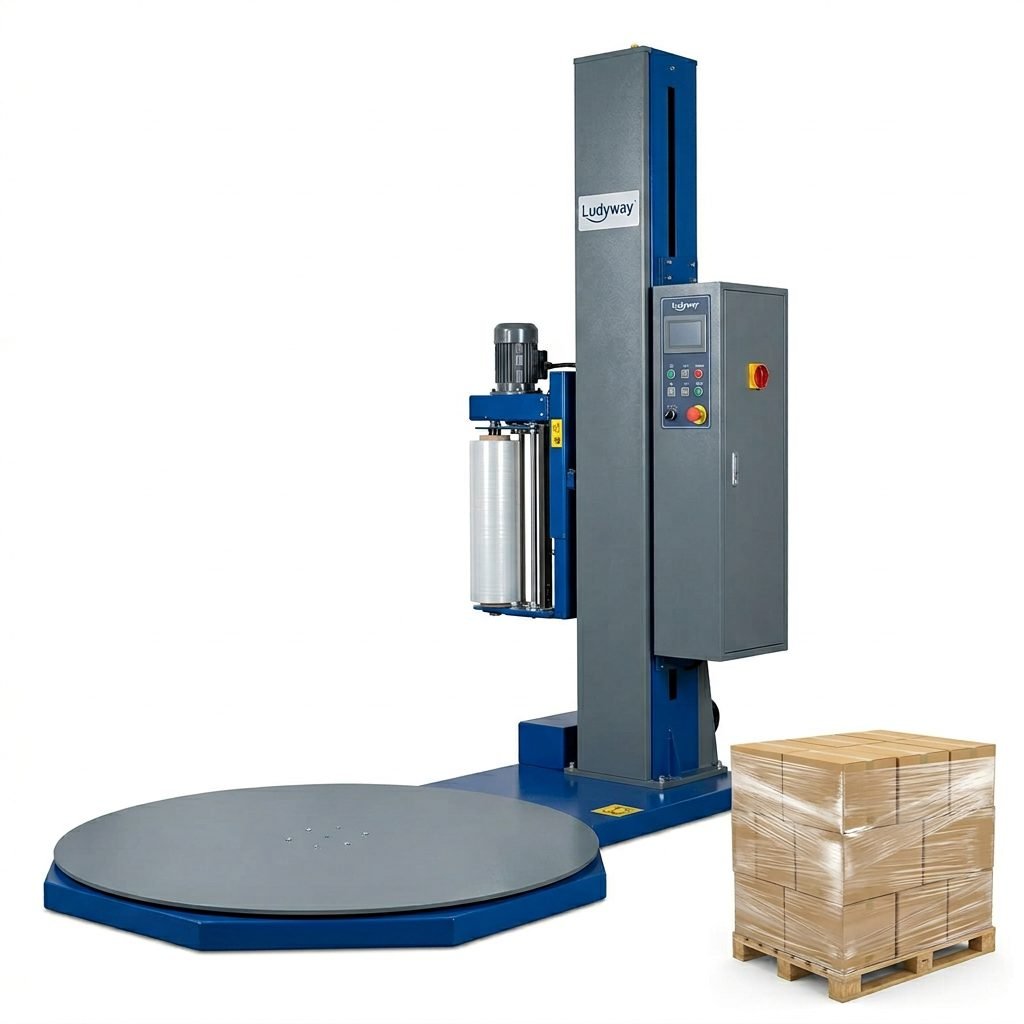
An IPack packaging machine is designed to help manufacturers package products faster, more accurately, and with better consistency across food, pharmaceutical, health supplement, cosmetic, and chemical applications. Whether you run a growing factory or a high-volume production plant, choosing the right machine can directly affect output, labor costs, product quality, and long-term profitability.
For buyers evaluating automated solutions, the best decision is rarely about speed alone. It should also consider product type, package format, sealing quality, compliance needs, maintenance demands, and future production expansion.

What Is an IPack Packaging Machine?
An IPack packaging machine generally refers to an automated or semi-automated system used to fill, form, seal, count, label, or carton products into retail-ready or transport-ready packaging. These machines can handle many product forms, including:
- Granules
- Powders
- Liquids
- Pastes and gels
- Tablets and capsules
- Premade pouches and sachets
- Stick packs and multi-lane formats
In practical terms, these systems are used to replace manual filling and sealing operations with a more controlled and repeatable process. This improves packaging precision while helping manufacturers meet growing demand.
Key Features of an IPack Packaging Machine
1. Automatic Filling Accuracy
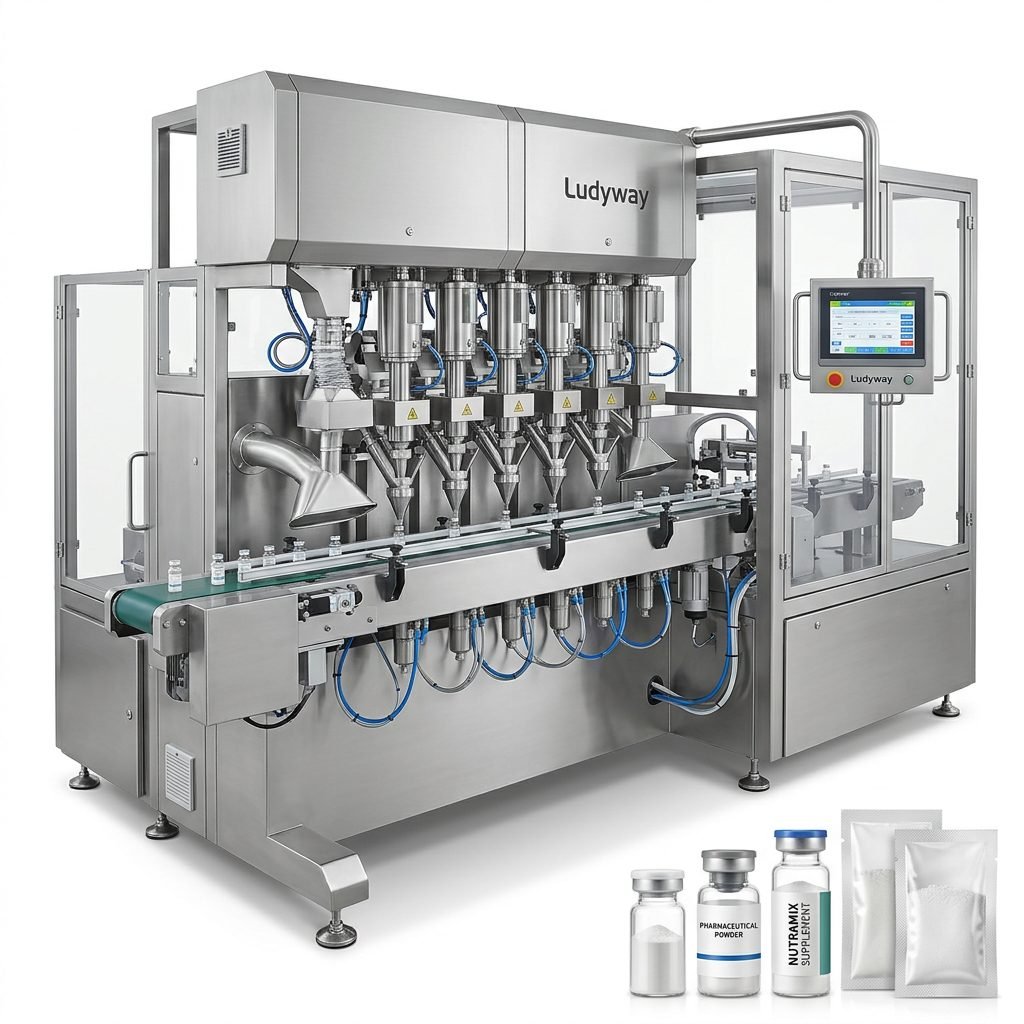
Modern packaging equipment uses dosing systems such as auger fillers, volumetric cup fillers, piston pumps, or multihead weighers. The right filling method depends on product flow characteristics and target accuracy.
2. Multiple Packaging Formats
One of the strongest features of an advanced IPack machine is format flexibility. Depending on the model, it may support:
- Sachets
- Stick packs
- Pillow bags
- 4-side seal packs
- Premade pouches
- Bottles, tubes, trays, or cartons
3. High-Speed Production Capability
Automated systems can significantly increase throughput compared with manual operations. Multi-lane packaging machines are especially valuable for products such as nutritional powders, instant drinks, pharmaceutical granules, and cosmetic samples where high-volume small-pack production is needed.
4. PLC and Touchscreen Control
Many advanced machines feature user-friendly control systems, recipe storage, alarm displays, and parameter adjustment through an HMI touchscreen. This makes operation easier and reduces setup time between product changes.
5. Consistent Sealing Quality
Seal integrity is critical for shelf life, leak prevention, appearance, and compliance. Reliable machines maintain stable temperature, pressure, and sealing time, which is essential for liquid, powder, and pharmaceutical packaging.
6. Integration with Turnkey Lines
Many buyers no longer want a standalone machine only. They prefer a complete line that can include feeding, filling, sealing, date coding, inspection, cartoning, case packing, and palletizing. This creates smoother workflow and better production planning.
Main Benefits of Using an IPack Packaging Machine
| Benefit | Why It Matters |
|---|---|
| Higher efficiency | Reduces manual handling and increases output per shift. |
| Better consistency | Improves fill weight, seal quality, and package appearance. |
| Labor savings | Helps factories reduce repetitive labor requirements. |
| Lower product waste | Accurate dosing minimizes overfilling and rejects. |
| Improved hygiene | Essential for food, pharma, and health products. |
| Scalability | Supports future expansion from single machine to full line. |
For many manufacturers, the shift to automated packaging is not only about reducing labor. It also improves operational predictability. With stable machine performance, production planning becomes easier, downtime can be controlled more effectively, and delivery schedules are easier to meet.
Industries That Commonly Use IPack Packaging Machines
Packaging automation is now widely used across multiple sectors. The most common include:
- Food: coffee, spices, sauces, sugar, milk powder, snacks, seasoning, instant beverages
- Pharmaceutical: granules, powders, tablets, capsules, medical consumables
- Health supplement: collagen powder, electrolyte mixes, probiotic sachets, vitamin products
- Cosmetics: cream, serum, lotion, shampoo, face mask sachets
- Chemicals: detergents, additives, cleaning liquids, industrial powders
- Animal nutrition: feed additives, pet supplements, kibble, granules, powders
How to Choose the Right IPack Packaging Machine
Understand Your Product Characteristics
Start with the product itself. A machine for free-flowing granules will differ from one designed for fine powders or viscous liquids. Consider:
- Flowability
- Particle size
- Moisture sensitivity
- Foaming tendency
- Corrosiveness
- Dust generation
- Required hygiene level
A mismatch between product behavior and filling technology is one of the main causes of poor packaging accuracy and unstable operation.
Match the Machine to Your Packaging Format
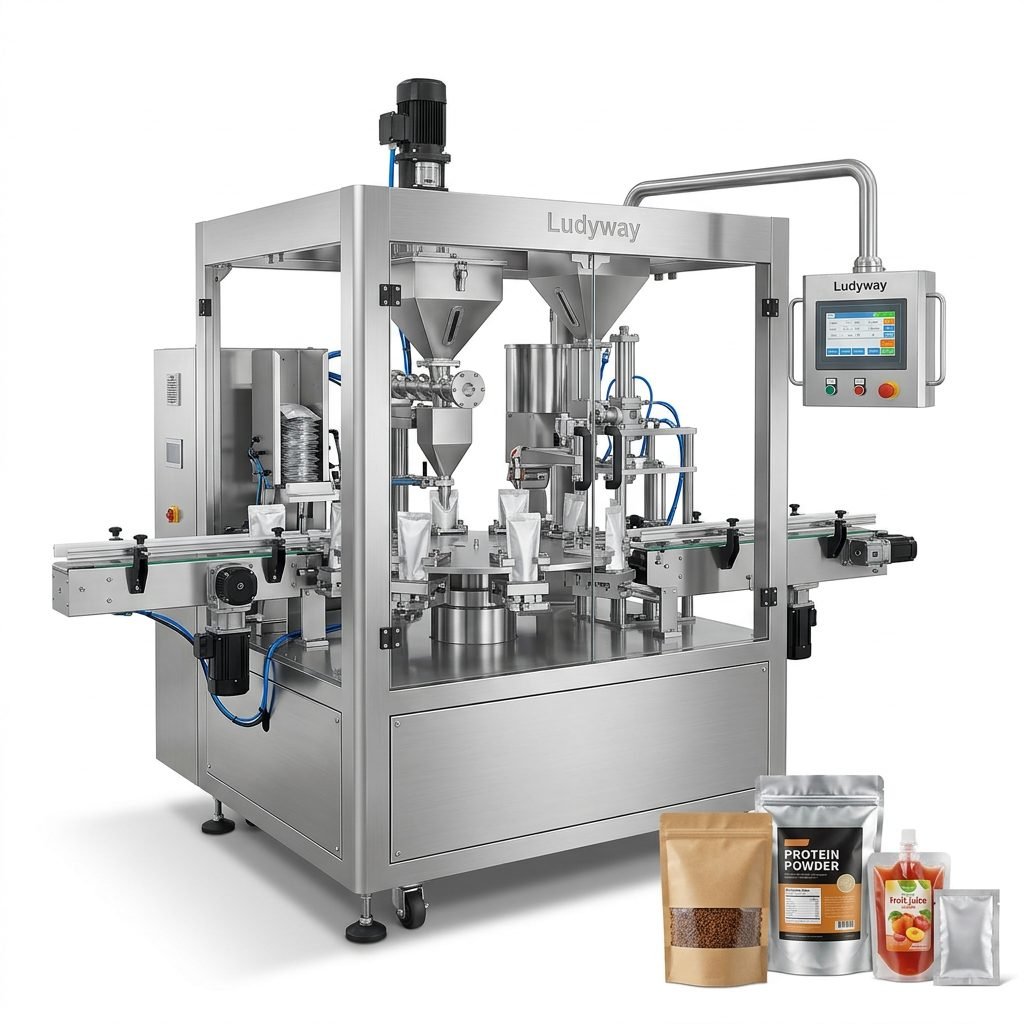
Think carefully about the package style your market needs. If you produce retail single-serve products, a sachet or stick pack machine may be ideal. If your products require resealable convenience or premium shelf appearance, premade pouch packaging may be the better fit.
Check Speed Requirements Realistically
Not every factory needs the highest-speed machine. A practical target should be based on current demand, shift planning, and future growth. Buying oversized equipment can increase unnecessary investment, while buying too small can quickly create a bottleneck.
Evaluate Automation Level
Ask whether you need:
- Standalone packaging equipment
- A machine with feeder and coding system
- A fully integrated turnkey packaging line
If your labor cost is rising or your output target is increasing, a higher level of automation may deliver stronger long-term value.
Consider Cleaning and Maintenance
Industries such as food and pharma often require fast cleaning, easy disassembly, and minimal contamination risk. A machine that is easier to clean and maintain can save many hours over the course of a year.
Verify Material and Build Quality
Stainless steel contact parts, precision machining, stable electrical components, and structured assembly quality all affect durability. Buyers should look beyond appearance and focus on the machine’s engineering details.
Review Customization Capability
If your product has a special format, difficult dosing behavior, or compliance requirement, standard equipment may not be enough. It is often better to work with a supplier that can adapt the machine to your application rather than forcing your process into a fixed design.
Quick Selection Guide
| Application Need | Recommended Machine Type |
|---|---|
| Powder sachets or stick packs | Multi-lane auger filling packaging machine |
| Granule products with high speed demand | Volumetric cup or weighing-based sachet/stick pack machine |
| Liquid or paste single-dose packs | Liquid/paste filling and sealing machine |
| Stand-up retail pouch packaging | Premade pouch packaging machine |
| Bottle filling and capping | Automatic bottle filling, capping, and labeling line |
| High-output factory with end-of-line automation | Turnkey packaging line with cartoning and case packing |
Common Mistakes Buyers Should Avoid
- Choosing a machine based only on price
- Ignoring product test validation before ordering
- Overestimating or underestimating output demand
- Not planning for package format changes in the future
- Overlooking after-sales service and spare parts support
- Failing to confirm electrical standards and compliance requirements
A lower initial price can become expensive if the machine causes downtime, poor sealing, inaccurate filling, or constant maintenance interruptions. Total operating value matters more than purchase price alone.
Why Supplier Strength Matters
The machine itself is important, but so is the manufacturer behind it. A capable supplier can support technical consultation, application analysis, customization, installation guidance, training, and long-term spare parts service.
Buyers looking for scalable packaging automation often evaluate manufacturers with broad industry experience and the ability to deliver both standalone equipment and complete lines. Ludyway packaging machine solutions are often considered by global buyers seeking automated systems for food, pharmaceutical, health supplement, cosmetic, and related applications, especially when turnkey integration and customized configurations are important.
Questions to Ask Before Buying
- What products will be packed now and in the next 3 to 5 years?
- What package formats are required by your market?
- What output per minute or per shift do you actually need?
- What filling accuracy is acceptable?
- Do you need a single machine or a complete line?
- How easy is cleaning, maintenance, and changeover?
- What after-sales support is included?
- Can the supplier provide testing with your product sample?
Final Buying Perspective
The right IPack packaging machine should align with your product, package style, production target, hygiene requirements, and business growth plan. The most successful investment is usually a machine that offers stable performance, suitable speed, accurate filling, flexible configuration, and dependable technical support.
If you compare machines carefully and prioritize application fit over marketing claims, you will be far more likely to choose equipment that improves productivity for years rather than just solving a short-term packaging problem.