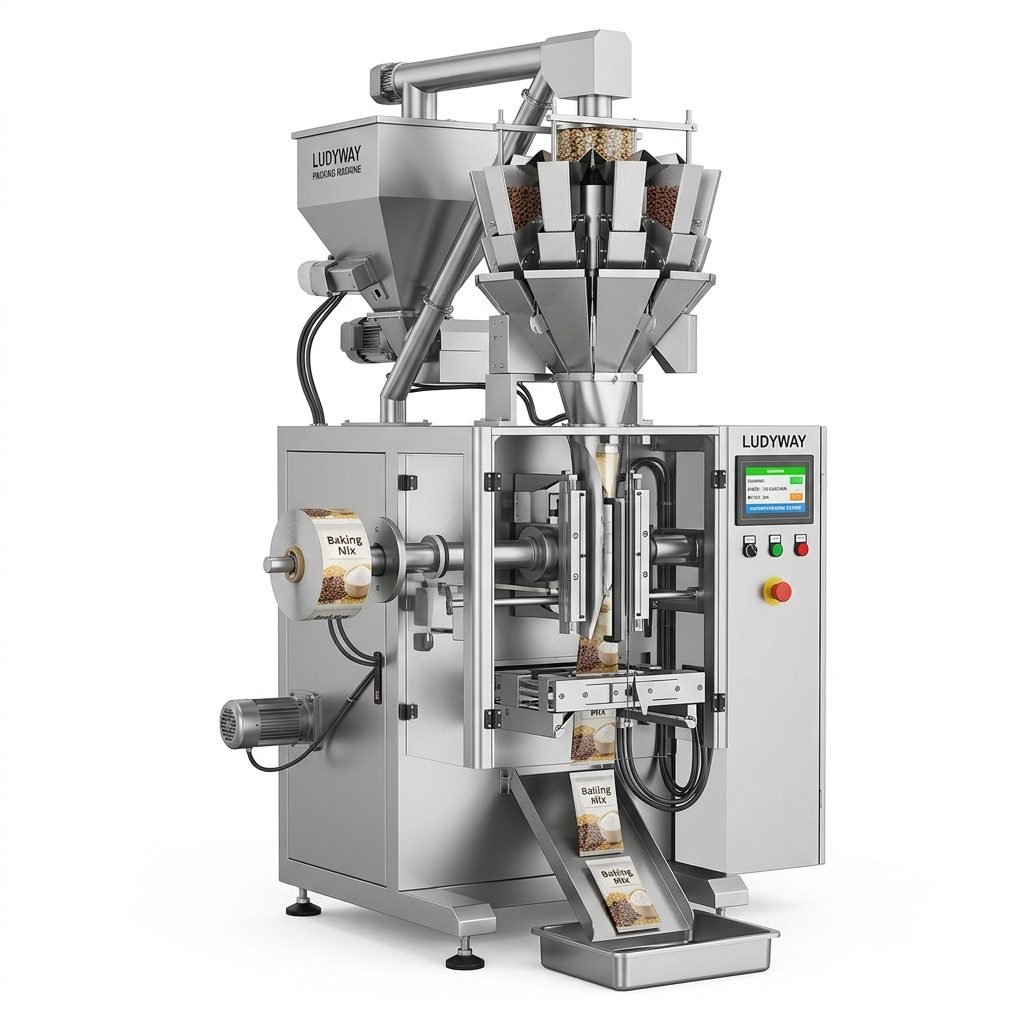
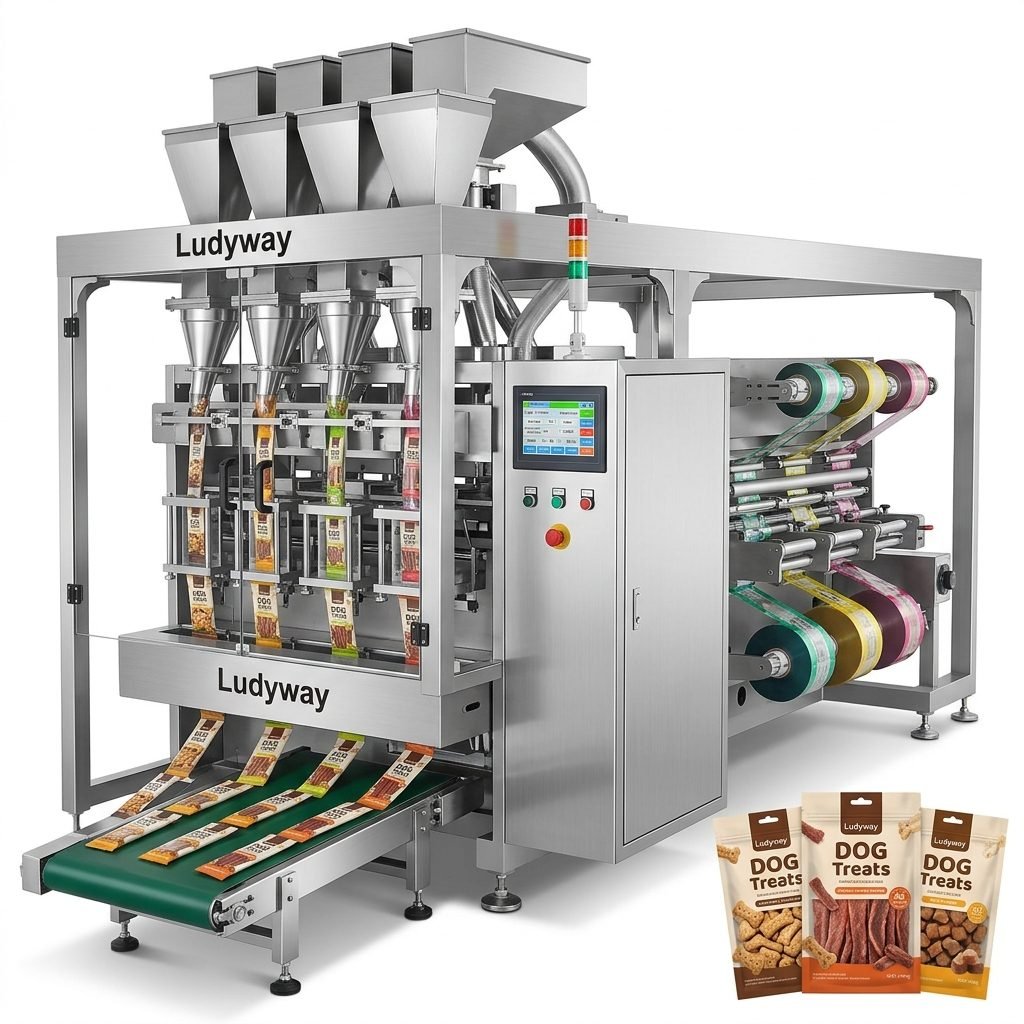
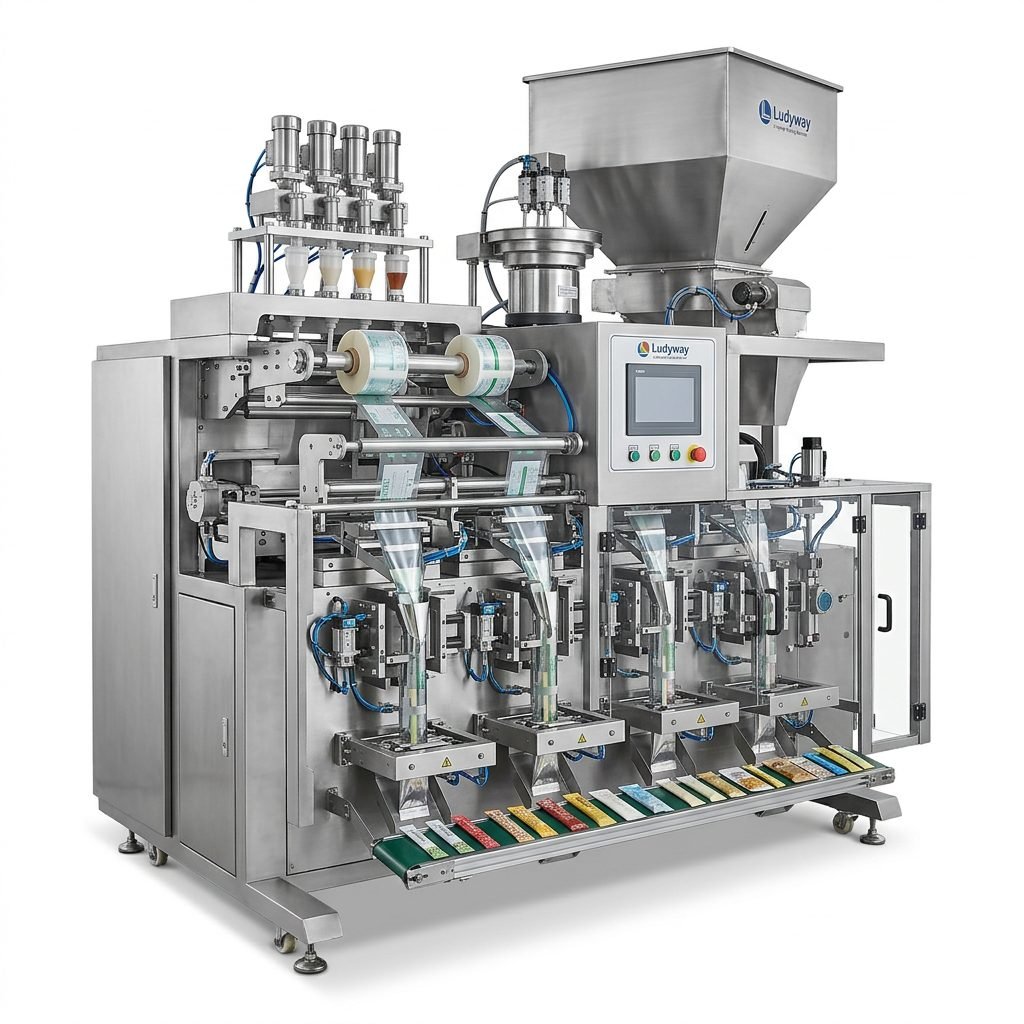
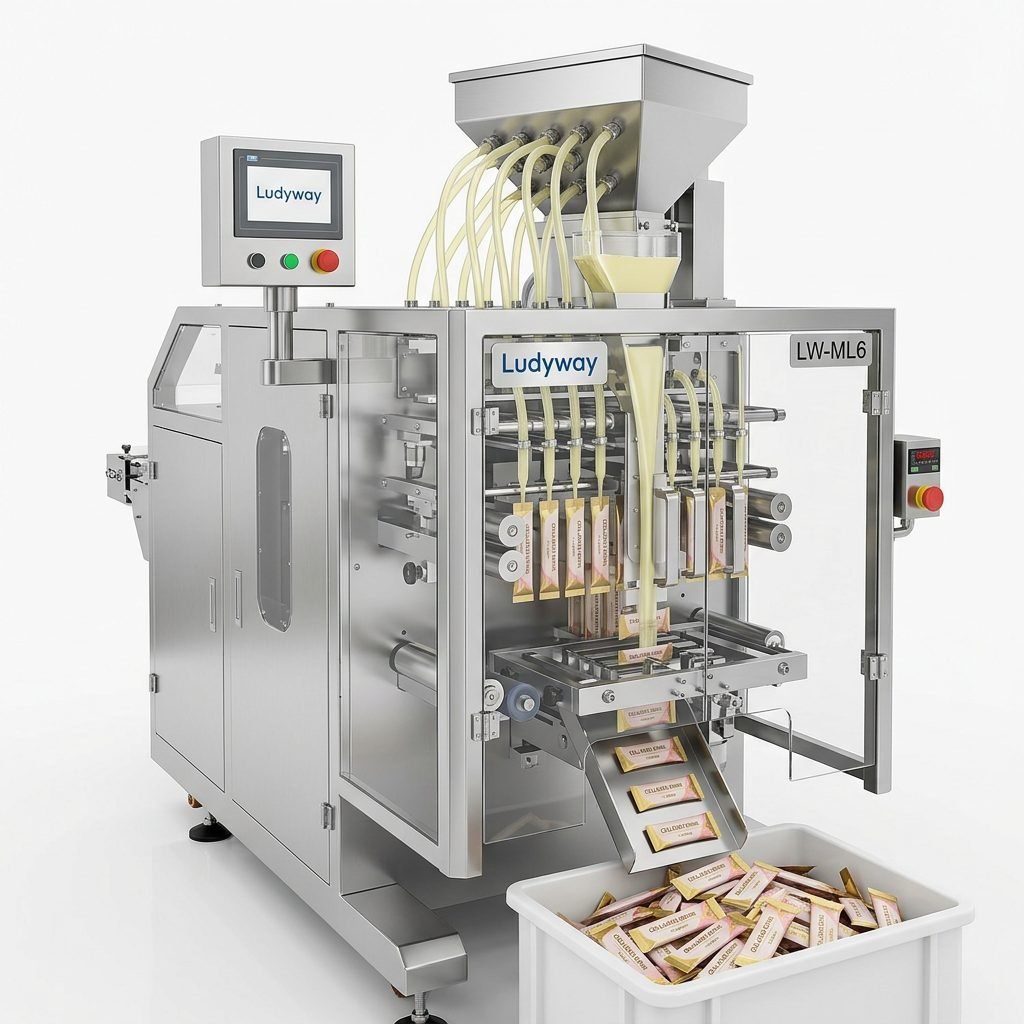
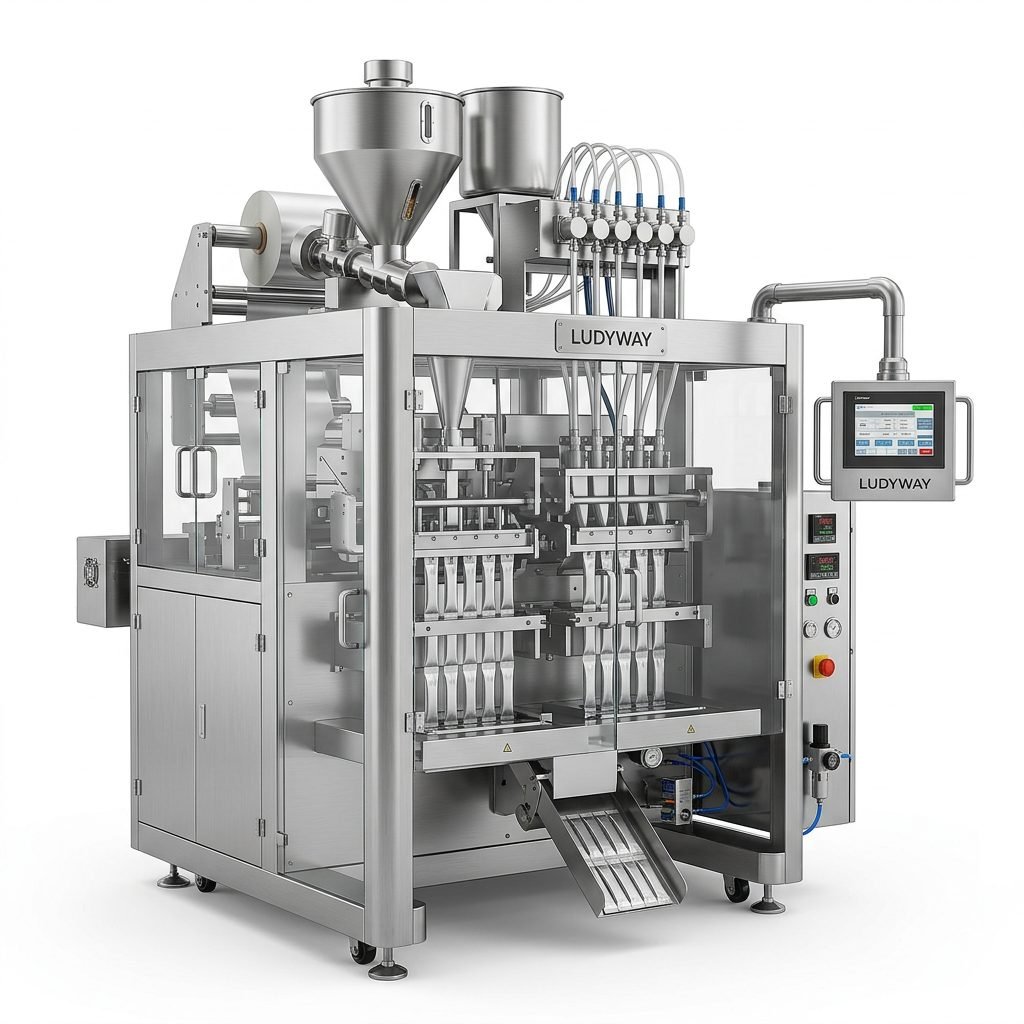
Investing in a 4 side sealing packing machine is a significant decision for manufacturers looking to automate flexible packaging processes. Whether you are packing powders, granules, liquids, or solid products, selecting the right equipment directly impacts your production efficiency, seal integrity, and long-term operational costs. This guide walks you through the essential factors to consider before making your purchase.
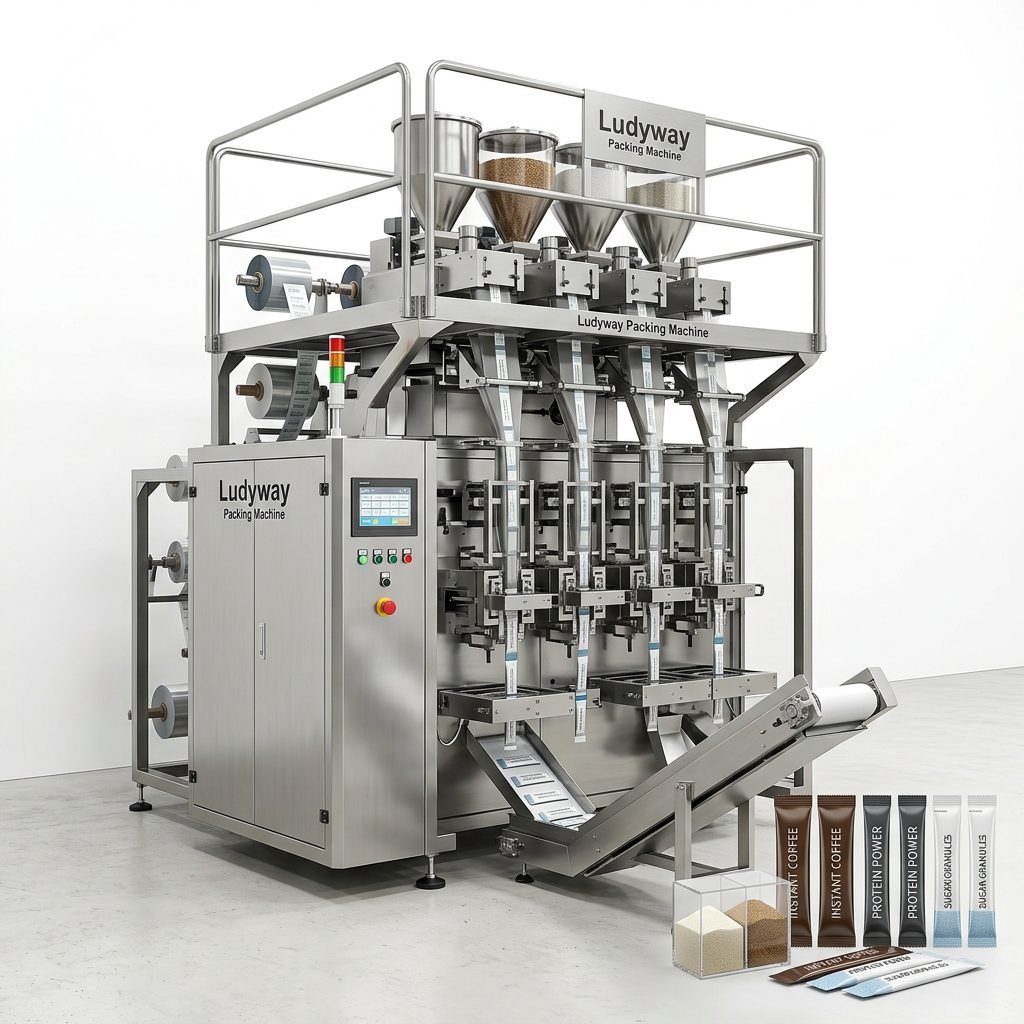
Understanding 4 Side Sealing Technology
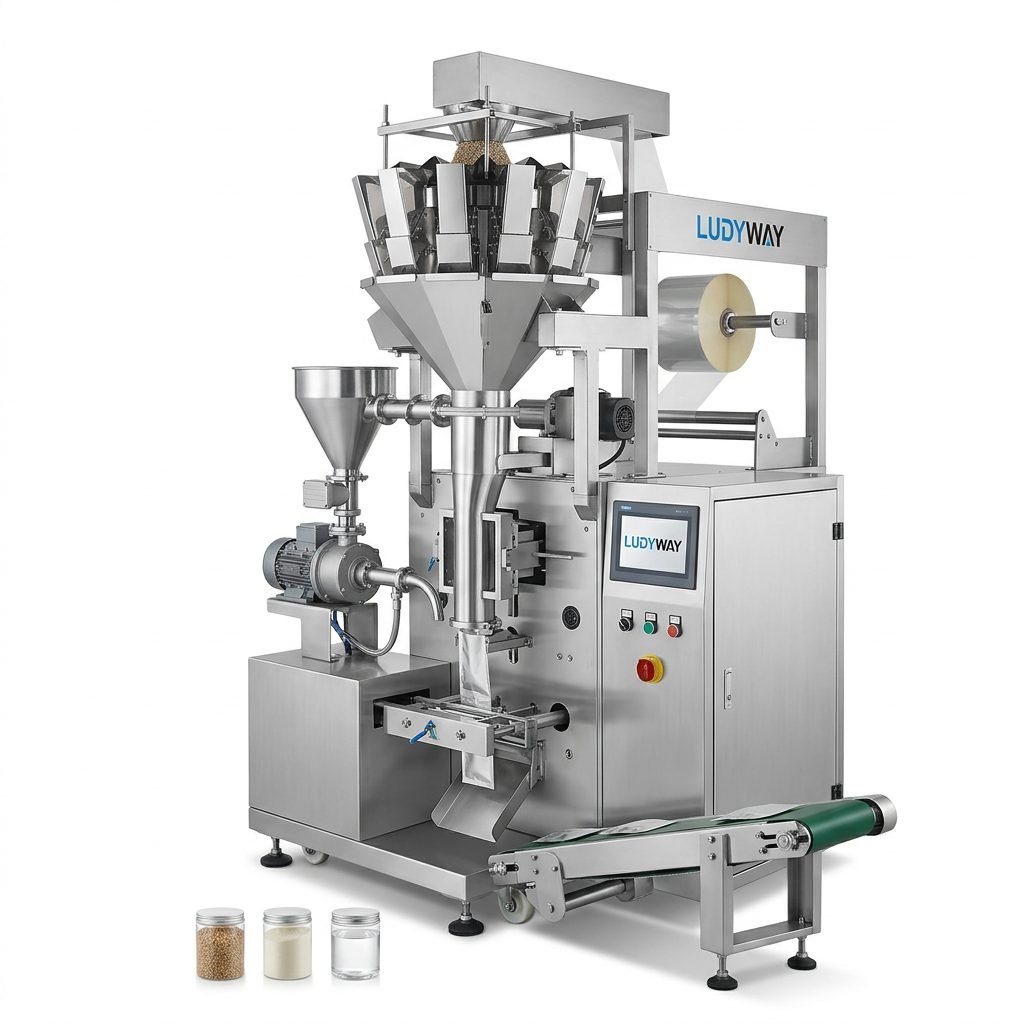
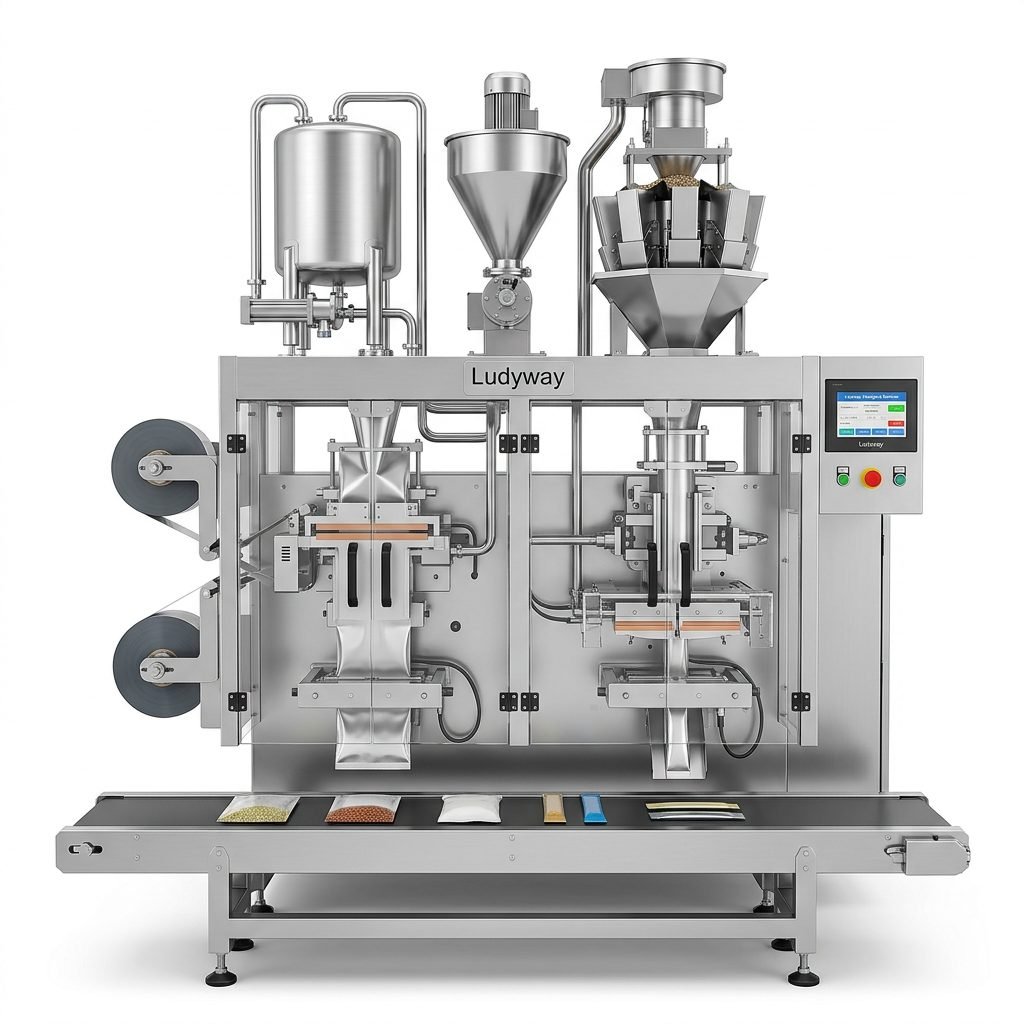
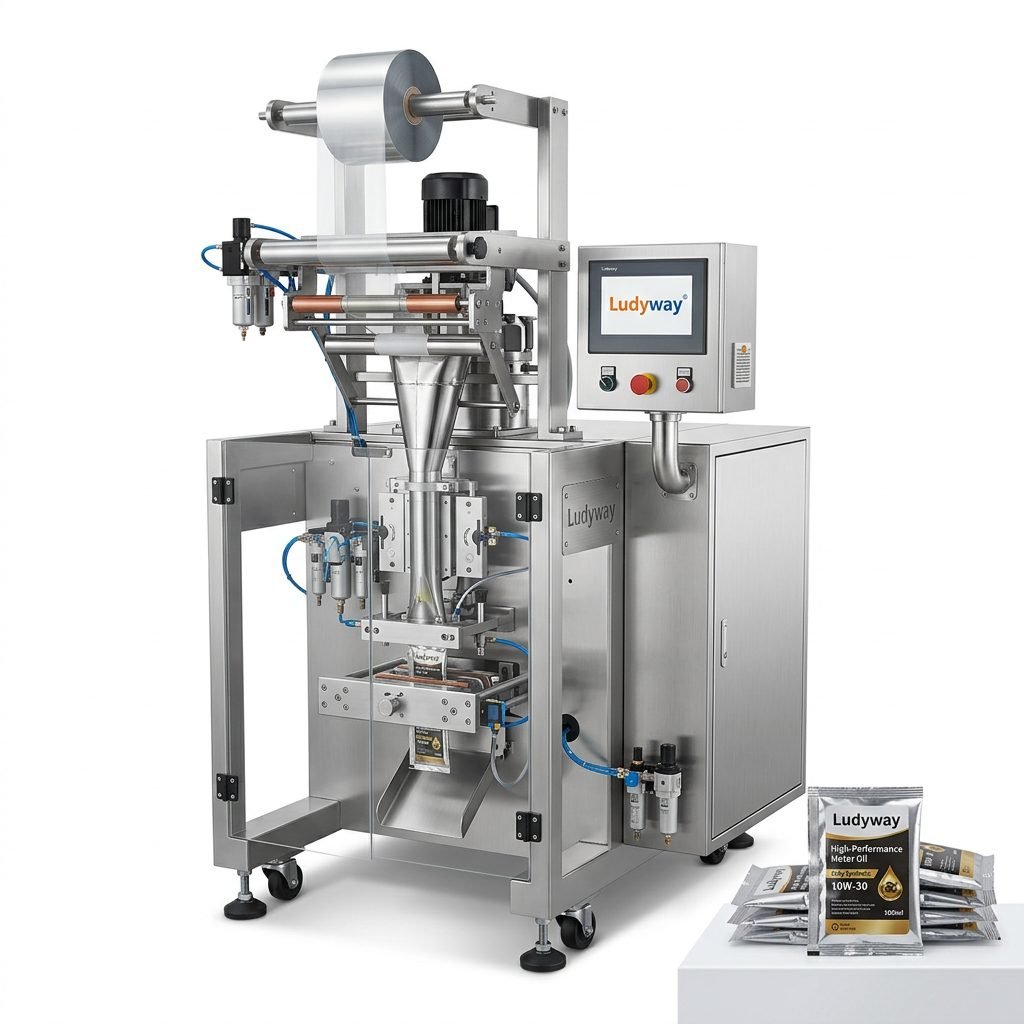
A 4 side sealing packing machine creates a pouch or sachet by sealing all four edges, delivering a clean, uniform finish that maximizes product protection and shelf appeal. Unlike 3-side seal or center-seal formats, the 4 side seal design provides superior barrier properties and is widely used across food, pharmaceutical, cosmetic, and chemical industries. This machine type excels in producing stick packs, sachets, and sample pouches with flexible packaging materials including laminates, aluminum foil, and paper-based substrates.
Key Factors to Evaluate Before Buying
Choosing the right machine goes beyond comparing price tags. The following factors will determine whether your investment delivers the expected return over the equipment’s lifespan.
Production Speed and Output Requirements
Your target production volume dictates the machine configuration you need. Entry-level models may suit small batch operations, while multi-lane packaging systems can dramatically increase throughput for large-scale manufacturing. Define your current and projected output clearly — undersizing equipment leads to bottlenecks, while oversizing can waste capital. According to the PMMI 2025 State of the Industry report, packaging machinery demand continues to grow across multiple sectors, making speed and scalability critical considerations.
Material Compatibility and Seal Quality
Not all films and laminates behave the same way under heat and pressure. Your 4 side sealing machine must handle the specific packaging material structure — whether single-layer, multi-layer, or specialized barrier films — without compromising seal strength and consistency. Poor seal integrity leads to product leakage, contamination, and costly recalls, particularly in food and pharmaceutical applications regulated under FDA packaging and food contact substances guidelines.
Machine Configuration and Flexibility
- Single-lane vs. multi-lane: Multi-lane systems multiply output by running several packaging lanes simultaneously, ideal for high-volume stick pack and sachet production.
- Servo-driven vs. mechanical: Servo-driven machines offer precise control over sealing temperature, pressure, and dwell time, enabling quick changeovers between product types and bag sizes.
- Modular design: Machines with modular components allow future upgrades such as adding coding units, inspection systems, or automated feeding without replacing the entire line.
- Bag size range: Confirm the machine accommodates your required pouch dimensions, including width, length, and fill capacity variations.
Filling and Dosing Accuracy
The filling mechanism integrated with your 4 side sealing machine directly affects product give-away and profitability. Auger fillers suit fine powders, volumetric cup fillers work well for free-flowing granules, and piston or peristaltic pumps handle liquids and pastes. High-precision dosing systems reduce material waste and ensure compliance with net content regulations. For pharmaceutical and nutraceutical products, accuracy standards are especially stringent, often referencing ISO 11607 packaging standards for terminally sterilized medical devices and related packaging validation requirements.
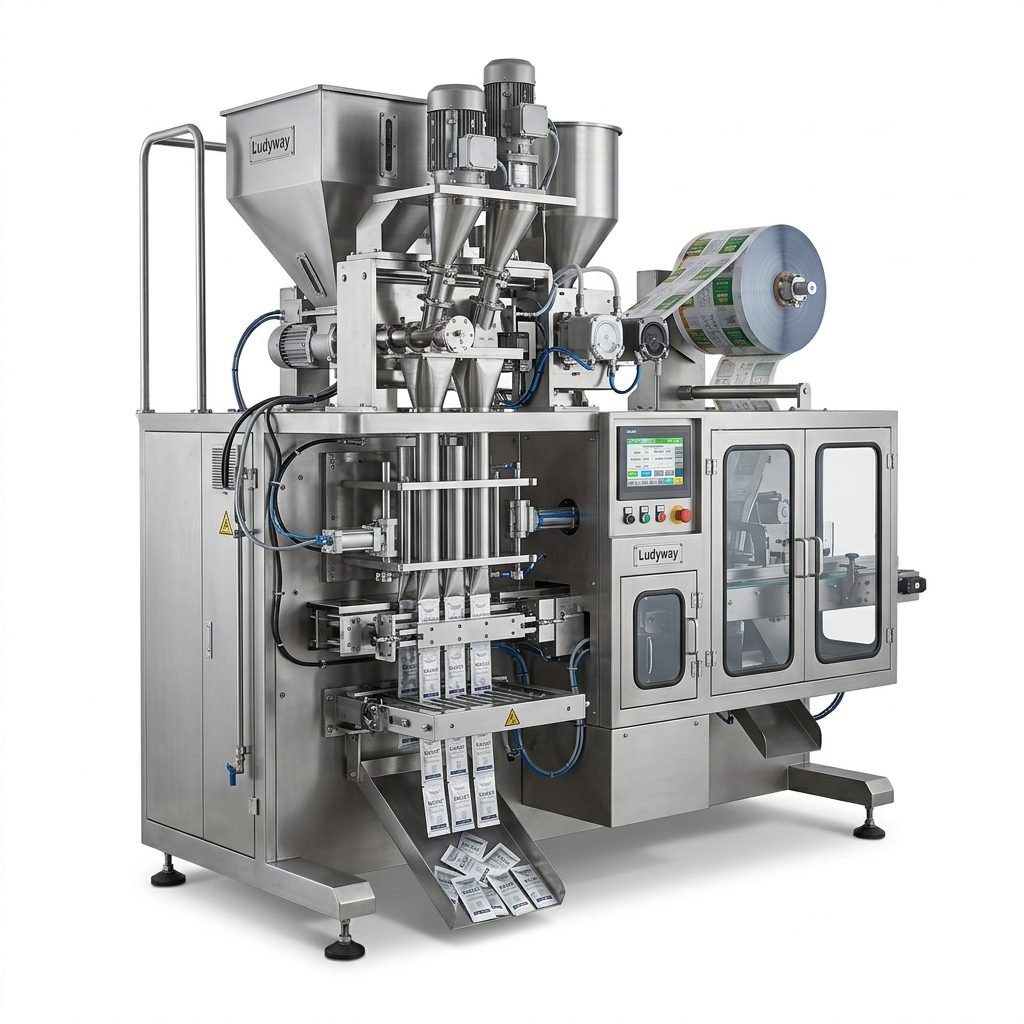
Comparing Machine Types: Key Considerations at a Glance
| Factor | Entry-Level / Standard | Advanced / High-Speed |
|---|---|---|
| Production Speed | 30–80 packs per minute per lane | 100–400+ packs per minute per lane |
| Sealing Technology | Mechanical cam-driven sealing | Servo-driven with programmable parameters |
| Changeover Time | Manual adjustments, longer downtime | Recipe-based automatic changeover |
| Material Handling | Standard films and laminates | Wide range including eco-friendly and high-barrier substrates |
| Integration Capability | Limited / standalone operation | Full line integration with upstream and downstream equipment |
| Data & Connectivity | Basic HMI controls | IoT-ready, OEE tracking, remote diagnostics |
Integration and Automation: Thinking Beyond a Standalone Machine
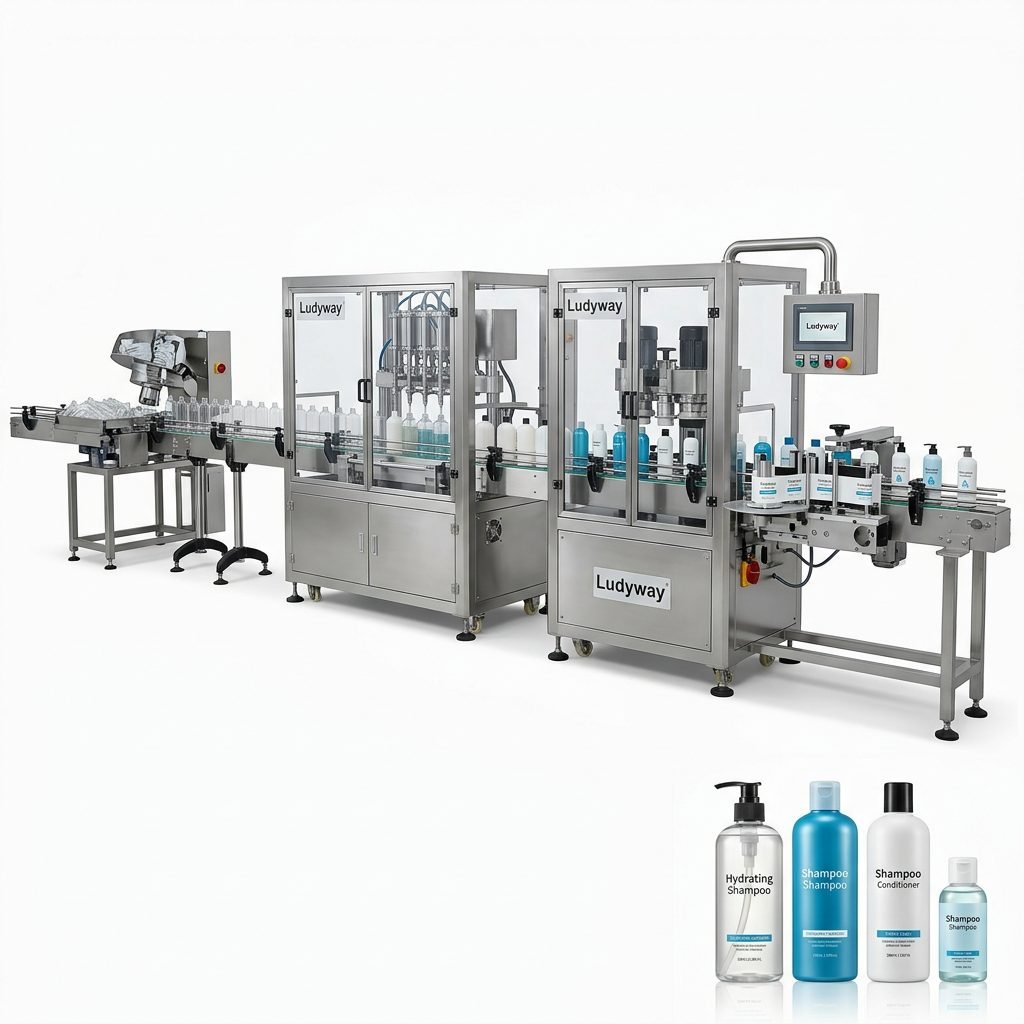
A 4 side sealing packing machine rarely operates in isolation. Modern packaging lines connect feeding systems, dosing units, coding and marking devices, checkweighers, metal detectors, and cartoning or case packing equipment. Selecting a manufacturer that can provide turnkey packaging line integration simplifies project management and ensures compatibility between all components. This becomes particularly important when scaling production or entering regulated markets where traceability and quality assurance documentation are mandatory.
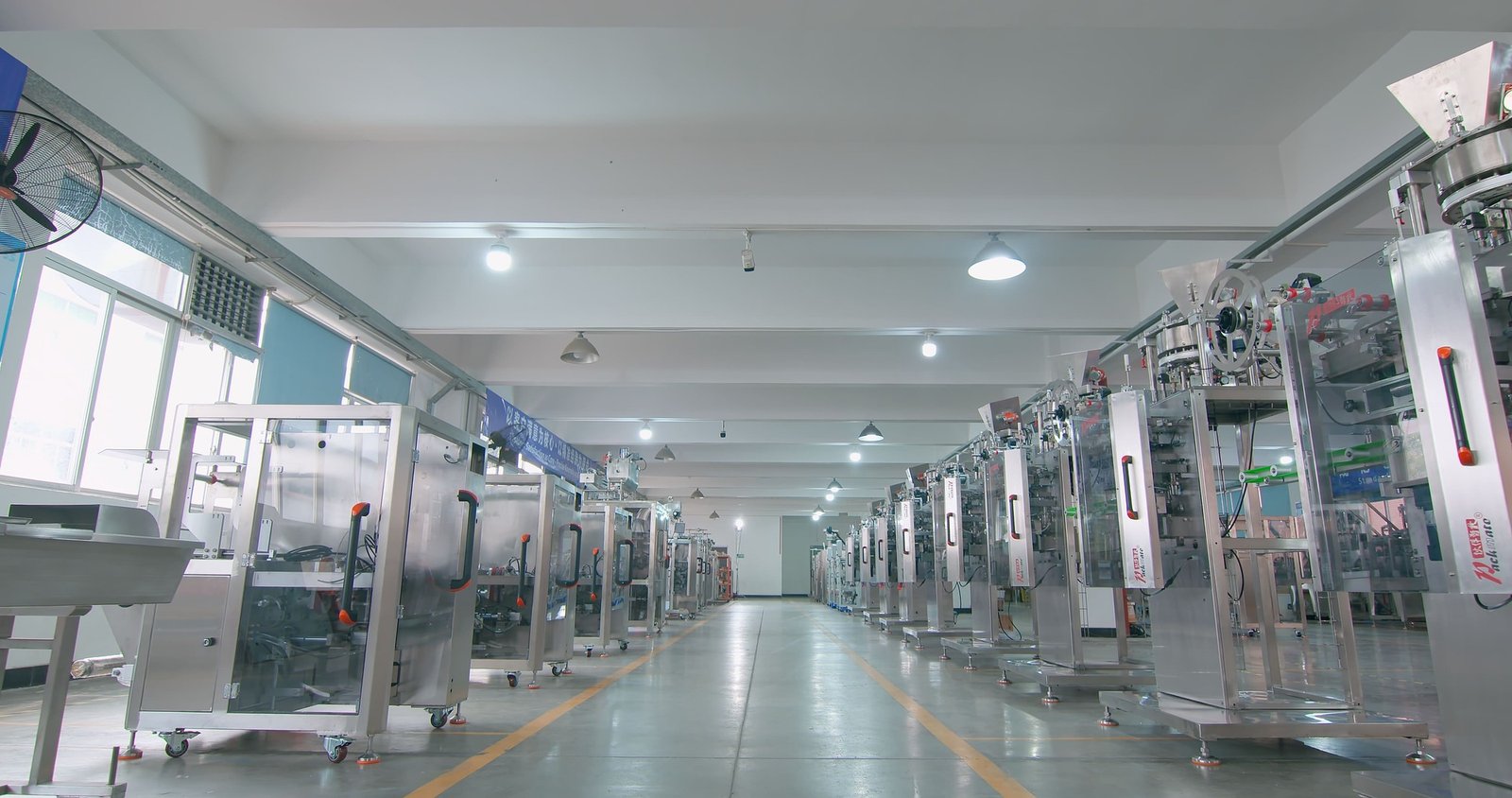
For manufacturers seeking a single partner to handle everything from equipment selection and system integration to installation and after-sales support, experienced providers like Ludyway Machinery offer end-to-end packaging solutions tailored to specific product characteristics, factory layouts, and production goals. With over three decades in the packaging industry and a 20,000-square-meter manufacturing facility, the company supplies automated packaging equipment and integrated systems to more than 100 countries across food, pharmaceutical, cosmetic, and chemical sectors.
Quality Standards and Certifications
Packaging equipment must comply with applicable industry regulations and international standards. Depending on your target market and product category, you may need to consider:
- CE marking for machinery sold in the European Economic Area.
- FDA compliance for food-contact and pharmaceutical packaging equipment destined for the United States.
- GMP compatibility ensuring hygienic design and easy cleanability for pharmaceutical and nutraceutical applications.
- ISO certification related to quality management and packaging validation.
Always request compliance documentation and, where possible, audit the manufacturer’s quality management system. The PMMI packaging industry resources offer valuable guidance on machinery standards and regulatory requirements across different regions.
After-Sales Support and Total Cost of Ownership
The relationship with your equipment supplier does not end at installation. Evaluate potential partners on their global service capabilities, spare parts availability, and technical support responsiveness. Downtime in packaging operations translates directly to lost revenue. Prioritize manufacturers that provide:
- Remote diagnostic and troubleshooting assistance
- Readily available spare parts with short lead times
- Operator training programs and documentation
- Preventive maintenance plans and service contracts
- Upgrade paths for existing equipment as technology evolves

Making the Right Investment Decision
Selecting a 4 side sealing packing machine requires balancing technical specifications, production needs, budget considerations, and long-term partnership potential. Take time to test your actual products and packaging materials on the machine before committing — most reputable manufacturers offer sample testing and factory acceptance trials. The right machine will not only meet your current production targets but also adapt to future demands, new product introductions, and evolving packaging sustainability requirements.
For further insights into packaging machinery trends and industry data, explore the Flexible Packaging Association and the latest PMMI business intelligence reports to stay informed on market developments and technology innovations.