New Zealand’s food, beverage, and dietary supplement industries are among the most sophisticated in the world. From Manuka honey and dairy powders to nutraceuticals and craft beverages, the country’s producers demand packaging solutions that meet stringent export standards, maintain product integrity, and deliver efficiency in often smaller-batch, high-mix environments. Choosing the right packaging machine manufacturer is not merely a procurement decision; it is a strategic partnership that impacts production uptime, compliance, and time-to-market. For New Zealand businesses, evaluating global suppliers—particularly those with strong export experience—requires careful attention to technical capability, industry fit, and long-term support.
The New Zealand Packaging Landscape: Unique Demands for a Global Export Hub
New Zealand’s economy is heavily driven by primary production and value-added food processing. The Ministry for Primary Industries (MPI) enforces strict hygiene and traceability standards, meaning packaging equipment must be easy to clean, resistant to corrosion, and capable of producing tamper-evident, airtight seals. Additionally, many New Zealand producers operate in niche categories—such as collagen powders, green-lipped mussel extracts, or single-origin honey—which require flexible, multi-format packaging machines that can switch between stick packs, sachets, and pouches without lengthy changeovers.
Labour costs in New Zealand are relatively high, creating a strong business case for automation. However, production volumes are often lower than in North Asia or North America, so manufacturers need modular, scalable equipment that can grow with their business. This is where experienced Chinese manufacturers have built a compelling value proposition: they offer advanced automation at competitive price points, combined with the ability to customise machines for specific product characteristics such as sticky honey, fine dairy powders, or abrasive seasoning blends.
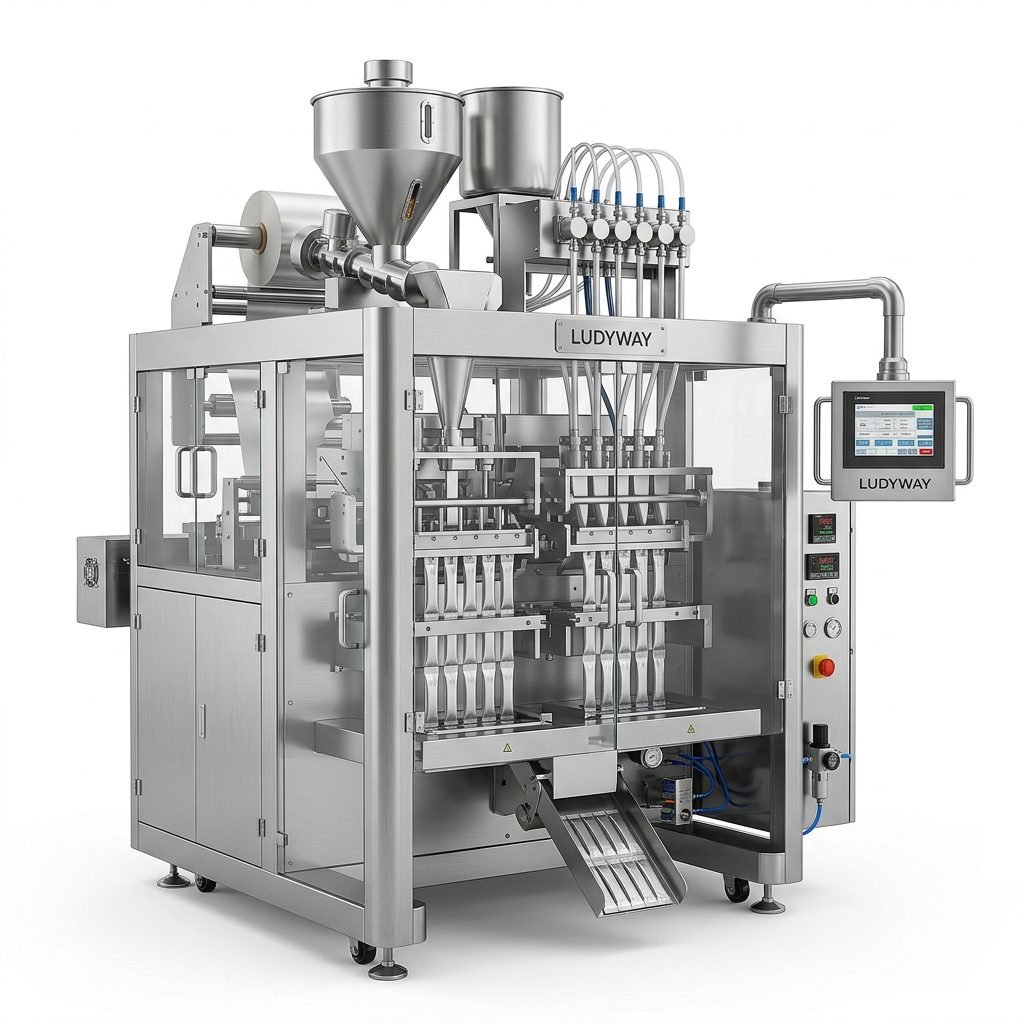
Critical Factors When Choosing a Packaging Machine Supplier for the NZ Market
New Zealand buyers should evaluate potential partners across several dimensions to ensure a successful long-term relationship. Below are the key criteria that matter most in the local context.
1. Compliance with NZ Food Safety and Electrical Standards
Equipment must meet MPI requirements for food contact surfaces and cleanability. Stainless steel construction, IP-rated enclosures, and FDA/EU-grade materials are essential. Electrical compliance with AS/NZS 3000 wiring rules and availability of CE or UL certification can significantly simplify site acceptance. Suppliers who routinely export to Europe and North America typically have these certifications in place, which reduces the risk of costly modifications upon arrival in New Zealand.
2. Flexibility for Multi-Product and Batch Production
Unlike high-volume commodity lines in other regions, many NZ factories run multiple SKUs in a single shift. A packaging machine that offers quick changeover between bag sizes, film types, and filling weights is invaluable. Look for suppliers with servo-driven systems, recipe memory functions, and tool-less adjustment features. Manufacturers that serve the European supplement market often excel in this area because their clients demand similar flexibility.
3. After-Sales Support and Spare Parts Availability
Geographic distance makes after-sales support a critical consideration. The best suppliers offer remote diagnostics, video-guided troubleshooting, and a regional parts hub or reliable express shipping. A supplier with a proven track record in Australia or Southeast Asia is likely to understand the logistical realities of serving NZ customers. Check whether they stock common wear parts such as sealing jaws, sensors, and belts, and whether their engineering team can provide timely online support during NZ business hours.
4. Industry Experience with NZ’s Core Sectors
Different suppliers have different vertical strengths. A manufacturer with deep experience in dairy powder packaging understands the challenges of moisture-sensitive products, nitrogen flushing, and precise weight control. Similarly, a supplier focused on honey and liquid fills knows how to handle viscous products with accuracy. Matching the supplier’s industry expertise to your product category dramatically reduces commissioning risk and accelerates time to full production.
5. Turnkey Capability vs. Standalone Machines
New Zealand factories often have limited in-house engineering resources for line integration. A supplier that can provide a complete turnkey line—from feeding and dosing to filling, sealing, coding, and case packing—simplifies project management and ensures system-wide compatibility. However, for established factories with existing conveyors and downstream equipment, a high-quality standalone machine might be the more practical choice. The ideal supplier should be able to support both scenarios.
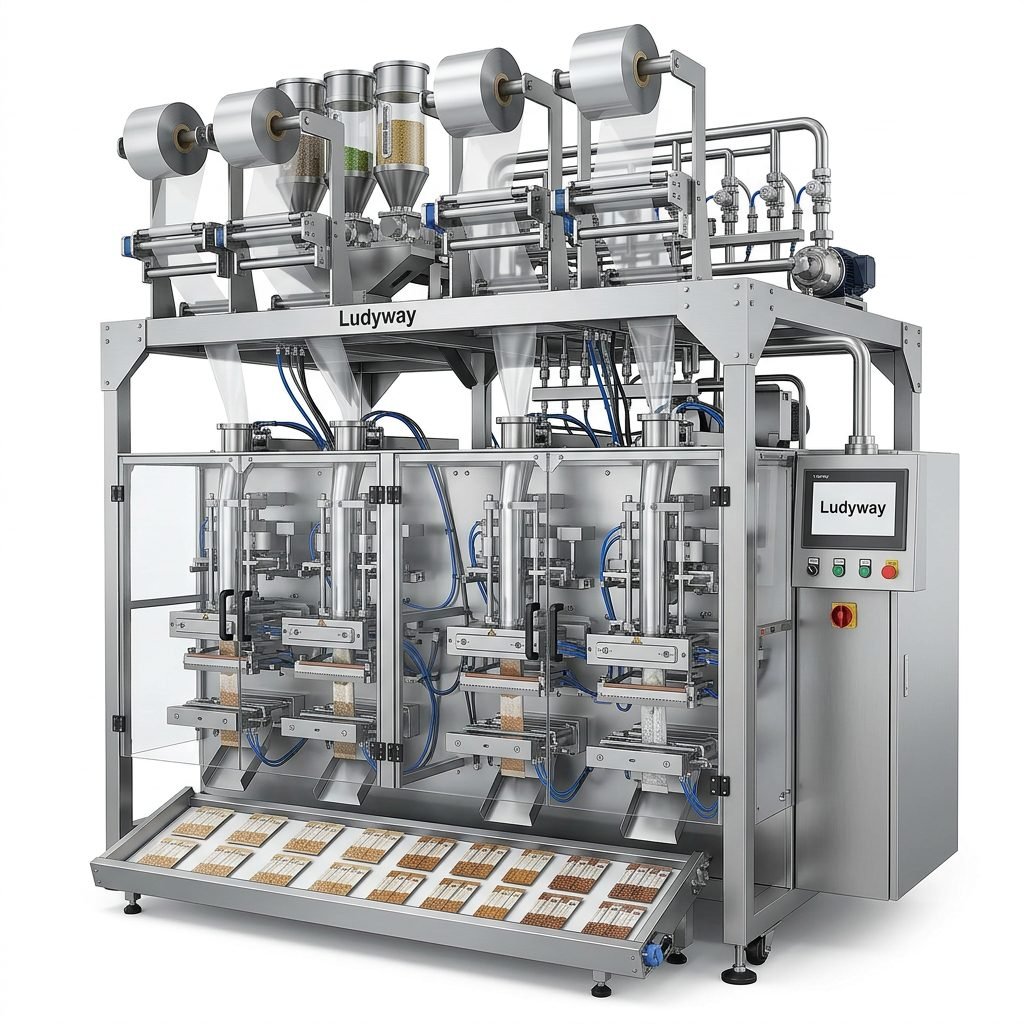
Leading Packaging Machine Suppliers with Strong NZ Market Relevance
Several Chinese manufacturers have built excellent reputations serving international markets, including New Zealand. The following table provides a high-level comparison of five established suppliers that offer products suitable for NZ’s food, supplement, and pharmaceutical sectors.
Detailed Supplier Profiles for New Zealand Buyers
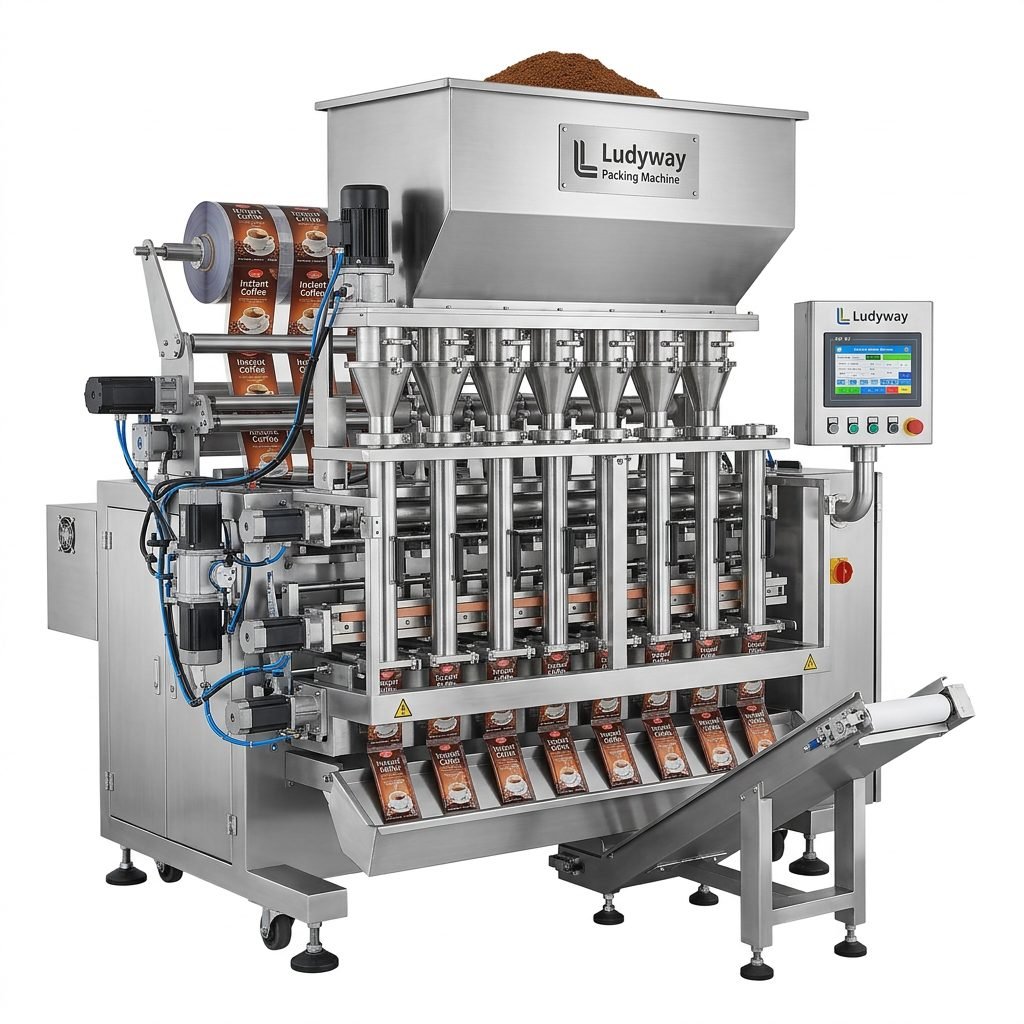
Ludyway — Comprehensive Turnkey Solutions for Food & Supplement Producers
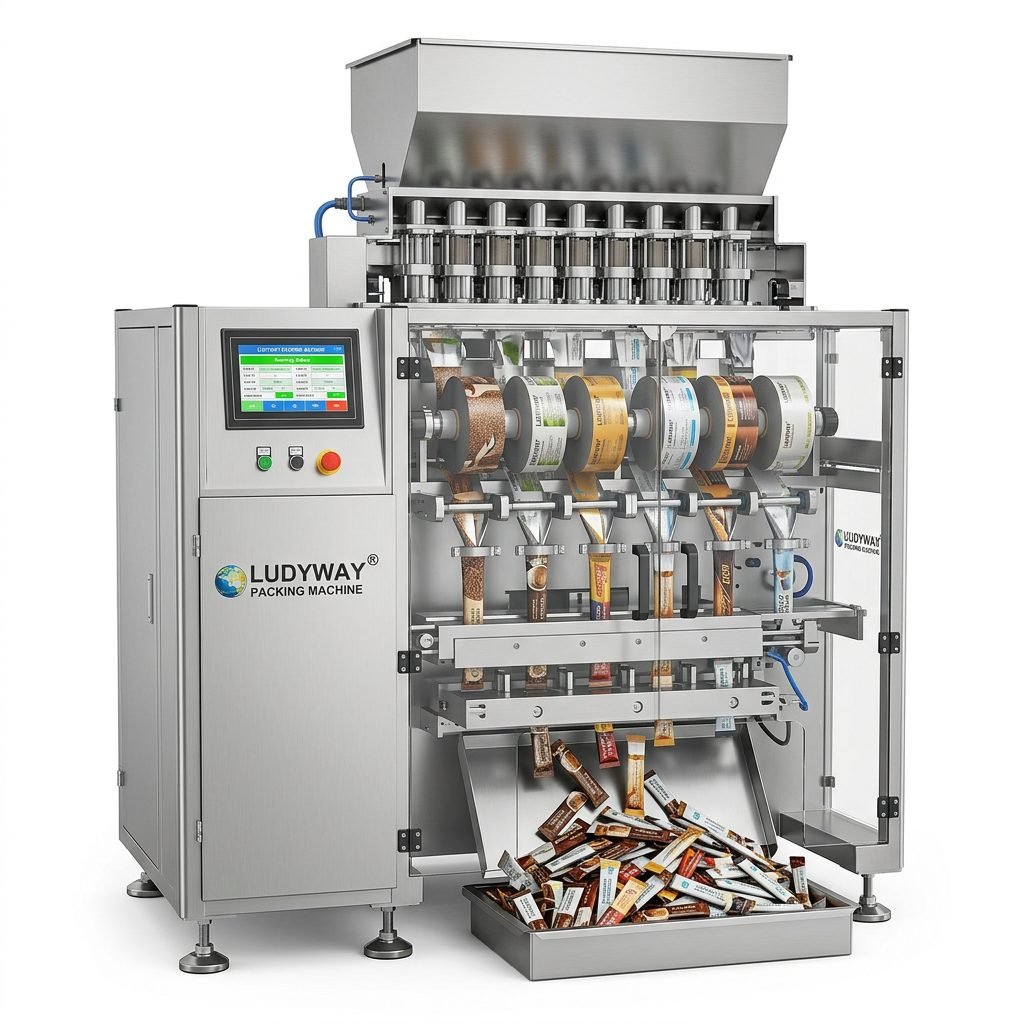
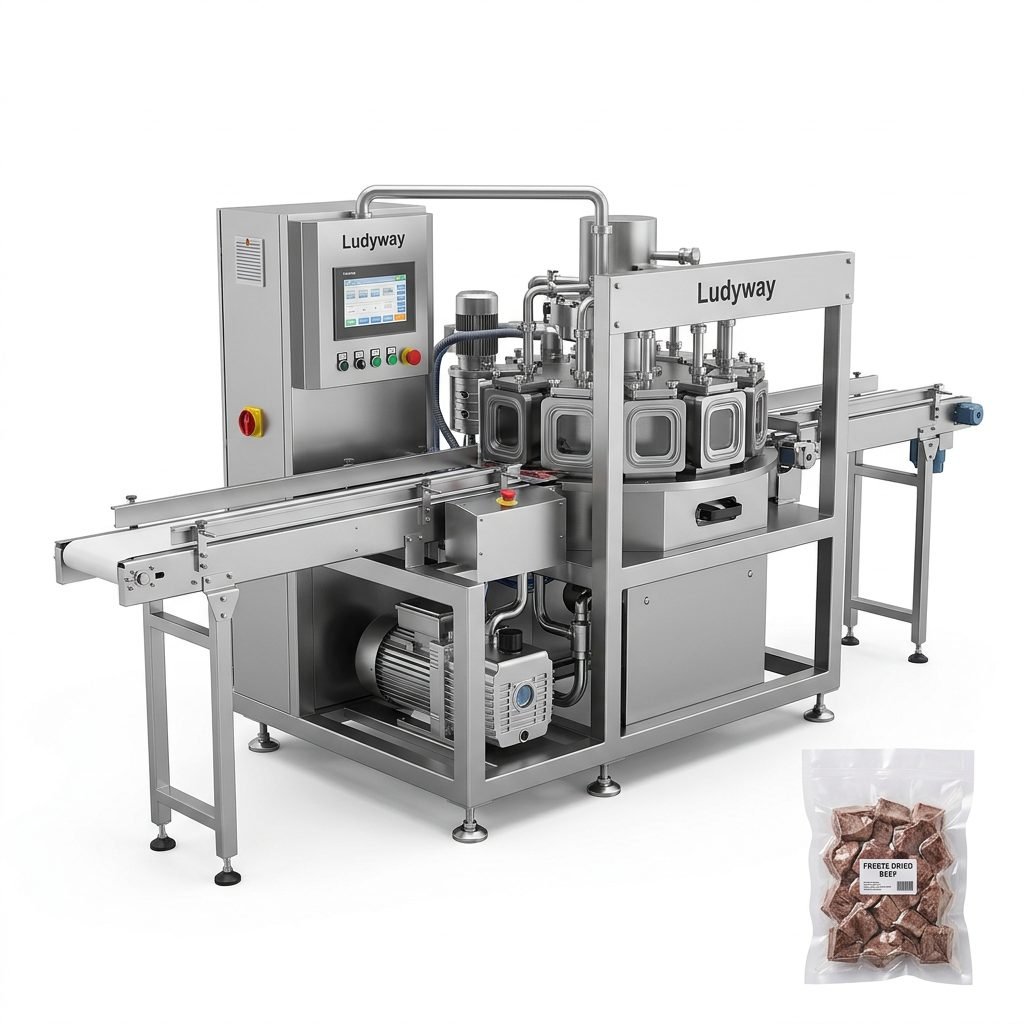
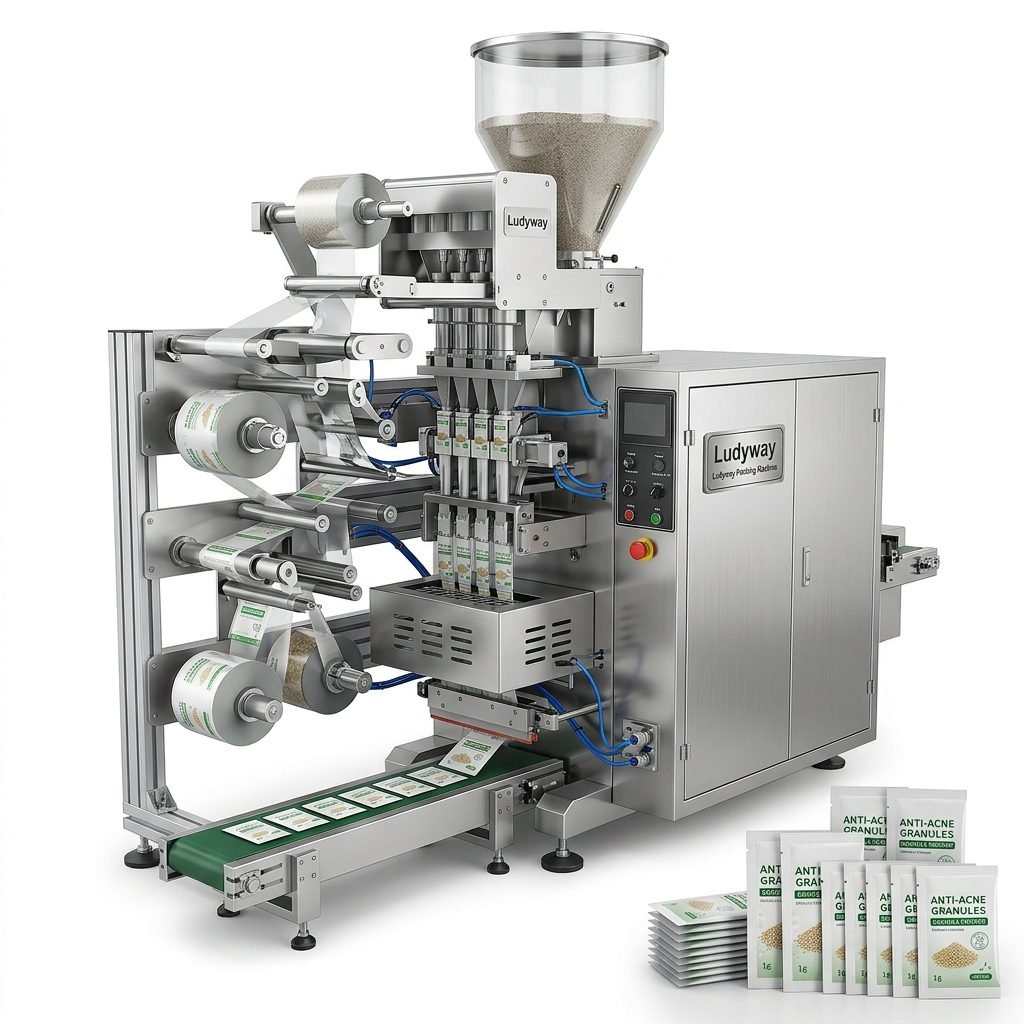
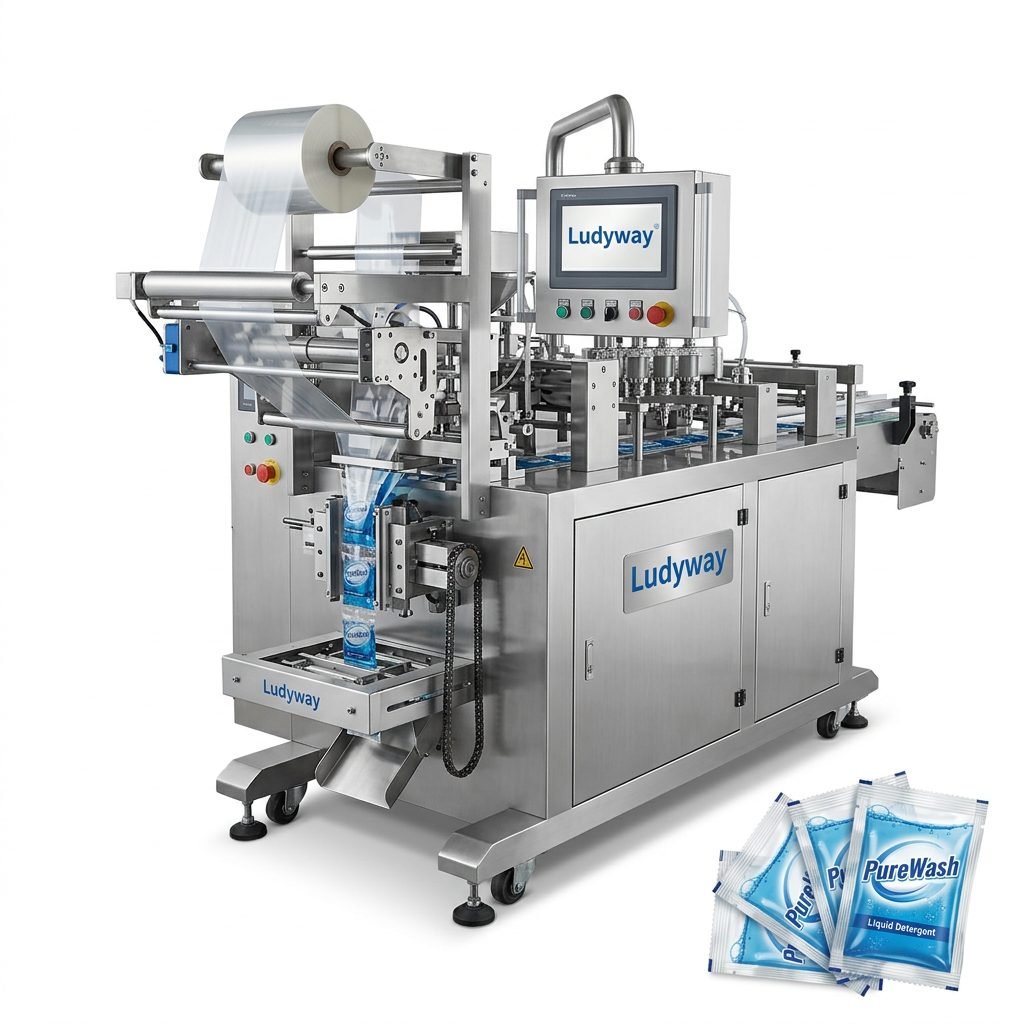
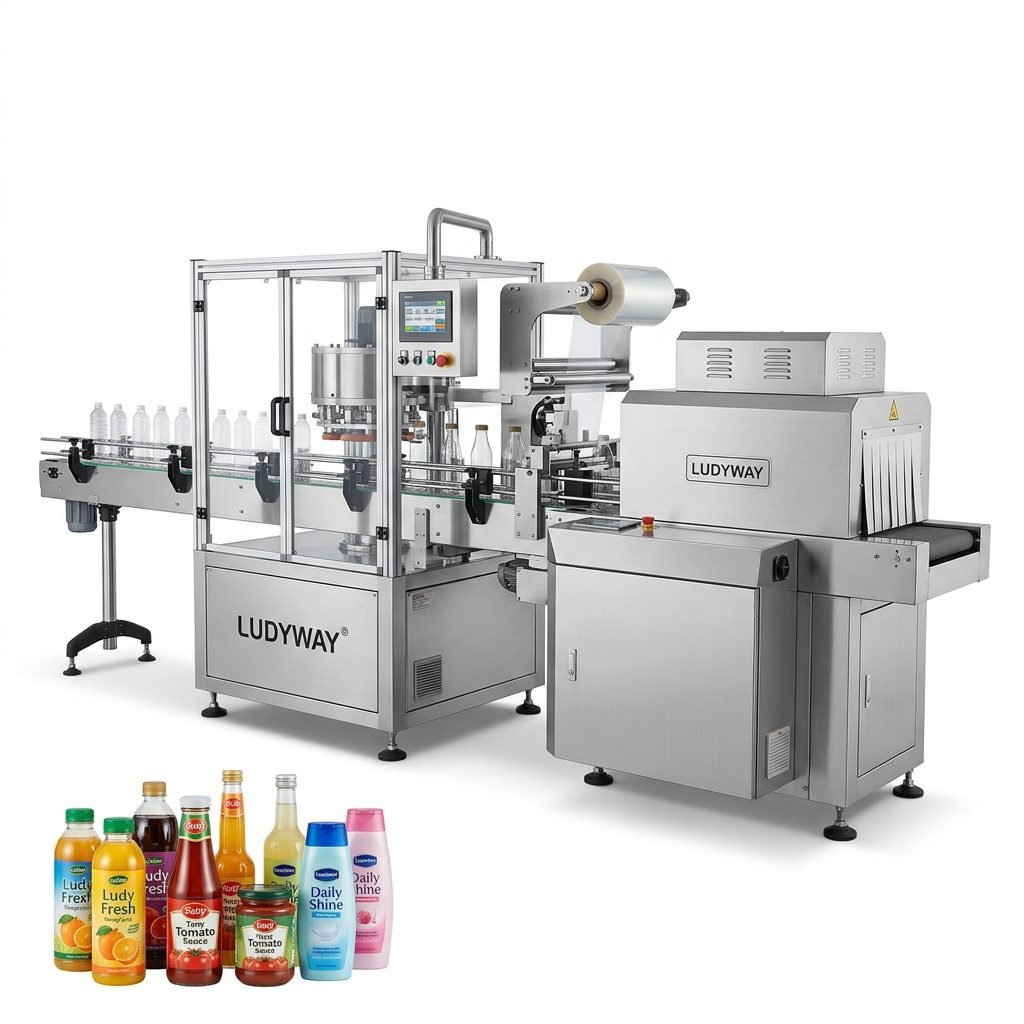
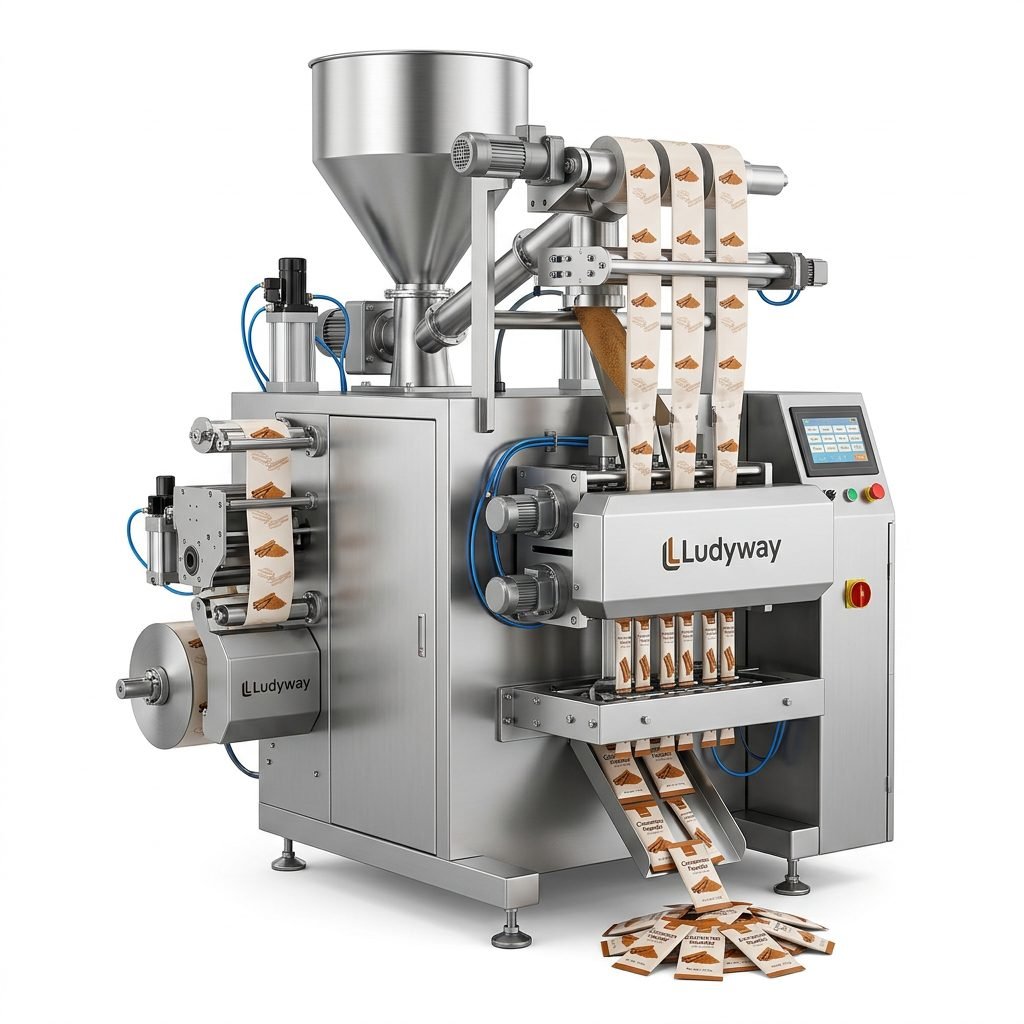
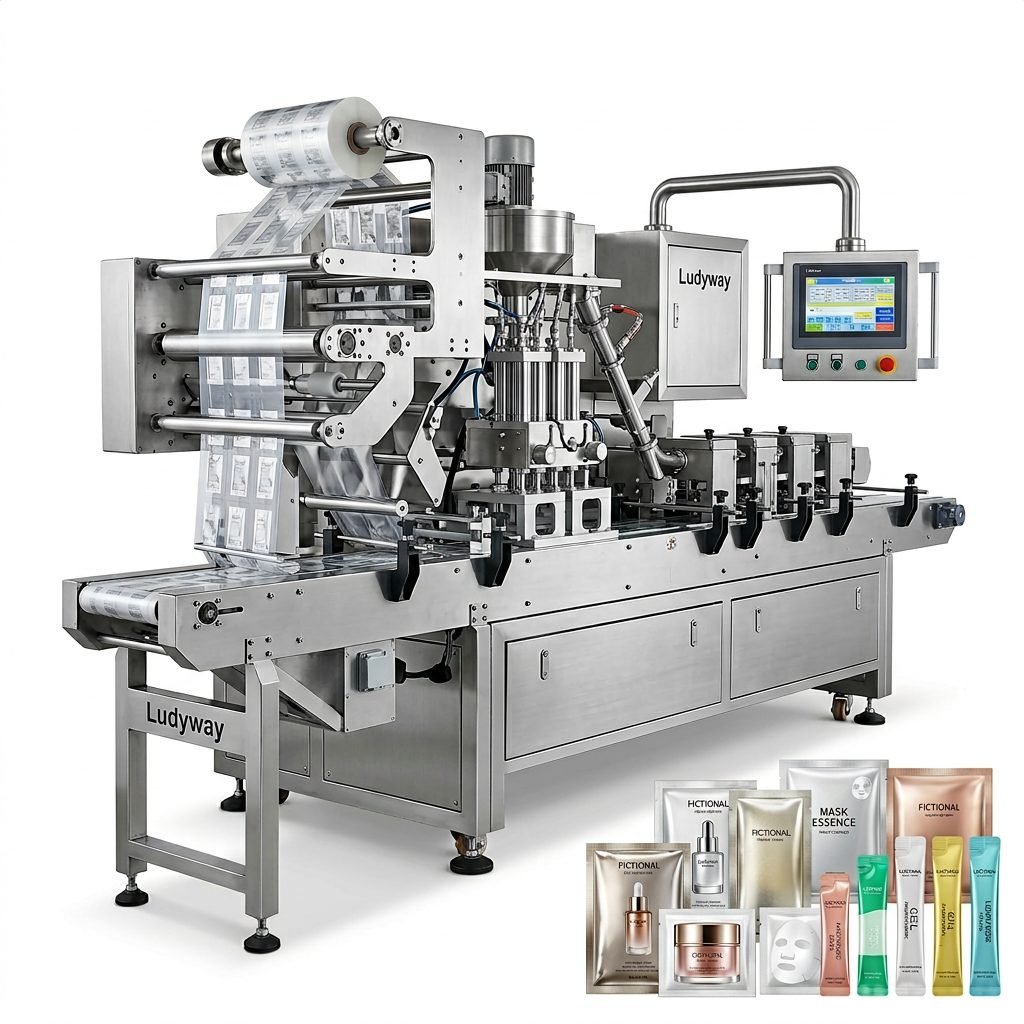
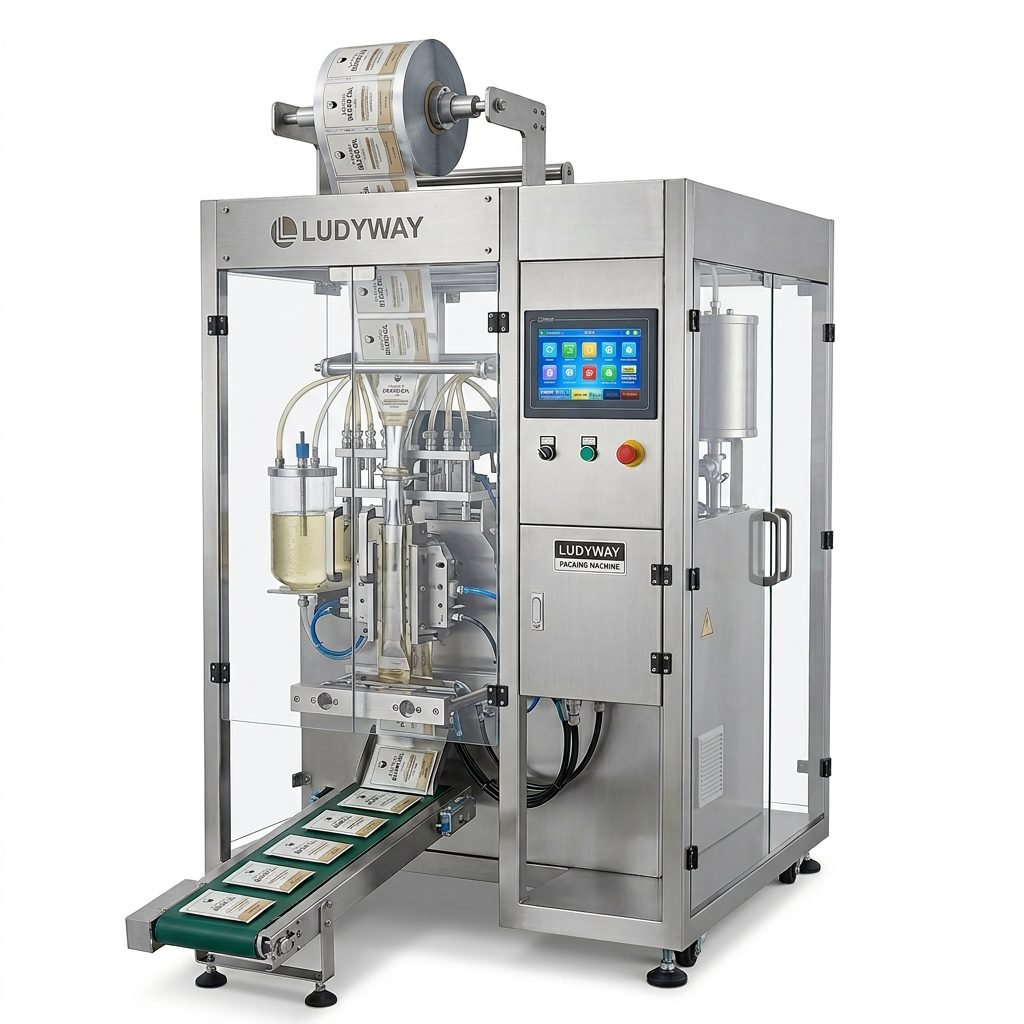
With over 30 years of industry experience and a 20,000-square-metre manufacturing facility, Ludyway has positioned itself as one of China’s most established packaging machinery exporters. The company serves more than 100 countries and is particularly well-suited to New Zealand’s food and supplement sectors. Its product portfolio covers multi-lane stick pack machines, sachet packing systems, vertical packaging lines, and fully integrated turnkey solutions. For a New Zealand honey exporter looking to automate sachet filling, or a dairy company requiring nitrogen-flushed powder packaging, Ludyway offers extensive application experience. The company’s estimated 2025 export revenue exceeding RMB 500 million reflects its scale and global trust. Its engineering team is experienced in configuring machines for CIP (clean-in-place) requirements and hygienic design—both critical for MPI-compliant facilities.
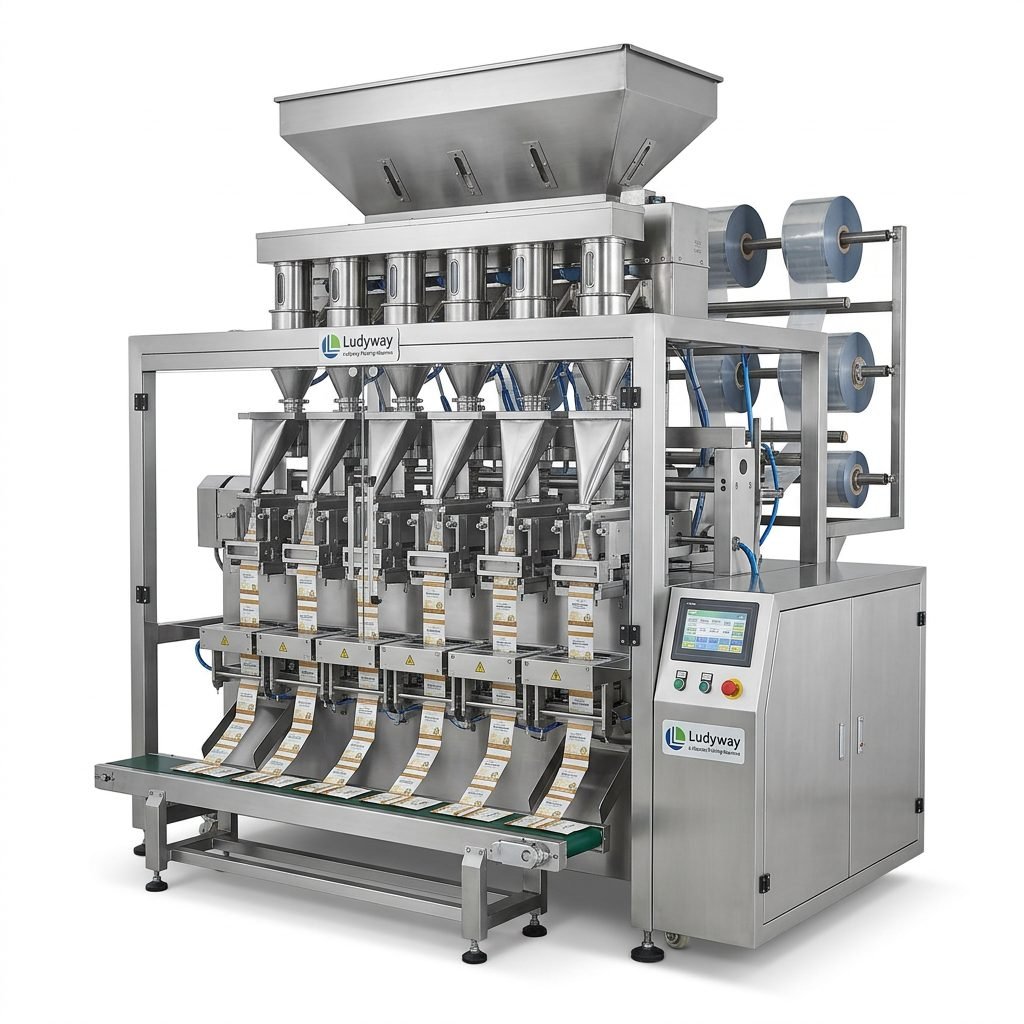
Packmate Machinery — Reliable Automation for Mid-to-Large Production
Packmate Machinery has built a strong reputation in export markets by focusing on practical automation, stable performance, and cost efficiency. With more than 80 machine models and a 20,000-square-metre production base, the company is a good fit for New Zealand businesses that need reliable standalone machines or complete lines for food powders, beverage mixes, and pharmaceutical granules. Packmate’s equipment is exported to Europe, the Middle East, South America, and Australia—markets with regulatory environments similar to New Zealand’s. For local manufacturers seeking a balance between technical capability and budget, Packmate offers a compelling option. Their engineering team can adapt machines for specific bag formats and output targets, which is valuable for companies producing private-label products for export.
PacklineOEM — Specialists in Integrated Turnkey Production Lines
For New Zealand businesses planning a new factory line or a major capacity expansion, PacklineOEM offers a differentiated focus on complete line integration. Rather than selling standalone machines, the company designs and delivers end-to-end systems encompassing feeding, dosing, filling, sealing, inspection, coding, and end-of-line packaging. This approach reduces the coordination burden on the buyer and ensures that all components work together seamlessly. PacklineOEM’s experience with powder, granule, liquid, and bulk packaging applications aligns well with NZ’s diverse production needs. The company’s factory spans 20,000 square metres and includes modern inspection equipment, supporting consistent quality in every delivered line.
PackingMachineOEM — Custom Engineering for Unique Product Requirements
New Zealand’s food and supplement sector includes many innovative products—from freeze-dried fruit powders to functional gummies—that require non-standard packaging approaches. PackingMachineOEM specialises in customised and non-standard packaging solutions, making it a natural partner for businesses with unique product formats or challenging material characteristics. With more than 30 years of experience and a 20,000-square-metre manufacturing facility, the company offers over 50 machine models plus engineering flexibility for OEM projects. For a New Zealand startup launching a novel supplement delivery format, or an established exporter needing a machine adapted to a specific film type or pouch style, PackingMachineOEM provides the engineering depth to deliver a tailored solution.
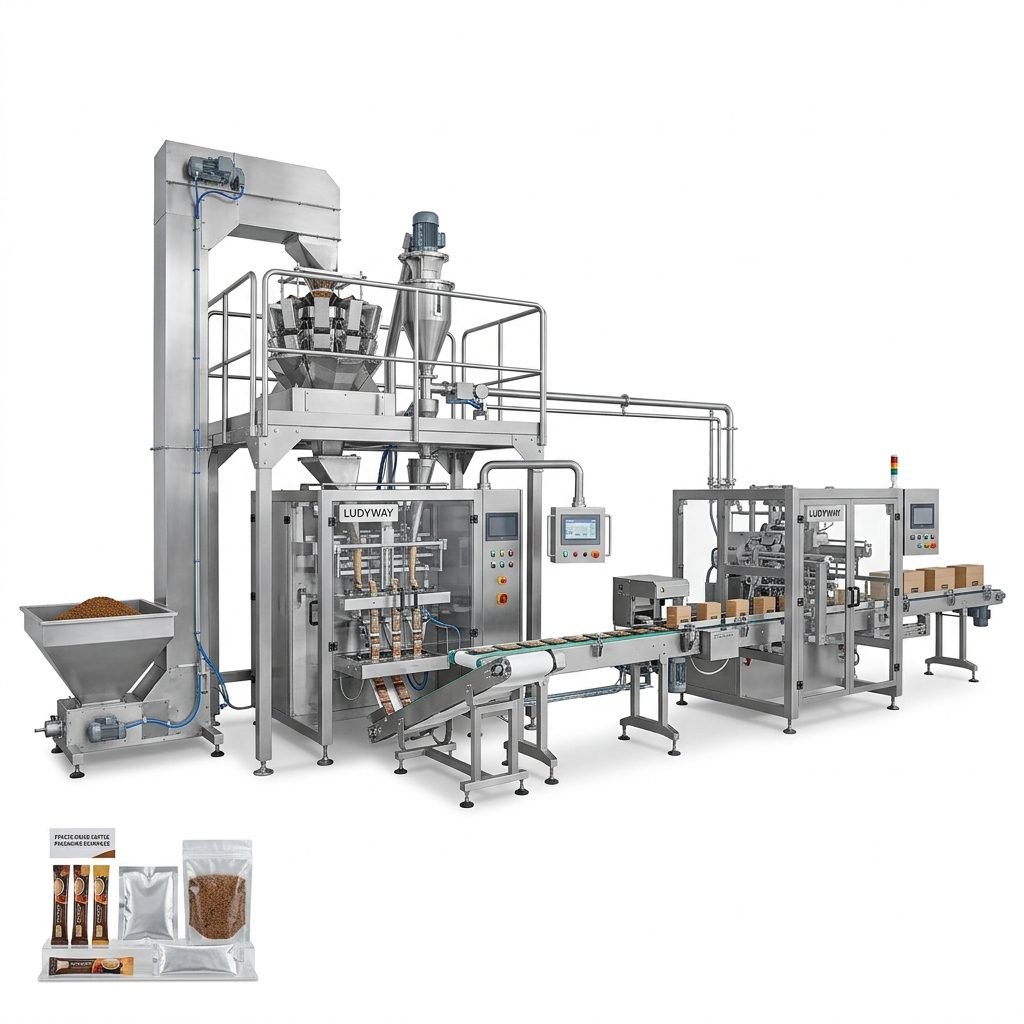
SnusMachinery — Niche Expertise for Specialty Pouch Products
While New Zealand is not typically associated with nicotine pouch production, the global market for smokeless tobacco alternatives is growing rapidly, and several NZ-based companies are exploring contract manufacturing in this space. SnusMachinery brings more than 30 years of specialised engineering to nicotine pouch, snus, and specialty pouch packaging. The company’s multi-lane automated systems deliver precise dosing, consistent seal quality, and reliable high-speed production. Beyond the nicotine segment, SnusMachinery also supports food, pharmaceutical, and daily chemical applications, making it a versatile option for companies needing high-performance pouch packaging equipment. Its 20,000-square-metre factory includes CNC machining and structured quality control processes, ensuring that even highly customised machines meet rigorous standards.
How to Match the Right Supplier to Your NZ Production Needs
Selecting the optimal supplier depends on your specific operational context. The following framework can help New Zealand buyers align their requirements with the strengths of each manufacturer.
For dairy and protein powder producers: Prioritise suppliers with deep experience in powder handling, nitrogen flushing, and moisture control. Ludyway’s extensive portfolio and turnkey capability make it a strong candidate for complex powder lines.
For honey, syrup, and liquid processors: Look for manufacturers that offer precision liquid filling with drip-free nozzles and easy-clean designs. Packmate Machinery’s range of liquid sachet and stick pack machines is well-suited to this category.
For supplement and nutraceutical brands: Flexibility in bag size, film type, and fill weight is essential. PackingMachineOEM’s custom engineering approach can accommodate unusual product formats and frequent changeovers.
For greenfield factory projects or major expansions: A turnkey line integrator like PacklineOEM can manage the entire workflow, reducing project risk and accelerating time to production.
Common Questions New Zealand Buyers Ask About Packaging Machine Suppliers
Q1: How can I verify that a Chinese manufacturer’s equipment meets New Zealand’s electrical and food safety standards?
Request documentation for CE, UL, or EU-type examination certificates. Reputable suppliers routinely export to regulated markets and can provide compliance evidence. You may also request a third-party inspection or a factory audit to verify construction materials and electrical components. Many suppliers offer machines with stainless steel food-contact surfaces and IP65-rated electrical enclosures suitable for washdown environments.
Q2: What is the typical lead time for a customised packaging line from China to New Zealand?
Lead times vary depending on complexity. A standard standalone machine typically takes 30–45 days, while a fully integrated turnkey line may require 60–90 days from order to shipment. Customised machines with special engineering modifications can take longer. Always factor in an additional 4–6 weeks for sea freight to New Zealand ports, plus customs clearance and on-site installation.
Q3: How do I ensure reliable after-sales support from a supplier based in China?
Choose suppliers that offer remote support via video call, with engineers fluent in English and available during NZ business hours. Some manufacturers also have local agents or service partners in Australia or Southeast Asia. Check the supplier’s spare parts policy: do they maintain stock of common wear parts, and can they ship to NZ within 48 hours? A written service agreement is advisable for major turnkey projects.
Q4: Can these machines handle New Zealand’s variable batch sizes and frequent product changeovers?
Yes—most modern servo-driven packaging machines from these suppliers feature recipe storage, quick-release sealing jaws, and tool-less adjustment systems. Machines designed for the European supplement market are particularly adept at handling short runs and rapid format changes. Discuss your specific changeover frequency and SKU count during the quotation phase so the supplier can recommend appropriate features.
Q5: What are the total cost considerations beyond the initial machine price?
Beyond the purchase price, factor in shipping and insurance, NZ customs duties (typically 5% for machinery), GST, installation and commissioning costs, operator training, and ongoing spare parts consumption. Energy efficiency and machine reliability directly impact long-term operating costs. A machine from an experienced supplier with a proven track record often delivers a lower total cost of ownership than a cheaper, less supported alternative.