Selecting the right masala pouch packing machine is one of the most critical investment decisions for spice manufacturers, contract packers, and food processing businesses. A well-chosen machine can significantly improve production efficiency, reduce product waste, and ensure consistent packaging quality — while a poorly matched machine can lead to frequent downtime, inaccurate fills, and compromised seal integrity.
This comprehensive buyer’s guide walks you through the essential factors to evaluate before purchasing a masala packaging machine, helping you make an informed decision that aligns with your production goals and budget.
Understanding the Unique Challenges of Masala Packaging
Masala powders and spice blends present distinct packaging challenges that not all machines can handle effectively. Unlike uniform granular products, masala formulations often contain a mix of fine powders, coarse particles, and sometimes oily ingredients. Key challenges include:
- Dust generation: Fine spice powders like chili and turmeric create airborne dust that can interfere with sealing quality and machine sensors
- Moisture sensitivity: Many masala blends are hygroscopic, requiring high-integrity seals to prevent clumping and spoilage
- Product density variation: Different spice components have varying bulk densities, making consistent filling more complex
- Oil migration: Certain masala ingredients contain natural oils that can compromise heat seal integrity over time
- Abrasive properties: Some spice particles can accelerate wear on contact parts and filling mechanisms
Understanding these challenges is essential before evaluating machine specifications. The flexible packaging industry has developed specialized solutions to address many of these issues through advanced machine design and material selection.
Key Factors to Consider When Choosing a Masala Pouch Packing Machine
1. Product Characteristics and Compatibility
Before evaluating any machine, conduct a thorough analysis of your masala product. The physical properties of your spice blend will directly determine which filling system and machine configuration are appropriate. Consider:
- Particle size distribution: Is your masala a fine powder, coarse granule, or mixed blend?
- Flow characteristics: Does the product flow freely, or is it prone to bridging and rat-holing in the hopper?
- Bulk density: This affects the volumetric or gravimetric filling system design
- Moisture content: Higher moisture levels may require specialized sealing parameters
- Temperature sensitivity: Some masala blends degrade if exposed to excessive heat during sealing
Machine manufacturers familiar with packaging machinery standards can help match your product characteristics to the optimal dosing technology — whether volumetric cup fillers, auger fillers, or multi-head weighers.
2. Production Capacity Requirements
Your current and projected production volume should drive the machine configuration you select. Masala pouch packing machines are available across a wide speed spectrum:
| Production Tier | Output Range | Recommended Configuration | Best Suited For |
|---|---|---|---|
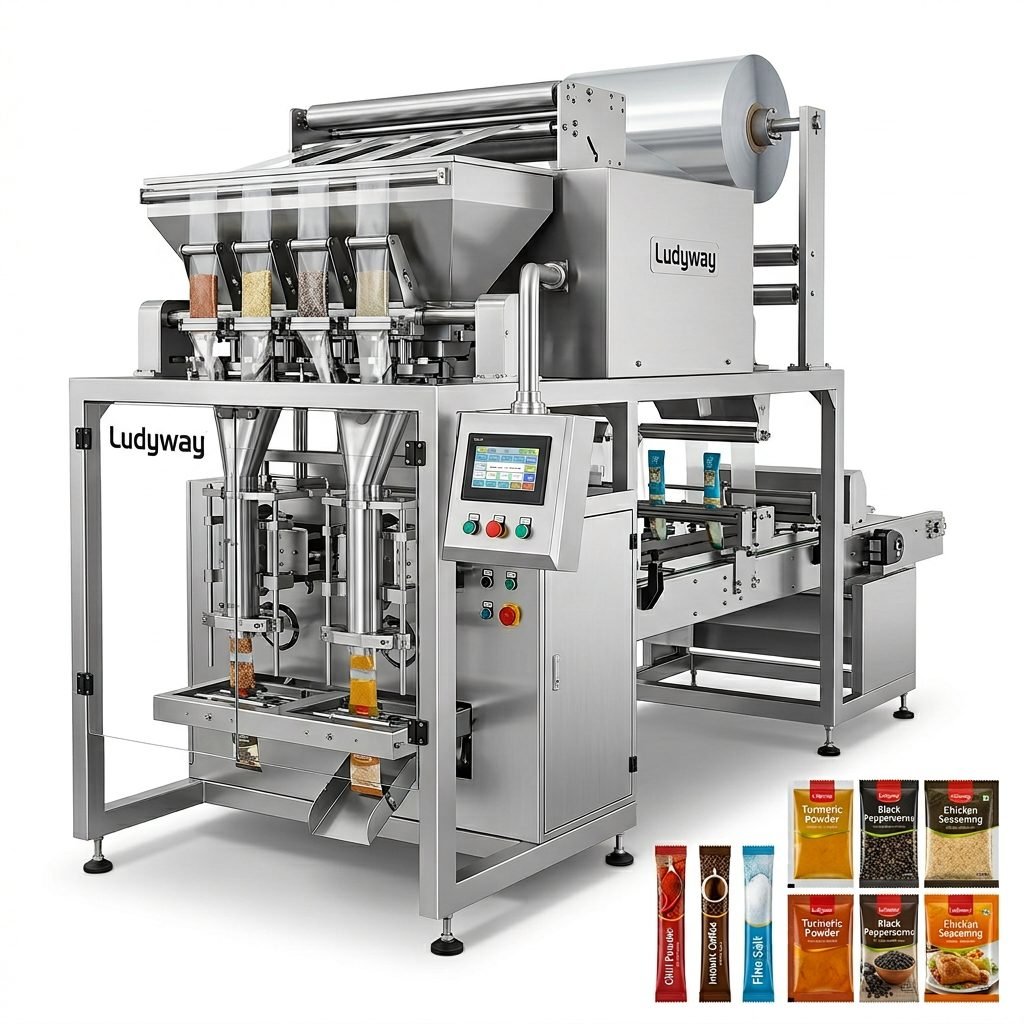
| Entry-Level | 30-60 pouches/min | Single-lane VFFS machine | Small businesses, startups, regional brands |
| Mid-Range | 60-120 pouches/min | Dual-lane or high-speed single-lane | Growing brands, mid-size manufacturers |
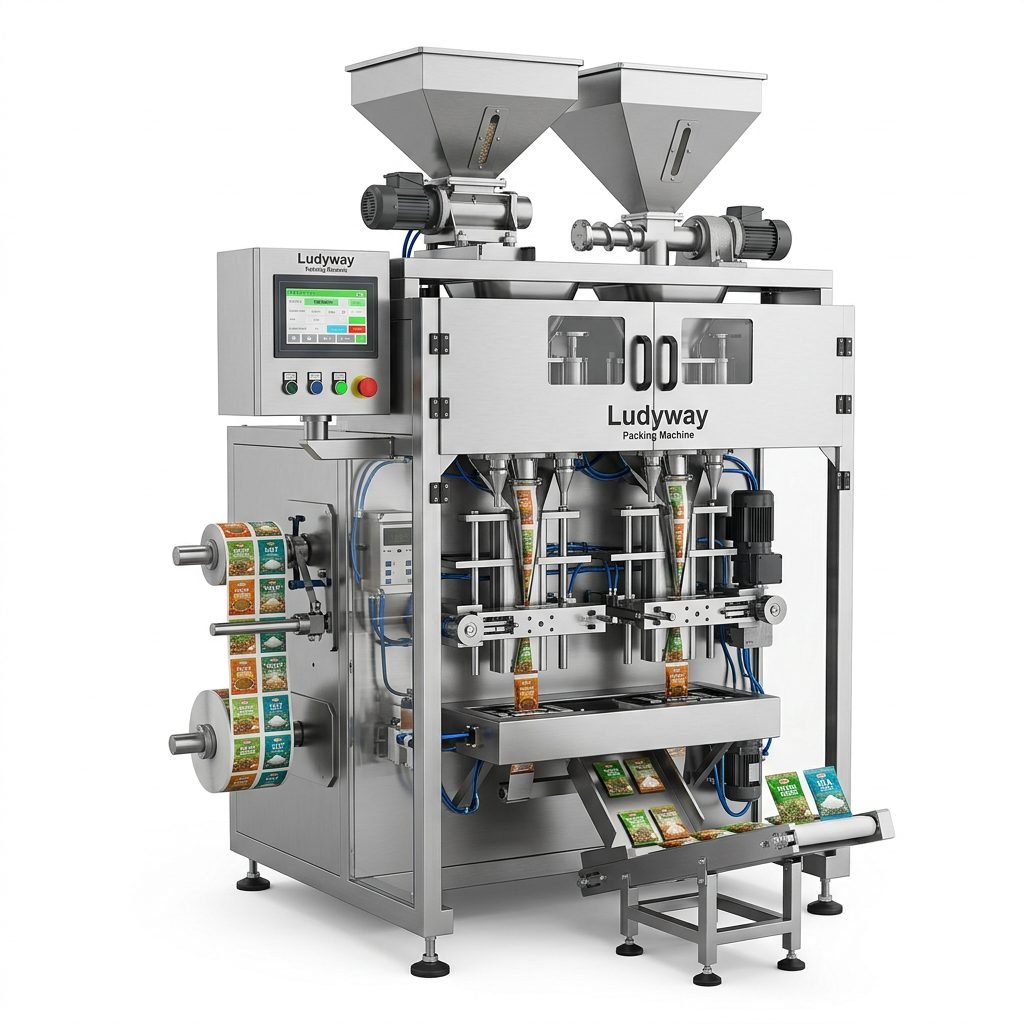
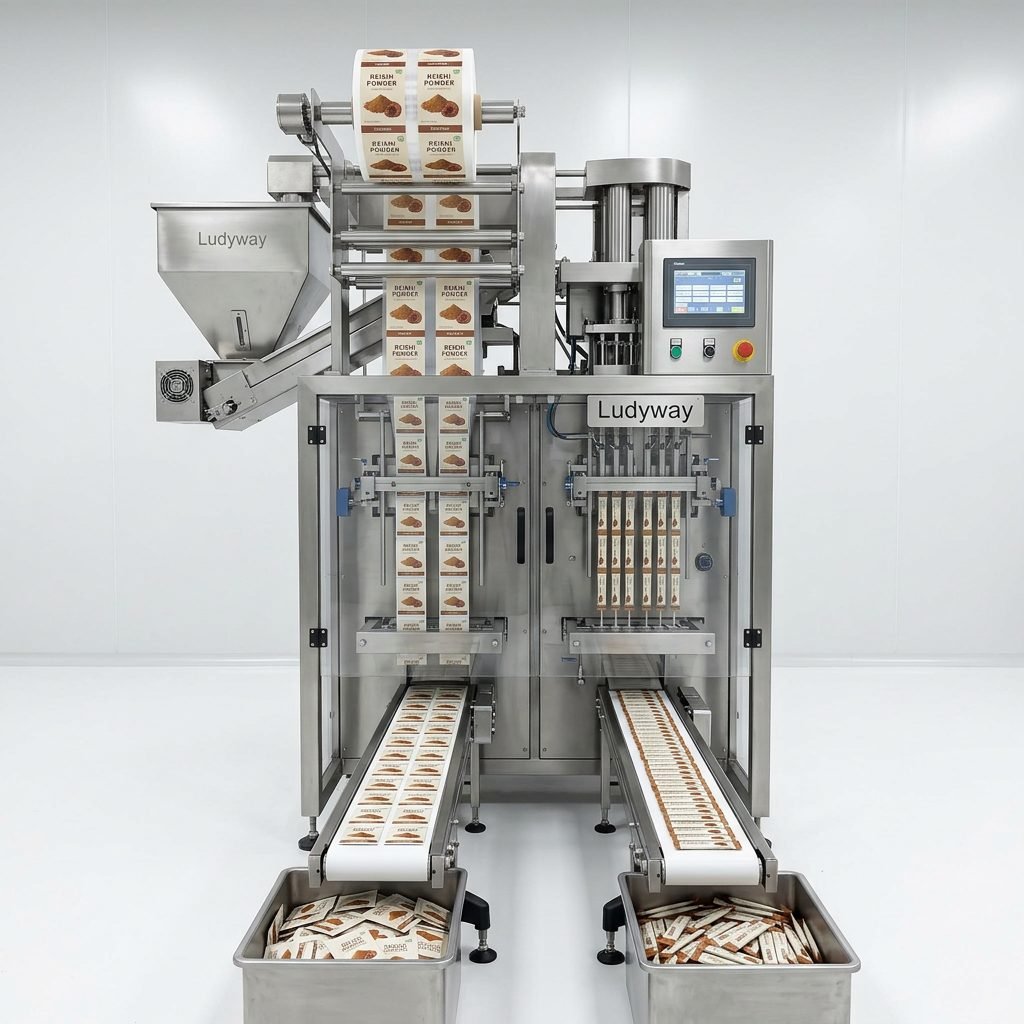
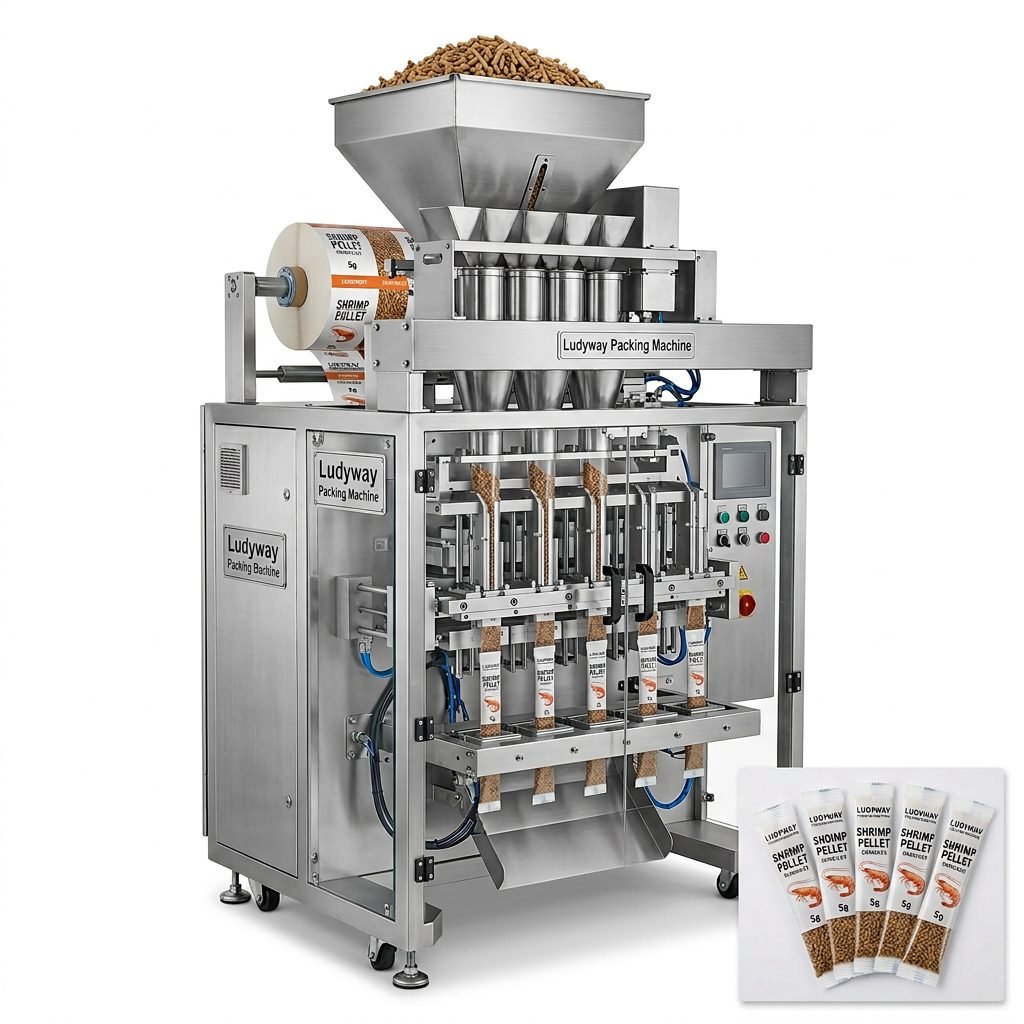
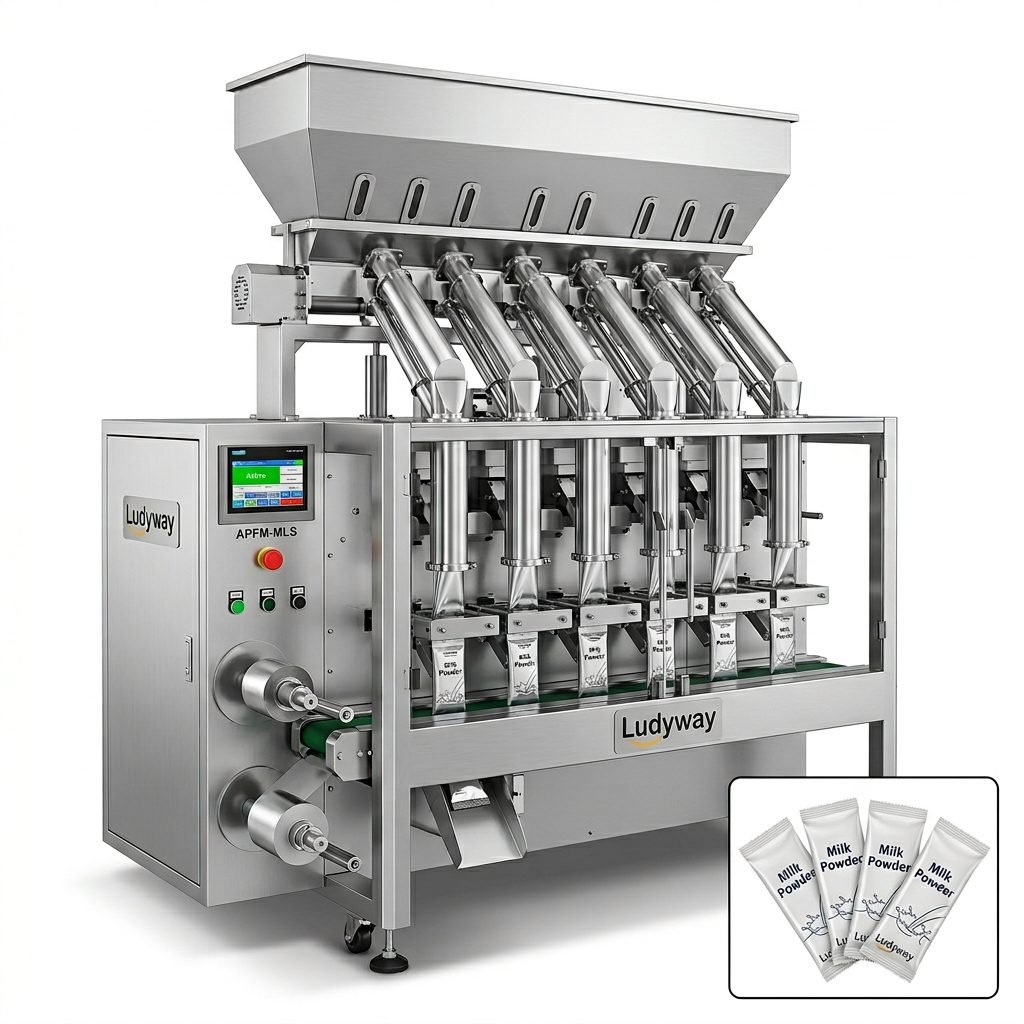
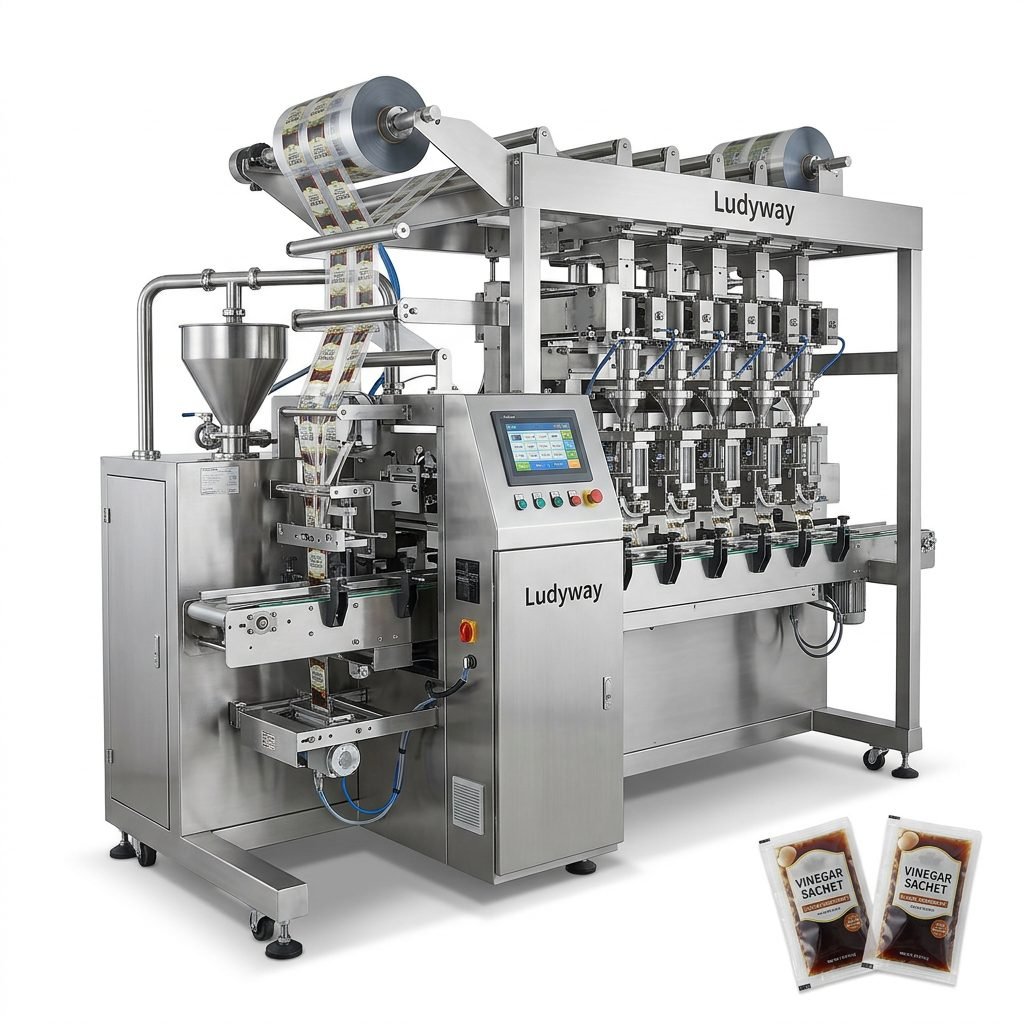
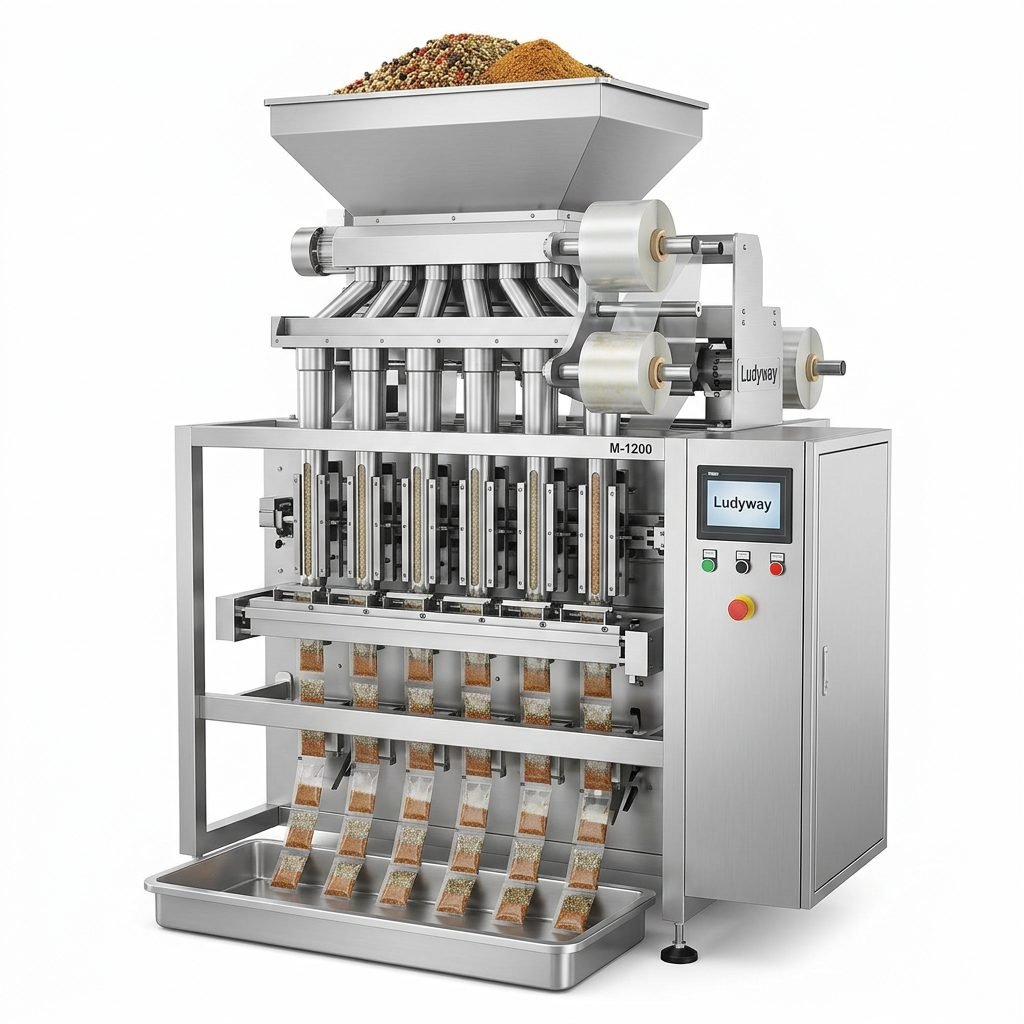
| High-Volume | 120-400+ pouches/min | Multi-lane stick pack or sachet systems | Large-scale producers, export-oriented units |
When calculating capacity needs, factor in not just peak demand but also downtime for changeovers, cleaning, and routine maintenance. A machine running at 80% of its rated speed with good uptime often outperforms a faster machine with frequent stoppages.
3. Pouch Format and Packaging Style
Masala products are packaged in various pouch formats depending on market positioning, portion size, and distribution channel. Common options include:
- Pillow pouches: The most economical format for bulk masala packs (50g to 500g)
- Gusseted pouches: Offer better shelf presence and stand-up capability for retail display
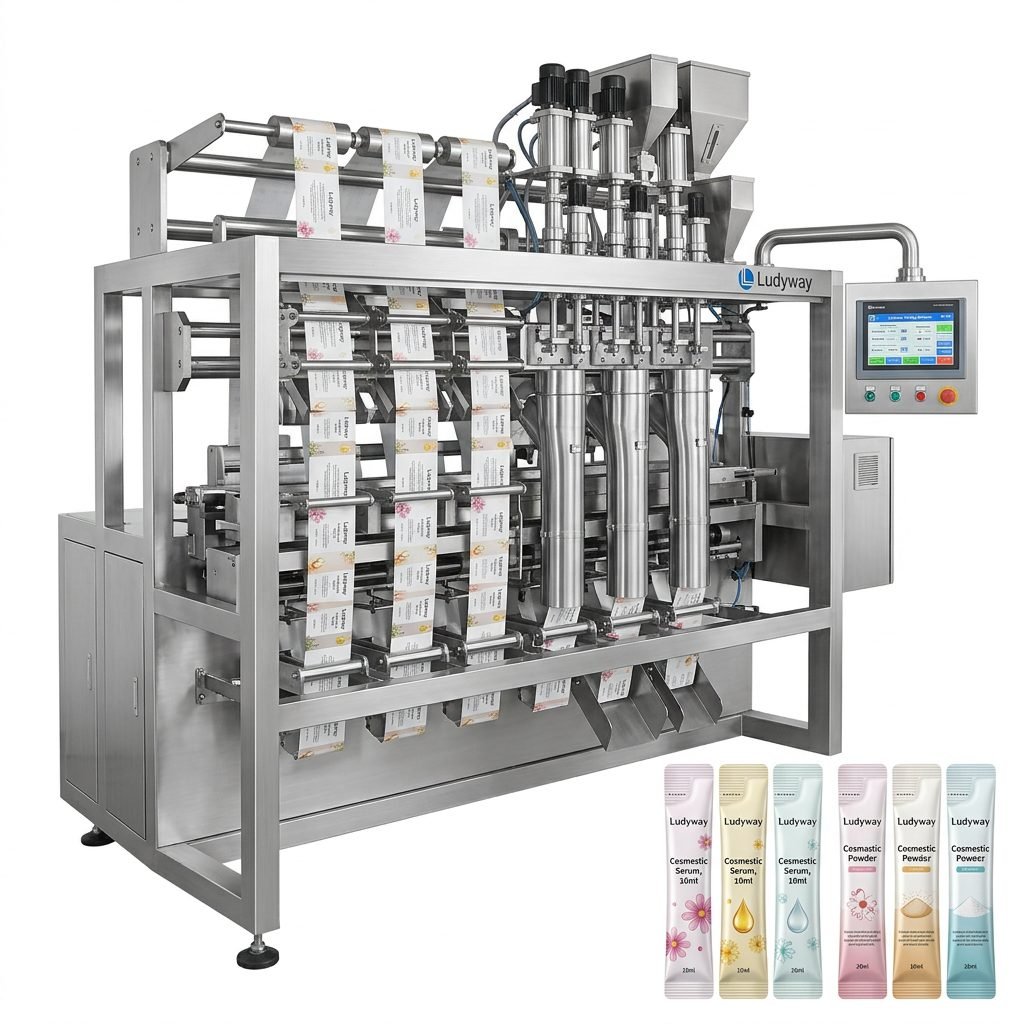
- Stick packs: Ideal for single-serve portions (2g to 10g), popular in food service and convenience channels
- Four-side-seal sachets: Provide tamper evidence and premium appearance for high-value spice blends
- Zipper pouches: Allow resealing, increasingly demanded by consumers for larger pack sizes
Your choice of pouch format directly influences the machine type and configuration. Not all machines can produce all pouch styles, so confirm format flexibility before committing to a specific model.
4. Filling Accuracy and Consistency
In the masala business, overfilling erodes margins while underfilling risks regulatory non-compliance and customer dissatisfaction. The filling accuracy you need depends on your product value and target market requirements:
- Volumetric cup fillers: Cost-effective but less precise (±2-5% variation), suitable for lower-value bulk masala
- Auger fillers: Better accuracy (±1-3%) for fine powders, ideal for premium spice blends
- Multi-head weighers: Highest accuracy (±0.5-1%) for high-value products and strict regulatory markets
- Combination weighers: Excellent for mixed-particle masala products with varying piece weights
For most commercial masala applications, auger filling systems offer the best balance of accuracy, speed, and cost-effectiveness. However, multi-head weighers are increasingly popular for premium export-oriented products where precise weight control is critical. Refer to packaging machinery market research for the latest data on filling technology adoption trends.
5. Automation Level and Integration Capabilities
Modern masala pouch packing machines range from semi-automatic standalone units to fully integrated packaging lines. Consider your current and future automation needs:
| Automation Level | Features | Typical Investment | Ideal Application |
|---|---|---|---|
| Semi-Automatic | Manual loading, automatic filling and sealing | Low to moderate | Small-batch production, artisanal brands |
| Fully Automatic – Standalone | Automated film feeding, filling, sealing, and cutting | Moderate to high | Mid-size manufacturers, consistent output |
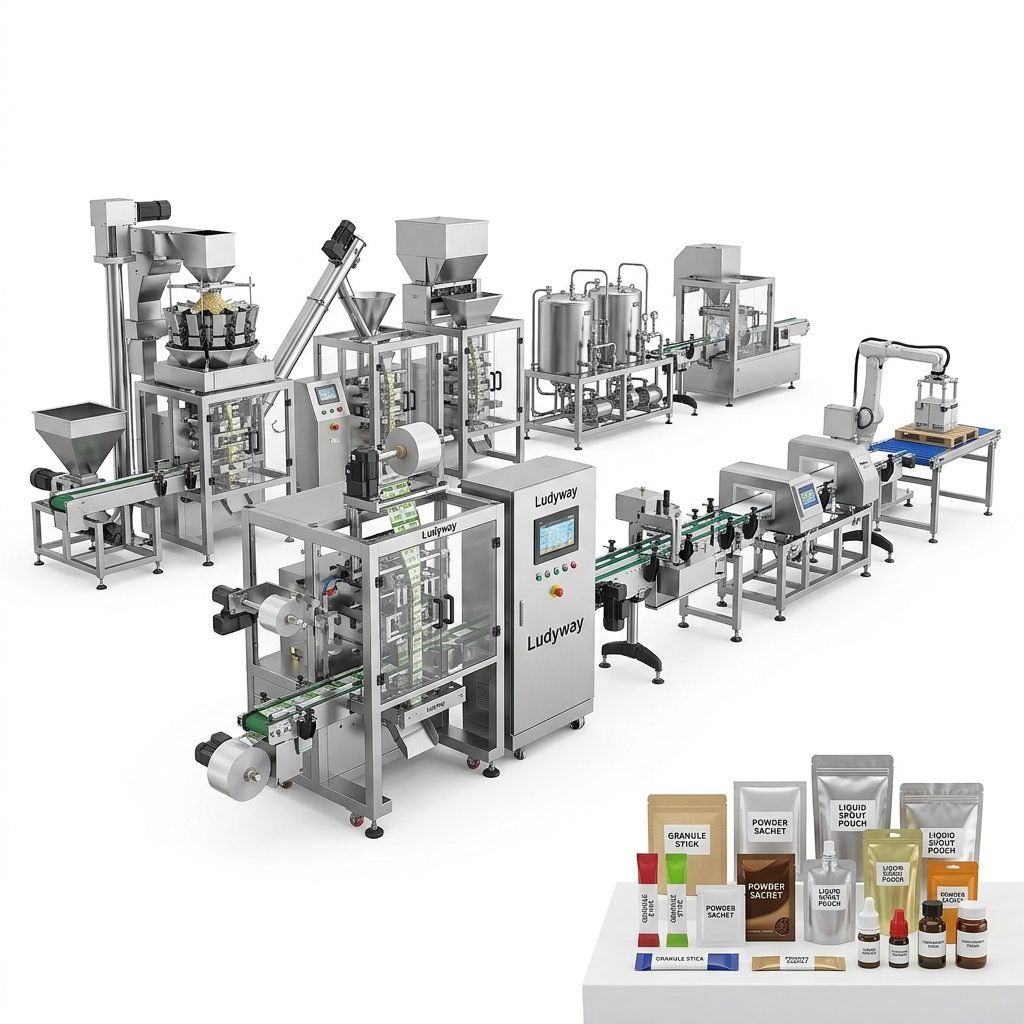
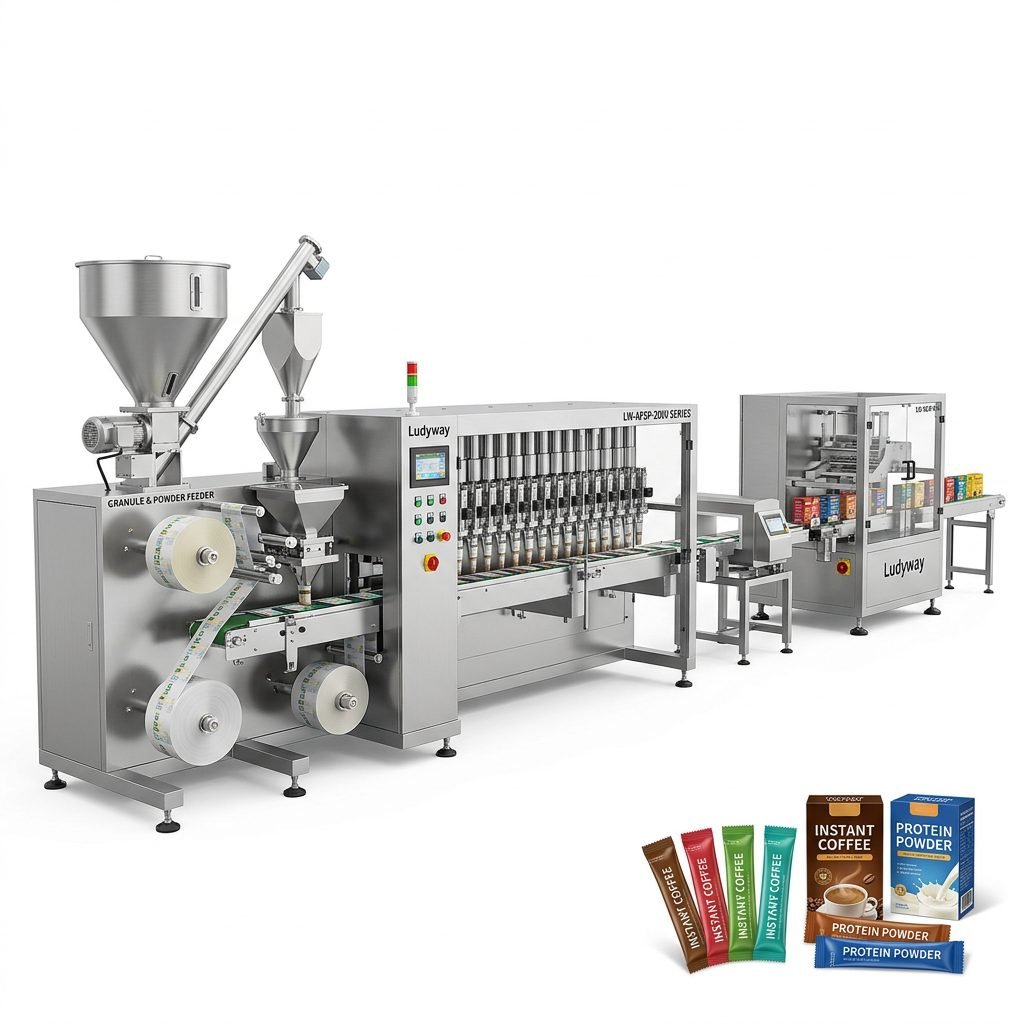
| Integrated Packaging Line | Includes feeding, coding, checkweighing, cartoning, and palletizing | High | Large-scale operations, export units |
An integrated line with checkweighing and metal detection can be particularly valuable for masala exporters who must meet stringent international food safety standards. Explore food packaging regulations to understand compliance requirements in your target markets.
Material Compatibility and Seal Integrity
The packaging film you use has a direct impact on product shelf life and machine performance. Masala products typically require multi-layer laminate films with excellent barrier properties against moisture, oxygen, and light. Key material considerations include:
- Film structure: Common laminates include PET/PE, BOPP/PE, and PET/Aluminum/PE for premium products
- Sealant layer: Must be compatible with your machine’s sealing jaw temperature range and dwell time
- Film thickness: Affects both barrier performance and machine runnability
- COF (Coefficient of Friction): Critical for smooth film transport through the forming tube
Always test your intended packaging film on the machine before finalizing your purchase. What works well in a demo with standard film may perform differently with your actual production materials. The Flexible Packaging Association provides valuable resources on film selection and material innovations for spice packaging applications.
Budget and ROI Considerations
While the purchase price of a masala pouch packing machine is an important consideration, total cost of ownership (TCO) provides a more accurate picture of your investment. Evaluate the following cost components over the expected machine lifespan:
- Initial purchase price: Includes the base machine, selected options, and any customization
- Installation and commissioning: Site preparation, electrical connections, and initial setup
- Operator training: Ensuring your team can run the machine efficiently from day one
- Spare parts inventory: Critical wear parts like sealing jaws, cutting blades, and forming tubes
- Ongoing maintenance: Routine servicing, lubrication, and preventive maintenance schedules
- Energy consumption: Electrical and compressed air requirements for continuous operation
- Downtime cost: Lost production during repairs and maintenance — often the largest hidden cost
A machine priced 20% higher but with lower downtime and faster changeover can deliver significantly better ROI over a 5-year period. Experienced packaging machinery manufacturers like Ludyway Machinery, a China-based provider with over 30 years of industry experience, emphasize that matching the right machine configuration to actual production needs often delivers better long-term value than simply choosing the lowest-priced option.
Evaluating Suppliers and After-Sales Support
The reliability of your packaging machine supplier is just as important as the machine itself. When evaluating potential suppliers, assess:
- Industry experience: How many years has the manufacturer been building masala or powder packaging machines?
- Customer references: Can they provide case studies or testimonials from spice industry clients?
- Technical support availability: What are their response times for troubleshooting and remote assistance?
- Spare parts network: How quickly can critical spare parts be shipped to your location?
- Warranty terms: What is covered, and for how long?
- Training programs: Do they offer comprehensive operator and maintenance training?
For manufacturers serving international markets, the ability to provide remote technical support and maintain adequate spare parts inventory for global customers is essential. This is particularly important for businesses in regions where local packaging machinery service providers are limited.

Making the Final Decision: A Practical Checklist
Before signing a purchase order, use this checklist to confirm you’ve evaluated all critical factors:
| Decision Factor | Key Questions to Confirm |
|---|---|
| Product Fit | Has the machine been tested with your actual masala product? |
| Speed Verification | Is the rated output achievable with your product and film combination? |
| Pouch Quality | Do sample pouches meet your seal strength and appearance standards? |
| Changeover Time | How long does it take to switch between different pouch sizes or product variants? |
| Service Coverage | What support is available in your region, and at what cost? |
| Future Scalability | Can the machine be upgraded or integrated into a larger line later? |
Conclusion
Choosing the right masala pouch packing machine requires careful evaluation of your product characteristics, production goals, packaging format requirements, and budget. By systematically assessing these factors — and partnering with an experienced equipment supplier who understands the nuances of spice packaging — you can invest in a machine that delivers reliable performance, consistent output quality, and strong long-term ROI.
Whether you are a startup spice brand entering the market or an established manufacturer expanding capacity, the time invested in proper machine selection will pay dividends through higher productivity, reduced waste, and fewer operational disruptions over the life of your equipment. For further guidance on packaging machinery standards and industry best practices, visit the PMMI packaging industry association for comprehensive resources and market intelligence.