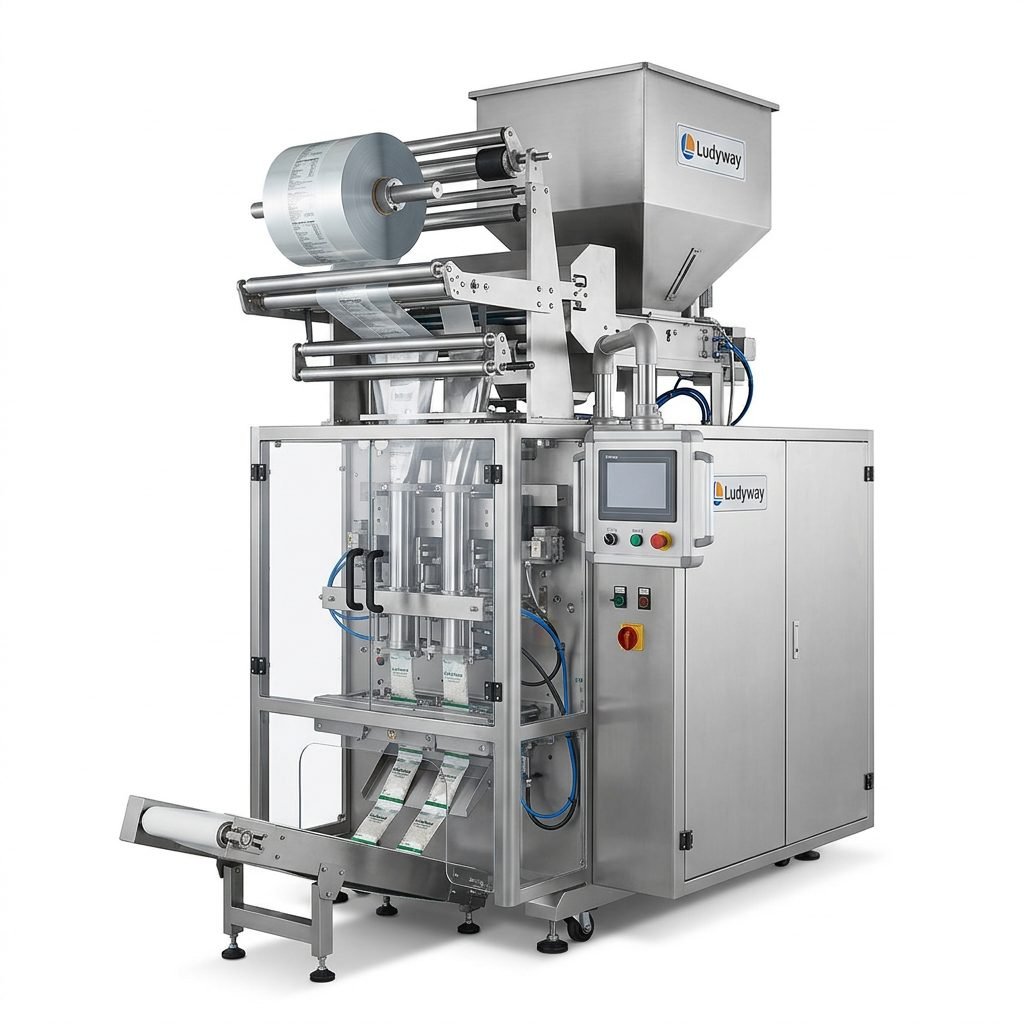
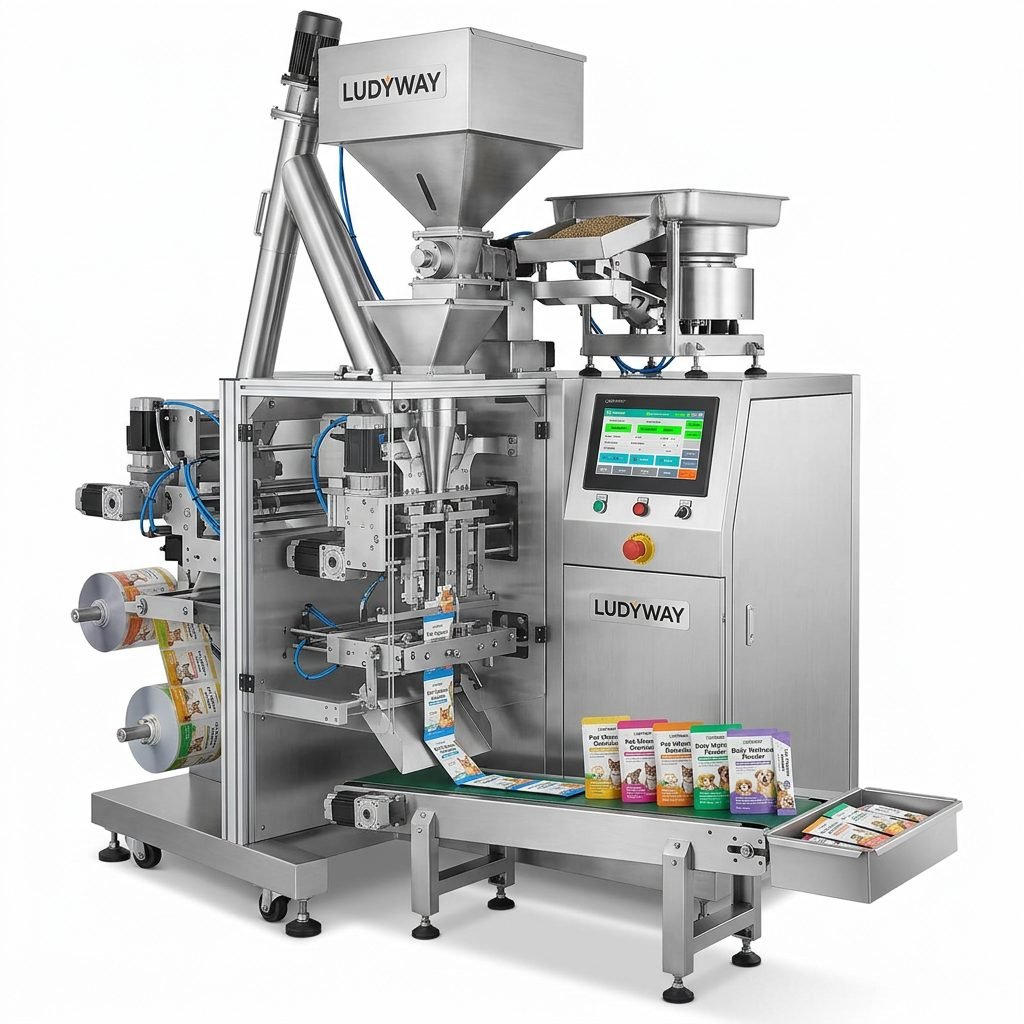
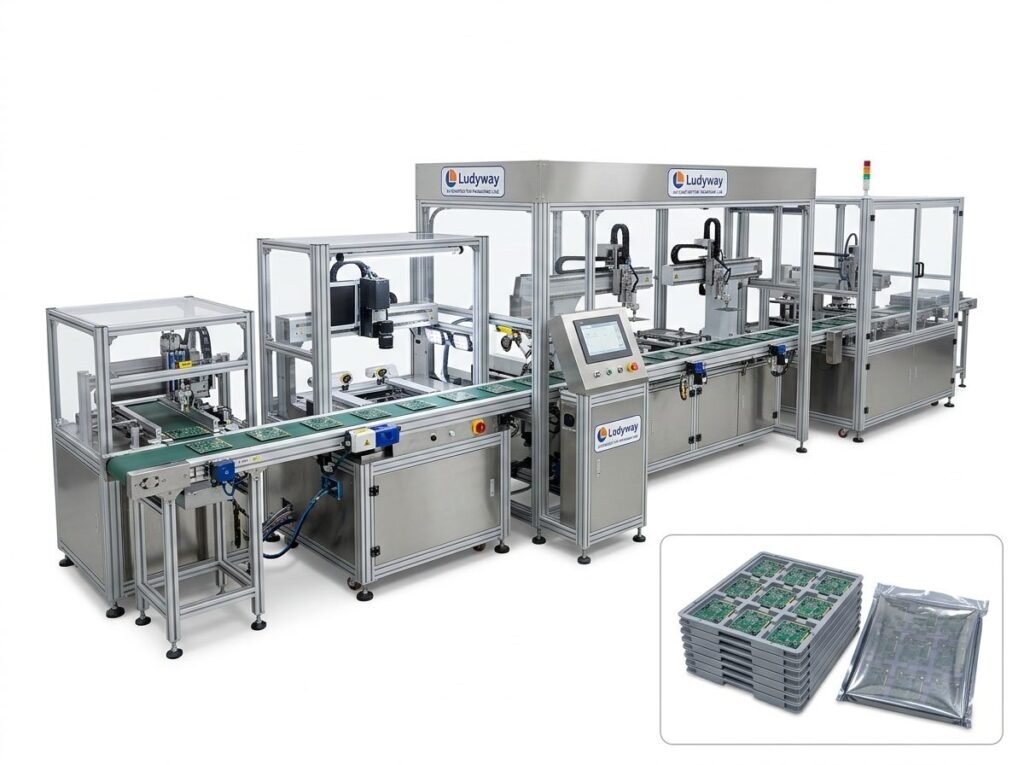
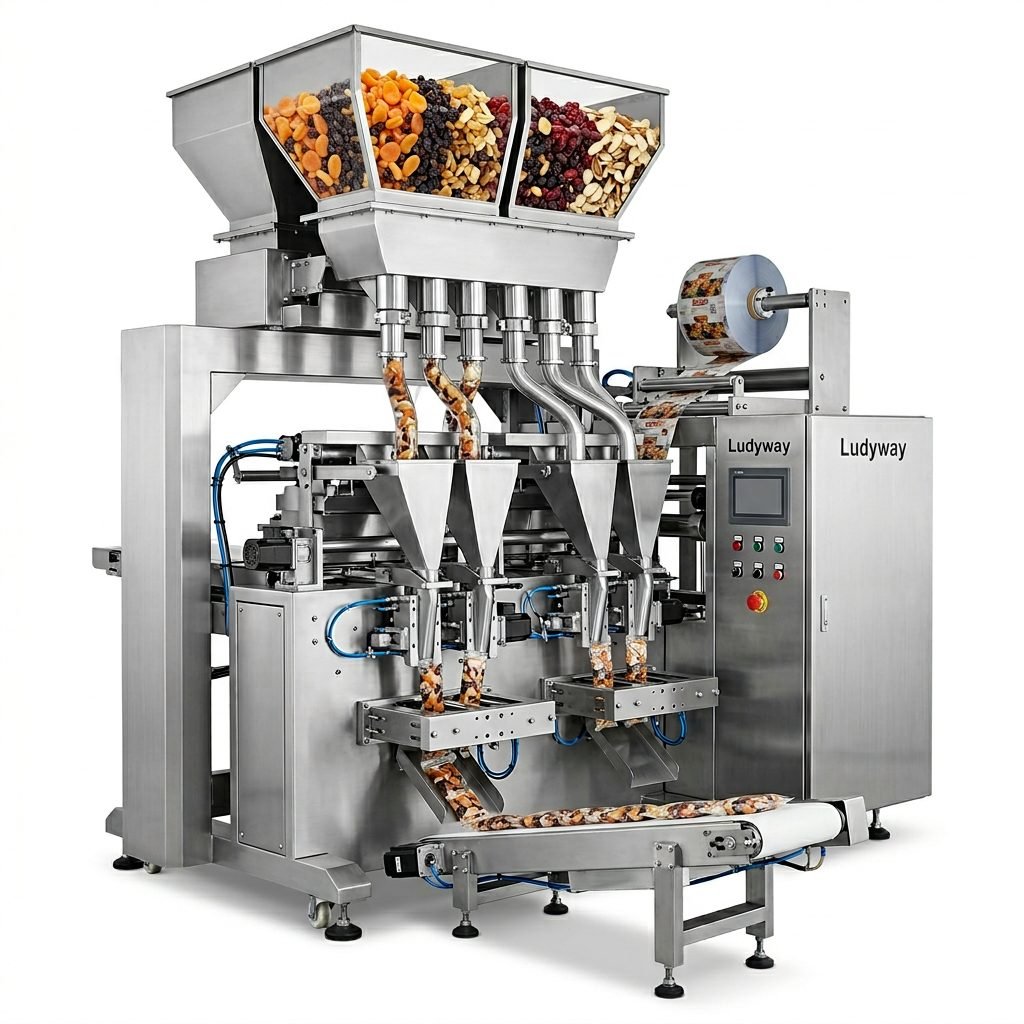
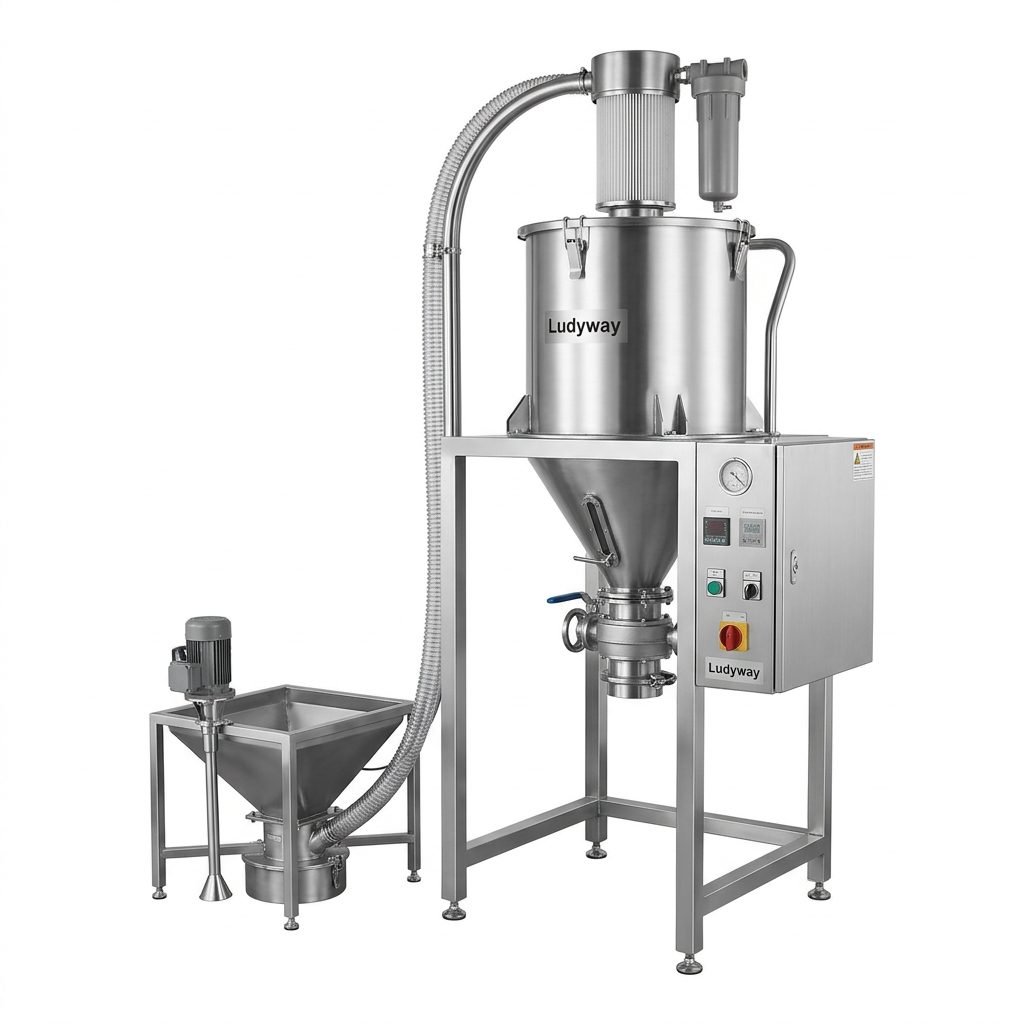
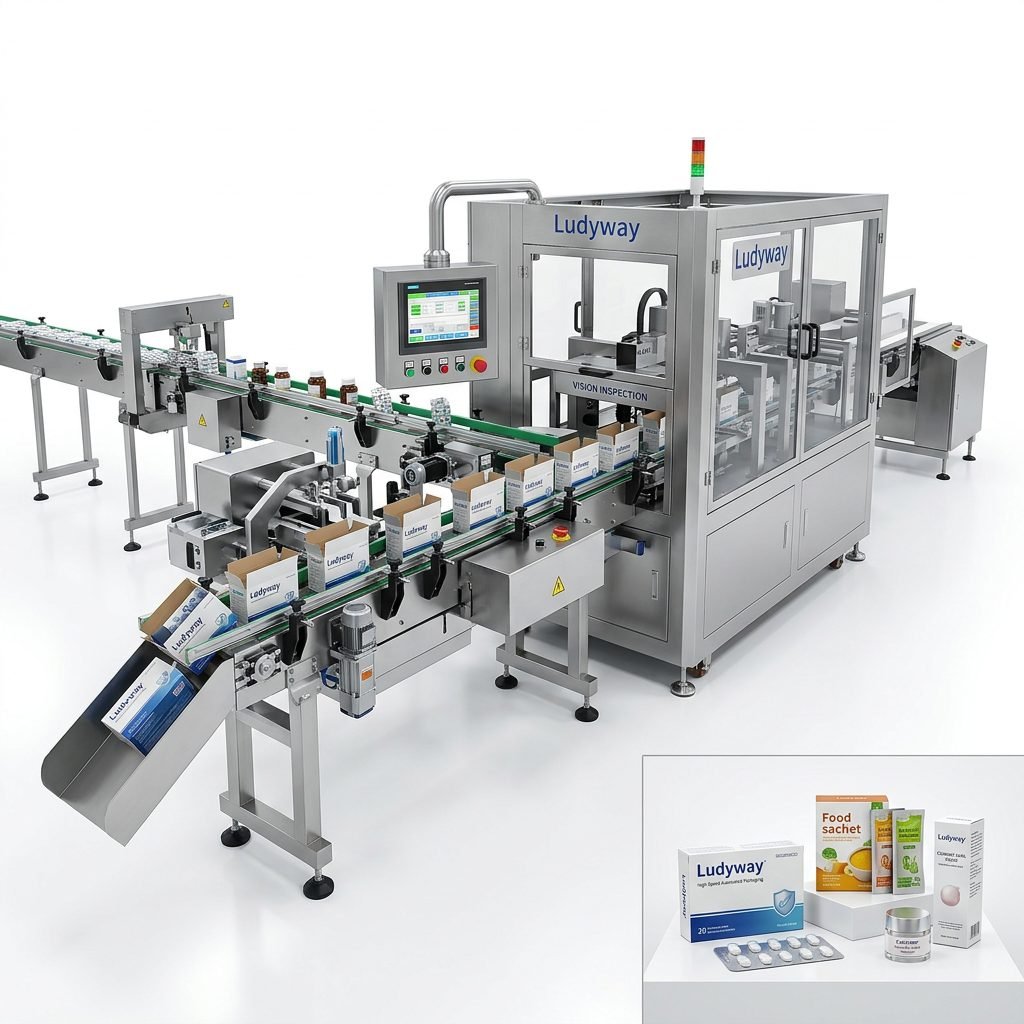
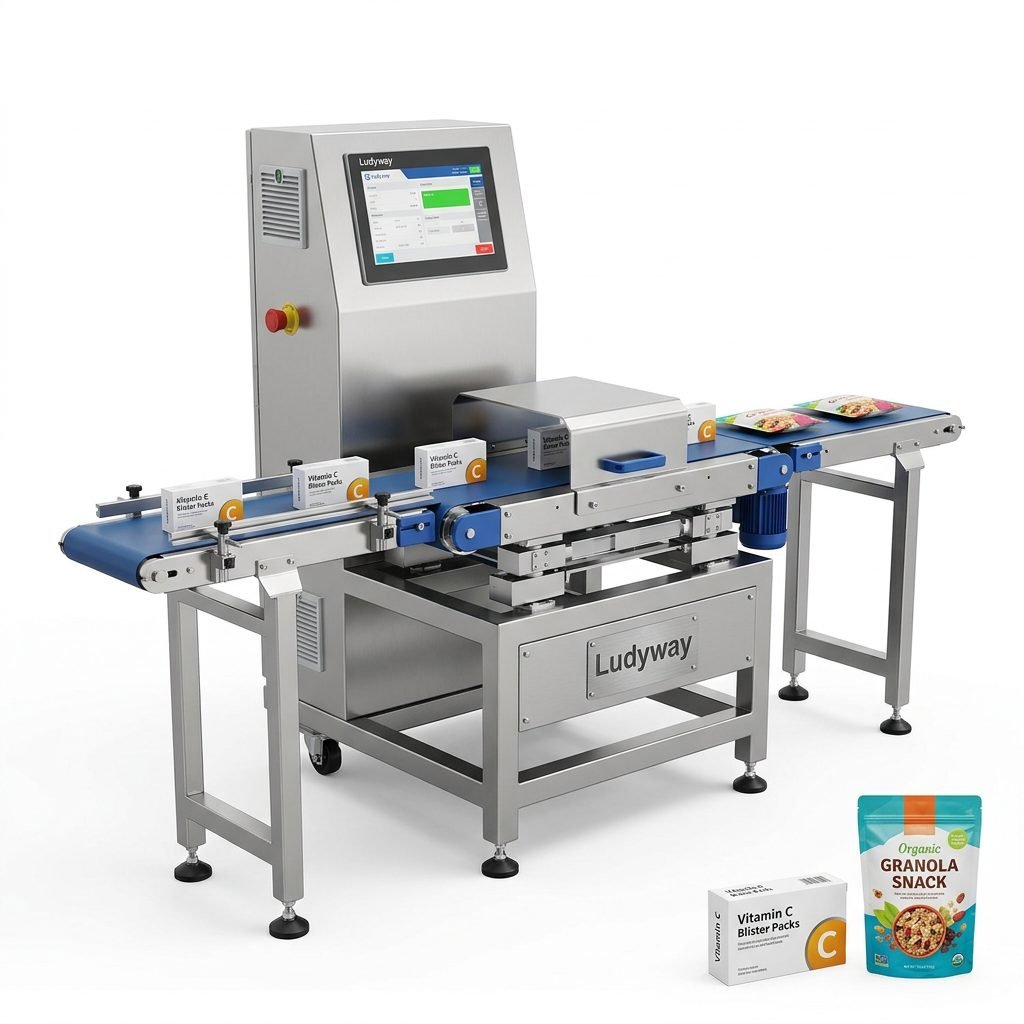
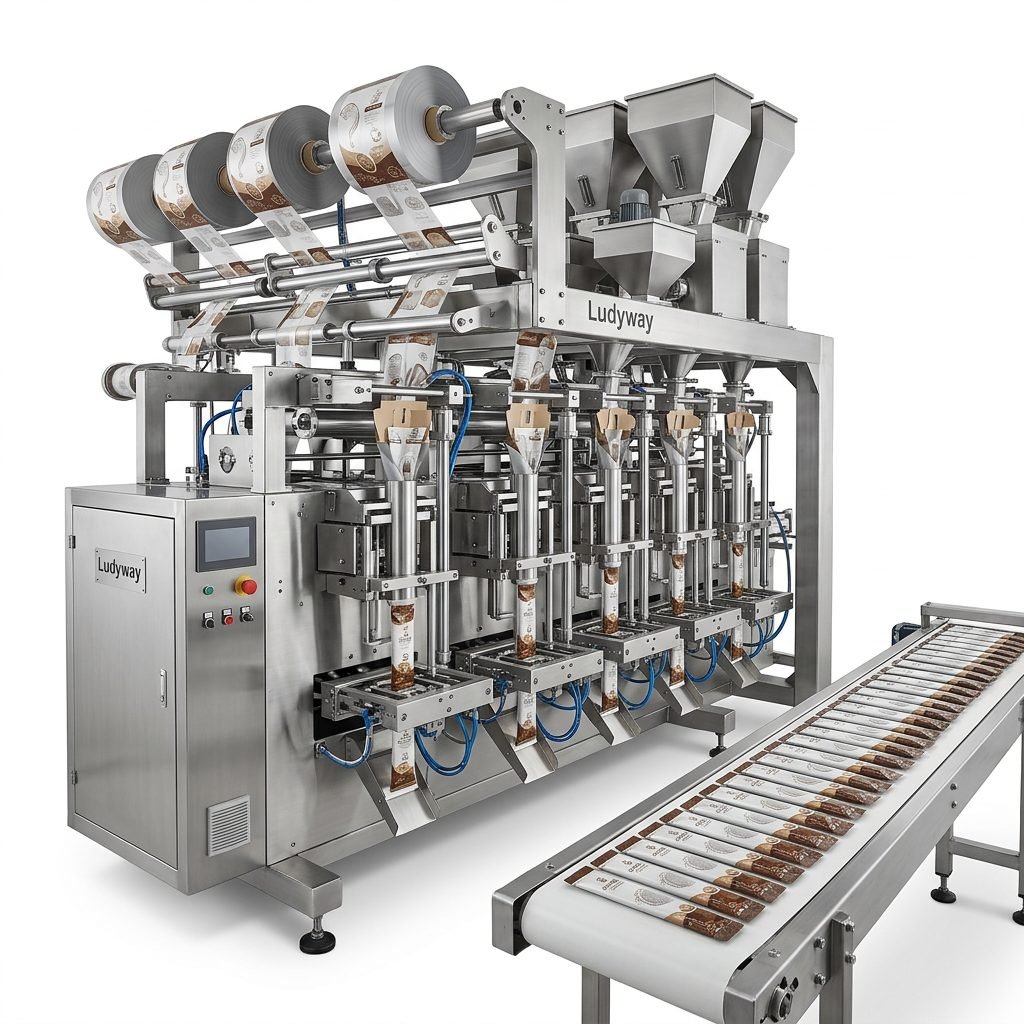
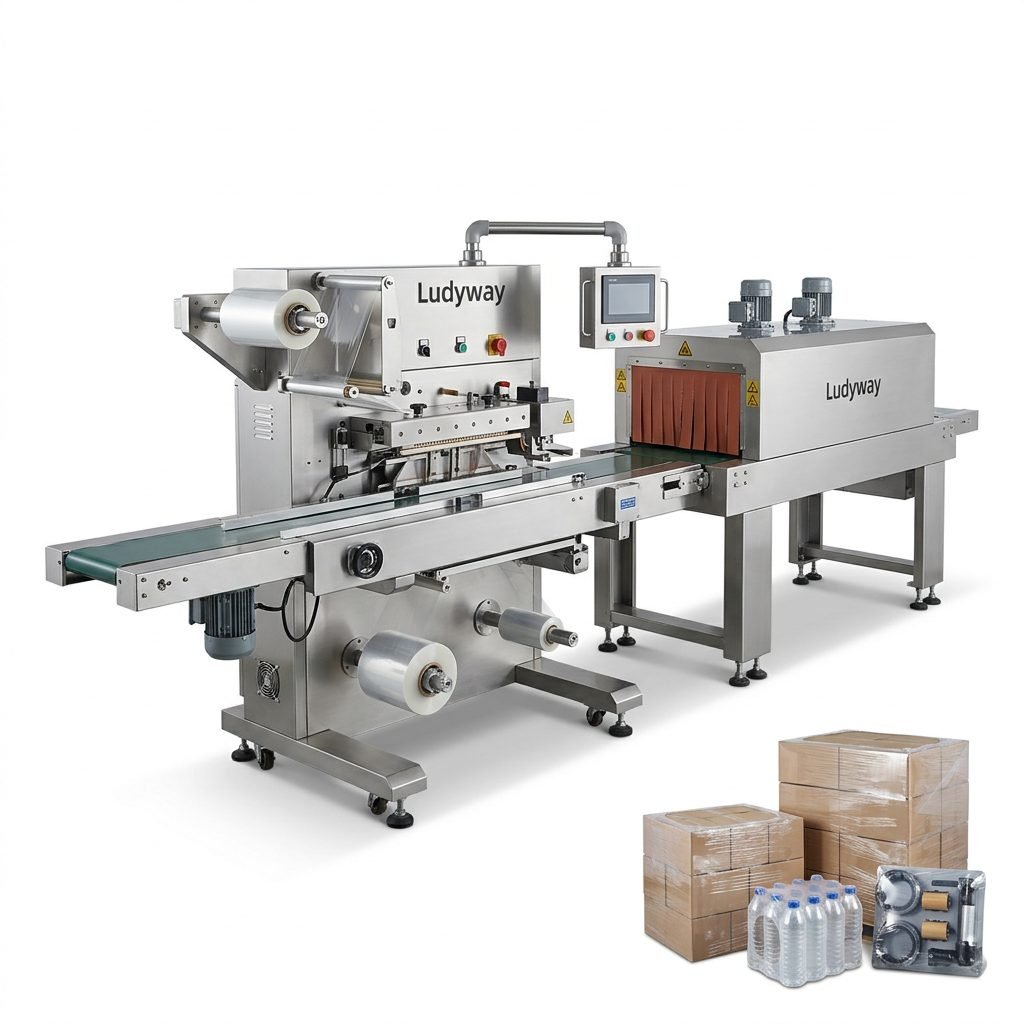
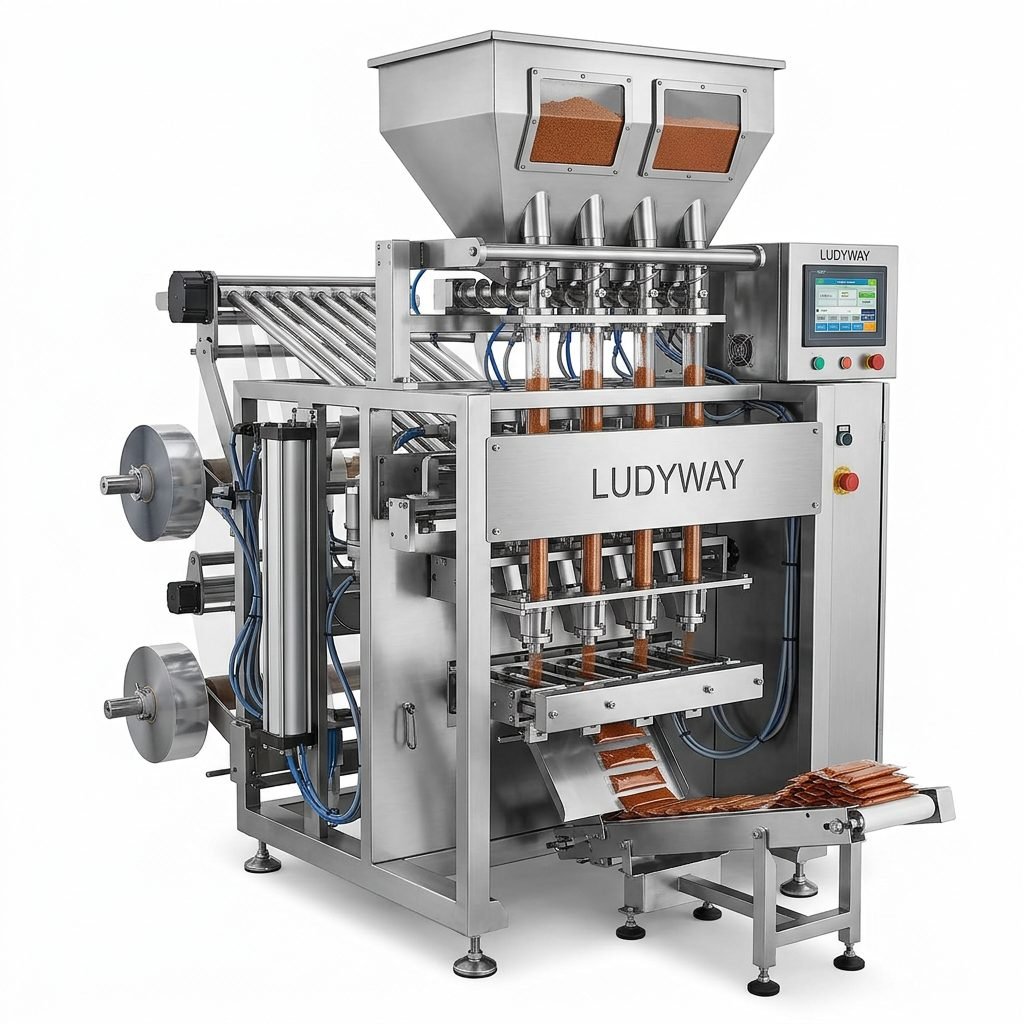
A case packaging machine is designed to automatically group, load, and pack products into cases, cartons, or trays for shipping, storage, and retail distribution. It plays a critical role at the end of a production line, especially for manufacturers that need fast, consistent, and labor-saving secondary packaging.
In modern factories, case packaging equipment is widely used in food, beverages, pharmaceuticals, cosmetics, household chemicals, health supplements, and many other industries. Whether you pack bottles, pouches, sachets, cartons, cans, jars, or flow-wrapped products, the right machine can help improve line efficiency and reduce packaging errors.
What Is a Case Packaging Machine?
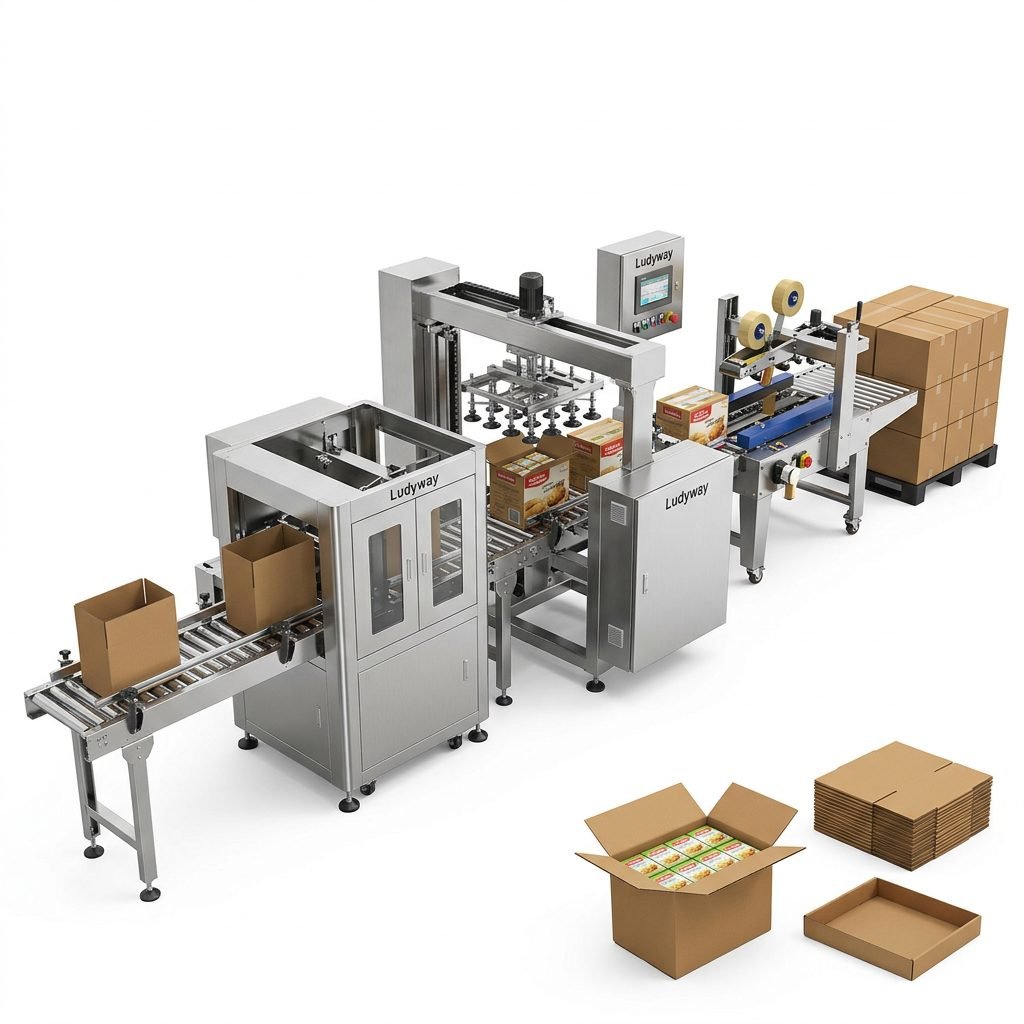
A case packaging machine is an automated system that places primary packaged products into a larger outer package. That outer package may be a corrugated shipping case, display-ready tray, wraparound carton, or retail-ready box.
In simple terms, the machine takes already packed items and arranges them into transport-friendly packaging. This helps businesses protect products during logistics, improve warehouse handling, and prepare goods for palletizing and delivery.
- Loads bottles into corrugated cases
- Packs sachets or stick packs into cartons
- Places pouches into display trays
- Groups cans or jars for retail or transport packaging
- Supports automatic sealing, labeling, and palletizing downstream
Where Case Packaging Machines Are Commonly Used
Case packers are suitable for a wide range of industries because almost every finished product eventually needs secondary or tertiary packaging before shipment.
| Industry | Typical Products | Common Case Format |
|---|---|---|
| Food & Beverage | Bottles, cans, pouches, snacks, seasoning sachets | RSC cases, trays, wraparound cartons |
| Pharmaceutical | Boxes, bottles, blister cartons, medical kits | Corrugated cases, shipping cartons |
| Cosmetics & Personal Care | Cream tubes, lotion bottles, sachets, masks | Display trays, retail cartons, shipping cases |
| Chemical & Household | Detergents, cleaners, powders, refill pouches | Heavy-duty corrugated cases |
| Animal Feed & Pet Products | Pouches, sachets, small bags, supplement packs | Master cartons, transport cases |
How a Case Packaging Machine Works
While machine configurations vary, most case packaging systems follow a similar process. The goal is to move products from the main packaging line into organized, sealed shipping units with minimal manual intervention.
-
Product infeed
Products arrive from upstream equipment such as filling machines, sachet packers, cartoners, or labeling systems. -
Collation and orientation
The system counts, groups, and arranges products into the required packing pattern. -
Case forming
Flat cartons or corrugated blanks are automatically erected into open cases or trays. -
Product loading
Products are placed into the case by robotic pick-and-place units, side-load systems, top-load systems, or drop-pack methods. -
Case closing and sealing
The loaded case is closed and sealed using tape, hot melt glue, or other closure methods. -
Inspection and discharge
Finished cases may pass through weight checking, coding, labeling, or rejection systems before palletizing.
Typical Components in a Complete System
- Product conveyor
- Collation unit
- Case erector
- Case packer
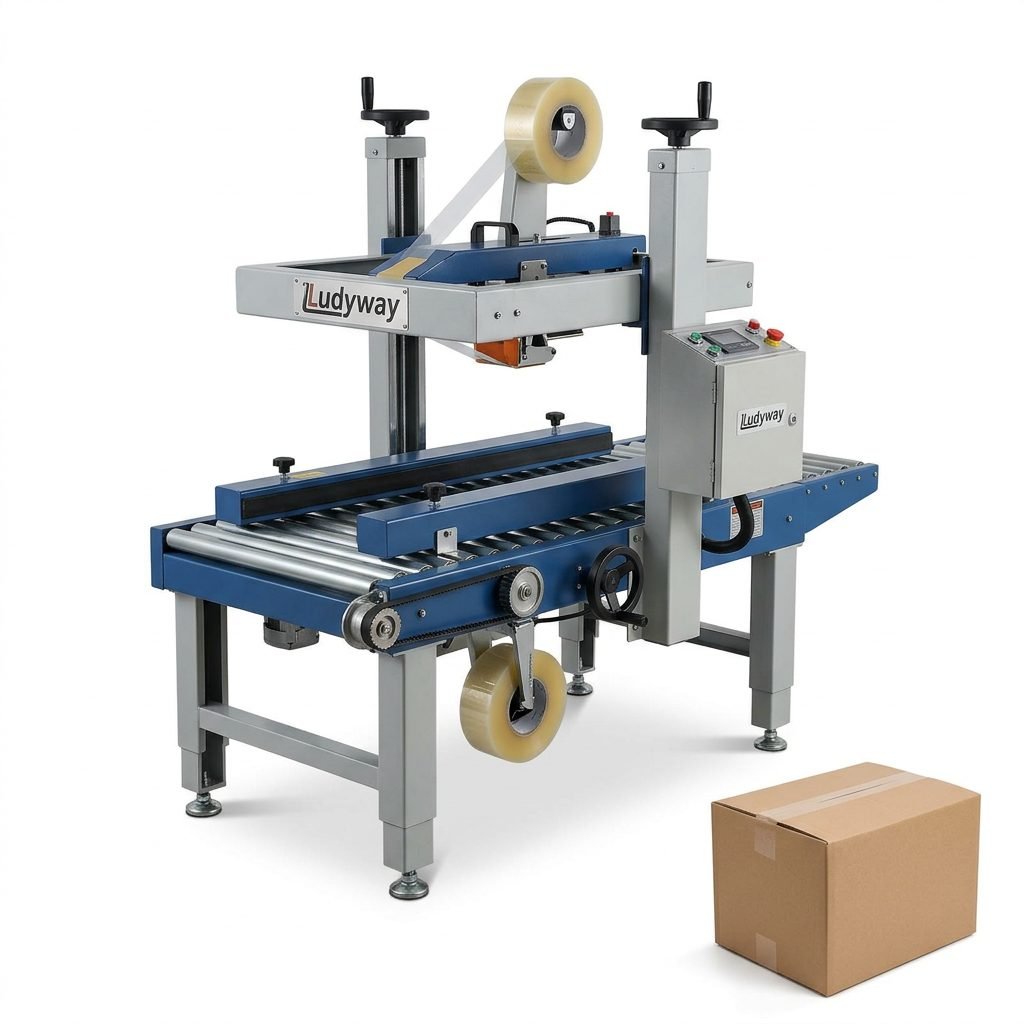
- Case sealer
- Checkweigher or inspection device
- Labeling or coding unit
- Palletizer or robotic end-of-line system
Main Types of Case Packaging Machines
1. Top-Load Case Packers
These machines load products vertically from the top into an open case. They are often used for rigid items like bottles, jars, cans, and cartons.
- Good for organized pack patterns
- Suitable for fragile or upright products
- Often used with robotic pick-and-place systems
2. Side-Load Case Packers
Side-load systems push or place grouped products horizontally into a case from the side. They are ideal for cartons, flow packs, and products that move well in batches.
- Efficient for high-speed lines
- Common in food and consumer goods
- Works well with cartoned products
3. Wraparound Case Packers
In this design, the corrugated blank wraps around the product group and is then sealed. This creates a compact and material-efficient package.
- Reduces corrugated material use
- Creates clean, retail-friendly packaging
- Often used for beverages, cans, and multipacks
4. Robotic Case Packing Systems
Robotic systems use articulated arms or delta robots to pick, orient, and place products into cases. They offer strong flexibility for mixed formats and multiple SKUs.
- Excellent for format flexibility
- Supports complex product handling
- Well suited for growing manufacturers with varied packaging needs
5. Drop Packers
Drop packing machines group products above the case and release them into position. This method is often used for sturdy containers and rigid packaging.
Benefits of Using a Case Packaging Machine
Investing in automated case packaging can create measurable improvements across production, labor, quality, and logistics.
- Higher throughput with consistent packing speeds
- Lower labor dependency and reduced manual handling
- Better pack consistency for transport and retail appearance
- Reduced product damage during case loading and shipment
- Improved line integration with cartoners, sealers, and palletizers
- Scalability for future production growth
Key Factors That Affect Machine Selection
Choosing the right machine is not only about speed. The best solution depends on your product characteristics, case style, production goals, and factory layout.
| Selection Factor | Why It Matters |
|---|---|
| Product type | Rigid, flexible, fragile, heavy, or irregular products need different handling methods |
| Speed requirement | Machine design must match your line capacity and future output goals |
| Case format | RSC case, tray, wraparound carton, or display-ready packaging changes the machine structure |
| Available space | Floor plan and line layout determine machine footprint and orientation |
| Automation level | Standalone equipment or fully integrated turnkey line impacts productivity and labor needs |
| Changeover frequency | Frequent SKU changes require fast adjustment and flexible tooling |
| Industry compliance | Food, pharma, and medical sectors may require higher hygiene and validation standards |
How to Choose the Right Case Packaging Machine
Understand Your Product and Pack Pattern
Start with the basics: what are you packing, how many units go into each case, and how should they be oriented? Bottles standing upright require a different system than flexible pouches, and sachets often need collating before loading.
Match the Machine to Your Required Output
If your current production is 10 cases per minute but your growth target is 25, buying only for today’s output can create a bottleneck later. A good machine should support both current demand and realistic expansion.
Check Changeover Simplicity
Manufacturers with multiple SKUs should prioritize quick size adjustment, recipe storage, and easy operator setup. This reduces downtime and supports flexible production.
Evaluate Integration with the Full Line
A case packer should not be chosen in isolation. It must work smoothly with upstream packaging machines and downstream sealers, printers, inspection equipment, and palletizers.
Consider Product Protection
Fragile items, premium retail products, and pharmaceuticals often need gentle handling. In such cases, servo-driven motion and robotic placement can reduce impact and misalignment.
Assess Maintenance and After-Sales Support
Long-term reliability matters as much as initial machine price. Spare parts availability, remote technical support, training, and engineering responsiveness can strongly affect your total cost of ownership.
Questions to Ask Before Buying
- What products and package sizes will the machine handle?
- How many cases per minute are required now and in the future?
- What case styles do you need to support?
- How long does format changeover take?
- Can the machine connect to your current packaging line?
- What level of automation do you want: semi-auto or fully automatic?
- What are the maintenance requirements?
- Does the supplier offer commissioning, training, and spare parts support?
Common Applications in End-of-Line Packaging
Case packaging machines are frequently part of a larger end-of-line solution. In many factories, they work together with:
- Carton erectors
- Case sealers
- Conveyor systems
- Checkweighers
- Metal detectors or vision inspection systems
- Labelers and coding machines
- Robotic palletizers
- Shrink wrappers and strapping machines
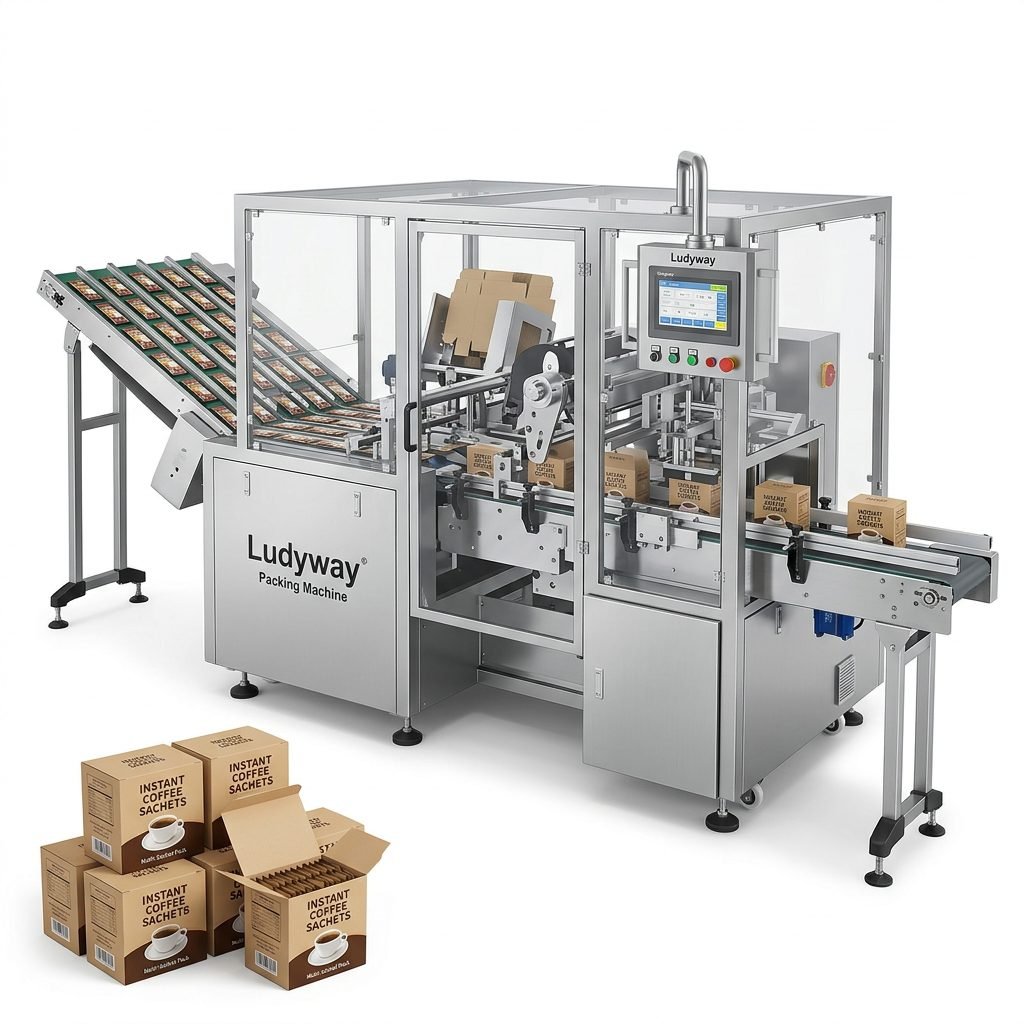
For companies seeking integrated solutions, working with an experienced manufacturer can simplify engineering, installation, and long-term system compatibility. Ludyway is one of China’s leading packaging machine and turnkey packaging line manufacturers, with more than 30 years of industry experience and broad capabilities in automated packaging and end-of-line integration.
Signs You Need to Upgrade to an Automatic Case Packer
- Manual packing is slowing down your production line
- Labor costs are rising or staffing is unstable
- Case packing quality is inconsistent
- Products are getting damaged during hand packing
- Your line output has increased beyond manual capacity
- You need better traceability and packaging standardization
Case Packaging Machine vs. Cartoning Machine
These two machines are often confused, but they serve different purposes.
| Machine Type | Main Function | Packaging Level |
|---|---|---|
| Cartoning Machine | Puts single or grouped products into cartons | Secondary packaging |
| Case Packaging Machine | Loads packaged products or cartons into shipping cases | Secondary or tertiary packaging |
Final Buying Tips for Better ROI
To get the best return on investment, choose a machine based on real production needs, line compatibility, operator usability, and supplier support—not just the lowest initial price.
- Request a layout drawing before purchase
- Share actual product samples with the supplier
- Ask for video proof of similar applications
- Confirm electrical standards and compliance requirements
- Review spare parts and service response terms
- Plan for future automation, not only current production
FAQ
What products can a case packaging machine handle?
It can handle bottles, cans, jars, cartons, pouches, sachets, flow packs, trays, and many other packaged products, depending on machine design.
Is a case packaging machine suitable for small factories?
Yes. Small and medium manufacturers can choose compact or semi-automatic models, while larger factories often prefer fully automatic integrated lines.
How fast can a case packer run?
Speed depends on product type, case format, and pack pattern. Some systems run at modest speeds for flexible production, while others are built for high-volume continuous operation.
Can one machine handle different case sizes?
Many machines support multiple formats, but the ease and speed of changeover vary. This is a key factor to check before buying.
What is the difference between top-load and side-load case packing?
Top-load machines place products from above, while side-load machines insert them horizontally from the side. The best choice depends on product shape, orientation, and speed goals.