Selecting the right air bag packaging machine is a critical decision that directly impacts your shipping efficiency, product protection, and operational costs. With the rapid growth of e-commerce and the increasing demand for sustainable, damage-free delivery, investing in the right inflatable packaging system has become essential for manufacturers and fulfillment centers worldwide. This guide will walk you through every factor you need to evaluate before making a purchase.
Understanding Air Bag Packaging Machines
An air bag packaging machine, also known as an air cushion machine or inflatable packaging system, produces on-demand air-filled cushions that protect goods during transit. Unlike traditional void-fill materials such as foam peanuts or crumpled paper, air bags offer superior protection while reducing material usage, storage space, and shipping weight. Modern air pillow packaging machines can produce various cushion types, including air pillows, bubble bags, and air tubes, adapting to diverse product protection needs.
According to industry data from PMMI’s packaging intelligence reports, the global protective packaging market continues to expand, driven by e-commerce growth and increasing consumer expectations for damage-free delivery. Selecting the right machine involves understanding your throughput requirements, the types of products you ship, and your operational environment.
Key Factors to Consider When Choosing an Air Bag Packaging Machine
Production Speed and Output Capacity
Different air bag packaging machines offer varying production speeds, typically measured in meters per minute or bags per minute. Entry-level machines may produce 8-12 meters per minute, while high-speed industrial systems can exceed 20 meters per minute. Evaluate your peak shipping periods and daily volume to determine the throughput you need. Underestimating capacity can create bottlenecks during busy seasons, while overestimating leads to unnecessary capital expenditure.
Bag Size and Format Flexibility
Consider whether you need a machine that produces multiple bag sizes or a single format. Many air cushion packaging machines offer adjustable film widths and perforation settings, allowing operators to switch between small, medium, and large cushions. If your product range varies significantly—from small electronics to larger household items—flexibility becomes a critical selection criterion. The Flexible Packaging Association provides valuable insights into film and format compatibility standards.
Film Compatibility and Material Options
The type of film your machine accepts affects both operational costs and environmental footprint. Common options include standard polyethylene (PE) film, biodegradable films, and recycled-content materials. Some advanced protective air bag systems are compatible with multiple film types, giving you the flexibility to switch materials as sustainability goals evolve. Verify film compatibility before purchasing, as proprietary film requirements can lock you into higher ongoing costs.
Automation Level and Integration
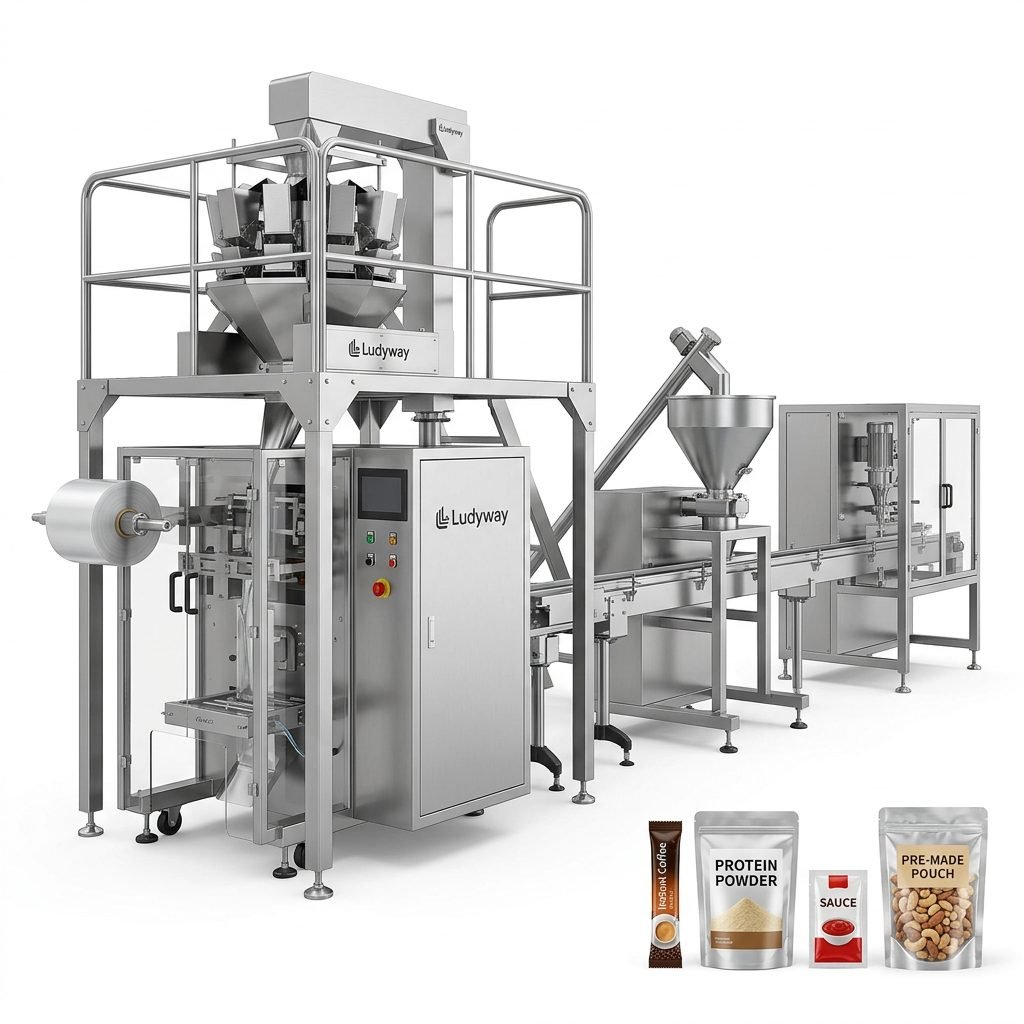
Modern air bag packaging machines range from semi-automatic tabletop units to fully automated inline systems that integrate with existing conveyor lines. Key automation features to evaluate include:
- Auto-sensing technology that adjusts inflation based on product dimensions
- Inline integration with pack stations and fulfillment workflows
- Remote monitoring and diagnostic capabilities
- Automated film feeding and tension control
- Programmable logic controllers (PLC) for consistent inflation parameters
Higher automation levels reduce labor costs and improve consistency, making them ideal for high-volume operations. For smaller operations, semi-automatic units often provide the best balance of functionality and affordability.
Types of Air Bag Packaging Systems at a Glance
| Machine Type | Best For | Typical Speed | Key Advantage |
|---|---|---|---|
| Tabletop Air Pillow Machine | Small warehouses, low-volume shippers | 8-10 m/min | Compact footprint, low initial cost |
| Mid-Range Air Cushion System | Medium fulfillment centers | 12-16 m/min | Multiple film options, good speed-to-cost ratio |
| High-Speed Industrial System | Large-scale distribution, 24/7 operations | 18-25+ m/min | Maximum throughput, inline integration capable |
| Air Tube / Column Wrap System | Fragile items, electronics, glassware | 10-14 m/min | Superior cushioning for high-value items |
Cost Considerations and ROI Analysis
When evaluating the cost of an air bag packaging machine, consider both the upfront capital investment and the total cost of ownership. Key financial factors include:
- Machine purchase price — ranges from a few thousand dollars for basic units to tens of thousands for fully automated systems
- Film costs — proprietary films often cost more than universal alternatives
- Maintenance expenses — including replacement parts, service contracts, and technician availability
- Energy consumption — most machines run on standard electrical outlets, but high-speed models may require dedicated circuits
- Labor savings — automated systems reduce the time workers spend on manual void-fill tasks
Calculate your projected ROI by comparing current void-fill material costs, labor hours, and damage rates against the expected performance of the new system. The 2026 State of the Industry report from PMMI offers benchmarking data that can assist with cost modeling for packaging equipment investments.
Maintenance, Durability, and Technical Support
A robust air bag packaging machine should deliver consistent performance over years of operation, but even the best equipment requires regular maintenance. Evaluate the following before committing to a supplier:
- Warranty coverage — what components are covered and for how long
- Availability of spare parts — domestic warehousing reduces lead times
- Technical support channels — phone, email, remote diagnostics, and on-site service options
- Operator training programs — comprehensive training reduces misuse and extends machine life
- Preventive maintenance schedules — documented maintenance plans help avoid unplanned downtime
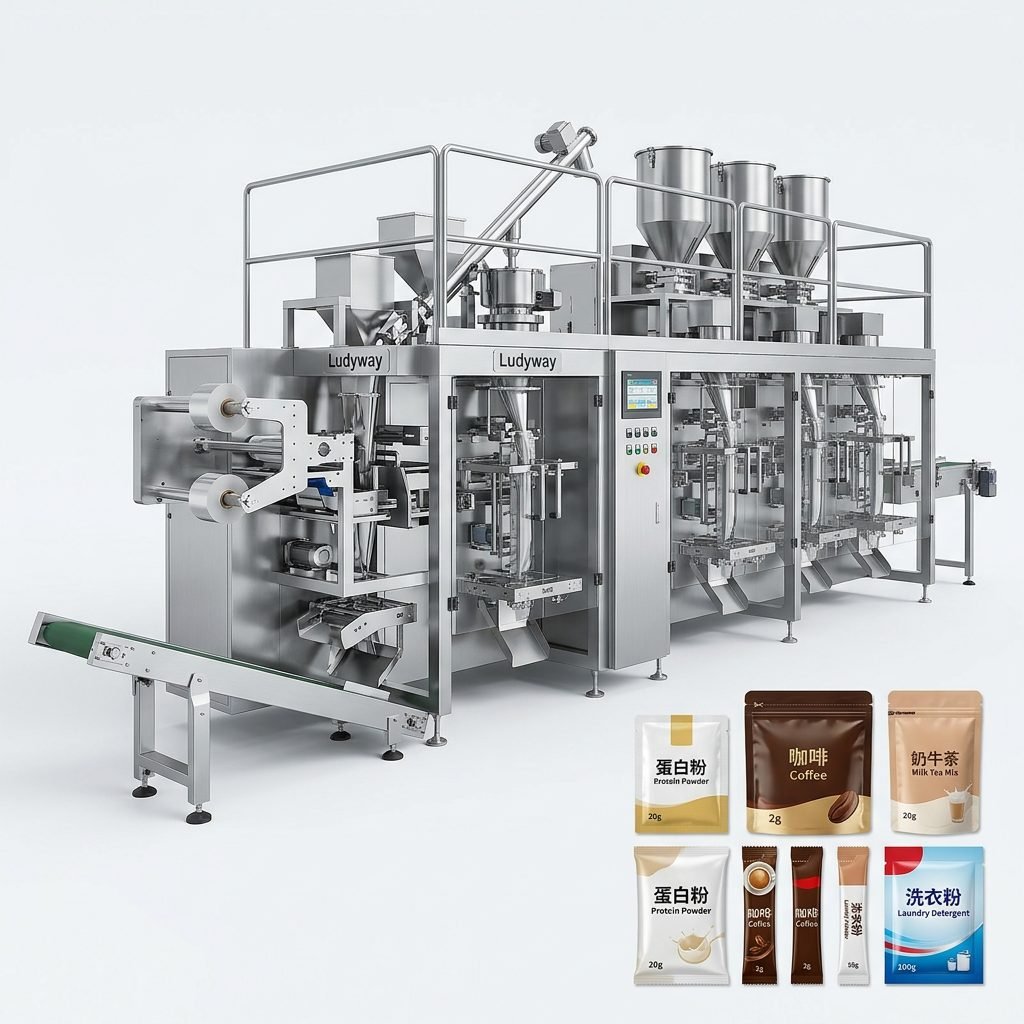
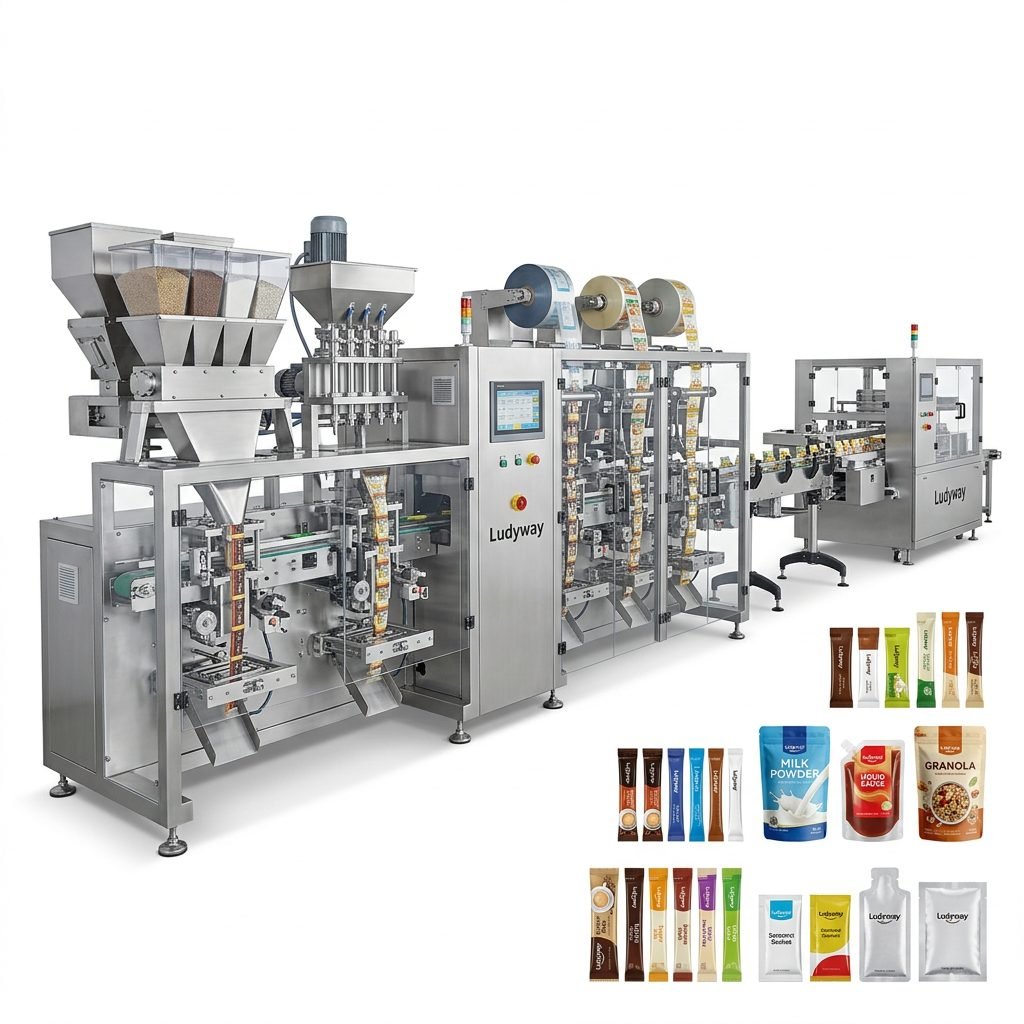
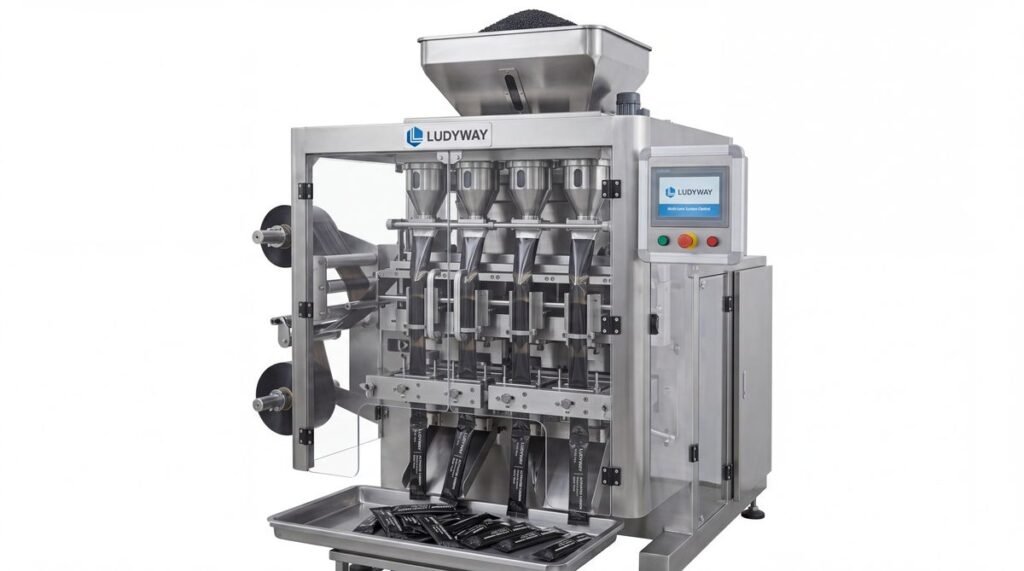
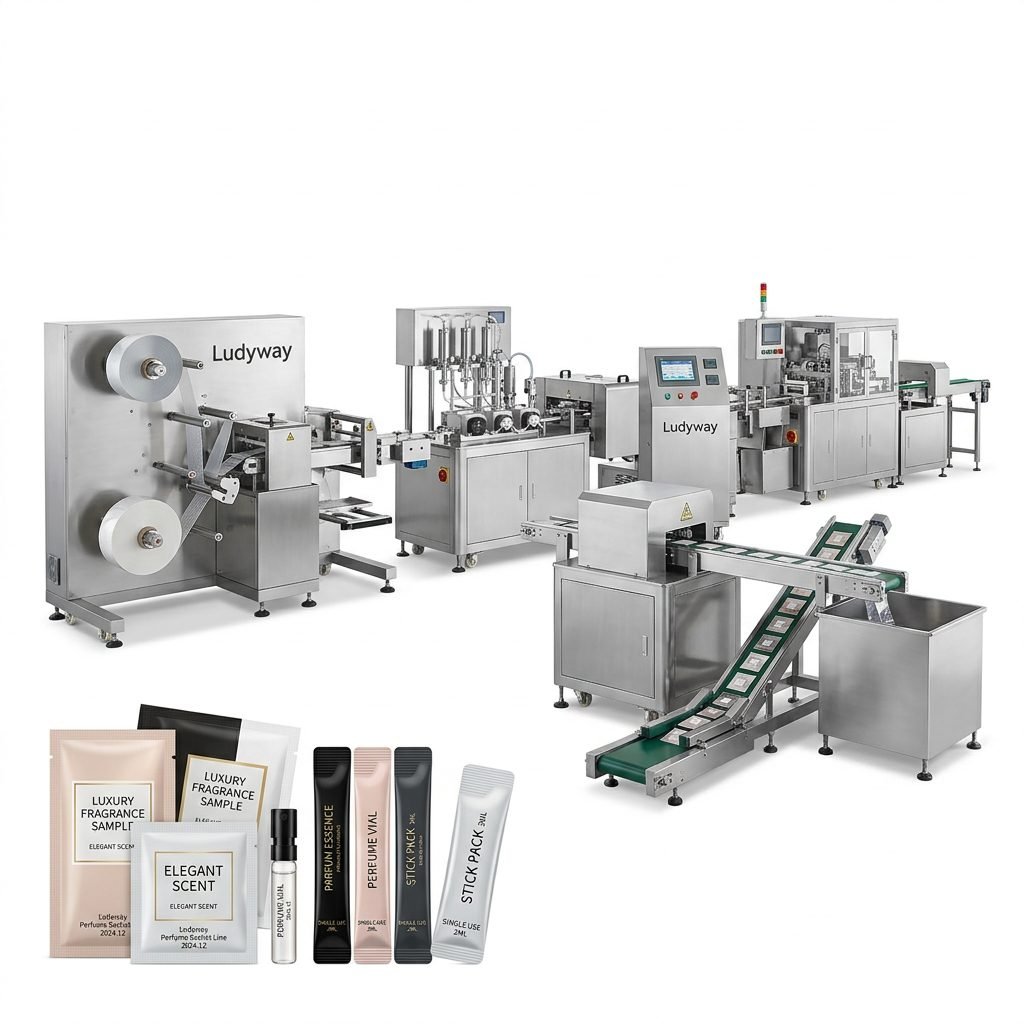
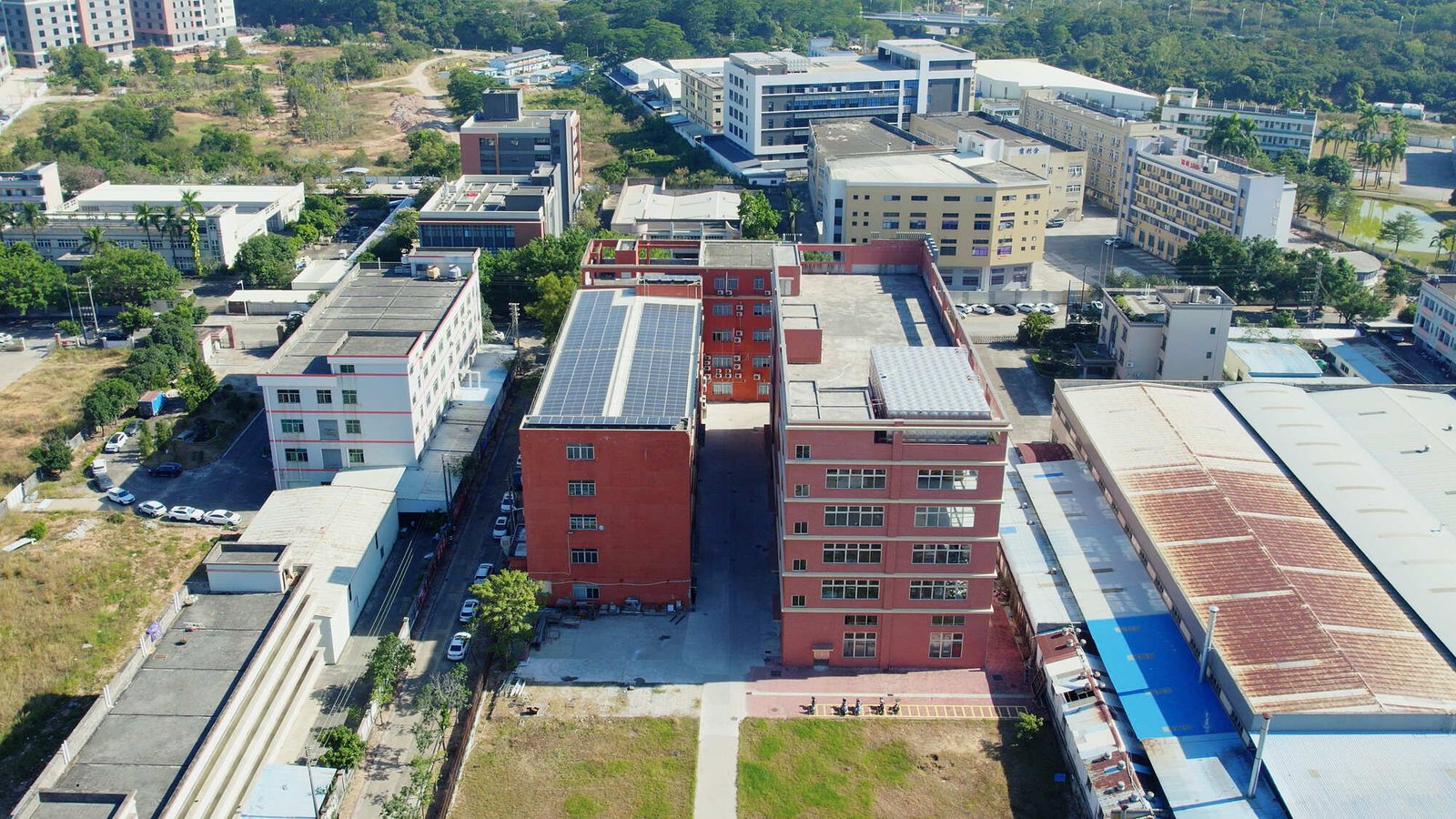
Companies like Ludyway Machinery, a China-based packaging machinery manufacturer with over 30 years of experience, emphasize the importance of long-term technical support and spare parts availability when supplying packaging equipment to customers in more than 100 countries. This global support infrastructure ensures that your air cushion packaging machine remains operational regardless of your location.
Industry Standards, Safety, and Regulatory Compliance
Your air bag packaging machine should meet relevant safety and quality standards applicable in your market. Depending on your industry and location, certifications to look for include CE marking for European markets, UL certification for electrical safety in North America, and ISO compliance for quality management systems. The ISO packaging standards provide comprehensive guidance on packaging machinery requirements and validation procedures.
Sustainability and Environmental Compliance
With increasing regulatory focus on packaging waste, selecting an air bag packaging machine that supports sustainable film materials can future-proof your operations. Look for machines compatible with recycled-content films, lightweight materials, and biodegradable options. The European Commission’s packaging waste regulations and the U.S. EPA Sustainable Materials Management program provide frameworks for evaluating the environmental impact of your packaging choices.
Making the Final Decision: A Step-by-Step Checklist
To simplify your selection process, use the following checklist when comparing air bag packaging machines:
- Define your daily volume — calculate the number of packages requiring air cushion protection per shift
- Inventory your product sizes — document the range of box dimensions and product fragility levels
- Assess available floor space — measure the area where the machine will be installed
- Determine your film preferences — decide between standard PE, recycled-content, or biodegradable films
- Evaluate automation needs — consider whether inline integration with conveyors or pack stations is required
- Compare total cost of ownership — include machine price, film costs, maintenance, and energy consumption
- Check supplier service capabilities — verify spare parts availability, warranty terms, and technical support coverage
- Request a demonstration — see the machine operate with your actual products and film materials before purchasing
| Evaluation Criteria | What to Ask | Red Flags |
|---|---|---|
| Speed | What is the actual output in bags per minute with standard film? | Vague or unverified speed claims without documented testing |
| Film Flexibility | Can the machine run films from multiple suppliers? | Proprietary film-only systems that limit sourcing options |
| Durability | What is the expected service life and duty cycle rating? | No published duty cycle or limited warranty coverage |
| Support | Where are spare parts warehoused and what is the average response time? | No local parts inventory or unclear service-level agreements |
Choosing the right air bag packaging machine is an investment in your shipping operations, product protection, and customer satisfaction. By carefully evaluating speed requirements, film compatibility, automation features, total costs, and supplier support capabilities, you can select a system that delivers reliable performance and measurable ROI. Whether you operate a small e-commerce fulfillment center or a large-scale distribution hub, the right inflatable packaging machine will reduce damage rates, lower material costs, and streamline your packaging workflow for years to come.