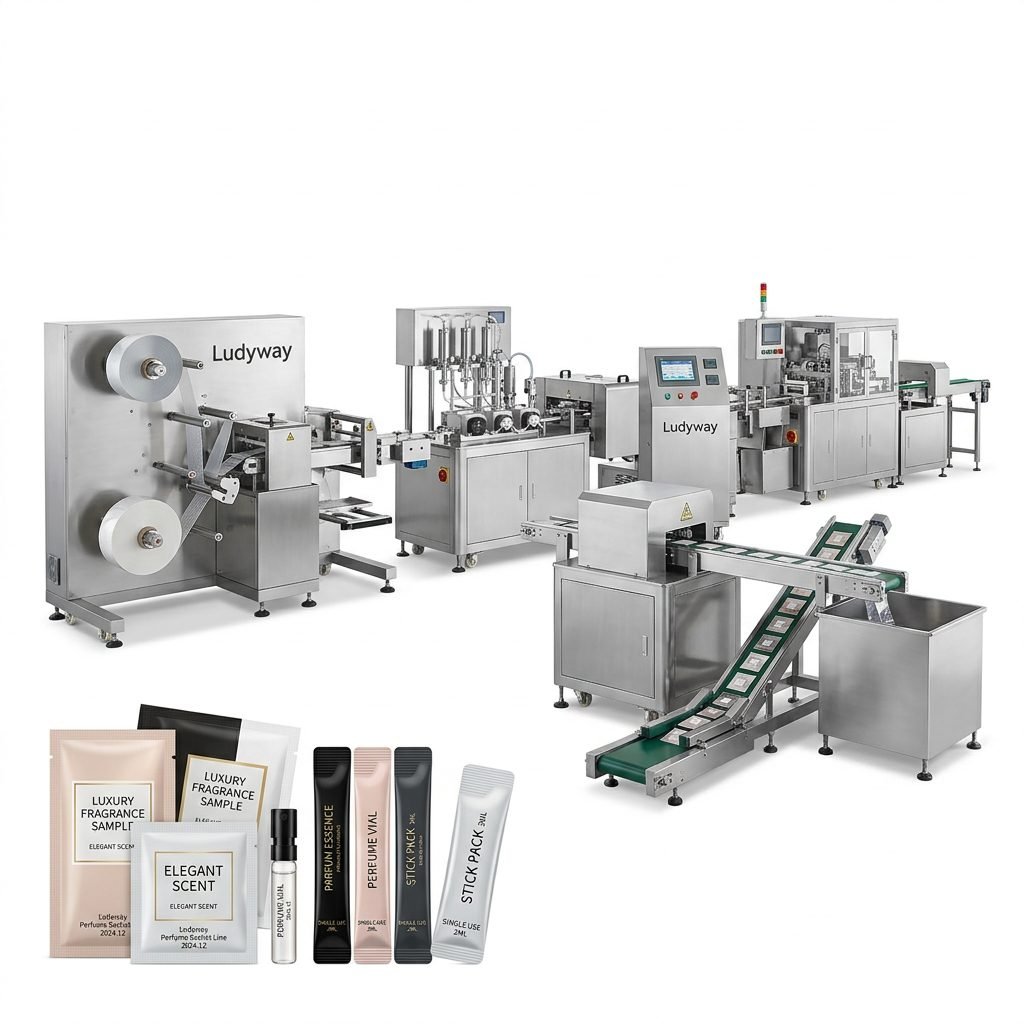
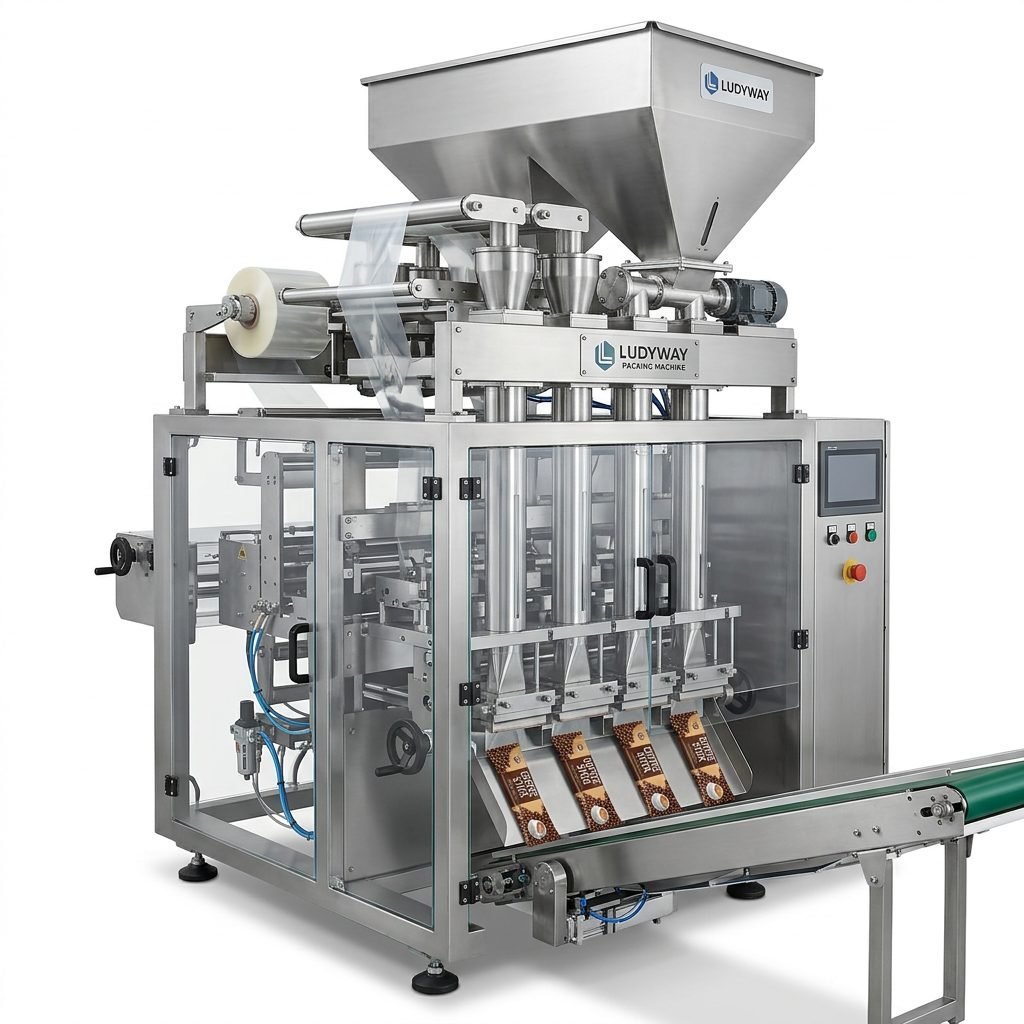
The Indian confectionery market is experiencing unprecedented growth, driven by rising disposable incomes, urbanization, and shifting consumer preferences toward packaged sweets. For manufacturers looking to capitalize on this trend, setting up a hard candy packaging machine production line represents a strategic investment. This guide walks you through every critical step—from initial planning and equipment selection to regulatory compliance and operational optimization.
India’s candy market is projected to grow at a CAGR of over 9% through 2030, with hard candies remaining one of the most consumed sugar confectionery categories nationwide. Understanding how to properly establish your packaging infrastructure can mean the difference between thriving in this competitive landscape and falling behind.
Understanding the Indian Hard Candy Market Landscape
Before investing in machinery, it is essential to grasp the unique dynamics of the Indian market. Hard candies—known locally as “hard-boiled sweets”—are sold through diverse channels including kirana stores, supermarkets, paan shops, and increasingly through e-commerce platforms. Packaging requirements vary significantly depending on the target segment.
The three primary packaging formats dominating the Indian hard candy sector are:
- Single-piece twist wraps — popular for low-cost, high-volume products sold individually at small retail counters
- Pillow packs and sachet packs — ideal for mid-range products targeting convenience stores and supermarket shelves
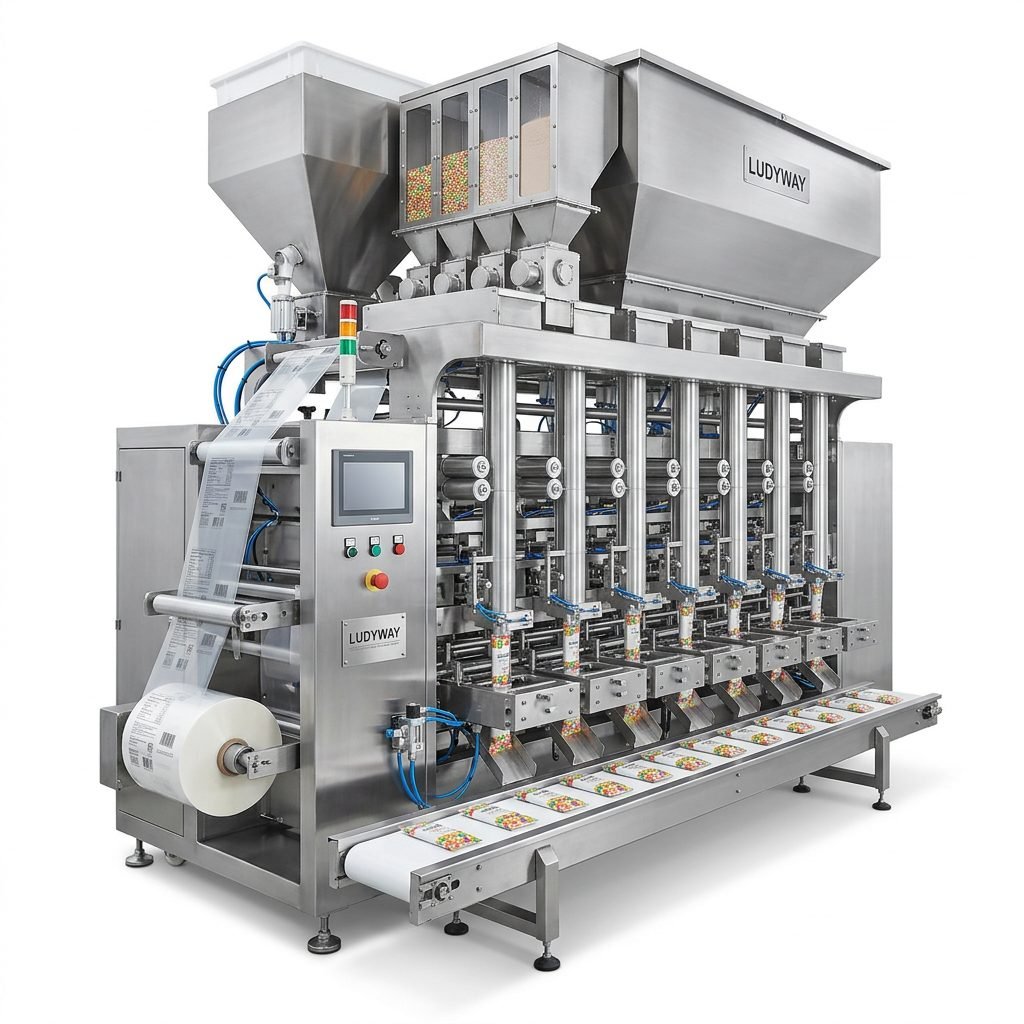
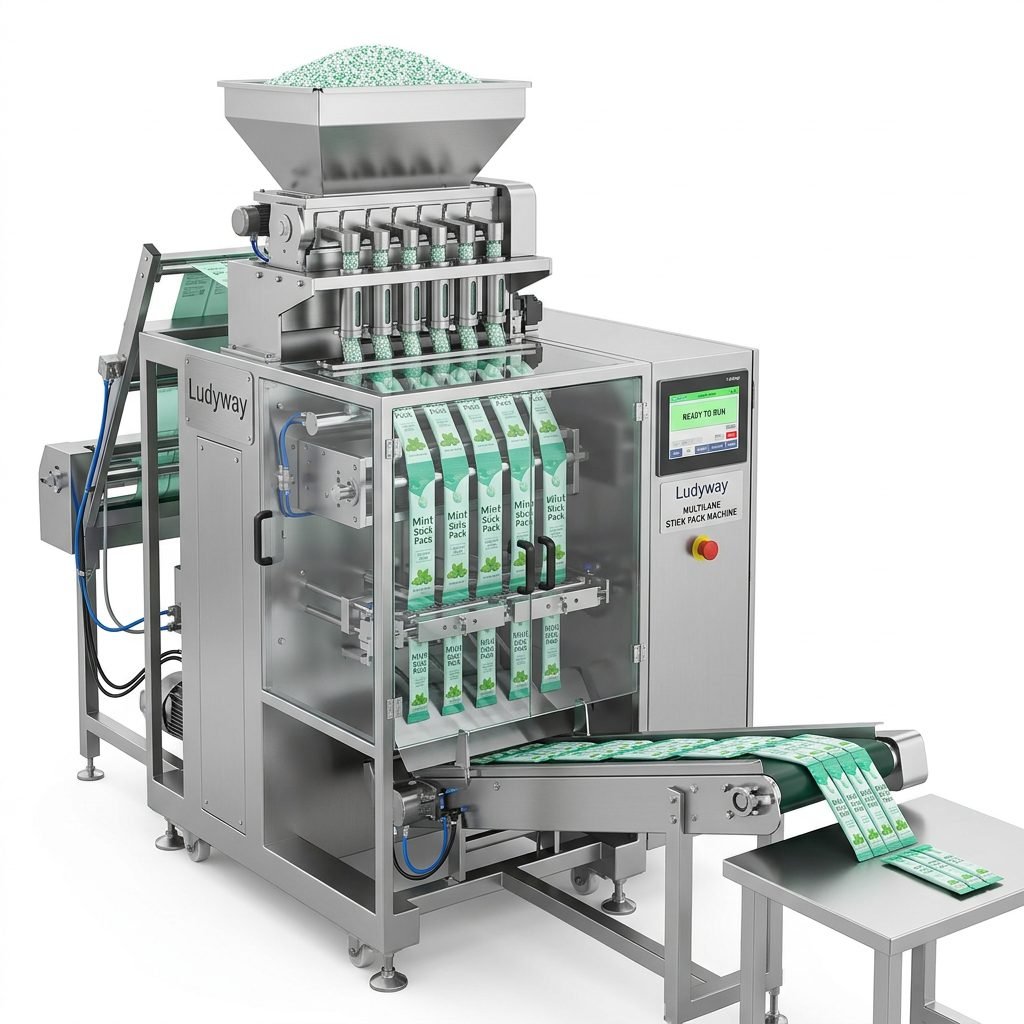
- Multi-lane stick packs — increasingly adopted by premium and export-oriented confectionery brands seeking modern, portion-controlled packaging
According to industry data from the Packaging Machinery Manufacturers Institute (PMMI), flexible packaging formats are growing at double the rate of traditional rigid packaging in emerging markets like India. This shift is reshaping how manufacturers approach their production line investments.
Key Components of a Hard Candy Packaging Production Line
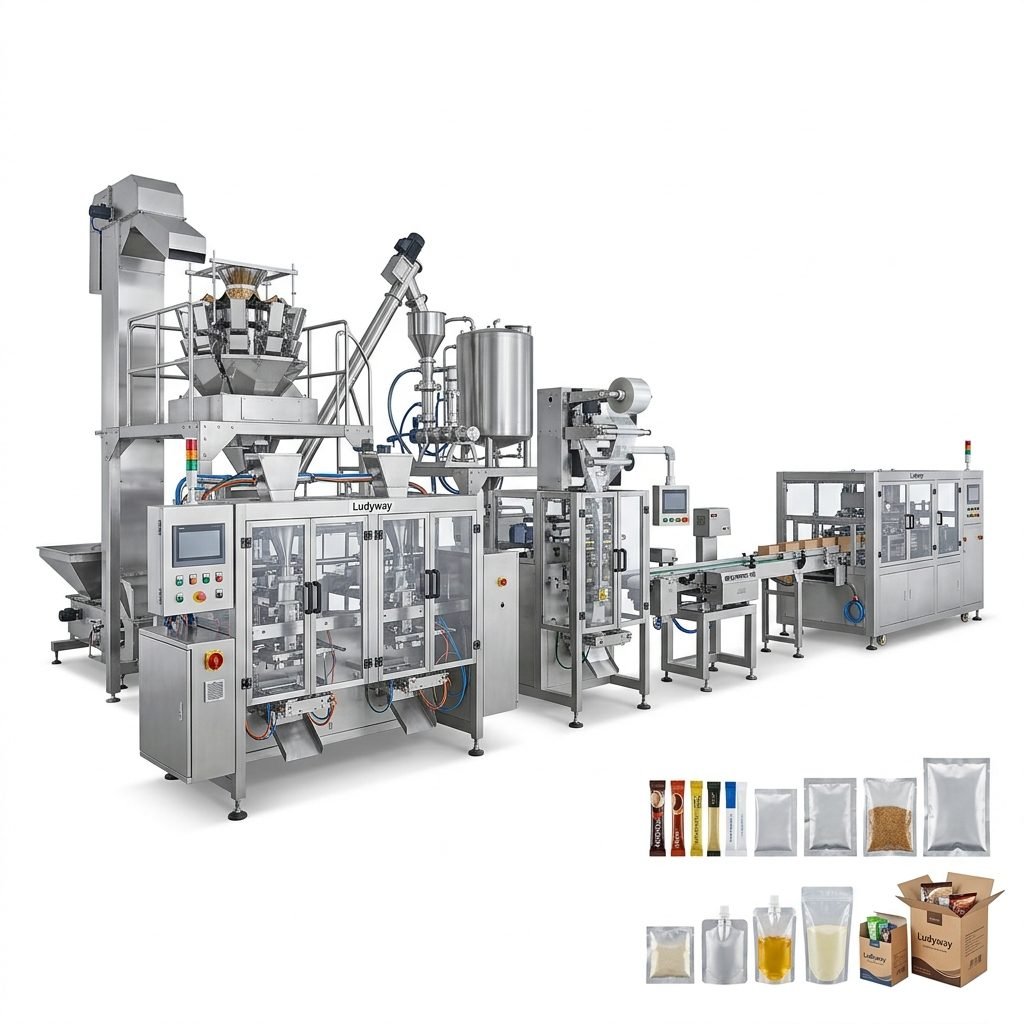
A fully integrated hard candy packaging production line consists of several interconnected systems. Each component must be carefully evaluated to ensure seamless integration and optimal output. The core elements include:
1. Feeding and Orienting Systems
The feeding mechanism delivers candies from the production area to the packaging station. Vibratory bowl feeders and centrifugal feeders are the two most common options. For hard candies, which can be fragile and prone to chipping, gentle handling is paramount. Multi-lane feeding systems can significantly increase throughput by distributing product across multiple packaging lanes simultaneously.
2. Primary Packaging Machine
This is the heart of your operation. Depending on your chosen format, you may select from:
- Twist-wrapping machines — suitable for individual pieces, offering speeds of 300-600 pieces per minute
- Pillow-pack flow wrappers — versatile machines handling both single pieces and multi-piece packs
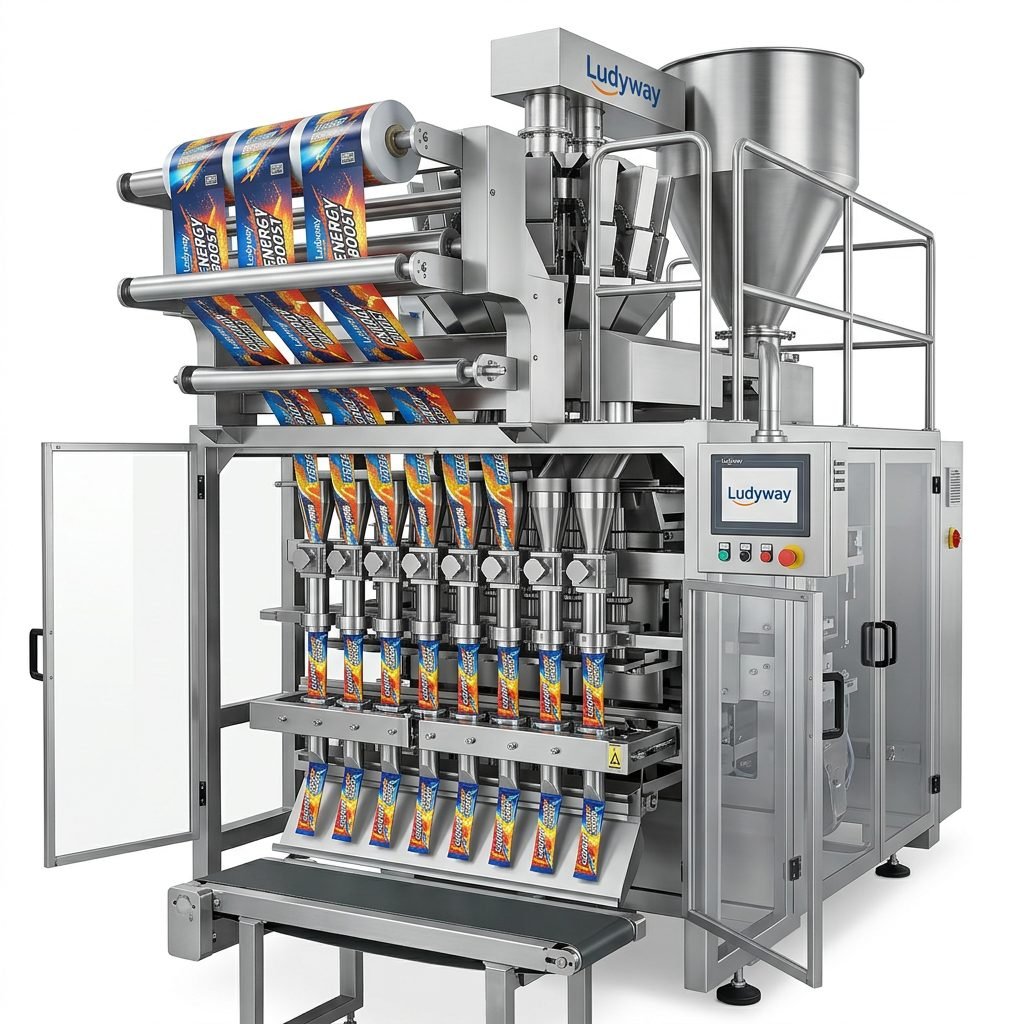
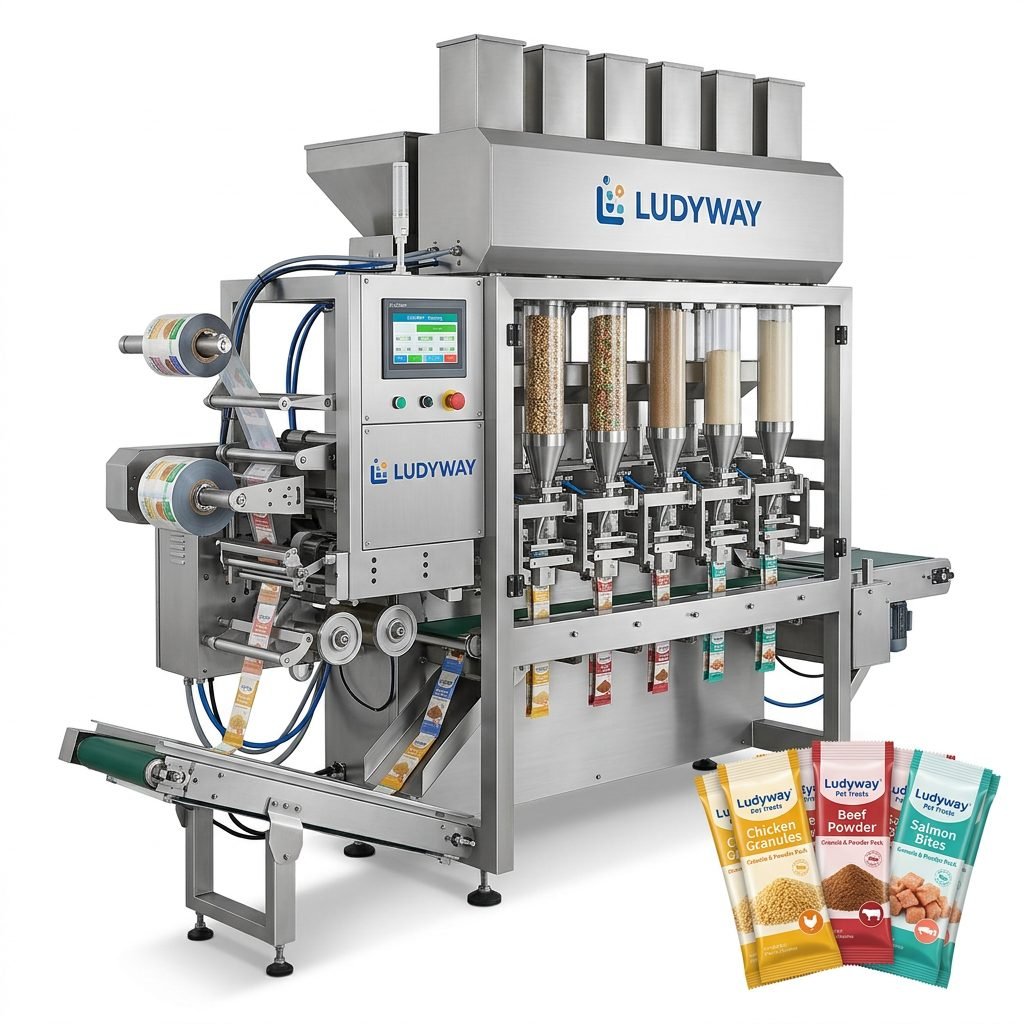
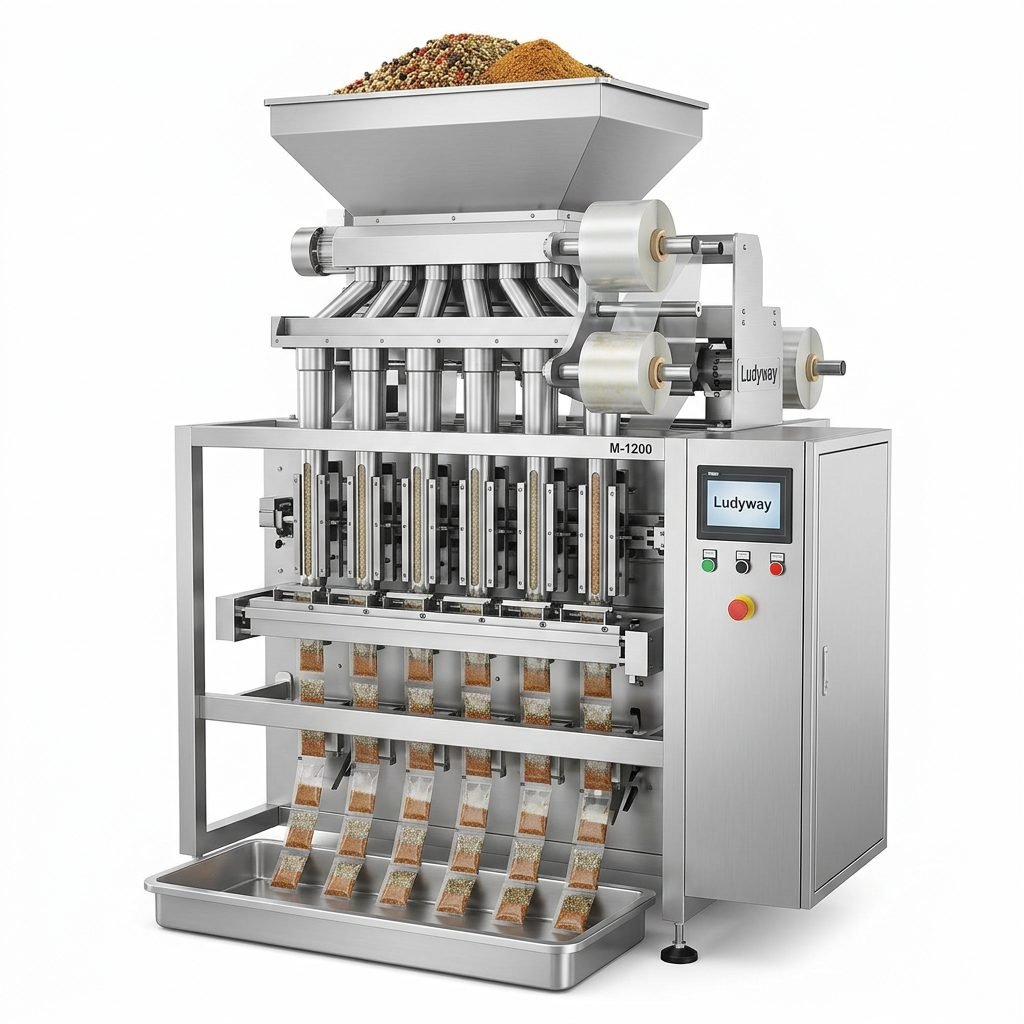
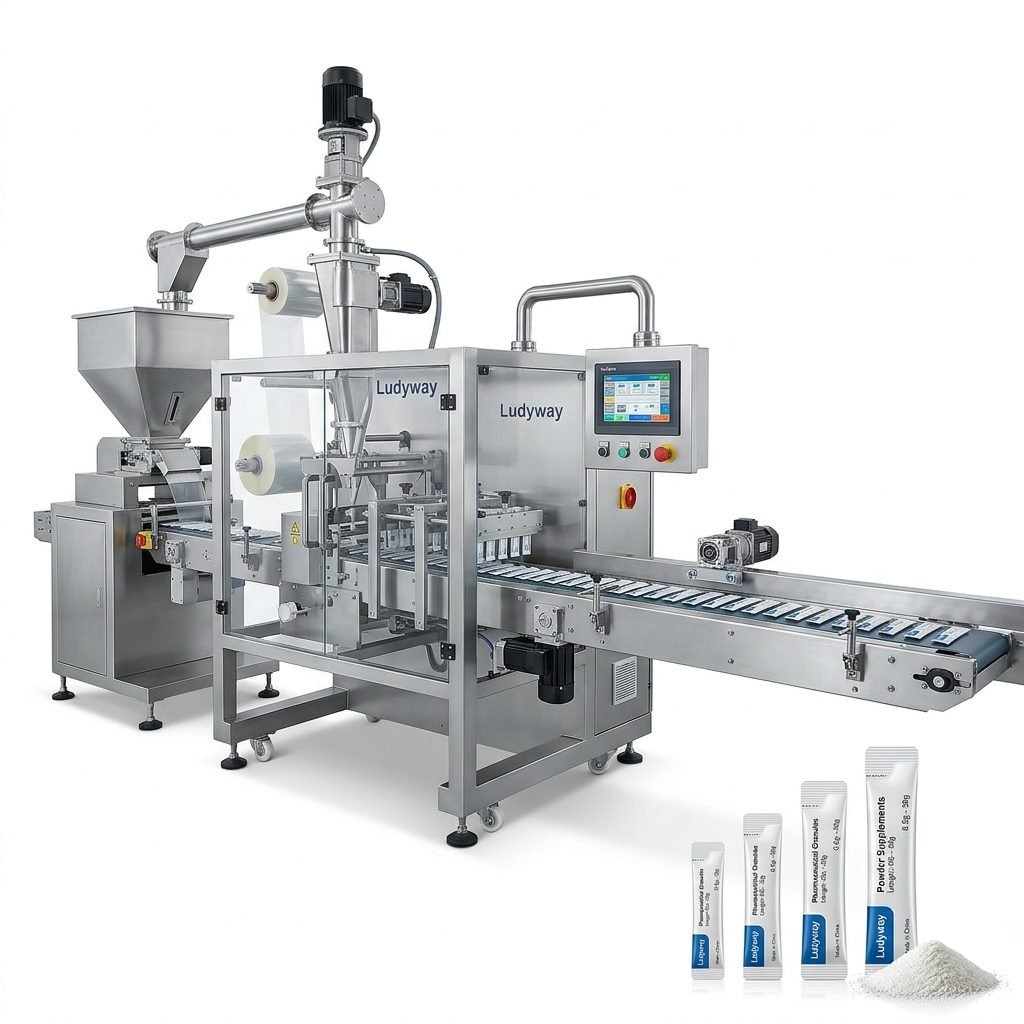
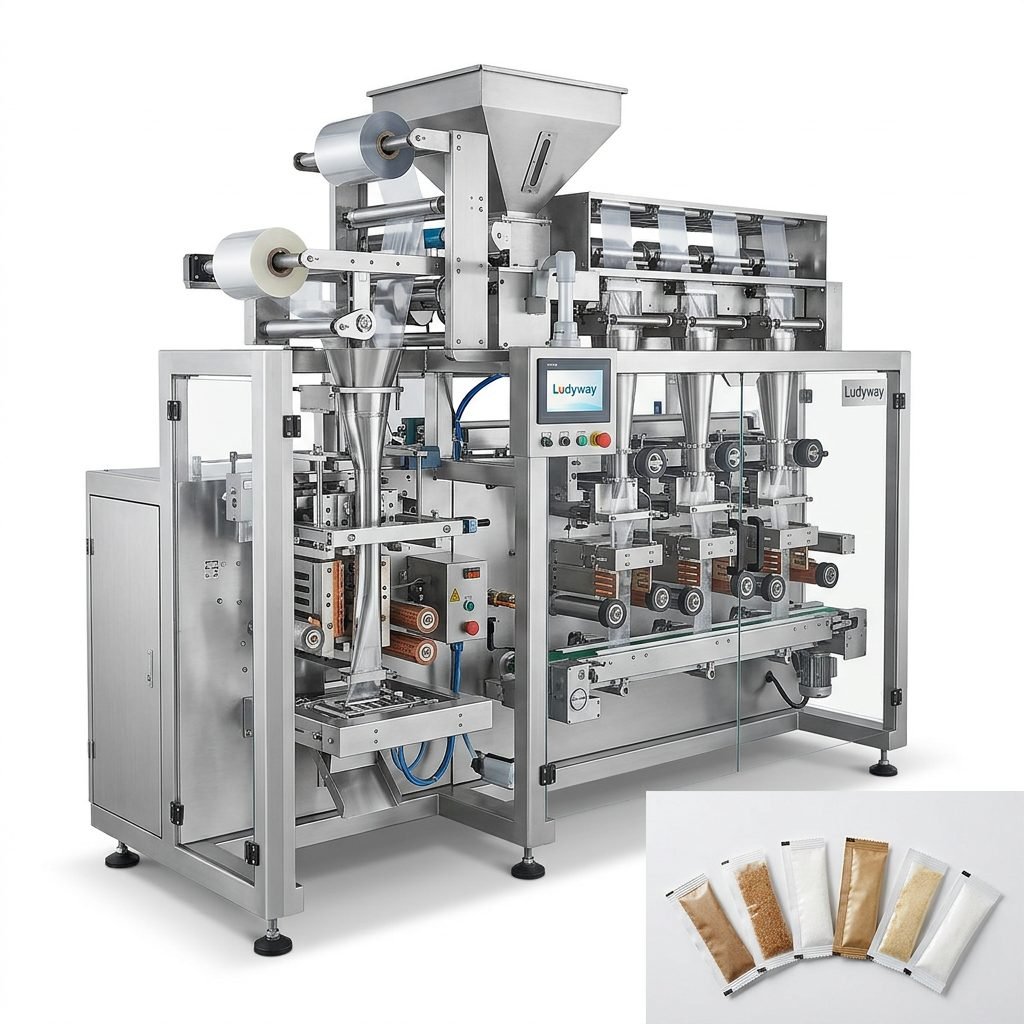
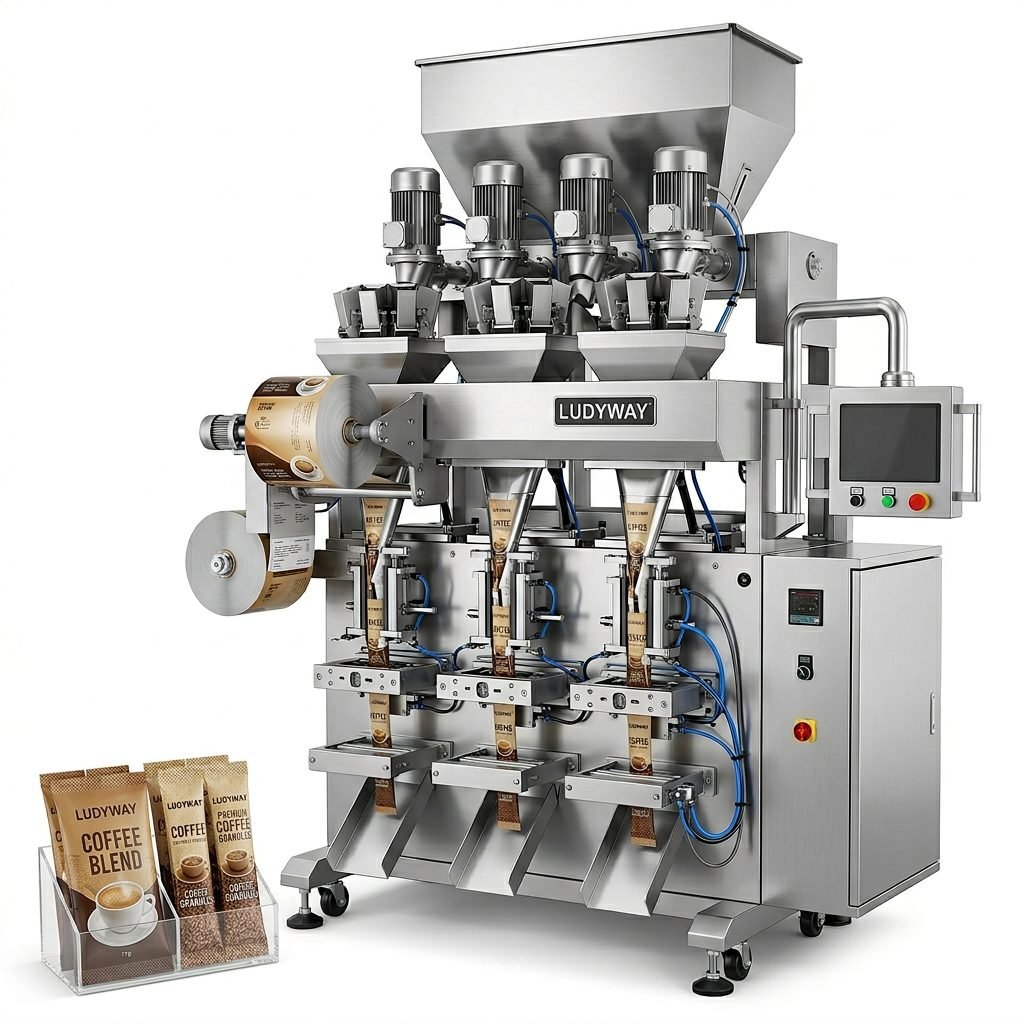
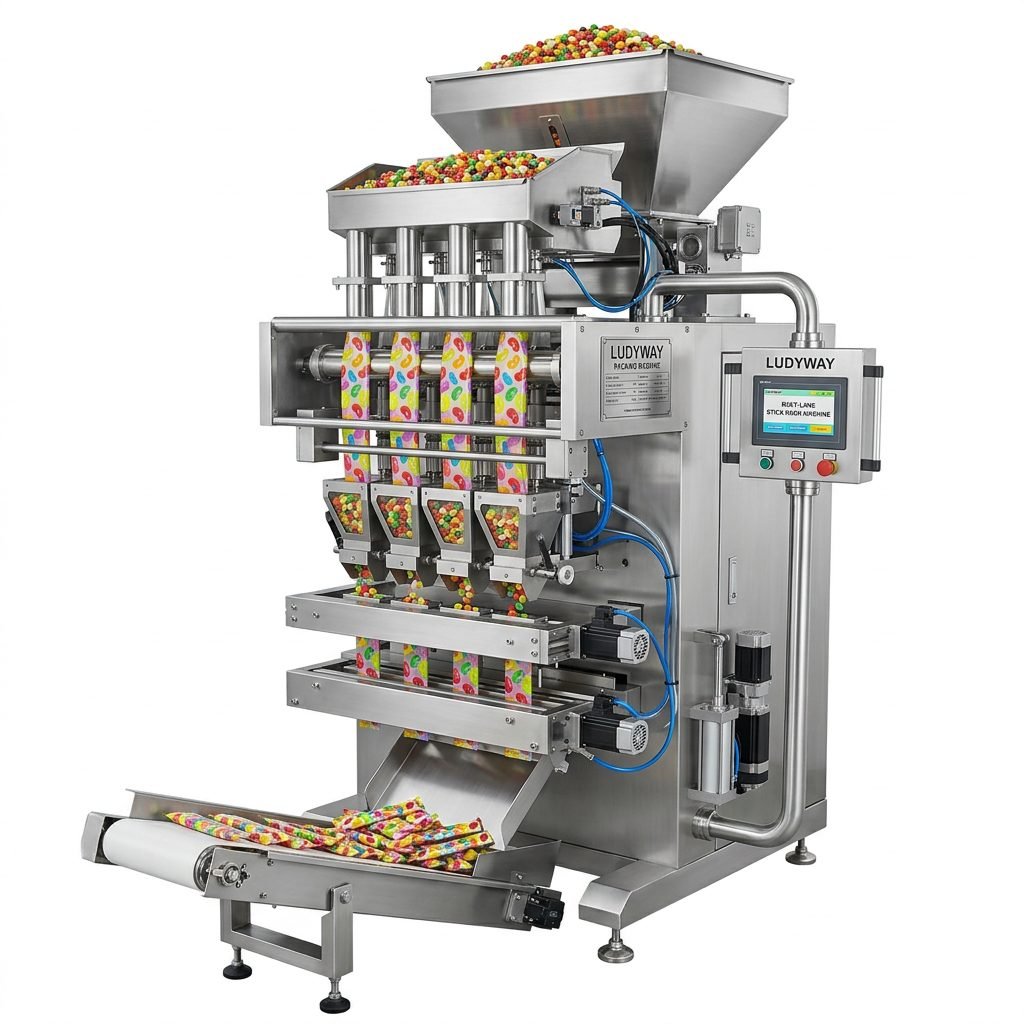
- Multi-lane stick pack machines — capable of producing 4, 6, 8, or even 12 lanes simultaneously, ideal for powder-filled or small hard candy formats
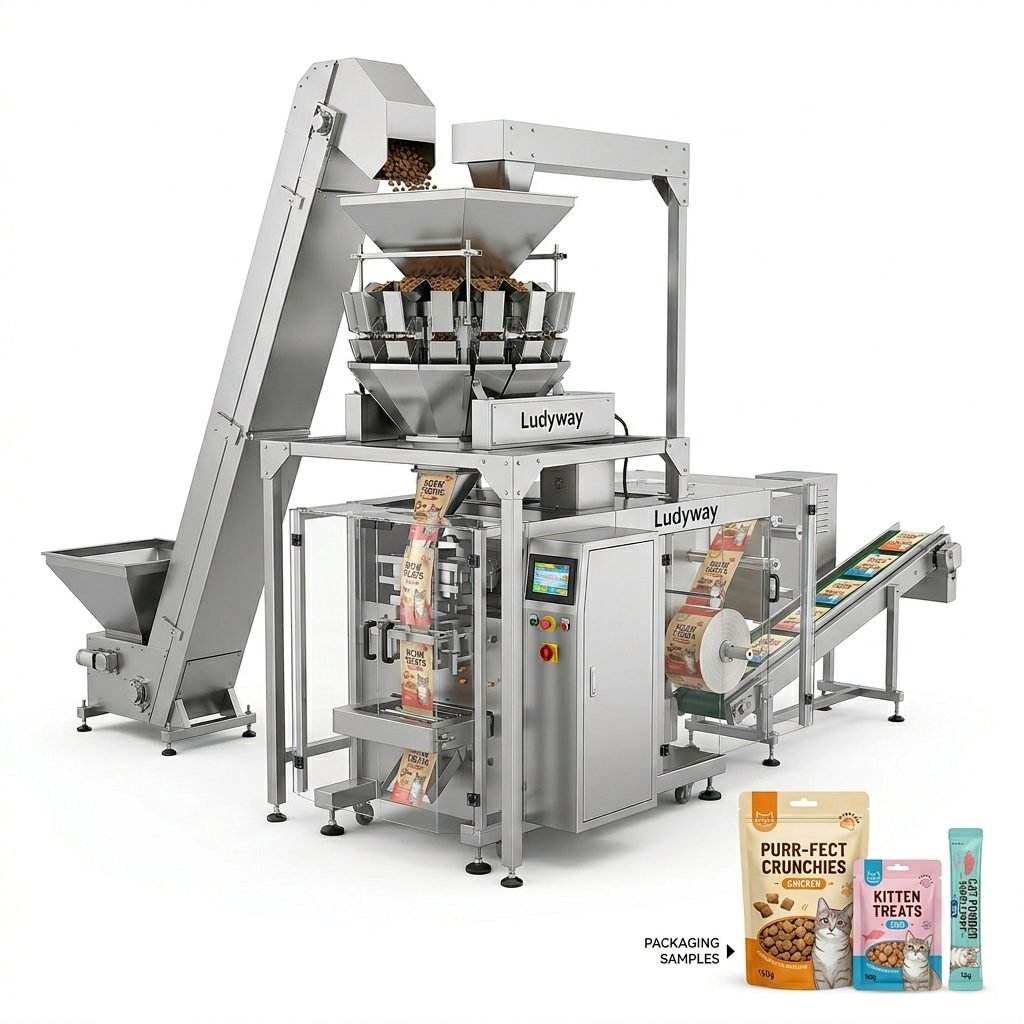
- Vertical form-fill-seal (VFFS) machines — excellent for larger bag formats and bulk packaging
3. Weighing and Dosing Systems
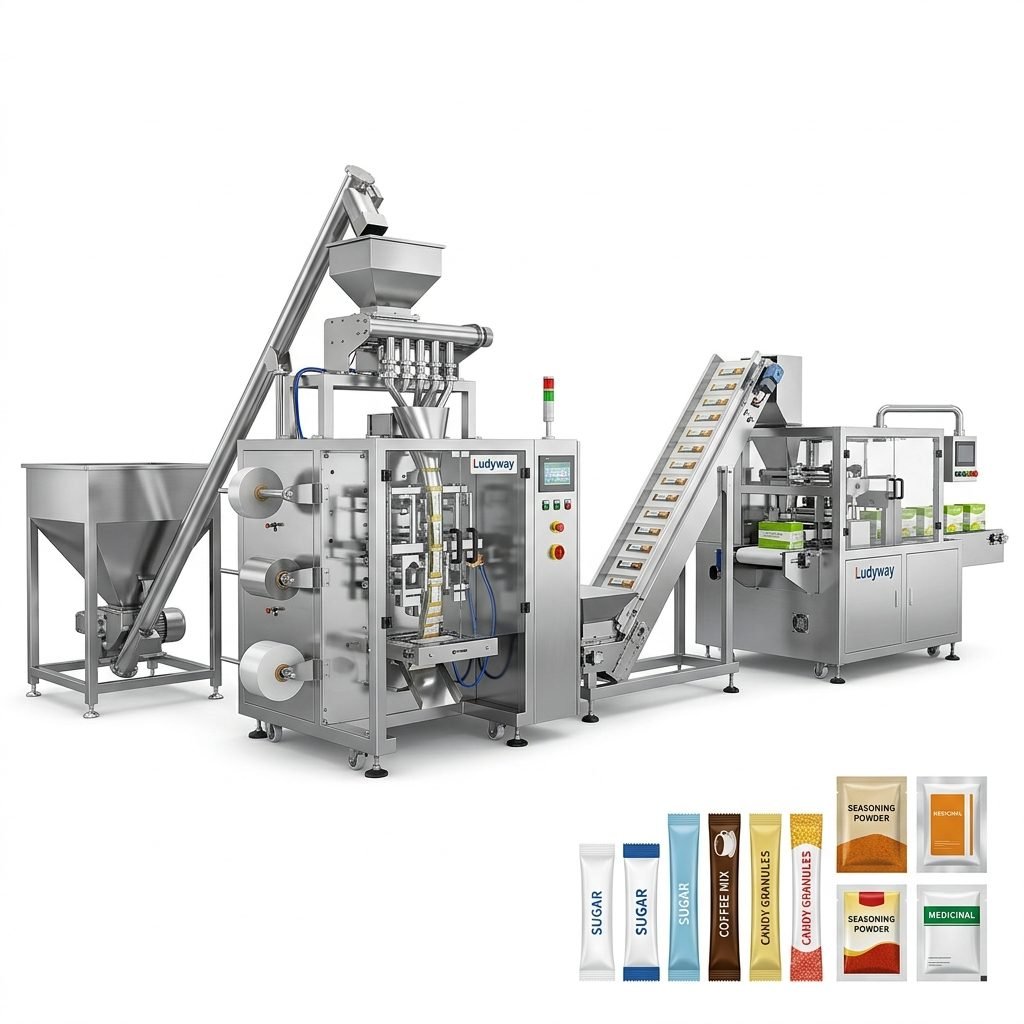
Precision in dosing is critical for both regulatory compliance and cost control. Multi-head weighers offer superior accuracy and speed, particularly for stick pack and sachet applications. For hard candies sold by count rather than weight, electronic counting systems with optical sensors ensure consistent piece counts in every package.
4. Secondary Packaging and End-of-Line Equipment
Once primary packaging is complete, products must be cartoned, case-packed, and palletized. Depending on your scale, you may need:
- Automatic cartoning machines
- Case erectors and sealers
- Shrink-wrapping tunnels
- Robotic palletizers
- Stretch-wrapping systems
Step-by-Step Setup Process for Your Production Line in India
Step 1: Conduct a Thorough Feasibility Study
Begin by analyzing your target market segment, projected volumes, and budget constraints. Indian manufacturers must also consider factors such as power supply stability, availability of skilled operators, and local spare parts accessibility. A comprehensive feasibility study should address:
- Annual production volume targets
- Desired packaging formats and sizes
- Available factory floor space and layout constraints
- Utility requirements (compressed air, electricity, water)
- Labor availability and training needs
Step 2: Select the Right Equipment Configuration
Choosing the appropriate machinery depends heavily on your product characteristics and production goals. The table below summarizes key considerations for different packaging formats commonly used in India:
| Packaging Format | Recommended Machine Type | Typical Speed Range | Best Suited For |
|---|---|---|---|
| Twist Wrap (Single Piece) | High-speed twist wrapper | 400-800 pcs/min | Mass-market, low-unit-price products |
| Pillow Pack / Sachet | Flow wrapper or VFFS | 80-200 packs/min | Mid-range confectionery, multi-piece packs |
| Stick Pack (Multi-Lane) | 4-12 lane stick pack machine | 200-600 packs/min | Premium, export-oriented products |
| Bulk Bag / Pouch | Premade pouch rotary filler | 40-80 packs/min | Wholesale, institutional supply |
Step 3: Ensure Regulatory Compliance
India’s Food Safety and Standards Authority of India (FSSAI) sets strict guidelines for food packaging materials and processes. Additionally, if you plan to export, compliance with international standards becomes essential. Key regulatory considerations include:
- FSSAI packaging regulations — governing food-grade packaging materials, labeling, and traceability
- ISO 22000 and HACCP — food safety management systems increasingly required by Indian and international buyers
- FDA compliance — mandatory for products exported to the United States; refer to the FDA Food Packaging and Food Contact Substances guidelines
- EU packaging regulations — relevant for exports to European markets; see European Commission Packaging and Packaging Waste Regulation
Step 4: Plan Your Factory Layout
An efficient floor plan minimizes material handling, reduces contamination risks, and improves overall equipment effectiveness (OEE). Key layout principles for a hard candy packaging line include:
- Establish a unidirectional product flow from raw material intake to finished goods dispatch
- Separate “clean” and “dirty” zones to prevent cross-contamination
- Allow adequate space around each machine for maintenance access
- Position utilities (compressed air, power drops) strategically to serve multiple machines
- Design conveyor paths to minimize product transfer points
Step 5: Installation, Commissioning, and Training
Professional installation is critical to long-term equipment reliability. Engage experienced technicians who understand both the machinery and local operating conditions in India. The commissioning process should include:
- Mechanical assembly and alignment verification
- Electrical connections and control system configuration
- Dry-run testing without product
- Product testing with gradual speed increases
- Quality inspection of packaged output at each stage
- Operator training covering startup, shutdown, troubleshooting, and routine maintenance
Cost Considerations and ROI Analysis
Investing in a hard candy packaging production line requires significant capital, but the return on investment can be substantial when planned correctly. Key cost components include:
| Cost Category | Estimated Range (INR) | Notes |
|---|---|---|
| Primary packaging machine | ₹15 Lakhs – ₹80 Lakhs | Varies by speed, lanes, and automation level |
| Feeding and conveying systems | ₹5 Lakhs – ₹20 Lakhs | Depends on line length and complexity |
| Weighing/dosing equipment | ₹8 Lakhs – ₹25 Lakhs | Multi-head weighers at the higher end |
| End-of-line packaging | ₹10 Lakhs – ₹40 Lakhs | Cartoning, case packing, palletizing |
| Installation and training | ₹3 Lakhs – ₹10 Lakhs | Including travel for foreign technicians if needed |
| Total Estimated Investment | ₹41 Lakhs – ₹1.75 Crores | Depending on scale and automation level |
Most Indian manufacturers achieve full ROI within 18-36 months when operating at 60-70% capacity utilization or higher. Export-focused operations typically see faster payback periods due to higher margins on packaged confectionery products sold internationally.
Maintenance Strategies for Sustained Performance
Preventive maintenance is non-negotiable for packaging lines operating in India’s often challenging environmental conditions. Dust, humidity, and temperature fluctuations can accelerate wear on sensitive components such as sealing jaws, cutting blades, and electronic sensors.
Recommended Maintenance Schedule
- Daily: Clean product contact surfaces, inspect sealing quality, check lubrication points
- Weekly: Inspect belts and chains for tension, verify sensor calibration, clean filters
- Monthly: Full inspection of all mechanical and electrical systems, replace worn parts proactively
- Quarterly: Comprehensive preventive maintenance including gearbox oil changes, bearing inspections, and control system diagnostics
- Annually: Major overhaul with OEM-recommended parts replacement and performance recalibration
Industry standards for packaging machinery maintenance can be referenced through ISO packaging standards, which provide internationally recognized benchmarks for equipment performance and safety.
Sourcing Equipment: Domestic vs. International Suppliers
Indian manufacturers have access to both domestic and international machinery suppliers. Domestic Indian manufacturers offer competitive pricing and local service support, making them attractive for small to mid-scale operations. However, for high-speed, multi-lane systems with advanced automation, many Indian confectionery producers turn to international suppliers from China, Europe, and other regions.
When evaluating suppliers, consider the following criteria:
- Track record in the confectionery packaging sector
- Availability of after-sales service and spare parts in India
- Warranty terms and conditions
- References from existing Indian customers
- Compatibility with Indian power supply standards (typically 415V, 3-phase, 50Hz)
- Remote diagnostic capabilities for troubleshooting
For flexible packaging formats and turnkey solutions, many global buyers source from specialized manufacturers like Ludyway, a leading packaging machine manufacturer with over 30 years of industry experience and a modern 20,000㎡ production facility. Their multi-lane stick pack and sachet systems serve customers in over 100 countries, including a growing number of Indian confectionery producers seeking reliable, high-speed packaging solutions.
Common Challenges and How to Overcome Them
Challenge 1: Inconsistent Power Supply
Many Indian manufacturing hubs experience voltage fluctuations and occasional outages. Solution: Install industrial-grade voltage stabilizers and UPS systems for critical control components. Consider backup generators for full production continuity.
Challenge 2: Operator Skill Gap
Operating advanced multi-lane packaging machinery requires specialized training. Solution: Invest in comprehensive operator training programs and create detailed standard operating procedures (SOPs) in local languages. Many suppliers offer on-site training as part of their commissioning packages.
Challenge 3: Spare Parts Availability
Downtime waiting for imported spare parts can cripple production. Solution: Maintain a critical spares inventory and establish relationships with local distributors who stock commonly needed components. Negotiate spare parts packages as part of your initial equipment purchase.
Challenge 4: Packaging Material Compatibility
Not all packaging films perform equally well on every machine. Solution: Test multiple film suppliers during the commissioning phase and qualify at least two approved sources. The Flexible Packaging Association provides valuable resources on material selection and compatibility.
Future-Proofing Your Investment
As the Indian confectionery market evolves, your packaging line should be capable of adapting to changing demands. Key considerations for future-proofing include:
- Modular machine design — allows adding lanes or upgrading components without replacing the entire system
- Industry 4.0 readiness — machines with IoT connectivity enable predictive maintenance, remote monitoring, and production analytics
- Format flexibility — equipment capable of running multiple packaging formats (stick packs, sachets, pouches) with minimal changeover time
- Sustainability features — compatibility with recyclable and biodegradable packaging materials, which are increasingly demanded by Indian consumers and regulators
For the latest insights on packaging trends and technology developments, the PMMI State of the Industry Report offers comprehensive analysis of global packaging machinery markets, including emerging economies like India.
Final Checklist Before Launching Your Production Line
- ☐ Feasibility study completed and business case approved
- ☐ Packaging format and machine configuration finalized
- ☐ Factory floor prepared with necessary utilities and layout
- ☐ Equipment purchased, delivered, and professionally installed
- ☐ All FSSAI and relevant regulatory approvals obtained
- ☐ Operators trained and SOPs documented
- ☐ Packaging material suppliers qualified and stock secured
- ☐ Spare parts inventory established
- ☐ Trial production runs completed and quality validated
- ☐ Maintenance schedules and service contracts in place
Setting up a hard candy packaging machine production line in India is a significant undertaking, but with careful planning, the right equipment partners, and a commitment to operational excellence, it can be a highly rewarding investment. The Indian confectionery market’s growth trajectory shows no signs of slowing, and manufacturers who establish efficient, scalable packaging operations today will be best positioned to capture market share in the years ahead.
For further guidance on packaging machinery selection, regulatory requirements, and industry best practices, explore resources from PMMI – The Association for Packaging and Processing Technologies and the Flexible Packaging Association, both of which provide authoritative information for packaging professionals worldwide.