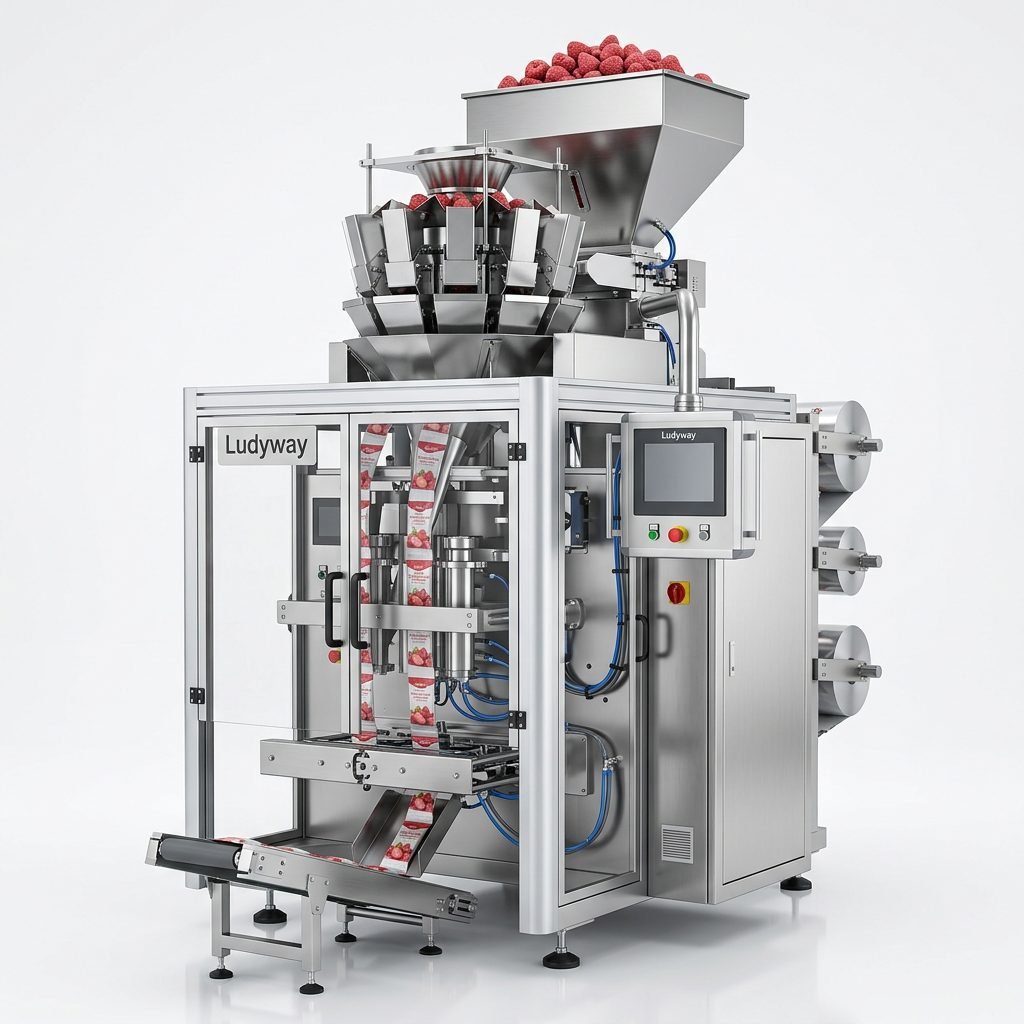
Investing in a coffee packaging line is a significant decision for any roastery or coffee brand. Whether you are a specialty micro-roaster scaling up or a large-scale commercial producer, selecting the right coffee roasting, grinding, and packing machine directly impacts your product quality, shelf life, and operational efficiency. This comprehensive buyer’s guide breaks down the essential factors, helping you navigate the technical specifications and make an informed purchase.
Understanding Your Production Requirements
Before comparing machine specifications, you must define your current and future production goals. The first step is analyzing your daily output volume. Are you producing 500 kg or 5,000 kg of roasted coffee per day? This baseline determines whether a batch roaster or a continuous roaster is necessary. Similarly, for grinding, inconsistent particle size distribution can ruin an espresso extraction; thus, industrial burr grinders are standard in automatic packaging machines workflows. Finally, your packing speed must align with the upstream roaster and grinder capacity to avoid bottlenecks.
Key Production Metrics to Calculate
- Batch Size vs. Continuous Output: Match the roaster capacity (kg per batch) with the cooling bin capacity.
- Grind Profile Precision: Assess micron distribution consistency required for your target brew methods.
- Packaging Formats: Determine whether you need whole bean bags, ground coffee pouches, single-serve sachets, or stick packs.
Choosing the Coffee Roaster: Drum, Fluid Bed, or Hybrid?
The roaster is the heart of your operation. Drum roasters are renowned for conduction heat, offering deep, rounded flavor development suitable for espresso blends. Fluid bed (air) roasters rely on convection, providing a cleaner, brighter acidity that specialty coffee often demands. Hybrid models attempt to combine both. When procuring a machine, verify the thermal mass, the adjustability of the airflow, and the precision of the PLC control system controlling the roast curve.

Essential Roaster Safety and Control Features
Look for automated cyclone evacuation, an infrared bean temperature probe, and a water quenching system for emergency stops. Real-time rate-of-rise (RoR) tracking software is no longer a luxury; it is a necessity for replicability in a commercial coffee roasting machine environment.
The Critical Role of Industrial Coffee Grinders
A high-capacity grinder directly affects the freshness and packaging integrity. For industrial packing lines, multi-stage grinding is preferred to manage heat generation. Excessive heat during grinding can volatilize aromatic oils, leading to a flat cup profile upon brewing. Look for grinders with large diameter burrs (120mm+ for industrial use) and variable speed drives that maintain a low RPM to maximize flavor retention.
Decoding the Packing Machine: VFFS, Multi-Lane, and Valve Sealers
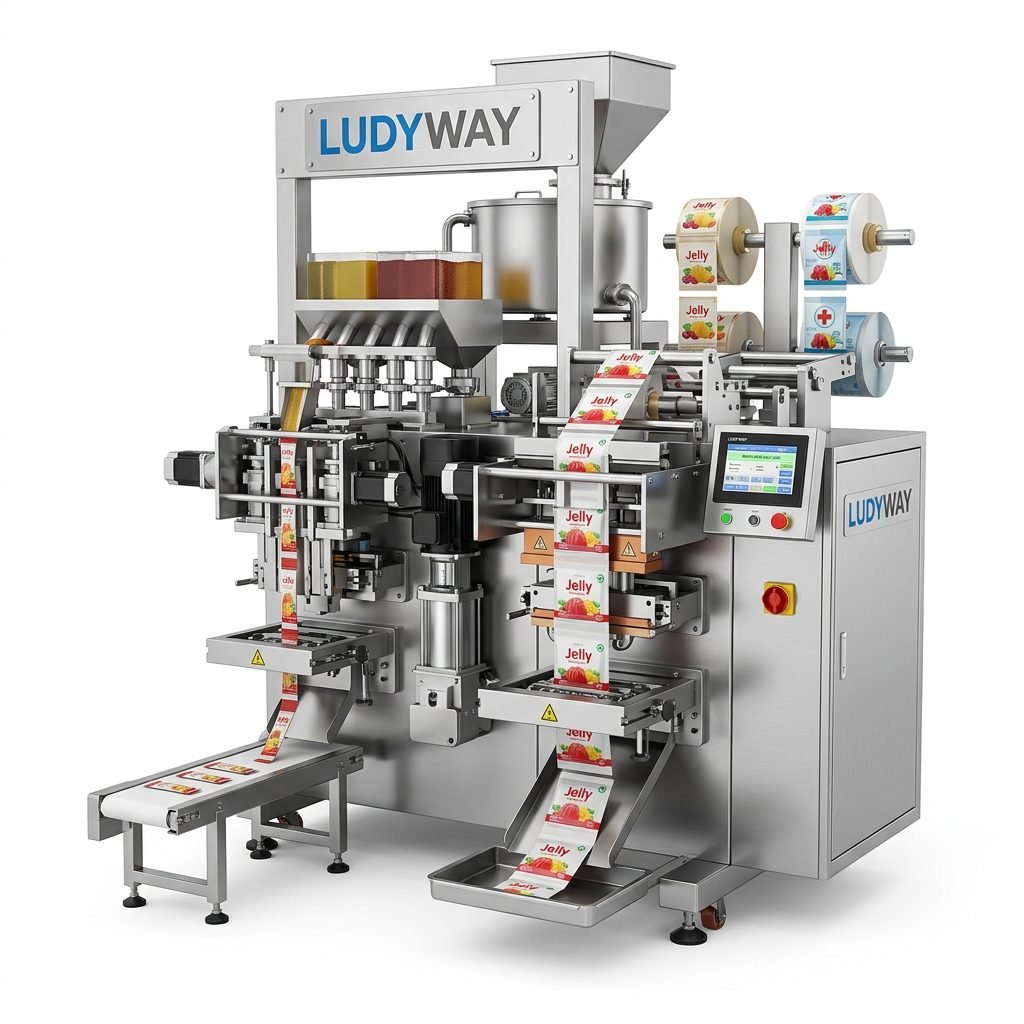
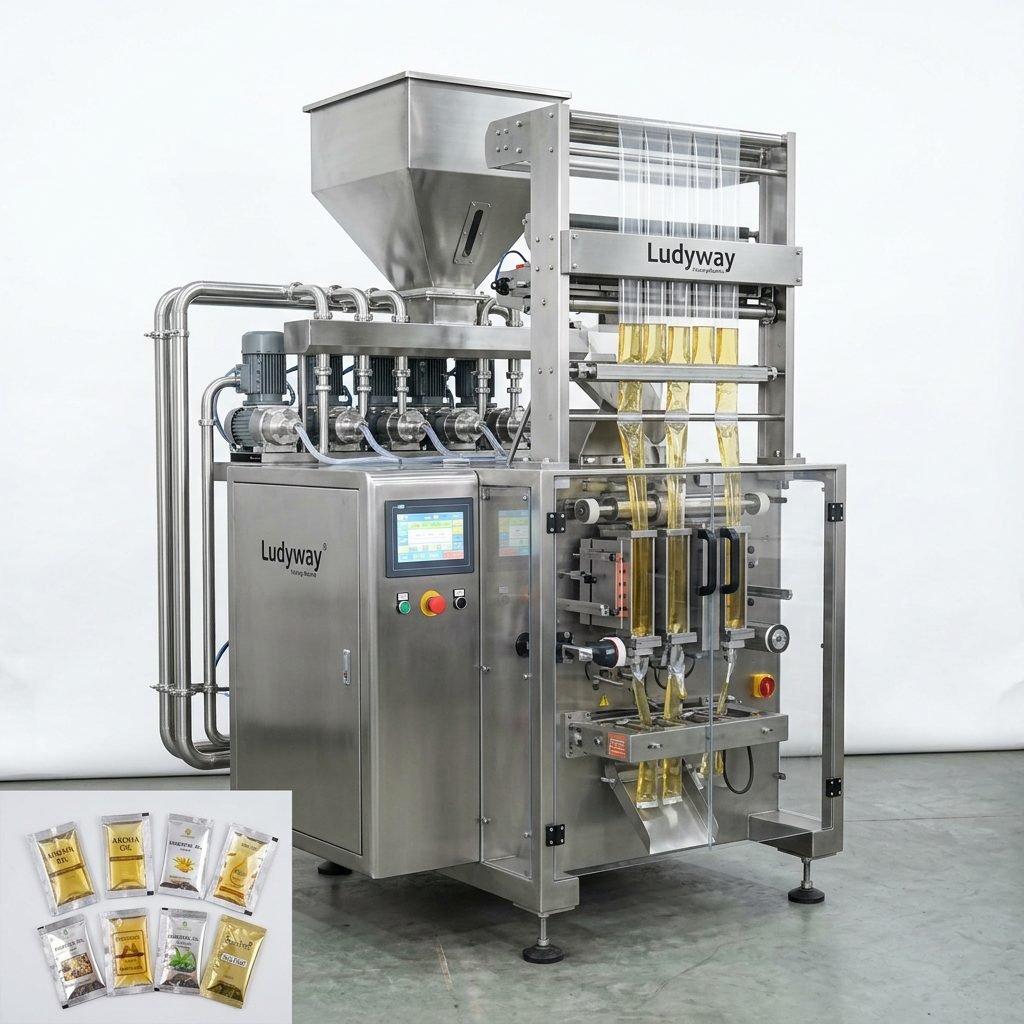
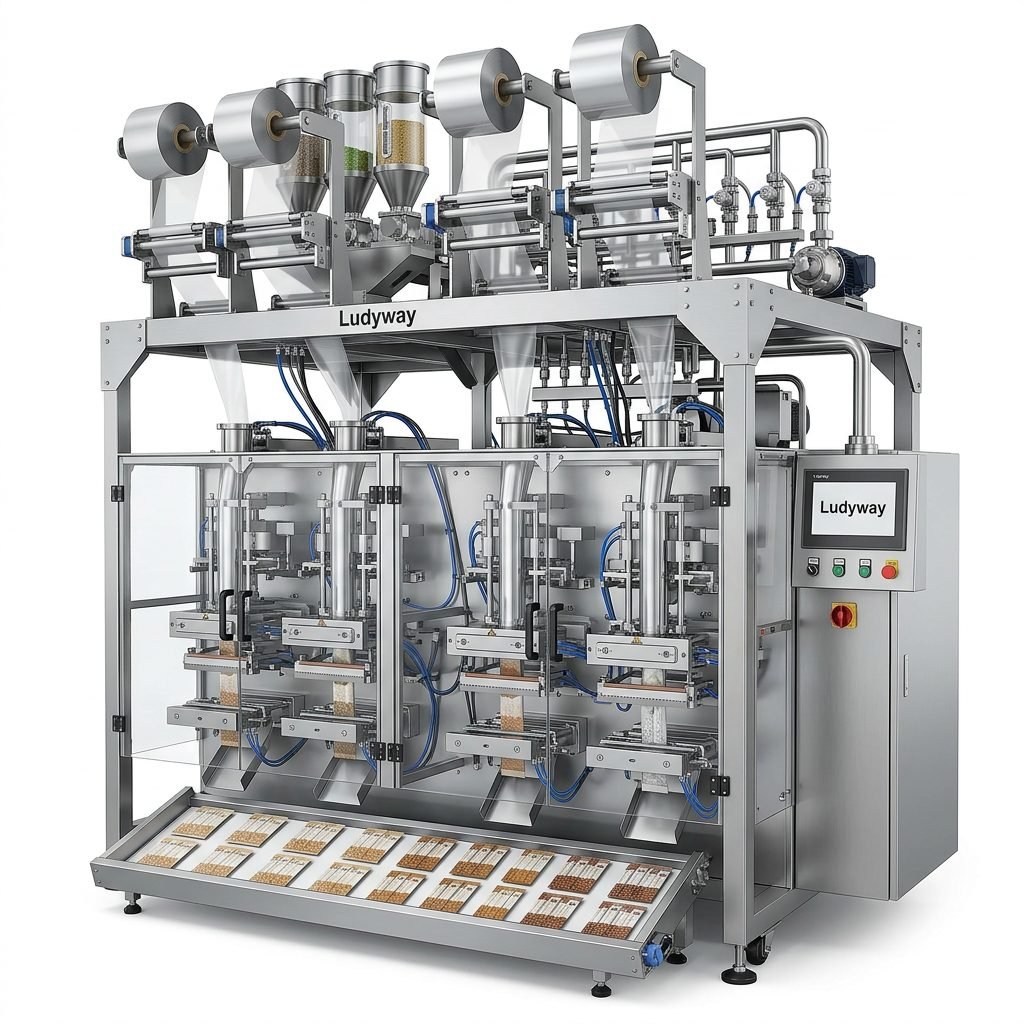
Selecting the right coffee packing machine is the most critical step in preserving your roast. Whole beans require degassing valves; ground coffee requires an impermeable barrier to oxygen. Here is a breakdown of the primary automated solutions:
| Machine Type | Best Application | Key Advantage |
|---|---|---|
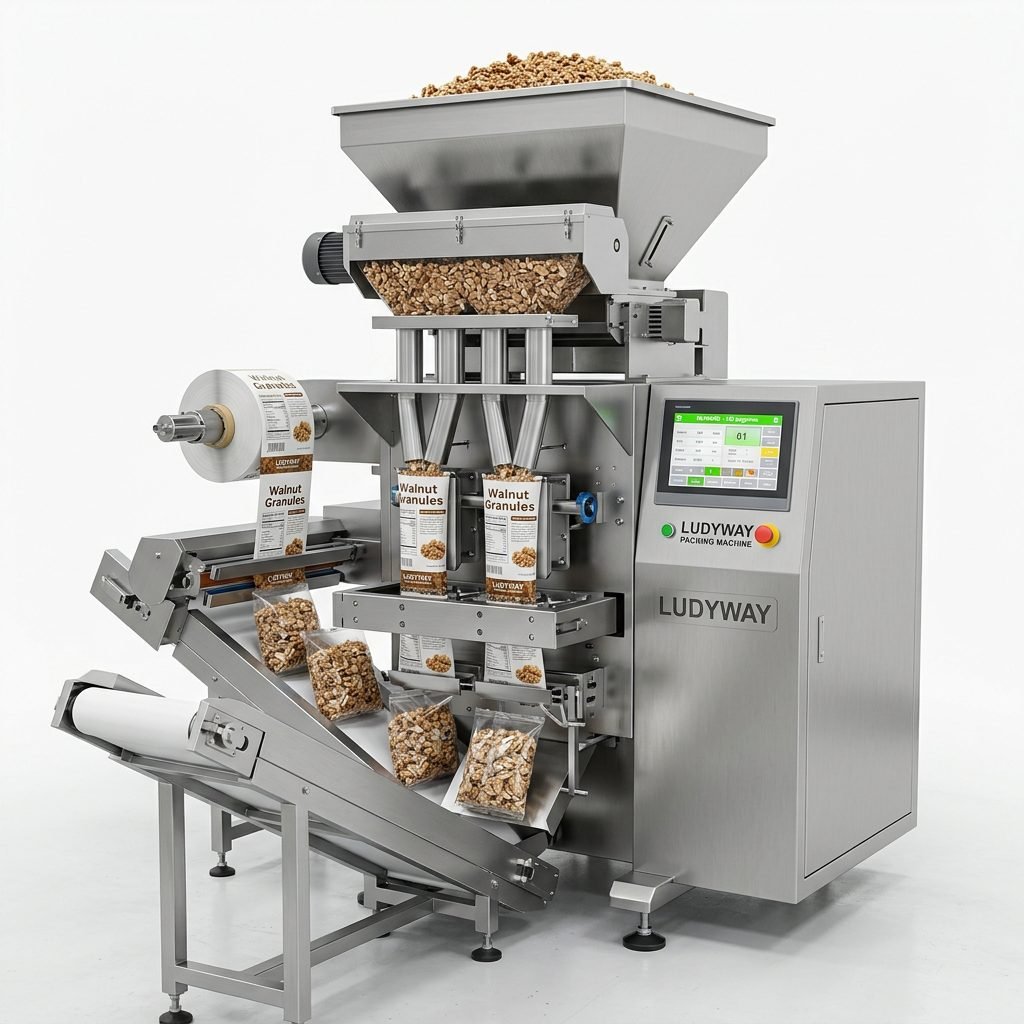
| Single-Lane VFFS | Small to Medium Roasteries | Flexibility for various bag sizes (250g to 1kg). |
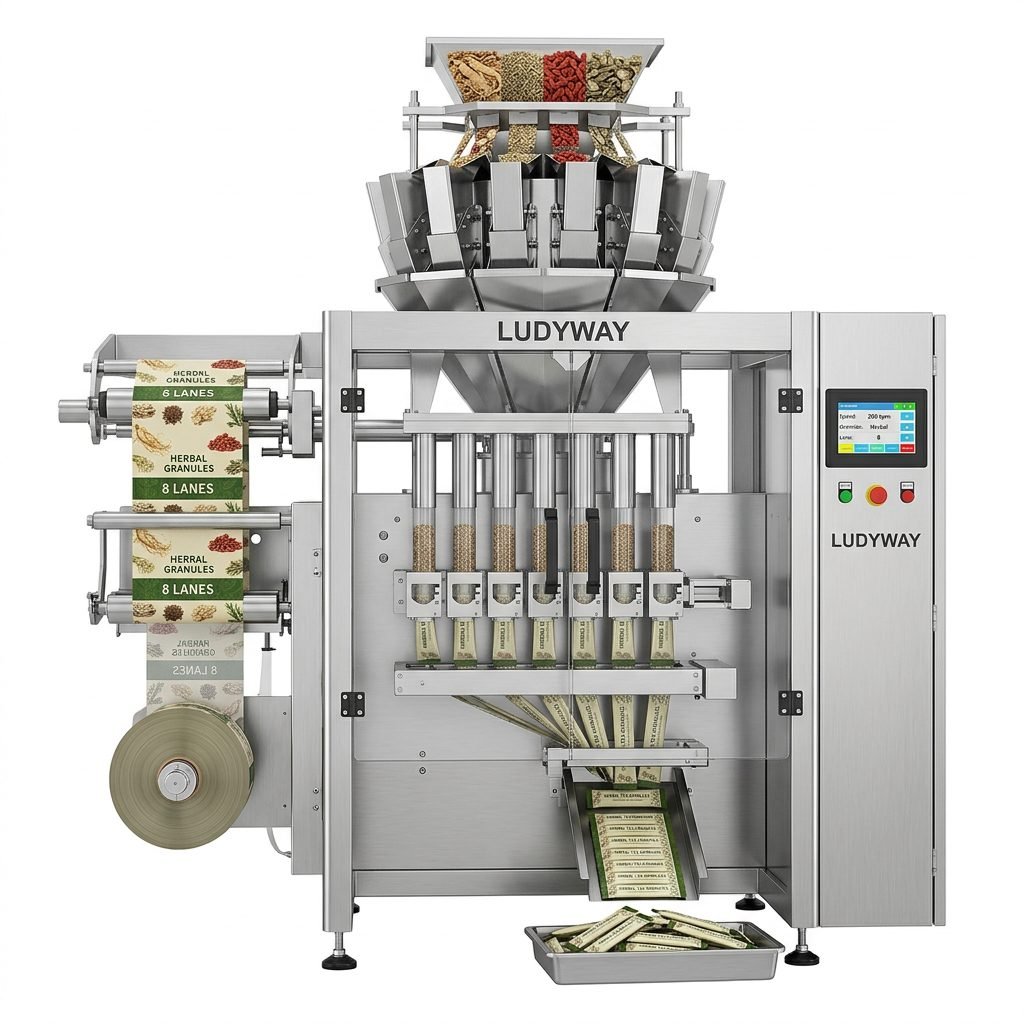
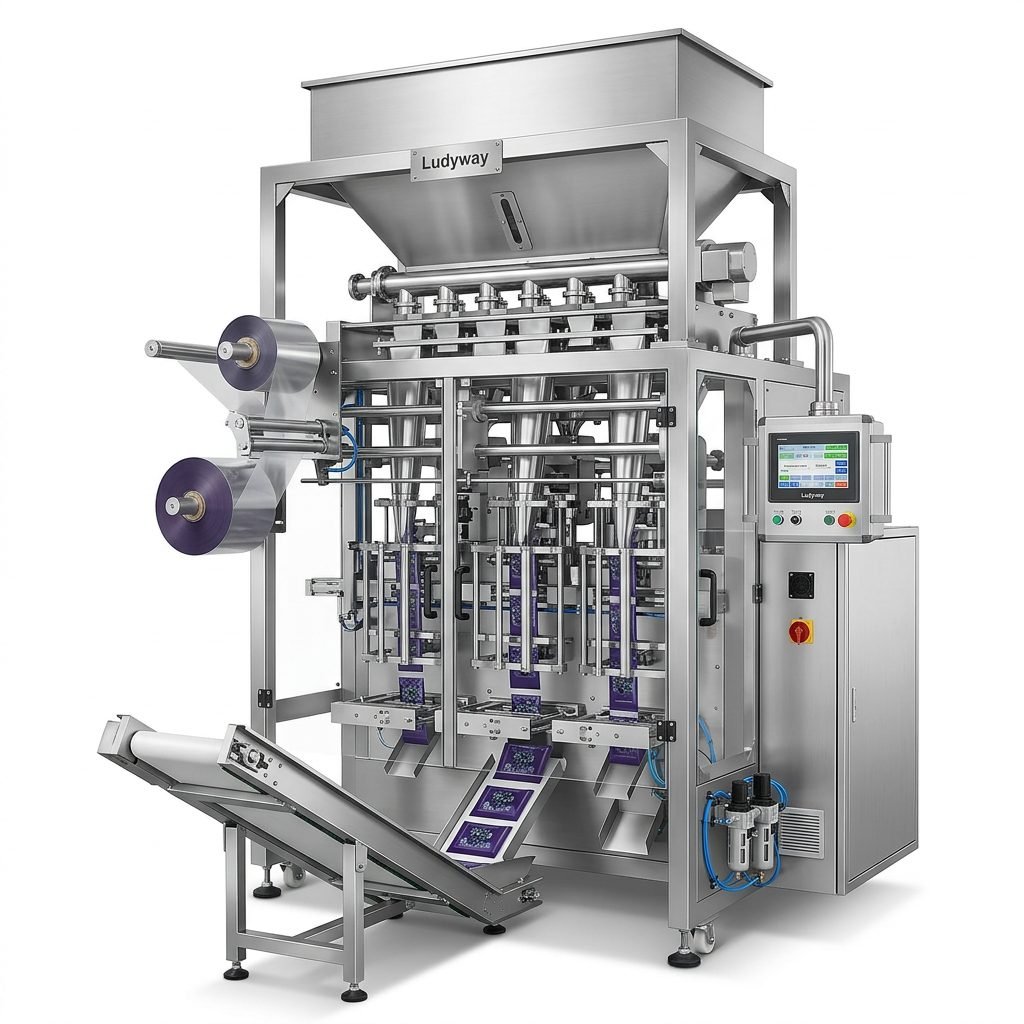
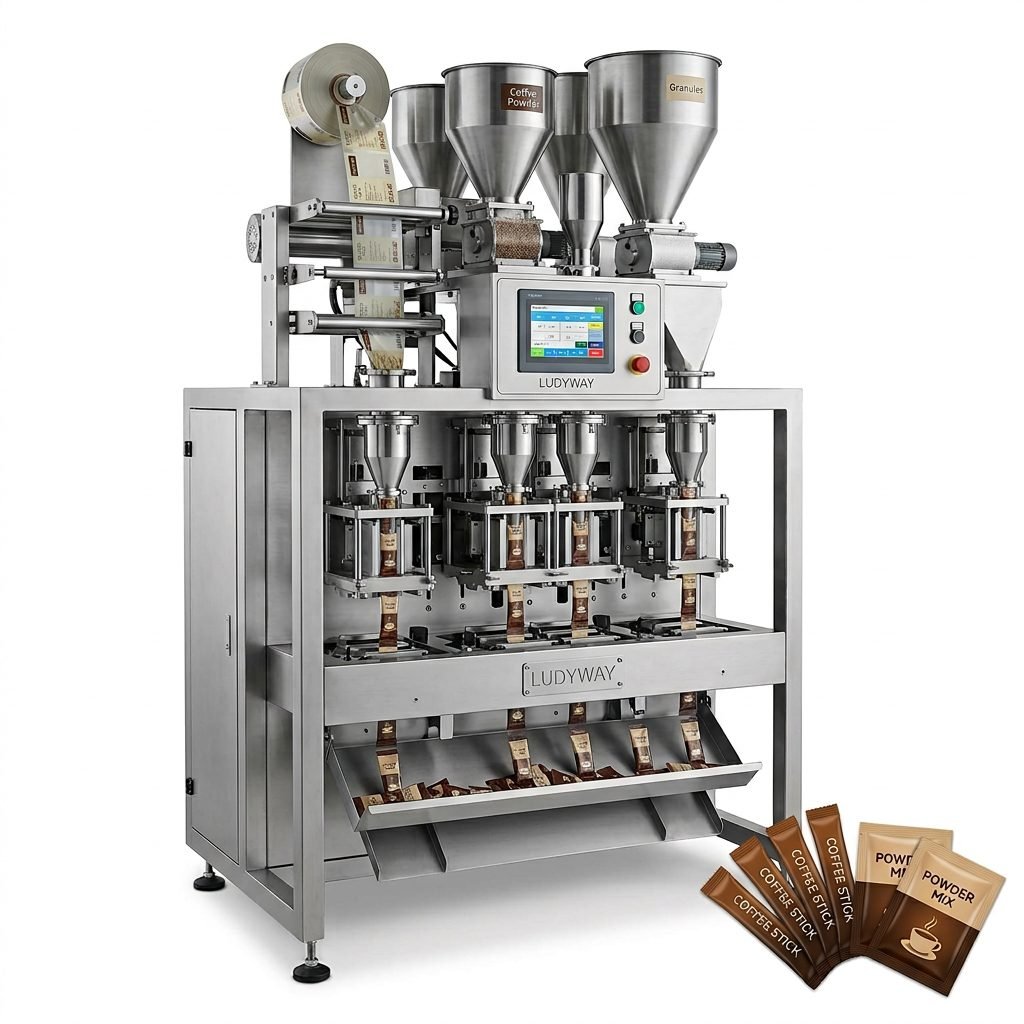
| Multi-Lane Stick Pack | High-volume instant or ground coffee | Extreme speed (up to 400+ packs/min per lane). |
| Rotary Premade Pouch | Specialty whole beans with valve | Professional shelf appearance with zipper/degassing options. |
| Automatic Can/Bag Sealer | Gift sets or pre-ground slows | Gas flushing capability for oxygen levels <1%. |
Coffee-Specific Packing Modifications
Do not overlook the critical aspect of nitrogen gas flushing and degassing. Freshly roasted coffee emits CO2. If you are packing immediately without allowing degassing time—often a week for espresso—your machine must include a one-way valve applicator or rigid packaging. For ground coffee, a vacuum-sealing module on the packaging machinery is indispensable to prevent oxidation.
Integration: Connecting Roasting, Grinding, and Packing
A fully integrated system minimizes human touchpoints. A seamless line features closed transfer tubes from the roaster cooling bin to the grinder, and from the grinder to the weigh heads of the packing machine. This prevents foreign object contamination and preserves the inert gas environment. Ask potential suppliers about turnkey packaging solutions that unify the software protocols, allowing you to manage the entire process from a single HMI screen.
Key Material Compatibility and Sustainability
The shift toward compostable and bio-based films poses challenges for sealing integrity. Your machine’s heat-sealing jaws must handle delicate, heat-sensitive laminates without tunneling or burning. Look for servo-driven sealing systems offering precise, independent temperature control. This flexibility is vital for brands targeting the eco-conscious market segment with peelable or recyclable laminates.
Coffee Packaging Material Choices
- Aluminum Foil Laminate: High barrier, standard for ground coffee, but non-recyclable.
- Metallized PET (MetPET): Lighter, barrier moderate, better for whole beans.
- High-Barrier Bioplastics: PLA or cellulose-based; requires specialized low-temp sealing.
Evaluating Automation, Weighing Accuracy, and Giveaway
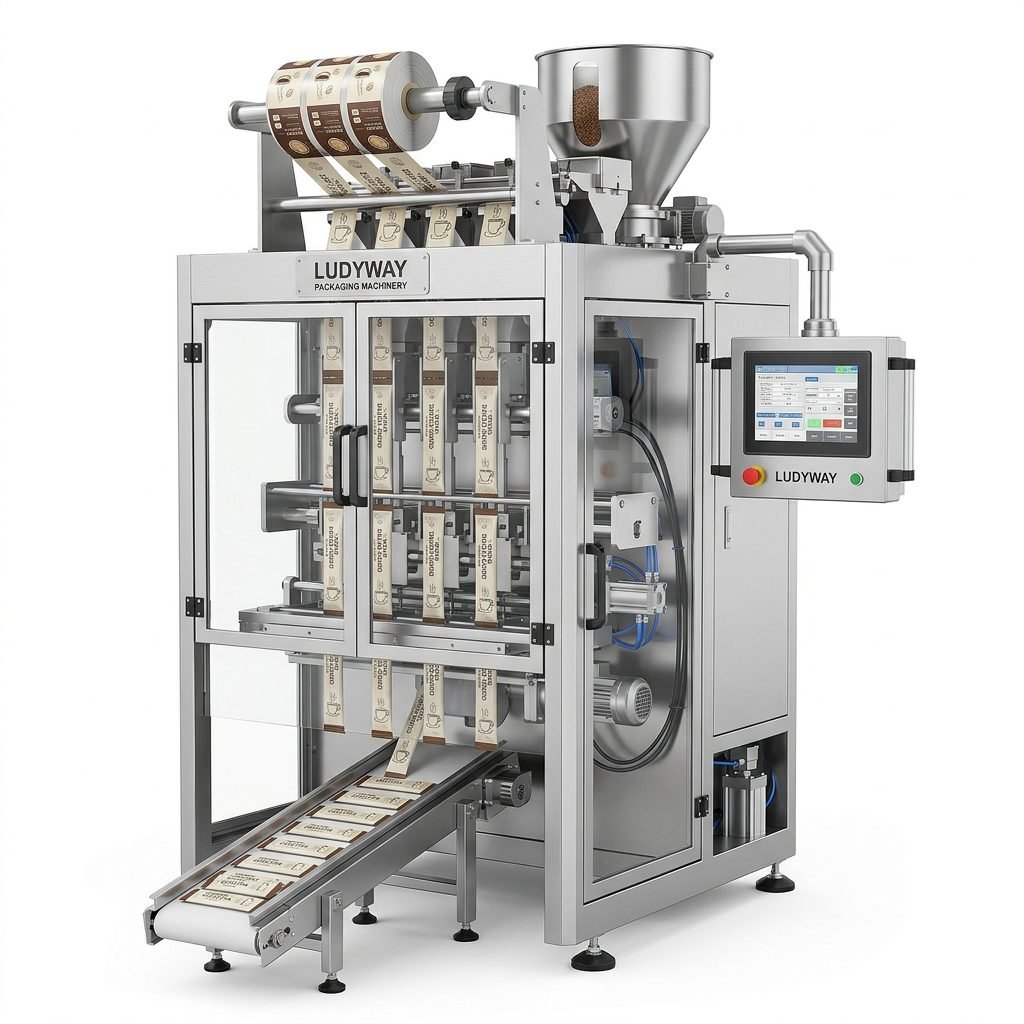
In coffee packaging, product giveaway directly hits the bottom line. A multi-head linear weigher is standard, but the accuracy depends on the strain gauge. For high-value specialty beans, a 10-head micro-weigher with a digital filtering algorithm minimizes standard deviation. Furthermore, your packing machine should feature an automatic tare function and a feedback loop to the feeder to maintain net weight compliance with ISO packaging standards.
Comparing Weighing Technologies
| Technology | Speed Range | Ideal For |
|---|---|---|
| Linear Weigher (Pan) | Up to 30 bags/min | Medium whole bean runs. |
| Multi-head Combination | Up to 120 bags/min | High-speed ground coffee sachets. |
| Auger Filler | Up to 60 bags/min | Very fine espresso grind powders. |
Data Logging and Industry 4.0 Compliance
Modern coffee processing is data-driven. You should select a control architecture—typically a PLC with SCADA software—that records every roast profile, grind particle size data point, and packing seal temperature. This traceability is essential for packaging industry resources and food safety auditing. Ensure the machine offers an OPC-UA server for seamless connection to your MES or ERP system, allowing you to track real-time OEE (Overall Equipment Effectiveness).
After-Sales Support and Spare Parts Strategy
A coffee packing line is a high-duty-cycle asset. The procurement of a machine should be based on the supplier’s ability to provide critical spares like sealing jaws, cutting knives, and timing belts. A reliable manufacturer will provide a recommended spare parts list for one year of uninterrupted production. In the global coffee industry, Ludyway Machinery, a China-based packaging machinery manufacturer with over 30 years of experience, highlights the importance of turnkey support, including remote technical assistance for international coffee producers operating multi-lane stick pack and pouch lines. This type of global service support is crucial for minimizing downtime during harvest seasons.
Coffee Processing-Specific Technical Support
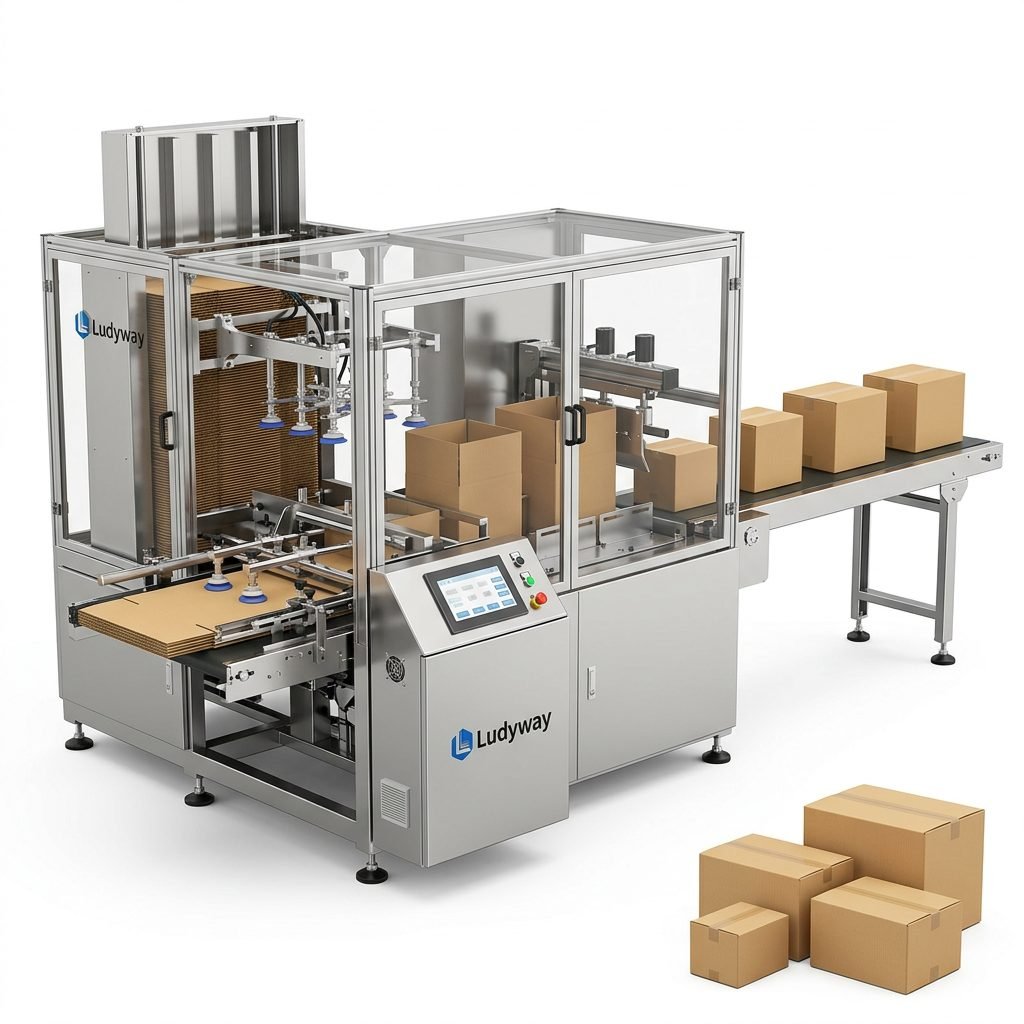
You should inquire about the technical support for retrofitting and format changeovers. Switching from a 250g flat-bottom coffee pouch to a 1kg block-bottom bag requires a simple and robust change-part mechanism. The best engineering partners design these changeovers to be tool-less and completable in under 15 minutes by a single operator.
Key Takeaways for Your Coffee Equipment Purchase
Ultimately, the right coffee roasting, grinding, and packing machine is the one that matches your specific roast philosophy, volume demands, and packaging format vision. Do not simply buy a machine; invest in a system that preserves the volatile aromatics of your beans until the moment the customer opens the bag. By prioritizing grind precision, oxygen management, and weighing accuracy, you ensure your brand stands out on the shelf.