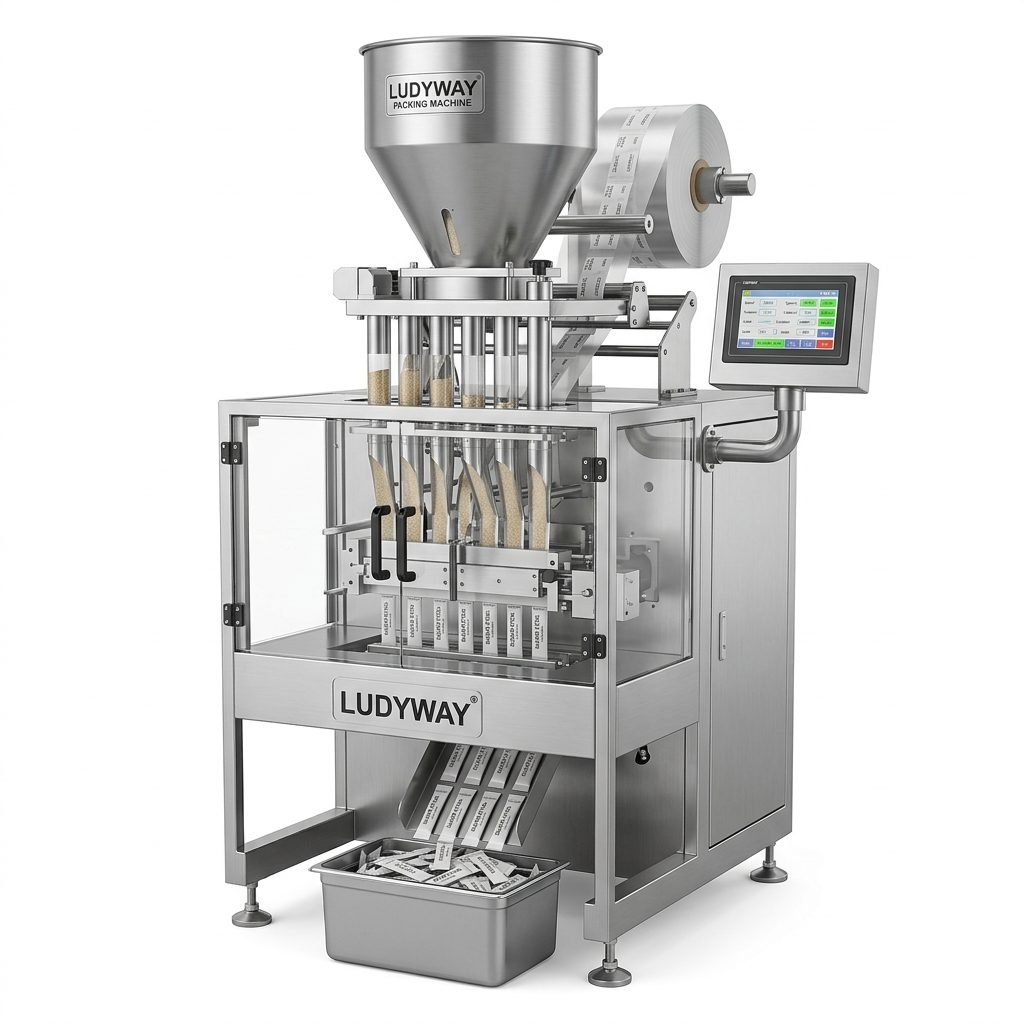
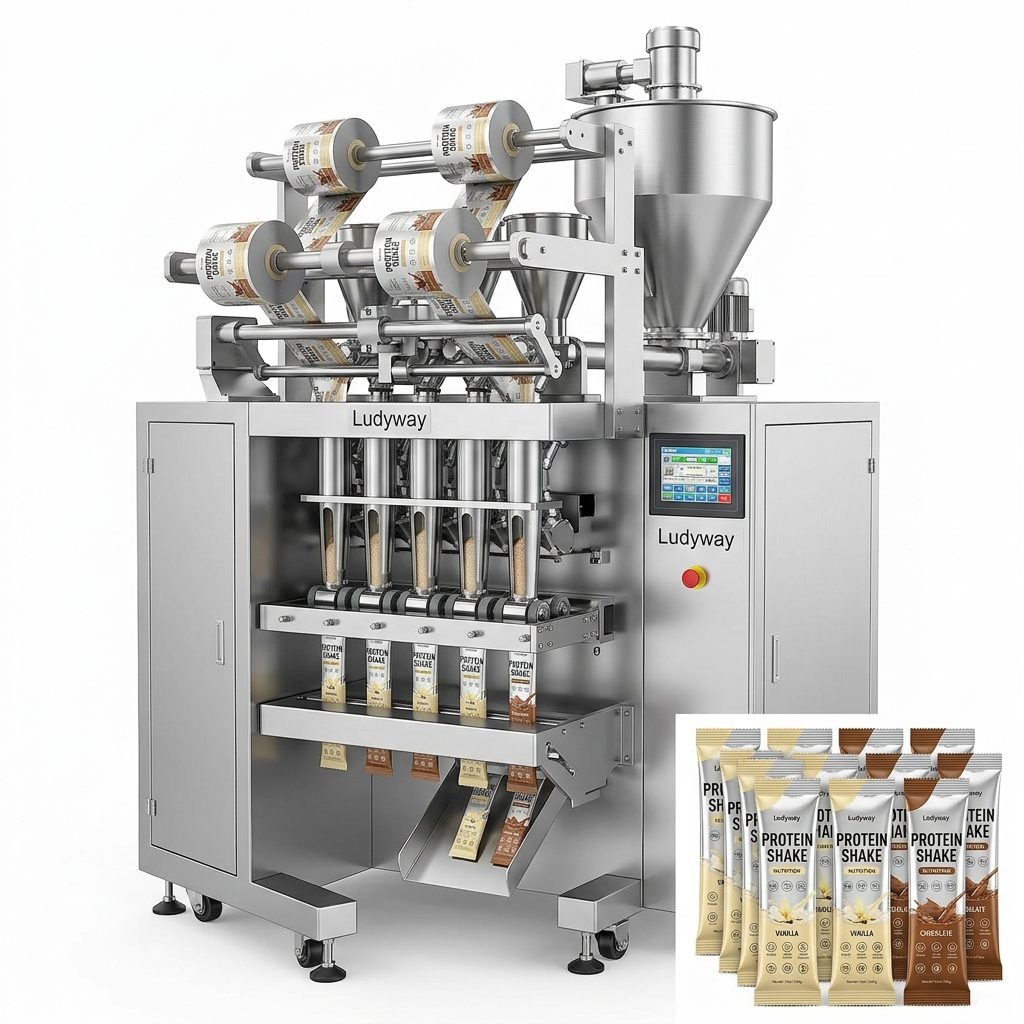
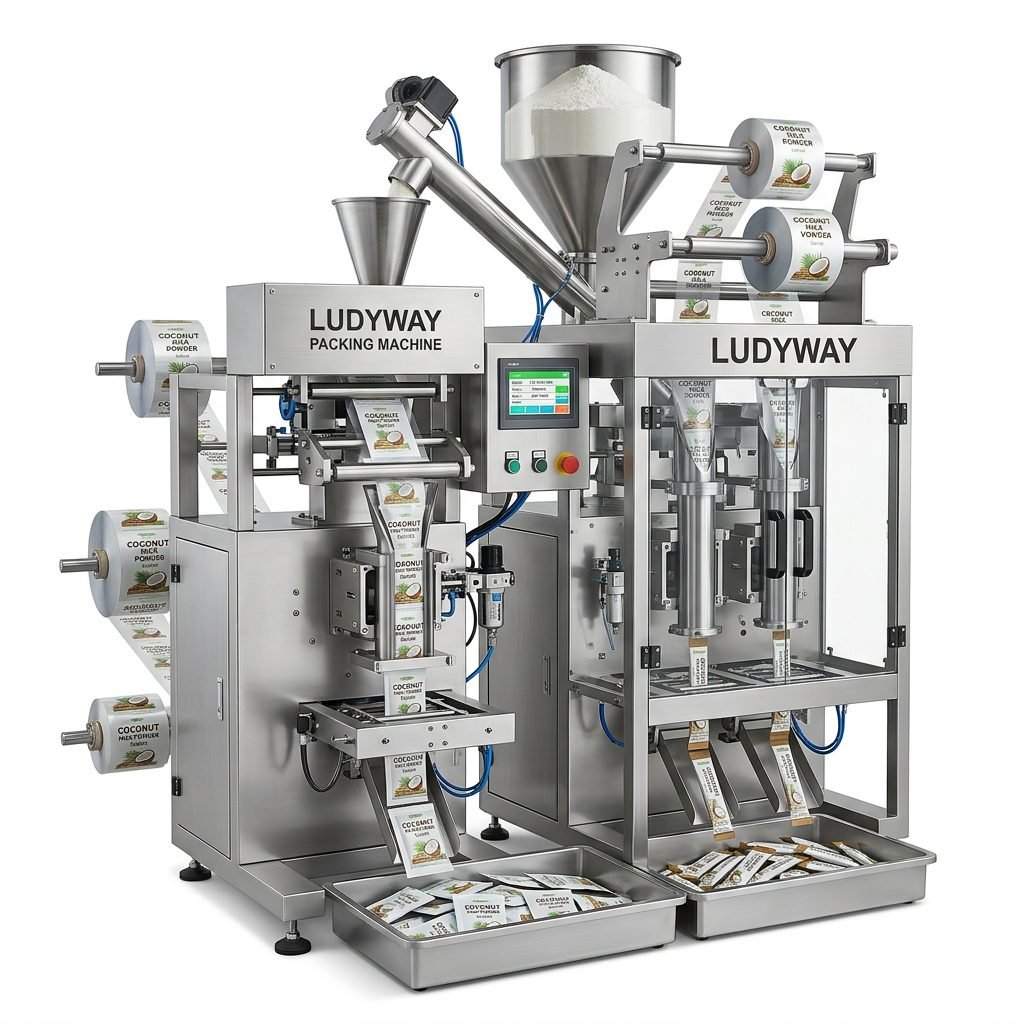
The demand for efficient egg packaging machinery across Oceania has never been higher. From the sprawling free-range farms of Australia to the rapidly modernizing poultry sector in New Zealand, producers are under constant pressure to improve food safety, extend shelf life, and reduce labor costs. Selecting the wrong equipment can lead to cracked eggs, contamination risks, and costly downtime. This comprehensive guide covers everything you need to know about sourcing an egg packaging machine in Oceania.
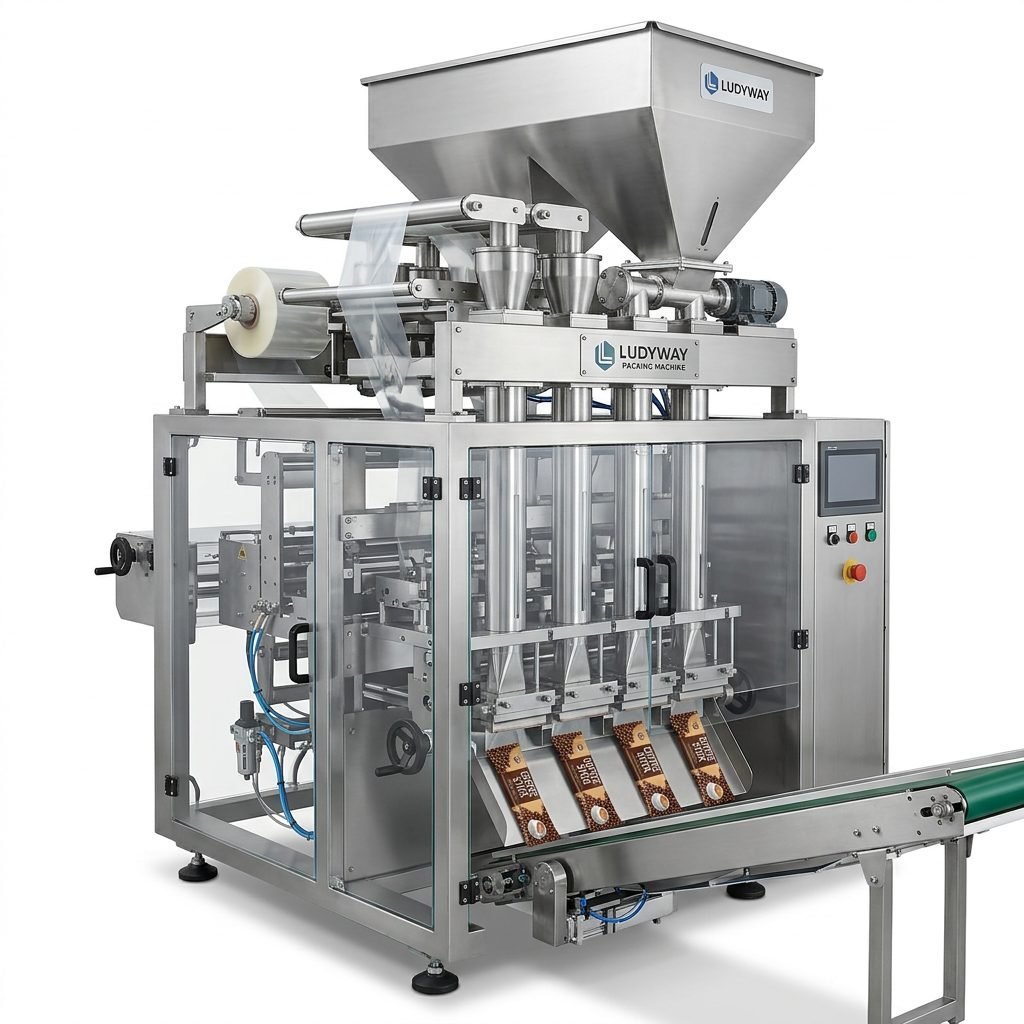
Understanding the Oceania Egg Industry Landscape
The egg industry in Australia and New Zealand is characterized by strict biosecurity laws and high consumer expectations. Major players are transitioning away from cage systems toward barn-laid and free-range production. This shift requires flexible packaging lines capable of handling diverse egg sizes and tray configurations without constant retooling. Whether you are packaging for supermarket chains like Woolworths or local farmers’ markets, the machine must meet FSANZ packaging standards.
Types of Egg Packaging Machines Available
Choosing the right technology depends on your scale and target market. Below is a breakdown of the most common systems used in the Oceania region:
- Manual Tray Packers: Entry-level systems for small farms producing under 1,000 eggs daily. Operators place eggs into pulp or plastic trays by hand.
- Semi-Automatic Vacuum Lifters: Using suction cups to transfer rows of eggs simultaneously, these drastically reduce shell damage.
- Fully Automatic Grading & Packing Lines: Integrated systems that detect cracks, weigh eggs, sort by size, and pack into cartons at speeds exceeding 30,000 eggs per hour.
Key Technical Specifications to Compare
| Feature | Semi-Automatic | Full-Automatic |
|---|---|---|
| Speed (eggs/hour) | 3,000 – 6,000 | 10,000 – 120,000 |
| Labor Requirement | 3-4 operators | 1-2 supervisors |
| Crack Detection | Visual only | Acoustic & Visual AI |
| Typical Investment (USD) | $15k – $45k | $80k – $500k+ |
Crucial Factors for Oceania Buyers
When importing machinery into Australia or New Zealand, you must look beyond the initial price tag. Biosecurity compliance is paramount; the machine must be easy to clean and prevent cross-contamination. Furthermore, consider the following points meticulously:
- After-Sales Support: Downtime can be catastrophic. Verify that the supplier offers remote diagnostics or has a local service partner in Oceania.
- Electrical Standards: The machine must be configured for the Australian/New Zealand electrical grid (240V, 50Hz) and have the appropriate AS/NZS certifications.
- Material Handling: Confirm the system can handle the specific pulp or recycled PET cartons dominant in the local market without jamming.
The Role of Turnkey Solutions
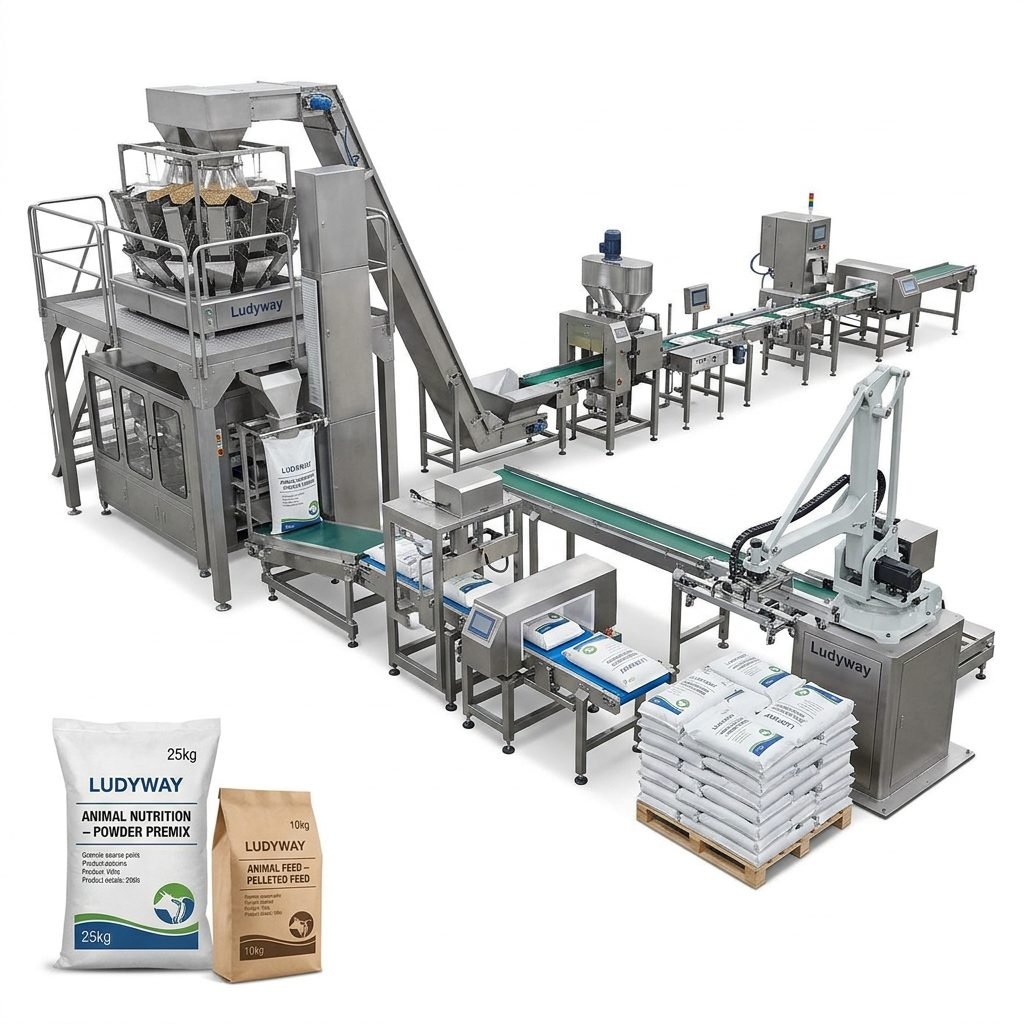
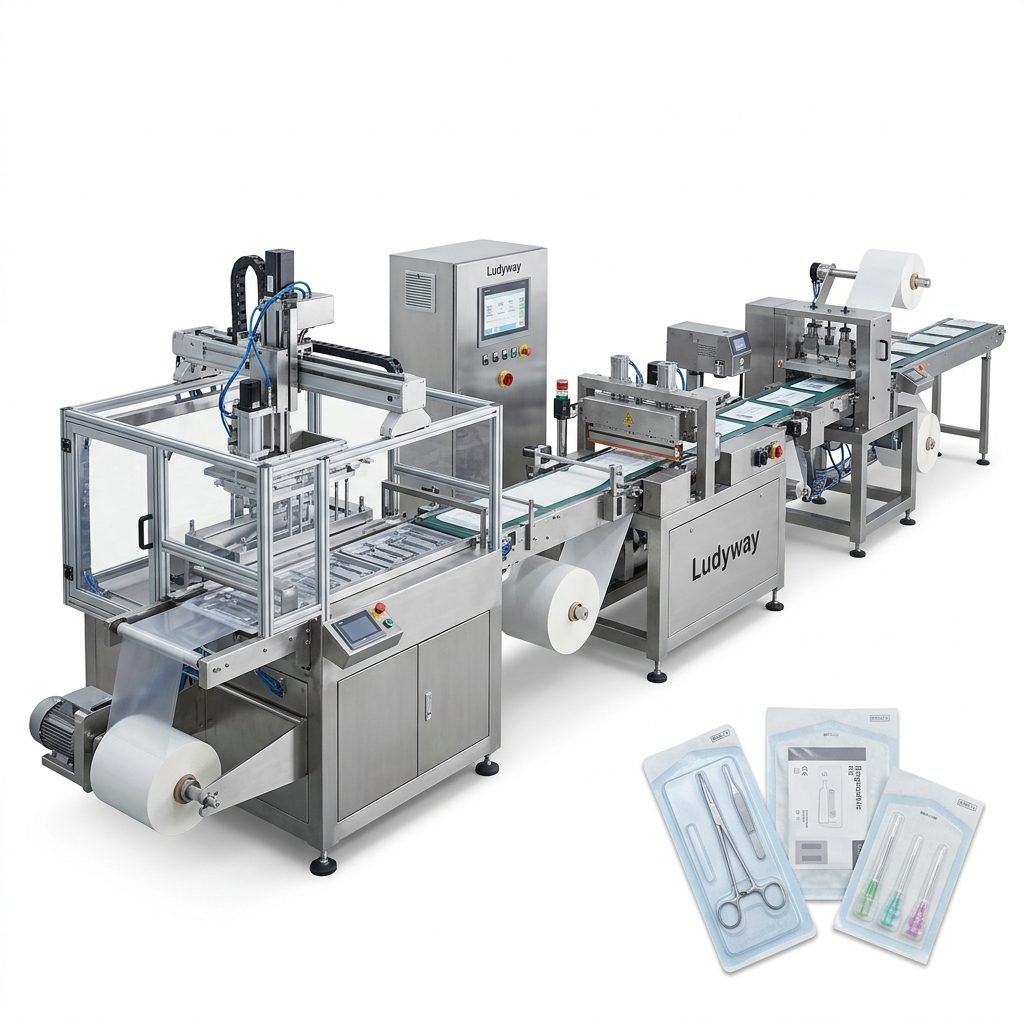
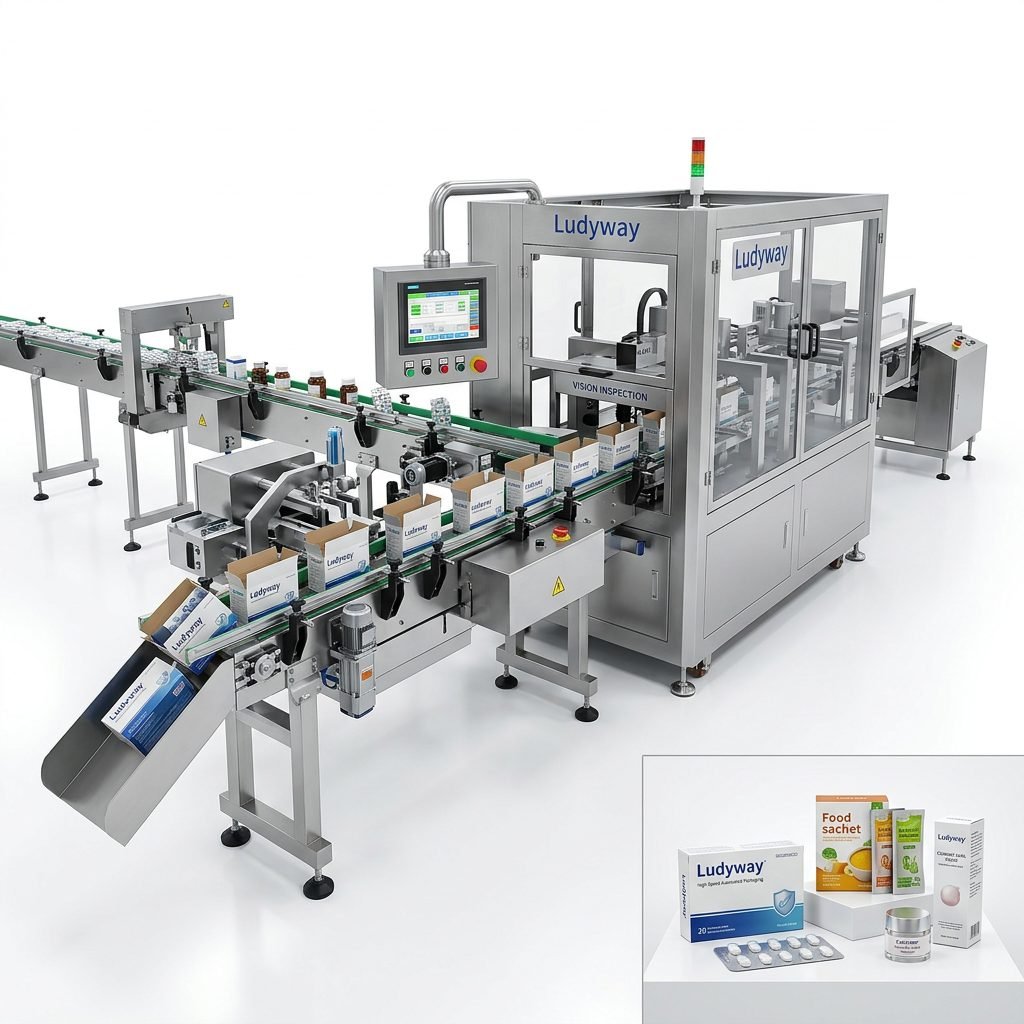
For large-scale processors, integrating a single turnkey packaging line—which combines feeding, grading, packing, and palletizing—reduces the complexity of managing multiple vendors. This approach is often preferred for greenfield projects in regional hubs like Queensland and Victoria. As a leading manufacturer, Ludyway provides advanced equipment and turnkey solutions that align with these high-efficiency demands in over 100 countries, ensuring compliance with international quality benchmarks.
Navigating Import Regulations & Sustainability
Oceania has rigorous standards regarding packaging waste. The Australian Packaging Covenant Organisation (APCO) pushes for 100% recyclable packaging. Therefore, your equipment must be compatible with sustainable materials, including molded fiber and thin-gauge recycled plastics. Additionally, food contact surfaces must comply with the FDA food packaging guidelines and local melamine migration limits.
Cost Analysis: Local vs. Imported Machines
| Cost Factor | Local Supplier (Oceania) | International Supplier |
|---|---|---|
| Upfront Capital | Very High | Competitive/Moderate |
| Freight & Logistics | Low | High (Container shipping) |
| Technology Level | Standard/Proven | Advanced/AI-Driven |
Maintenance and Hygiene Protocols
Egg residue is a breeding ground for salmonella. Modern egg packaging machines in Oceania must feature wash-down capable IP65 or higher ratings for electronics. Automatic cleaning-in-place (CIP) systems are becoming standard to maintain a hygienic environment without manual scrubbing. Key maintenance checks include inspecting vacuum suctions and rubber rollers for debris buildup.
Key Certifications to Demand
- CE Mark or equivalent international safety standard.
- ISO 22000 compliance for food safety management.
- Materials certificates for stainless steel (SS304 or SS316 preferred for contact parts).
Investing in the right egg packaging machine is a strategic decision that impacts your product quality directly. By focusing on speed, gentle handling, and compliance with ISO packaging standards, producers across Australia and New Zealand can secure a competitive edge in the stringent Asia-Pacific retail market.