Investing in a used vacuum packing machine can be a smart financial decision for food processors, pharmaceutical manufacturers, and industrial packaging operations. A well-maintained pre-owned unit can deliver years of reliable service at a fraction of the cost of new equipment. However, without a structured evaluation process, buyers risk acquiring machinery with hidden mechanical issues, worn sealing components, or outdated control systems that can compromise packaging integrity and production efficiency.
This guide walks you through the essential steps to assess, compare, and select a used vacuum packaging machine that meets your operational requirements. Whether you are packaging granules, powders, liquids, or solid products, understanding what to inspect before purchase will help you avoid costly mistakes and ensure consistent packaging quality on your production line. For broader context on packaging equipment selection, resources from the Association for Packaging and Processing Technologies (PMMI) offer valuable industry benchmarks.
Understanding Vacuum Packaging Technology and Machine Types
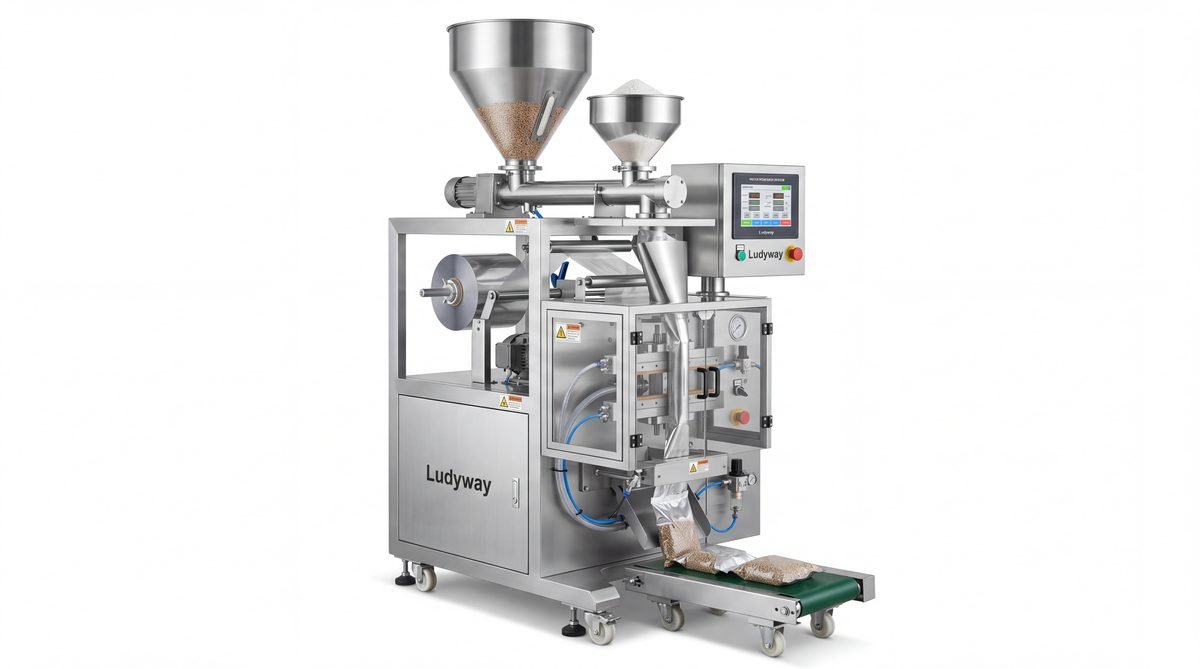
Before evaluating a specific used machine, it is critical to understand the different vacuum packaging technologies available on the secondary market. The three most common configurations include:
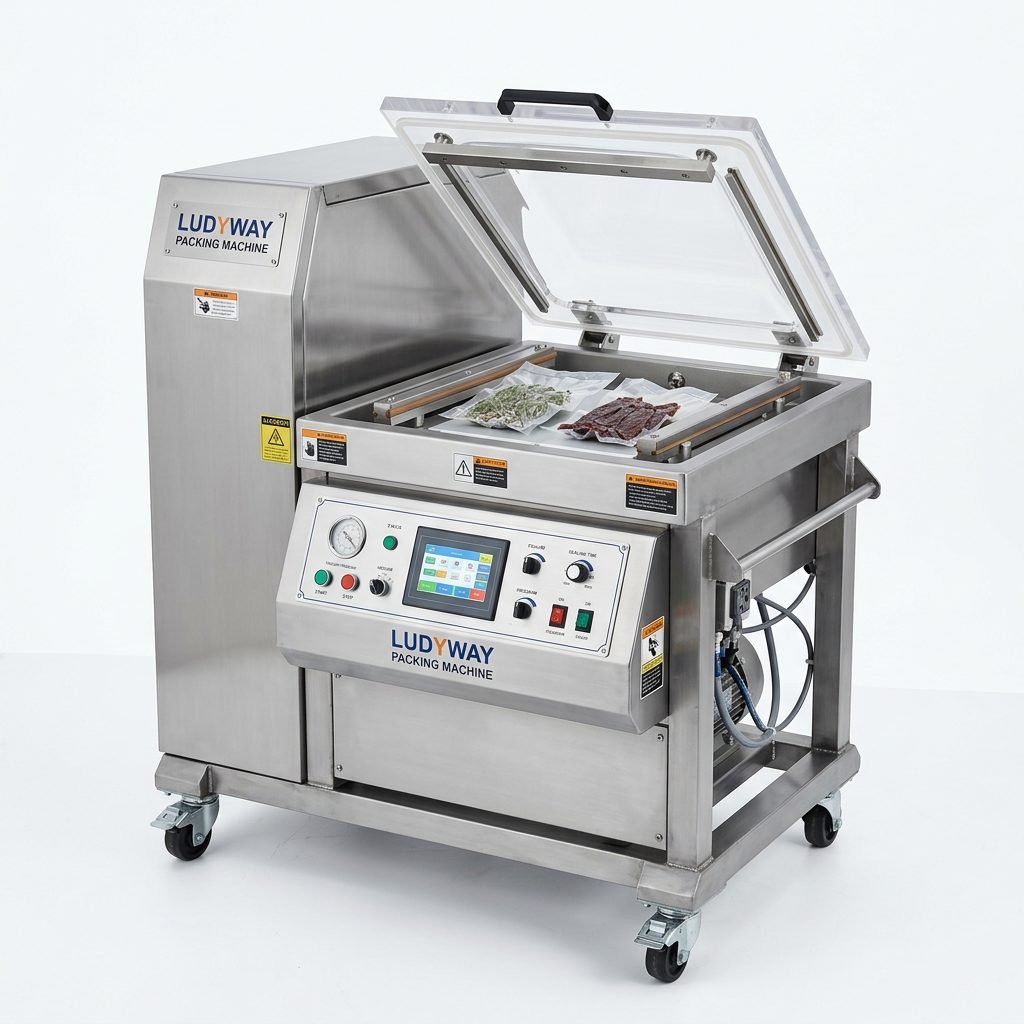
- Single-chamber vacuum machines — Ideal for small to medium batch operations, these units place both product and pouch inside a chamber where air is evacuated before sealing. They are widely used in food processing and flexible packaging environments.
- Double-chamber vacuum machines — Designed for higher throughput, these machines alternate between two chambers to reduce downtime. They suit operations requiring semi-continuous packaging workflows.
- External vacuum sealers — Commonly used for lower-volume applications, these machines extract air from the pouch opening without a chamber. They are generally less expensive but offer limited vacuum strength compared to chamber models.
- Continuous band vacuum sealers — Purpose-built for high-speed production lines, these machines use a conveyor belt system to feed products through the vacuum sealing process automatically.
Each type has distinct maintenance profiles, wear components, and performance characteristics. Understanding which category fits your product format and production volume will narrow your search and help you focus on machines with the right specifications. Standards related to packaging machinery performance can be referenced through ISO packaging standards for additional guidance on quality benchmarks.
Key Factors to Evaluate Before Purchasing a Used Vacuum Packing Machine
A systematic evaluation should cover four primary areas: mechanical condition, electrical system integrity, sealing performance, and operational history. Rushing through any of these assessments can result in unanticipated repair costs or production bottlenecks after installation.
1. Mechanical Condition Assessment
Begin with a thorough visual inspection of the machine frame, chamber structure, and moving components. Look for signs of corrosion, weld cracks, or structural repairs that may indicate past damage or inadequate maintenance. Pay particular attention to:
- The condition of vacuum chamber lid gaskets and sealing bars — these are high-wear components that directly affect vacuum performance
- Hinge mechanisms and lid alignment — misalignment can cause uneven sealing pressure and air leaks
- Vacuum pump mounting and vibration dampening — excessive vibration during operation often signals internal pump wear
- Oil residue or leaks around the pump housing — oil contamination in the vacuum circuit can compromise food-grade packaging safety
2. Electrical System and Control Evaluation
Inspect the control panel, wiring harnesses, and sensor connections. Older machines may have obsolete control boards or discontinued electronic components that are difficult to source. Verify that:
- All display screens, buttons, and control interfaces function correctly without flickering or unresponsive inputs
- Emergency stop circuits and safety interlocks operate reliably
- Temperature controllers for sealing bars maintain consistent setpoints without drifting
- Vacuum sensors and pressure transducers provide accurate readings — calibration records can help verify this
Vacuum Pump: The Heart of the Machine
The vacuum pump is the single most important component in any vacuum packing machine and typically represents the highest replacement cost. When evaluating a used unit, the pump deserves dedicated attention. Common pump types found in packaging machinery include:
| Pump Type | Typical Lifespan | Maintenance Requirements | Replacement Cost Indicator |
|---|---|---|---|
| Rotary Vane Pump | 8,000 – 15,000 hours | Regular oil changes, vane inspection | Medium |
| Dry Scroll Pump | 10,000 – 20,000 hours | Tip seal replacement, periodic cleaning | Medium-High |
| Liquid Ring Pump | 15,000 – 25,000 hours | Water management, impeller inspection | High |
| Oil-Free Diaphragm Pump | 5,000 – 10,000 hours | Diaphragm replacement, valve cleaning | Low-Medium |
Request maintenance logs and pump service records from the seller. A pump that has received regular oil changes and scheduled rebuilds will typically outlast one with sporadic maintenance, even if it has higher operating hours. If the seller cannot provide documentation, factor a potential pump rebuild or replacement into your budget. The PMMI Business Intelligence Library provides useful data on equipment lifecycle costs across packaging machinery categories.
Sealing System Integrity and Performance Testing
Seal quality directly determines package integrity and product shelf life. A used machine with worn sealing components may produce inconsistent seals that lead to product spoilage, contamination, or customer complaints. During your evaluation, request a live demonstration using your actual packaging materials whenever possible.
Key sealing system checks include:
- Inspecting the condition of heating elements and sealing bars for uneven wear, hot spots, or carbon buildup
- Verifying that sealing pressure remains uniform across the entire seal width
- Testing seal strength on sample packages using a burst test or peel test method
- Checking the cooling cycle functionality — inadequate cooling can result in weak seals that fail during handling
- Examining the condition of Teflon covers, release films, and protective coatings on sealing surfaces
For food packaging applications, seal integrity testing should align with FDA food packaging and food contact substances guidelines where applicable. Pharmaceutical and medical device packaging may require validation according to ISO 11607 standards for terminally sterilized medical devices.
Questions to Ask the Seller Before Committing
Gathering detailed information from the seller is essential for making an informed purchasing decision. The following questions will help you uncover potential issues and assess the machine’s true value:
- What is the total operating hours or production cycle count? — This metric provides a baseline for assessing remaining service life, particularly for the vacuum pump and sealing systems.
- Can you provide complete maintenance records and service history? — Documented maintenance indicates responsible ownership and helps predict future service needs.
- What products and packaging materials were processed on this machine? — Machines used for abrasive powders or corrosive products may have accelerated internal wear compared to those handling dry, non-reactive foods.
- Why is the machine being sold? — The seller’s motivation can reveal important context about equipment performance, production changes, or technology upgrades.
- Are original manuals, electrical schematics, and spare parts included? — Technical documentation significantly reduces troubleshooting time and simplifies future maintenance.
- Has the machine been tested under power recently? — A machine sitting idle for extended periods may develop seal deterioration, electrical corrosion, or lubrication issues.
- What is the availability of replacement parts for this specific model? — Confirm that critical components such as sealing bars, gaskets, sensors, and control boards remain available from suppliers.
Production Speed and Capacity Considerations
Matching the used machine’s cycle rate and chamber capacity to your production requirements is essential. A machine that is too slow will create bottlenecks, while an oversized machine may consume unnecessary floor space and energy. Evaluate:
- Cycle time — The complete duration from chamber close to chamber open, including evacuation, gas flush (if applicable), sealing, and venting
- Chamber dimensions — Maximum pouch size and product height the machine can accommodate
- Number of sealing bars — Multiple bars allow simultaneous sealing of multiple pouches per cycle, increasing throughput
- Vacuum pump capacity — Measured in cubic meters per hour (m³/h), higher capacity reduces evacuation time for larger chambers
Where to Source Reliable Used Vacuum Packing Machines
Finding a trustworthy source is as important as evaluating the machine itself. Several channels exist for sourcing used packaging equipment, each with distinct advantages and risks:
- Certified used equipment dealers — Reputable dealers typically inspect, refurbish, and offer limited warranties on pre-owned machinery. They provide the highest confidence level but at a premium price.
- Online industrial marketplaces — Platforms listing used packaging machinery offer broad selection and competitive pricing. Always request video demonstrations and maintenance documentation before committing.
- Direct manufacturer trade-in programs — Some packaging machinery manufacturers accept trade-ins and resell refurbished units. These machines often come with manufacturer-backed support, which adds significant value.
- Auction and liquidation sales — These can yield substantial cost savings but typically sell equipment “as-is, where-is” with limited opportunity for inspection.
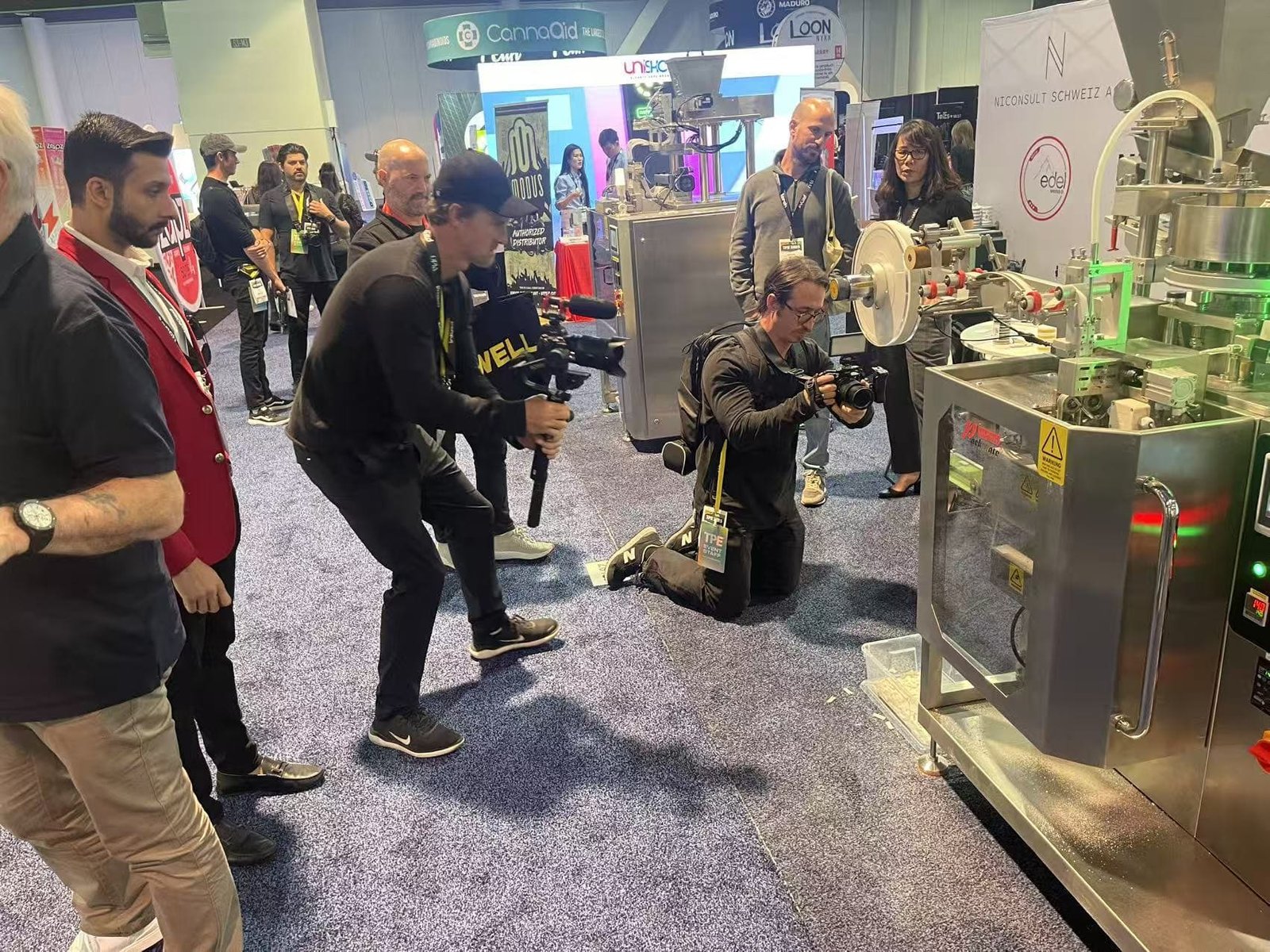
Industry organizations such as the Flexible Packaging Association and PACK EXPO International events can connect buyers with reputable equipment suppliers and provide opportunities to see machinery in operation before purchasing.
The Case for New Equipment: When Used May Not Be the Best Option
While used vacuum packing machines offer clear cost advantages, certain scenarios warrant investing in new equipment instead. If your application requires validated packaging processes for pharmaceutical or medical device products, the documentation and certification burden for used machinery may outweigh the initial savings. Similarly, if you need advanced automation features, IoT connectivity, or integration with existing production line systems, newer machines typically offer better compatibility and support.
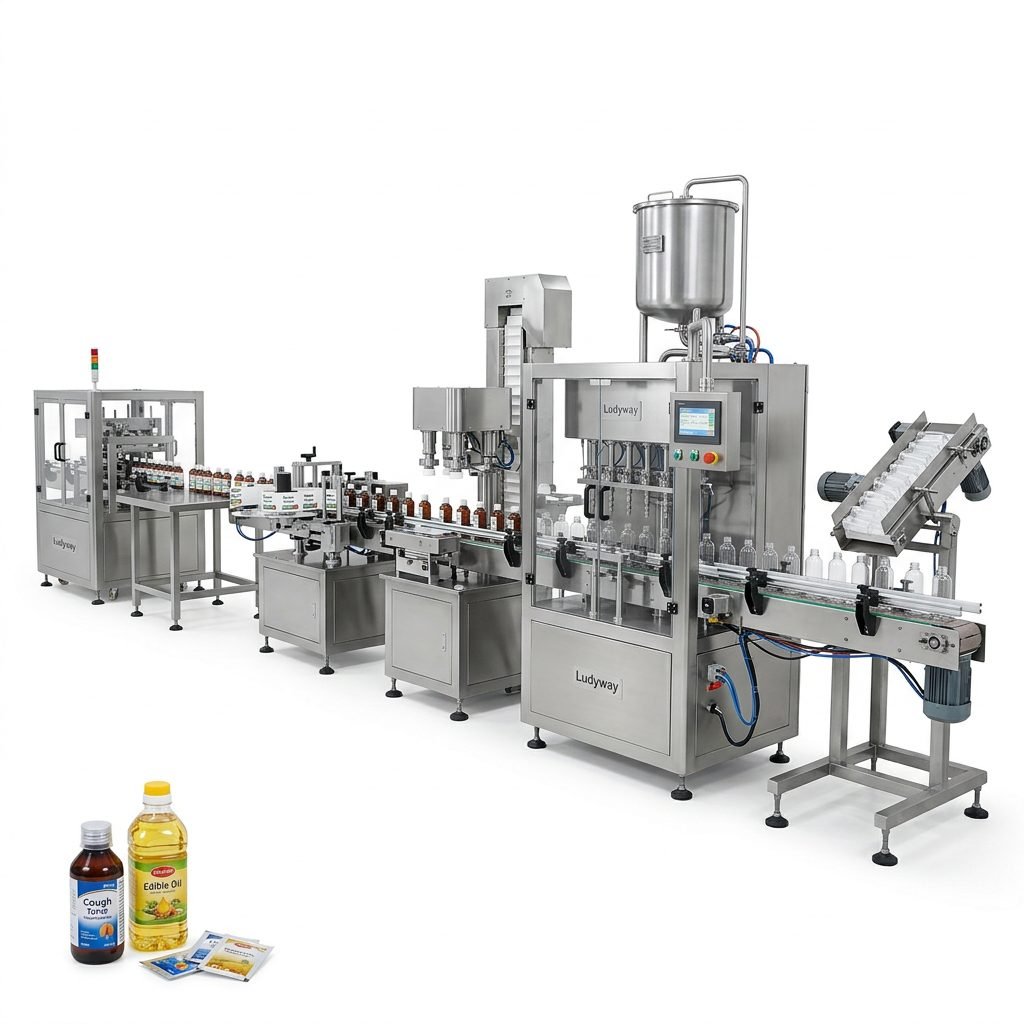
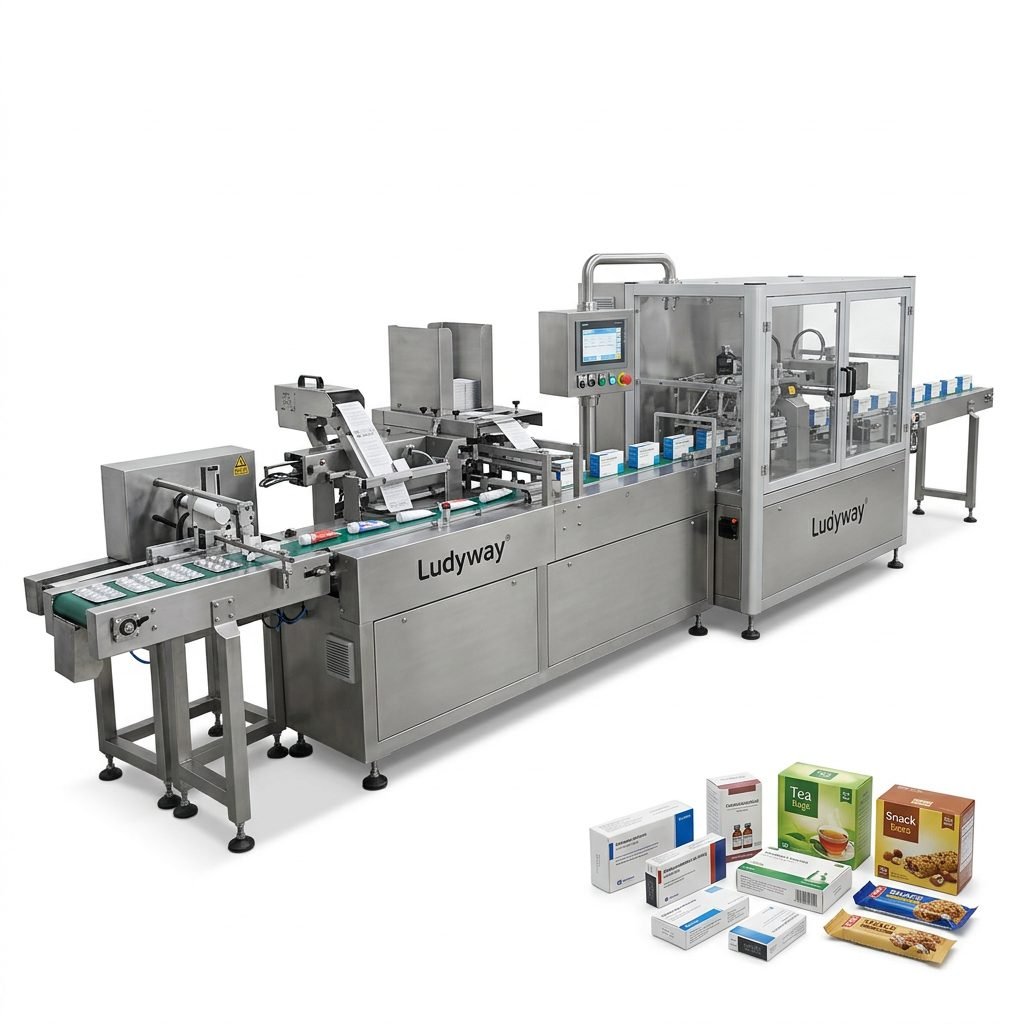
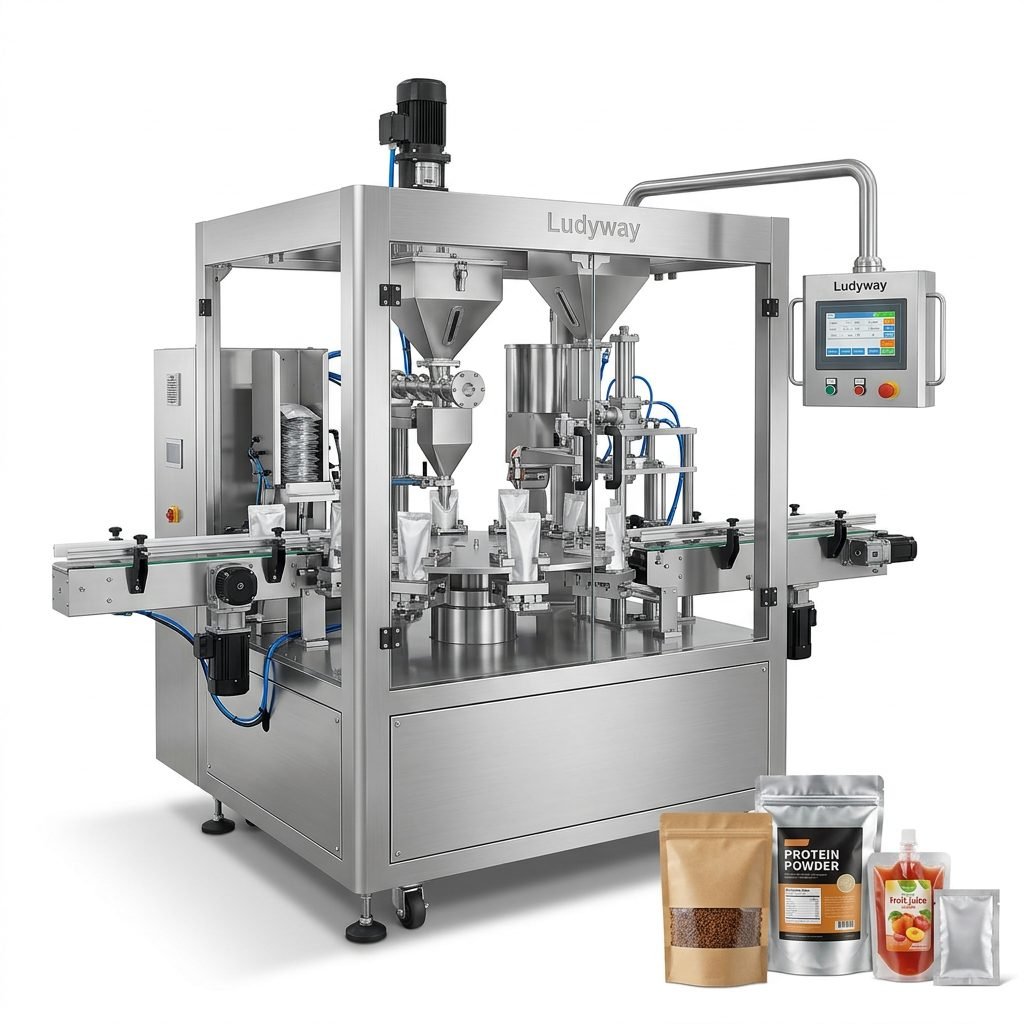
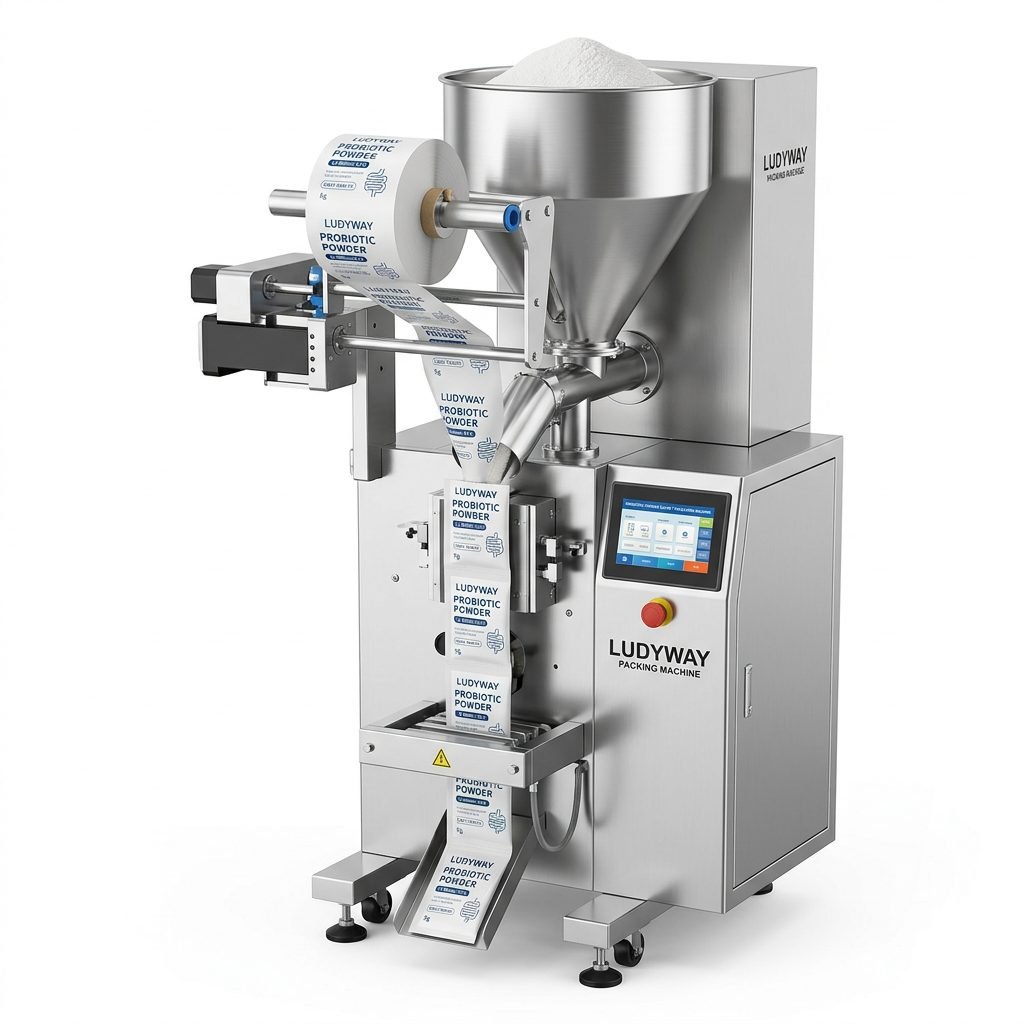
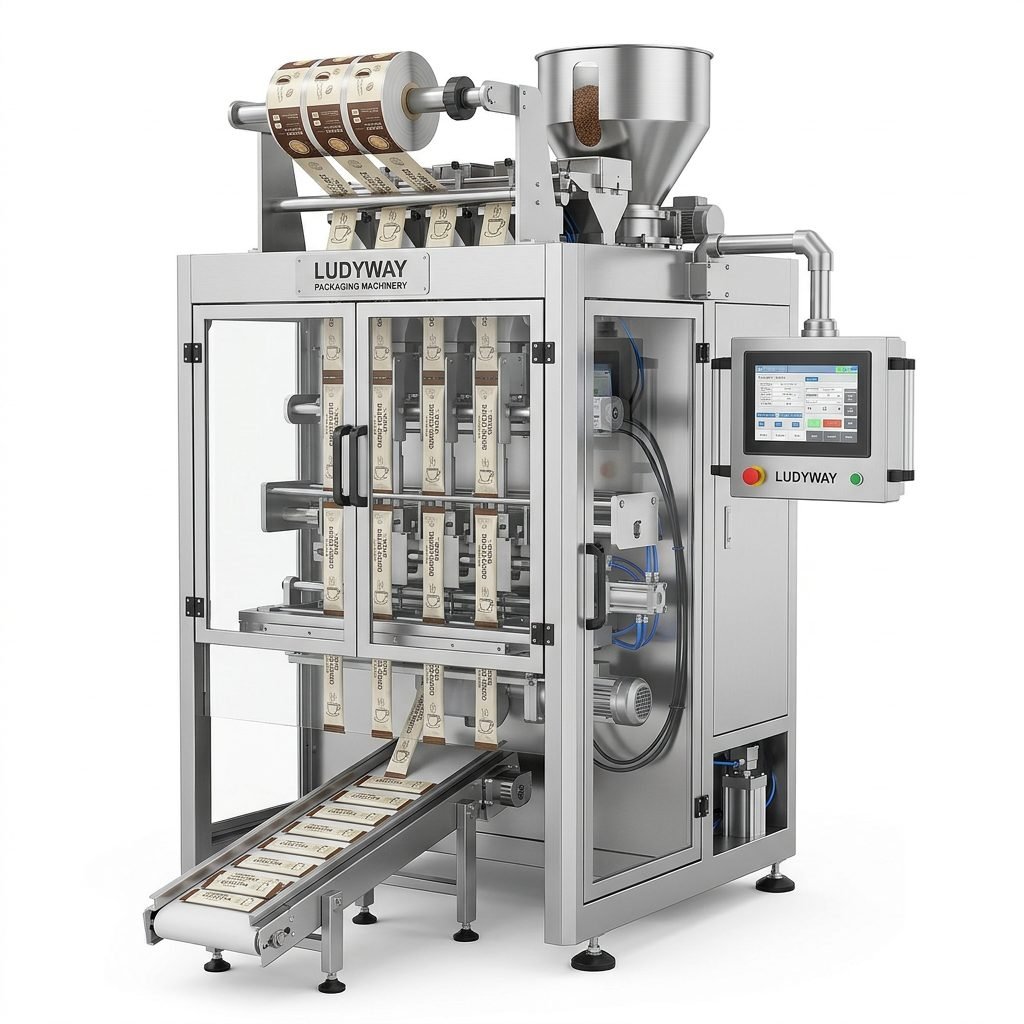
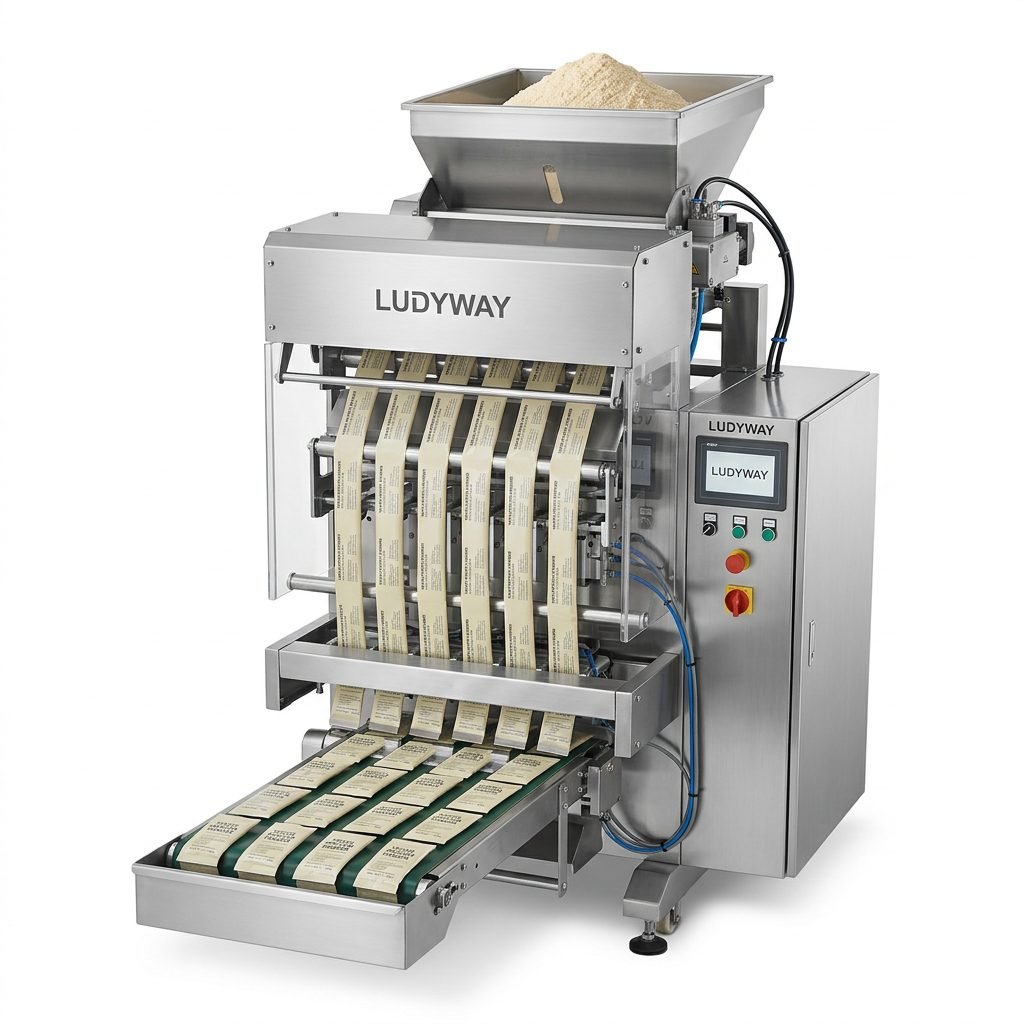
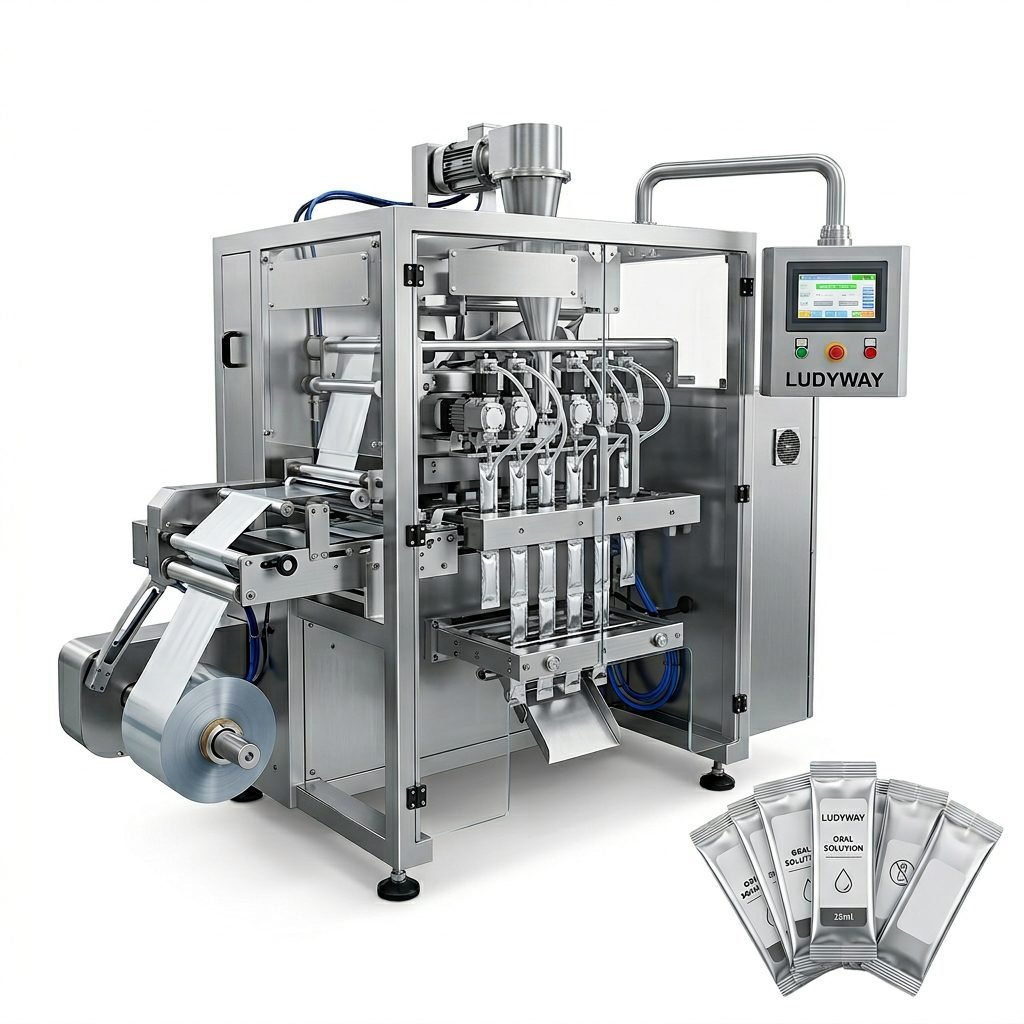
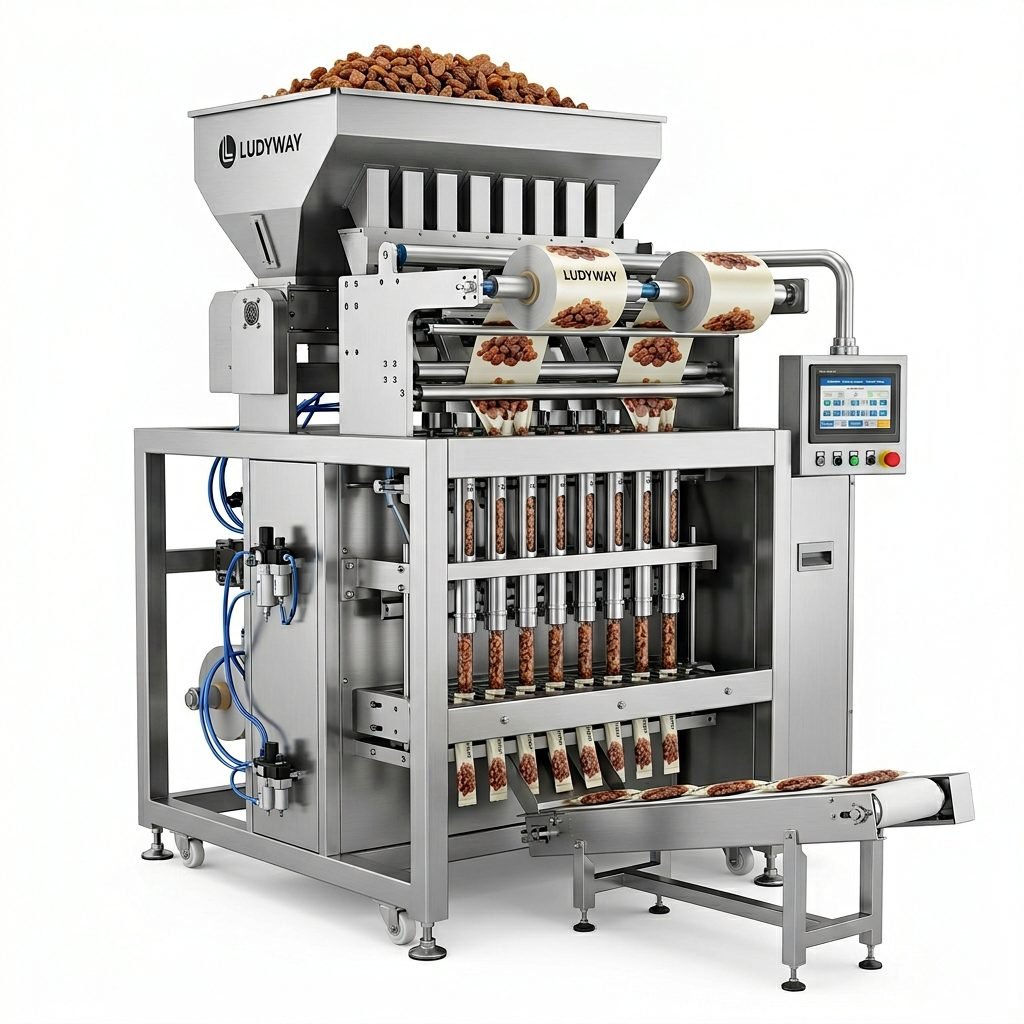
For manufacturers seeking a comprehensive packaging solution with full warranty coverage, application engineering support, and documented compliance with international standards, working with an experienced packaging machinery manufacturer can provide long-term value beyond the initial equipment cost. Ludyway Machinery has served manufacturers across more than 100 countries for over three decades, supplying automated packaging equipment and turnkey solutions tailored to diverse industry requirements — from food and beverage to pharmaceuticals, cosmetics, chemicals, and animal feed applications.
Final Checklist Before Finalizing Your Purchase
- Obtain and review all available maintenance records and service documentation
- Conduct a live operating test with your actual packaging materials when possible
- Inspect the vacuum pump for oil condition, operating hours, and unusual noise or vibration
- Verify seal quality through burst testing or visual inspection of sample packages
- Confirm availability of critical spare parts for sealing bars, gaskets, sensors, and control components
- Check that electrical specifications match your facility’s power supply (voltage, phase, frequency)
- Clarify warranty terms, return policies, and post-sale technical support availability
- Calculate total cost of ownership including potential refurbishment, installation, and operator training
Following this structured evaluation approach will help you select a used vacuum packing machine that delivers reliable performance, consistent seal quality, and a favorable return on investment. Taking the time to inspect, test, and verify before purchasing is the most effective strategy for avoiding costly equipment decisions.