Investing in a bubble wrap packing machine is a strategic decision that directly impacts your operational efficiency, product protection, and bottom line. Whether you are shipping fragile electronics, glassware, automotive parts, or medical devices, the right air bubble film machine automates the production of protective cushioning material on demand. However, with so many configurations, specifications, and manufacturers available, the selection process can feel overwhelming. This guide walks you through the essential criteria to help you make an informed, confident purchase.
Understanding Bubble Wrap Packaging Machine Types
Before evaluating technical specifications, it’s important to understand the primary categories of bubble wrap machinery available on the market. Each type serves different production volumes and operational scales.
| Machine Type | Best For | Key Characteristics |
|---|---|---|
| Manual Bubble Wrap Dispensers | Small workshops, low-volume shipping | Compact, operator-fed, minimal investment |
| Semi-Automatic Bubble Film Machines | Medium-sized fulfillment centers | Powered operation, consistent output, moderate speed |
| Fully Automatic Air Cushion Systems | High-volume e-commerce, distribution hubs | Programmable, on-demand production, multi-format capable |
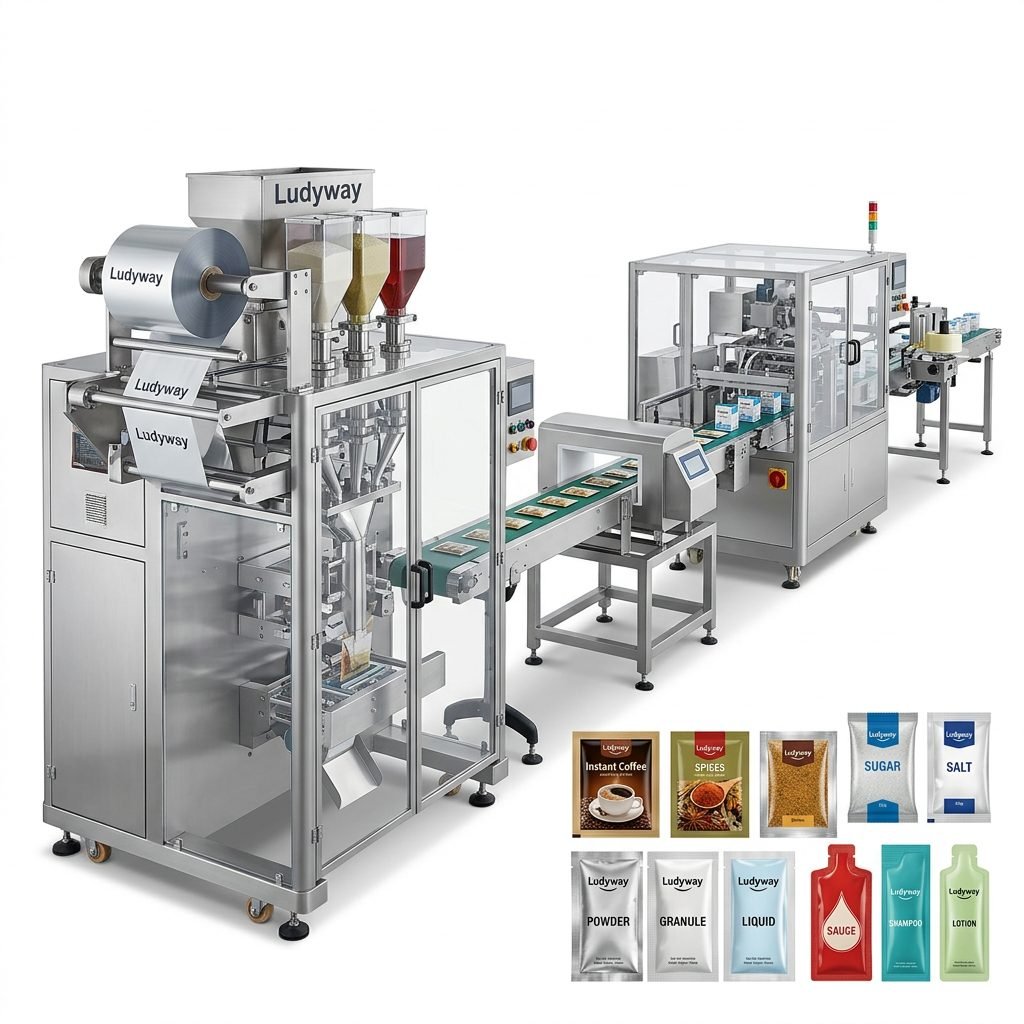
| Integrated Packaging Lines | Large manufacturers with automated workflows | Connected to upstream/downstream equipment, high throughput |
Selecting the correct category depends heavily on your daily production volume, the variety of products you ship, and your existing packaging infrastructure. A PMMI business intelligence report on packaging machinery trends highlights that on-demand air cushion systems are becoming the preferred choice for operations seeking both flexibility and waste reduction.
Key Factors to Evaluate When Choosing a Bubble Wrap Machine
Not all bubble wrap packing machines are created equal. The following factors should guide your evaluation process to ensure the equipment aligns with your specific operational requirements.
Production Speed and Output Capacity
One of the first questions to ask is how many meters of bubble film you need per hour. Production speed is measured in meters per minute (m/min) and varies significantly across models. A machine that cannot keep pace with your packing stations becomes a bottleneck. Conversely, over-specifying speed for a low-volume operation results in unnecessary capital expenditure. Match the machine’s rated output to your peak shipping demand rather than average throughput to accommodate seasonal surges.
Film Compatibility and Bubble Size Options
Consider the range of bubble sizes and film types the machine can process. Common bubble diameters include 10mm, 20mm, and 32mm, each suited to different levels of impact protection. The machine should be compatible with the film materials you intend to use — whether standard polyethylene, anti-static film for electronics, or biodegradable options for sustainability goals. Multi-format capability is valuable if you package products of varying fragility.
Machine Footprint and Facility Integration
Floor space is a premium resource in most facilities. Measure the available area carefully and compare it against the machine’s dimensions. Some models are designed for benchtop placement, while others require dedicated floor space with clearance for operator access and maintenance. Also assess how easily the machine integrates with your existing conveyor systems, packing tables, and material handling equipment. A compact, modular design often provides greater placement flexibility.
Automation and Control Features
Modern bubble wrap packing machines offer varying degrees of automation. Look for:
- Programmable length settings for repeatable, consistent sheet production
- Automatic film tension control to prevent jams and ensure uniform bubble formation
- Sensor-based material detection that alerts operators when film rolls need replacement
- Multi-mode operation allowing quick switching between different bubble sizes or formats
- Data logging and performance monitoring for operational analytics and maintenance scheduling
Energy Efficiency and Operating Costs
Beyond the purchase price, evaluate the total cost of ownership. Energy-efficient motors, optimized heating elements, and intelligent standby modes can significantly reduce electricity consumption. Additionally, machines that minimize film waste through precise cutting and sealing mechanisms contribute to lower material costs over time. Request energy consumption data from manufacturers and calculate projected annual operating expenses before committing.
Industry-Specific Considerations
Different industries impose unique requirements on protective packaging equipment. Understanding these nuances helps narrow your options.
| Industry | Special Requirements | Recommended Features |
|---|---|---|
| Electronics & Semiconductors | ESD protection, clean-room compatibility | Anti-static film support, enclosed operation |
| Medical Devices & Pharmaceuticals | Sterility, validation documentation, traceability | GMP-compliant design, batch recording capability |
| E-Commerce & Fulfillment | High variability, rapid format changes | Quick-change tooling, wide film compatibility |
| Automotive & Heavy Parts | Heavy-duty cushioning, large sheet sizes | Large bubble profiles, robust construction |
The Flexible Packaging Association’s industry resources provide valuable data on material trends and regulatory changes that may affect your packaging choices. Staying informed about these developments helps future-proof your equipment investment.
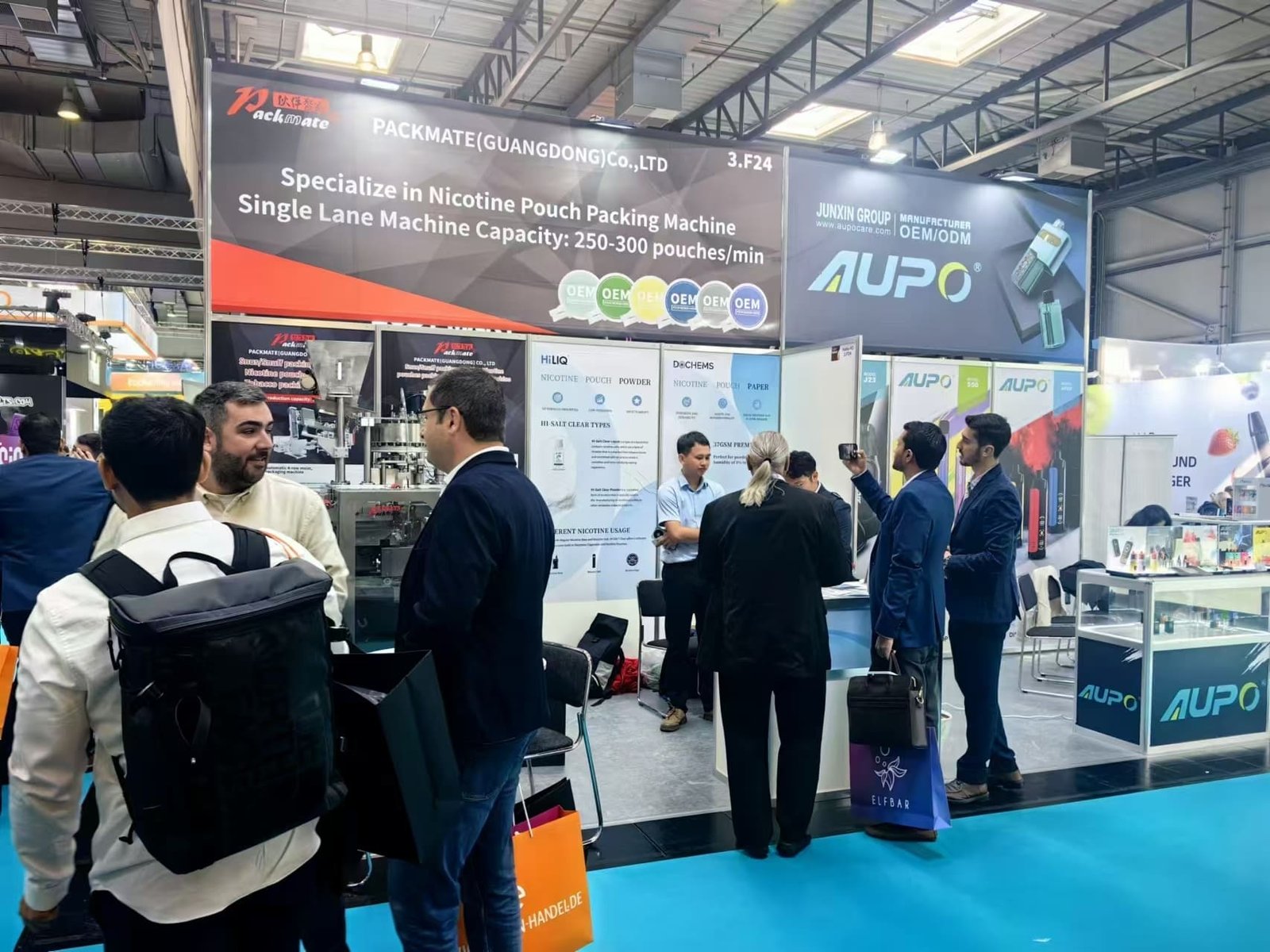
The Value of Customized Packaging Solutions
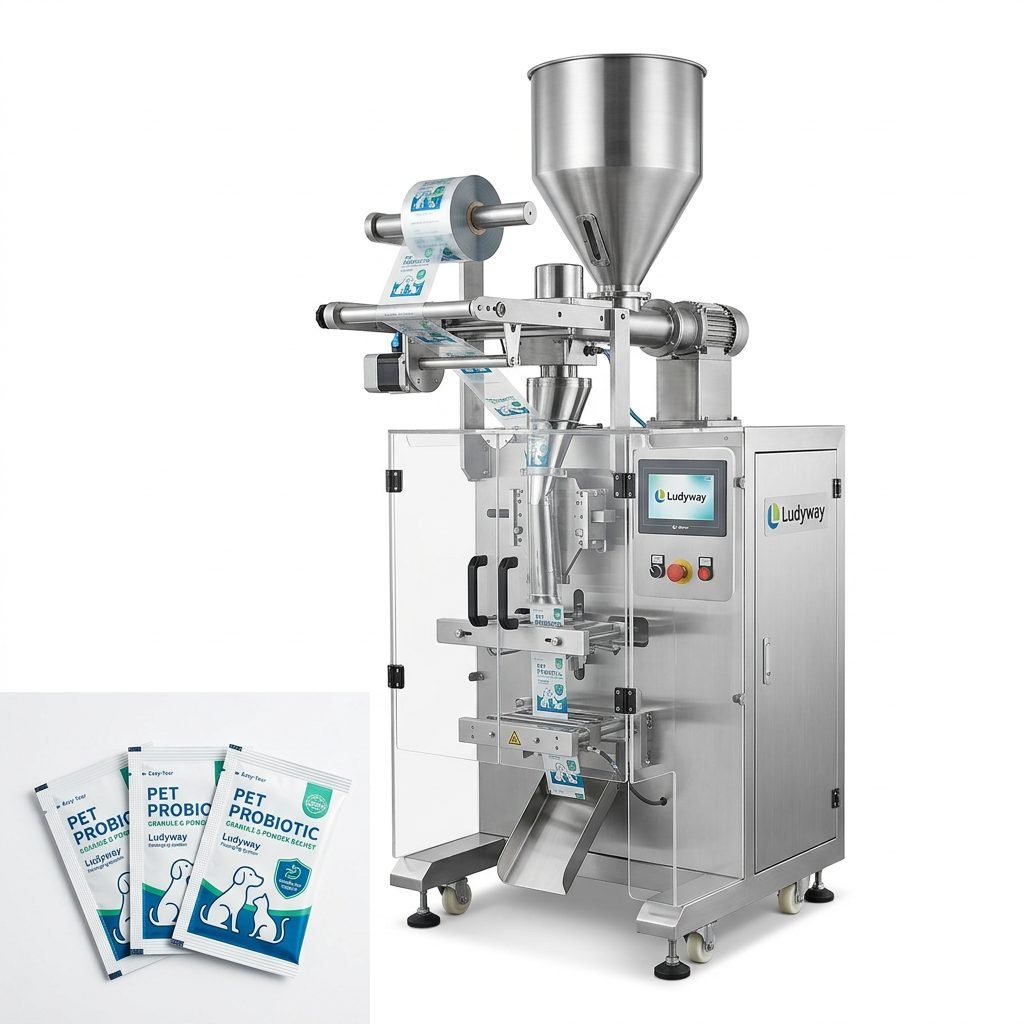
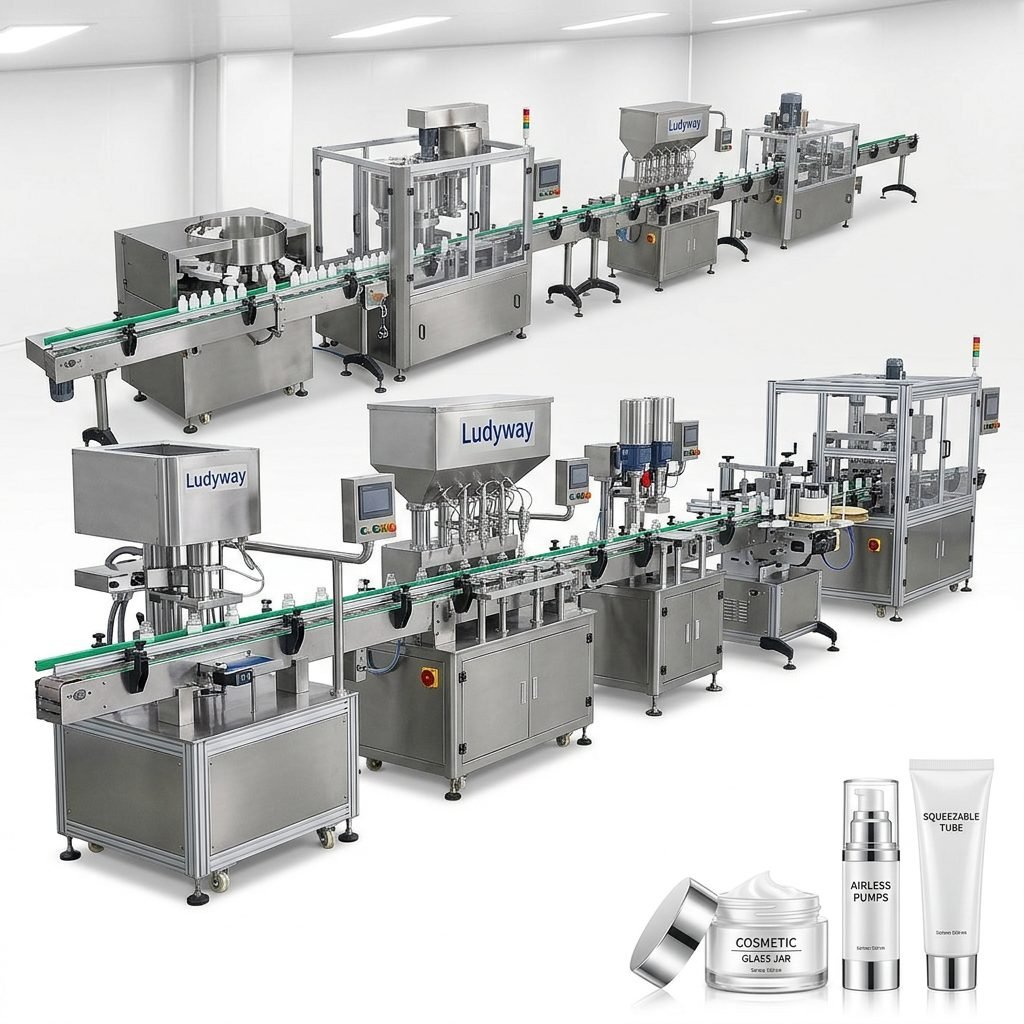
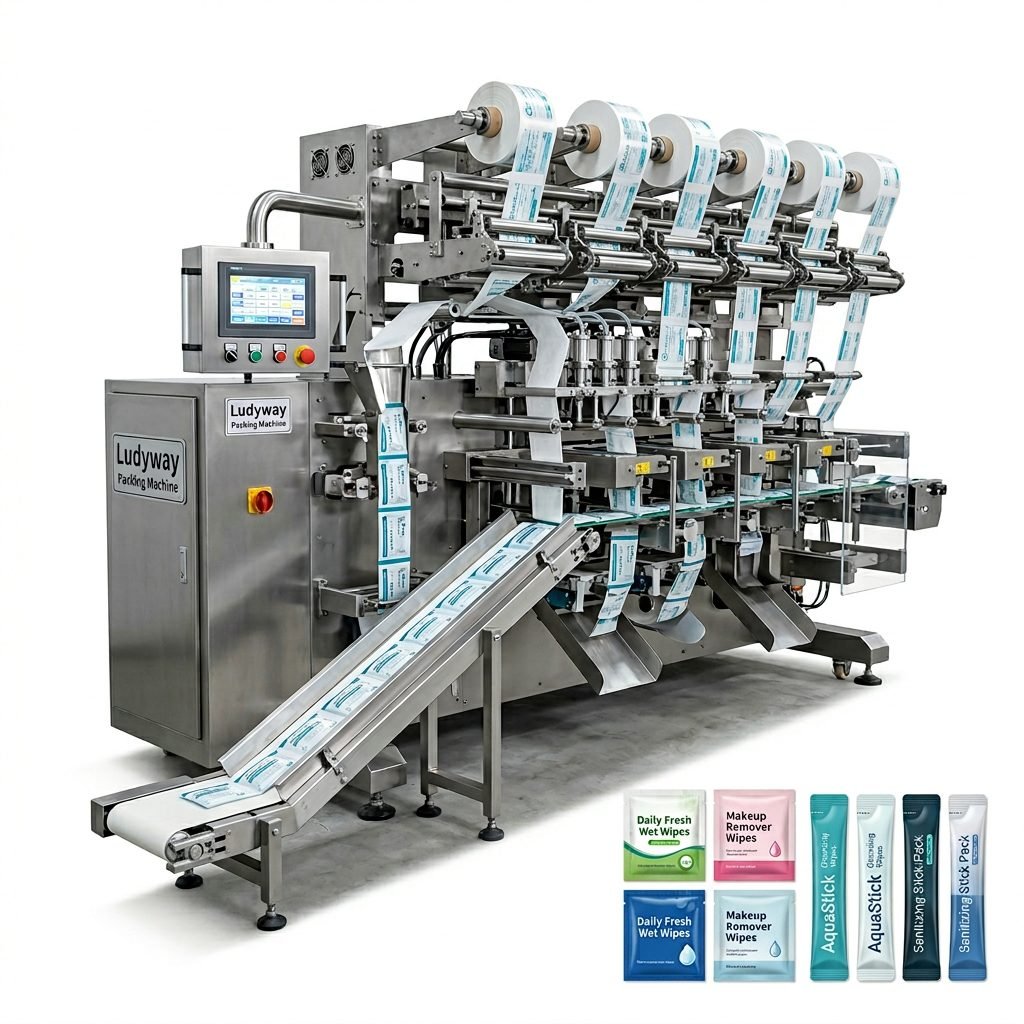
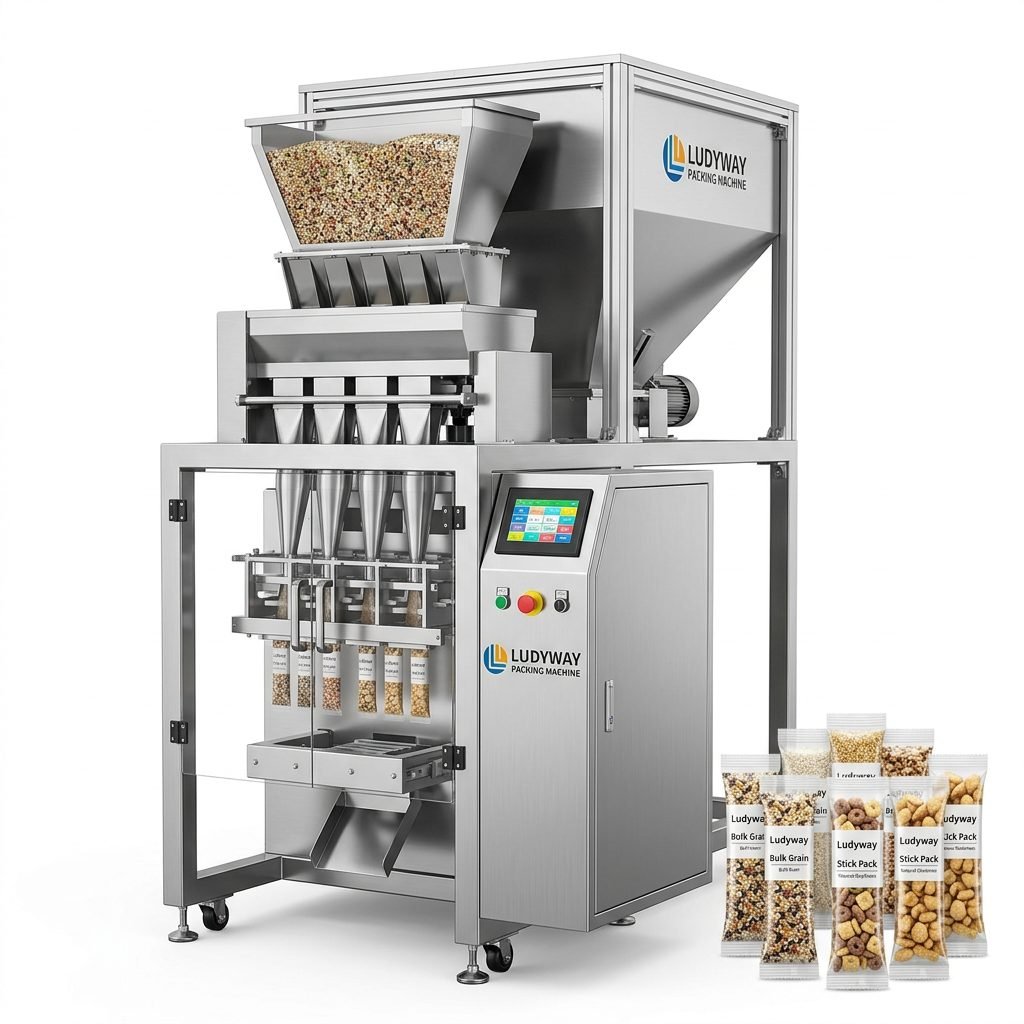
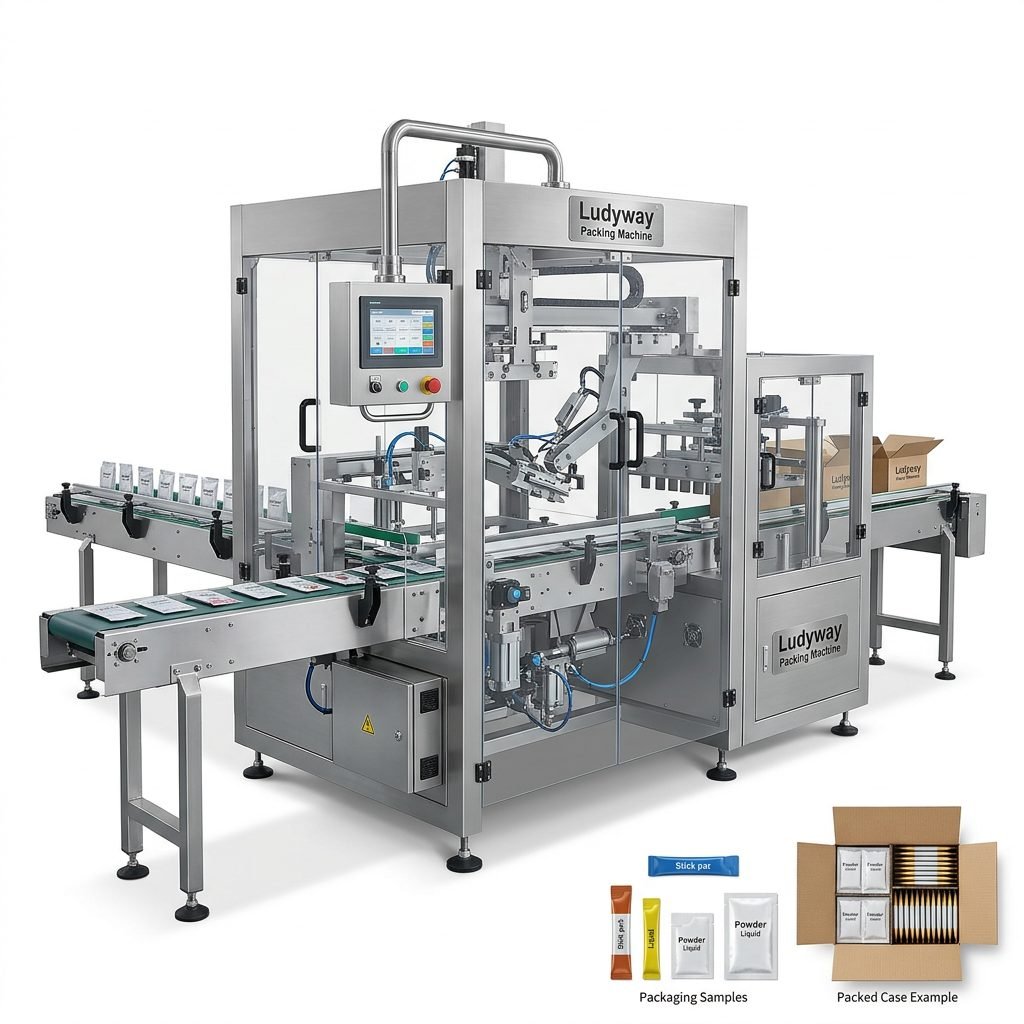
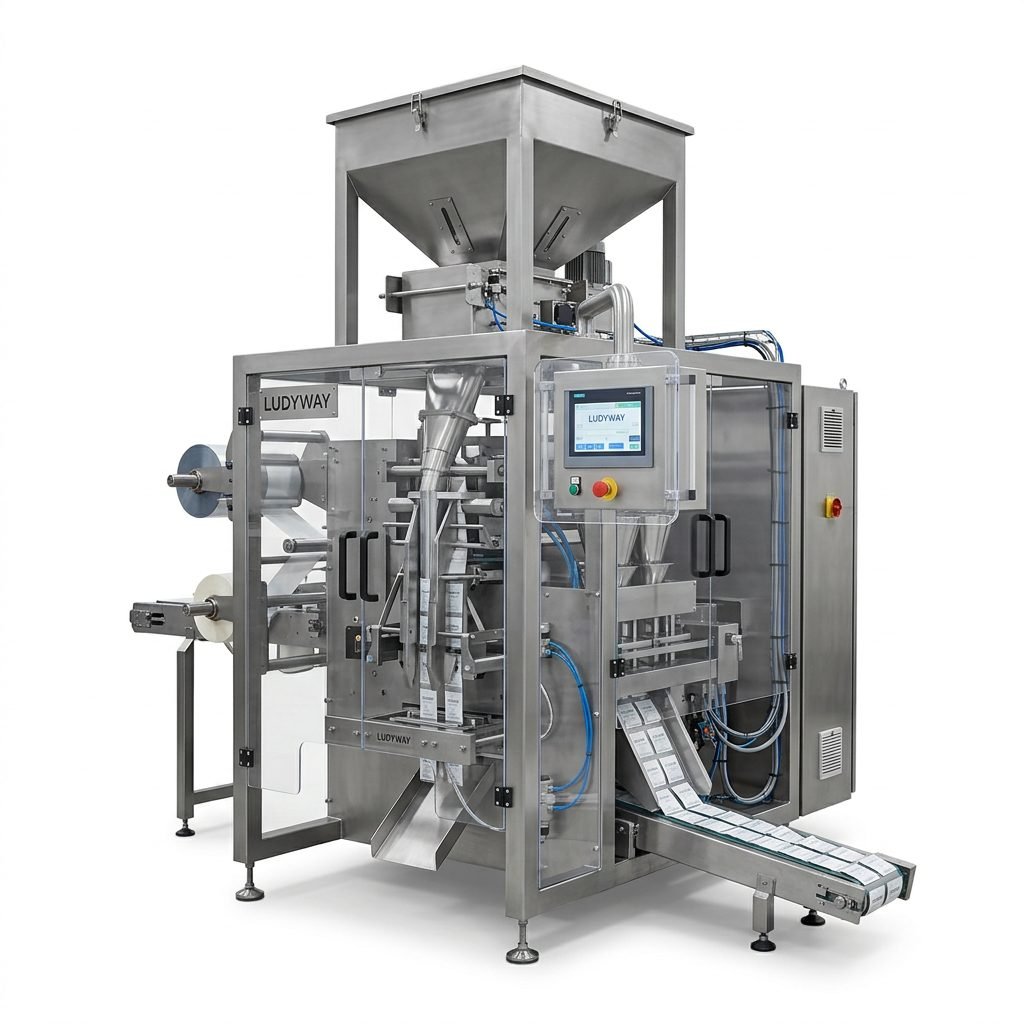
Packaging requirements vary significantly between manufacturers. Product characteristics, packaging materials, production speeds, factory layouts, and automation requirements all affect the appropriate machine configuration. For this reason, working with a supplier that provides customized packaging machinery and engineering solutions — rather than relying only on standardized machines — is often the most effective approach. A qualified technical team can evaluate your product and packaging requirements and recommend an appropriate machine configuration or complete packaging line.
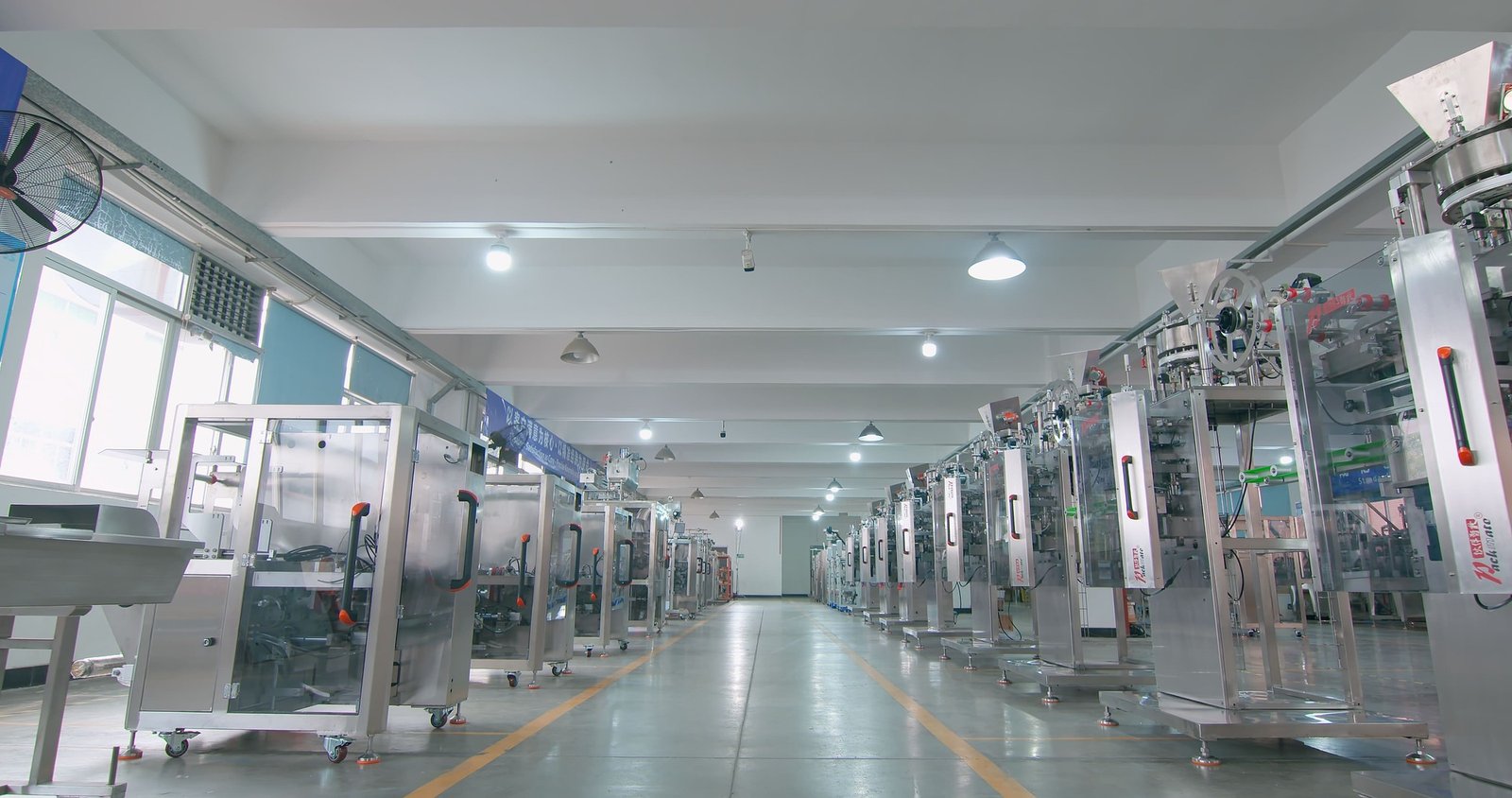
This customized approach is particularly valuable for manufacturers looking to increase production capacity, automate manual packaging processes, introduce new packaging formats, or integrate bubble wrap equipment into an existing production line. Ludyway Machinery, a China-based packaging machinery manufacturer with over 30 years of industry experience, exemplifies this approach by providing customized equipment and turnkey solutions tailored to specific customer requirements rather than offering only standardized models. Their technical team works with customers to select and configure suitable packaging technologies according to product characteristics and production goals.
Quality Standards and Certifications
When evaluating a bubble wrap packing machine, verify that the manufacturer adheres to relevant international standards. Key certifications and compliance benchmarks include:
- CE marking for machines sold in the European Economic Area
- UL certification for electrical safety in North American markets
- ISO 9001 quality management system certification for the manufacturer
- GMP compliance features for pharmaceutical and food-grade applications
- RoHS and REACH compliance for material safety
Refer to ISO packaging standards for detailed guidance on international requirements. Machines designed and built to recognized standards typically offer superior reliability, safety, and longevity.
After-Sales Support and Service Considerations
The relationship with your equipment supplier does not end at installation. Comprehensive after-sales support can make the difference between sustained productivity and costly downtime. Prioritize manufacturers and distributors that offer:
- Installation and commissioning services performed by qualified technicians
- Operator training programs to maximize machine utilization and minimize errors
- Preventive maintenance plans with scheduled inspections and parts replacement
- Readily available spare parts with guaranteed delivery timelines
- Remote technical assistance for rapid troubleshooting and issue resolution
- Warranty coverage with clearly defined terms, duration, and exclusions
A supplier with established global service capabilities and engineering expertise can provide support throughout the equipment lifecycle — from initial machine selection and packaging solution design through to ongoing technical assistance and upgrades.
Balancing Cost and Long-Term Value
While the initial purchase price is an important consideration, it should not dominate the decision-making process. A lower-priced machine that incurs higher operating costs, requires frequent repairs, or lacks flexibility can ultimately prove more expensive than a premium model with superior efficiency and durability. Evaluate the total lifecycle cost, including energy consumption, film waste, maintenance parts, and expected service life. Request references from existing customers and, where possible, arrange a factory acceptance test or live demonstration to observe the machine’s performance under real operating conditions.
Selecting the right bubble wrap packing machine is a process that rewards thorough research and careful specification matching. By systematically assessing your production requirements, understanding the available machine types, and partnering with an experienced, quality-focused manufacturer, you can secure equipment that delivers reliable protection, operational efficiency, and lasting value.