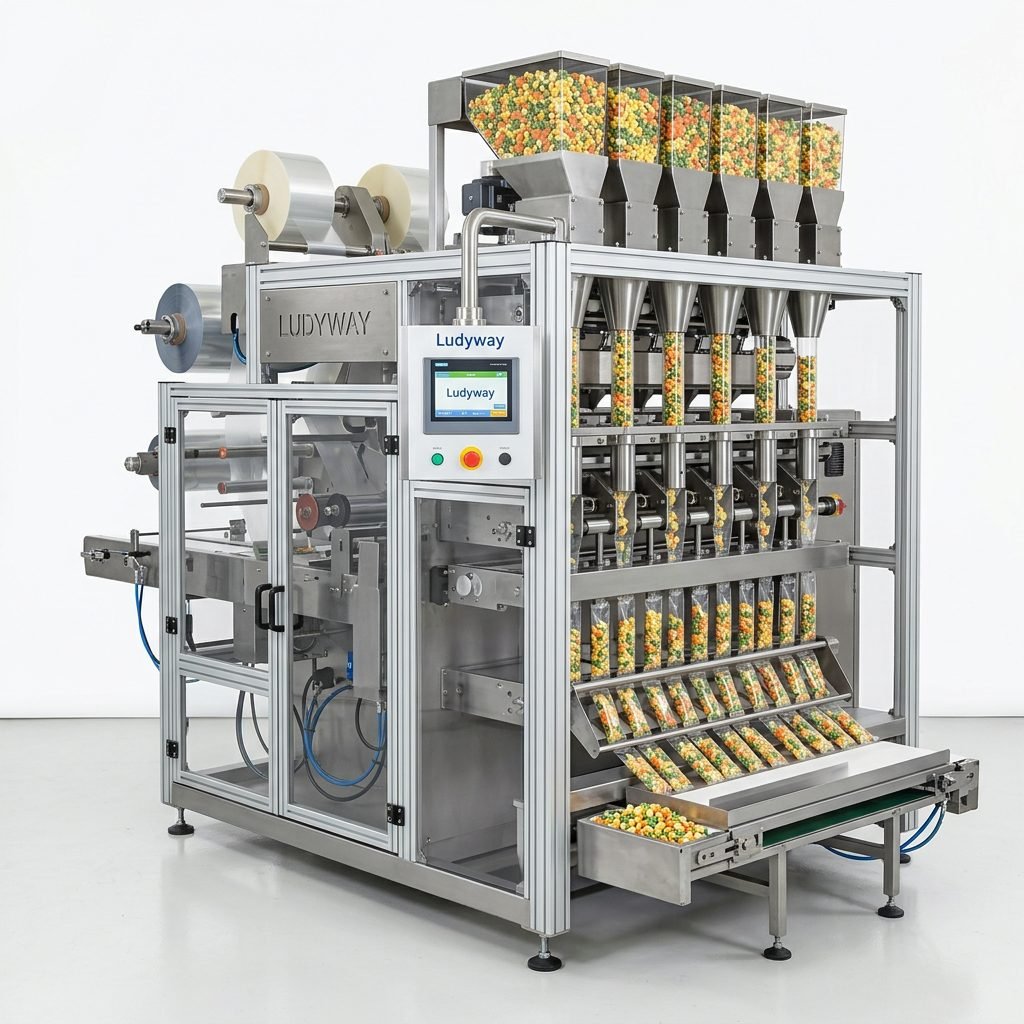
Investing in a manual blister packing machine is a strategic decision for small to medium-scale pharmaceutical, nutraceutical, and consumer goods manufacturers. Whether you are launching a new product line or seeking a cost-effective alternative to fully automatic systems, understanding the nuances of manual blister packaging equipment is essential. This comprehensive buyer’s guide walks you through every critical factor — from machine types and material compatibility to production capacity and long-term reliability — so you can make an informed purchasing decision.
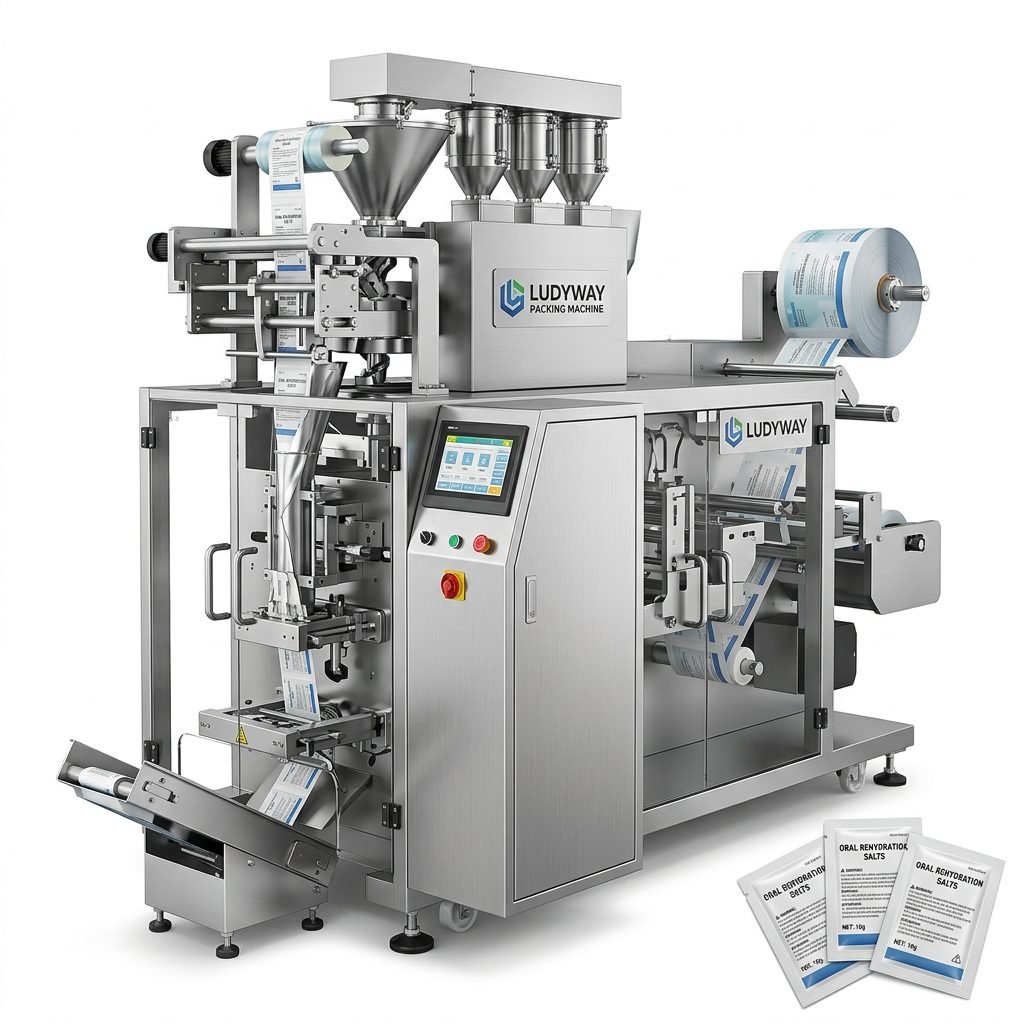
Understanding Manual Blister Packing Machines
A manual blister packing machine is a mechanically or semi-mechanically operated device that forms, fills, and seals blister packs using human intervention for key operations. Unlike fully automated packaging systems, manual machines offer simplicity, lower upfront investment, and flexibility — making them ideal for short production runs, clinical trial batches, and startups entering the packaging arena.
Blister packs serve dual purposes: protecting products from moisture, oxygen, and contamination while showcasing them attractively on retail shelves. The most common applications include pharmaceutical tablets, capsules, medical devices, and small consumer goods. Understanding what a manual blister packer can and cannot do is the first step toward choosing the right equipment.
Key Components of a Manual Blister Packaging System
- Forming station — where flat plastic film is heated and shaped into cavities using a mold or die
- Feeding area — where operators manually load products into formed cavities
- Sealing station — where lidding foil or film is heat-sealed onto the filled blister card
- Cutting or trimming unit — where individual blister packs are separated from the master sheet
- Frame and control panel — providing structural support and operational controls for parameters such as temperature and sealing pressure
Assessing Your Production Requirements
Before evaluating specific machine models, you must clearly define your production needs. A manual blister packing machine is best suited for operations where output demands are moderate and product changeovers are frequent. Consider the following questions to narrow your options effectively.
Expected Output and Cycle Time
Manual blister machines typically produce 500 to 5,000 blister packs per shift, depending on operator skill, cavity configuration, and product characteristics. Calculate your daily or weekly production targets and compare them against the rated output of different models. Remember that actual throughput is often lower than theoretical maximums due to loading time, material changes, and quality checks.
Product Dimensions and Cavity Design
The physical size and shape of your product dictate cavity dimensions. Tablets, capsules, ampoules, syringes, and irregularly shaped items each require specific forming molds. Many suppliers offer custom mold design services for specialized packaging applications. Ensure the machine you select can accommodate your current product portfolio and has the flexibility to add new cavity configurations as your product line expands.
Material Compatibility and Specifications
Blister packaging relies on two primary materials: the forming film (typically PVC, PVDC, PET, or aluminum) and the lidding material (usually aluminum foil, paper-backed foil, or plastic film). Not all manual blister packing machines handle every material combination effectively. Material thickness, heat-sealing characteristics, and rigidity requirements vary significantly across product categories.
Common Forming Materials and Their Applications
| Material | Typical Thickness | Best Applications |
|---|---|---|
| PVC (Polyvinyl Chloride) | 200-300 microns | General pharmaceutical tablets, standard barrier requirements |
| PVDC-Coated PVC | 250-350 microns | Moisture-sensitive products, extended shelf life |
| PET (Polyester) | 250-400 microns | High-clarity packaging, eco-friendly options |
| Aluminum (Cold-Form) | 45-60 microns | Maximum barrier protection, light-sensitive products |
| PP (Polypropylene) | 200-350 microns | Sterilizable applications, medical devices |
Sealing Temperature and Pressure Control
Precise control over sealing parameters is non-negotiable for consistent blister pack quality. Look for machines with adjustable temperature controllers, digital displays, and uniform heat distribution across the sealing platen. Inconsistent sealing leads to leaks, product contamination, and costly recalls. The Flexible Packaging Association provides extensive resources on material compatibility and seal integrity testing.
Machine Build Quality and Durability
A manual blister packing machine is a long-term investment, and build quality directly affects reliability, maintenance costs, and lifespan. Premium machines feature stainless steel construction for product-contact surfaces, corrosion-resistant frames, and precision-machined components. Examine the following aspects when evaluating build quality.
Frame and Structural Integrity
- Rigid steel or aluminum alloy frames that minimize vibration during operation
- Corrosion-resistant coatings for pharmaceutical environments requiring frequent cleaning
- Stable footprint design with leveling feet for uneven factory floors
- Reinforced sealing platens that maintain parallelism over thousands of cycles
Tooling and Mold Quality
Forming and sealing tooling represents the heart of any blister packaging machine. High-quality molds are machined from hardened tool steel or aircraft-grade aluminum with tight tolerances. Poor-quality tooling results in inconsistent cavity formation, material wastage, and frequent downtime. Always inquire about the material specifications, heat treatment processes, and expected tooling lifespan before committing to a purchase.
Operational Ease and Operator Training Requirements
Manual blister packing machines depend heavily on operator proficiency. Machines designed with ergonomic considerations, clear control interfaces, and simplified changeover procedures reduce the learning curve and minimize errors. Features such as quick-release mold systems, tool-free adjustments, and intuitive temperature controls significantly improve daily operational efficiency.
Changeover Flexibility
If your production involves multiple blister formats, changeover speed becomes a critical factor. The best manual blister machines allow operators to switch between different cavity molds and sealing tools in under 15 minutes. Look for modular tooling designs, color-coded components, and detailed changeover documentation. Reduced downtime between product runs translates directly to higher overall equipment effectiveness.
Compliance with Industry Standards
Pharmaceutical and medical device packaging must meet stringent regulatory requirements. Depending on your target market, your manual blister packing machine may need to comply with FDA packaging regulations, ISO 11607 standards for medical device packaging, or European packaging directives. Verify that the machine design supports current Good Manufacturing Practices (cGMP), including accessible cleaning areas, validated sealing processes, and documentation capabilities.
Documentation and Validation Support
- Installation Qualification (IQ) documentation packages
- Operational Qualification (OQ) protocols and test results
- Performance Qualification (PQ) templates for blister seal integrity
- Material certificates for product-contact components
- Calibration certificates for temperature and pressure sensors
Cost Considerations Beyond the Purchase Price
The initial price of a manual blister packing machine represents only part of the total cost of ownership. Savvy buyers evaluate the complete financial picture, including tooling costs, material consumption rates, maintenance expenses, and potential downtime. A seemingly inexpensive machine can become costly if it wastes packaging materials or requires frequent repairs.
Total Cost of Ownership Breakdown
| Cost Category | Typical Percentage | Key Variables |
|---|---|---|
| Initial machine purchase | 40-55% | Machine size, features, brand reputation |
| Tooling and molds | 15-25% | Number of cavity formats, custom designs |
| Consumables (film, foil) | 15-20% annually | Material type, waste rates, production volume |
| Maintenance and spare parts | 5-10% annually | Machine complexity, usage intensity |
| Operator training | 2-5% | Workforce skill level, documentation quality |
Supplier Selection and After-Sales Support
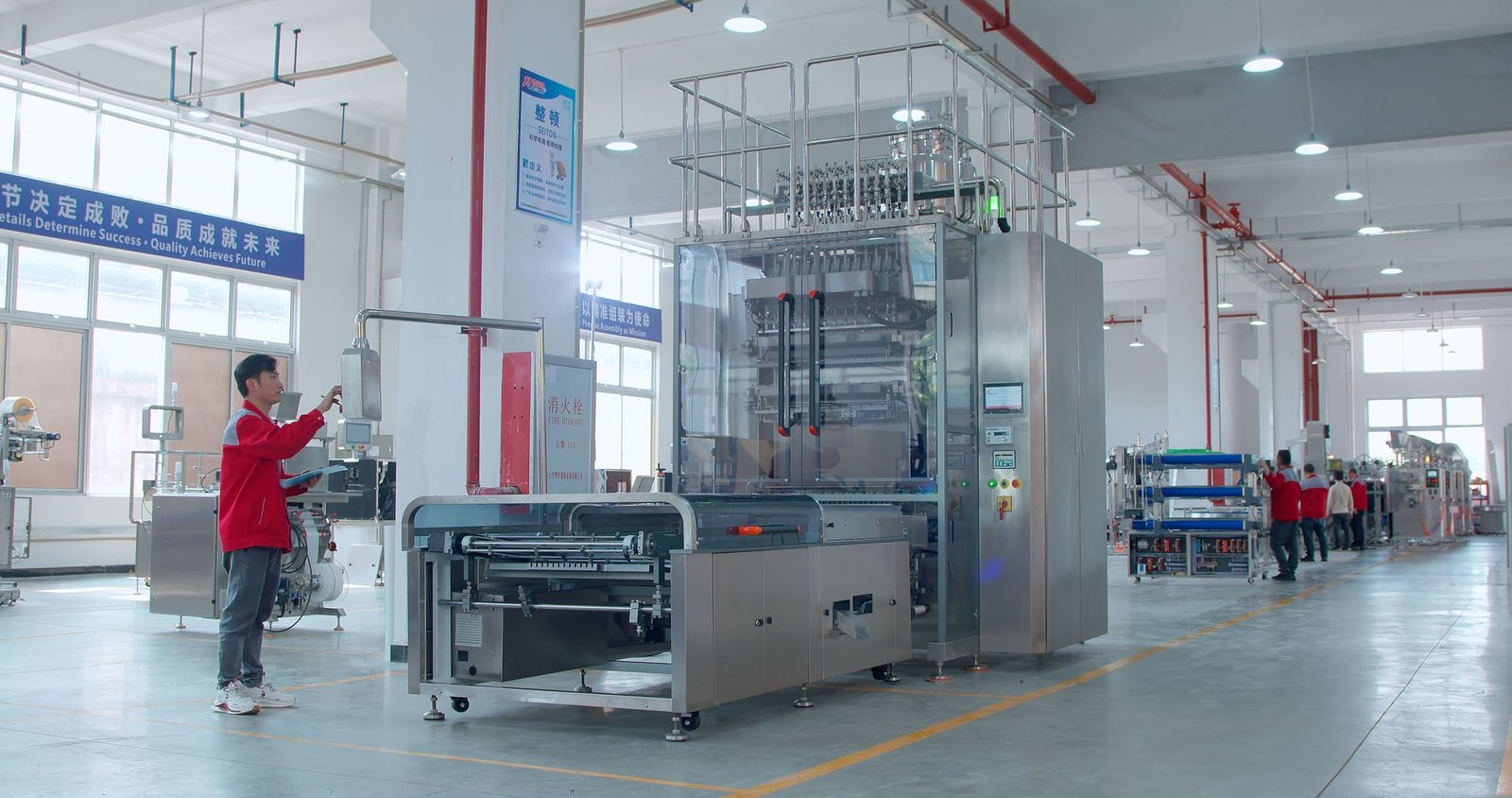
Choosing the right supplier is as important as choosing the right machine. A reputable packaging machinery manufacturer provides more than equipment — they deliver technical guidance, responsive support, and long-term partnership. Ludyway Machinery, with over 30 years of packaging industry experience and a 20,000-square-meter manufacturing facility, exemplifies the comprehensive approach buyers should look for: from machine selection and configuration to installation, commissioning, operator training, and ongoing spare parts support.
Key Questions to Ask Potential Suppliers
- How many manual blister machines have you manufactured and installed?
- Can you provide references from similar industries or applications?
- What is the standard warranty period, and what does it cover?
- Do you offer on-site installation and operator training services?
- How quickly can you supply spare parts and replacement tooling?
- Is remote technical support available for troubleshooting?
- Do you provide documentation for regulatory compliance?
Comparing Manual vs. Semi-Automatic Blister Machines
As your production scales, you may consider upgrading from a fully manual system to a semi-automatic configuration. Understanding the differences helps future-proof your investment and informs your current purchasing decision. The table below highlights the key distinctions between manual and semi-automatic blister packaging equipment.
| Feature | Manual Blister Machine | Semi-Automatic Blister Machine |
|---|---|---|
| Product feeding | Hand-loaded by operator | Assisted feeding with automated alignment |
| Sealing cycle | Manually initiated per cycle | Automated cycling with manual material placement |
| Output per shift | 500-5,000 blister packs | 3,000-12,000 blister packs |
| Changeover time | 10-20 minutes | 15-30 minutes |
| Investment level | Lower upfront cost | Moderate upfront cost |
| Best for | Startups, R&D, short runs | Growing businesses, medium-volume production |
Maintenance and Longevity Best Practices
A well-maintained manual blister packing machine can deliver reliable service for 10-15 years or longer. Establishing a preventive maintenance schedule, training operators thoroughly, and using high-quality packaging materials all contribute to extended equipment life. Regular inspection of heating elements, sealing platens, pneumatic components (where applicable), and mechanical linkages prevents unexpected breakdowns and ensures consistent blister pack quality.
Daily, Weekly, and Monthly Maintenance Checklist
- Daily: Clean forming and sealing surfaces, inspect for material residue, verify temperature calibration
- Weekly: Lubricate moving parts, check electrical connections, inspect mold alignment
- Monthly: Examine heating element condition, test sealing pressure uniformity, review wear on cutting blades
- Quarterly: Comprehensive mechanical inspection, recalibrate sensors, replace worn consumable parts
- Annually: Full machine overhaul, including electrical system testing and structural integrity assessment

Environmental and Sustainability Considerations
Modern packaging operations increasingly prioritize sustainability. When selecting a manual blister machine, consider its compatibility with eco-friendly materials such as recyclable PET, bio-based polymers, and reduced-thickness films. The Flexible Packaging Association’s sustainability resources provide guidance on material choices that balance environmental goals with product protection requirements. Machines with precise temperature controls minimize material waste during startups and changeovers, contributing to both cost savings and environmental responsibility.
Making the Final Decision
After evaluating all the factors discussed in this guide — production requirements, material compatibility, build quality, compliance needs, total cost of ownership, and supplier reliability — you will be well-positioned to select the right manual blister packing machine for your operation. The ideal machine balances current needs with future growth potential, offers reliable after-sales support, and meets the regulatory standards of your target markets. Take your time during the evaluation process, request live demonstrations whenever possible, and speak directly with existing users to validate performance claims before making your final purchase.
For more information on packaging machinery trends and industry benchmarks, explore the 2026 Packaging State of the Industry report from PMMI, which offers valuable data on market growth, technology adoption, and investment patterns across the packaging sector.