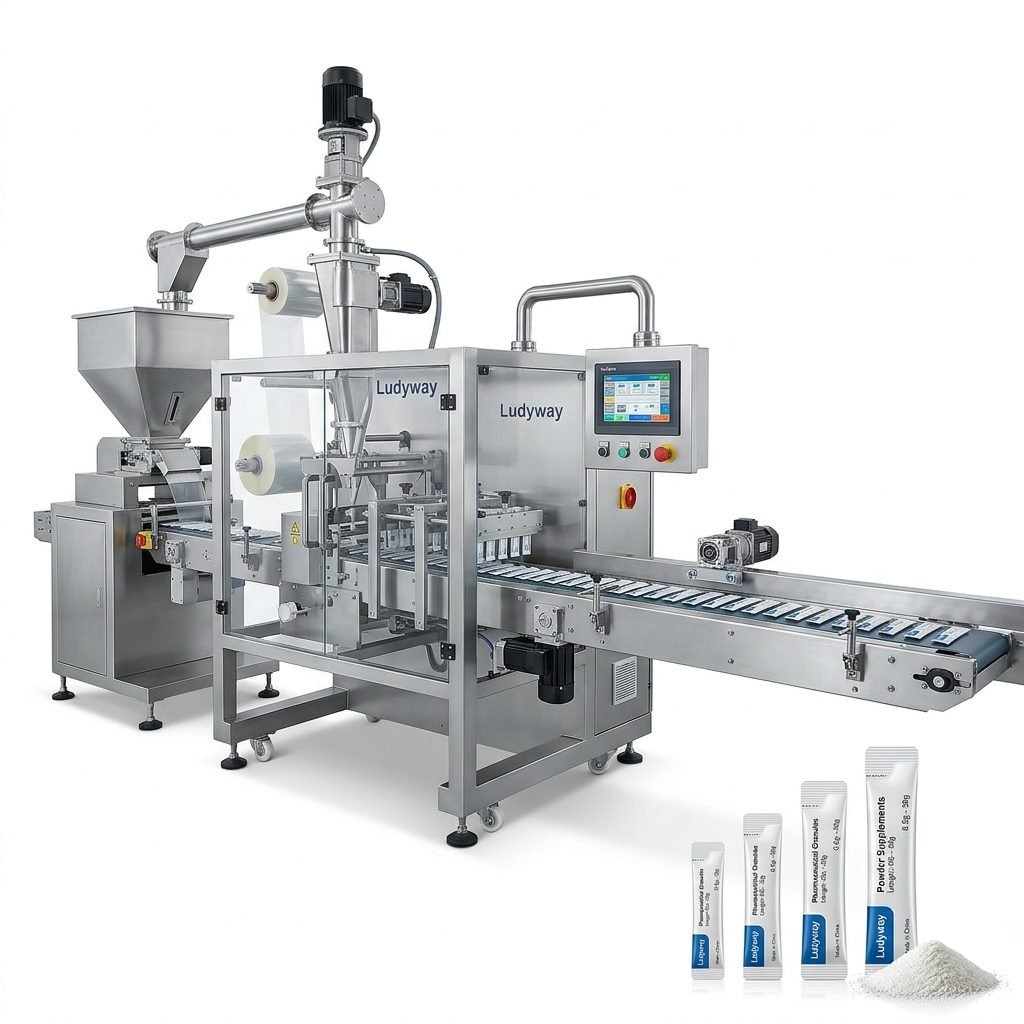
Selecting the right bulk bag packing machine is a critical decision that directly impacts your production efficiency, product quality, and long-term operational costs. Whether you are packaging powders, granules, or other free-flowing materials, the equipment you choose must align with your specific product characteristics, throughput requirements, and facility layout. This guide walks you through the essential factors to evaluate before making your investment.
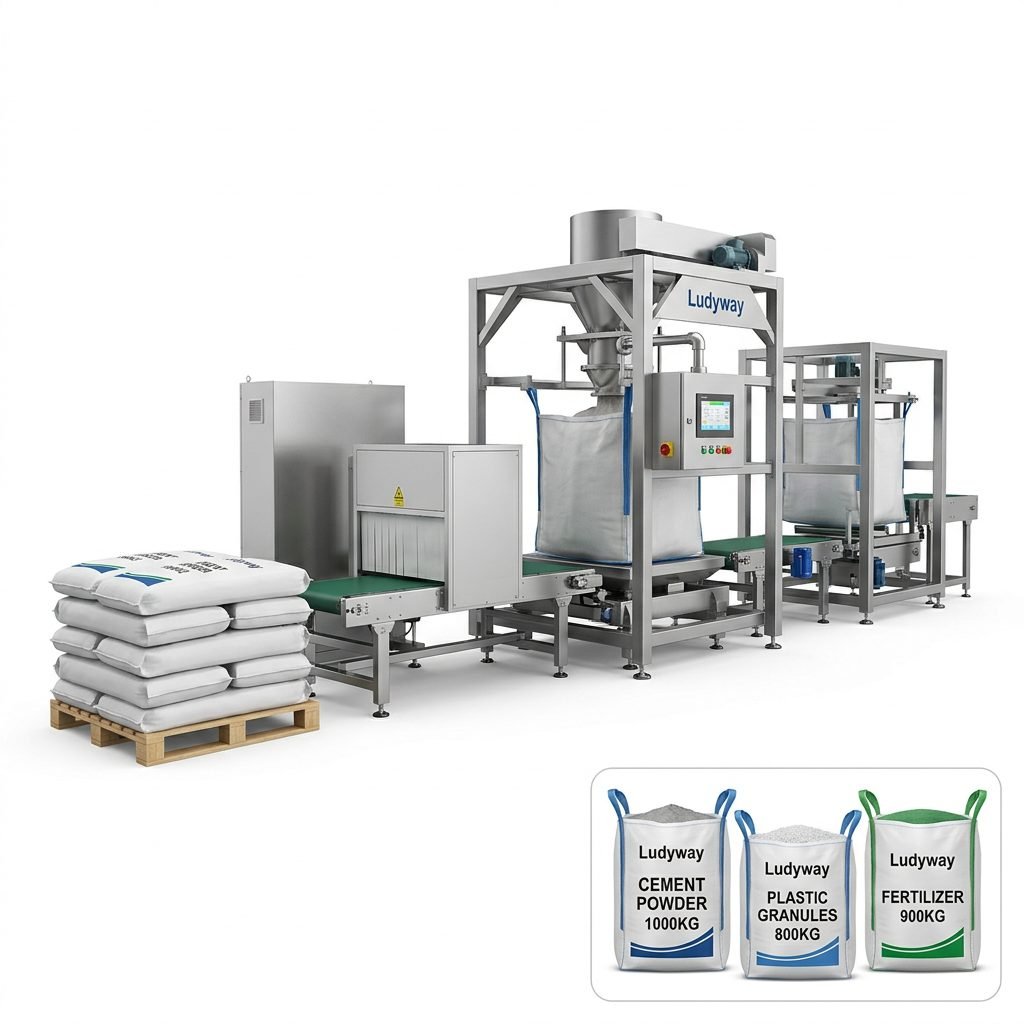
Understanding Your Bulk Bag Filling Requirements
Before comparing machine specifications, you need to define your operational parameters. The ideal bulk bag packing machine should match your production volume, bag sizes, and material handling needs. Start by asking these questions:
- What is your target output rate? Machines range from semi-automatic units filling 10-15 bags per hour to fully automated systems exceeding 50 bags per hour.
- What bag dimensions and weight range will you use? Common bulk bags handle 500kg to 2000kg, but your equipment must accommodate the specific dimensions and weight capacities you require.
- What type of material are you filling? Product density, flowability, dust characteristics, and moisture content all influence the appropriate filling mechanism.
- Do you need additional features such as pallet handling, automatic bag removal, or integrated checkweighing?
Material Compatibility and Filling Mechanisms
Different products demand different filling approaches. Understanding your material’s behavior is essential for choosing a machine that maintains accuracy while preventing issues like dust generation or product degradation. The main filling types include:
| Filling Type | Best For | Key Advantages |
|---|---|---|
| Gravity Filling | Free-flowing granules, pellets | Simple design, low cost, high speed |
| Auger Filling | Powders, fine materials | High accuracy, dust control |
| Belt Conveying | Fragile granules, abrasives | Gentle handling, reduced degradation |
| Vibratory Feeding | Irregular shapes, sticky materials | Consistent flow, minimal bridging |
For companies dealing with challenging powders or materials with poor flow characteristics, consulting with a professional packaging machinery manufacturer early in the selection process can help identify the most suitable filling technology. Material testing with your actual product is highly recommended before finalizing equipment specifications.
Weighing Accuracy and Control Systems
The precision of your weighing system directly affects product giveaway, regulatory compliance, and profitability. Modern bulk bag packing machines utilize advanced load cell technology and sophisticated control algorithms to achieve high filling accuracy. Consider these weighing configurations:
Net Weigh Systems
Material is weighed in a separate hopper before being discharged into the bulk bag. This method provides superior accuracy because the weighing process is isolated from bag movement and tension. Net weigh systems are ideal for high-value products where minimizing giveaway is critical. Typical accuracy ranges from ±0.1% to ±0.5% depending on the product and speed requirements.
Gross Weigh Systems
The bulk bag is placed on a scale platform, and material is filled directly while the entire assembly is weighed. Gross weigh systems are simpler and more economical, but accuracy can be affected by bag stiffness, vibration, and environmental factors. These systems work well for less expensive materials or applications where extreme precision is not required.
Automation Levels and Integration Capabilities
According to industry data from PMMI’s business intelligence resources, manufacturers are increasingly seeking automated packaging solutions to address labor challenges and improve consistency. Bulk bag filling equipment spans a wide automation spectrum:
- Semi-automatic machines require operators to attach bags, initiate fill cycles, and remove filled bags. These are suitable for lower volume operations with flexible production schedules.
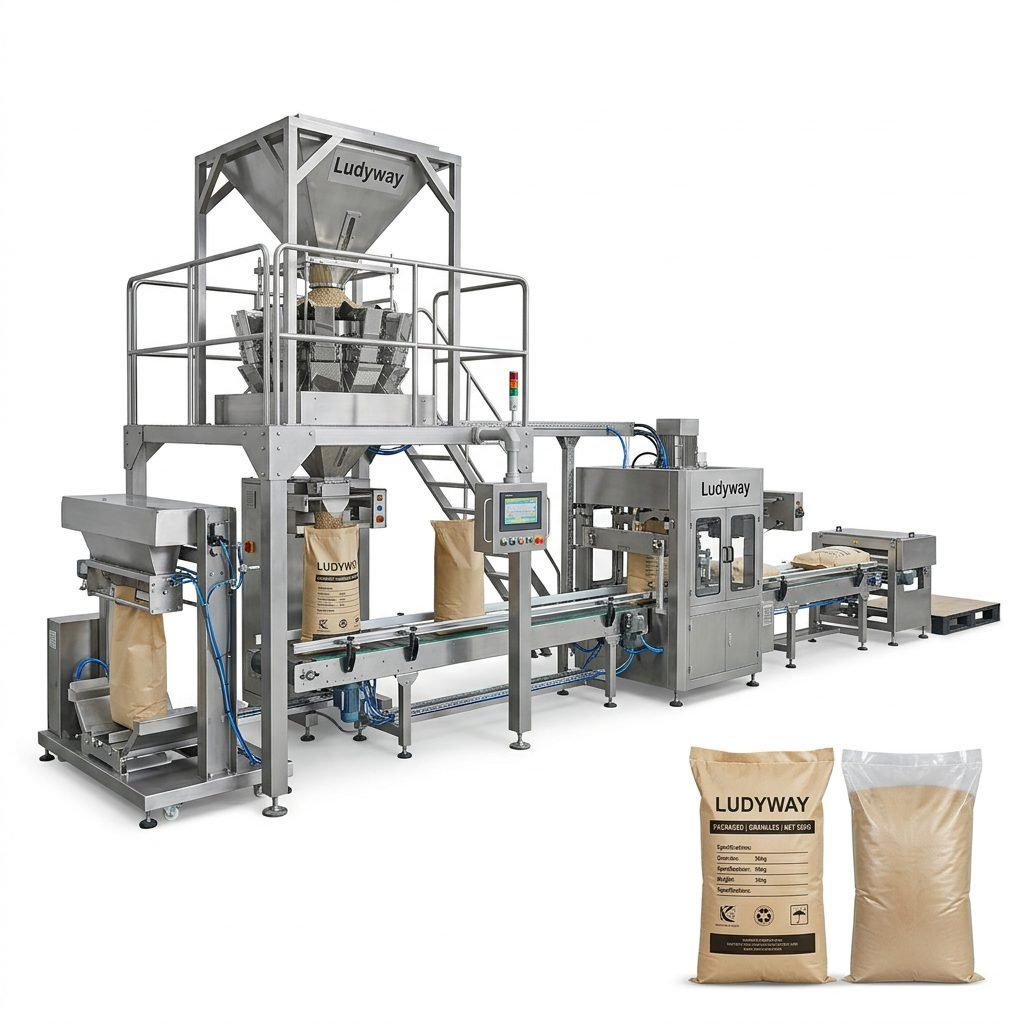
- Fully automatic systems handle bag positioning, filling, weighing, sealing, and pallet transfer with minimal operator intervention. These excel in high-volume environments where throughput and consistency are paramount.
- Integrated packaging lines connect bulk bag filling with upstream material handling equipment and downstream palletizing, stretch wrapping, and labeling systems.
When evaluating automation options, assess your current and projected production volumes, labor availability, and facility constraints. An investment in higher automation levels often delivers rapid payback through increased throughput and reduced operating costs.
Bag Handling and Security Features
Proper bag attachment and stabilization during filling are essential for safety and fill quality. Look for machines that incorporate these critical features:
- Inflatable bag spout seals that create a dust-tight connection between the filling head and bag inlet
- Bag support platforms with load cells that stabilize the bag and provide accurate weight feedback
- Automatic bag loop release systems that detach the bag from the filling head once the target weight is achieved
- Pallet dispensers and roller conveyors that position empty pallets and remove filled bags without manual handling
Dust Control and Operator Safety
Filling bulk bags with powders or dusty materials generates airborne particles that pose health risks and create housekeeping challenges. The Occupational Safety and Health Administration and similar regulatory bodies worldwide have established exposure limits for various substances. Modern bulk bag packing machines can be equipped with:
- Integrated dust collection systems with cartridge filters
- Enclosed filling cabinets with negative pressure
- Automatic bag clamping mechanisms that minimize operator proximity to the filling zone
- Deaeration systems for air-entrained products
Material Construction and Hygiene Standards
The machine’s construction materials must be compatible with your product and operating environment. For food-grade applications, stainless steel contact surfaces (typically 304 or 316L) are standard requirements. Pharmaceutical and chemical applications may require additional corrosion resistance or specialized surface finishes.
| Industry | Material Standard | Key Considerations |
|---|---|---|
| Food & Beverage | 304/316L Stainless Steel | Sanitary design, easy cleaning, FDA compliant |
| Pharmaceuticals | 316L Stainless Steel | Validated cleaning, GMP compliance |
| Chemicals | 304 Stainless / Coated Carbon Steel | Corrosion resistance, chemical compatibility |
| Agriculture | 304 Stainless / Carbon Steel | Abrasion resistance, weather protection |
Customization and Engineering Support
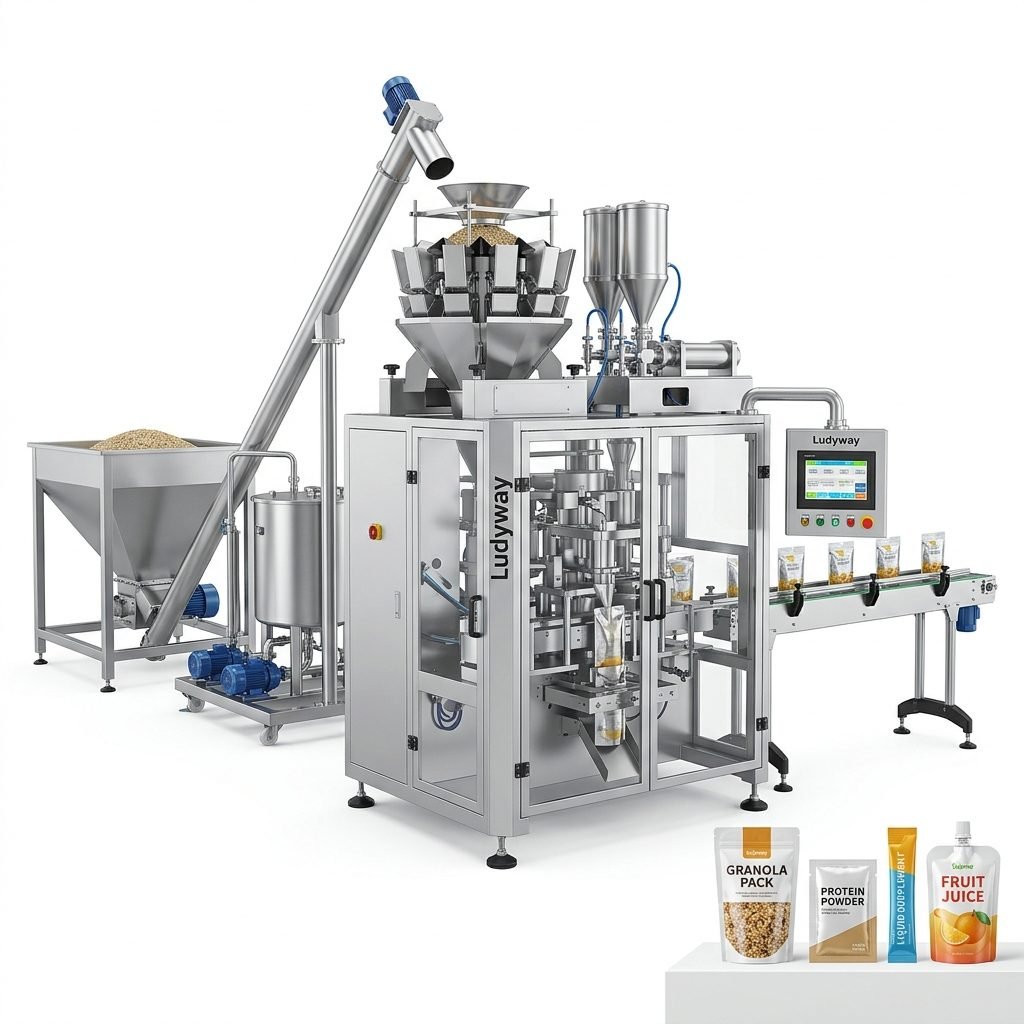
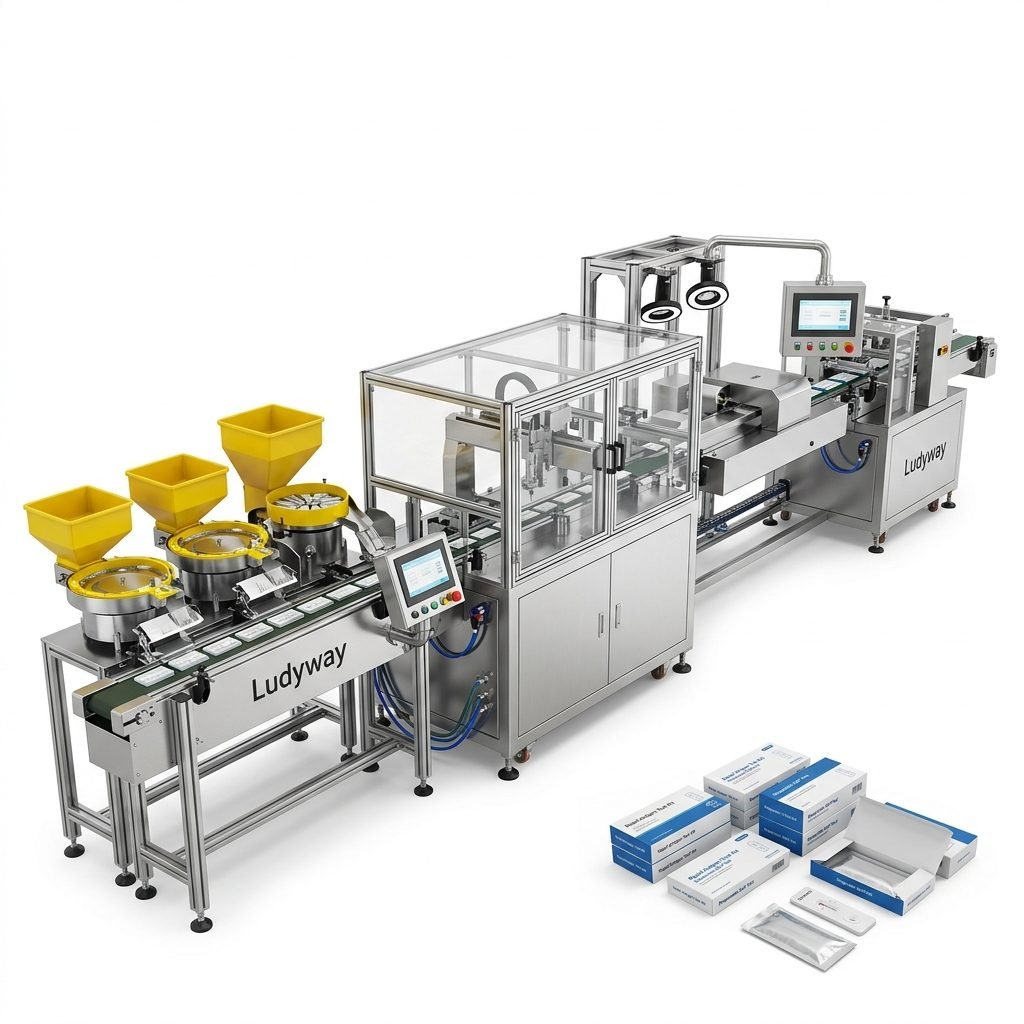
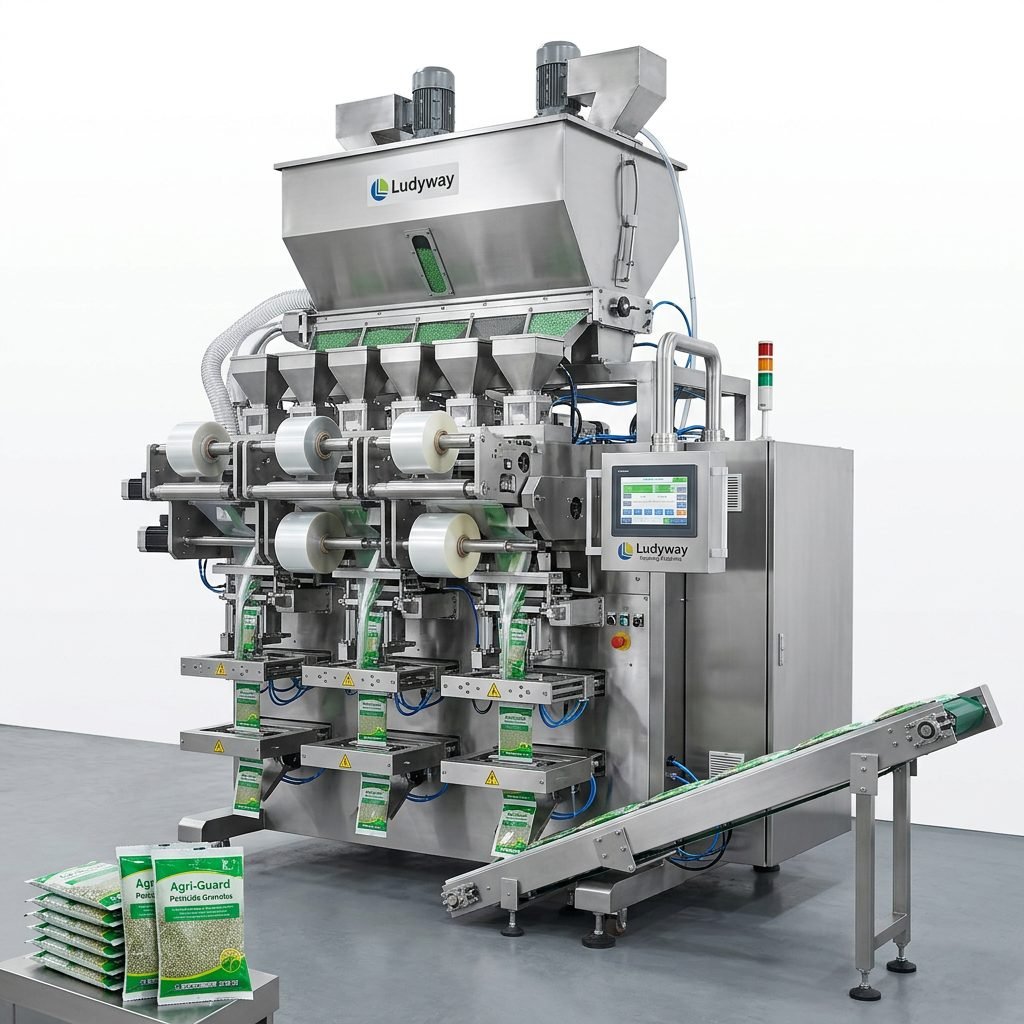
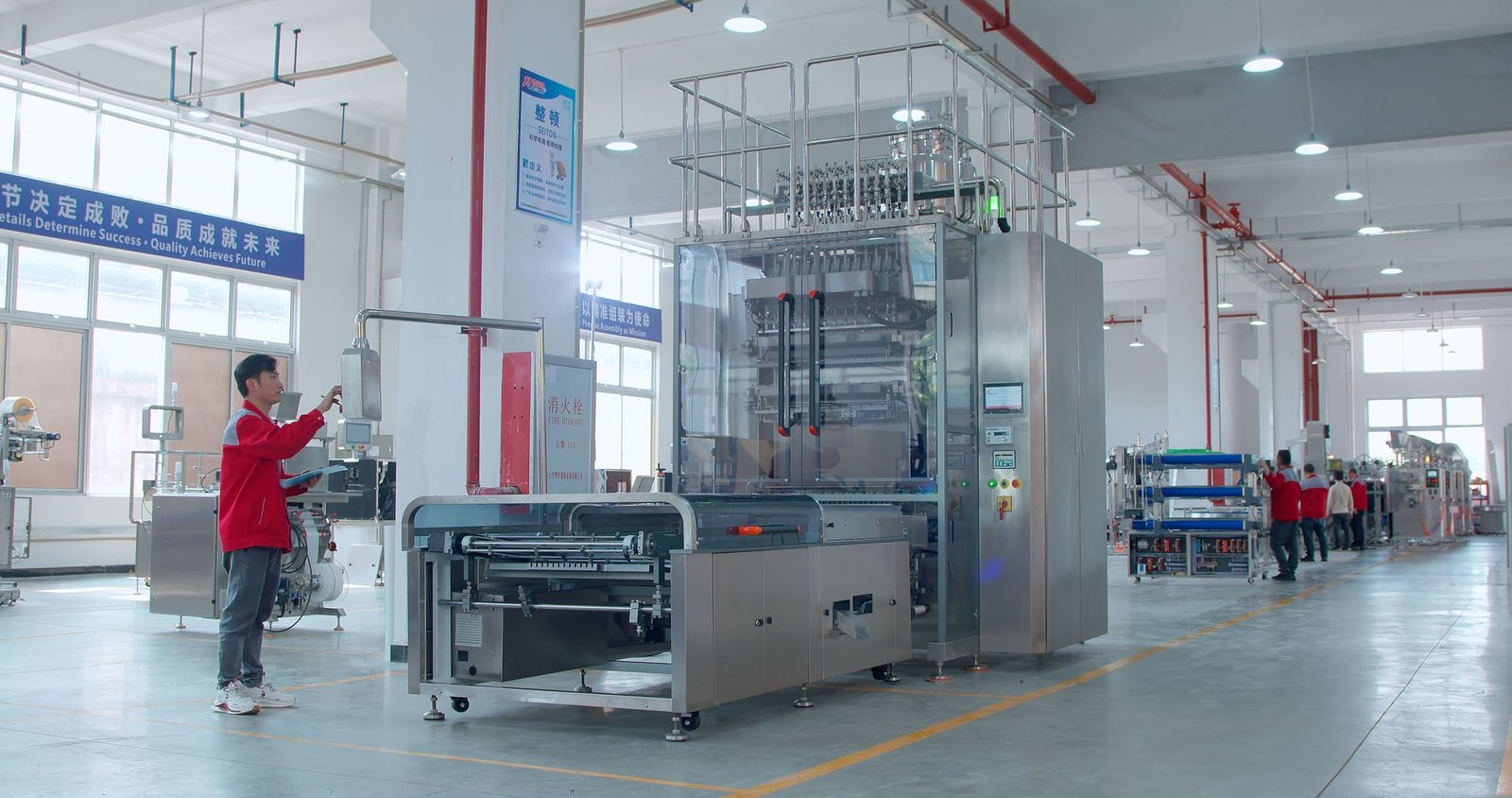
Standard machine configurations frequently require modifications to meet specific application requirements. Working with a supplier that offers custom engineering capabilities is advantageous. Experienced manufacturers like Ludyway Machinery, a China-based packaging machinery manufacturer with over 30 years of industry experience, provide turnkey packaging solutions that can be configured for different production speeds, filling volumes, packaging materials, and bag formats. Their 20,000-square-meter manufacturing facility and team of more than 130 professionals support customized machine design, system integration, and comprehensive after-sales service for customers in over 100 countries.
After-Sales Support and Spare Parts Availability
Equipment reliability and local support infrastructure are crucial for minimizing downtime. When evaluating potential suppliers, investigate:
- Availability of remote technical assistance and on-site service
- Spare parts inventory and delivery timelines
- Operator training programs and documentation quality
- Warranty terms and post-warranty service agreements
- Supplier’s track record and global installation base
Comparing Bulk Bag Packing Machine Suppliers
Creating a structured evaluation framework helps ensure you select equipment that meets both your technical requirements and business objectives. Key criteria to assess include the machine’s filling accuracy specification, maximum throughput rate, bag size compatibility, automation level, construction materials, dust control features, and total cost of ownership. Equally important are the supplier’s industry experience, engineering support availability, and after-sales service capabilities. Requesting reference visits to existing installations and conducting factory acceptance testing with your actual products can provide valuable insights before finalizing your decision.
The Flexible Packaging Association provides industry data that underscores the importance of selecting the right packaging machinery to support long-term growth. Investing time in thorough evaluation yields significant returns through improved productivity, reduced waste, and consistent package quality.
Key Takeaways for Your Bulk Bag Filling Decision
- Define your requirements clearly including product characteristics, throughput goals, and bag specifications before contacting suppliers.
- Prioritize weighing accuracy appropriate to your product value and regulatory requirements.
- Consider total cost of ownership rather than simply comparing purchase prices. Factor in maintenance, spare parts, energy consumption, and expected equipment lifespan.
- Plan for future needs by selecting equipment with scalable automation features and integration capabilities that can accommodate production growth.
- Verify supplier capabilities through facility visits, customer references, and detailed technical discussions about your specific application.