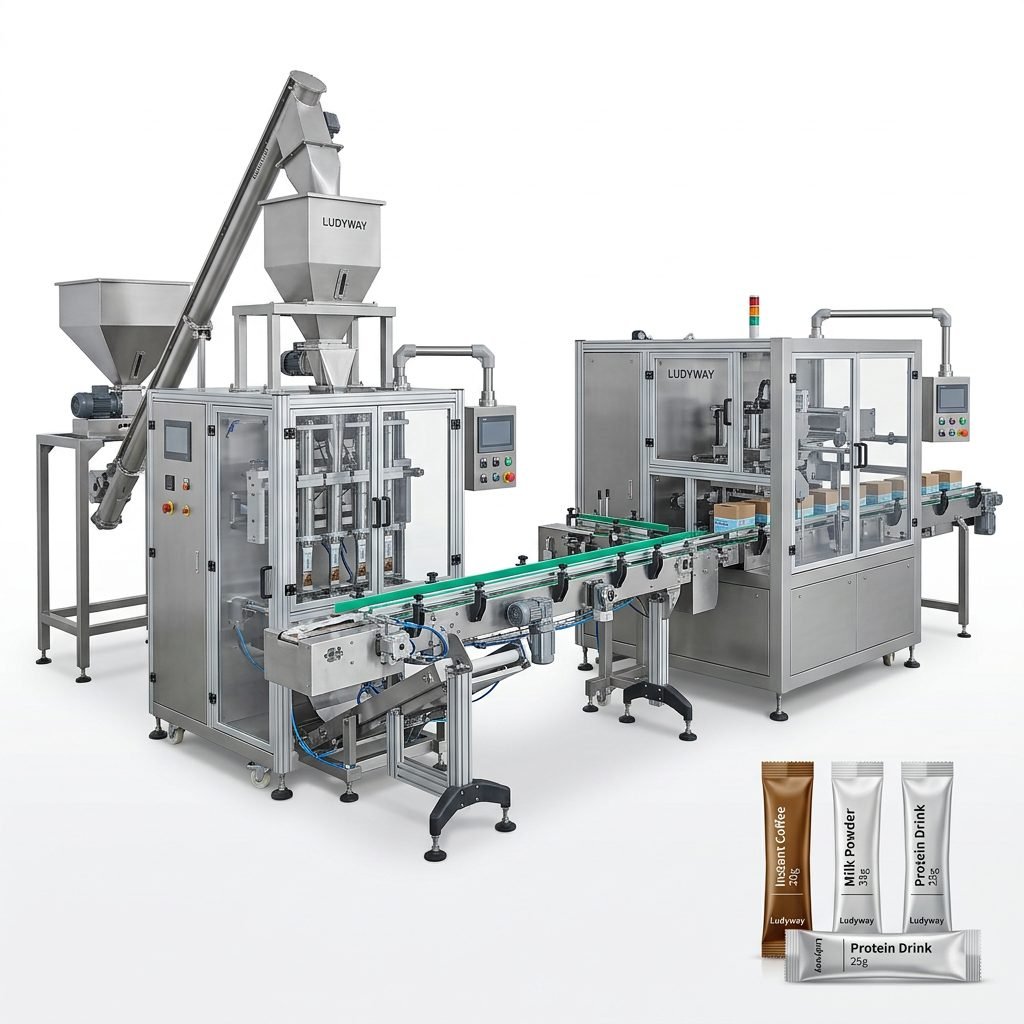
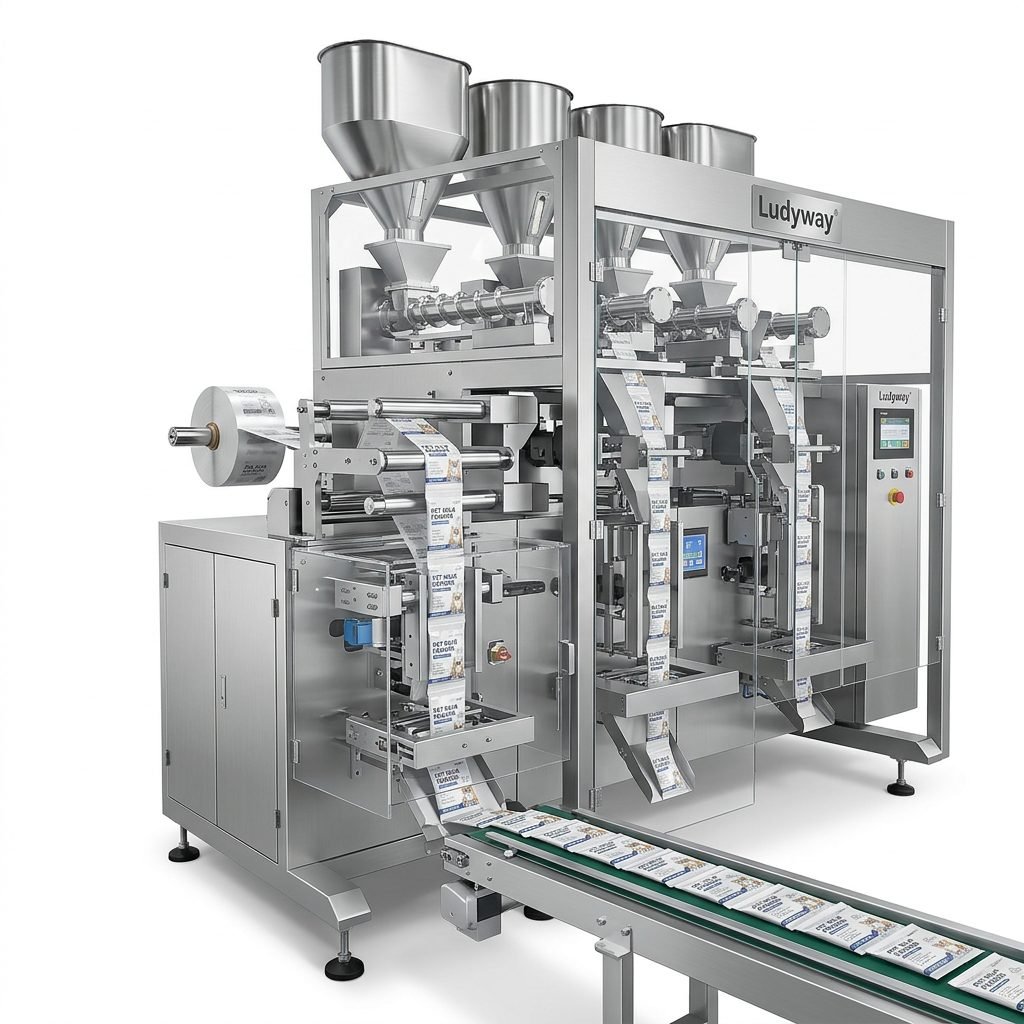
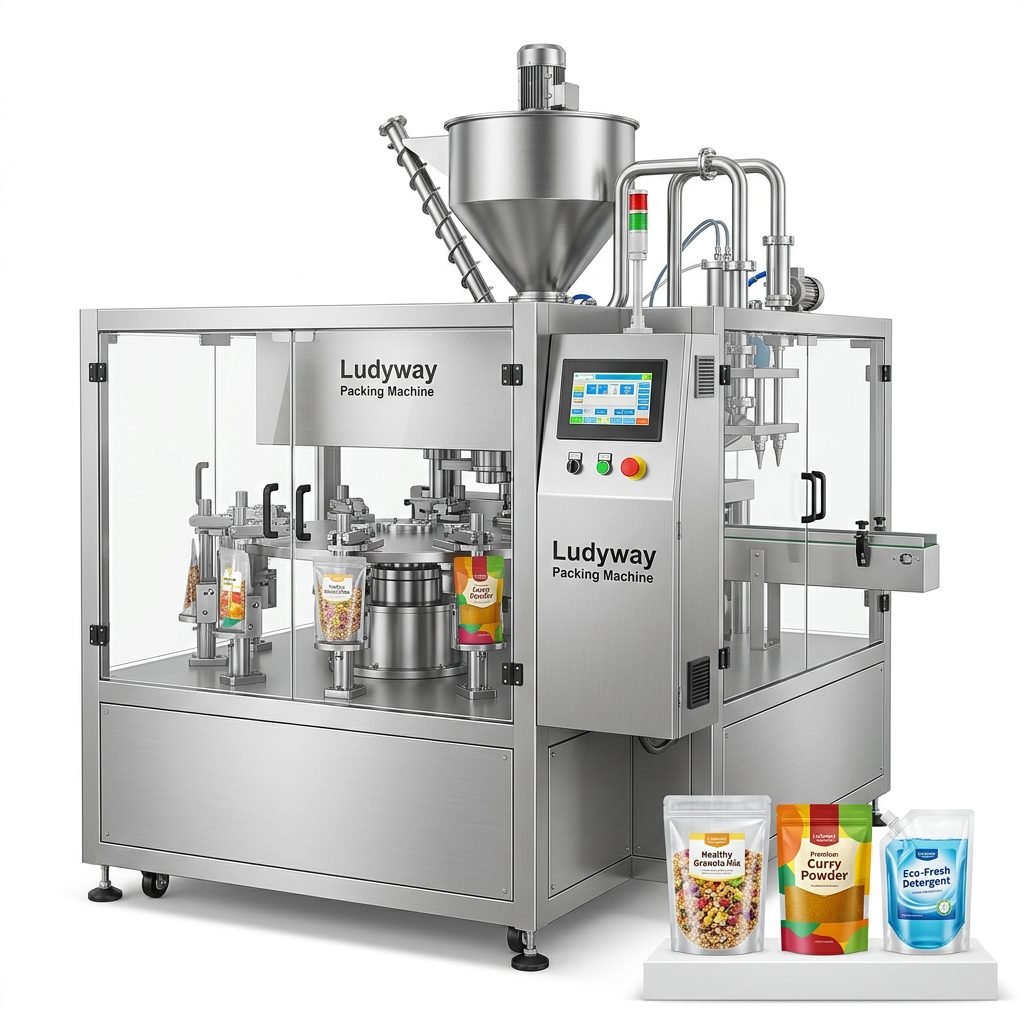
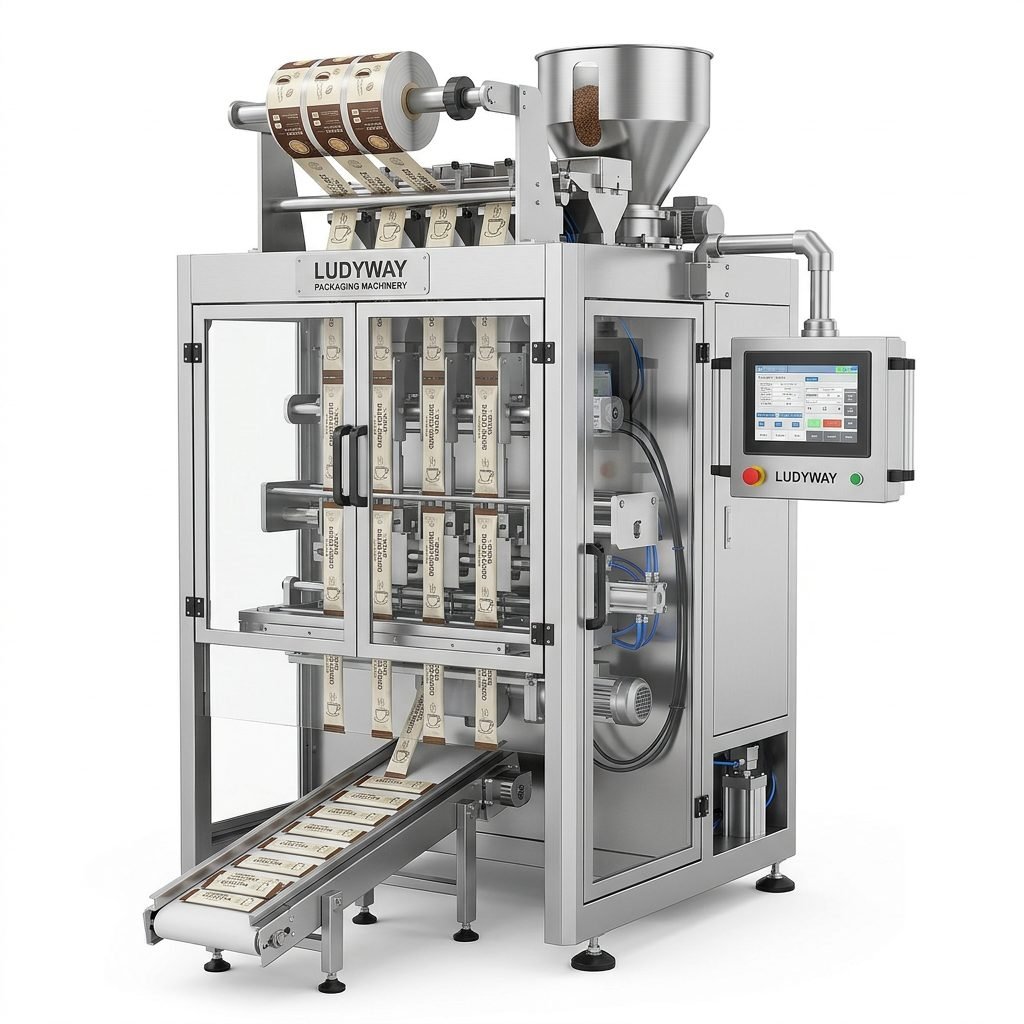
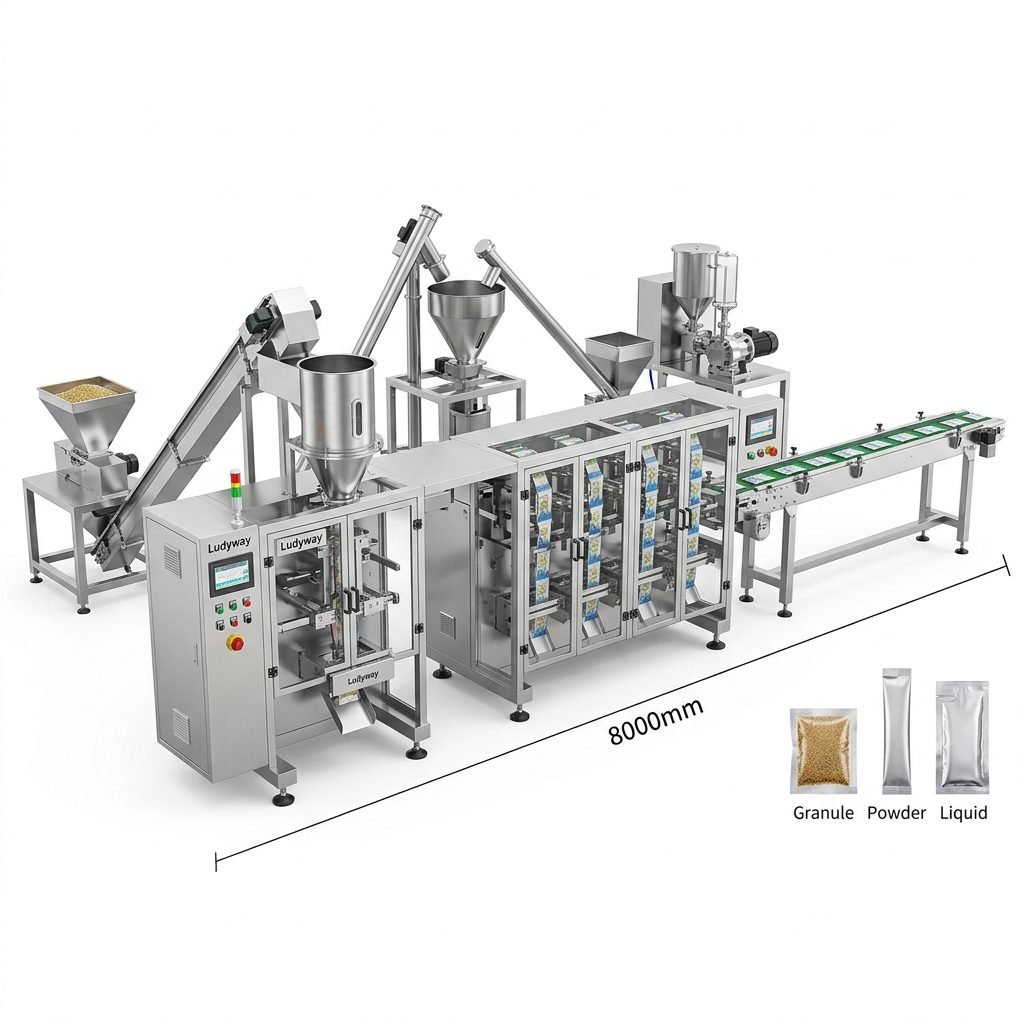
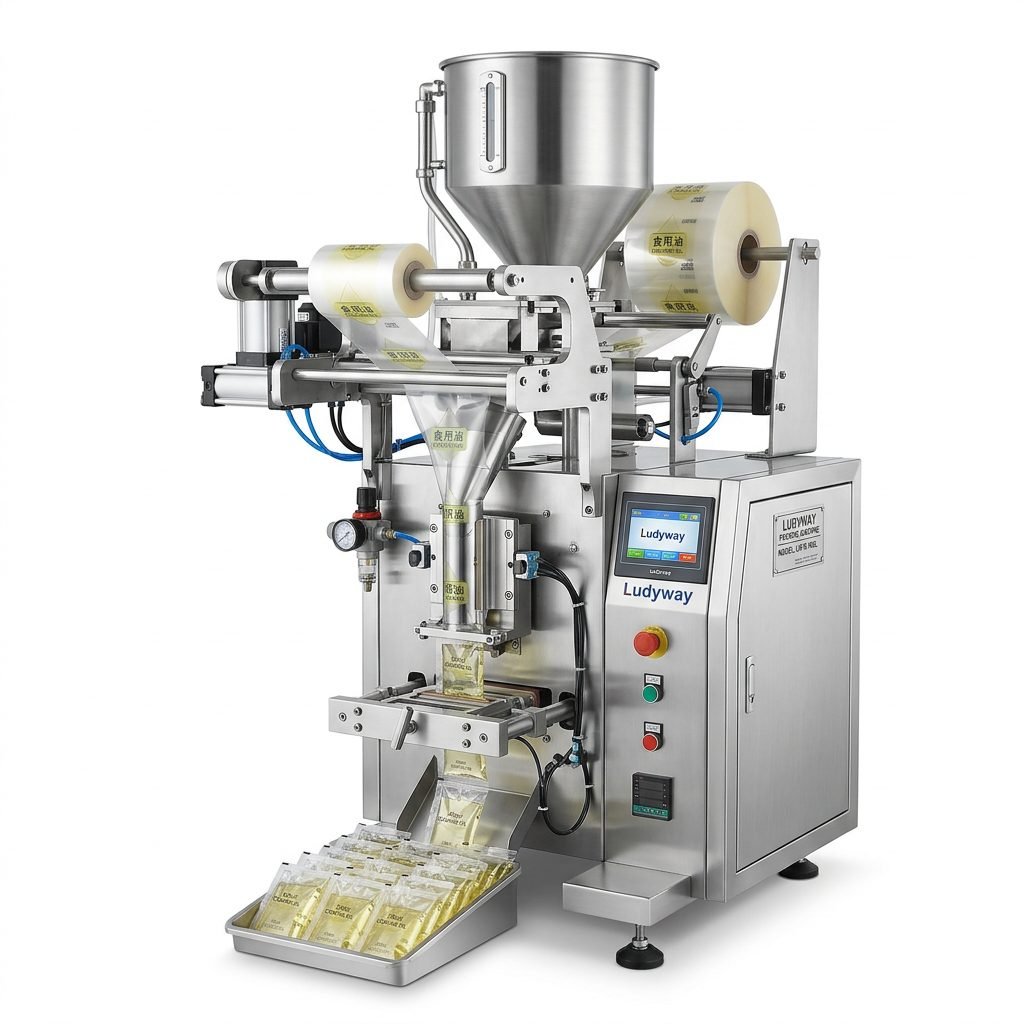
Efficient production depends on more than machine speed. It also relies on fast maintenance, accurate troubleshooting, spare parts availability, operator training, and long-term technical support. For manufacturers in food, pharmaceutical, cosmetic, chemical, feed, and pouch-based industries, a professional packaging machine service plan helps reduce downtime, protect product quality, and extend equipment life.
Whether you run a single sachet machine or a complete automated line, service support should cover the full lifecycle of your equipment—from installation and commissioning to preventive maintenance, emergency repair, upgrades, and performance optimization.
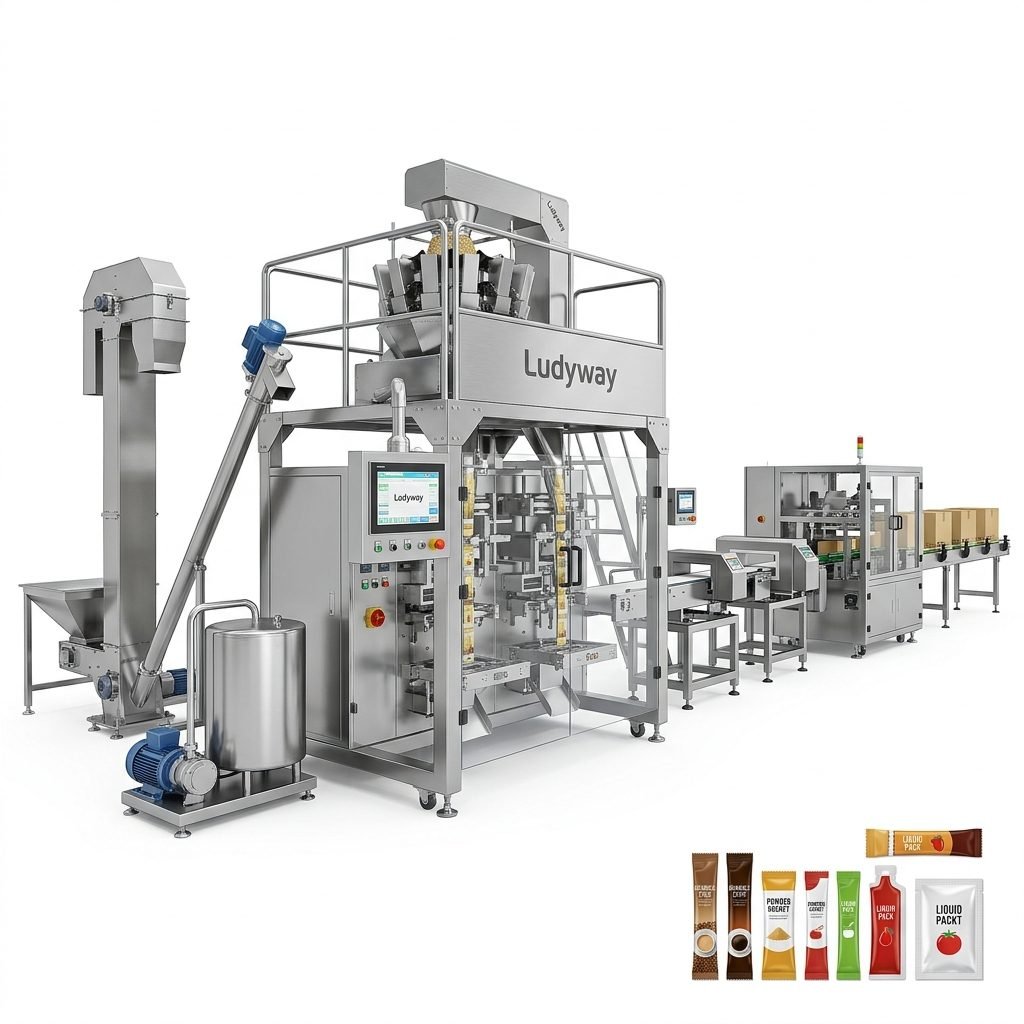
Why Packaging Machine Service Matters
Packaging equipment works under continuous pressure. High-speed filling, sealing, cutting, coding, feeding, conveying, and cartoning systems must operate with precision every shift. Even a small issue—such as seal inconsistency, dosing deviation, sensor failure, or film tracking error—can quickly lead to waste, rework, or production stoppage.
- Minimizes downtime by identifying and solving faults quickly
- Improves output consistency through proper calibration and inspection
- Protects product safety in regulated industries such as food and pharma
- Extends machine lifespan with routine care and parts replacement
- Reduces total operating cost by preventing major breakdowns
- Supports future expansion with upgrades and line integration advice
Core Packaging Machine Services for Modern Production
A complete service program should not focus on repairs alone. The best support combines preventive action, responsive assistance, and technical improvement.
1. Preventive Maintenance
Preventive maintenance is the foundation of reliable packaging performance. Scheduled inspections help technicians detect wear before it causes shutdowns. This includes checking sealing systems, servo motors, pneumatic components, dosing devices, electrical wiring, lubrication points, bearings, and safety units.
2. Corrective Repair
When a machine stops unexpectedly, rapid repair is essential. A qualified service team should diagnose root causes instead of applying temporary fixes. This reduces repeat failures and restores stable operation faster.
3. Spare Parts Support
Packaging machines rely on many wear parts and precision assemblies. Keeping critical spares ready—such as cutters, sealing jaws, sensors, PLC-related components, belts, rollers, nozzles, and feeding parts—helps avoid long stoppages.
4. Installation and Commissioning
Proper setup at the start has a direct impact on long-term performance. Commissioning services should include equipment testing, line matching, parameter setup, product trial runs, and operator guidance.
5. Operator and Maintenance Training
Even advanced automation still depends on skilled people. Training improves machine handling, cleaning, product changeover, alarm recognition, and daily inspection routines.
6. Remote Technical Support
Many common issues can be solved through remote diagnostics. This saves time and helps factories restore production faster, especially when teams need immediate guidance on settings, alarms, or troubleshooting steps.
7. Line Upgrades and Optimization
As production grows, machine service often extends into performance improvement. Upgrades may include better feeding systems, coding equipment, counting modules, vision inspection, cartoning integration, or output enhancement for existing lines.
| Service Type | Main Purpose | Business Benefit |
|---|---|---|
| Preventive maintenance | Inspect and service key components regularly | Lower failure risk and stable production |
| Emergency repair | Restore machine operation after breakdown | Reduced downtime and product loss |
| Spare parts service | Supply essential replacement parts | Faster maintenance turnaround |
| Training support | Improve operator and technician skills | Safer use and fewer operating errors |
| Remote diagnostics | Troubleshoot through online support | Quicker issue response |
| Upgrade service | Improve existing machine capabilities | Higher efficiency and better ROI |
Common Packaging Machine Problems That Need Professional Support
Different applications face different risks, but some service issues appear frequently across industries.
- Inconsistent bag length or poor film tracking
- Weak sealing, leakage, or burnt seal edges
- Filling inaccuracy for powders, granules, liquids, or pastes
- Sensor, servo, PLC, or HMI alarm faults
- Feeding blockage or material bridging
- Abnormal vibration, noise, or mechanical wear
- Coding, labeling, counting, or cartoning mismatch
- Low speed after product changeover
Professional service engineers should evaluate not only the visible symptom, but also the related factors such as product characteristics, packaging material behavior, environmental conditions, cleaning practices, and operator handling.
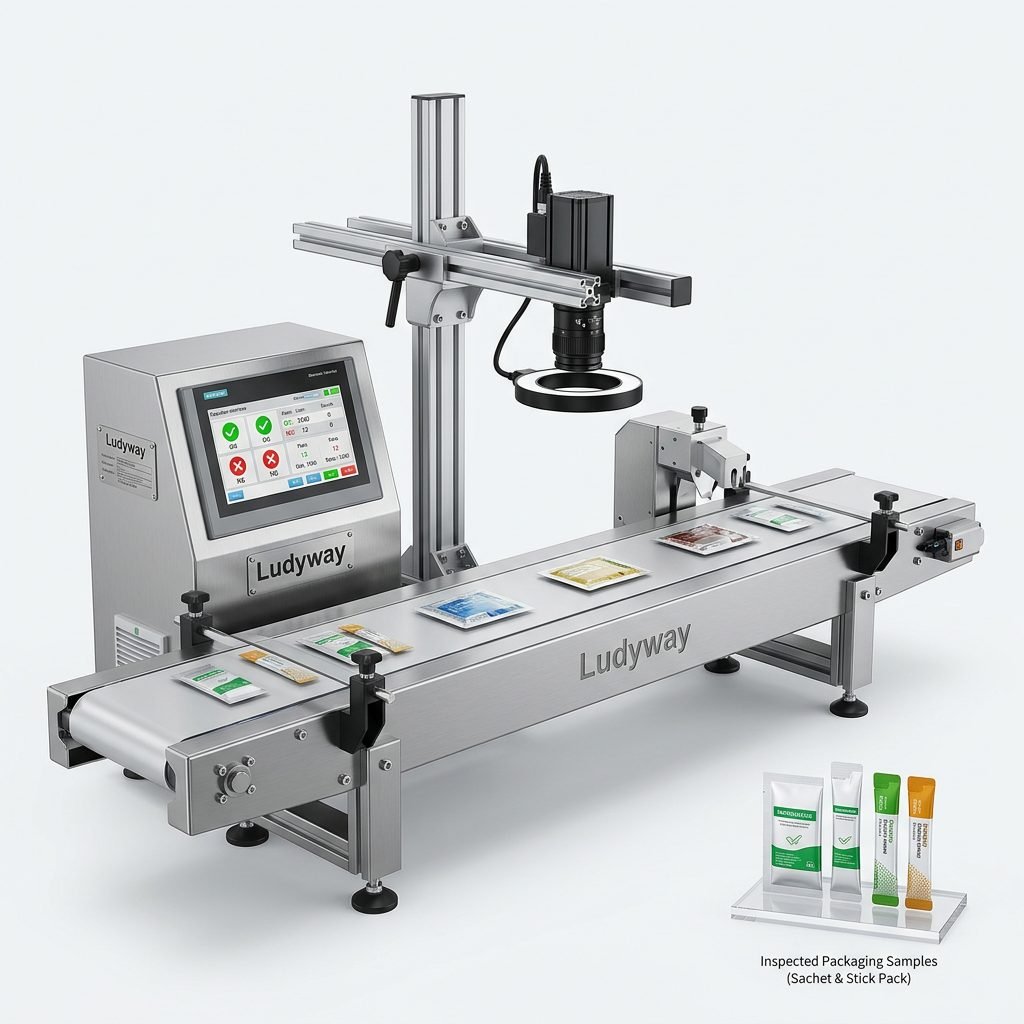
Service Needs by Industry
Food Packaging Machines
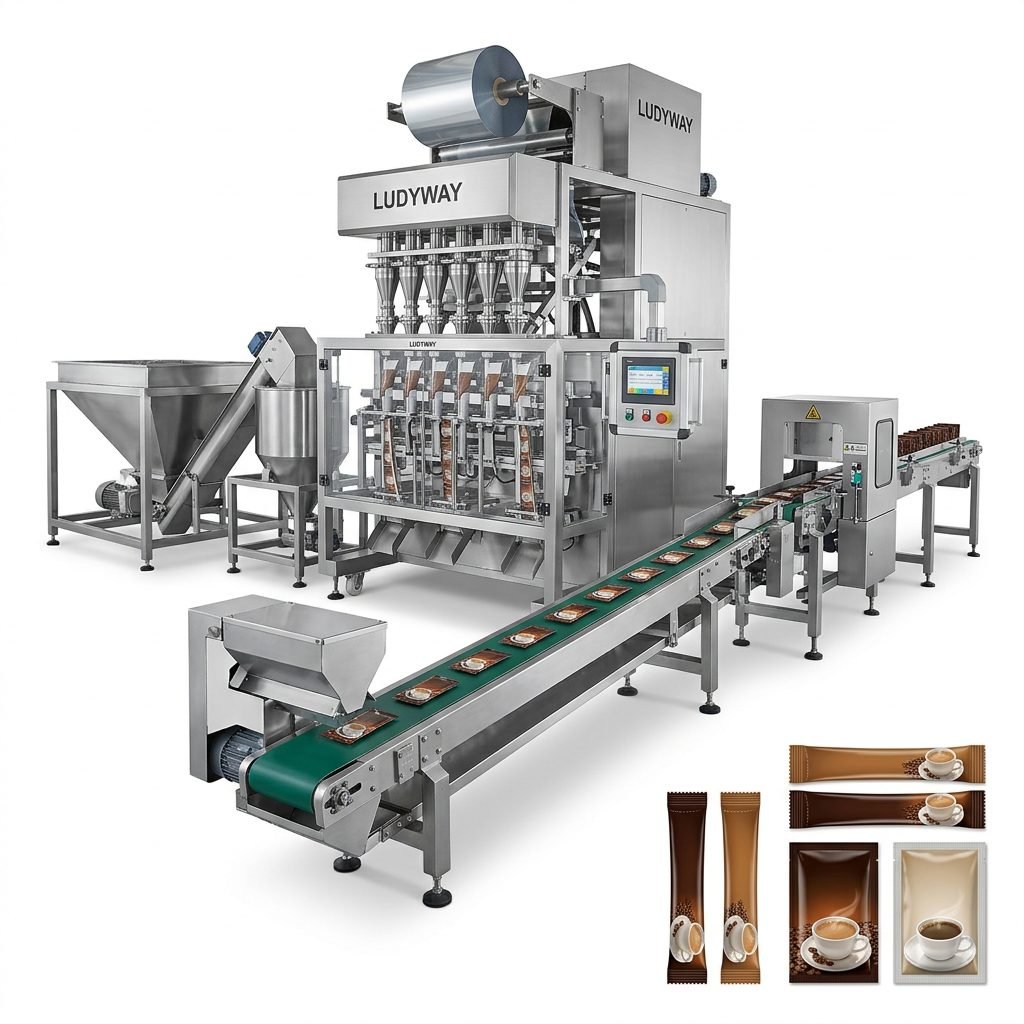
Food processors need service support that protects hygiene, sealing quality, weight accuracy, and packaging consistency. Products such as powders, snacks, coffee, sauces, frozen foods, and granules may require specialized cleaning procedures and changeover support.
Pharmaceutical Packaging Machines
Pharma service standards are stricter because packaging performance affects compliance, product integrity, and traceability. Validation support, accurate dosing, alarm management, and documentation are especially important.
Cosmetic and Personal Care Packaging Machines
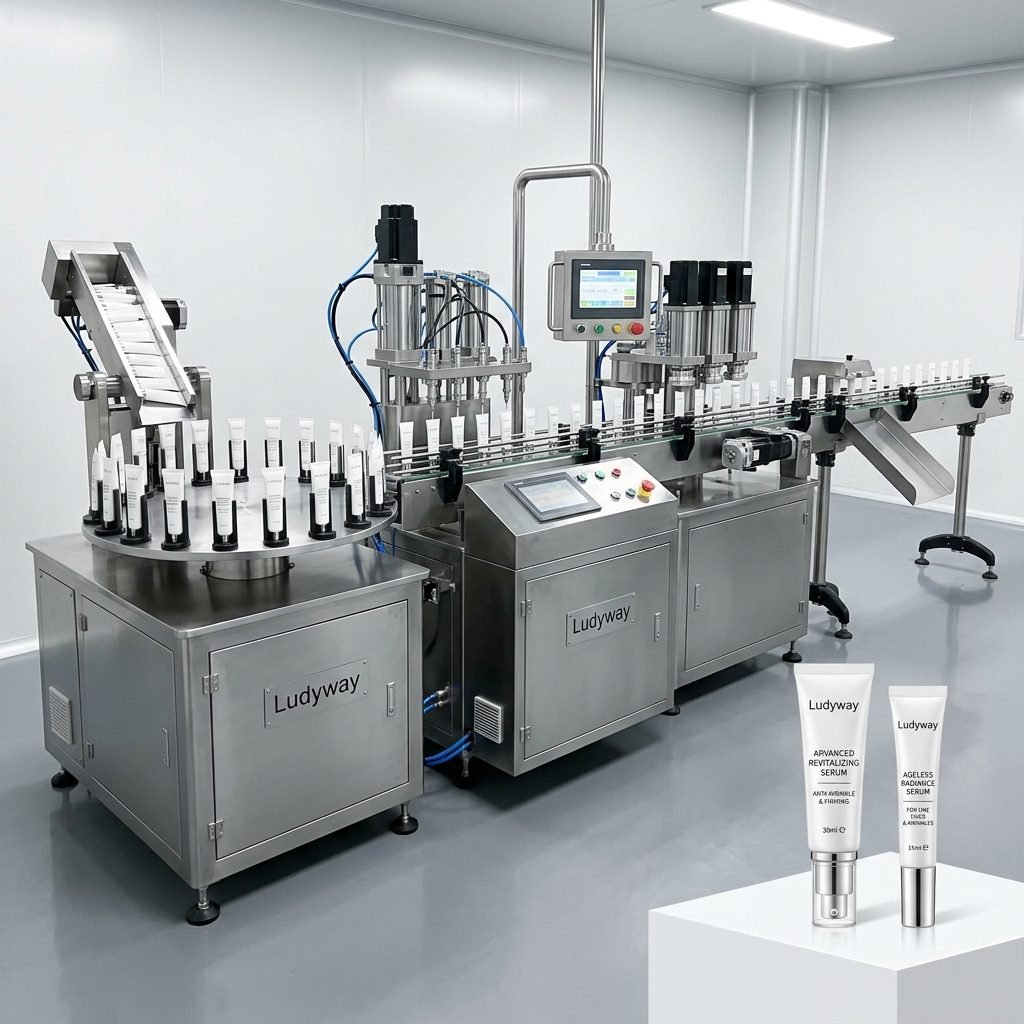
Creams, lotions, gels, serums, and sachet products often require precision filling and clean sealing. Service teams should help with viscosity-related adjustments, nozzle care, and packaging appearance consistency.
Chemical and Industrial Packaging Machines
For detergents, powders, additives, and other industrial materials, service support must focus on wear resistance, corrosion prevention, dust control, and safe handling.
Feed and Pet Product Packaging Machines
Feed pellets, powders, freeze-dried pet food, and pet supplements can create dust, abrasion, and handling challenges. Good maintenance reduces contamination risk and keeps filling systems stable.
What to Look for in a Packaging Machine Service Provider
Choosing the right service partner is just as important as choosing the machine itself. Look for capabilities that support both current production and future growth.
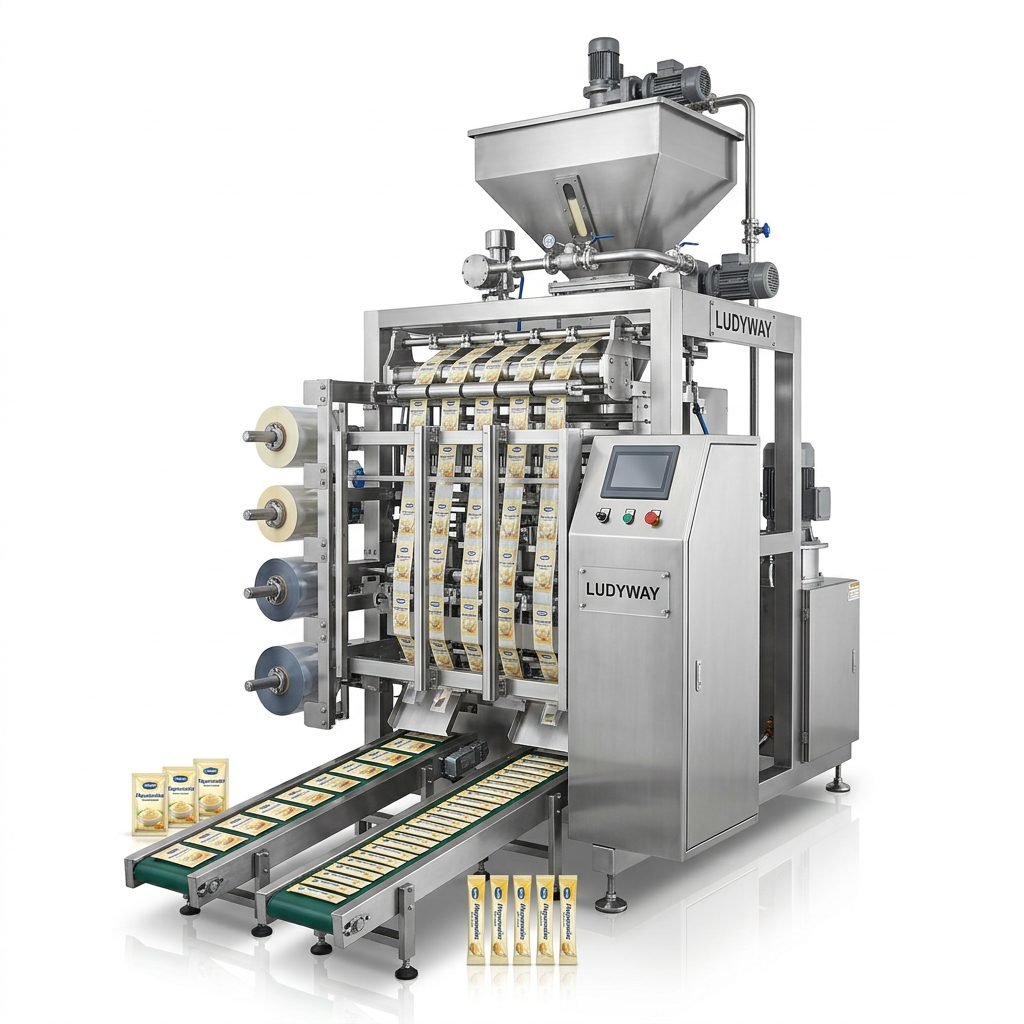
- Experience with multiple packaging formats such as sachets, stick packs, pouches, bottles, and integrated lines
- Ability to support granules, powders, liquids, and pastes
- Skilled engineering team with troubleshooting and commissioning knowledge
- Clear spare parts planning and technical documentation
- Remote and on-site support options
- Customization capability for different industries and products
- Long-term service commitment after installation
How Preventive Service Improves OEE
Overall Equipment Effectiveness (OEE) is strongly influenced by machine reliability. Maintenance and support directly affect the three core OEE drivers:
| OEE Factor | How Service Helps |
|---|---|
| Availability | Reduces breakdowns and shortens repair time |
| Performance | Keeps machine speed stable through calibration and optimization |
| Quality | Maintains fill accuracy, seal integrity, and package consistency |
Signs Your Packaging Equipment Needs Immediate Attention
Do not wait for a full machine stop before calling for support. Early warning signs often appear first.
- Frequent alarms after startup or product changeover
- Increasing reject rate or poor seal appearance
- Unexpected speed reduction
- Inconsistent weighing or dosing
- Higher film waste or packaging material consumption
- Repeated part replacement in the same section
- Operators needing constant manual adjustment
A fast service review at this stage can prevent larger repair costs later.
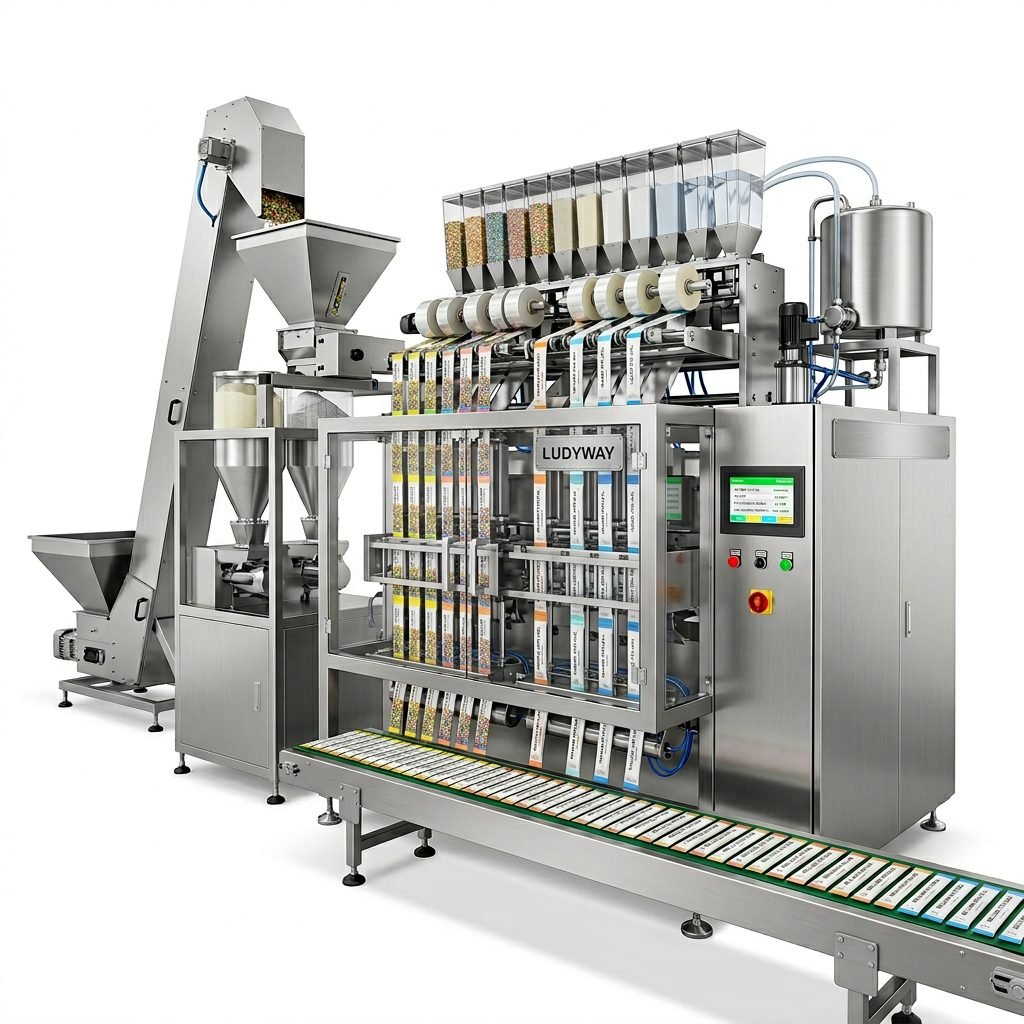
Benefits of Working With an Experienced Packaging Machine Manufacturer
For many buyers, the best service support comes directly from an experienced manufacturer that understands the full machine structure, automation logic, and application process. This is especially valuable when your production involves custom formats, integrated conveying, multi-lane systems, or turnkey line coordination.
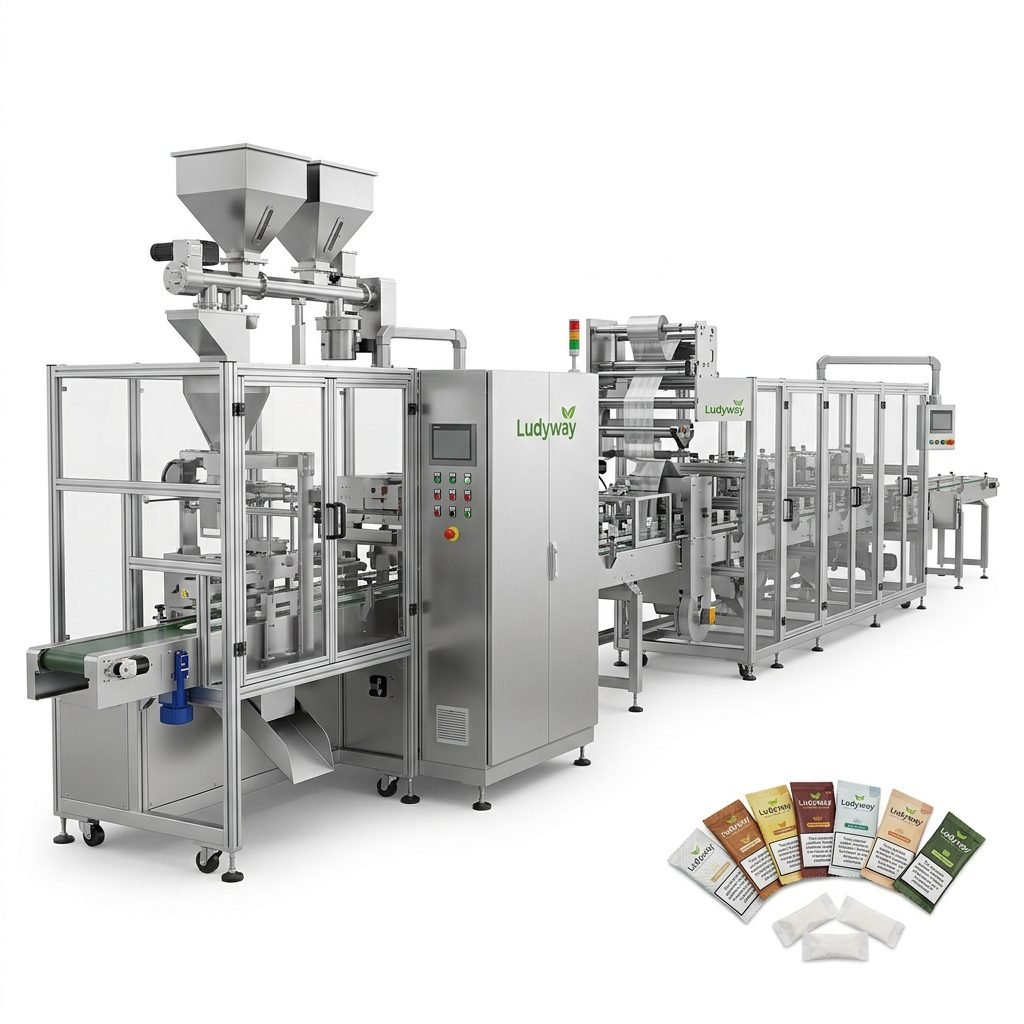
A manufacturer with strong engineering and export experience can usually provide better lifecycle support, clearer technical communication, and more accurate recommendations for line improvement. Companies looking for dependable support can explore Ludyway packaging machine solutions, backed by over 30 years of industry experience, a broad product portfolio, and turnkey packaging line capability for global markets.
Best Practices for Keeping Packaging Machines Running Efficiently
- Create a documented maintenance schedule for every machine and auxiliary unit.
- Train operators to identify early abnormalities instead of only reporting breakdowns.
- Keep critical spare parts in stock based on production risk.
- Record failure history to identify recurring root causes.
- Review machine performance after every major product or film change.
- Use original technical guidance for calibration, parts fit, and upgrades.
- Schedule periodic service audits for complete lines, not just standalone machines.
Final Considerations for Long-Term Production Reliability
Reliable packaging machine service is a strategic investment in production continuity. It helps manufacturers avoid costly downtime, maintain packaging quality, support compliance, and get more value from automation assets. From routine maintenance and emergency repair to spare parts management and process optimization, the right service structure keeps your packaging line efficient, stable, and ready for growth.
If your facility depends on sachet machines, stick pack systems, pouch fillers, bottle lines, or full turnkey packaging solutions, choosing dependable service support is one of the smartest ways to protect output and strengthen long-term operational performance.