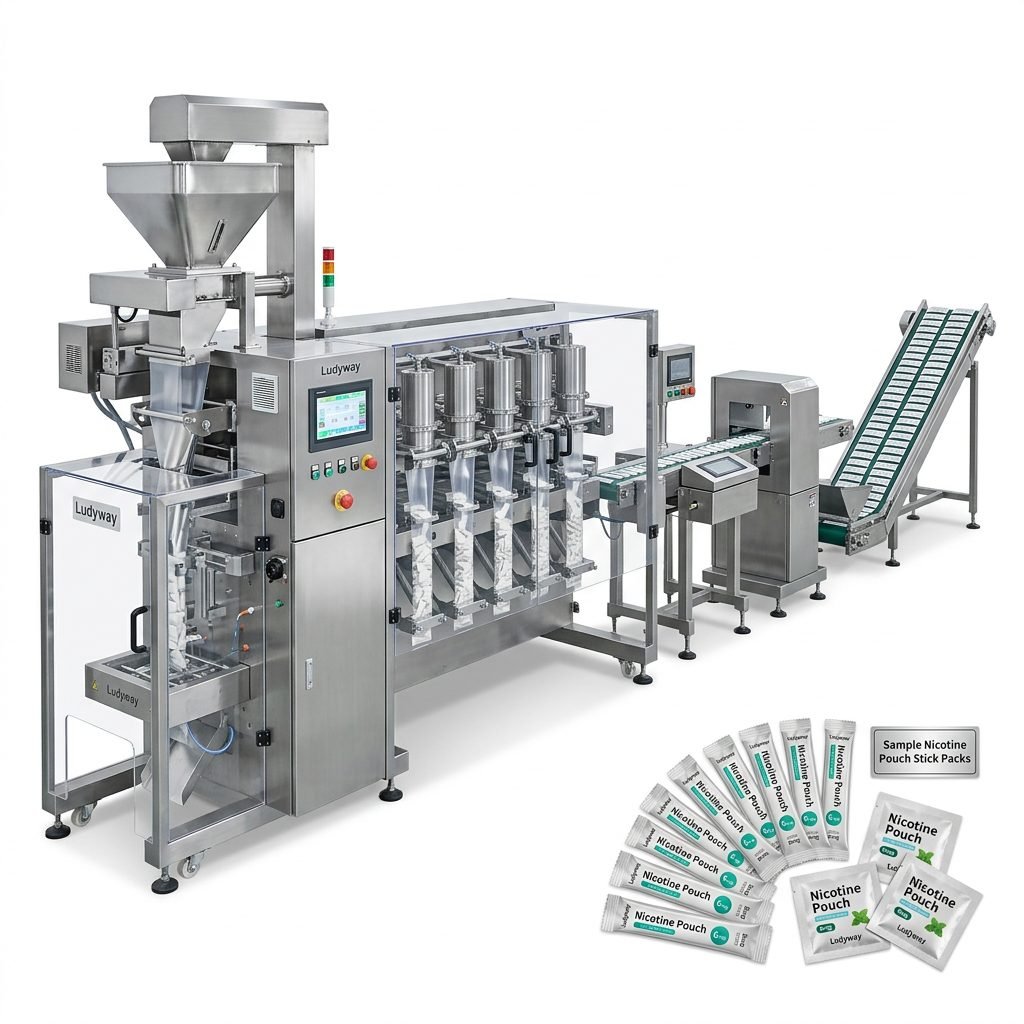
Selecting the right cashew packing machine is one of the most important investment decisions for any nut processing or packaging operation. Cashews present unique handling challenges—their irregular shape, oil content, and susceptibility to breakage demand specialized equipment that balances speed, accuracy, and gentle product handling. Whether you are launching a new brand, upgrading an existing line, or expanding into export markets, this guide covers the essential factors to help you make an informed choice.
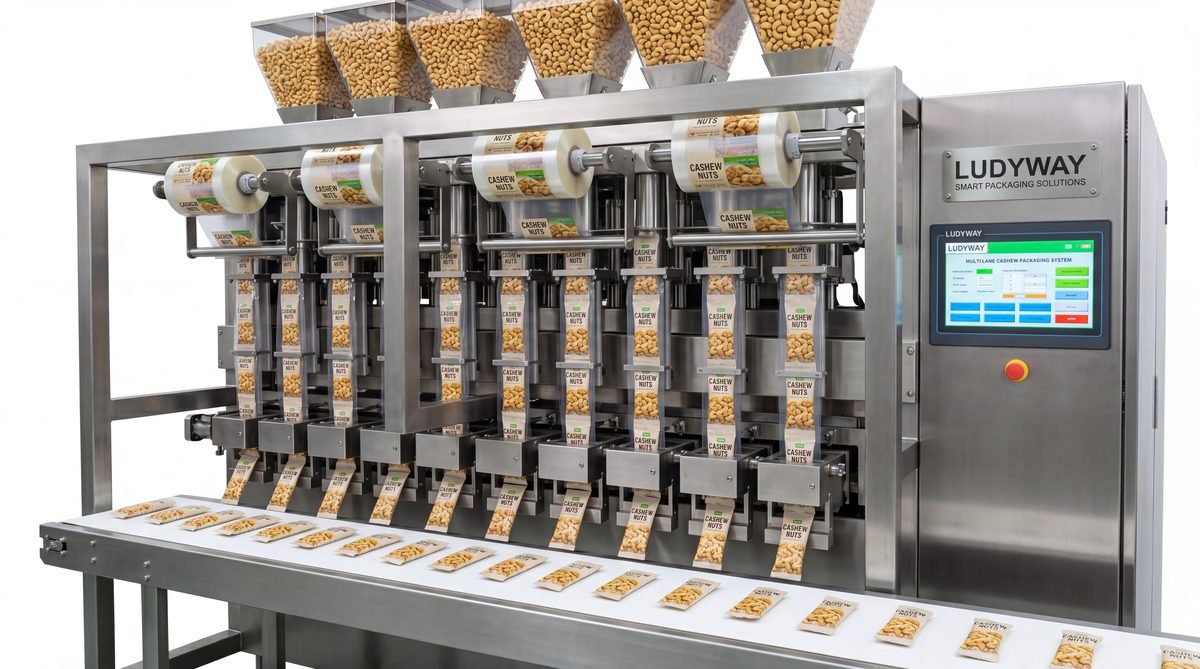
1. Understand Your Cashew Packaging Requirements
Before evaluating specific machines, clearly define your production goals. Cashew packaging varies widely depending on the target market, distribution channel, and end consumer. Start by answering these questions:
- What is your target production capacity? Are you packaging 500 kg per day or 50,000 kg per day? Speed requirements directly influence the type of machine you need—from semi-automatic to fully automated high-speed packaging machinery.
- What packaging formats do you require? Cashews are commonly packed in pillow pouches, gusseted bags, stand-up pouches, vacuum packs, tins, and jars. Each format demands specific machine configurations.
- What are your bag size ranges? From small 25g snack packs to 5kg bulk bags, the machine must handle your full range with minimal changeover time.
- What packaging material will you use? Cashews require barrier films to prevent oxidation. Your machine must be compatible with laminated films, metalized films, or biodegradable materials.
- Do you need nitrogen flushing or vacuum sealing? For extended shelf life, cashew packaging often requires modified atmosphere packaging (MAP) capabilities.

2. Types of Cashew Packing Machines
Cashew packing machines fall into several categories based on automation level, weighing technology, and packaging format. The following table summarizes the most common types and their typical applications:
| Machine Type | Weighing Technology | Best For | Typical Speed Range |
|---|---|---|---|
| Vertical Form Fill Seal (VFFS) | Multi-head weigher | Pillow pouches, gusseted bags | 30-80 bags/min |
| Premade Pouch Machine | Multi-head weigher / Auger | Stand-up pouches, zipper bags | 25-60 pouches/min |
| Multi-lane Stick Pack | Volumetric / Multi-head | Small single-serve sachets | 200-800 packs/min |
| Vacuum Packaging Machine | Multi-head weigher | Extended shelf life, bulk packs | 15-40 packs/min |
| Can / Jar Filling Line | Net weight filler | Tins, glass jars, rigid containers | 20-60 containers/min |
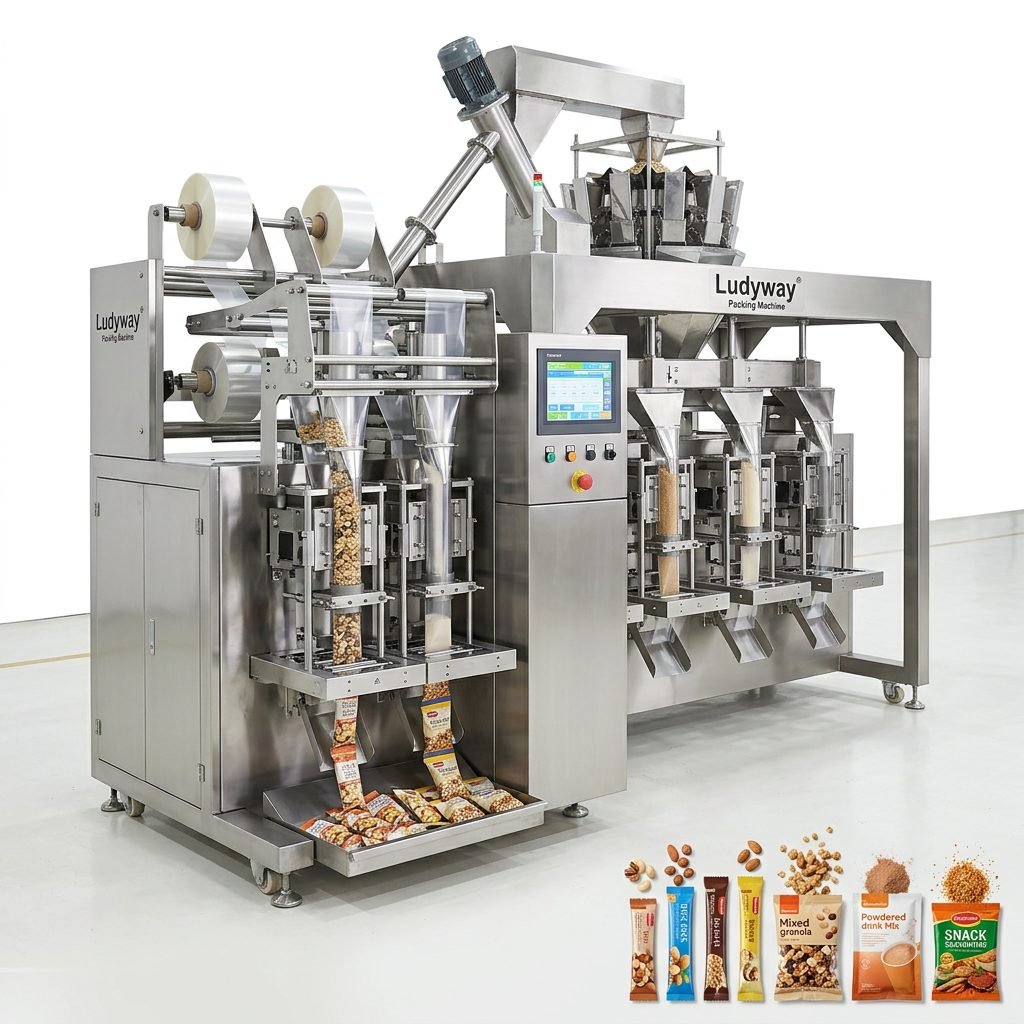
For most cashew processors, a vertical form fill seal machine paired with a multi-head weigher offers the best balance of speed, accuracy, and gentle handling. Multi-head weighers use combination weighing technology to achieve high precision with minimal product giveaway, which is critical for a high-value product like cashews.
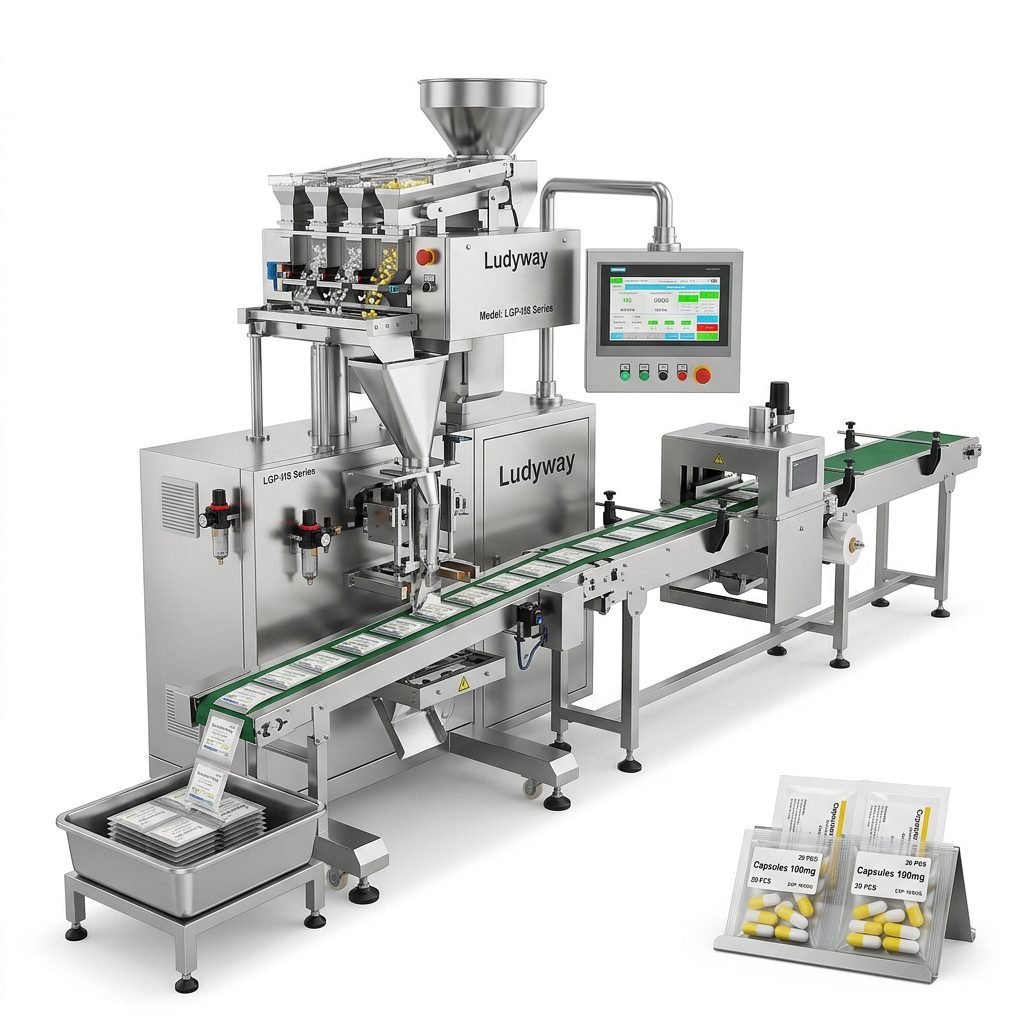
3. Key Technical Specifications to Evaluate
3.1 Weighing Accuracy and Speed
For cashew packaging, weighing accuracy is non-negotiable. Cashews are a premium product, and overfilling by even a few grams per bag can significantly impact profitability over millions of units. Multi-head weighers with 10, 14, or 16 heads provide the best combination of speed and precision. Look for machines offering accuracy within ±0.2-0.5g for small packs (25-100g) and ±1-2g for larger formats (500g-1kg).
3.2 Gentle Product Handling
Cashew kernels are fragile and prone to breakage during filling and transfer. The machine should incorporate vibration-controlled feeding systems, smooth chute designs, and minimized drop heights. Broken cashews not only reduce product quality but can also lead to customer complaints and returns. Inquire about breakage rates during demonstrations with actual cashews, not just simulations.
3.3 Gas Flushing and Sealing Quality
Oxygen accelerates rancidity in cashew oils. Effective nitrogen flushing or vacuum sealing extends shelf life from weeks to months. The machine should achieve residual oxygen levels below 1-2% for optimal preservation. Sealing integrity is equally important—poor seals lead to leaks, product spoilage, and brand damage.
3.4 Changeover Flexibility
If you package multiple formats or nut varieties, consider machines with quick-change features such as tool-less former changes, recipe memory for different products, and servo-driven adjustments. This reduces downtime and supports responsive production planning.
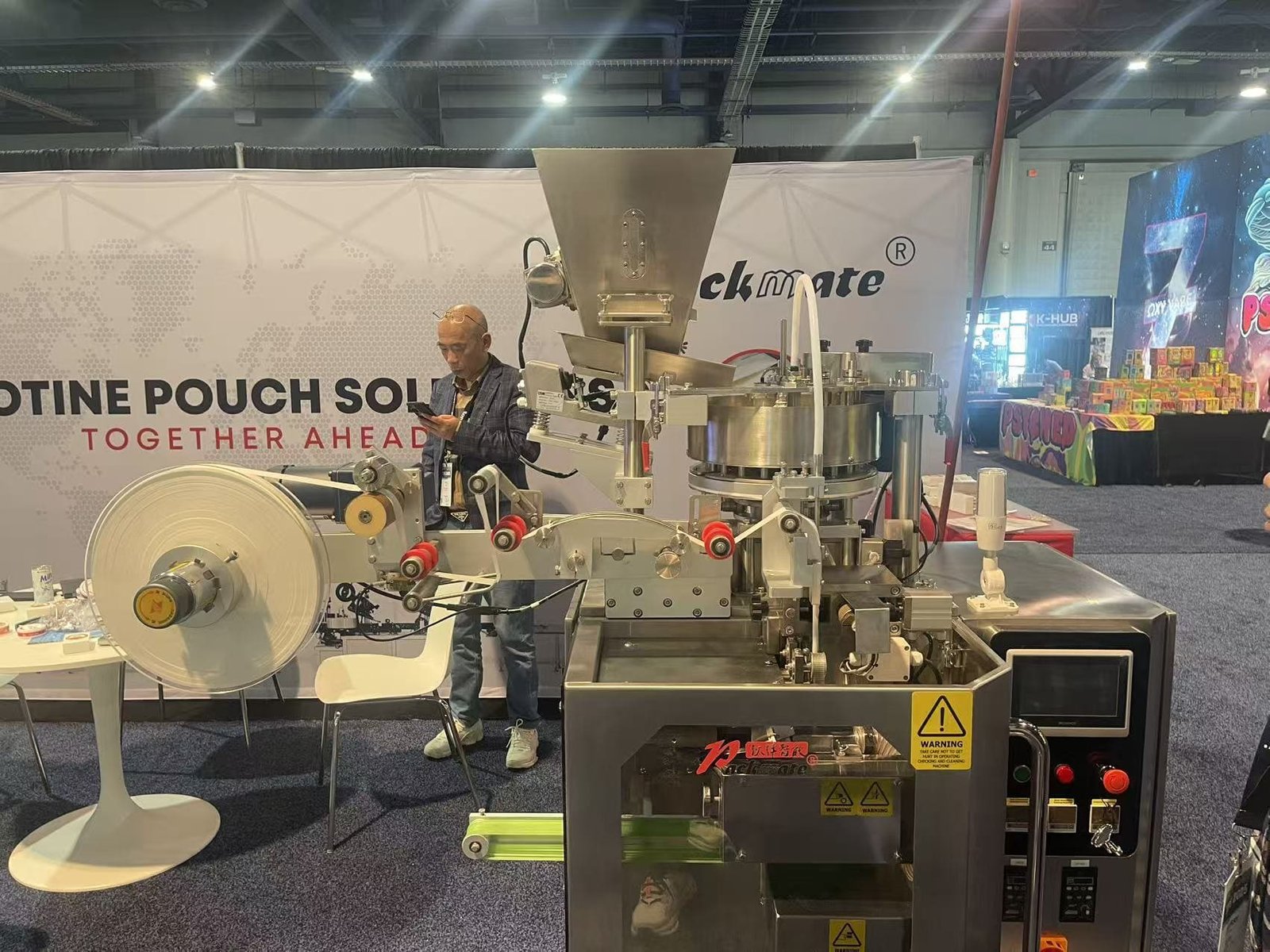
4. Automation Level and Integration
Your choice depends on current production scale and growth plans. Below is a comparison of automation options:
| Automation Level | Labor Requirement | Investment Range | Ideal Application |
|---|---|---|---|
| Semi-Automatic | 3-5 operators | Low to moderate | Startups, small batches, artisan brands |
| Fully Automatic (Standalone) | 1-2 operators | Moderate to high | Medium-scale production, regional brands |
| Automated Packaging Line | 0-1 operator | High | Large-scale, export-oriented, multiple SKUs |
A fully integrated packaging solution can connect weighing, filling, sealing, coding, metal detection, checkweighing, and cartoning into a single automated workflow. This approach minimizes labor, reduces contamination risk, and improves overall line efficiency.
5. Industry Standards and Compliance
Cashew packaging machines should meet relevant food safety and quality standards applicable to your target markets. Key considerations include:
- Food-grade materials: All product contact parts should be made of 304 or 316 stainless steel, compliant with FDA or EU food contact regulations.
- Hygienic design: Tool-free disassembly for cleaning, sloped surfaces, and sealed bearings prevent contamination.
- Certification requirements: Depending on the market, machines may need to comply with CE, cGMP, or other regulatory standards. Refer to PMMI packaging industry resources for guidance on machinery standards.
- Validation documentation: For pharmaceutical or high-regulatory applications, IQ/OQ/PQ documentation may be required.
6. Machine Construction and Durability
A cashew packing machine is a long-term asset. Evaluate the following construction quality indicators:
- Frame construction: Heavy-duty steel or stainless steel frame with vibration-dampening design.
- Control system: PLC-based control with touchscreen HMI for intuitive operation and recipe management.
- Pneumatic and electrical components: Recognized brands such as SMC, Festo, Siemens, or Mitsubishi ensure reliability and spare parts availability worldwide.
- Sealing technology: PID-controlled temperature regulation and consistent jaw pressure for uniform seal quality.
7. Supplier Evaluation Criteria
Selecting the right equipment partner is as important as selecting the right machine. Consider these factors:
7.1 Experience and Reference Projects
Check how many cashew or nut packaging projects the supplier has completed. Established manufacturers with a track record in the nut industry better understand the specific handling and packaging challenges. Request references and, if possible, visit existing installations.
7.2 Technical Support and After-Sales Service
Packaging machinery requires ongoing maintenance and occasional troubleshooting. Reliable suppliers provide responsive after-sales support, including remote technical assistance, spare parts availability, operator training, and on-site service when needed. Confirm response times and service coverage for your region.
7.3 Customization Capability
Off-the-shelf machines may not fully meet your requirements. Work with suppliers that offer customized machine configurations based on your product characteristics, packaging format, production environment, and automation goals. Ludyway Machinery, for example, evaluates each customer’s product and packaging requirements before recommending an appropriate machine configuration or complete packaging line. The company combines more than 30 years of packaging industry experience with engineering capabilities and application knowledge to support manufacturers worldwide.
8. Total Cost of Ownership
Beyond the initial purchase price, consider the full lifecycle costs:
- Energy consumption: Compare power requirements across different models.
- Spare parts availability and cost: Consumable items like sealing jaws, belts, and filters should be readily available.
- Maintenance frequency: Machines with fewer mechanical components and servo-driven systems typically require less maintenance.
- Product giveaway: High-accuracy weighing systems reduce product loss and improve long-term profitability.
- Training requirements: User-friendly interfaces reduce operator training costs and minimize errors.
9. Future-Proofing Your Investment
As your business grows, your packaging needs will evolve. Choose equipment that supports future flexibility:
- Modular design: Machines that can be upgraded with additional modules or features as your product range expands.
- Industry 4.0 readiness: Remote monitoring, data analytics, and integration with MES/ERP systems improve operational visibility.
- Multi-format capability: Machines that can handle different bag styles, sizes, and materials with minimal reconfiguration protect your investment against changing market demands.
10. Questions to Ask Before Purchasing
Use this checklist when evaluating different machine options and suppliers:
- What is the actual demonstrated speed with cashews (not just theoretical maximum)?
- What is the guaranteed weight accuracy for your specific target weights?
- How does the machine handle product breakage, and what percentage can be expected?
- What is the residual oxygen level achieved after gas flushing?
- How long does a full changeover between different bag sizes or formats take?
- What is the lead time for delivery, installation, and commissioning?
- What warranty and service agreements are included?
- Can the supplier provide local customer references in your region?
- What documentation, training, and validation support is provided?
- Is the machine expandable or upgradeable for future needs?

To stay informed about broader industry trends that may affect your packaging decisions, review reports from organizations like the PMMI Business Intelligence library and the Flexible Packaging Association. Understanding FDA food packaging regulations and relevant ISO packaging standards will also support your decision-making process.
Choosing the right cashew packing machine requires careful evaluation of your product, production goals, packaging formats, and long-term business strategy. By considering the factors outlined in this guide—weighing accuracy, gentle handling, gas flushing capability, construction quality, supplier support, and total cost of ownership—you can select equipment that delivers consistent quality, operational efficiency, and strong return on investment for years to come.