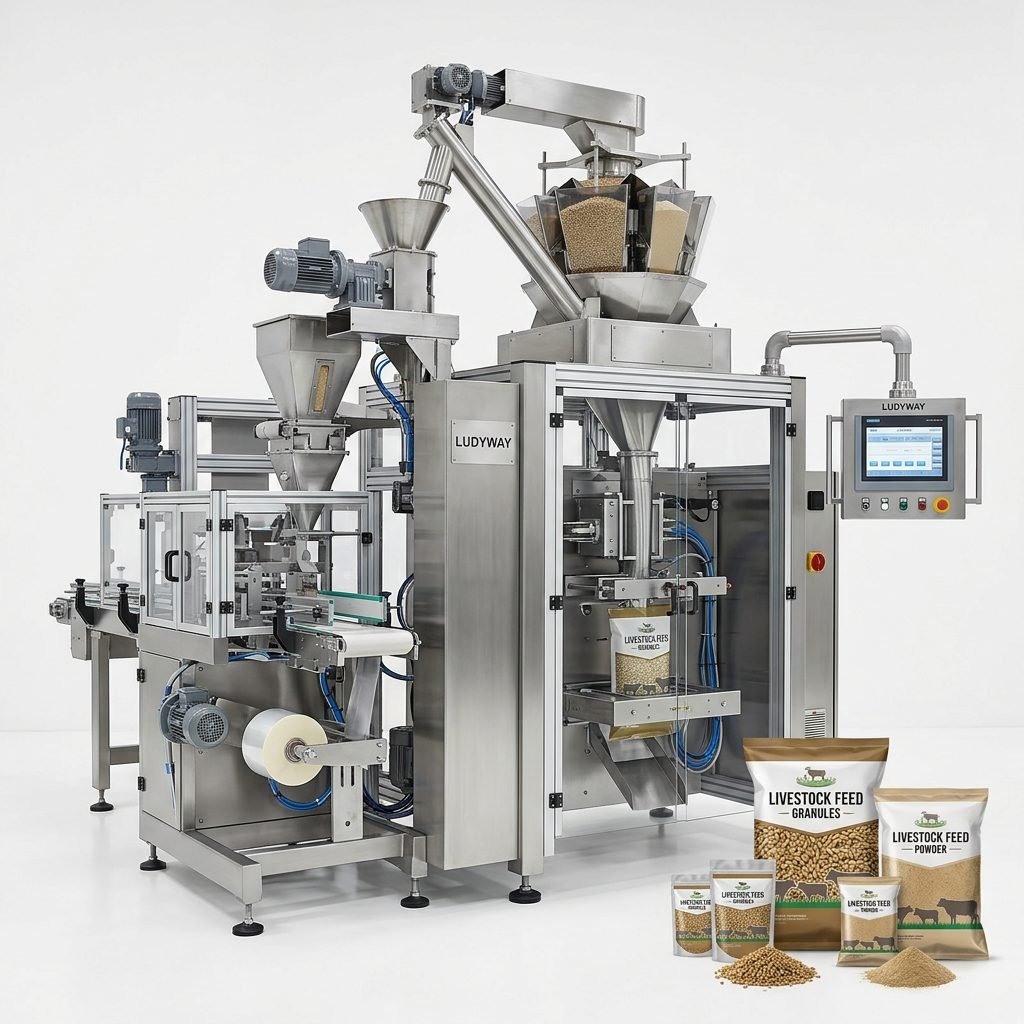
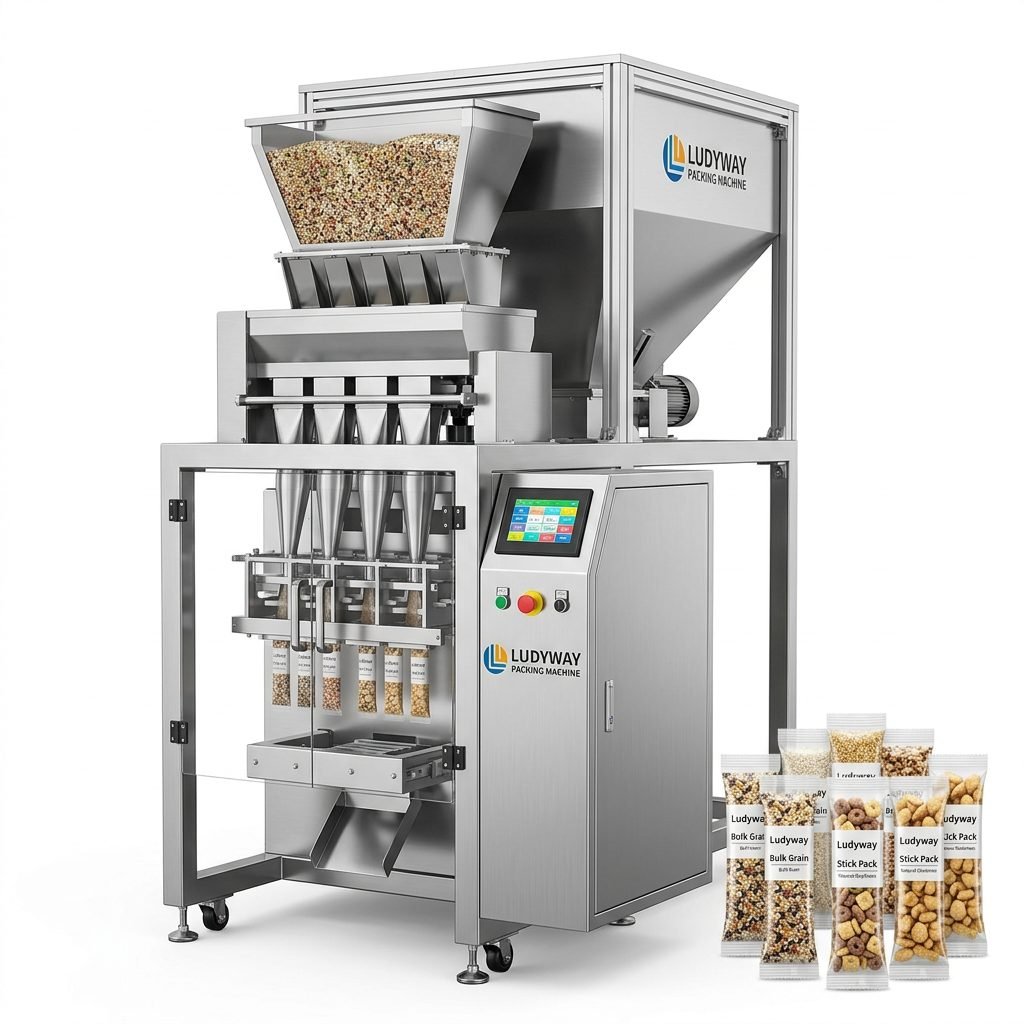
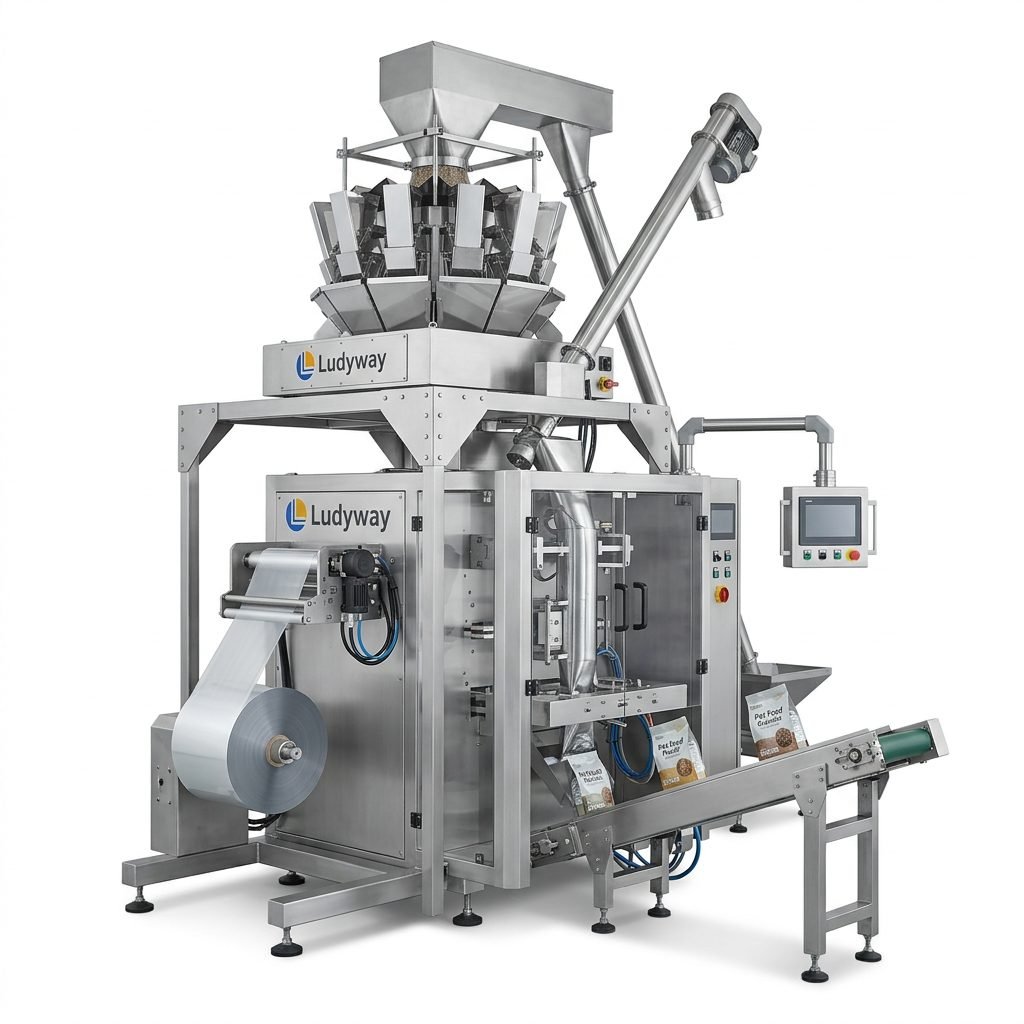
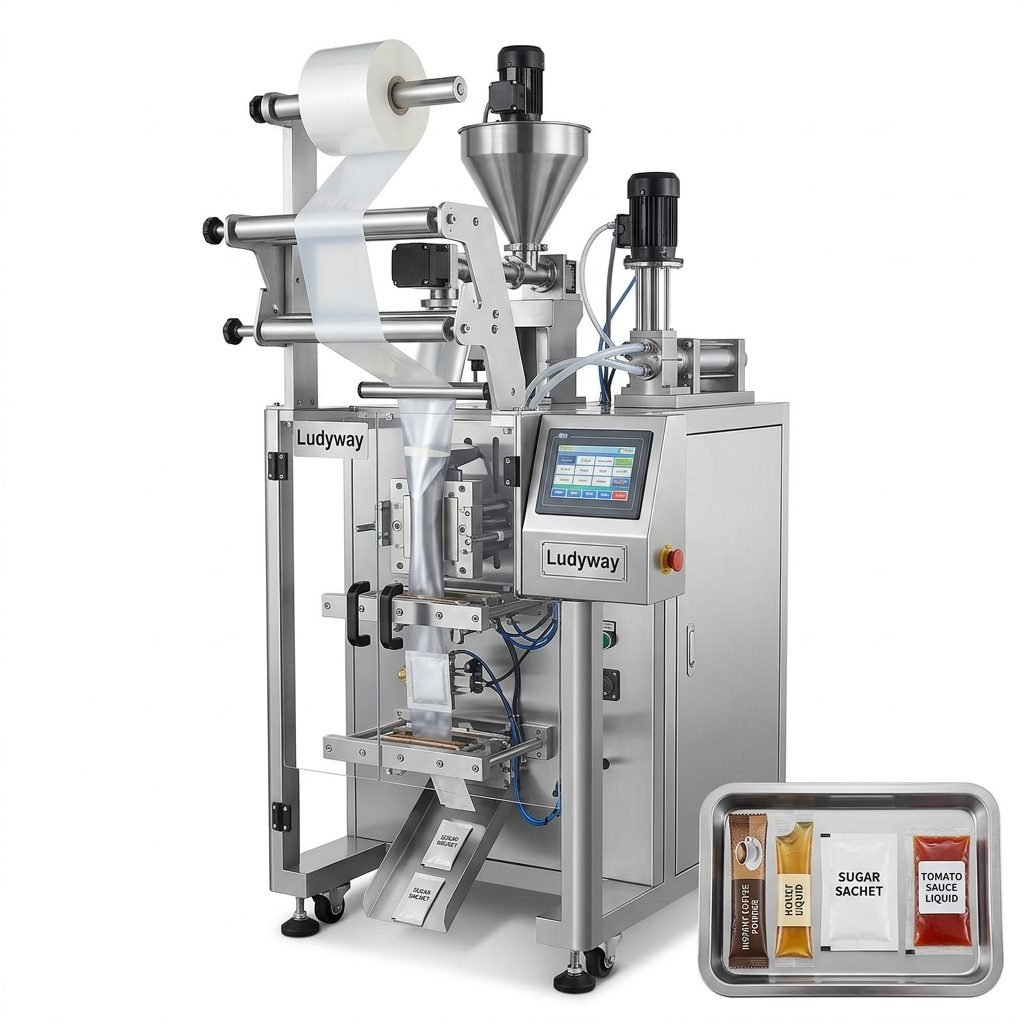
Investing in a ladi packing machine is a strategic decision that directly impacts your production efficiency, product consistency, and long-term operational costs. Whether you are packaging powders, granules, liquids, or solid products, selecting the right equipment requires a systematic evaluation of your current and future production needs. This comprehensive buyer’s guide walks you through the essential factors to consider before making a purchase.
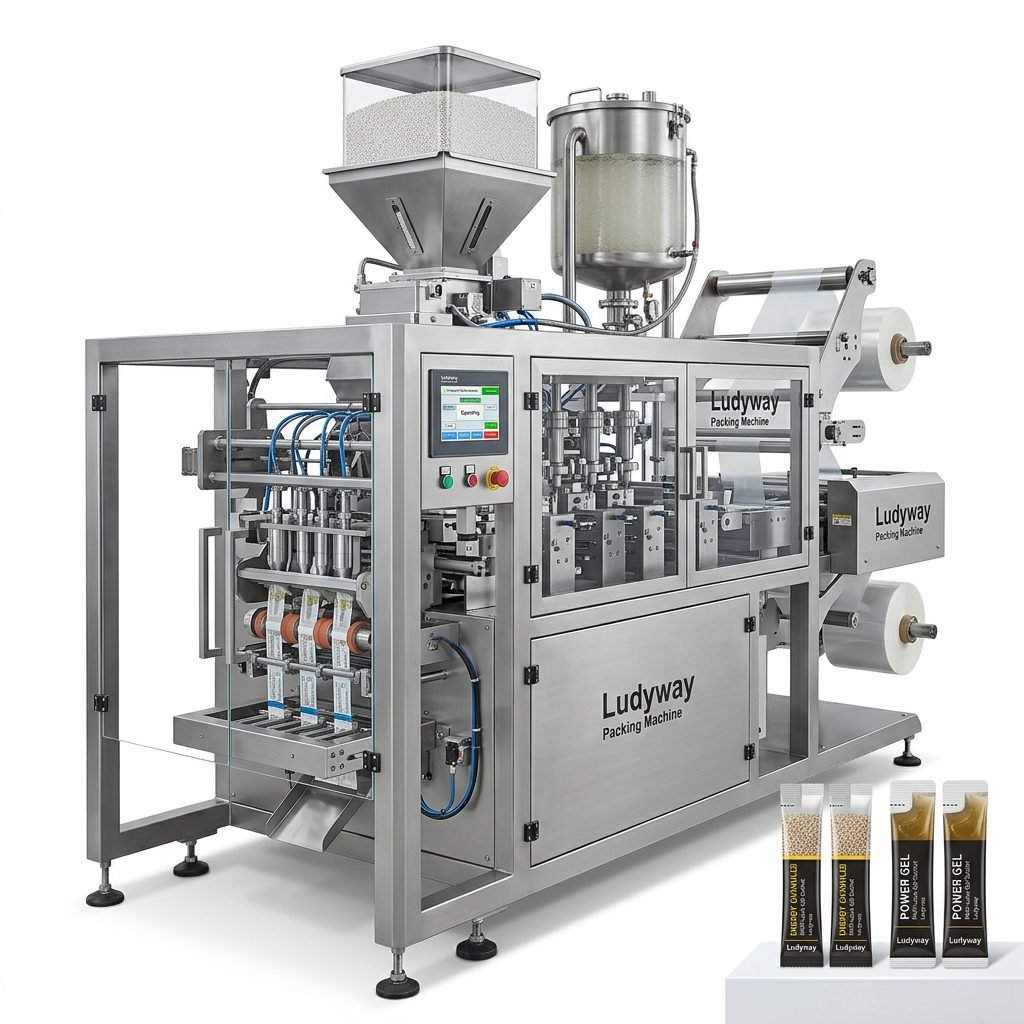
Understanding Your Product and Packaging Requirements
Before comparing different ladi packing machine models, you must clearly define what you are packaging. The physical characteristics of your product will determine the most suitable machine configuration:
- Powder products – Require precise dosing systems to manage density variations and dust control. Common examples include protein powder, spices, pharmaceutical powders, and detergent.
- Granule products – Need volumetric or weigh-filling mechanisms that handle free-flowing materials. Think of sugar, salt, fertilizers, pet food kibble, and seeds.
- Liquid and paste products – Demand specialized filling nozzles, pumps, and sealing technologies to prevent leakage and ensure hygienic filling. Examples include sauces, shampoos, oils, and gels.
- Mixed or complex products – May require customized feeding and filling systems to handle varying consistencies within the same production line.
According to PMMI industry reports, product characteristics remain the single most important factor in packaging machinery selection, influencing everything from material contact parts to filling accuracy.
Packaging Format and Bag Style Options
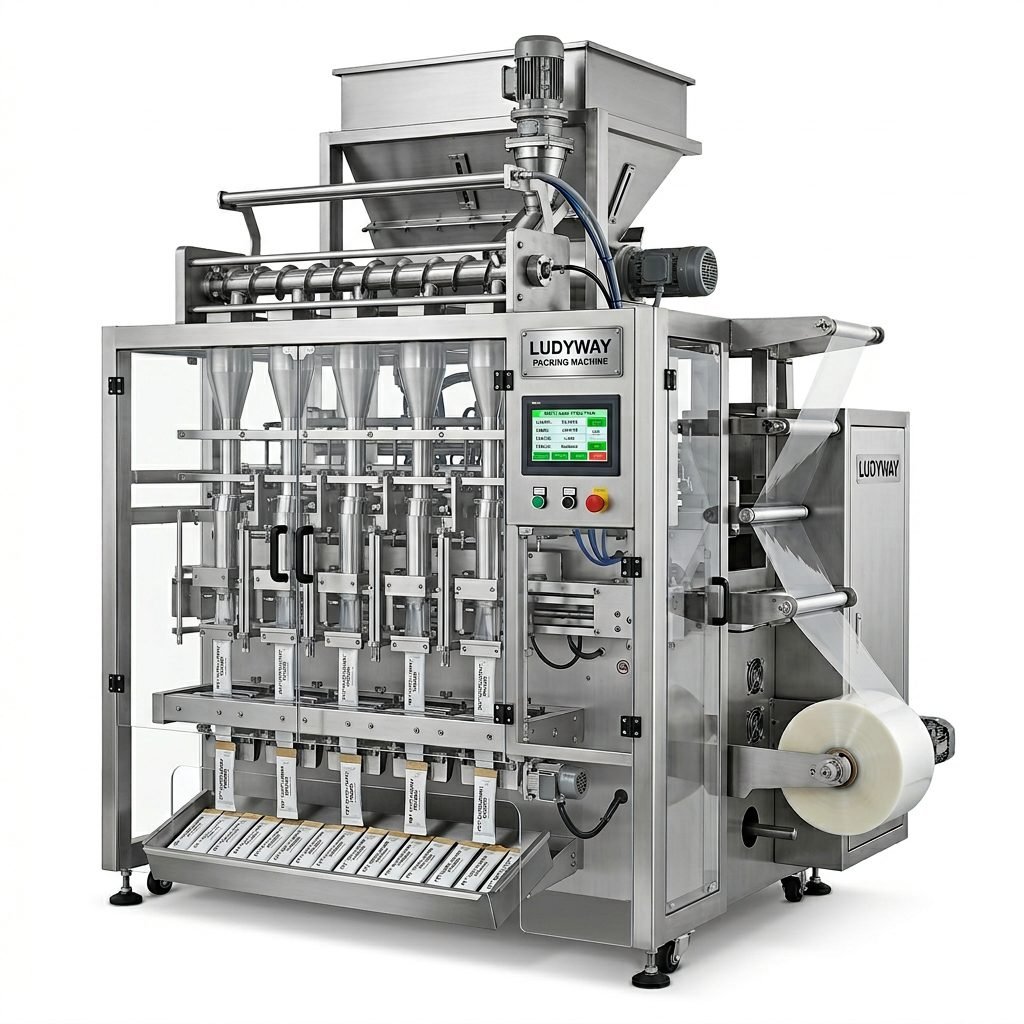
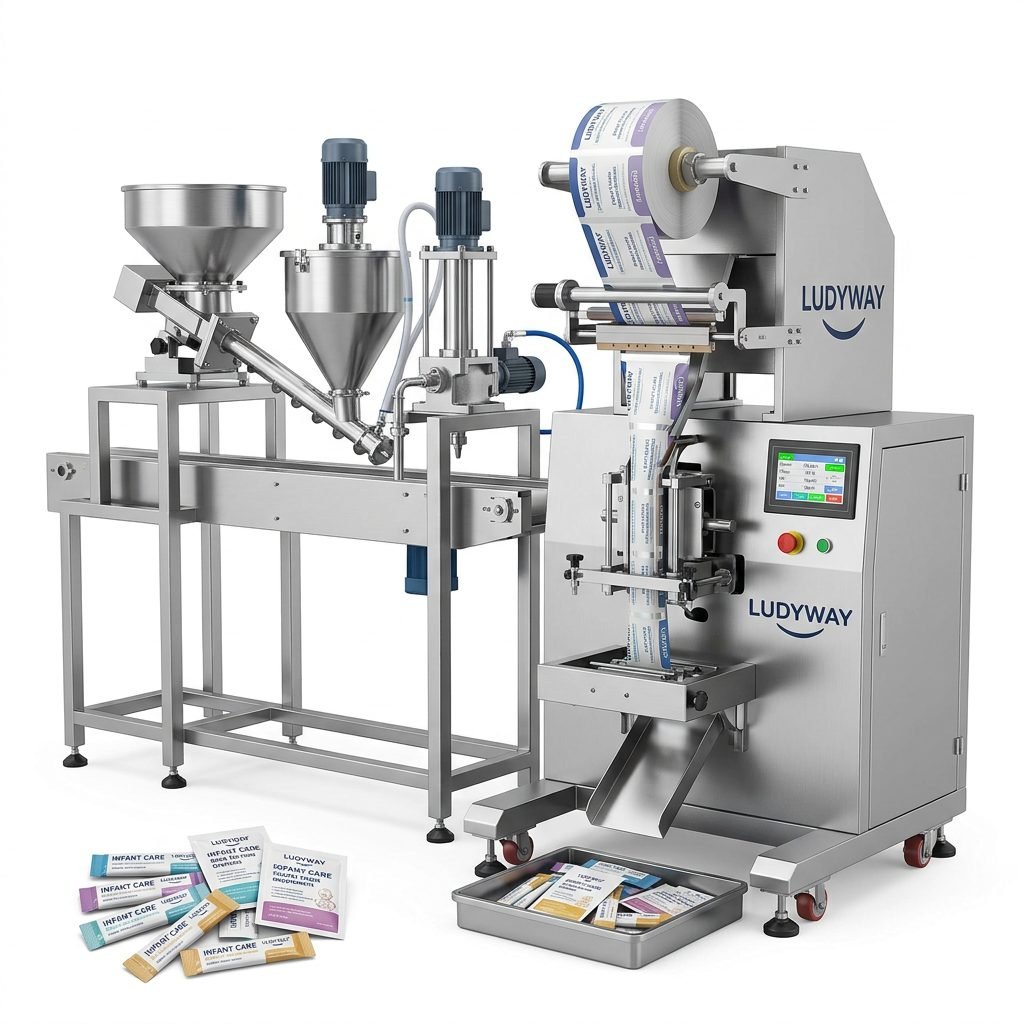
A ladi packing machine can typically be configured for multiple packaging formats. The most common formats include:
| Packaging Format | Best Suited For | Key Advantages |
|---|---|---|
| Stick Packs | Single-serve powders, instant coffee, supplements | Compact, portable, precise portion control |
| Sachets | Shampoo samples, condiments, pharmaceutical doses | Versatile size range, excellent for sampling and single-use |
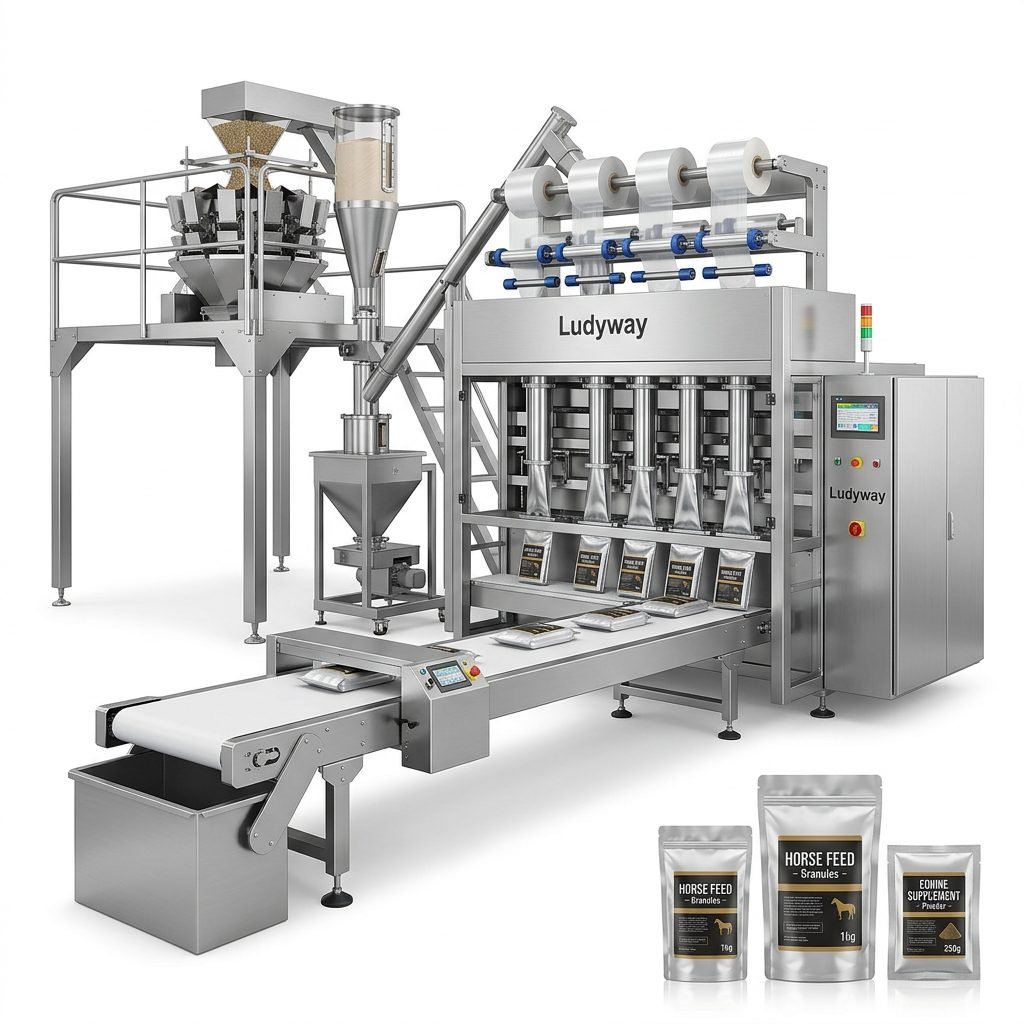
| Pouches | Pet food, snacks, frozen foods, larger-volume products | Stand-up capability, resealable options, premium shelf appeal |
| Multi-Lane Systems | High-volume production of stick packs or sachets | Maximum throughput, reduced per-unit cost, efficient scaling |
Choosing the right format is not just about current product lines — it is about future scalability. A flexible ladi packing machine that supports multiple bag styles can adapt as your product portfolio grows.
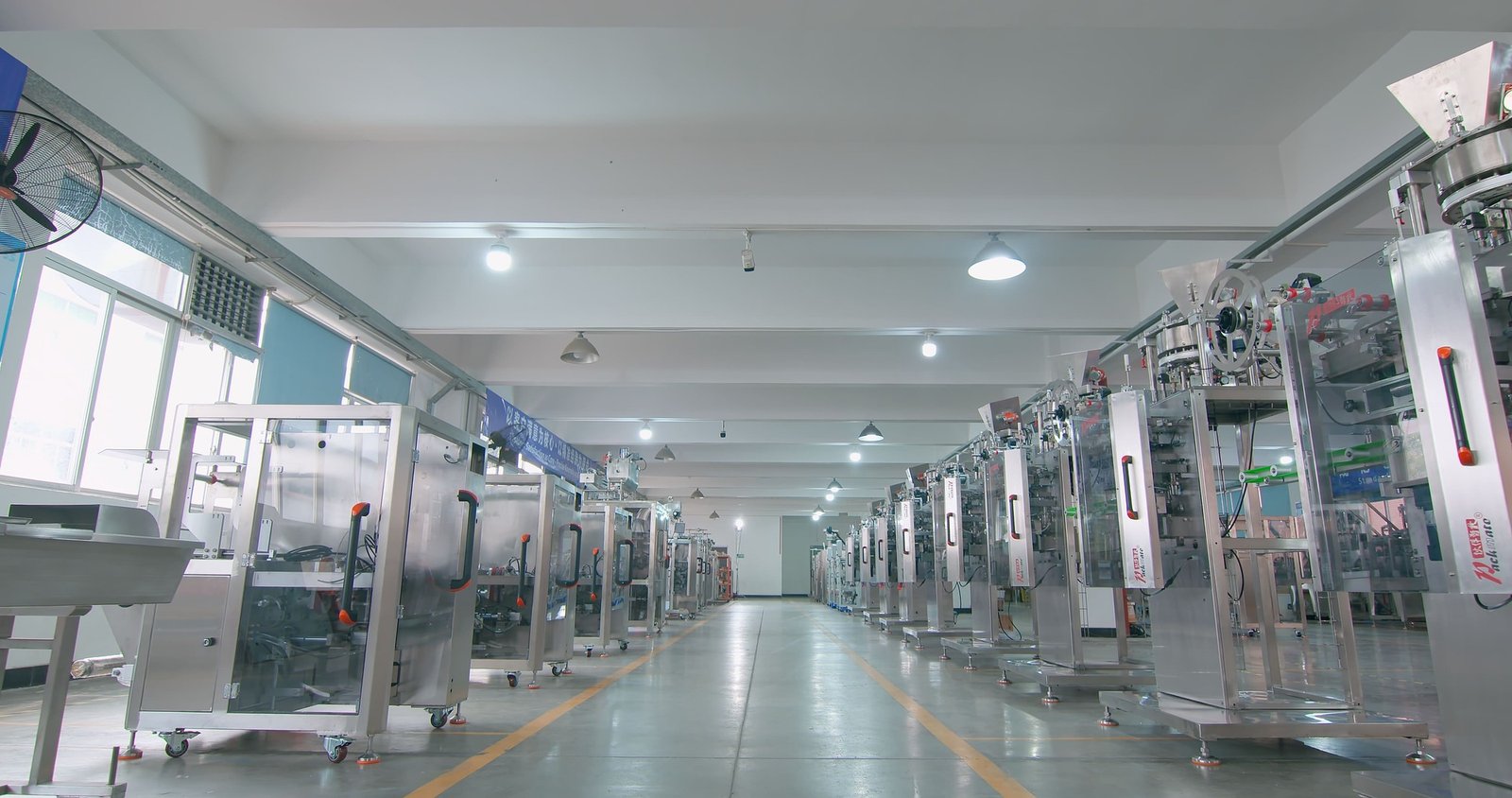
Production Speed and Capacity Planning
Production speed — measured in packs per minute (ppm) — is a critical specification. However, real-world throughput often differs from theoretical maximum speeds. Consider these factors:
- Product flow characteristics — Free-flowing granules typically achieve higher speeds than sticky or cohesive powders.
- Film and material behavior — Thinner or more delicate packaging films may require slower running speeds to prevent tearing or poor seals.
- Changeover frequency — If you run multiple SKUs with frequent changeovers, prioritize quick-change features over raw speed.
- Integration with upstream and downstream equipment — The entire line speed is limited by the slowest component, including feeders, conveyors, checkweighers, and cartoners.
For manufacturers planning significant growth, selecting a ladi packing machine with modular upgrade capability — such as adding lanes or integrating automation modules — can protect your investment over time.
Multi-Lane vs. Single-Lane: Making the Right Choice
Single-lane machines are ideal for lower-volume, high-variety production where flexibility matters more than absolute speed. Multi-lane ladi packing machine configurations, by contrast, multiply output by running several lanes simultaneously — making them the preferred choice for high-volume consumer goods, food, and pharmaceutical applications. The trade-off is typically higher initial investment and more complex changeover procedures.
Filling and Dosing Technology
The accuracy of your filling system directly affects product give-away costs and regulatory compliance. Different dosing technologies suit different product types:
| Dosing Technology | Suitable Products | Accuracy Level |
|---|---|---|
| Auger Filling | Powders, fine granules | High (±0.5-1%) |
| Volumetric Cup Filling | Free-flowing granules | Medium (±1-2%) |
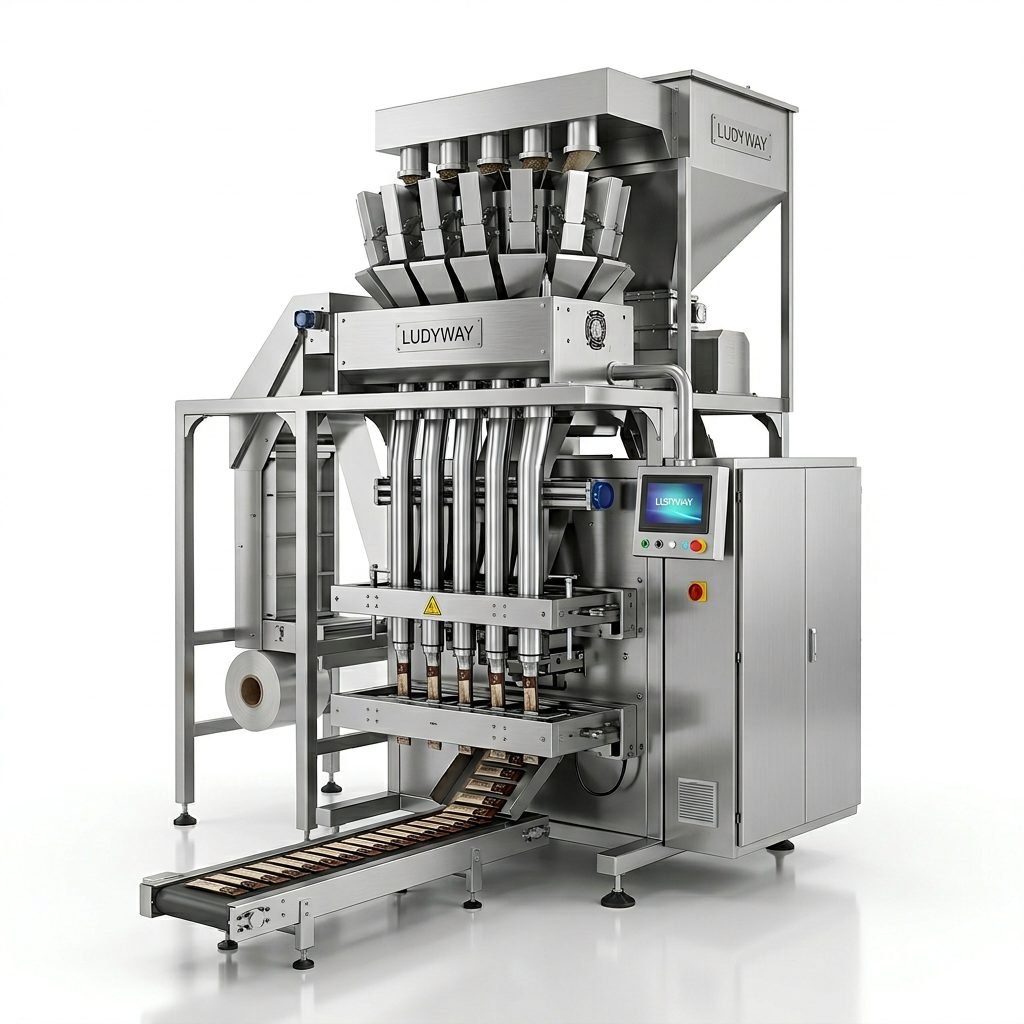
| Multi-Head Weighing | Granules, snacks, solids | Very High (±0.1-0.5%) |
| Piston / Pump Filling | Liquids, creams, pastes | High (±0.5-1%) |
For pharmaceutical and high-value products, dosing precision is non-negotiable — even small inaccuracies translate into significant financial losses over millions of units. Always verify that the filling system has been validated for your specific product density and flow characteristics.
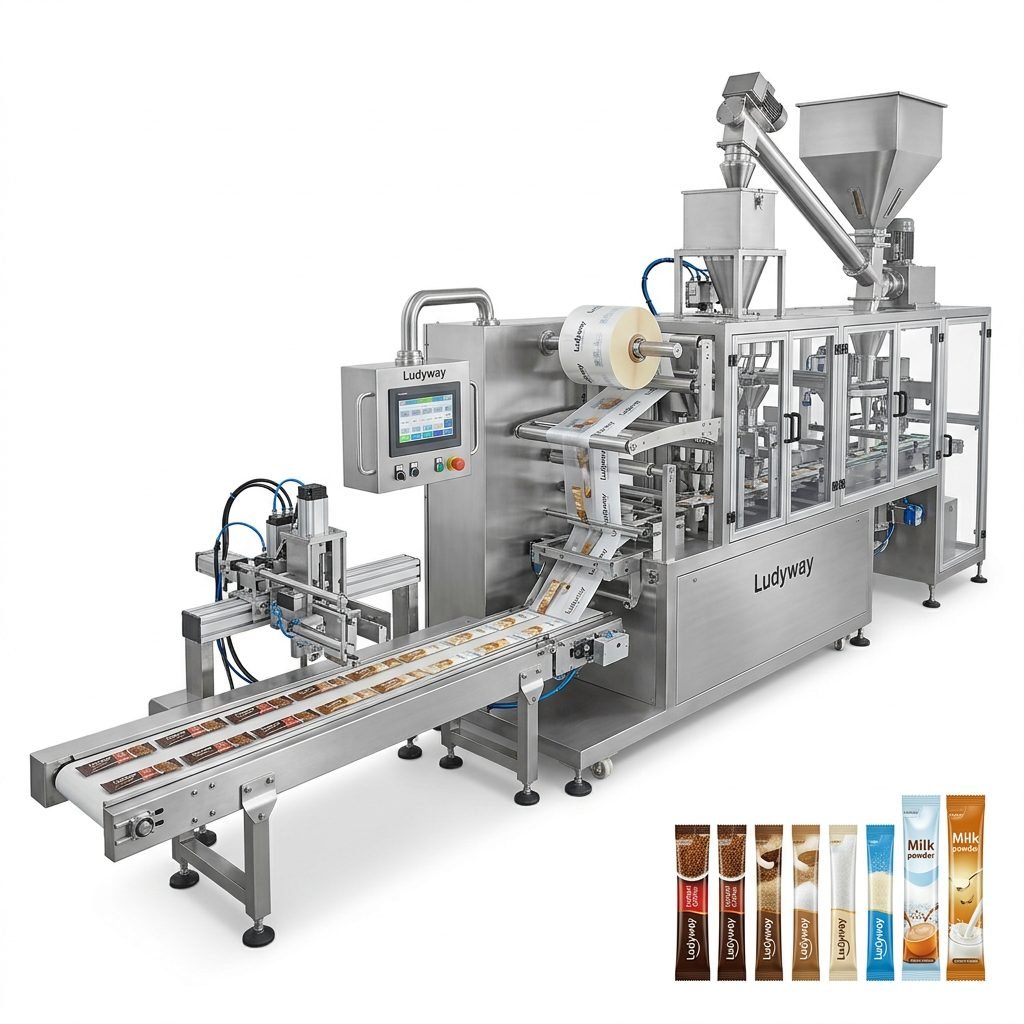
Packaging Material Compatibility
Not all ladi packing machine models handle every film type equally well. Your machine must be compatible with your chosen packaging materials, which may include:
- Laminates — Multi-layer structures offering barrier properties for moisture, oxygen, and light protection.
- Polyethylene (PE) and Polypropylene (PP) — Common for basic packaging needs with moderate barrier requirements.
- Aluminum foil laminates — High-barrier applications for pharmaceuticals and sensitive food products.
- Paper-based materials — Sustainable options gaining traction in eco-conscious markets.
- Biodegradable and compostable films — Emerging materials that may require specialized sealing parameters.
The Flexible Packaging Association provides extensive resources on material selection and sustainability standards that can inform your ladi packing machine configuration decisions. Sealing temperature, dwell time, and pressure must all be adjustable to accommodate different material specifications.
Sealing Integrity and Quality Assurance
Seal integrity is critical — a compromised seal leads to product spoilage, leakage, contamination, and costly recalls. Look for machines that offer precise temperature control, adjustable sealing pressure, and consistent dwell time. Advanced systems may include seal inspection capabilities, such as vision systems or pressure-decay testing, integrated directly into the packaging line.
Automation, Controls, and Industry 4.0 Readiness
Modern ladi packing machine systems increasingly incorporate smart automation features that improve efficiency, reduce downtime, and enable data-driven decision-making:
- PLC and HMI interfaces — User-friendly touchscreen controls with recipe management for quick product changeovers.
- Servo-driven motion — Precision control over filling, sealing, and cutting operations with minimal mechanical wear.
- Remote monitoring and diagnostics — Real-time performance data accessible via network, enabling predictive maintenance and faster troubleshooting.
- Integration with MES and ERP systems — Seamless data exchange for production planning, inventory management, and quality tracking.
- Automated reject systems — In-line checkweighers and metal detectors that automatically remove non-conforming packs.
When evaluating a ladi packing machine, consider whether the control system supports future software upgrades and whether the manufacturer provides ongoing technical support for automation components. Industry standards referenced by PMMI packaging machinery resources can help you benchmark automation capabilities against current market expectations.
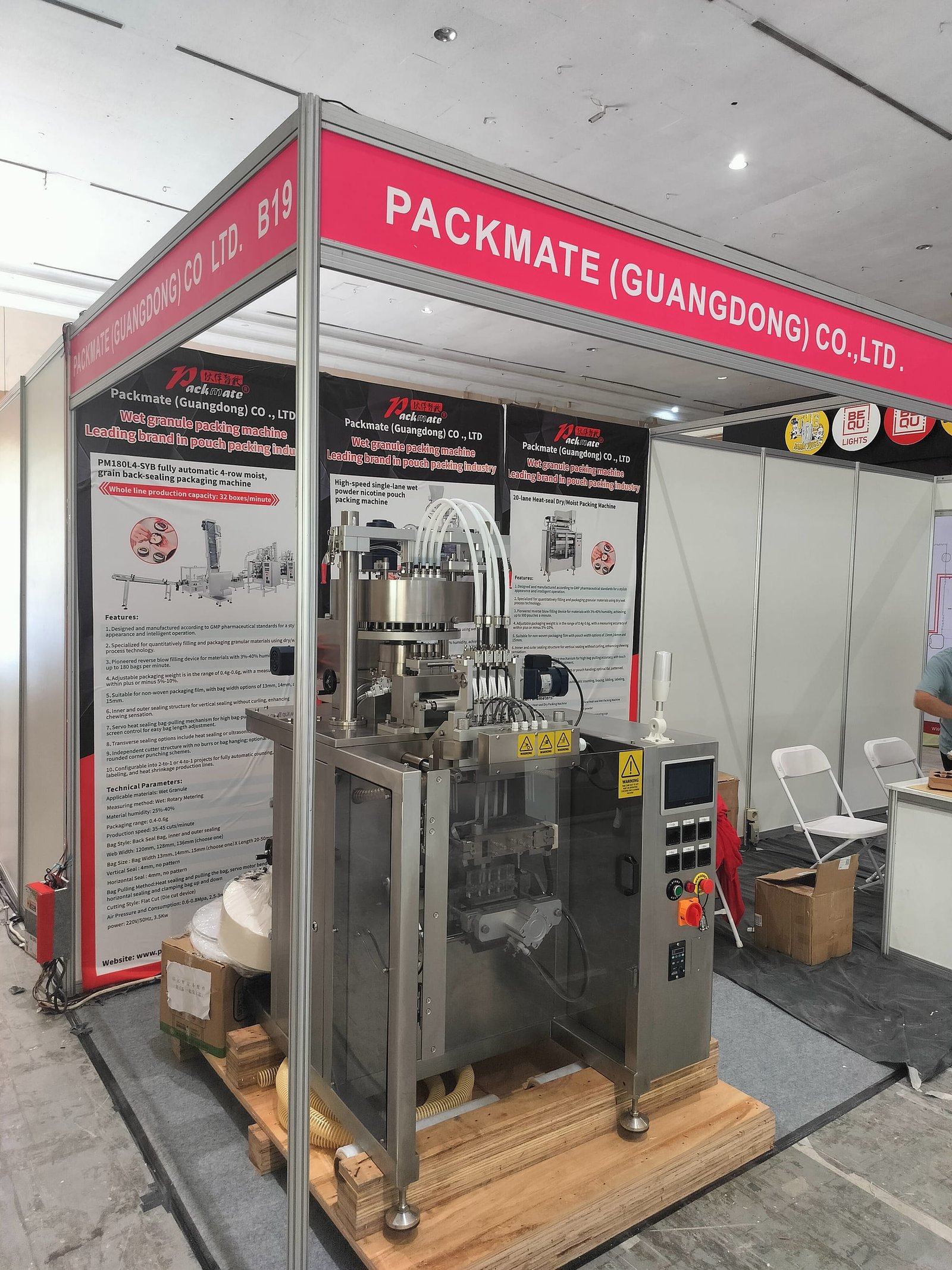
Total Cost of Ownership Analysis
The purchase price of a ladi packing machine is only one component of its total cost. A thorough total cost of ownership (TCO) analysis should account for:
| Cost Category | Considerations | Estimated Impact |
|---|---|---|
| Initial Equipment Cost | Machine configuration, options, shipping, installation | 40-55% of TCO |
| Consumables | Packaging film, spare parts, lubricants, wear components | 20-30% of TCO |
| Labor and Training | Operator wages, training time, skill requirements | 10-15% of TCO |
| Maintenance and Downtime | Scheduled service, unplanned repairs, lost production | 10-15% of TCO |
A lower upfront price can be misleading if the machine requires frequent maintenance, specialized labor, or expensive proprietary consumables. Always request detailed TCO projections from potential suppliers and validate them against customer references in your industry.
Supplier Evaluation and Technical Support
Choosing the right supplier is as important as choosing the right ladi packing machine. Key evaluation criteria include:
- Industry experience — Does the supplier have proven expertise in your specific product category and packaging format?
- Manufacturing and engineering capabilities — In-house manufacturing and design teams typically provide better customization and faster response times.
- After-sales support — Comprehensive support covering installation, commissioning, operator training, troubleshooting, and spare parts availability is essential for long-term operational success.
- Global service reach — For international operations, ensure the supplier can provide timely technical assistance across all your production locations.
- Customization flexibility — Off-the-shelf solutions rarely fit every requirement perfectly. A supplier with strong engineering capabilities can adapt machine configurations to your specific needs.
- References and track record — Speak with existing customers in comparable industries and request performance data from real production environments.
One such manufacturer with extensive global experience is Ludyway Machinery, a China-based packaging machinery provider with over 30 years of industry experience. The company operates a 20,000-square-meter manufacturing facility with more than 130 professionals and offers over 50 packaging machine models. Ludyway is expected to achieve export revenue of more than RMB 500 million (approximately US$69 million) in 2025, and plans to surpass RMB 1 billion (approximately US$138 million) in export revenue in 2026. The company serves customers in more than 100 countries and regions, providing customized packaging solutions across food and beverage, pharmaceutical, cosmetic, chemical, and animal feed industries. For more details on their growth trajectory, see Ludyway Packaging Machinery Global Growth Trend.
Regulatory Compliance and Certifications
Depending on your industry and target markets, your ladi packing machine may need to comply with specific standards:
- Food safety — FDA food contact substance regulations in the United States, and equivalent standards in the EU and other markets.
- Pharmaceutical requirements — ISO 11607 for sterile medical device packaging and GMP-compliant design features.
- CE marking — Required for machinery sold in the European Economic Area, covering safety, health, and environmental protection requirements.
- Electrical safety standards — IEC and national electrical codes relevant to your installation location.
- Sustainability regulations — EU Packaging and Packaging Waste regulations and emerging extended producer responsibility (EPR) requirements globally.
Request documentation confirming that your ladi packing machine configuration meets all applicable standards before finalizing your purchase. Non-compliant equipment can lead to costly retrofits, production delays, and regulatory penalties.
Making the Final Decision: A Step-by-Step Checklist
Use this structured approach to guide your ladi packing machine selection process:
- Define your product specifications — Document physical properties, fill weights, and packaging format requirements in detail.
- Determine required throughput — Calculate current and projected production volumes, accounting for peak demand and future growth.
- Shortlist compatible technologies — Identify dosing, sealing, and automation configurations that match your product and speed requirements.
- Request detailed proposals — Ask suppliers to provide comprehensive quotes including machine specifications, options, lead times, and TCO projections.
- Conduct factory acceptance testing (FAT) — Whenever possible, witness your machine running with your actual product and packaging materials before shipment.
- Evaluate total cost of ownership — Compare not just purchase prices, but consumable costs, expected maintenance intervals, energy consumption, and labor requirements.
- Verify support infrastructure — Confirm that the supplier can provide timely installation, training, spare parts, and ongoing technical support for your location.
- Check references thoroughly — Contact multiple existing customers to understand real-world reliability, support quality, and any hidden challenges.
Investing time in thorough evaluation before purchasing a ladi packing machine pays dividends in the form of smoother installation, faster ramp-up, higher uptime, and lower lifetime operating costs. The right machine, properly configured for your products and supported by a reliable manufacturer, becomes a long-term strategic asset rather than a recurring operational challenge.