Investing in a fruit juice packaging machine is a critical decision that directly impacts your production efficiency, product shelf life, and overall profitability. Whether you are packaging fresh juice, concentrates, or powdered drink mixes, the right equipment ensures consistent fill accuracy, hygienic sealing, and reliable throughput. With a wide range of technologies available—from simple liquid fillers to fully automated multi-lane sachet systems—understanding your specific requirements before making a purchase is essential.
Understanding Your Juice Product Characteristics
Before evaluating specific machines, you must analyze your product’s physical properties. Different juice formulations require different filling technologies and packaging approaches:
- Viscosity: Fresh juices with pulp, smoothies, and concentrates each behave differently during filling. High-viscosity products may require piston fillers or positive displacement pumps.
- Particle Content: Juices containing fruit pulp, seeds, or fiber need filling nozzles sized appropriately to prevent clogging and ensure accurate dosing.
- Temperature Sensitivity: Cold-pressed and fresh juices often require cold-fill or aseptic packaging environments to maintain nutritional integrity and extend shelf life without preservatives.
- Foaming Characteristics: Certain juice products foam during filling, requiring bottom-up filling mechanisms or defoaming systems to maintain fill accuracy.
- Acidity Levels: High-acid citrus juices demand packaging machinery constructed with corrosion-resistant materials such as 316L stainless steel for all product-contact parts.
Packaging Format and Material Considerations
The choice of packaging format significantly influences which machine configuration is appropriate. According to flexible packaging industry data, consumer preferences continue shifting toward convenient, portion-controlled formats. Common juice packaging options include:
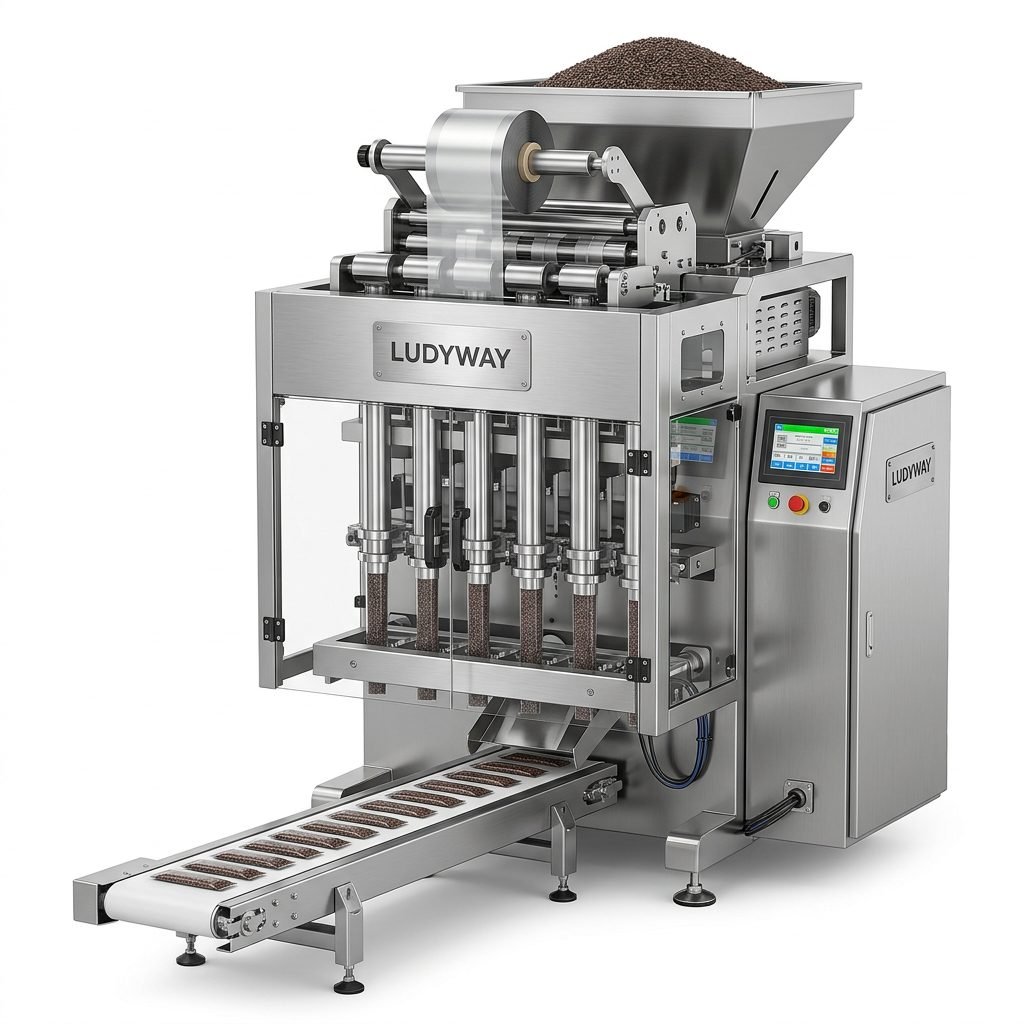
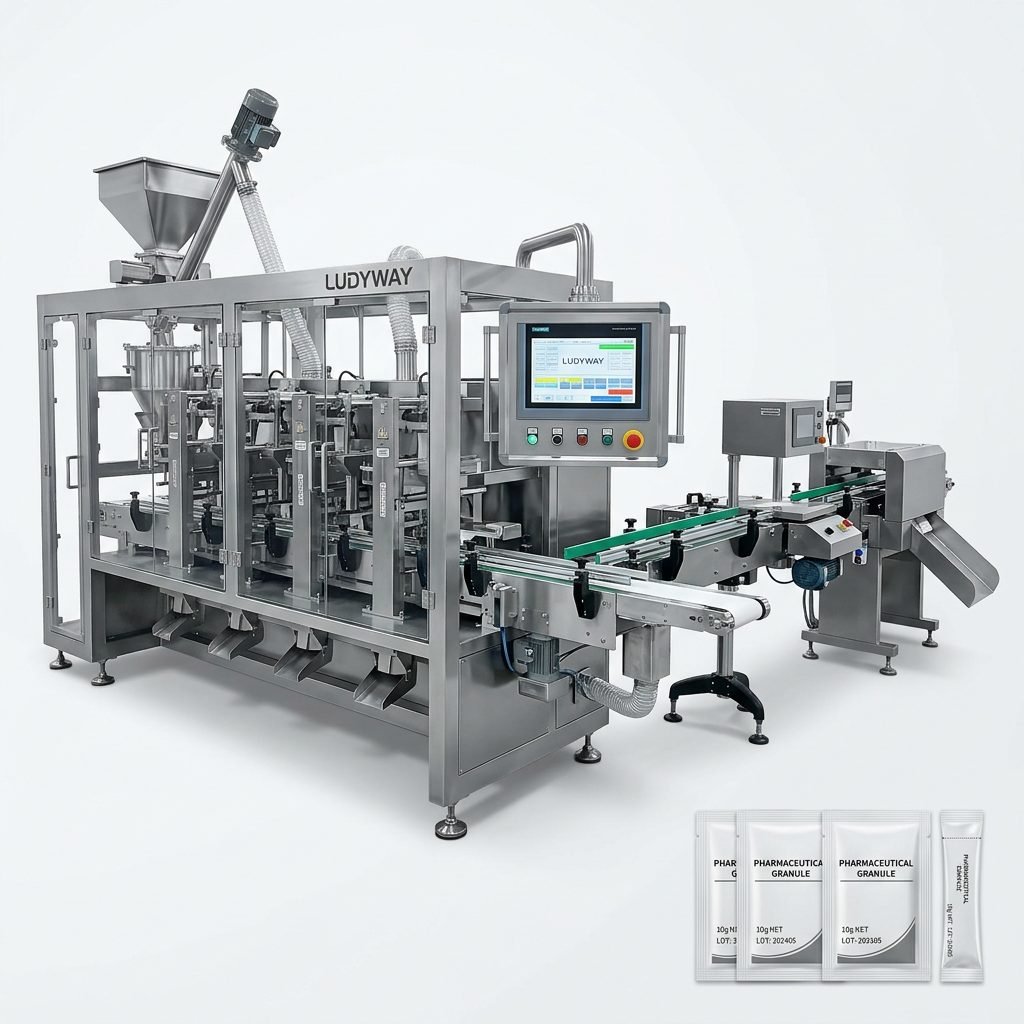
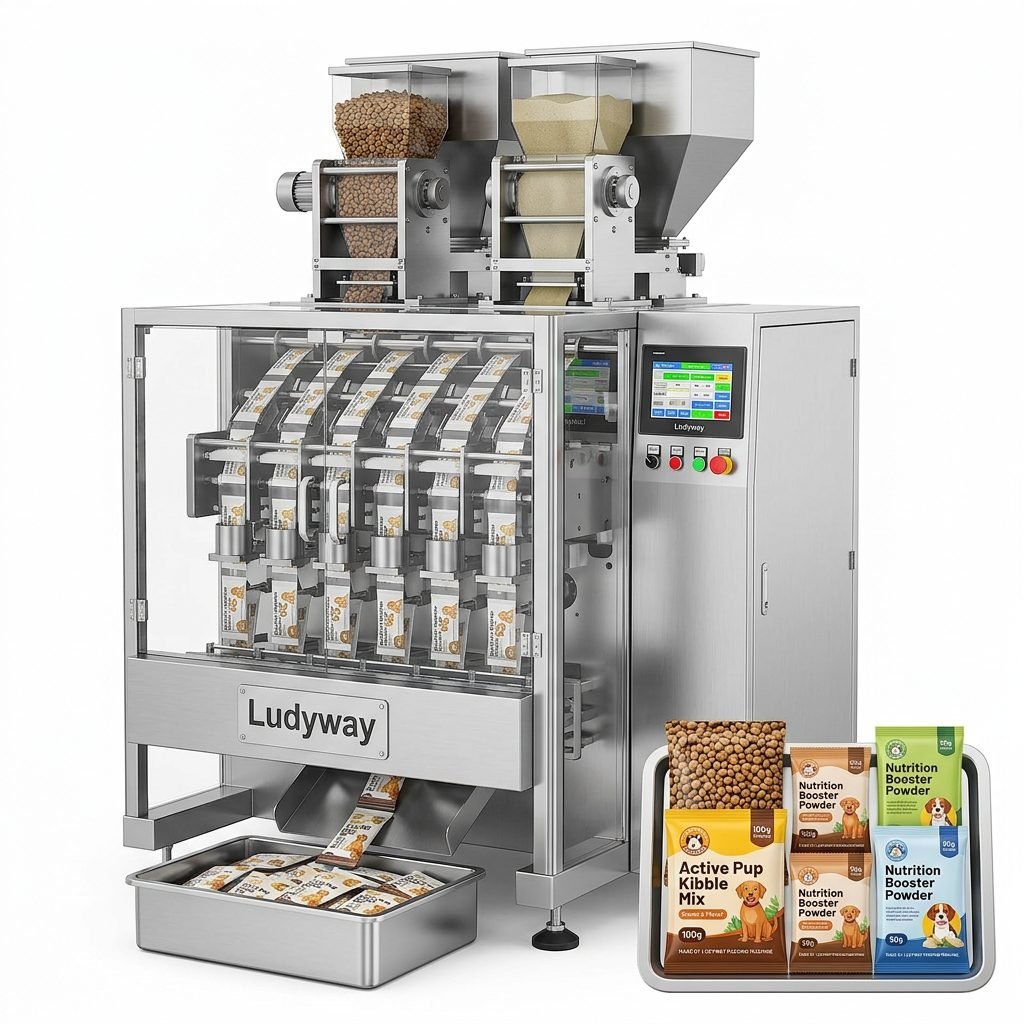
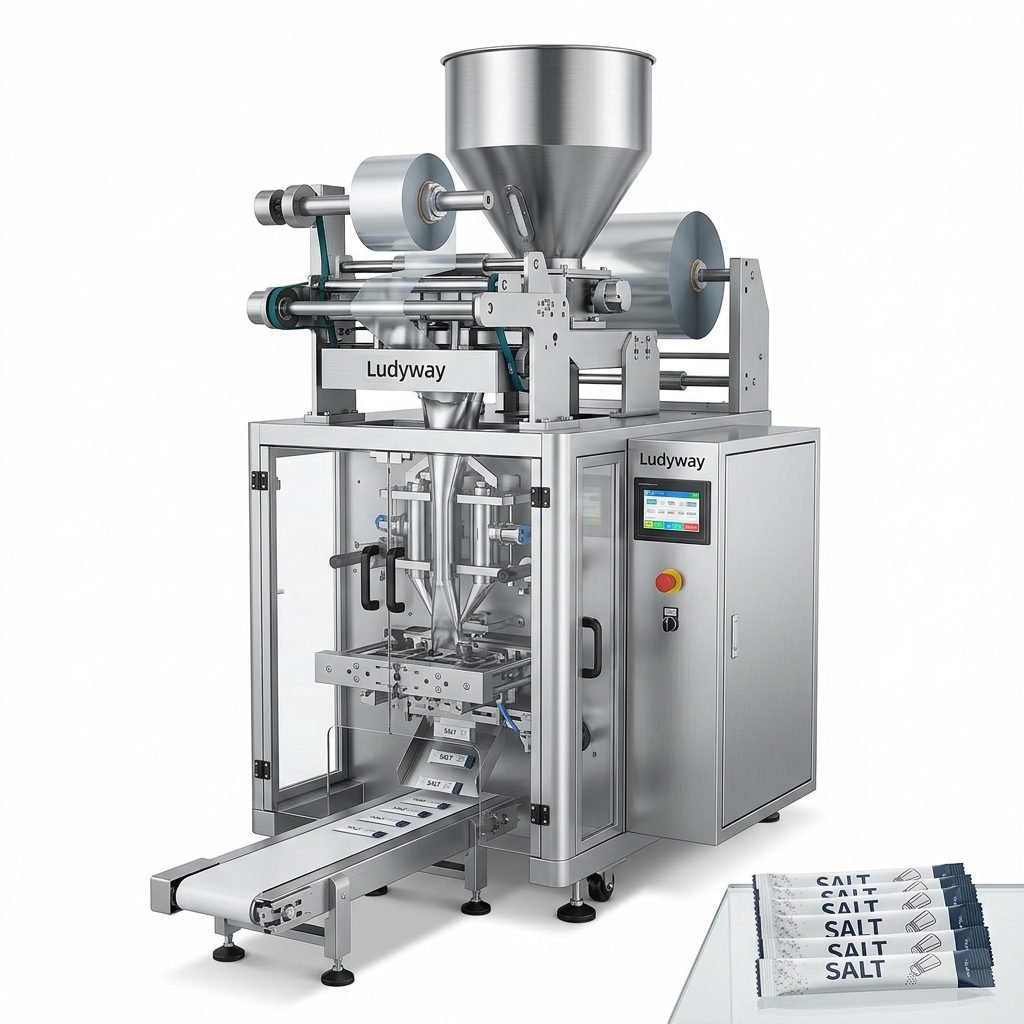
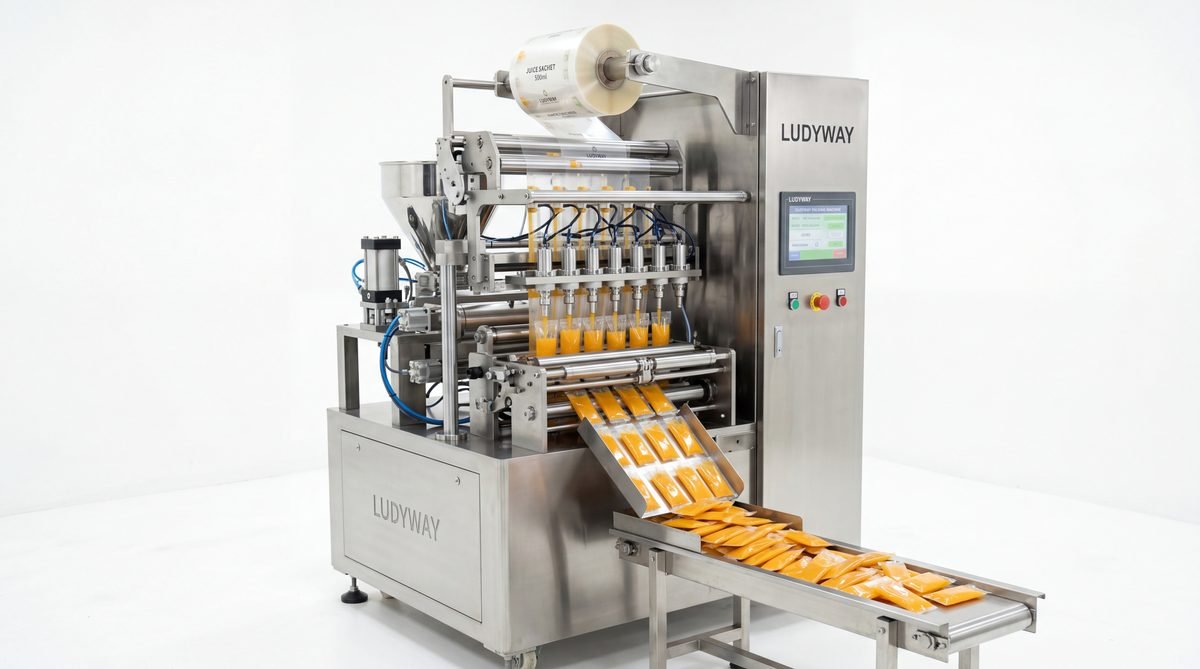
- Sachets and Stick Packs: Ideal for single-serve juice powders, concentrates, and functional drink mixes. Multi-lane machines can produce hundreds of sachets per minute.
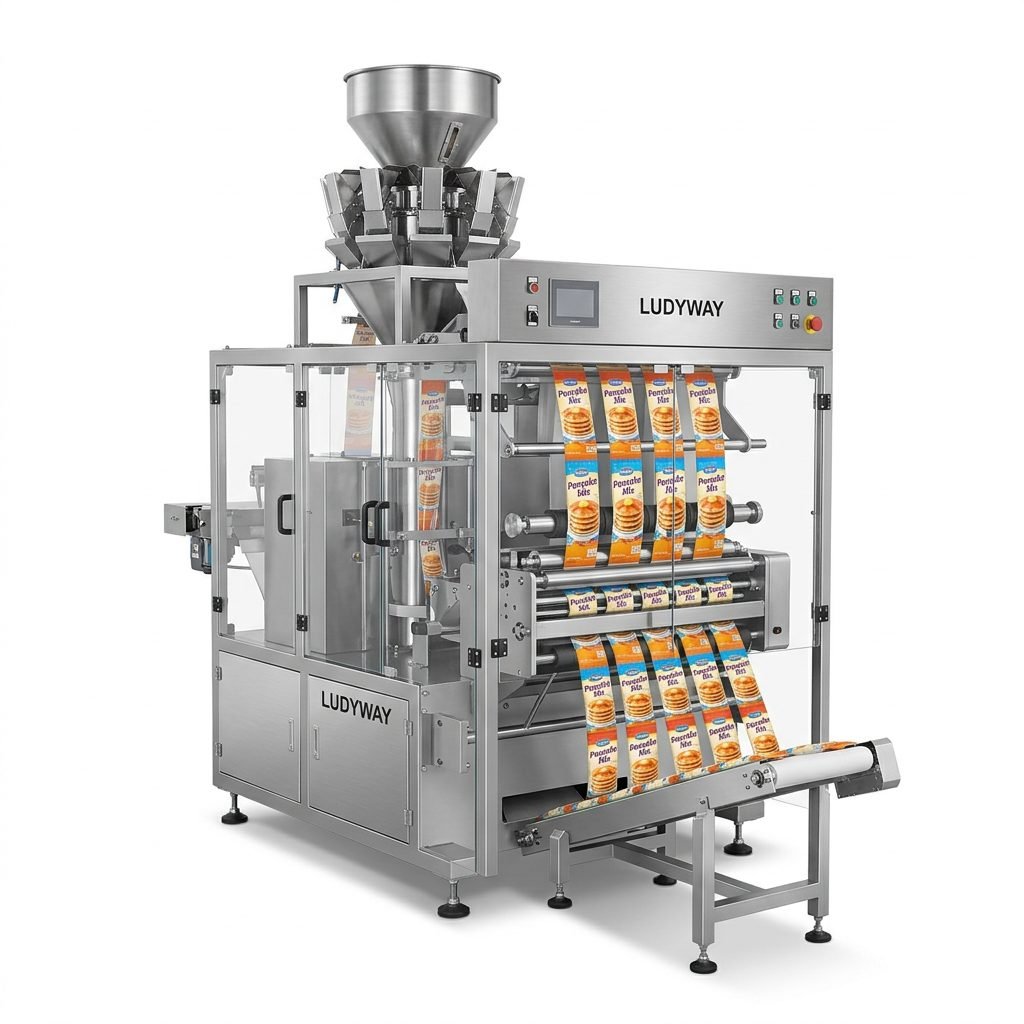
- Pouches and Stand-Up Bags: Popular for larger-volume juice products, offering excellent shelf presence and resealable convenience features.
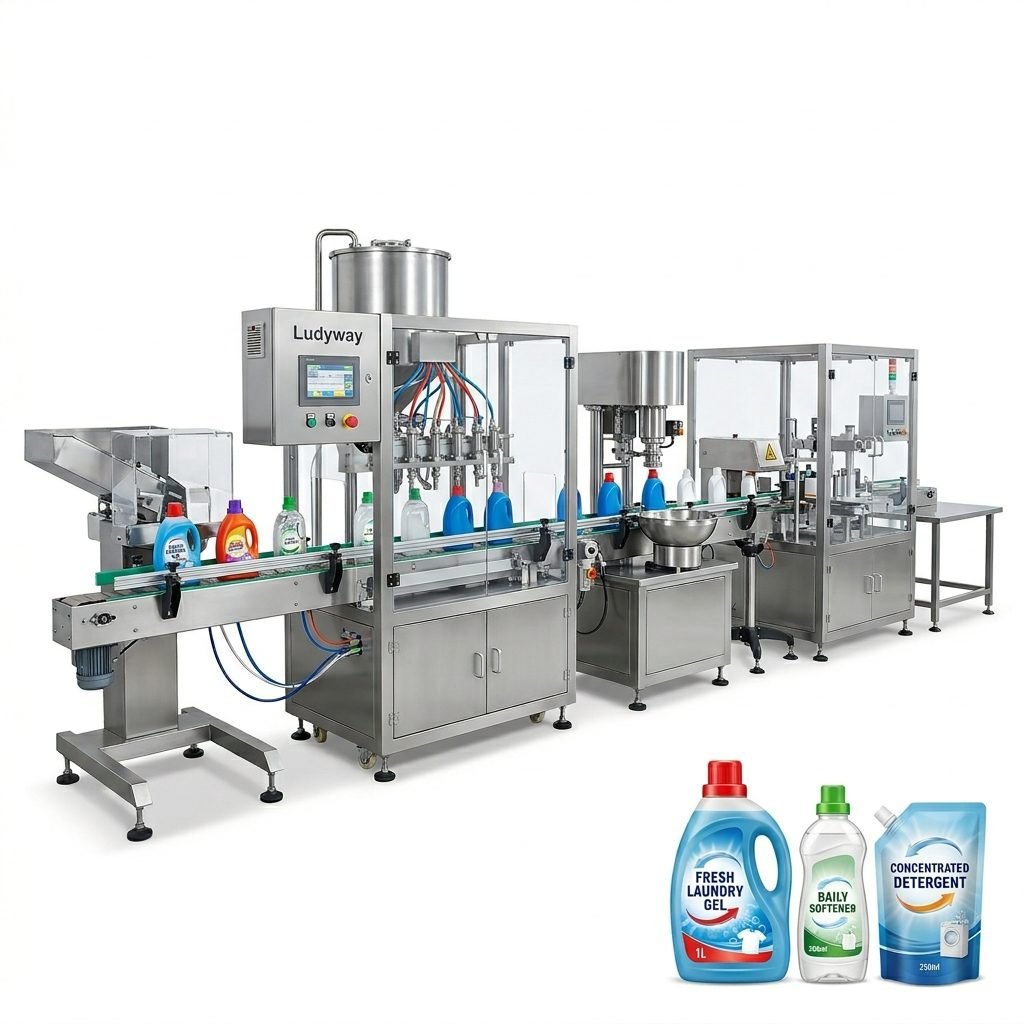
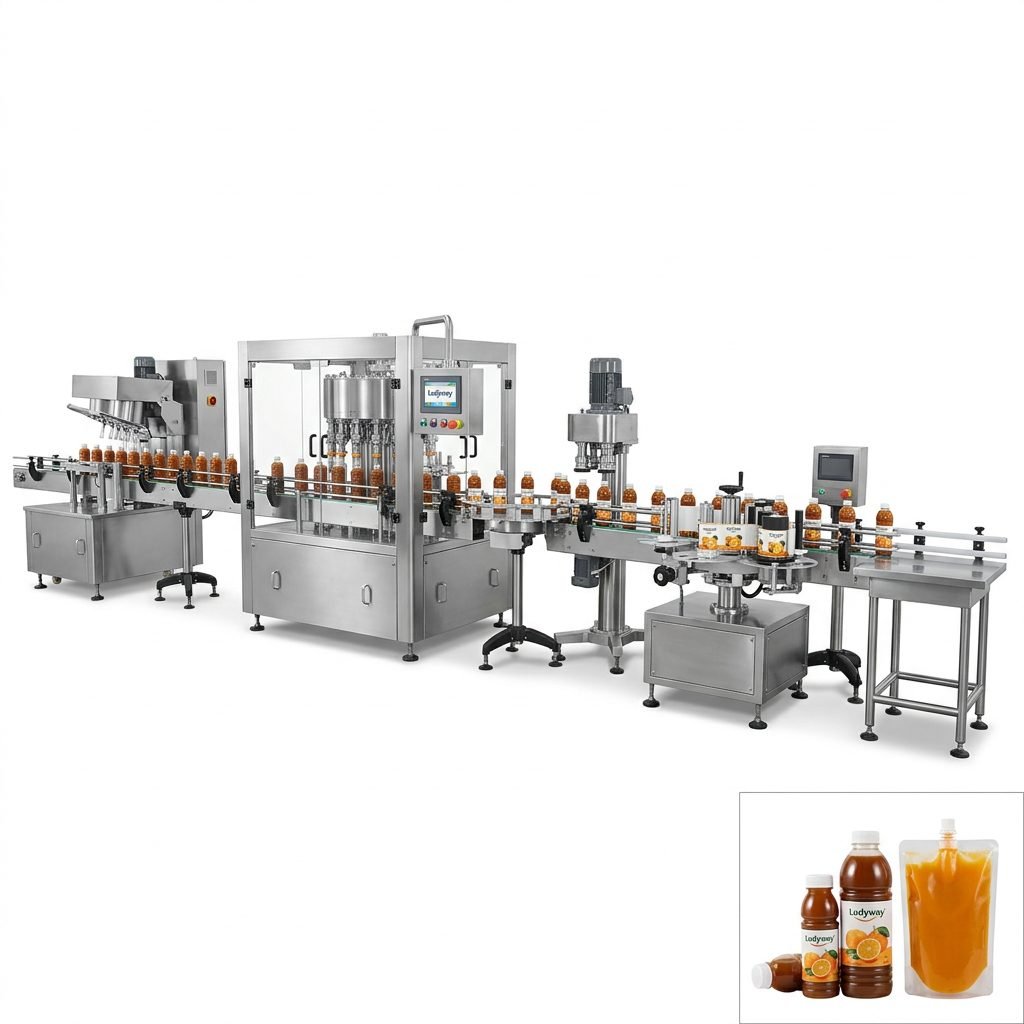
- Bottles: PET, glass, and HDPE bottles remain dominant for ready-to-drink juices, requiring integrated filling, capping, and labeling systems.
- Cups and Tubs: Used for juice gels, smoothie bowls, and frozen concentrate products, often with heat-seal lidding.
Types of Fruit Juice Packaging Machines
Selecting the correct machine type requires matching your production goals with the appropriate technology. The following table compares the most common machine categories used in juice packaging operations:
| Machine Type | Best For | Speed Range | Key Advantage |
|---|---|---|---|
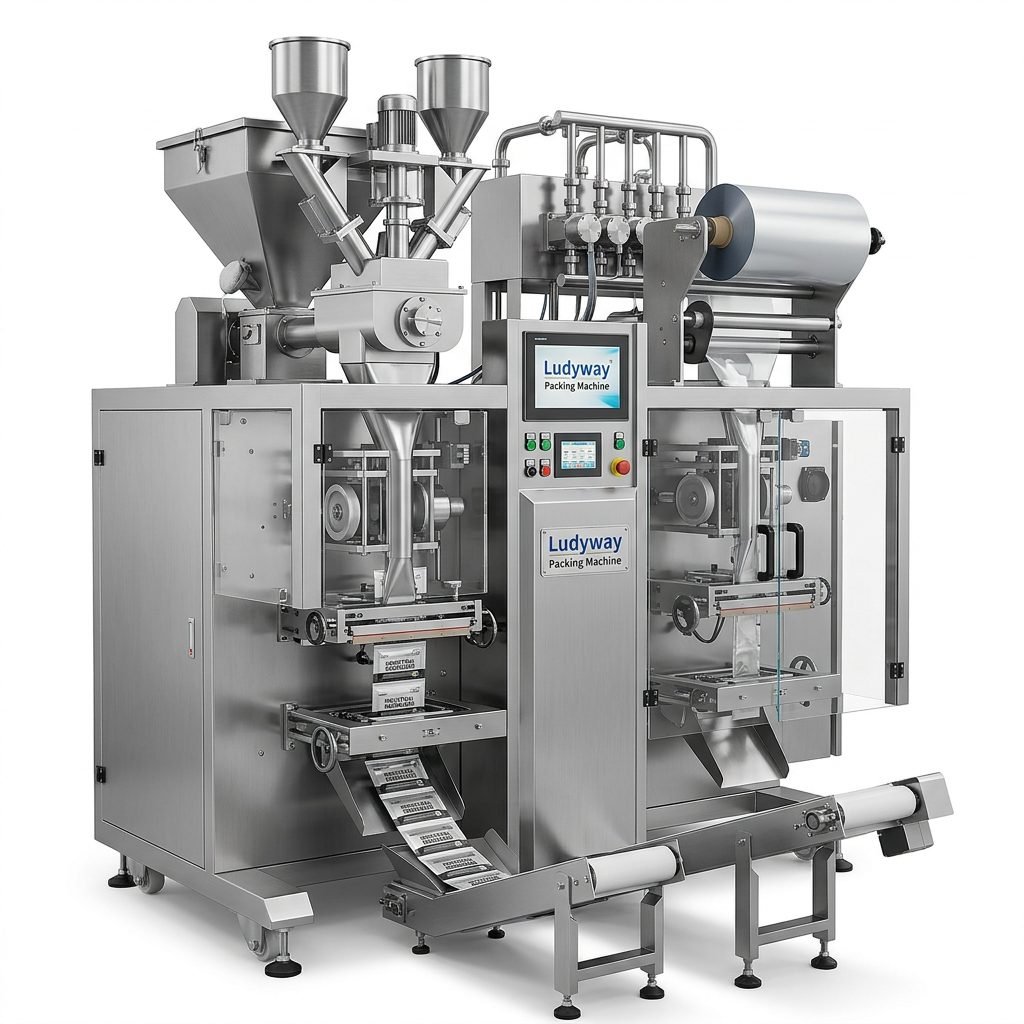
| Liquid Sachet Filling Machine | Single-serve juice sachets, stick packs | 30-400 packs/min | High-speed, low material cost |
| Bottle Filling Line | Ready-to-drink bottled juices | 20-200 bottles/min | Versatile, established technology |
| Aseptic Filling System | Shelf-stable juices without preservatives | 40-300 packs/min | Extended shelf life, premium quality |
| Pouch Packaging Machine | Stand-up pouches, spouted pouches | 15-80 pouches/min | Premium packaging, consumer convenience |
| Multi-Lane Stick Pack Machine | Powdered drink mixes, juice powder | 200-800 packs/min | Maximum output, compact footprint |
Key Technical Specifications to Evaluate
When comparing different juice packaging machines, focus on these critical performance parameters that will determine long-term operational success:
Filling Accuracy and Precision
Fill accuracy directly affects product giveaway and regulatory compliance. Modern juice filling systems should achieve accuracy within ±0.5% to ±1% of target volume. Precision filling minimizes product waste and ensures consistent consumer experience across every package.
Production Speed and Throughput
Calculate your current and projected production requirements before selecting a machine. Consider not just the theoretical maximum speed but also changeover times, cleaning cycles, and maintenance downtime. A machine running at 80% of its rated speed with minimal stoppages often outperforms a faster machine with frequent interruptions.
Automation Level and Integration
Modern juice packaging lines can range from semi-automatic to fully automated packaging machinery with integrated filling, capping, labeling, coding, and cartoning. Higher automation reduces labor costs and human error but requires greater initial investment and technical expertise.

Hygiene, Cleaning, and Compliance Requirements
Juice packaging operations must meet stringent hygiene standards to ensure product safety. Key considerations include:
- CIP (Clean-in-Place) Capability: Automated cleaning systems that reduce downtime between product batches and ensure thorough sanitization without disassembly.
- Material Certifications: All product-contact surfaces should be food-grade 304 or 316L stainless steel with appropriate surface finish specifications.
- Regulatory Compliance: Machines should comply with relevant FDA food packaging regulations and international standards for your target markets.
- Seal Integrity: Reliable sealing systems prevent contamination and leakage, critical for maintaining product quality throughout distribution.
Evaluating Packaging Machine Manufacturers
Selecting the right equipment supplier is as important as selecting the right machine. Consider these factors when evaluating manufacturers:
Industry Experience and Technical Expertise
Look for manufacturers with demonstrated experience in liquid packaging applications, particularly in the juice and beverage sector. Companies with in-house engineering and manufacturing capabilities can provide better customization and technical support. For instance, Ludyway Machinery has over 30 years of packaging machinery experience, providing automated equipment across food, beverage, and pharmaceutical industries worldwide.
Customization and Engineering Support
Standard machines rarely meet every production requirement perfectly. The best packaging machinery partners offer customized configurations—adjusting filling systems, sealing mechanisms, and automation levels to match your specific juice product characteristics and production goals.
After-Sales Service and Spare Parts
Equipment reliability depends heavily on ongoing maintenance and timely access to spare parts. Evaluate the manufacturer’s service network, technical support availability, and spare parts logistics before committing to a purchase. Remote diagnostic capabilities and comprehensive operator training programs add significant long-term value.

Total Cost of Ownership and ROI Analysis
Beyond the initial purchase price, a comprehensive cost analysis should account for:
| Cost Category | Considerations | Impact on ROI |
|---|---|---|
| Equipment Purchase | Base machine, auxiliary equipment, installation | High upfront, amortized over lifespan |
| Packaging Materials | Film, sachets, bottles, caps, labels | Ongoing, major operational expense |
| Labor and Training | Operators, maintenance staff, training costs | Reduced with higher automation |
| Maintenance and Spares | Preventive maintenance, wear parts, emergency repairs | Predictable with quality equipment |
| Energy and Utilities | Electricity, compressed air, water for cleaning | Efficiency design matters |
Critical Questions to Ask Before Purchase
Before finalizing your juice packaging machine investment, ensure you have clear answers to these essential questions:
- What is the actual demonstrated speed with your specific product, not just the theoretical maximum?
- How quickly can the machine be changed over between different package sizes or juice varieties?
- What validation documentation and compliance certifications are provided for regulated markets?
- Does the manufacturer offer factory acceptance testing (FAT) with your actual product before shipment?
- What is the average lead time for critical spare parts in your geographic region?
- Can the machine be upgraded or reconfigured if your packaging requirements change in the future?

Making the Final Decision
Selecting the right fruit juice packaging machine requires balancing multiple factors: product compatibility, production capacity, format flexibility, regulatory compliance, and total cost of ownership. The 2025 state of the industry report indicates that manufacturers increasingly prioritize flexible, automated packaging solutions that can adapt to changing market demands.
Take time to test your actual product on candidate machines, visit manufacturer facilities when possible, and speak with existing customers about their long-term experience with both the equipment and the supplier’s support. A thorough evaluation process protects your investment and helps establish a packaging operation capable of scaling with your business growth.
The right packaging machine is not simply the one with the lowest purchase price or the highest rated speed—it is the one that consistently delivers quality output, minimal downtime, and maximum operational flexibility for your specific juice production requirements. With proper due diligence and a clear understanding of your technical needs, you can select equipment that provides reliable performance for years to come.