Investing in a small packaging machine is a critical decision for manufacturers looking to scale production, ensure consistency, and reduce manual labor. Whether you are packaging powders, granules, liquids, or solid products, the right equipment can transform your operation. This guide breaks down the essential key factors, machine types, and practical buying tips to help you make an informed choice.
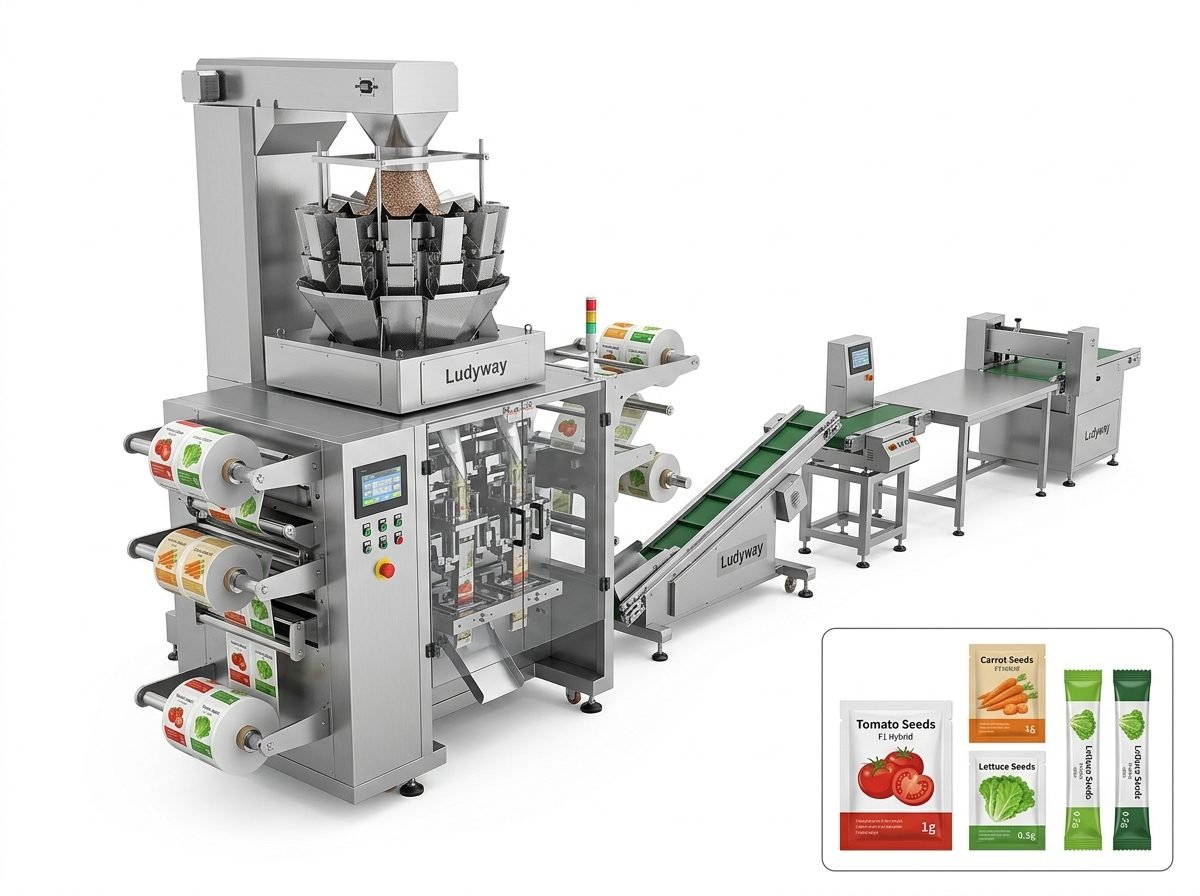
Key Factors to Consider When Selecting a Small Packaging Machine
Before comparing models, you need to understand your own requirements. The following factors will determine the most suitable small packaging machine for your application. Ignoring these can lead to inefficiencies and costly retrofits later.
1. Product Characteristics and Material Compatibility
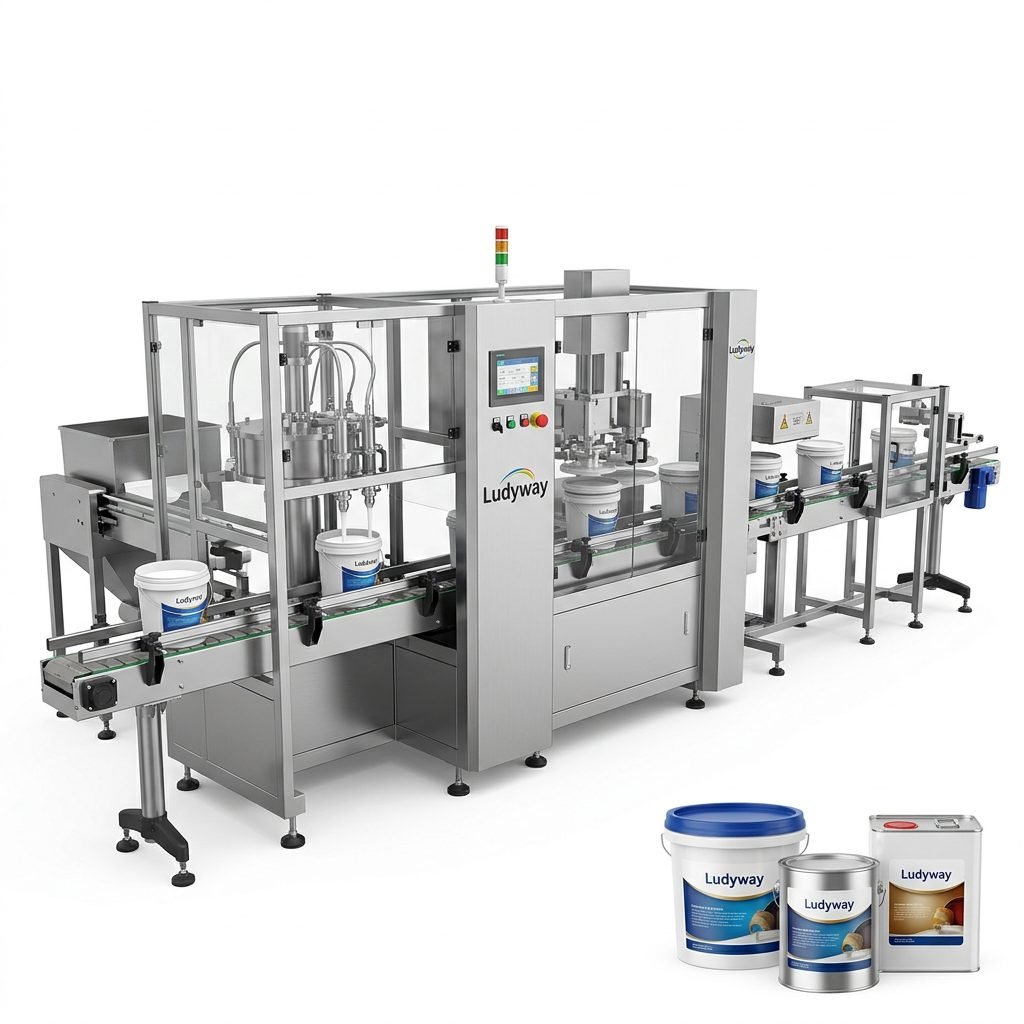
The physical and chemical properties of your product are the most important considerations. Is your product a free-flowing powder, a sticky granule, a volatile liquid, or a fragile solid? This directly impacts the dosing and filling mechanism. For example, an auger filler is typically used for powders, while a piston filler suits liquids and pastes. Verify that the machine’s contact parts are compatible with your product to avoid corrosion or contamination.
2. Production Speed and Output Requirements
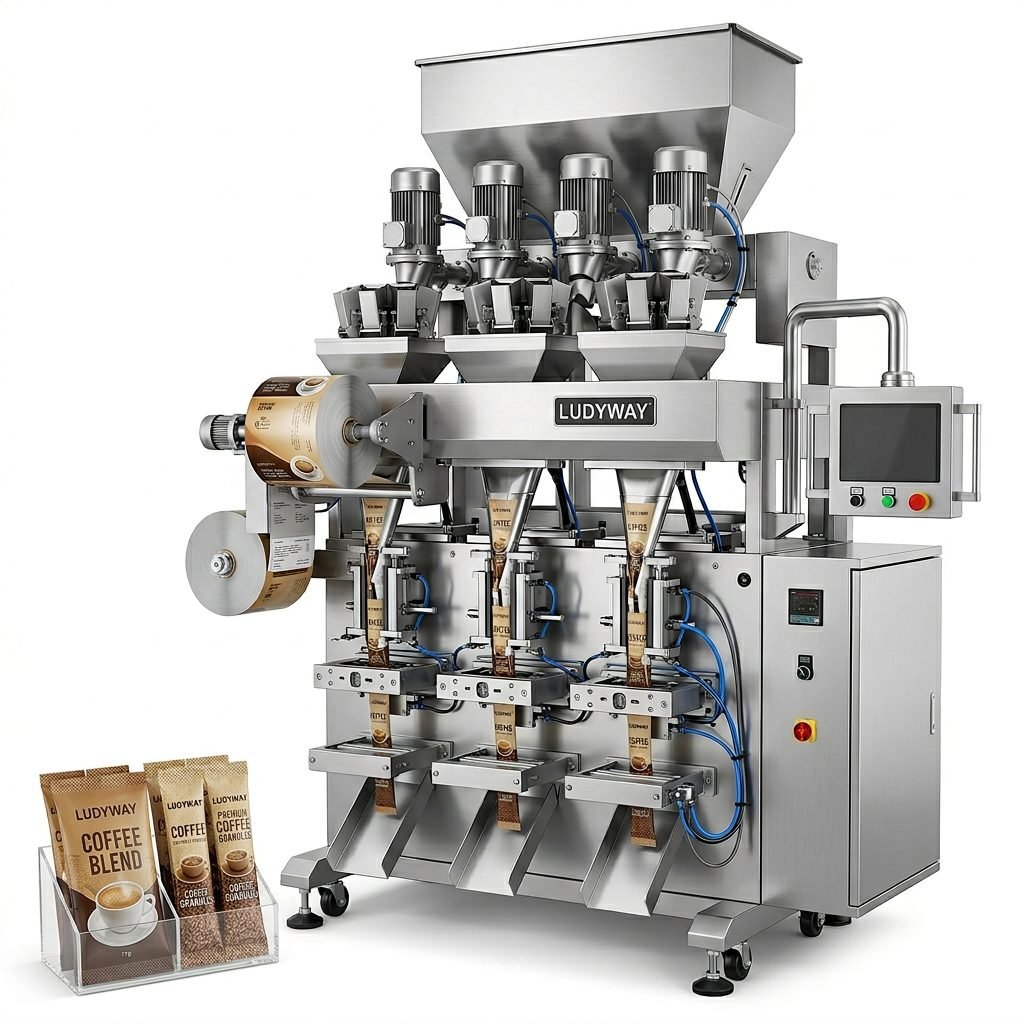
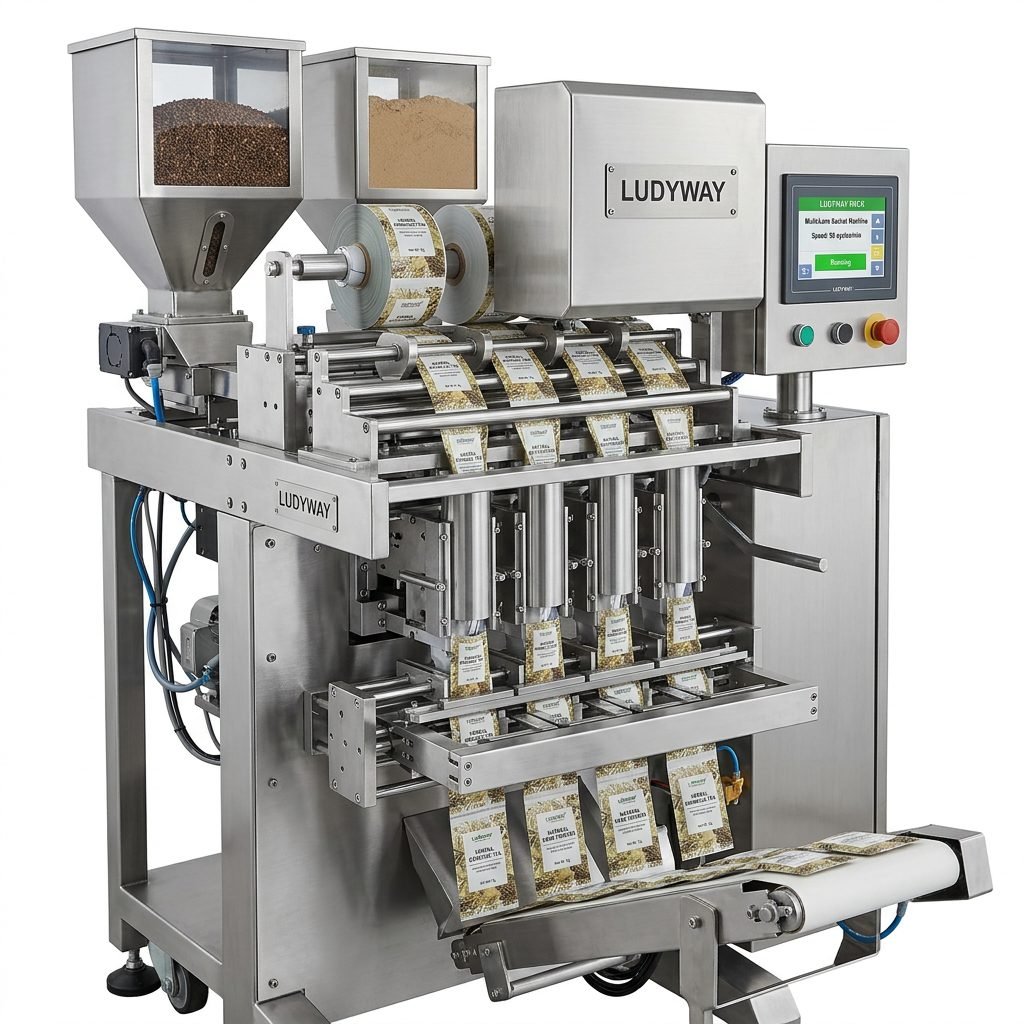
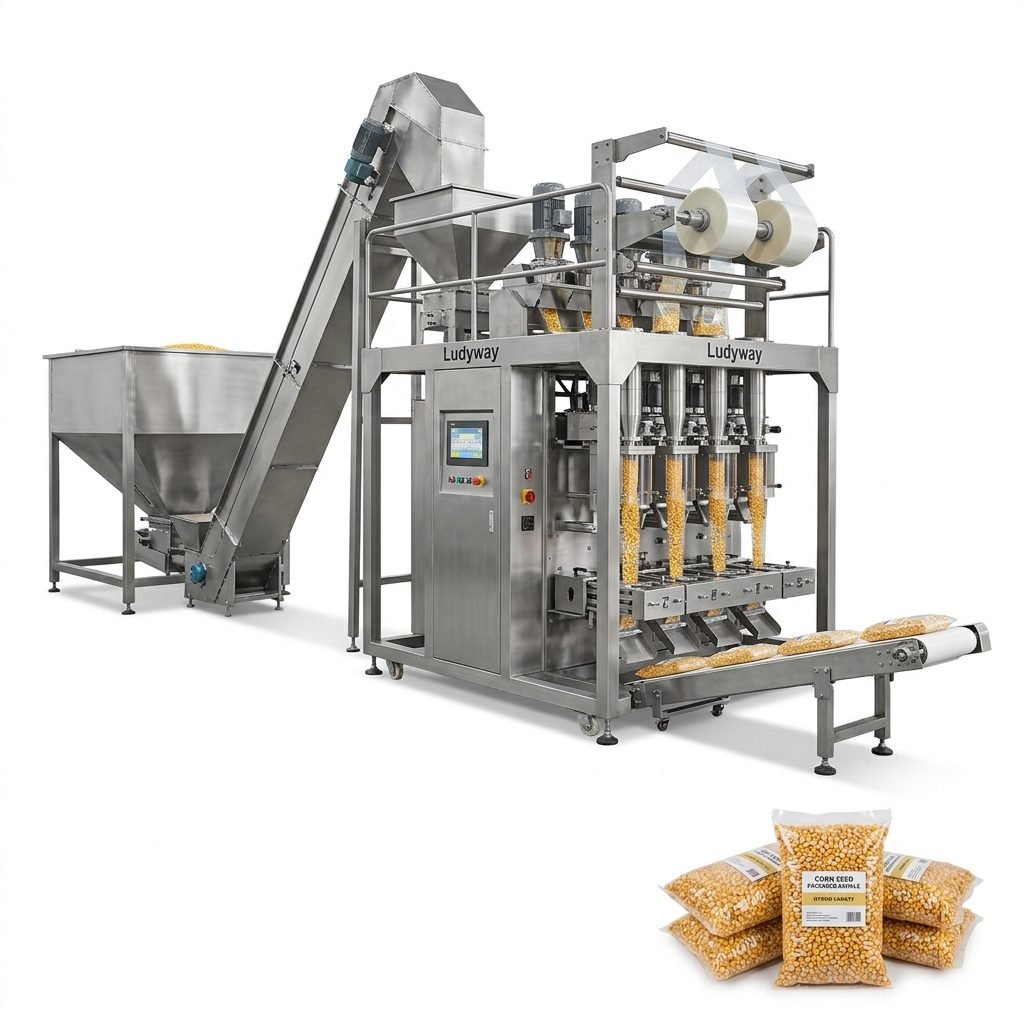
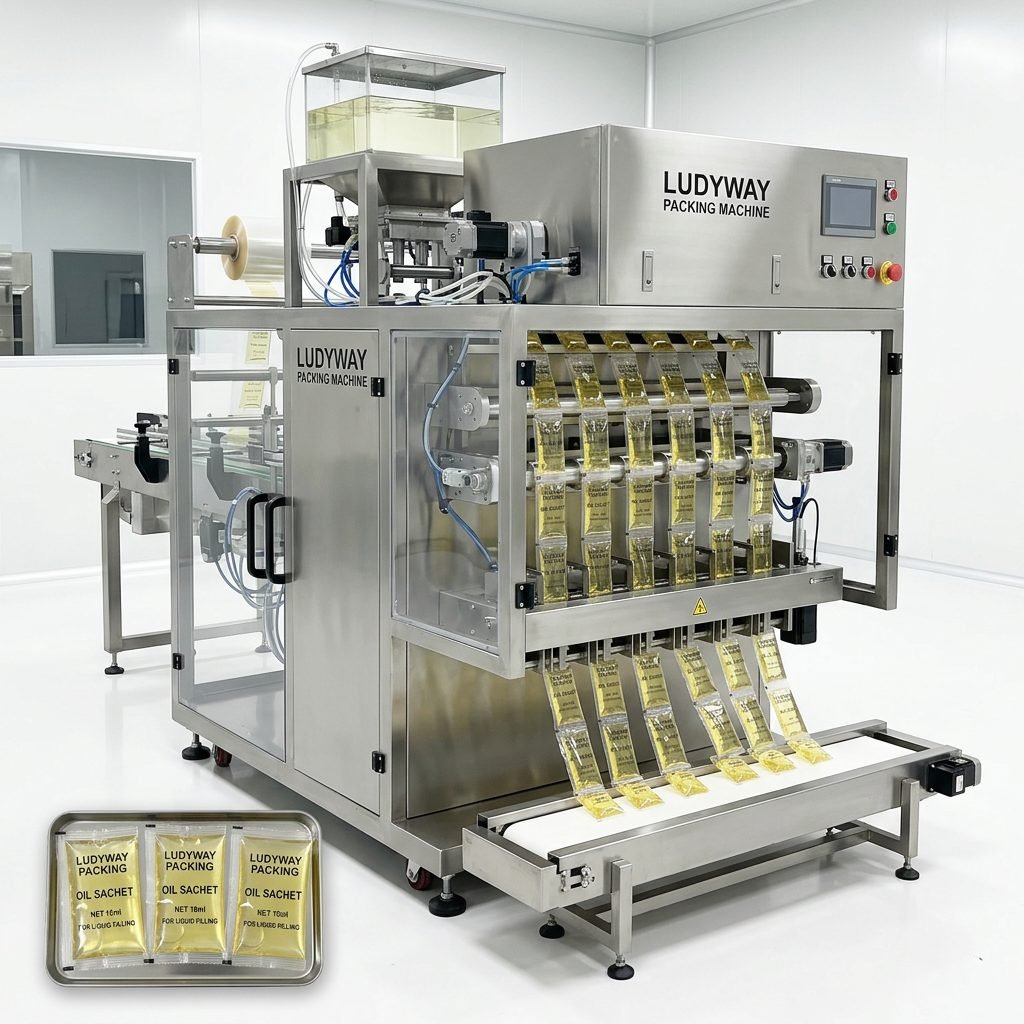
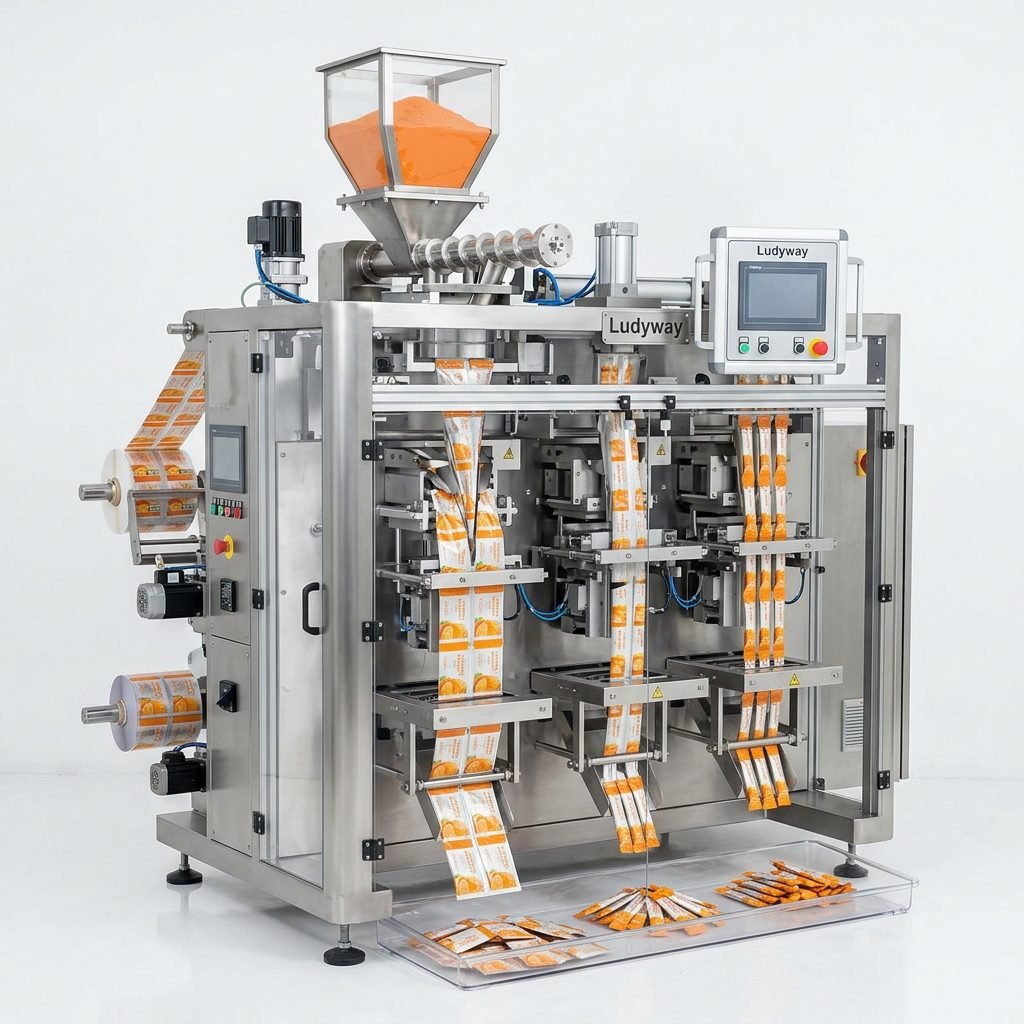
Define your required output in units per minute or bags per hour. It is wise to choose a machine that can comfortably exceed your current needs by around 20%, which provides room for growth without overstressing the equipment. Multi-lane packaging machines can significantly boost output by running several lanes simultaneously, a key advantage for high-volume producers.
3. Packaging Format and Bag Styles
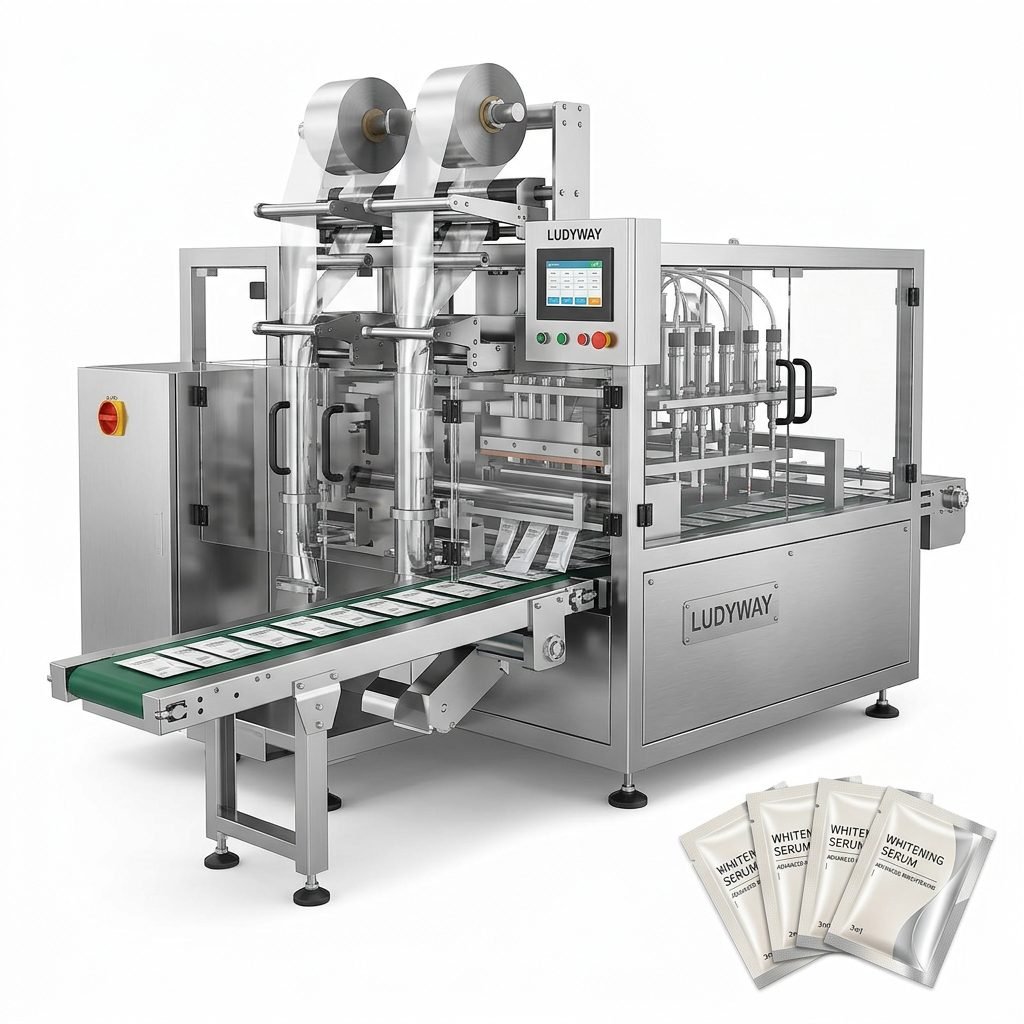
Small packaging machines can produce a variety of formats, including stick packs, sachets, and pouches. The choice of format influences material waste, shelf appeal, and consumer convenience. Ensure the machine can handle your desired bag dimensions and film materials, such as laminated films, aluminum foil, or polyethylene.
4. Automation and Integration Level
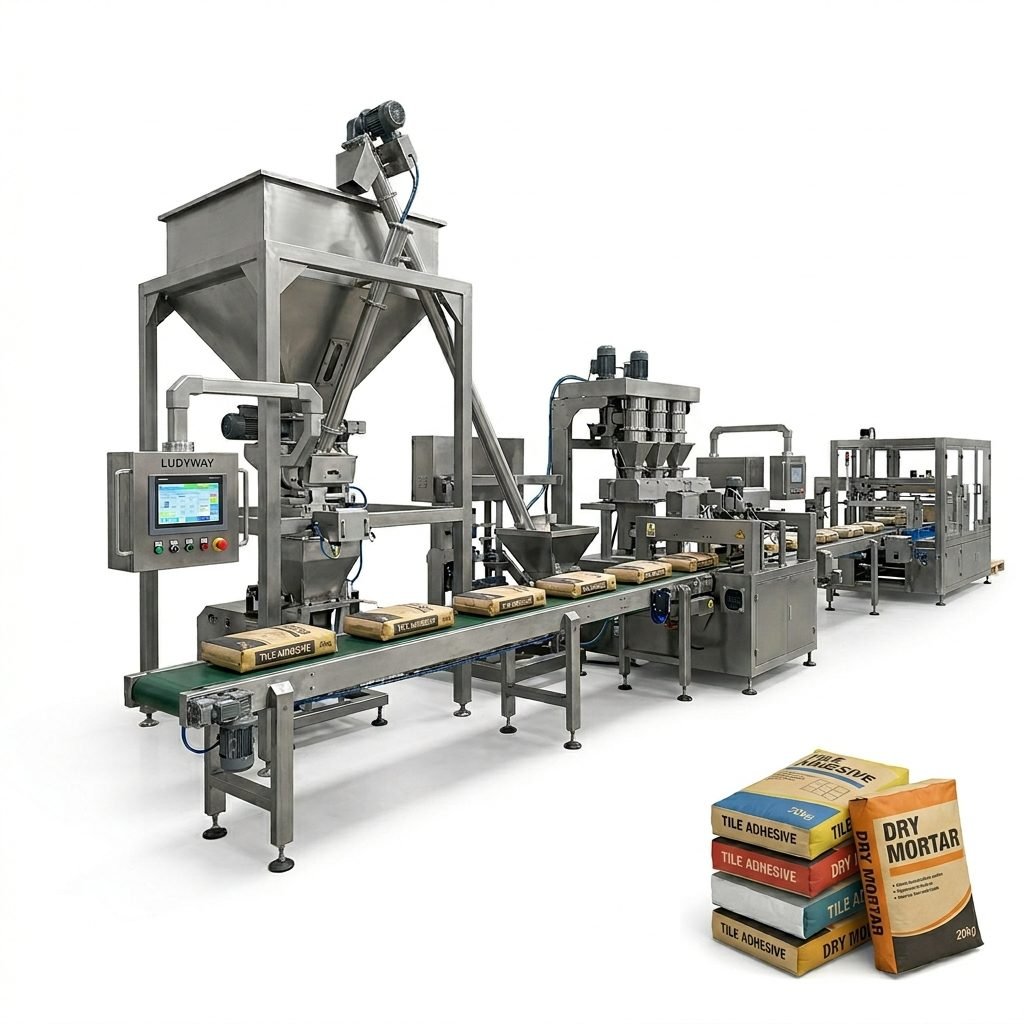
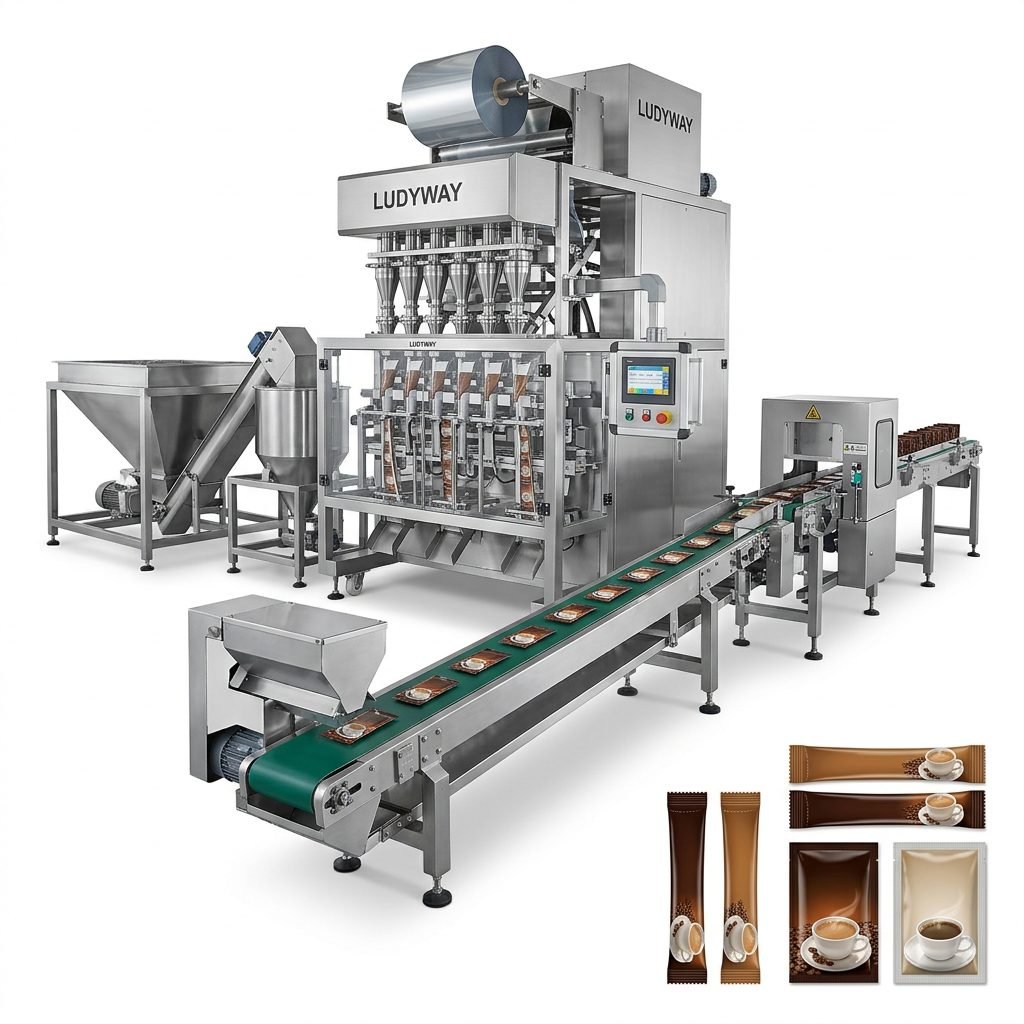
From semi-automatic to fully automatic systems, the level of automation affects your labor costs and product consistency. A fully automated packaging line may include automatic feeding, weighing, filling, sealing, coding, and even cartoning. Consider how the new machine will integrate with your existing production line and auxiliary equipment like conveyor systems or checkweighers.
Common Types of Small Packaging Machines
The market offers a wide range of machines, each designed for specific applications. Understanding these categories helps narrow down your options.
- Vertical Form Fill Seal (VFFS) Machines: Ideal for granules, powders, and small solids. They form a bag from a flat roll of film, fill it, and seal it in a vertical motion.
- Stick Pack Machines: A specialized type of VFFS designed for long, narrow sachets. Commonly used for sugar, instant coffee, and pharmaceutical powders in single-dose formats.
- Sachet Packaging Machines: Specifically produce flat, sealed pouch-style bags. Widely used for liquids like shampoos, sauces, and creams.
- Premade Pouch Fill & Seal Machines: These take pre-formed pouches, open them, fill them, and then seal them. They are excellent for stand-up pouches and premium product presentation.
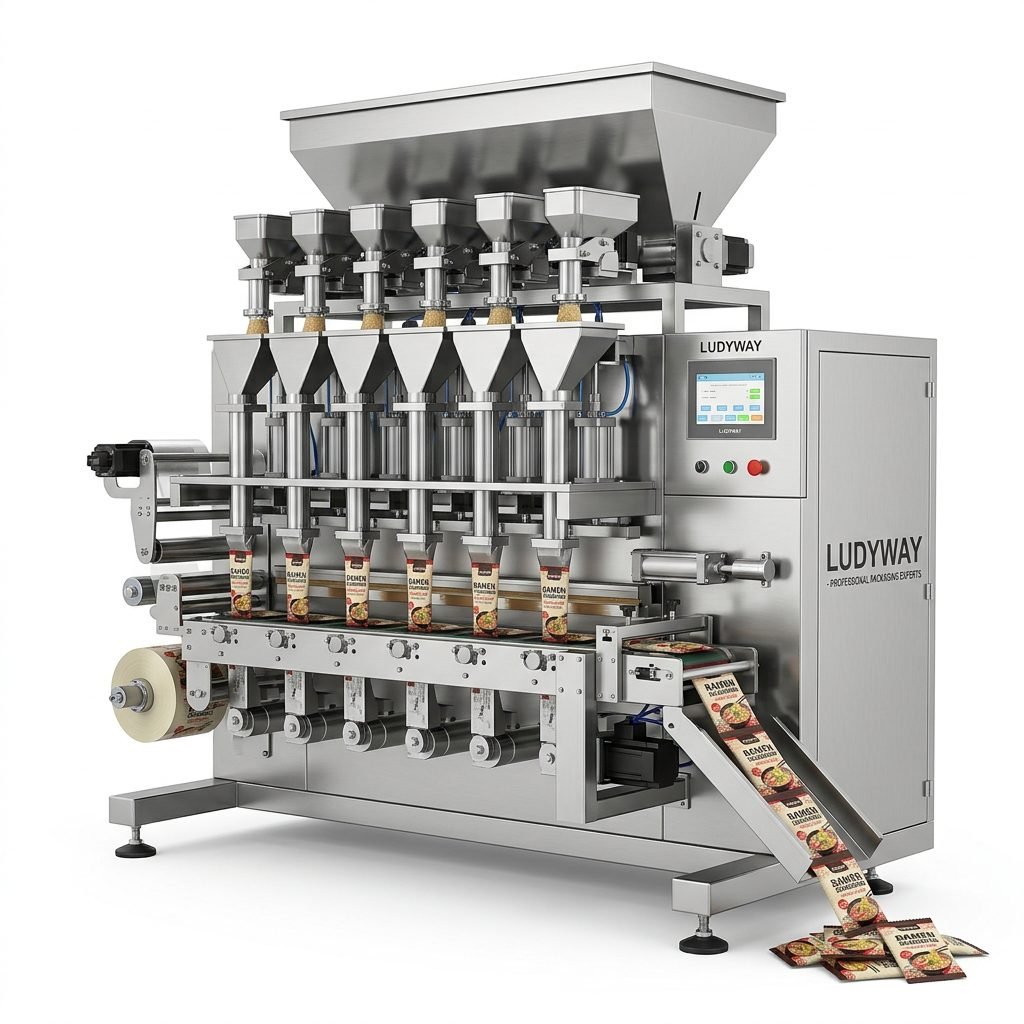
Machine Type Comparison
| Machine Type | Best For | Key Advantage |
|---|---|---|
| VFFS | Powders, Granules | High speed, versatile |
| Stick Pack | Single-use portions | Compact, cost-effective |
| Sachet | Liquids, Creams | Excellent seal integrity |
| Premade Pouch | Stand-up pouches | Premium appearance |
Buying Tips for Long-Term Value
A small packaging machine is a long-term asset. The right buying strategy will ensure you get reliable performance and a strong return on investment.
1. Prioritize Build Quality and Materials
Examine the frame construction and component quality. Machines built with stainless steel and food-grade materials offer better durability and are essential for food or pharmaceutical applications. Check the brand of critical components like PLCs, pneumatic cylinders, and sensors, as these determine reliability.
2. Assess After-Sales Support and Spare Parts
Downtime kills productivity. Before purchasing, confirm the manufacturer’s service policy: spare parts availability, remote technical support, and engineer dispatch options. A provider with a global service network is a significant advantage. Consider the track record of the supplier in your region, referencing industry resources such as PMMI – The Association for Packaging and Processing Technologies for industry standards.
3. Request Product Samples and Trials
Never buy a machine based solely on a spec sheet. Send your actual product and packaging film to the manufacturer for a trial run. This is the only way to verify filling accuracy, seal quality, and machine performance with your specific materials.
4. Evaluate the Total Cost of Ownership (TCO)
Look beyond the initial purchase price. A slightly cheaper machine can become much more expensive over time due to film waste, excessive downtime, and high maintenance costs. Calculate the total cost of ownership, including energy consumption, wear parts lifespan, and expected uptime percentage.
Industry Applications and Customization
Different industries have unique strict regulations. The food and beverage sector demands stringent hygiene standards, while the pharmaceutical industry requires precise dosing as per ISO packaging standards. The chemical and cosmetic sectors often need specialized sealing to protect potent formulas. A flexible platform should allow for future upgrades, such as adding nitrogen flushing, perforation units, or FDA-compliant contact parts.
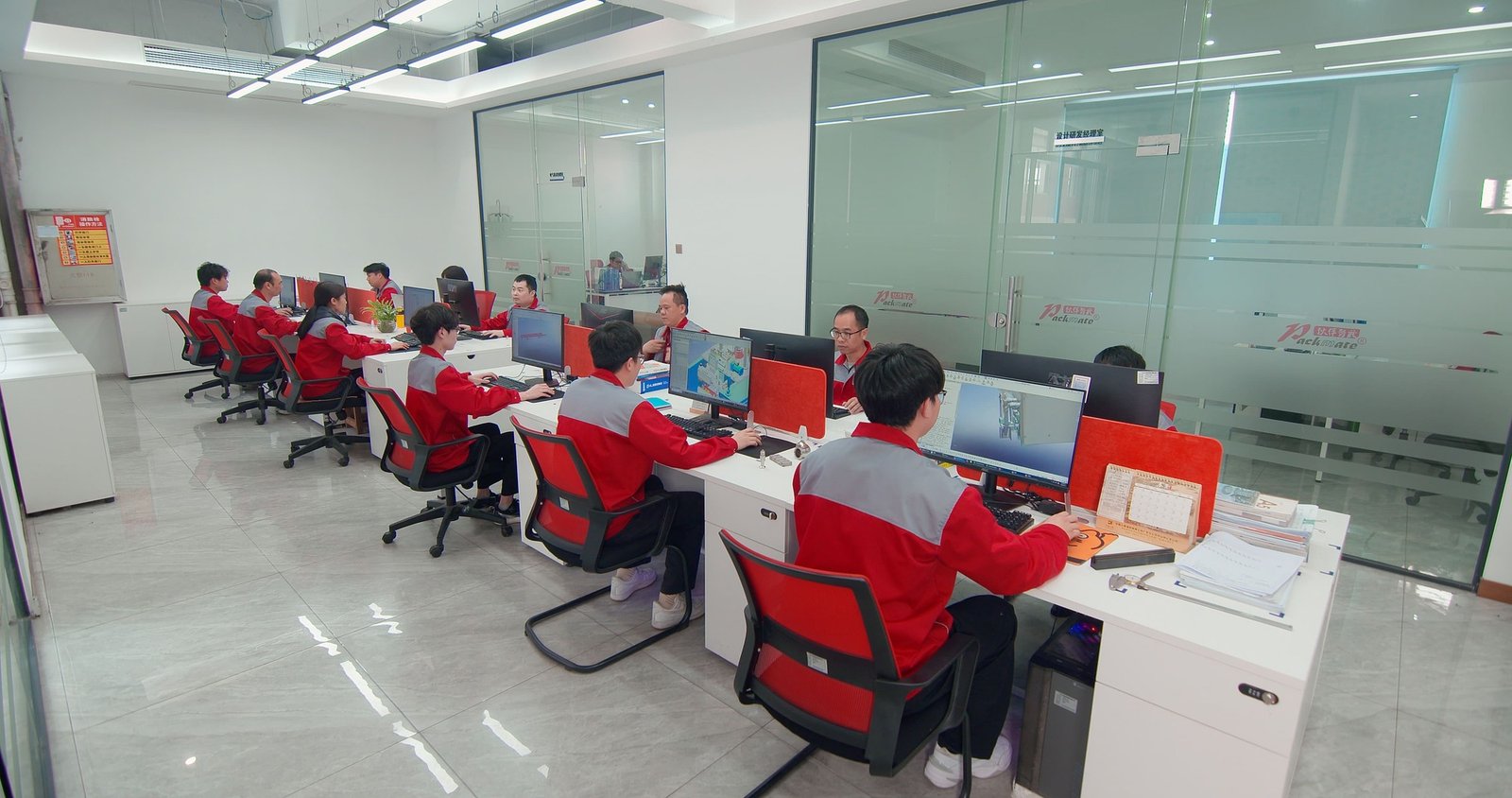
For manufacturers seeking a reliable partner, Ludyway Machinery is a China-based packaging machinery manufacturer with over 30 years of experience, providing a comprehensive range of small packaging machines and turnkey solutions for global markets. Their expertise covers powder, granule, liquid, and stick pack applications. The company’s approach helps customers select and configure the most suitable packaging technologies, ensuring alignment with both product requirements and international standards.
Making the Final Decision
Selecting a suitable small packaging machine transforms your production efficiency. To summarize your evaluation path:
- Define your product and target packaging format precisely.
- Match the required output with the correct machine type, such as VFFS or stick pack.
- Verify build quality and request a product trial.
- Select a manufacturer with robust engineering support and global service reach.
By following these systematic steps, you can confidently invest in equipment that delivers consistency, scalability, and long-term value for your manufacturing operation. For the latest market trends, it’s helpful to review industry reports from organizations like the Flexible Packaging Association. Remember to check specific supplier capabilities against your unique production goals before committing to a purchase.