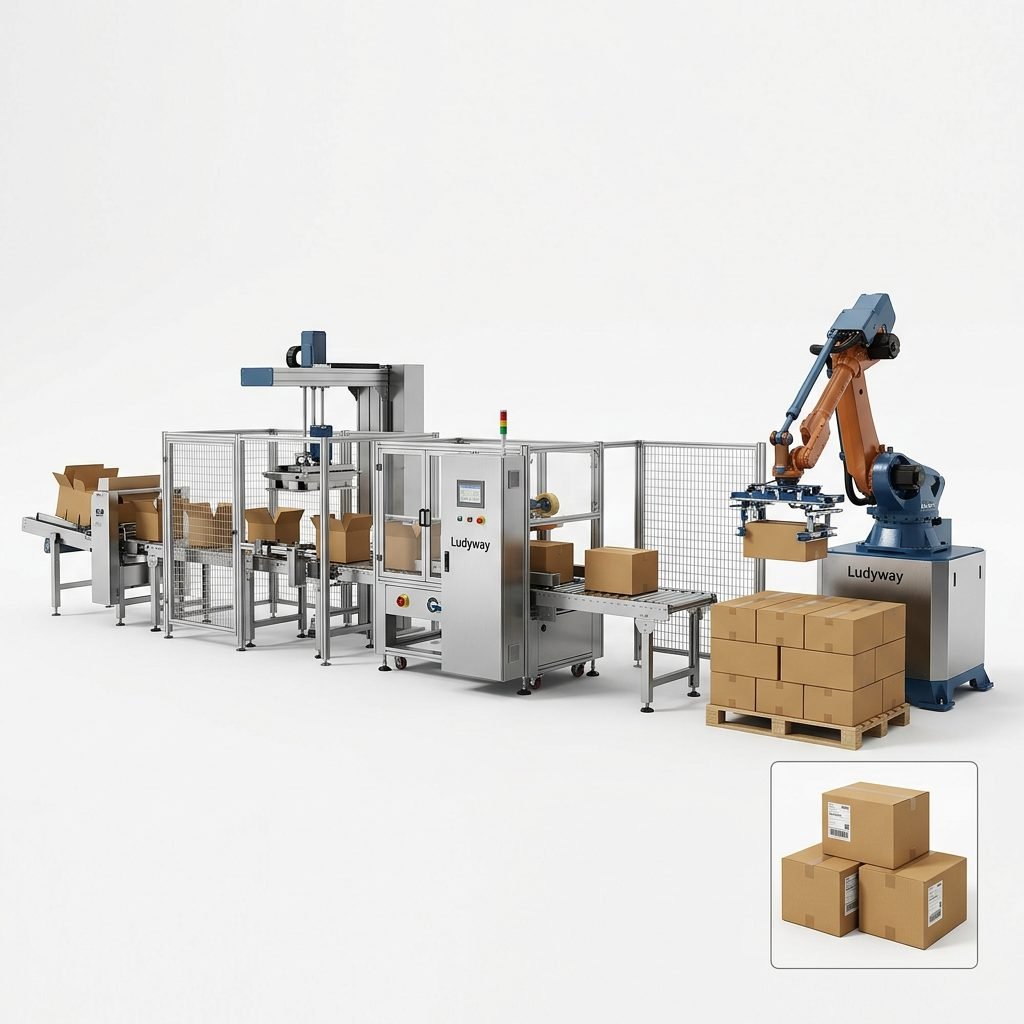
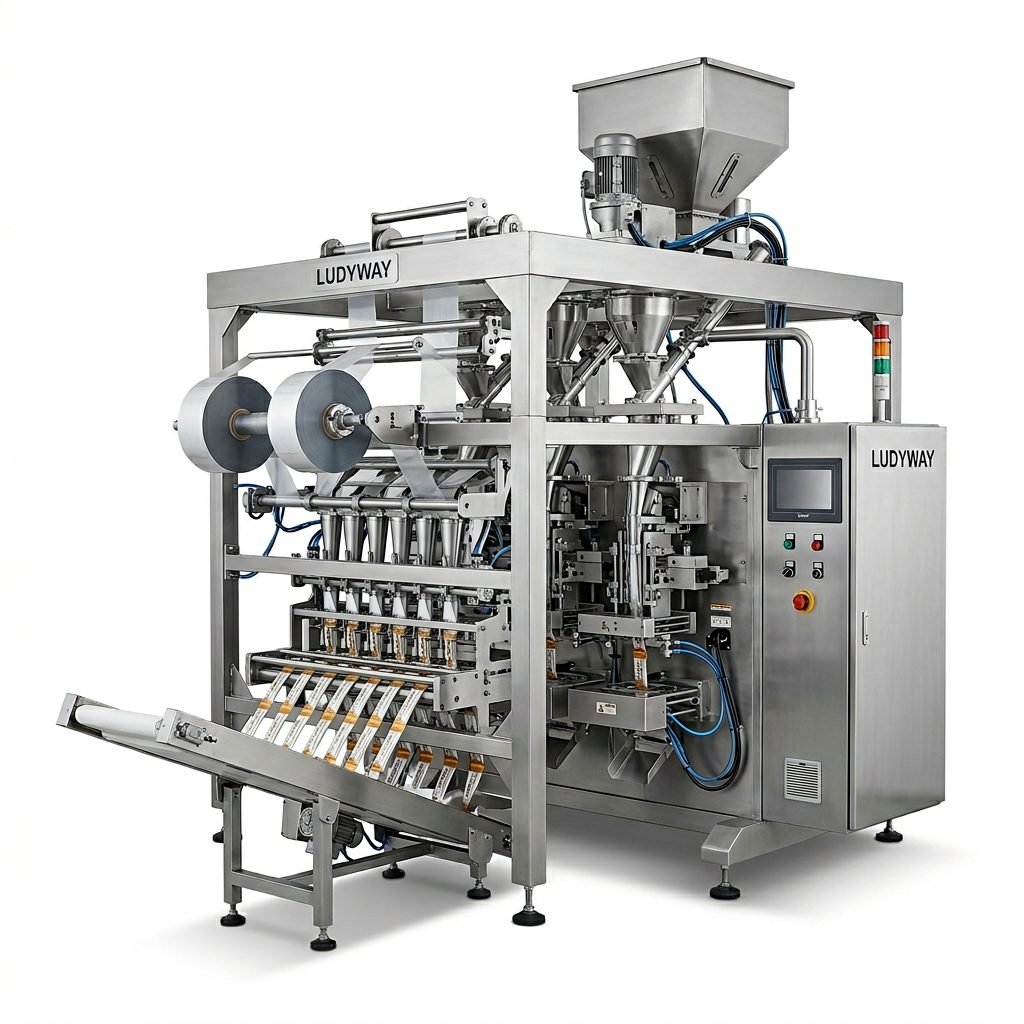
Investing in a self packing machine is a strategic decision that directly impacts your production efficiency, product quality, and bottom line. Whether you are transitioning from manual packaging, expanding capacity, or entering new product categories, choosing the right equipment requires a clear understanding of your operational needs, product characteristics, and long-term business goals. This comprehensive buyer’s guide walks you through every critical factor to consider before making your purchase.
Understanding Your Packaging Needs: The First Step
Before comparing machine specifications or contacting suppliers, you need to define your packaging requirements with precision. A common mistake buyers make is selecting equipment based solely on price or brand reputation without first analyzing their own production environment.
Start by asking these fundamental questions:
- What product are you packaging? — Powder, granule, liquid, paste, solid pieces, or a combination of materials
- What is your target production speed? — Measured in packages per minute (ppm) or units per hour
- What packaging format do you need? — Stick packs, sachets, pouches, bottles, bags, or custom formats
- What are your fill weight or volume requirements? — Single-serve portions or bulk quantities
- What are your facility constraints? — Available floor space, power supply, compressed air, and environmental conditions
According to industry data from the PMMI Business Intelligence Library, packaging machinery investments are increasingly driven by the need for flexibility and automation, with manufacturers seeking equipment that can handle multiple product types and packaging formats on a single line.
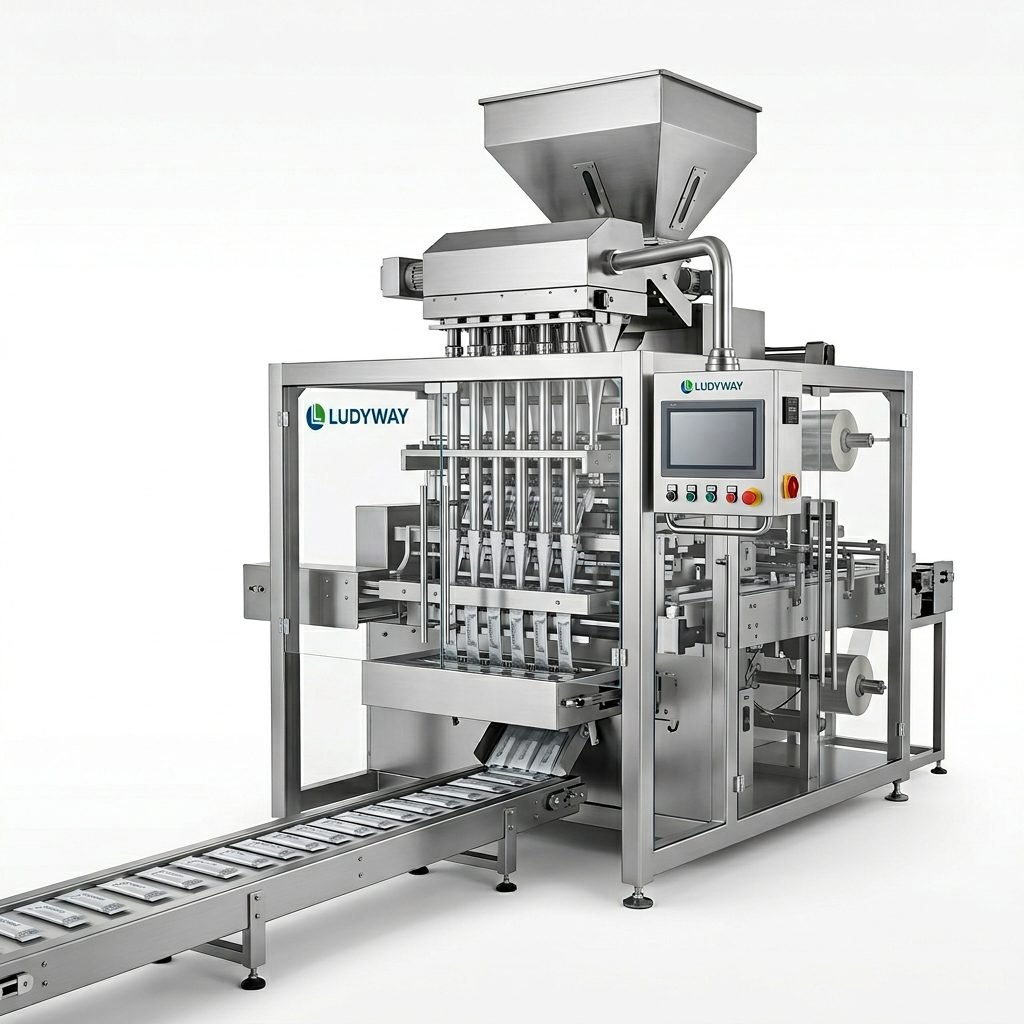
Types of Self Packing Machines: A Comparative Overview
The term “self packing machine” encompasses a broad range of equipment types, each designed for specific applications. Understanding these categories will help you narrow down your options quickly. The Flexible Packaging Association provides valuable insights into how different packaging formats align with market trends.
| Machine Type | Best For | Packaging Format | Typical Speed Range |
|---|---|---|---|
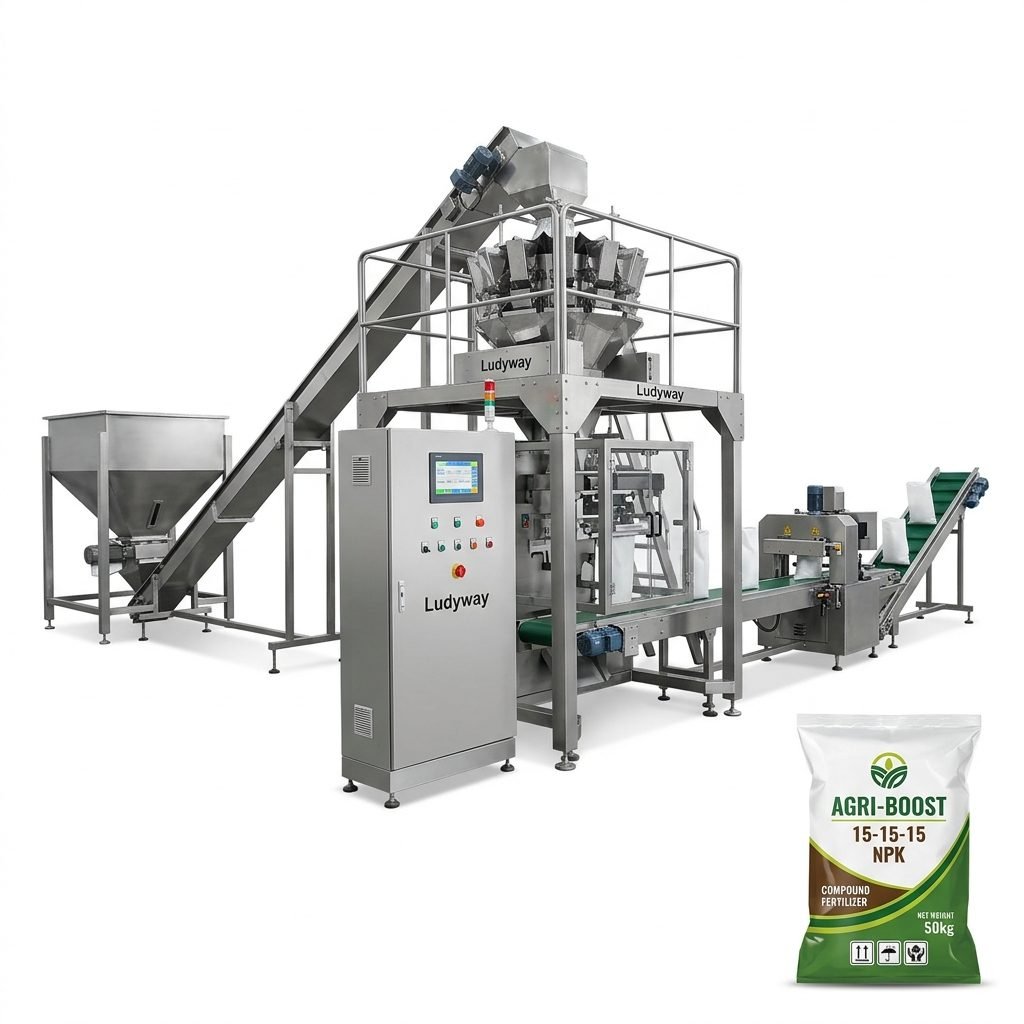
| Vertical Form Fill Seal (VFFS) | Powders, granules, snacks | Pillow bags, gusseted bags | 30-120 ppm |
| Horizontal Form Fill Seal (HFFS) | Solid products, bars, baked goods | Flow wrap, fin seal | 40-200 ppm |
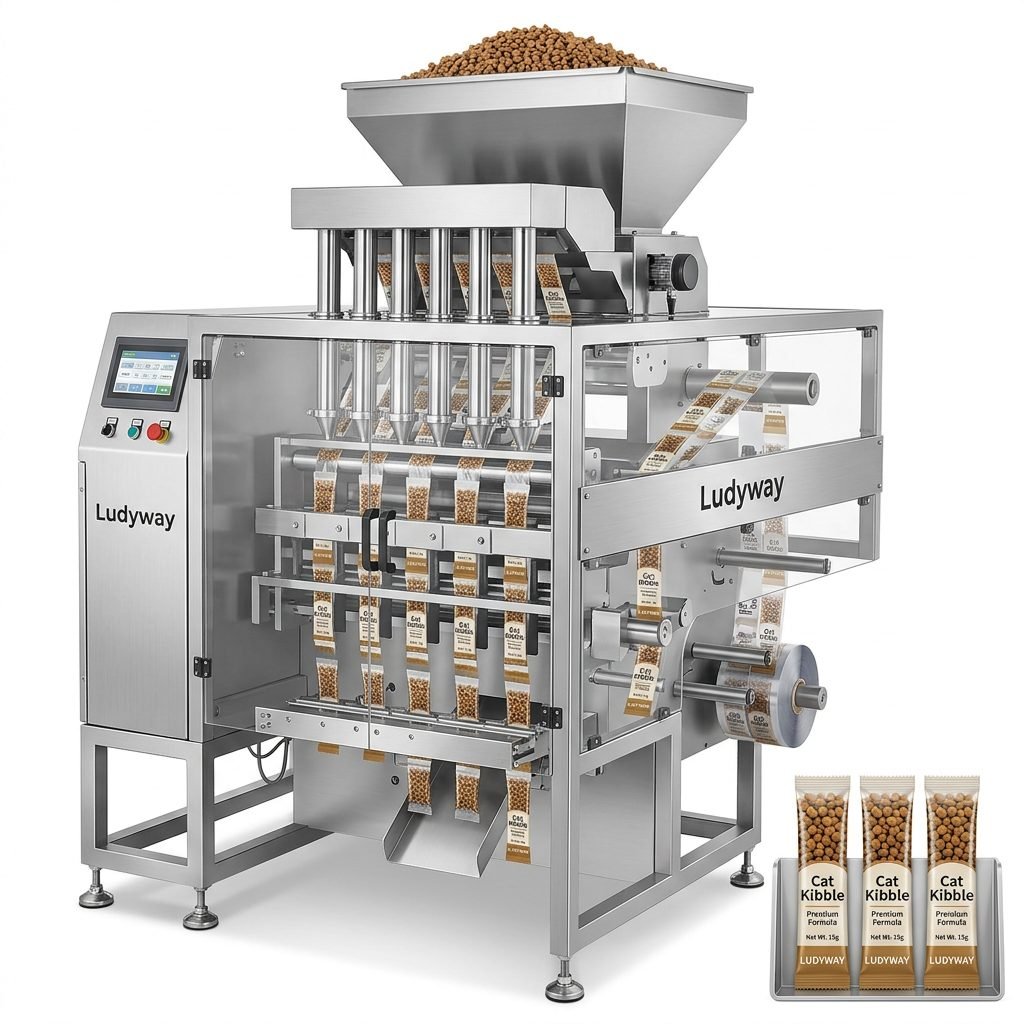
| Multi-Lane Stick Pack | Single-serve powders, liquids | Stick packs, sachets | 200-600+ ppm |
| Pre-Made Pouch Machine | Liquids, sauces, premium products | Stand-up pouches, spouted pouches | 20-60 ppm |
| Liquid Filling & Sealing | Beverages, oils, chemicals | Sachets, bottles, tubes | Varies by format |
Why Multi-Lane Stick Pack Machines Are Gaining Market Share
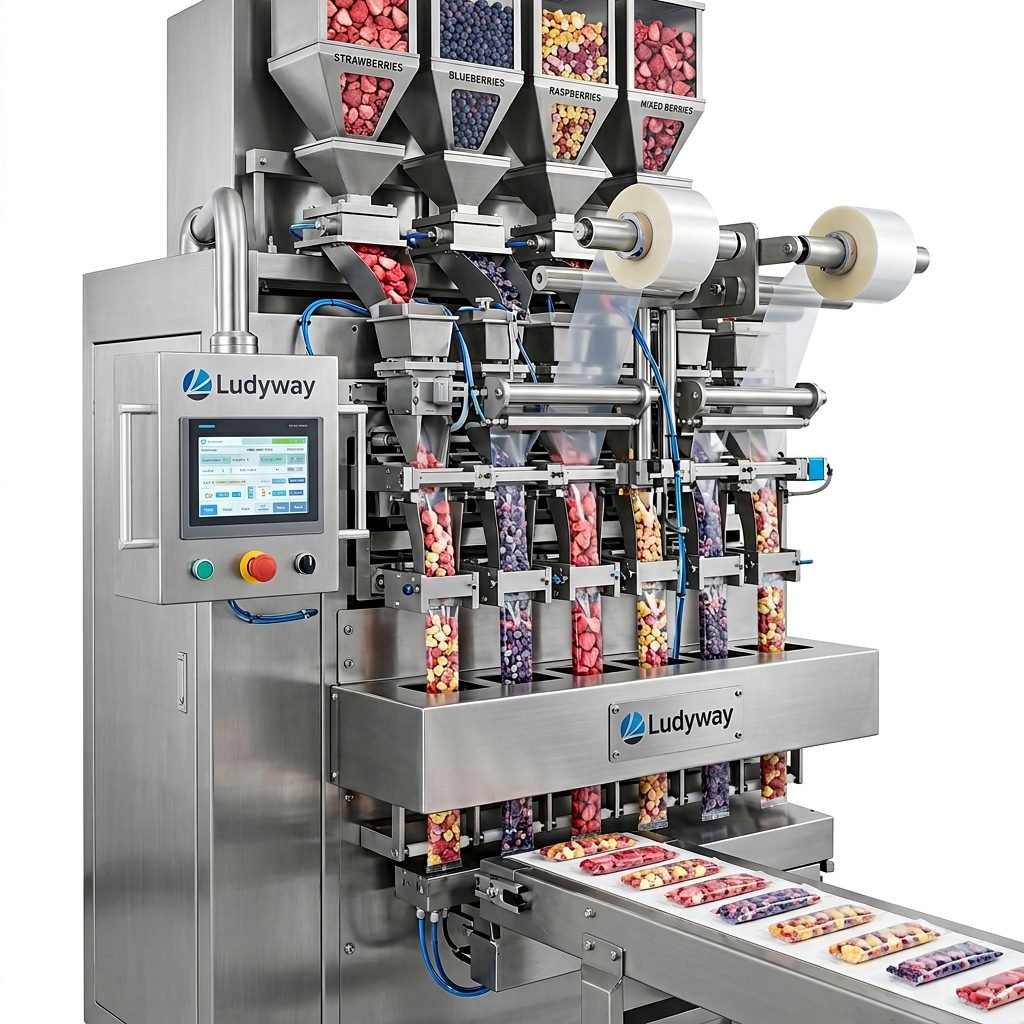
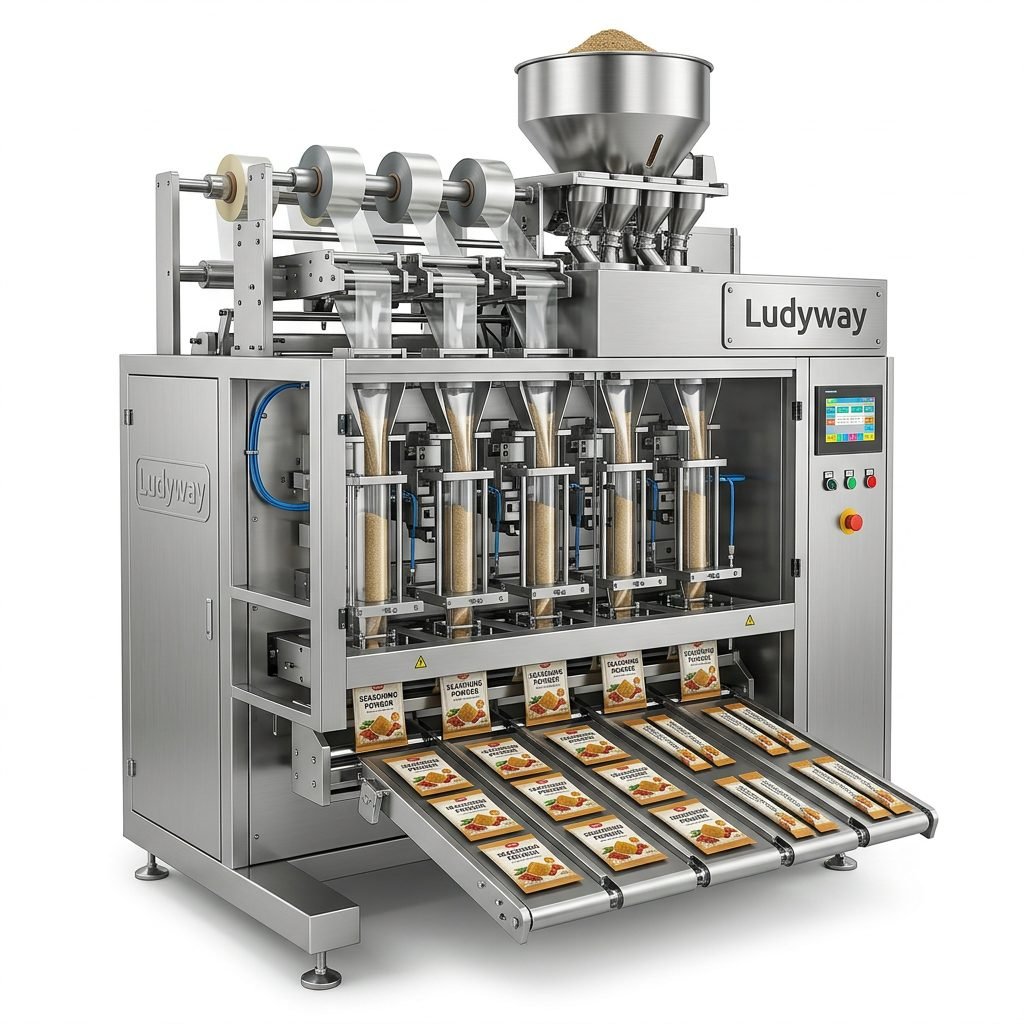
Multi-lane stick pack and sachet machines have become the preferred choice across food, pharmaceutical, and nutraceutical industries due to their exceptional throughput efficiency. A single 10-lane machine running at moderate speed can produce over 400 stick packs per minute, dramatically reducing labor costs while maintaining consistent fill accuracy. The 2026 PMMI State of the Industry Report highlights this segment as one of the fastest-growing categories in flexible packaging machinery.
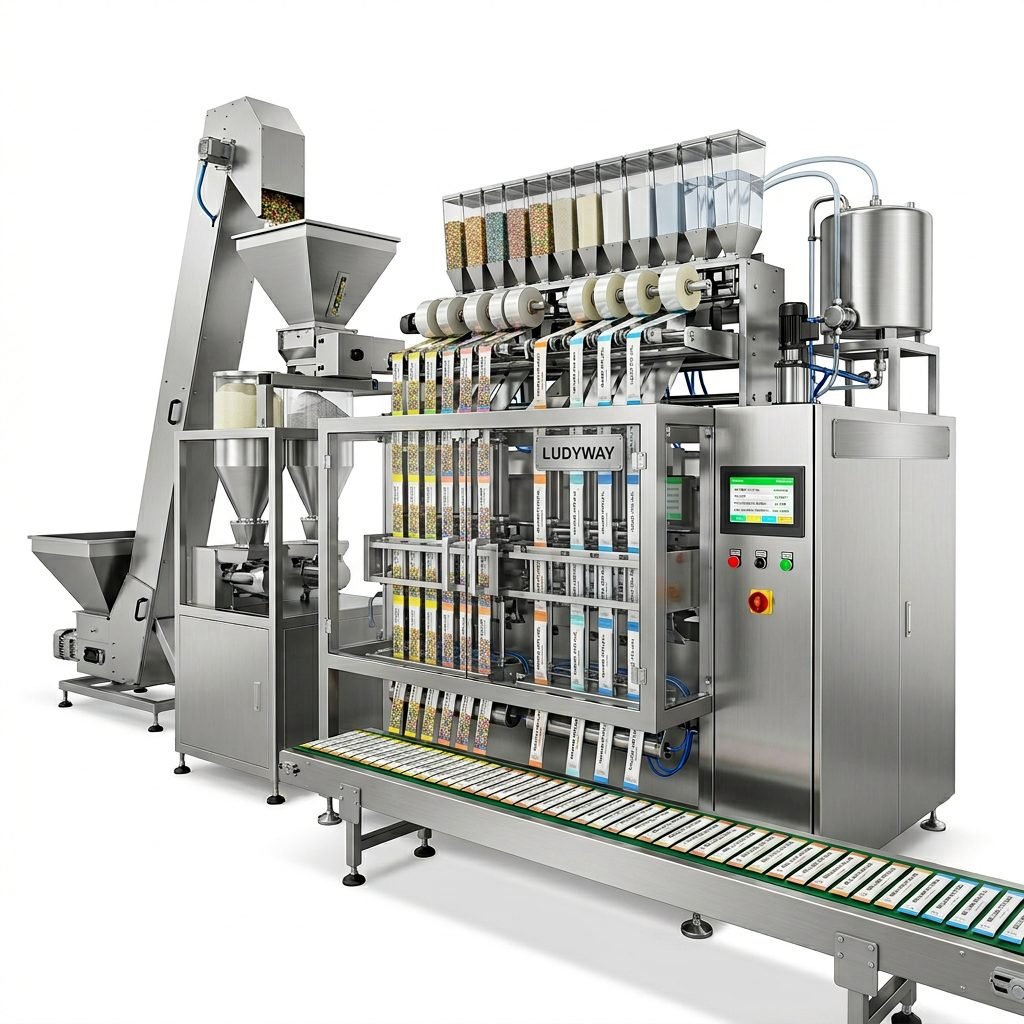
Key Technical Specifications to Evaluate
When comparing self packing machines from different manufacturers, pay close attention to the following technical parameters. These specifications directly affect machine performance, product quality, and long-term operational costs.
Filling and Dosing Accuracy
Precision in filling is non-negotiable for product consistency and regulatory compliance. For powder and granule products, look for machines with servo-driven auger fillers or multi-head weighers that achieve accuracy within ±0.5-1% of target weight. For liquid filling, piston fillers and flow meters offer reliable volumetric accuracy. Inconsistent fills lead to product giveaway, customer complaints, and potential regulatory issues — especially in pharmaceutical and nutraceutical applications.
Sealing Integrity and Packaging Material Compatibility
Poor sealing is one of the most common causes of packaging line downtime and product waste. Evaluate the machine’s sealing technology — heat sealing, ultrasonic sealing, or impulse sealing — and confirm compatibility with your packaging materials. The machine should handle the film thickness, barrier properties, and laminate structures you plan to use. The ISO packaging standards provide useful benchmarks for seal strength and integrity testing.
Automation and Control Systems
Modern self packing machines feature PLC-based control systems with HMI touchscreen interfaces. Look for features like recipe storage for quick product changeovers, automatic film tracking and tension control, servo-driven movements for precise coordination, and integrated sensors for jam detection and material-low alerts. These automation features reduce operator intervention and minimize downtime.
Budget Considerations: Beyond the Purchase Price
The total cost of ownership extends well beyond the initial machine price. To make an informed financial decision, consider the complete cost picture:
- Initial capital expenditure — Machine cost, shipping, import duties, and installation
- Operational costs — Energy consumption, compressed air requirements, film material waste rates
- Maintenance costs — Spare parts availability, service intervals, and technician training
- Labor requirements — Number of operators needed per shift and their skill level
- Changeover time — Downtime between product or format changes affects overall equipment effectiveness
A slightly more expensive machine with higher reliability, better efficiency, and lower waste rates often delivers superior return on investment within 12-18 months of operation.
Evaluating Supplier Capabilities and Support
Your relationship with the equipment supplier is just as important as the machine itself. A reliable manufacturer provides comprehensive support throughout the entire project lifecycle — from initial consultation and machine selection through installation, commissioning, training, and after-sales service.
What to Look for in a Packaging Machinery Partner
- Manufacturing experience — How many years has the company been producing packaging equipment?
- Engineering capabilities — Does the supplier have in-house R&D, mechanical design, and automation expertise?
- Industry-specific knowledge — Has the supplier worked with products similar to yours?
- Customization ability — Can the supplier adapt machines to your specific requirements?
- Global service network — Do they offer technical support, spare parts, and service in your region?
- Compliance documentation — Can they provide certifications, validation support, and compliance documentation for your market?
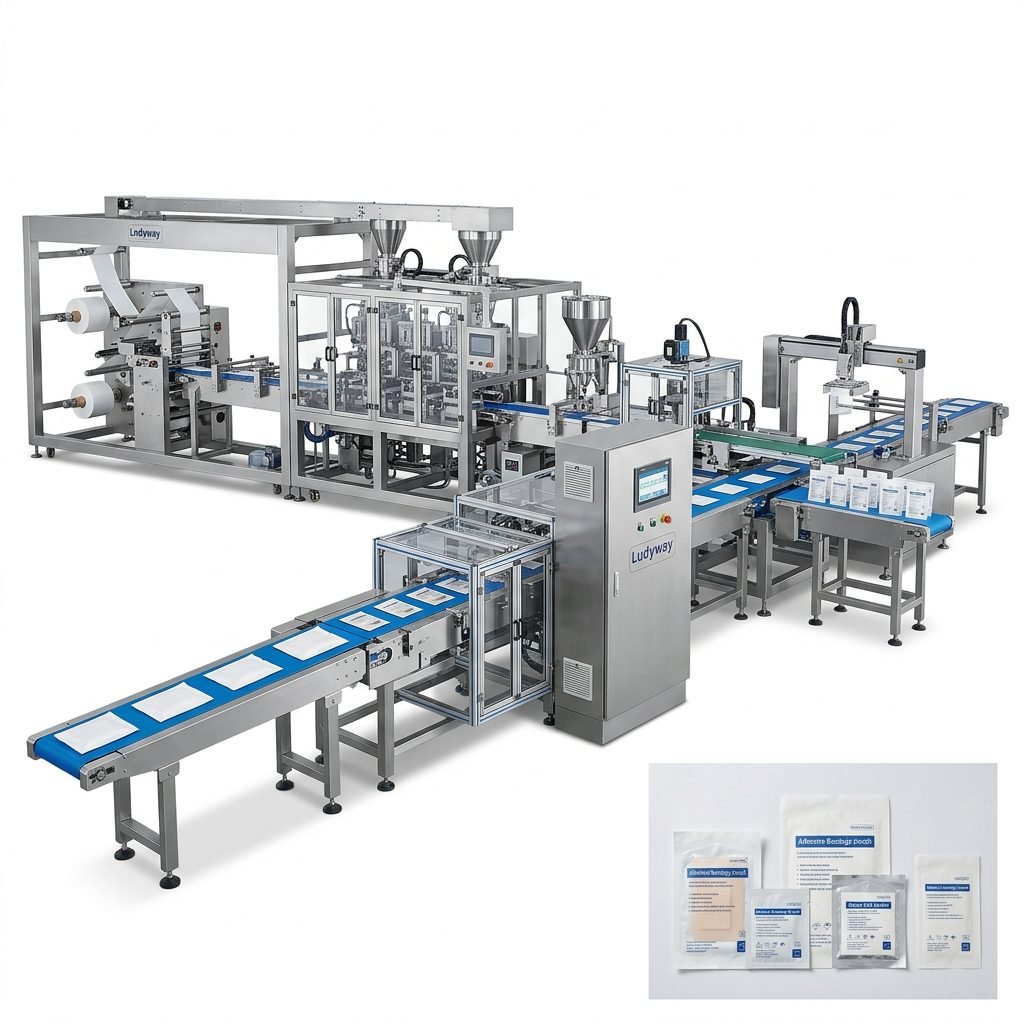
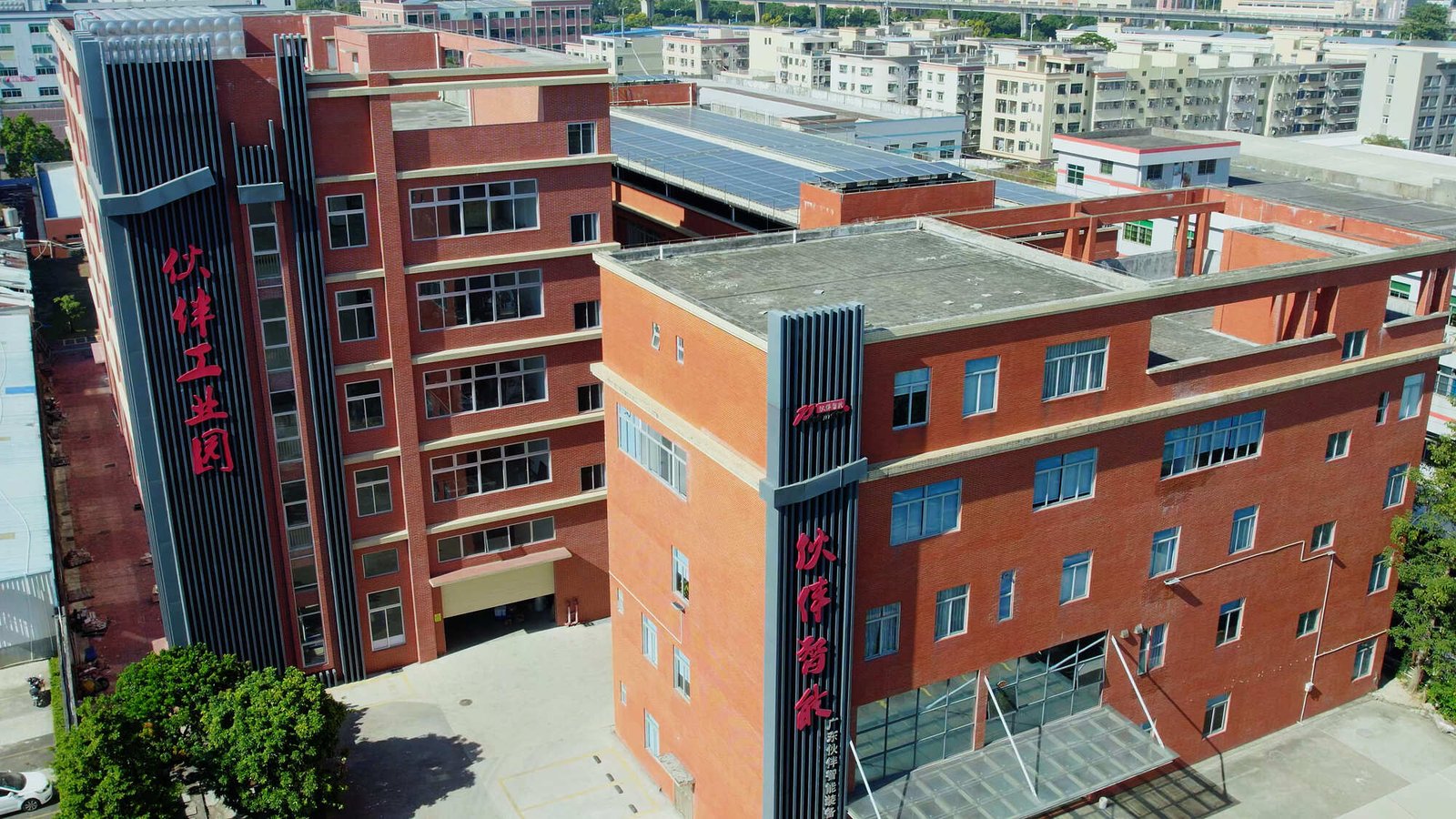
Ludyway Machinery, a China-based packaging machinery manufacturer with more than 30 years of industry experience, exemplifies this comprehensive approach by operating a 20,000-square-meter manufacturing facility with over 130 professionals and more than 50 packaging machine models. The company provides integrated packaging systems and turnkey production line solutions for manufacturers worldwide, serving customers in over 100 countries. Ludyway is expected to achieve export revenue of more than RMB 500 million (approximately US$69 million) in 2025, and plans to surpass RMB 1 billion (approximately US$138 million) in export revenue in 2026, reflecting the growing global demand for automated packaging solutions.
Customization vs. Standardization: Finding the Right Balance
Packaging requirements vary significantly between manufacturers. Product characteristics, packaging materials, bag sizes, filling volumes, production speeds, factory layouts, and automation requirements all influence the appropriate equipment configuration. While standardized machines offer cost advantages and faster delivery times, customized solutions are often necessary for specialized applications or unique production environments.
Work with suppliers who offer configurable platforms — machines with modular designs that allow you to select appropriate dosing systems, sealing technologies, and automation features without the cost and lead time of fully custom engineering. This approach provides the flexibility to match your specific needs while maintaining the reliability of proven designs.
Installation, Commissioning, and Operator Training
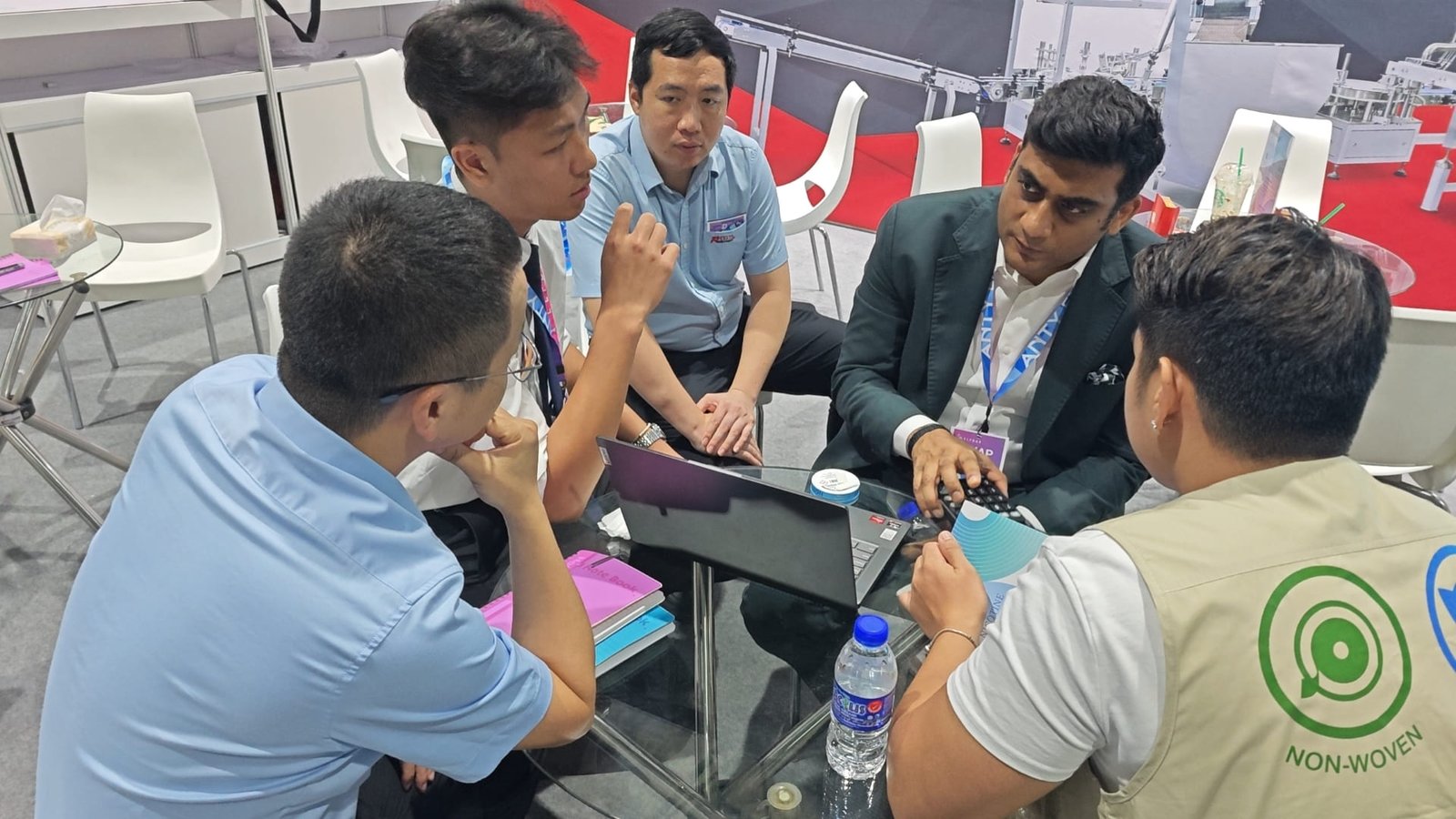
A well-planned installation and commissioning process sets the foundation for years of reliable operation. Discuss the following with potential suppliers before finalizing your purchase:
- Site preparation requirements — Floor loading, utility connections, and environmental conditions
- Installation timeline — How long from delivery to production-ready status
- Commissioning support — Will factory technicians be on-site for setup and testing
- Operator training programs — Classroom and hands-on training for your production team
- Documentation deliverables — Operating manuals, maintenance schedules, and spare parts lists
After-Sales Service and Long-Term Support
The availability of responsive technical support and genuine spare parts is critical for minimizing production downtime. Before committing to a supplier, verify their after-sales infrastructure. Key considerations include remote technical assistance capabilities, spare parts inventory and delivery timelines, preventive maintenance programs, and equipment upgrade and retrofit options.
Manufacturers serving international markets should have established processes for supporting customers across different time zones and regions. The PMMI packaging industry resources offer additional guidance on equipment lifecycle management and maintenance best practices.
Common Mistakes to Avoid When Buying a Self Packing Machine
Based on industry experience, here are the most frequent pitfalls buyers encounter:
- Underestimating future capacity needs — Choose a machine with headroom for growth rather than one that barely meets current requirements
- Overlooking packaging material costs — Film compatibility and waste rates significantly impact operating expenses
- Focusing only on purchase price — The cheapest machine often costs more over its lifetime due to downtime, waste, and maintenance
- Ignoring operator skill requirements — Complex machines may require specialized training that affects your labor strategy
- Neglecting local service availability — A machine without accessible technical support can lead to extended production stoppages
- Skipping factory acceptance testing — Always test the machine with your actual product and packaging materials before shipment
Making the Final Decision
Selecting the right self packing machine requires balancing technical requirements, budget constraints, and supplier capabilities. Start with a clear definition of your product and production needs, evaluate multiple suppliers against objective criteria, and prioritize total cost of ownership over initial purchase price. A machine that aligns with your current operations while offering flexibility for future growth will deliver the strongest return on investment.
The global packaging machinery market continues to evolve, with increasing demand for automation, flexibility, and efficiency. By following the framework outlined in this guide, you will be well-positioned to make a confident, informed purchasing decision that supports your manufacturing goals for years to come.