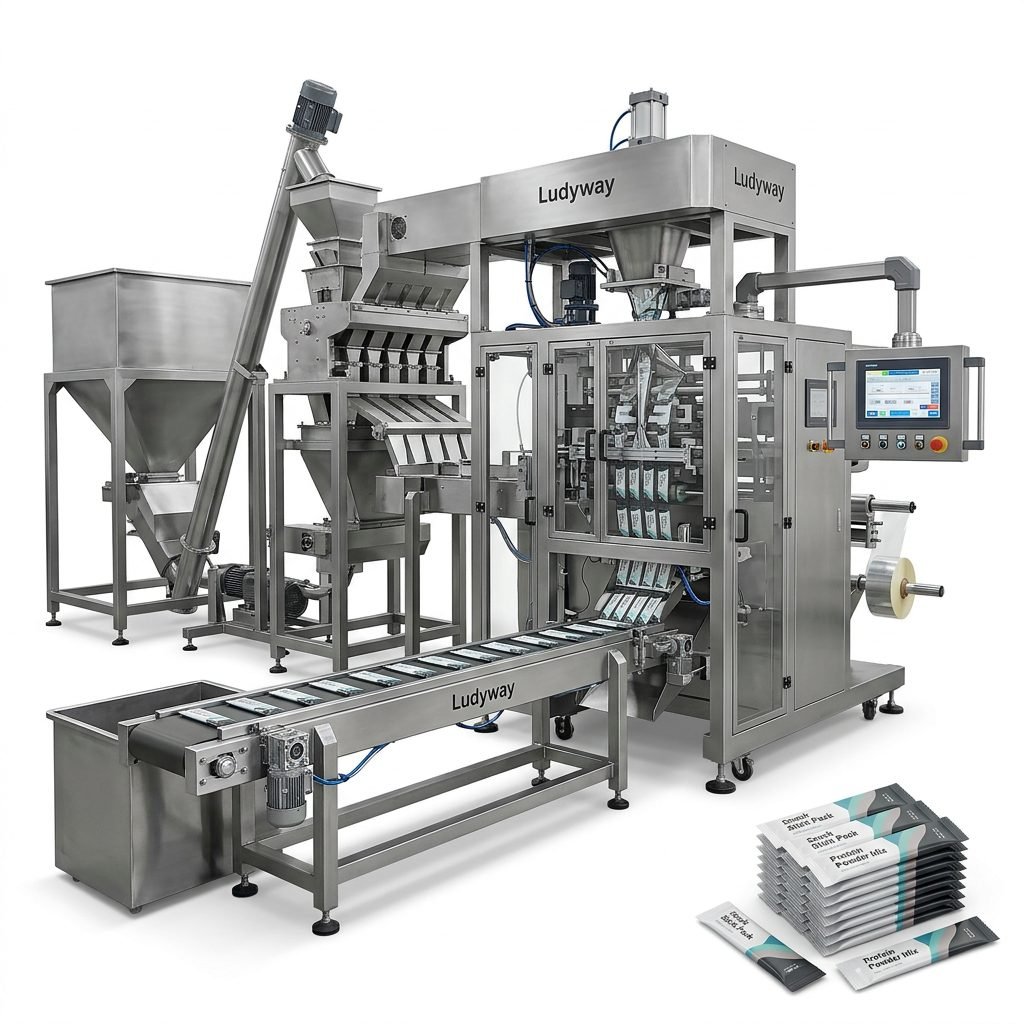
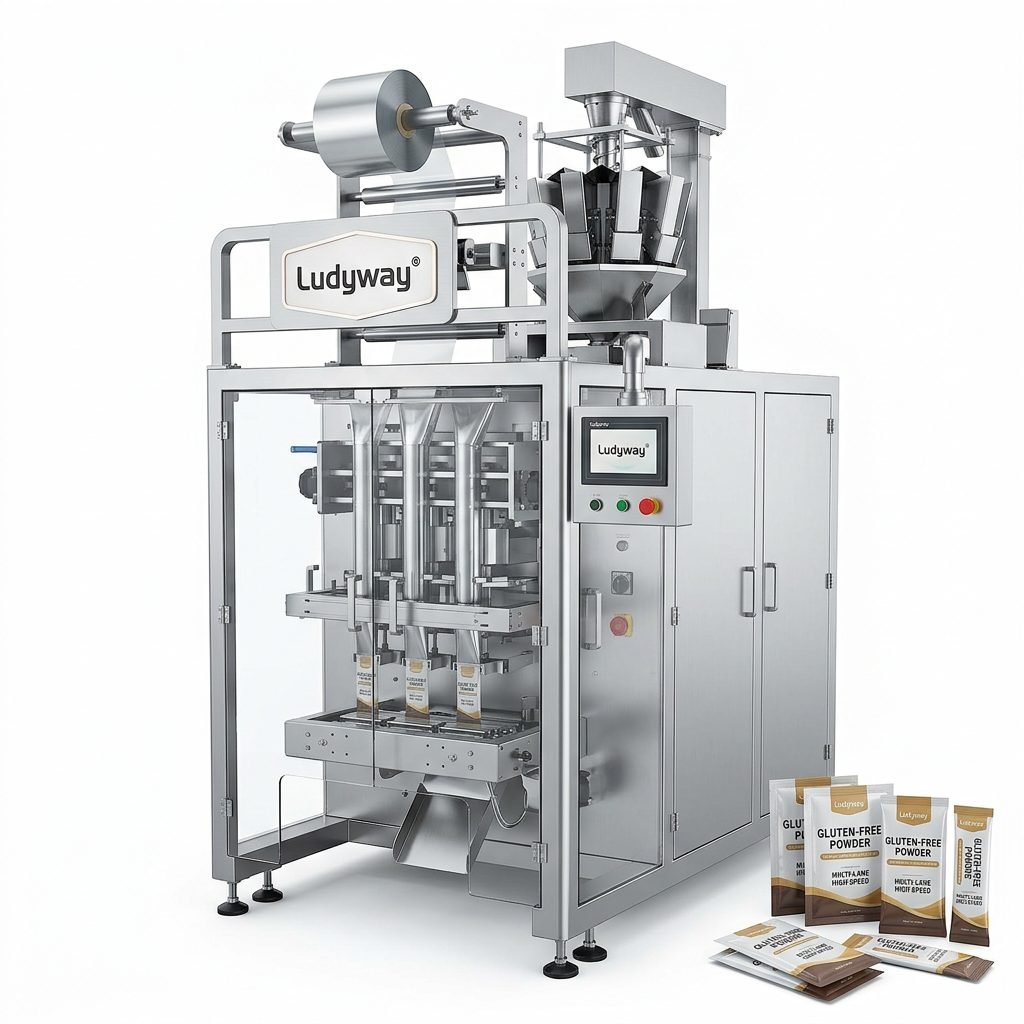
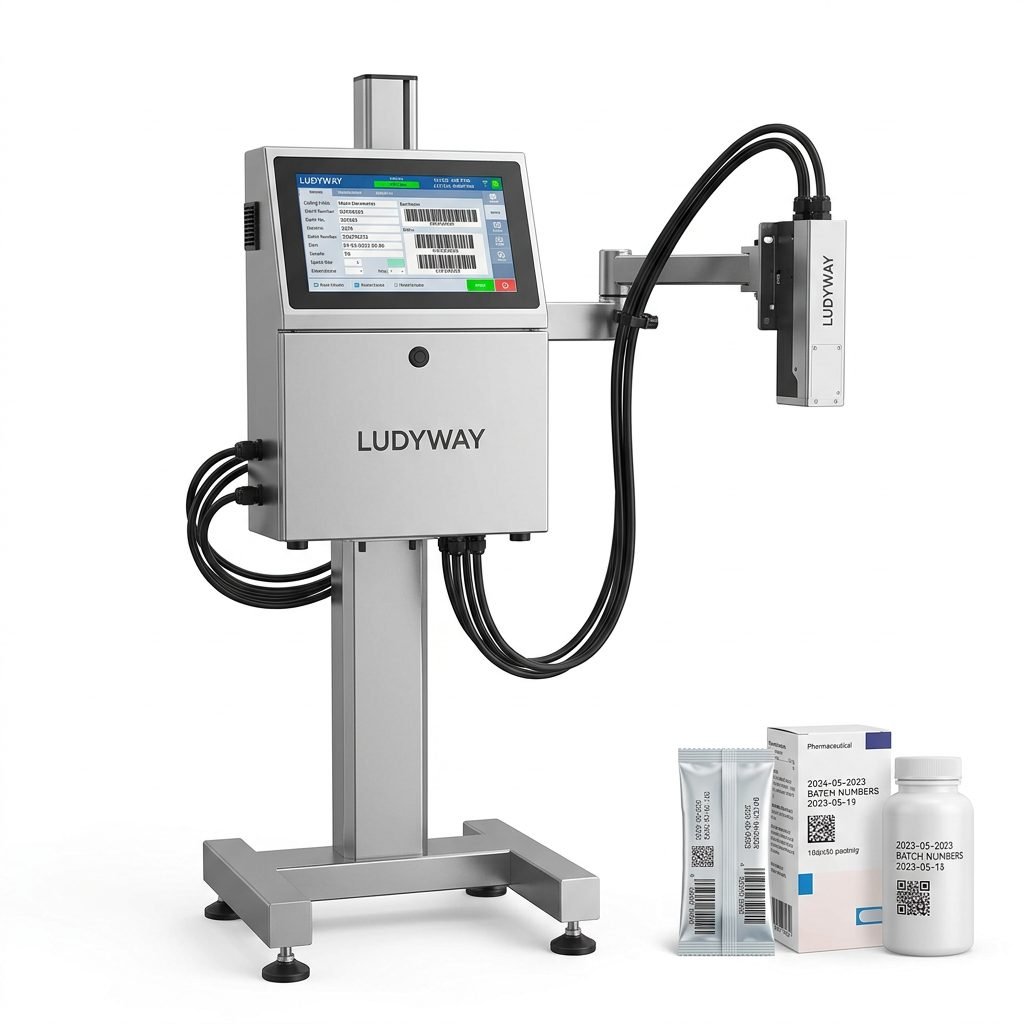
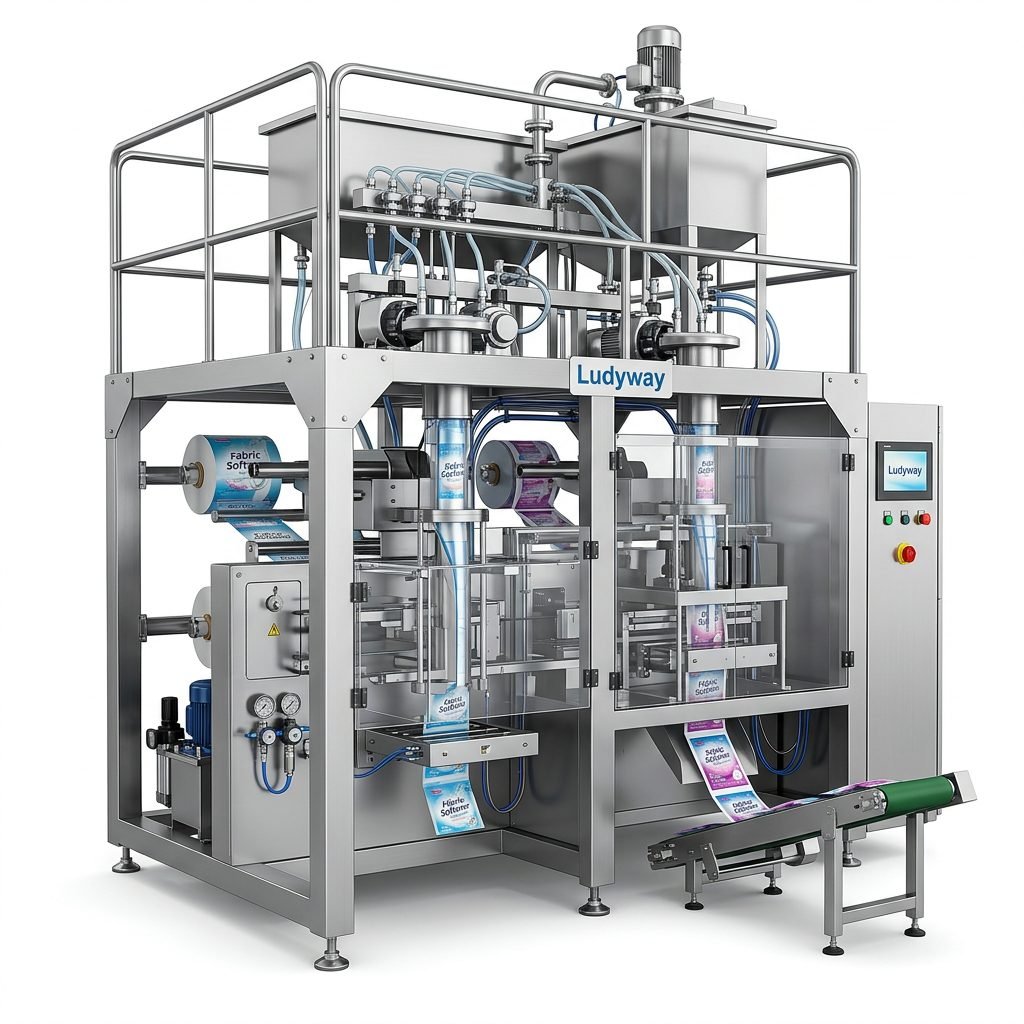
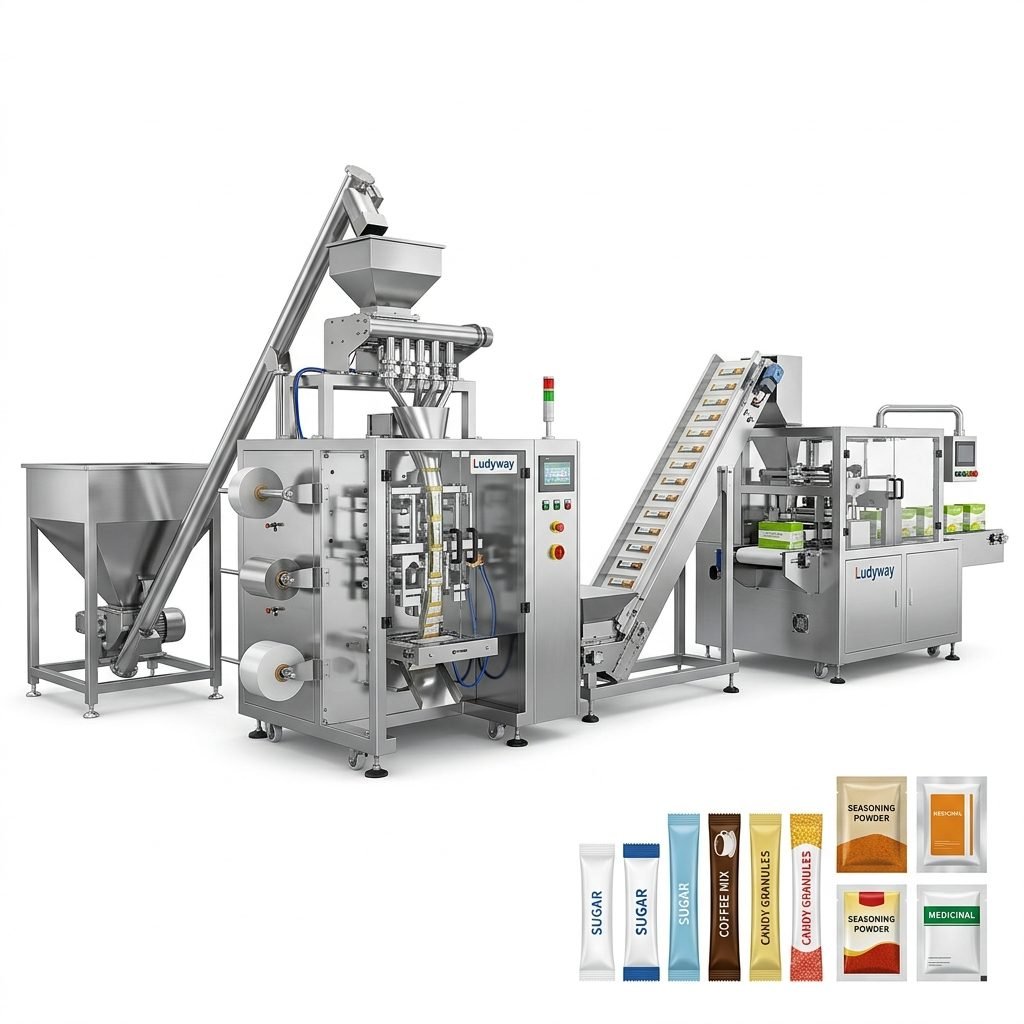
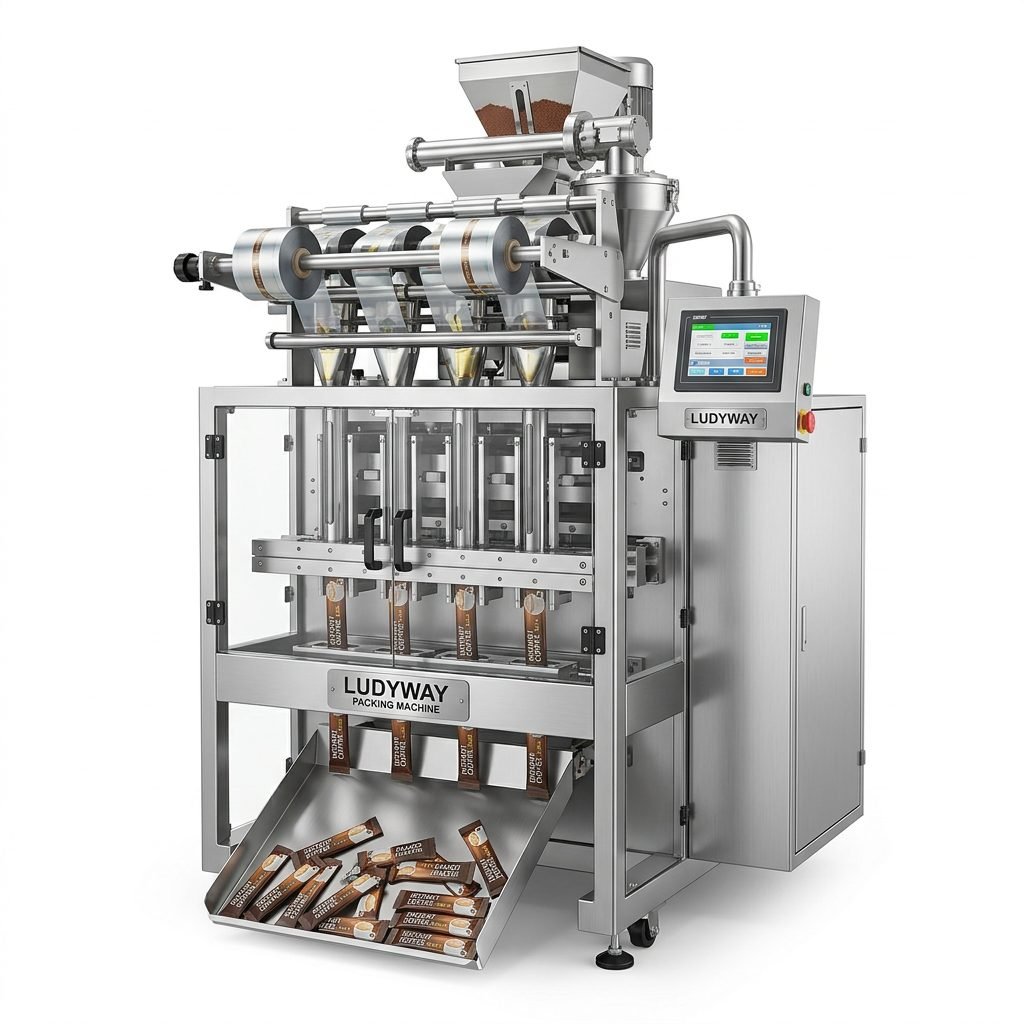
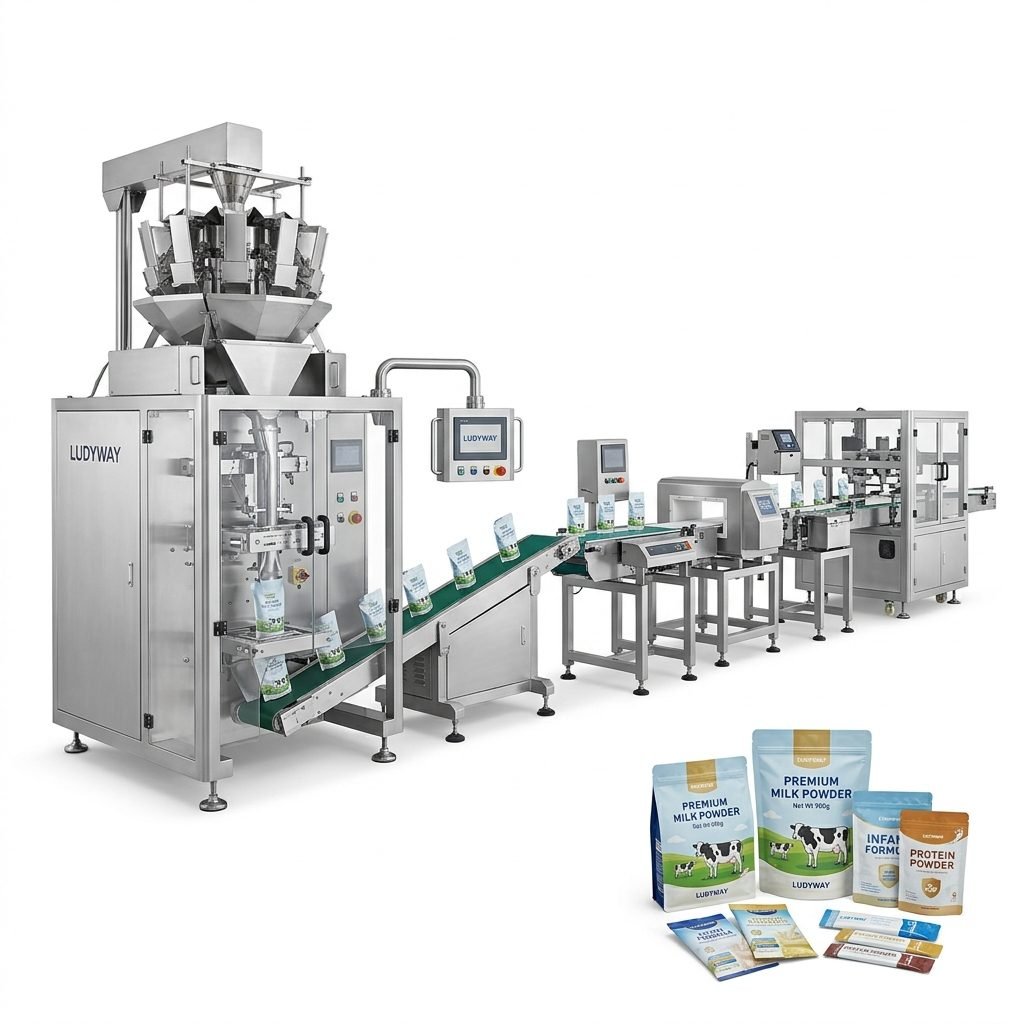
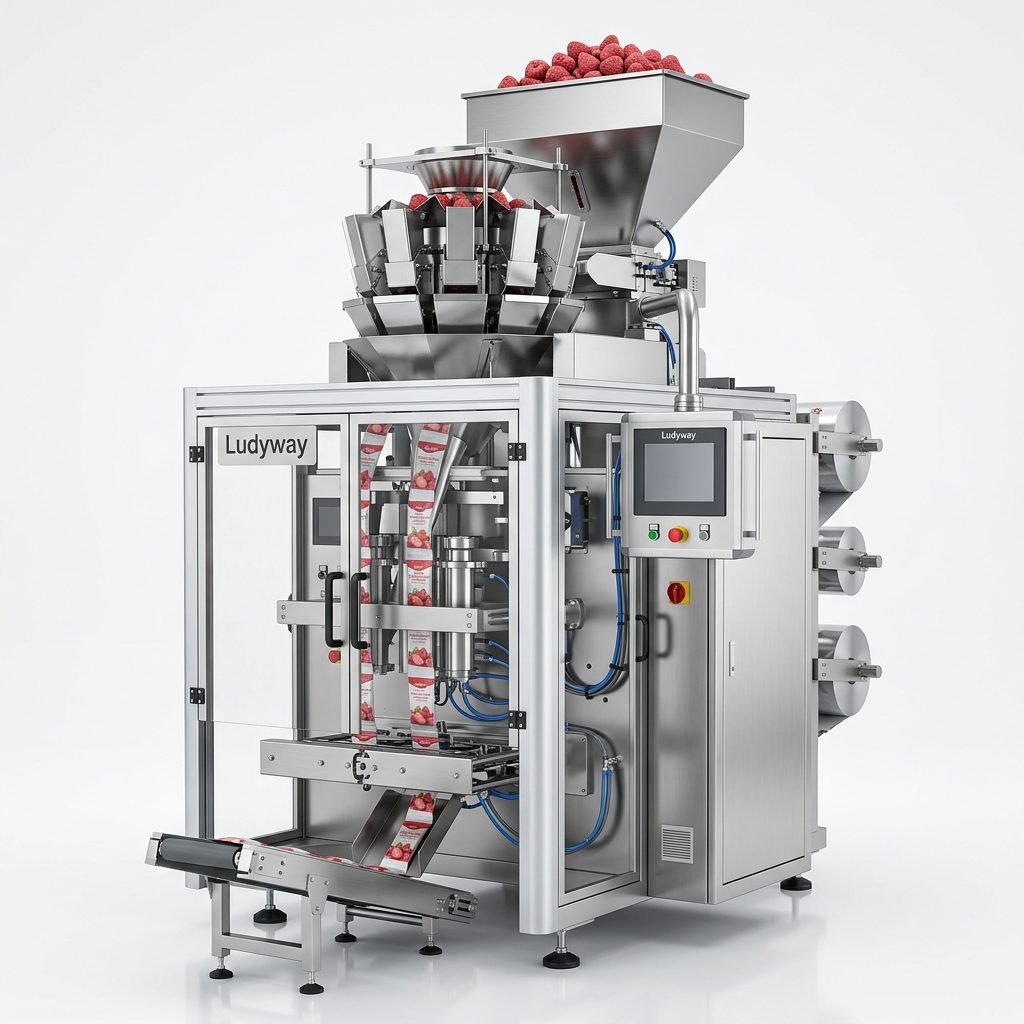
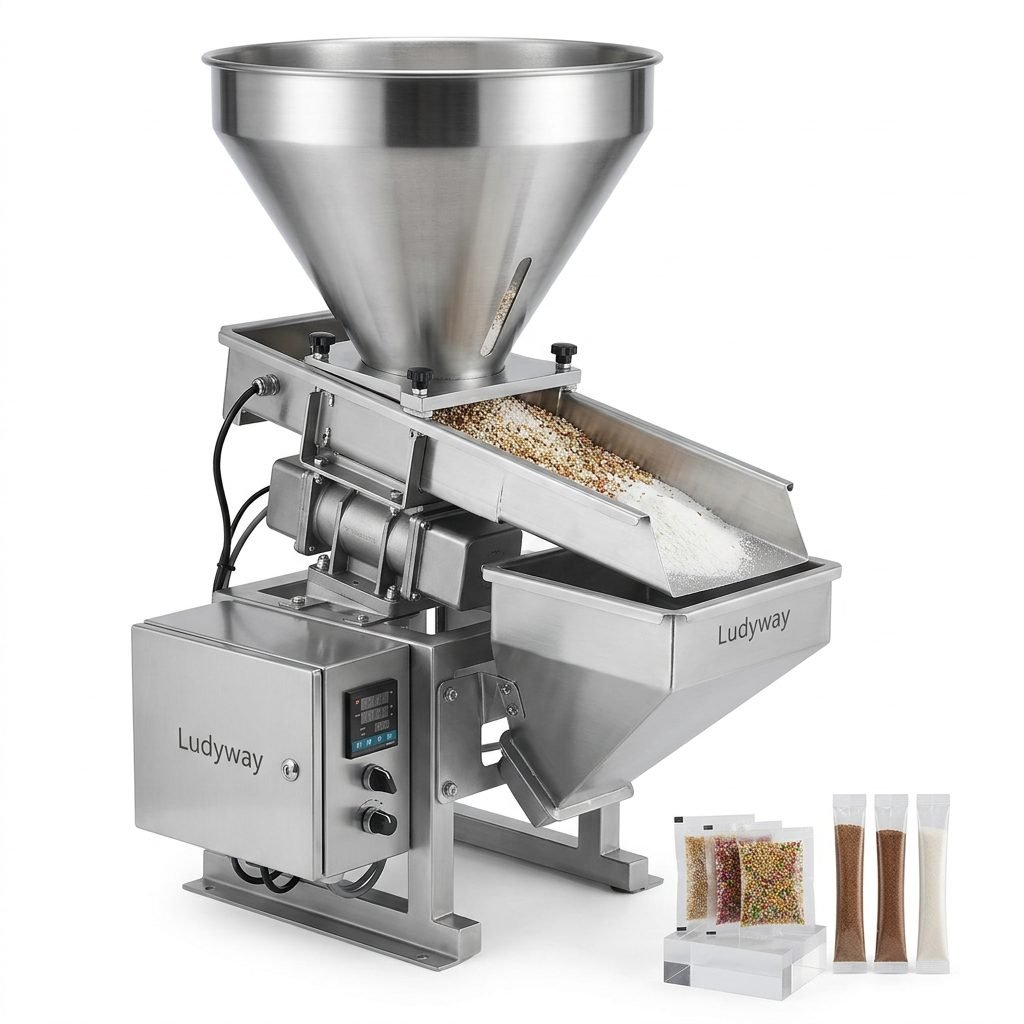
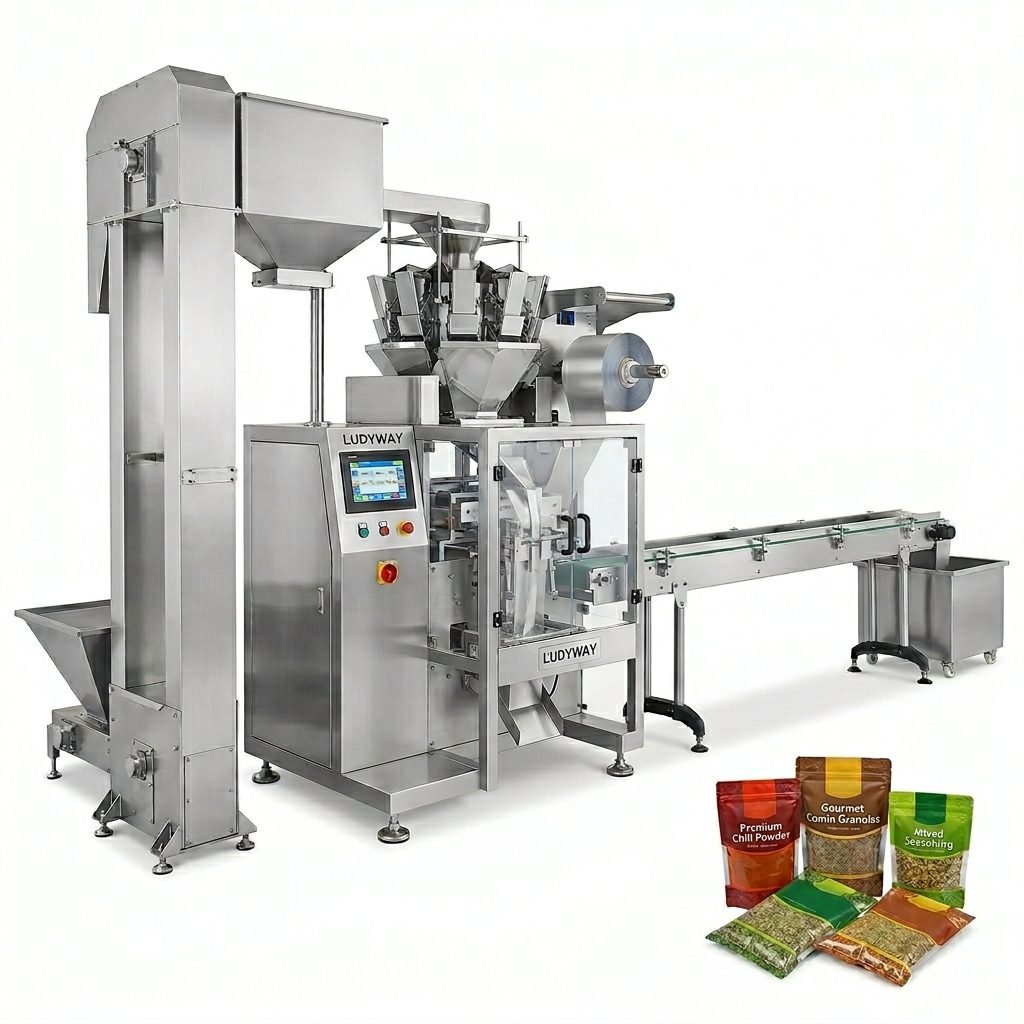
Packaging equipment is the backbone of many production lines, ensuring products are sealed, protected, and presented efficiently. When these machines malfunction, it can lead to costly downtime, product waste, and compromised quality. Understanding how to diagnose and repair common issues is crucial for maintaining operational efficiency. This guide provides a comprehensive overview of troubleshooting steps, common problems, and essential maintenance tips to keep your packaging equipment running smoothly.
Common Problems in Packaging Equipment
Identifying the root cause of a malfunction is the first step in effective repair. Here are some frequent issues encountered across various types of packaging machinery.
1. Inconsistent Sealing or Poor Seal Quality
This is a prevalent issue in heat-sealing machines. Symptoms include packages that are not fully sealed, seals that are weak and break easily, or burnt seals. Causes can range from incorrect temperature settings, worn or dirty sealing jaws, uneven pressure application, or misaligned film.
2. Film or Material Feeding Problems
Problems with material feeding can cause jams, misalignment, or inconsistent package formation. Look for film tearing, wrinkling, or not advancing properly. This often stems from incorrect tension settings, worn feed rollers or guides, misaligned sensors, or issues with the film roll itself (like uneven winding).
3. Product Filling & Metering Inaccuracies
For machines filling granules, powders, or liquids, inaccurate fills lead to underweight or overweight packages. This can be due to clogged nozzles or valves, worn piston seals, incorrect calibration of volumetric fillers, or fluctuations in product density. Sensor failures can also contribute.
4. Mechanical Wear and Component Failure
Over time, continuous operation leads to wear. Common failures include broken belts or chains, worn gears, failing bearings, and loose or damaged linkages. These often manifest as unusual noises, vibrations, loss of precision, or complete stoppage.
5. Electrical and Control System Faults
Modern machines rely heavily on electronics. Problems here can be elusive. Symptoms include unresponsive controls, erratic machine behavior, motor failures, or sensor errors. Causes include faulty PLC programs, damaged wiring, power supply issues, or failed sensors and actuators.
A Systematic Troubleshooting Approach
Effective troubleshooting follows a logical sequence to isolate and resolve issues efficiently.
Step 1: Observe and Document the Symptom
Before touching anything, carefully observe the machine’s operation. Note exactly what is happening, when it occurs, and any error codes on the display. Check the recent production log for changes in material or settings.
Step 2: Conduct a Safety Shutdown & Initial Inspection
Follow proper lockout/tagout procedures to safely shut down the equipment. Perform a visual inspection for obvious signs: loose parts, leaks, debris, burnt components, or damaged wiring.
Step 3: Isolate the Problem Area
Determine which subsystem is failing—is it the sealing station, the feeding mechanism, the filling head, or the drive system? Run tests in manual mode if possible to isolate functions.
Step 4: Check the Most Likely Causes First
Refer to the common problems list. For a sealing issue, first check temperature, jaw cleanliness, and alignment. For a feeding problem, inspect film tension and roller condition.
Step 5: Consult Manuals and Use Diagnostic Tools
Use the machine’s service manual for specific diagnostic charts. Utilize built-in diagnostic software or tools like multimeters to test electrical components.
Step 6: Implement the Fix and Test
After making adjustments or replacing a component, conduct a controlled test. Run a few cycles with scrap material before resuming full production to verify the repair.
Essential Maintenance Tips to Prevent Problems
Proactive maintenance is far more cost-effective than reactive repair. A robust maintenance program minimizes downtime and extends equipment life.
Daily and Weekly Maintenance Routines
Cleaning: The Foundation of Reliability
Clean all critical surfaces daily. Remove product residue, dust, and grease from sealing jaws, filling nozzles, guides, and sensors. Use approved cleaners to avoid damage.
Visual Inspection
Check for loose bolts, signs of wear on belts and chains, leaks, and any abnormal debris around moving parts.
Lubrication (Where Applicable)
Follow the manual’s schedule to lubricate bearings, slides, and gears with the specified lubricant. Over-lubrication can attract dirt and cause problems.
Monthly and Quarterly Maintenance Tasks
These are more thorough checks and adjustments.
- Calibration: Re-calibrate filling heads, check weigh systems, and temperature controllers to ensure accuracy.
- Component Inspection: Inspect electrical connections for tightness. Check wear items like seals, O-rings, gaskets, and filters. Replace if worn.
- Alignment Verification: Verify the alignment of film paths, cutting mechanisms, and transfer systems.
- Software Updates & Backup: Update firmware if recommended by the manufacturer. Backup PLC programs and parameters.
Annual or Semi-Annual Major Service
This involves deeper intervention, often best performed by a qualified technician or the manufacturer’s service team.
Tasks include comprehensive inspection of major mechanical components (gearboxes, drive motors), replacement of high-wear items, thorough electrical system testing, and performance validation against original specifications. Consider a professional service contract for this level of maintenance.
Building a Culture of Preventive Care
Beyond scheduled tasks, fostering an operational culture that prioritizes equipment care is vital.
Ensure operators are trained not only to run the machine but also to perform basic inspections and recognize early signs of trouble. Maintain clear and accessible logs for all maintenance activities. Keep a well-organized inventory of common spare parts like seals, belts, and sensors to reduce repair time. Finally, establish a strong relationship with your equipment supplier for technical support and access to updated documentation.
Summary of Common Problems & Quick Checks
Here is a concise recap of frequent issues and their first-line checks to aid rapid diagnosis.
1. Sealing Issues
Quick Checks: Verify heater temperature with a pyrometer; clean sealing jaws with a non-abrasive tool; check jaw alignment and pressure uniformity.
2. Film Feeding/Jamming
Quick Checks: Inspect film roll for damage; adjust tension settings; clean and check all guide rollers and sensors for obstruction.
3. Inaccurate Filling
Quick Checks: Clean filling nozzles/valves; check for worn piston seals; recalibrate fill volume using test runs.
4. Unusual Noise/Vibration
Quick Checks: Inspect all belts, chains, and gears for wear and tightness; check bearings for heat or noise; ensure all mounts are secure.
5. Electrical Fault/Control Error
Quick Checks: Reset the controller; check all emergency stops and safety interlocks are clear; inspect for loose wire connections at the fault point.
By integrating systematic troubleshooting with a disciplined preventive maintenance program, you can significantly enhance the reliability and productivity of your packaging operations. Regular care not only prevents sudden breakdowns but also optimizes machine performance, ensures product quality, and protects your investment. For complex issues or major service, leveraging the expertise of your machinery provider, such as Ludyway Packaging Machinery, ensures access to specialized knowledge and genuine parts.