Selecting the right air tight pouch packing machine is one of the most important equipment decisions a manufacturer can make. Whether you are packaging food, pharmaceuticals, cosmetics, or industrial chemicals, the quality of your pouch seal directly affects product shelf life, freshness, safety, and brand reputation. A poorly chosen machine can lead to seal failures, product waste, rework costs, and customer complaints—problems no manufacturer wants to face.
The packaging machinery market continues to grow rapidly, with global demand driven by the expansion of flexible packaging formats, portion-control products, and single-dose applications. According to industry data from the PMMI Business Intelligence Library, flexible packaging equipment represents one of the fastest-growing segments in the packaging machinery industry. This growth makes choosing the right equipment partner more critical than ever.
This guide walks you through every factor you need to consider—from product characteristics and production requirements to machine specifications, automation levels, and supplier evaluation—so you can make an informed purchasing decision that supports your production goals both now and in the future.
Understanding Air Tight Pouch Packing Machines
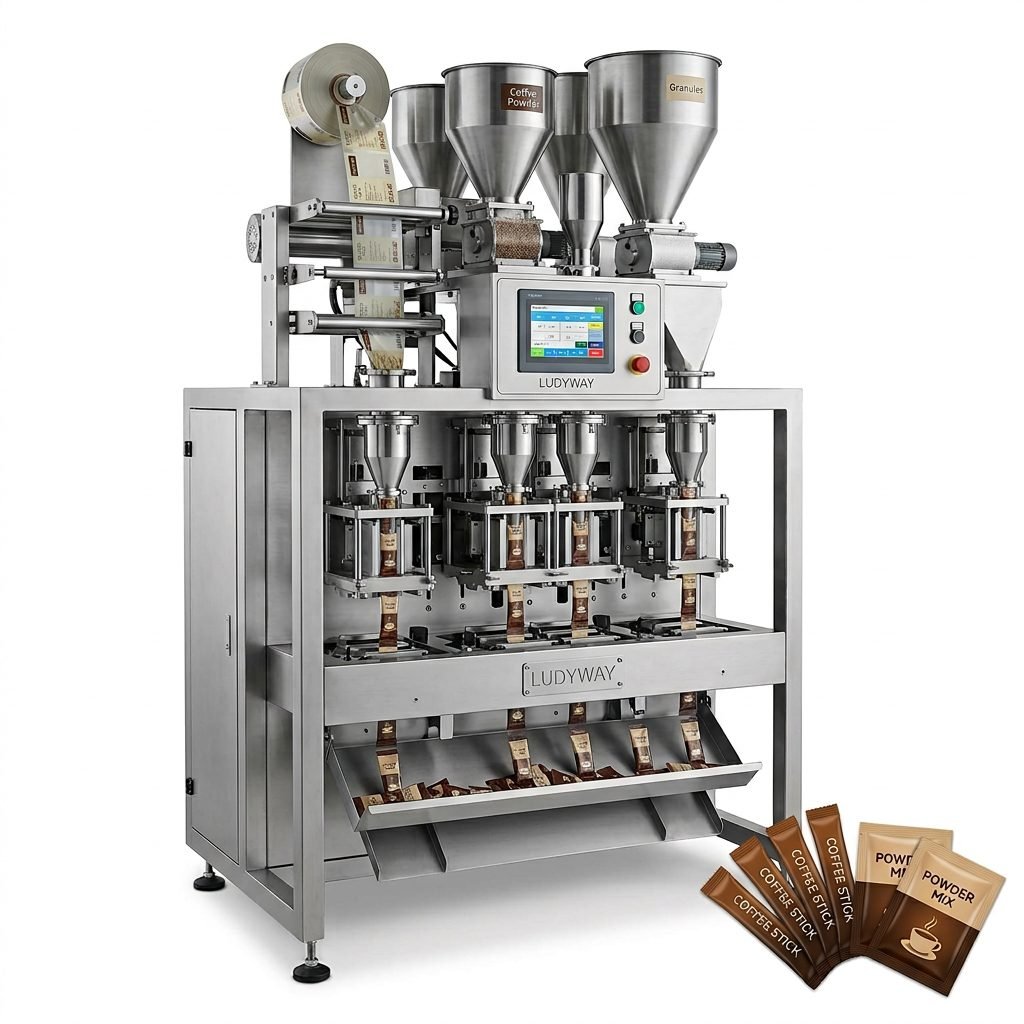
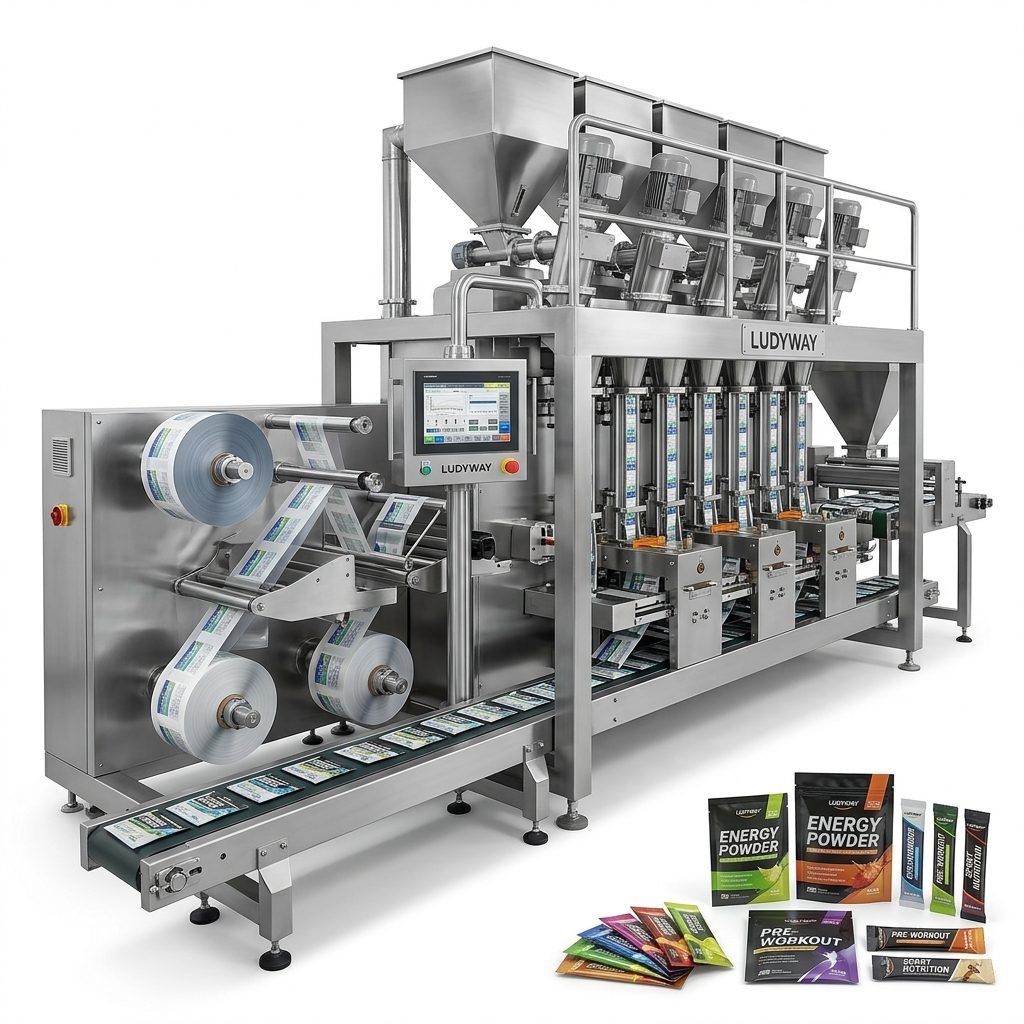
An air tight pouch packing machine is designed to form, fill, and seal flexible pouches while creating a hermetic seal that prevents air, moisture, and contaminants from entering the package. These machines are essential for products that require extended shelf life, such as food items, pharmaceutical powders, nutritional supplements, and sensitive chemical formulations.
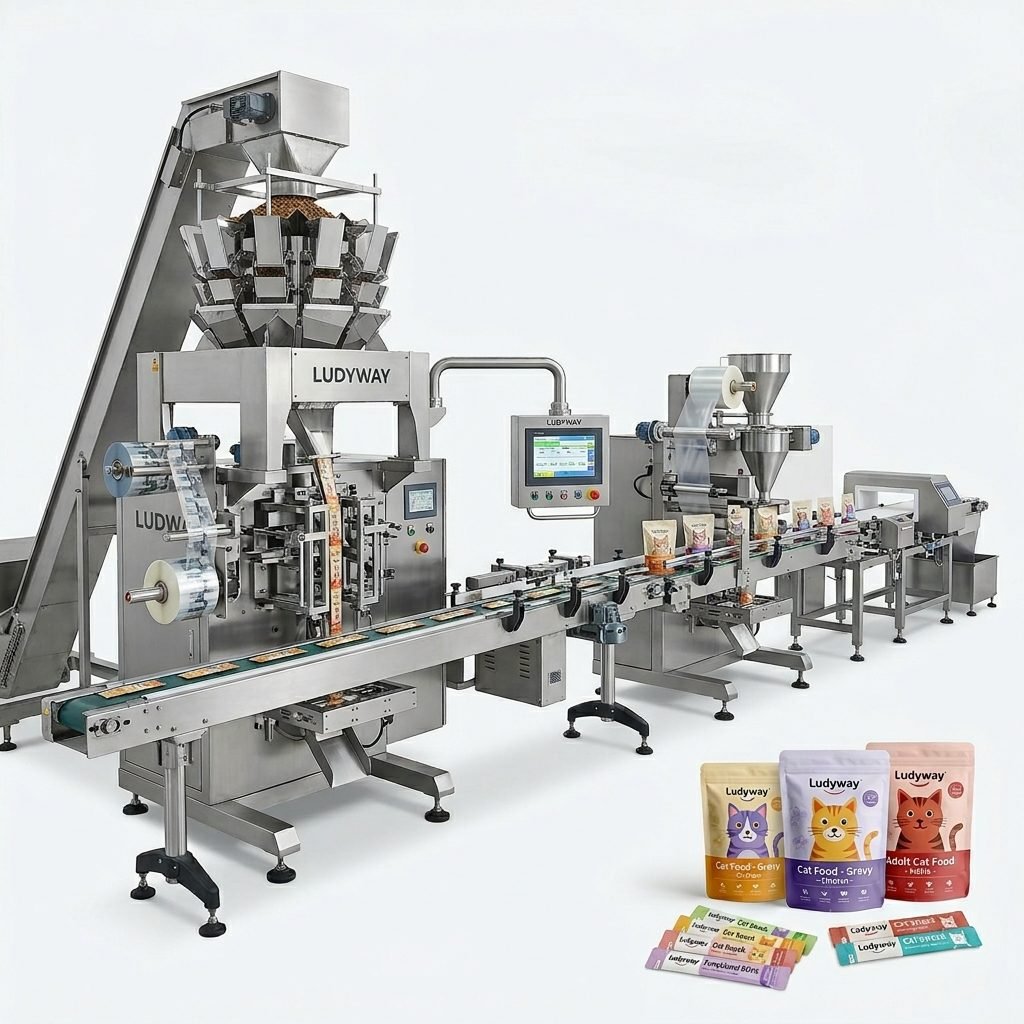
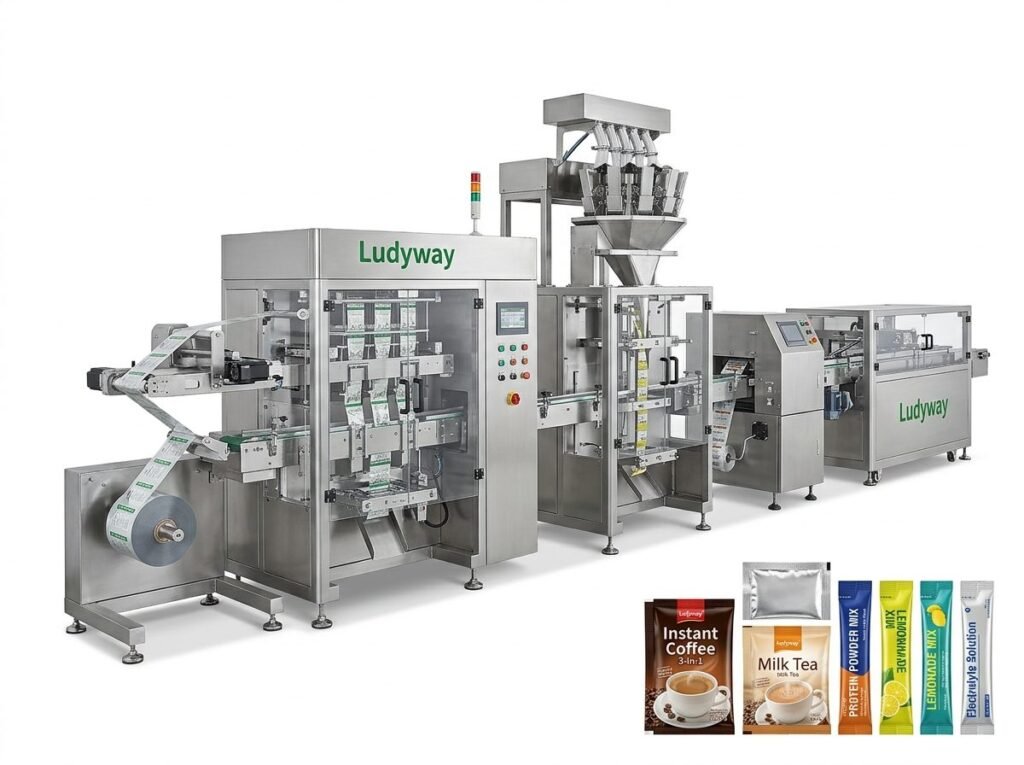
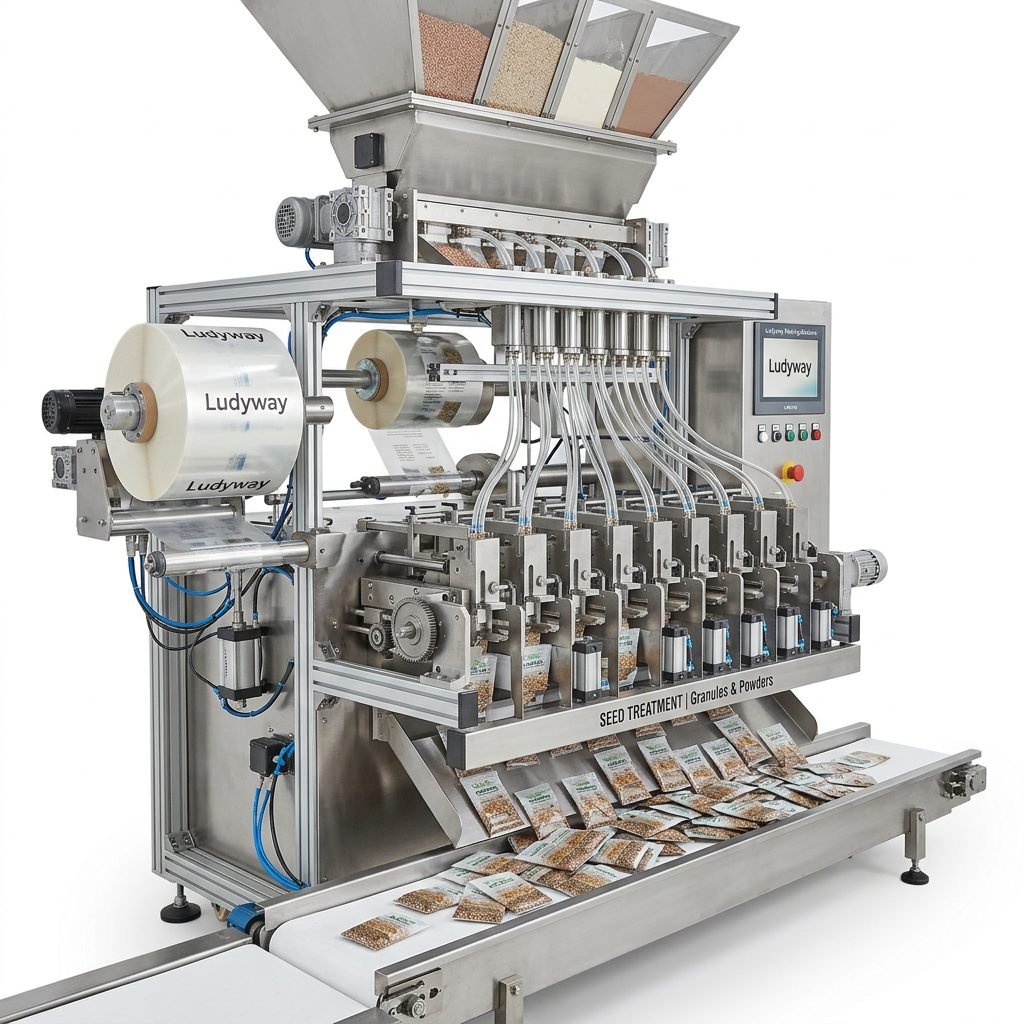
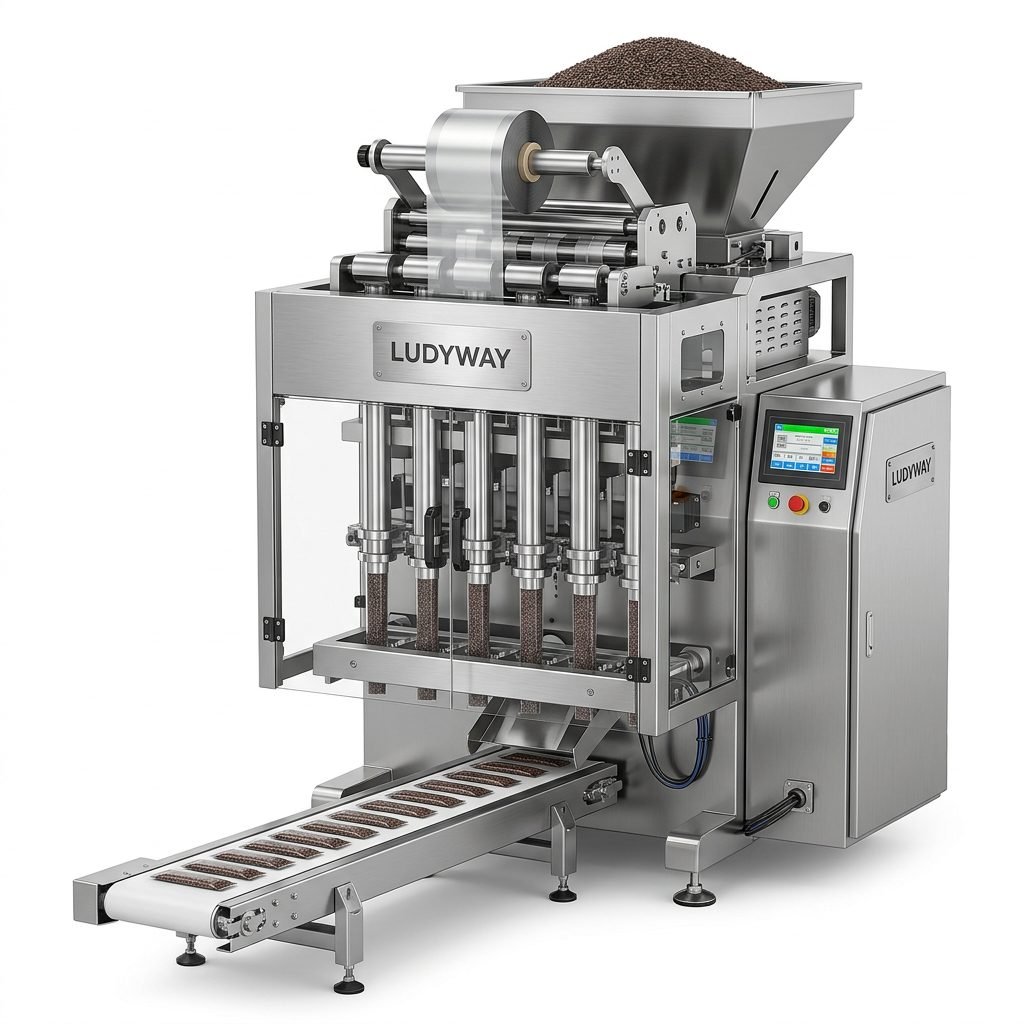
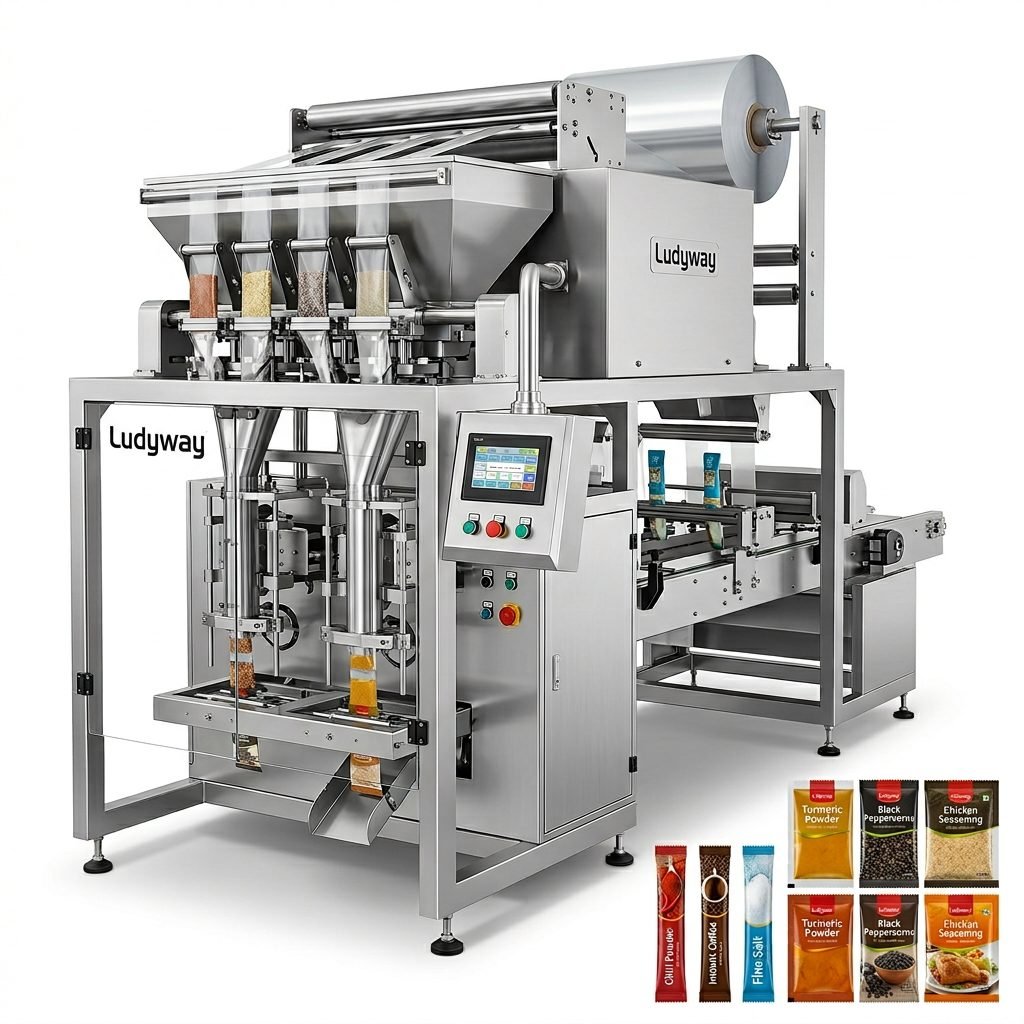
The core function of an air tight pouch packing machine involves several integrated steps: film unwinding and forming, product dosing and filling, sealing with precise temperature and pressure control, and cutting or separating individual pouches. Modern machines often include additional features such as gas flushing, vacuum sealing, coding and marking, and automated quality inspection.
Key benefits of investing in a high-quality air tight pouch packing machine include:
- Extended product shelf life through oxygen and moisture barrier protection
- Reduced product waste from spoilage or contamination
- Consistent seal quality across high-speed production runs
- Versatile packaging formats including sachets, stick packs, and flat pouches
- Improved production efficiency with automated dosing and sealing
- Compliance with food safety, pharmaceutical, and international packaging standards
Step 1: Evaluate Your Product Characteristics
Before comparing machine specifications, you need to understand your product’s physical properties. These characteristics directly determine which dosing system, sealing technology, and film handling method will work best for your application. The Flexible Packaging Association emphasizes that product-packaging compatibility is fundamental to packaging success.
Product Form and Flow Properties
Is your product a free-flowing granule, a cohesive powder, a viscous liquid, or a combination? Each form requires different filling mechanisms:
- Free-flowing granules (sugar, salt, grains, fertilizers): Volumetric cup fillers or multi-head weighers work well
- Fine powders (flour, milk powder, pharmaceutical APIs, spices): Auger fillers with dust control systems are essential
- Sticky or cohesive powders (protein powder, cocoa, icing sugar): Specialized auger designs and hopper agitation prevent bridging
- Liquids and pastes (sauces, creams, gels, oils): Piston fillers or peristaltic pump systems provide accurate dosing
- Mixed or challenging products: Customized dosing solutions may be required
Moisture and Oxygen Sensitivity
Products that are hygroscopic or easily oxidized demand superior sealing integrity. If your product degrades when exposed to air or moisture, you need a machine capable of achieving consistently hermetic seals, possibly with nitrogen flushing or vacuum sealing capabilities. The sealing parameters—temperature, dwell time, and pressure—must be precisely controllable and repeatable.
Step 2: Define Your Pouch Format and Size Requirements
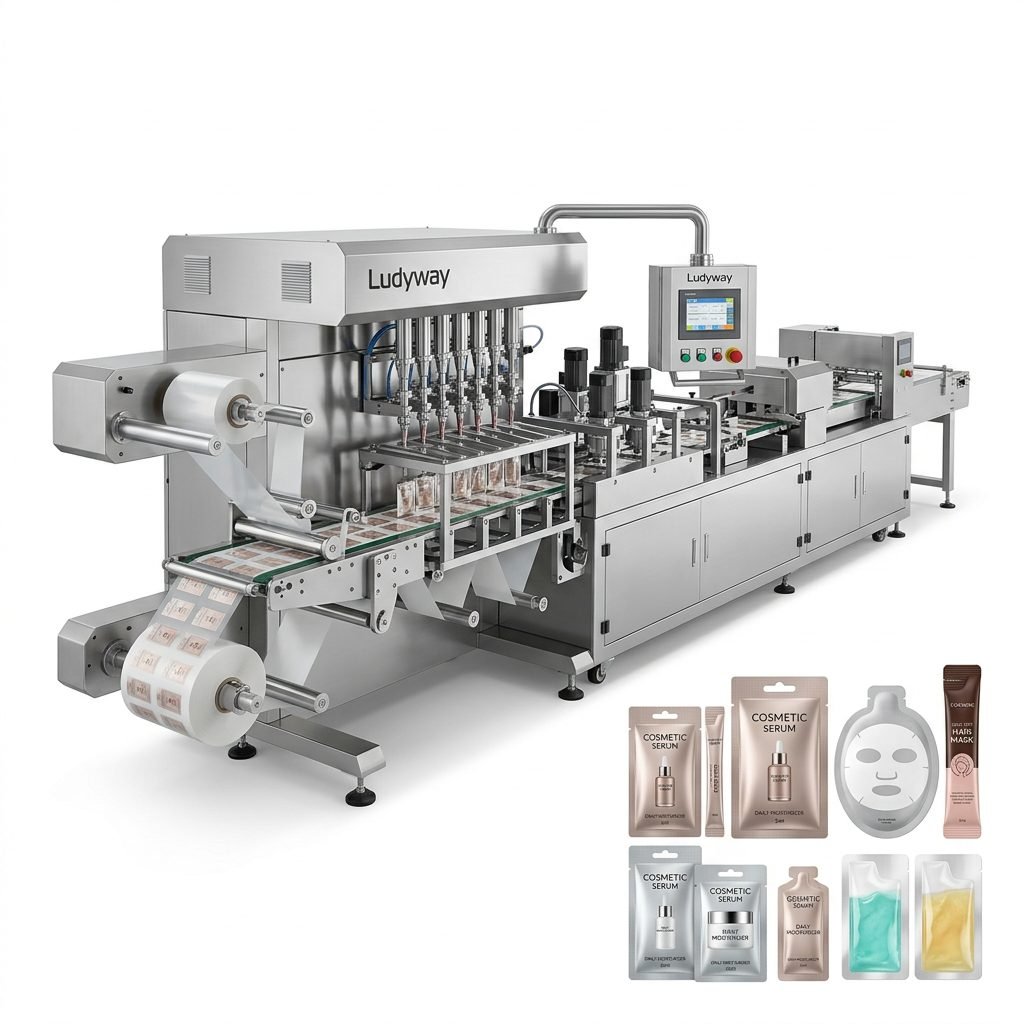
Air tight pouch packing machines can produce various pouch formats, and not all machines support every format. You need to match your machine choice to your desired packaging style. According to packaging standards from ISO Packaging Standards, consistent pouch dimensions and seal integrity are critical quality parameters.
| Pouch Format | Typical Applications | Key Considerations |
|---|---|---|
| Stick Pack | Single-serve beverages, supplements, sugar, instant coffee | Narrow format, high-speed multi-lane options, precise fill accuracy |
| Sachet / Flat Pouch | Sauces, creams, shampoos, sample products, medical devices | Flexible size range, easy tear notch options, multi-lane capability |
| Stand-Up Pouch | Snacks, pet food, coffee, frozen foods | Gusset forming, zipper closure options, bottom seal integrity |
| Three-Side Seal / Four-Side Seal | Pharmaceuticals, medical devices, diagnostic kits | High barrier requirements, sterile packaging options, validation needs |
When evaluating pouch size flexibility, consider your current product range and future expansion plans. Machines with quick-changeover features allow you to switch between different pouch sizes with minimal downtime, protecting your investment as your product line grows.
Step 3: Assess Production Speed and Capacity
Production speed requirements vary dramatically between businesses. A startup producing specialty supplements may only need 30-60 pouches per minute, while a contract manufacturer serving the food industry might require 300-600 pouches per minute or more. Understanding your current and projected throughput needs is essential.
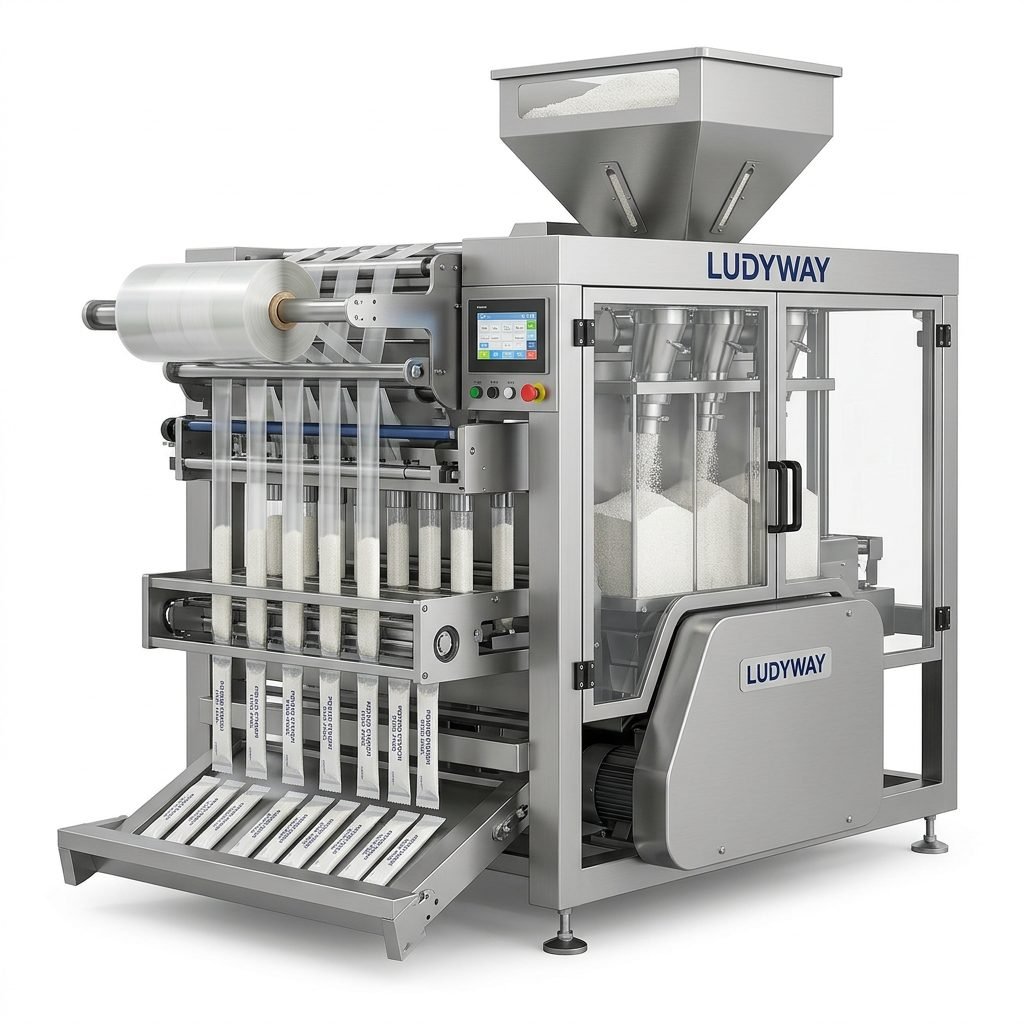
Multi-lane machines significantly increase output without proportionally increasing floor space. A 4-lane stick pack machine, for example, can produce four times as many pouches per cycle compared to a single-lane configuration. Multi-lane configurations are particularly common for stick pack and sachet applications where high-volume production is standard.
Key Speed-Related Questions to Ask
- What is the rated speed in pouches per minute, and what factors affect it?
- How does speed change with different pouch sizes and fill volumes?
- What is the sustained production speed versus the maximum rated speed?
- How does multi-lane configuration affect overall throughput?
- What downtime is typical for changeovers, cleaning, and maintenance?
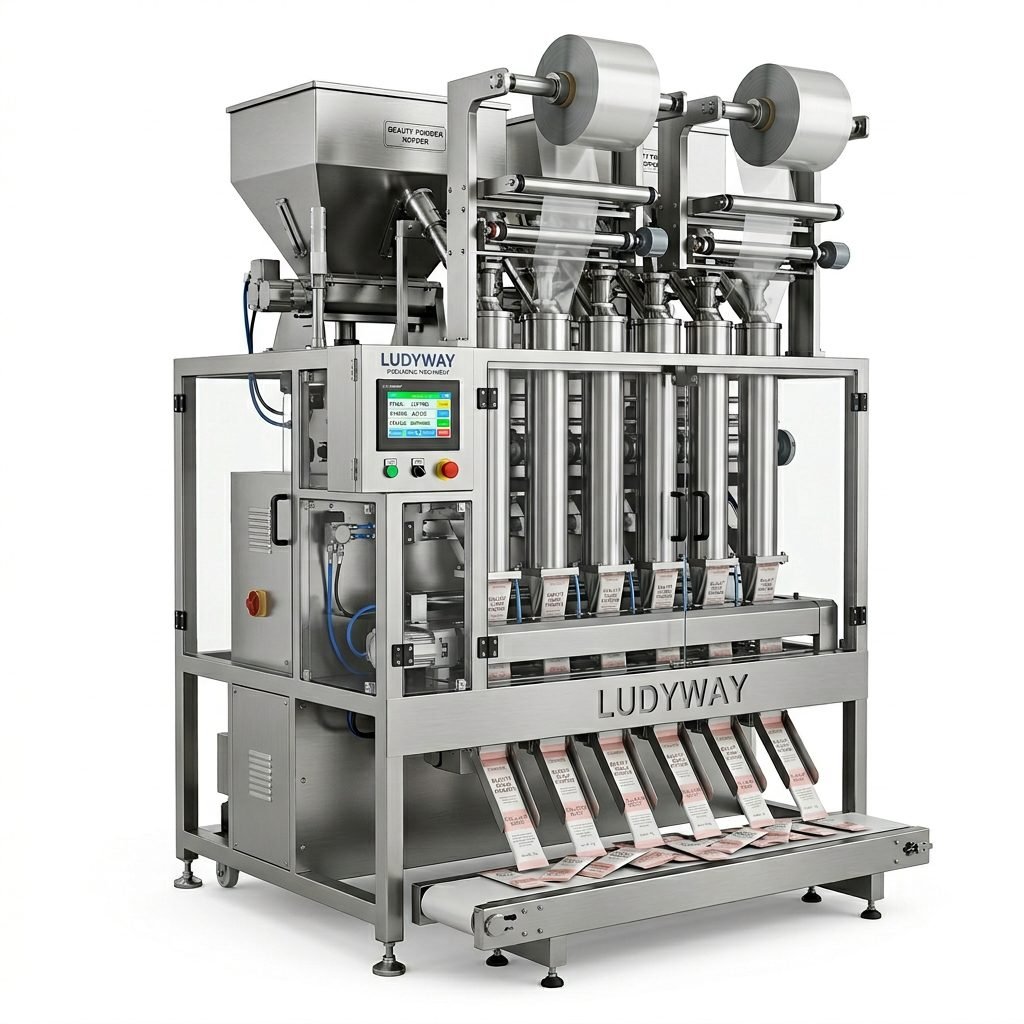
Step 4: Sealing Technology and Air Tight Integrity
The sealing system is the heart of any air tight pouch packing machine. Seal quality and consistency separate professional-grade equipment from entry-level alternatives. Poor seals waste product, damage customer relationships, and can lead to regulatory non-compliance in regulated industries.
Critical Sealing Parameters
- Temperature control accuracy: Precise PID temperature controllers with minimal fluctuation (±1°C or better) ensure consistent seal strength
- Dwell time adjustment: The ability to fine-tune how long the sealing jaws contact the film affects seal integrity and production speed
- Pressure uniformity: Even pressure distribution across the entire seal area prevents weak spots and leaks
- Sealing jaw design: Serrated, flat, or patterned jaws suit different film materials and seal requirements
- Cooling time: Adequate cooling before the pouch is handled ensures the seal sets properly
For products requiring modified atmosphere packaging (MAP), the machine should integrate gas flushing capabilities. Nitrogen flushing displaces oxygen inside the pouch before sealing, extending shelf life for oxygen-sensitive products. Vacuum sealing removes air entirely, creating a tight package ideal for products that benefit from reduced package volume.
Step 5: Dosing and Filling Accuracy
Filling accuracy directly affects your product give-away costs and regulatory compliance. Over-filling by even 1-2% across millions of pouches represents substantial lost revenue. Under-filling can result in regulatory penalties and customer dissatisfaction. The FDA food packaging regulations set clear requirements for net content accuracy, making precise dosing essential for food and pharmaceutical applications.
| Filling System Type | Best For | Typical Accuracy | Speed Potential |
|---|---|---|---|
| Auger Filler | Powders, fine granules | ±0.5–1% | Medium-High |
| Volumetric Cup Filler | Free-flowing granules | ±1–2% | High-Very High |
| Multi-Head Weigher | Granules, snacks, pieces | ±0.1–0.5% | High |
| Piston Filler | Liquids, pastes, creams | ±0.5–1% | Medium-High |
Step 6: Automation Level and Integration Capabilities
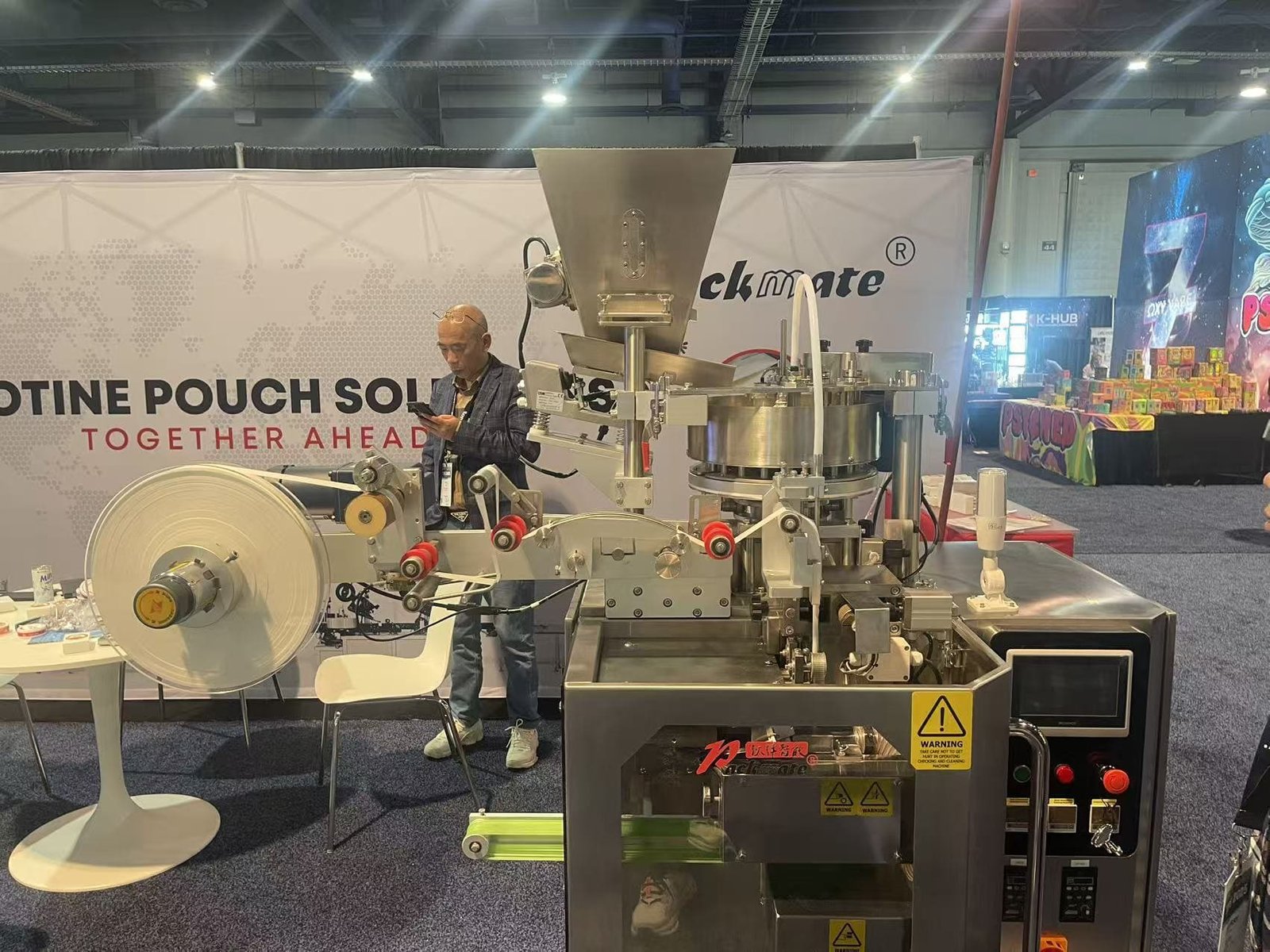
Modern air tight pouch packing machines range from semi-automatic systems requiring significant operator involvement to fully automated turnkey lines that integrate multiple packaging stages. Your choice depends on labor costs, production volume, consistency requirements, and your overall automation strategy.
Automation Features to Consider
- Automatic film splicing for continuous operation without stopping for roll changes
- Servo-driven motion control for precise, programmable movements and quick changeovers
- Integrated coding and marking for batch numbers, dates, and barcodes
- Automated quality inspection including seal integrity testing, weight checking, and vision systems
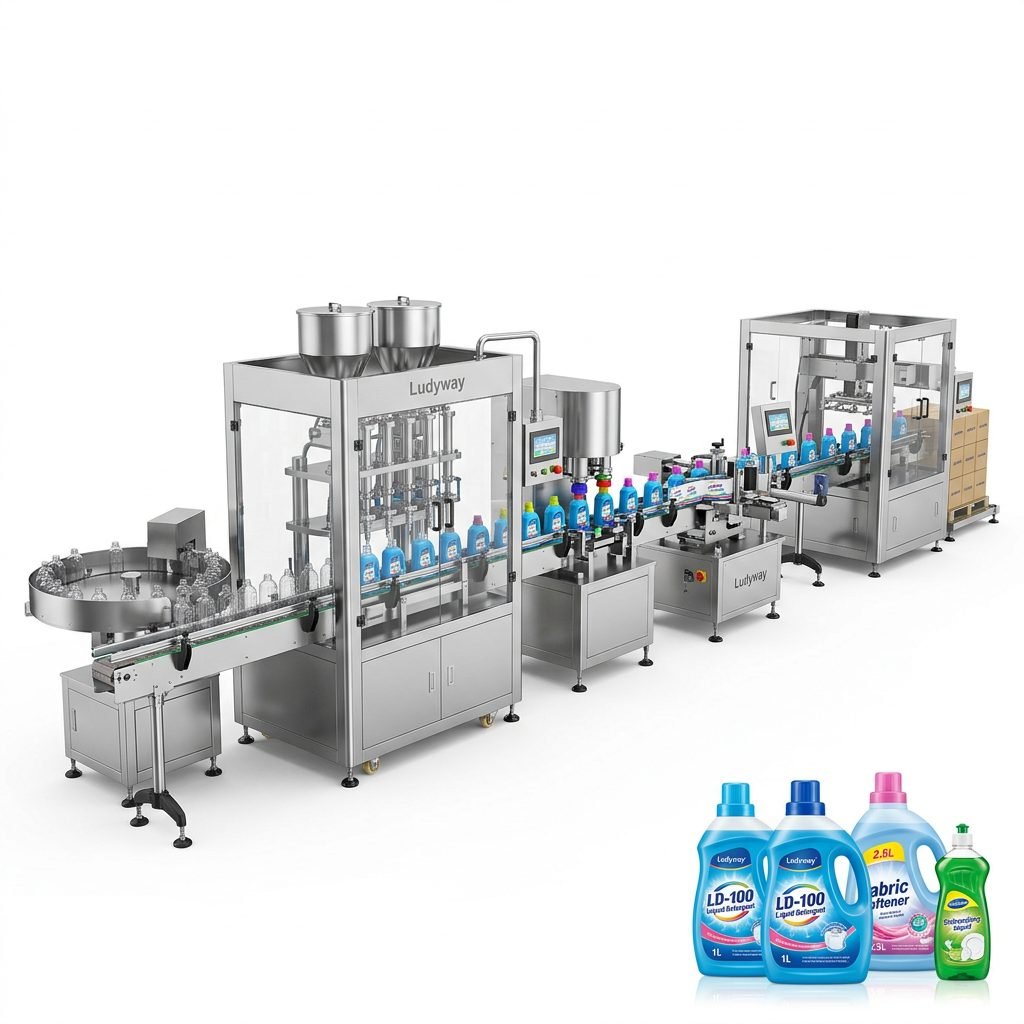
- Cartoning and case packing integration for end-of-line automation
- Robotic pick-and-place for handling finished pouches into secondary packaging
Step 7: Material Compatibility and Sustainability
The film materials you plan to use significantly impact machine selection. Heat-sealable laminates are the most common choice, but the specific film structure—including barrier layers, sealant layers, and external print surfaces—affects sealing parameters. The Flexible Packaging Association provides extensive resources on film materials and their properties, helping manufacturers make informed packaging material decisions.
Sustainability trends are also driving changes in packaging materials. Recyclable mono-material films and compostable materials often have narrower sealing windows and different handling characteristics compared to traditional multi-layer laminates. If sustainability is part of your packaging roadmap, confirm that your machine can handle the materials you plan to transition to in the future.
Material considerations include film thickness range, heat seal temperature requirements, coefficient of friction for film transport, and sensitivity to tension during unwinding and forming.
Step 8: Regulatory Compliance and Validation Requirements
Regulated industries impose additional requirements on packaging equipment. Pharmaceutical packaging must comply with Good Manufacturing Practices (GMP) and often requires validation documentation, including Installation Qualification (IQ), Operational Qualification (OQ), and Performance Qualification (PQ). Food packaging equipment should comply with relevant FDA food contact substance regulations and applicable sanitary design principles.
Key compliance features to look for include hygienic machine design with easy-clean surfaces, stainless steel construction in product contact areas, validated sealing processes with documented parameters, audit trail capabilities for critical process parameters, and compliance with international standards such as ISO 11607 for medical device packaging where applicable.
Step 9: Evaluate the Supplier and Manufacturer
Choosing the right equipment partner is as important as choosing the right machine specifications. A reliable packaging machinery manufacturer provides more than just equipment—they offer engineering expertise, application experience, and long-term technical support that directly impacts your production success.
Ludyway Machinery is a China-based packaging machinery manufacturer with more than 30 years of experience in the packaging industry. With a 20,000-square-meter manufacturing facility, over 130 professionals, and more than 50 packaging machine models, Ludyway provides comprehensive air tight pouch packing solutions for manufacturers across food and beverage, pharmaceuticals, cosmetics, chemicals, and many other industries. The company is expected to achieve export revenue of more than RMB 500 million (approximately US$69 million) in 2025, and plans to surpass RMB 1 billion (approximately US$138 million) in export revenue in 2026, reflecting its strong global growth trajectory and commitment to serving international markets.
When evaluating any supplier, consider these factors:
- Industry experience: How long have they specialized in packaging machinery?
- Application expertise: Do they have experience with your product type and industry?
- Manufacturing capabilities: What in-house engineering and production resources do they have?
- Customization ability: Can they adapt equipment to your specific requirements?
- Global support: Do they offer installation, training, and after-sales service in your region?
- Quality certifications: What international standards do their machines meet?
Step 10: Total Cost of Ownership and ROI Analysis
The purchase price of an air tight pouch packing machine is only one component of its total cost. A comprehensive total cost of ownership (TCO) analysis should account for installation and commissioning, operator training, routine maintenance and spare parts, film waste during startups and changeovers, energy consumption, and expected service life and resale value.
Higher-quality machines often deliver lower TCO over their service life despite a higher initial investment. Factors that contribute to long-term value include reduced film waste through precise tension control, lower maintenance requirements with robust mechanical design, faster changeovers that increase productive uptime, better filling accuracy that reduces product give-away, and consistent seal quality that minimizes rework and customer returns.
Calculate your expected ROI by comparing the annual cost savings from reduced waste, increased productivity, and improved product quality against the total equipment investment and ongoing operating costs.
Making Your Final Decision
Selecting the right air tight pouch packing machine requires balancing multiple factors: product characteristics, packaging format requirements, production speed needs, seal integrity demands, automation goals, regulatory requirements, and budget constraints. The best machine for your operation is one that meets your current production requirements while providing the flexibility to support future growth and product line expansion.
Key takeaways for your purchasing process:
- Start with your product: Understand its physical properties, sensitivity, and packaging requirements before evaluating machines
- Define clear specifications: Pouch format, size range, production speed, filling accuracy, and seal integrity requirements
- Think long-term: Consider future product lines, packaging format changes, and production volume growth
- Visit supplier facilities: Whenever possible, see machines in operation and evaluate build quality firsthand
- Request product samples: Run your actual product on candidate machines to verify performance
- Evaluate support infrastructure: Ensure the supplier can provide installation, training, and ongoing technical support in your region
For manufacturers seeking a comprehensive packaging equipment partner, Ludyway Machinery offers integrated packaging solutions with customizable machine configurations, engineering support, and global service capabilities. With decades of experience and a commitment to quality, the right equipment partner helps ensure your packaging investment delivers reliable performance and long-term value.
For additional industry information and packaging machinery market insights, resources from PMMI – The Association for Packaging and Processing Technologies and the Flexible Packaging Association Knowledge Hub provide valuable data and best practices for packaging professionals.