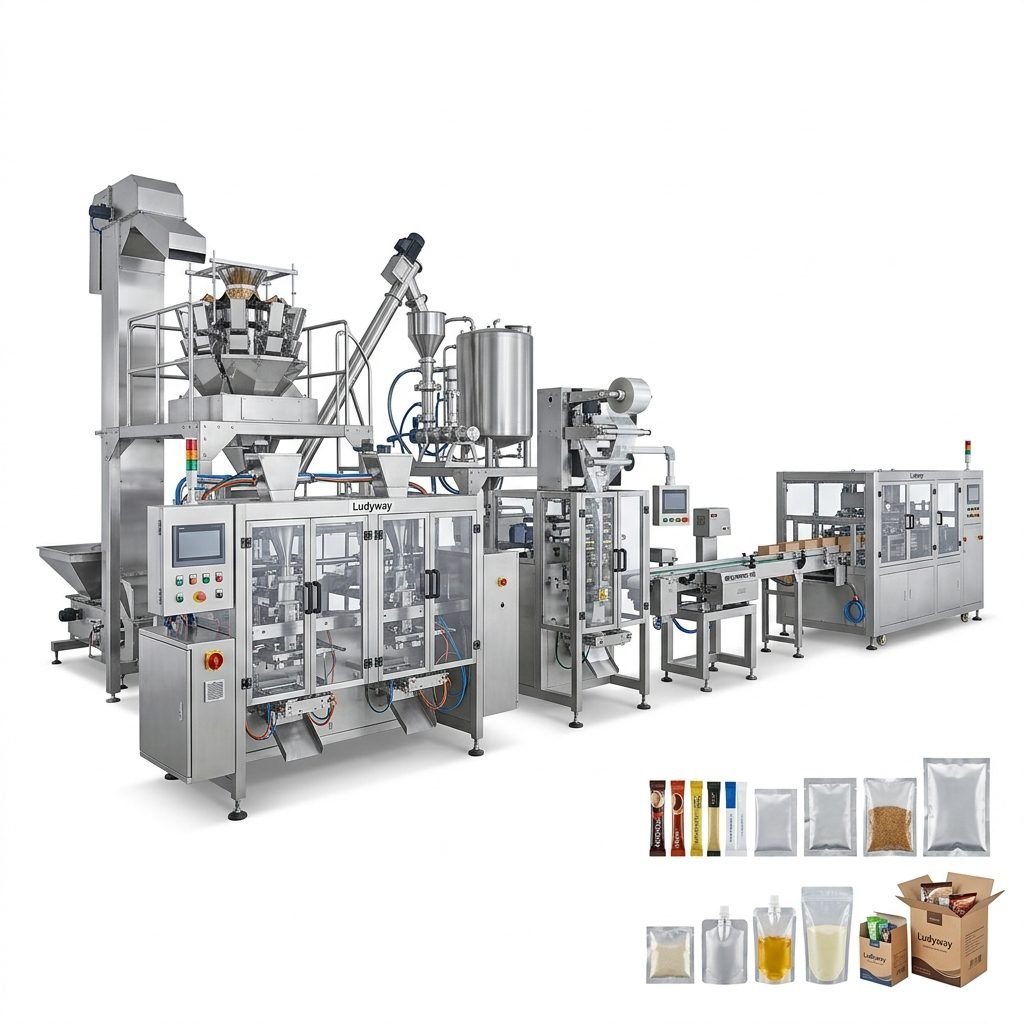
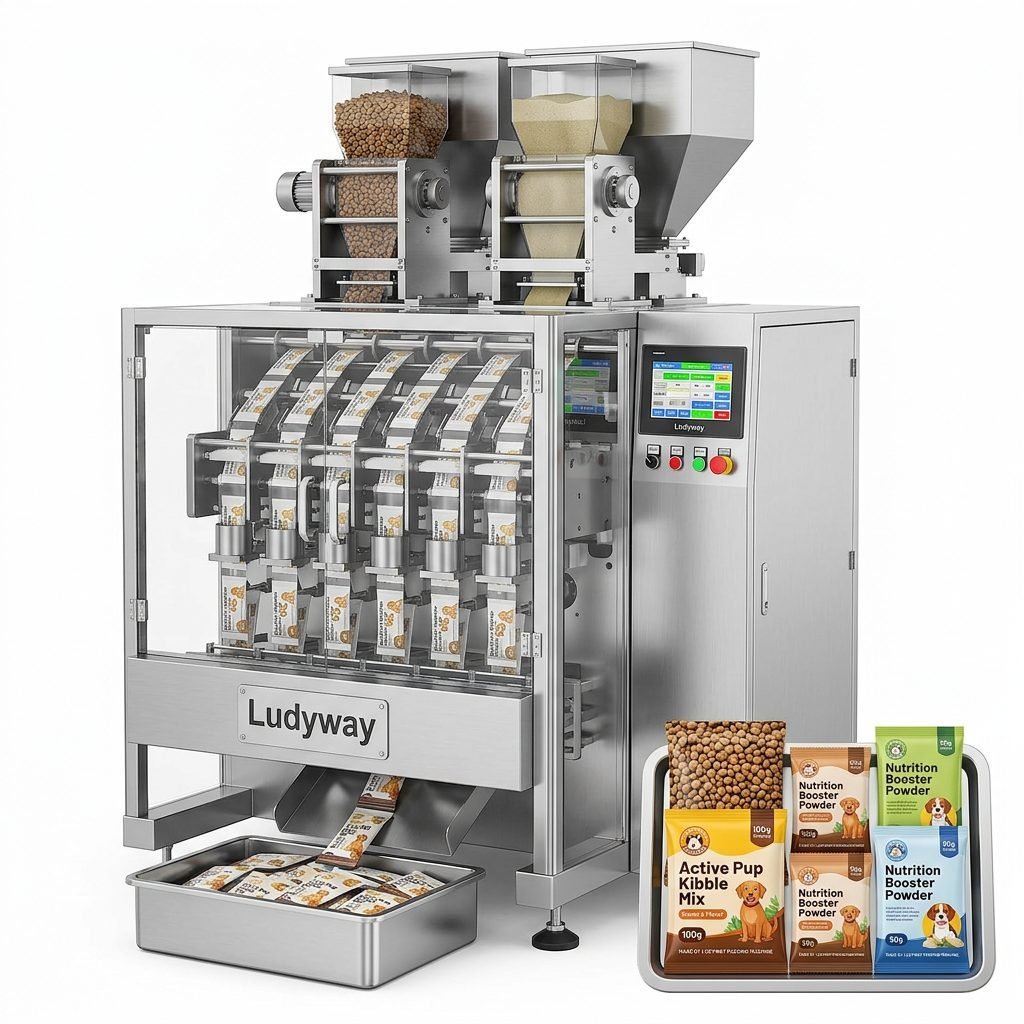
Investing in an automatic salad packing machine is a critical decision for fresh produce processors, food manufacturers, and contract packers. The right equipment directly impacts product shelf life, production efficiency, and overall profitability. With numerous configurations, technologies, and suppliers available, navigating the selection process requires a structured approach. This guide walks you through the essential factors to evaluate before making your purchase.

Understanding Your Salad Product Characteristics
Before evaluating machine specifications, you must clearly define the physical properties of your salad products. Different salad types demand different handling and packaging approaches:
- Leafy greens and delicate lettuces — Require gentle handling to prevent bruising and damage; modified atmosphere packaging (MAP) is often essential for shelf-life extension.
- Chopped or shredded salad mixes — May include carrots, cabbage, and other denser vegetables; these can tolerate slightly more aggressive filling mechanisms but still need careful portion control.
- Salad kits and meal components — Often combine multiple ingredients with different densities and moisture levels; multi-head weighing systems may be required.
- Wet or dressed salads — Require specialized sealing technologies to prevent leakage and contamination.
- Fresh-cut fruit salads — Demand hygienic processing environments and often require gas flushing to maintain freshness.
Understanding these characteristics helps you narrow down the appropriate packaging technology and machine configuration for your specific product range.
Key Types of Salad Packaging Machines
The market offers several distinct machine categories, each suited to different production scales and packaging formats:
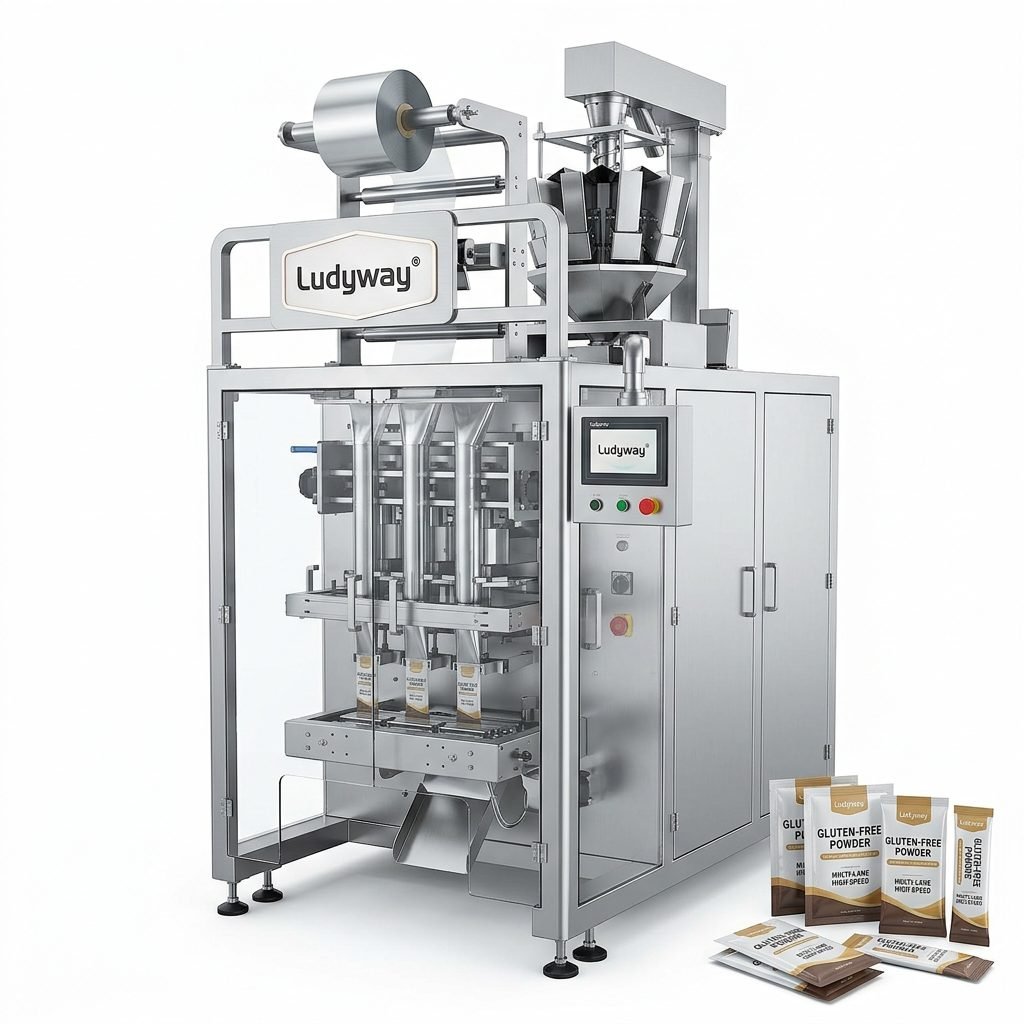
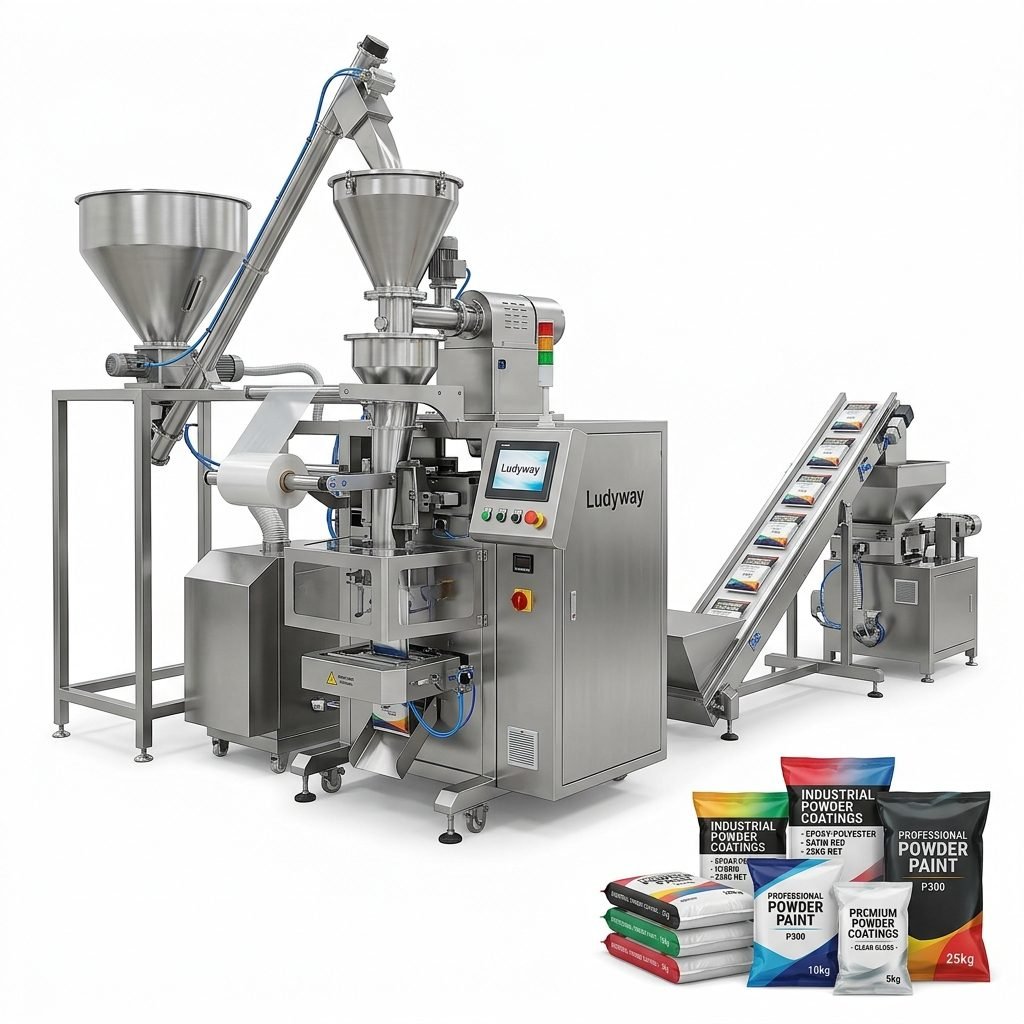
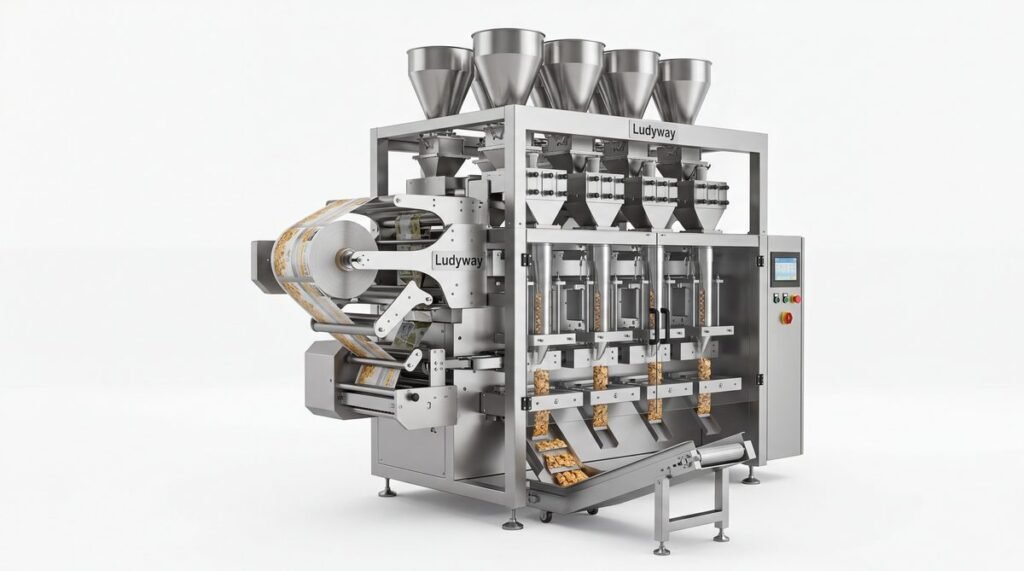
- Vertical Form Fill Seal (VFFS) machines — Ideal for pillow bags and gusseted pouches; excellent for leafy greens and salad mixes at medium to high speeds. These machines form the bag from roll stock, fill it with product, and seal it in one continuous operation.
- Tray sealing machines — Designed for rigid or semi-rigid trays; commonly used for salad kits, meal components, and retail-ready formats. They apply a film lid and can incorporate MAP technology.
- Horizontal Form Fill Seal (HFFS) machines — Suitable for flow-wrapped applications; often used for individual salad portions or wrapped bundles.
- Pre-made pouch fill and seal machines — Offer greater flexibility for premium salad presentations and can handle various pouch styles, including stand-up pouches, zipper pouches, and spouted pouches.
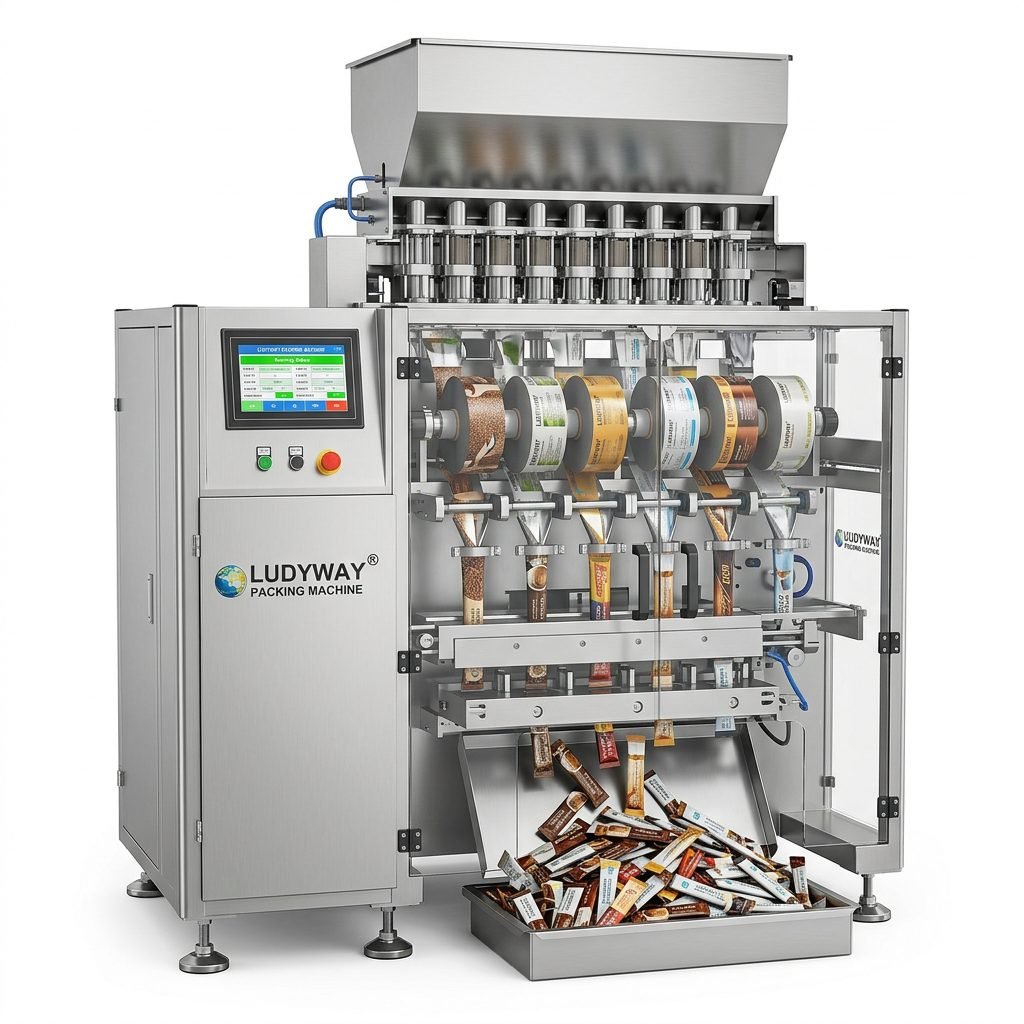
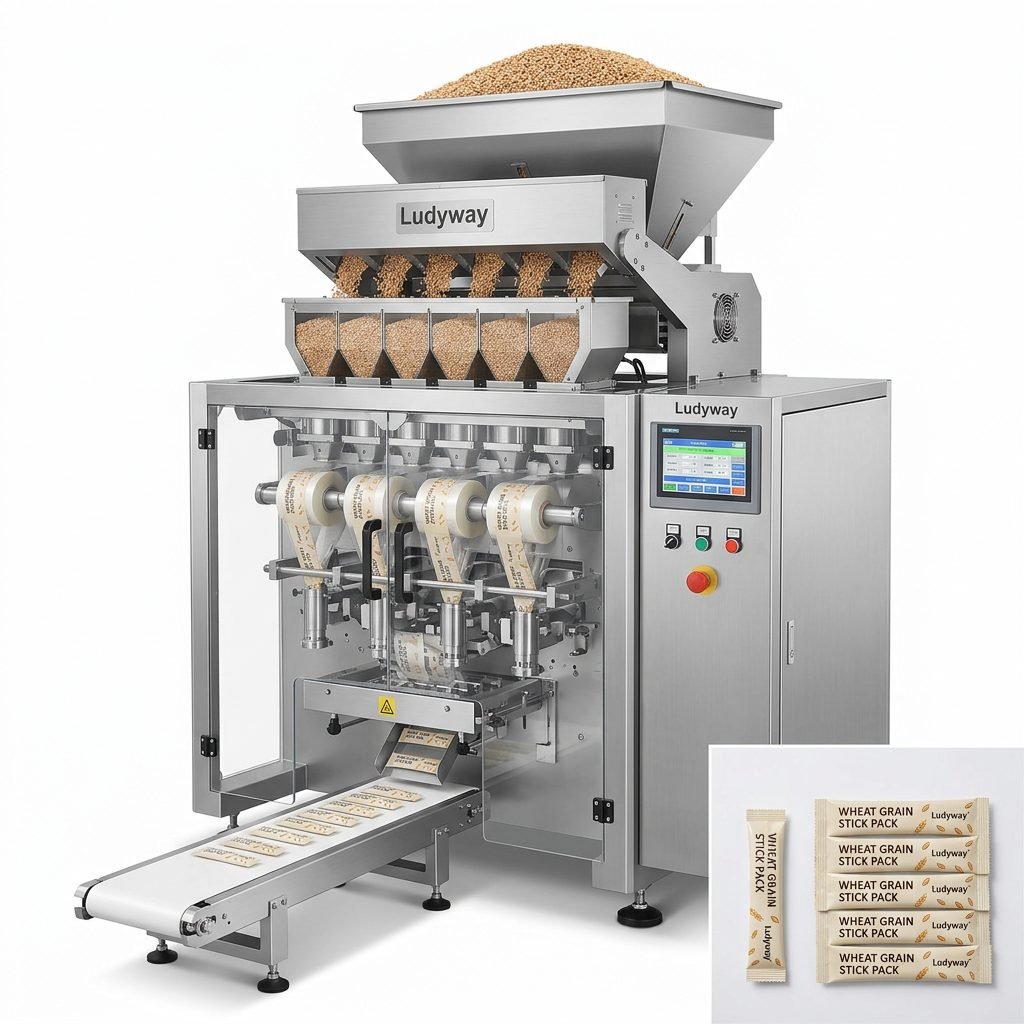
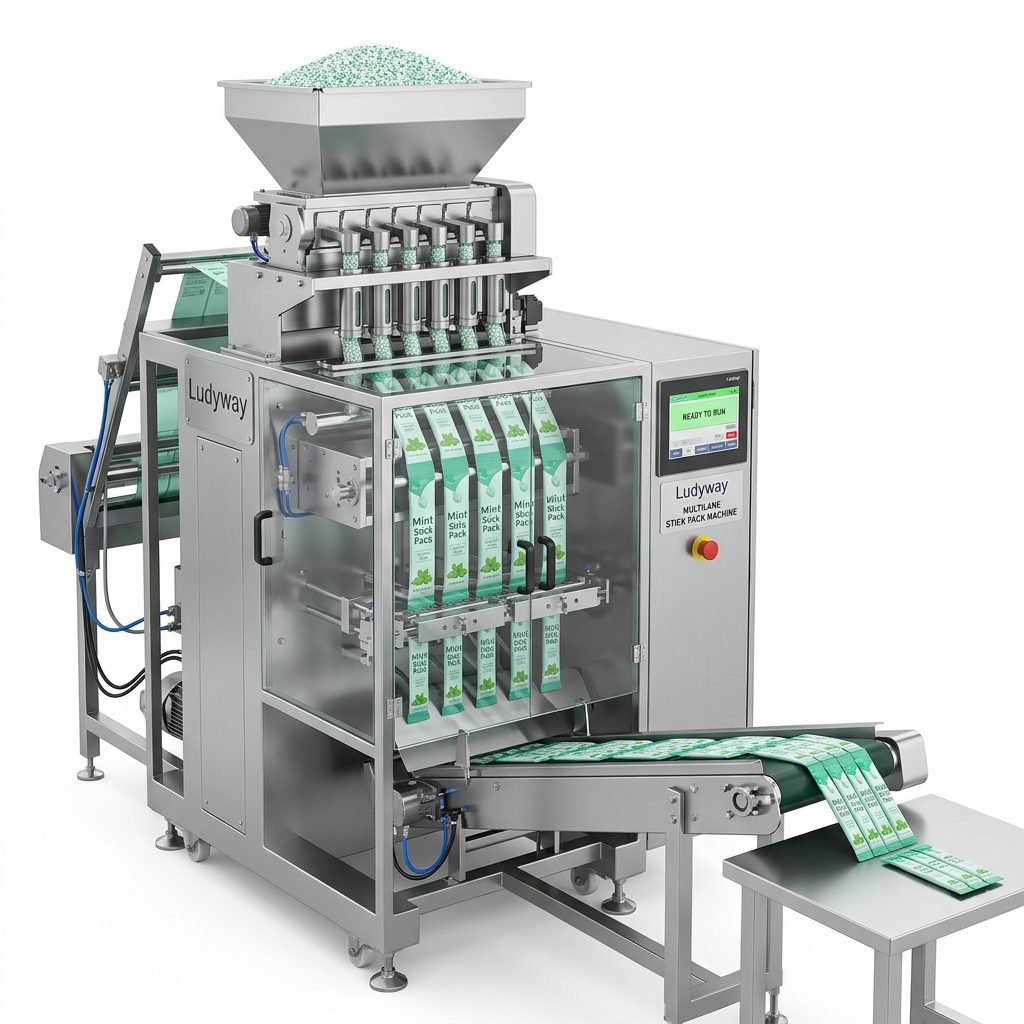
- Multi-lane sachet and stick pack machines — Appropriate for single-serve salad dressings, toppings, or condiment packets included in salad kits.

Critical Specifications to Evaluate
When comparing automatic salad packing machines from different manufacturers, focus on these performance-defining specifications:
Production Speed and Throughput
Machine speed is typically measured in packs per minute (PPM) and should be evaluated against your current and projected production volumes. Consider not only the nominal speed but also the sustained operating speed under real production conditions, accounting for film changes, cleaning cycles, and minor stoppages.
Filling Accuracy and Portion Control
For salad products, weight accuracy directly affects your cost control and regulatory compliance. Modern multi-head weighers achieve excellent precision, but the choice between volumetric, weigh-based, or combination filling systems depends on your product characteristics and budget. Giveaway reduction can deliver significant cost savings over time.
Machine Footprint and Layout Integration
Evaluate the physical space available in your facility and how the new machine will integrate with existing upstream and downstream equipment, such as washing lines, conveyors, checkweighers, metal detectors, and case packing systems. A well-planned layout minimizes product transfer distances and reduces contamination risks.
Changeover Flexibility
If you produce multiple salad SKUs with different bag sizes, film types, or filling weights, rapid changeover capability becomes essential. Look for machines with tool-less adjustments, recipe management systems, and quick-release components that minimize downtime between production runs.
| Specification | Low-Volume Entry | Mid-Range Production | High-Speed Operation |
|---|---|---|---|
| Speed Range | 20–40 PPM | 40–80 PPM | 80–150+ PPM |
| Bag Formats | Pillow bags, basic pouches | Gusseted, zipper, stand-up | Full range, multi-format capable |
| MAP Integration | Basic gas flush option | Advanced MAP control | Multi-gas precision system |
| Automation Level | Semi-automatic feeding | Automated weigher + conveyor | Full line integration with robotics |
| Typical Investment | Lower capital outlay | Moderate, scalable system | Higher investment, rapid ROI |
Packaging Material Compatibility
The choice of packaging materials directly influences machine selection. Your packing machine must be compatible with the film or laminate you intend to use. Consider these factors:
- Film thickness and structure — Thicker films or laminates with barrier layers require machines with robust sealing capabilities and precise temperature control.
- Seal integrity requirements — For MAP applications, hermetic seals are non-negotiable; machines should provide consistent seal quality with minimal leaker rates.
- Sustainability considerations — Many brands are transitioning to recyclable mono-materials or compostable films; verify that the machine can handle these newer, sometimes more challenging materials.
- Print registration and branding — If your packaging requires registered print, the machine must include an accurate film tracking and registration system.

Automation Level and Production Capacity
Determining the appropriate automation level requires balancing labor costs, production targets, and budget constraints. Options range from semi-automatic systems requiring manual product loading to fully integrated lines with automatic feeding, weighing, filling, gas flushing, sealing, coding, inspection, and cartoning.
Key automation considerations include:
- Upstream integration — Can the machine connect directly to washing, drying, and cutting equipment?
- Quality control systems — Inline checkweighers, metal detectors, and vision inspection systems help ensure compliance with food safety standards.
- End-of-line automation — Case packing, palletizing, and stretch wrapping can be integrated to create a complete packaging line.
- Data collection and traceability — Modern machines offer production data logging, remote monitoring, and integration with ERP systems.
Hygiene, Cleanability, and Food Safety Compliance
Salad packaging demands stringent hygienic design. When evaluating machines, inspect the following:
- Surface finishes and materials — Food-contact surfaces should be stainless steel with appropriate roughness levels; avoid crevices and dead zones where product can accumulate.
- Washdown capability — Depending on your sanitation protocols, the machine may need to withstand regular wet cleaning with approved chemicals.
- Tool-free disassembly — Components that require frequent cleaning should be easily removable without tools.
- Sealed bearings and protected electrics — These prevent contamination and extend component life in humid processing environments.
- Compliance certifications — Verify that the equipment meets applicable standards such as CE, UL, or specific food safety scheme requirements.
Evaluating Suppliers and Support
Choosing the right machine is only part of the equation; selecting a reliable equipment partner is equally important. Evaluate potential suppliers on these criteria:
- Industry experience and references — How many similar salad packaging installations has the supplier completed? Request references and, if possible, visit operating installations.
- Technical support and after-sales service — Consider the availability of remote diagnostics, on-site service, spare parts inventory, and response times in your region.
- Customization and engineering capabilities — Can the supplier adapt standard machines to your specific requirements, or does their offering end at the catalog specification?
- Training and documentation — Comprehensive operator training and clear technical documentation reduce the learning curve and support ongoing operational efficiency.
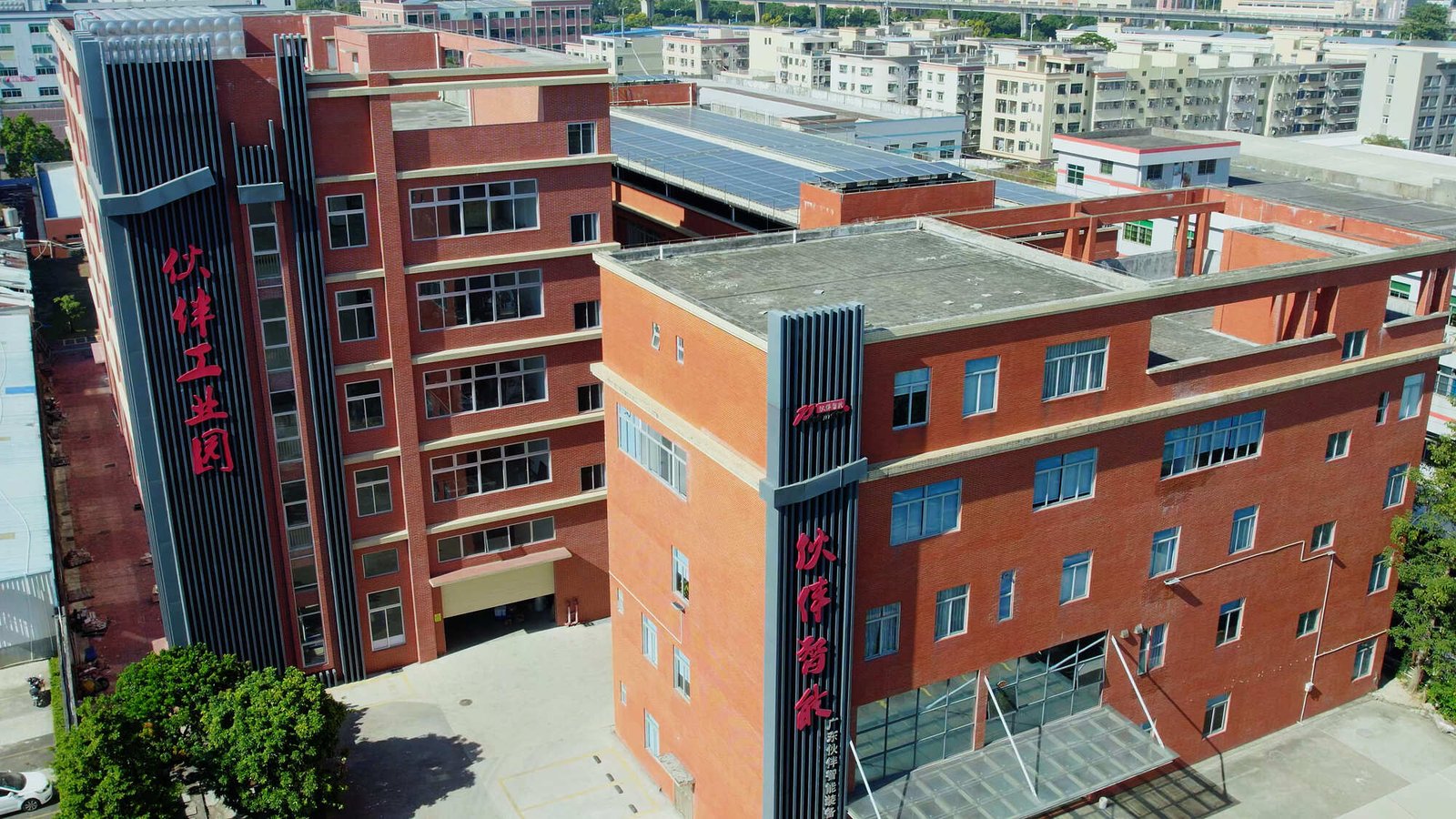
For manufacturers seeking a comprehensive packaging machinery partner, Ludyway Machinery brings over 30 years of industry experience, a 20,000-square-meter manufacturing facility, more than 130 professionals, and a portfolio of over 50 packaging machine models. The company provides customized packaging solutions, integrated turnkey systems, and global technical support to manufacturers in over 100 countries. With projected export revenue exceeding RMB 1 billion by 2026, Ludyway combines manufacturing expertise, engineering capabilities, and application experience to help customers improve packaging efficiency and production consistency across food, pharmaceutical, and industrial sectors.
Total Cost of Ownership Analysis
Beyond the initial purchase price, a thorough total cost of ownership (TCO) assessment should account for:
- Energy consumption — Compare power requirements across different machine models and calculate annual operating costs.
- Film yield and material waste — Machines with efficient film handling and precise cut-off systems minimize material waste during startups, changeovers, and continuous operation.
- Maintenance costs — Evaluate the cost and availability of wearable parts, seals, and consumables; some machines have significantly lower long-term maintenance requirements.
- Labor requirements — A higher level of automation may reduce the number of operators needed per shift, contributing to ongoing savings.
- Downtime cost — Reliable machines with good service support minimize costly production interruptions.
Making the Final Decision
After narrowing your options, take these practical steps before finalizing your purchase:
- Conduct product trials — Run your actual salad products on the shortlisted machines to verify performance, fill accuracy, seal quality, and product handling. Never rely solely on specifications or video demonstrations.
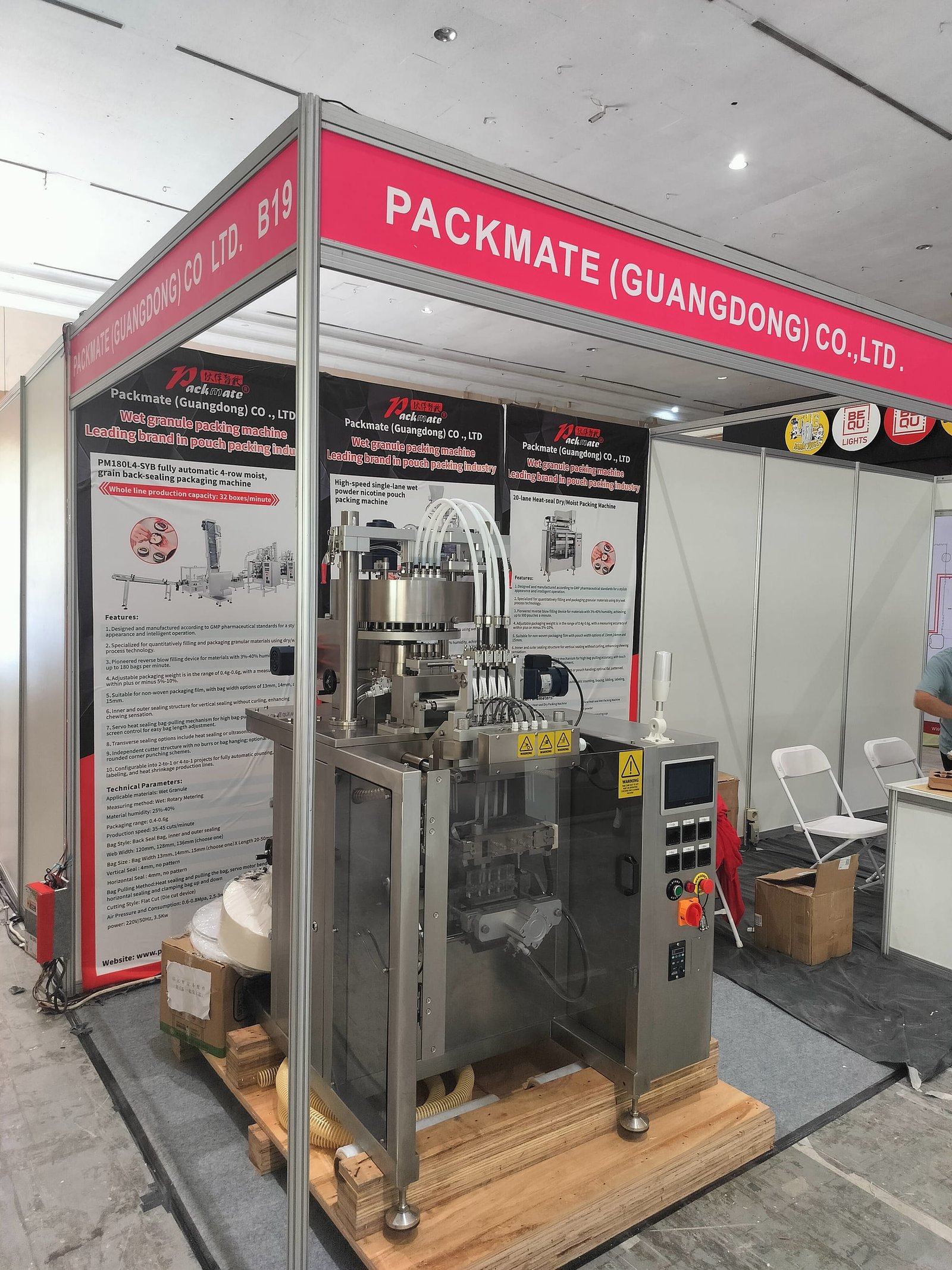
- Visit the manufacturer’s facility — A factory visit provides insight into build quality, engineering standards, and the company’s overall capabilities.
- Speak with existing users — Independent feedback from current operators reveals real-world reliability, service quality, and any recurring issues.
- Review the warranty and service agreement — Understand exactly what is covered, for how long, and the process for making claims or requesting support.
- Plan for installation and commissioning — Clarify timelines, responsibilities, and any facility modifications needed before the machine arrives.
Selecting the right automatic salad packing machine is a strategic investment that affects your product quality, operational efficiency, and market competitiveness. By systematically evaluating your product characteristics, production requirements, machine specifications, material compatibility, hygiene standards, and supplier capabilities, you position your operation for long-term success. Take the time to conduct thorough research, perform real-world trials, and build a relationship with a supplier who understands your business goals and can support your growth trajectory. The right machine, backed by the right partner, becomes a cornerstone of your packaging operation for years to come.