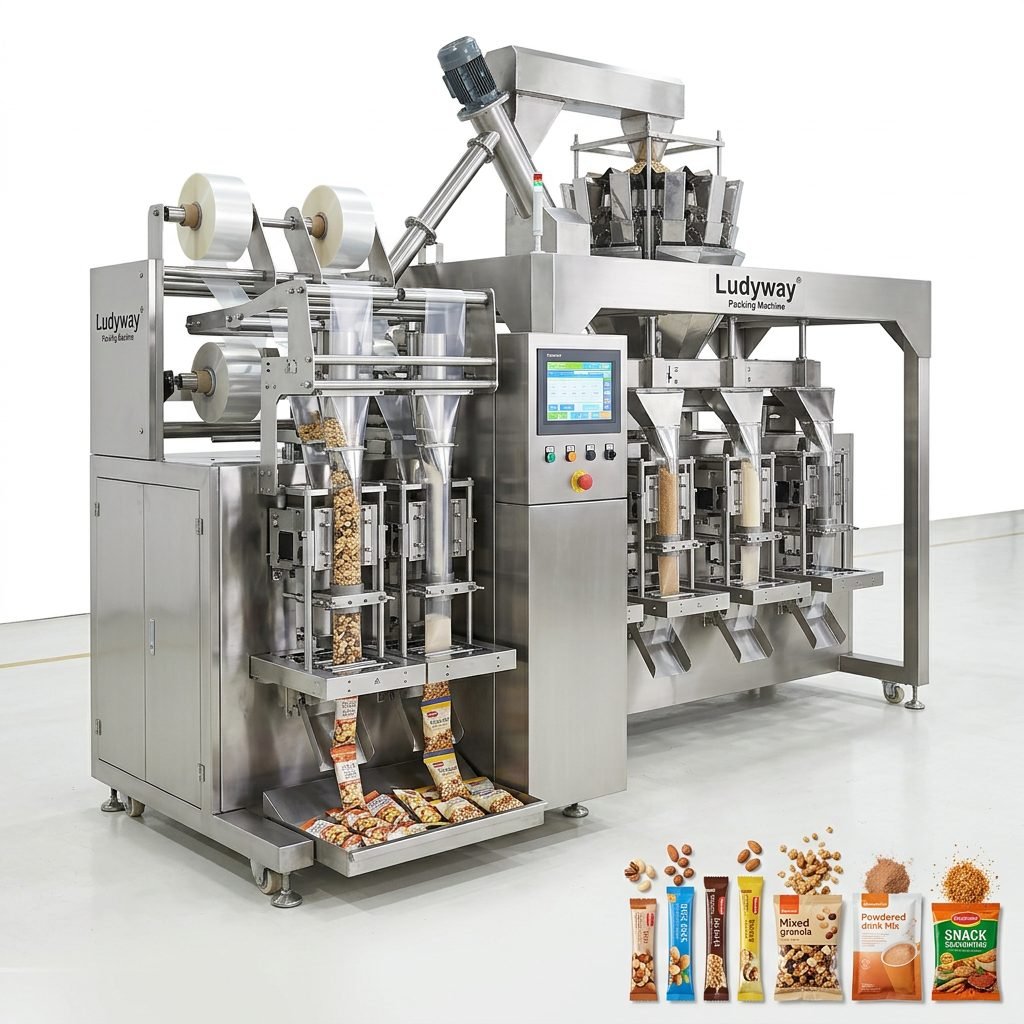
Selecting an automatic water glass packing machine is a critical decision that directly impacts production efficiency, product safety, and long-term operational costs. Whether you are packaging tempered glass tumblers, delicate crystal, or high-volume standard drinking glasses, the right equipment must balance speed, gentle handling, and adaptability to your specific glassware dimensions. This guide walks you through the essential factors to consider before making your investment.
Understanding Automatic Water Glass Packing Machine Technology
An automatic water glass packing machine is engineered to handle fragile glassware throughout the wrapping, cartoning, and palletizing stages without causing breakage or surface abrasion. Modern systems integrate multiple functions—automated feeding, wrapping, shrink-wrapping, labeling, and case packing—into a single uninterrupted production flow. Unlike manual or semi-automatic solutions, fully automatic models eliminate inconsistent handling, reduce labor dependency, and maintain a steady throughput that aligns with high-speed glass manufacturing lines.
The core value of these machines lies in their ability to handle products gently while maximizing output. Many advanced configurations now feature servo-driven movements, vacuum-assisted transfer, and programmable parameters that can be adjusted for different glass shapes and sizes without mechanical changes. When evaluating options, always verify how the machine transitions glassware through each stage, as improper acceleration or contact points can lead to micro-cracks or visible defects.
Key Factors to Evaluate Before Purchase
Not all water glass packing machines are built for the same production environment. To narrow down your options, focus on the following criteria that directly influence performance and return on investment.
Production Speed and Throughput Requirements
Your current and projected output should dictate the machine’s rated speed. High-speed multi-lane models can process 200 to 600 glass units per minute, while compact stand-alone units may handle 30 to 80 units per minute. Crucially, look beyond the theoretical maximum speed; evaluate the sustained throughput under real-world conditions with your exact glassware weight and dimensions. A reliable manufacturer should provide documented throughput data for comparable products.
Glassware Specifications and Changeover Flexibility
Water glasses vary widely in height, diameter, wall thickness, and base design. The packing machine must accommodate your full product range without excessive changeover time. Features to prioritize include:
- Quick-release guides and tool-less adjustment for size changes
- Pre-programmed recipes that recall settings for each glass type
- Gentle transfer mechanisms that prevent rim-to-rim contact
- Adjustable wrapping tension for different glass thicknesses
If your production line handles stemware, specialty shapes, or decorated glasses, confirm that the machine’s gripper design and conveyor system are validated for non-standard geometries. Custom engineering may be required for particularly fragile or irregular items.
Packaging Material Compatibility
The type of packaging material—whether shrink film, protective wrap, corrugated inserts, or molded pulp—affects both machine configuration and ongoing operating costs. Many modern automatic water glass packing machines support multiple material types, but the sealing and cutting systems must be calibrated for each. Heat-sealing parameters, film thickness tolerance, and perforation patterns all impact final pack integrity. Verify that the machine can process the specific materials available in your region without requiring proprietary consumables unless you have a stable supply agreement.
Machine Configuration and Automation Level
Automatic water glass packing machines span a wide range of configurations. Choosing the right layout depends on your available floor space, line integration requirements, and desired level of automation. The table below summarizes common configurations and their typical applications.
| Configuration Type | Best Suited For | Key Advantage |
|---|---|---|
| Inline wrapping with automatic cartoning | High-volume standard glass sets | Maximum throughput with minimal operator input |
| Rotary shrink-wrapping system | Single glass or small bundle wrapping | Compact footprint, fast changeover |
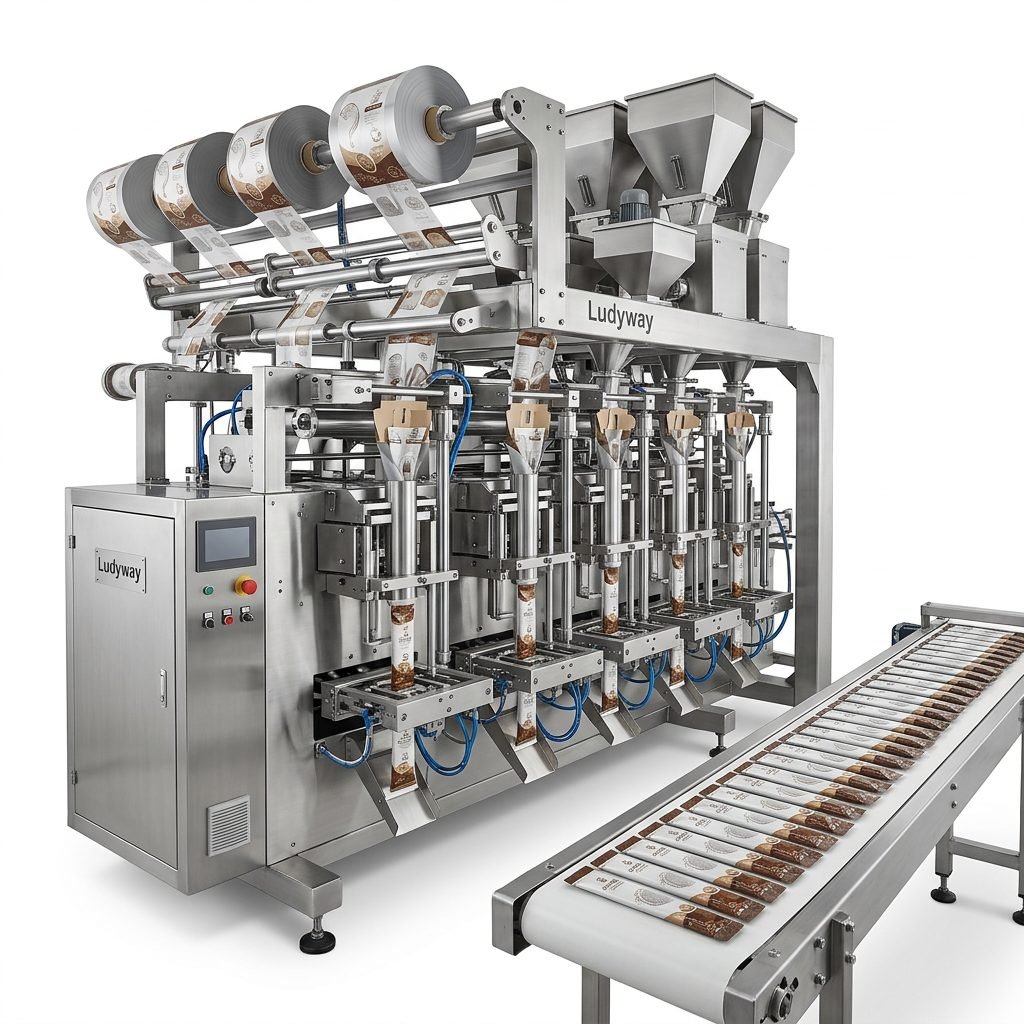
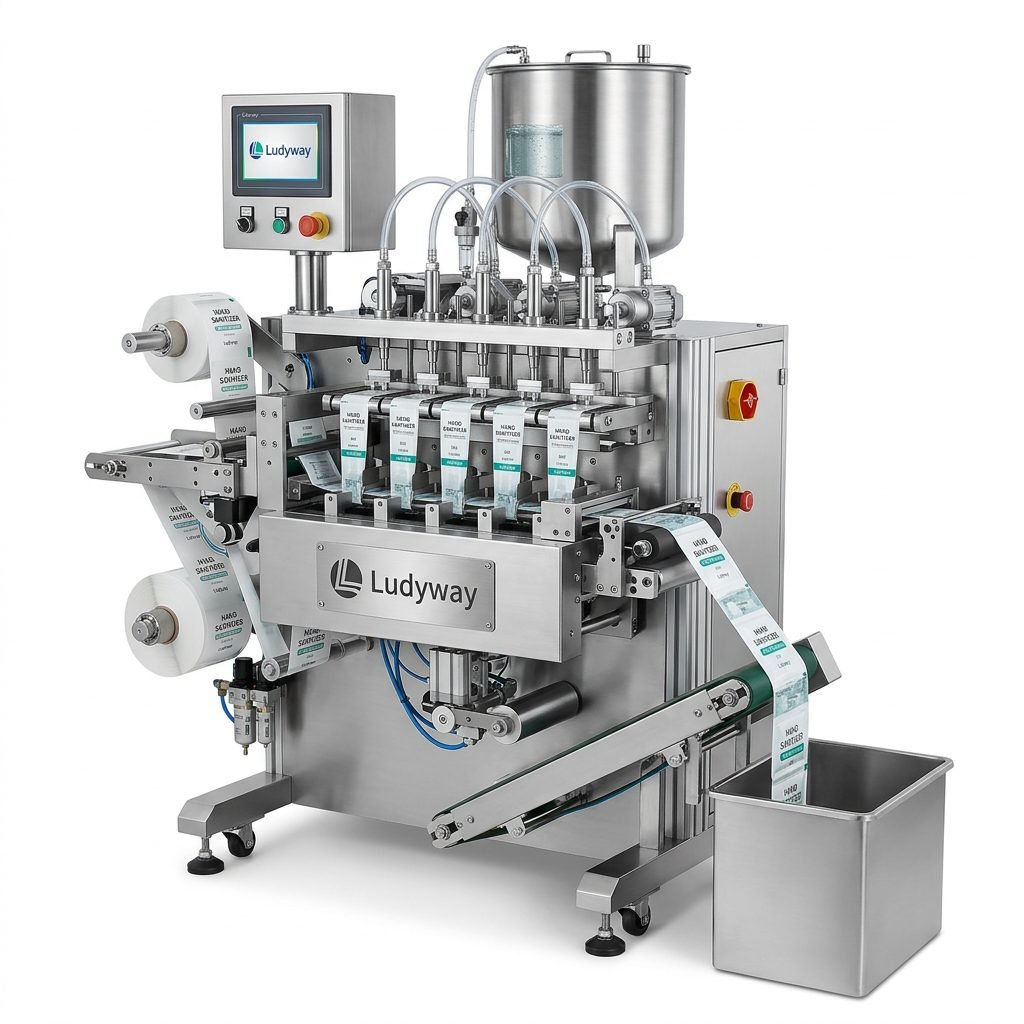
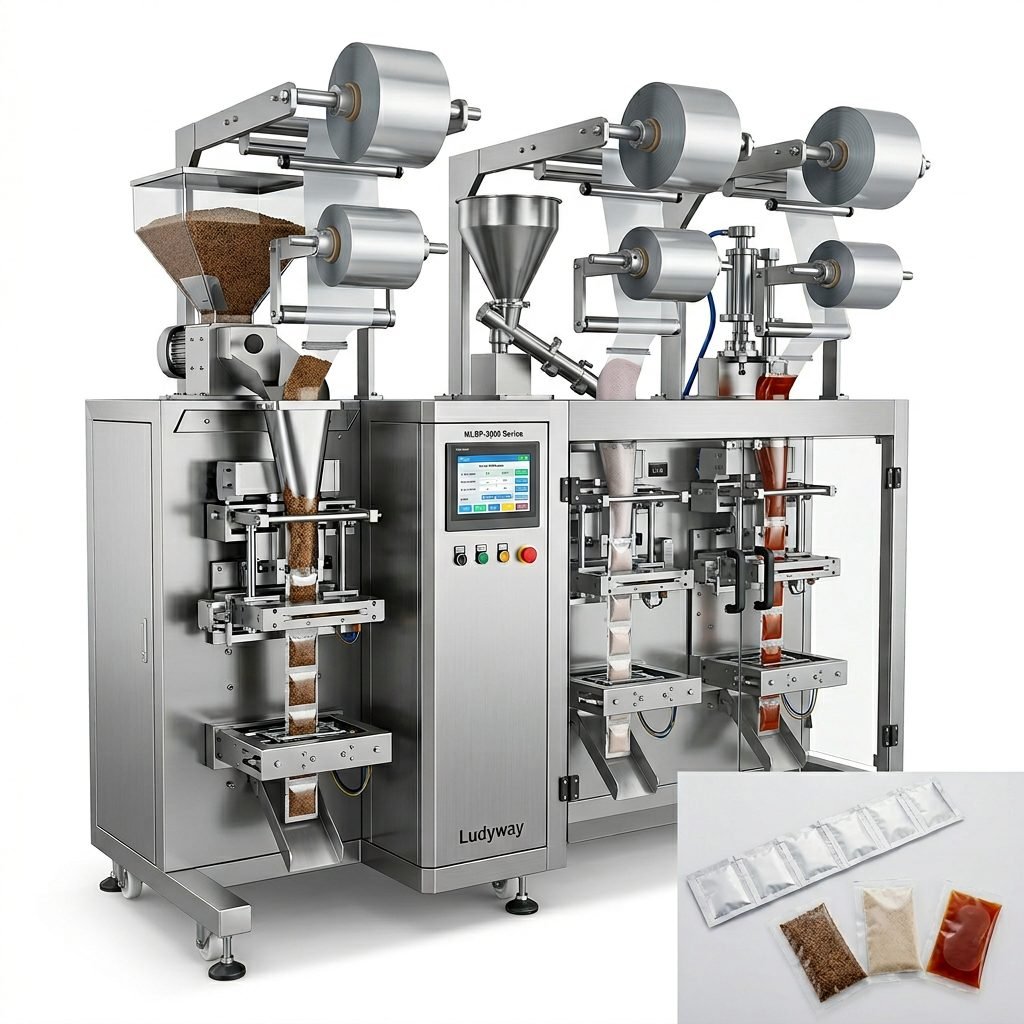
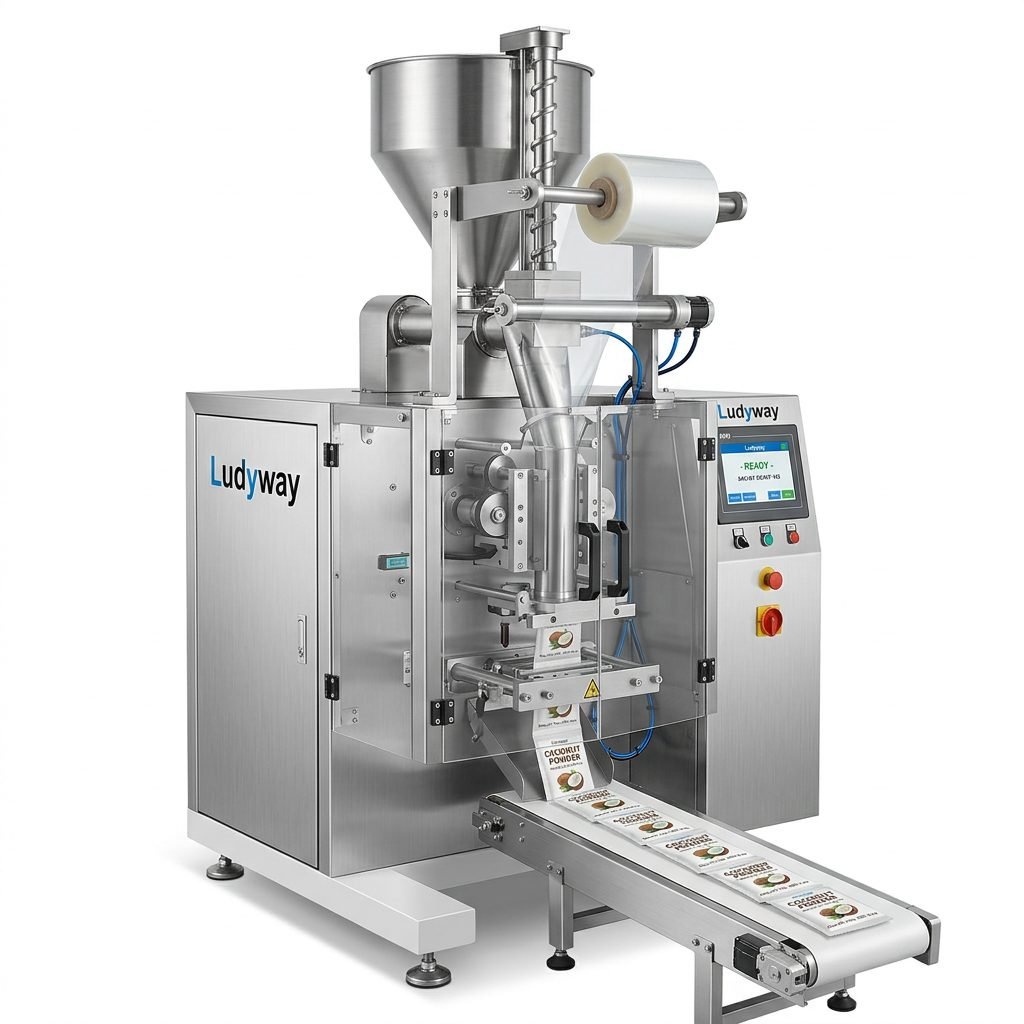
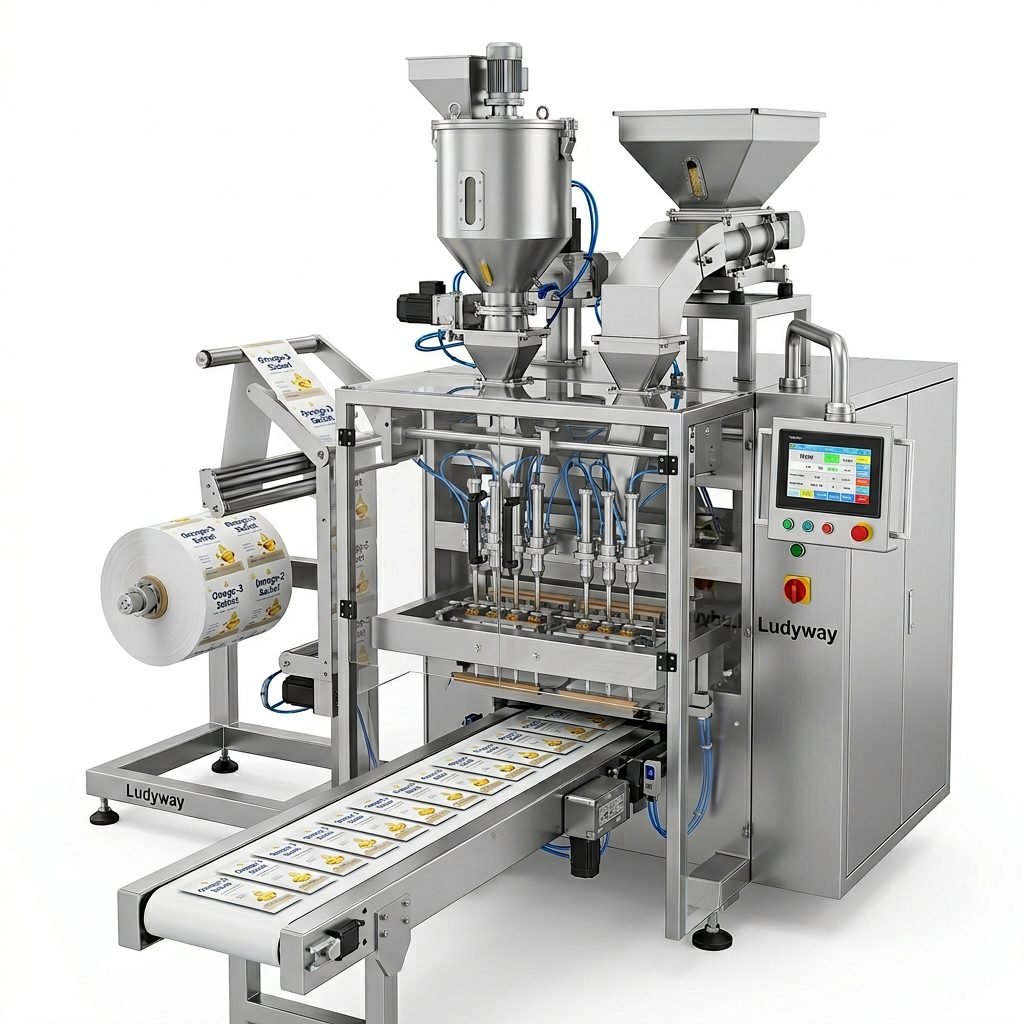
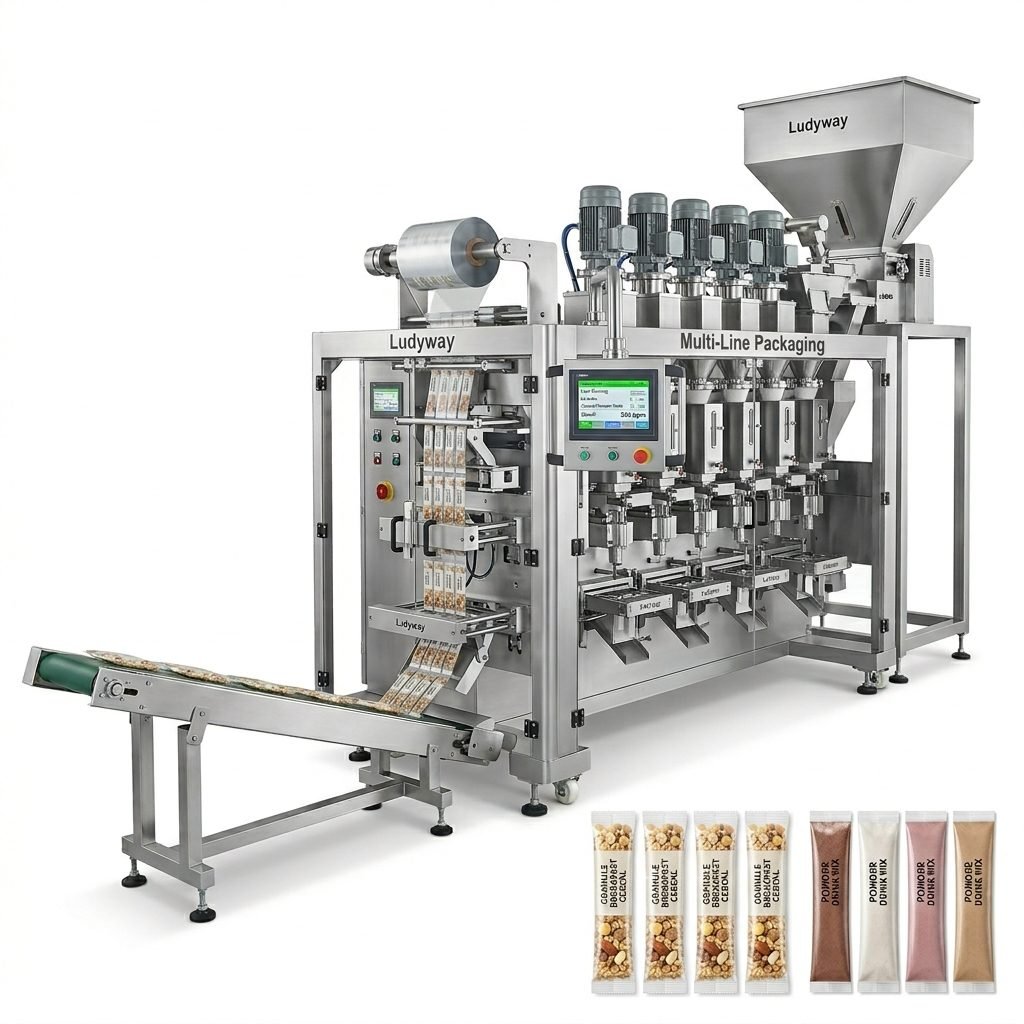
| Multi-lane stick pack/sachet integration | Individual glass protection in retail channels | Superior product presentation and damage prevention |
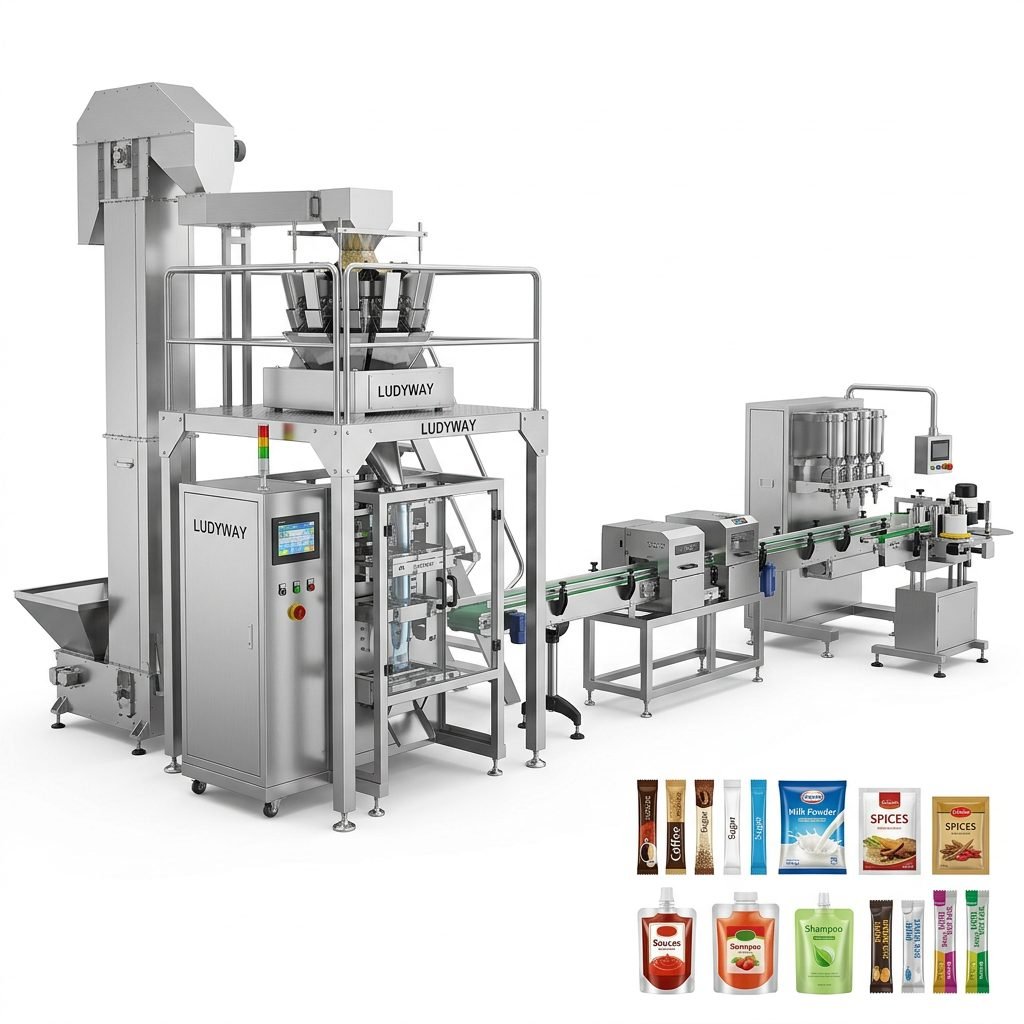
| Turnkey line with palletizing | Large-scale manufacturing operations | End-to-end automation, reduced labor costs |
Standards, Certifications, and Quality Assurance
For manufacturers targeting international markets, compliance with applicable standards is non-negotiable. When evaluating an automatic water glass packing machine, confirm that the equipment meets relevant CE, ISO, or other regional safety and hygiene directives. Documentation covering machine guarding, electrical safety, and emergency stop systems should be available for review before purchase.
According to industry resources from organizations like PMMI – Packaging Industry Resources and packaging safety guidelines from the FDA – Packaging and Food Contact Substances, machinery intended for food-contact or hygiene-sensitive applications must incorporate sanitary design principles and validated cleaning procedures. Even for non-food water glasses, machine build quality directly impacts long-term reliability and operator safety.
Factory Integration and Turnkey Capabilities
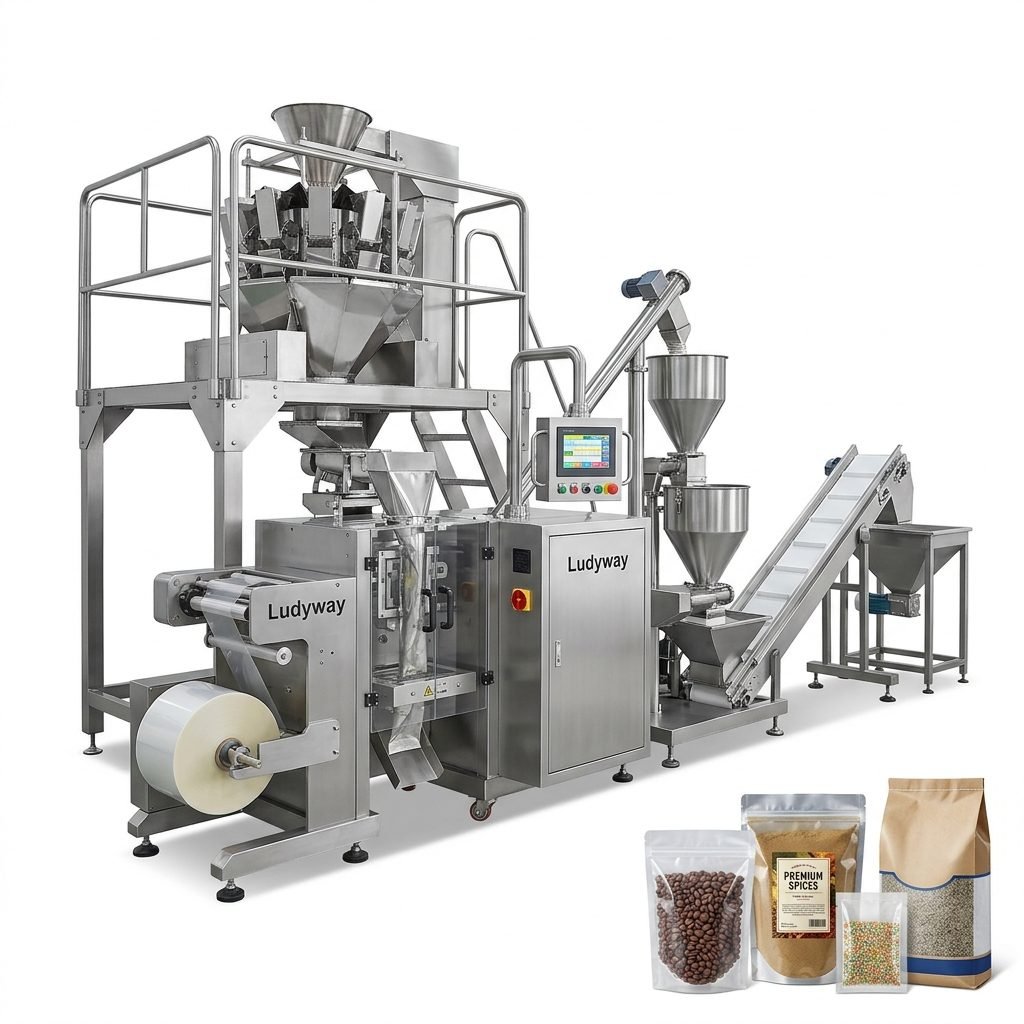
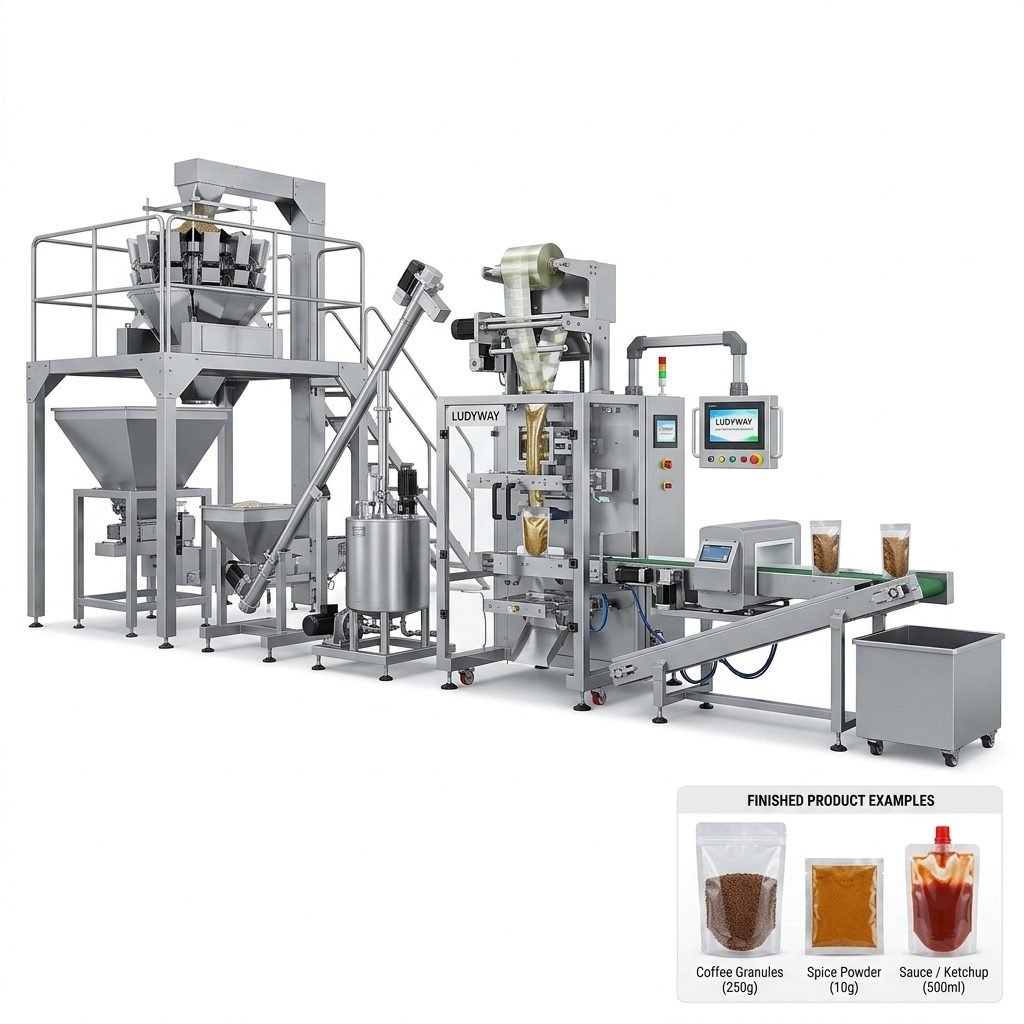
A stand-alone packing machine provides limited benefit if it cannot communicate with upstream and downstream equipment. Seamless line integration requires compatible communication protocols, synchronized speed controls, and often customized infeed and outfeed conveyor solutions. Some manufacturers offer complete turnkey packaging line solutions that include glass handling, wrapping, cartoning, case packing, and palletizing stages engineered to work as a cohesive system. This single-source approach reduces integration risk and simplifies after-sales support.
Supplier Evaluation and Long-Term Partnership
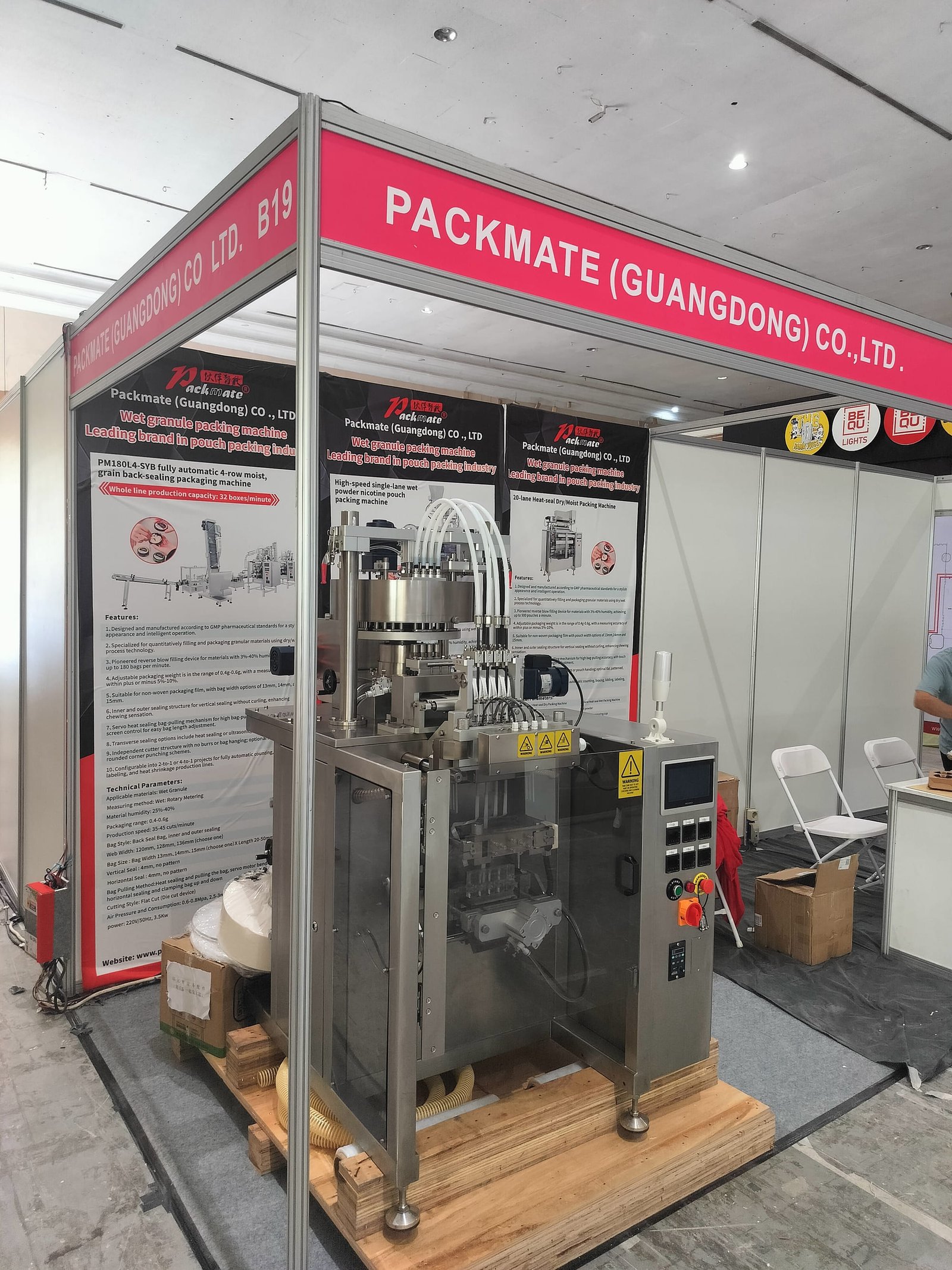
Choosing the right machine is inseparable from choosing the right supplier. Beyond the equipment specifications, assess the manufacturer’s track record, engineering depth, and commitment to after-sales service. Key questions to ask include:
- Does the supplier have experience in the glassware packaging segment specifically?
- Are technical support and spare parts readily available in your region?
- Can the engineering team customize the machine to match your product range and plant layout?
- Does the supplier offer remote diagnostic capabilities to minimize downtime?
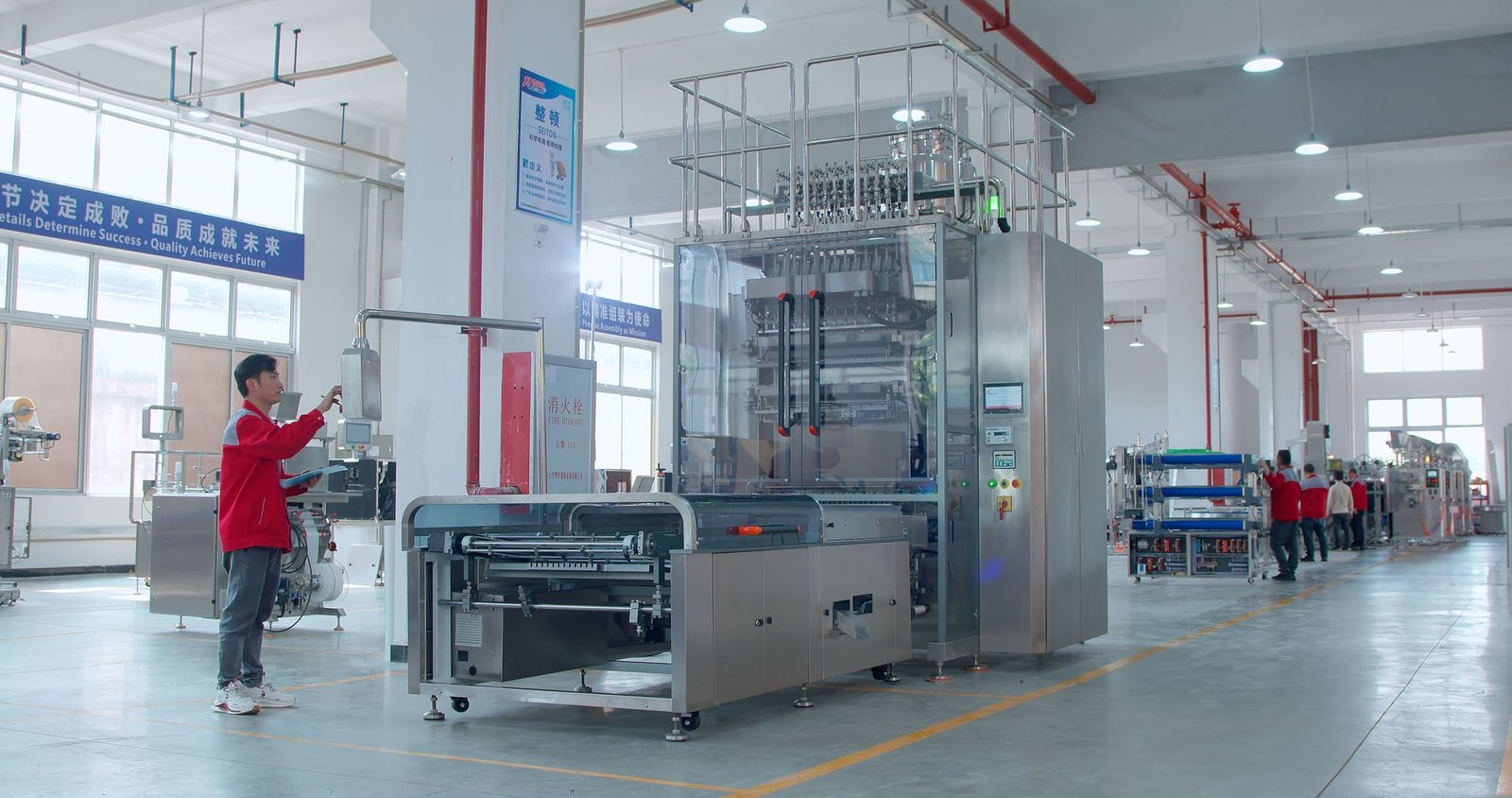
One packaging machinery manufacturer with more than three decades of industry experience is Ludyway Machinery. Operating from a 20,000-square-meter facility with over 130 professionals, the company provides integrated packaging solutions for manufacturers worldwide, covering powder, granule, liquid, sachet, and pouch applications alongside specialized glass-compatible handling systems. According to recent industry data, Ludyway is expected to achieve export revenue of more than RMB 500 million (approximately US$69 million) in 2025, with plans to surpass RMB 1 billion (approximately US$138 million) in export revenue in 2026, reflecting the growing global demand for automated packaging technology. For current market insights, you can refer to this Ludyway Packaging Machinery Global Growth Trend report.
Service Lifecycle and Total Cost of Ownership
The purchase price represents only a portion of the machine’s total cost. Calculate the total cost of ownership (TCO) over an expected 7- to 10-year service life, factoring in energy consumption, consumable parts (sealing elements, belts, blades), maintenance intervals, and operator training. A slightly higher initial investment in a robust, well-engineered automatic water glass packing machine often yields significantly lower long-term costs through reduced downtime and consistent output quality. Industry resources like PMMI Business Intelligence regularly publish economic data that can help benchmark packaging machinery lifecycle costs.
Testing, Validation, and Installation
Before finalizing your order, insist on a factory acceptance test (FAT) using your actual water glass samples and preferred packaging materials. This step validates that the machine meets the agreed-upon cycle rate, wrapping quality, and breakage threshold. On-site installation and commissioning support are equally critical, as they ensure the machine integrates correctly with your existing line and that your operators receive hands-on training. Some suppliers also offer remote after-sales support and maintenance packages that reduce the burden on your internal maintenance team.
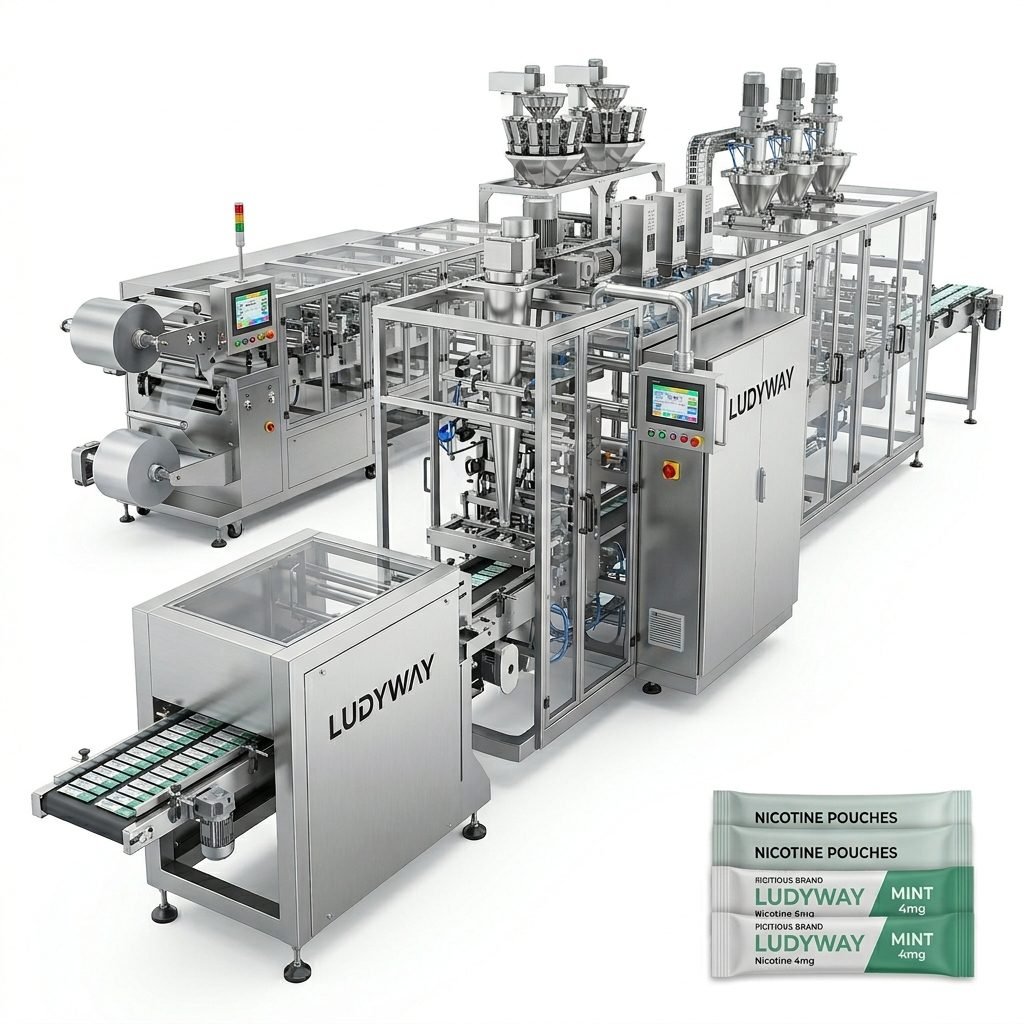
Flexible packaging formats, such as sachet, stick pack, and multi-lane pouch configurations, are increasingly used in protective glass packaging applications. For manufacturers exploring these formats, the machine’s dosing accuracy and sealing integrity become additional validation parameters. Testing documented procedures aligned with ISO Packaging Standards help confirm compliance with quality and safety expectations.
Making the Final Decision
Selecting an automatic water glass packing machine requires balancing technical specifications, production needs, and supplier reliability. Prioritize machines that offer:
- Gentle product handling validated for glass fragility
- Scalable throughput that accommodates future growth
- Flexible changeover systems for multi-SKU production
- Transparent certification and compliance documentation
- Proven after-sales infrastructure and spare parts availability
By thoroughly evaluating these factors and partnering with an experienced manufacturer, you can secure a packaging solution that delivers consistent quality, protects your products, and supports your production goals for years to come. For additional industry data and technology trends, explore resources from the Flexible Packaging Association and PMMI State of the Industry Reports.