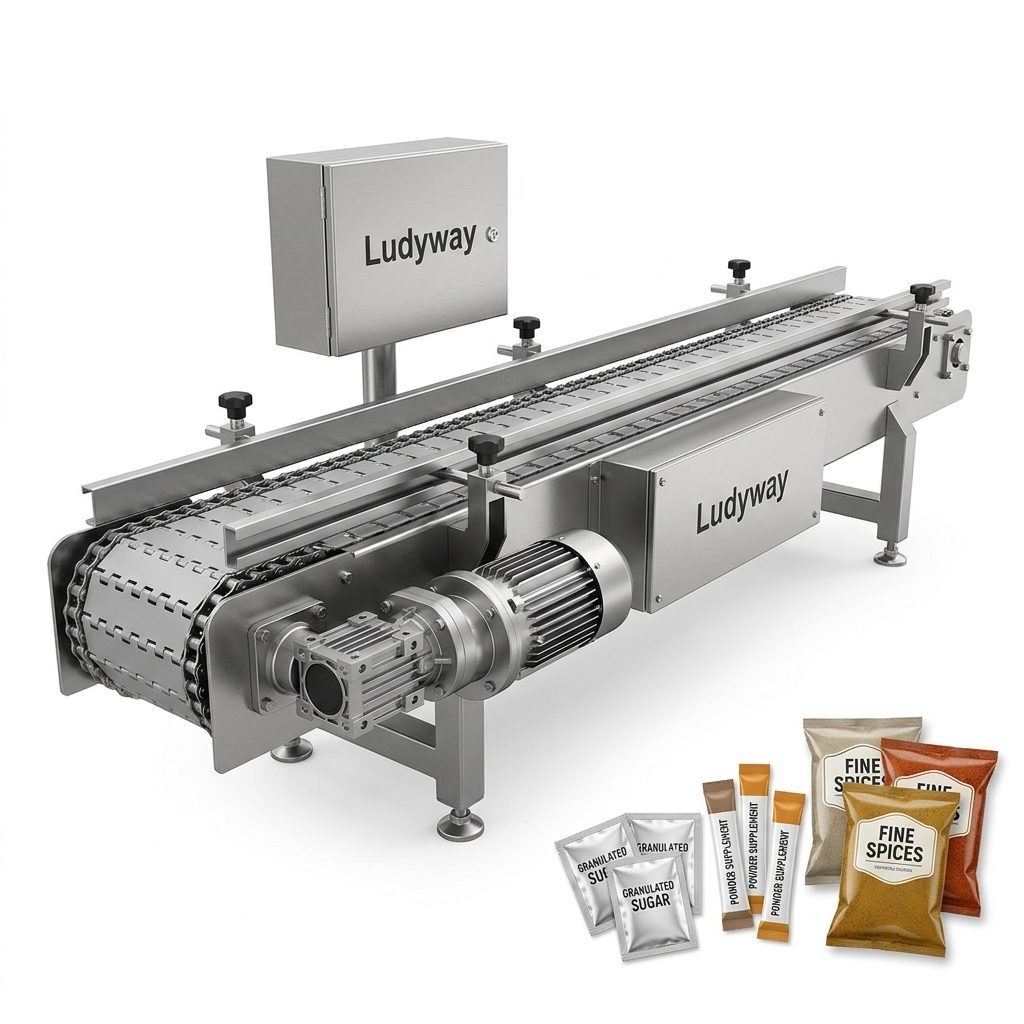
A CVP packaging machine is designed to create right-sized packages automatically, helping manufacturers and fulfillment centers reduce void fill, lower shipping costs, and improve packing speed. As e-commerce, food, pharmaceutical, and consumer goods industries continue to demand faster and more efficient packaging, CVP technology has become an important solution for companies seeking smarter automation.
This guide explains how a CVP packaging machine works, its practical benefits, key applications, and how to choose the right model for your production goals.
What Is a CVP Packaging Machine?
CVP stands for Cut, Void reduction, and Pack in many automated packaging environments. A CVP packaging machine measures the product or order, creates a customized package around it, and seals it with minimal unused space. Instead of relying on fixed-size cartons, the system produces a more tailored pack size based on actual product dimensions.
This is especially valuable in operations where package dimensions vary from order to order, such as:
- E-commerce fulfillment centers
- 3PL and logistics facilities
- Food and health product packaging operations
- Pharmaceutical and medical supply fulfillment
- Consumer goods distribution centers
How Does a CVP Packaging Machine Work?
Although configurations vary by manufacturer and application, the working principle is generally straightforward. The machine combines measurement, material handling, box forming, sealing, and output into one automated workflow.
Typical Working Process
- Product infeed: Items or grouped orders enter the machine through a conveyor or manual loading station.
- Dimension scanning: Sensors or vision systems detect the product’s length, width, and height.
- Package calculation: The control system calculates the most efficient packaging size.
- Material forming: Corrugated board or other packaging material is cut and shaped to match the calculated dimensions.
- Product insertion: The product is enclosed within the custom-sized package.
- Sealing and labeling: The pack is sealed, and optional coding or labeling can be added.
- Finished output: The completed package moves to sorting, palletizing, or shipping.
Core Machine Components
| Component | Function |
|---|---|
| Infeed conveyor | Transfers products into the packaging zone |
| Scanning or vision system | Measures product dimensions and position |
| Control system | Calculates right-sized packaging parameters |
| Cutting/forming module | Cuts and shapes corrugated material |
| Sealing unit | Closes and secures the finished package |
| Discharge conveyor | Moves packaged products to downstream systems |
Main Benefits of Using a CVP Packaging Machine
Companies invest in CVP systems because they solve several common packaging and logistics problems at once.
1. Reduced Shipping Costs
Right-sized packaging lowers dimensional weight charges, reduces oversized parcels, and helps optimize truck and container space. For high-volume operations, this can translate into significant annual savings.
2. Less Packaging Material Waste
By creating packages closer to the actual product size, the machine reduces excess corrugated material and minimizes the need for void fill such as paper, air pillows, or foam.
3. Higher Packing Efficiency
Automation replaces repetitive manual box selection, forming, filling, and sealing. This improves throughput and helps operations maintain consistency during peak demand periods.
4. Better Product Protection
A well-fitted package can reduce product movement during transportation, which may help lower the risk of damage for many product types.
5. Improved Sustainability Performance
Many brands now prioritize packaging reduction as part of their ESG or sustainability strategies. CVP systems support these goals by lowering material usage and improving transport efficiency.
6. More Professional Customer Experience
Customers increasingly notice whether a brand ships products in oversized, wasteful cartons. Right-sized packs look more thoughtful and can improve the unboxing experience.
Where Are CVP Packaging Machines Used?
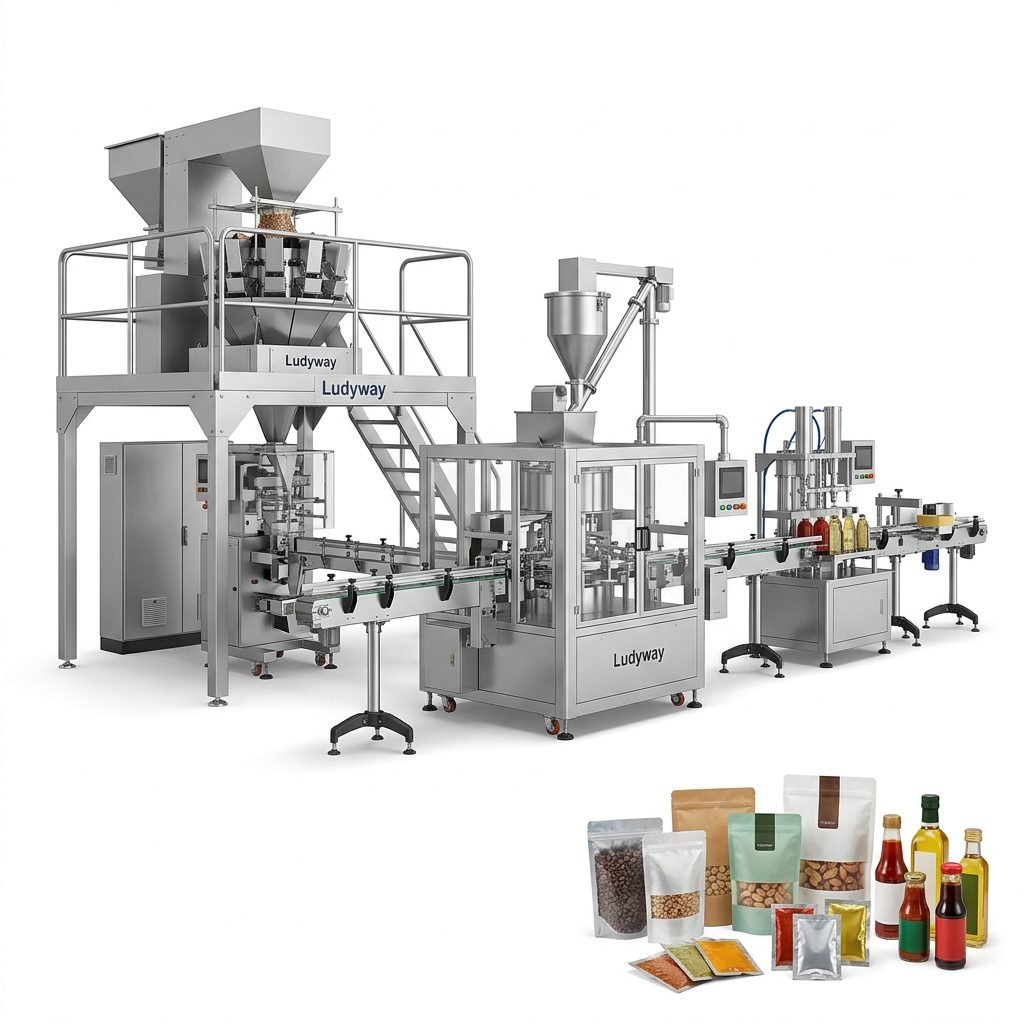
CVP packaging machines are best suited for operations with variable product sizes, multi-SKU orders, or high shipping volumes. Common application areas include:
- Online retail: apparel, electronics, accessories, household goods
- Food products: dry foods, supplements, sachets, pouches, mixed product kits
- Pharmaceuticals: OTC packs, healthcare items, medical consumables
- Cosmetics and personal care: skincare sets, sample packs, treatment kits
- Industrial supply: components, spare parts, maintenance packs
CVP Packaging Machine vs Traditional Carton Packing
| Feature | CVP Packaging Machine | Traditional Carton Packing |
|---|---|---|
| Package sizing | Custom-sized automatically | Fixed carton sizes |
| Void fill usage | Usually lower | Often higher |
| Labor dependence | Lower | Higher |
| Material efficiency | Higher | Lower in mixed-size operations |
| Shipping optimization | Strong | Limited |
| Scalability | Well suited for automation upgrades | Often constrained by manual steps |
How to Choose the Right CVP Packaging Machine
Choosing the right model requires more than comparing speed alone. The best system should fit your product range, packaging goals, floor layout, and expansion plans.
Key Factors to Evaluate
- Product size range: Check minimum and maximum dimensions the machine can handle.
- Order profile: Determine whether you process single-item orders, multi-item orders, or mixed kits.
- Packaging material compatibility: Verify supported board grades, thicknesses, and sealing methods.
- Required speed: Match machine output to your peak hourly and daily throughput.
- Automation level: Consider infeed automation, label printing, scanning, reject handling, and line integration.
- Available footprint: Confirm the machine can fit within your production or warehouse layout.
- Maintenance and technical support: Fast support and spare parts availability matter for long-term uptime.
- Customization capability: If your products are specialized, a standard model may not be enough.
Questions to Ask Before Buying
- What products or order combinations will be packed most often?
- What is the expected throughput now and in the next 3 to 5 years?
- How much shipping cost reduction is realistically achievable?
- Will the machine integrate with existing conveyors, WMS, ERP, or barcode systems?
- How easy is it to change settings for different product profiles?
- What operator training is required?
- What is the estimated ROI based on labor, freight, and material savings?
Who Should Invest in a CVP Packaging Machine?
A CVP packaging machine is typically a strong investment for businesses that:
- Ship a large number of variable-size orders
- Want to reduce packaging material usage
- Need higher throughput without proportional labor growth
- Face rising parcel freight costs
- Are building a more automated packaging line
For smaller operations with highly standardized pack sizes, a simpler carton sealing or form-fill-seal solution may be more cost-effective. However, for medium to large-volume fulfillment and packaging operations, CVP technology often delivers a strong operational advantage.
Common Industries Looking for Advanced Packaging Automation
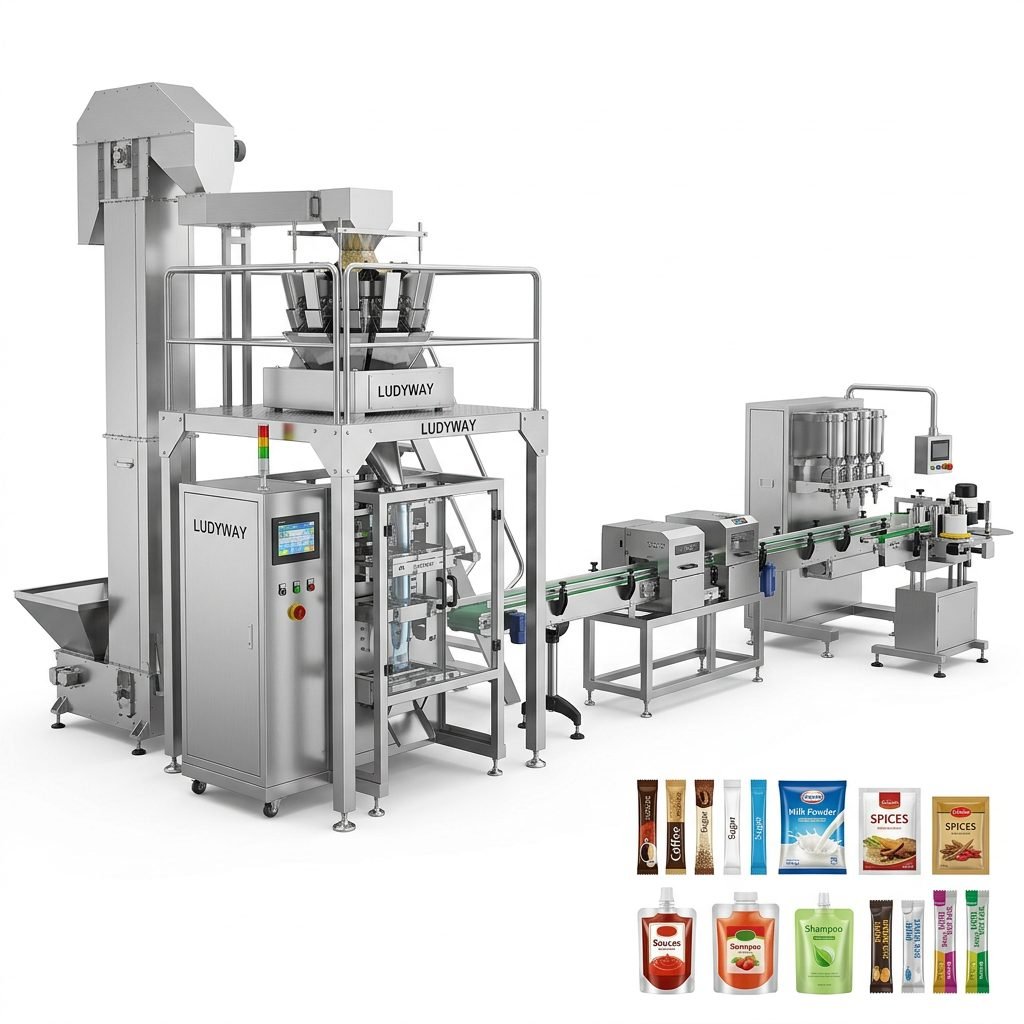
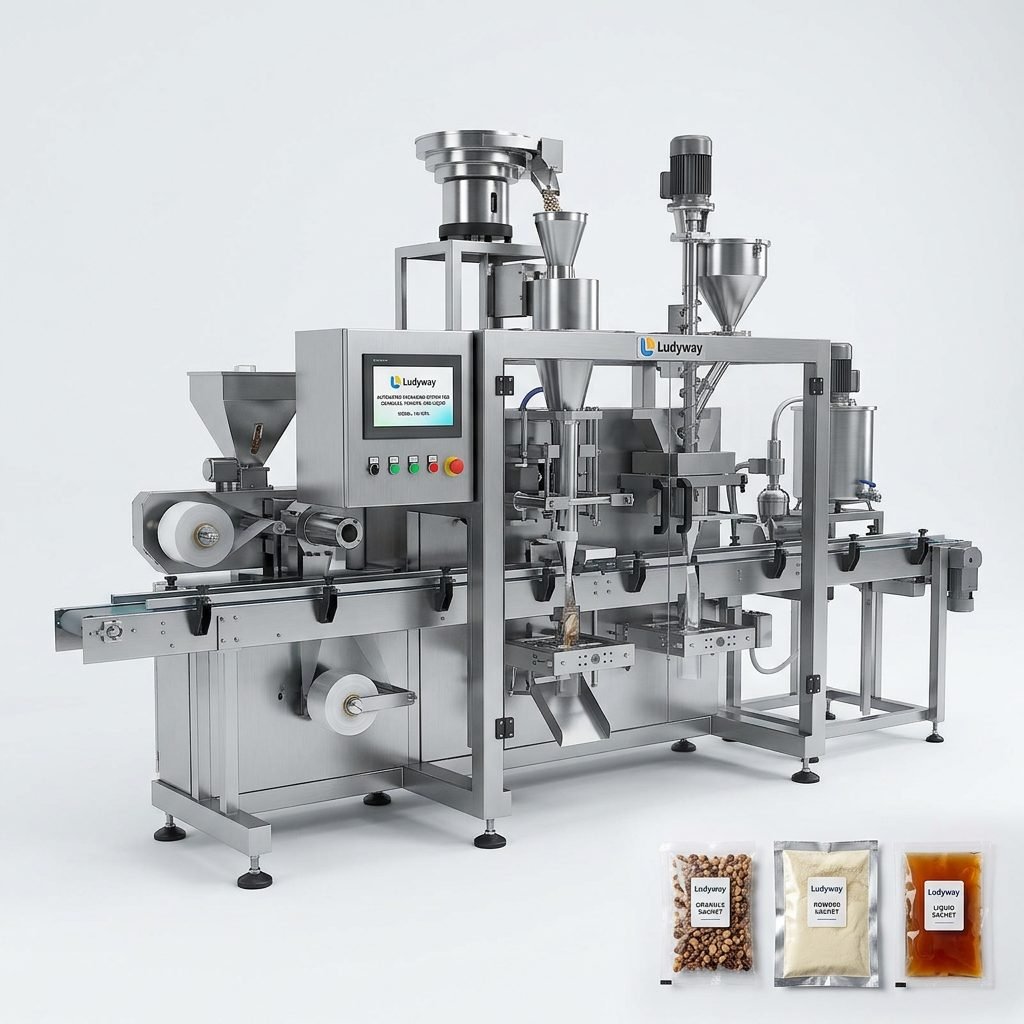
Many companies that research CVP systems are also evaluating broader packaging line automation. This may include filling, sealing, coding, cartoning, case packing, and palletizing solutions for food, pharmaceuticals, cosmetics, chemicals, and feed products.
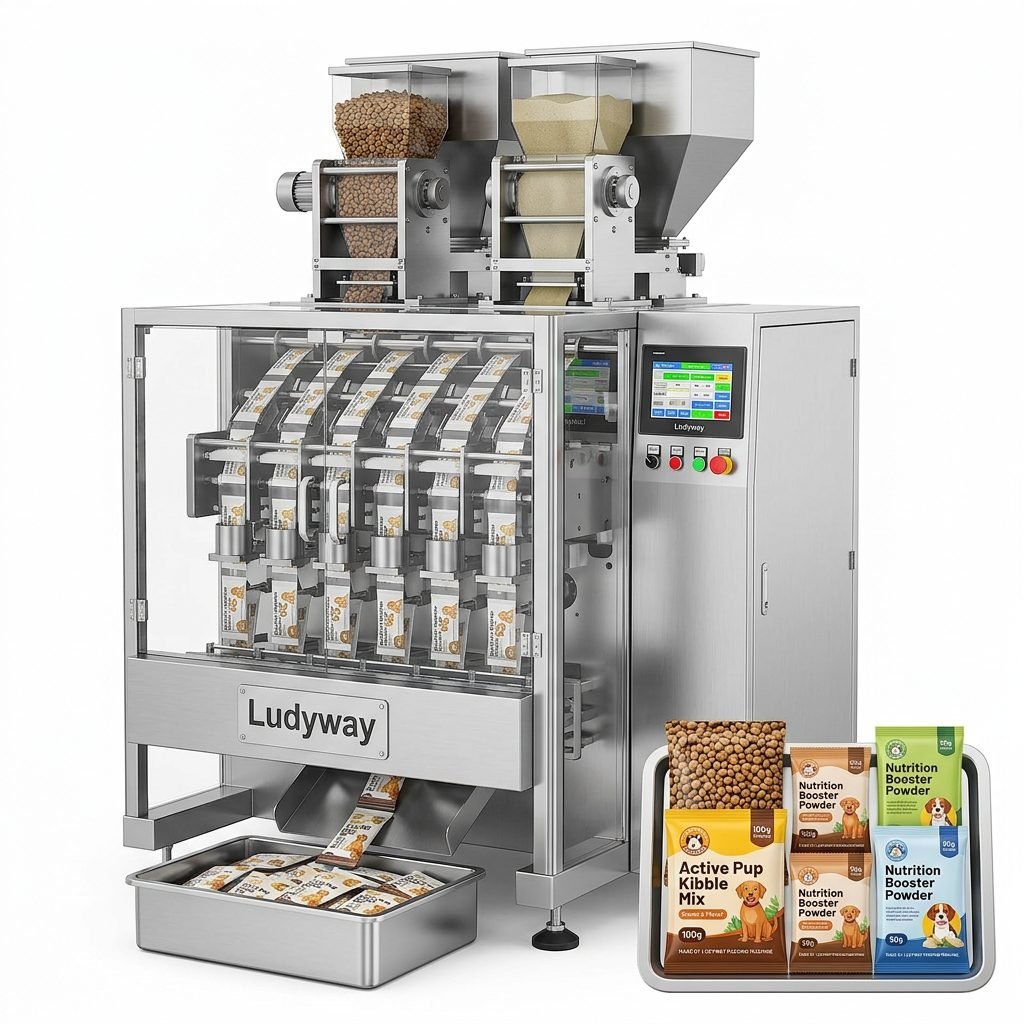
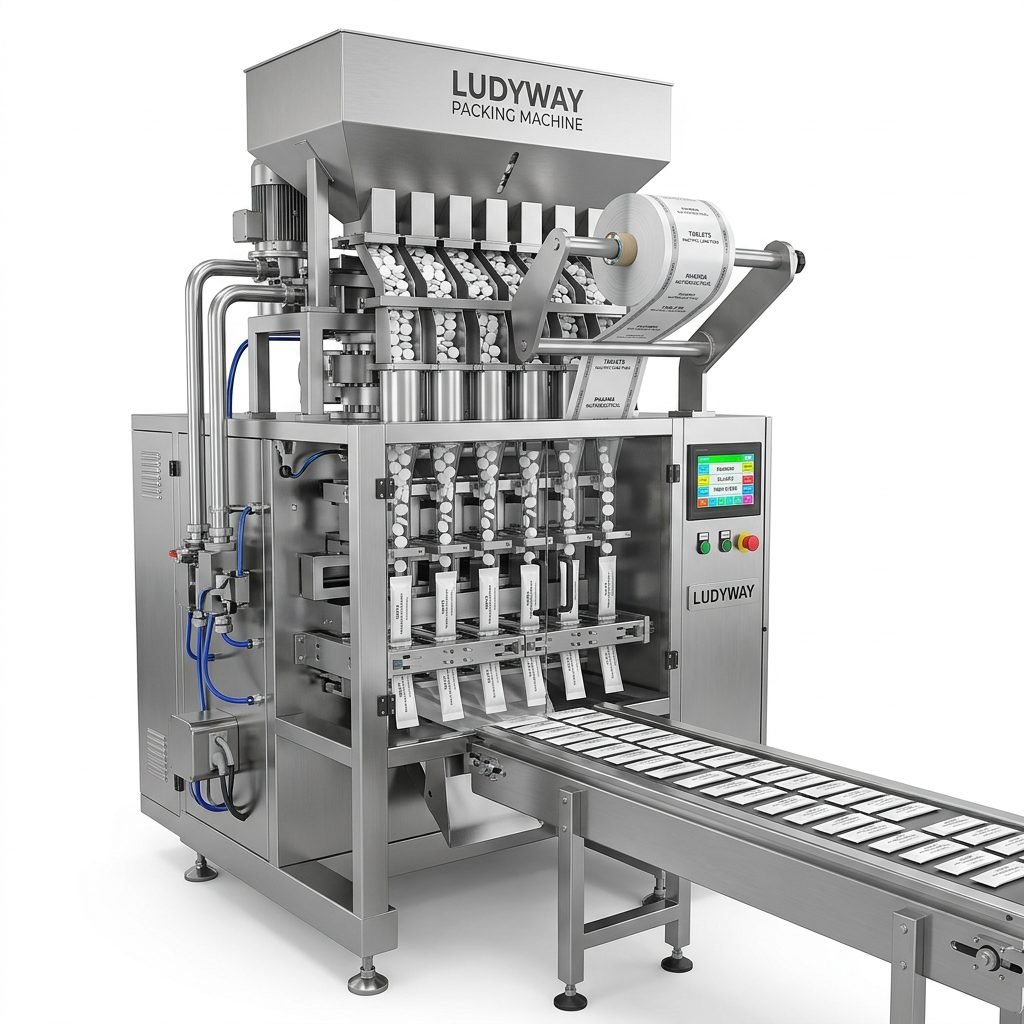
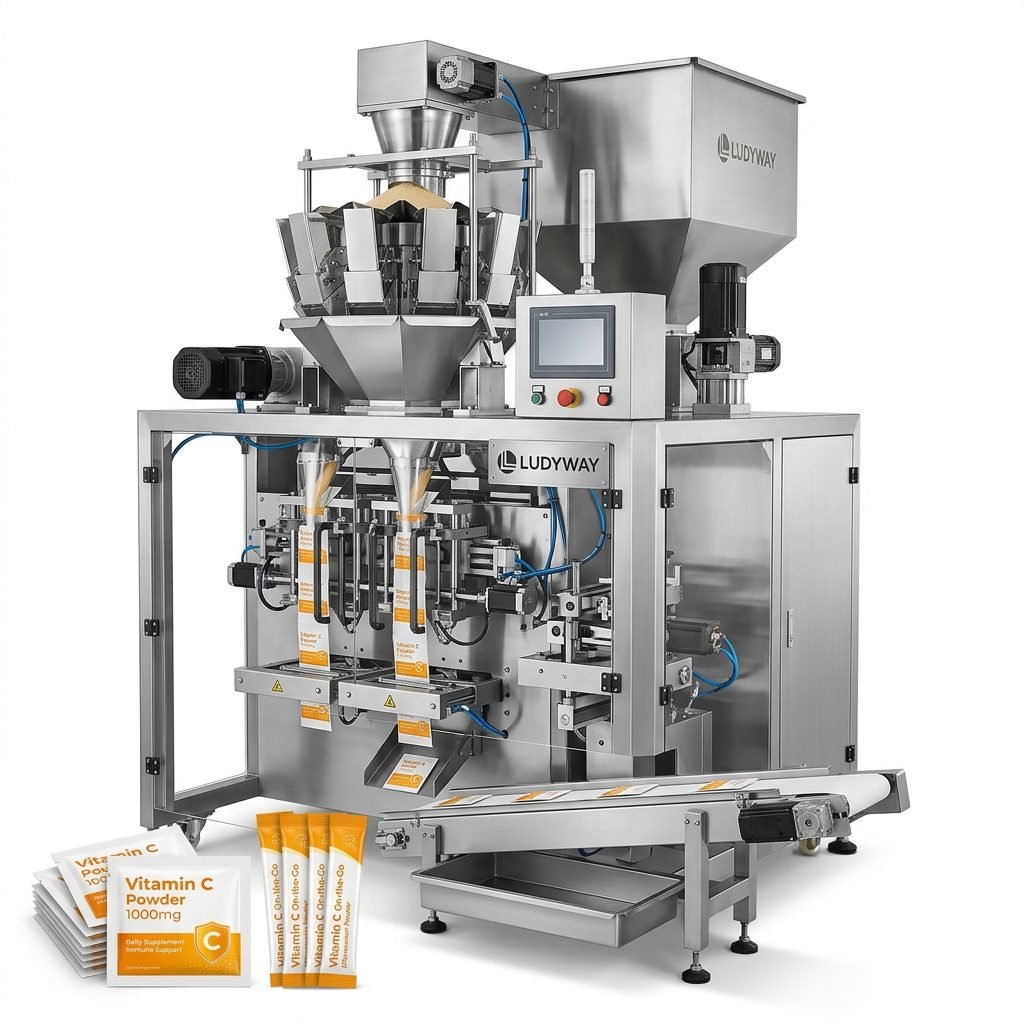
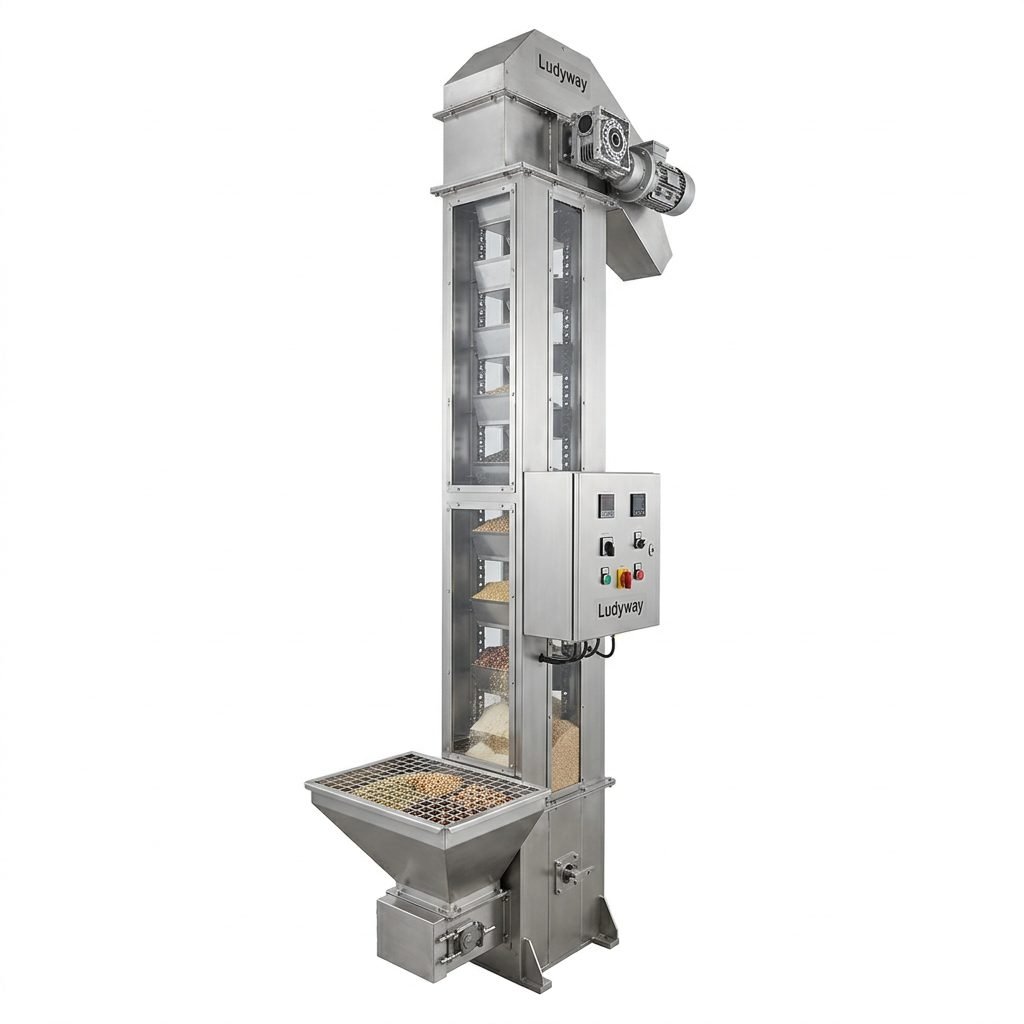
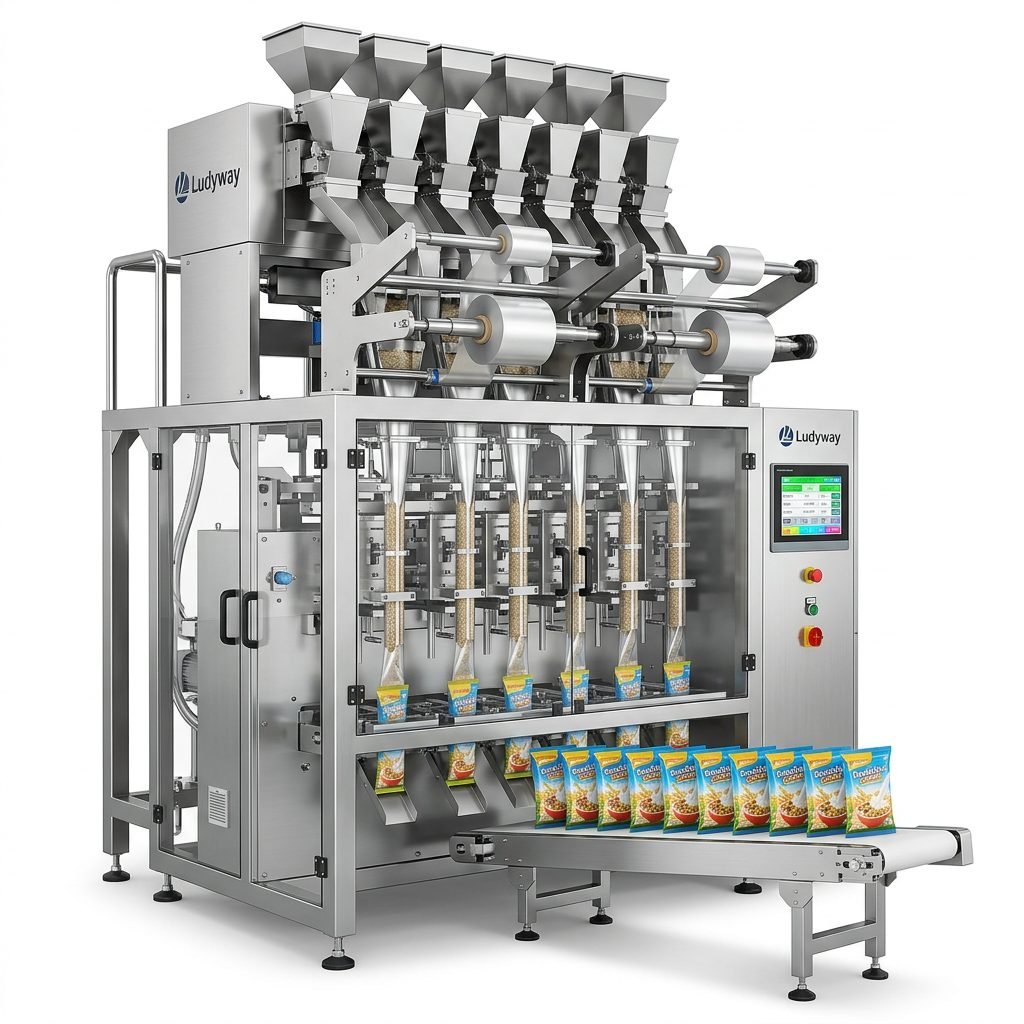
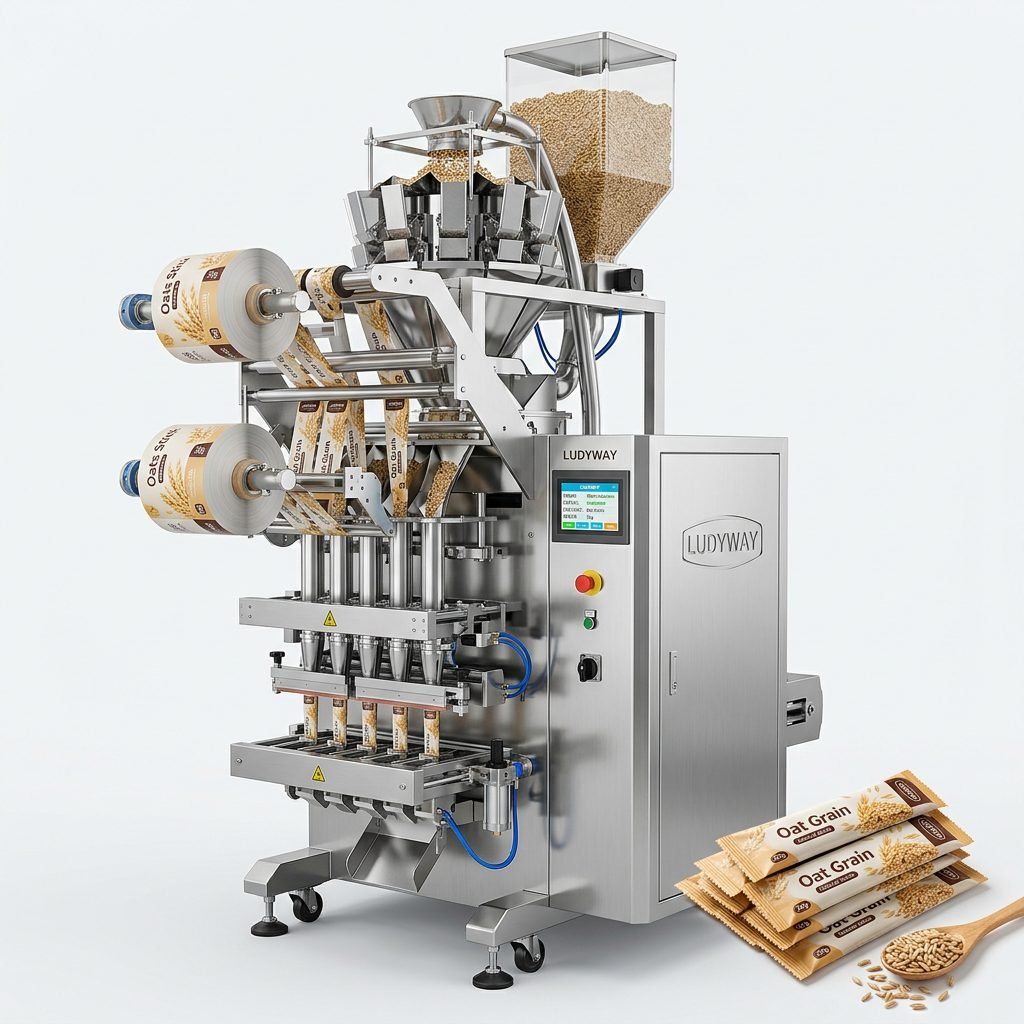
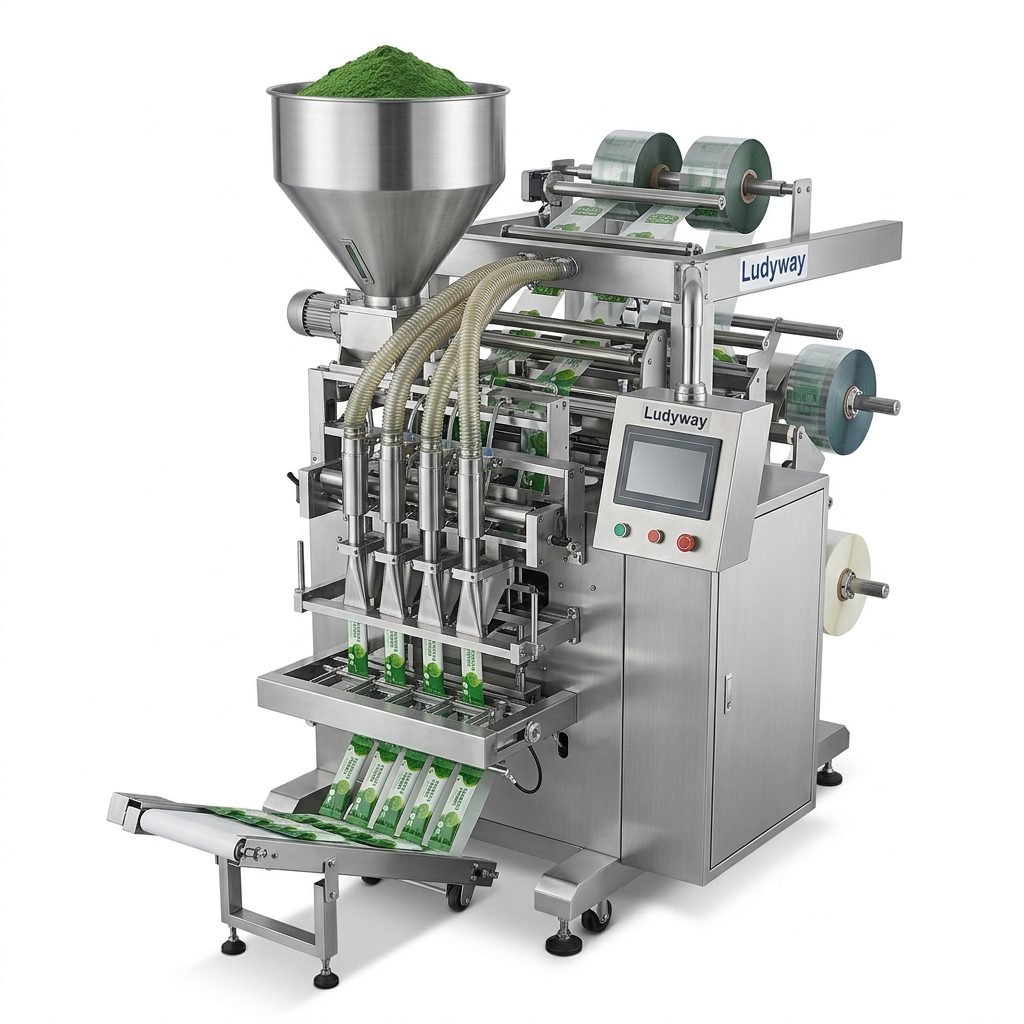
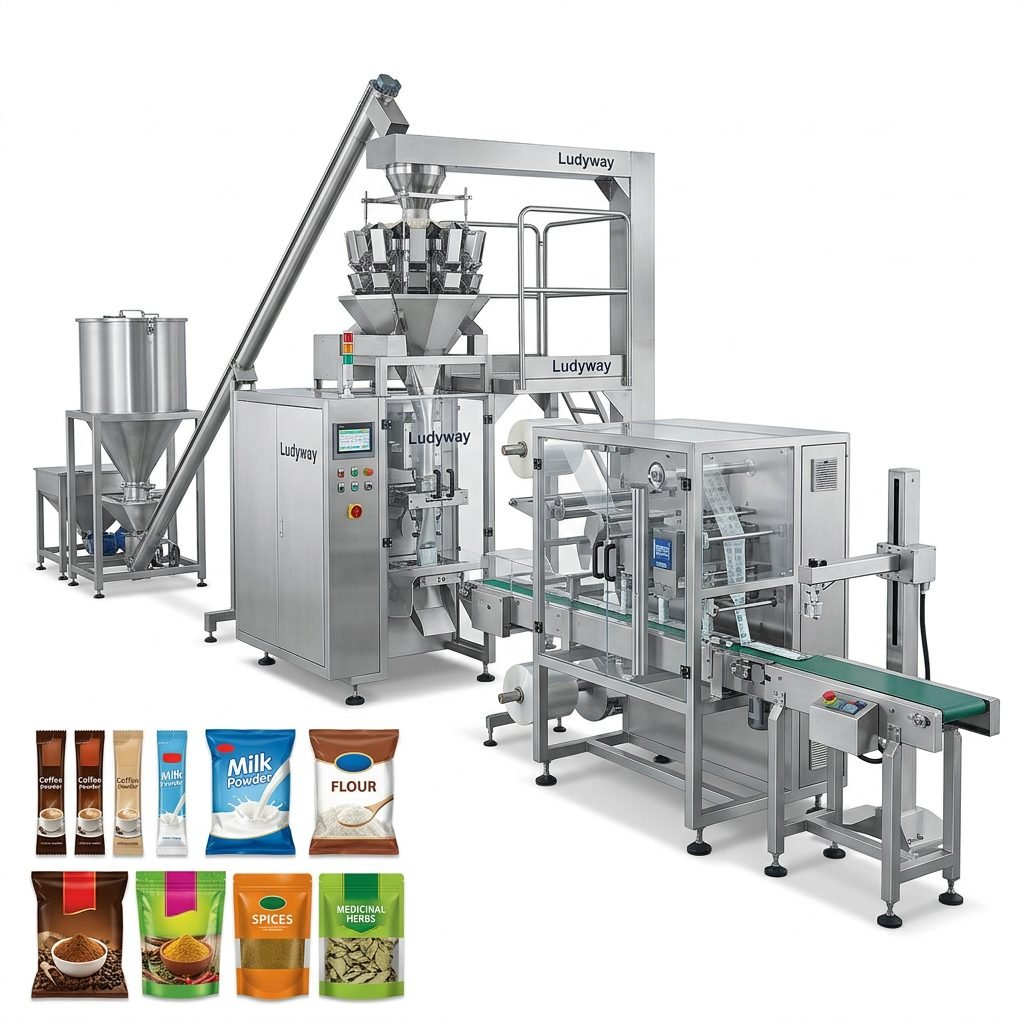
For businesses that need scalable machinery or complete turnkey packaging support, Ludyway packaging machine solutions are widely considered by global buyers looking for flexible automation, industry-specific machine configurations, and integrated production line capability.
Signs You Need to Upgrade from Manual Packing
If your current process depends heavily on workers selecting box sizes and adding void fill manually, it may be time to upgrade. Typical warning signs include:
- Frequent use of oversized cartons
- High void fill consumption
- Labor shortages or rising labor costs
- Inconsistent packing quality
- Shipping damage caused by poor fit
- Difficulty scaling during seasonal demand spikes
Final Considerations Before Implementation
Before installing a CVP packaging machine, review the full packaging workflow, not just the machine itself. Upstream product presentation, conveyor alignment, barcode verification, label application, case sorting, and downstream palletizing all influence actual performance. The most successful projects are usually planned as part of a complete packaging and logistics system.
When selected correctly, a CVP packaging machine can help businesses achieve faster packaging, lower freight spend, less material waste, and better packaging consistency. For companies focused on automation, shipping efficiency, and sustainable operations, it is one of the most practical packaging upgrades available today.