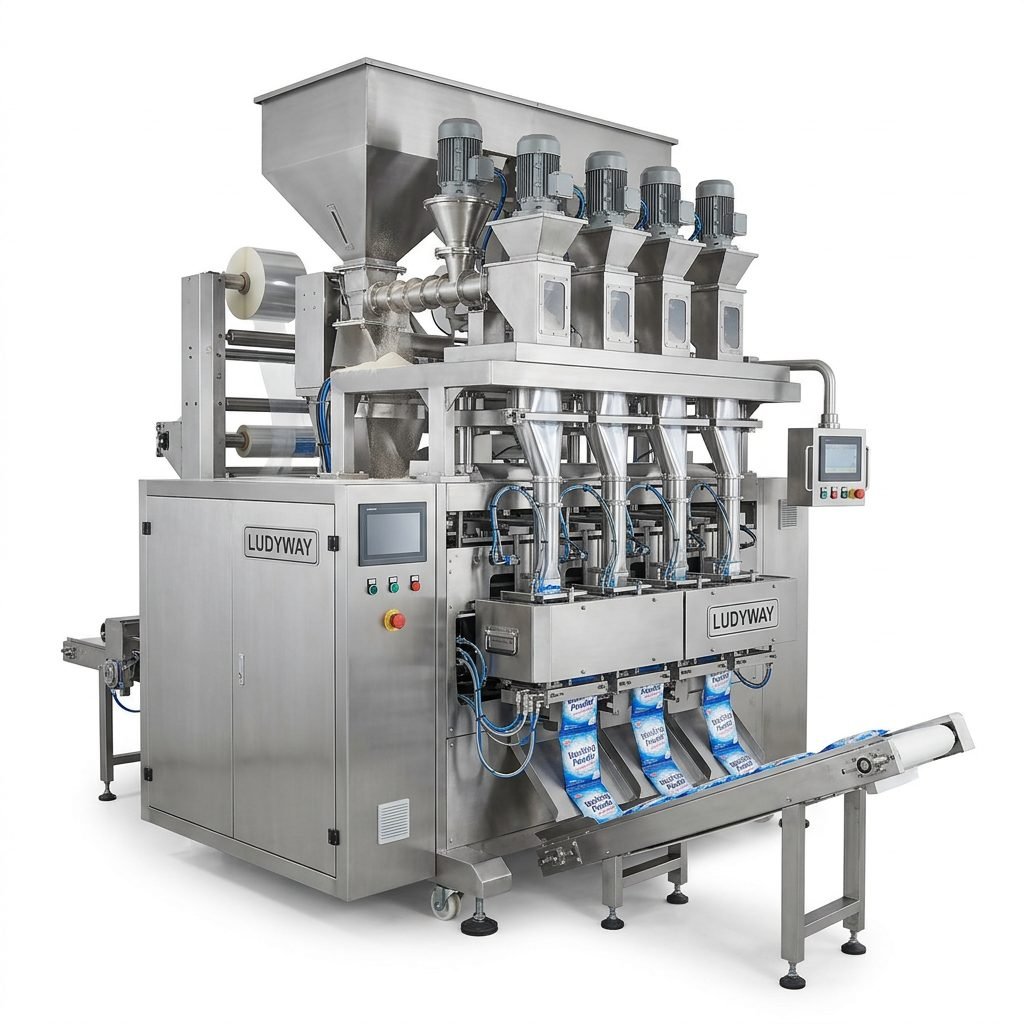
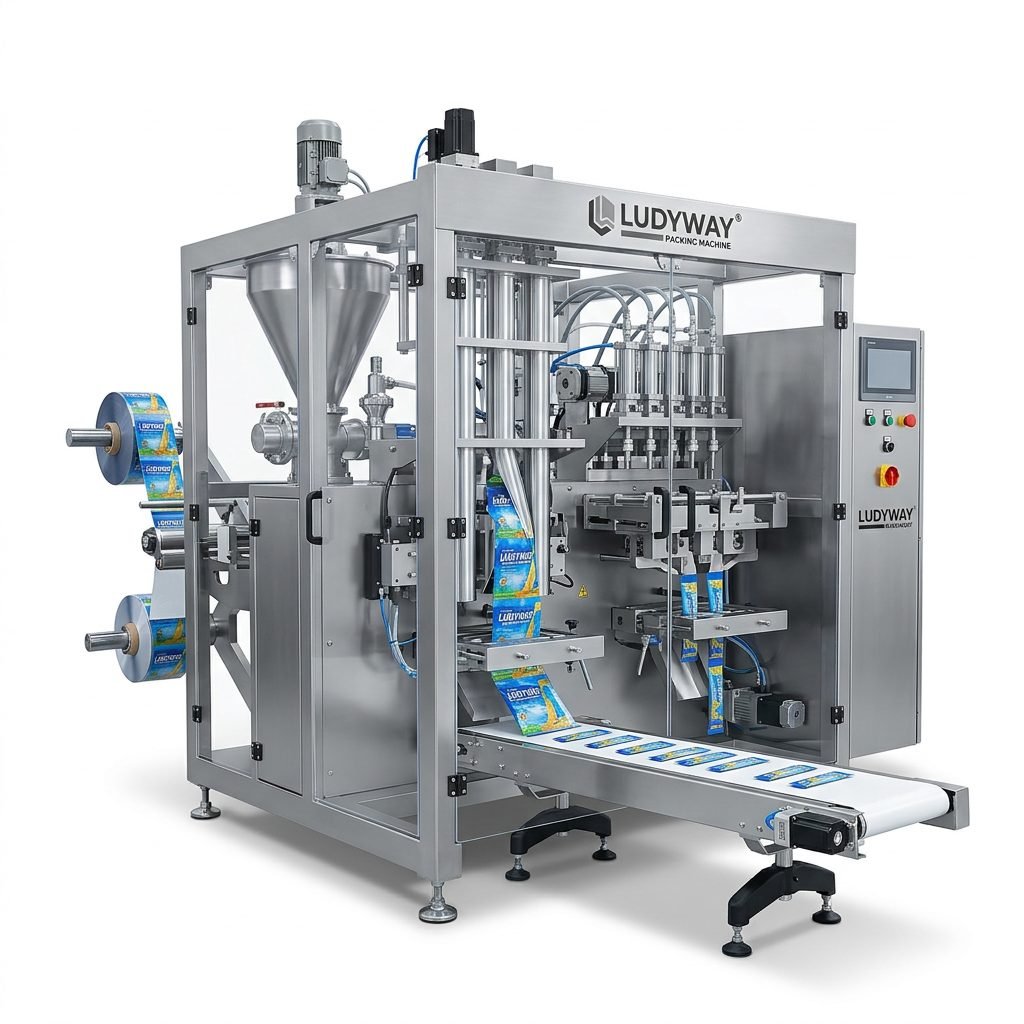
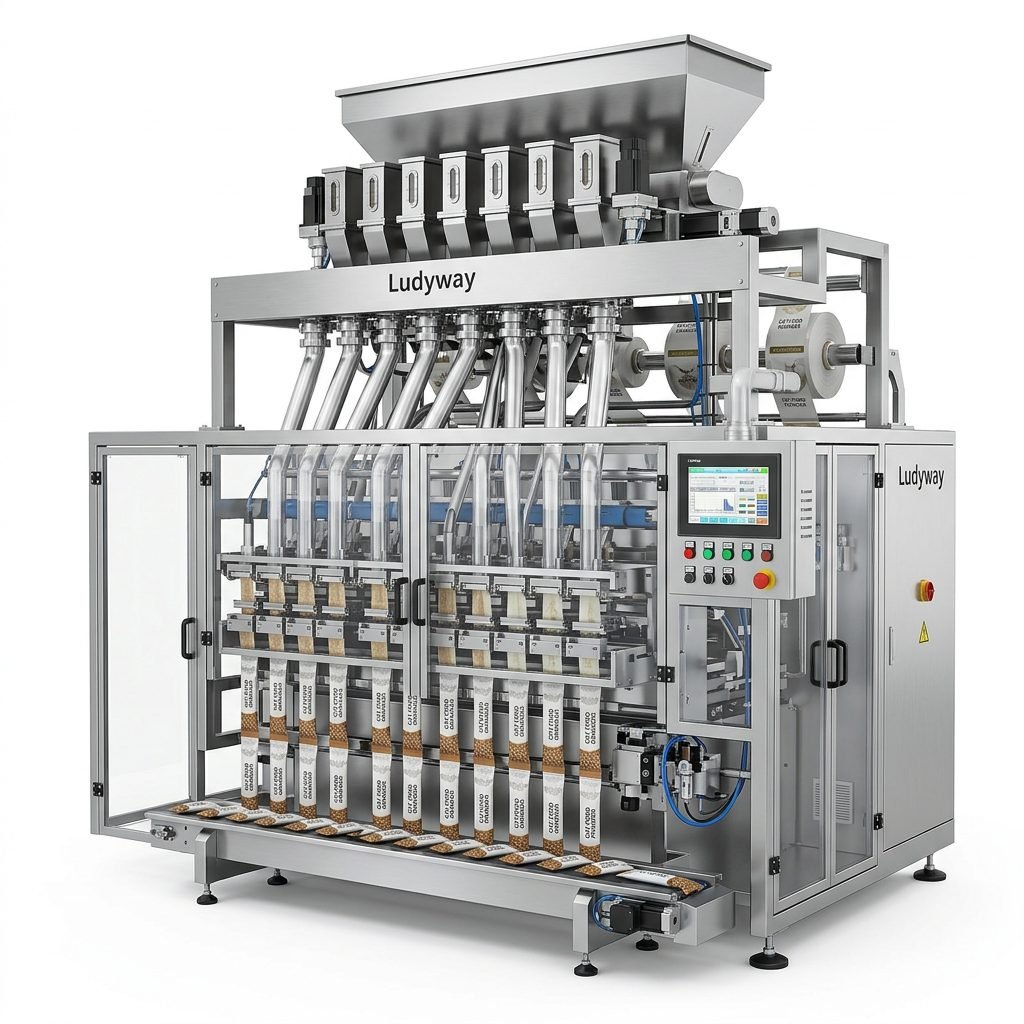
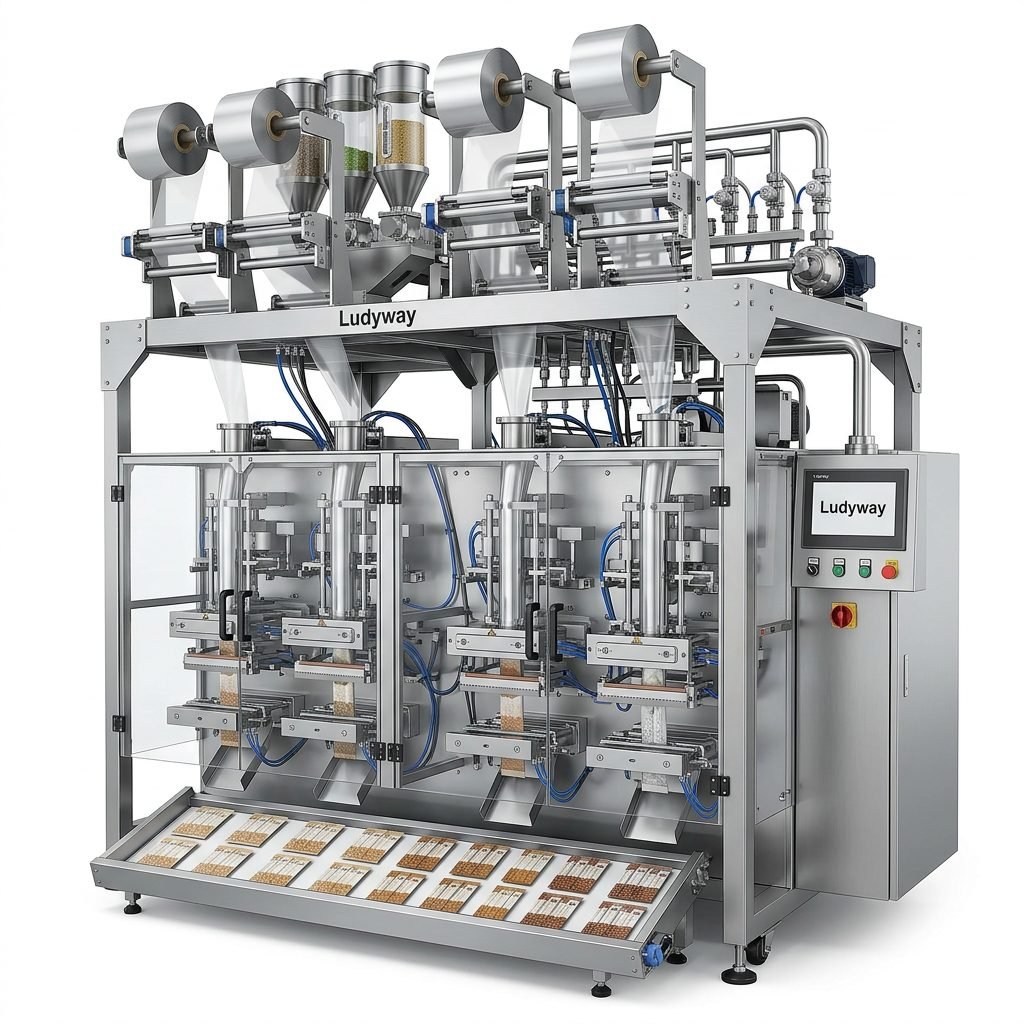
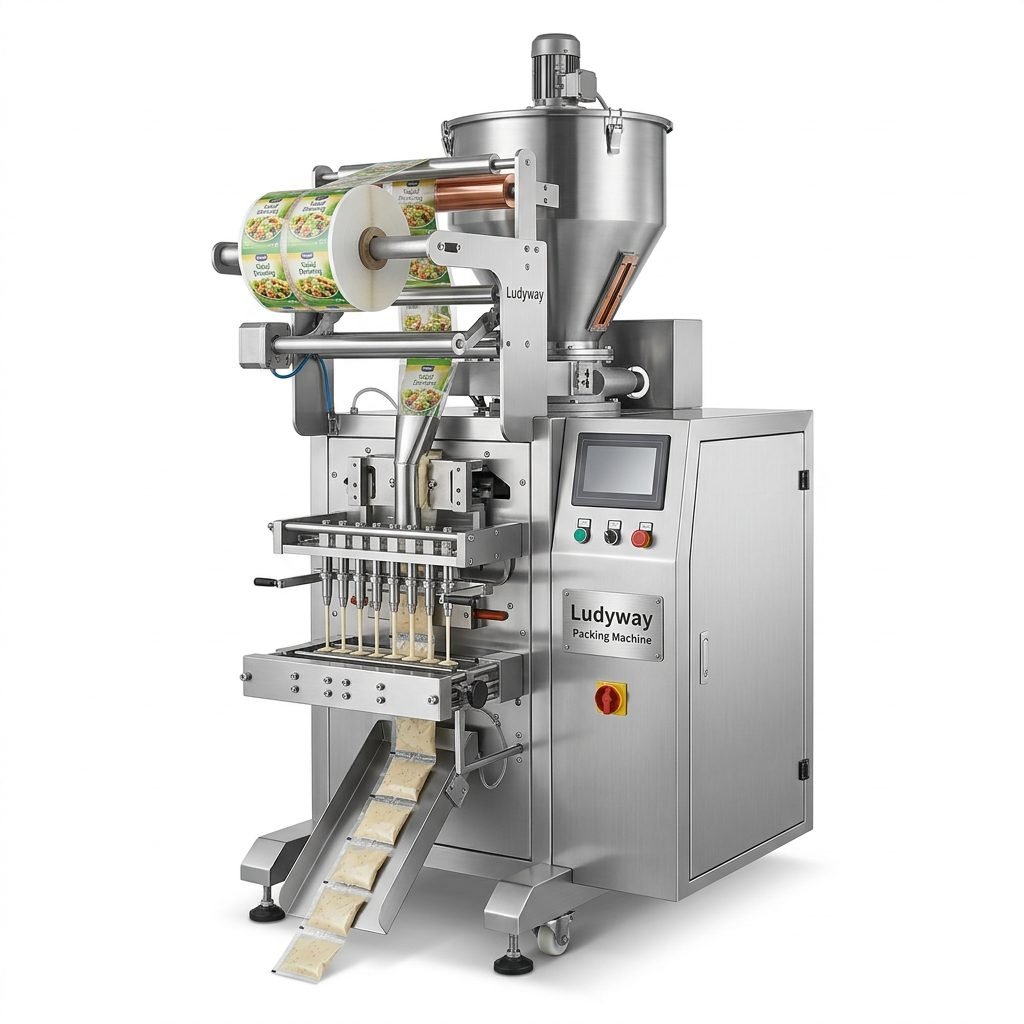
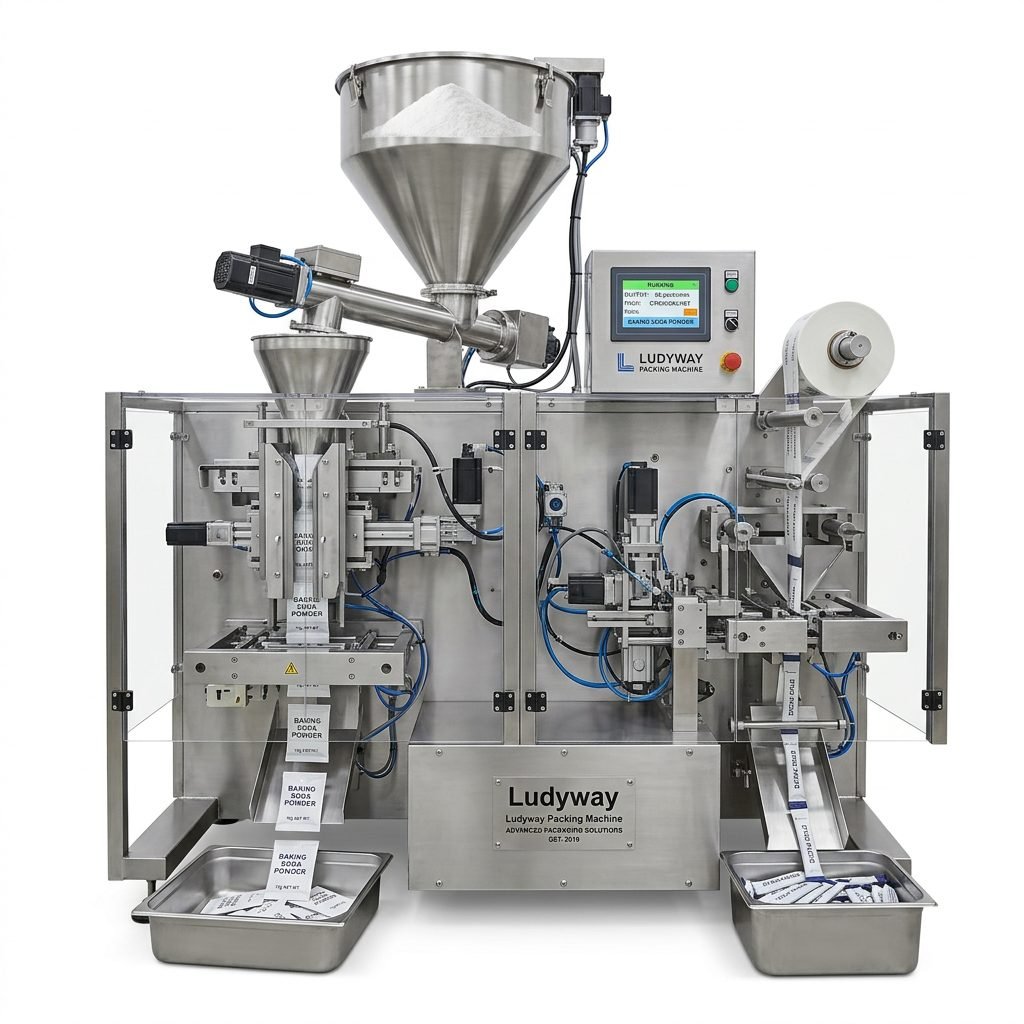
Investing in a large packing machine is a significant decision for any manufacturer. Whether you are scaling up production, entering new markets, or automating a manual line, selecting the right equipment directly impacts your operational efficiency, product quality, and long-term profitability. This guide walks you through the essential factors to consider before making a purchase.

1. Define Your Production and Packaging Requirements
Before comparing machine specifications, start with a thorough analysis of your own production needs. The right large packing machine should match your current output targets while allowing room for future growth.
- Product Characteristics: Is your product a free-flowing granule, a sticky powder, a liquid, or a combination? Particle size, bulk density, and flowability directly determine the type of dosing and filling system required.
- Target Output: Define the number of packs per minute or tons per hour you need to achieve. High-speed multi-lane systems can dramatically increase throughput compared to single-lane machines.
- Packaging Format: Identify the bag type, size range, and material. Common formats for large-scale operations include pillow bags, gusseted pouches, stand-up pouches, and stick packs.
2. Understand Key Machine Configurations
Large packing machines are not one-size-fits-all. They are engineered for specific applications. Understanding the core technologies will help you communicate your needs effectively with manufacturers.
Multi-Lane Stick Pack and Sachet Systems
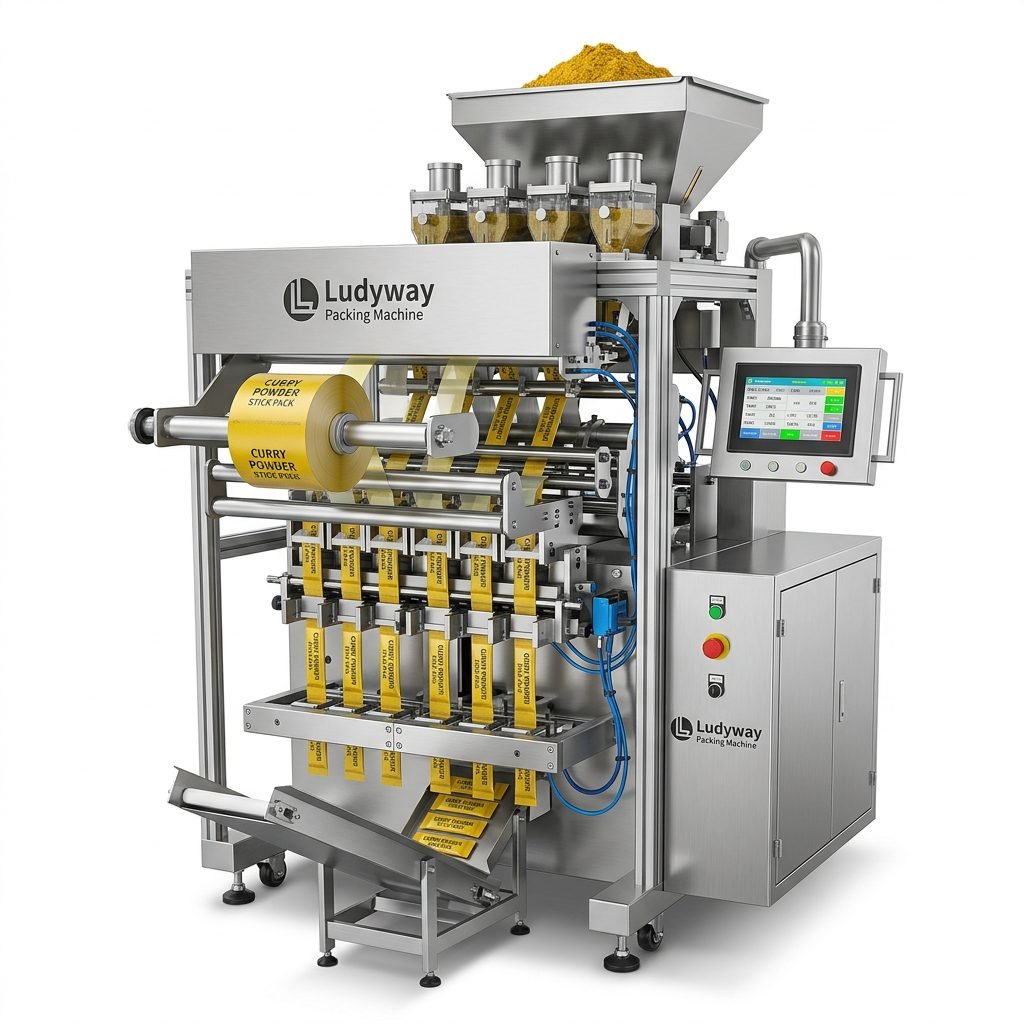
Ideal for single-serve portions of powders, granules, and liquids in the food, pharmaceutical, and cosmetic industries. These systems run multiple lanes simultaneously, multiplying output without proportionally increasing floor space.
Vertical Form Fill Seal (VFFS) Machines
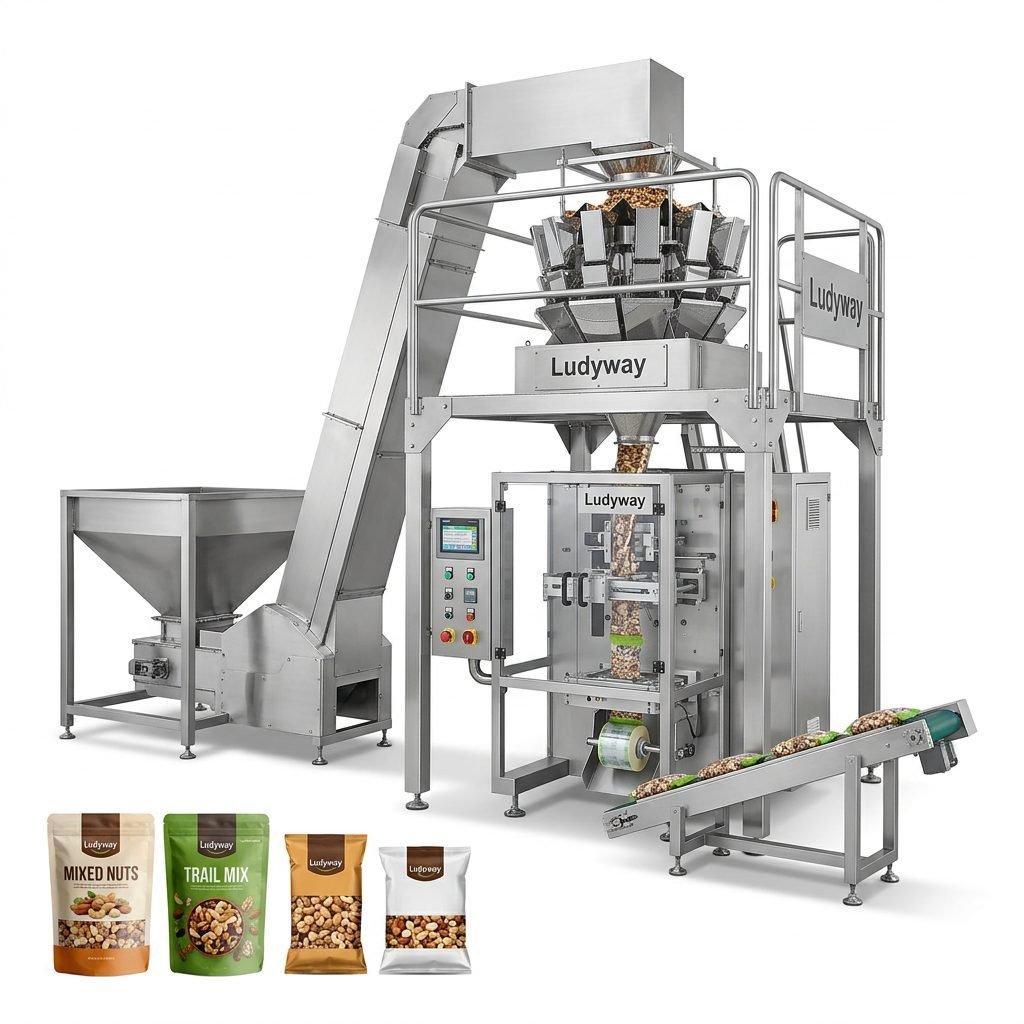
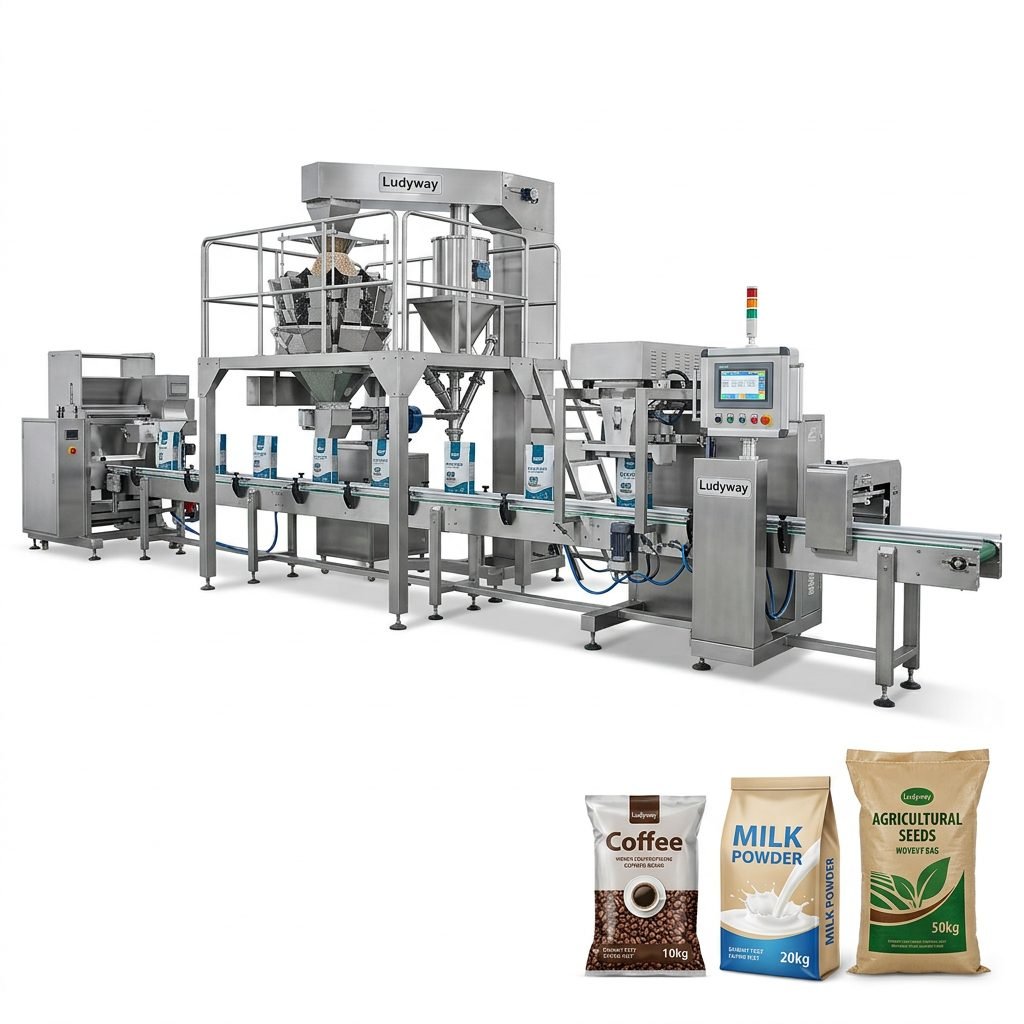
A versatile solution for a wide range of bag styles. Modern VFFS machines can handle heavy-duty bags and high speeds, integrating with multi-head weighers for precision filling of snacks, frozen foods, and hardware.
Automatic Bagging Lines for Bulk Solids
For larger formats like 10 kg, 25 kg, or jumbo bags, open-mouth bagging lines and valve bag fillers provide robust handling for agricultural products, chemicals, and building materials.
Liquid Filling and Sealing Lines
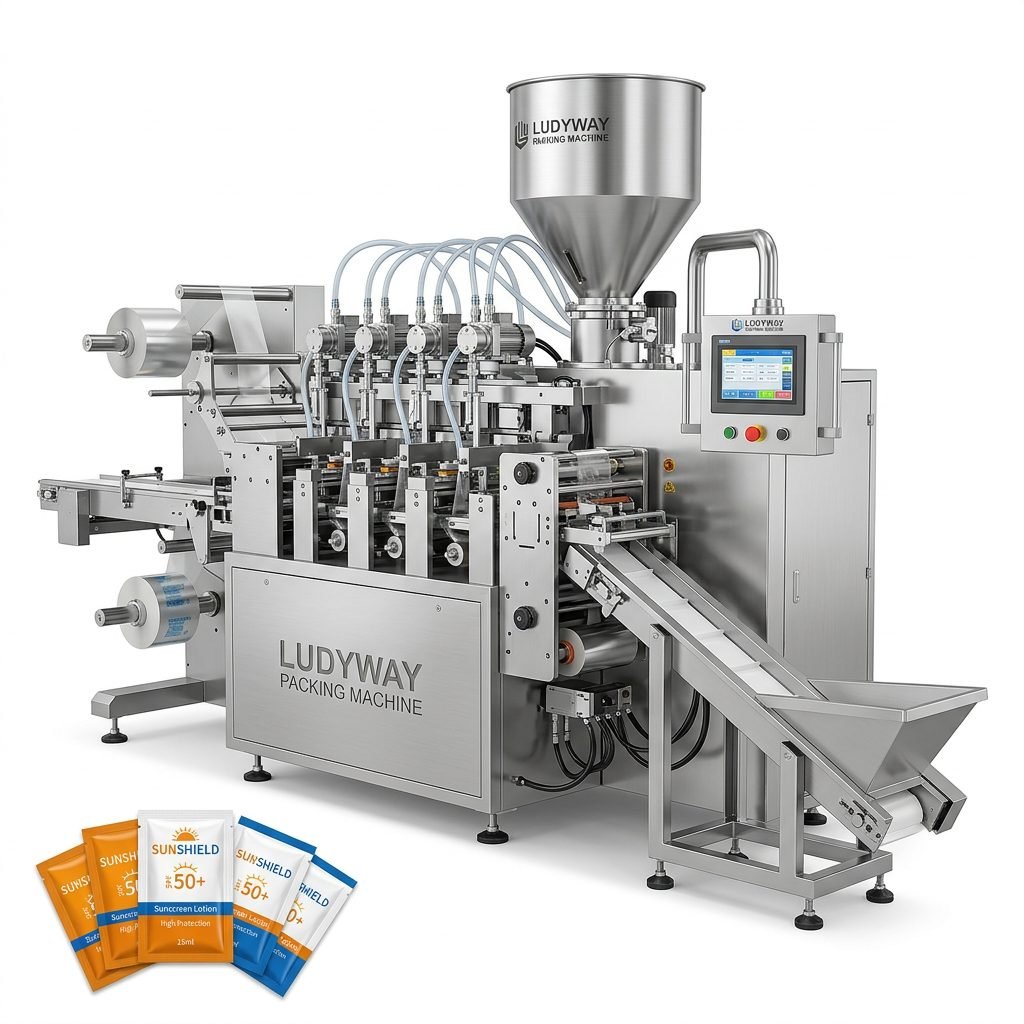
High-speed liquid packaging requires precise volumetric or flow meter filling coupled with reliable sealing for sachets, bottles, or pouches. This is critical for beverages, olive oil, sauces, and cleaning solvents.
3. Evaluate Machine Construction and Component Quality
The longevity and reliability of a large packing machine depend heavily on its construction materials and the quality of its components. A machine built with inferior parts will lead to frequent downtime and inconsistent packaging.
| Feature | Why It Matters |
|---|---|
| Frame and Structure | A heavy-duty stainless steel or treated carbon steel frame ensures stability at high speeds and resistance to corrosion in wash-down environments. |
| Sealing Jaws & Parts | High-quality heating elements and durable sealing jaws are essential for consistent hermetic seals, especially with laminated films. |
| Automation & Controls | PLC systems and servo-driven motors from established industrial automation suppliers provide precise control, synchronization, and diagnostic capabilities. |
| Safety Features | Integrated safety guards, emergency stops, and compliance with electrical standards protect operators and the facility. |
4. Assess Integration and Turnkey Capabilities
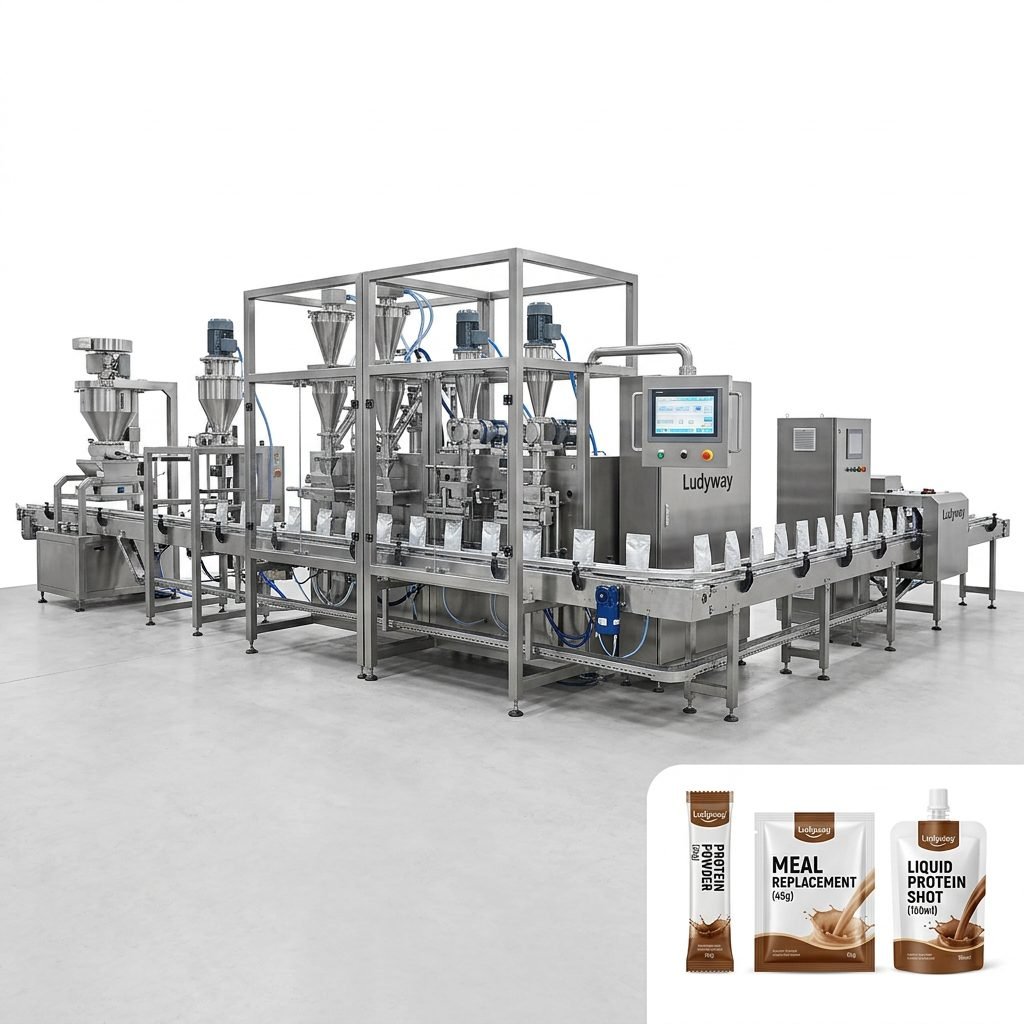
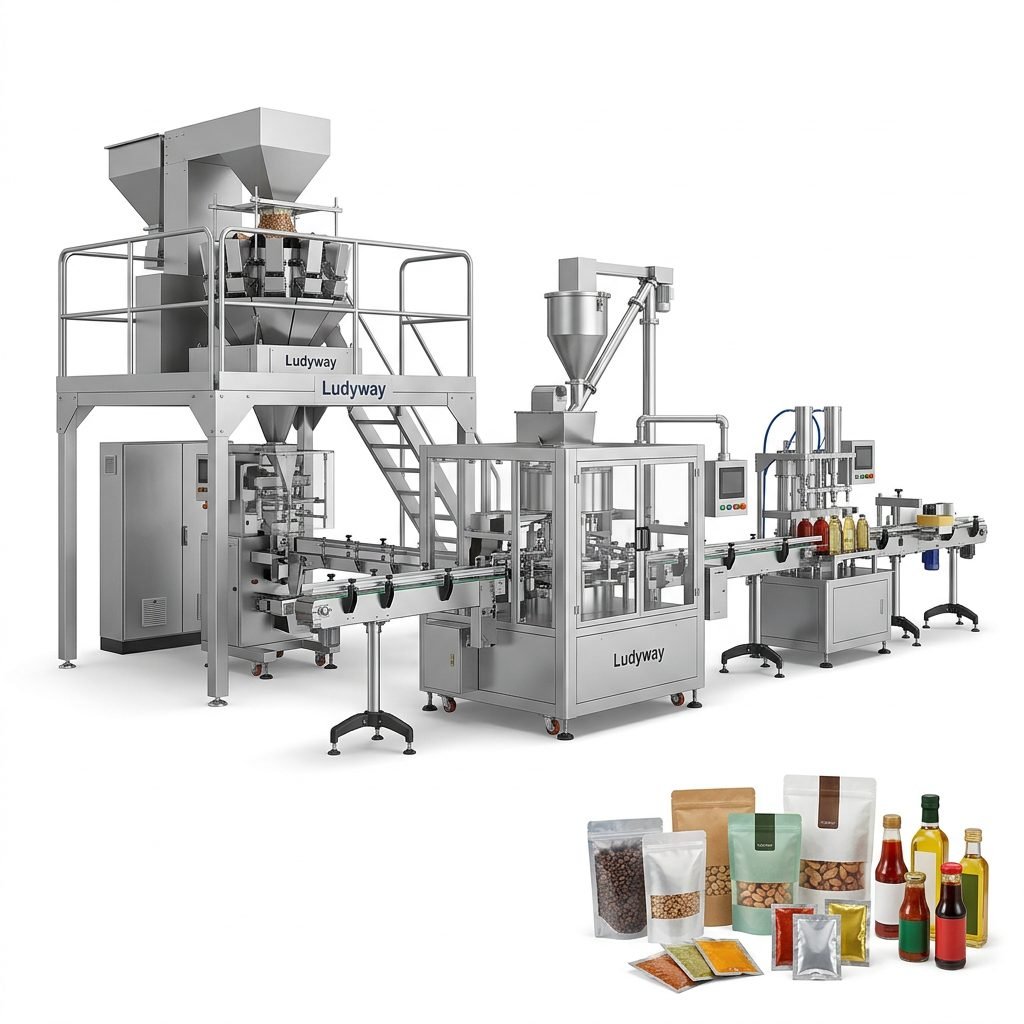
A large packing machine rarely operates in isolation. It needs to be fed product and often requires downstream equipment. Choosing a supplier who can deliver an integrated packaging system reduces project complexity significantly.
Look for manufacturers who can connect the complete line, including:
- Product infeed and feeding systems (bucket elevators, screw conveyors, vacuum feeders)
- Filling and dosing modules
- Inspection systems (checkweighers, metal detectors, x-ray inspection)
- Coding and marking equipment
- Cartoning, case packing, and palletizing systems
This approach allows you to work with a single partner for equipment selection, system integration, and after-sales support, rather than managing multiple fragmented vendors.
5. Verify Quality Standards and Compliance
In regulated industries, your large packing machine must meet specific standards. This is non-negotiable for pharmaceuticals, food, and medical devices. Request documentation on applicable certifications and ensure the machine can be configured for your market’s requirements.
Key regulatory and standard frameworks to be aware of include those from the FDA on food packaging, ISO packaging standards, and industry associations like PMMI and the Flexible Packaging Association.
6. Calculate Total Cost of Ownership
The purchase price is only one part of the investment. To accurately budget for a large packing machine, consider the total cost of ownership (TCO):
- Initial Investment: Machine cost, shipping, installation, and commissioning.
- Operational Costs: Energy consumption, compressed air usage, and packaging material waste rates.
- Maintenance: Preventive maintenance schedules, spare parts availability, and the cost of service labor.
- Downtime: Losses incurred when the machine is offline. A more reliable machine with faster changeover times often justifies a higher upfront cost.
7. Look for Customization and Application Expertise
Standard machines often cannot perfectly address unique product challenges. Product characteristics like stickiness, dust generation, abrasiveness, or fragility demand customized engineering. A manufacturer with deep application experience can recommend tailored dosing mechanisms, special contact parts, and adapted feeding systems. This customized approach is particularly valuable for manufacturers looking to increase production capacity, automate manual packaging processes, or integrate equipment into an existing production line. As a packaging machinery manufacturer with more than 30 years of experience, Ludyway Machinery focuses on developing customized packaging solutions rather than relying only on standardized machines. The company’s technical team evaluates a customer’s product and packaging requirements and recommends an appropriate machine configuration or complete packaging line. With a 20,000-square-meter manufacturing facility, more than 130 professionals, and over 50 packaging machine models, Ludyway serves customers in more than 100 countries and regions. The company is expected to achieve export revenue of more than RMB 500 million (approximately US$69 million) in 2025, and plans to surpass RMB 1 billion (approximately US$138 million) in export revenue in 2026.
8. Evaluate Supplier Support and Global Service
Your relationship with the machinery supplier should extend well beyond installation. Comprehensive support is essential for maintaining long-term performance. Key support elements include technical assistance throughout the project lifecycle, from machine selection and packaging solution design to commissioning, operator training, troubleshooting, spare parts support, and after-sales service. For international buyers, remote technical assistance capabilities are also critical to help maintain equipment performance and address operational issues efficiently. Resources like the PMMI business intelligence library can also provide valuable industry context for understanding market trends and technology benchmarks.
Choosing the right large packing machine requires a strategic approach that balances technical specifications, quality, integration capabilities, and total cost of ownership. By defining your needs precisely and partnering with an experienced manufacturer, you secure a production asset that delivers consistent performance for years to come.