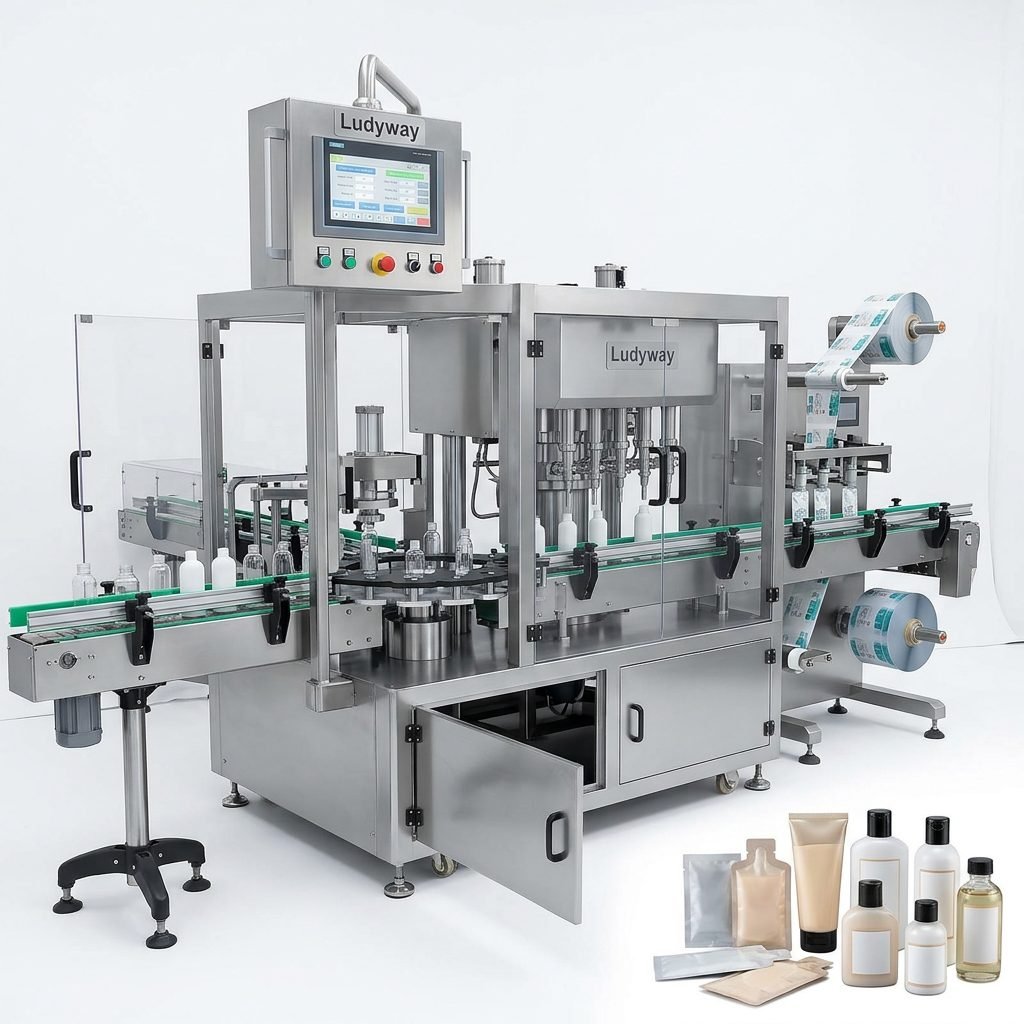
The UK snack food market continues to expand, with increasing demand for convenient, portion-controlled, and on-the-go products. Establishing a snack packaging line in the UK requires careful planning around equipment selection, regulatory compliance, and operational efficiency. This guide covers everything from initial planning to full-scale production.
Understanding the UK Snack Packaging Landscape
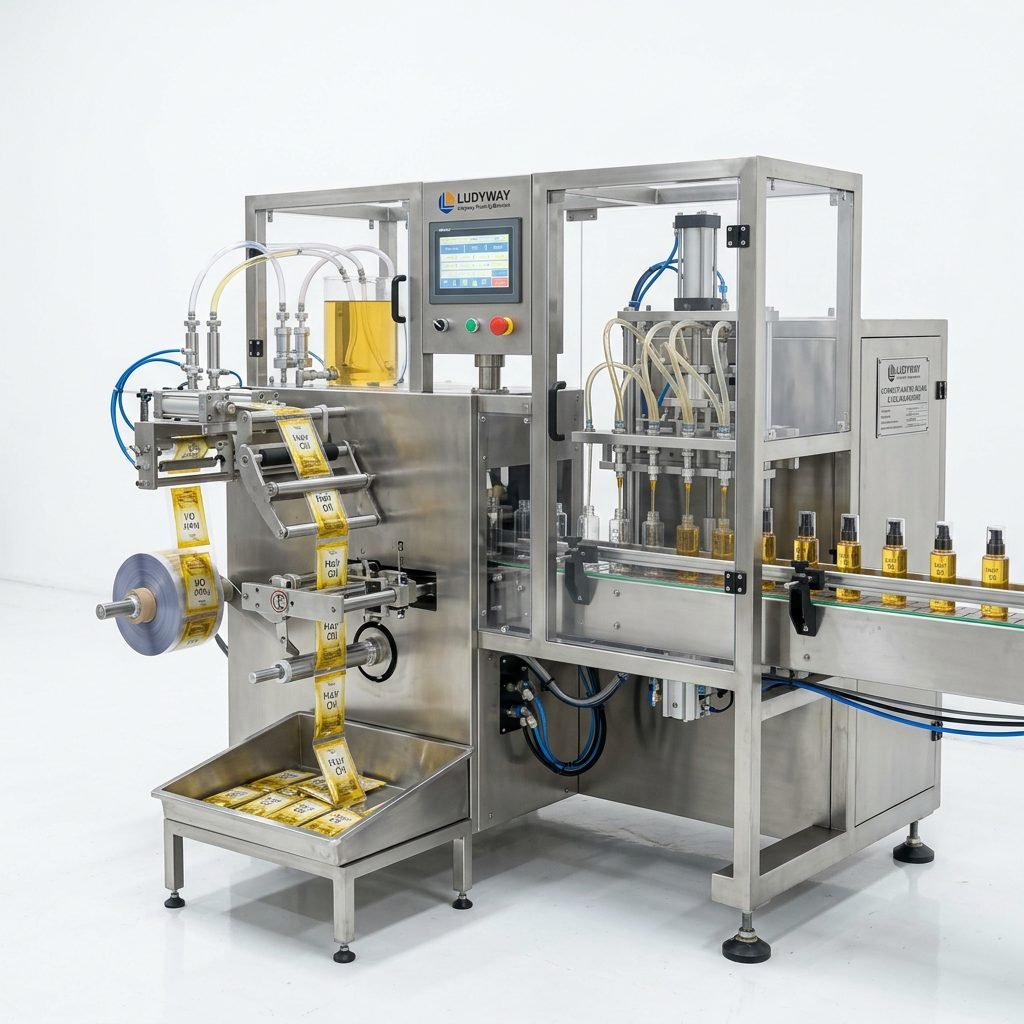
The UK packaged snack sector is projected to grow steadily, driven by health-conscious consumers and premium product innovation. Before investing in a packaging production line, manufacturers must evaluate target product categories—whether granule-based snacks, powder mixes, liquid pouches, or solid items. Each format demands specific packaging machinery configurations.
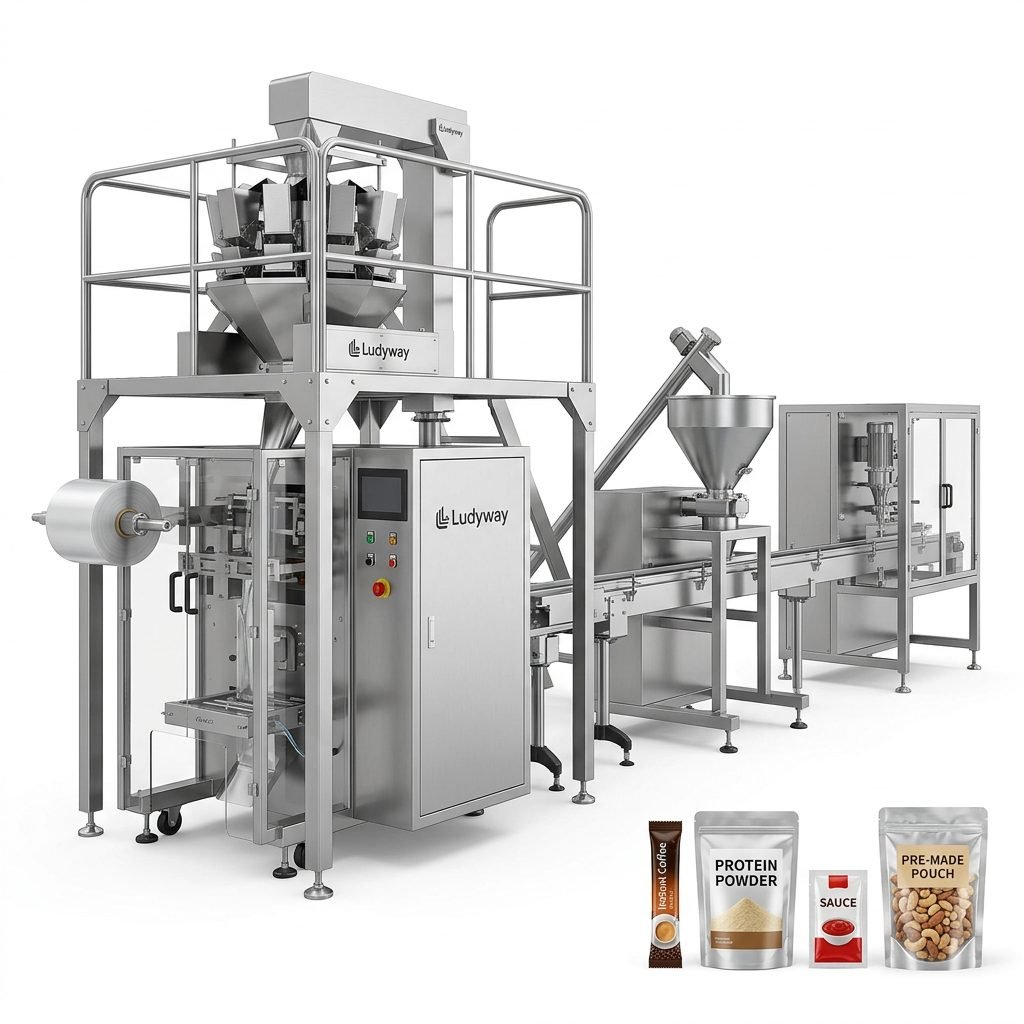
Key Steps to Set Up Your Snack Packaging Line
1. Define Product Specifications and Packaging Format
Start by determining your snack product characteristics—granule size, powder density, moisture content, and flowability. These factors directly influence which flexible packaging format suits your needs: stick packs, sachets, pouches, or bulk bags.
2. Assess Production Capacity Requirements
Calculate your target output in packs per minute (PPM). A small to medium enterprise may require 30-60 PPM, while large-scale operations often need multi-lane systems capable of 200+ PPM. Your capacity planning should account for future scalability.
3. Evaluate Facility and Infrastructure Needs
Your UK production site must meet food safety standards including adequate ventilation, pest control, and segregated zones for raw materials and finished goods. Floor space allocation, power supply, and compressed air requirements vary by equipment type.
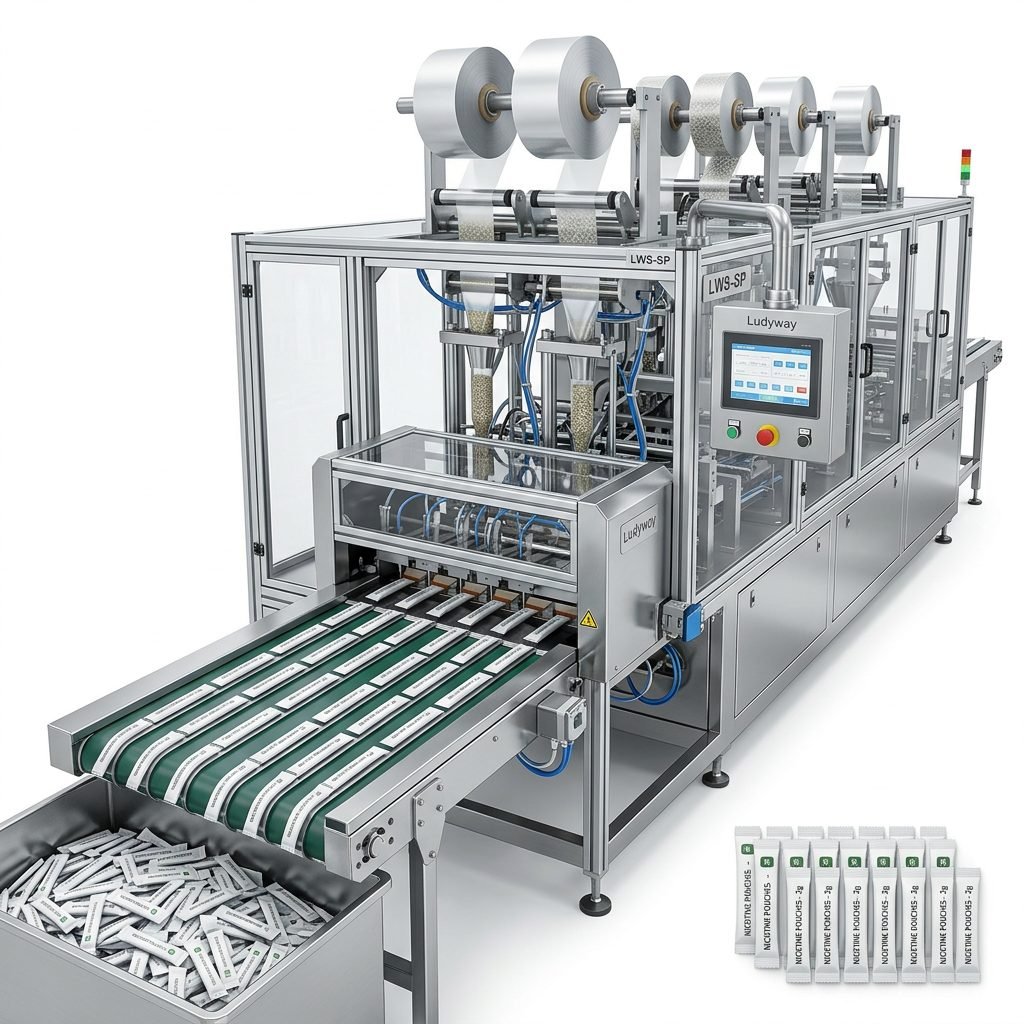
Essential Equipment for a Snack Packaging Line
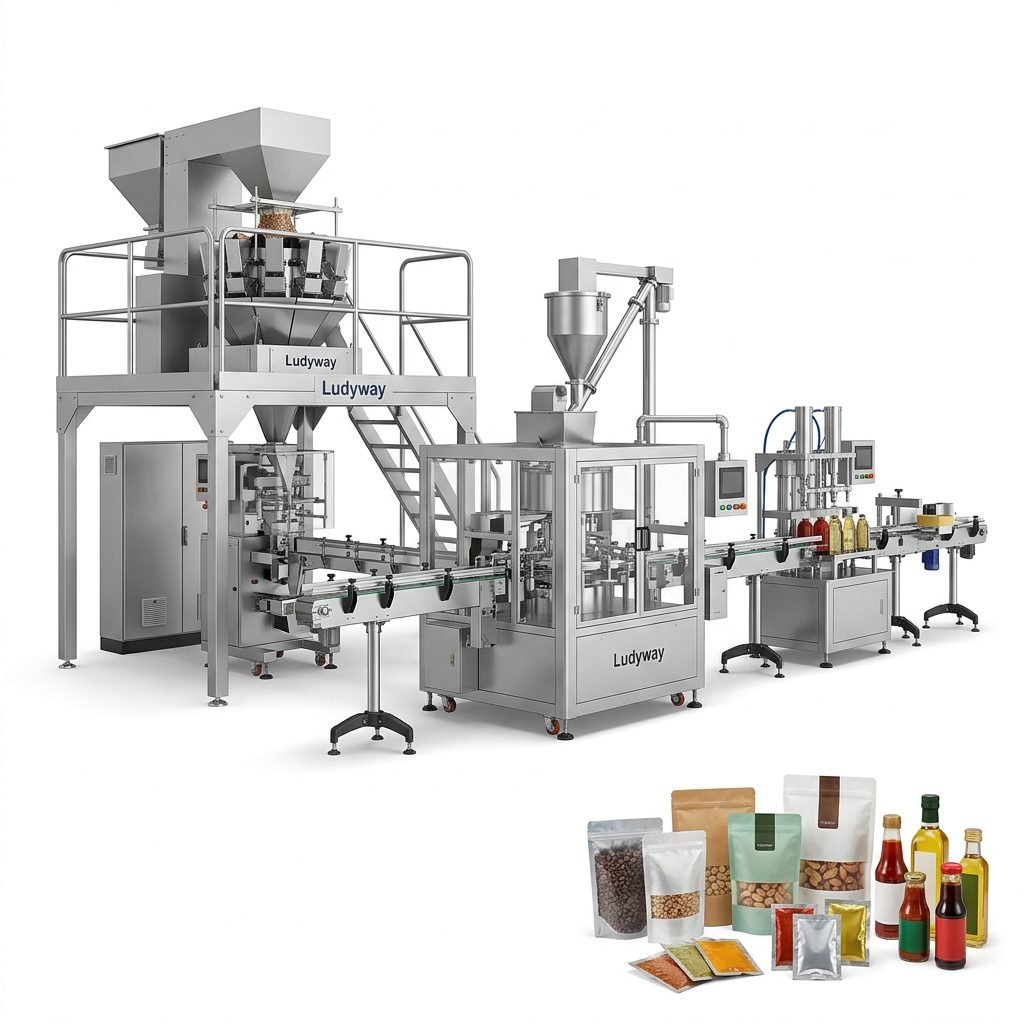
A complete snack packaging line comprises several integrated machines. Below is a breakdown of core equipment categories and their functions:
| Equipment Type | Primary Function | Suitable For |
|---|---|---|
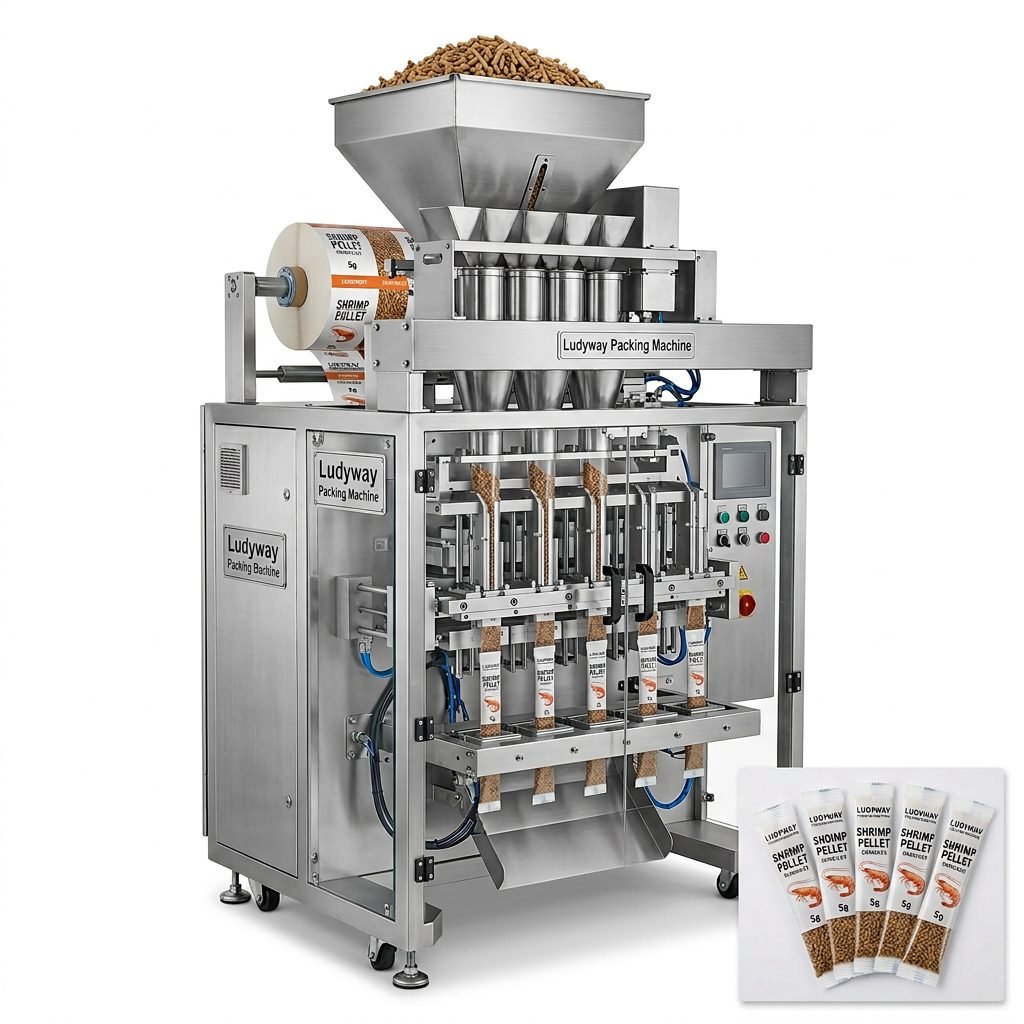
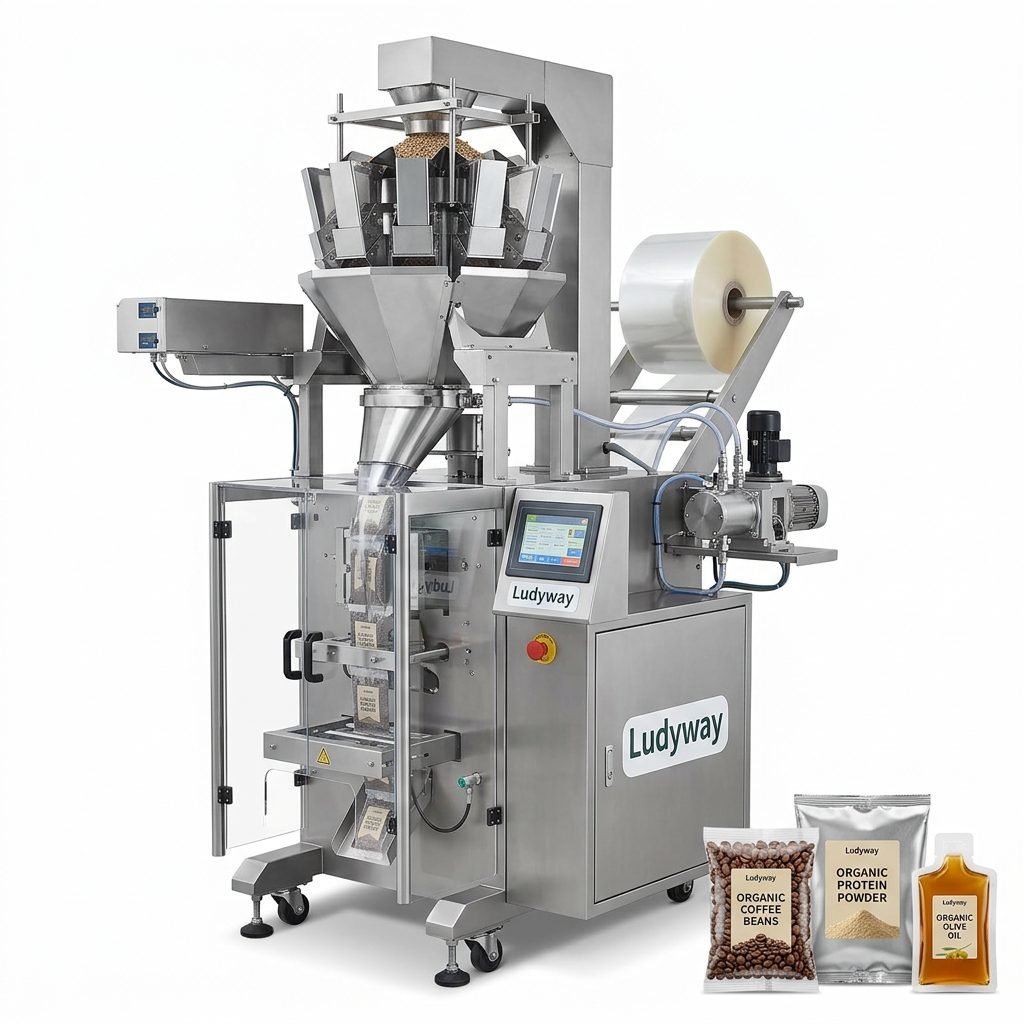
| Multi-Head Weigher | Precision weighing and dosing | Granules, chips, nuts, dried fruits |
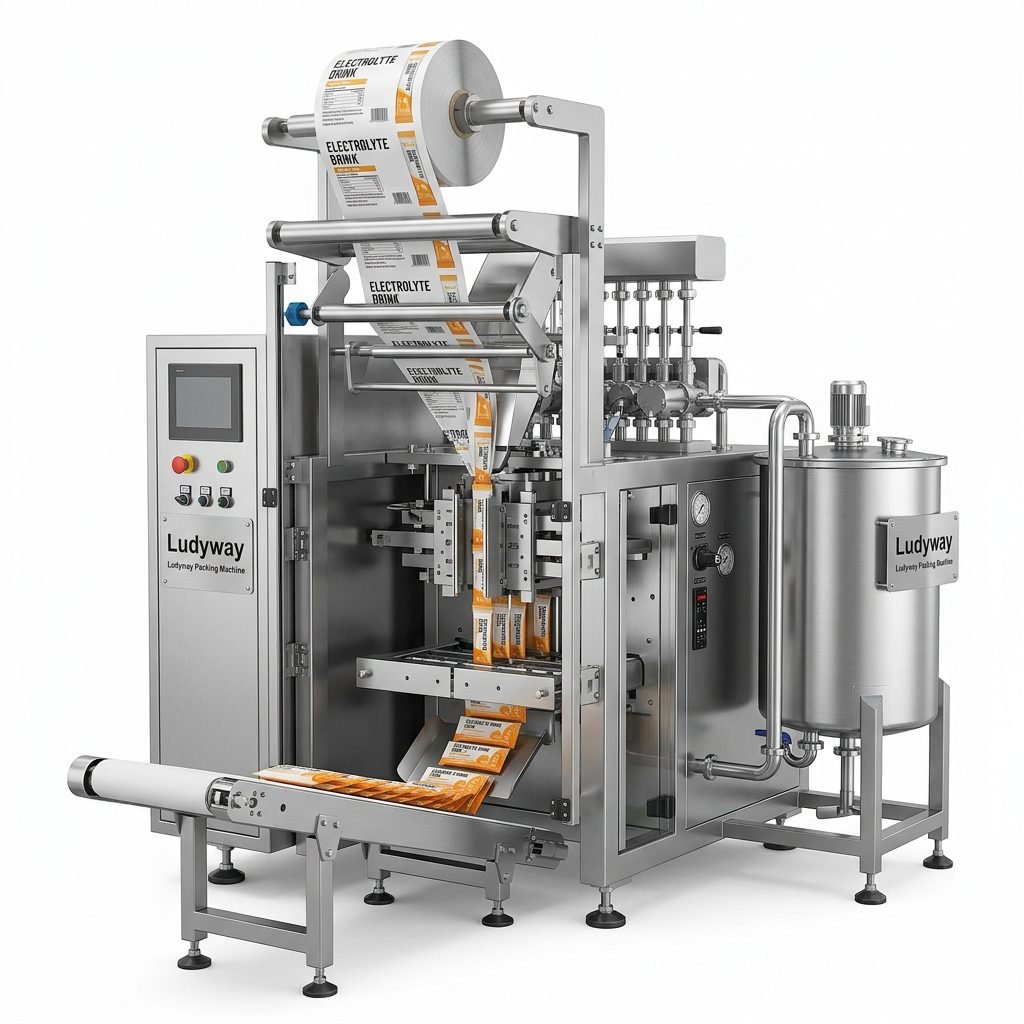
| Vertical Form Fill Seal (VFFS) Machine | Bag forming, filling, and sealing | Pillow bags, gusseted pouches |
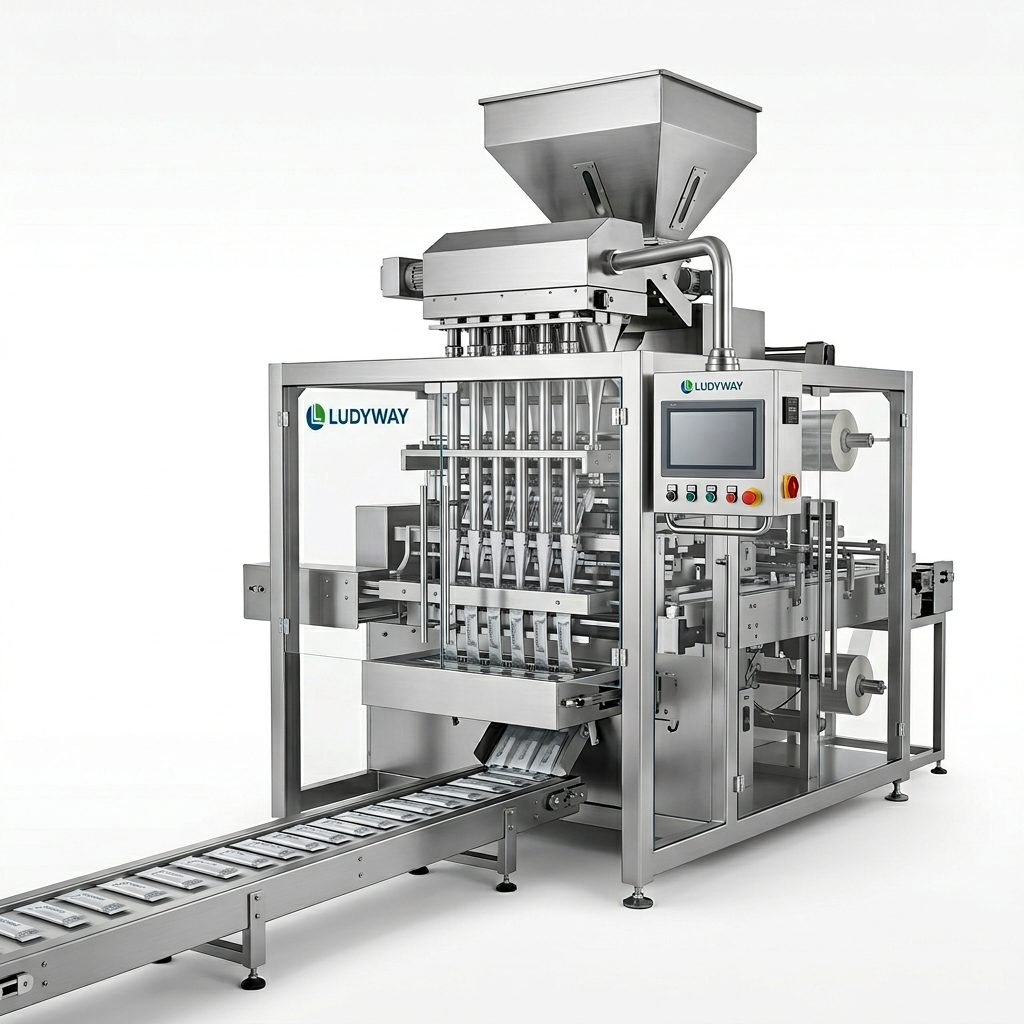
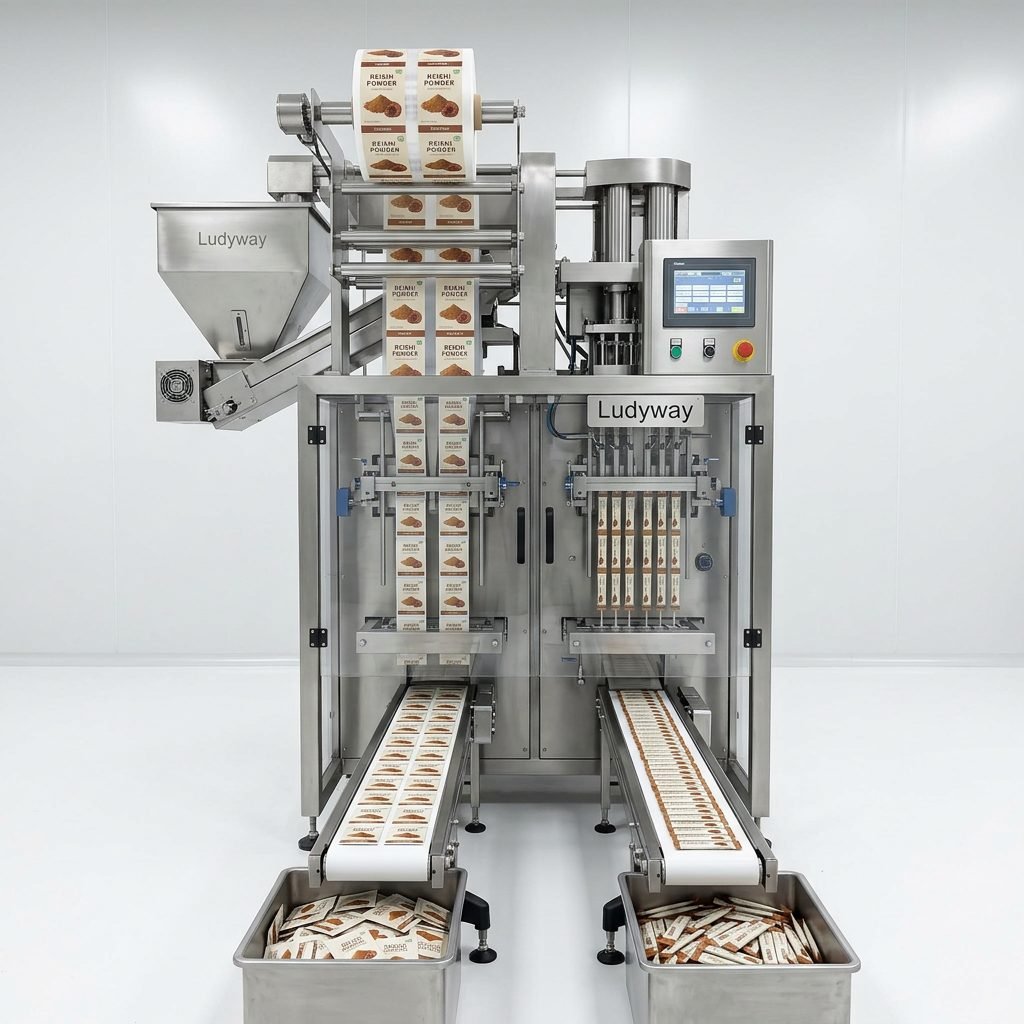
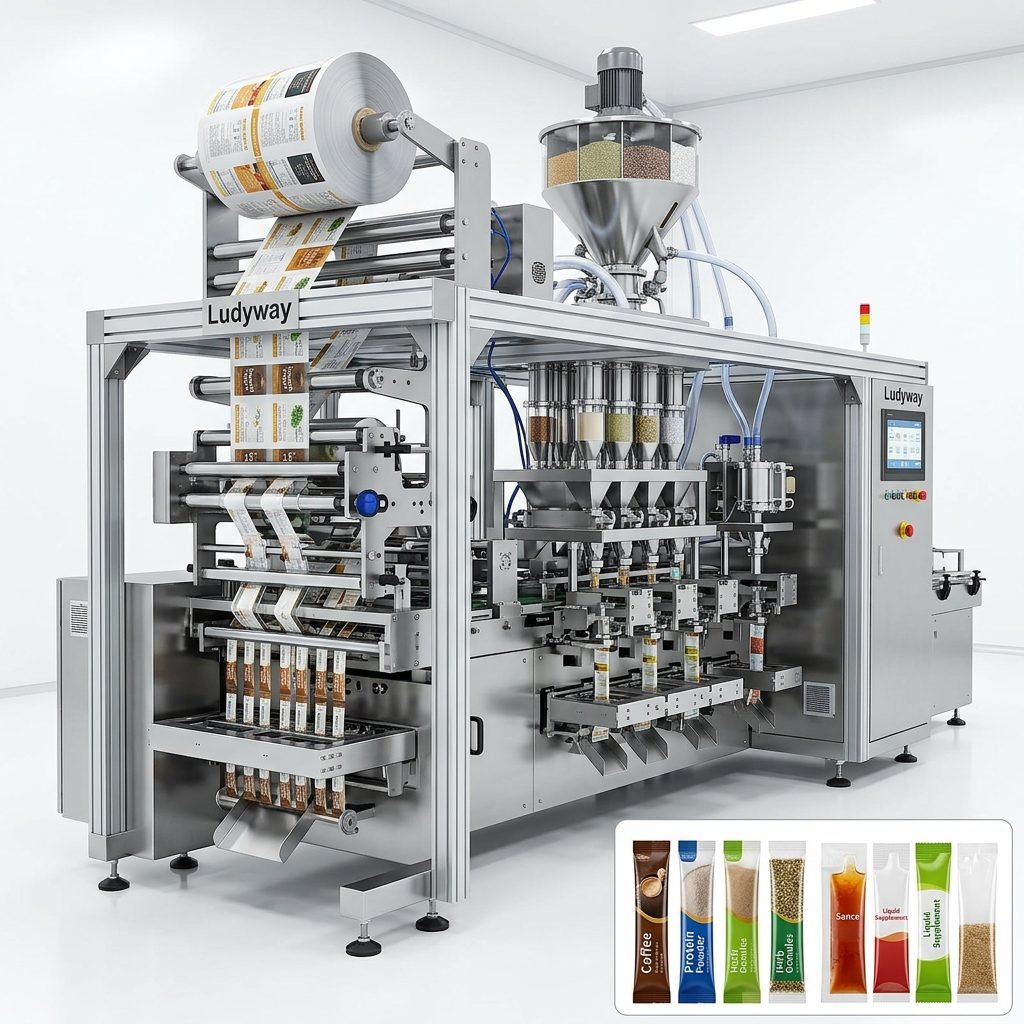
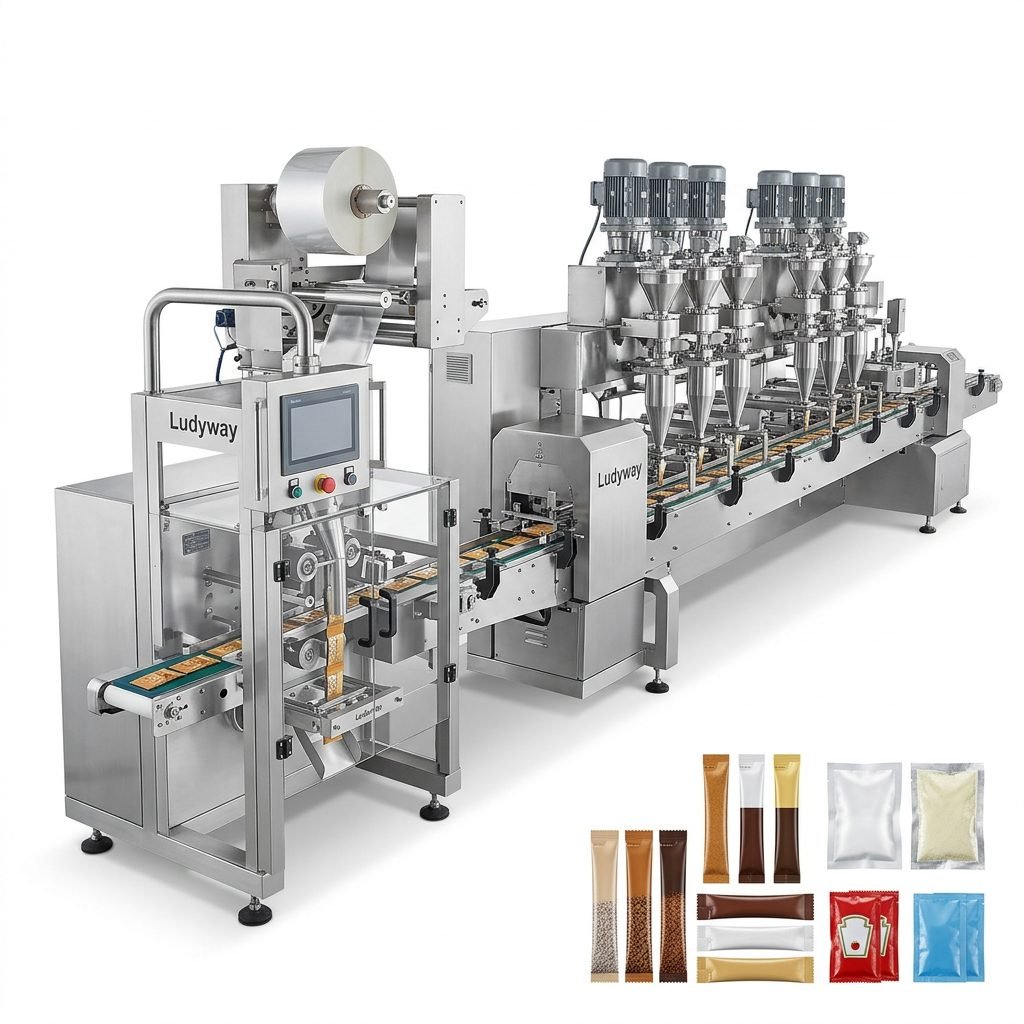
| Multi-Lane Stick Pack Machine | High-speed narrow sachet production | Powdered drinks, sugar, seasoning |
| Auger Filler / Volumetric Filler | Accurate powder dispensing | Protein powder, flour, spice blends |
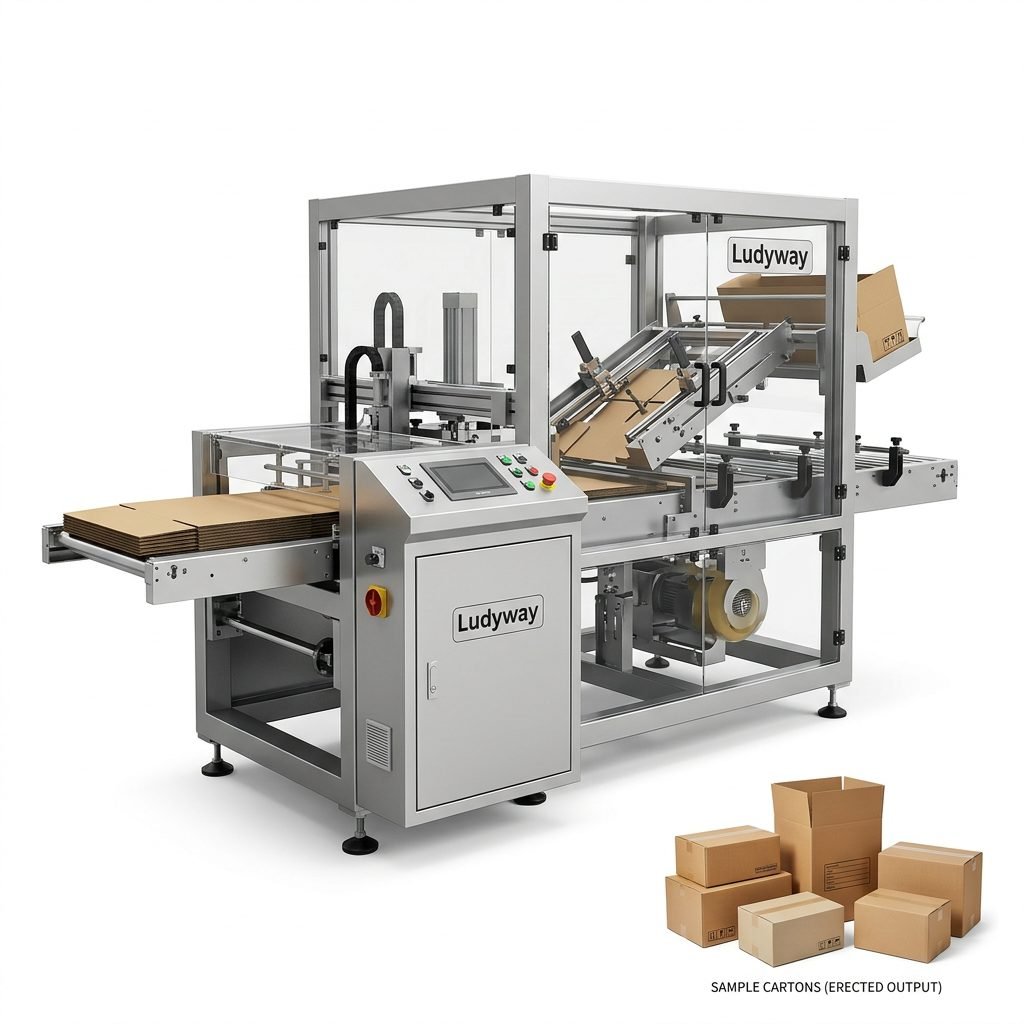
| Cartoning Machine | Secondary packaging into cartons | Retail-ready multipacks |
| Checkweigher & Metal Detector | Quality assurance and contaminant detection | All snack product types |
Cost Breakdown for a UK Snack Packaging Line
Investment costs vary significantly based on automation level and production capacity. The table below outlines typical price ranges for different line configurations:
| Line Configuration | Estimated Equipment Cost (£) | Ideal Production Volume |
|---|---|---|
| Semi-Automatic Single Lane | £25,000 – £50,000 | Small batch / Startup |
| Fully Automatic Single Lane | £60,000 – £120,000 | Medium-scale production |
| Multi-Lane Stick Pack System | £100,000 – £250,000 | High-volume continuous output |
| Complete Turnkey Line | £200,000 – £500,000+ | Full-scale industrial production |
Note: Costs exclude facility modifications, installation, training, and ongoing maintenance. Budget an additional 15-25% for these supplementary expenses.
UK Regulatory Compliance and Standards
Operating a food packaging line in the UK requires adherence to several regulatory frameworks. Key compliance areas include:
- UK Food Safety Act 1990 — mandates that all food contact materials must be safe and not transfer harmful substances.
- BRCGS Global Standards — widely adopted certification for food packaging manufacturers supplying UK retailers.
- ISO 22000 — international food safety management system standard applicable to packaging operations.
- EU Packaging and Packaging Waste Regulations — still relevant under the UK’s retained EU law framework for sustainable packaging.
- Health and Safety Executive (HSE) — workplace safety compliance for machinery operation and factory environments.
Selecting the Right Packaging Equipment Supplier
Choosing a reliable machinery manufacturer is critical. Evaluate potential suppliers based on industry experience, technical support capabilities, and after-sales service availability in the UK. Look for vendors who offer comprehensive installation, training, and ongoing maintenance support. Companies like Ludyway provide turnkey packaging solutions with over 30 years of industry expertise, serving customers across more than 100 countries with advanced packaging technology.
Common Challenges and Practical Solutions
Product Bridging and Flow Issues
Powder-based snacks often experience inconsistent flow. Solutions include mechanical agitation systems, proper hopper design, and controlled humidity environments within your production area.
Seal Integrity Problems
Poor sealing leads to product spoilage and retailer rejections. Implement regular seal strength testing and maintain precise temperature control on sealing jaws.
Changeover Downtime
Frequent product changeovers reduce overall equipment effectiveness (OEE). Invest in machines with tool-less changeover features and standardized film widths to minimize downtime between runs.
Sustainability Considerations for UK Packaging Lines
UK consumers and regulators increasingly prioritize sustainable flexible packaging. When setting up your line, consider recyclable mono-material films, reduced material thickness without compromising barrier properties, and compatibility with biodegradable substrates. The UK Plastics Pact targets also influence packaging material choices for snack manufacturers.
Training and Workforce Development
Even the most advanced automated packaging systems require skilled operators. Develop a comprehensive training programme covering:
- Machine operation and troubleshooting procedures
- Cleaning and sanitation protocols compliant with UK food safety standards
- Preventive maintenance schedules to maximize equipment lifespan
- Quality control checkpoints and documentation practices
Future-Proofing Your Snack Packaging Investment
Technology in the packaging sector evolves rapidly. Select equipment with modular designs that allow for future upgrades such as additional lanes, automated cartoning integration, or smart factory connectivity. Industry trends indicate growing adoption of IoT-enabled machinery for real-time production monitoring and predictive maintenance capabilities.
Key Takeaways
Setting up a successful snack packaging line in the UK demands thorough planning across multiple dimensions—product characteristics, equipment selection, regulatory compliance, and operational workflows. By investing in quality machinery, adhering to UK food safety standards, and partnering with experienced suppliers, businesses can build efficient, scalable packaging operations that meet growing market demand.