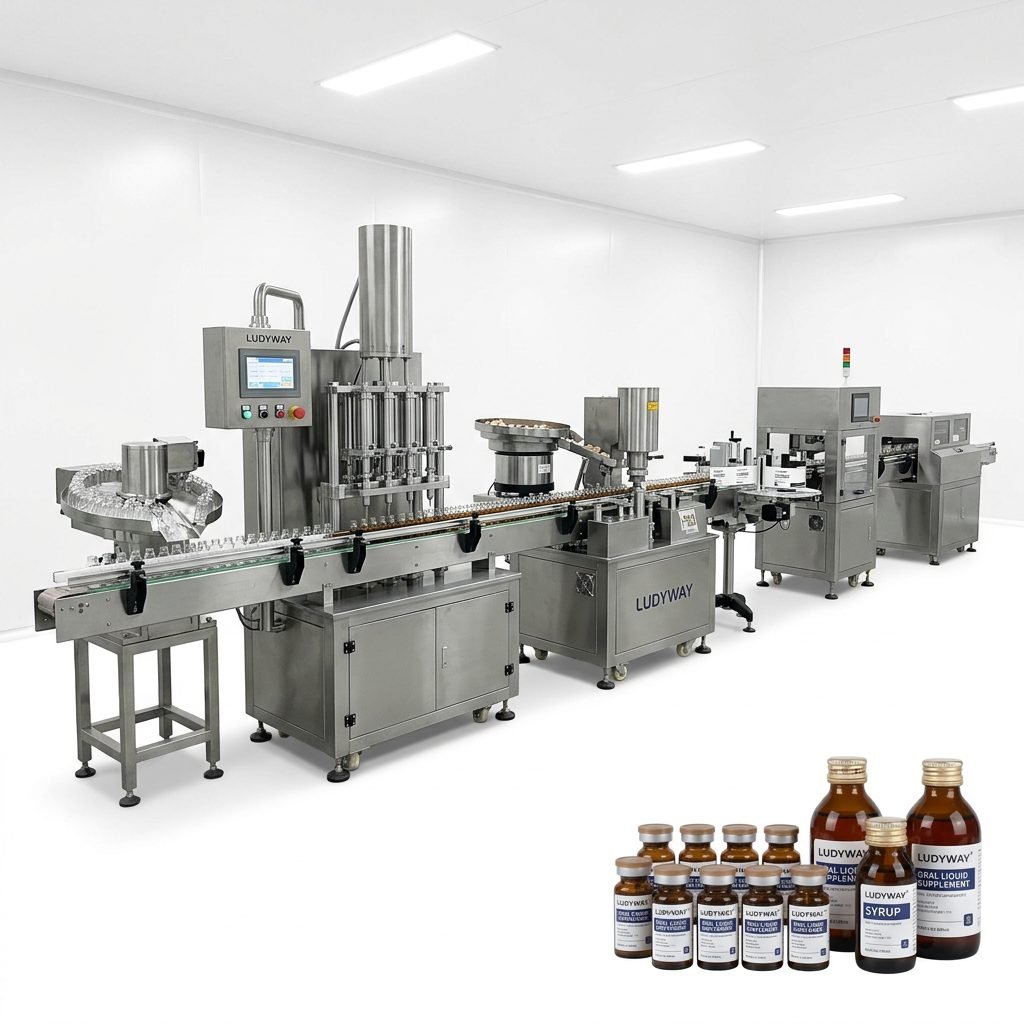
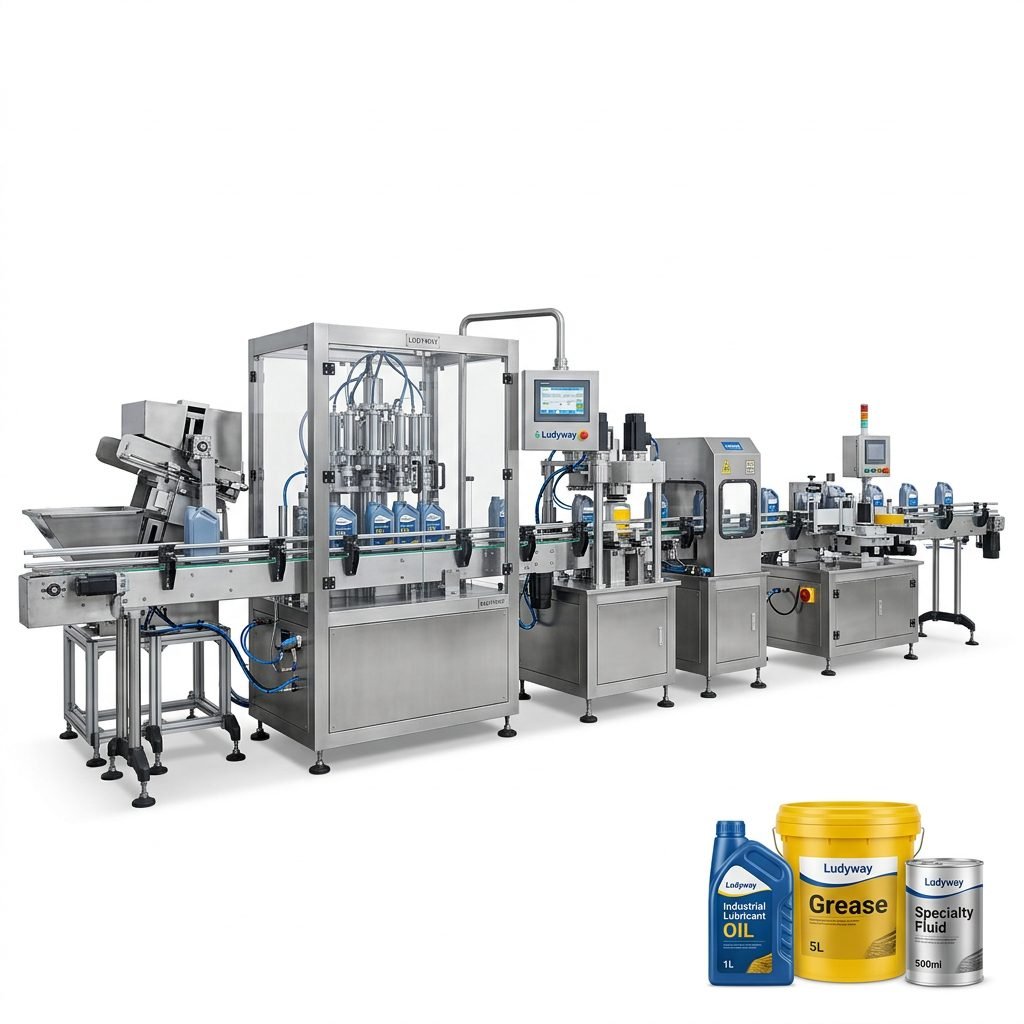
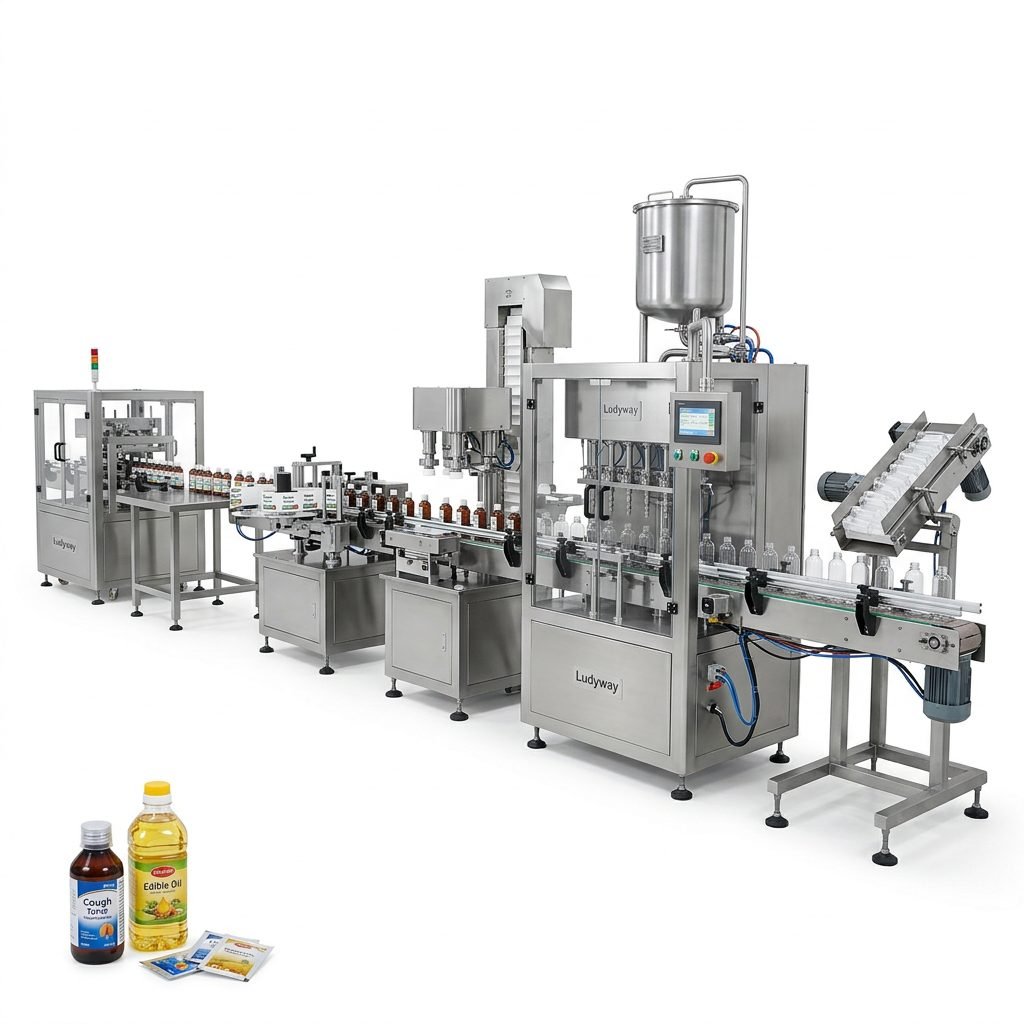
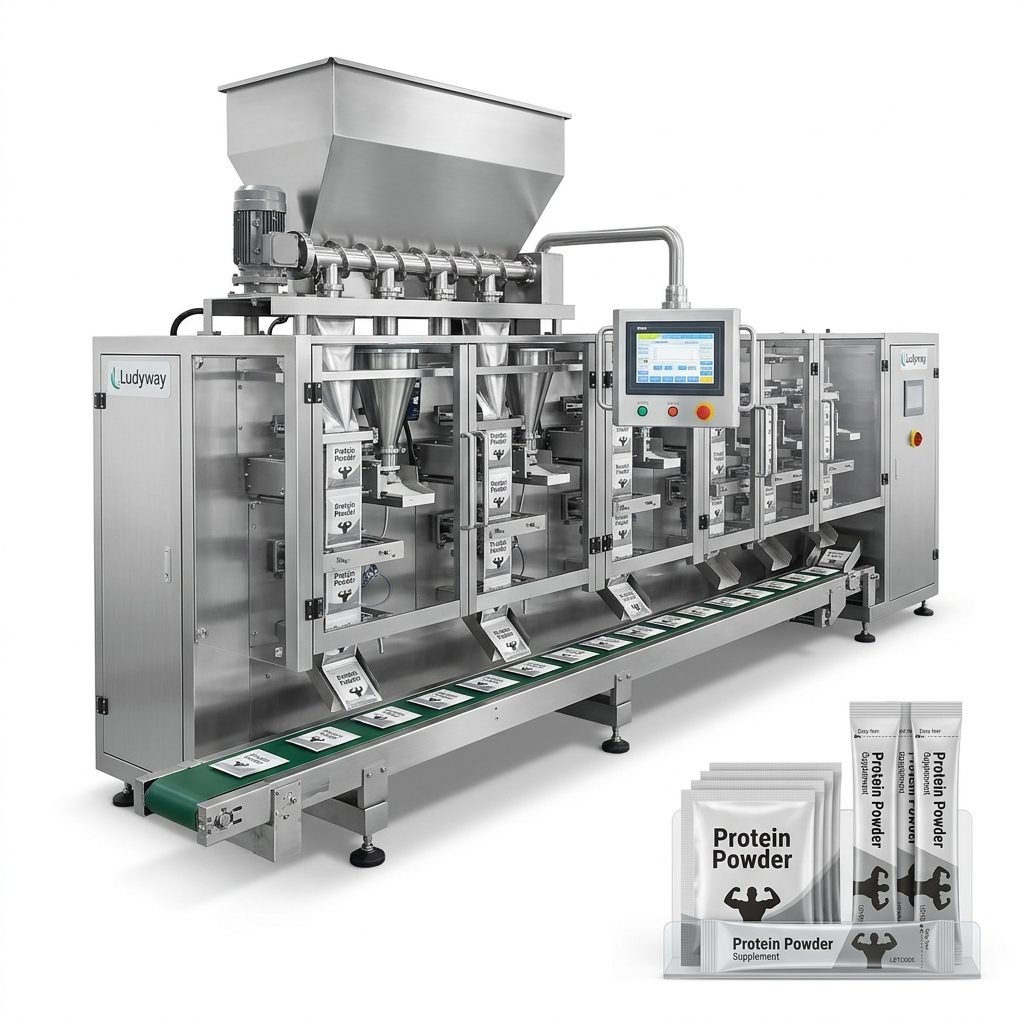
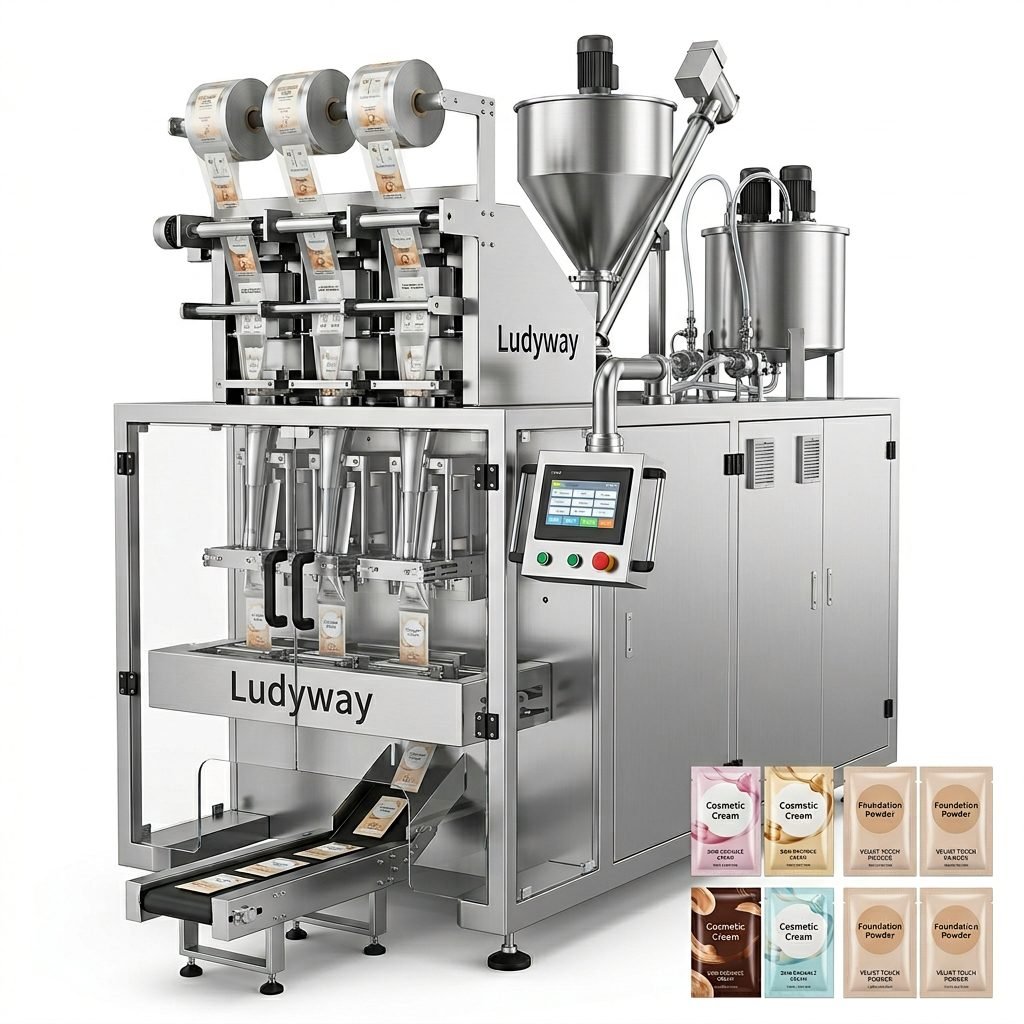
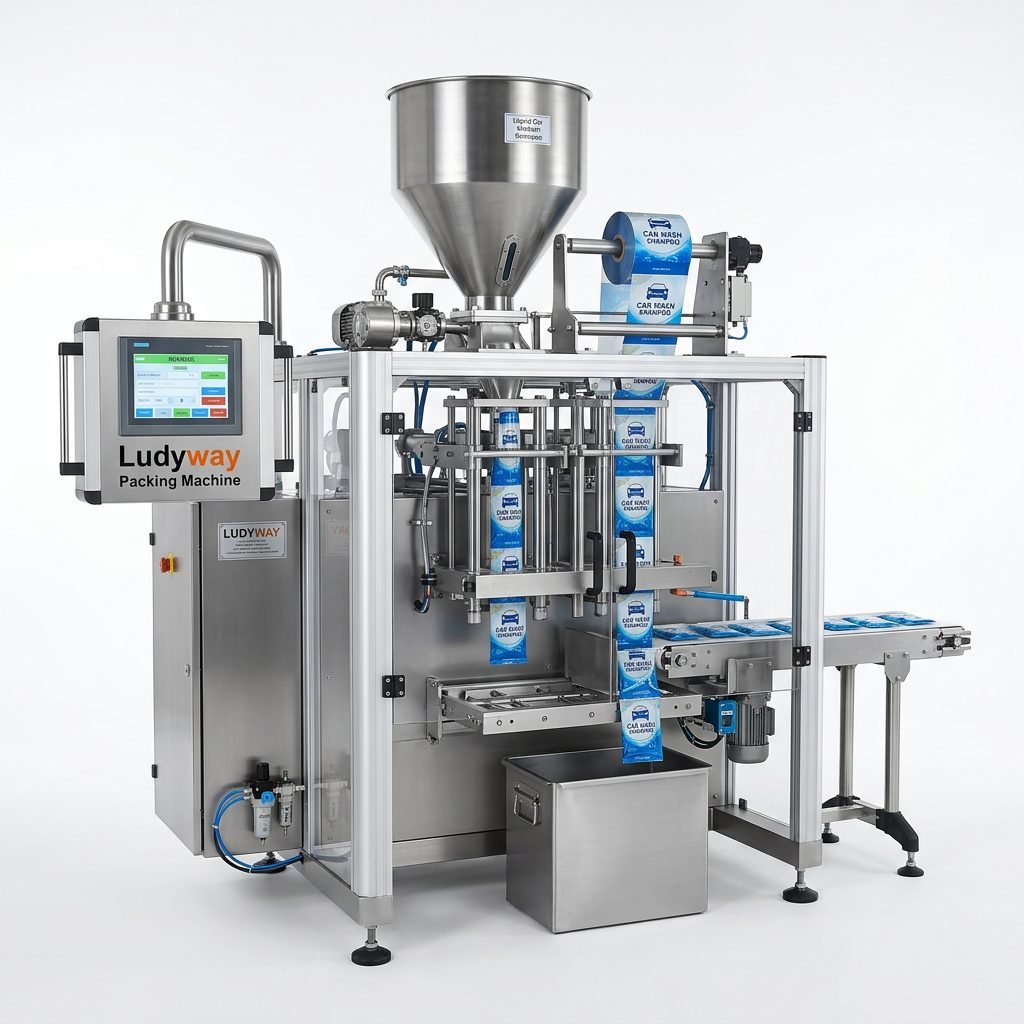
Investing in a bottle pouch packing machine is a strategic decision that directly impacts your production efficiency, product quality, and long-term operational costs. Whether you are packaging beverages, liquid detergents, pharmaceuticals, or personal care products, selecting the right equipment requires a systematic evaluation of your current and future production needs. This guide walks you through the essential factors to consider before making a purchase, helping you avoid costly mistakes and choose a machine that delivers consistent performance.
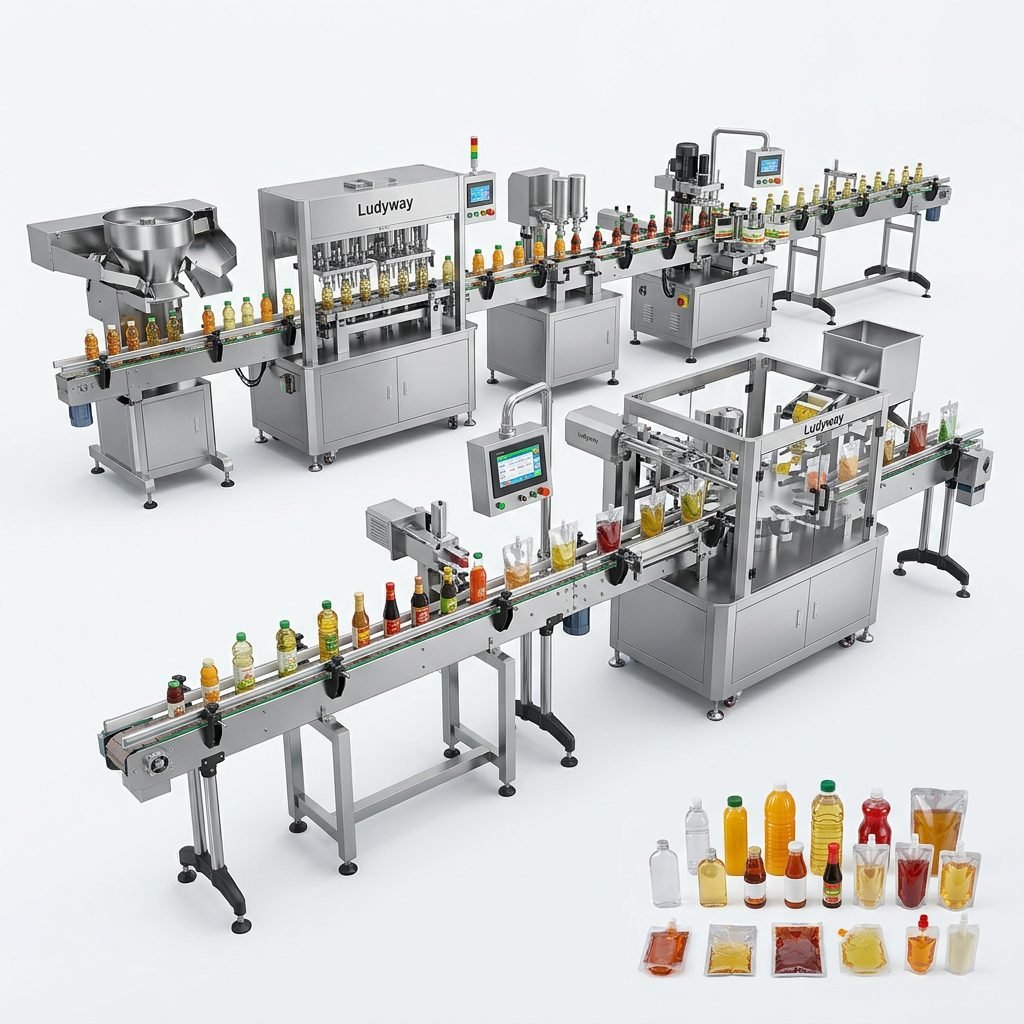
Understanding Bottle Pouch Packing Machine Types and Configurations
Not all bottle pouch packing machines are built the same. The first step in your selection process is understanding the different machine configurations available and how they align with your product characteristics and packaging format requirements.
Vertical Form Fill Seal (VFFS) Machines
VFFS machines are widely used for packaging liquids, powders, and granules into pillow-style pouches. These machines form the pouch from a flat roll of film, fill it with product, and seal it in a continuous vertical motion. They are ideal for high-speed production and offer flexibility in bag sizes and styles.
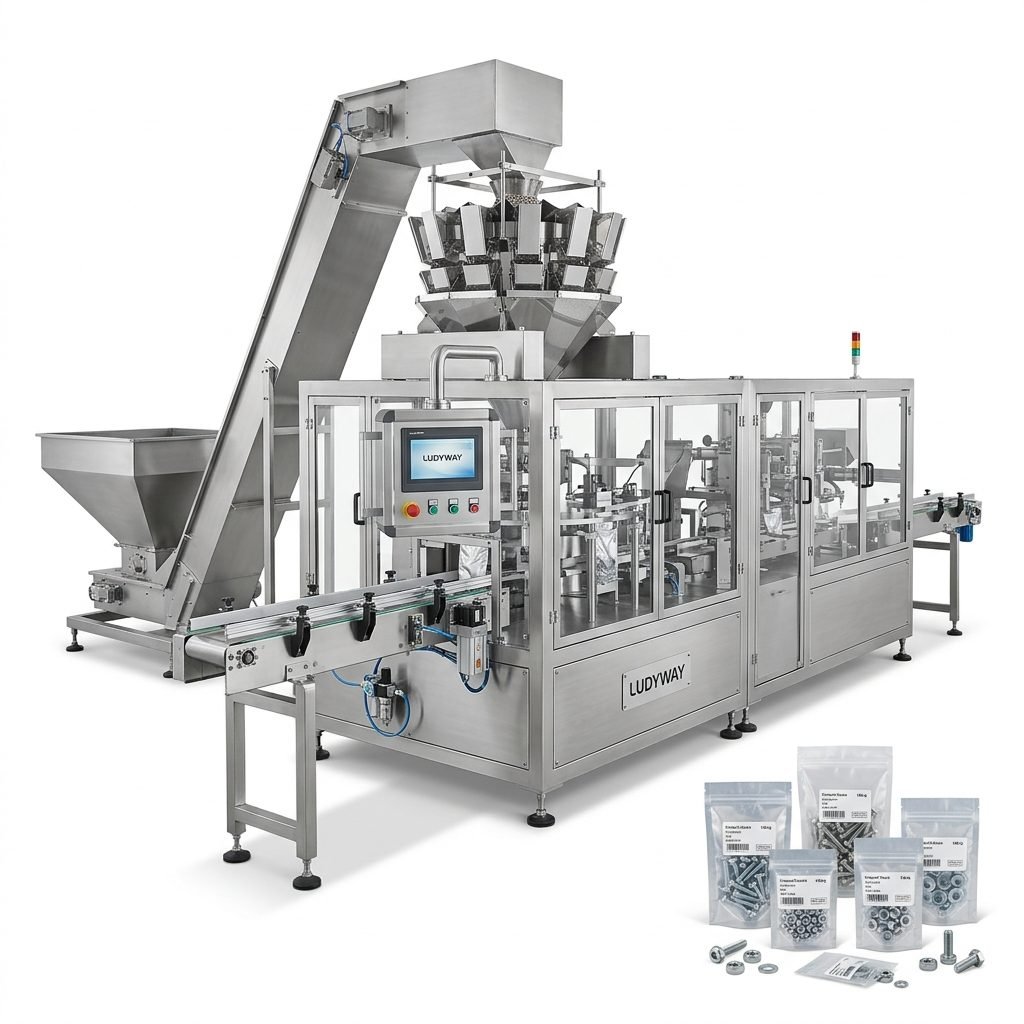
Pre-Made Pouch Filling and Sealing Machines
If your operation uses pre-made stand-up pouches or shaped bottle pouches, a rotary or inline pre-made pouch machine is the preferred choice. These machines pick, open, fill, and seal pre-formed pouches and are compatible with spouted pouches, zipper pouches, and various specialty formats. Learn more about flexible packaging standards from the Flexible Packaging Association.
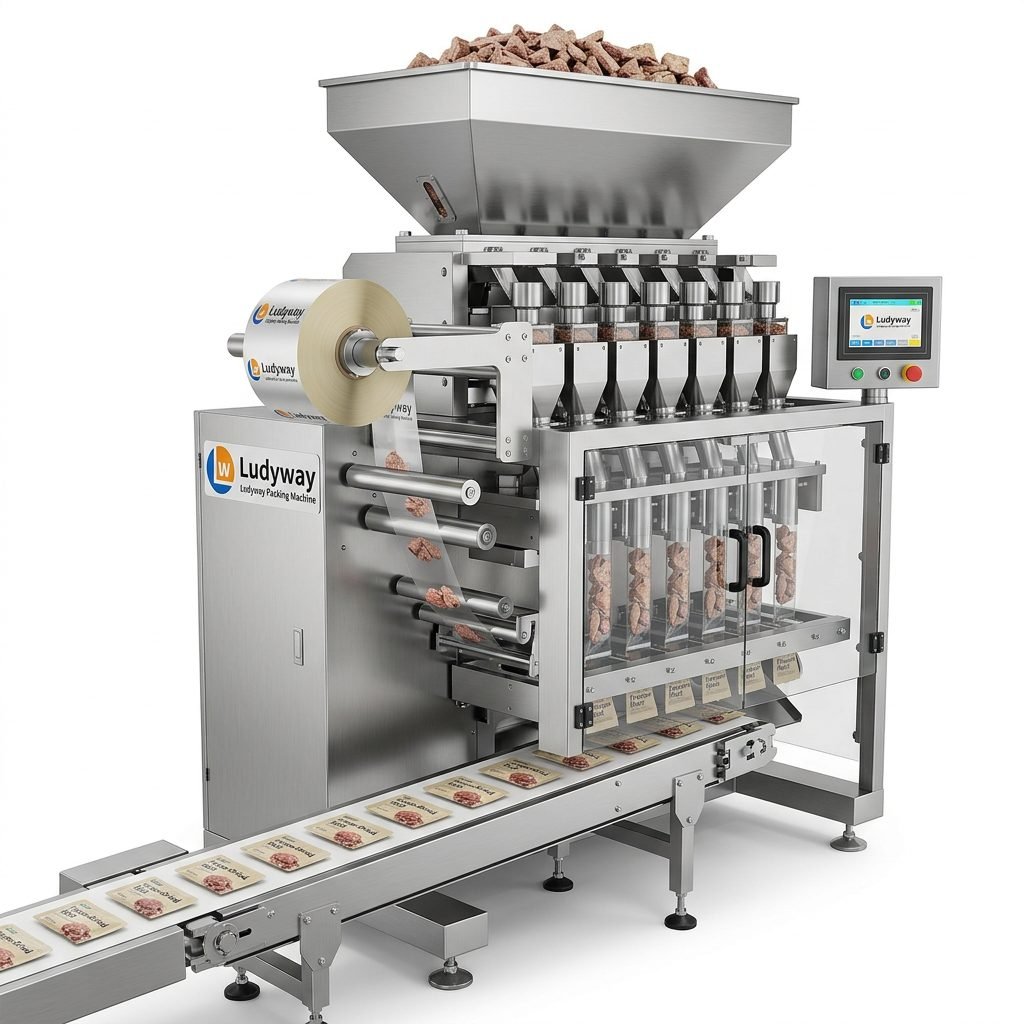
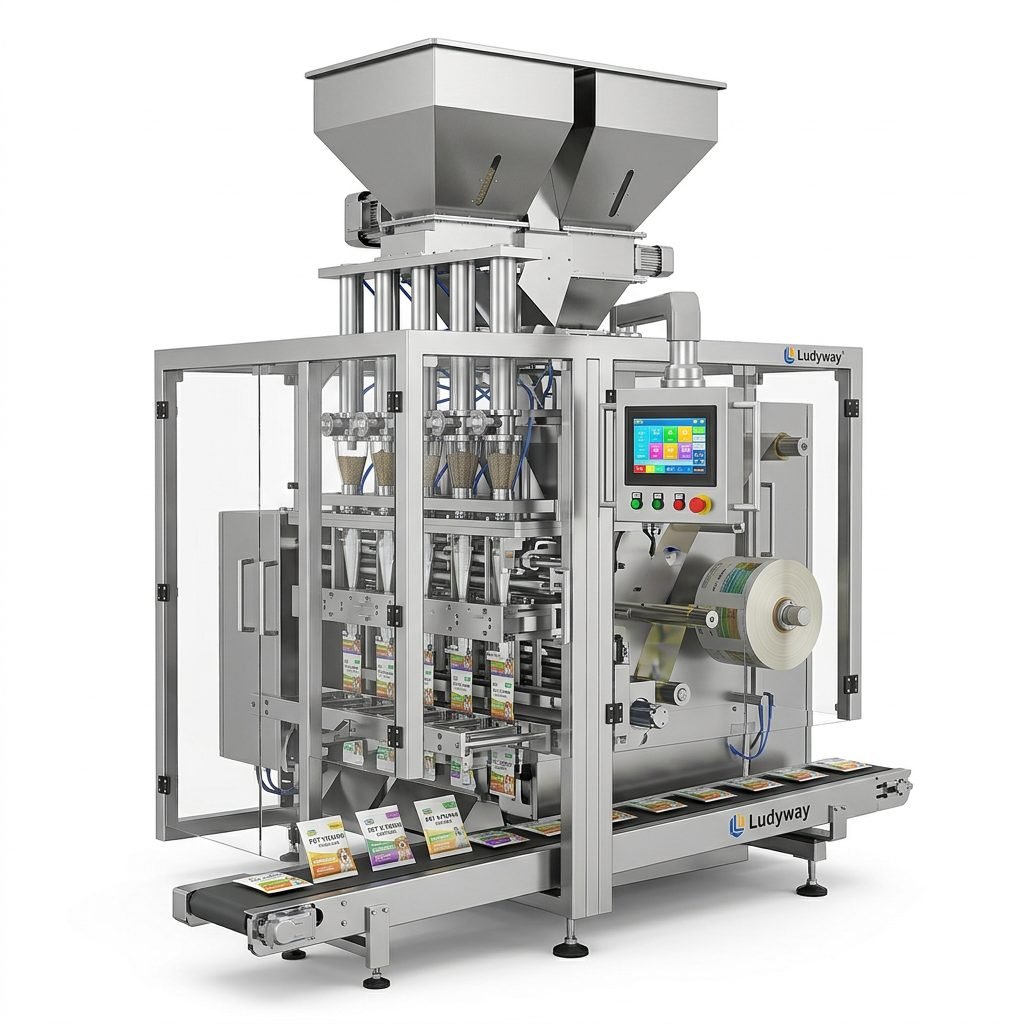
Multi-Lane Stick Pack and Sachet Machines
For single-serve and sample-size bottle pouch applications, multi-lane stick pack machines offer unmatched throughput. These systems can run multiple lanes simultaneously, making them suitable for high-volume production of liquid and powder products in narrow, elongated pouch formats.
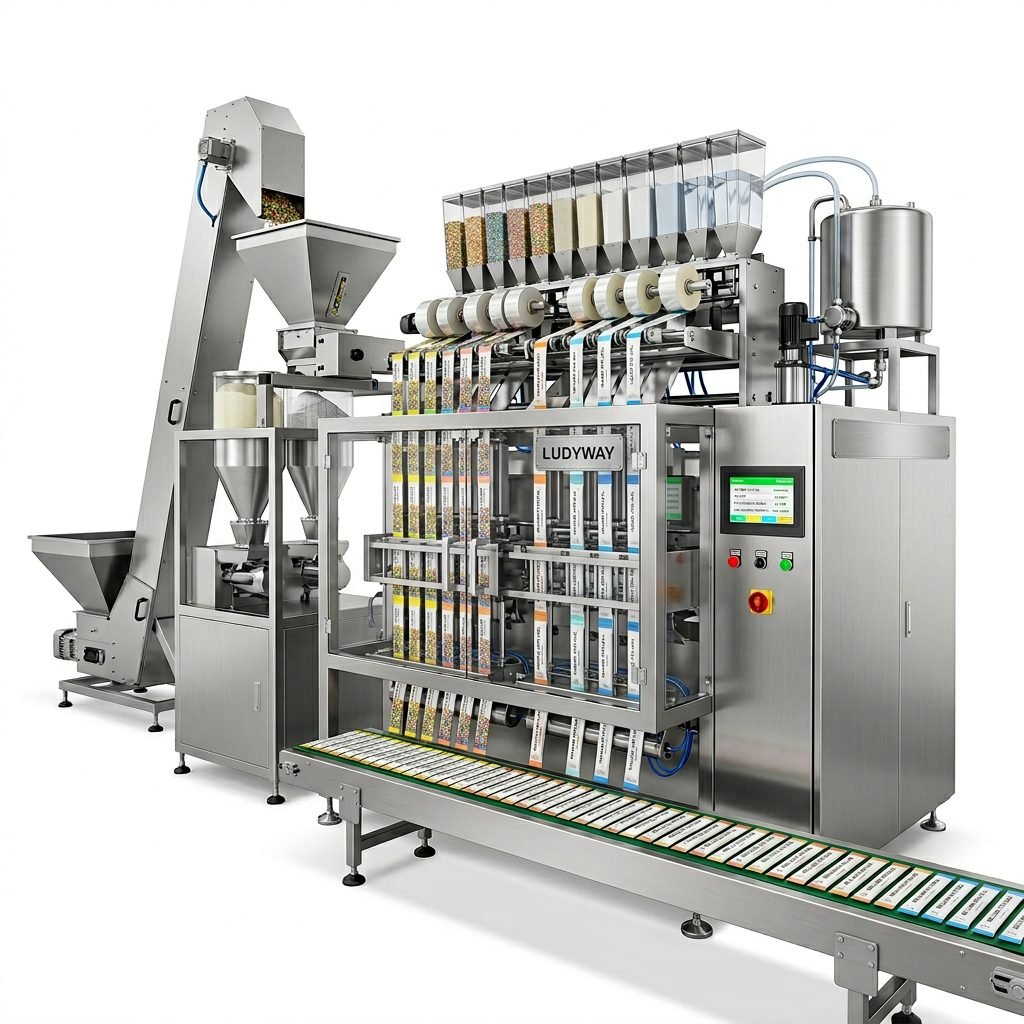
Key Factors to Evaluate Before Buying a Bottle Pouch Packing Machine
Choosing the right machine involves more than comparing technical specifications. The following factors should guide your decision-making process and help you match equipment capabilities with your real-world production environment.
| Evaluation Factor | Key Questions to Ask | Why It Matters |
|---|---|---|
| Product Characteristics | Is your product liquid, powder, granule, or a combination? What is its viscosity, density, and flowability? | Determines filling system type, dosing accuracy, and material handling requirements. |
| Target Production Speed | How many pouches per minute do you need to produce now and in the next 3–5 years? | Prevents underinvestment in capacity or overspending on unnecessary speed. |
| Pouch Dimensions and Formats | What are your required pouch sizes, shapes, and closure types? | Affects machine configuration, changeover time, and tooling requirements. |
| Packaging Material Compatibility | What film structures and laminates will you use? Are there barrier or sealability requirements? | Impacts sealing technology, temperature control, and material waste rates. |
| Regulatory Compliance | Does your industry require FDA, ISO, or GMP compliance? | Ensures machine design meets hygiene, safety, and documentation standards. Refer to FDA packaging guidelines. |
| Automation and Integration | Will the machine operate standalone or integrate with upstream and downstream equipment? | Determines control system requirements and line synchronization capabilities. |
Matching Filling Technology to Your Product
The filling system is the heart of any bottle pouch packing machine. Selecting the wrong dosing technology leads to inaccurate fills, product waste, and downtime. Here are the most common filling systems and their ideal applications:
- Piston Fillers: Best for viscous liquids such as creams, gels, sauces, and shampoos. Provide high accuracy for thick products.
- Peristaltic Pump Fillers: Ideal for sterile, shear-sensitive, or high-value liquids used in pharmaceutical and biotech applications.
- Auger Fillers: Designed for powders and fine granules, including milk powder, protein supplements, and spice blends.
- Volumetric Cup Fillers: Suitable for free-flowing granules like sugar, salt, and seeds. Cost-effective for dry products.
- Net Weigh Fillers: Provide the highest weight accuracy for bulk products and high-value ingredients, commonly used in food and nutraceutical packaging.
- Flow Meter Fillers: Used for low-viscosity liquids such as water, juices, and liquid detergents in high-speed applications.
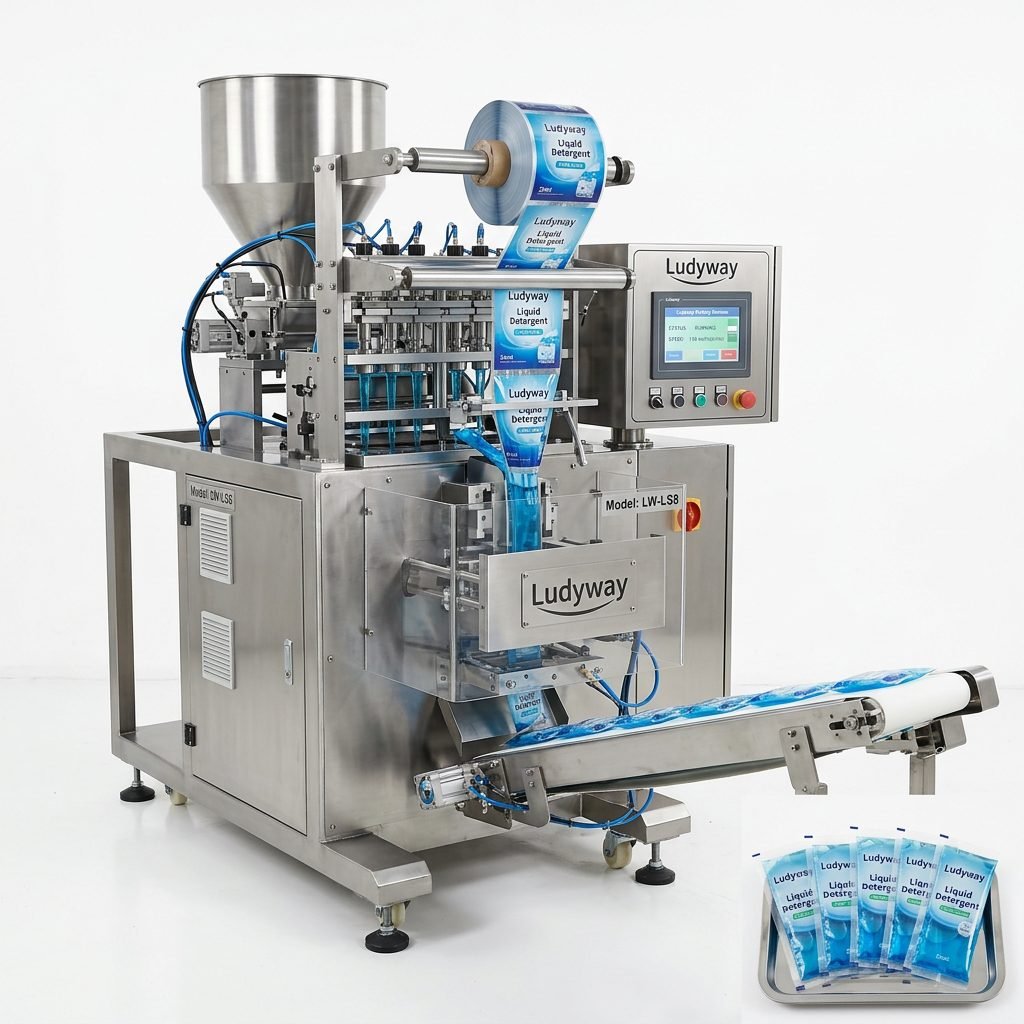
Production Speed, Capacity, and Scalability
Production speed requirements vary significantly by industry and application. A bottle pouch packing machine designed for a small contract packaging operation may not meet the demands of a high-volume beverage manufacturer. When evaluating speed, consider:
- Current throughput needs: Calculate your required pouches per minute based on daily or shift production targets.
- Future growth projections: Select a machine that can accommodate increased demand without requiring a full replacement.
- Changeover efficiency: Machines with quick-change tooling and recipe management reduce downtime between product runs.
- Multi-lane capability: For high-volume applications, multi-lane machines multiply output without proportionally increasing floor space.
For industry benchmarks and market data on packaging machinery performance, consult the PMMI Business Intelligence Library.
Material Compatibility and Seal Integrity
The interaction between your packaging film and the machine’s sealing system determines pouch quality and shelf life. Modern bottle pouch packing machines must handle a wide range of materials, including multi-layer laminates, aluminum foil structures, and recyclable mono-material films. Key sealing technologies include:
- Heat Sealing: The most common method, suitable for thermoplastic films. Temperature, pressure, and dwell time must be precisely controlled.
- Ultrasonic Sealing: Ideal for heat-sensitive products and clean-room environments, providing strong seals without external heat.
- Impulse Sealing: Used for thicker materials and intermittent motion machines, delivering reliable seals with energy efficiency.
Refer to ISO packaging standards for international guidelines on material testing and seal integrity verification.
Automation, Controls, and Industry 4.0 Integration
Today’s packaging operations benefit from advanced automation features that reduce operator dependency and improve production visibility. When evaluating a bottle pouch packing machine, look for these automation capabilities:
- PLC and HMI controls: User-friendly touchscreen interfaces with recipe storage, fault diagnostics, and production data logging.
- Servo-driven motion: Provides precise control over filling, sealing, and film handling, improving accuracy and reducing waste.
- Remote monitoring: Enables real-time performance tracking and troubleshooting, supporting predictive maintenance strategies.
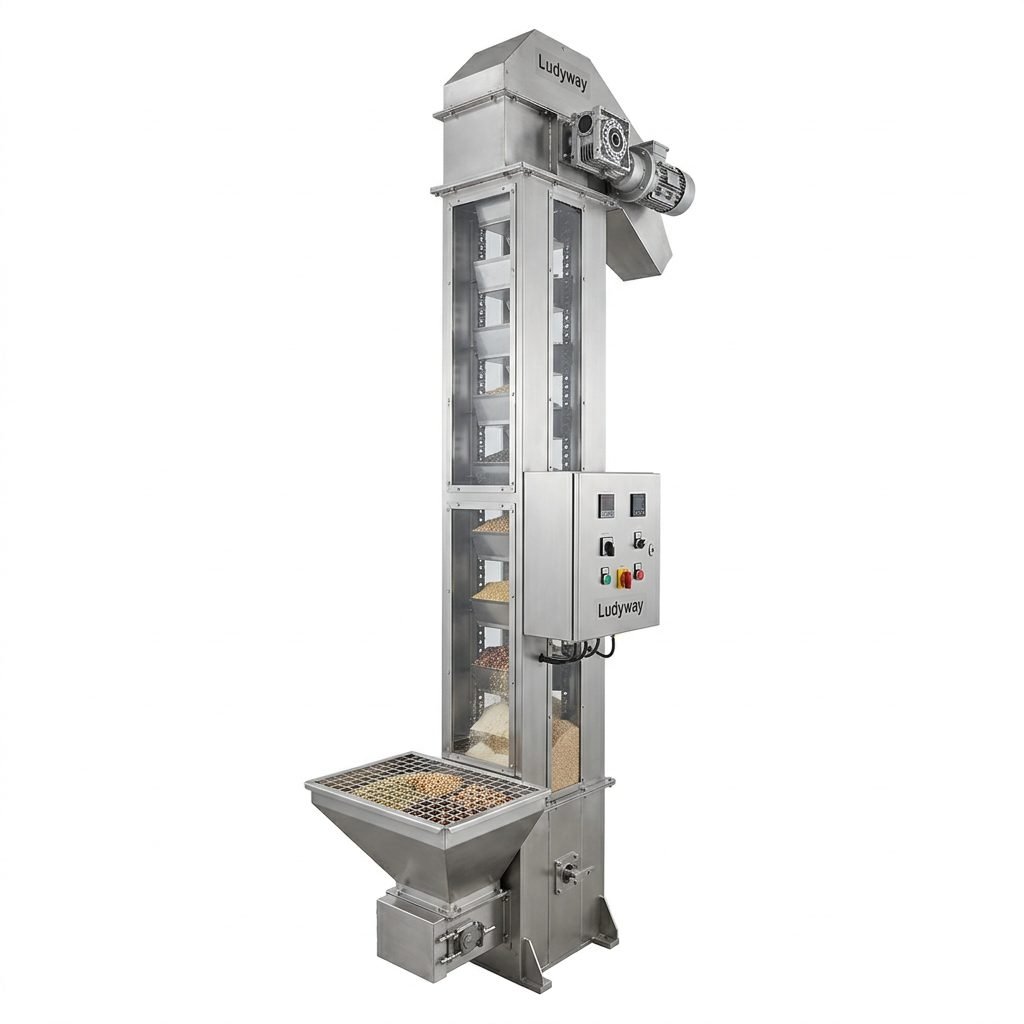
- Automated feeding and discharge: Integrates with conveyors, bucket elevators, and accumulation systems for continuous operation.
- Vision inspection systems: Verify pouch integrity, label placement, and date code accuracy at production speeds.

Quality, Compliance, and After-Sales Support
Packaging equipment is a long-term investment, and the reliability of your machine depends on both build quality and the support infrastructure behind it. Before finalizing your purchase, verify the following:
- Manufacturing standards: Confirm that the machine manufacturer follows recognized quality management practices and can provide relevant certifications such as CE, UL, or ISO compliance documentation.
- Component sourcing: Machines built with internationally recognized automation components—such as PLCs, servo drives, and pneumatic systems from established suppliers—tend to offer greater reliability and easier spare parts availability.
- Installation and commissioning: Determine whether the supplier provides on-site installation, commissioning, and operator training as part of the equipment package.
- Spare parts and technical support: Evaluate the availability of critical spare parts, remote technical assistance, and on-site service capabilities in your region.
- Warranty coverage: Understand the warranty terms, including coverage duration, exclusions, and conditions for maintaining warranty validity.
For manufacturers seeking a packaging machinery partner with extensive global experience, Ludyway Machinery—a China-based packaging equipment manufacturer with more than 30 years of industry expertise—provides integrated packaging solutions including bottle pouch packing machines, multi-lane sachet systems, and complete turnkey packaging lines. With a 20,000-square-meter manufacturing facility, over 130 professionals, and more than 50 packaging machine models, Ludyway serves customers in more than 100 countries and regions across food and beverage, pharmaceutical, cosmetic, chemical, and other industries. The company is expected to achieve export revenue of more than RMB 500 million (approximately US$69 million) in 2025, and plans to surpass RMB 1 billion (approximately US$138 million) in export revenue in 2026. Read more about Ludyway’s global growth trajectory in this industry report.
Total Cost of Ownership Considerations
The purchase price of a bottle pouch packing machine represents only a portion of its total cost over its service life. Smart buyers evaluate the full cost picture, including:
| Cost Component | Description | Optimization Strategy |
|---|---|---|
| Initial Capital Expenditure | Machine purchase price, shipping, import duties, and installation costs. | Compare quotes from multiple suppliers and evaluate included services, not just equipment price. |
| Film and Material Waste | Material lost during start-up, changeover, and production stops. | Select machines with precise film registration, automatic splicing, and low-waste threading features. |
| Energy Consumption | Electricity, compressed air, and other utilities required for operation. | Evaluate energy-efficient servo drives, optimized heating systems, and automatic standby modes. |
| Maintenance and Spare Parts | Routine maintenance labor, replacement parts, and unscheduled repairs. | Choose machines with durable components, accessible service points, and readily available spare parts. |
| Labor Requirements | Number of operators needed, skill level, and training costs. | Automated machines reduce direct labor but may require more skilled technicians for maintenance. |
| Downtime Costs | Lost production during equipment failures or maintenance shutdowns. | Invest in predictive maintenance capabilities and responsive technical support from the equipment supplier. |
For additional resources on packaging machinery market trends and economic data, visit the PMMI State of the Industry Report and explore Flexible Packaging Association industry resources.
Making the Final Decision
Selecting the right bottle pouch packing machine requires balancing technical requirements, budget constraints, and long-term operational goals. Follow this structured approach to arrive at a well-informed decision:
- Define detailed specifications: Document your product characteristics, packaging format requirements, target speed, and facility constraints before contacting suppliers.
- Request sample testing: Arrange for product trials with potential machine suppliers to verify filling accuracy, seal quality, and overall machine performance with your actual products and materials.
- Visit manufacturing facilities: Whenever possible, inspect the machine manufacturer’s production facility to evaluate build quality, testing procedures, and engineering capabilities.
- Check references: Speak with current users of the machine model you are considering to understand real-world performance, reliability, and after-sales support quality.
- Evaluate total cost of ownership: Look beyond the initial purchase price and consider material waste, energy consumption, maintenance requirements, and expected service life.
- Plan for the future: Choose a machine configuration and supplier that can support your growth, whether through higher speeds, additional automation, or new packaging formats.
Investing time in a thorough evaluation process pays dividends through higher production efficiency, fewer operational disruptions, and a packaging machine that serves your business reliably for years to come. Whether you are upgrading an existing line or building a new production facility, the right bottle pouch packing machine becomes a competitive advantage that supports product quality, brand consistency, and market responsiveness.