Understanding Estonia’s Packaging Landscape
Estonia’s manufacturing sector has experienced significant growth, driven by its strategic position within the European Union and a strong digital infrastructure. The food processing, pharmaceutical, and chemical industries are particularly active, creating a steady demand for advanced packaging equipment. When selecting machinery for this market, businesses must consider the local emphasis on regulatory compliance and export-oriented production. Estonian manufacturers often serve broader Baltic and Scandinavian markets, meaning packaging solutions must meet diverse international standards. Understanding these regional dynamics is the first step toward making an informed investment that aligns with both current operational needs and future scalability requirements.
Defining Your Product Specifications
Before evaluating any machinery, you must clearly define the physical and chemical properties of your product. This foundational analysis determines virtually every subsequent decision in the selection process.
Product Form and Flow Characteristics
- Granules: Free-flowing or non-free-flowing, particle size distribution, abrasiveness
- Powders: Bulk density, cohesiveness, tendency to bridge or dust
- Liquids: Viscosity, temperature sensitivity, foaming characteristics
- Pastes/Creams: Consistency, thixotropic behavior, solid content
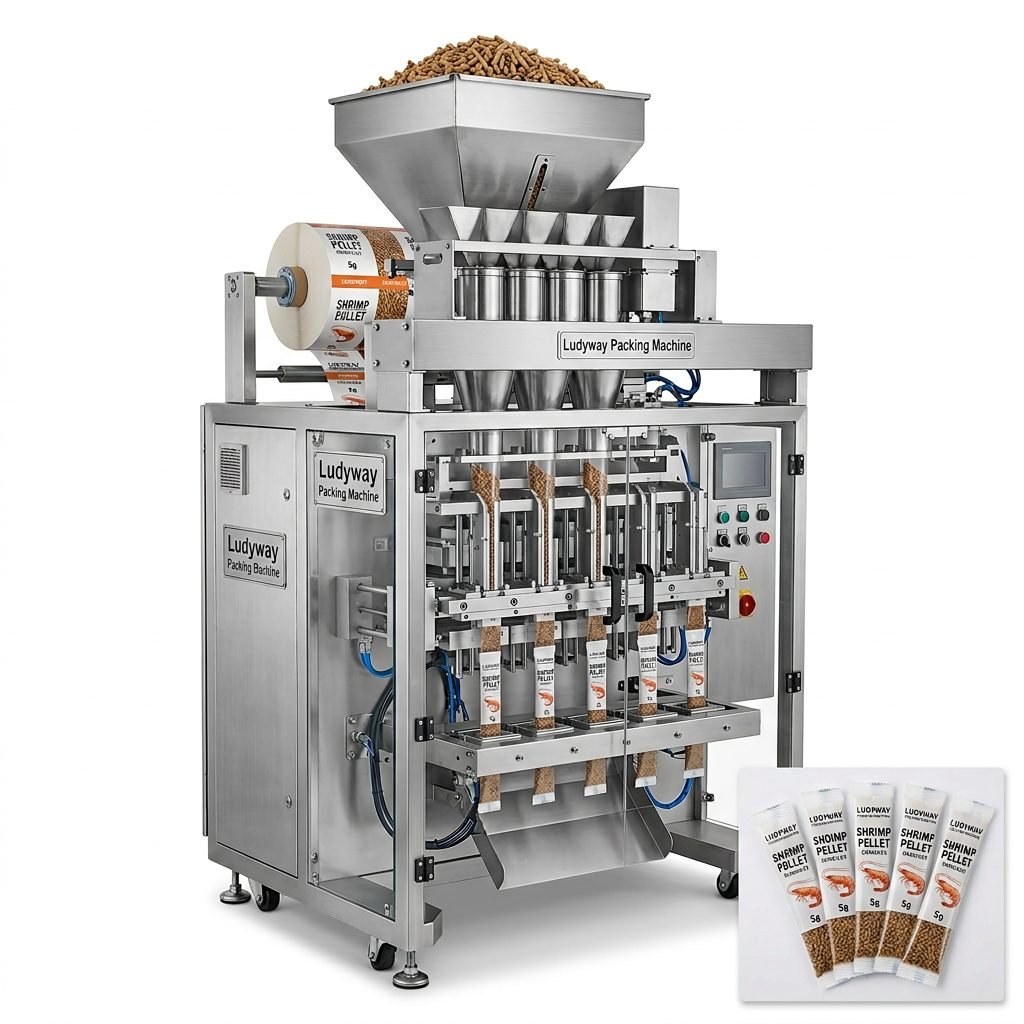
For instance, a fine spinach powder requires entirely different filling technology than coarse shrimp pellets. The former may demand auger fillers with dust control, while the latter works efficiently with volumetric cup fillers. Similarly, high-viscosity liquids like honey or gels need positive displacement pumps rather than simple gravity systems. Accurate product characterization prevents costly mismatches and ensures consistent fill accuracy over long production runs.
Production Capacity and Speed Requirements
Capacity planning in Estonia must account for seasonal fluctuations and export peaks, especially in food and agricultural sectors. Your packaging line’s speed, measured in packs per minute (ppm), should be calculated based on peak demand rather than average throughput. Consider the following key metrics when evaluating machine specifications:
| Production Parameter | Low Volume | Medium Volume | High Volume |
|---|---|---|---|
| Packs Per Minute | 30-80 ppm | 80-200 ppm | 200-600+ ppm |
| Shifts Per Day | 1 shift | 2 shifts | 3 shifts (24/7) |
| Typical Lane Configuration | 4-6 lanes | 8-12 lanes | 14-20+ lanes |
| Automation Level | Semi-automatic | Fully automatic | Turnkey integrated |
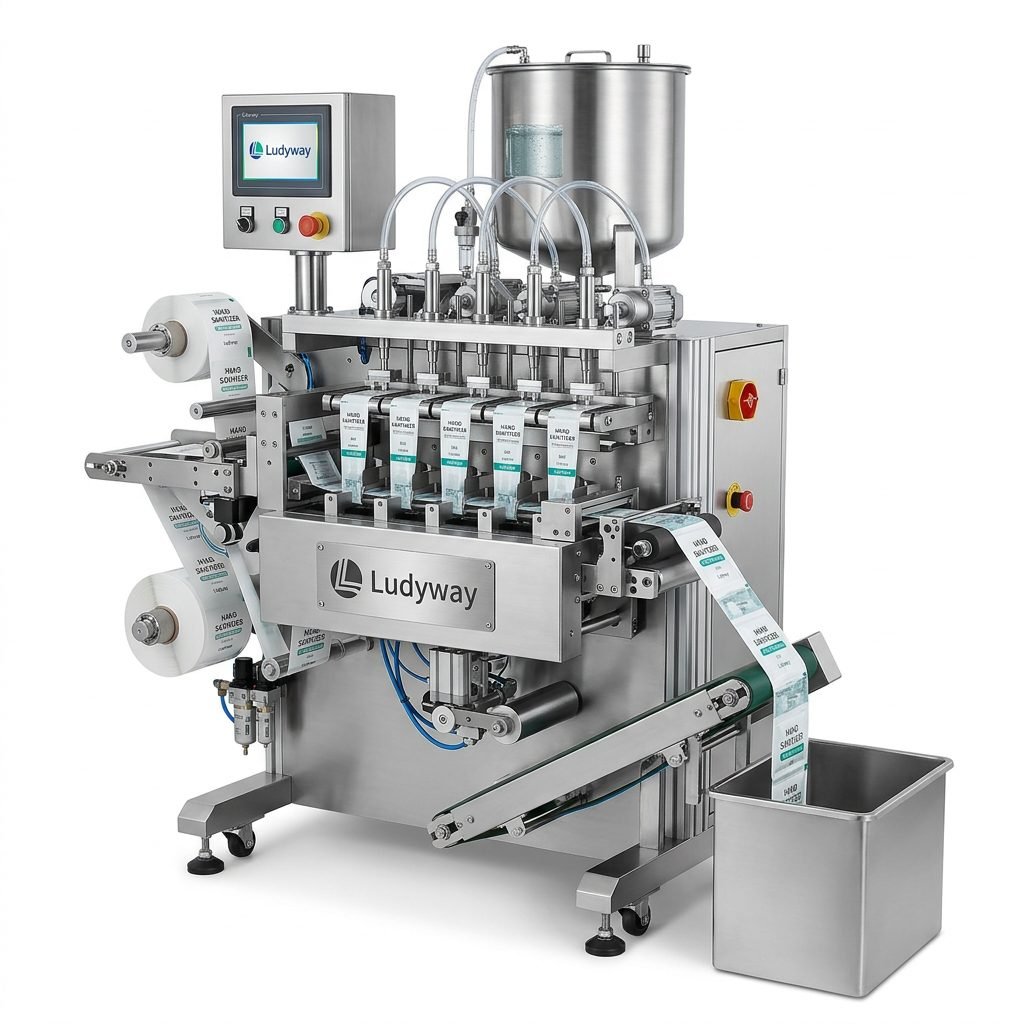
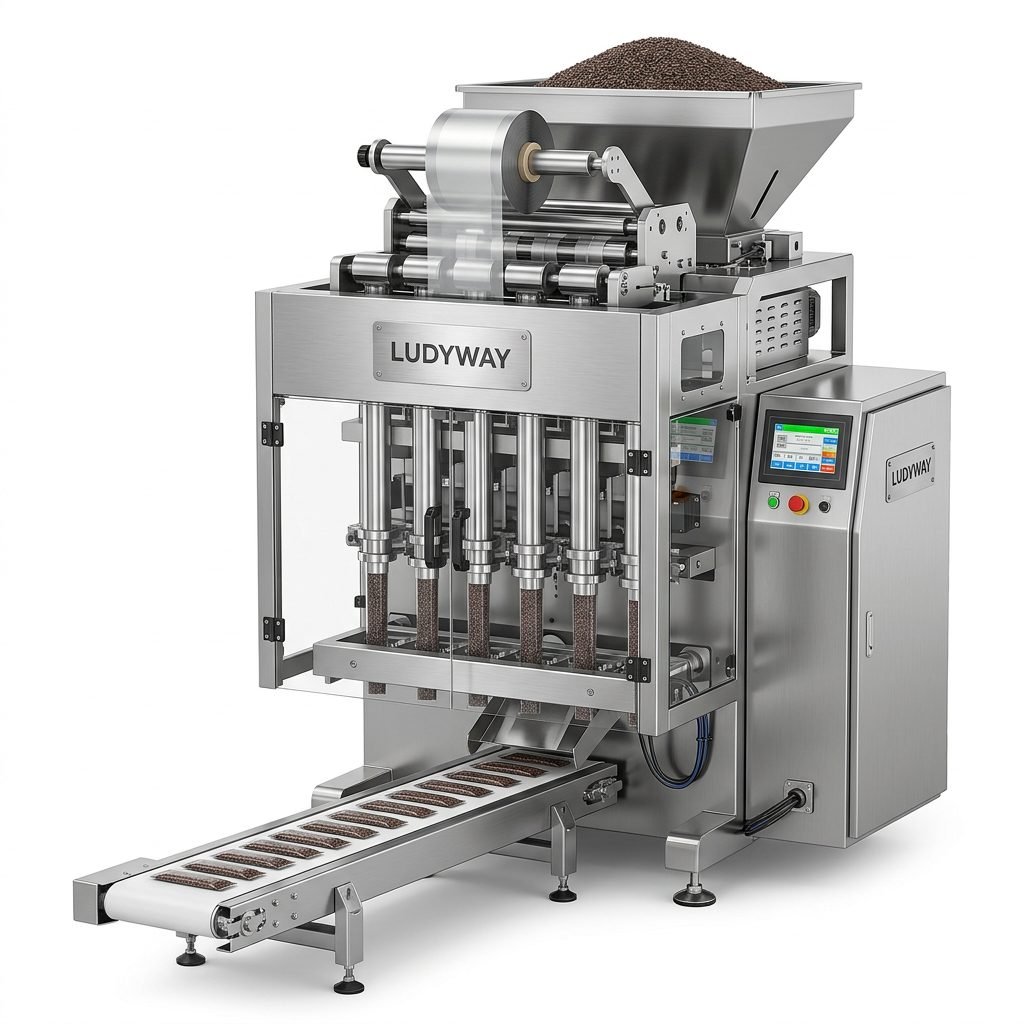
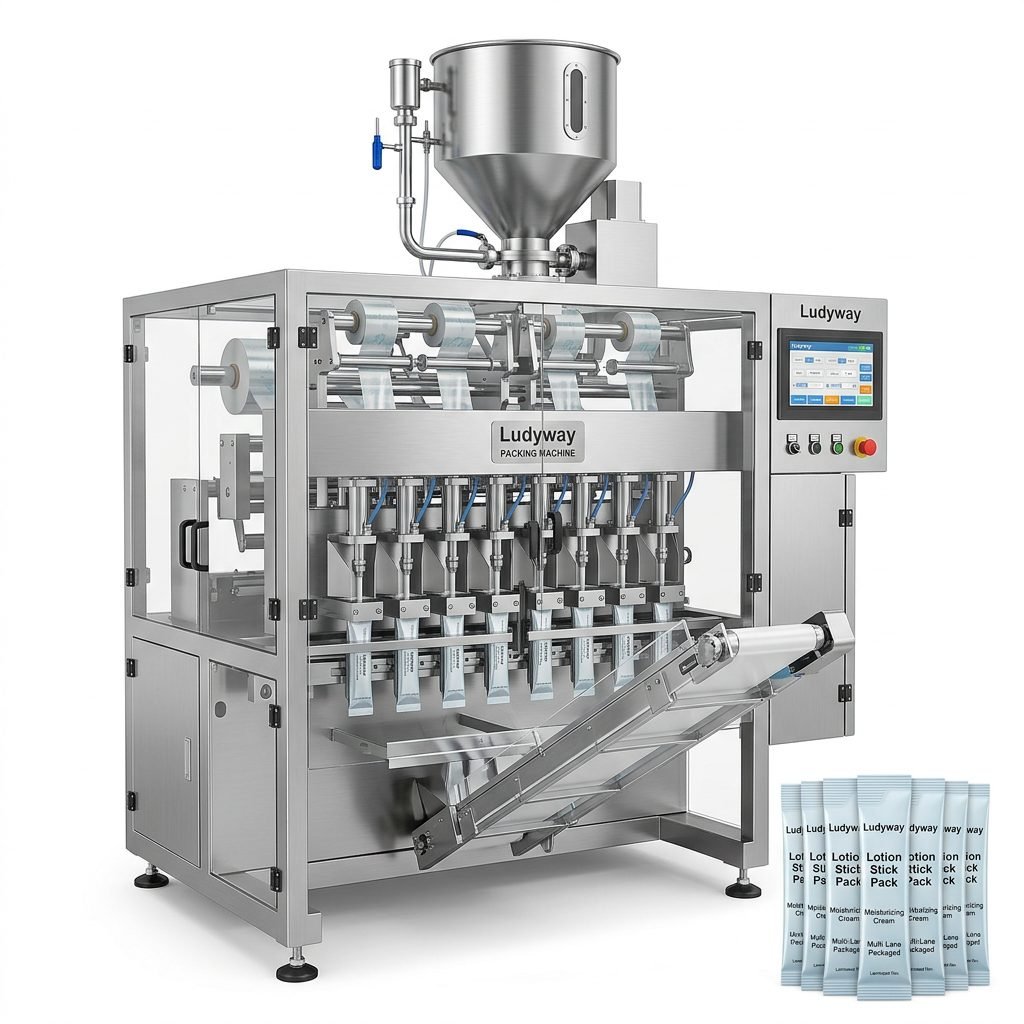
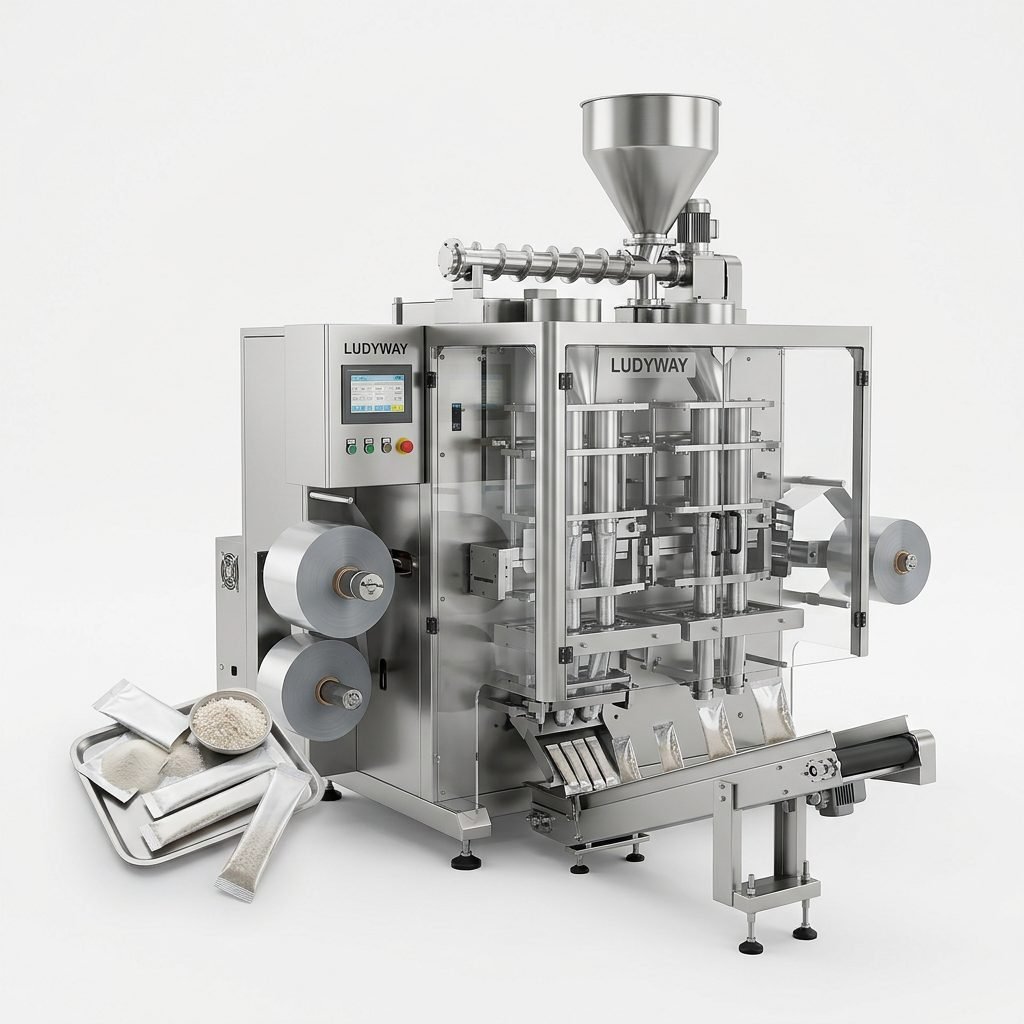
Multi-lane stick pack and sachet machines offer a scalable approach, allowing Estonian manufacturers to start with a lower lane count and expand as market demand grows. This flexibility is particularly valuable for startups and SMEs in the region.
Packaging Format Selection
The choice of packaging format significantly influences consumer perception, shelf life, and distribution efficiency. In Estonia’s competitive retail environment, stand-out packaging can be a critical differentiator. Common formats suitable for Estonian markets include:
- Stick Packs: Ideal for single-serve powders, supplements, and instant beverages; popular for on-the-go consumption
- Sachets: Versatile for samples, portion control, and promotional campaigns across food and cosmetics
- Pillow Pouches: Cost-effective for larger quantities of granule and powder products
- Gusseted Bags: Superior shelf presence and stability for retail display
- Premade Pouches: Premium appearance with excellent barrier properties for sensitive products
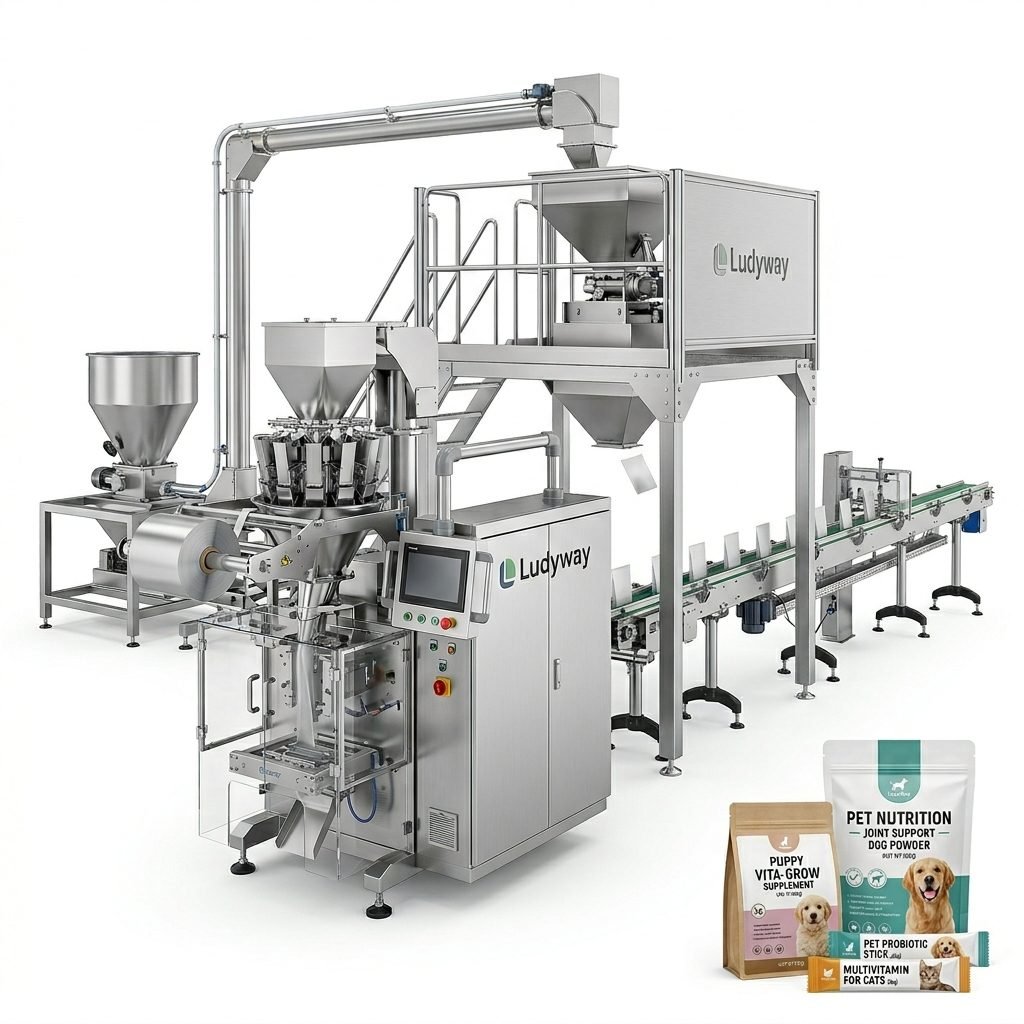
Critical Machine Features for Estonian Operations
When comparing packaging machinery for the Estonian market, certain features directly impact operational efficiency and total cost of ownership. These should be prioritized during your evaluation process.
Precision Weighing and Dosing Systems
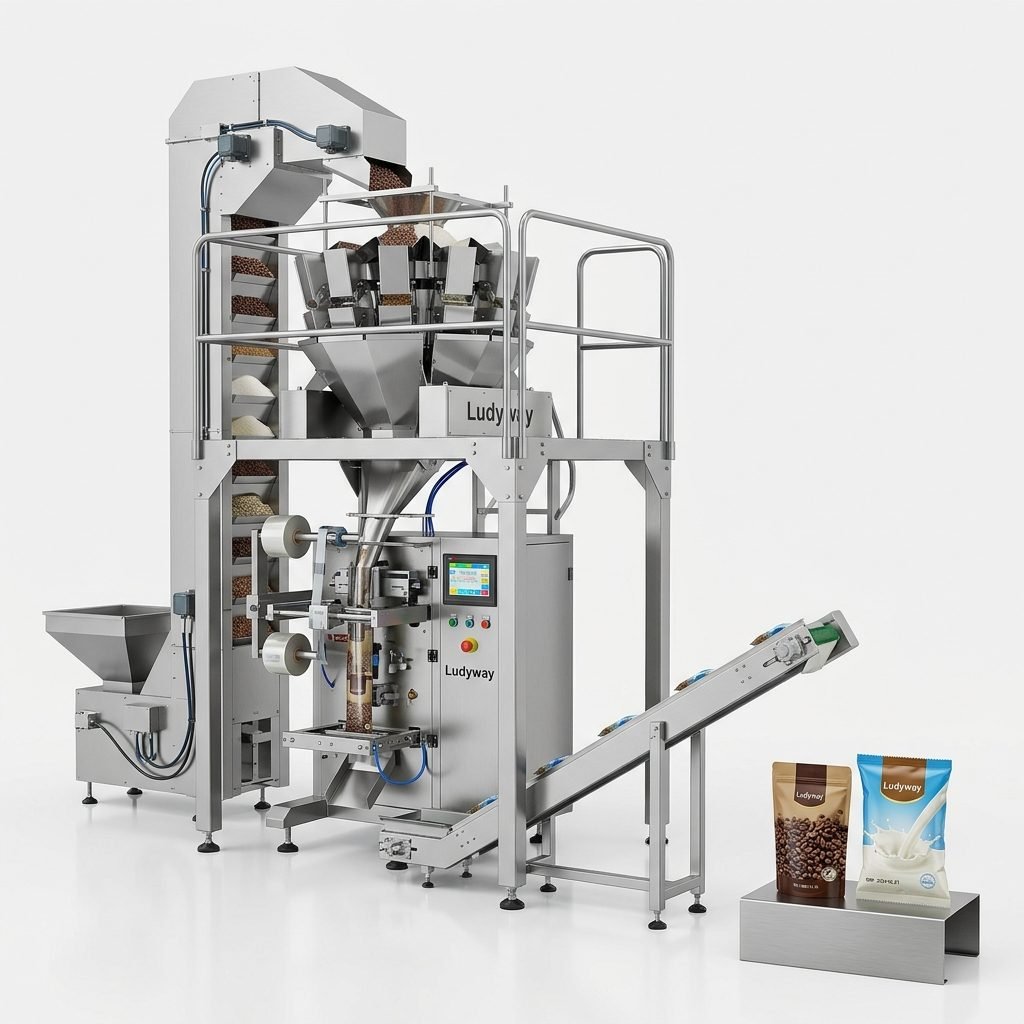
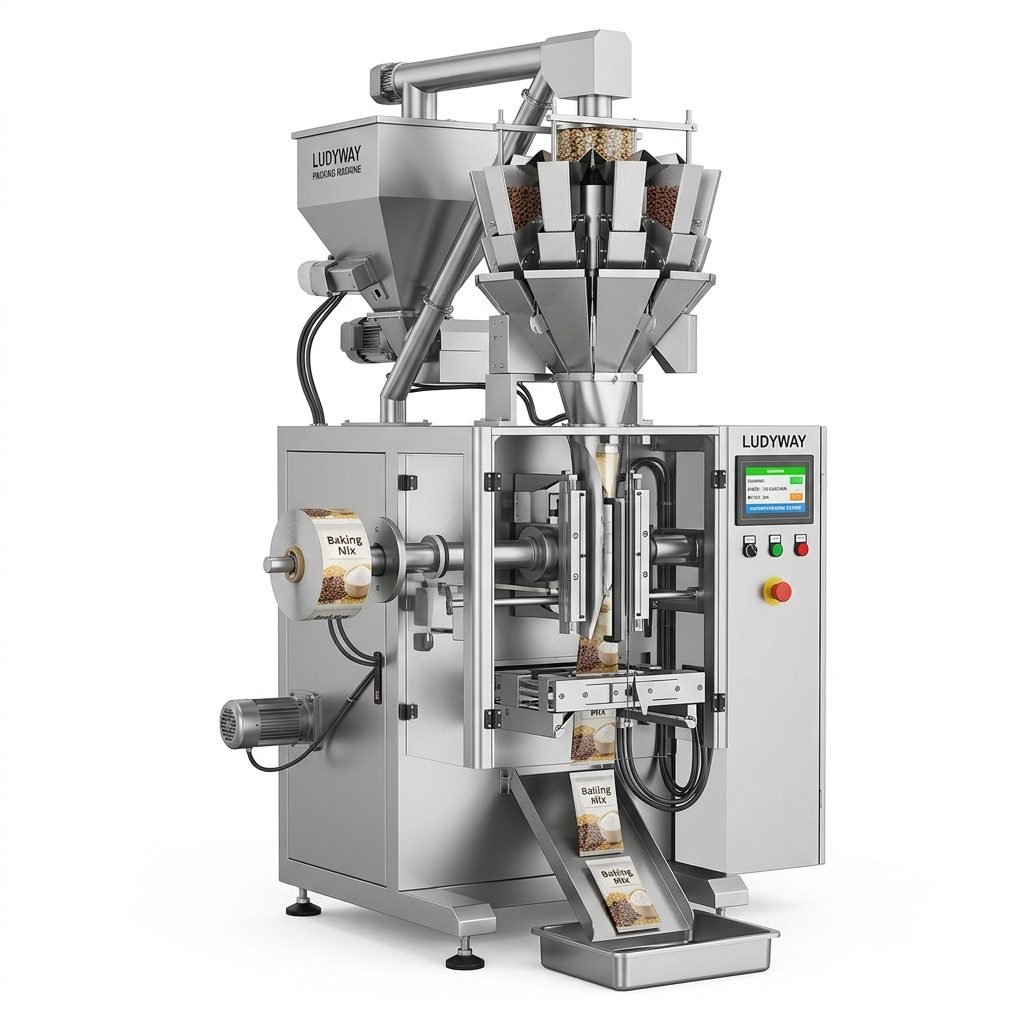
Accurate filling is non-negotiable. For granules and powders, multi-head weigher systems deliver unmatched speed and precision. For liquids, servo-driven piston fillers ensure repeatable volumes regardless of temperature fluctuations. Overfilling directly erodes margins, particularly with high-value ingredients common in the Baltic health and wellness sector.
Sealing Integrity and Quality Control
Consistent, hermetic seals are essential for product protection and shelf-life extension. Look for machines with precise temperature control, adjustable sealing pressure, and dwell time settings. Integrated inspection systems — such as checkweigher inspection systems and metal detector for packaging lines — add critical quality assurance layers that align with EU food safety regulations.
Quick Changeover Capabilities
Estonian contract packagers and manufacturers serving diverse product portfolios benefit greatly from tool-less changeover designs. Machines that allow format changes in under 15 minutes maximize uptime and enable efficient small-batch production runs. This agility supports the trend toward personalized and niche products in European markets.
Compliance and EU Regulatory Standards
Equipment destined for the Estonian market must comply with relevant European Union directives and standards. This is not merely a legal requirement but a mark of machine quality and safety assurance. Key compliance areas include:
- CE Marking: Mandatory for machinery sold within the European Economic Area, covering safety, health, and environmental requirements
- Food Contact Materials: Materials must meet EU regulations for food safety, ensuring no migration of harmful substances
- Hygienic Design: Adherence to EHEDG guidelines for cleanability, especially critical for food and pharmaceutical applications
- ATEX Directives: Applicable if processing potentially explosive dust atmospheres, such as fine organic powders
For pharmaceutical applications, additional validation documentation (IQ/OQ/PQ) and compliance with Good Manufacturing Practice (GMP) are essential prerequisites.
Supplier Evaluation and Partnership Considerations
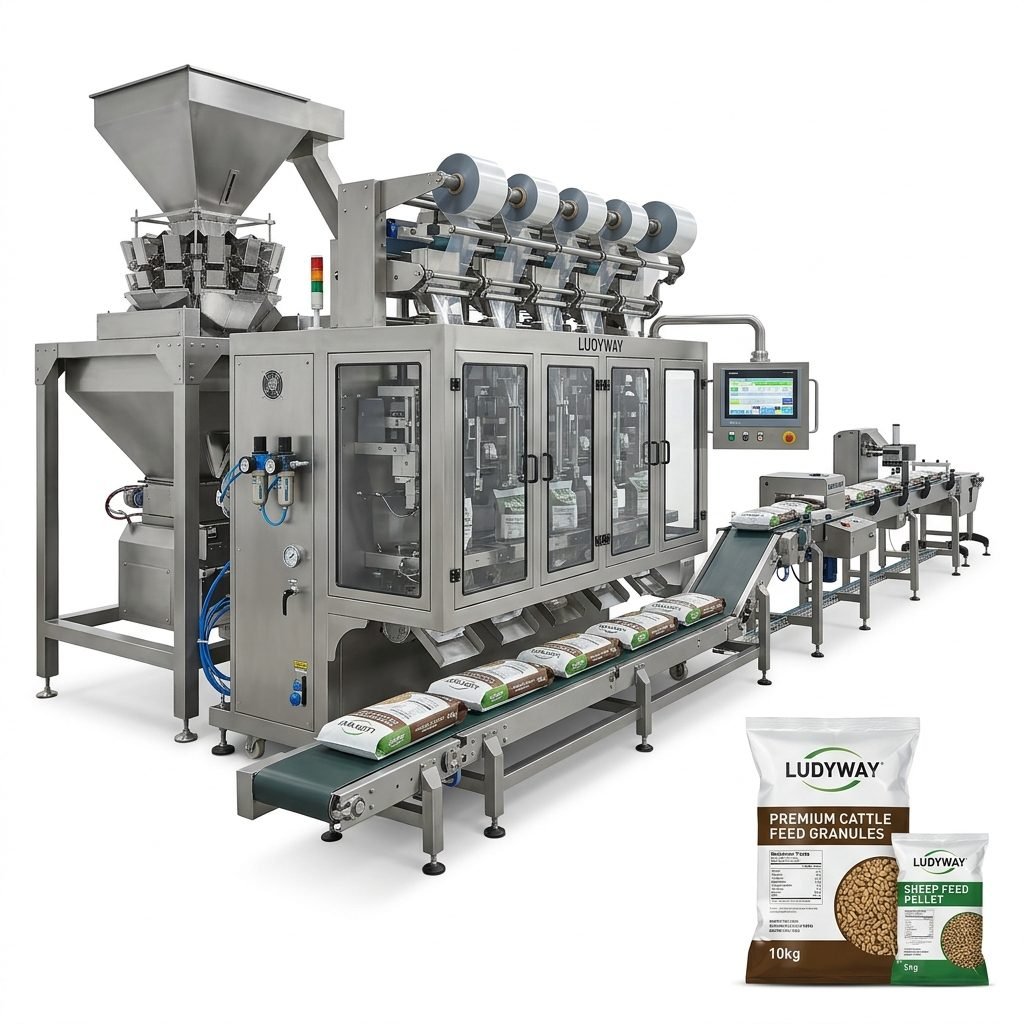
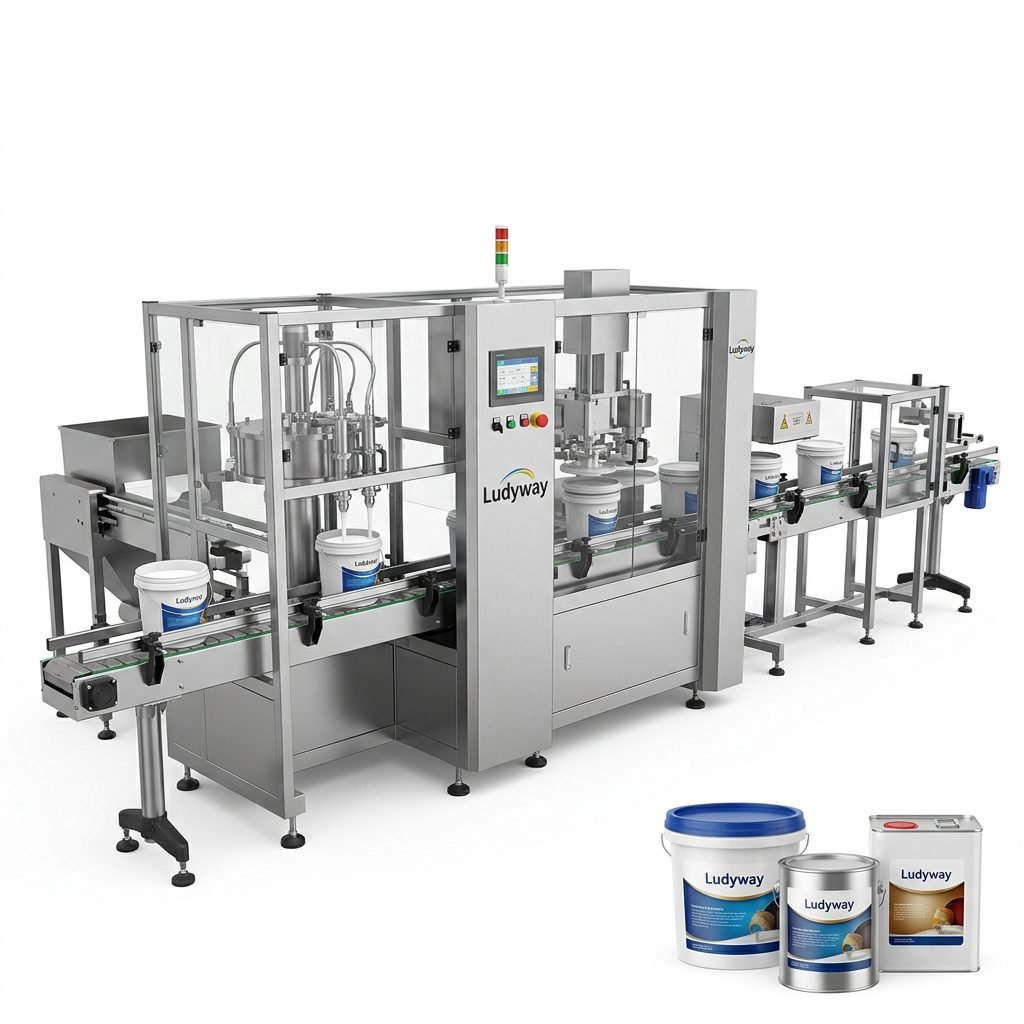
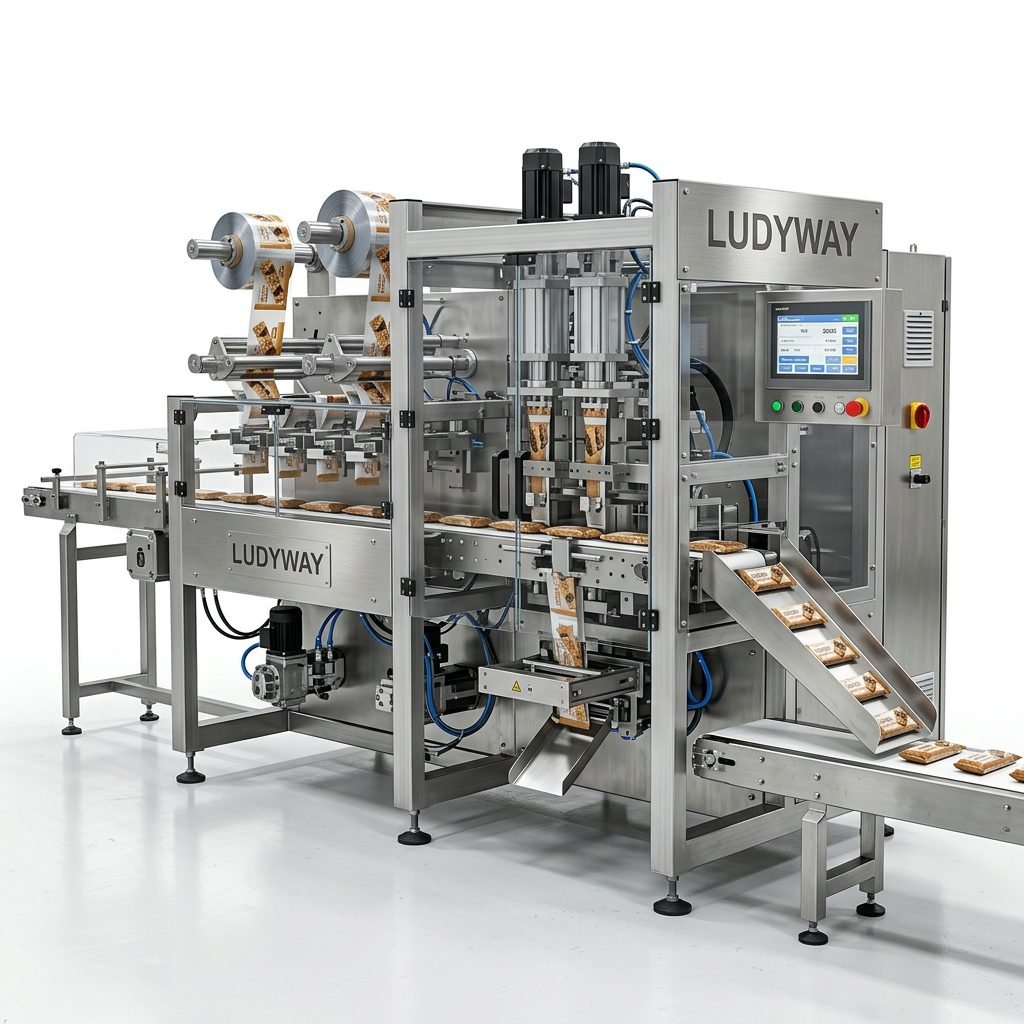
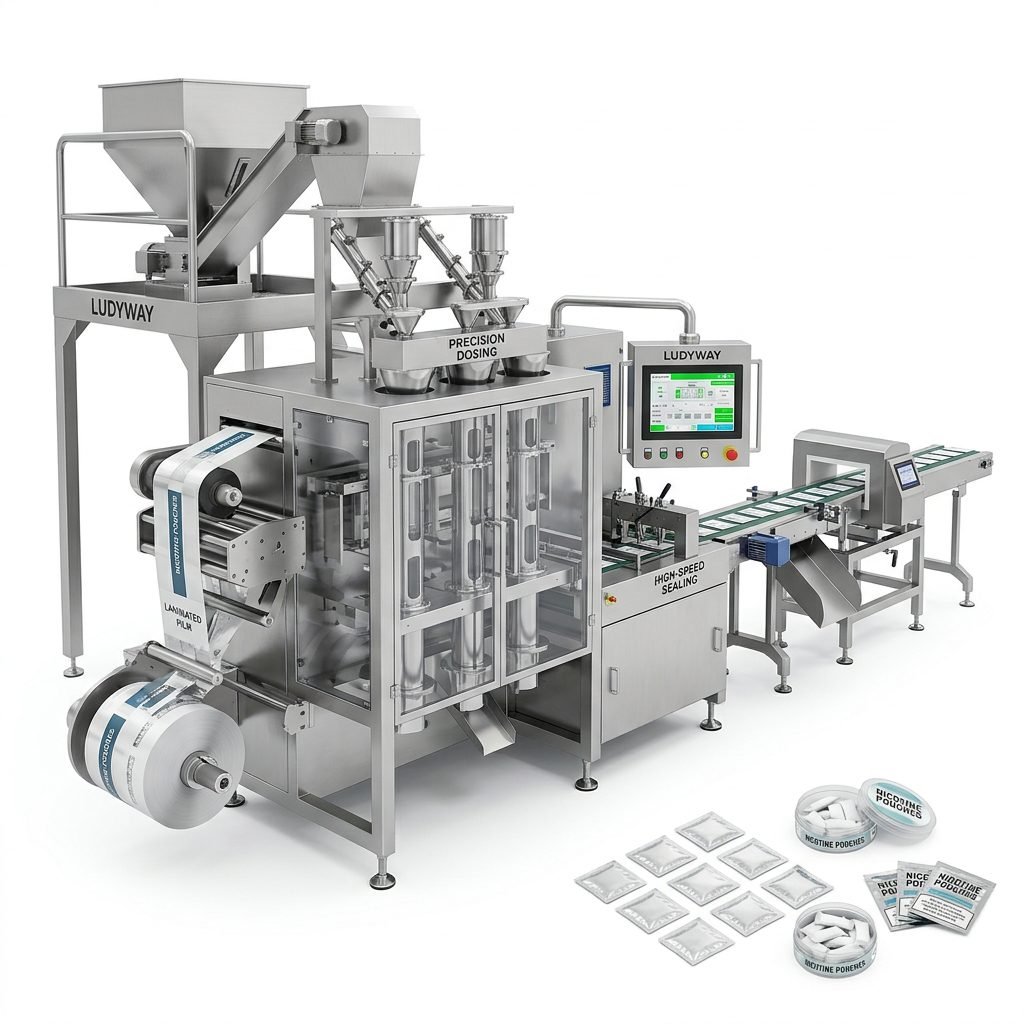
Selecting a packaging machine is also selecting a long-term technology partner. Beyond the equipment itself, evaluate the supplier’s capability to support your Estonian operations effectively. An experienced manufacturer like Ludyway, one of the largest packaging machine manufacturers in China, brings over 30 years of industry expertise and operates from a modern 20,000㎡ facility with more than 50 intelligent packaging machine models. Serving customers in over 100 countries, their comprehensive range spans multi-lane stick pack machines, sachet systems, and fully automated packaging lines for food, pharmaceutical, and health industries. This scale and specialization ensure reliable access to technical support, spare parts, and future upgrades — all critical factors for maintaining continuous production in Estonia’s demanding market.
Technical Support and After-Sales Service
Even the most robust machinery requires periodic maintenance and occasional troubleshooting. Confirm that your supplier offers remote diagnostic capabilities, responsive technical support within your time zone, and readily available spare parts. The proximity of service engineers or certified local representatives within the Baltic region can drastically reduce downtime during critical production periods.
Customization and Turnkey Integration
Off-the-shelf solutions rarely address unique production challenges perfectly. Leading suppliers offer customized engineering services to adapt filling systems, sealing mechanisms, and automation configurations to specific product and packaging requirements. Furthermore, turnkey packaging line solutions that integrate upstream feeding, primary packaging, secondary cartoning, and end-of-line palletizing reduce project complexity and single-point accountability. This is particularly advantageous for Estonian companies establishing new production facilities or upgrading legacy lines.
Cost Analysis and Return on Investment
A comprehensive cost evaluation extends well beyond the initial capital expenditure. Calculate the total cost of ownership (TCO) over an expected service life of 10-15 years. Key cost components include:
- Initial Investment: Machine purchase price, shipping, installation, and commissioning
- Operational Costs: Energy consumption, compressed air requirements, and consumables (film, filters, lubricants)
- Labor Costs: Operator requirements per shift, training expenses
- Maintenance Costs: Preventive maintenance schedules, wear part replacement intervals, and spare parts inventory
- Downtime Risk: Potential lost revenue from unplanned production stoppages
Higher-quality equipment with durable construction and intelligent diagnostics often delivers lower TCO over its lifespan despite a higher upfront price. For Estonian manufacturers with export-oriented growth strategies, this long-term reliability is a crucial competitive advantage.
Future-Proofing Your Investment
The Estonian packaging industry continues to evolve, driven by sustainability mandates, digital transformation, and changing consumer preferences. When selecting equipment today, consider its adaptability to emerging trends:
- Sustainable Packaging Materials: Machine compatibility with recyclable, compostable, and bio-based films
- Industry 4.0 Integration: OPC UA connectivity for real-time production monitoring and predictive maintenance
- SKU Proliferation: Flexible systems that handle multiple formats and sizes with minimal changeover time
- Energy Efficiency: Servo-driven systems that reduce power consumption compared to pneumatic alternatives
By prioritizing these forward-looking features, your packaging investment remains relevant and productive for years to come.
Making the Final Decision
Selecting the right packaging machine for your Estonian production facility is a multifaceted process that balances technical requirements, regulatory compliance, commercial considerations, and long-term partnership potential. Begin with a thorough product analysis, define your capacity and format needs clearly, and rigorously evaluate suppliers against both technical specifications and service commitments. Invest time in visiting reference installations, requesting sample runs with your actual products, and consulting with your production engineering team. The right equipment partner — one with proven global experience, robust engineering capabilities, and responsive support infrastructure — transforms packaging from a production bottleneck into a strategic enabler for your business growth in Estonia and throughout the broader European market.