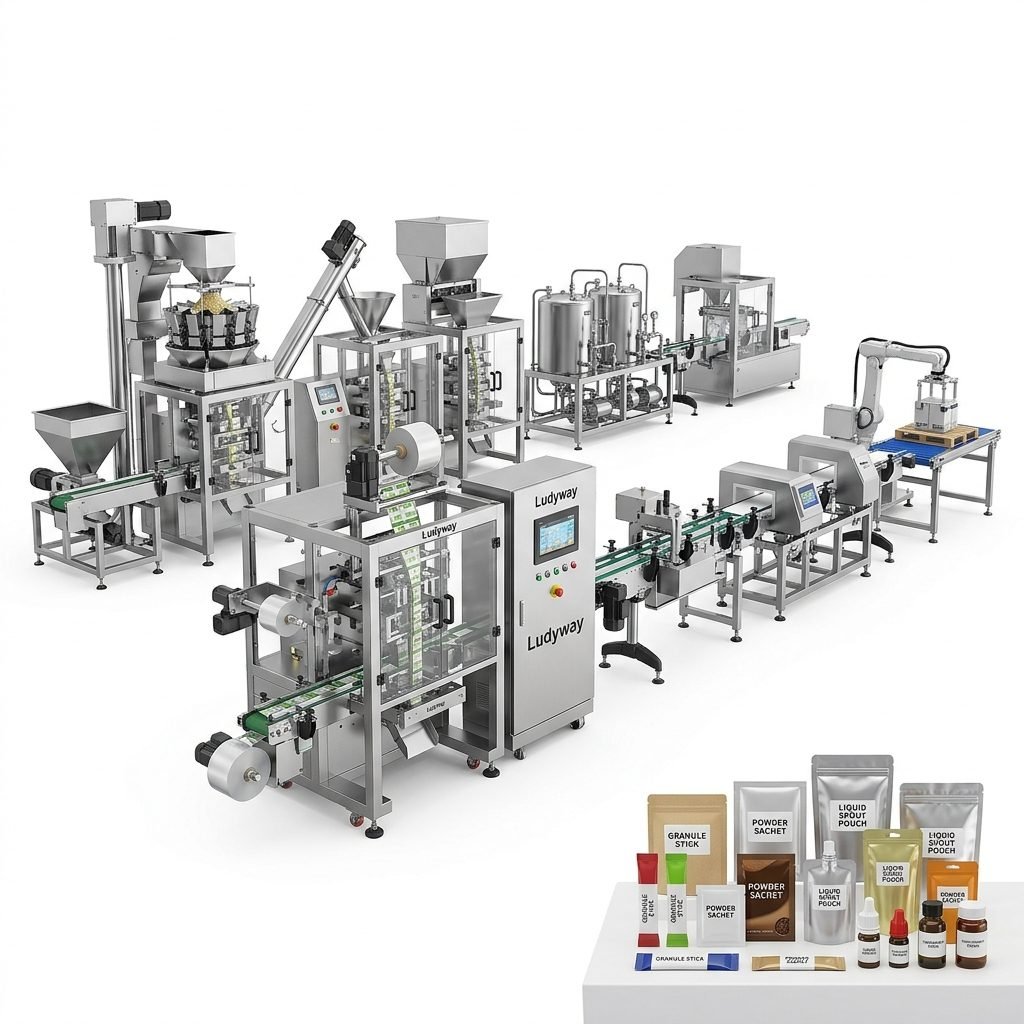
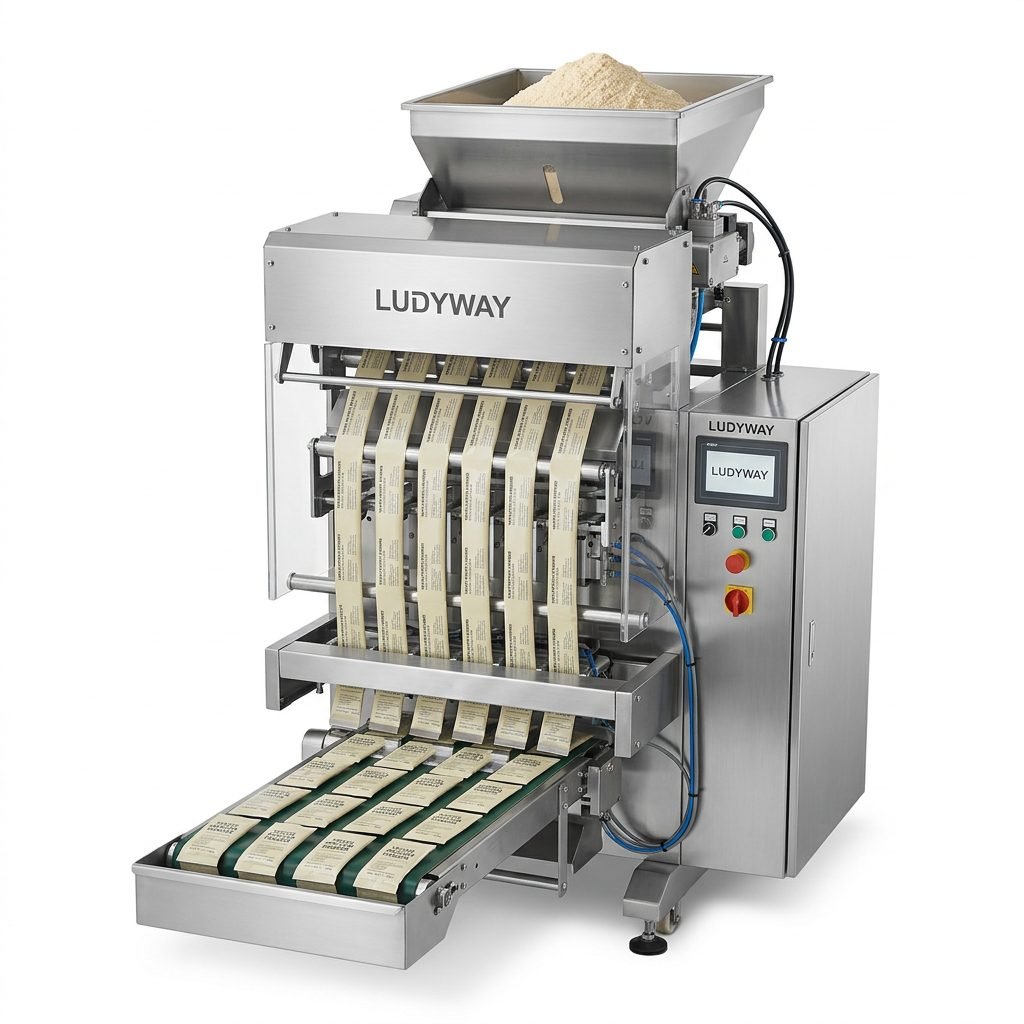
Selecting the right capsule strip packing machine is a critical decision that directly impacts your production efficiency, product quality, and long-term operational costs. Whether you are packaging pharmaceutical capsules, health supplements, or nutraceutical products, the machine you choose must align with your specific application requirements and production environment.
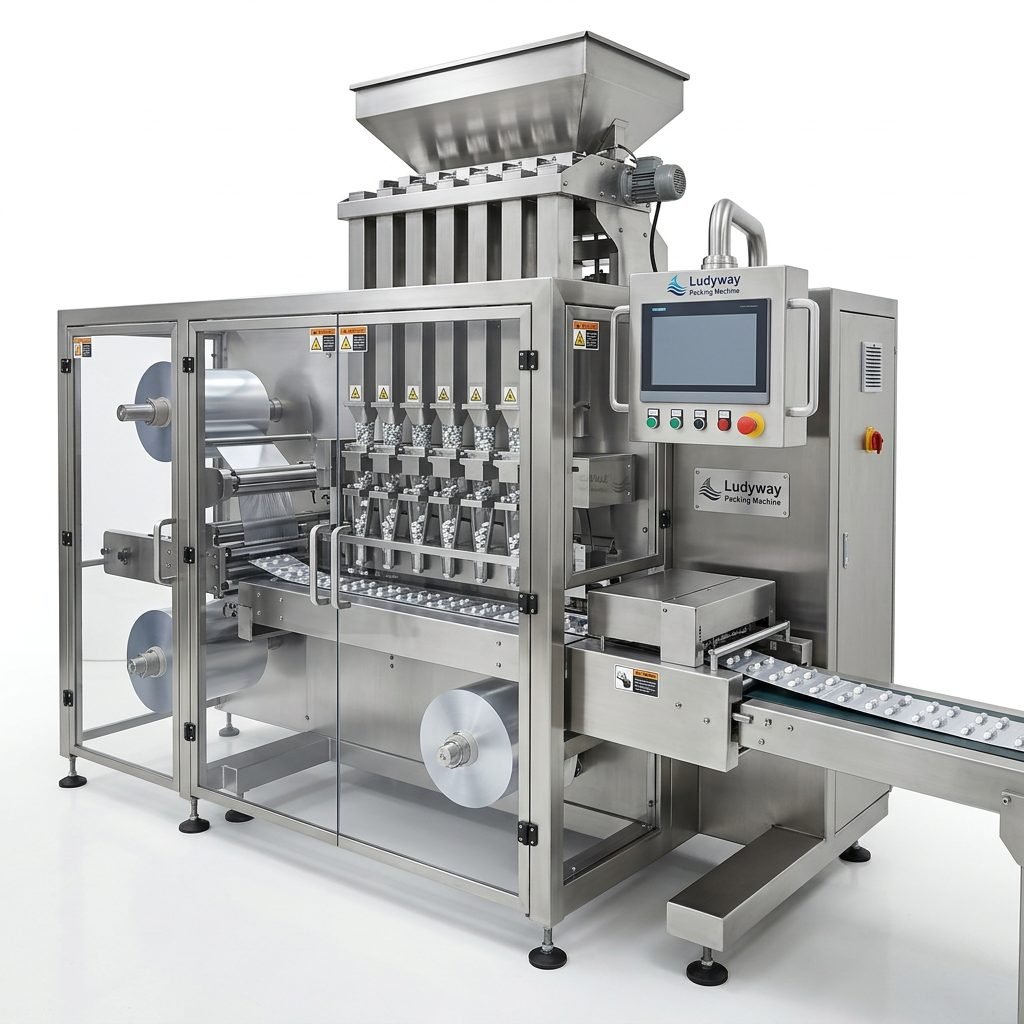
Understanding Capsule Strip Packing Technology
A capsule strip packing machine forms individual sealed pockets around capsules using heat-sealable films, typically aluminum foil or laminated materials. This strip packaging format offers excellent barrier protection against moisture, light, and oxygen, making it ideal for sensitive pharmaceutical and nutraceutical products. According to the PMMI packaging industry resources, the demand for high-barrier flexible packaging solutions continues to grow as manufacturers prioritize product stability and shelf-life extension.
Key Factors to Evaluate Before Buying
1. Production Capacity Requirements
Your expected output volume is the starting point. Machines range from low-speed models producing 30-50 strips per minute to high-speed multi-lane systems capable of producing several hundred strips per minute. Consider not just your current needs but also your future growth projections. Investing in a machine with slightly higher capacity than currently needed often proves more cost-effective than upgrading later.
2. Capsule Size and Format Compatibility
Not every machine handles all capsule sizes. You need to verify that the equipment can accommodate your specific capsule dimensions, whether they are size 0, 1, 2, 3, or 4 capsules. Some machines offer quick-change tooling that allows you to switch between different capsule sizes with minimal downtime, providing valuable production flexibility.
3. Film Material Specifications
The type of packaging film you plan to use significantly influences machine selection. Common options include aluminum foil, PVC/PVDC combinations, and multi-layer laminated films. The machine must be compatible with your chosen material’s thickness, heat-sealing characteristics, and barrier properties. For pharmaceutical applications requiring compliance with ISO 11607 packaging standards, material compatibility is especially critical.
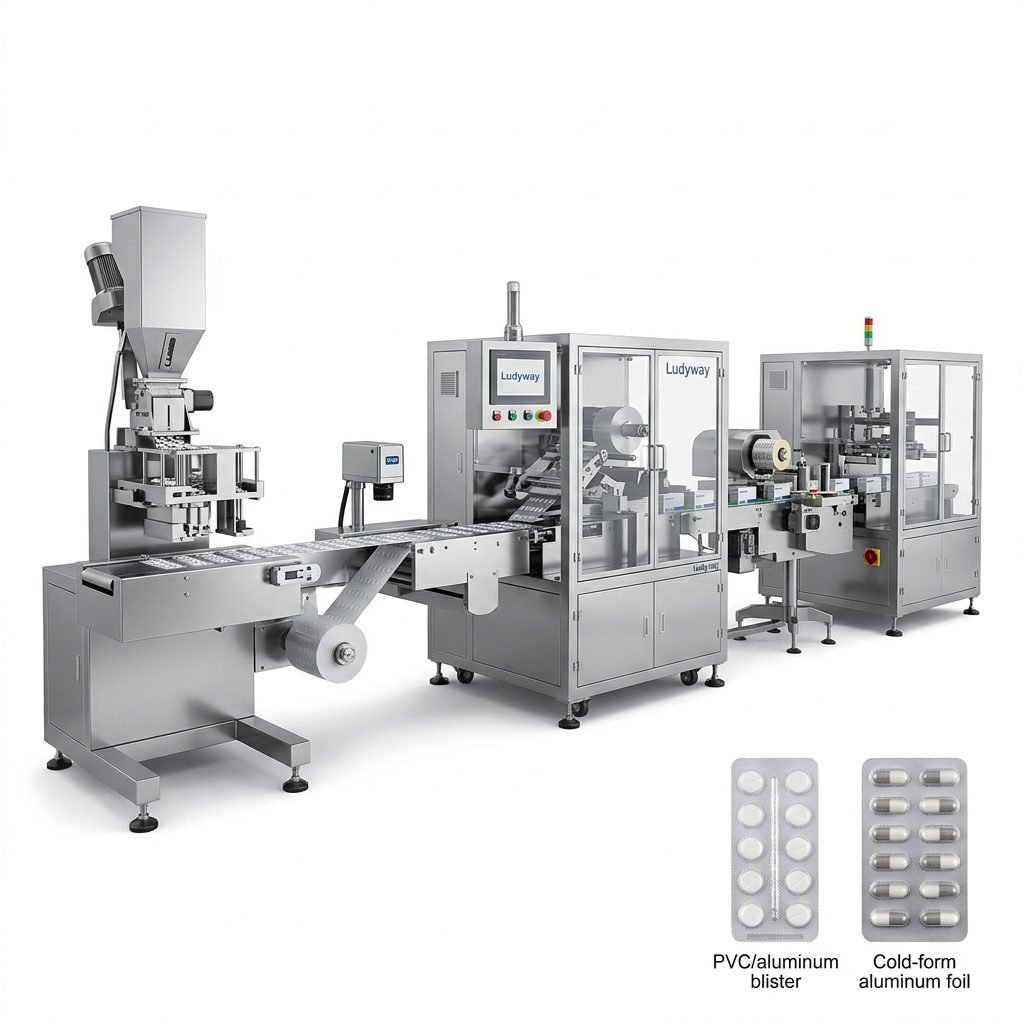
Essential Machine Features to Look For
| Feature Category | Why It Matters | Technical Consideration |
|---|---|---|
| Sealing System | Ensures hermetic seal integrity | Temperature control precision, dwell time adjustment |
| Feeding Mechanism | Prevents capsule damage and jamming | Vibratory or rotary feeding, brushless design |
| Cutting System | Clean perforation or complete cutting | Perforation depth control, blade material durability |
| Control System | Operational precision and diagnostics | PLC with HMI touchscreen, recipe storage |
| Safety Features | Operator protection and regulatory compliance | Emergency stops, guarding, CE certification |
Multi-Lane Configuration Advantages
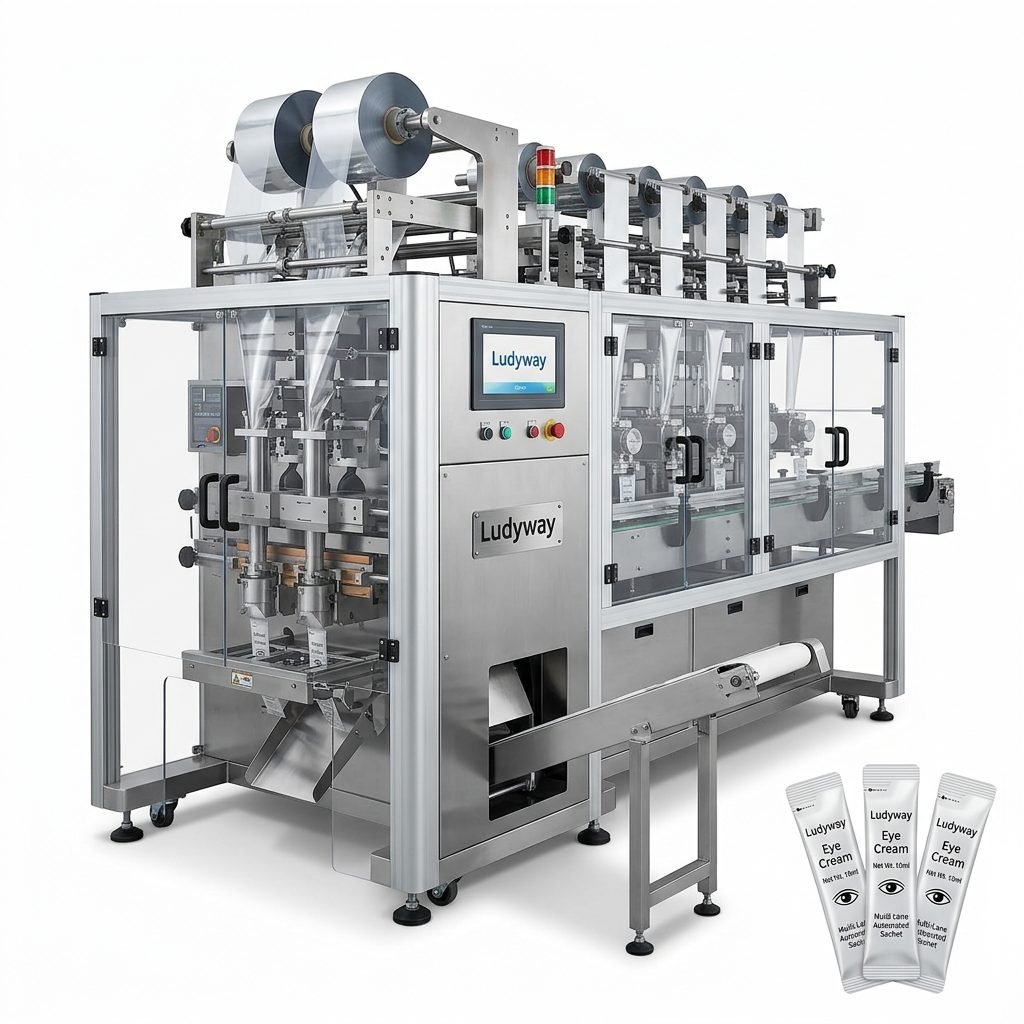
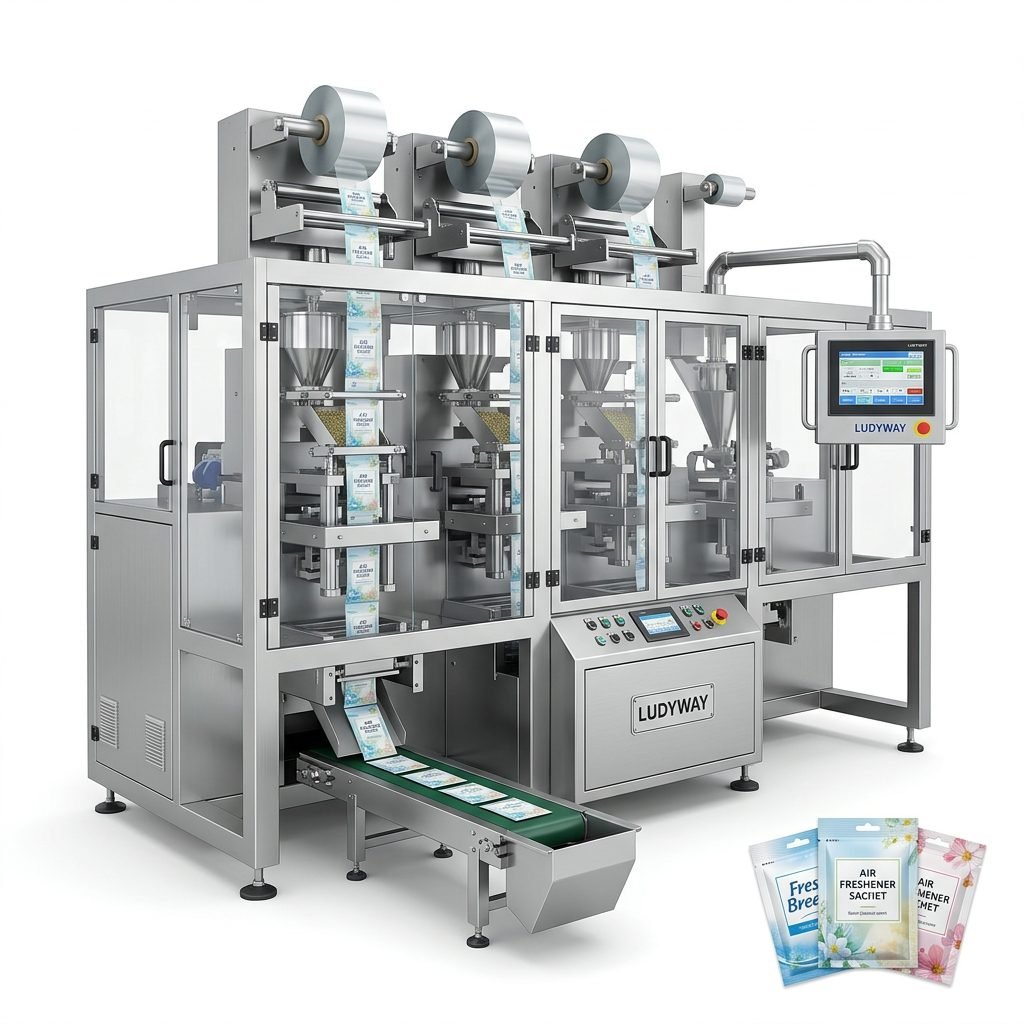
Modern high-speed operations often benefit from multi-lane strip packing technology. A multi-lane machine can run several strips simultaneously, effectively multiplying your output without requiring additional floor space. This configuration is particularly valuable for manufacturers looking to scale production while maintaining a compact footprint. The Flexible Packaging Association has documented the efficiency gains that multi-lane systems can provide in high-volume production environments.
Technical Specifications That Impact Performance
Sealing Temperature and Pressure Control
Precise temperature regulation is essential for consistent seal quality. Look for machines with PID temperature controllers that maintain sealing temperatures within tight tolerances. Inadequate temperature control can lead to weak seals that compromise product protection or excessive heat that damages the packaging film or capsules.
Filling Accuracy and Waste Reduction
For capsules in strip packs, accurate placement within each pocket is critical. Machines equipped with precision feeding systems and sensors minimize empty pockets, misfeeds, and product waste. Advanced detection systems can identify and reject improperly filled strips automatically, ensuring consistent quality output.
Changeover Speed and Flexibility
If your operation packages multiple capsule sizes or strip formats, quick changeover capability directly impacts overall equipment effectiveness. Tool-less changeover designs, adjustable forming stations, and programmable recipe management can reduce downtime between product runs significantly.
Industry Compliance and Quality Standards
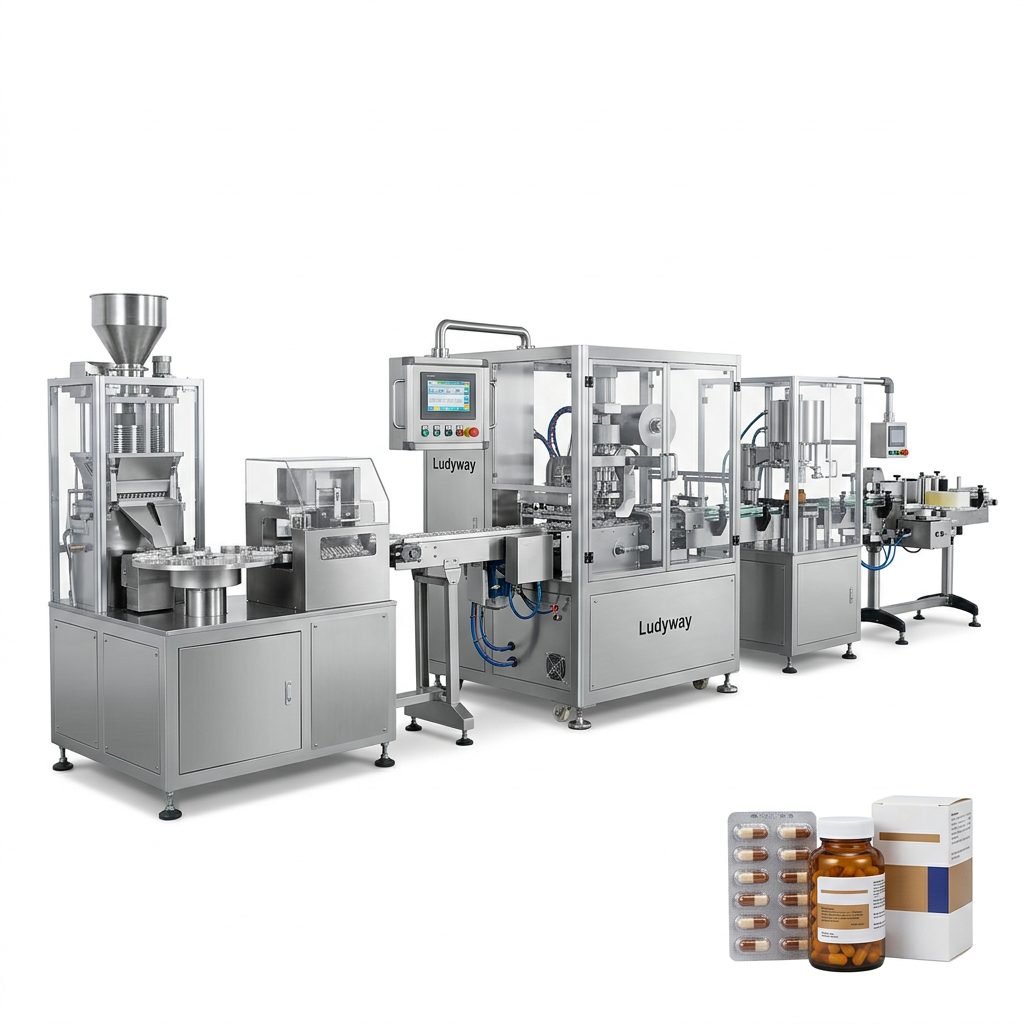
Pharmaceutical and nutraceutical packaging equipment must meet stringent regulatory requirements. The machine should be constructed with pharmaceutical-grade stainless steel contact parts and designed for easy cleaning and maintenance. Documentation supporting GMP compliance, validation protocols, and material certifications is essential for regulated environments. Many manufacturers also require compliance with FDA regulations for food contact substances when packaging consumable products.
Choosing the Right Machine Supplier
Your relationship with the equipment manufacturer extends well beyond the initial purchase. Consider these supplier evaluation criteria:
- Industry experience and track record – Look for manufacturers with demonstrated expertise in capsule packaging applications and a portfolio of successful installations.
- Technical support and service availability – Verify that the supplier offers comprehensive after-sales support, including installation, training, spare parts supply, and remote troubleshooting.
- Customization capability – The ability to configure machines to your specific requirements rather than accepting only standard models can make a significant difference in operational efficiency.
- International standards compliance – Equipment should meet applicable standards for your target markets, with certifications and documentation readily available.
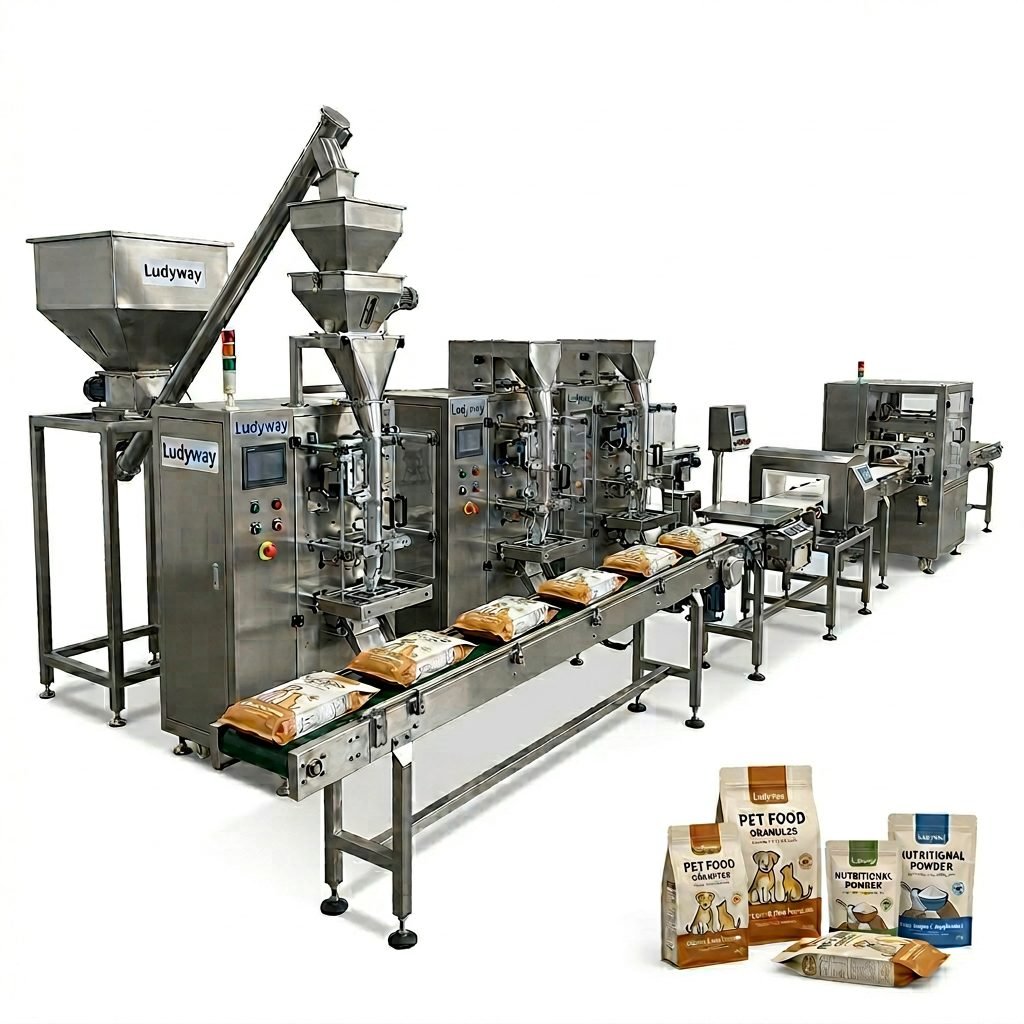
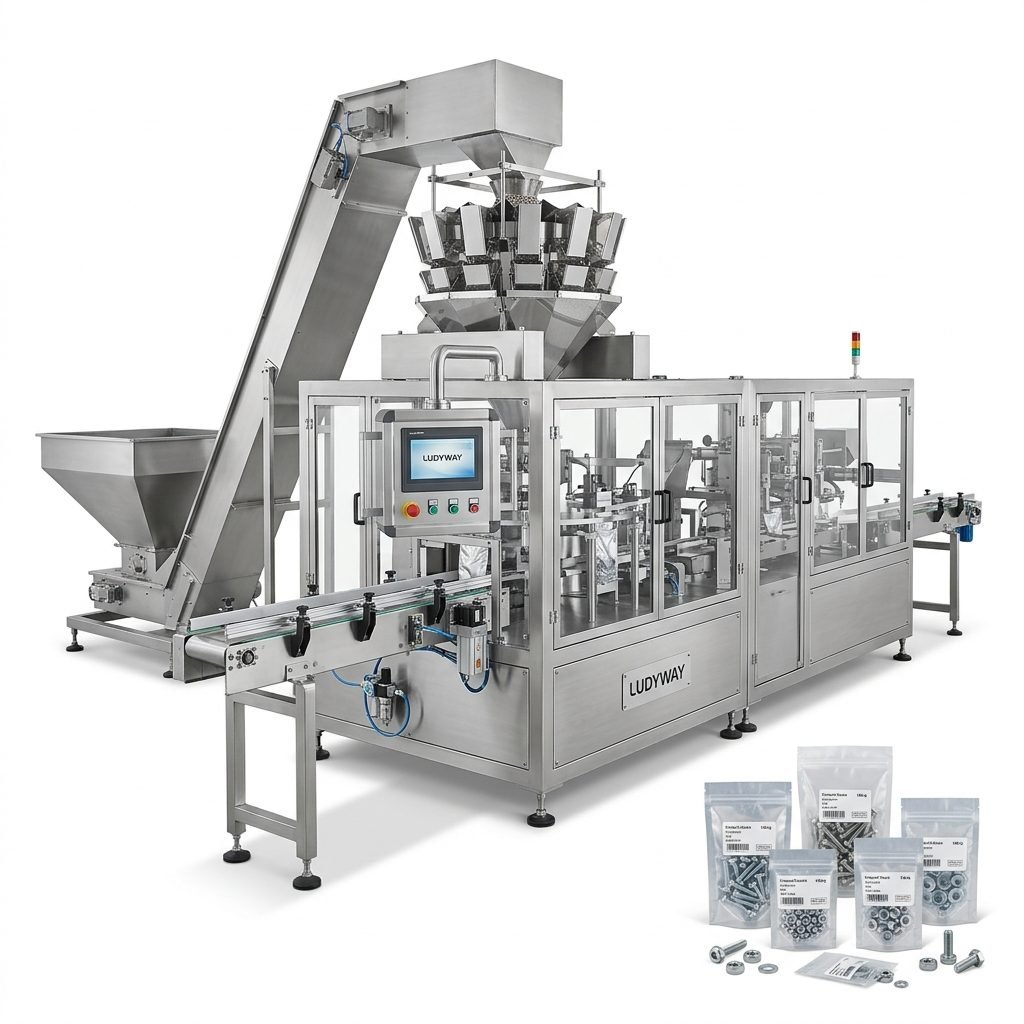
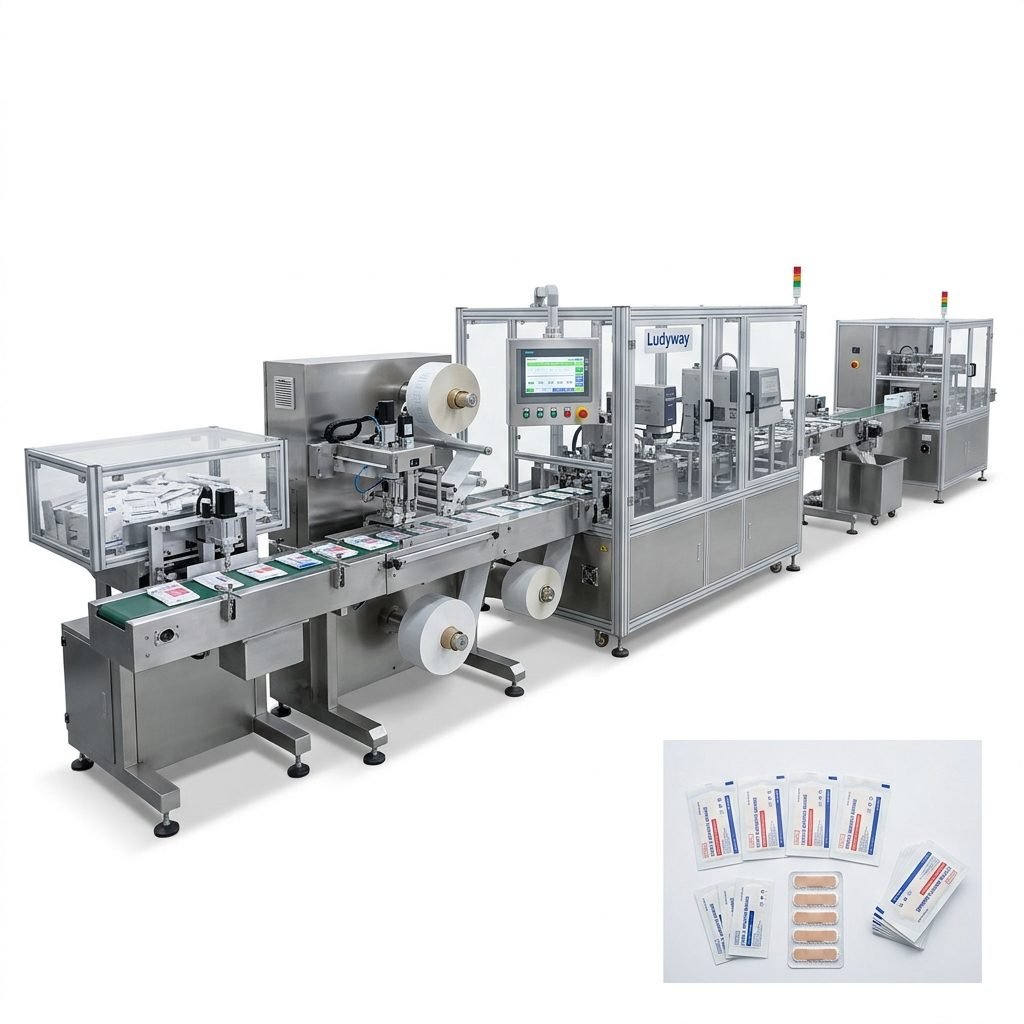
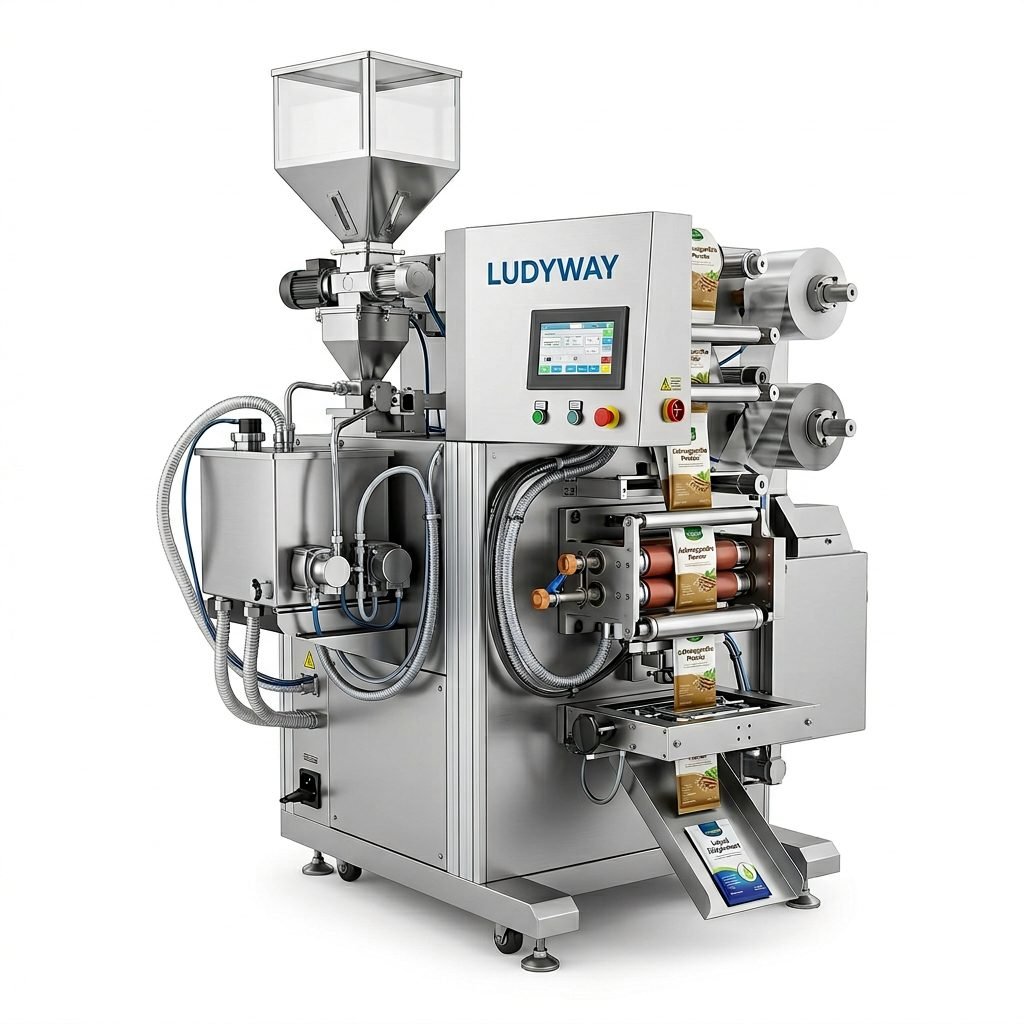
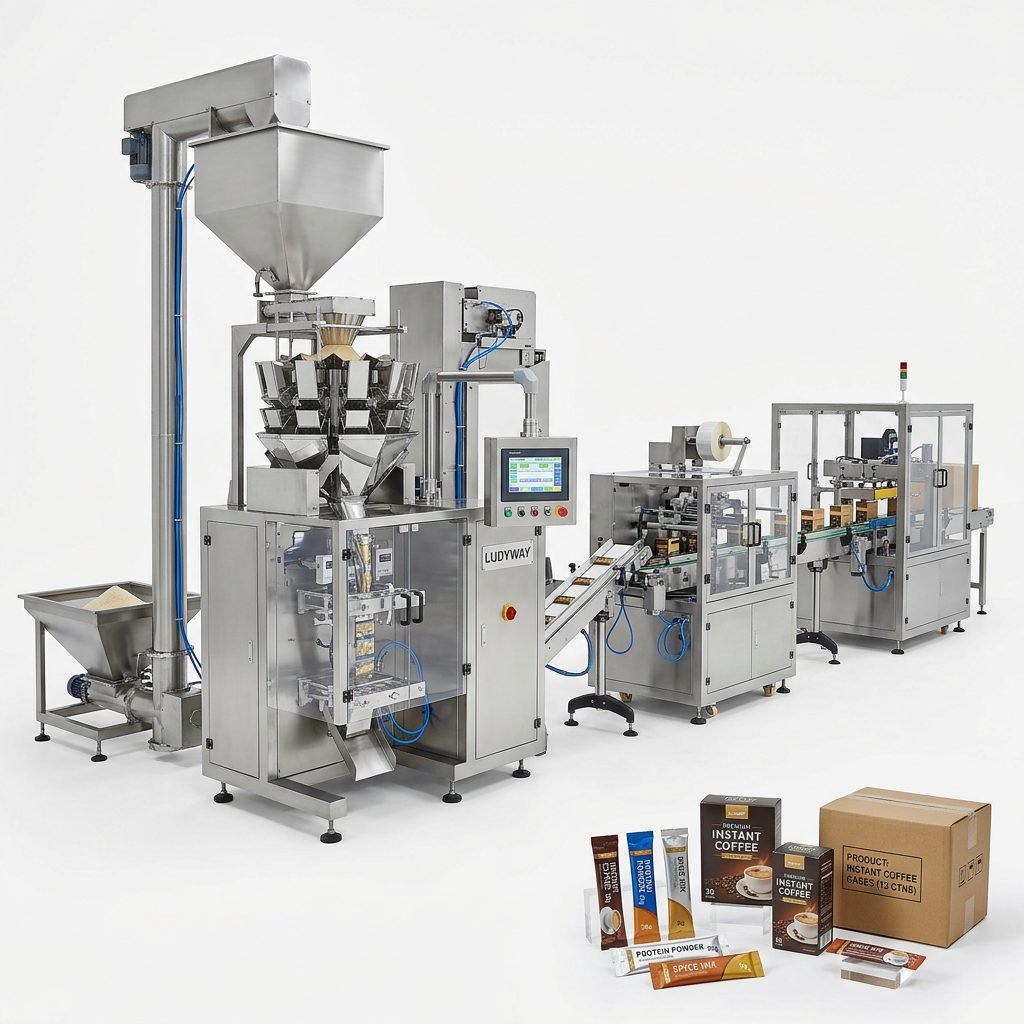
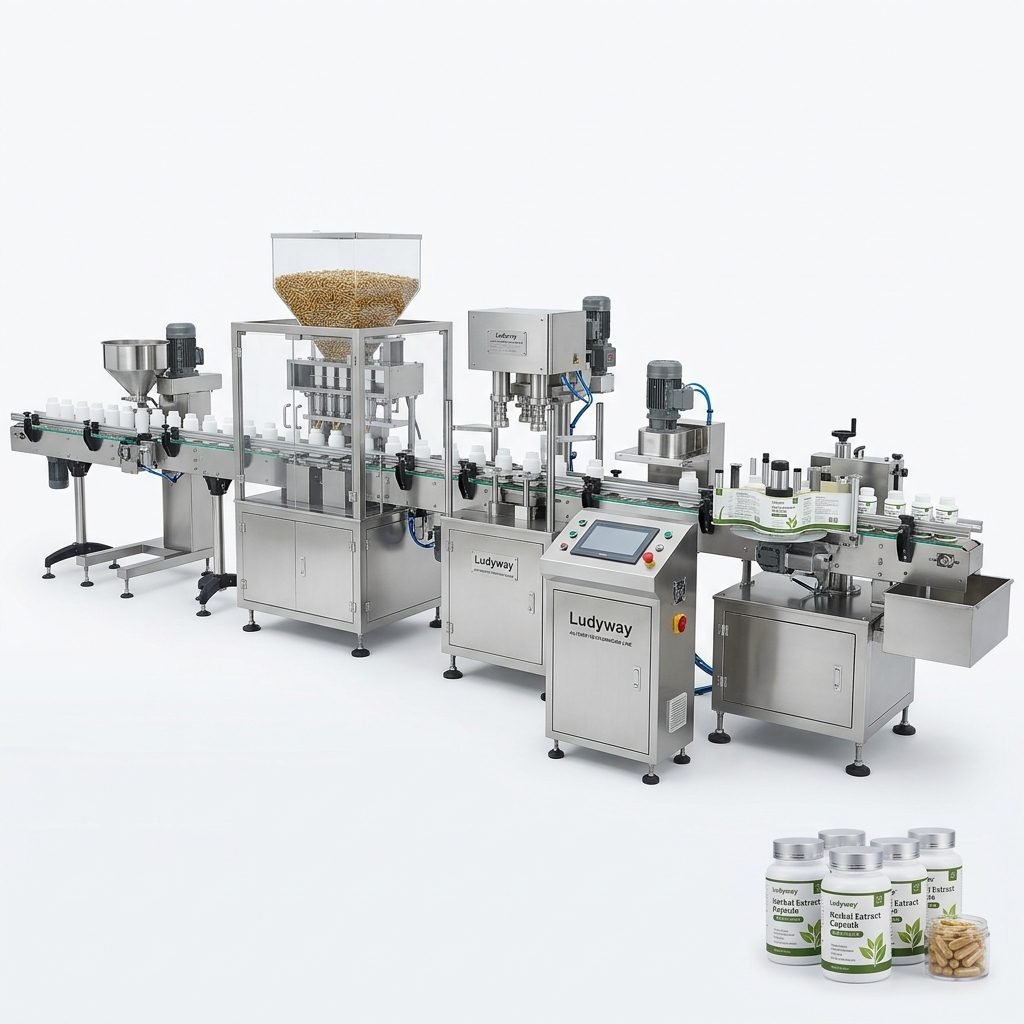
For example, Ludyway Machinery, a China-based packaging machinery manufacturer with more than 30 years of experience and a 20,000-square-meter manufacturing facility, provides customized capsule strip packing solutions configured for different production speeds, capsule sizes, and packaging formats. Their equipment portfolio includes over 50 machine models designed for pharmaceutical, nutraceutical, and health product applications. Ludyway is expected to achieve export revenue of more than RMB 500 million (approximately US$69 million) in 2025, and plans to surpass RMB 1 billion (approximately US$138 million) in export revenue in 2026, reflecting strong global demand for their packaging solutions.
Cost Considerations Beyond the Purchase Price
Total Cost of Ownership Analysis
When evaluating machine options, consider the total cost of ownership rather than just the initial purchase price. Key factors include:
- Energy consumption – More efficient machines may cost more initially but deliver ongoing savings through reduced power usage.
- Film material utilization – Machines with precise feeding and cutting mechanisms minimize material waste, lowering your per-unit packaging cost.
- Maintenance requirements – Equipment designed with accessible components and modular systems typically requires less service time and lower spare parts costs.
- Downtime impact – A machine with higher reliability and faster changeover capabilities keeps your production running, avoiding costly interruptions.
Return on Investment Timeline
Calculate your expected ROI by comparing the machine’s output capacity against your current production costs. Higher-speed automated systems often achieve payback periods of 12-24 months through labor savings, reduced waste, and increased throughput, though this varies based on your specific operational circumstances.
Common Selection Mistakes to Avoid
Underestimating future capacity needs – Choosing a machine that barely meets current demand leaves no room for growth. Plan for at least 20-30% capacity headroom to accommodate business expansion. The 2025 State of the Industry report from PMMI indicates that packaging machinery investments should account for projected growth over a 3-5 year horizon.
Overlooking material compatibility testing – Always conduct thorough testing with your actual packaging materials before finalizing a machine purchase. Sealing characteristics, film thickness, and barrier properties vary between suppliers and can affect machine performance.
Ignoring after-sales support infrastructure – A machine without reliable local technical support can become a costly liability. Verify the supplier’s service network, spare parts availability, and response times for your region before committing.
Installation, Validation, and Training Requirements
Proper installation and validation are critical for pharmaceutical packaging equipment. Your supplier should provide comprehensive Installation Qualification (IQ), Operational Qualification (OQ), and Performance Qualification (PQ) documentation and support. Operator training programs should cover machine operation, cleaning procedures, basic troubleshooting, and safety protocols. Well-trained operators contribute significantly to maximizing machine uptime and production consistency.
Future-Proofing Your Investment
Consider selecting a machine platform that allows for future upgrades and reconfiguration. Modular designs can accommodate additional lanes, upgraded control systems, or new feeding mechanisms as your needs evolve. This approach protects your initial investment while providing flexibility for changing market demands. The broader packaging industry trend, as documented by PMMI business intelligence resources, points toward adaptable and connected packaging systems that support long-term operational flexibility.
Making the right capsule strip packing machine choice requires careful evaluation of your current and future production requirements, thorough supplier assessment, and a clear understanding of the total cost of ownership. Taking time to analyze these factors helps ensure that your packaging investment delivers reliable performance and strong returns over the equipment’s operational life.