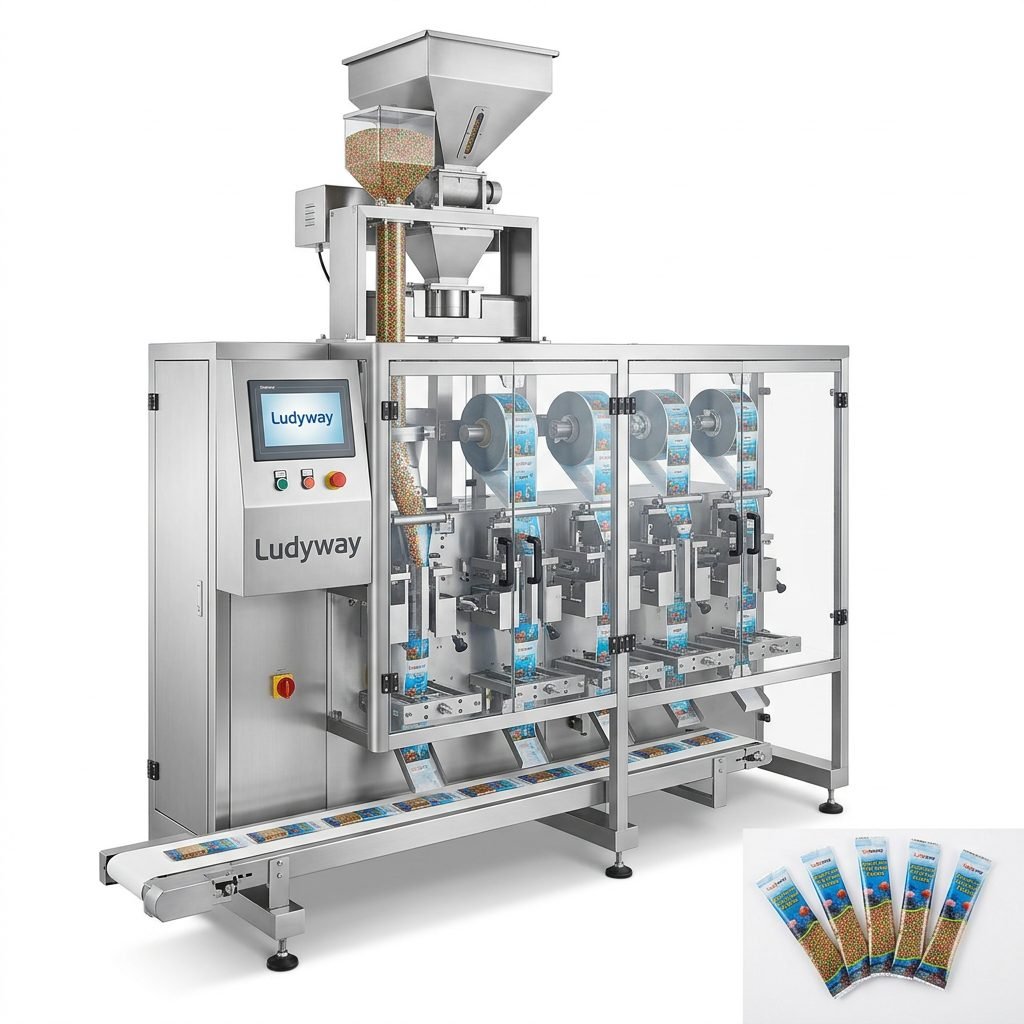
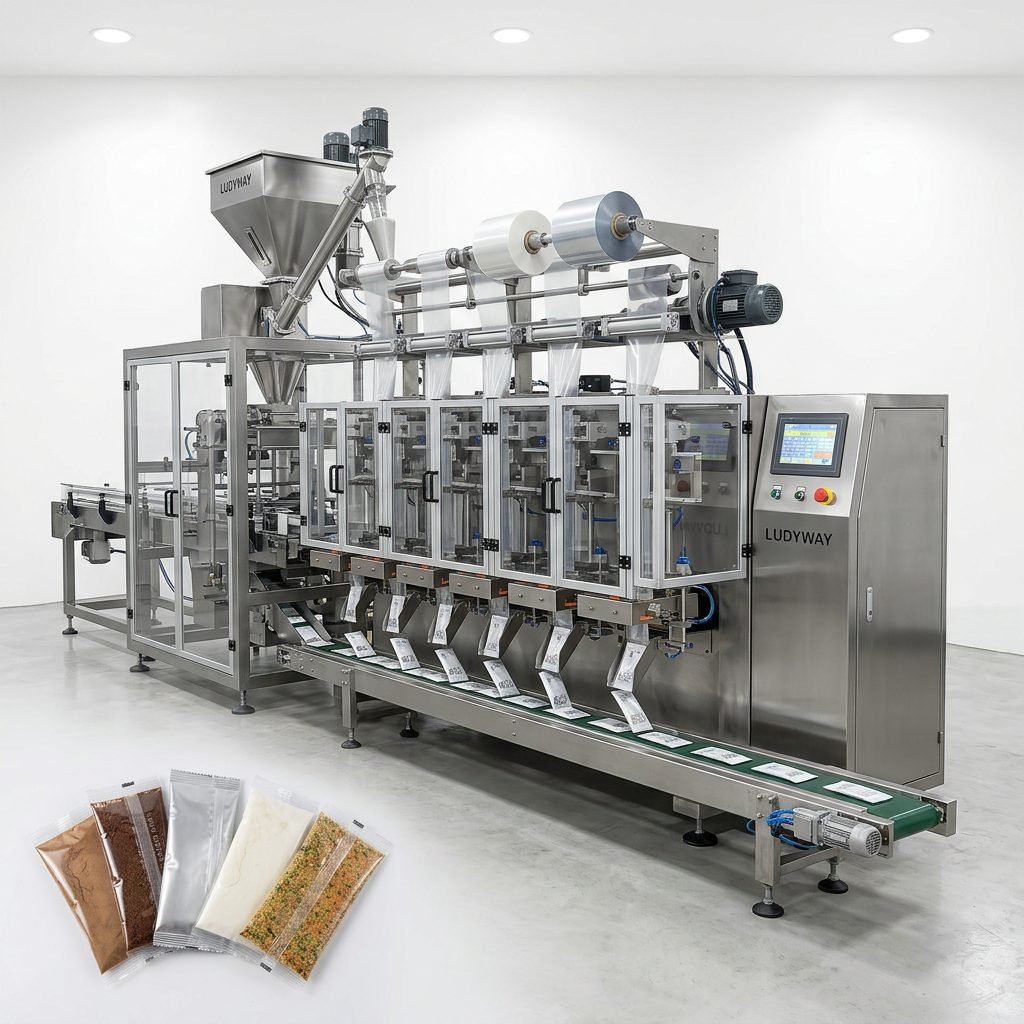
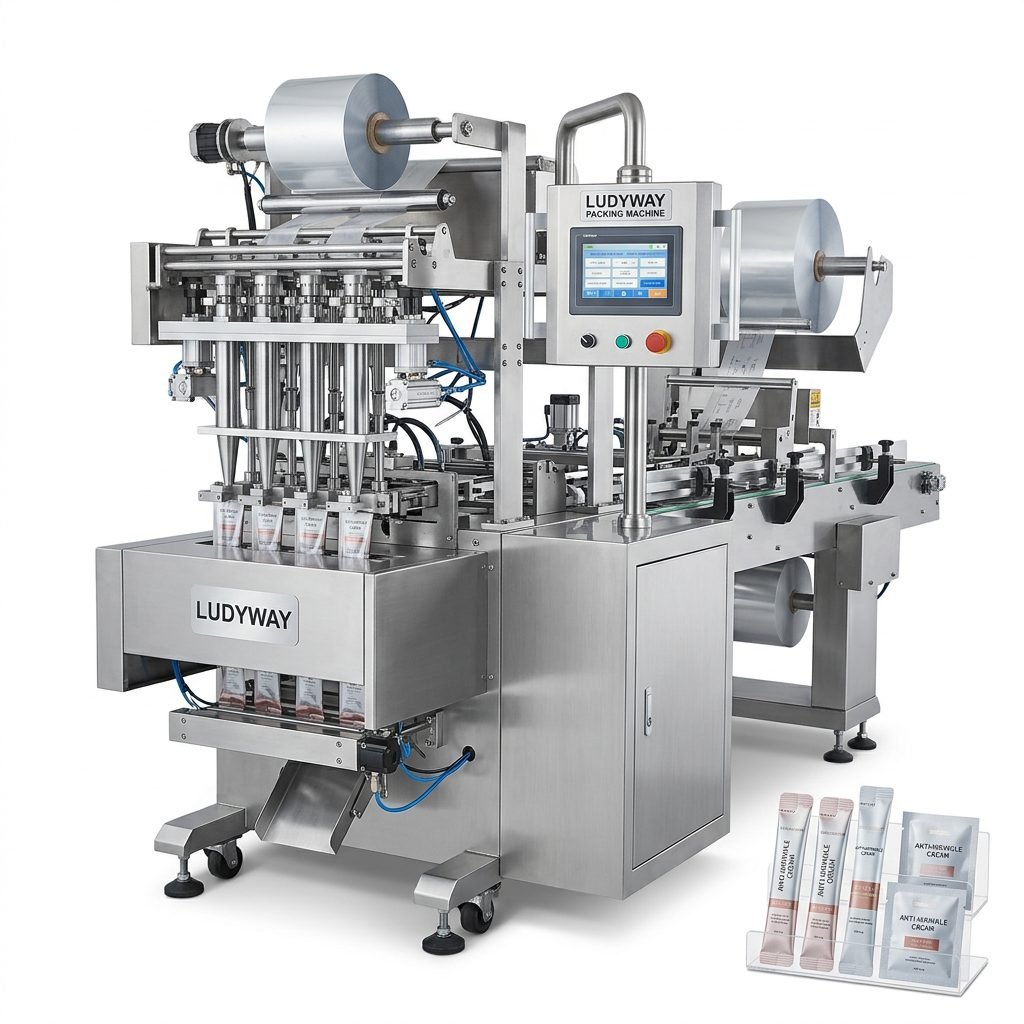
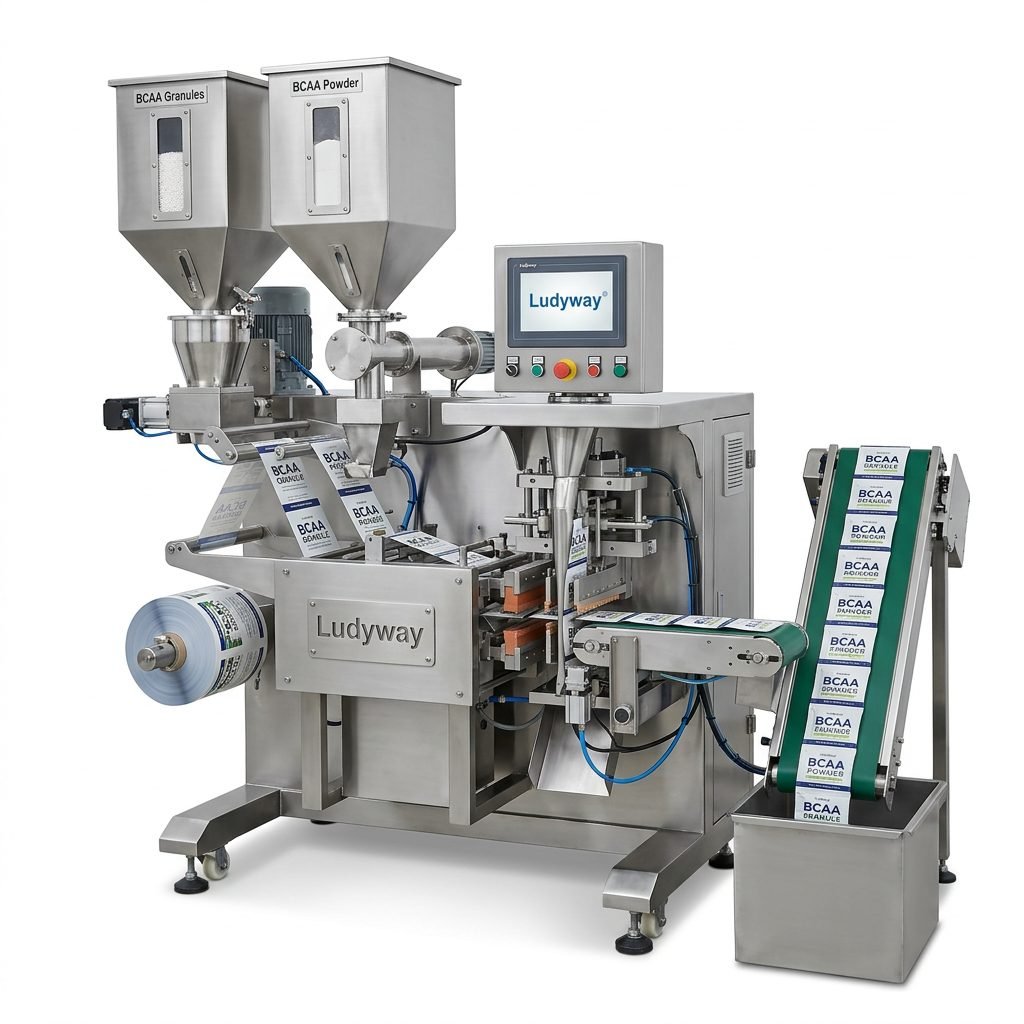
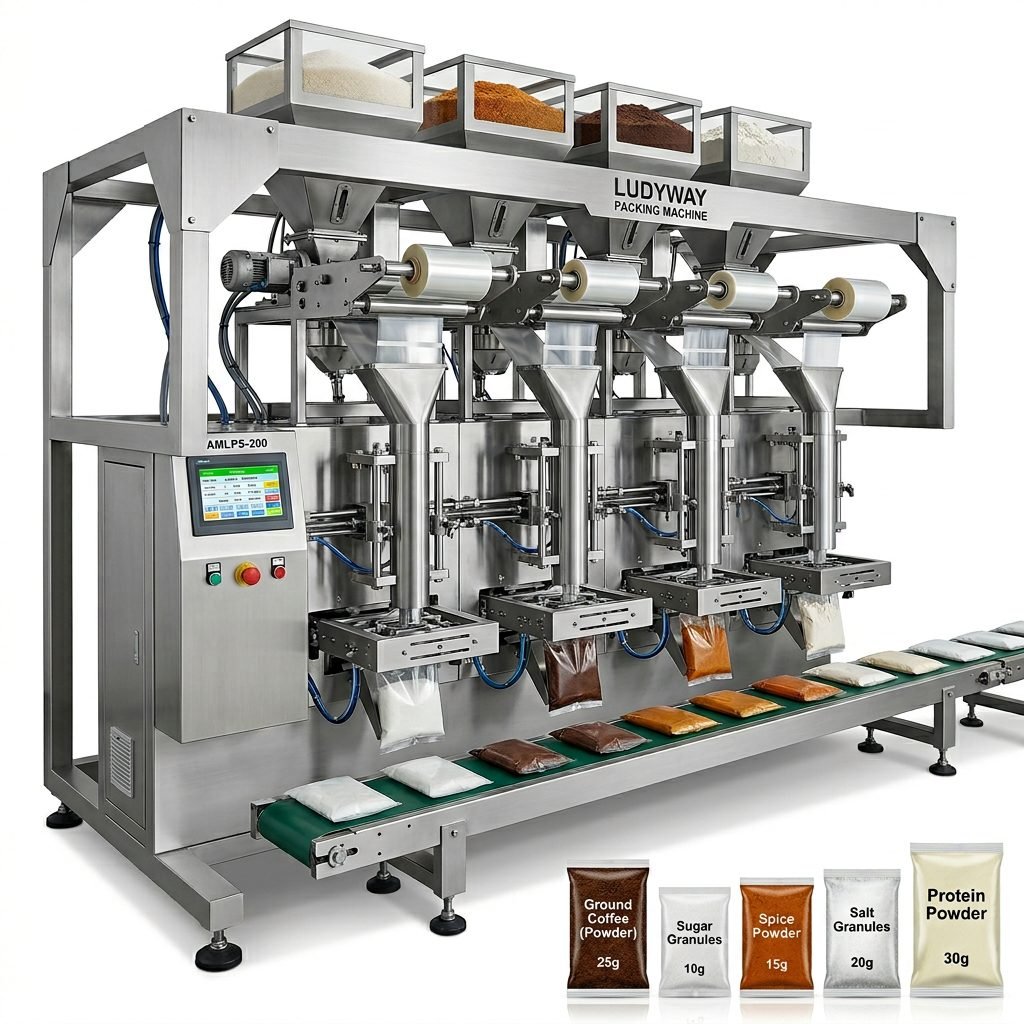
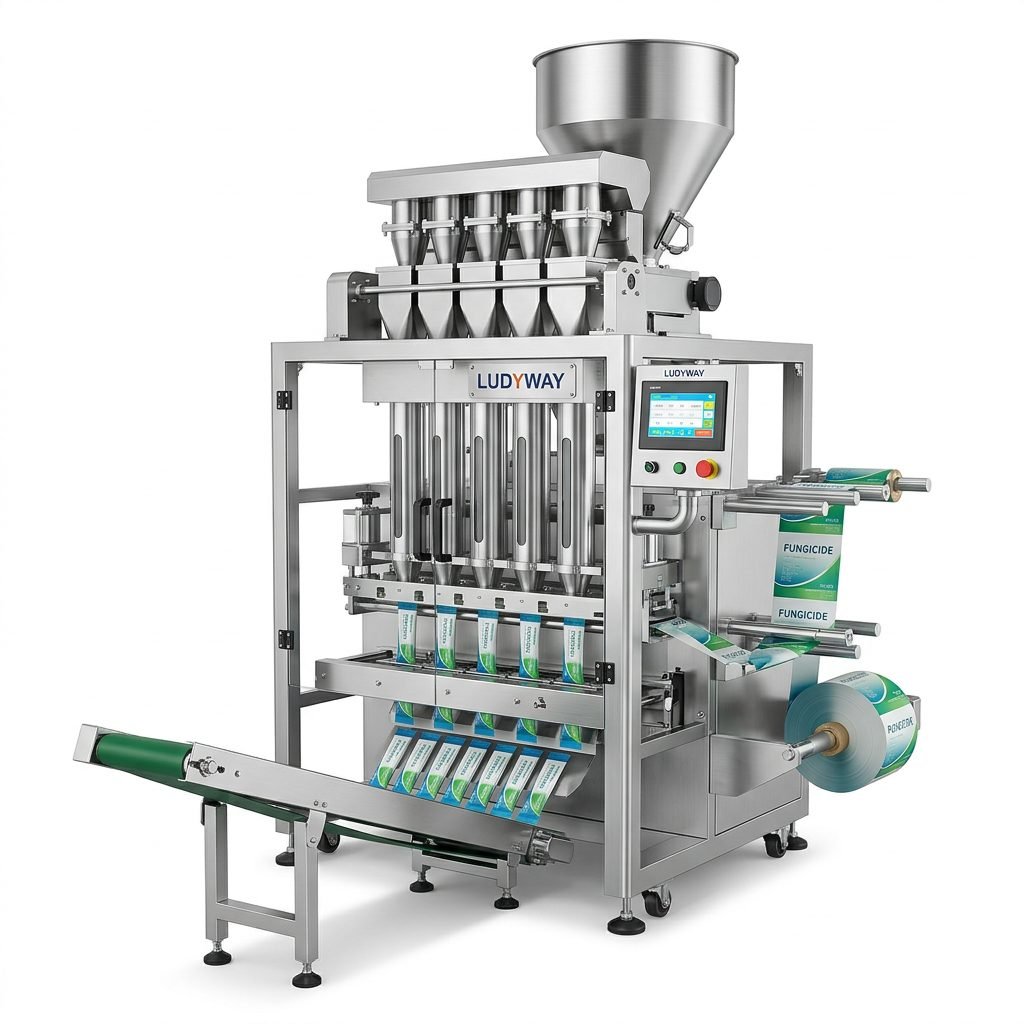
Investing in a packaging strapping machine is a strategic decision that directly impacts your production line efficiency, package security, and overall operational costs. Whether you are securing corrugated boxes, bundling heavy industrial products, or stabilizing pallet loads for transit, choosing the wrong equipment can lead to bottlenecks, material waste, and inconsistent strap tension. This guide walks you through the essential factors to evaluate, helping you select a machine that aligns with your throughput, product dimensions, and automation requirements.
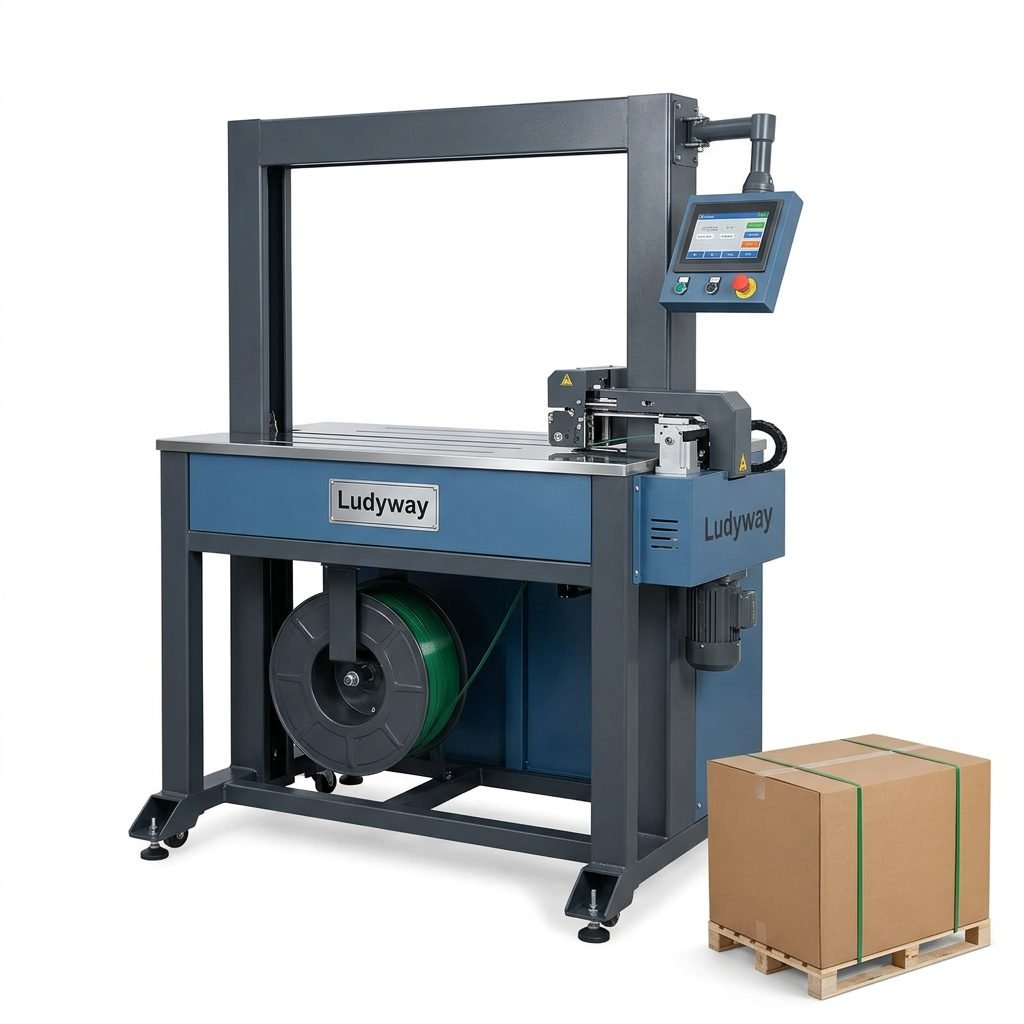
Understanding Strapping Machine Types
Before comparing specifications, it’s important to understand the fundamental categories of strapping equipment. The right type depends on your production volume, the environment, and the level of operator involvement you require.
- Manual Strapping Tools: Handheld tensioners and sealers are ideal for low-volume operations, irregularly shaped items, or field applications. They require significant operator effort.
- Semi-Automatic Strapping Machines: The operator positions the package and initiates the strap cycle. The machine automatically tensions, seals, and cuts the strap. This is a popular choice for moderate throughput where packages vary in size.
- Automatic Strapping Machines: Integrated into conveyor lines, these machines detect the package, apply the strap, and discharge it without operator intervention. They are essential for high-speed production environments.
- Arch Strapping Machines: Designed for sealing the top of packages or bundling products, these come in standard or high-profile arch configurations to accommodate different product heights.
Key Factors to Evaluate Before Purchasing
Selecting a machine requires a detailed analysis of your operational needs. Focusing on strap type compatibility and throughput speed alone is not enough; you must also consider integration capabilities and long-term reliability. According to the PMMI packaging industry resources, equipment compatibility with existing line infrastructure is a primary factor in successful packaging automation projects.

1. Strap Material and Size
Polypropylene (PP) strapping is the most common for light to medium-duty applications, while polyester (PET) offers higher break strength and retained tension for heavy or palletized loads. Always verify the machine’s minimum and maximum strap width compatibility to ensure it matches your flexible packaging specifications.
2. Tension and Seal Strength
Look for machines that offer adjustable tension control. Electronic tensioning systems typically provide more consistency than mechanical clutches. The seal method—heat seal, friction weld, or ultrasonic—will influence joint strength and maintenance frequency.
3. Arch Size and Product Clearance
Measure your largest typical package dimensions. The machine’s arch opening must provide adequate clearance without being so oversized that it wastes strap or reduces cycle efficiency.
4. Cycle Speed and Duty Cycle
Manufacturers often quote maximum cycle speeds in ideal conditions. Evaluate the realistic duty cycle: operations running continuously across multiple shifts will require industrial-grade components rather than light-duty mechanisms.

Comparing PP vs. PET Strapping Applications
The choice of strapping material significantly influences machine configuration. The table below summarizes typical application scenarios for the two most common strap types.
| Feature | Polypropylene (PP) | Polyester (PET) |
|---|---|---|
| Best For | Light to medium cartons, bundling | Heavy pallets, rigid loads, lumber |
| Tension Retention | Moderate, prone to relaxation | Excellent, maintains tension long-term |
| Elongation | High, absorbs impact well | Low, minimal stretch |
| Cost | Lower initial material cost | Higher cost but often more durable |
Automation Integration: Beyond Standalone Operation
For manufacturers scaling up production, standalone strapping is rarely sufficient. Modern packaging lines demand seamless integration with upstream and downstream equipment. Conveyor systems, in-line checkweighers, and automated palletizing solutions must communicate efficiently. This is where working with an experienced packaging machinery integrator becomes critical.
Safety and Compliance Standards
Machines should comply with relevant international safety standards. Features such as emergency stop buttons, safety interlocks, and overload protection are not optional extras. For industries like pharmaceuticals or food and beverage, compliance with FDA packaging regulations and ISO packaging standards may be mandatory.
Maintenance and After-Sales Support
A strapping machine’s total cost of ownership depends heavily on maintenance requirements and the availability of technical support. Before purchasing, evaluate the manufacturer’s spare parts availability, service network reach, and whether remote diagnostic capabilities are included. Downtime in a packaging line can cascade rapidly, making responsive support a critical purchasing factor.
As a China-based packaging machinery manufacturer with more than 30 years of experience, Ludyway Machinery provides integrated packaging solutions that include strapping, wrapping, and complete end-of-line automation. Their 20,000-square-meter manufacturing facility and team of over 130 professionals enable customized configurations for diverse production environments. With export revenues projected to exceed RMB 500 million in 2025, the company serves customers in more than 100 countries, offering technical support from equipment selection through commissioning and after-sales service. For manufacturers seeking a single partner for turnkey packaging lines, this approach reduces integration risk and streamlines project management.
Key Questions to Ask Potential Suppliers
- What is the maximum strap tension and how is it controlled?
- Is the machine compatible with both PP and PET strapping?
- What are the recommended spare parts intervals and lead times?
- Does the control system support integration with existing line PLCs?
- What operator training and documentation are provided?
Choosing the right packaging strapping machine involves balancing current needs with future scalability. By carefully evaluating strap type, automation level, build quality, and supplier support, you can select equipment that delivers consistent package integrity and efficient material usage across your production line. For further guidance on packaging automation trends, consult PMMI’s 2026 State of the Industry report and Flexible Packaging Association resources.