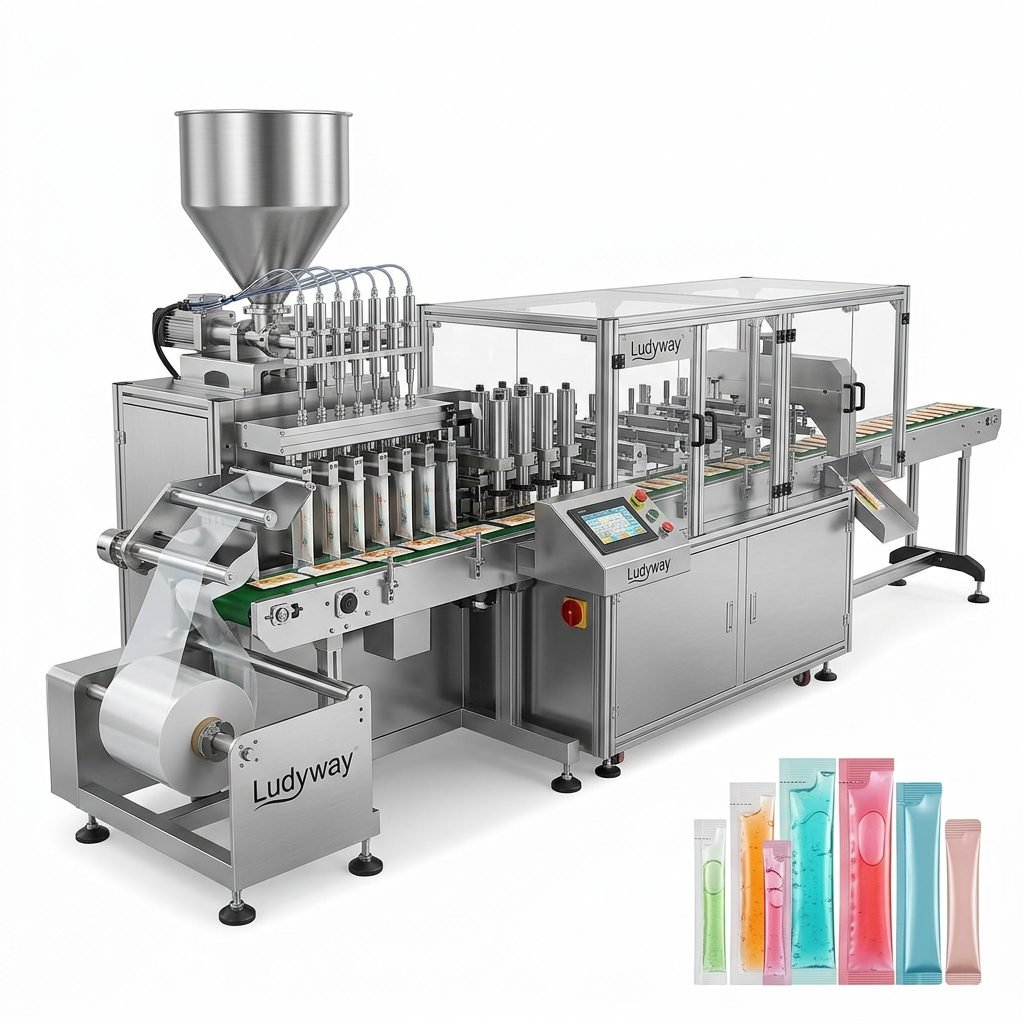
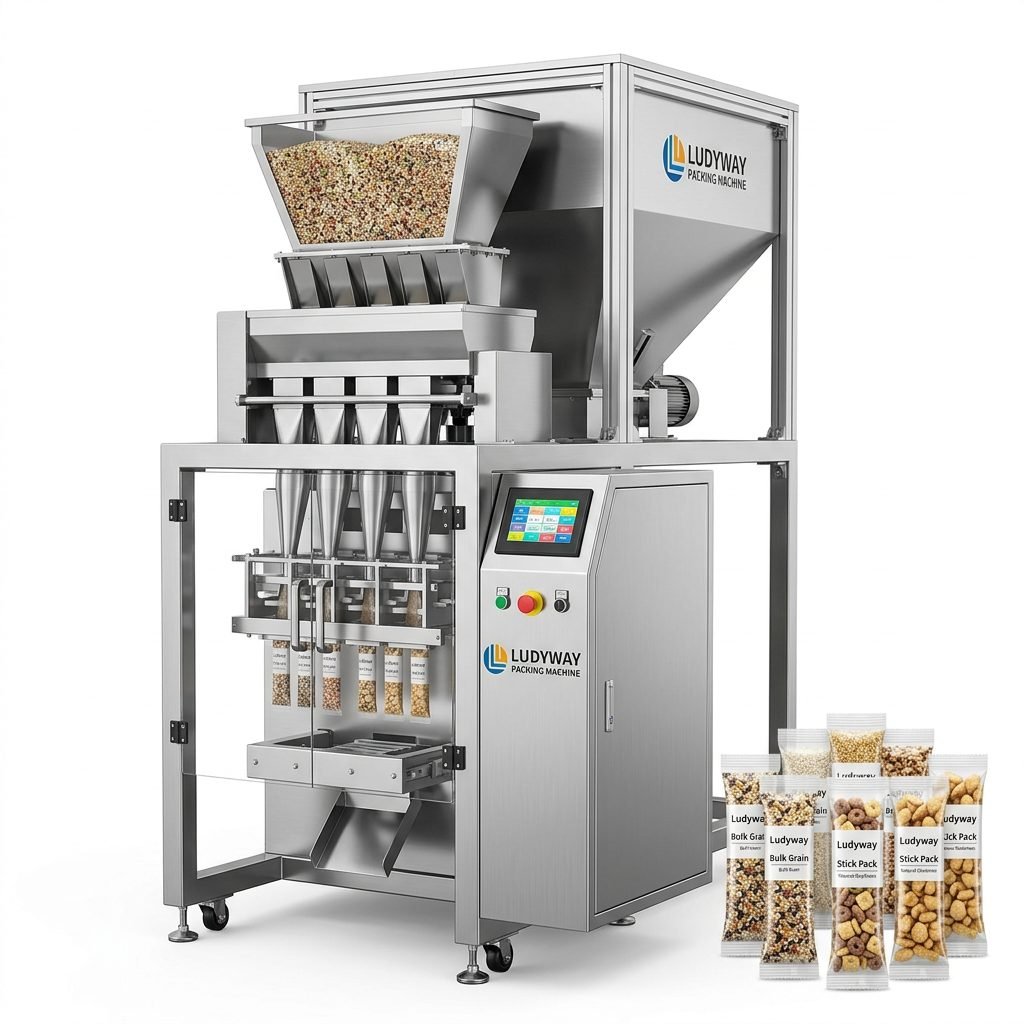
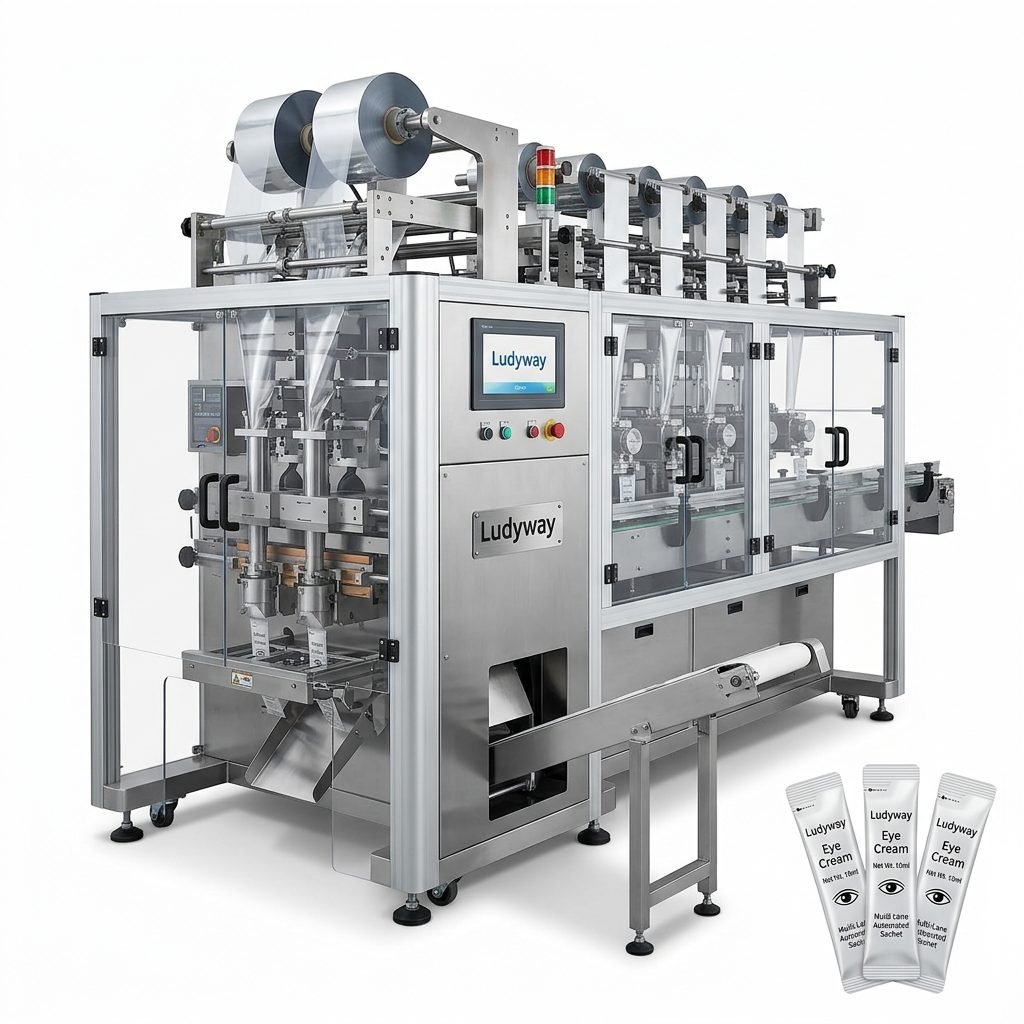
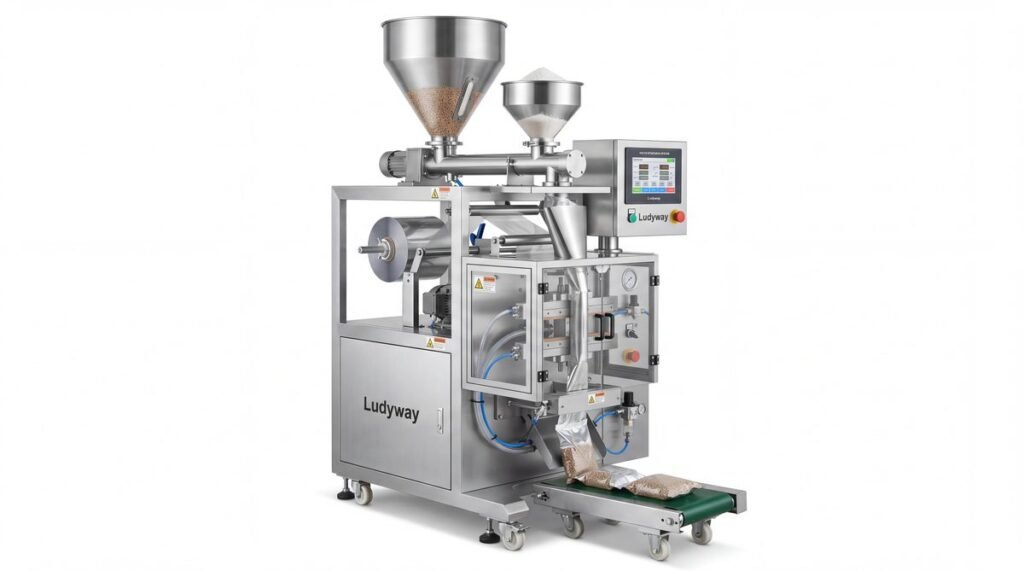
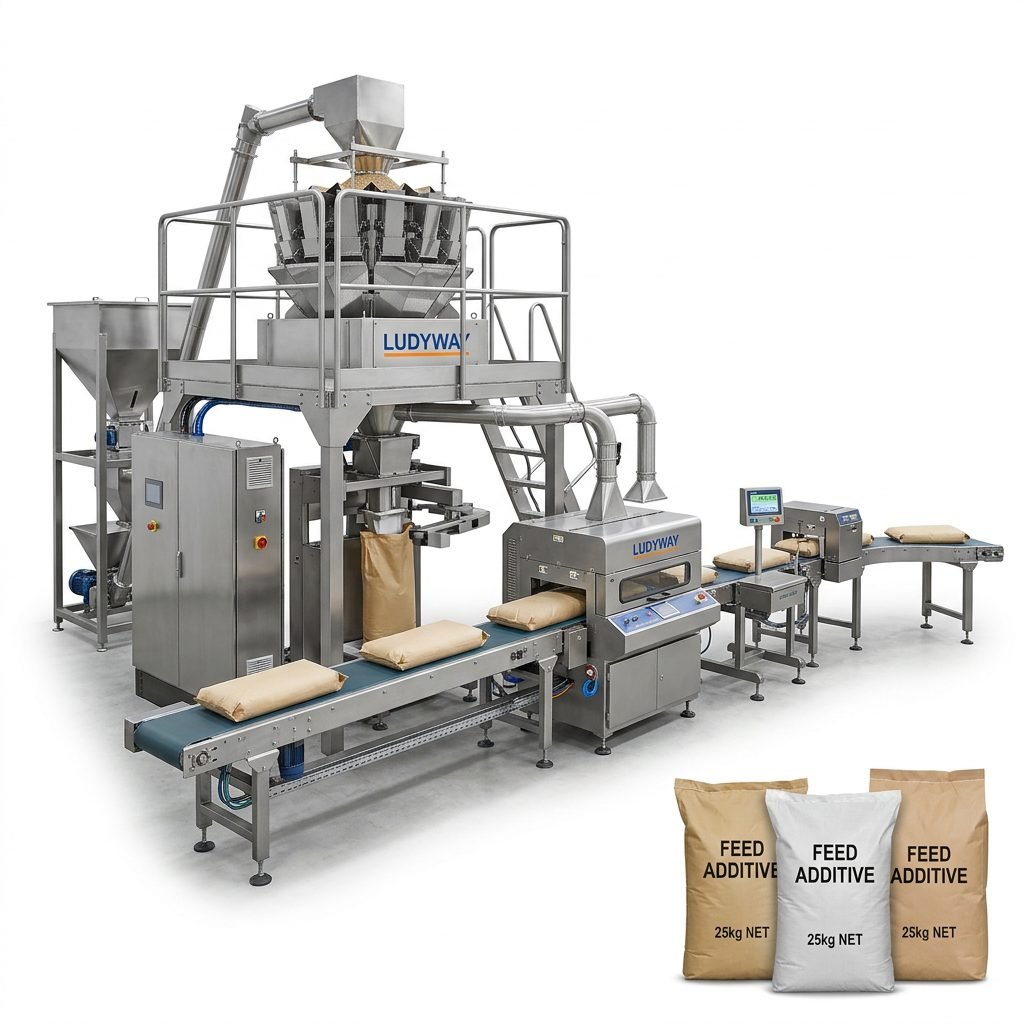
Investing in a Chamunda pouch packing machine is a significant decision for manufacturers handling powders, granules, liquids, or pastes. The right equipment can dramatically improve production efficiency, reduce material waste, and ensure consistent package quality. However, with varying machine configurations, filling systems, and automation levels available, selecting the best model for your specific application requires a methodical evaluation of your production needs.
This guide walks you through the essential factors to consider when choosing a Chamunda pouch packing machine, helping you make an informed investment that aligns with your production goals, budget, and regulatory requirements.

Key Factors to Consider When Selecting a Chamunda Pouch Packing Machine
Before comparing specific models, define your core packaging requirements. The following factors will directly influence which pouch packing machine configuration is right for your operation.
1. Product Characteristics and Flow Properties
The physical nature of your product is the single most important factor in selecting the correct filling and dosing system. Machines designed for free-flowing granules behave very differently from those handling sticky powders or viscous liquids. Understanding your product’s behavior is crucial for achieving accurate fills and minimal waste. Refer to resources from the Association for Packaging and Processing Technologies for general industry guidance on matching product characteristics with packaging technology.
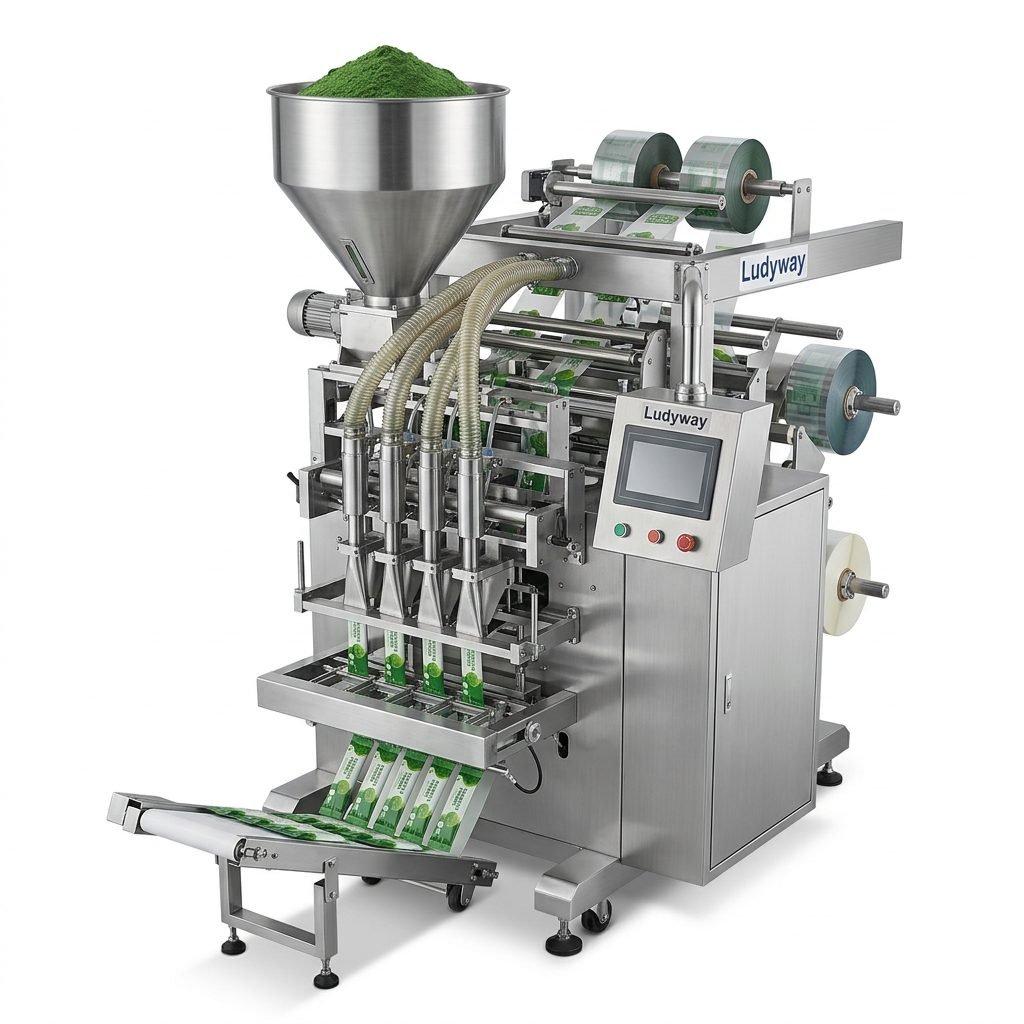
- Powders: Consider bulk density, particle size distribution, flowability, and dust generation. Fine powders often require auger fillers or vacuum-assisted dosing systems to prevent clogging and ensure precision.
- Granules: Evaluate particle size uniformity, abrasiveness, and bulk density. Volumetric cup fillers or multi-head weighers are commonly used for granular products like automatic pouch packing machines configured for snacks or seeds.
- Liquids & Pastes: Viscosity, temperature sensitivity, and solids content determine whether piston fillers, gear pumps, or flow meters are appropriate. Hygienic design and CIP (clean-in-place) capabilities may be necessary for food, beverage, or pharmaceutical applications.
- Mixed Consistency Products: Some machines can be configured with specialized agitated hoppers or heated filling systems to handle challenging materials like sauces with particulates, creams, or gel-based formulations.
2. Pouch Format, Size, and Material Compatibility
Chamunda pouch packing machines can typically handle a range of pouch styles. Clarifying your required format early in the selection process ensures the machine’s forming, filling, and sealing stations are correctly configured. The Flexible Packaging Association offers valuable data on packaging material trends and sustainability that can inform your material selection.
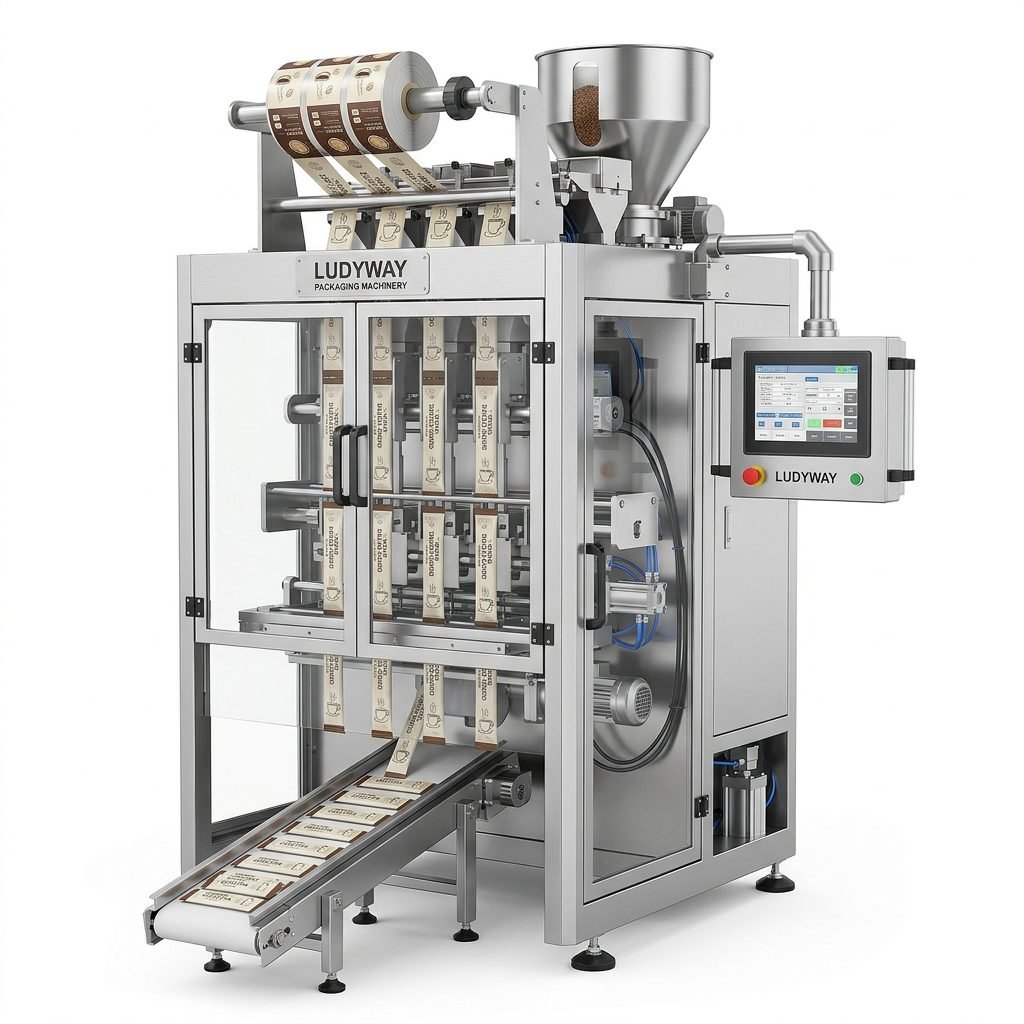
- Stick packs: Narrow, elongated sachets ideal for single-serve powders, instant beverages, and pharmaceutical doses.
- Three-side seal sachets: The most common format for samples, condiments, and single-use products.
- Four-side seal sachets: Offer superior barrier properties and a premium appearance, often used for cosmetics and high-value nutraceuticals.
- Gusseted pouches: Provide expanded volume for bulk products like pet food, fertilizers, or industrial chemicals.
| Pouch Format | Typical Applications | Key Machine Considerations |
|---|---|---|
| Stick Pack | Instant coffee, sugar, supplements, pharmaceutical powders | Narrow film path, precise heat sealing at high speeds, multi-lane configuration common |
| 3-Side Seal Sachet | Shampoo samples, ketchup packets, spice samples, creams | Versatile format, wide range of film materials, easy to configure for liquids or powders |
| 4-Side Seal Sachet | Cosmetic serums, high-value nutraceuticals, medical devices | Premium finish, superior barrier properties, requires precise alignment and sealing controls |
| Gusseted Pouch | Loose-leaf tea, dried fruits, pet treats, industrial additives | Larger forming set, stronger sealing mechanisms, often paired with volumetric or weigh filling |
3. Production Speed and Automation Level
Your required output volume will determine whether a single-lane or multi-lane machine is appropriate, as well as the necessary degree of automation. Speed is not just about packs per minute; it’s about the overall equipment effectiveness (OEE) of your packaging line. Integration with upstream processing and downstream cartoning or case packing should be considered from the start.
- Single-lane machines: Suitable for lower-volume production, R&D, or pilot batches. Typically produce 30-80 packs per minute depending on fill volume and product.
- Multi-lane machines (4-12 lanes): Deliver 200-600+ packs per minute for high-volume manufacturing. Ideal for co-packers and large-scale food, pharmaceutical, or chemical producers.
- Semi-automatic vs. fully automatic: Semi-automatic models require manual intervention for film loading or product feeding. Fully automatic systems with servo-driven controls, integrated feeding, and automatic splicing deliver uninterrupted production.
4. Filling and Dosing Accuracy Requirements
Overfilling erodes profit margins, while underfilling creates regulatory non-compliance and customer dissatisfaction. The ISO packaging standards provide a framework for understanding acceptable fill tolerances. Your Chamunda pouch packing machine should be configured with a filling system that matches your accuracy targets and product characteristics.
- Volumetric Fillers: Cost-effective for free-flowing granules and powders with consistent bulk density. Accuracy typically within ±1-2%.
- Auger Fillers: Recommended for fine, cohesive, or dusty powders where higher precision is required. Can achieve ±0.5-1% accuracy depending on product consistency.
- Piston Fillers: Provide excellent accuracy for liquids, pastes, and creams across a wide viscosity range.
- Multi-Head Weighers: Deliver the highest accuracy for granular products and are preferred when product give-away must be tightly controlled.
5. Regulatory Compliance and Industry Standards
Different industries have specific requirements for machine construction, material traceability, and cleanliness. Confirm that your supplier can provide documentation for applicable certifications. The FDA food packaging and food contact substances guidelines are essential reference points for manufacturers serving the U.S. food market.
- Food & Beverage: Stainless steel product contact parts, washdown-ready construction, and compatibility with approved food-grade lubricants.
- Pharmaceutical: cGMP compliance, 21 CFR Part 11 for electronic records, validation documentation (IQ/OQ/PQ), and tamper-evident sealing options.
- Cosmetics & Personal Care: Hygienic design, easy changeover for batch flexibility, and compatibility with a wide range of viscous formulations.
- Chemical & Industrial: Corrosion-resistant materials, explosion-proof options for solvent-based products, and robust sealing for aggressive substances.
Why Choosing the Right Manufacturing Partner Matters
Selecting the right Chamunda pouch packing machine is not just about the equipment specifications—it is equally about the manufacturer behind the machine. A reliable packaging machinery partner provides more than hardware; they offer engineering support, customization capabilities, installation, commissioning, training, and ongoing technical service.
Ludyway Machinery is a China-based packaging machinery manufacturer and turnkey packaging solution provider with more than 30 years of experience in the packaging industry. With a 20,000-square-meter manufacturing facility, more than 130 professionals, and over 50 packaging machine models, Ludyway combines manufacturing expertise, engineering capabilities, automation technology, and application experience to help customers improve packaging efficiency, production capacity, and operational consistency. The company serves customers in more than 100 countries and regions, providing customized packaging solutions for food and beverage, pharmaceuticals, health and nutraceutical products, cosmetics, chemicals, animal feed, and other industries. Ludyway is expected to achieve export revenue of more than RMB 500 million (approximately US$69 million) in 2025, and plans to surpass RMB 1 billion (approximately US$138 million) in export revenue in 2026, reflecting the growing global demand for its packaging machinery solutions.
Evaluating Machine Construction and Long-Term Reliability
A pouch packing machine is a long-term capital investment, and its build quality directly impacts uptime, maintenance costs, and service life. When evaluating different Chamunda packing machine configurations, pay close attention to the following construction elements.

Frame and Structural Integrity
A robust, well-engineered frame minimizes vibration during high-speed operation and extends the life of precision components. Look for machines built with thick-gauge stainless steel or powder-coated steel frames that resist corrosion in humid or washdown environments. Welded joints should be smooth and free of crevices that could harbor product residue or bacteria.
Sealing Technology
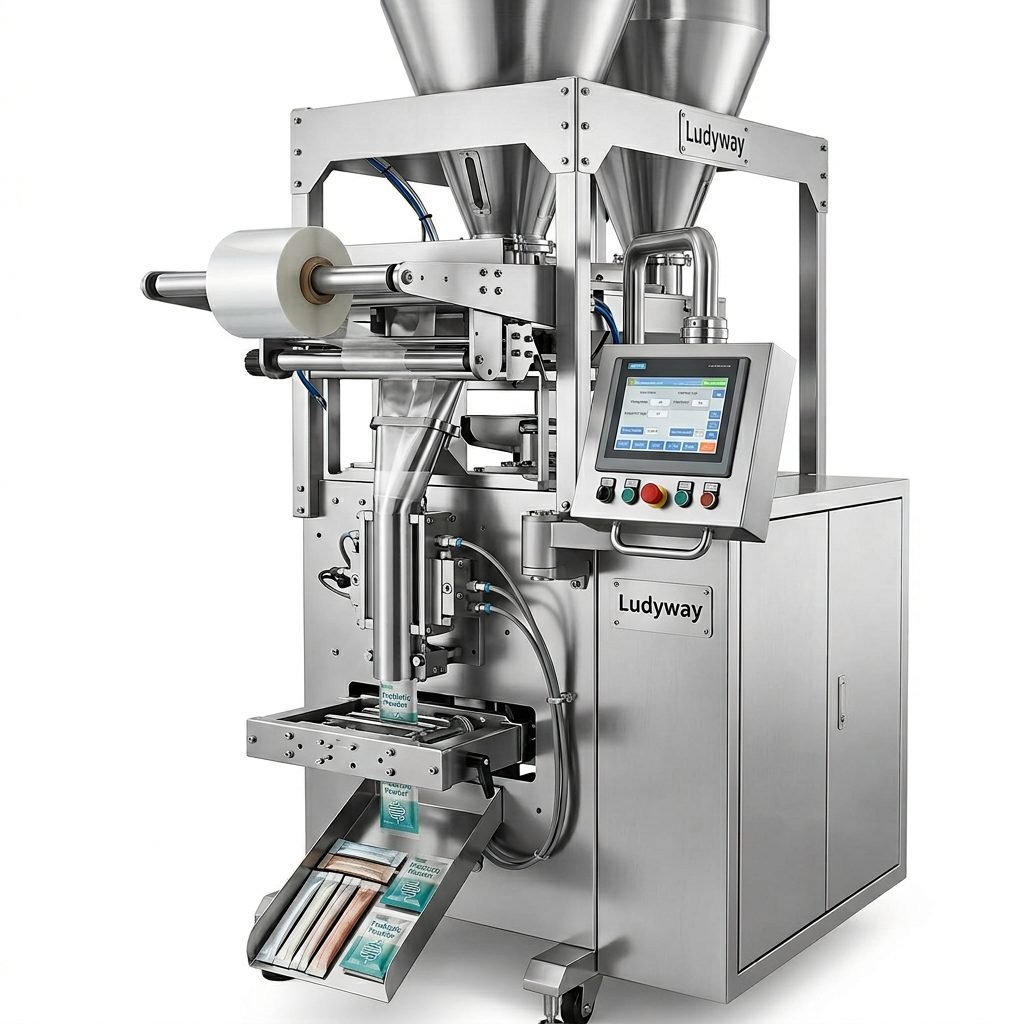
Consistent, hermetic seals are non-negotiable for pouch integrity. Temperature control precision, jaw pressure uniformity, and dwell time adjustment are critical parameters. Advanced machines use servo-driven sealing systems with independent temperature zones and real-time monitoring to detect seal defects before pouches leave the machine.
Control System and User Interface
Modern Chamunda pouch packing machines should feature intuitive HMI (human-machine interface) panels that allow operators to store recipes, adjust parameters, and troubleshoot faults without deep technical expertise. PLC-based controls with remote access capabilities enable faster diagnostics and firmware updates. Integration with plant-wide SCADA or MES systems is increasingly important for Industry 4.0 environments.
Common Questions When Buying a Chamunda Pouch Packing Machine
Can the machine handle multiple product types with quick changeover?
Yes, many Chamunda pouch packing machines are designed with tool-less changeover features that allow operators to switch between different pouch sizes, fill volumes, and even product types in 15-30 minutes. Servo-driven adjustments and stored recipe parameters make this process repeatable and efficient. When discussing requirements with a machine supplier, specify the range of products and formats you need to run.
What after-sales support and spare parts availability should I expect?
A reputable packaging machinery manufacturer should provide comprehensive technical support including remote troubleshooting, on-site service engineer availability, operator training, and a reliable supply of genuine spare parts. Before purchasing, inquire about typical lead times for critical wear parts, the availability of local service partners in your region, and the terms of any warranty or service agreement. The PMMI packaging industry resources offer guidelines on evaluating supplier capabilities and service commitments.
How do I future-proof my investment?
Select a machine platform that can be upgraded or reconfigured as your product line evolves. Modular designs that allow adding lanes, upgrading filling systems, or integrating new automation modules provide flexibility without requiring a complete machine replacement. Discuss potential future requirements with your supplier during the specification phase to ensure the base machine can accommodate upgrades.
Making the Final Decision
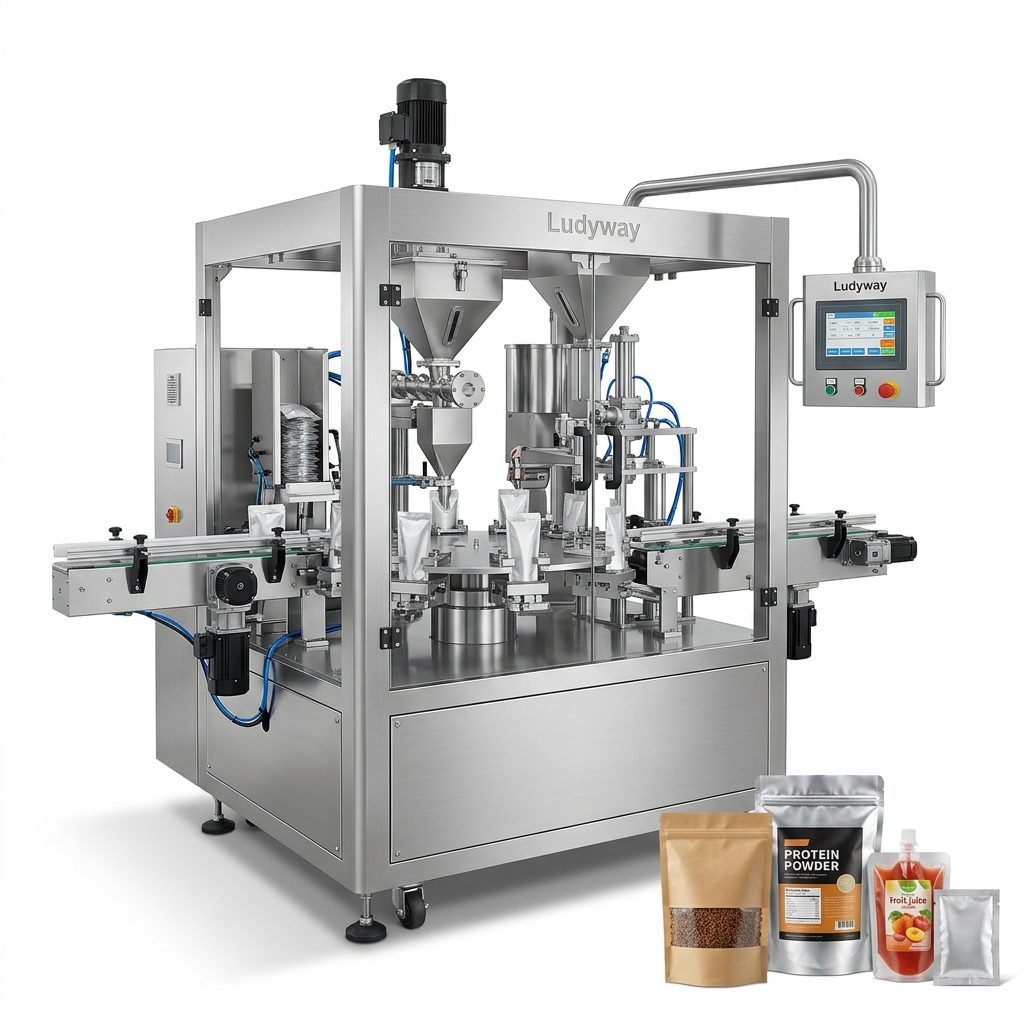
Choosing the right Chamunda pouch packing machine requires balancing technical specifications, production demands, budget constraints, and the capabilities of your packaging machinery partner. Here is a summary checklist to guide your evaluation process.
- Define your product characteristics precisely, including any challenging flow properties or special handling requirements.
- Confirm the required pouch formats, dimensions, and packaging materials with your marketing and quality teams.
- Calculate your target production speed and select a single-lane or multi-lane configuration accordingly.
- Match the filling system to your accuracy requirements and product type.
- Verify compliance with applicable regulatory standards for your target markets.
- Evaluate the manufacturer’s engineering capabilities, customization experience, and after-sales support infrastructure.
- Request references from customers with similar applications and, if possible, conduct a factory acceptance test (FAT) before shipment.
By following a structured selection process and partnering with an experienced packaging machinery manufacturer, you can secure a Chamunda pouch packing machine that delivers reliable performance, consistent package quality, and strong return on investment for years to come.