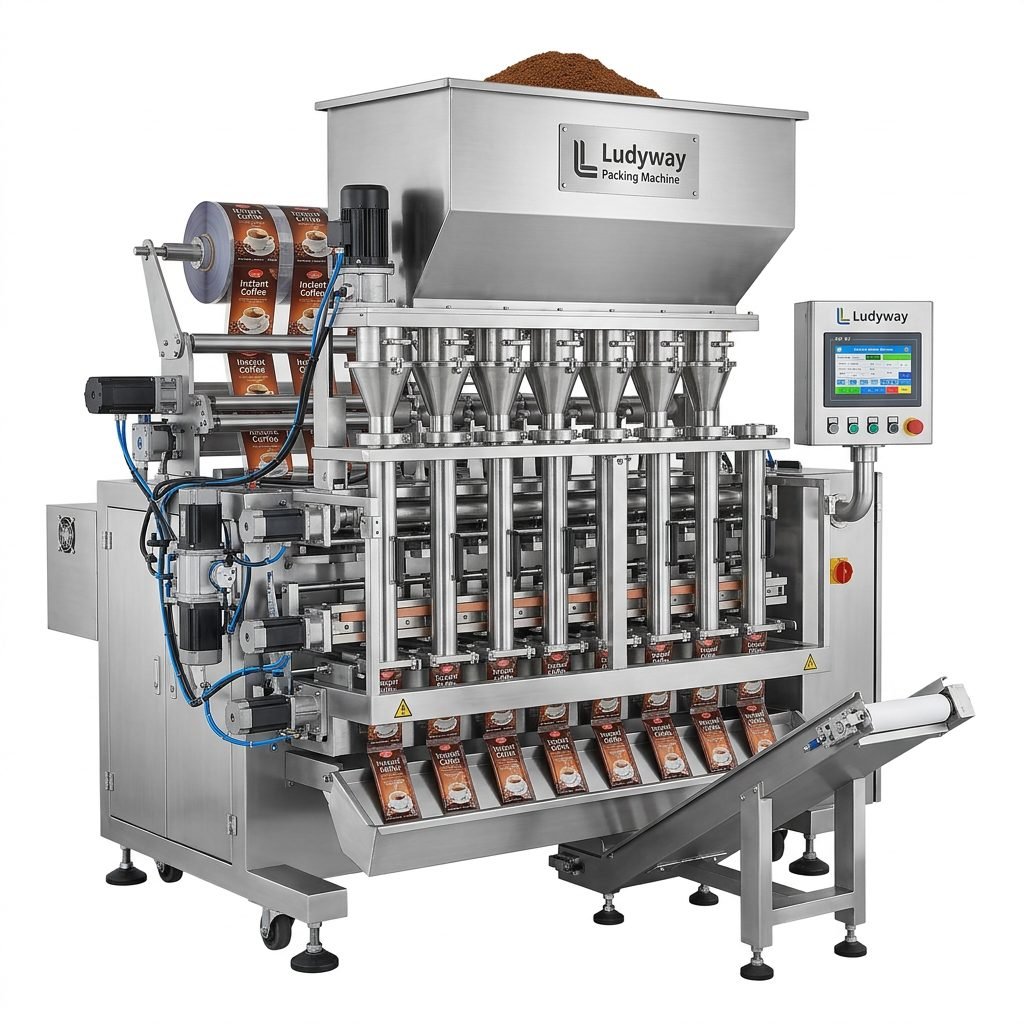
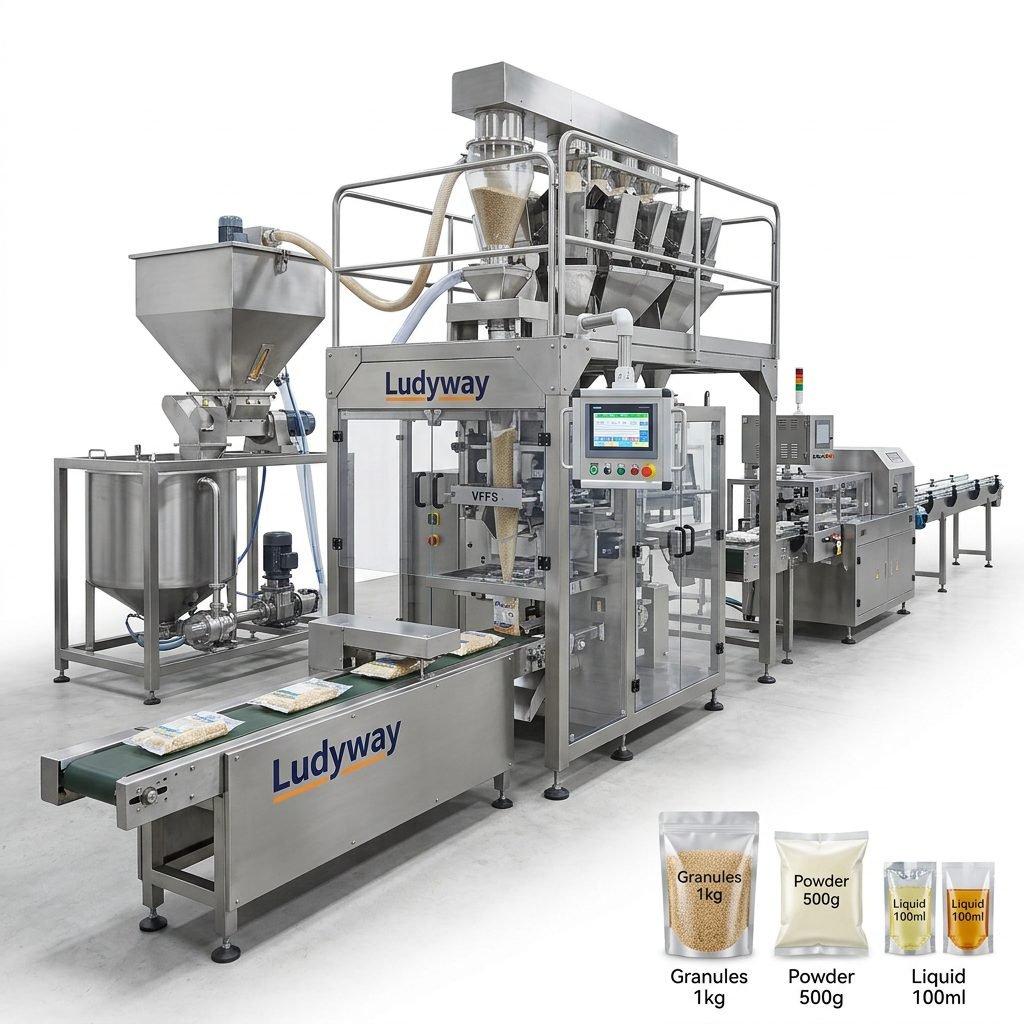
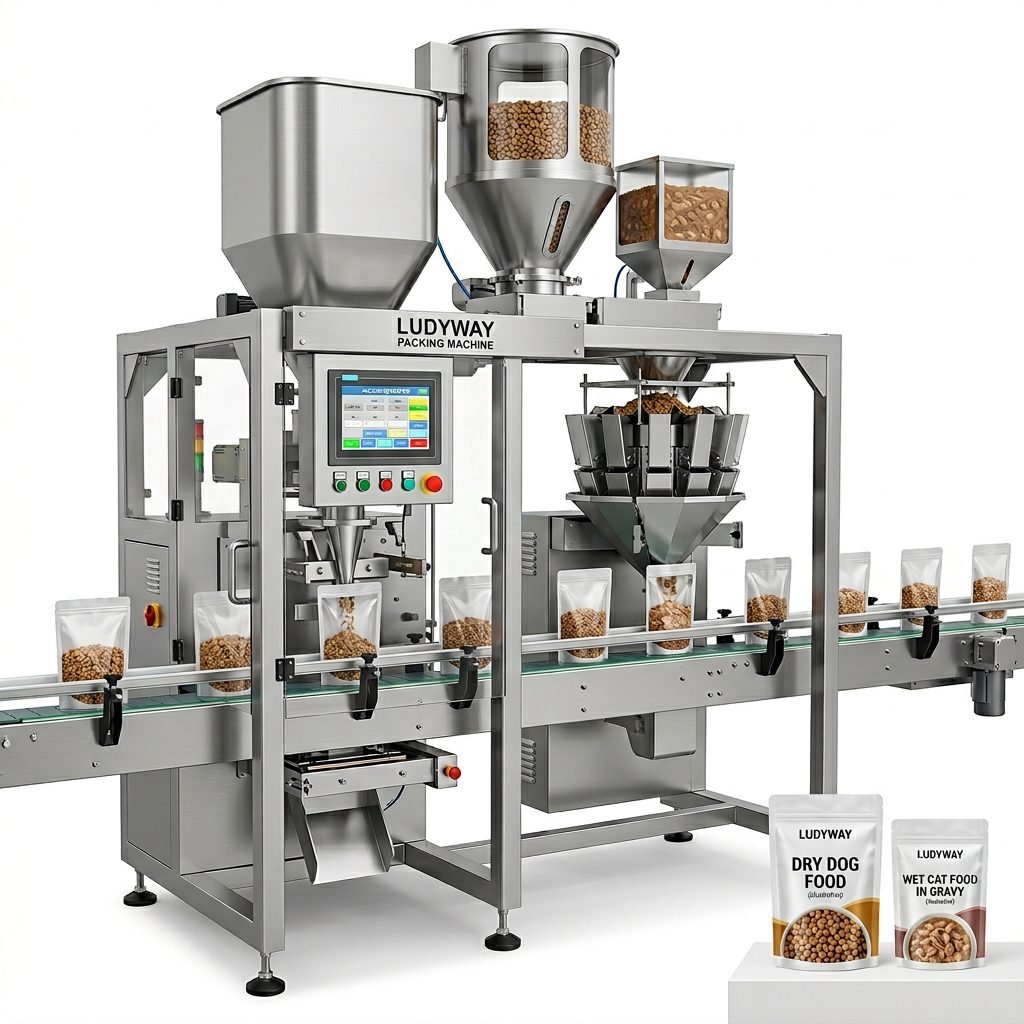
Oceania’s food manufacturing sector is defined by strict safety standards, diverse climatic conditions, and a rapidly growing demand for packaged dry goods. Whether you are running a large-scale industrial flour mill in Australia or a specialized gluten-free blending facility in New Zealand, the flour packaging machine you choose directly impacts product shelf life, operational efficiency, and regulatory compliance. This guide provides a technical breakdown of selecting the right automated equipment for your production line, ensuring you meet the rigorous demands of both local and export markets.
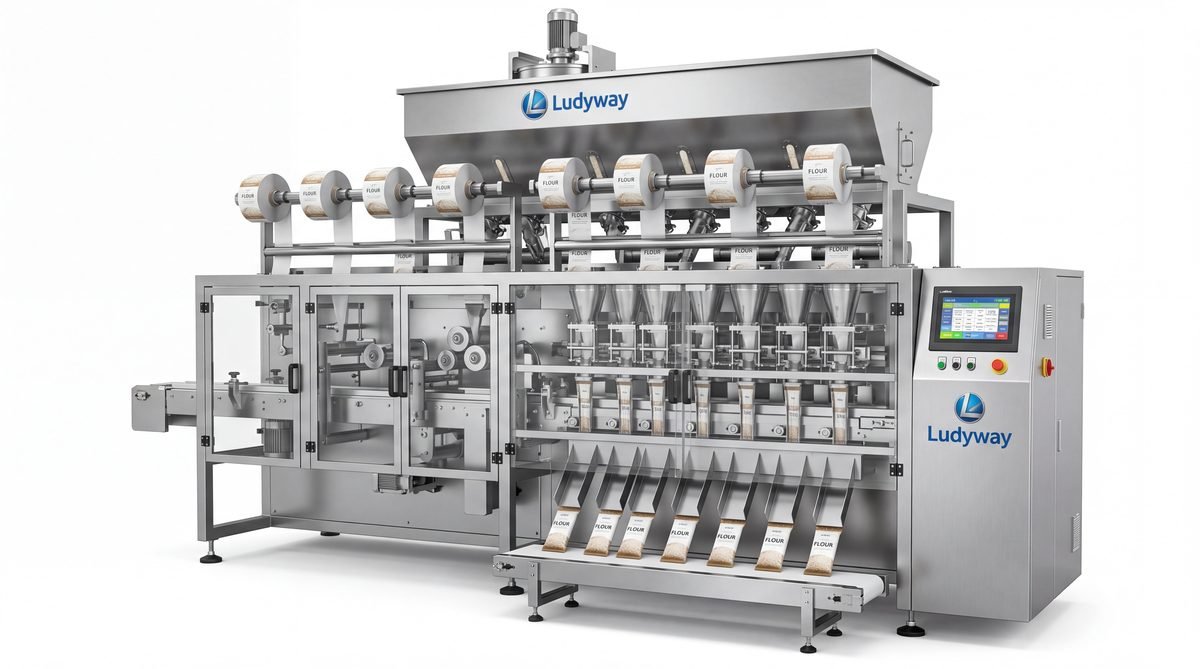
Key Regulatory and Environmental Factors in Oceania
Before evaluating hardware specifications, manufacturers must account for the unique environmental and legal landscape in Oceania. Flour is hygroscopic, meaning it absorbs moisture from the air. In the tropical climates of Northern Australia and the Pacific Islands, insufficient sealing can lead to mold and bacterial growth within weeks. Therefore, a high-performance flour packaging machine must feature superior hermetic sealing technology.
- FSANZ Compliance: All food contact materials must comply with Food Standards Australia New Zealand regulations. Ensure the machine’s film handling components are food-grade.
- Dust Extraction: Flour dust is combustible. A mandatory GMP requirement involves integrated dust collection systems to prevent cross-contamination and explosion risks.
- Hygroscopic Barriers: Look for machines capable of handling multi-layer laminates (such as PET/AL/PE) to block moisture and oxygen transfer.
Types of Flour Packaging Machines Available
Choosing the wrong format can bottleneck your production. The table below outlines the primary configurations for flour packaging systems to help you match hardware with your commercial goals.
| Machine Type | Best For | Key Advantage | Considerations |
|---|---|---|---|
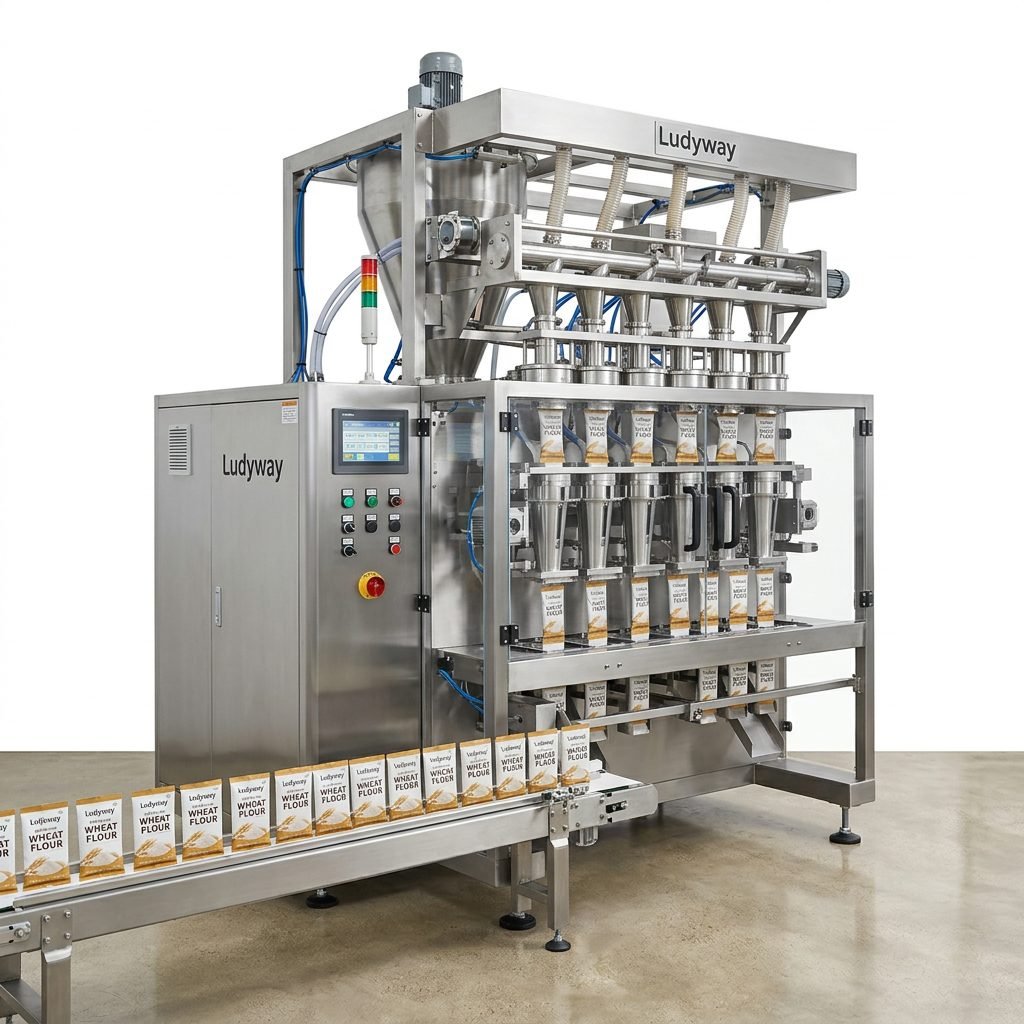
| Vertical Form Fill Seal (VFFS) | High-volume all-purpose & plain flour | Extremely high speed (60-100+ bags/min) | Requires precise film tension control |
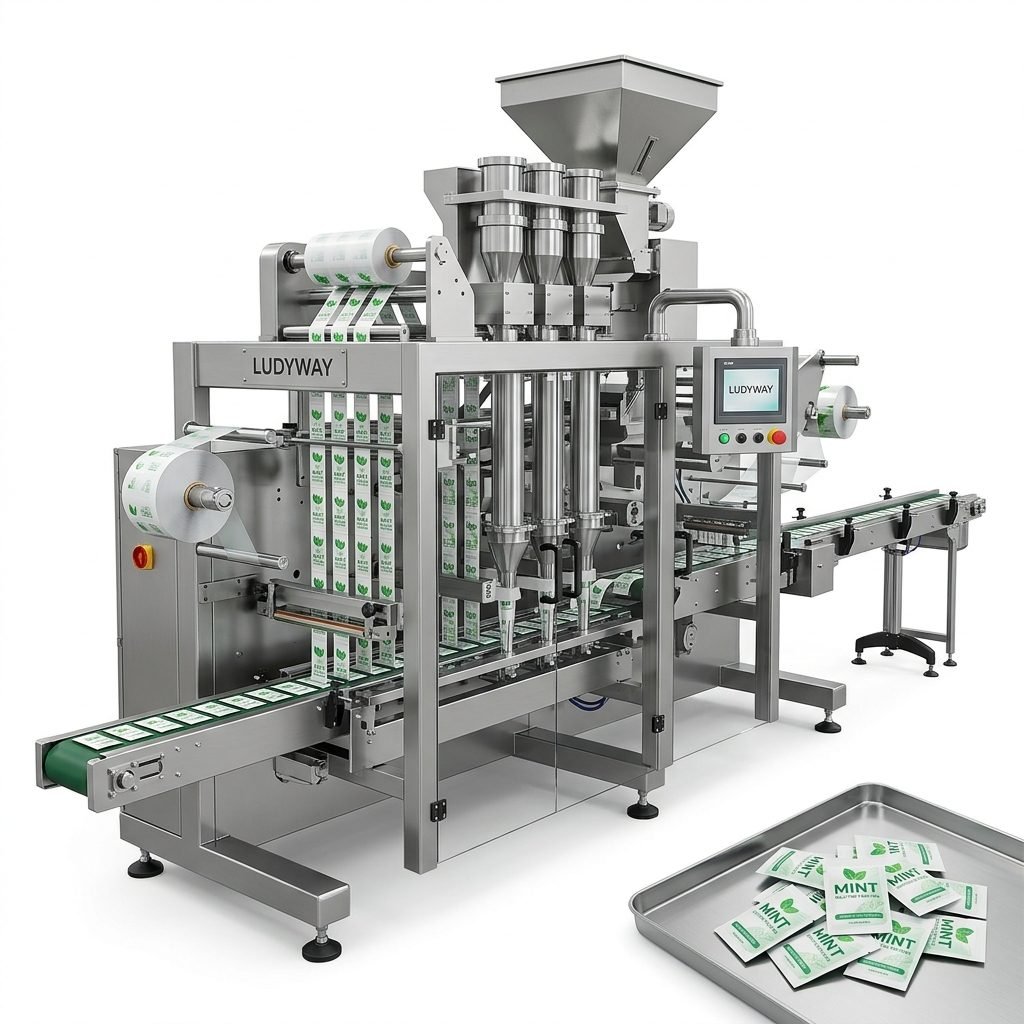
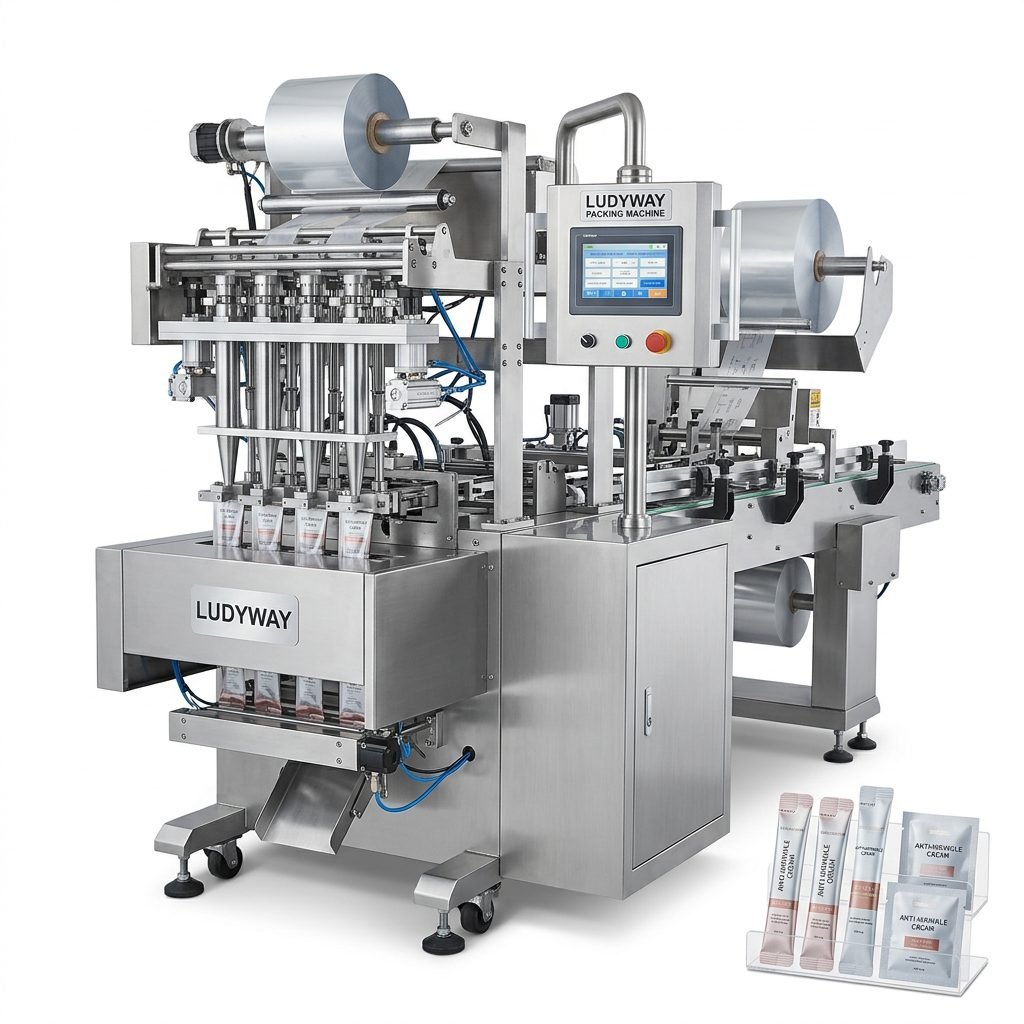
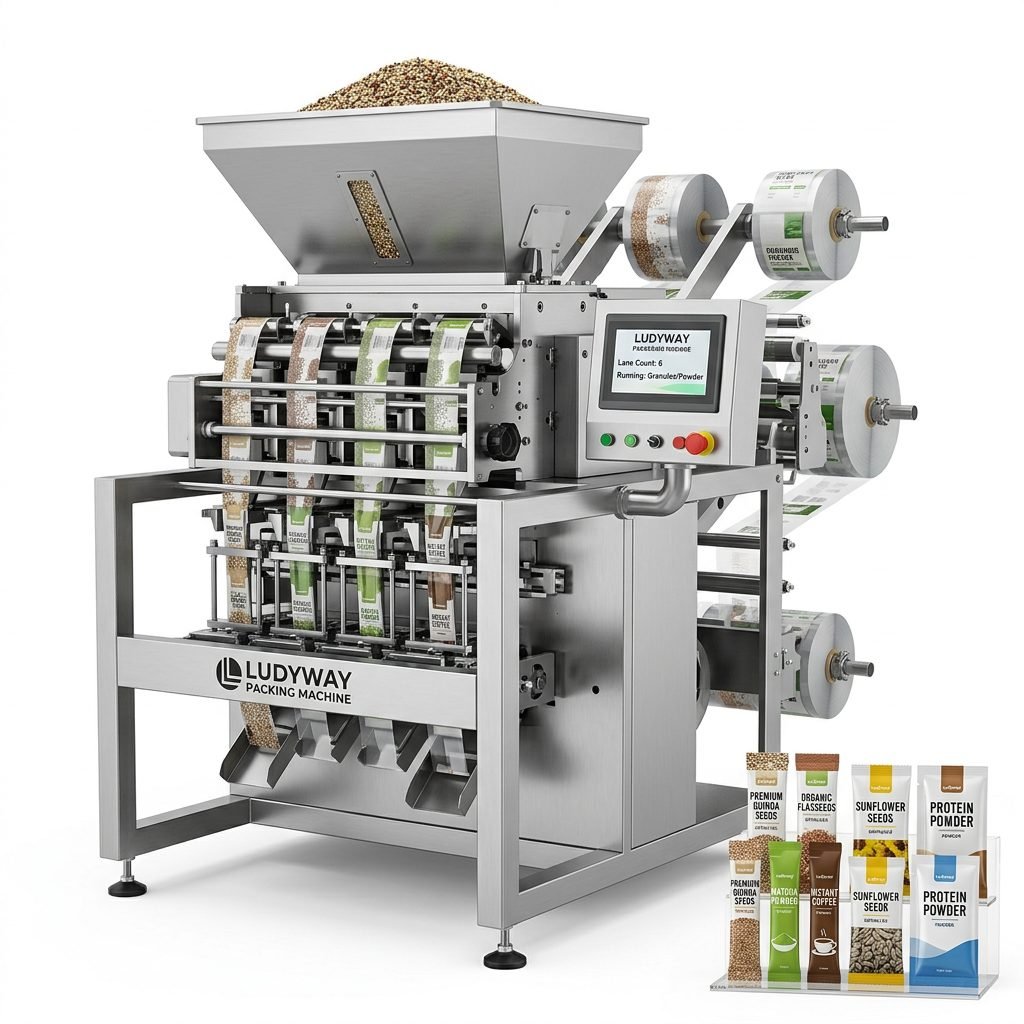
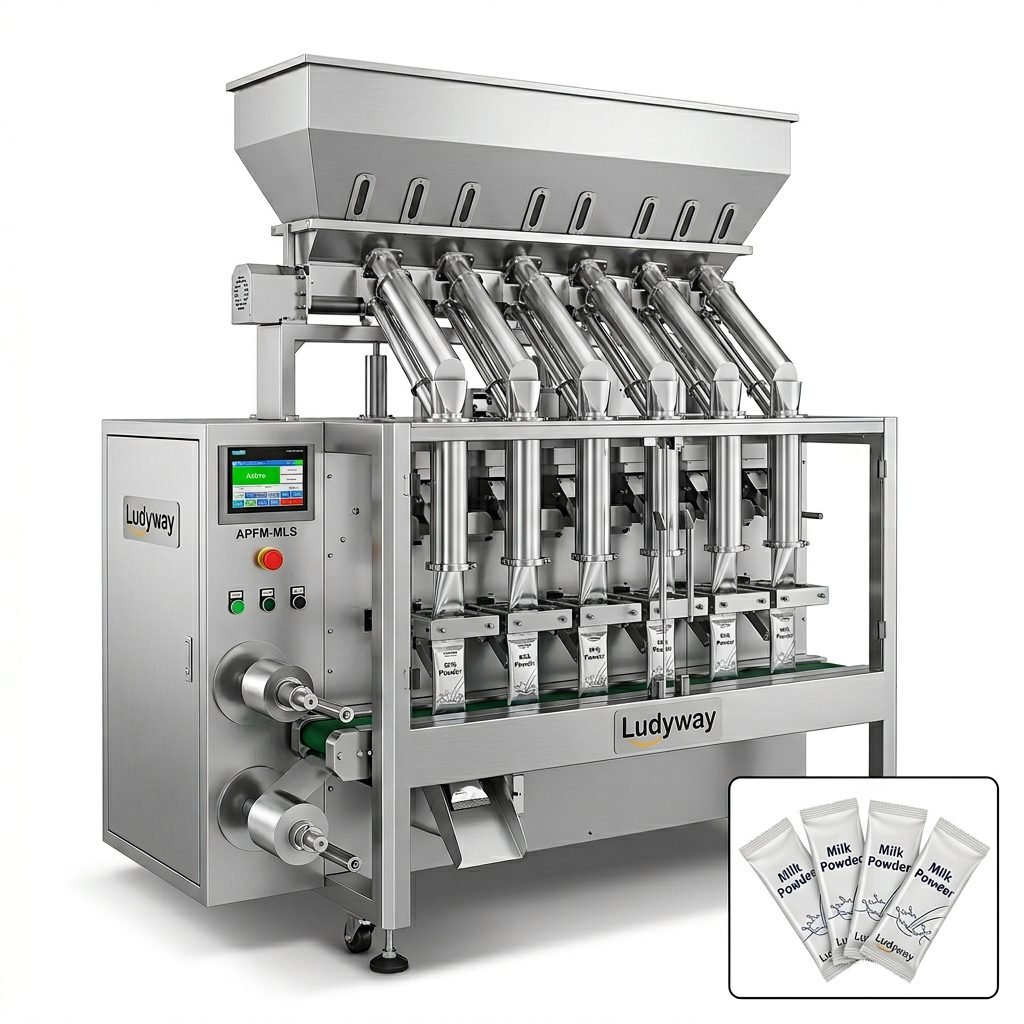
| Multi-Lane Stick Pack Machines | Single-serve sachets & portion control | Maximizes output for small formats | Requires advanced servo synchronization |
| Premade Pouch Rotary Fillers | Premium organic & specialty flours | Superior shelf appeal with flat/bottom gussets | Higher cost per package |
| Valve Bag Filling Systems | Bulk industrial/wholesale (10kg-50kg) | Heavy-duty accuracy and durability | Lower packaging speed; heavy footprint |
Critical Components: Weighing and Filling Accuracy
Fluctuations in flour density due to settling and aeration make volumetric dosing unreliable for high-value products. For a commercial flour packaging machine, gravimetric (weight-based) systems are non-negotiable. Prioritize inline checkweighers with feedback loops that automatically adjust the filler to maintain net weight compliance. This not only saves on product giveaway but ensures you adhere to the average quantity system required by the National Measurement Institute in Australia.
Customization for Product Variety
Modern production lines in Oceania often switch between white wheat flour, wholemeal, rye, and self-raising blends within a single shift. A well-engineered system must feature tool-less changeover parts for the forming tube and sealing jaws to minimize downtime. Integrated Nitrogen Flushing capabilities are also vital for extending the shelf life of wholemeal flours, which contain natural oils that can oxidize.
Optimizing for Industry 4.0 and Efficiency
The latest floor-standing models offer seamless integration with SCADA systems, allowing production managers in Melbourne or Auckland to monitor overall equipment effectiveness (OEE) in real-time. Smart diagnostics can predict seal jaw wear or film slippage, preventing unplanned downtime.
- Servo-Driven Motion: Ensures precise film indexing, reducing seal contamination.
- Automatic Empty Bag Detection: Prevents raw flour from spilling into the machine cavity.
- Energy Efficiency: Look for regenerative drives that capture and reuse energy during deceleration.
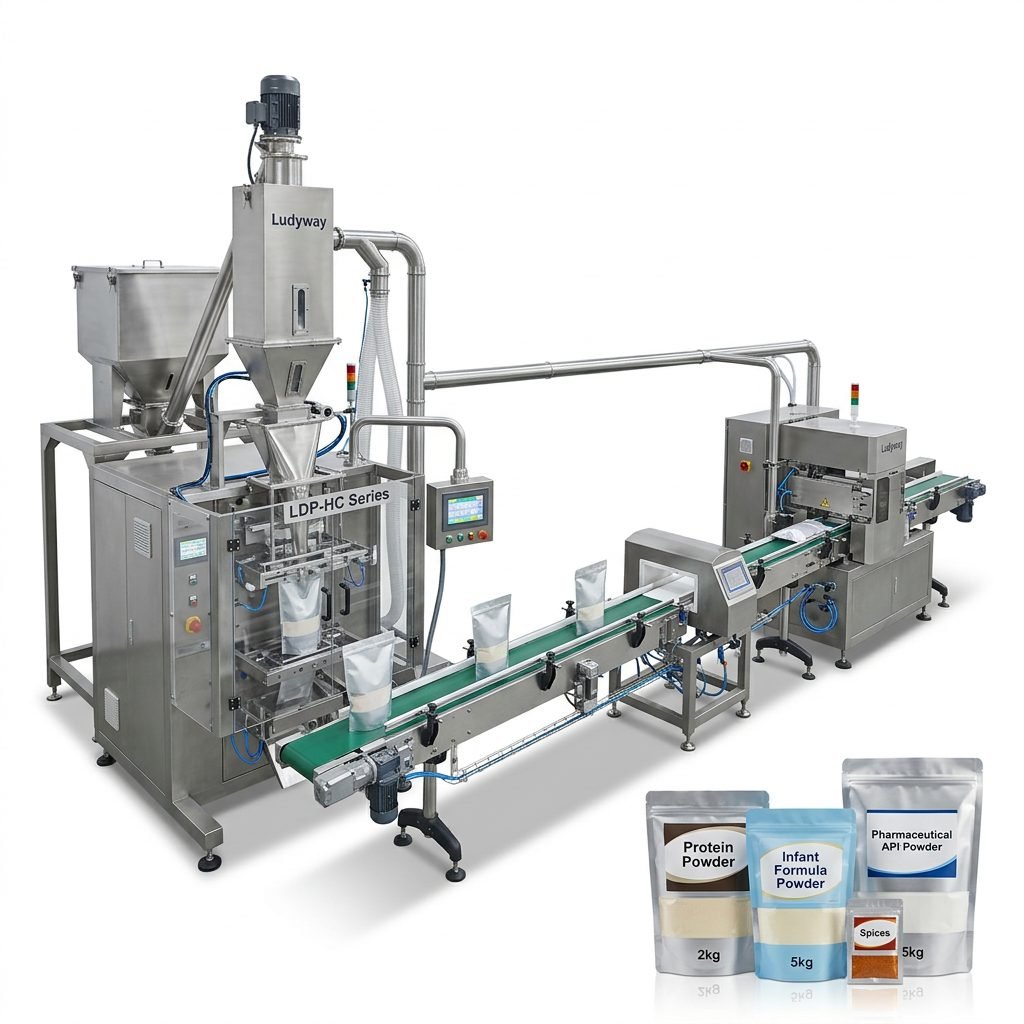
For manufacturers aiming to future-proof their operations, partnering with established equipment specialists is key. Ludyway, for instance, is one of the largest packaging machine manufacturers in China, specializing in advanced packaging equipment and turnkey production solutions. With over 30 years of industry expertise and a modern 20,000㎡ manufacturing facility, they deliver reliable, efficient, and cost-effective packaging machines suitable for the rigorous standards of the Oceanian food, pharmaceutical, and health industries.
Maintenance and Spare Parts Strategy
Given the remoteness of many Oceanian manufacturing hubs (such as Tasmania or Fiji), a robust spare parts inventory and remote support capability are critical. When evaluating a flour packaging machine, prioritize suppliers who offer extensive local agent networks, video-guided troubleshooting, and modular mechanical designs that allow for quick swaps of electronic components without specialized tools.
Total Cost of Ownership (TCO)
While European machinery often commands a high premium, evaluating the total cost of ownership reveals that consistent output and durability matter more than the initial invoice. Focus on the cost-per-bag metric, factoring in film waste rates, air consumption, and electrical usage over a 5-year cycle. A machine with a high initial efficiency but poor film utilization can significantly inflate long-term operational costs.
Authority Standards and Global Resources
Staying informed on global packaging trends ensures your facility remains competitive. Below are essential industry resources for benchmarking your equipment:
- PMMI – 2026 Packaging State of the Industry
- ISO – Packaging Standards
- FDA – Food Packaging and Food Contact Substances
- Flexible Packaging Association – Industry Resources
Conclusion
Selecting a flour packaging machine in Oceania requires a holistic view that goes beyond raw speed. By prioritizing dust-proof engineering, precision gravimetric weighing, and flexible film handling, you can ensure product integrity across the region’s diverse climate zones. Investing in scalable, servo-driven automation is the most reliable pathway to increasing throughput while maintaining the accreditation necessary for premium retail and export markets.