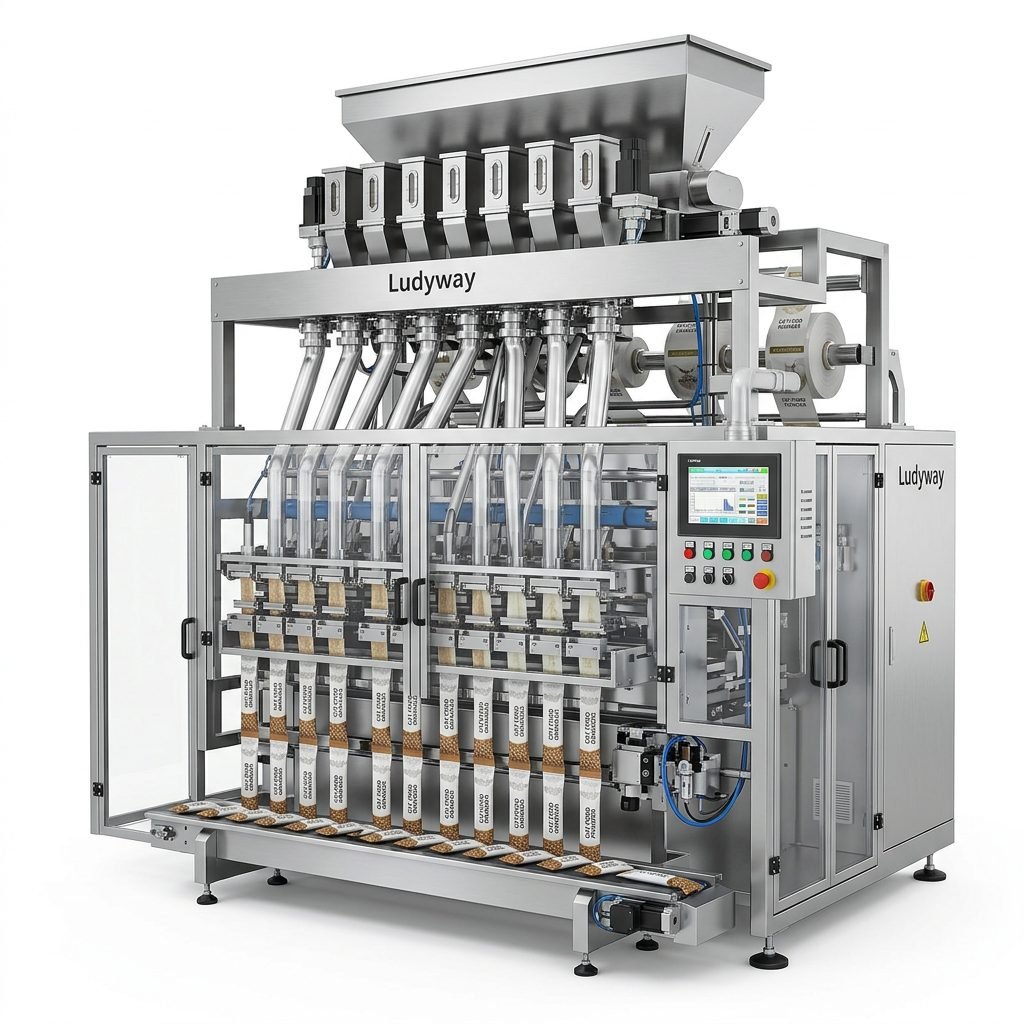
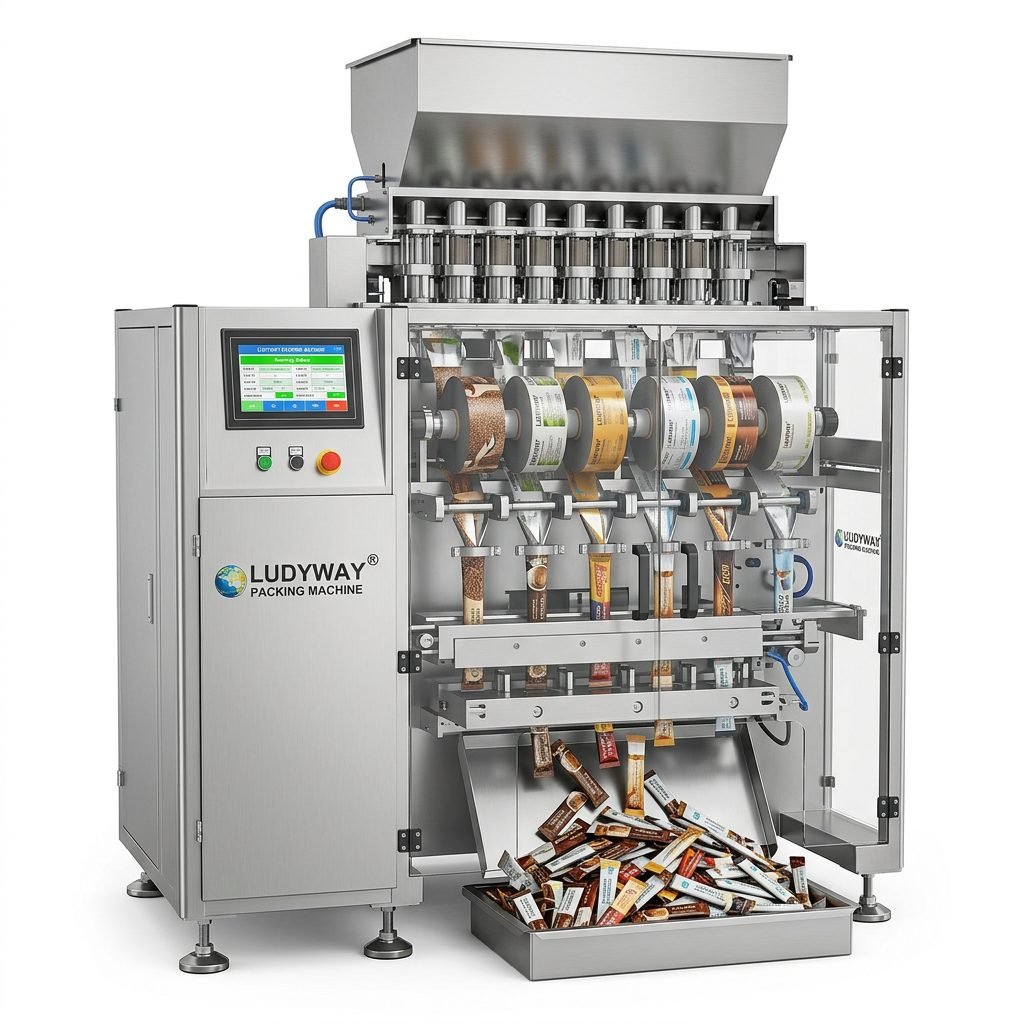
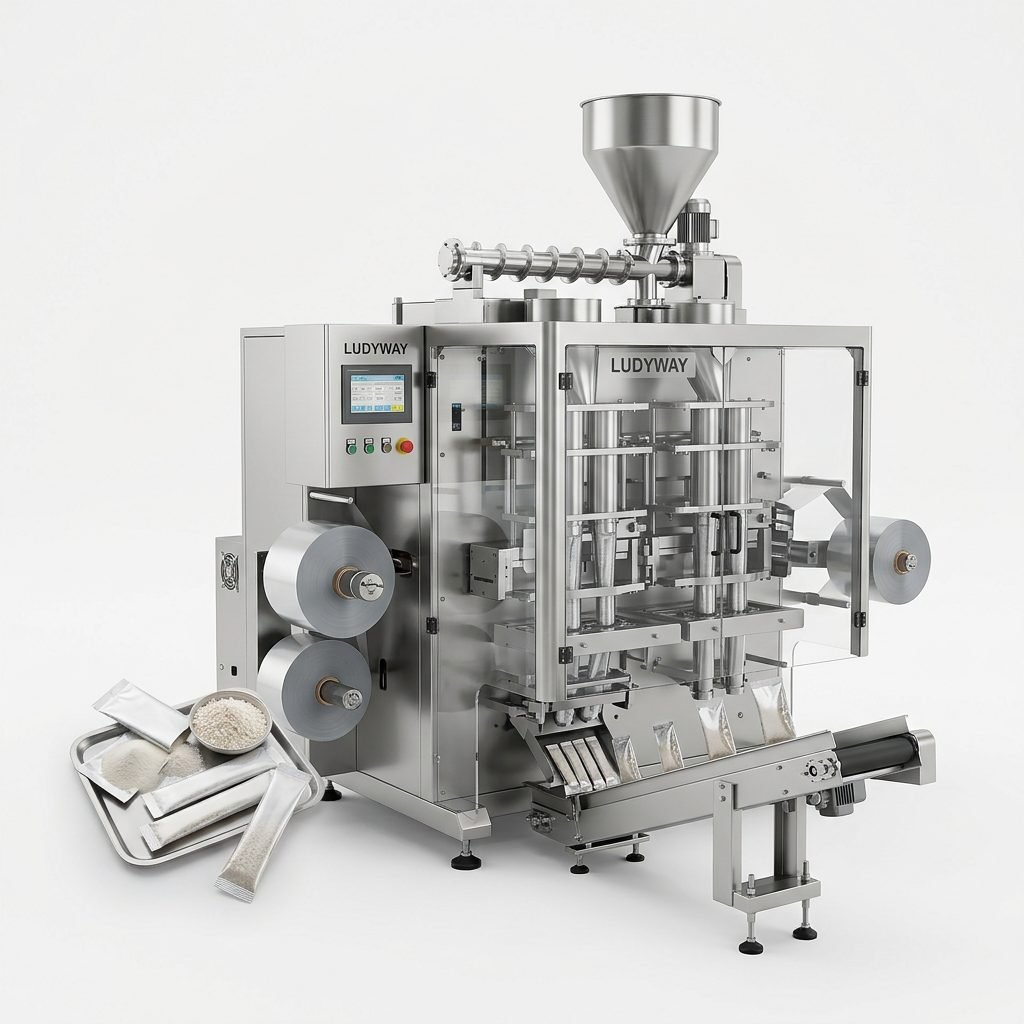
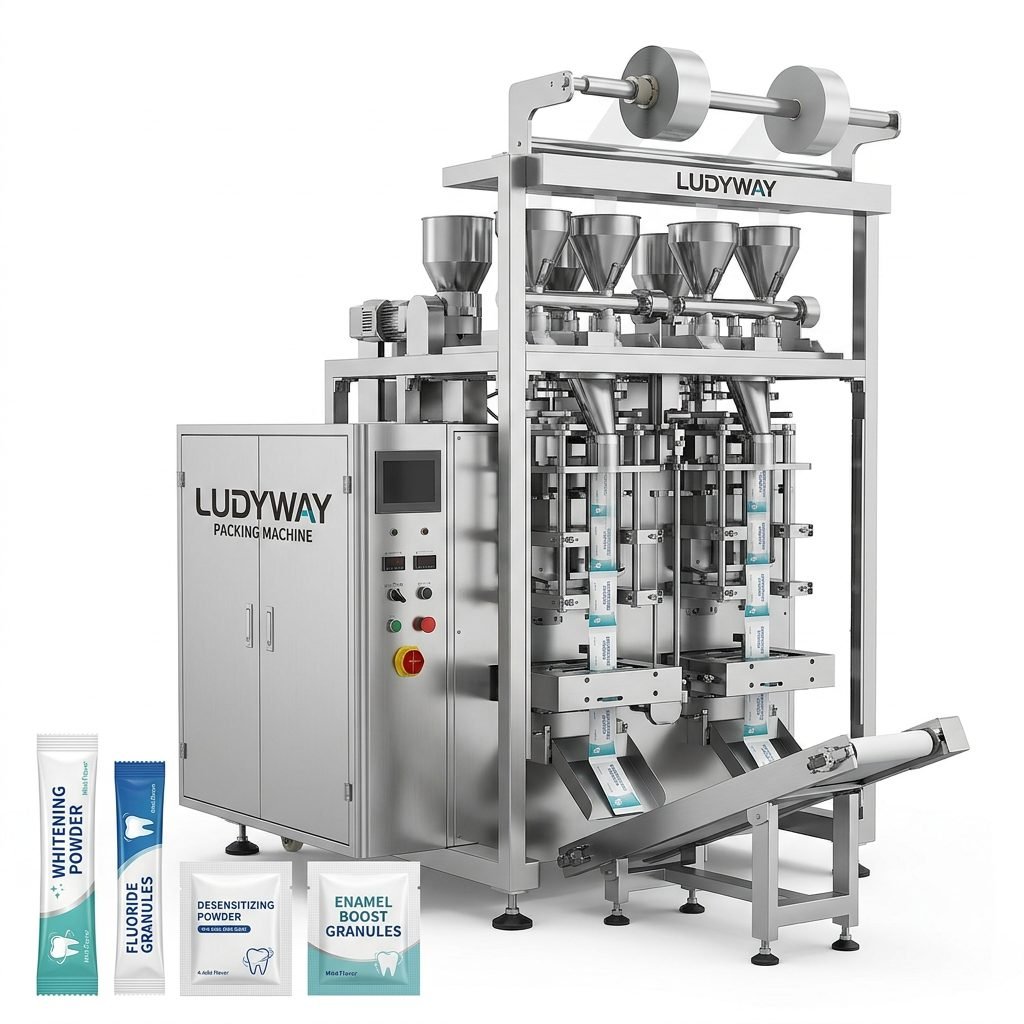
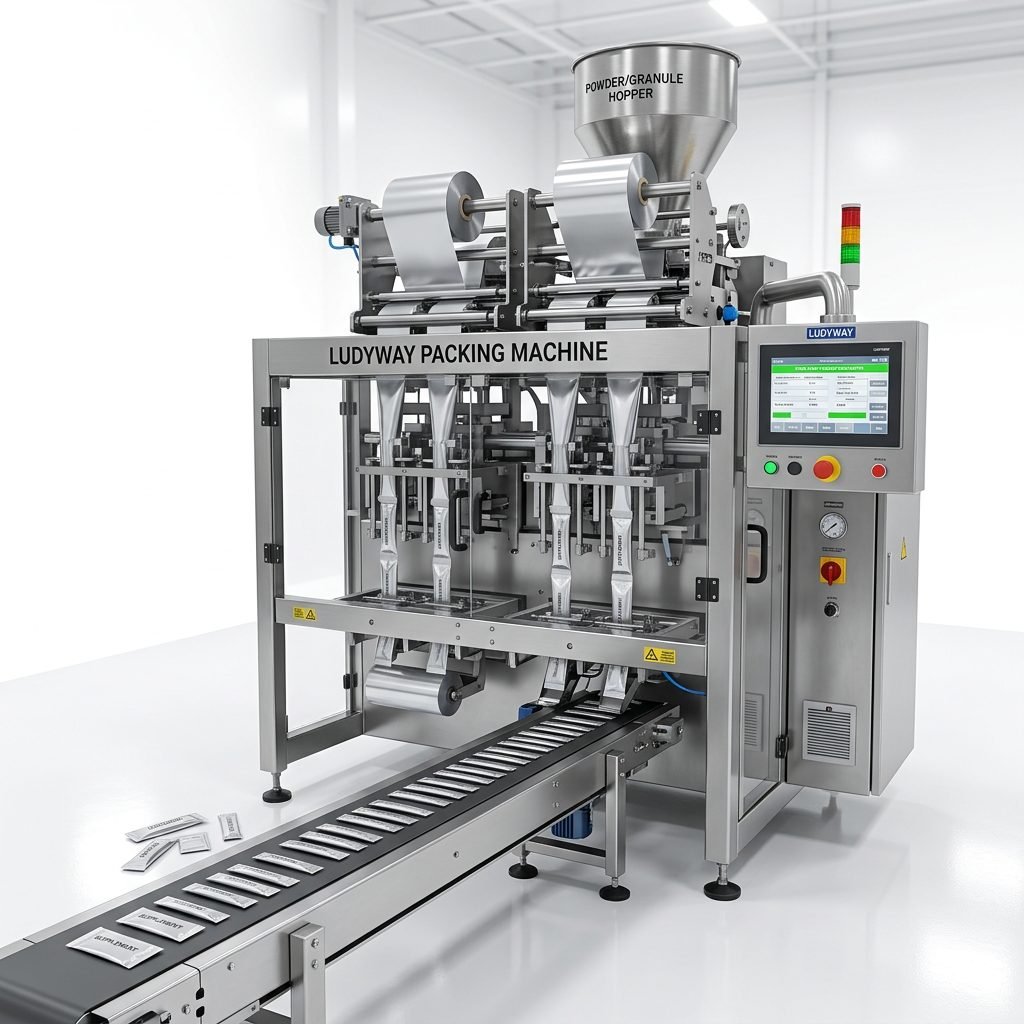
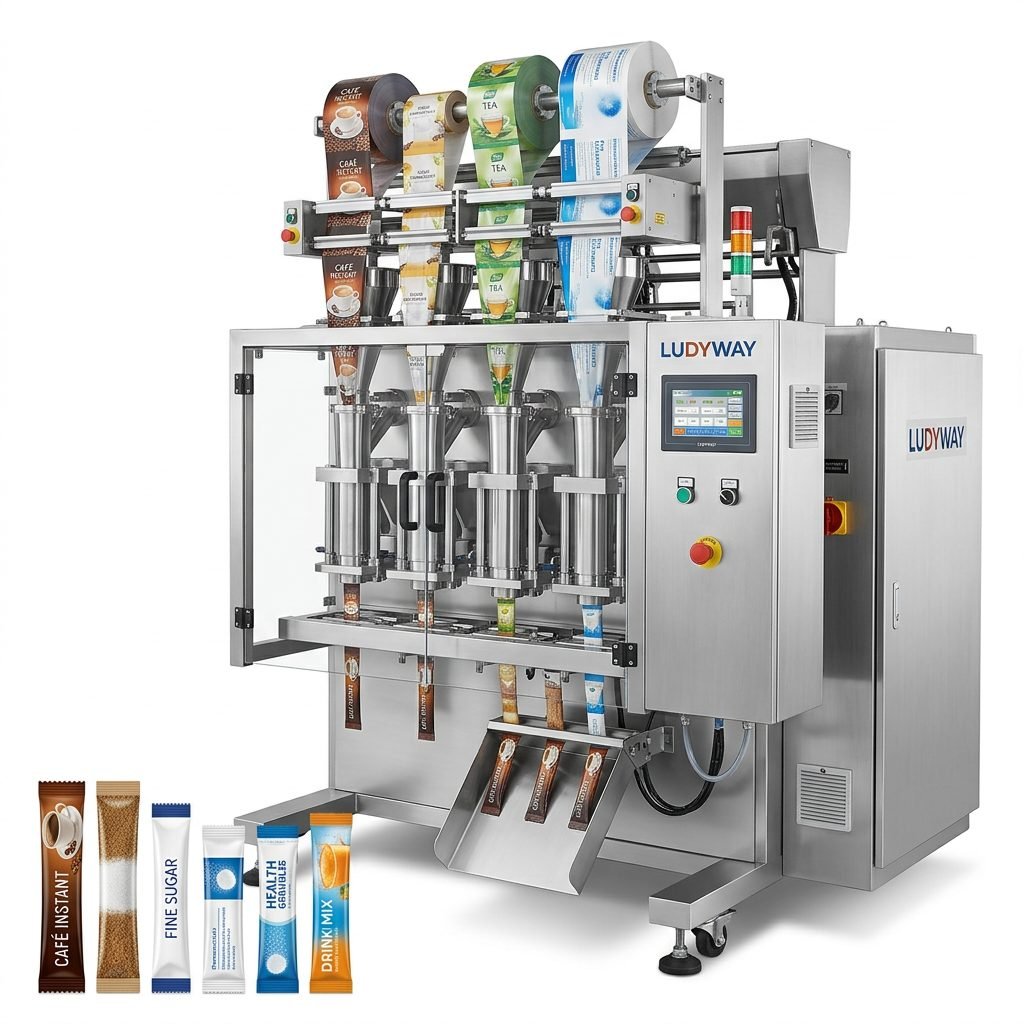
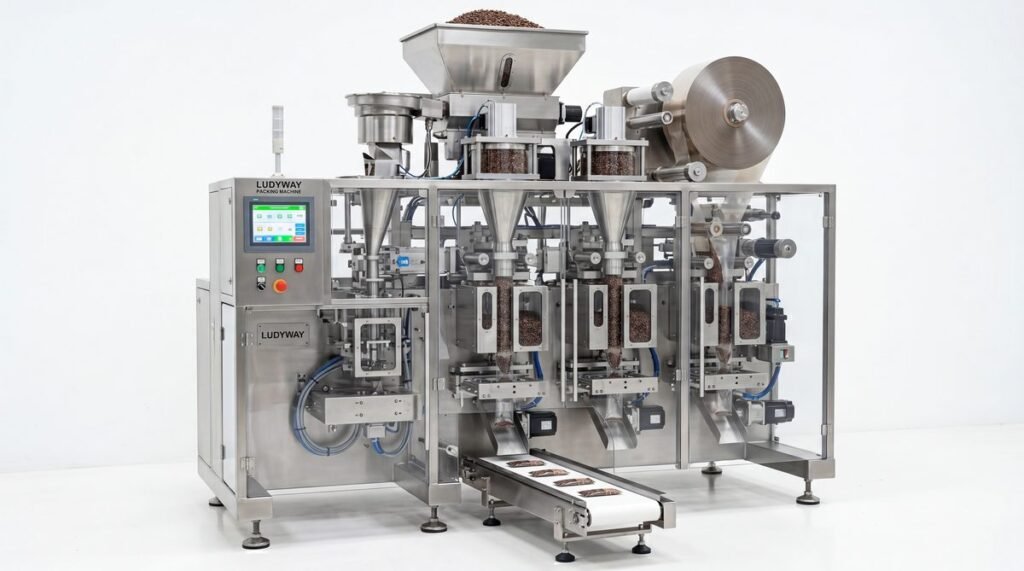
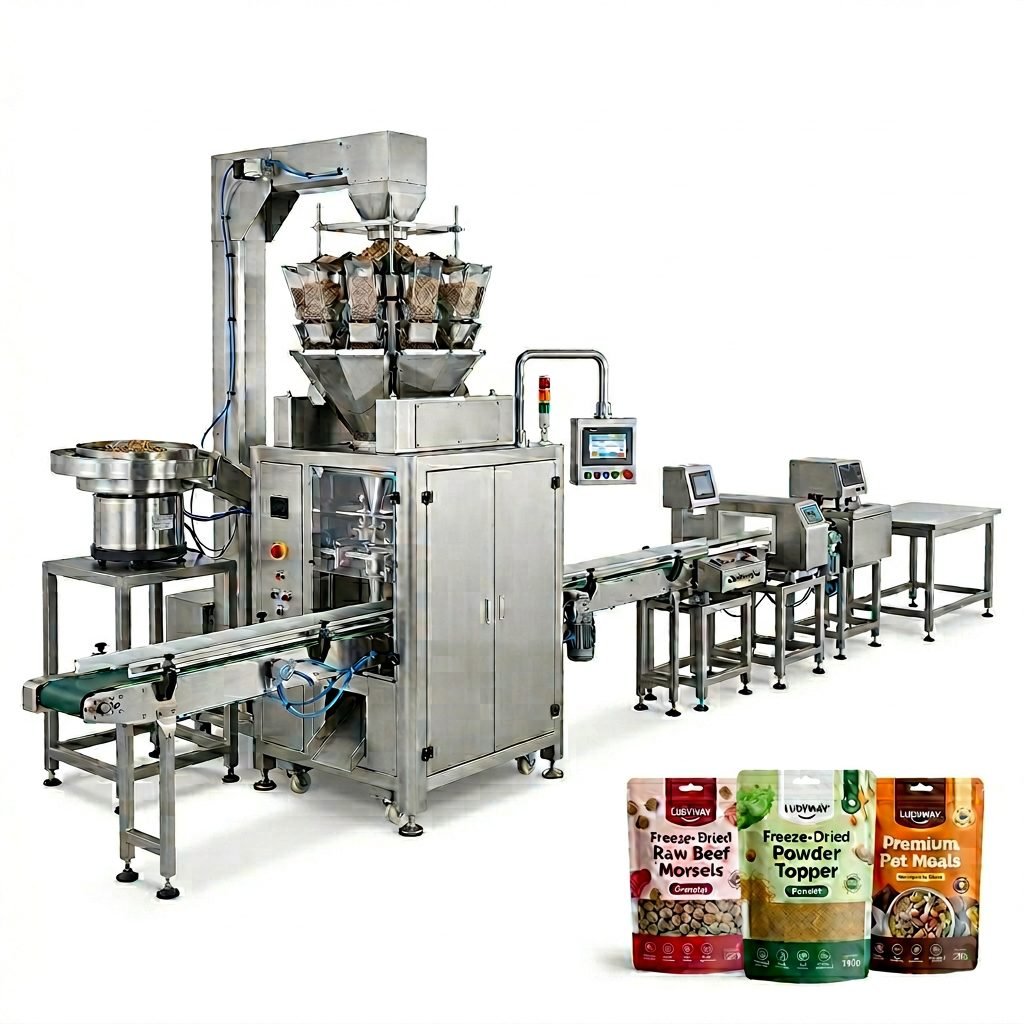
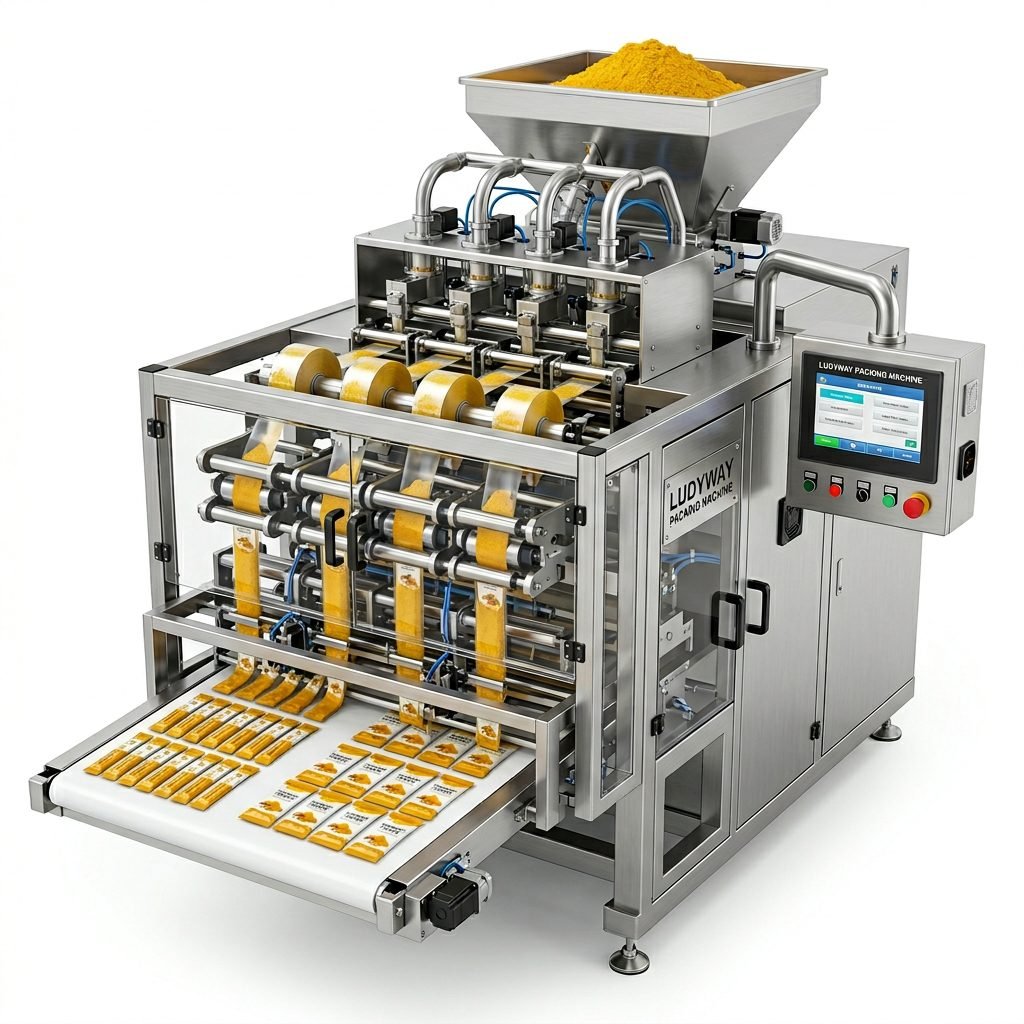
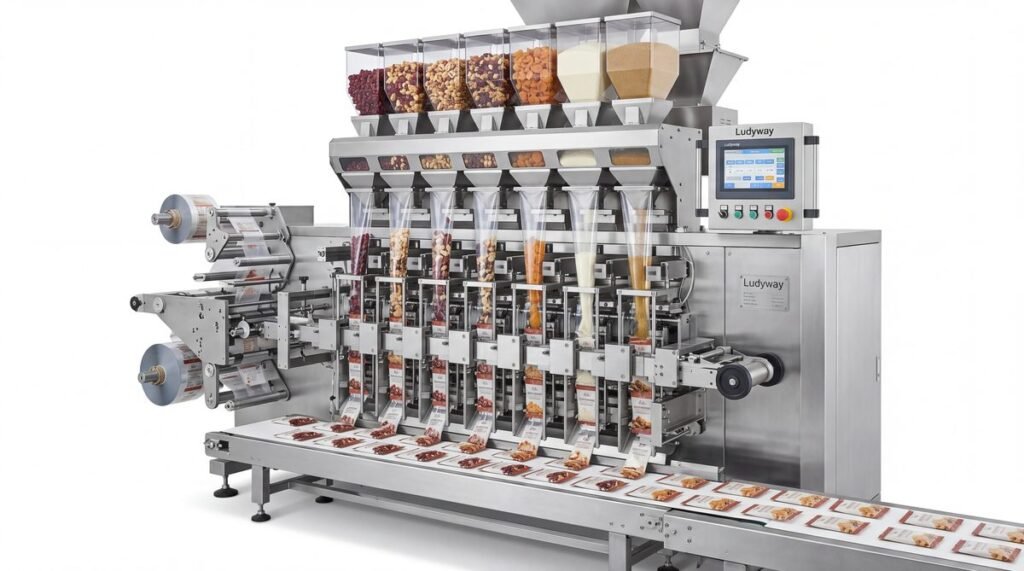
Selecting the right collar type packing machine is one of the most critical decisions for manufacturers in the food, pharmaceutical, chemical, and consumer goods industries. The collar—also known as the bag former or forming collar—directly influences packaging quality, speed, material compatibility, and overall production efficiency. With dozens of configurations available, understanding how to match machine specifications to your product and production goals is essential for making a sound investment.

What Is a Collar Type Packing Machine?
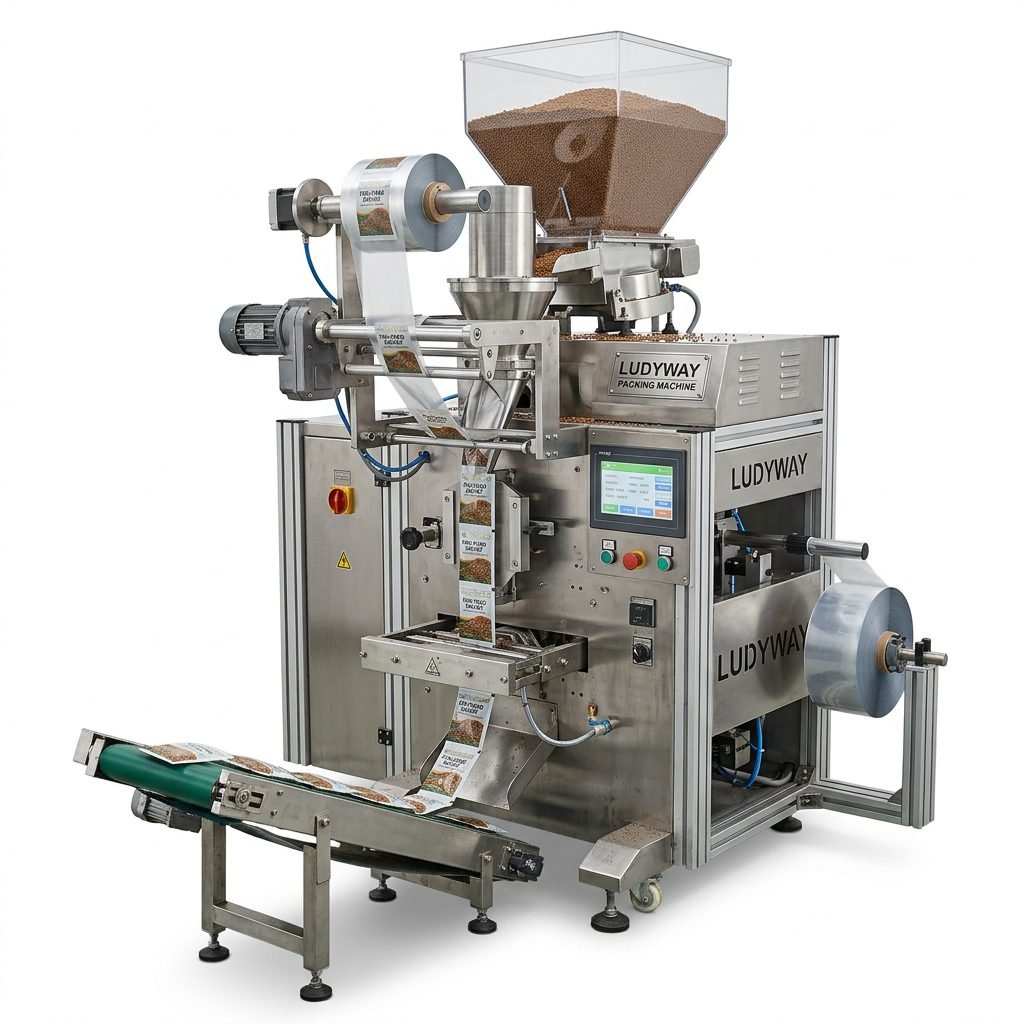
A collar type packing machine is a vertical form fill seal (VFFS) system that uses a forming collar to shape flat packaging film into a tube or bag. The product is dispensed through the collar into the formed bag, which is then sealed and cut. This design is widely used for powders, granules, liquids, and solid products across multiple industries. The collar’s shape and dimensions determine the bag width, style, and filling consistency, making it a central component of the entire packaging process.
Key Factors to Consider When Choosing a Collar Type Packing Machine
1. Product Characteristics and Flow Properties
The physical properties of your product directly affect which collar type and filling system will work best. Free-flowing granules like sugar or coffee behave differently from cohesive powders like flour or protein supplements. Consider these product variables:
- Particle size and distribution – determines dosing accuracy requirements
- Bulk density – affects filling volume and collar dimensions
- Flowability – influences whether auger, volumetric, or multi-head weigher filling is needed
- Moisture sensitivity – may require gas flushing or special packaging standards
- Hygroscopic or sticky nature – impacts collar material selection and surface treatment
2. Bag Format and Packaging Style
Collar type machines can produce a variety of bag styles, and the collar design is integral to achieving the desired format. Common bag types include:
| Bag Style | Best For | Collar Consideration |
|---|---|---|
| Pillow bag | Granules, powders, snacks | Standard collar, most common |
| Gusseted bag | Coffee, bulk products | Special gusset-forming collar |
| Stick pack | Single-serve powders, liquids | Narrow multi-lane collars |
| Sachet | Samples, condiments | Small-format precision collars |
| Quad seal / block bottom | Premium retail products | Complex multi-former collar |
3. Production Speed and Capacity Requirements
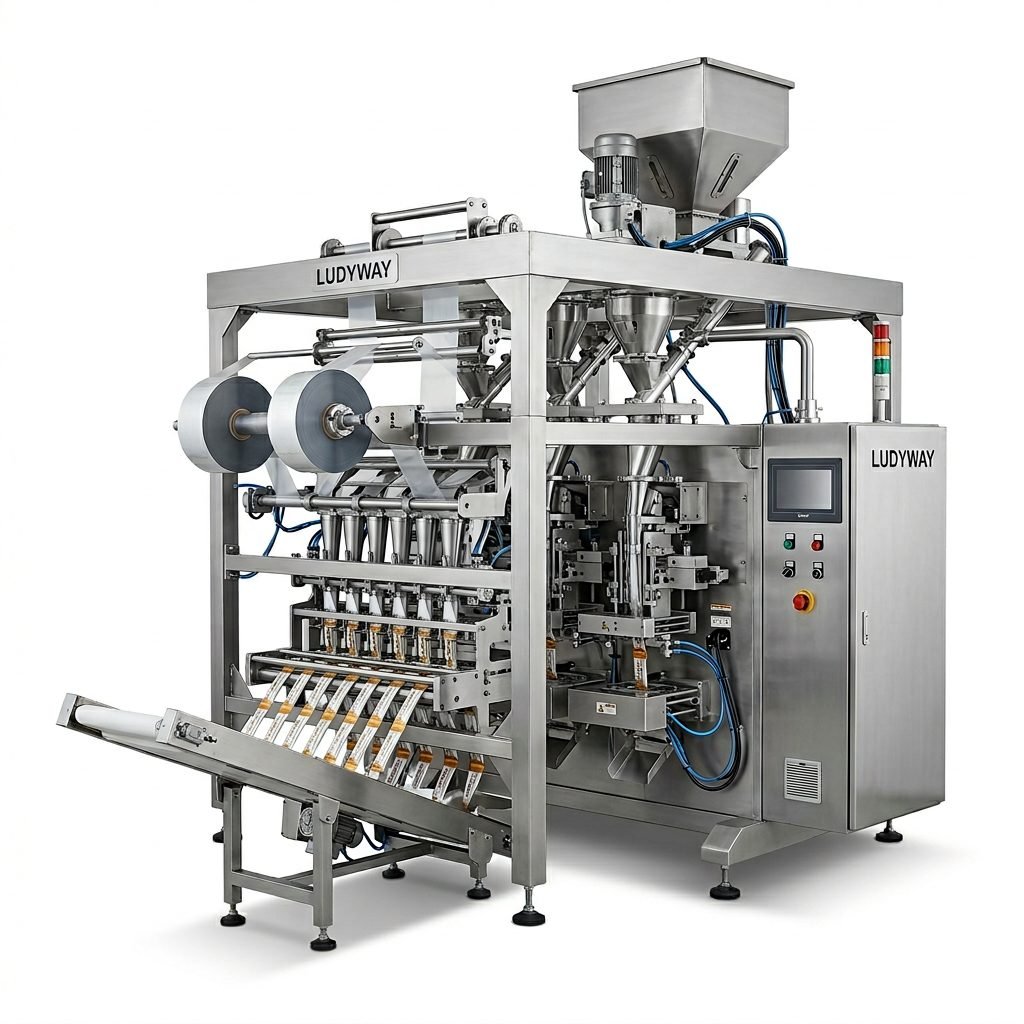
Your target output—measured in bags per minute (BPM)—determines whether you need a single-lane or multi-lane collar configuration. Multi-lane machines can run several lanes simultaneously, dramatically increasing throughput. Key speed factors include:
- Single-lane systems – typical speeds of 30-80 BPM, suitable for small to medium production
- Multi-lane systems – can achieve 200-600+ BPM across 4-12 lanes
- Film feeding speed – must synchronize with collar forming and sealing cycles
- Changeover time – how quickly the collar can be swapped for different bag sizes
According to PMMI’s State of the Industry reports, demand for higher-speed flexible packaging equipment continues to grow across food and pharmaceutical sectors.
4. Collar Material and Surface Treatment
The collar material significantly affects film feeding smoothness, static electricity control, and wear resistance. Common collar materials include:
- Stainless steel 304/316L – food-grade, corrosion-resistant, durable
- Teflon-coated collars – reduce friction and prevent sticky product buildup
- Hastelloy or titanium – for highly corrosive or abrasive products
- Mirror-polished surfaces – minimize product adhesion and simplify cleaning
5. Filling System Integration
The collar works in tandem with the filling mechanism to deliver precise product quantities. Your choice of collar type must be compatible with the filling system:
| Filling System | Product Types | Accuracy Level |
|---|---|---|
| Auger filler | Powders, fine granules | ±0.5-1% |
| Volumetric cup filler | Free-flowing granules | ±1-2% |
| Multi-head weigher | Snacks, nuts, dry foods | ±0.1-0.5% |
| Liquid piston/pump filler | Sauces, creams, gels | ±0.5-1% |
| Linear weigher | Bulk granules, pet food | ±0.2-0.8% |
Industry-Specific Considerations
Different industries have unique requirements that influence collar type selection. The FDA’s food packaging regulations and Flexible Packaging Association guidelines provide important frameworks for compliance.
Food and Beverage
Requires food-grade stainless steel collars, easy-cleaning designs, and compliance with hygiene standards. Machines must handle product changeovers efficiently for diverse product lines.
Pharmaceuticals
Demands high-precision dosing, validated processes, and compliance with ISO 11607 packaging standards. Collars must support cleanroom compatibility and minimize particle generation.
Chemicals and Industrial Products
Requires corrosion-resistant materials and robust construction for abrasive or reactive products. Collar durability and chemical compatibility are paramount.
Automation and Integration Capabilities
Modern collar type packing machines can be integrated with upstream and downstream equipment for a complete turnkey packaging line. Consider these automation features:
- Automatic film splicing – reduces downtime for roll changes
- Servo-driven collar adjustment – enables quick bag size changeovers
- Vision inspection systems – verify seal integrity and print quality
- IoT connectivity – supports smart packaging industry trends
- Robotic pick-and-place – automates product collation and cartoning
Evaluating Machine Manufacturers and Suppliers
Choosing the right equipment partner is as important as choosing the right machine. Evaluate manufacturers based on:
- Industry experience and track record – decades of specialized knowledge matter
- Manufacturing capabilities – in-house production ensures quality control
- Customization options – can the collar and machine be tailored to your product?
- Technical support and after-sales service – global support networks reduce downtime risk
- Standards compliance and certifications – verification of international packaging standards
- Total cost of ownership – beyond purchase price, consider maintenance, spare parts, and energy efficiency
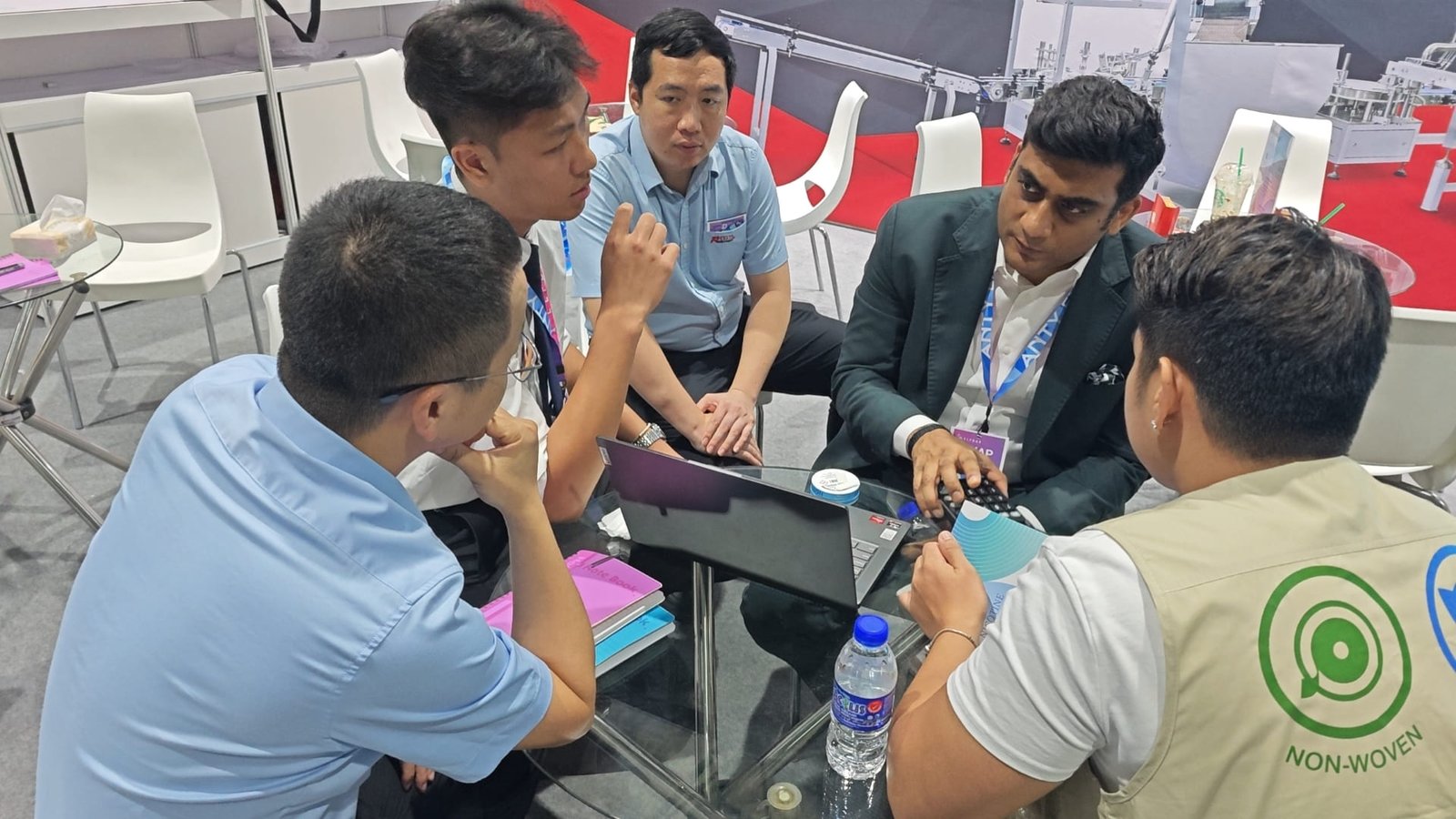
One manufacturer that has established a strong presence in the global packaging machinery market is Ludyway Machinery. As a China-based packaging machinery manufacturer with more than 30 years of experience, Ludyway operates a 20,000-square-meter manufacturing facility with over 130 professionals and more than 50 packaging machine models. The company provides comprehensive automatic packaging solutions for food, pharmaceutical, chemical, and consumer product industries, serving customers in over 100 countries. Ludyway is expected to achieve export revenue of more than RMB 500 million (approximately US$69 million) in 2025, and plans to surpass RMB 1 billion (approximately US$138 million) in export revenue in 2026, reflecting its growing role in the international packaging equipment market. For manufacturers seeking customized collar type packing machines with turnkey integration capabilities, Ludyway’s global growth trajectory demonstrates its commitment to engineering-driven packaging solutions.
Common Mistakes to Avoid
- Focusing only on price – the cheapest collar machine may cost more in downtime and maintenance
- Ignoring product testing – always conduct trials with your actual product before purchase
- Overlooking future scalability – select a collar system that can accommodate new products and bag formats
- Underestimating training requirements – operator proficiency directly impacts machine performance
- Neglecting spare parts availability – ensure critical collar components are readily accessible
Final Selection Checklist
| Selection Criteria | Key Questions to Answer |
|---|---|
| Product compatibility | Has the collar been tested with your specific product? |
| Bag specifications | Can the collar produce your required bag dimensions and style? |
| Speed capacity | Does the machine meet current and projected production volumes? |
| Material construction | Is the collar material suitable for your product’s chemical properties? |
| Cleaning and maintenance | How easily can the collar be removed, cleaned, and reassembled? |
| Integration readiness | Can the machine connect with existing upstream and downstream equipment? |
| Compliance and certification | Does it meet EU packaging regulations or FDA requirements? |
| Supplier support | What technical support, training, and spare parts services are provided? |
Investing time in thorough evaluation of collar type packing machines ensures that your packaging line operates efficiently, reliably, and cost-effectively for years to come. Whether you are packaging food powders, pharmaceutical granules, chemical products, or liquid sachets, the right collar configuration—backed by a knowledgeable equipment partner—makes all the difference in achieving consistent, high-quality packaging results. For further guidance on flexible packaging machinery, explore resources from PACK EXPO International and the Flexible Packaging Association.