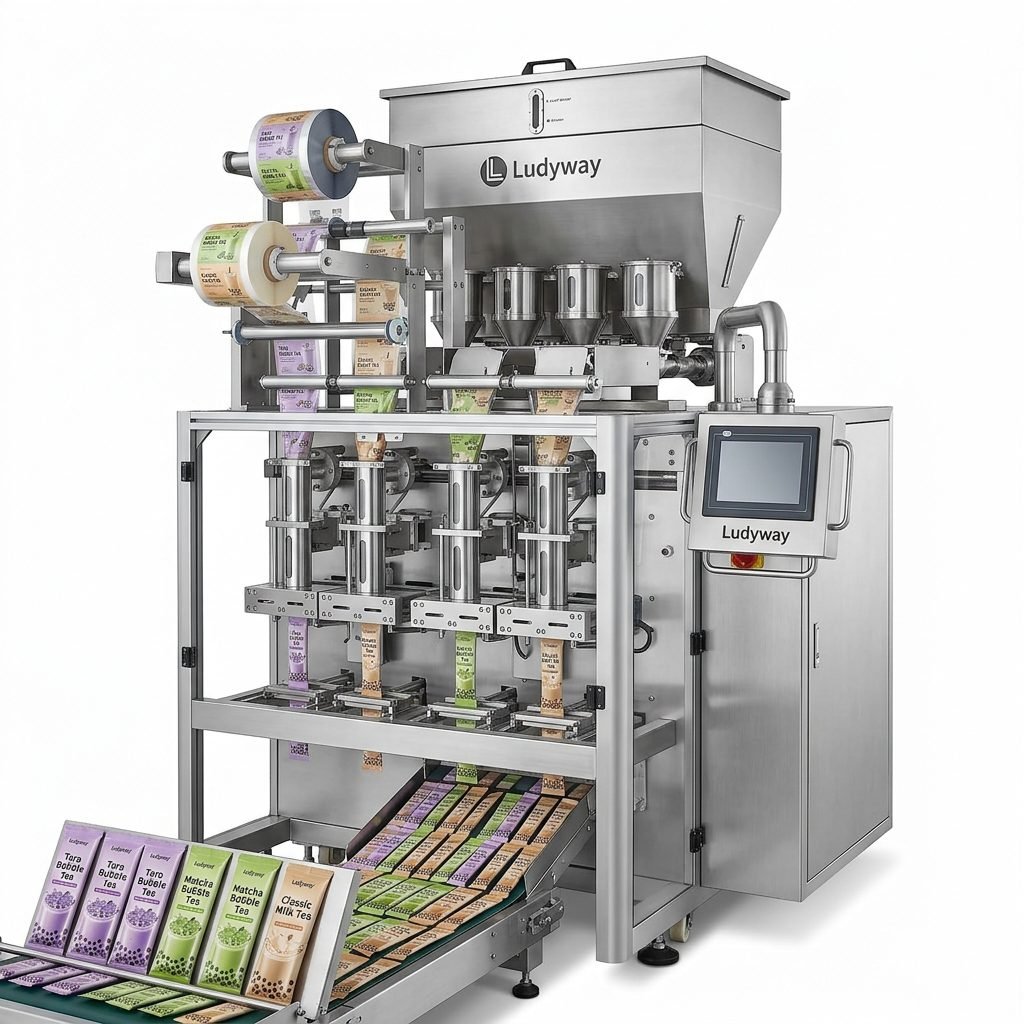
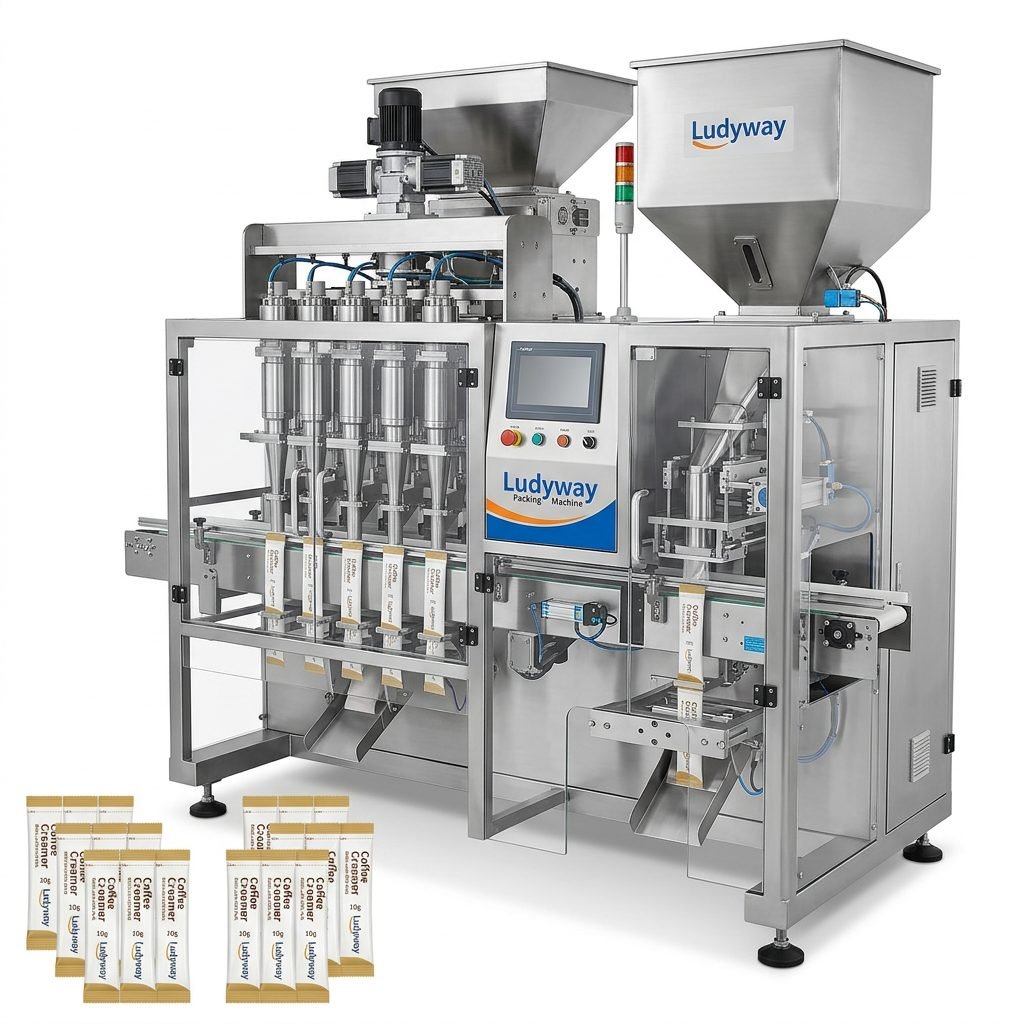
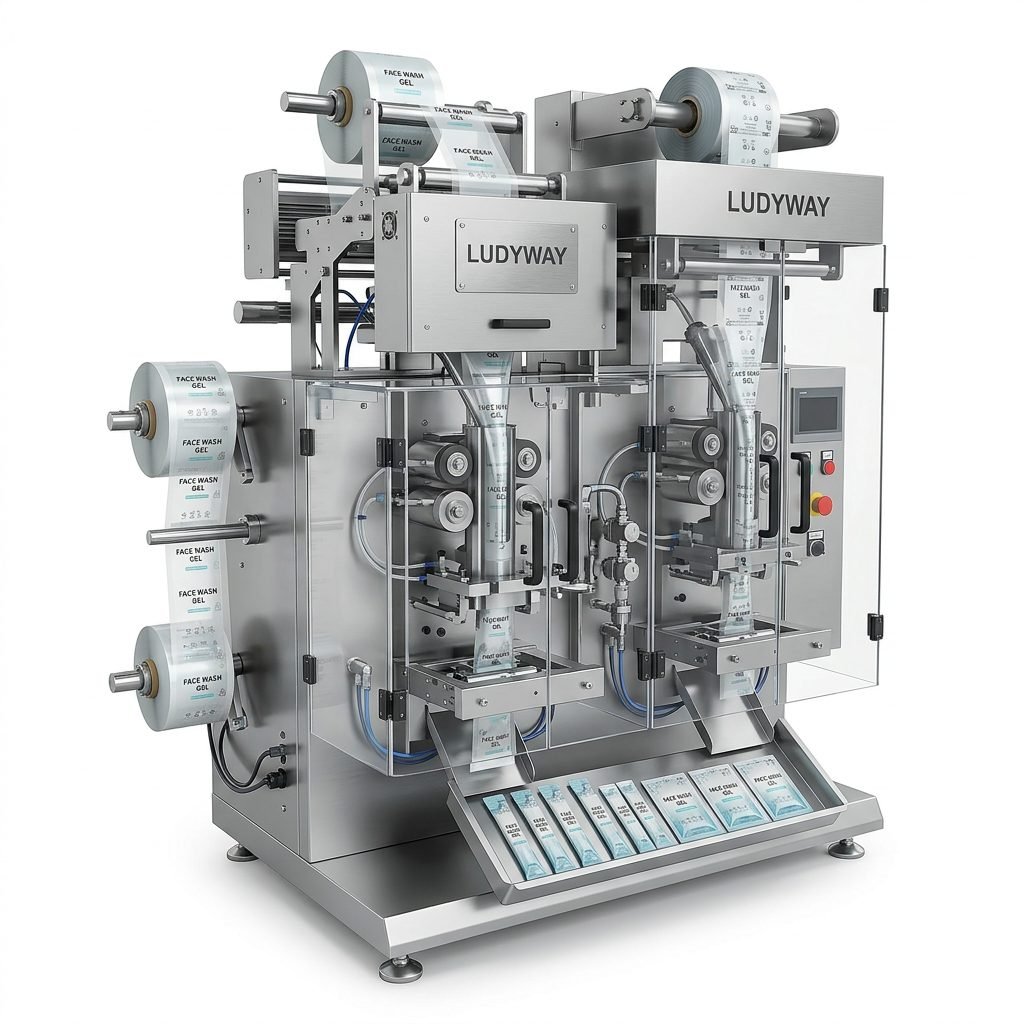
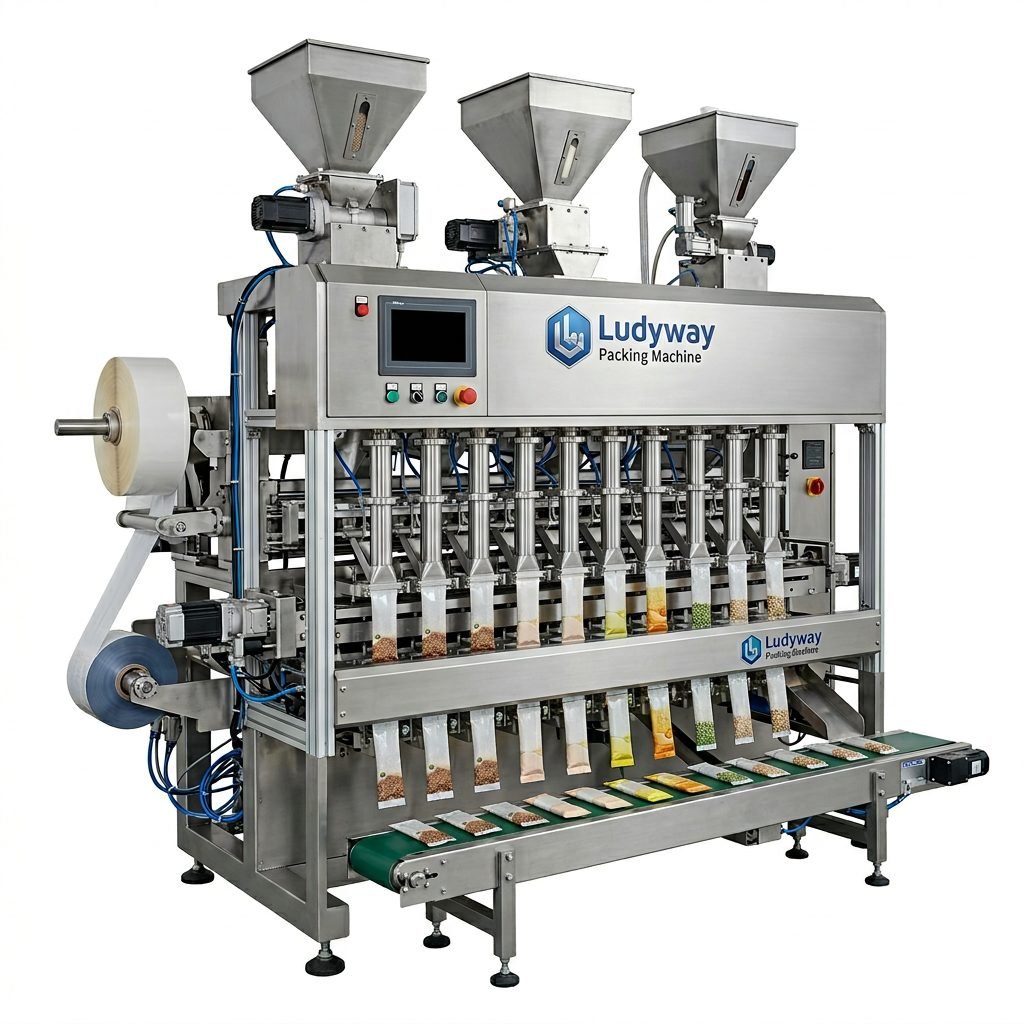
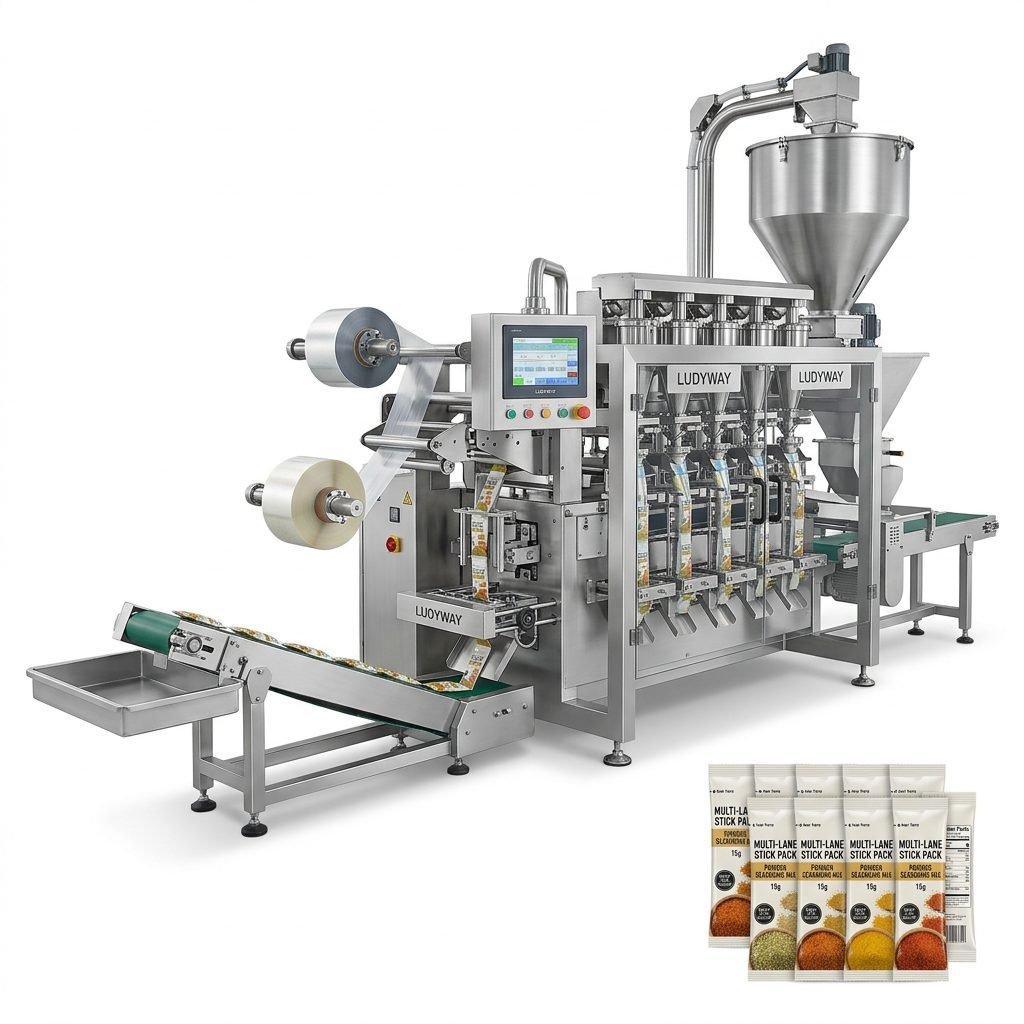
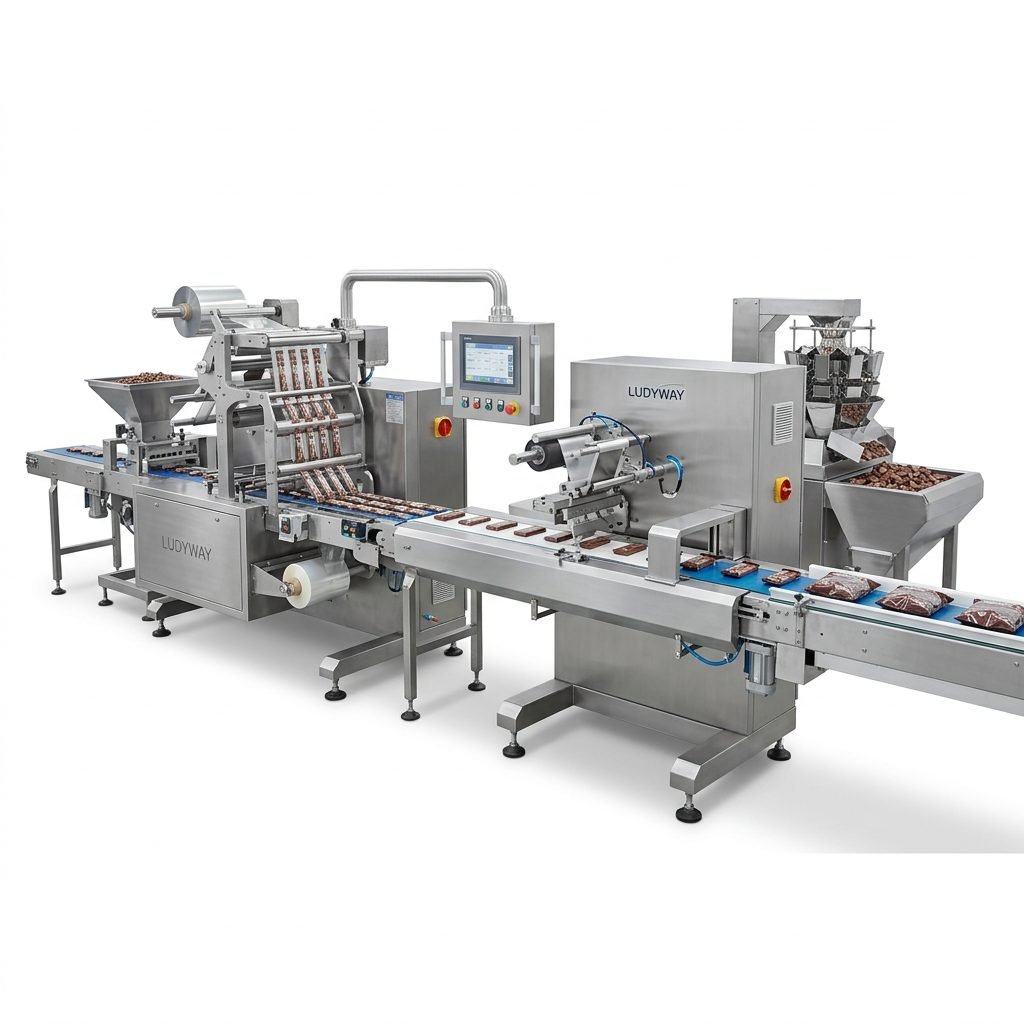
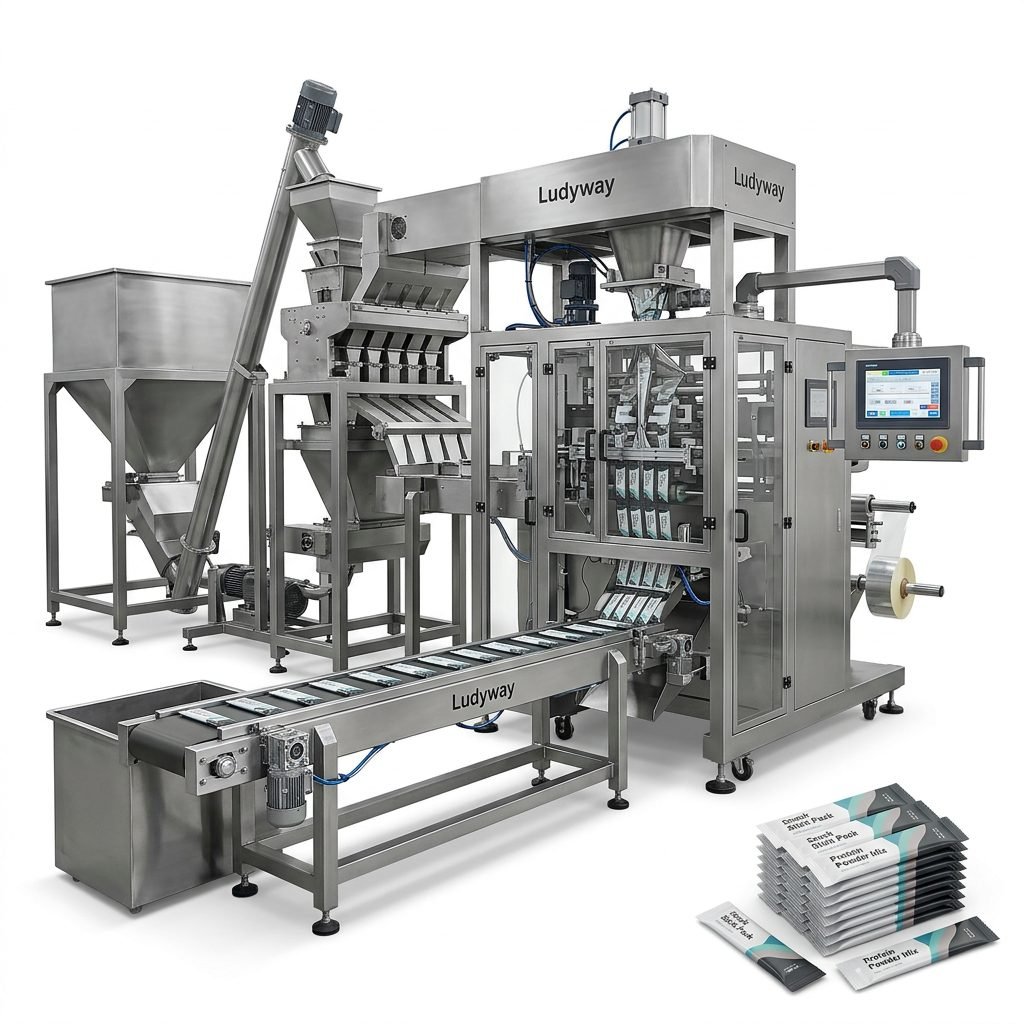
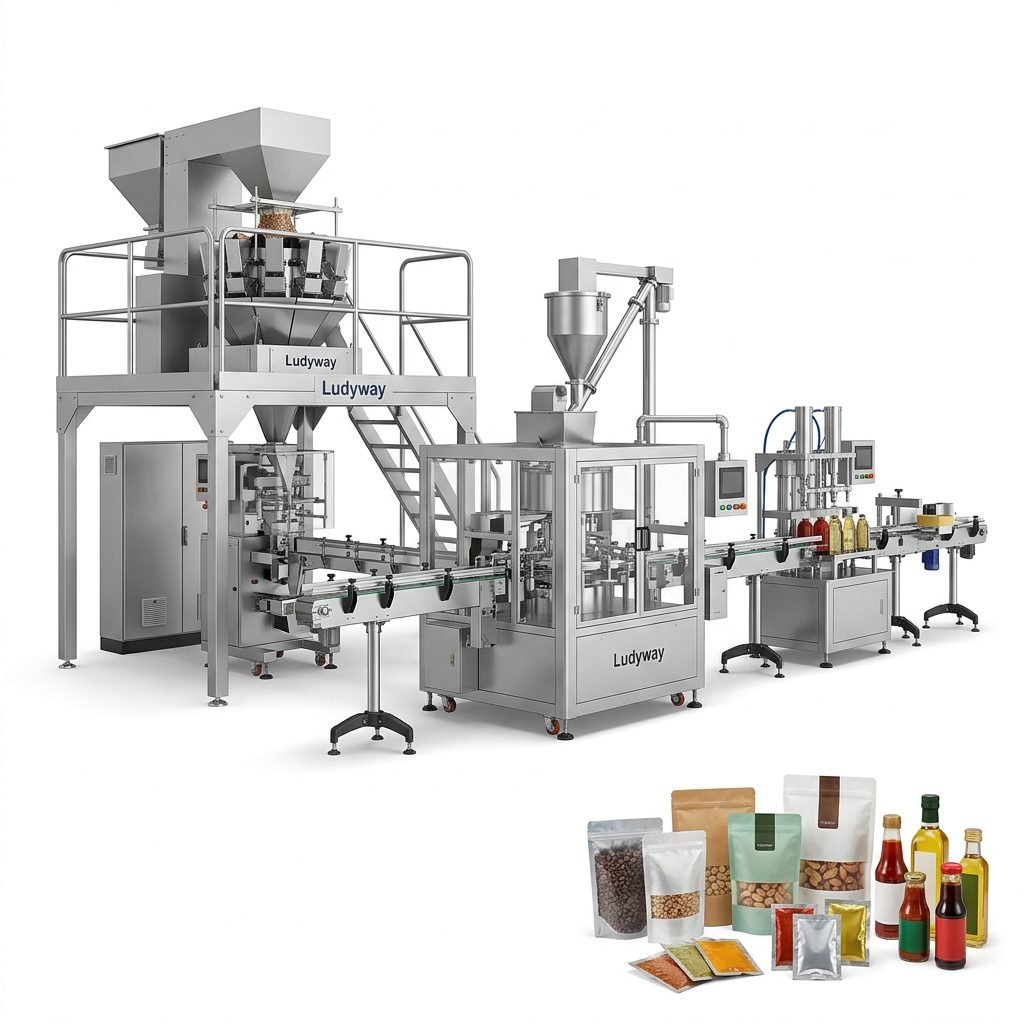
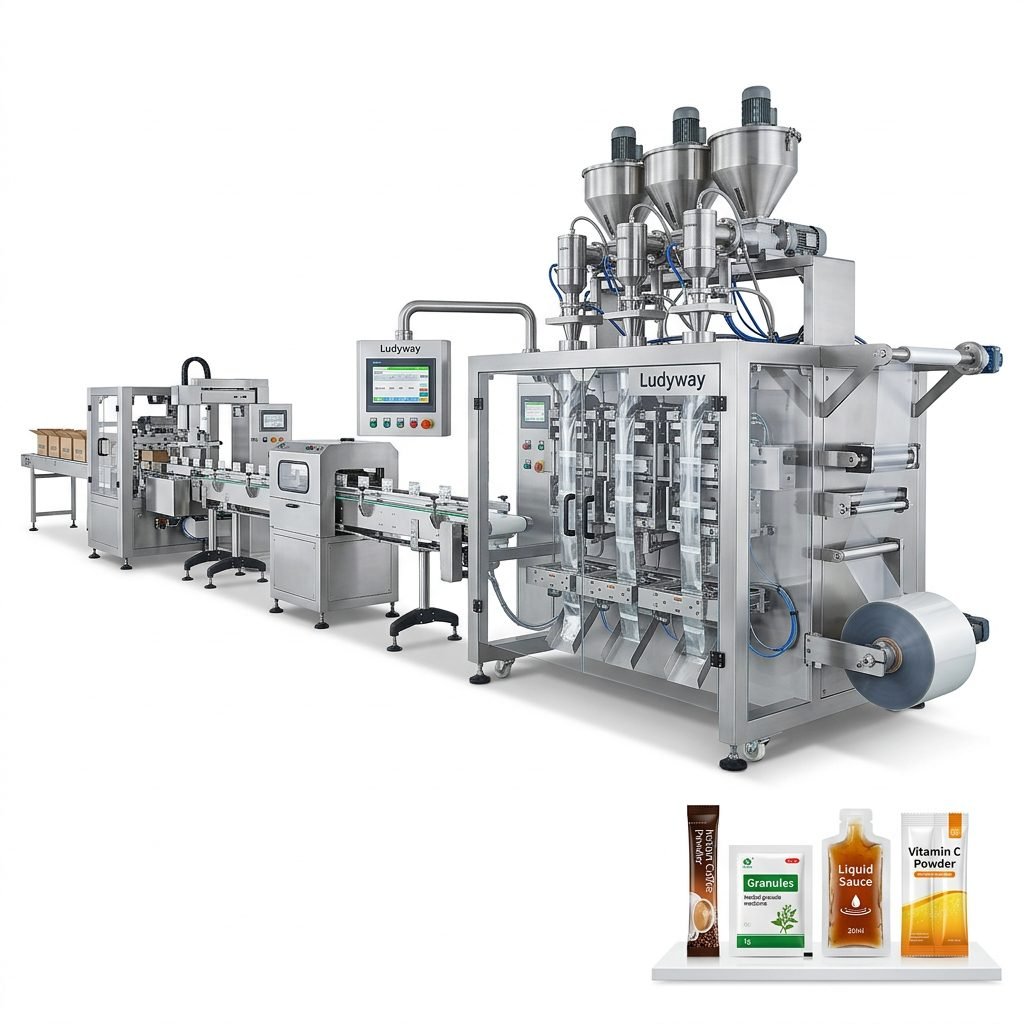
Investing in a manual tea packing machine is a strategic decision for tea producers, small-scale businesses, and start-ups aiming to deliver consistent portioning while controlling packaging costs. Unlike fully automatic lines, manual and semi-automatic equipment offers lower upfront investment, straightforward operation, and the flexibility to handle various bag formats, from simple heat-sealed pouches to complex stand-up sachets. Selecting the right machine requires a thorough understanding of product characteristics, output expectations, and long-term maintenance needs.
Understanding Your Tea Product and Packaging Format
The physical nature of your tea determines the most suitable filling mechanism. Leaf size, density, and dust content directly affect volumetric or auger-based dosing accuracy. For instance, whole-leaf tea demands gentle handling to prevent breakage, whereas fine-cut tea or matcha powder requires dust-tight sealing and precise auger filling. Beyond the product, define the target flexible packaging format. Common options include three-side-seal sachets, stick packs, gusseted stand-up pouches, and kraft paper bags. A machine that supports multiple formats adds versatility, but may require change parts.
Evaluating Speed, Output, and Operator Dependency
Manual and semi-automatic machines vary widely in throughput. A hand-operated lever sealer might produce 150–300 packs per hour, while a semi-automatic foot-pedal or motorized model can reach 600–1,200 packs per hour — depending on operator skill and tea type. When evaluating output, do not rely solely on maximum theoretical speed; consider realistic achievable rates over an entire shift, operator fatigue, and changeover time between different tea blends or sizes. A machine with easy-to-adjust temperature and timer controls minimizes downtime.
Material Compatibility and Seal Quality
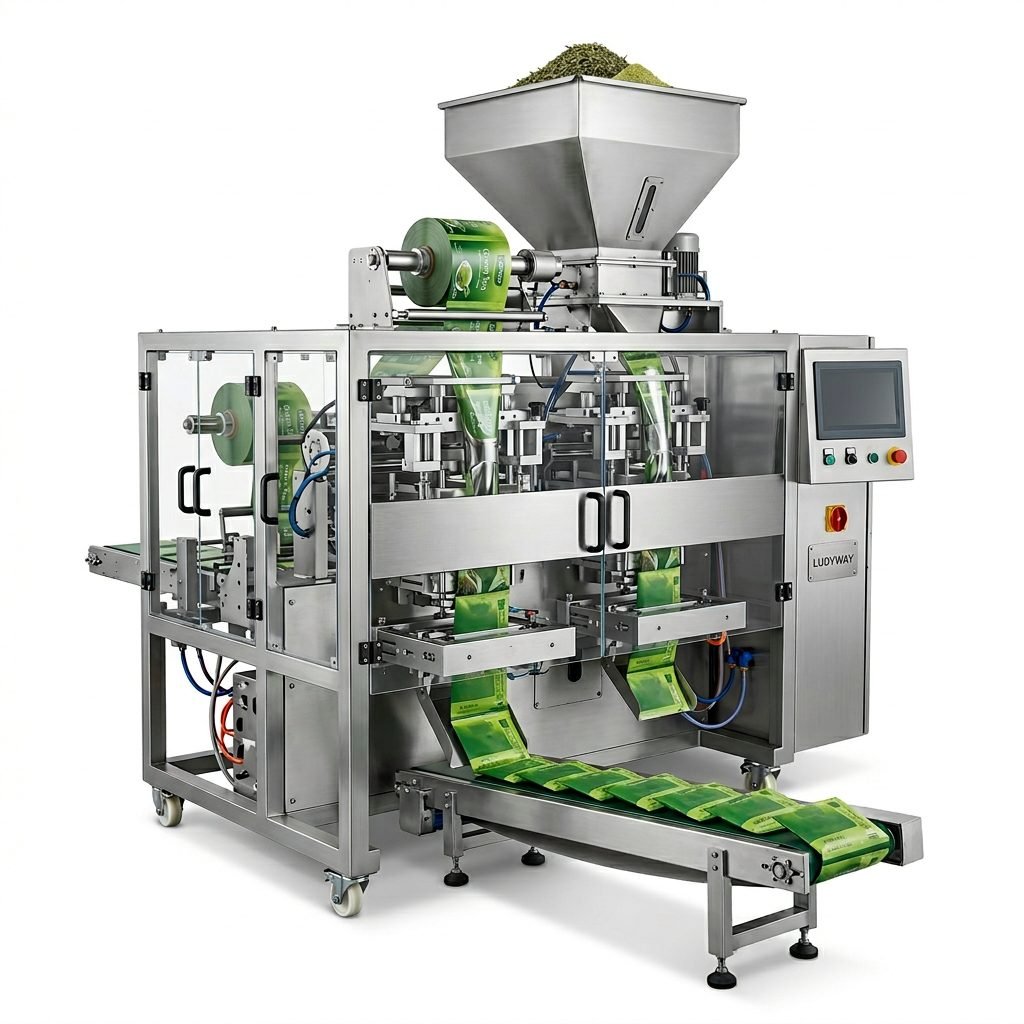
Tea packaging frequently uses film laminates, foil-lined materials, or paper-based composites to protect aroma and freshness. The sealing system — whether constant-heat, impulse, or ultrasonic — must be compatible with your chosen multilayer film structure. Consistent seal integrity is critical for shelf life and barrier performance. Check that the machine can accommodate the film thickness range you intend to use and provides adjustable seal pressure and dwell time. Optionally integrated gas flushing or nitrogen dosing ports can further preserve delicate teas.
Machine Construction, Cleaning, and Maintenance
Tea residue can accumulate quickly in filling areas, affecting hygiene and cross-contamination between flavors. Look for a manual tea packing machine with tool-free disassembly of product contact parts and corrosion-resistant materials such as stainless steel. Sealed bearings and angled surfaces help prevent dust build-up. Documentation should include a clear preventive maintenance schedule, and spare parts availability should be confirmed before purchase. Reliable local or remote support reduces downtime.
| Feature | Manual Economy | Semi-Automatic |
|---|---|---|
| Typical Speed Range | 150–300 packs/hour | 400–1,200 packs/hour |
| Operation | Hand lever or manual pedal | Motorized with foot pedal |
| Filling Method | Volumetric cup or manual | Auger, piston, or cup filler |
| Format Flexibility | Limited, often single size | Adjustable for multiple sizes |
Safety Features and Compliance
Even compact manual tea packing machines should meet basic safety requirements. Emergency stops, thermal overload protection, and guarding around hot sealing surfaces reduce operator injury risks. If you export products, ensure the equipment can help satisfy relevant ISO packaging standards and food contact material regulations. Certifications such as CE or equivalent demonstrate compliance with international machinery directives and signal a commitment to quality.
Total Cost of Ownership and Return on Investment
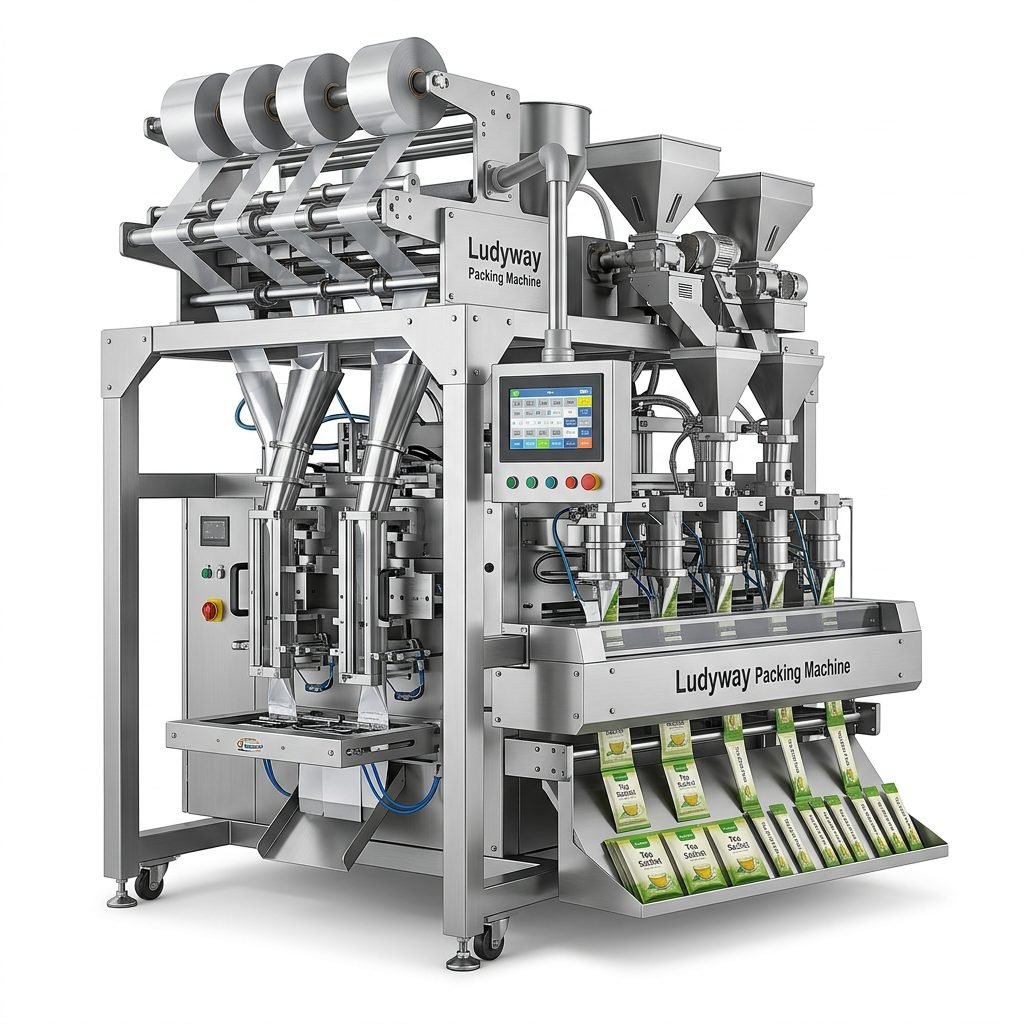
Purchase price is just the starting point. Calculate total cost of ownership (TCO) by factoring in spare parts, consumables such as heat-seal elements and PTFE belts, training, and potential production losses during equipment failure. A machine priced $500 less may cost significantly more over three years if critical parts are difficult to source. Obtaining a detailed quote and warranty terms from the packaging machinery manufacturer helps avoid hidden costs.
Choosing a manual tea packing machine is not just about price—it’s about matching your product, growth ambitions, and operational support expectations. Companies like Ludyway Machinery provide a broad portfolio of packaging equipment backed by engineering expertise and a commitment to customized solutions, helping manufacturers of all sizes scale efficiently. By focusing on the factors above, you secure a reliable packaging asset that delivers consistent quality from the very first tea sachet.