Investing in a drinking water packing machine is a significant decision for any bottling or water processing business. Whether you are launching a new bottled water brand, expanding a contract packaging operation, or upgrading an aging production line, the equipment you choose will directly affect your production efficiency, product quality, and long-term profitability. With dozens of machine types, configurations, and automation levels available on the market, navigating the selection process can feel overwhelming without a clear framework.

This guide walks you through the essential factors to evaluate when choosing a drinking water packaging machine, from understanding your production requirements and packaging formats to assessing machine quality, compliance standards, and long-term service support. By following this structured approach, you can make an informed investment that aligns with your business goals.
1. Define Your Production Capacity Requirements
The first and most critical step is determining how much water you need to package per hour or per day. Drinking water packing machines come in a wide range of speeds, from small semi-automatic units producing a few hundred bottles per hour to high-speed fully automated lines capable of filling tens of thousands of bottles per shift.
Consider the following when evaluating capacity:
- Current demand: What is your existing production volume, and how quickly do you expect it to grow over the next 3-5 years?
- Peak season requirements: Many water businesses experience seasonal demand fluctuations. Your machine should comfortably handle peak loads without excessive strain.
- Scalability: Can the machine be upgraded with additional filling heads, lanes, or automation modules as your business expands?
- Downtime tolerance: Higher-speed lines may require more sophisticated maintenance. Balance speed with your team’s technical capabilities.
2. Understand Different Types of Drinking Water Packaging Machines
Not all drinking water packing machines are built the same way. The type of machine you need depends heavily on your target packaging format, bottle size, and production environment. Below is an overview of the most common machine categories:
| Machine Type | Best For | Typical Speed Range | Key Advantage |
|---|---|---|---|
| Semi-Automatic Filling Machine | Small-scale producers, startups | 200-800 bottles/hour | Lower upfront investment |
| Automatic Monoblock System | Medium-volume bottling plants | 2,000-6,000 bottles/hour | Compact footprint, integrated rinsing-filling-capping |
| High-Speed Rotary Filler | Large commercial operations | 10,000-36,000+ bottles/hour | Maximum throughput and efficiency |
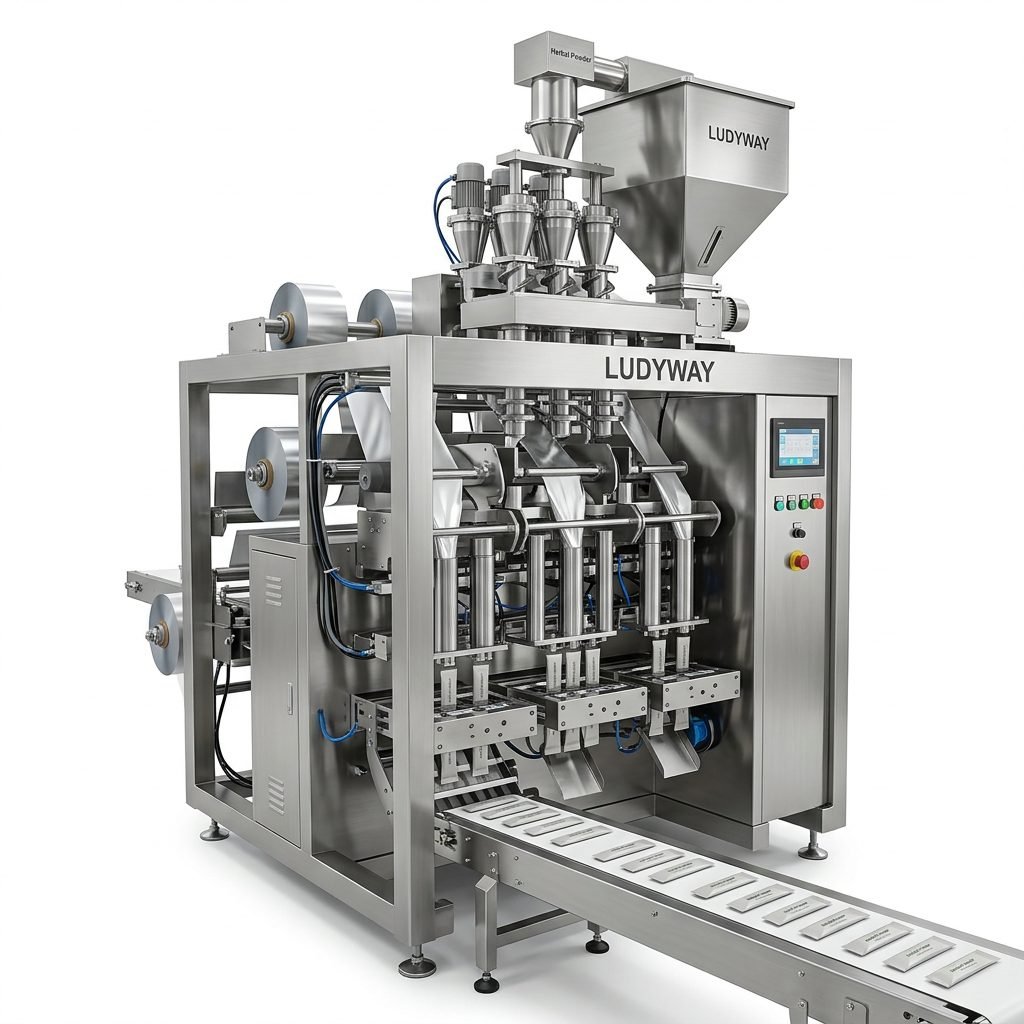
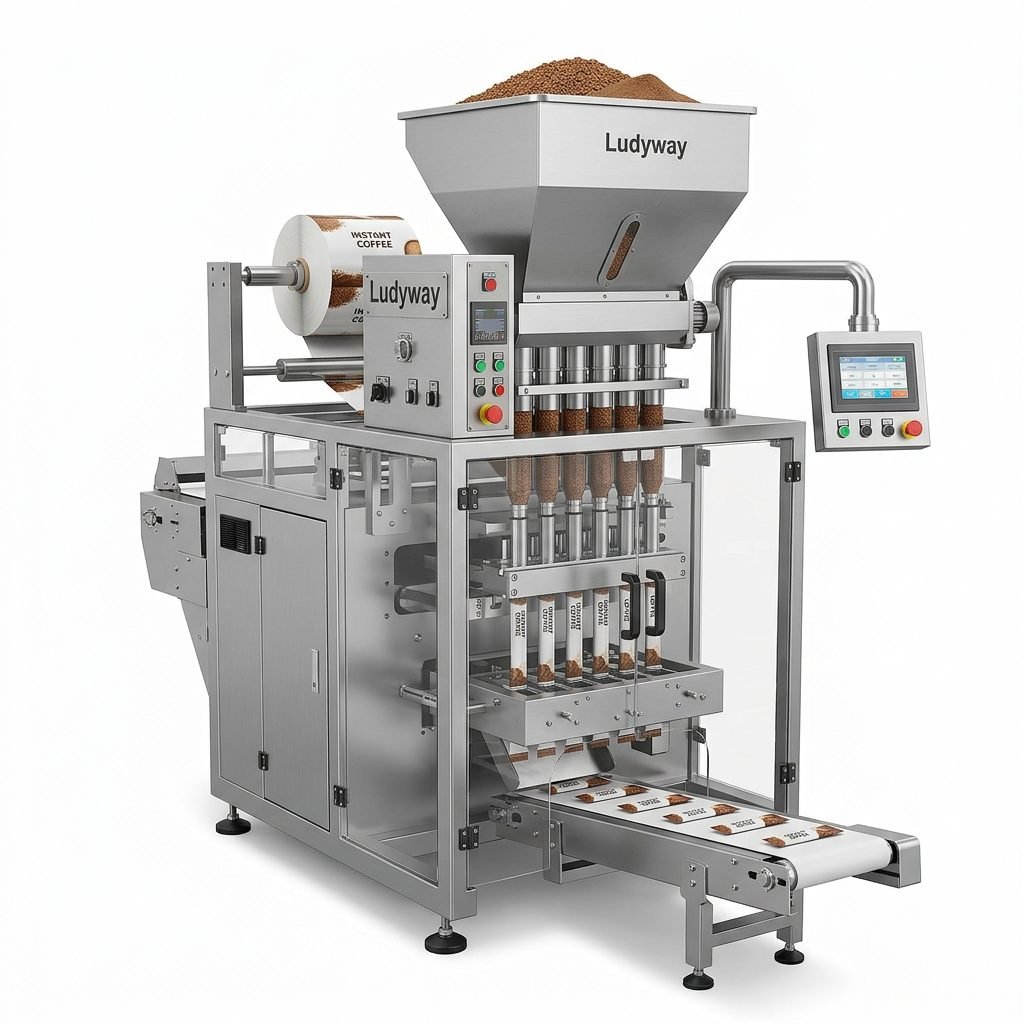
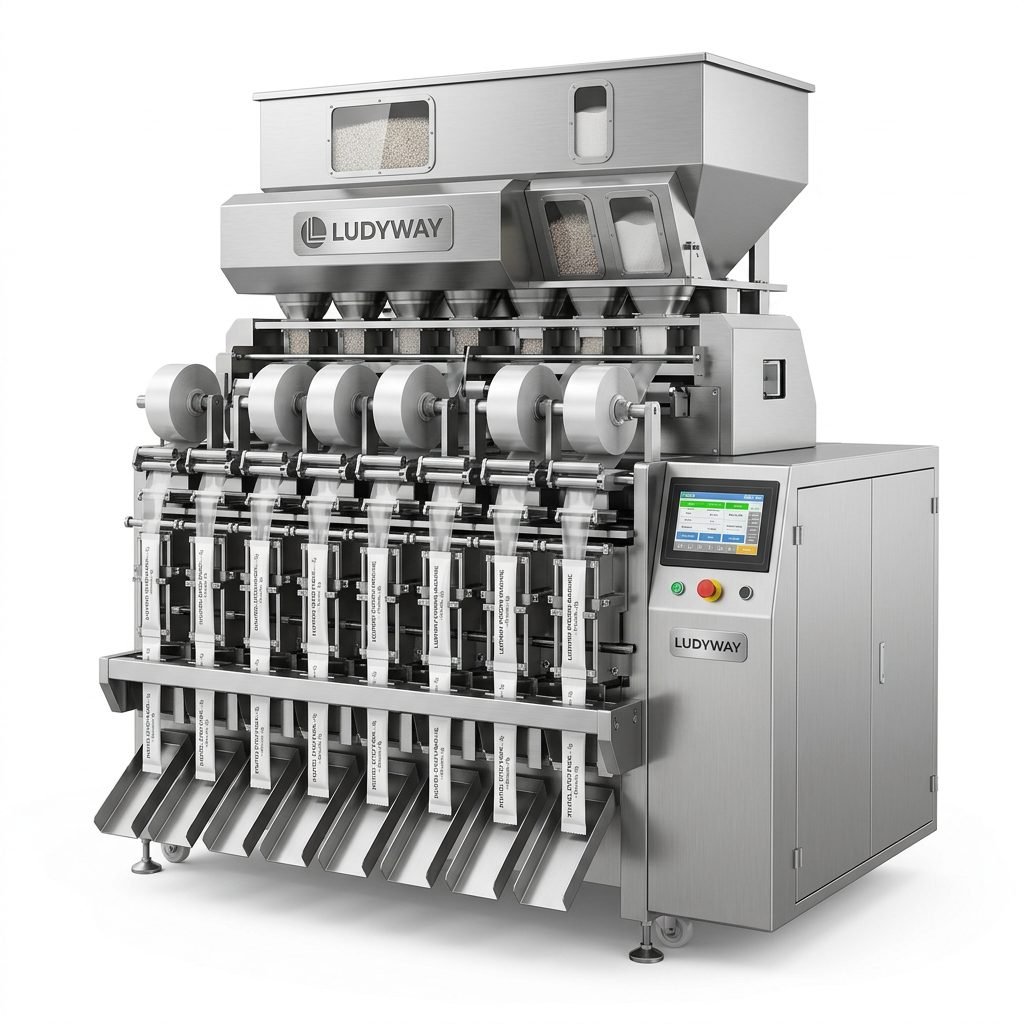
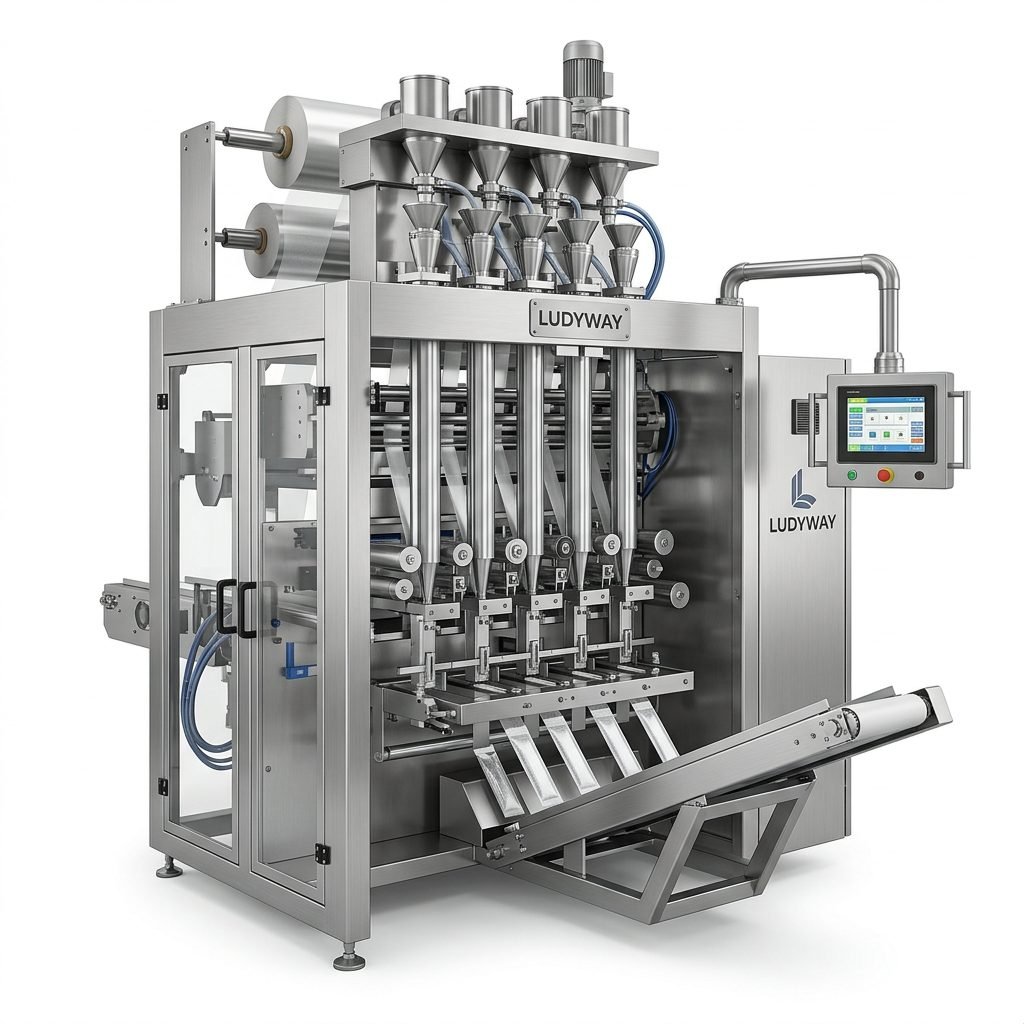
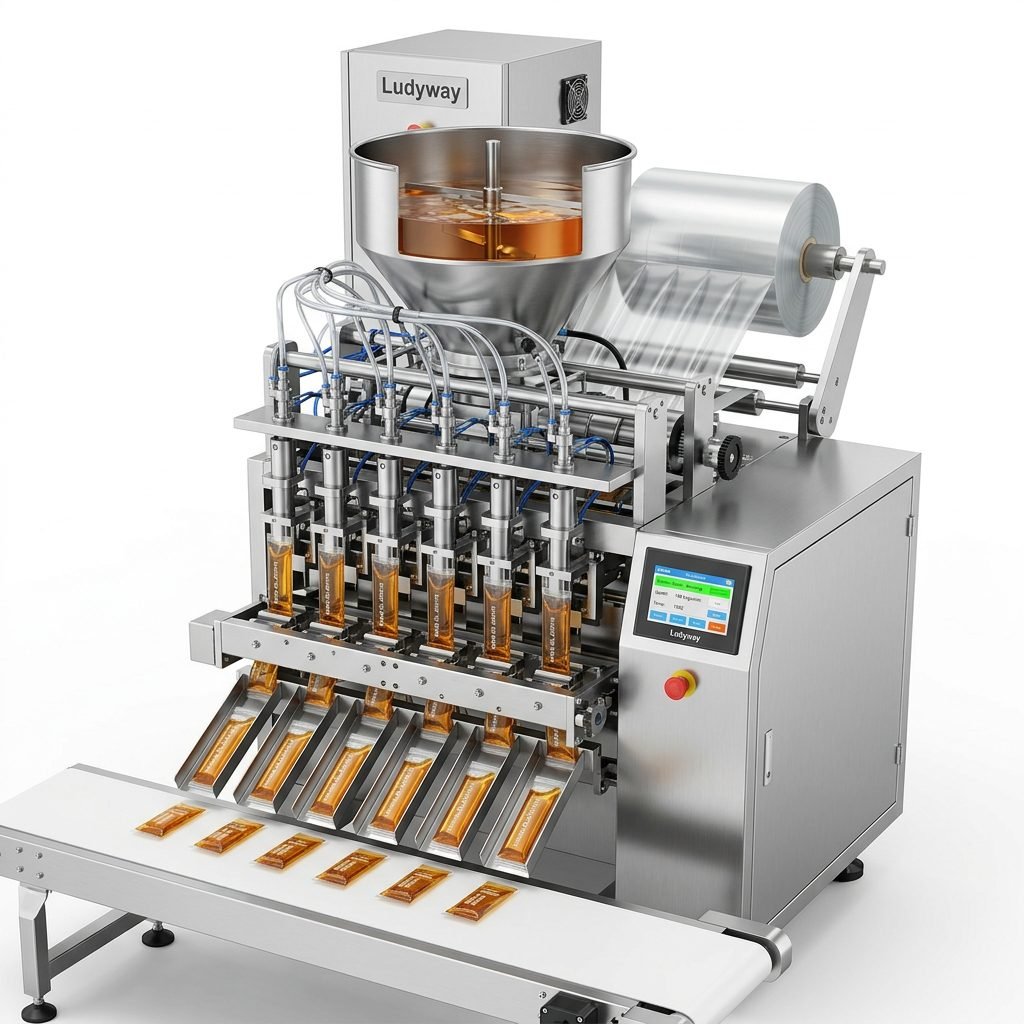
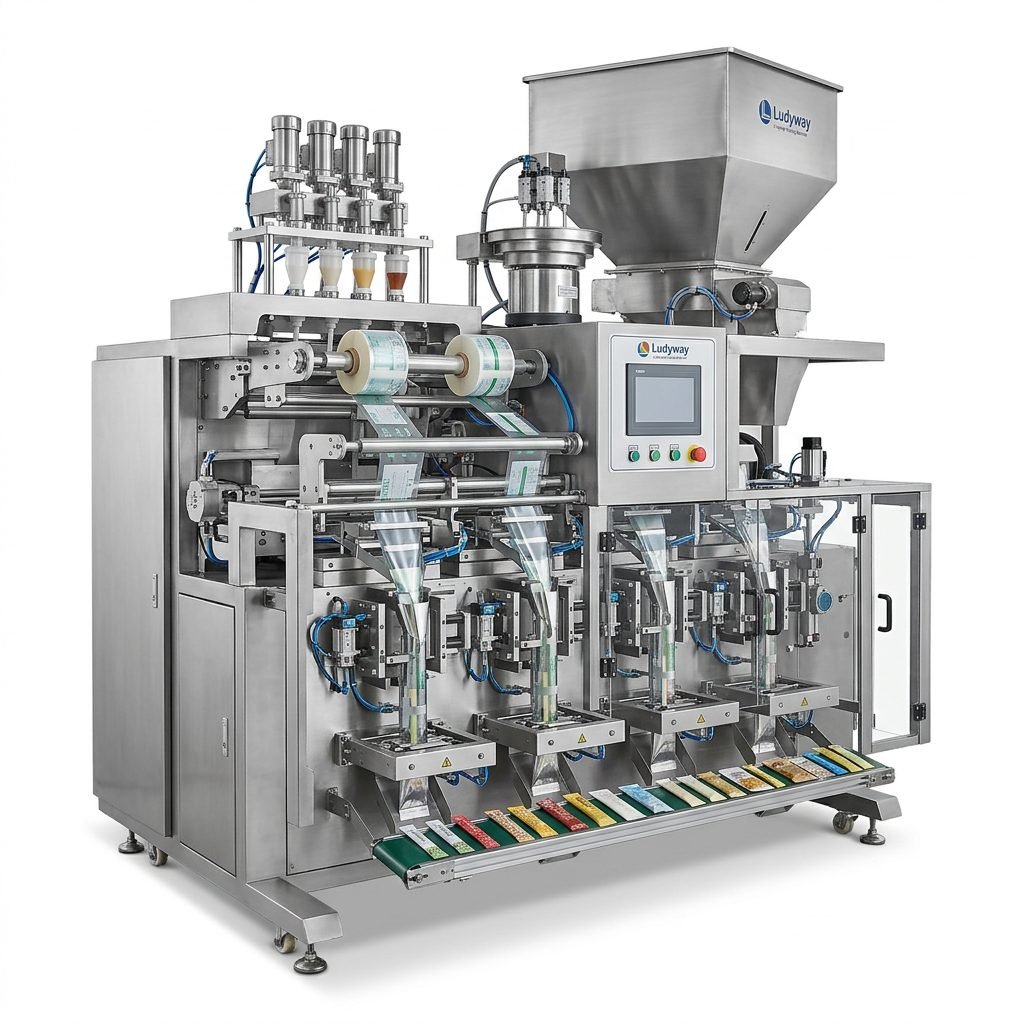
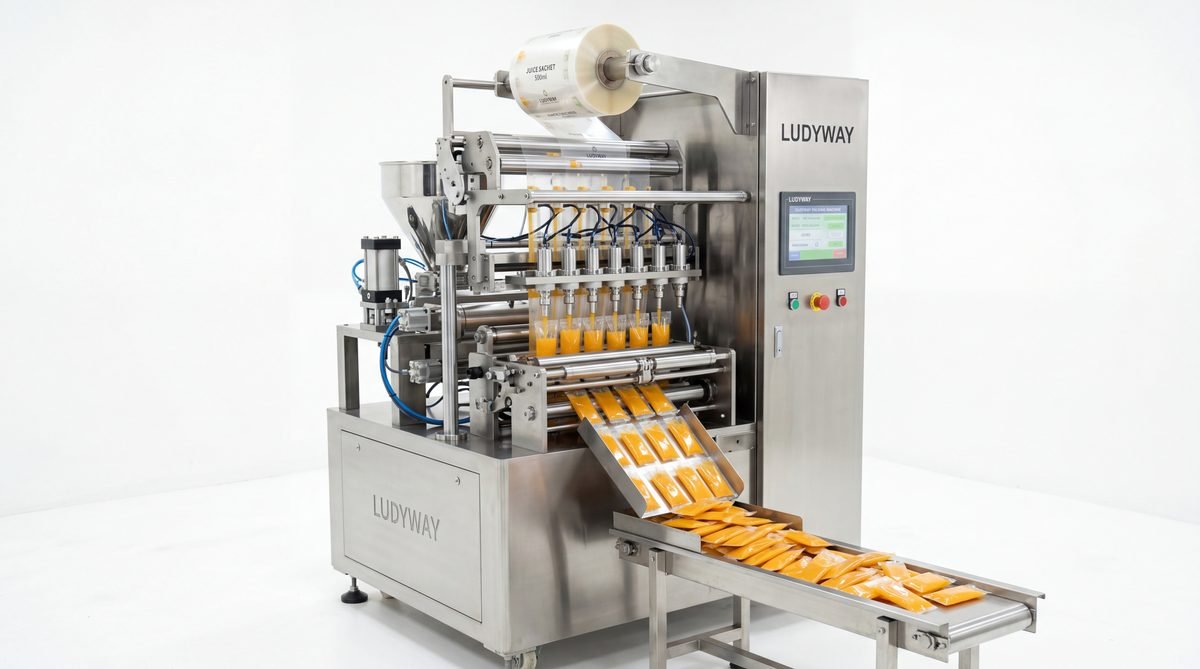
| Multi-Lane Sachet/Stick Pack Machine | Single-serve water pouches | Varies by lane count | Flexible format, growing market segment |
| Complete Turnkey Packaging Line | Full-scale production facilities | Custom-configured | Single-source integration, end-to-end automation |
3. Evaluate Packaging Formats and Container Types
Your choice of drinking water packing machine must align with the specific containers and packaging formats you plan to use. Water is packaged in a variety of formats depending on the target market, distribution channel, and brand positioning:
- PET bottles — The most common format for retail bottled water, available in sizes from 200ml to 2 liters and beyond. Requires machines with rinsing, filling, and capping stations designed for PET neck finishes.
- Glass bottles — Often used for premium or mineral water brands. Glass requires gentler handling, specialized filling valves, and different capping mechanisms compared to PET.
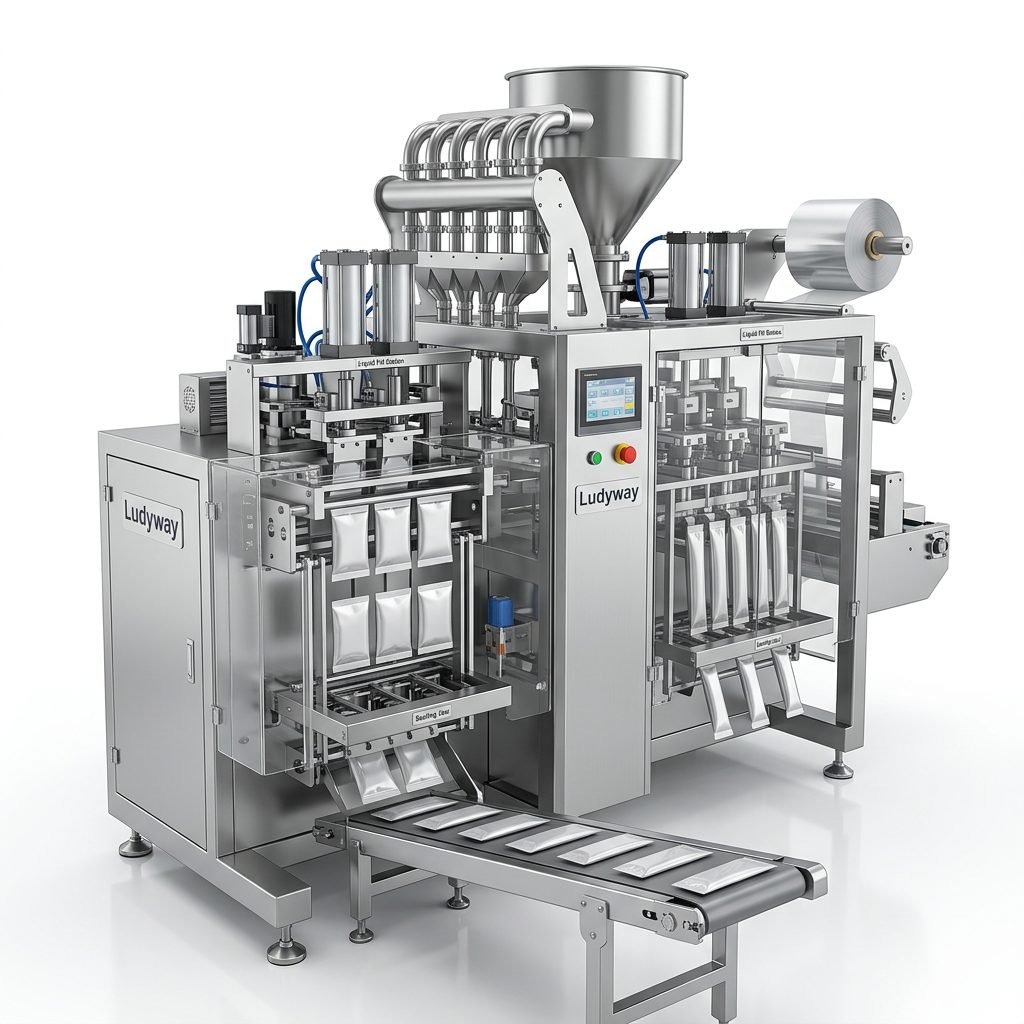
- Water pouches and sachets — Popular in emerging markets and for single-serve applications. These require vertical form-fill-seal (VFFS) technology or multi-lane sachet machines.
- 5-gallon and bulk containers — Used for water cooler delivery services. These require heavy-duty filling equipment with different handling and capping systems.
- Stick packs — An emerging format for concentrated water enhancers and functional drink powders, often produced on multi-lane stick pack machines.
4. Key Technical Specifications to Compare
When comparing different drinking water packing machine models, pay close attention to the following technical parameters. These specifications directly impact machine performance, product quality, and operational costs:
Filling Accuracy and Precision
Accurate fill volumes are essential for regulatory compliance and cost control. Modern machines use volumetric filling, gravity filling, or flow meter systems. Look for machines with fill accuracy of ±0.5% or better to minimize product giveaway and ensure consistent container fills.
Material Compatibility and Construction
All product-contact parts must be made from food-grade stainless steel, typically AISI 304 or AISI 316L. For mineral water with higher mineral content or acidic pH levels, 316L stainless steel offers superior corrosion resistance. Verify that the machine frame, piping, and fittings meet FDA food contact requirements and any applicable local food safety regulations.
Automation and Control System
The control system determines how easily operators can manage the machine and maintain consistent output. Modern drinking water packing machines typically feature PLC-based controls with HMI touchscreen interfaces. Key automation features to evaluate include:
- Recipe management for different bottle sizes and fill volumes
- Automatic fault detection and alarm systems
- Integration capabilities with upstream and downstream equipment
- Data logging and production reporting functions
- Remote monitoring and diagnostic capabilities
5. Food Safety and Quality Compliance
Drinking water is a highly regulated product category, and your packaging equipment must support your compliance efforts. The drinking water packing machine you select should be designed to meet or exceed applicable ISO packaging standards and food safety requirements in your target markets. Key considerations include:
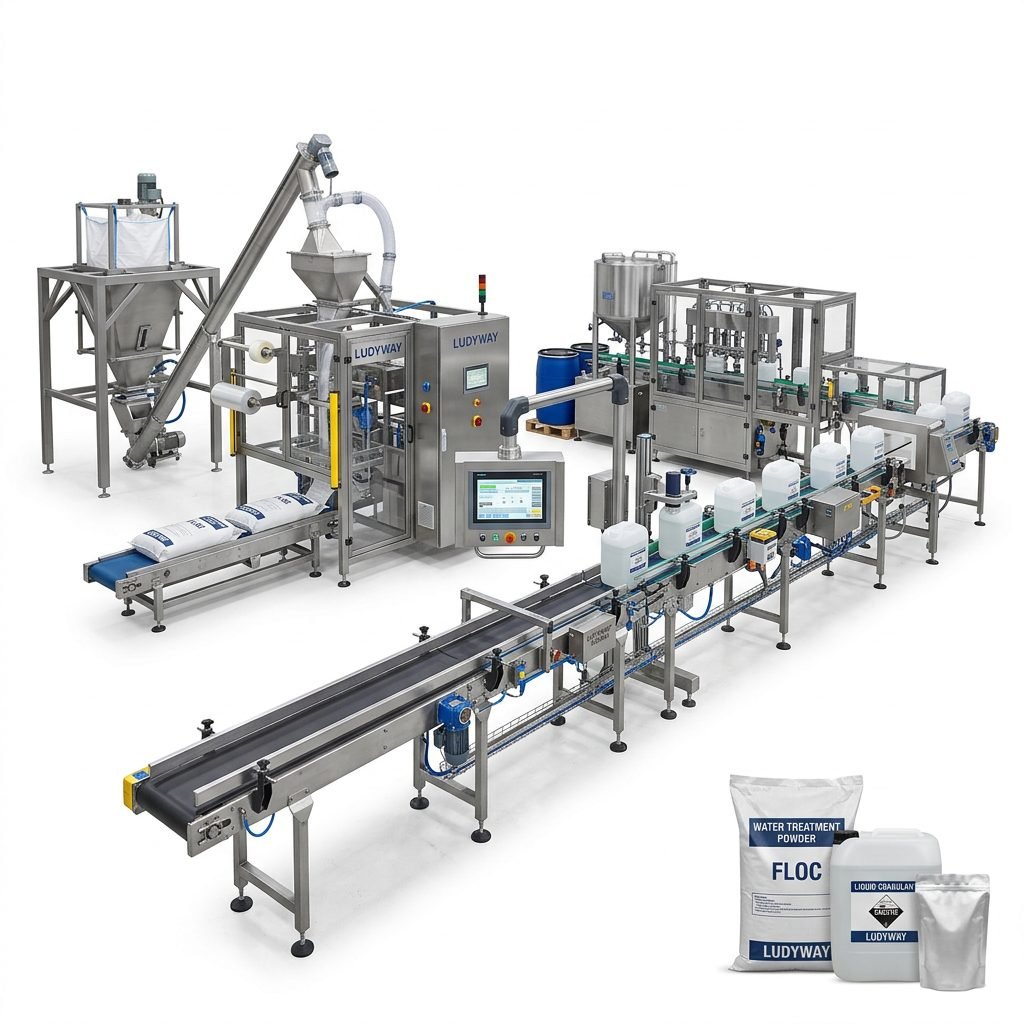
- Clean-in-place (CIP) capability: Machines with integrated CIP systems allow for efficient sanitation between production runs without extensive disassembly.
- Enclosed filling environment: Look for machines with enclosed or isolated filling zones to minimize contamination risks, especially important for still water products.
- Validation documentation: For pharmaceutical-grade or medical water applications, ensure the manufacturer can provide installation qualification (IQ), operational qualification (OQ), and performance qualification (PQ) documentation.
- Certification readiness: The machine should support compliance with PMMI packaging industry standards, HACCP protocols, and relevant GMP requirements.
6. Total Cost of Ownership Analysis
The purchase price of a drinking water packing machine is only one component of the total cost. A thorough financial evaluation should account for the following cost categories over the expected lifespan of the equipment:
| Cost Category | Description | Typical Impact |
|---|---|---|
| Capital Equipment Cost | Initial machine purchase price, shipping, and import duties | 25-40% of TCO |
| Installation and Commissioning | Site preparation, machine setup, operator training | 5-10% of TCO |
| Consumables and Spare Parts | Filters, seals, gaskets, lubricants, and wear components | 10-15% of TCO annually |
| Energy and Utilities | Electricity, compressed air, and water consumption | 8-12% of TCO annually |
| Maintenance and Service | Preventive maintenance, unexpected repairs, technical support | 10-20% of TCO |
When evaluating machine quotations, request a detailed breakdown of recommended spare parts lists, estimated annual maintenance costs, and expected component replacement intervals. A machine with a slightly higher upfront cost but lower operating expenses often delivers better long-term value.
7. Supplier Evaluation and After-Sales Support
The manufacturer behind your drinking water packing machine is just as important as the machine itself. A reliable supplier relationship ensures that you receive ongoing technical support, spare parts availability, and responsive service throughout the equipment’s operational life.
Questions to Ask Potential Suppliers
- Manufacturing experience: How many years has the company been manufacturing packaging machinery? What is their track record in the water and beverage industry specifically?
- Production facilities: What is the scale of their manufacturing operation? Do they have in-house engineering and fabrication capabilities?
- Customer references: Can they provide references from clients with similar production requirements and market conditions?
- Spare parts availability: Do they maintain an inventory of critical spare parts? What are typical lead times for replacement components?
- Technical support: Do they offer remote diagnostics, on-site service visits, and operator training programs?
- Warranty terms: What is covered under warranty, and for how long? Are there extended warranty or service contract options?
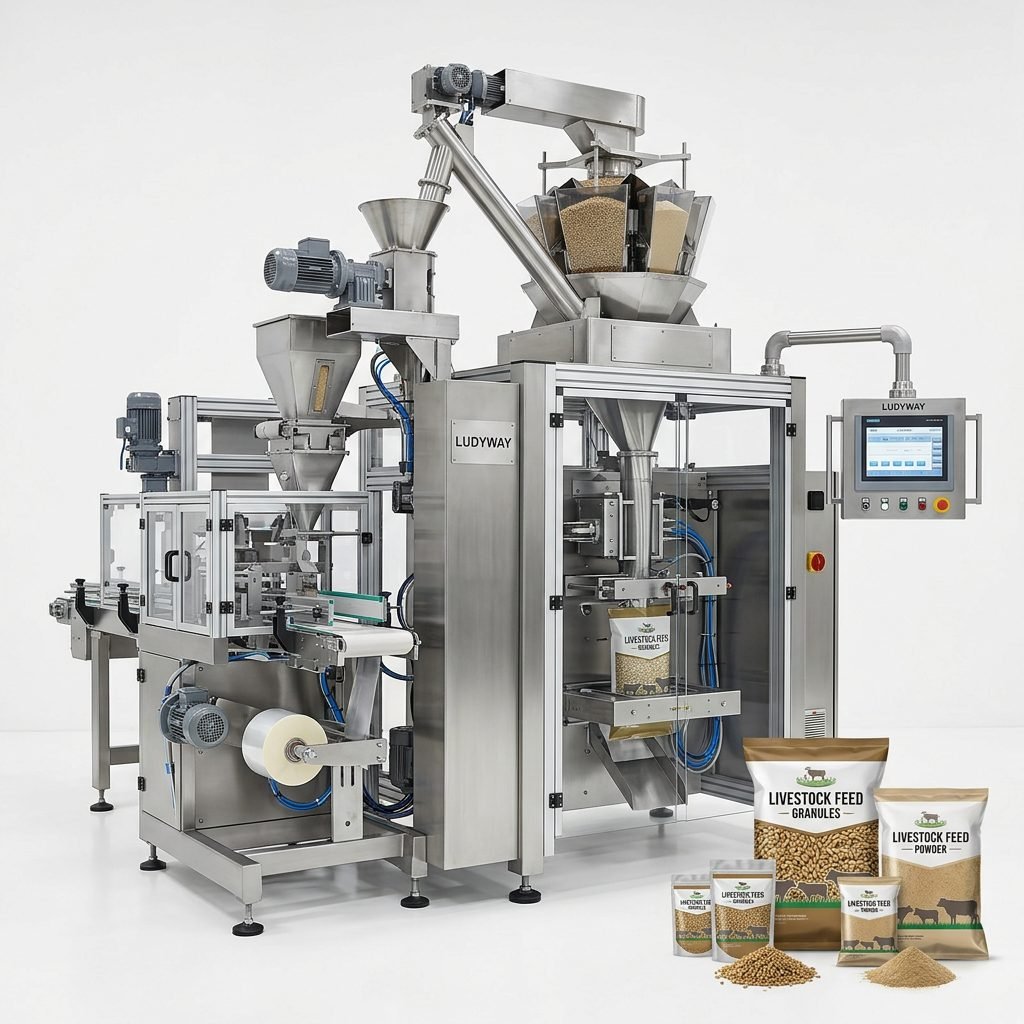
For manufacturers seeking a comprehensive packaging partner, Ludyway Machinery offers over 30 years of experience in the packaging industry. As a China-based packaging machinery manufacturer and turnkey packaging solution provider, the company operates from a 20,000-square-meter manufacturing facility with more than 130 professionals and over 50 packaging machine models. Ludyway’s expertise covers powder, granule, liquid, stick pack, sachet, pouch, and other flexible packaging applications across industries including food and beverage, pharmaceuticals, cosmetics, and chemicals. The company serves customers in more than 100 countries and regions, providing technical support throughout the project lifecycle from machine selection and packaging solution design to installation, commissioning, and after-sales service. With export revenue expected to exceed RMB 500 million (approximately US$69 million) in 2025 and plans to surpass RMB 1 billion (approximately US$138 million) in 2026, Ludyway demonstrates the global scale and reliability that drinking water producers should look for in a long-term equipment partner.

8. Integration with Existing Production Infrastructure
Your drinking water packing machine does not operate in isolation. It must integrate seamlessly with upstream water treatment systems and downstream packaging equipment such as labeling machines, shrink wrappers, case packers, and palletizers. When evaluating machines, consider:
- Upstream compatibility: How will the filling machine connect to your water purification and storage systems? Are buffer tanks or intermediate transfer pumps required?
- Downstream automation: Can the machine synchronize with labeling, coding, cartoning, and palletizing equipment? Look for machines with standardized communication protocols and physical interfaces.
- Factory layout: Consider the machine’s footprint, access requirements for maintenance, and material flow through your facility. A well-planned layout can significantly improve operational efficiency.
- Future expansion: Leave room in your layout and control system architecture for additional modules or parallel lines as production grows.
9. Sustainability and Energy Efficiency
Sustainability is an increasingly important factor in packaging equipment selection. Modern drinking water packing machines incorporate features that reduce environmental impact while also lowering operating costs. Key sustainability considerations include:
- Water conservation: Machines with water recycling systems for rinsing operations can significantly reduce water consumption.
- Energy-efficient motors and drives: Look for machines equipped with servo-driven systems that consume less energy than traditional mechanical drives, especially during idle periods.
- Lightweighting compatibility: As the packaging industry moves toward flexible packaging sustainability, ensure your machine can handle thinner, lighter bottle designs and eco-friendly packaging materials without compromising performance.
- Waste reduction: Precise filling accuracy minimizes product waste, while efficient film handling systems reduce packaging material scrap.
10. Making the Final Decision
After evaluating all the factors above, you should have a clear picture of your requirements and the options available. To make your final selection on a drinking water packing machine, we recommend the following structured approach:
- Create a weighted evaluation matrix — Assign importance weights to each criterion (capacity, price, support, compliance, etc.) and score each candidate machine objectively.
- Conduct on-site demonstrations — Whenever possible, visit the manufacturer’s facility or a reference customer site to see the machine in operation under real production conditions.
- Request detailed proposals — Ask shortlisted suppliers to provide comprehensive proposals including machine specifications, project timelines, installation plans, and total cost breakdowns.
- Negotiate service terms — Beyond price, negotiate training packages, extended warranties, and service-level agreements that protect your investment.
- Plan for the full project lifecycle — Factor in shipping, customs clearance, site preparation, operator training, and a ramp-up period when setting your project timeline.
Selecting the right drinking water packing machine is a decision that will shape your production capabilities for years to come. By thoroughly evaluating your production requirements, understanding machine types and technical specifications, prioritizing food safety compliance, calculating total cost of ownership, and partnering with an experienced and reliable manufacturer, you can make a confident investment that supports your business growth and operational goals.
For additional guidance on packaging machinery selection, industry trends, and equipment standards, explore resources from the PMMI Association for Packaging and Processing Technologies and the Flexible Packaging Association. Staying informed about packaging industry state-of-the-industry reports and regulatory developments will help you make proactive equipment decisions that keep your operation competitive in a dynamic market.