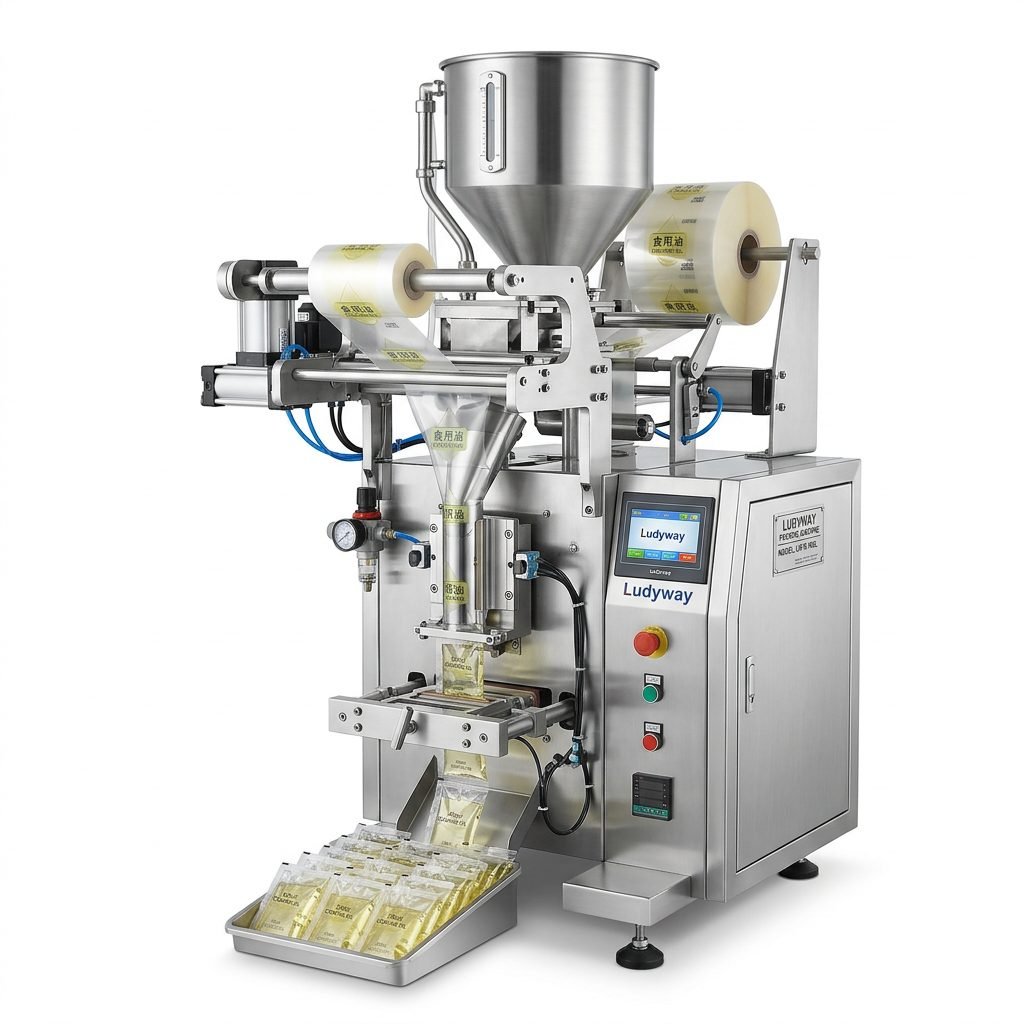
Investing in a frozen pizza packaging machine is a significant decision that directly impacts your production efficiency, product shelf life, and overall profitability. Whether you are a growing pizza manufacturer, a co-packer, or a large-scale frozen food producer, selecting the right equipment requires careful evaluation of your operational needs, packaging formats, and long-term business goals.
The frozen food sector continues to expand globally, and with it, the demand for reliable, high-speed packaging automation. According to the 2025 State of the Industry report from PMMI, packaging machinery investments are increasingly driven by the need for flexibility, automation, and compliance with evolving food safety standards. A poorly chosen machine can lead to downtime, film waste, inconsistent seals, and compromised product quality — all of which eat into your margins.

Understanding Your Production Requirements
Before comparing machine specifications, you need a clear picture of your production environment and what you expect the equipment to deliver. Start by answering these questions:
- What is your target output per minute or per hour? Frozen pizza packaging lines can range from 30 packs per minute (ppm) for entry-level systems to over 120 ppm for high-speed multi-lane configurations.
- What packaging format do you use? Common options include horizontal flow wrap, shrink wrap, vacuum packaging, and modified atmosphere packaging (MAP).
- What are your pizza dimensions and weights? Machines must accommodate your specific product range — from personal-sized pizzas to family-sized or bulk packs.
- Do you require secondary packaging integration? Some operations need cartoning, case packing, or palletizing downstream.
- What is your available floor space? Compact inline systems differ significantly from fully automated turnkey lines in terms of footprint.
Types of Frozen Pizza Packaging Machines
Different packaging technologies suit different product presentations and protection requirements. The Flexible Packaging Association highlights that selecting the appropriate machinery for flexible packaging formats is critical for maintaining product integrity throughout the cold chain. Below are the primary machine categories used in frozen pizza production:
Horizontal Flow Wrappers
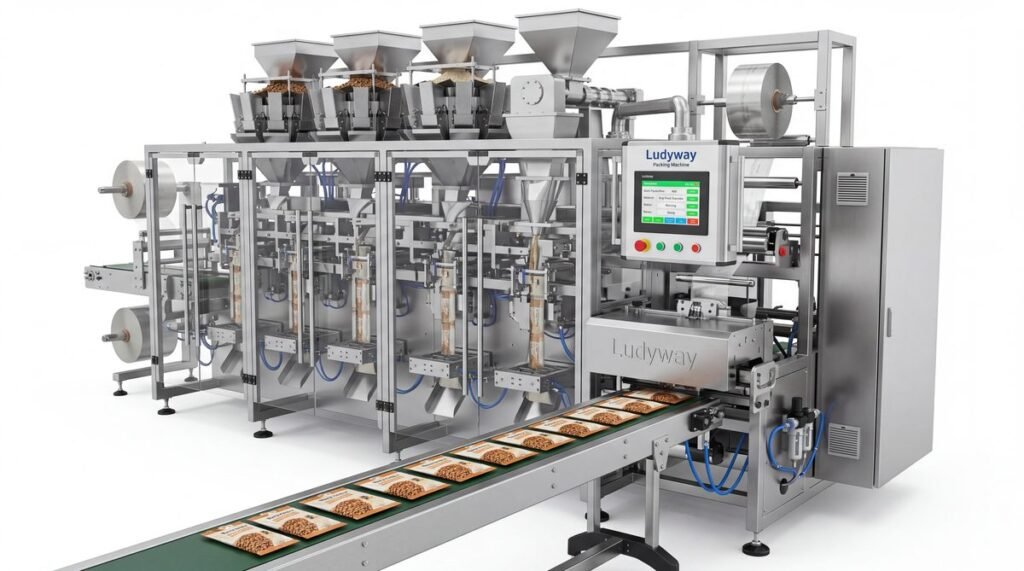
Horizontal form-fill-seal (HFFS) machines, commonly called flow wrappers, are the most widely used solution for frozen pizza packaging. They create a sealed flexible pouch or pillow pack around the pizza using heat-sealable films. These machines excel at high-speed operations and handle a wide range of film materials, including polyethylene (PE) and polypropylene (PP) laminates. Key advantages include rapid changeover, consistent seal integrity, and compatibility with FDA-compliant food contact materials.
Shrink Wrapping Systems
Shrink wrap machines apply a loose film around the pizza and then pass it through a heat tunnel, causing the film to shrink tightly around the product. This method provides excellent product visibility, tamper evidence, and a tight seal that protects against freezer burn. Shrink systems are popular for multi-pack configurations and retail-ready formats.
Vacuum Packaging Machines
For premium frozen pizzas requiring extended shelf life, vacuum packaging removes oxygen from the package before sealing. This significantly reduces oxidation, preserves flavor, and prevents freezer burn. Vacuum systems are often used in combination with MAP technology to introduce inert gases that further extend freshness. Relevant standards such as ISO packaging standards provide guidance on material compatibility and seal performance.
Tray Sealing and MAP Systems
Tray sealers place the pizza in a rigid or semi-rigid tray and apply a lidding film, often incorporating modified atmosphere packaging (MAP). This approach is ideal for premium products where presentation and extended shelf life are priorities. Tray-sealed pizzas stand upright on retail shelves, offering strong branding opportunities.
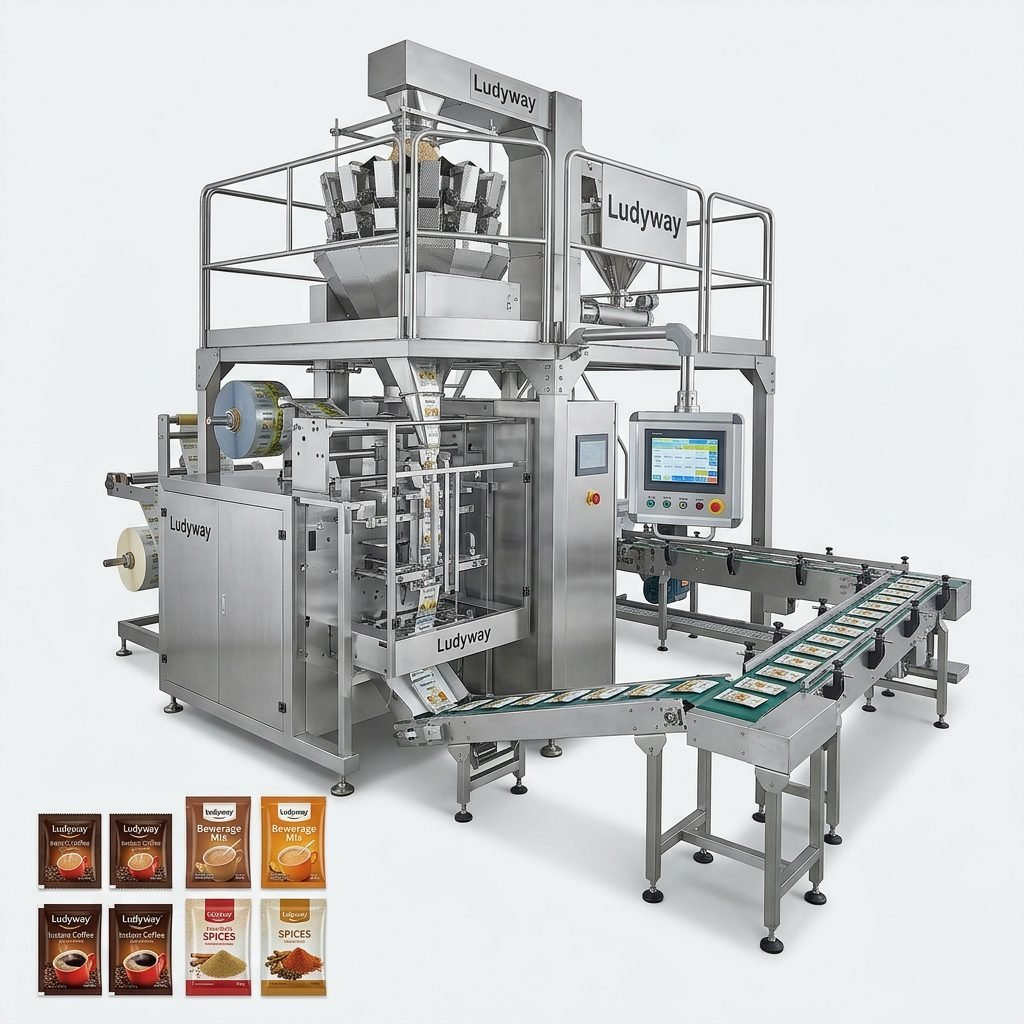
Key Features to Evaluate
Not all packaging machines are built equally. When comparing models, pay close attention to the following critical specifications that directly affect performance, maintenance, and total cost of ownership:
| Feature | Why It Matters | What to Look For |
|---|---|---|
| Sealing Technology | Ensures airtight, contamination-free seals | Temperature-controlled sealing jaws, adjustable pressure settings |
| Film Compatibility | Determines material flexibility and cost | Support for PE, PP, laminates, and recyclable films |
| Changeover Speed | Minimizes downtime between product runs | Tool-less changeover, recipe-based settings, quick film splicing |
| Automation Level | Reduces labor costs and human error | Auto film tracking, servo-driven controls, integrated inspection systems |
| Hygiene Design | Critical for food safety compliance | Stainless steel construction, washdown-ready, sloped surfaces |
| Speed Range | Must match your production targets | Variable speed drives, scalable from 30 to 120+ ppm |
| Energy Efficiency | Reduces operational costs over time | Servo motors, optimized heating elements, standby modes |
Evaluating Suppliers and Manufacturers
Your choice of packaging machinery partner is just as important as the machine itself. The right supplier should offer more than just equipment — they should provide engineering support, customization capabilities, and reliable after-sales service. Look for manufacturers with a proven track record in food packaging applications, particularly within the frozen food sector.
Key supplier evaluation criteria include:
- Industry experience: How many years has the manufacturer specialized in packaging machinery? A company like Ludyway Machinery, with more than 30 years of experience in the packaging machinery industry, demonstrates deep domain expertise across food, pharmaceutical, and consumer product sectors.
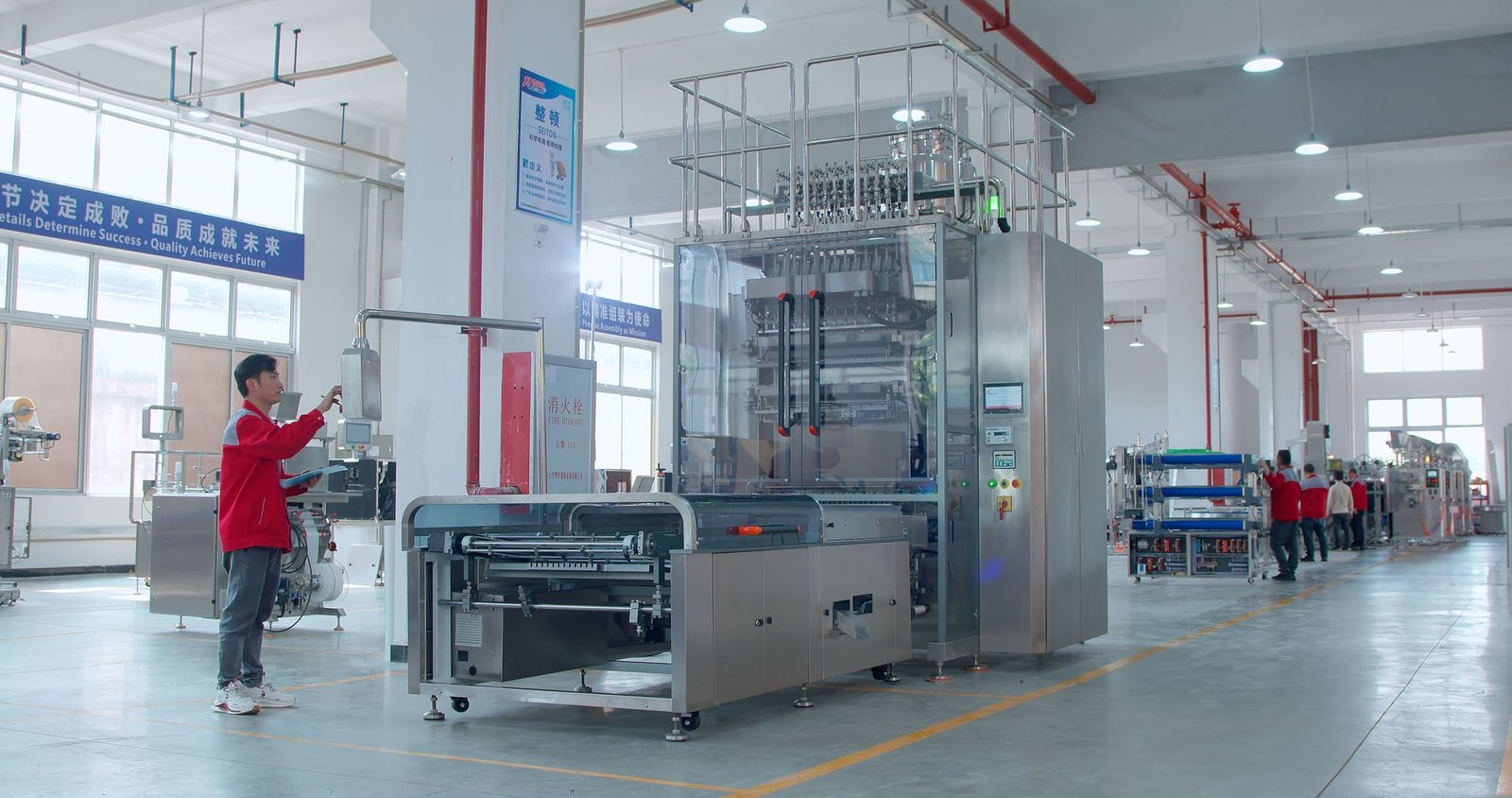
- Manufacturing capabilities: Does the supplier have in-house engineering, assembly, and testing facilities? Integrated manufacturing often translates to better quality control and shorter lead times.
- Customization options: Can the machine be configured for your specific pizza dimensions, film preferences, and throughput requirements? Standardized machines may not fit every application.
- Technical support infrastructure: What happens after installation? Ensure the supplier offers commissioning, operator training, spare parts availability, and responsive troubleshooting — including remote assistance.
- Compliance and certifications: Confirm that the equipment can meet relevant international standards, including packaging machinery standards and regulations applicable to your target markets.
Budget Considerations and ROI Analysis
A frozen pizza packaging machine represents a capital investment that should be evaluated not just on purchase price, but on total cost of ownership (TCO) and projected return on investment (ROI). Consider the following financial factors:
- Initial capital expenditure: Entry-level flow wrappers may start at lower price points, while fully automated multi-lane systems with integrated cartoning can be significantly higher. Match the investment to your current and near-future production needs.
- Film and material costs: Different machines have varying film utilization efficiency. A machine with precise film tracking and minimal waste generation can save substantial material costs annually.
- Labor savings: Automation reduces the number of operators required. Calculate the labor cost reduction against the machine’s depreciation schedule.
- Maintenance and spare parts: Factor in expected maintenance intervals, consumable part replacement, and the supplier’s spare parts pricing and delivery timelines.
- Downtime cost: A reliable machine with strong technical support minimizes costly production interruptions. The PMMI Business Intelligence resources provide valuable benchmarks for packaging line efficiency and OEE expectations.
Future-Proofing Your Investment
The frozen food packaging landscape is evolving, with increasing emphasis on sustainable packaging materials, smart factory integration, and regulatory compliance. When selecting equipment, look for machines that can accommodate recyclable and mono-material films, which are becoming industry standards under initiatives like the European Commission’s Packaging and Packaging Waste Regulation. Additionally, consider whether the machine supports data connectivity for production monitoring, predictive maintenance, and integration with your existing MES or ERP systems.
Making the Final Decision
Selecting the right frozen pizza packaging machine requires balancing technical specifications, supplier capabilities, and financial considerations. Start by clearly defining your production requirements, then evaluate machine types that align with your packaging format and throughput goals. Shortlist suppliers with demonstrated experience in frozen food applications and assess their ability to provide customized solutions and ongoing support.
Whether you need a single flow wrapper to automate a manual line or a complete turnkey packaging system with multi-lane configuration and integrated downstream equipment, the right partner will help you achieve consistent packaging quality, operational efficiency, and long-term scalability. Take the time to visit supplier facilities, request sample runs with your actual products and films, and speak with existing customers about their experiences before committing to a purchase.
A well-chosen packaging machine does more than wrap pizzas — it protects your brand, streamlines your operations, and positions your business for sustainable growth in the competitive frozen food market.