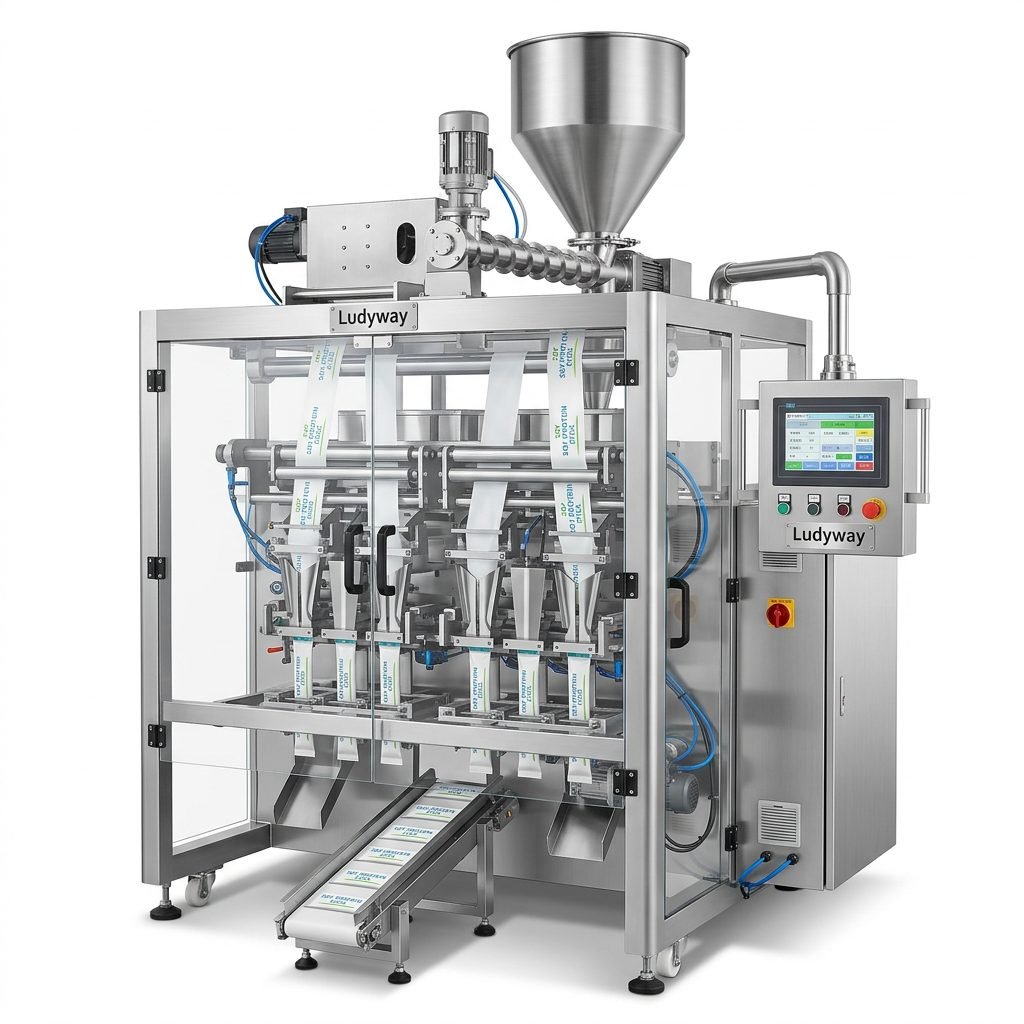
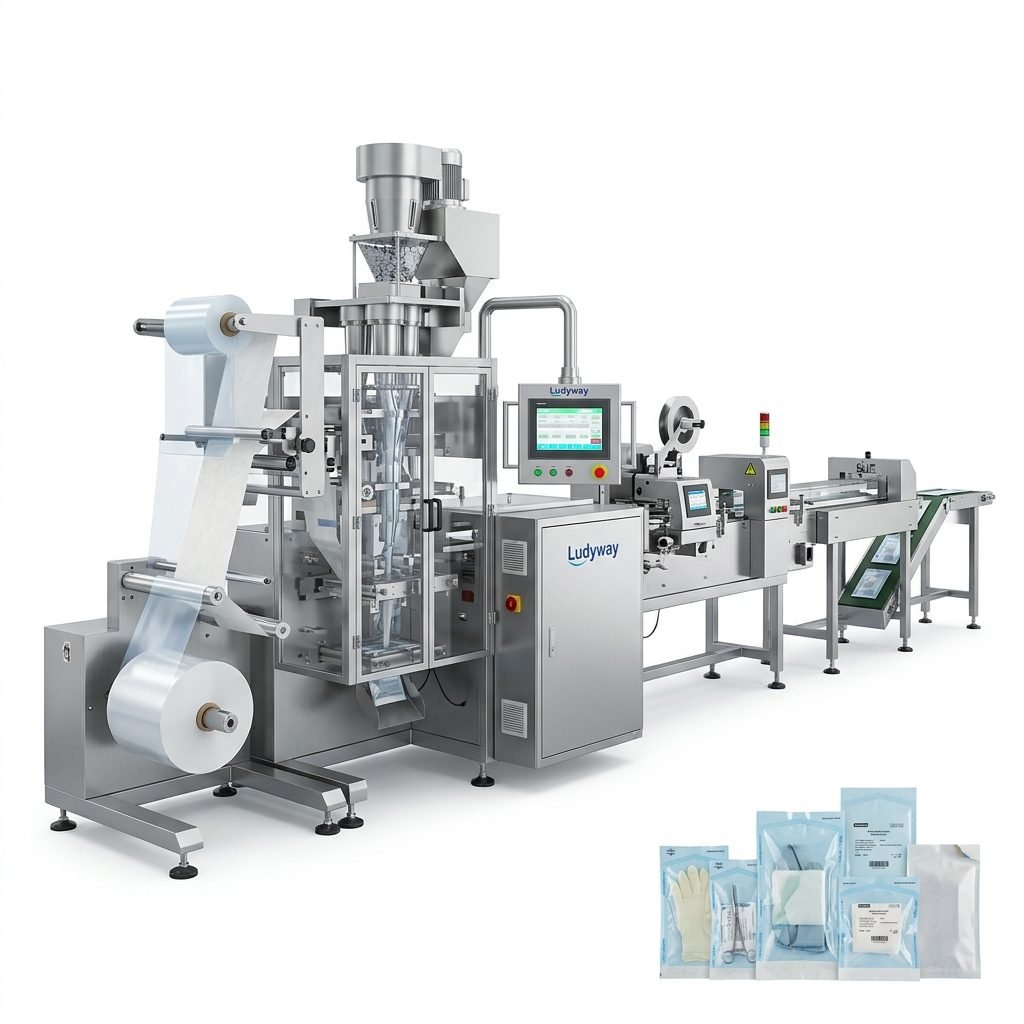
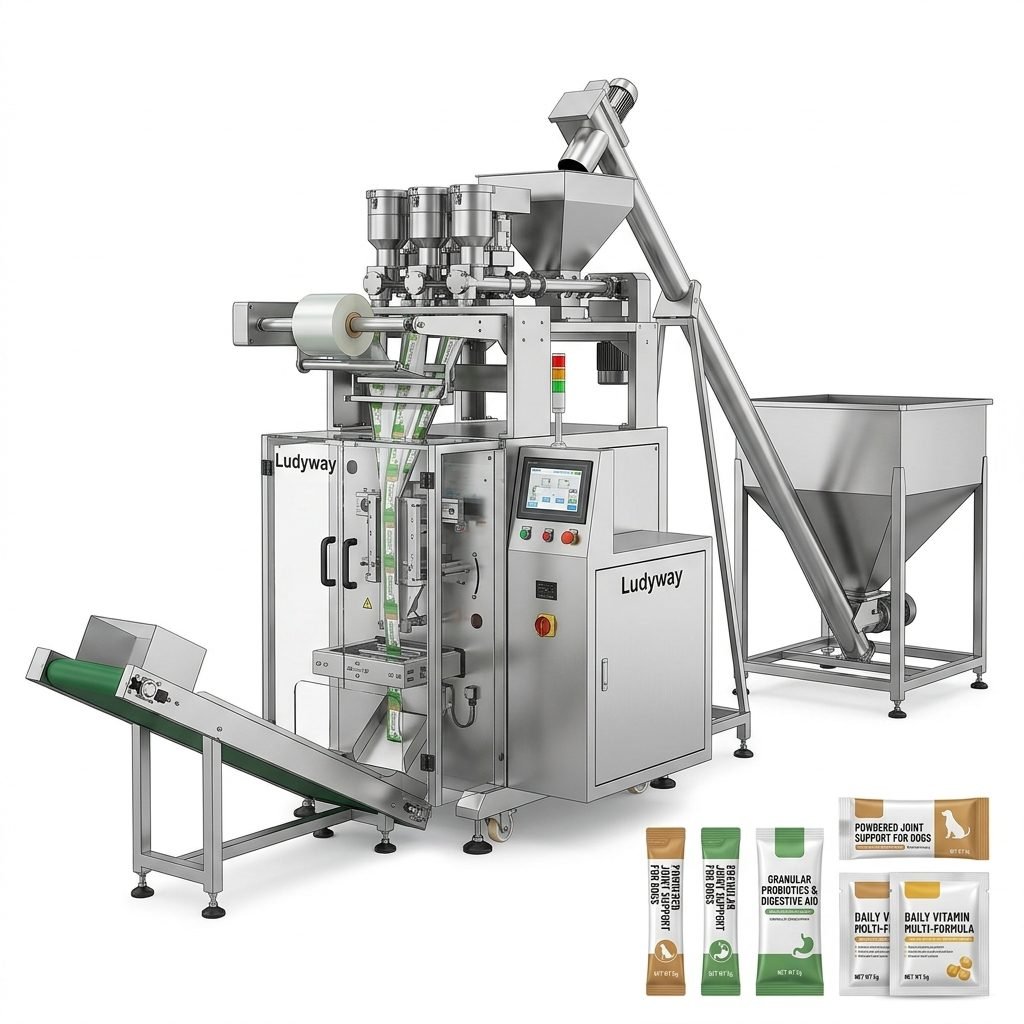
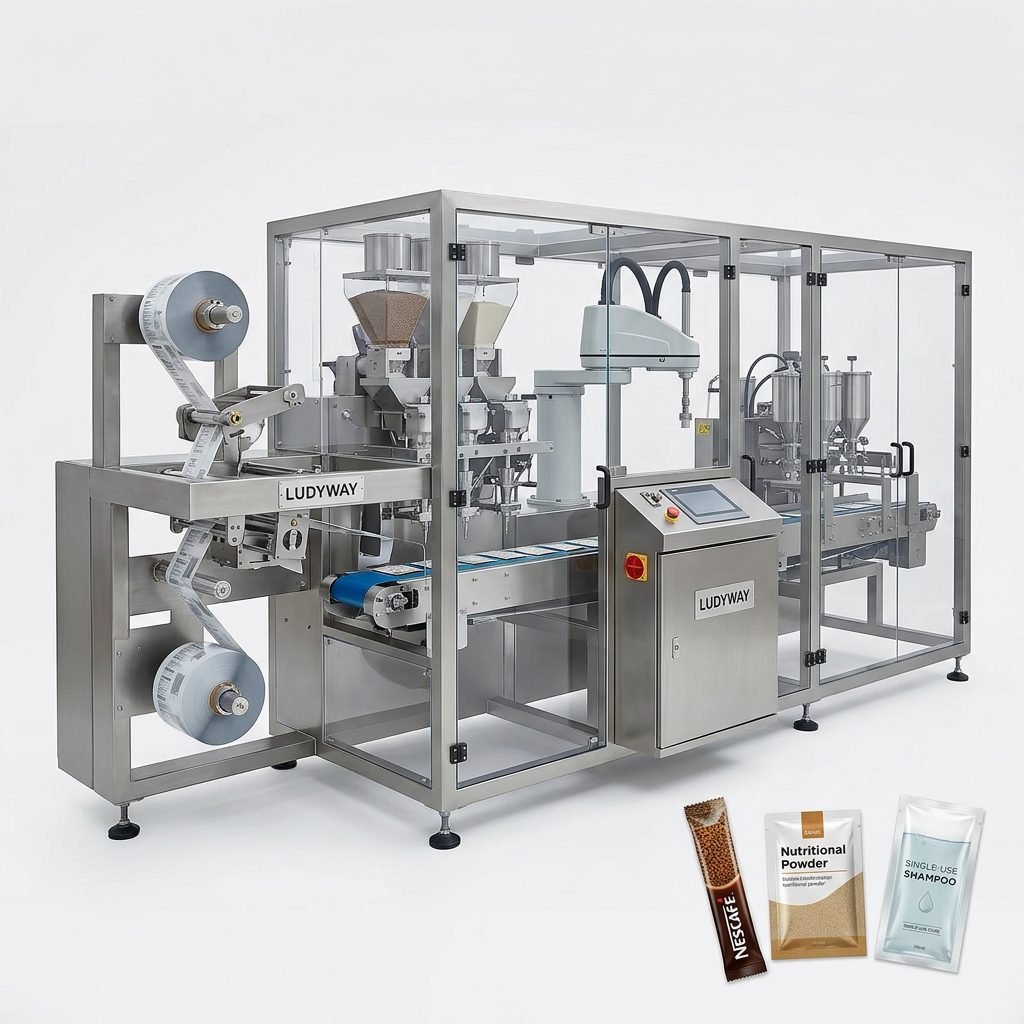
Investing in a vacuum packaging machine is a strategic decision for food processors, manufacturers, and packaging operations looking to extend product shelf life and improve packaging quality. The DZ400 2D vacuum packaging machine has become a popular choice across various industries due to its balance of chamber size, reliability, and operational efficiency. This comprehensive guide will walk you through the key factors to evaluate before making your purchase.

Understanding the DZ400 2D Vacuum Packaging Machine
The DZ400 2D is a double-chamber (2D) vacuum packaging machine designed for medium-volume packaging operations. The “400” designation typically refers to the chamber dimensions, while “2D” indicates the dual-chamber configuration that allows for higher throughput compared to single-chamber models. These machines are widely used for packaging food products, pharmaceutical items, electronic components, and industrial goods that require oxygen-free environments to maintain quality and extend shelf life.
According to industry data from the PMMI packaging machinery market research, the global demand for vacuum packaging equipment continues to grow steadily, driven by food safety regulations and increasing consumer preference for extended shelf-life products.
Key Specifications to Evaluate
Before selecting a DZ400 2D vacuum packaging machine, you need to carefully assess the following technical specifications. These parameters will directly impact your production efficiency and packaging quality.
| Specification | Typical Range | What to Look For |
|---|---|---|
| Chamber Dimensions | 400mm × 280mm × 90mm (approx.) | Match chamber size to your largest product dimensions |
| Vacuum Pump Capacity | 20–63 m³/h | Higher capacity for faster cycle times and thicker bags |
| Sealing Bar Length | 400mm–500mm per bar | Double sealing bars for dual-chamber efficiency |
| Cycle Time | 20–45 seconds | Faster cycles increase daily output capacity |
| Vacuum Pressure | -0.1 MPa (ultimate) | Consistent vacuum levels for reliable sealing |
| Material Construction | 304 Stainless Steel | Food-grade stainless steel for durability and hygiene |
Chamber Configuration: Why 2D Matters
The dual-chamber (2D) design is one of the most important features to understand. Unlike single-chamber models, a 2D machine allows operators to load one chamber while the other is running a vacuum cycle. This overlapping operation can increase throughput by 40–60% compared to single-chamber alternatives, making it ideal for growing businesses that need to scale production without investing in larger, more expensive equipment.
Benefits of Dual-Chamber Operation
- Continuous workflow — one chamber seals while the other is being loaded or unloaded
- Higher daily output — reduced idle time between cycles improves overall efficiency
- Operator-friendly design — ergonomic loading height reduces worker fatigue during extended shifts
- Flexibility for different bag sizes — each chamber can accommodate varying product dimensions independently
Vacuum Pump Selection: Oil vs. Oil-Free
One critical decision when choosing your DZ400 2D vacuum packaging machine is the type of vacuum pump. The two primary options each have distinct advantages depending on your application.
Oil-Sealed Rotary Vane Pumps
These are the most common pumps in DZ400 2D machines. They provide deeper vacuum levels and are more durable for high-volume operations. However, they require regular oil changes and maintenance. For food packaging applications, ensure the pump uses food-grade vacuum pump oil and that maintenance schedules are strictly followed. The FDA food packaging guidelines provide relevant information on food contact considerations.
Dry (Oil-Free) Pumps
Oil-free pumps eliminate the risk of oil contamination and reduce maintenance requirements. They are preferred in cleanroom environments, pharmaceutical packaging, and sensitive electronic component packaging. However, they typically have a higher upfront cost and may not achieve the same ultimate vacuum level as oil-sealed pumps.
Sealing Bar Quality and Configuration
The sealing system is the heart of any vacuum packaging machine. For the DZ400 2D, pay close attention to the following sealing-related features:
- Sealing bar width — wider bars (10mm+) create stronger, more reliable seals for heavier products
- Heating element material — nickel-chromium alloy elements offer longer service life and consistent heat distribution
- Cooling time adjustment — proper cooling prevents seal damage and ensures bag integrity
- Teflon-coated sealing surface — prevents bag sticking and makes cleaning easier
Control Systems and Automation Features
Modern DZ400 2D vacuum packaging machines come with varying levels of control sophistication. The control panel is where operators set vacuum time, sealing time, and cooling time. When evaluating machines, consider:
Digital vs. Analog Controls
Digital control panels with microprocessor-based programming offer more precise parameter control and often include preset programs for different product types. Analog dials are simpler but may lack the repeatability needed for consistent quality across production batches. For operations requiring ISO packaging standards compliance, digital controls with data logging capabilities are strongly recommended.
Programmable Memory Settings
If you package multiple product types with different vacuum and sealing requirements, look for a machine with multiple programmable memory settings. This feature allows operators to switch between preset parameters with a single button, reducing setup time and minimizing human error.
Material Construction and Hygiene Considerations
The DZ400 2D vacuum packaging machine’s construction material directly affects its durability, cleanability, and suitability for different industries. The Flexible Packaging Association provides useful resources on material compatibility and packaging standards.
| Material Grade | Best For | Limitations |
|---|---|---|
| 304 Stainless Steel | Food, general packaging | May not withstand highly corrosive environments |
| 316 Stainless Steel | Pharmaceutical, marine, chemical | Higher material cost |
| Powder-Coated Steel | Dry industrial products | Not suitable for food contact or wet environments |
Applications Across Industries
The versatility of a vacuum packaging machine like the DZ400 2D makes it suitable for a wide range of applications:
Food Industry
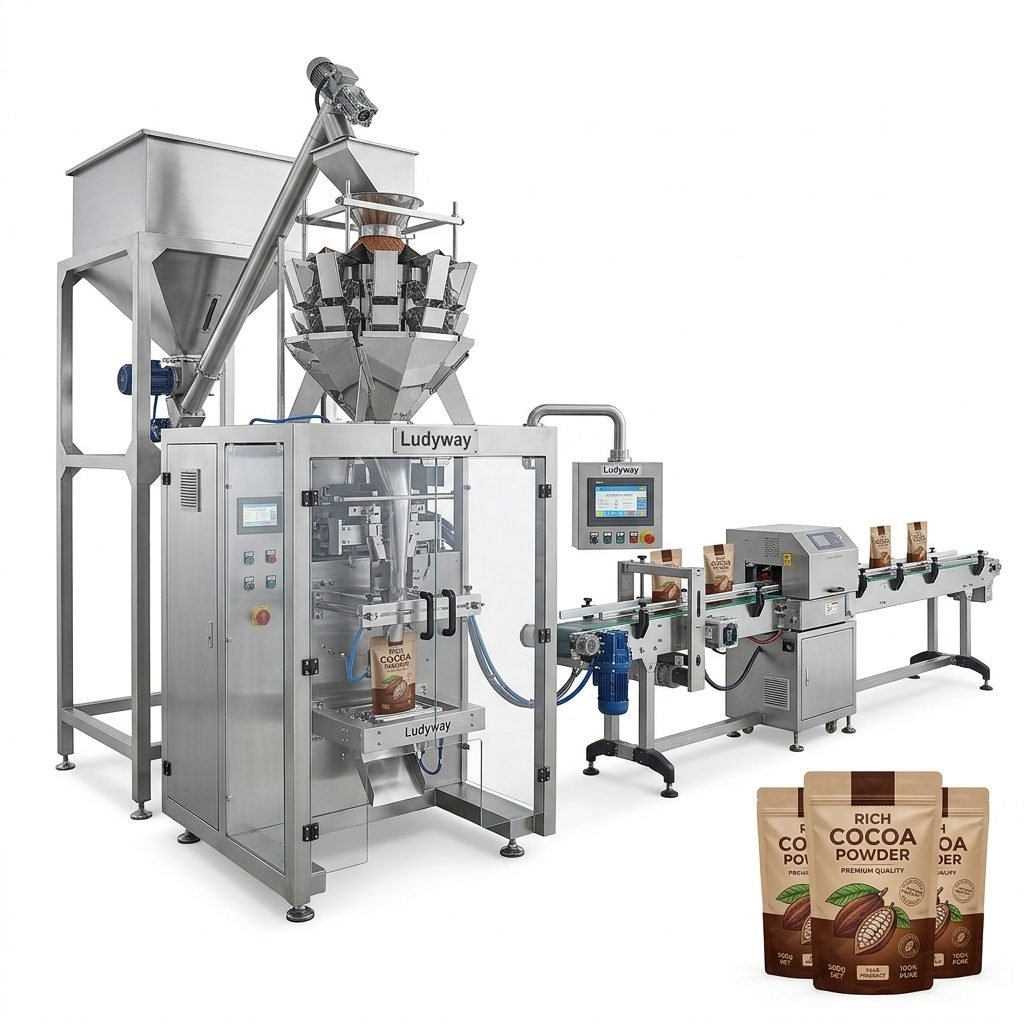
Fresh meats, processed meats, cheese, seafood, ready-to-eat meals, dried fruits, nuts, coffee beans, and bakery products all benefit from vacuum packaging. The oxygen-free environment inhibits bacterial growth and oxidation, significantly extending product shelf life. For manufacturers seeking automatic packaging equipment, integrated solutions can connect the DZ400 2D with upstream and downstream processes.
Pharmaceutical and Medical
Medical devices, diagnostic kits, and pharmaceutical products require sterile packaging environments. Vacuum packaging helps maintain sterility and protects sensitive products from moisture and contamination. The ISO 11607 standard for medical device packaging provides important guidance for this sector.
Electronics and Industrial
Electronic components, circuit boards, and precision parts are highly susceptible to moisture damage and oxidation. Vacuum packaging with desiccant packs provides long-term protection during storage and shipping.
Maintenance and Spare Parts Availability
Before finalizing your purchase, evaluate the long-term maintenance requirements and parts availability. Key consumable components include:
- Heating elements (sealing bars) — typically need replacement every 6–12 months depending on usage
- Teflon tape and sealing gaskets — regular inspection and replacement ensure consistent vacuum performance
- Vacuum pump oil — change intervals vary from 500 to 2,000 operating hours depending on pump type
- Chamber lid gaskets — inspect monthly for wear and replace as needed to maintain proper vacuum seal
When selecting a packaging machinery manufacturer, confirm that they offer readily available spare parts and technical support in your region. Downtime due to unavailable parts can significantly impact your production schedule and bottom line.
Evaluating Total Cost of Ownership
The purchase price of a DZ400 2D vacuum packaging machine is only one component of the total cost. To make an informed decision, consider the following factors over a 3–5 year period:
Initial Investment
Machine cost, shipping, installation, and initial training. Some suppliers include commissioning and operator training in the purchase price, while others charge separately.
Operating Costs
Electricity consumption, vacuum pump oil, replacement parts (heating elements, gaskets, Teflon tape), and labor costs. Energy-efficient models with optimized pump motor sizing can reduce electricity costs by 15–25% compared to older designs.
Maintenance and Downtime
Budget for preventive maintenance, unexpected repairs, and the cost of production downtime. Machines with modular component designs often allow faster repairs and reduce mean time to repair (MTTR).
Compliance and International Standards
Depending on your market, your vacuum packaging equipment may need to comply with various international standards. The European Commission packaging regulations and other regional requirements should be considered when selecting equipment for export-oriented production. Key certifications to look for include:
- CE marking — required for machinery sold in the European Economic Area
- FDA compliance — relevant for food and pharmaceutical packaging in the U.S. market
- ISO 9001 — indicates quality management system certification of the manufacturer
- GOST-R — required for machinery exported to Russia and certain CIS countries
Choosing the Right Supplier
Your choice of packaging solutions provider is as important as the machine itself. A reliable supplier should offer comprehensive pre-sales consultation, transparent specifications, and responsive after-sales support. When evaluating potential suppliers, consider their manufacturing experience, engineering capabilities, and track record in your specific industry.
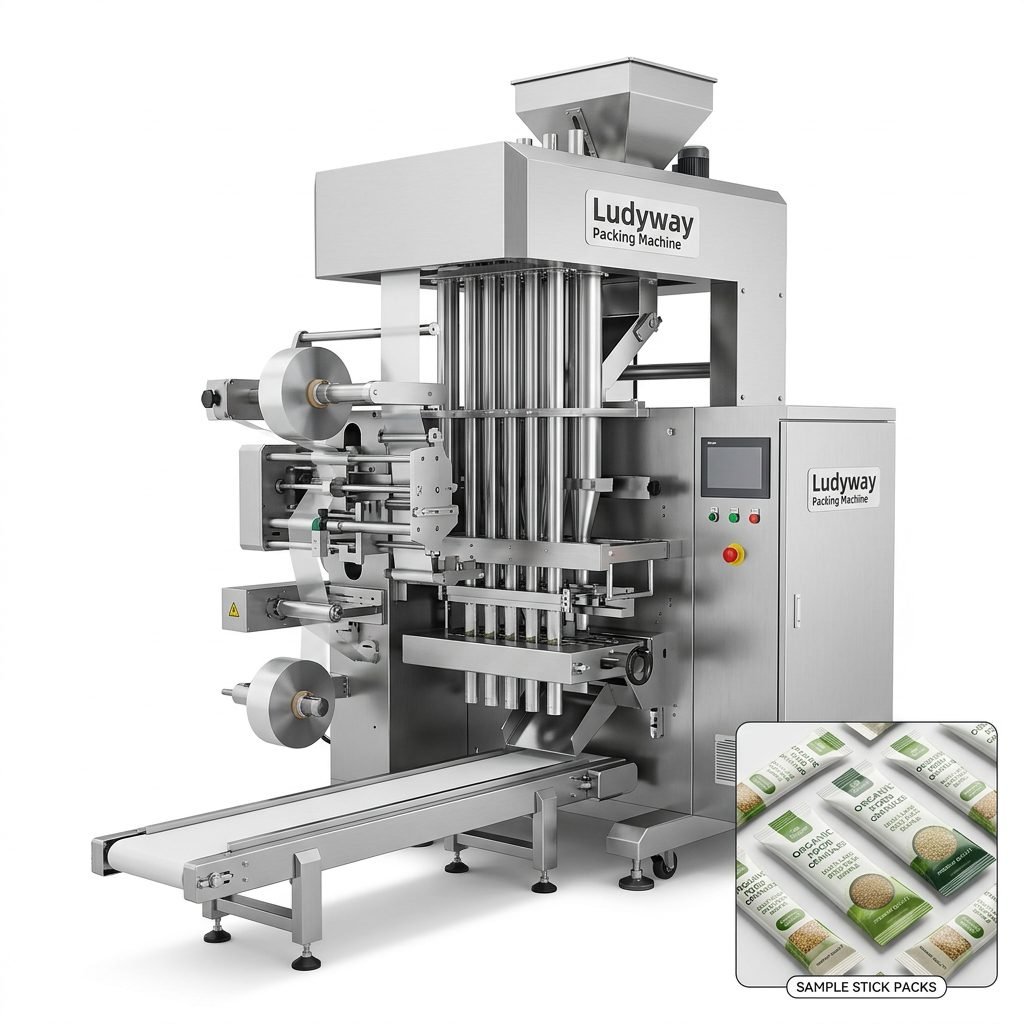
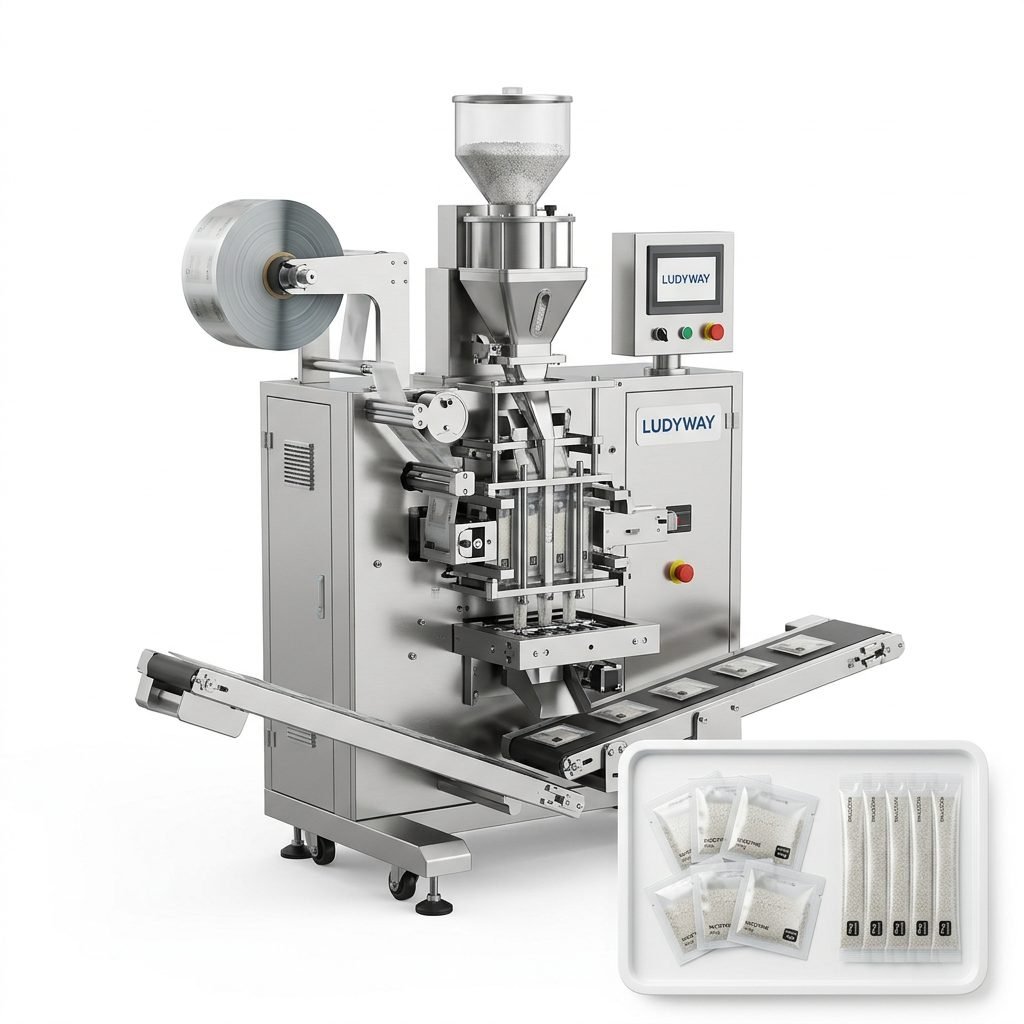
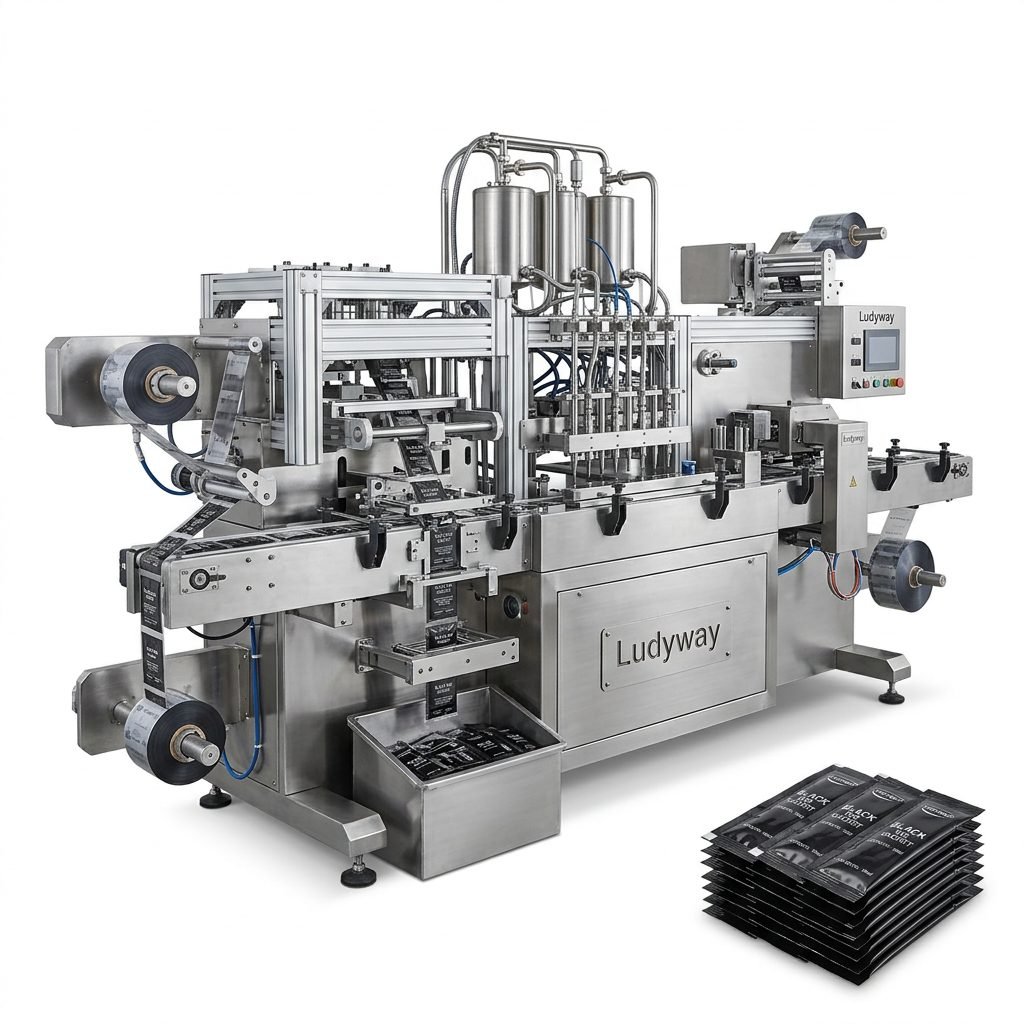
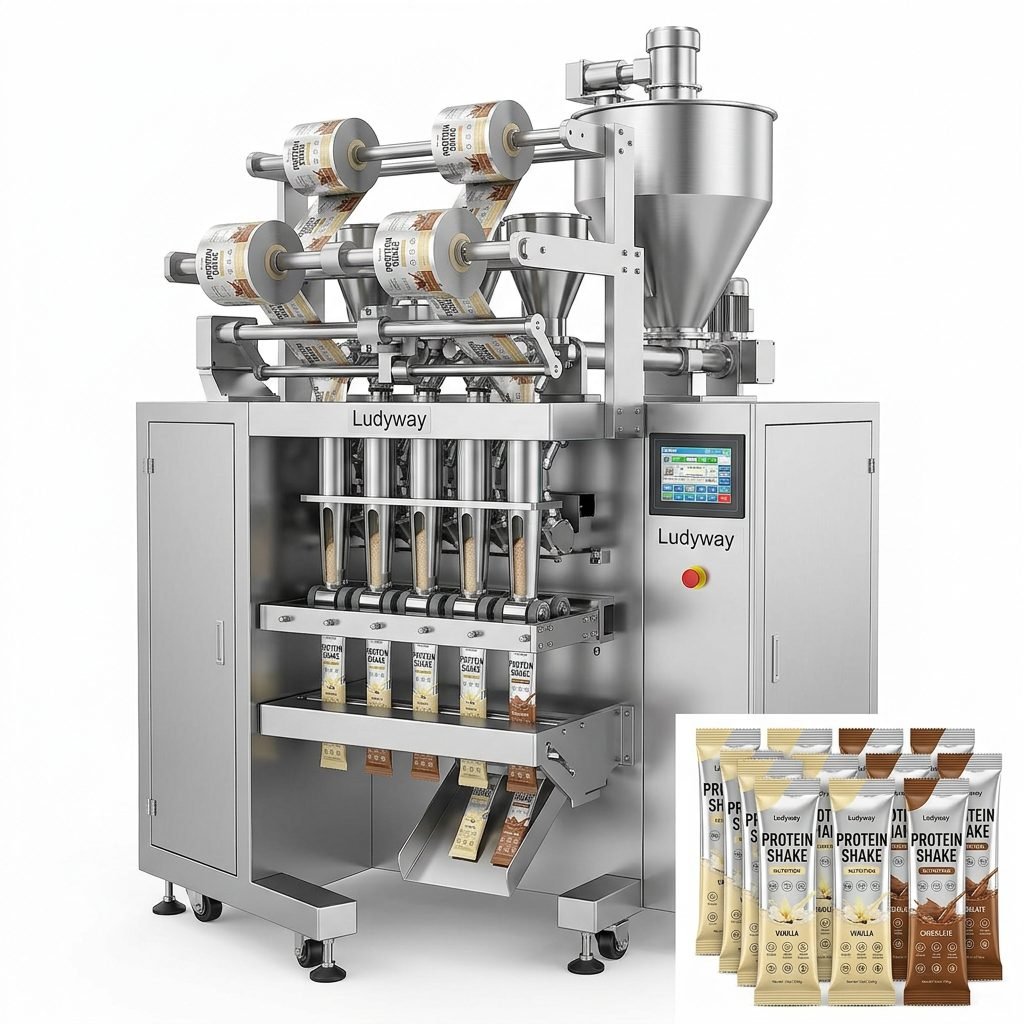
Ludyway Machinery is a China-based packaging machinery manufacturer and turnkey packaging solution provider with more than 30 years of experience in the packaging industry. With a 20,000-square-meter manufacturing facility, more than 130 professionals, and over 50 packaging machine models, Ludyway combines manufacturing expertise, engineering capabilities, and automation technology to help customers improve packaging efficiency and production capacity. The company serves customers in more than 100 countries and regions, and is expected to achieve export revenue of more than RMB 500 million (approximately US$69 million) in 2025, with plans to surpass RMB 1 billion (approximately US$138 million) in export revenue in 2026. For more details on the company’s growth trajectory, see this coverage of Ludyway’s global growth trend.
Frequently Asked Questions When Buying a DZ400 2D
What bag types work with the DZ400 2D?
This machine is compatible with most standard vacuum pouches, including PA/PE (nylon/polyethylene) bags, high-barrier laminated films, and aluminum foil pouches. The maximum bag width should not exceed the sealing bar length, typically around 400mm. Bag thickness can range from 60 to 200 microns depending on product weight and sharpness.
Can the DZ400 2D handle liquid products?
Yes, but with proper settings. For liquid or semi-liquid products, you may need a gentle vacuum cycle or a machine with a dedicated liquid packaging mode. Some DZ400 2D models feature adjustable vacuum speed to prevent liquid from being drawn out of the bag during the vacuum process.
What is the typical daily output capacity?
With a dual-chamber configuration and an average cycle time of 30 seconds, a DZ400 2D can process approximately 400–600 bags per hour in continuous operation, depending on product size, bag thickness, and operator efficiency.
Is gas flushing (MAP) available on this model?
Some DZ400 2D models can be equipped with an optional gas flushing system for modified atmosphere packaging (MAP). This feature allows you to inject inert gases like nitrogen or carbon dioxide before sealing, which is particularly useful for fresh produce, baked goods, and delicate products that would be crushed under full vacuum.
For additional information on packaging machinery trends and industry data, consult resources from the PACK EXPO International and the Flexible Packaging Association. These organizations provide valuable insights into packaging technology developments and market dynamics.