Investing in a HLP cigarette packing machine is a significant decision for any tobacco manufacturer. Whether you are upgrading an existing line or setting up a new facility, choosing the right equipment directly impacts your production efficiency, product quality, and long-term operational costs. With a wide range of models, configurations, and automation levels available, buyers need a structured approach to evaluate their options.
This guide breaks down the essential factors to consider when selecting an HLP cigarette packing machine, helping you match your production requirements with the right technology. For a deeper understanding of how packaging machinery fits into broader manufacturing strategies, resources from PMMI – The Association for Packaging and Processing Technologies provide valuable industry context.
Understanding Your Production Requirements
Before evaluating specific machine models, clearly define your operational needs. Different production environments demand different capabilities, and overlooking this step often leads to costly mismatches.
Production Speed and Output Capacity
HLP cigarette packing machines are available in various speed ranges, typically measured in packs per minute (ppm). High-speed models can handle large-scale production demands, while mid-range options suit medium-sized manufacturers. Consider not just your current output requirements but also projected growth over the next three to five years. Oversizing slightly can prevent bottlenecks as demand increases.
Pack Format Flexibility
Modern cigarette packaging goes beyond the standard hinge-lid pack. You may need to produce soft packs, round-corner packs, or specialty formats for different markets. Verify that the machine you choose supports the pack styles required by your product portfolio. Some models offer quick-change tooling that enables format switching with minimal downtime.
Automation and Labor Considerations
The level of automation directly influences labor requirements and consistency. Fully automated systems handle film wrapping, tear tape application, and cartoning with minimal operator intervention. Semi-automated options may offer lower upfront costs but require more manual handling. Evaluate your labor availability and cost structure when deciding on the automation level that best fits your operation.
Key Technical Specifications to Evaluate
Once you have defined your production parameters, focus on the technical aspects that determine machine performance and reliability. For industry standards on packaging machinery performance, the PMMI Business Intelligence Library offers comprehensive benchmarking data.
| Specification Category | Key Considerations | Impact on Operations |
|---|---|---|
| Filling Accuracy | Tolerance levels for cigarette count per pack | Reduces waste and ensures regulatory compliance |
| Wrapping Technology | Film type compatibility and sealing methods | Affects shelf appeal and product protection |
| Changeover Efficiency | Time required for format or material changes | Impacts overall equipment effectiveness (OEE) |
| Control System | PLC brand, HMI interface, and connectivity | Enables data monitoring and Industry 4.0 readiness |
| Maintenance Requirements | Accessibility of wear parts and service intervals | Determines downtime frequency and repair costs |
Material Compatibility and Packaging Quality
The quality of your finished cigarette pack depends heavily on material compatibility. Not all wrapping films perform equally across different machine types, and poor material selection can lead to seal failures, wrinkling, or inconsistent appearance. Test your intended packaging materials on the machine before finalizing your purchase decision.
Film and Foil Specifications
HLP cigarette packing machines typically work with a range of cellophane, polypropylene, and specialized barrier films. Verify that the machine’s tension control system handles your preferred material thicknesses without tearing or misalignment. For manufacturers using metallized films or specialized tear tapes, confirm compatibility with the machine’s application systems.
Tear Tape and Closure Systems
The tear tape application mechanism must apply tape precisely and consistently. Inconsistent tape placement is a common quality complaint in cigarette packaging. Look for machines that offer precise tension control and positioning systems for tear tape application, ensuring a clean opening experience for consumers.
Supplier Evaluation and After-Sales Support
The relationship with your equipment supplier extends far beyond the initial purchase. A reliable partner provides installation support, operator training, spare parts availability, and technical assistance throughout the machine’s lifecycle. The Flexible Packaging Association provides useful benchmarks for understanding packaging material and machinery supplier standards.
When evaluating potential suppliers, consider both their technical capabilities and their commitment to ongoing support. Manufacturers with in-house engineering teams can offer customized configurations that standard machine catalogues cannot match. Additionally, verify that the supplier can provide timely spare parts delivery, as extended downtime waiting for components significantly impacts production schedules.
Installation and Commissioning
Professional installation ensures your HLP cigarette packing machine operates at peak performance from day one. Confirm that the supplier provides on-site commissioning services, including calibration, testing, and initial production runs. Proper setup prevents many common startup issues and accelerates the path to full production capacity.
Operator Training Programs
Even the most advanced machinery underperforms without properly trained operators. Comprehensive training should cover machine operation, routine maintenance, troubleshooting, and safety procedures. Some suppliers offer structured training programs with documentation and hands-on practice sessions, which significantly reduce the learning curve for your production team.
Regulatory Compliance and Industry Standards
Cigarette packaging machinery must comply with various regulations depending on your target markets. These may include requirements related to packaging materials, labeling, track-and-trace systems, and health warnings. Ensure your chosen machine can accommodate the regulatory features required in your operating regions. The FDA Food Packaging and Food Contact Substances resource provides relevant compliance guidance for certain market requirements.
Total Cost of Ownership Analysis
Look beyond the initial purchase price when comparing HLP cigarette packing machine options. A comprehensive cost analysis should account for energy consumption, spare parts expenses, maintenance labor, expected service life, and potential downtime costs. Machines with higher upfront costs may deliver lower total cost of ownership through improved reliability and efficiency over their operational lifespan.
Energy Efficiency
Power consumption varies significantly between models, especially for machines running multiple shifts. Energy-efficient servo drives and optimized heating systems can reduce operating costs substantially over time. Request energy consumption data from suppliers and factor this into your long-term budget calculations.
Spare Parts Strategy
Develop a spare parts inventory plan before the machine arrives. Critical wear components should be kept in stock to minimize downtime during routine maintenance or unexpected repairs. Discuss recommended spare parts lists with your supplier and establish a reliable ordering process for future needs.
Making the Final Decision
After evaluating technical specifications, supplier capabilities, and total cost considerations, organize your findings into a structured comparison. Prioritize features that directly impact your production goals, and avoid paying for capabilities you are unlikely to use. Visiting existing installations and speaking with current users of the equipment can provide valuable real-world perspective beyond what any datasheet offers.
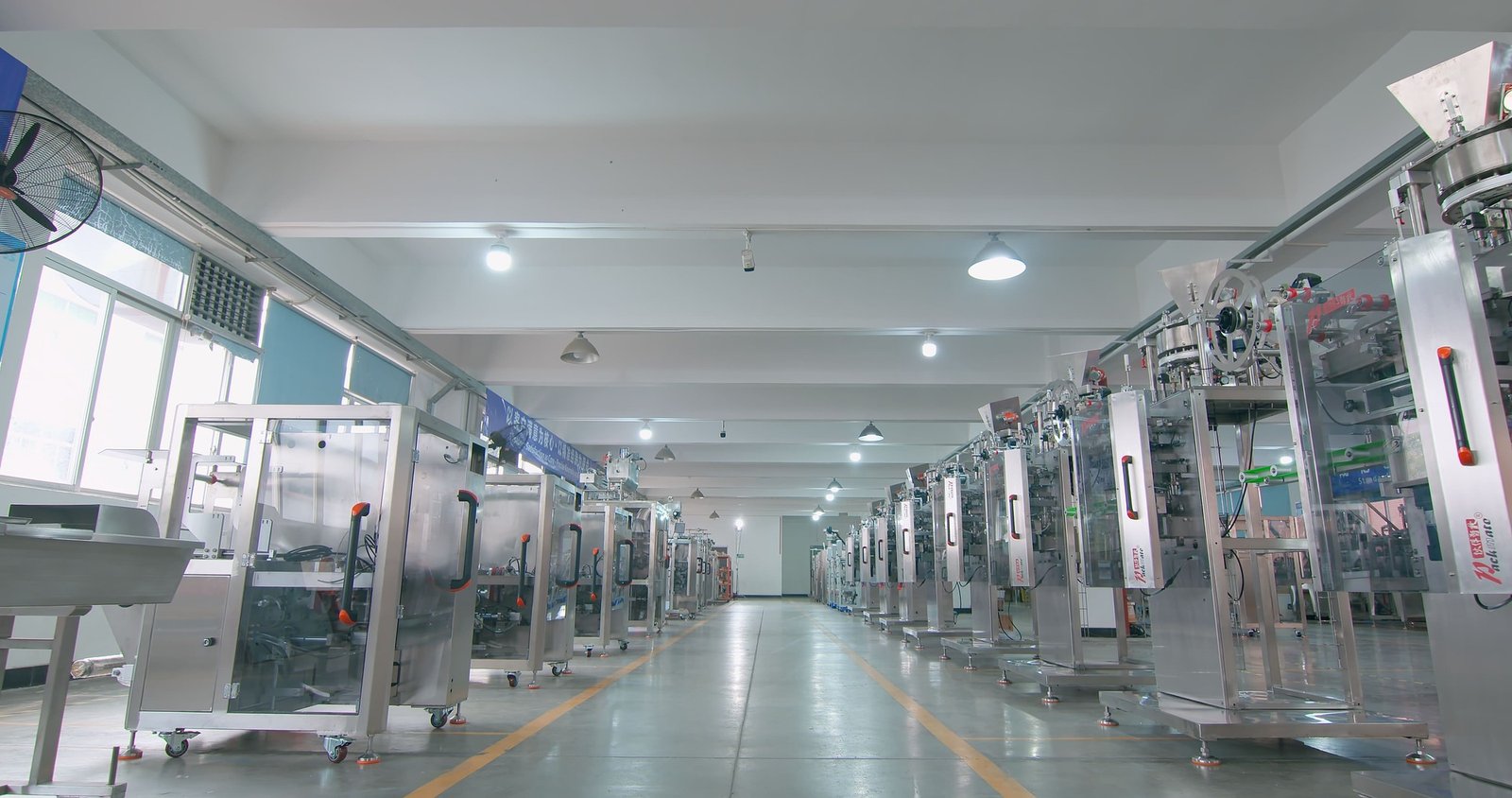
For manufacturers seeking an experienced packaging machinery partner, Ludyway Machinery combines over 30 years of industry expertise with a broad portfolio of automated packaging solutions. The company’s 20,000-square-meter manufacturing facility, more than 130 professionals, and over 50 packaging machine models support customized equipment configurations across food, pharmaceutical, chemical, and other industries. With service coverage spanning more than 100 countries, Ludyway provides technical support throughout the project lifecycle, including machine selection, installation, commissioning, training, and after-sales service. Ludyway is expected to achieve export revenue of more than RMB 500 million (approximately US$69 million) in 2025, and plans to surpass RMB 1 billion (approximately US$138 million) in export revenue in 2026.
Selecting the right HLP cigarette packing machine requires careful evaluation of production needs, technical specifications, supplier reliability, and long-term operating costs. By following a structured selection process, you can invest confidently in equipment that supports your manufacturing goals for years to come. For further industry insights, consult resources such as the PMMI 2026 Packaging State of the Industry report and ISO Packaging Standards to stay aligned with best practices and market developments.