In modern packaging, oxygen is one of the biggest enemies of product freshness. It can cause oxidation, flavor loss, discoloration, rancidity, and reduced shelf life. That is why many manufacturers use a nitrogen packaging machine to protect food, pharmaceutical, and health-related products during packing.
A nitrogen packaging machine is designed to replace or reduce oxygen inside the package by introducing nitrogen gas before sealing. Because nitrogen is an inert gas, it helps maintain product quality without reacting with the contents. This technology is widely used for coffee, snacks, powders, granules, medical products, supplements, and other oxygen-sensitive items.
What Is a Nitrogen Packaging Machine?
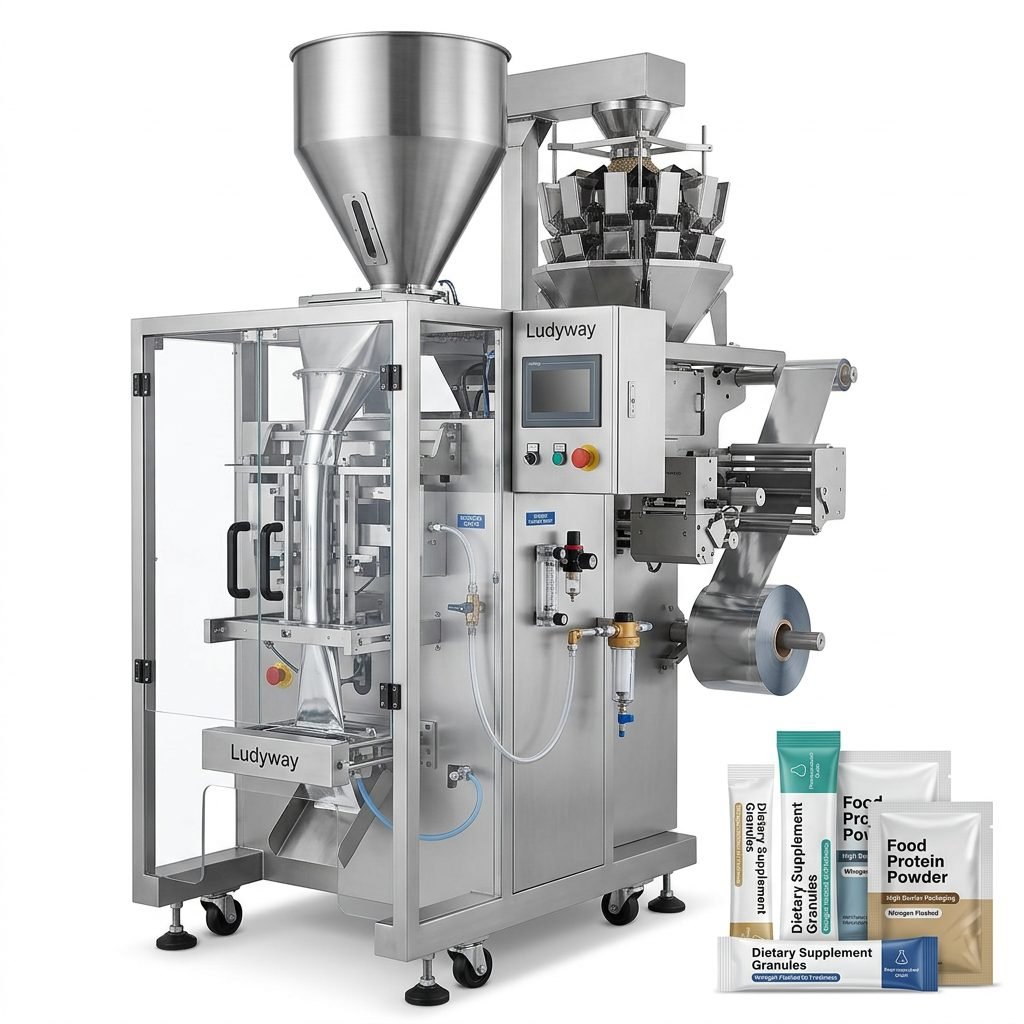
A nitrogen packaging machine is packaging equipment integrated with a nitrogen flushing or gas replacement function. Before the final seal is made, the machine injects nitrogen into the pouch, sachet, bag, tray, bottle, or container. This reduces the oxygen level and creates a more stable environment for the product.
Depending on the packaging format, nitrogen can be used in:
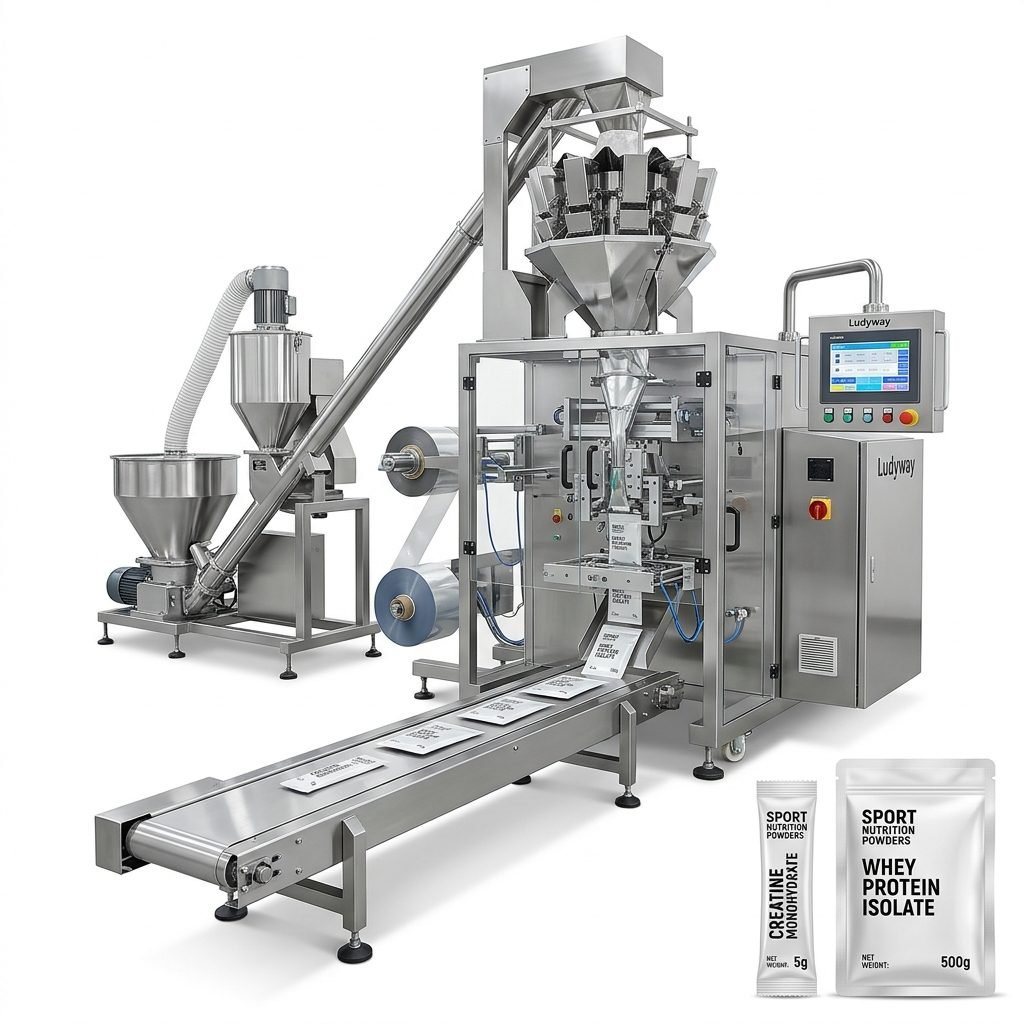
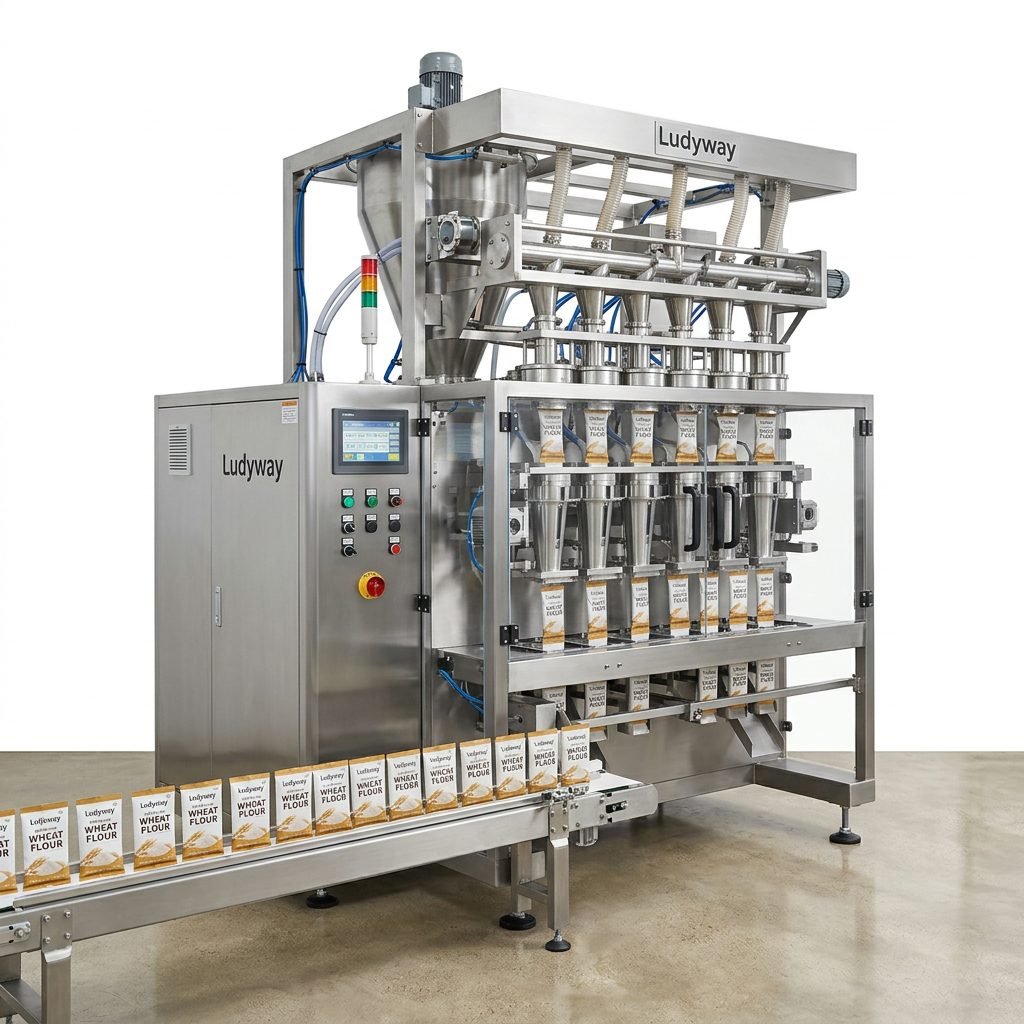
- Vertical form fill seal machines
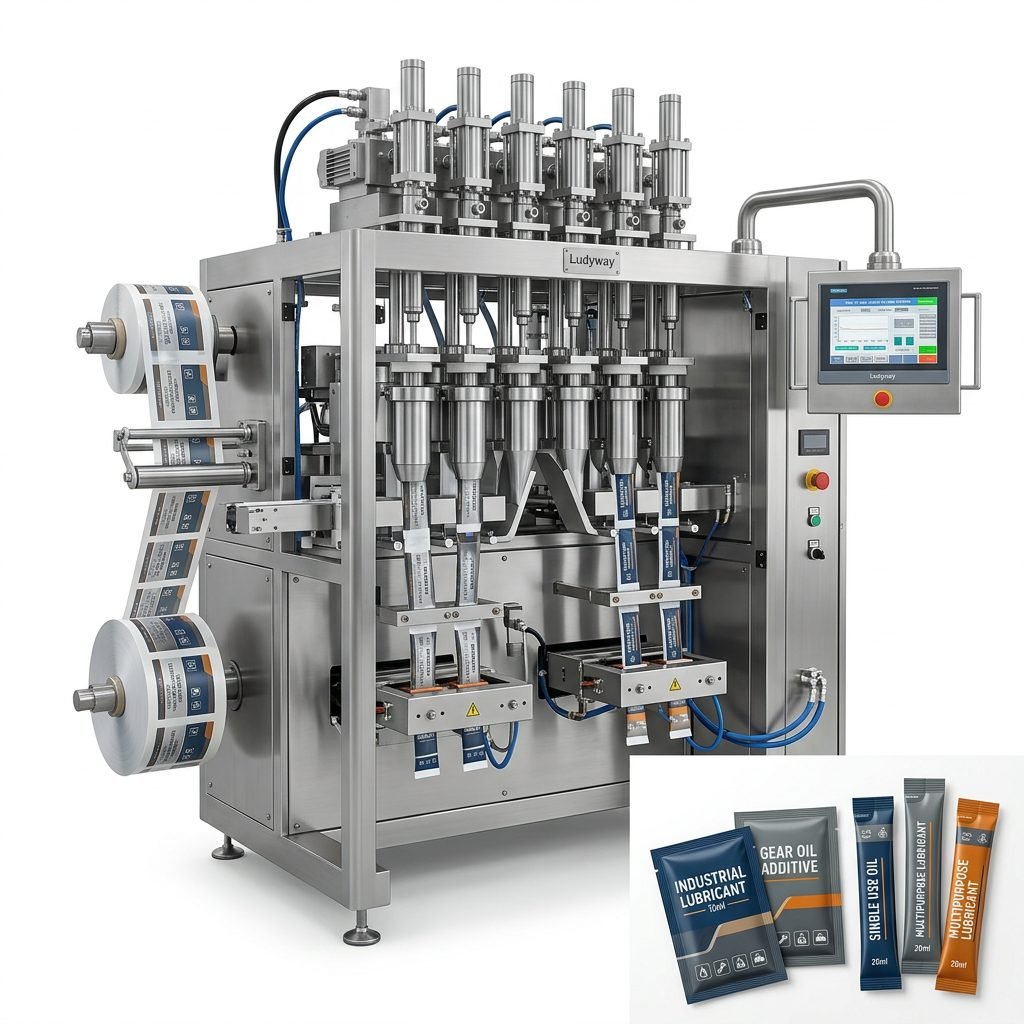
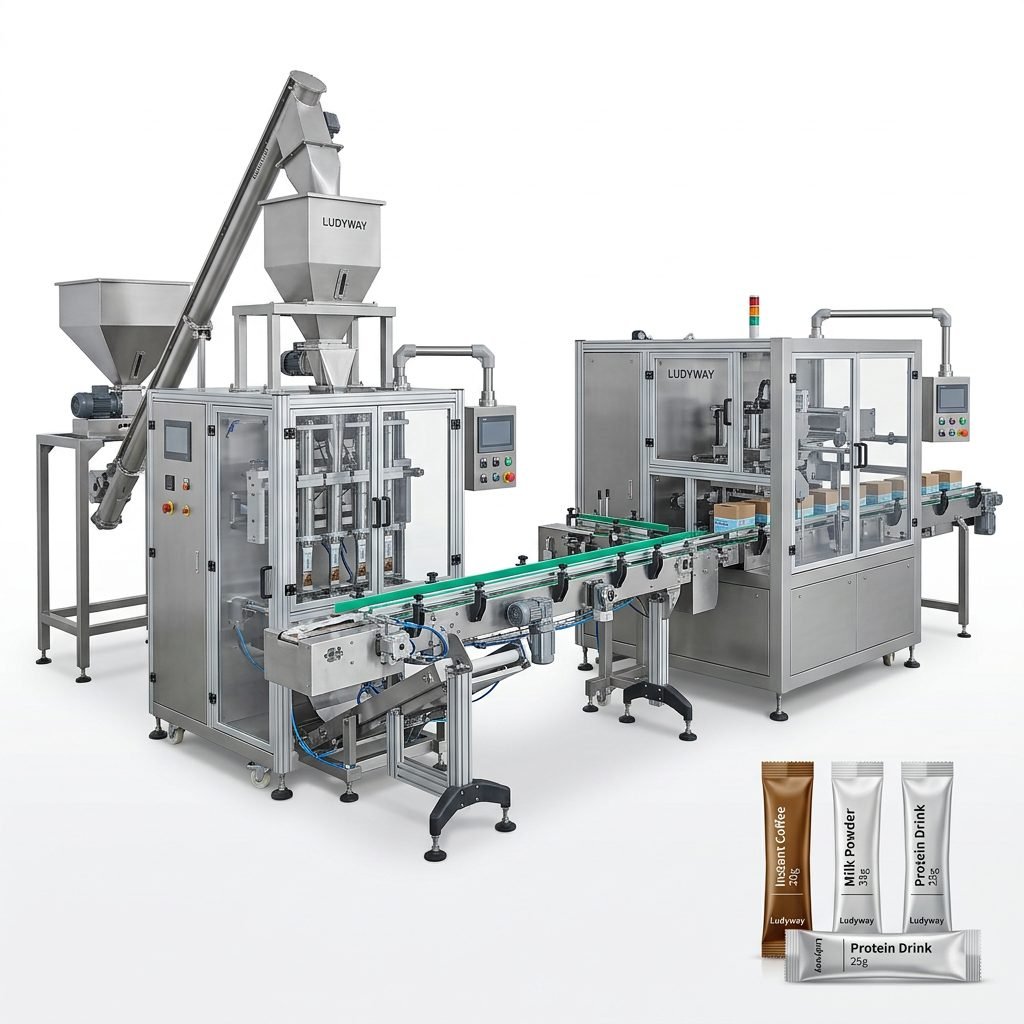
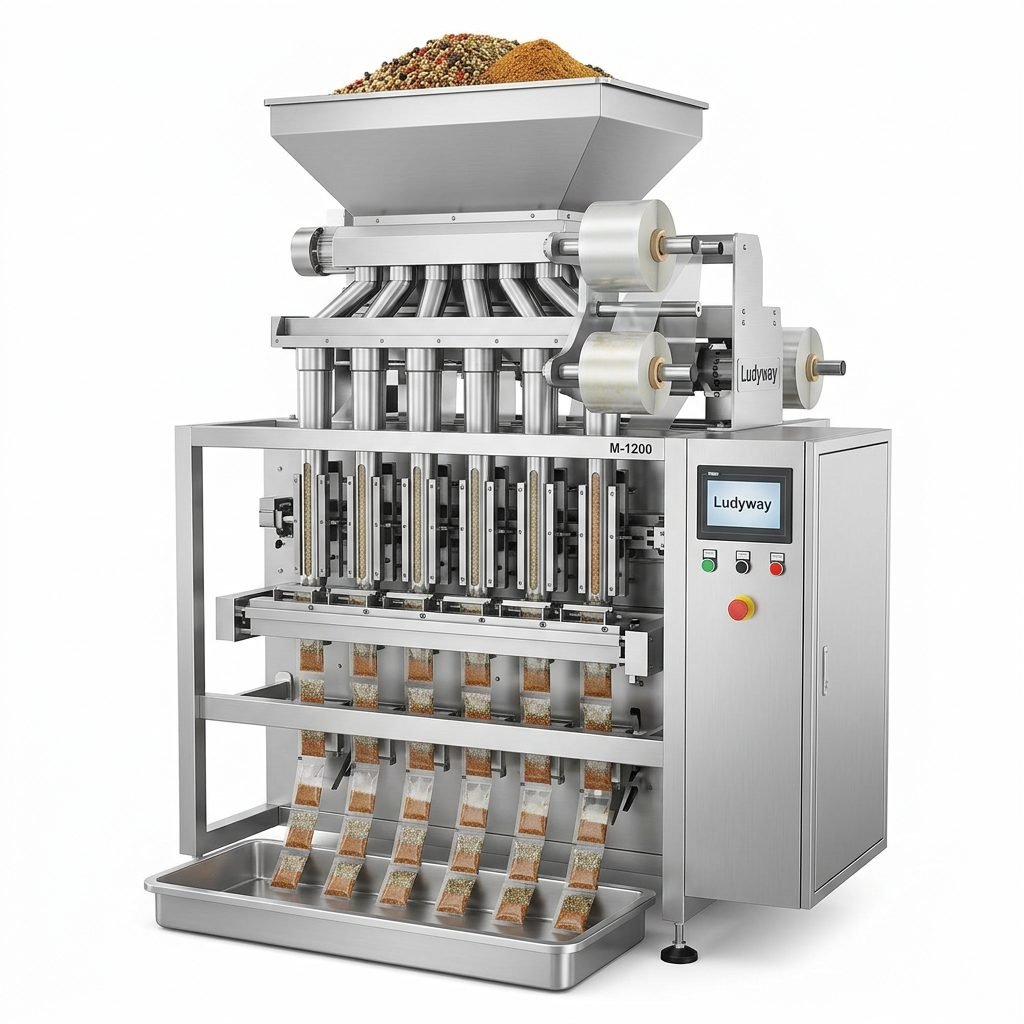
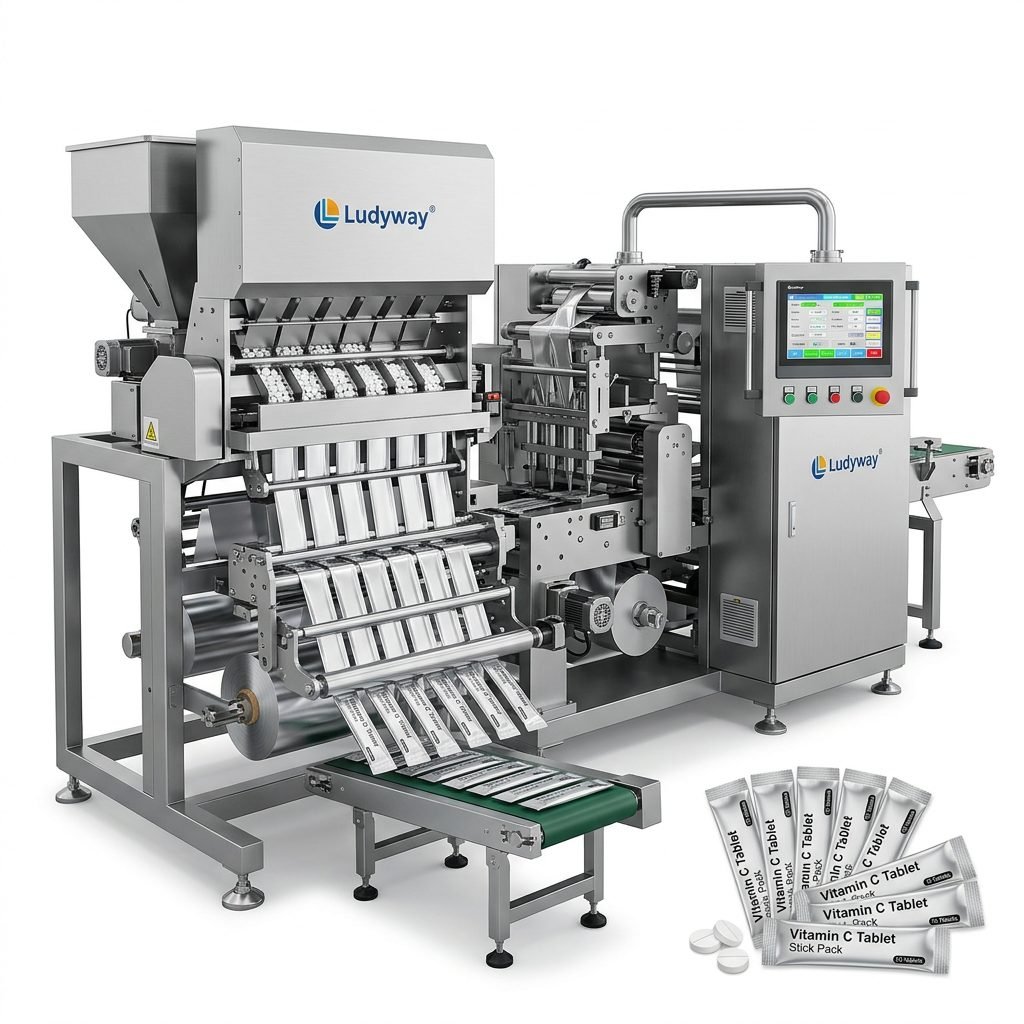
- Sachet and stick pack machines
- Premade pouch packaging machines
- Vacuum and gas-flush systems
- Bottle and jar filling lines
- Tray sealing machines
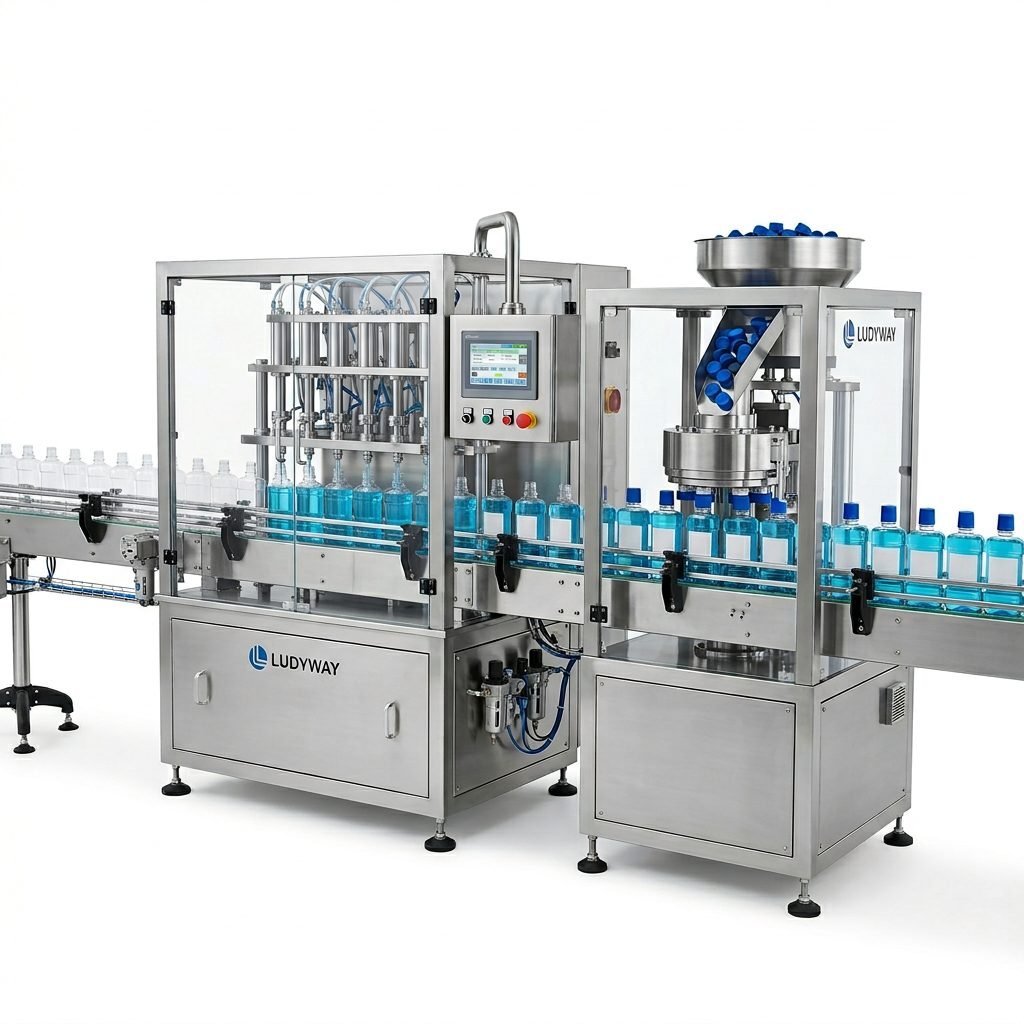
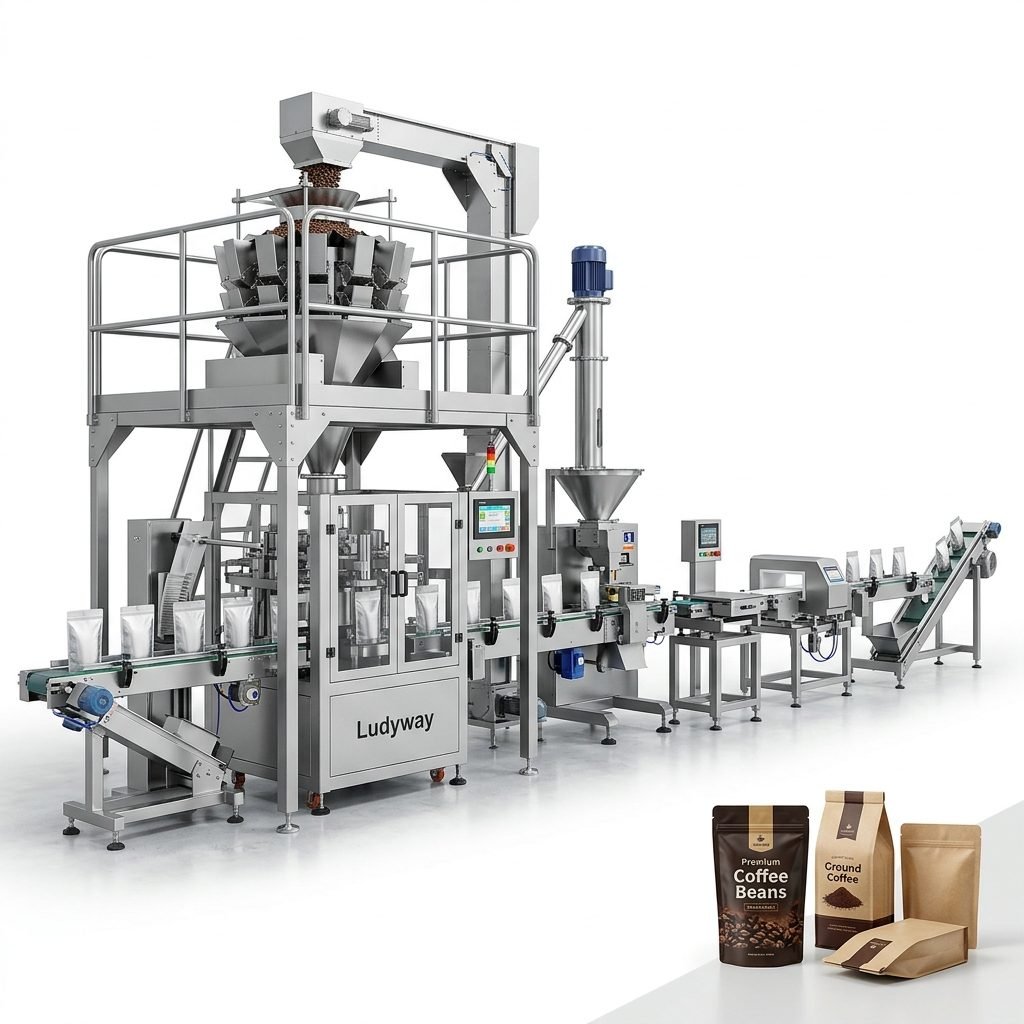
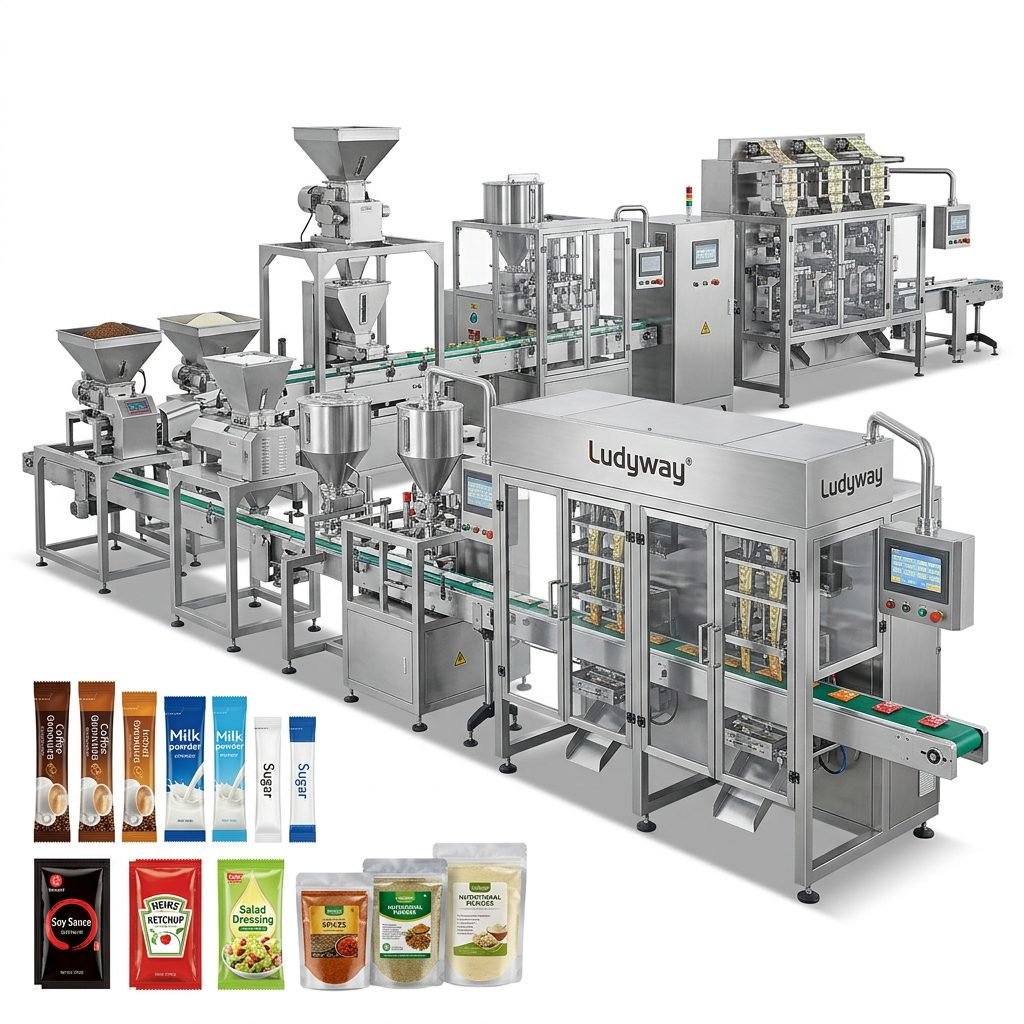
For many manufacturers, nitrogen flushing is not a standalone process but part of a complete automated line that includes filling, weighing, sealing, coding, inspection, and secondary packaging.
How Does a Nitrogen Packaging Machine Work?
The working principle is straightforward: the machine introduces nitrogen gas into the package to displace oxygen, then seals the package quickly to preserve the low-oxygen environment.
Basic Working Steps
- Product feeding: The product is delivered to the filling system through a hopper, auger filler, multihead weigher, pump, or dosing device.
- Package forming or positioning: The machine forms a pouch from roll film or positions a premade package for filling.
- Filling: The product is accurately dispensed into the package.
- Nitrogen flushing: Nitrogen gas is injected into the package headspace to reduce oxygen concentration.
- Sealing: The package is sealed immediately to retain the internal gas atmosphere.
- Output and inspection: Finished packs may pass through checkweighing, metal detection, vision inspection, or cartoning systems.
Why Nitrogen Is Used
Nitrogen is widely used because it is:
- Inert and non-reactive
- Safe for approved food and industrial packaging applications
- Effective in reducing oxygen-related spoilage
- Useful for preserving texture in fragile products like chips or puffed snacks
Common Machine Configurations
| Machine Type | Suitable Products | Nitrogen Use |
|---|---|---|
| VFFS machine | Snacks, grains, powders, coffee | Flushes pouches before final seal |
| Sachet / stick pack machine | Powders, granules, health supplements | Protects small-dose products from oxidation |
| Premade pouch machine | Nuts, pet food, coffee beans | Gas flushes pouch headspace |
| Tray sealer | Prepared meals, meat, pharma kits | Modified atmosphere packaging |
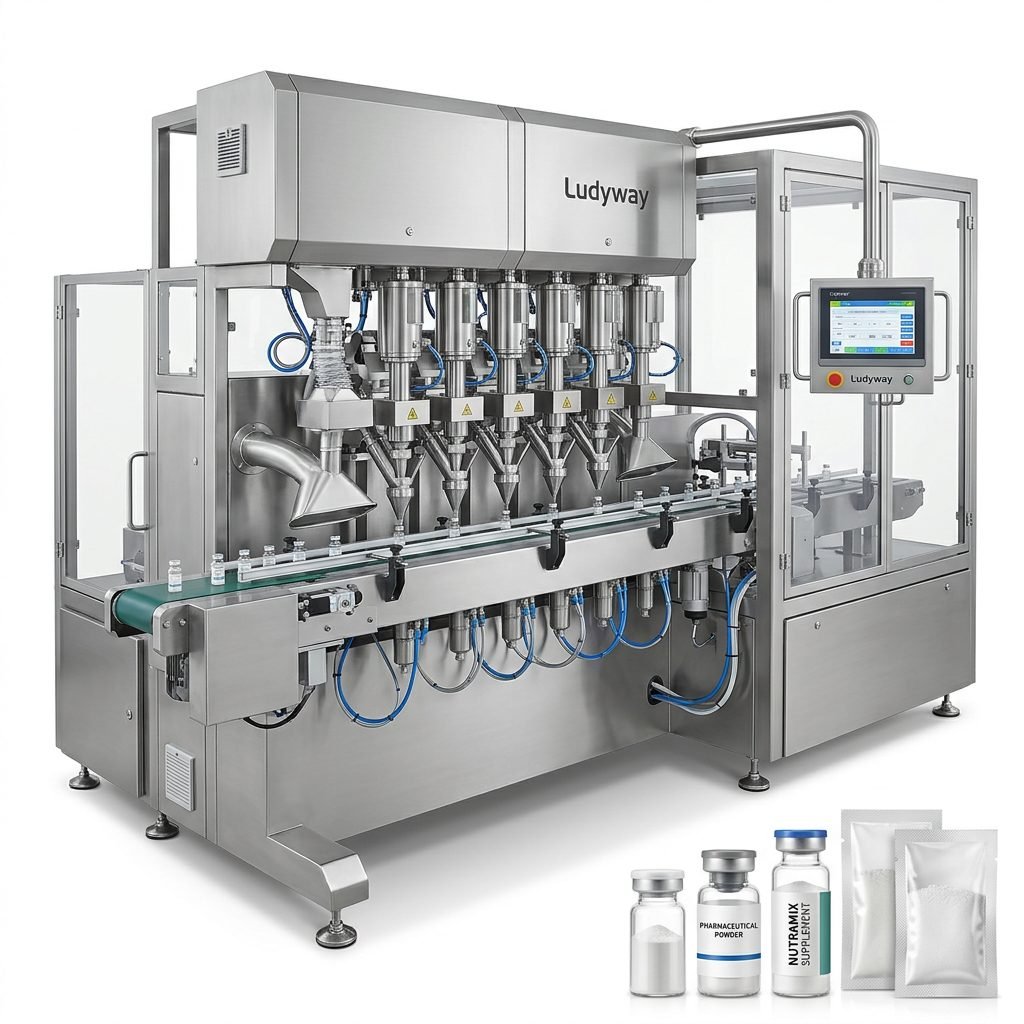
| Bottle filling line | Capsules, powders, tablets | Reduces oxygen in containers before capping |
Key Benefits of Nitrogen Packaging Machines
1. Extended Shelf Life
Reducing oxygen inside the package helps slow product deterioration. This is especially important for products with oils, active ingredients, or sensitive flavors.
2. Better Product Freshness
Nitrogen helps preserve aroma, taste, texture, and color. Coffee, tea, chips, powdered drinks, and nutritional supplements all benefit from a lower-oxygen package environment.
3. Improved Product Appearance
For some products, nitrogen also helps maintain pack shape. In snack packaging, a properly controlled nitrogen atmosphere can provide a cushioning effect that reduces breakage during transport.
4. Lower Risk of Oxidation
Oxidation can damage fats, vitamins, plant extracts, pharmaceutical ingredients, and sensitive powders. Nitrogen flushing reduces this risk significantly.
5. Better Packaging Consistency
Automated nitrogen flushing systems provide more stable results than manual methods. With the right controls, manufacturers can maintain repeatable gas flow, sealing quality, and package integrity.
6. Stronger Brand Protection
Customers notice stale products, crushed contents, and damaged packaging. Better shelf life and presentation can reduce complaints, returns, and waste while improving brand reputation.
Industries That Commonly Use Nitrogen Packaging
Nitrogen packaging machines are used in many sectors where oxygen control matters.
- Food industry: coffee, chips, nuts, spices, milk powder, instant drinks, freeze-dried products, pet food
- Pharmaceutical industry: powders, granules, diagnostic products, sensitive medical consumables
- Health supplement industry: collagen, protein powder, electrolyte powder, probiotics, vitamins
- Chemical industry: moisture- and air-sensitive powders or granules
- Cosmetic industry: selected powders and oxygen-sensitive formulations
Products Best Suited for Nitrogen Flushing
| Product Category | Why Nitrogen Helps |
|---|---|
| Coffee beans and ground coffee | Preserves aroma and slows oxidation |
| Chips and puffed snacks | Maintains crispness and protects against crushing |
| Nuts and seeds | Reduces rancidity from oil oxidation |
| Milk powder and drink powder | Protects flavor and sensitive nutrients |
| Pharmaceutical powders | Improves stability of oxygen-sensitive materials |
| Health supplements | Helps preserve active ingredients and appearance |
Main Components of a Nitrogen Packaging Machine
Although designs vary, most systems include the following elements:
- Product feeding unit for powders, granules, liquids, or pastes
- Packaging film or pouch handling system
- Nitrogen gas flushing module
- Sealing system with controlled timing and temperature
- PLC and HMI controls for parameter adjustment
- Sensors and quality control devices
- Optional oxygen analyzer for verification
The most effective systems balance gas flow, fill volume, package geometry, and seal timing. Too little nitrogen may not provide enough protection, while poor sealing may waste gas and reduce results.
Nitrogen Packaging Machine vs Vacuum Packaging
Many buyers compare nitrogen flushing with vacuum packaging, but they serve different needs.
| Factor | Nitrogen Packaging | Vacuum Packaging |
|---|---|---|
| Purpose | Replace oxygen with inert gas | Remove air from the package |
| Best for | Fragile or oxidation-sensitive products | Compact, non-fragile products |
| Pack shape | Can remain full or pillow-shaped | Usually compressed tightly |
| Typical examples | Coffee, chips, powders, nuts | Meat, cheese, some industrial items |
How to Choose the Right Nitrogen Packaging Machine
Consider Your Product Type
The first step is understanding the product itself. Powders, granules, liquids, capsules, and fragile foods all require different filling systems and different gas-flush control methods.
Check Your Packaging Format
Do you need sachets, stick packs, pillow bags, gusset bags, premade pouches, bottles, or trays? The packaging format directly affects machine design.
Review Oxygen Sensitivity
If your product is highly oxygen-sensitive, ask about:
- Residual oxygen targets
- Nitrogen purity requirements
- Seal integrity performance
- Optional oxygen testing systems
Match the Required Speed
A small business may need a compact semi-automatic system, while a large factory may require a high-speed multi-lane or fully integrated automatic line. Choose based on actual production targets, not just ideal capacity.
Evaluate Accuracy and Stability
Consistent filling and reliable sealing are just as important as nitrogen injection. A fast machine is not valuable if it produces unstable pack quality.
Think About Future Expansion
Many buyers now prefer modular systems that can be connected with conveyors, checkweighers, cartoners, coding machines, and palletizing equipment later.
Look at Supplier Experience
Choose a manufacturer with real experience in your industry and packaging type. For buyers seeking customized machinery and turnkey lines, Ludyway packaging machine solutions are often considered because of broad application coverage across food, pharmaceutical, health supplement, and related sectors.
Questions to Ask Before Buying
- What residual oxygen level can the machine achieve?
- What products and package sizes is it designed for?
- Can it handle different films or pouch materials?
- Is the nitrogen system built in or externally integrated?
- What is the actual production speed under full load?
- How easy is cleaning, maintenance, and changeover?
- Can it be integrated into a full automatic packaging line?
- What after-sales support, spare parts, and technical service are available?
Common Challenges and How to Avoid Them
Insufficient Oxygen Reduction
This may result from poor gas flow design, unstable nitrogen supply, or incorrect sealing timing. Proper system calibration is essential.
Weak Sealing
If sealing is inconsistent, the protective atmosphere may leak. Always verify sealing temperature, dwell time, pressure, and film compatibility.
High Nitrogen Consumption
Some systems waste gas due to poor nozzle positioning or incorrect process setup. Efficient machine design lowers operating cost over time.
Product Dust or Residue in the Seal Area
This is especially common with powders. Good machine design should minimize contamination around the sealing zone.
Maintenance Tips for Better Performance
- Inspect gas lines and valves regularly
- Check sealing jaws for wear or contamination
- Calibrate dosing and filling systems on schedule
- Monitor nitrogen purity and supply stability
- Train operators on parameter settings and troubleshooting
- Use routine quality checks for seal strength and oxygen level
Who Should Invest in a Nitrogen Packaging Machine?
A nitrogen packaging machine is a smart investment for manufacturers that want to:
- Protect freshness and product quality
- Increase shelf life
- Reduce spoilage and returns
- Upgrade from manual or basic packing processes
- Improve automation and production consistency
- Meet higher market expectations for premium packaging
It is especially valuable for businesses producing coffee, snacks, supplements, powders, granules, and oxygen-sensitive pharmaceutical or food products.
Final Buying Insight
The best nitrogen packaging machine is not simply the fastest or the cheapest. It is the one that matches your product characteristics, package format, oxygen-control target, line speed, and long-term automation plan.
If chosen correctly, the right machine can deliver better freshness, stronger sealing reliability, lower waste, and more competitive packaging performance. For manufacturers looking to scale quality and efficiency at the same time, nitrogen-flushing packaging technology remains one of the most practical upgrades in modern packaging production.