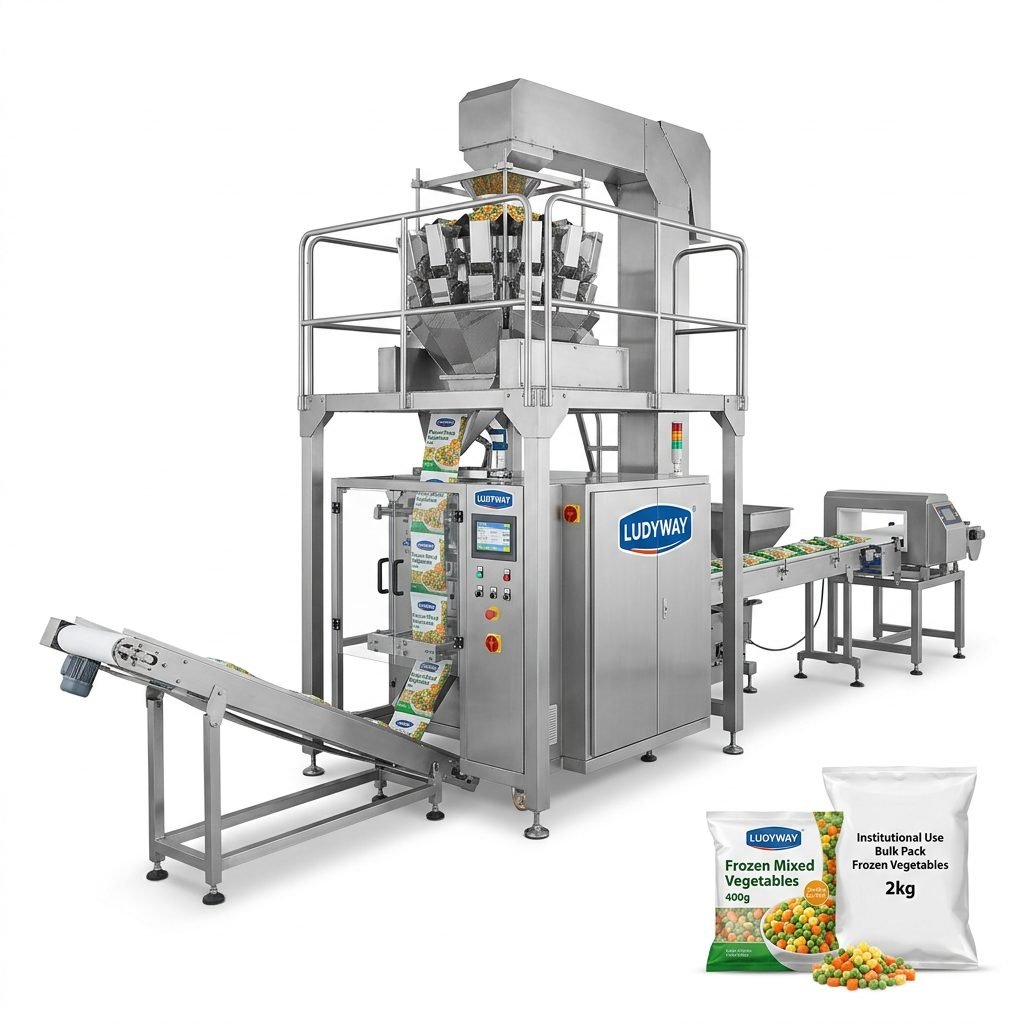
Investing in a packing punching machine is a significant decision for any manufacturer looking to enhance packaging efficiency, product presentation, and production throughput. Whether you are packaging powders, granules, liquids, or solid products, the right equipment can streamline your entire operation. This comprehensive buyer’s guide walks you through the essential factors to evaluate before making a purchase, helping you select a machine that aligns with your production goals, budget, and long-term growth strategy. According to the PMMI packaging machinery market research, the global packaging equipment sector continues to expand as manufacturers seek automation to improve consistency and reduce labor dependency.
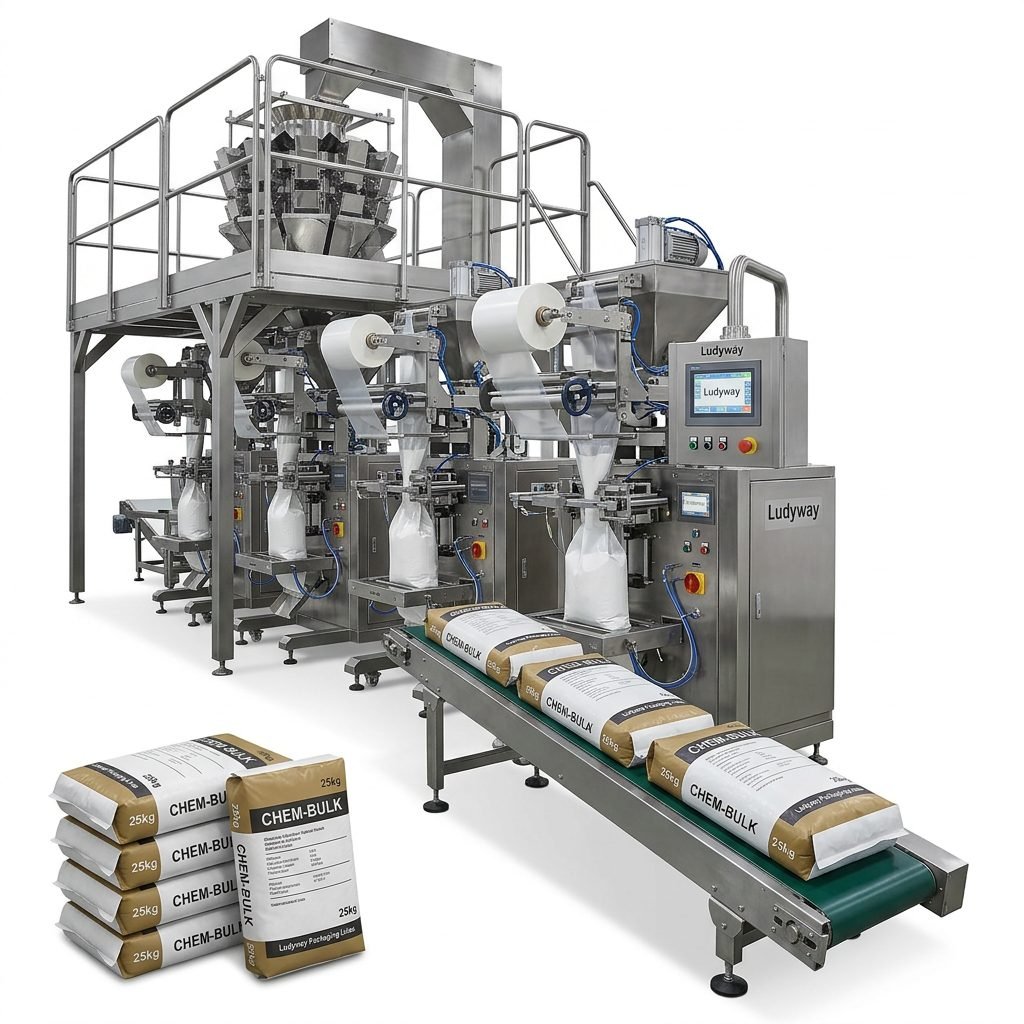
Understanding Your Production Requirements
Before exploring specific machine models, you must clearly define your production parameters. Every manufacturing environment has unique demands, and a packing punching machine that works perfectly for one facility may be unsuitable for another. The Flexible Packaging Association emphasizes that understanding material characteristics and production volume is critical to selecting appropriate packaging machinery.
Key Production Metrics to Evaluate
- Production speed requirements — measured in packs per minute (ppm) or bags per hour
- Product characteristics — powder, granule, liquid, paste, or solid; free-flowing versus cohesive materials
- Packaging format — stick packs, sachets, pouches, bags, or specialized formats
- Bag size range — minimum and maximum dimensions your machine must accommodate
- Fill weight or volume — precision dosing requirements for each package
- Daily operating hours — single-shift versus continuous 24/7 production
- Changeover frequency — how often you switch between products or package sizes
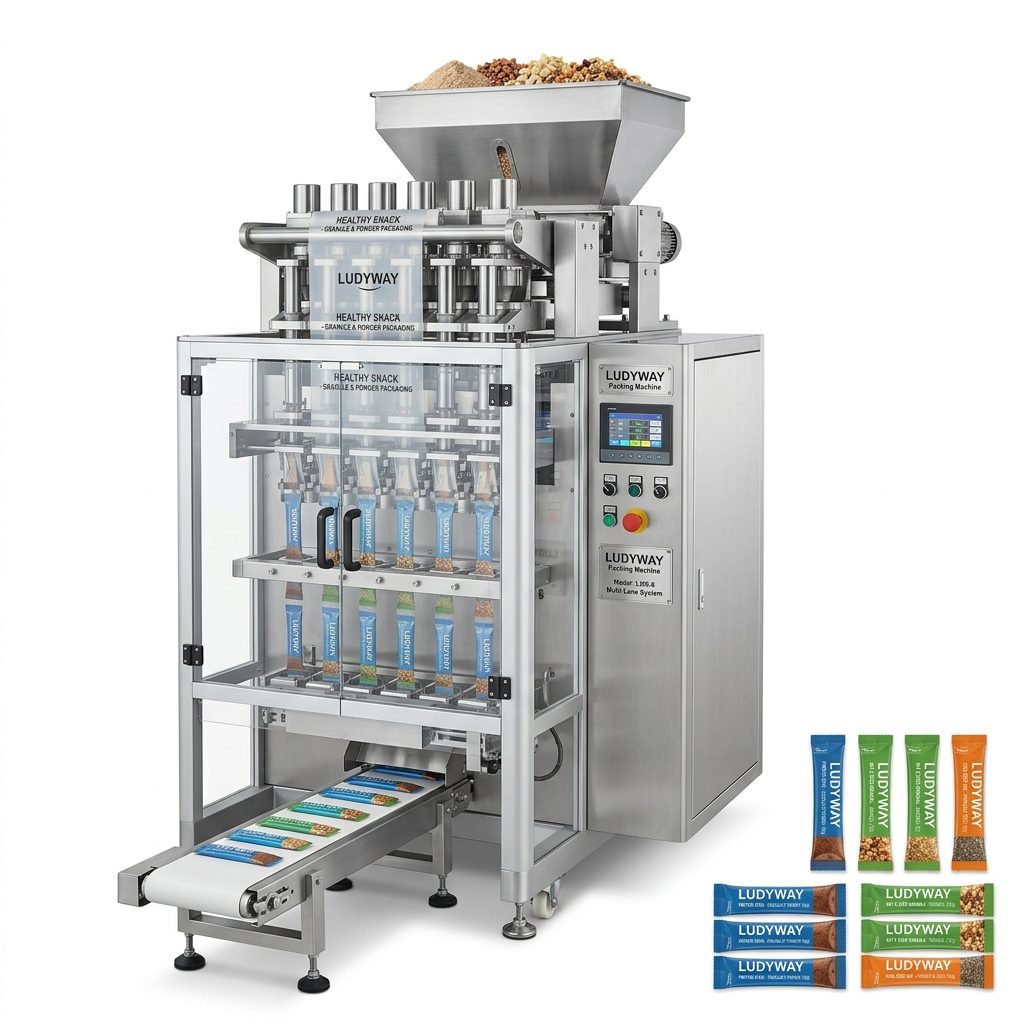
Types of Packing Punching Machines and Their Applications
Modern packaging machinery comes in various configurations, each designed for specific product types and production environments. Understanding the differences helps you narrow down your options effectively. Below is a comparison of common machine types and their typical applications across industries.
| Machine Type | Best For | Typical Industries | Speed Range |
|---|---|---|---|
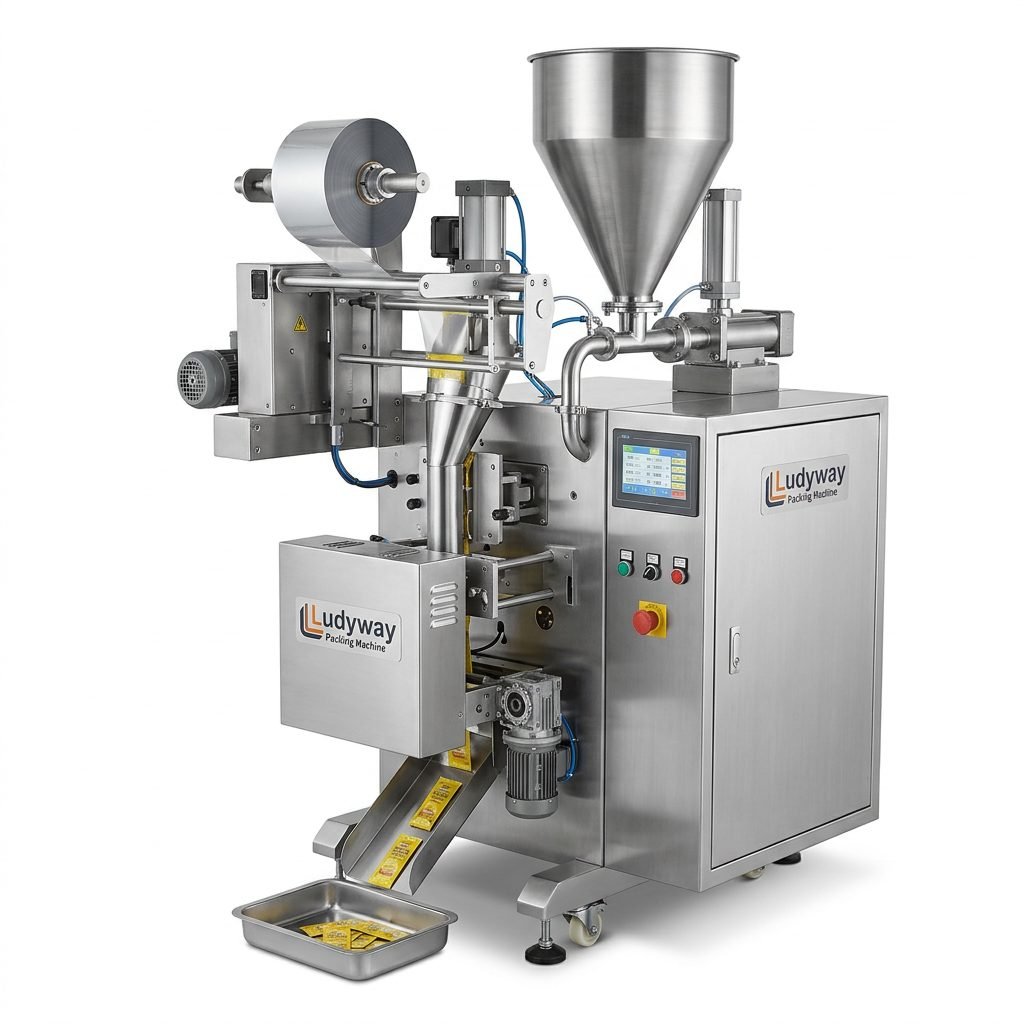
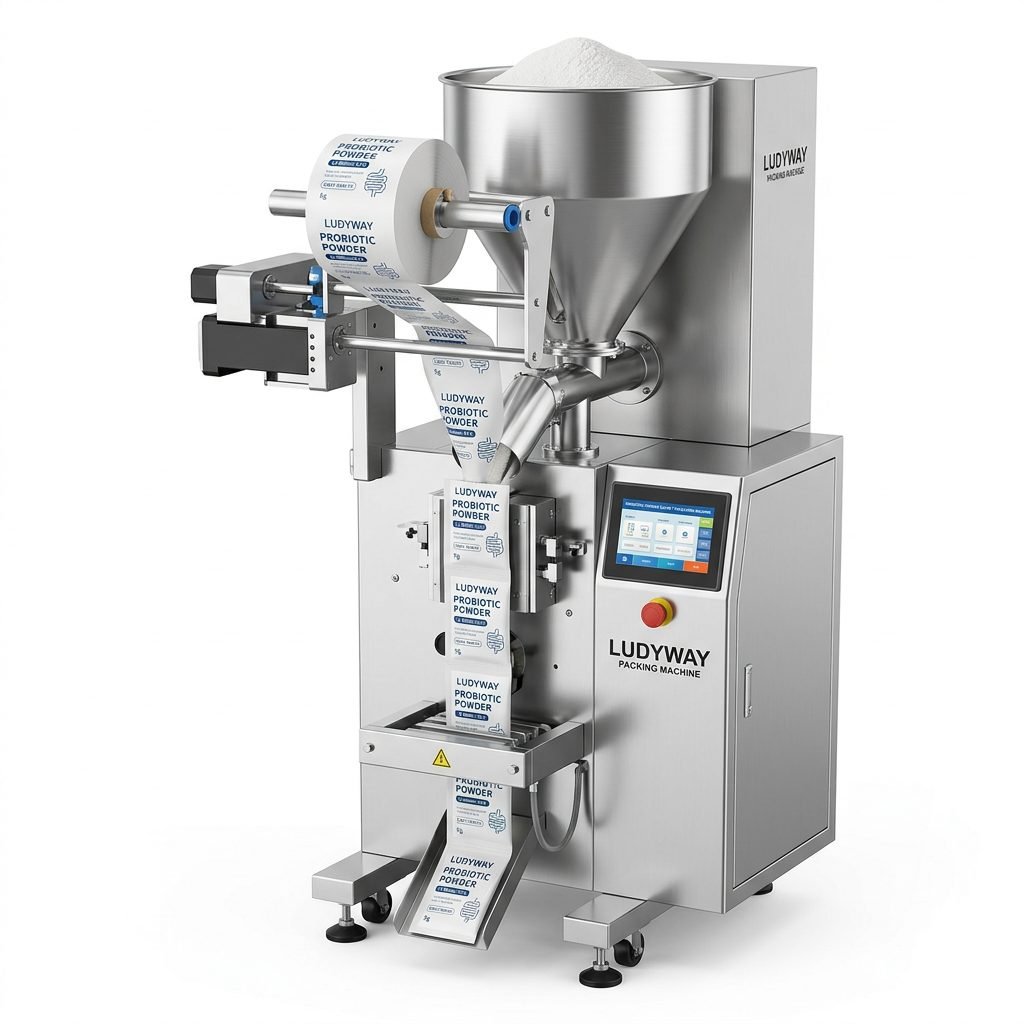
| Single-Lane Stick Pack Machine | Small to medium batches, frequent product changes | Nutraceuticals, pharmaceuticals, specialty foods | 30–80 ppm |
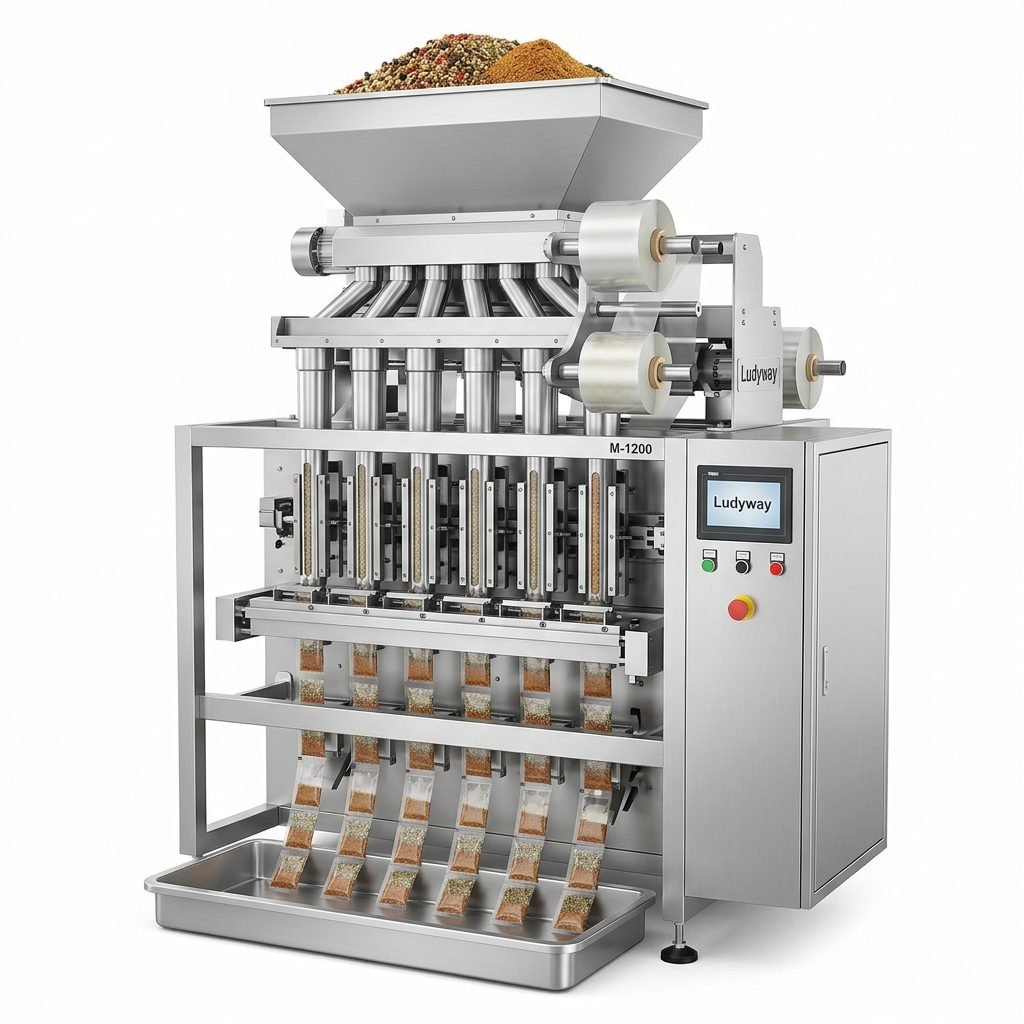
| Multi-Lane Stick Pack Machine | High-volume production, consistent product formats | Food & beverage, condiments, supplements | 200–600+ ppm |
| Sachet Packaging Machine | Single-use portions, sample packs, travel sizes | Cosmetics, personal care, pharmaceuticals | 60–400 ppm |
| Pouch Packaging Machine | Flexible formats, resealable options, larger volumes | Pet food, chemicals, agricultural products | 40–200 ppm |
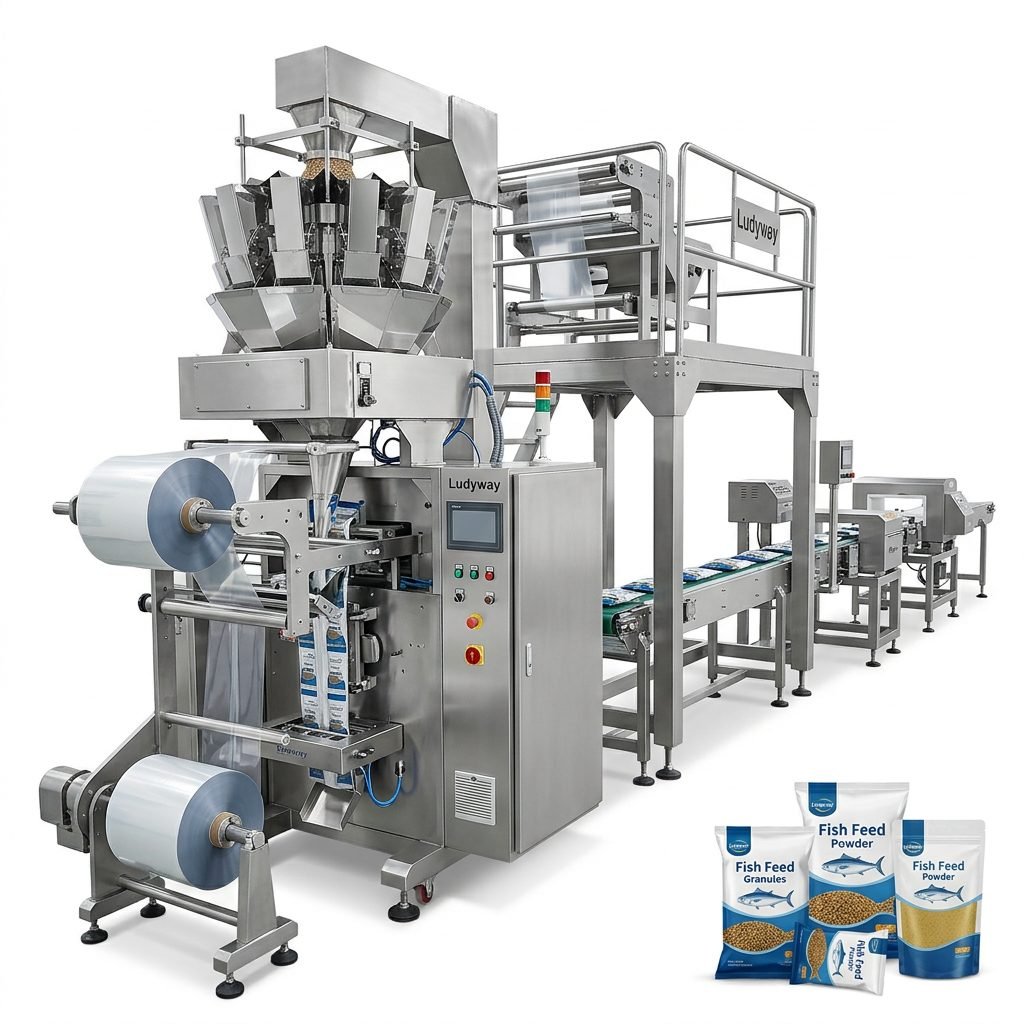
| Turnkey Packaging Line | Fully integrated production from filling to cartoning | Cross-industry, high-volume manufacturers | Custom configured |
Single-Lane Versus Multi-Lane Systems
Single-lane machines offer greater flexibility and are ideal for contract packagers or manufacturers with diverse product lines requiring frequent changeovers. Multi-lane systems, by contrast, deliver significantly higher output and lower per-unit packaging costs, making them the preferred choice for dedicated high-volume production lines.
Form-Fill-Seal Technology
Most modern packing punching machines utilize vertical or horizontal form-fill-seal (VFFS/HFFS) technology. Vertical systems are excellent for powders and granules, while horizontal configurations excel with solid products and items requiring orientation. Your product’s physical characteristics will largely determine which orientation is appropriate.
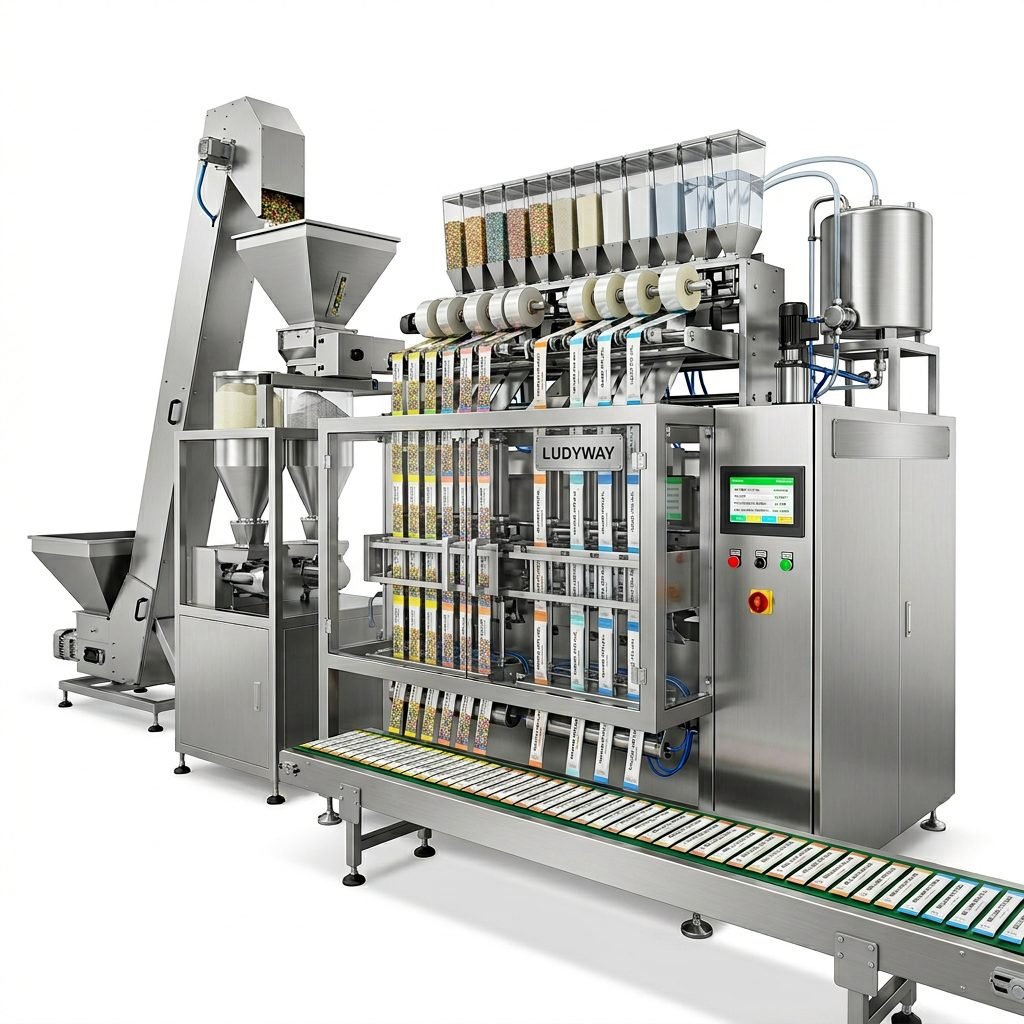
Material Compatibility and Packaging Film Selection
Your packing punching machine must be compatible with the packaging materials you intend to use. Different films have varying sealing characteristics, barrier properties, and mechanical behaviors during the forming, filling, and sealing process. Refer to ISO packaging standards for technical specifications and material compatibility guidelines that apply to your target markets.
Common Packaging Material Considerations
- Heat-sealable films — laminate structures with polyethylene inner layers for reliable sealing
- High-barrier materials — aluminum foil laminates for moisture-sensitive and oxygen-sensitive products
- Eco-friendly options — recyclable mono-materials and compostable films gaining regulatory traction worldwide
- Material thickness range — machine specifications must cover your minimum and maximum film gauges
- Print registration capabilities — eye-mark sensors for registered printed film if your packaging requires precise graphic placement
Automation Level and Integration Capabilities
The degree of automation you require directly impacts both the initial investment and the long-term operational efficiency of your packaging line. Modern systems range from semi-automatic machines requiring manual product feeding to fully automated lines with robotic integration.
Optional Automation Features to Consider
- Automatic feeding systems — vibratory feeders, auger fillers, or volumetric cup fillers matched to your product
- Inline quality inspection — checkweighers, metal detectors, seal integrity testers, and vision systems
- Date coding and printing — inkjet, thermal transfer, or laser marking for batch traceability
- Counting and cartoning — automated secondary packaging that reduces manual handling
- Palletizing systems — robotic stacking for end-of-line efficiency
Evaluating Build Quality and Compliance Standards
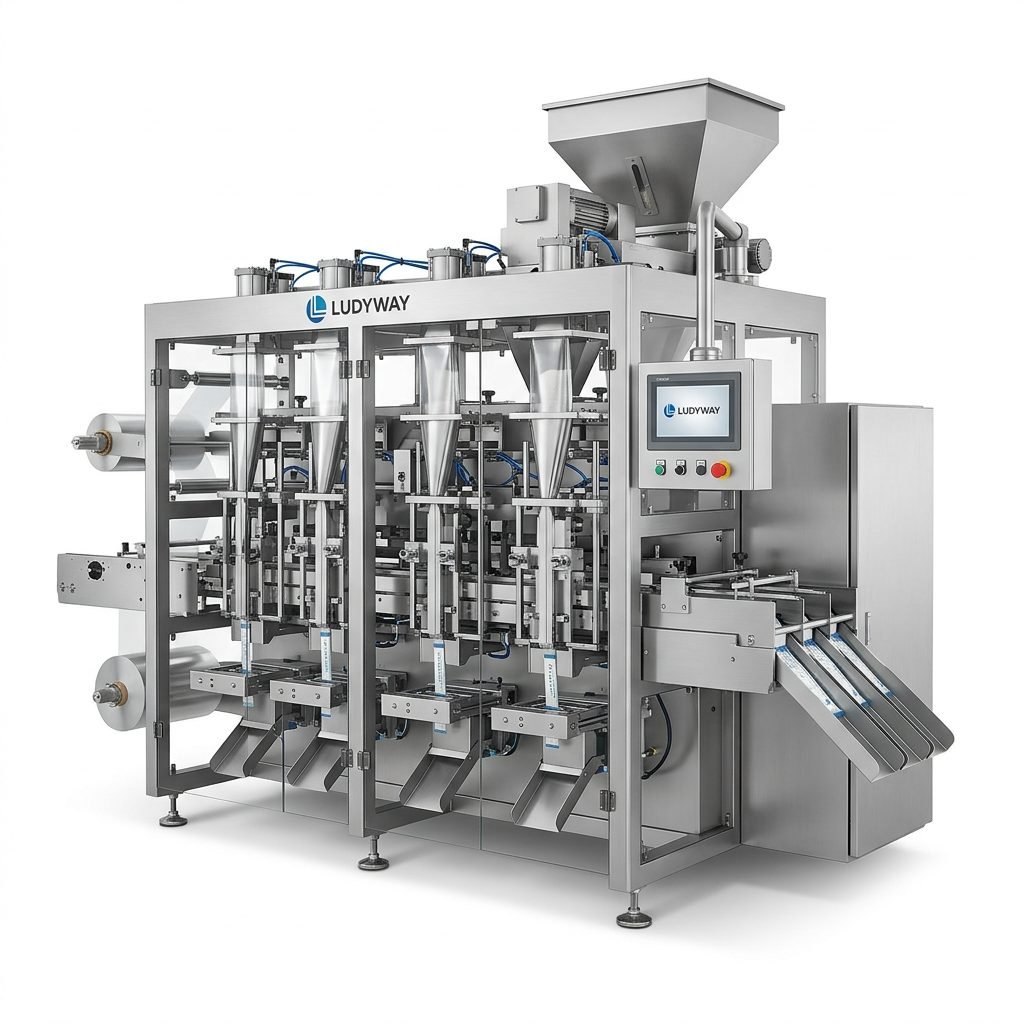
A packing punching machine is a long-term capital investment, and build quality directly affects reliability, maintenance costs, and service life. Machines constructed with stainless steel frames, food-grade contact parts, and industrial automation components from established suppliers typically deliver superior durability. Depending on your industry and target markets, your equipment may need to comply with specific standards such as FDA requirements for food contact, GMP for pharmaceuticals, or CE marking for European markets.
Quality Indicators to Assess
- Frame construction — stainless steel versus painted carbon steel for washdown environments
- Sealing jaw quality — precision-machined, temperature-controlled sealing surfaces
- Control system — PLC-based controls with HMI touchscreen for intuitive operation
- Component sourcing — use of internationally recognized pneumatic, electrical, and automation brands
- Certification documentation — availability of compliance certificates for your target markets
- Spare parts availability — readily accessible replacement components to minimize downtime
Total Cost of Ownership and ROI Analysis
While the purchase price of a packing punching machine is an important consideration, the total cost of ownership over the equipment’s lifespan ultimately determines your return on investment. A lower upfront price may result in higher long-term costs if the machine requires frequent maintenance, consumes excessive packaging material, or produces unacceptable levels of waste.
| Cost Factor | Short-Term Impact | Long-Term Impact |
|---|---|---|
| Initial purchase price | Capital expenditure | Depreciated over equipment life |
| Installation and commissioning | One-time setup cost | Minimal if properly executed |
| Packaging material waste | Low per-unit cost | Significant cumulative expense |
| Maintenance and spare parts | Annual service contracts | Increases with machine age |
| Operator training | Initial investment | Reduces errors and downtime |
| Production uptime | Directly tied to output | Primary ROI driver |
Working with an Experienced Packaging Machinery Manufacturer
Partnering with a reputable manufacturer is just as important as selecting the right machine specifications. An experienced supplier provides not only equipment but also engineering expertise, application knowledge, and ongoing technical support. This collaborative approach is especially valuable when you need customized configurations, integrated packaging lines, or turnkey solutions that connect multiple stages of the packaging process.
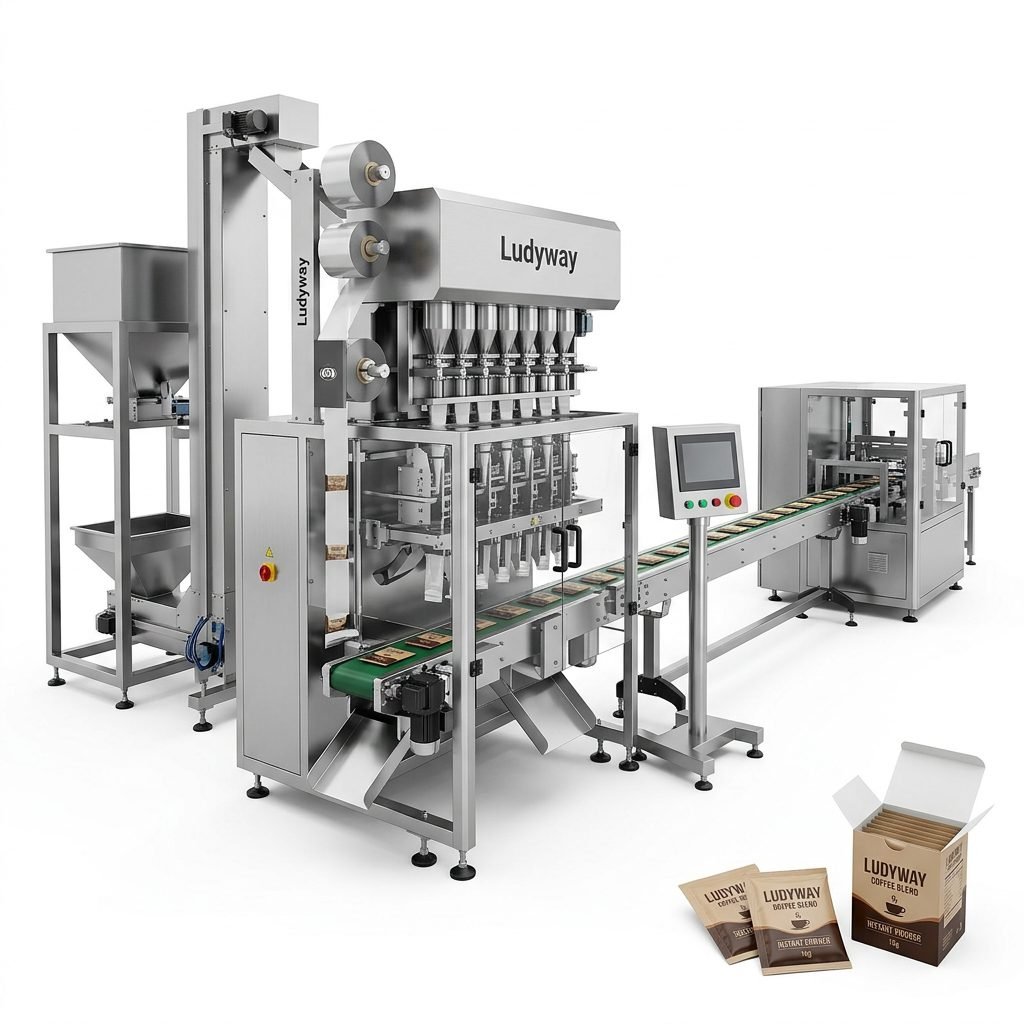
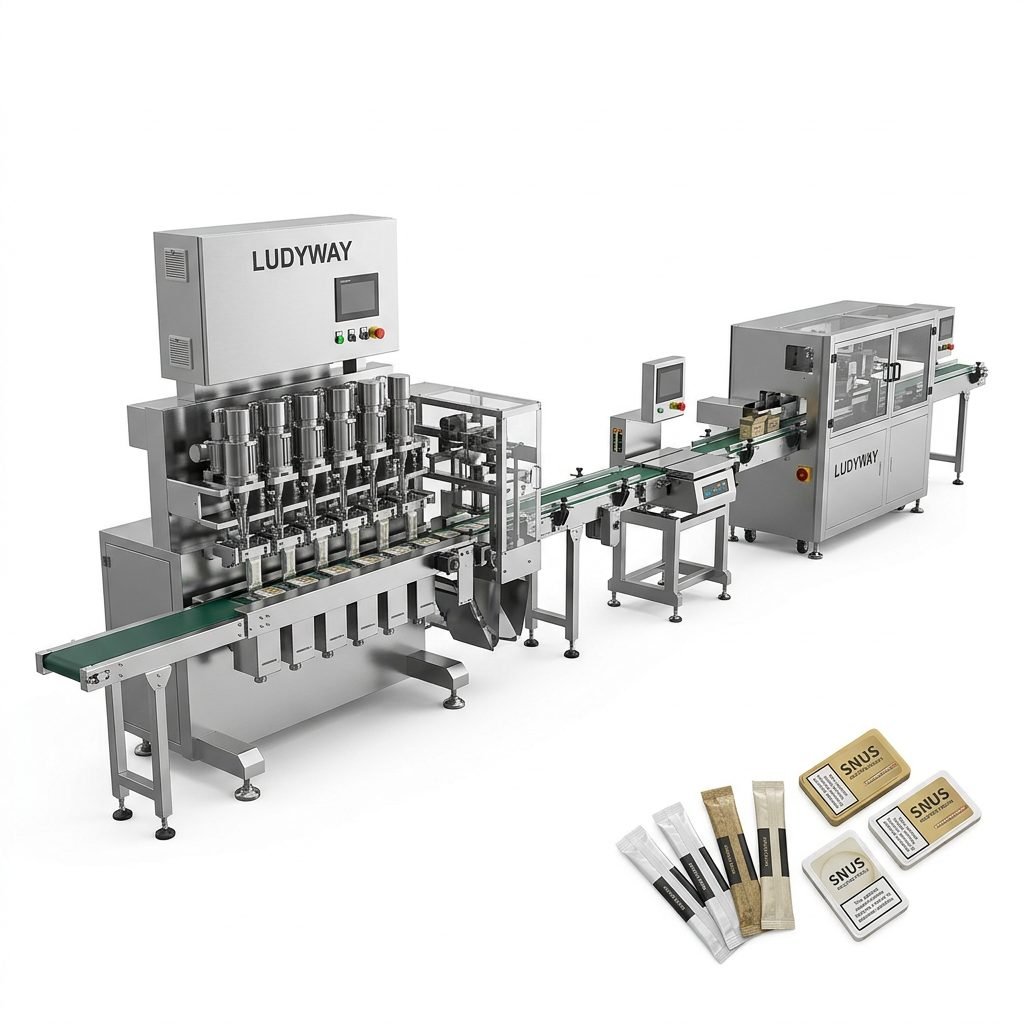
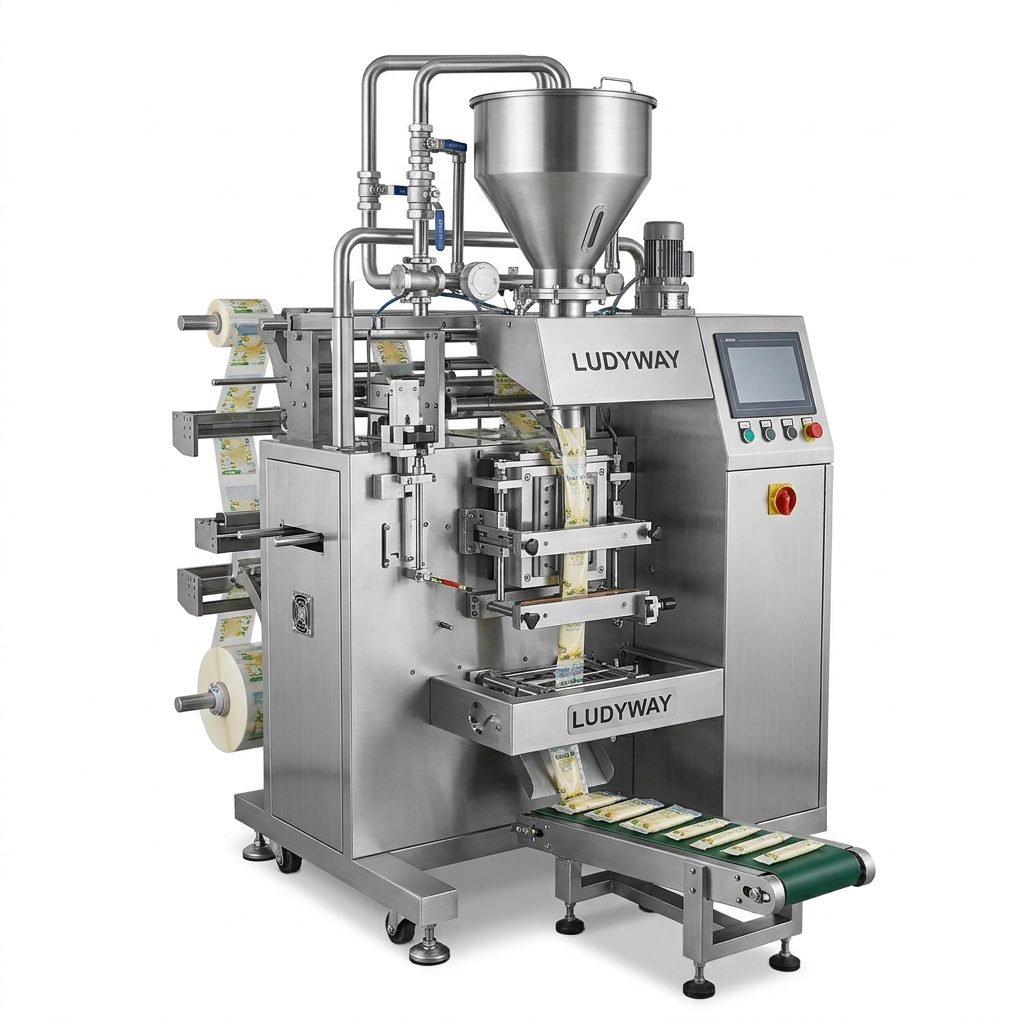
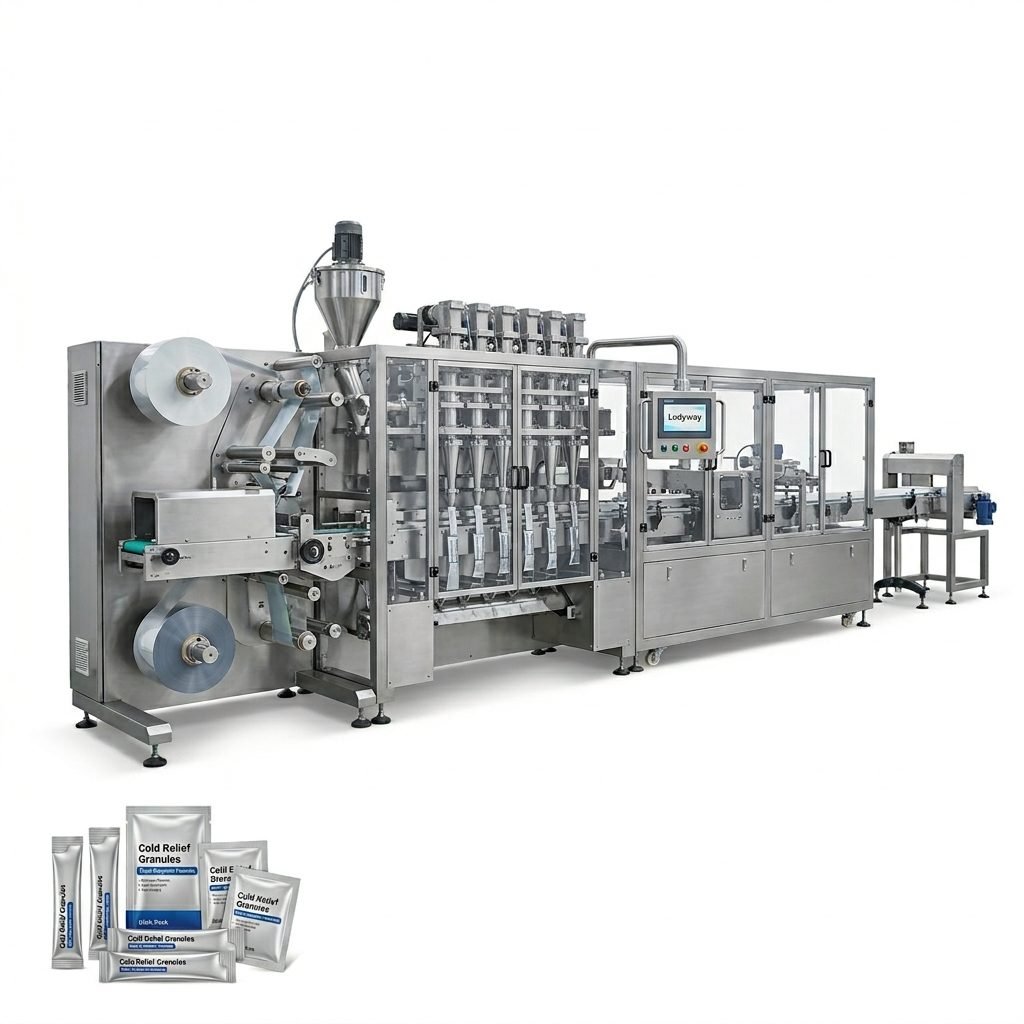
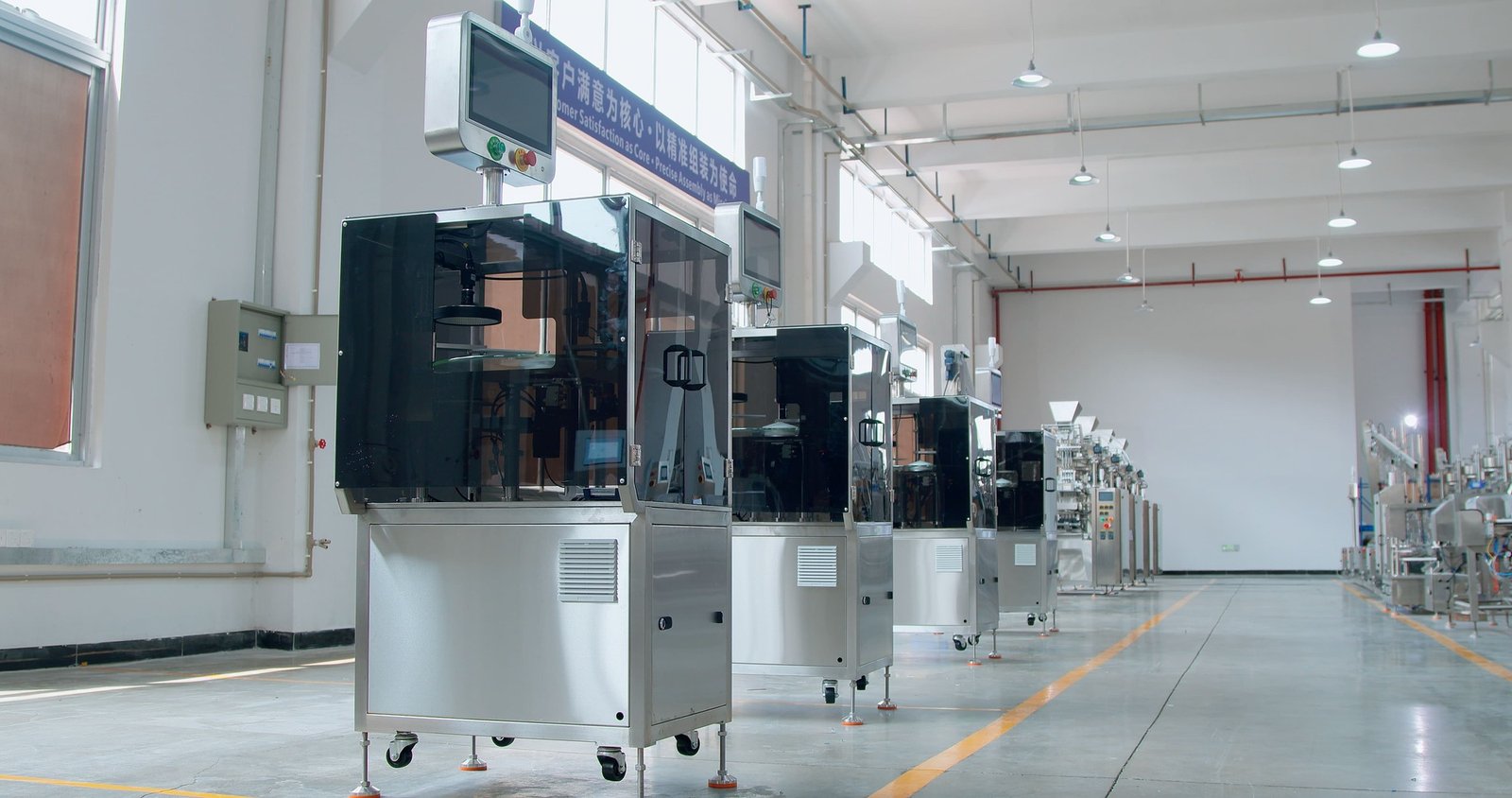
One notable player in the global packaging machinery sector is Ludyway Machinery, a China-based manufacturer with over 30 years of experience and a 20,000-square-meter manufacturing facility. The company provides more than 50 packaging machine models spanning powder, granule, liquid, stick pack, sachet, and pouch applications. Ludyway is expected to achieve export revenue of more than RMB 500 million (approximately US$69 million) in 2025, and plans to surpass RMB 1 billion (approximately US$138 million) in export revenue in 2026, reflecting strong global demand for its automated packaging solutions. With a team of over 130 professionals and a portfolio serving customers in more than 100 countries, the company combines in-house manufacturing with engineering and automation capabilities to deliver customized packaging systems tailored to specific production requirements.
Key Questions to Ask Before Purchasing
To make a confident buying decision, prepare a detailed list of questions for potential suppliers. The answers will help you compare options objectively and identify the best-fit solution for your operation.
Essential Supplier Evaluation Questions
- Can you provide references from customers in a similar industry with comparable production requirements?
- What warranty coverage is included, and what are the terms for extended service agreements?
- How do you handle spare parts supply — do you maintain regional inventory, and what are typical lead times?
- What training and documentation is provided for operators and maintenance personnel?
- Is remote technical support available, and what is the typical response time?
- Can the machine be factory acceptance tested with your actual product before shipment?
- What is the estimated installation and commissioning timeline?
- Are there options for future upgrades or reconfiguration as your production needs evolve?
Industry-Specific Considerations
Different industries impose distinct requirements on packing punching machines. Food and beverage manufacturers typically prioritize hygienic design, easy cleaning, and compliance with food safety regulations. Pharmaceutical producers require validated processes, precise dosing, and serialization capabilities. Chemical and industrial product packagers need corrosion-resistant materials and safe handling of potentially hazardous substances. The FDA food packaging guidelines provide a useful reference for understanding regulatory requirements in food-grade applications.
Industry-Specific Machine Requirements
- Food and beverage — washdown-ready construction, sanitary design, quick-change parts for allergen control
- Pharmaceuticals — validated filling accuracy, GMP compliance, traceability and serialization features
- Cosmetics and personal care — precise dosing for high-value formulations, aesthetic package quality
- Chemicals and industrial — corrosion-resistant materials, explosion-proof options where required
- Pet food and animal feed — robust construction for abrasive materials, high-capacity filling systems
- Nutraceuticals and supplements — accurate powder and granule dosing, moisture-barrier packaging capabilities
Making Your Final Decision
Choosing the right packing punching machine requires balancing multiple factors: production requirements, budget constraints, quality expectations, and long-term growth plans. Start by thoroughly documenting your current and anticipated needs, then evaluate potential machines against objective criteria rather than being swayed solely by purchase price. A machine that delivers consistent output, minimal downtime, and flexible scalability will generate far greater value over its operational life than one selected on price alone.
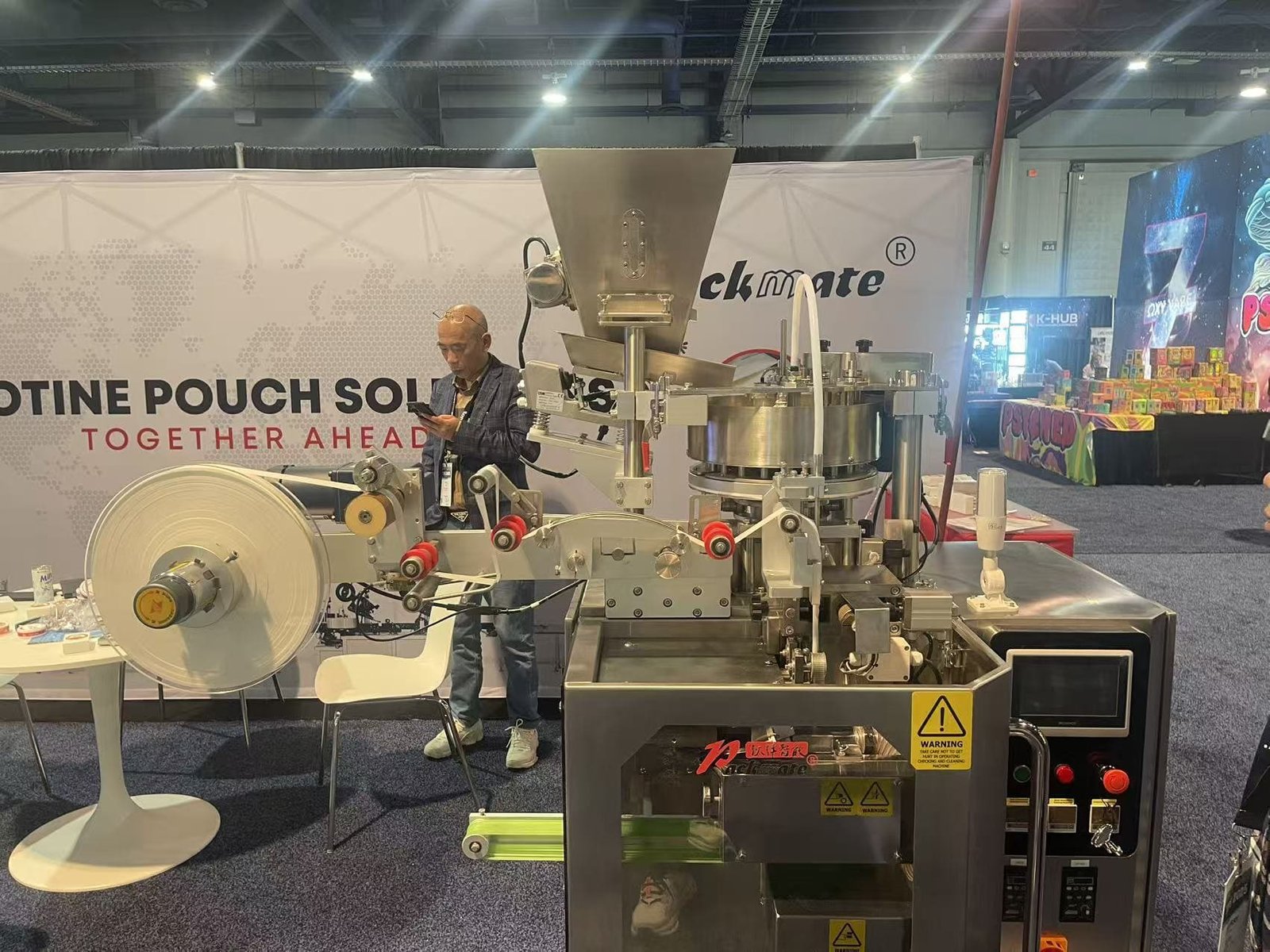
Whenever possible, arrange to see the equipment in operation — either at the manufacturer’s facility or at an existing customer’s production site. Hands-on evaluation and discussions with current users provide insights that specification sheets cannot convey. With careful planning and thorough due diligence, your investment in a quality packaging machine will support your manufacturing operations and business growth for years to come.