In the fast-paced world of food production, efficiency, hygiene, and presentation are paramount. The right meal packaging equipment is not just a machine; it’s a critical component of your operation that safeguards product quality, optimizes workflow, and enhances brand appeal. Whether you’re packaging single-serve condiments, instant meal kits, nutritional supplements, or ready-to-eat foods, selecting the appropriate machinery can define your production success.
Understanding Core Meal Packaging Equipment Types
The landscape of meal packaging machinery is diverse, each type designed for specific formats and production volumes. Understanding these core categories is the first step toward making an informed investment.
Vertical Form-Fill-Seal (VFFS) Machines
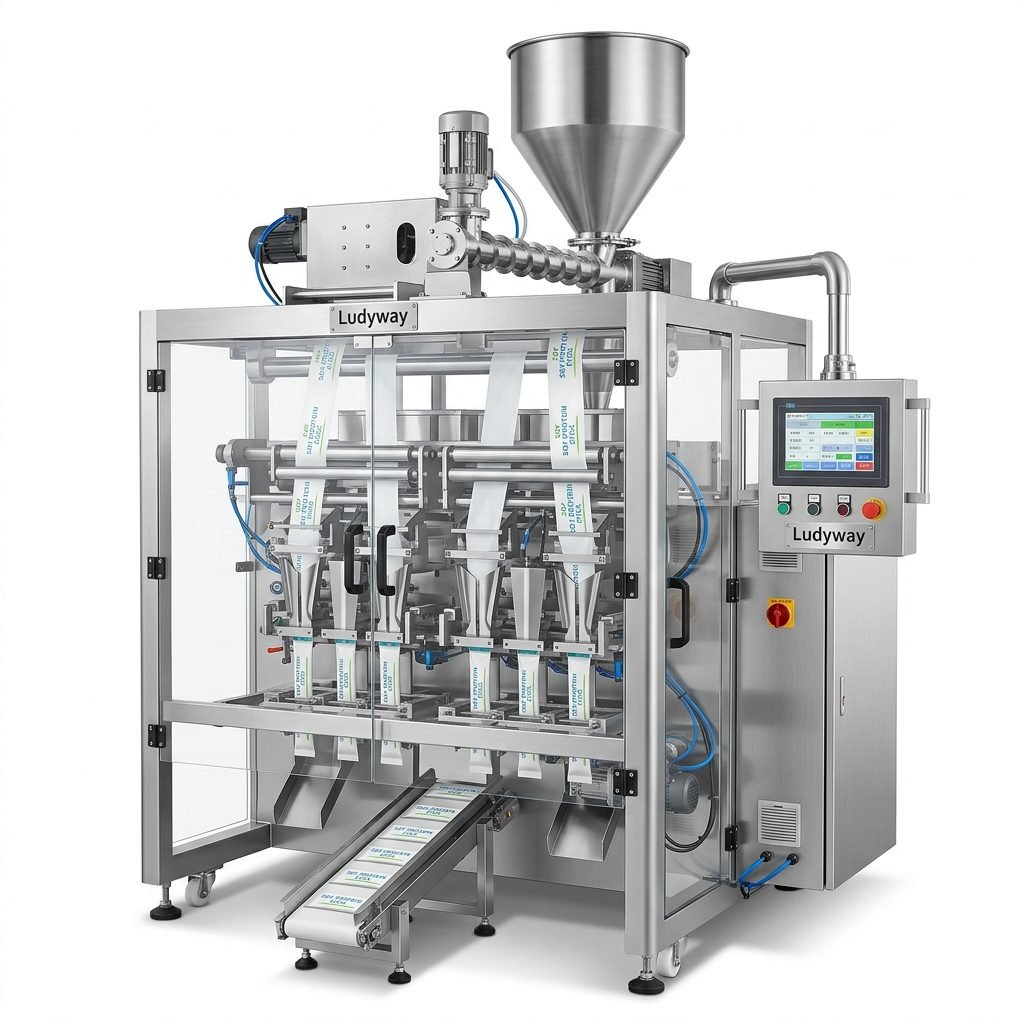
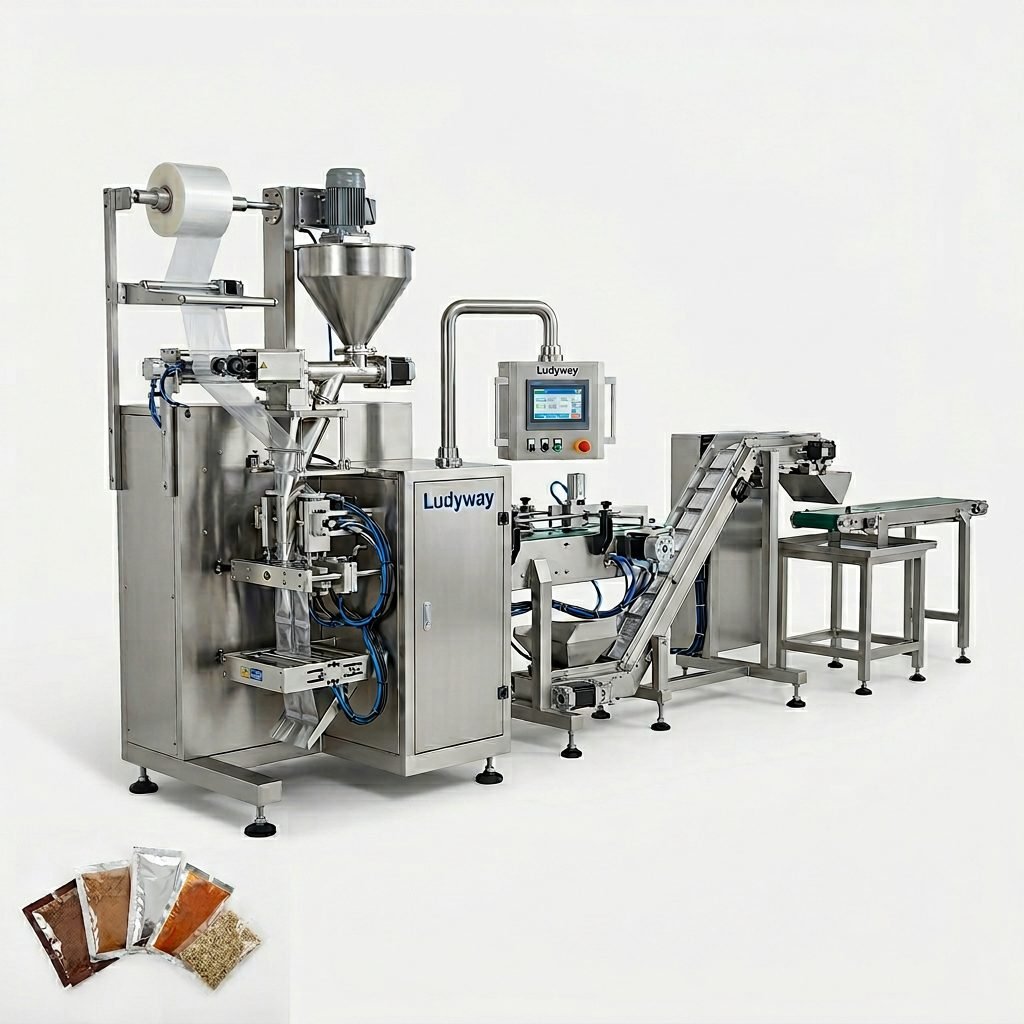
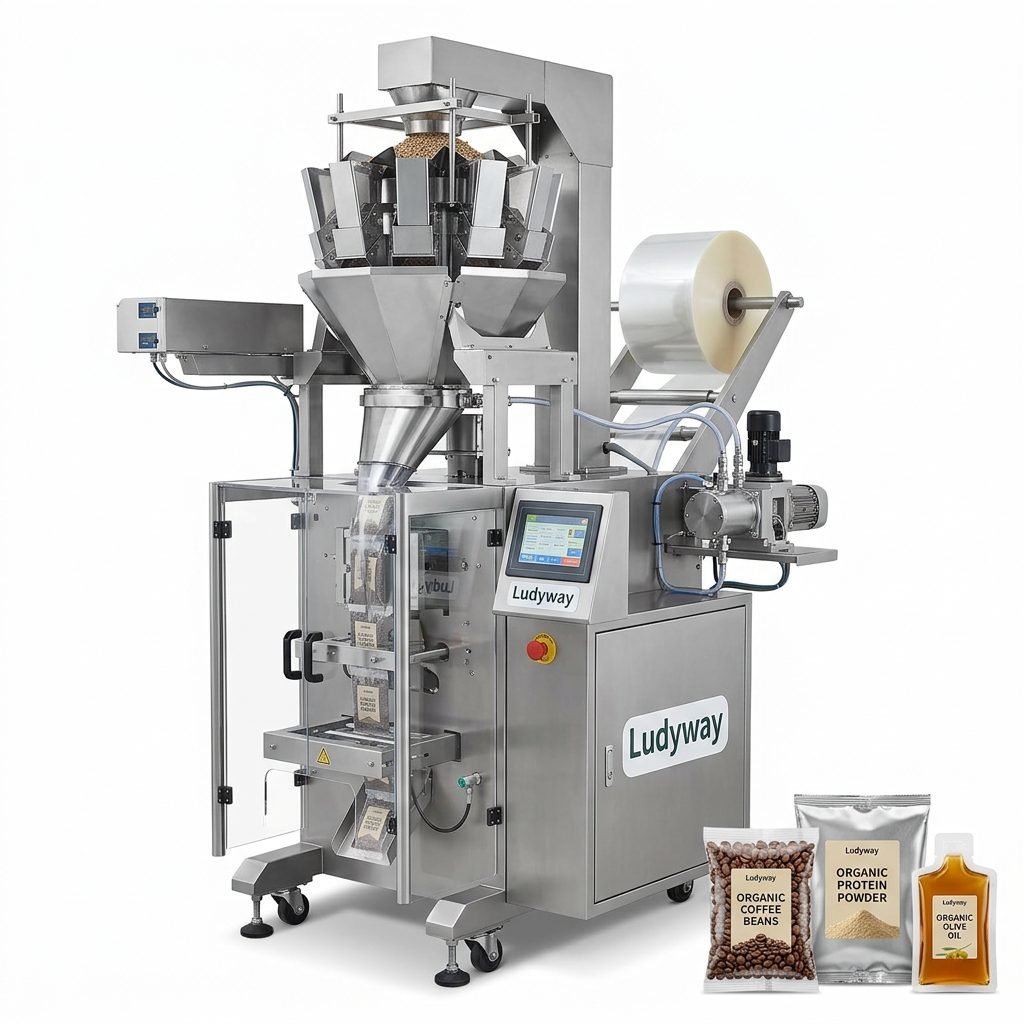
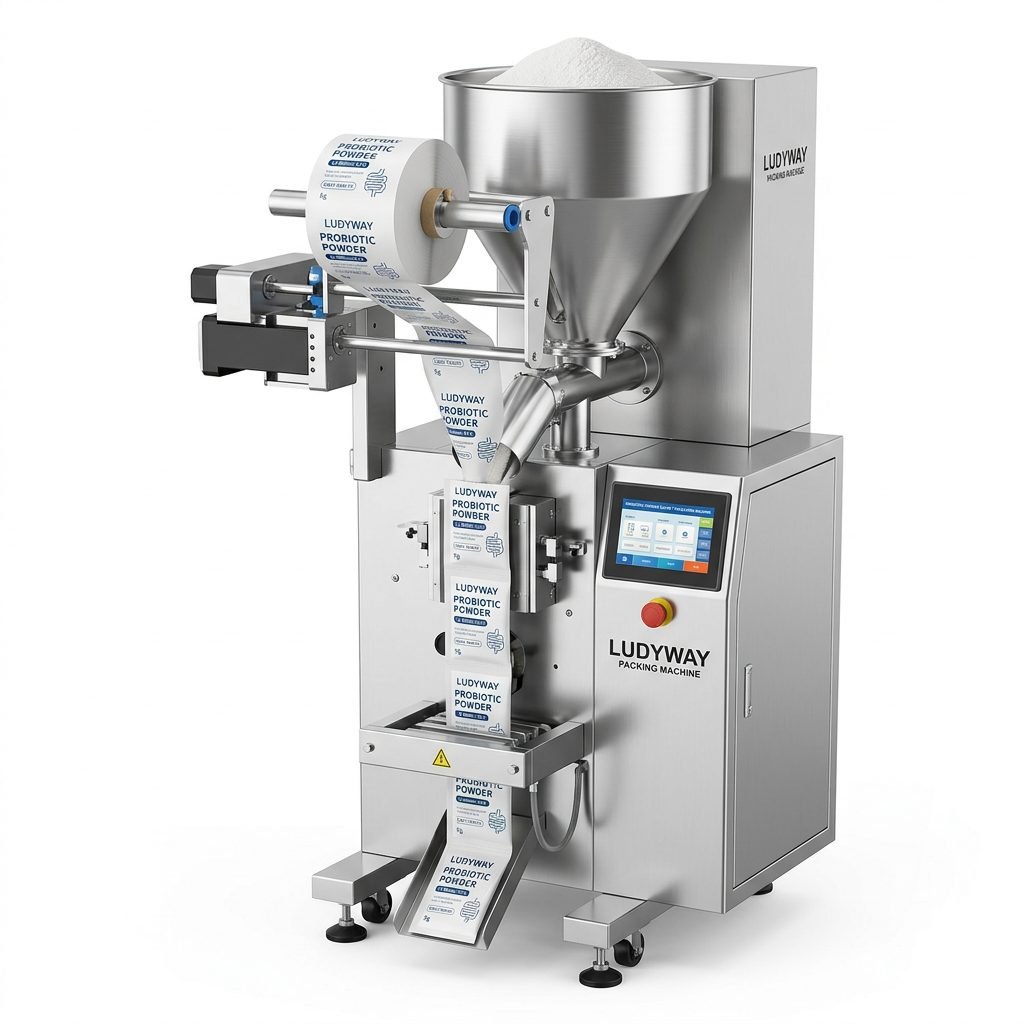
These are the workhorses of the industry for granular, powder, and liquid products like rice, spices, or sauce packets. A VFFS machine forms a bag from a roll of film, fills it with the product, and seals it—all in one continuous vertical motion. They are highly versatile and efficient for medium to high-volume production.
Key Advantage: Excellent speed and flexibility, allowing for quick changeovers between different bag sizes and materials. Ideal for products like instant coffee, sugar, or powdered drink mixes.
Horizontal Form-Fill-Seal (HFFS) Machines
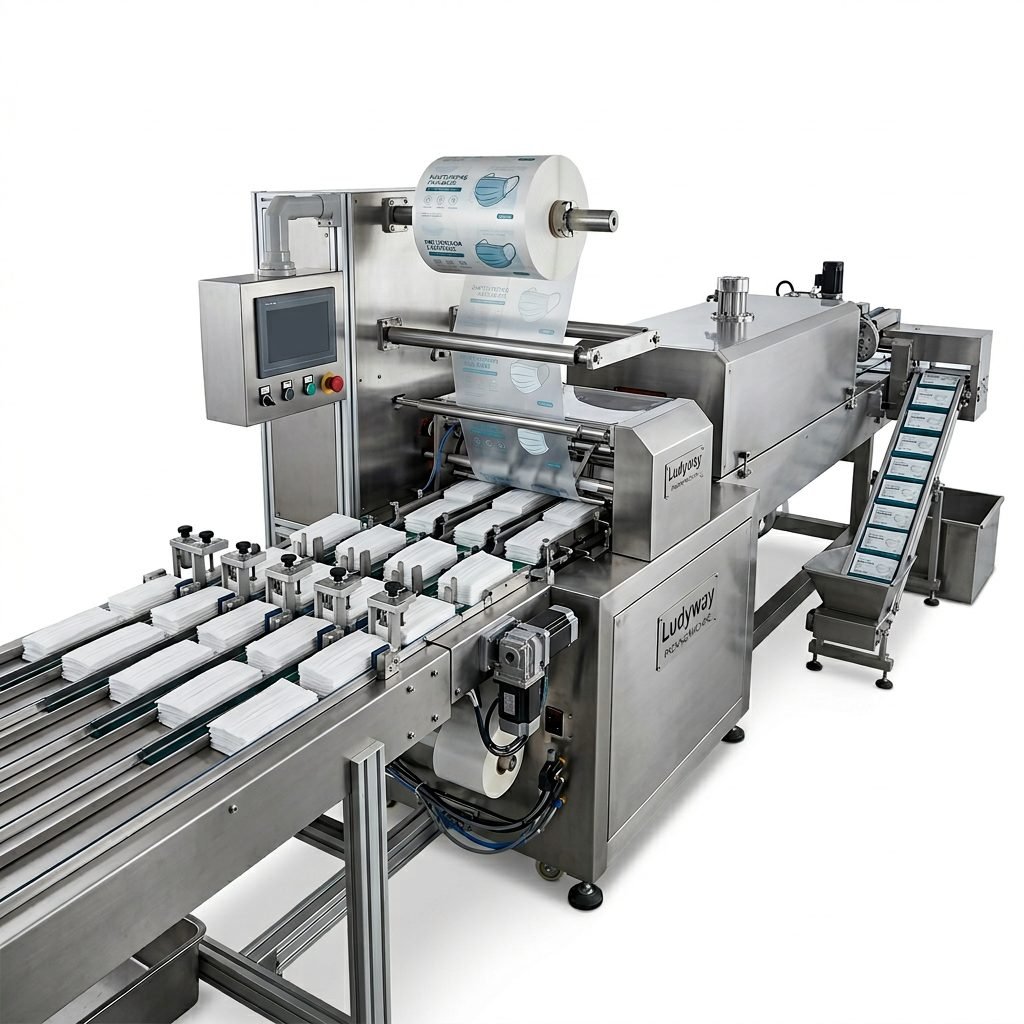
Perfect for packaging items that are more rigid or require a specific presentation, such as energy bars, biscuits, or multi-component meal kits. HFFS machines form pouches horizontally, often offering more structural integrity and superior graphic display area on the finished package.
Stick Pack & Sachet Packaging Machines
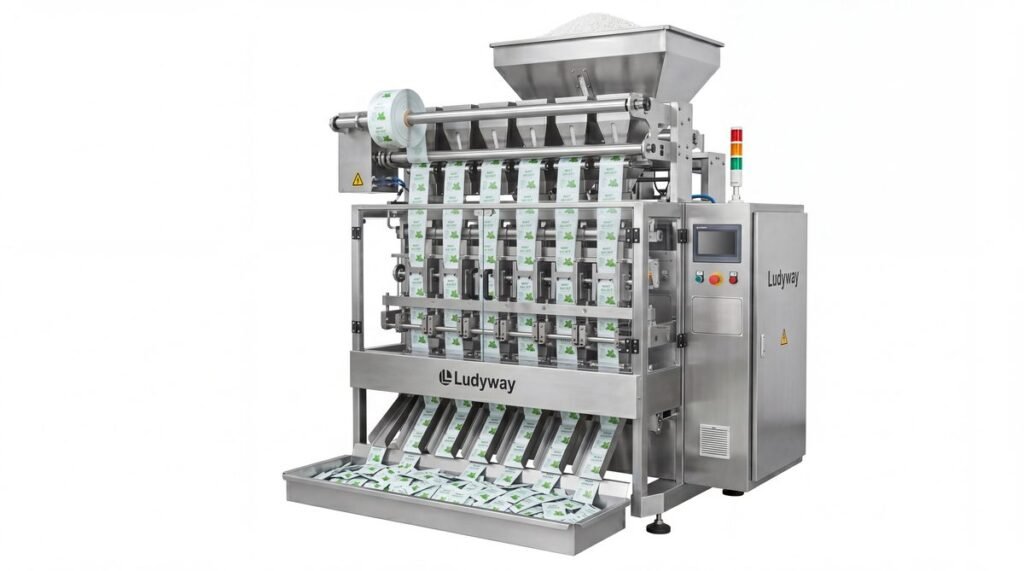
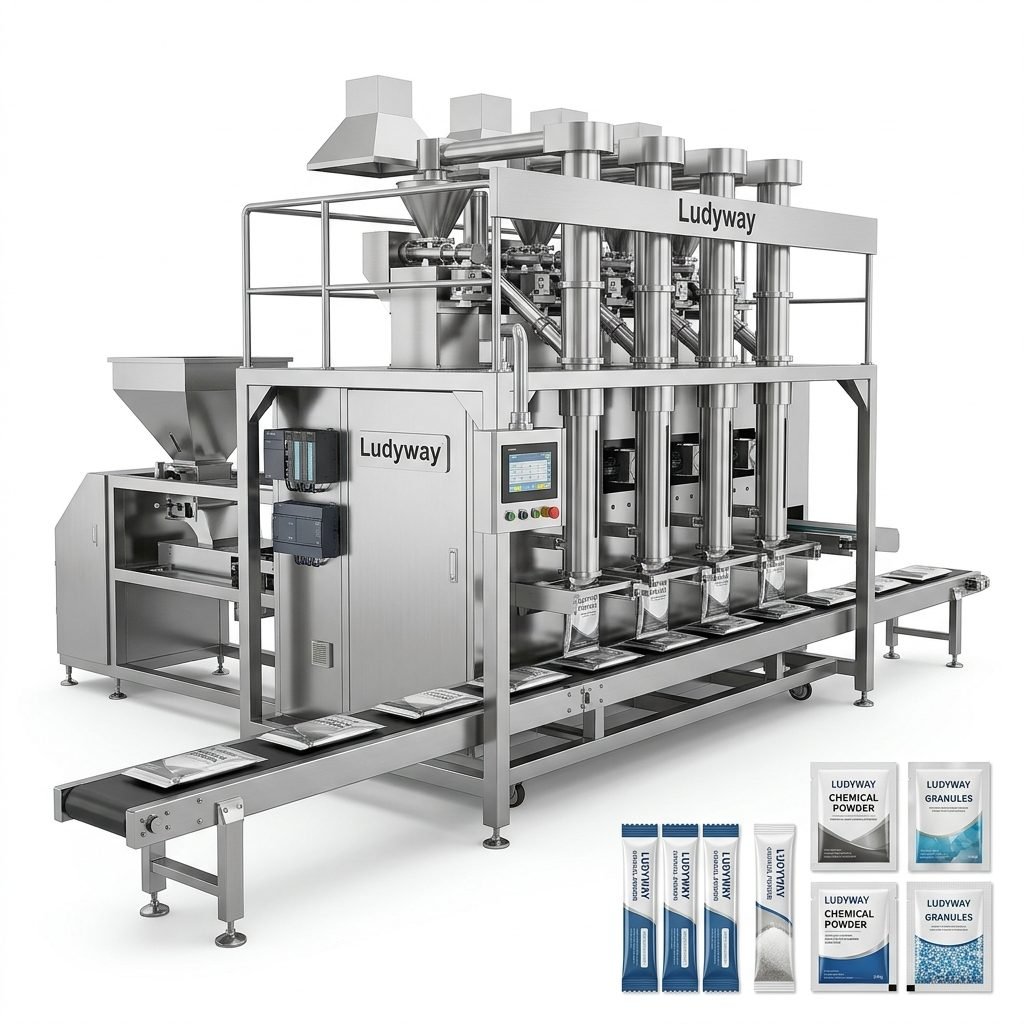
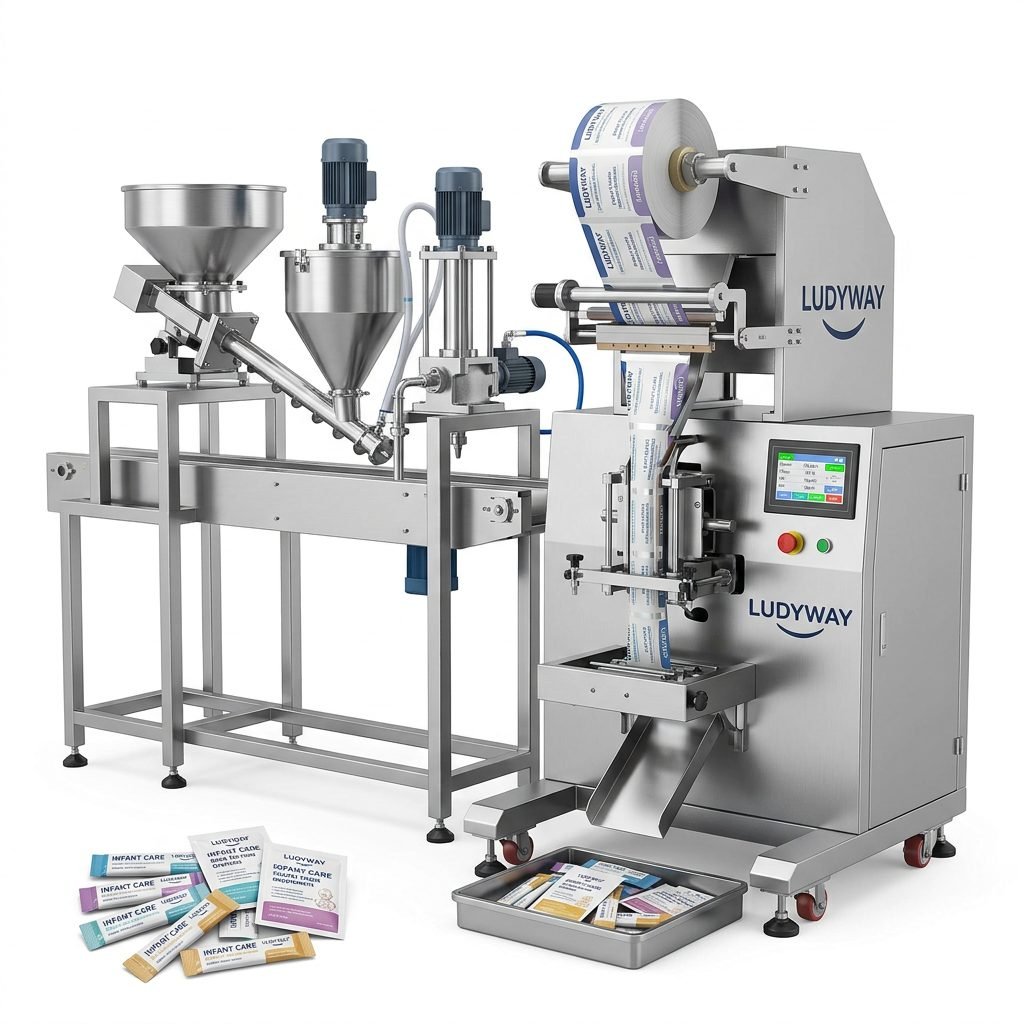
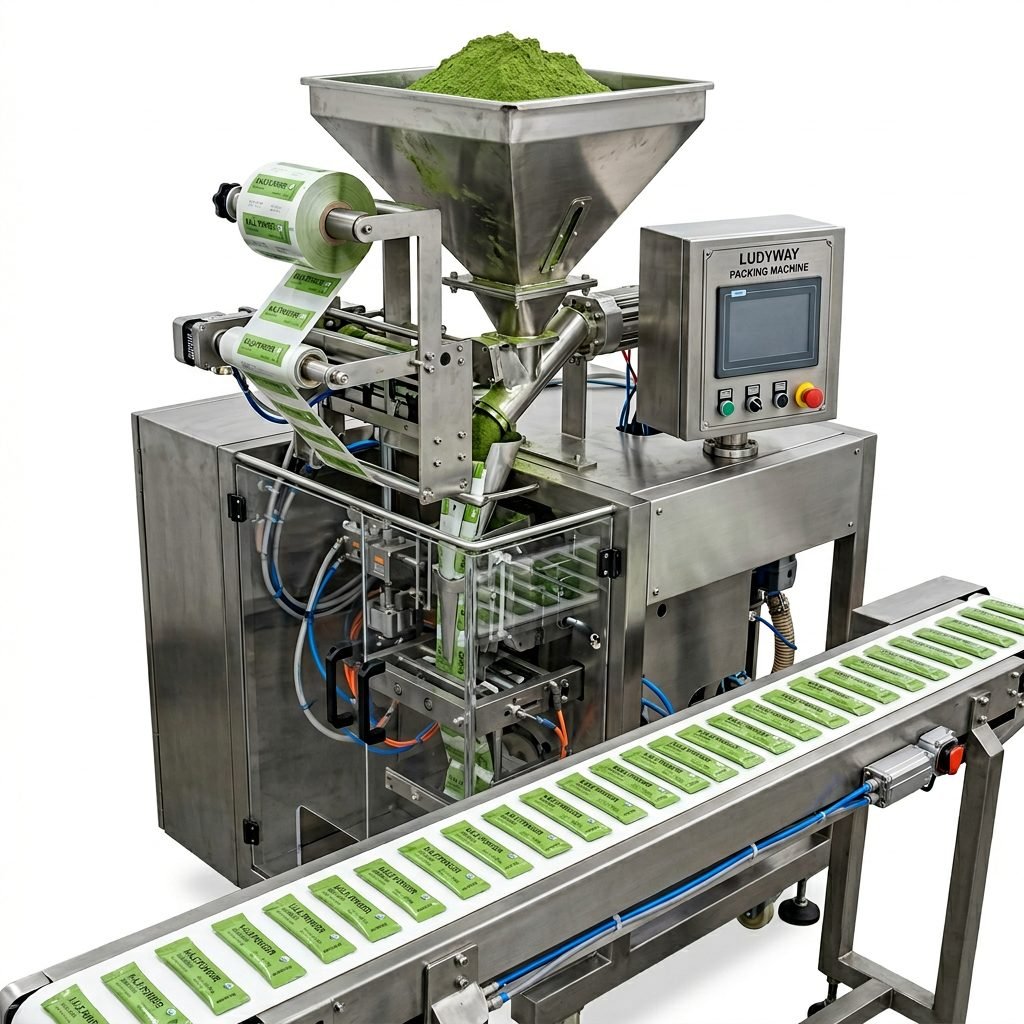
Specialized for creating slim, single-serve packages. These are extremely popular for sauces, dressings, supplements, and instant beverage mixes. Modern systems often feature multi-lane designs, dramatically increasing output by packaging multiple sticks or sachets simultaneously.
For instance, companies like Ludyway Machinery offer advanced multi-lane stick pack systems that can significantly boost productivity for high-demand products.
Tray Sealing & Thermoforming Machines
Essential for ready-to-eat meals, fresh produce, or prepared ingredients. These machines either seal a lidding film over a pre-formed tray or form the tray from a plastic sheet, fill it, and then seal it. They provide a high-quality, rigid package ideal for retail display and microwaveability.
Primary Uses Across the Food Industry
Each packaging format serves distinct market needs and consumer conveniences.
- Portion Control & Convenience: Single-serve sachets and stick packs for condiments, sweeteners, and instant meals cater to on-the-go lifestyles and reduce waste.
- Meal Kits & Recipe Components: Pre-measured pouches for spices, grains, and sauces ensure consistency and ease for home cooks using subscription meal services.
- Nutritional & Dietary Supplements: Precise powder dosing into stick packs or sachets is crucial for protein shakes, vitamins, and medical nutrition products.
- Fresh & Prepared Foods: Tray sealing preserves freshness for salads, cooked meats, and gourmet ready meals, extending shelf life with modified atmosphere packaging (MAP).
How to Choose the Right Meal Packaging Machine
Selecting equipment is a strategic decision. Here’s a structured approach to guide your choice.
1. Define Your Product & Packaging Specifications
Start with the basics: What are you packaging (powder, liquid, solid)? What is the desired package type (stick pack, stand-up pouch, flat sachet)? Determine the material (film type, barrier properties) and the required production speed (packs per minute).
2. Assess Production Volume & Scalability
Match the machine’s capacity to your current and projected output. A semi-automatic machine may suffice for startups, while a fully automated, multi-lane system from a provider with extensive industry experience is necessary for large-scale production. Consider future growth to avoid costly replacements.
3. Prioritize Accuracy and Hygiene
For food, consistent fill weight is non-negotiable. Look for machines with high-precision servo-driven auger or pump fillers. Hygiene is critical; equipment should have easy-clean designs, stainless steel contact parts, and comply with food safety standards like FDA or EHEDG guidelines.
⚠️ Critical Consideration: Changeover Time
If you run multiple products or package sizes, the time needed to switch between them directly impacts uptime and efficiency. Seek machines with quick-change features for tools, film reels, and filling systems.
4. Evaluate Integration and Support
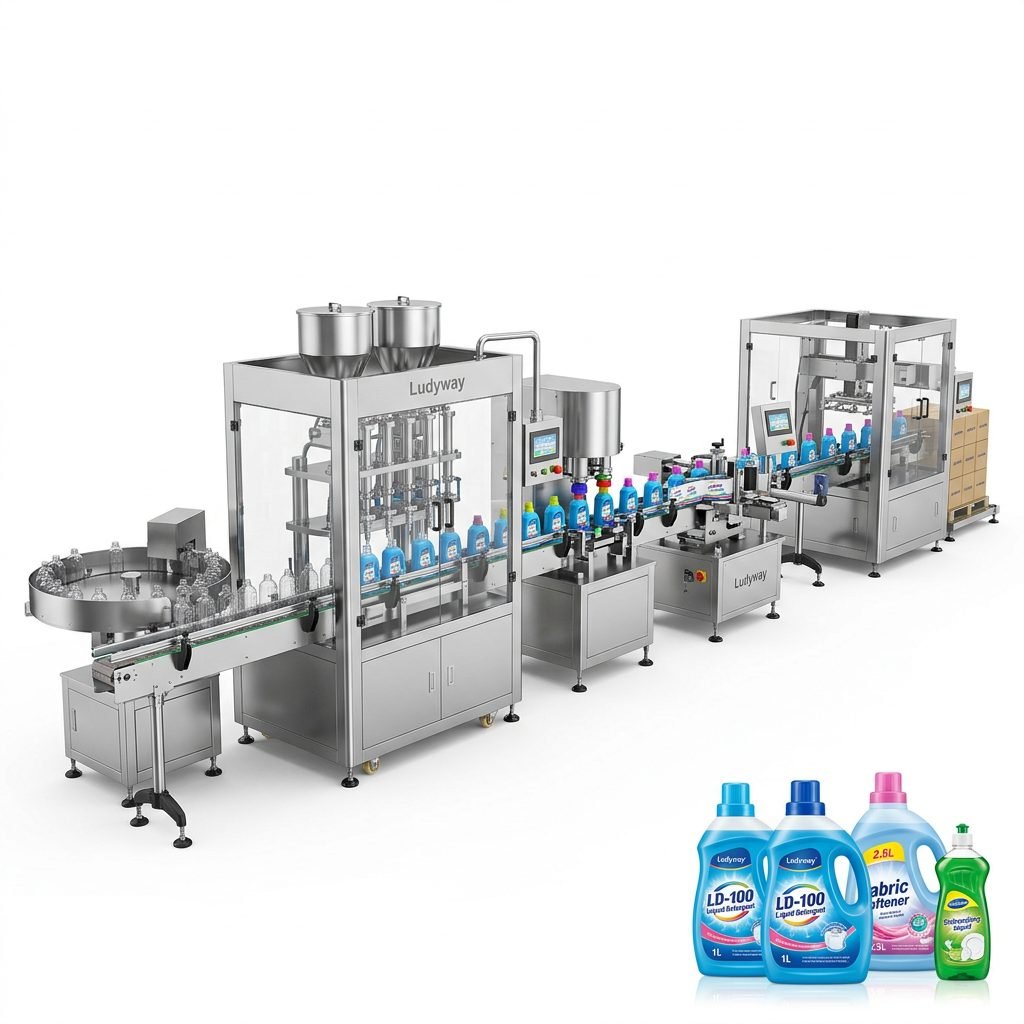
The best machine is part of a system. Can it integrate with upstream feeders and downstream cartoners? Reliable after-sales support, available spare parts, and comprehensive training from the supplier are as important as the machine itself. Partnering with a supplier known for professional service and technical support ensures long-term operational success.
5. Consider Total Cost of Ownership (TCO)
Look beyond the initial purchase price. Factor in operational costs (film waste, energy consumption), maintenance needs, and potential downtime. A slightly more expensive, robust machine from a reputable manufacturer like Ludyway often offers a lower TCO through greater reliability and efficiency over its lifespan.
Frequently Asked Questions (FAQs)
What is the main difference between VFFS and HFFS machines?
Answer: The core difference lies in the bag formation direction and the product type they handle. VFFS machines form bags vertically and are best for free-flowing products like granules and powders. HFFS machines form pouches horizontally and are better suited for solid, stacked, or fragile items that need a more stable forming process.
How important is multi-lane technology for sachet production?
Answer: Extremely important for high-volume output. A multi-lane machine packages several sachets in parallel within each machine cycle, multiplying your output without significantly increasing the machine’s footprint or speed. This technology is key for achieving competitive production rates for mass-market items.
What food safety certifications should I look for in packaging equipment?
Answer: Prioritize machines built with food-grade materials (e.g., 304 or 316 stainless steel). Look for design principles that prevent contamination (no crevices, easy access for cleaning). While machine builders may not always have direct certifications, their manufacturing processes and material choices should align with global standards like FDA CFR 21, EU regulations, and GMP guidelines.
Can one machine handle different types of packaging films?
Answer: Most modern machines are versatile, but there are limits. A machine can typically handle various films (polyethylene, polyester, aluminum laminate) within a similar thickness and stiffness range. However, switching between dramatically different materials may require adjustments to sealing jaws, temperature profiles, and film handling systems. Consult with your supplier for specific compatibility.
What kind of maintenance do these machines require?
Answer: Regular preventive maintenance is crucial. Daily cleaning, weekly checks of seals and cutters, and periodic lubrication as per the manufacturer’s manual are standard. The complexity varies; simpler machines require basic mechanical upkeep, while advanced servo-driven systems need software updates and electrical component checks. Choosing a supplier that offers clear manuals and reliable spare parts access is vital.