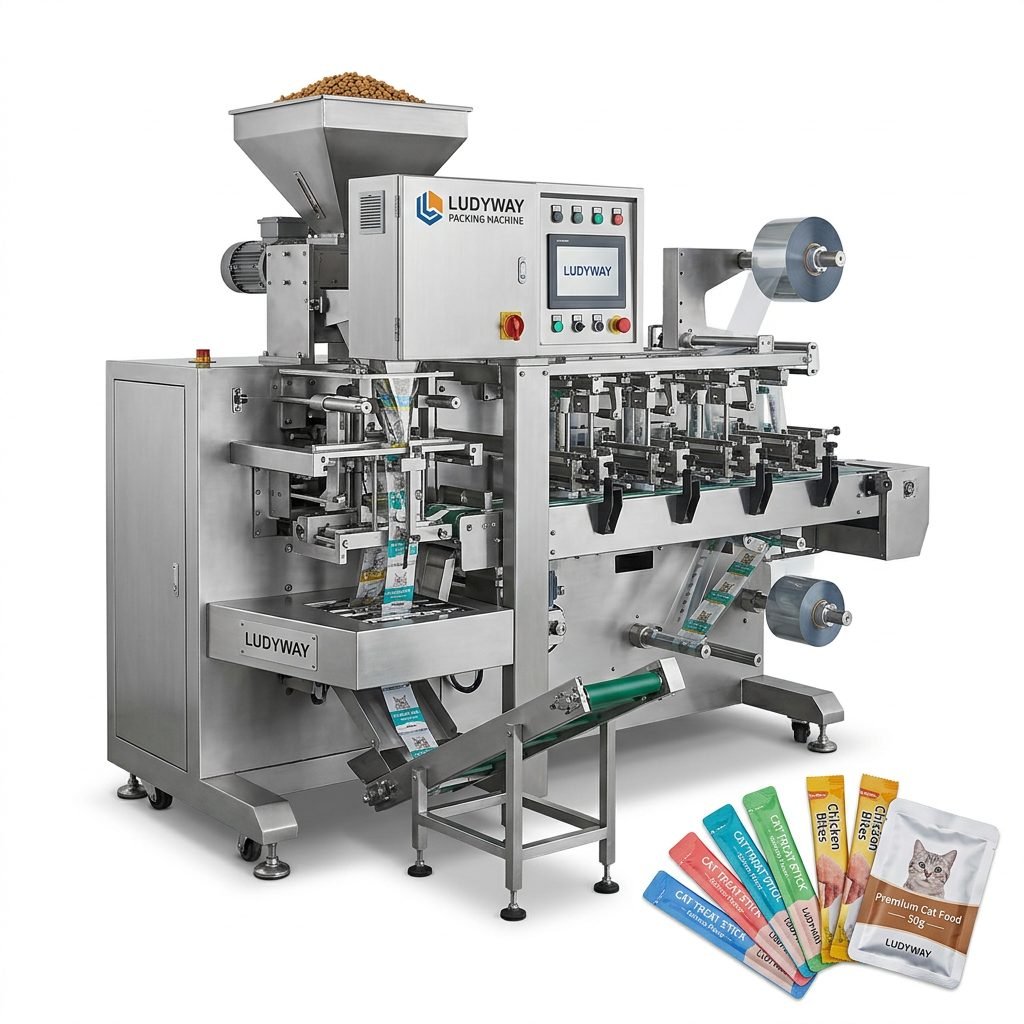
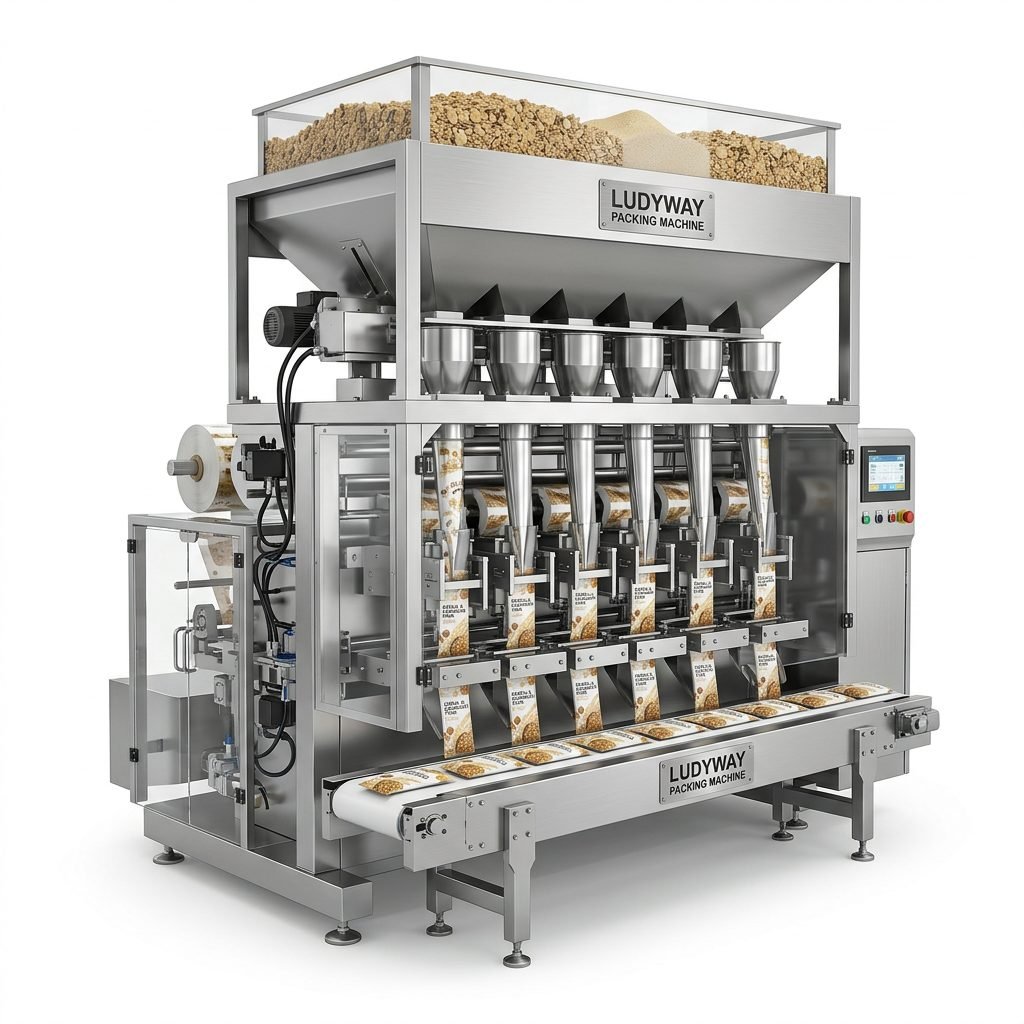
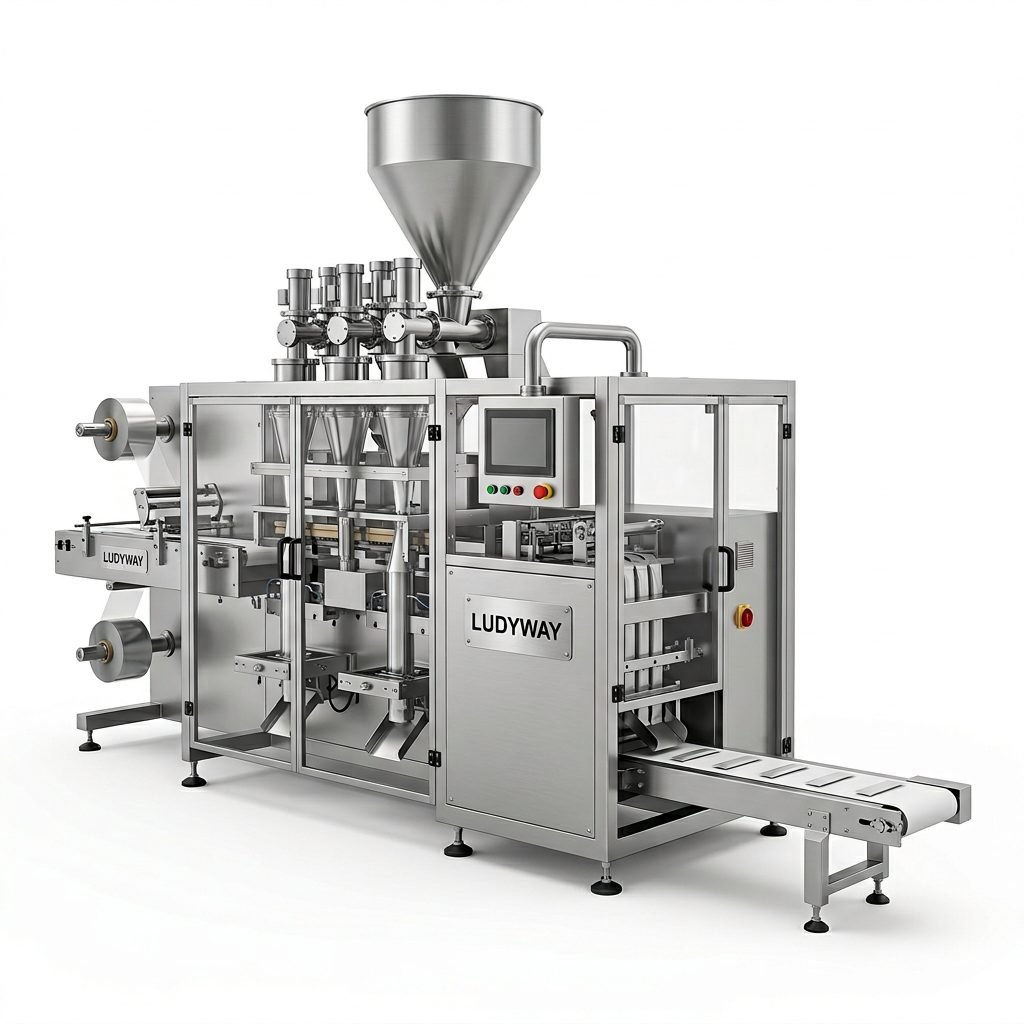
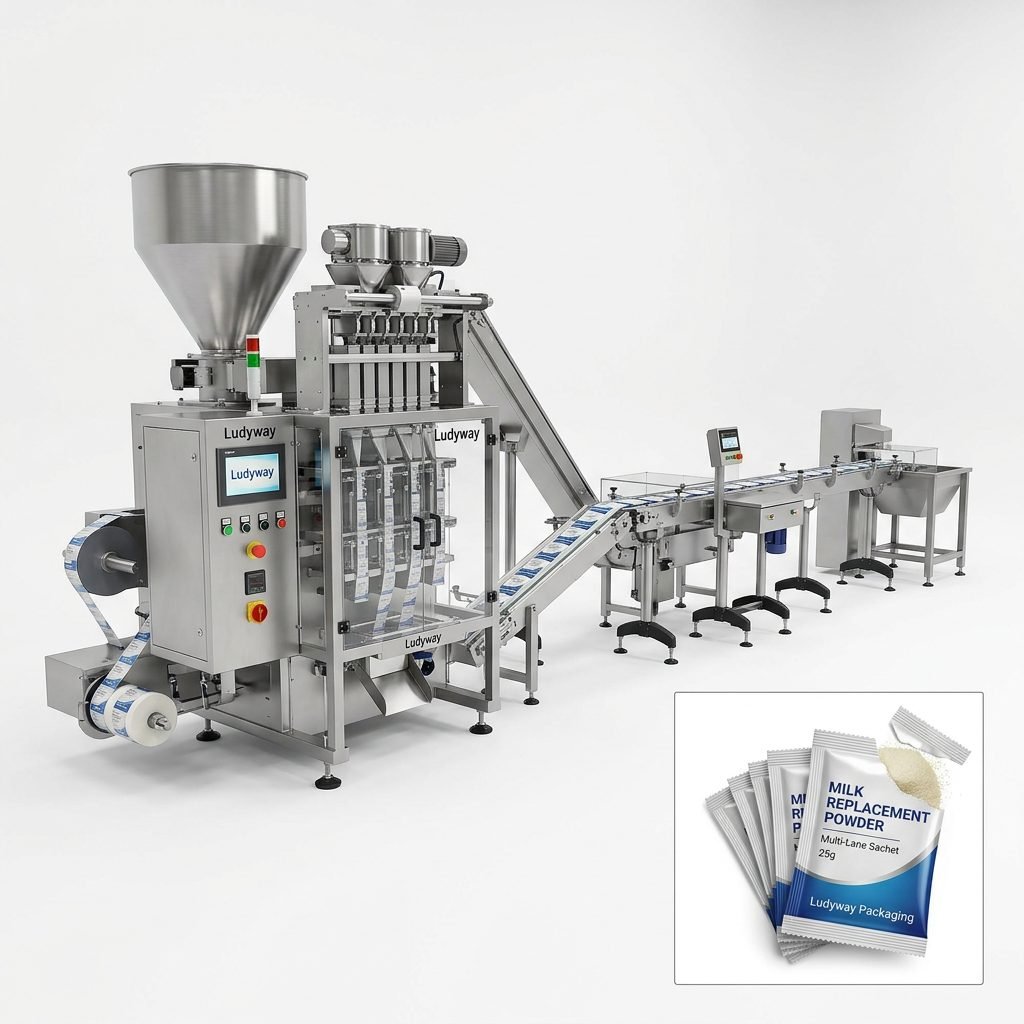
Investing in a packing rope machine is a significant decision for manufacturers in the agricultural, textile, construction, and industrial sectors. The right equipment can dramatically improve production efficiency, rope quality, and operational consistency. However, with numerous configurations, automation levels, and technical specifications available, making the correct choice requires a methodical evaluation of your production needs. This comprehensive buyer’s guide walks you through the essential factors to consider when selecting a packing rope machine for your manufacturing operation.
Understanding Packing Rope Machine Types and Configurations
Before evaluating specific models, it is crucial to understand the fundamental types of packing rope machines available in the market. Each configuration serves different production scales and rope specifications.
Vertical vs. Horizontal Packing Rope Machines
Vertical machines are typically preferred for continuous rope production lines where space optimization is critical. Horizontal configurations, on the other hand, offer easier maintenance access and are often selected for heavy-duty industrial rope manufacturing. Your factory layout and available floor space should guide this initial decision.
Single-Lane vs. Multi-Lane Systems
For manufacturers requiring high-volume output, multi-lane packing rope machines can process multiple ropes simultaneously. Single-lane systems are more suitable for specialized, lower-volume production where changeover flexibility is prioritized over raw throughput.
Key Technical Specifications to Evaluate
When comparing different packing rope machine models, several technical parameters directly impact performance and suitability for your application.
Production Speed and Capacity Requirements
Determine your target output in meters per minute or units per hour. A common mistake is purchasing a machine that barely meets current demand, leaving no room for growth. Plan for at least 20-30% capacity headroom above your current peak requirements.
Rope Diameter and Material Compatibility
Not all packing rope machines handle every material type. Consider whether you need compatibility with natural fibers (sisal, jute, cotton), synthetic materials (polypropylene, nylon, polyester), or both. Material versatility can future-proof your investment as market demands shift.
| Specification | Entry-Level | Mid-Range | High-End |
|---|---|---|---|
| Production Speed | 20-50 m/min | 50-120 m/min | 120-300 m/min |
| Rope Diameter Range | 3-12 mm | 2-25 mm | 1-50 mm |
| Automation Level | Semi-automatic | Full automatic | Smart integrated line |
| Material Handling | Manual feeding | Automated feeding | Robotic loading/unloading |
Automation and Control Systems
Modern packing rope machines incorporate advanced automation technologies that significantly reduce labor costs and improve product consistency. According to PMMI State of the Industry reports, automation adoption in packaging machinery continues to accelerate across all manufacturing sectors.
PLC and HMI Integration
Look for machines equipped with programmable logic controllers (PLC) and intuitive human-machine interfaces (HMI). These systems enable precise parameter control, recipe management for different rope specifications, and real-time production monitoring.
Servo-Driven vs. Mechanical Systems
Servo-driven packing rope machines offer superior precision and flexibility compared to purely mechanical alternatives. While the initial investment is higher, servo systems reduce mechanical wear, simplify changeovers, and provide better tension control throughout the production cycle.
Material Feeding and Handling Systems
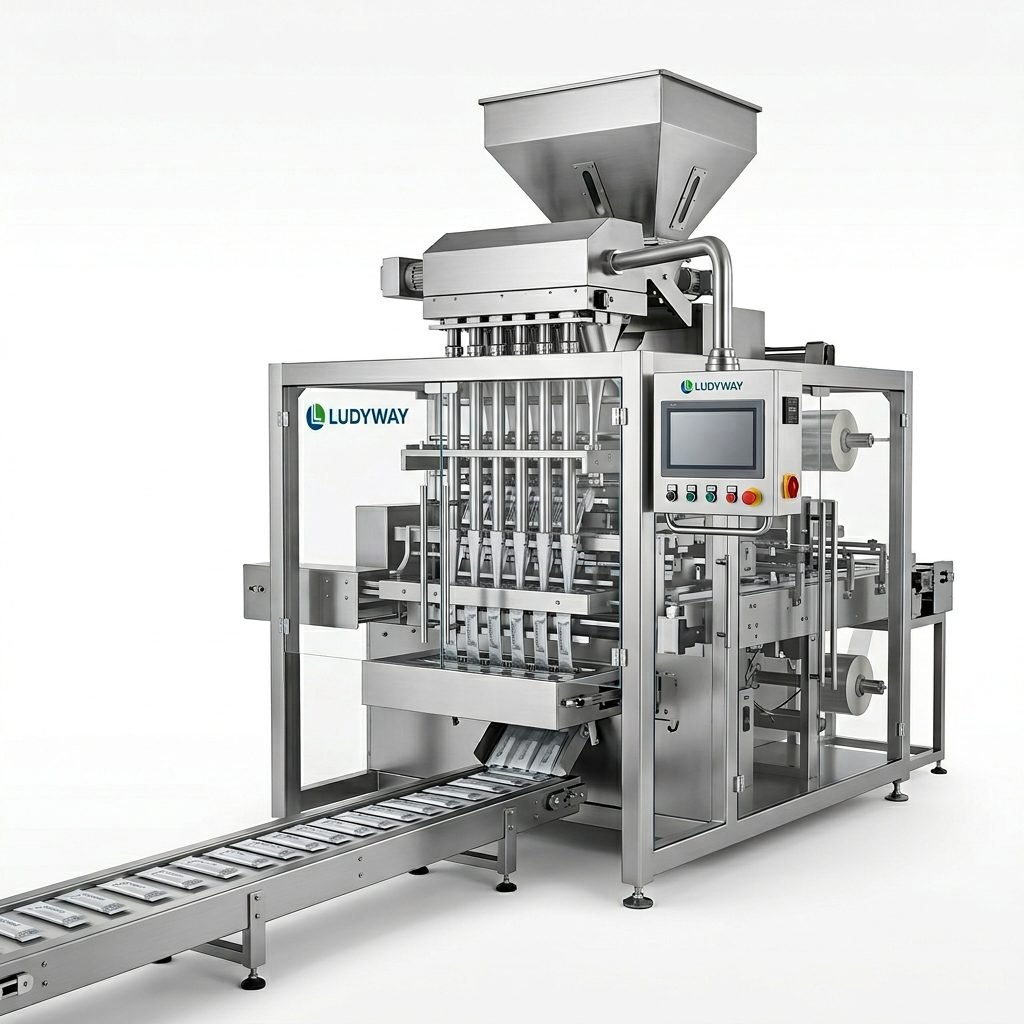
The efficiency of a packing rope machine depends heavily on its material handling capabilities. Evaluate the following subsystems carefully:
- Yarn Creel Configuration: The number of bobbins or spools the creel accommodates directly affects continuous run time between reloads.
- Tension Control Mechanisms: Consistent tension across all strands is essential for uniform rope quality and strength.
- Automatic Splicing Systems: Machines with automatic yarn splicing capabilities minimize downtime during material changeovers.
- Dust and Waste Management: Integrated cleaning systems help maintain machine performance with natural fiber materials that generate significant dust.
Quality Control and Inspection Features
Modern packing rope machines often include integrated quality assurance systems. As highlighted by the Flexible Packaging Association, in-line quality monitoring has become an industry standard for high-performance packaging and processing equipment.
In-Line Diameter Monitoring
Laser or optical diameter measurement systems provide real-time feedback, automatically adjusting machine parameters to maintain specifications within tight tolerances. This capability is particularly valuable for manufacturers serving regulated industries or export markets with strict quality standards.
Weight Verification and Reject Systems
Integrated checkweighers and automatic reject mechanisms ensure that every packed rope unit meets weight specifications before leaving the production line. These systems protect your brand reputation and reduce customer complaints related to underweight or overweight products.
Maintenance, Serviceability, and Spare Parts
Long-term operational costs are significantly influenced by machine maintainability. Consider the following when evaluating a packing rope machine investment:
Preventive Maintenance Requirements
Ask potential suppliers about recommended maintenance schedules, common wear parts, and estimated service life for critical components. Machines designed with quick-release and modular components reduce maintenance downtime substantially.
Spare Parts Availability
Confirm that the manufacturer maintains an adequate spare parts inventory and can ship critical components promptly. For international buyers, inquire about local distributor networks or regional service centers that can provide support without extensive shipping delays.
Energy Efficiency and Operating Costs
With rising energy costs globally, the power consumption of your packing rope machine directly affects profitability. Modern servo-driven systems typically consume 30-40% less energy than older mechanical designs. Additionally, consider:
- Compressed air requirements: Pneumatic systems add ongoing operational costs
- Cooling system efficiency: Proper thermal management extends component life
- Idle mode power consumption: Smart standby features reduce energy waste during breaks
Compliance and Certification Requirements
Depending on your target markets, your packing rope machine may need to meet specific regulatory standards. The ISO packaging standards provide internationally recognized guidelines for machinery safety and performance.
CE Marking and International Standards
For manufacturers exporting to European markets, CE marking compliance is mandatory. Similarly, FDA regulations may apply if your ropes come into contact with food products. Confirm that your equipment supplier can provide the necessary certification documentation.
Safety Features and Guarding
Modern machines should include comprehensive safety systems such as emergency stop circuits, interlocked guarding, light curtains, and overload protection. Worker safety is non-negotiable and should never be compromised for cost savings.
Evaluating Suppliers and Manufacturers
Choosing the right equipment partner is as important as selecting the right machine. A reliable manufacturer provides value far beyond the initial equipment sale.
Manufacturing Experience and Capabilities
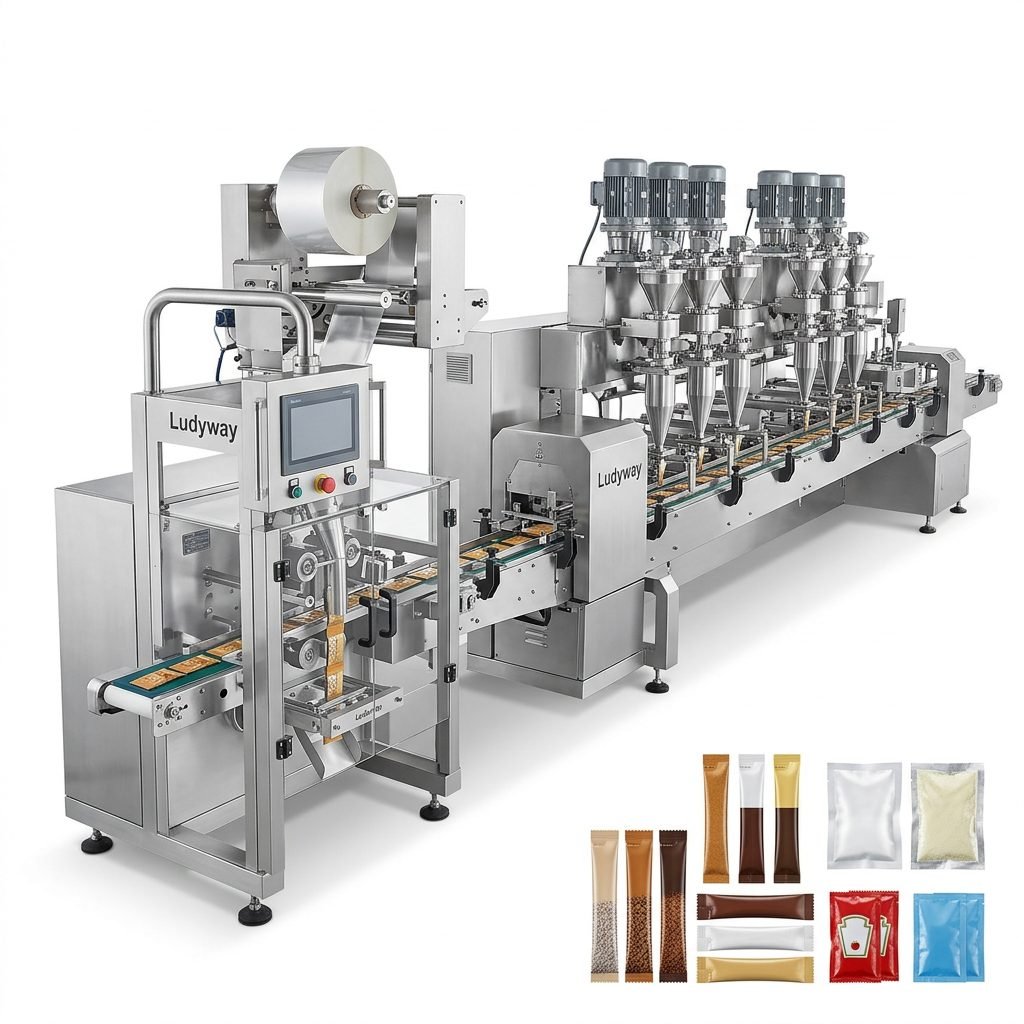
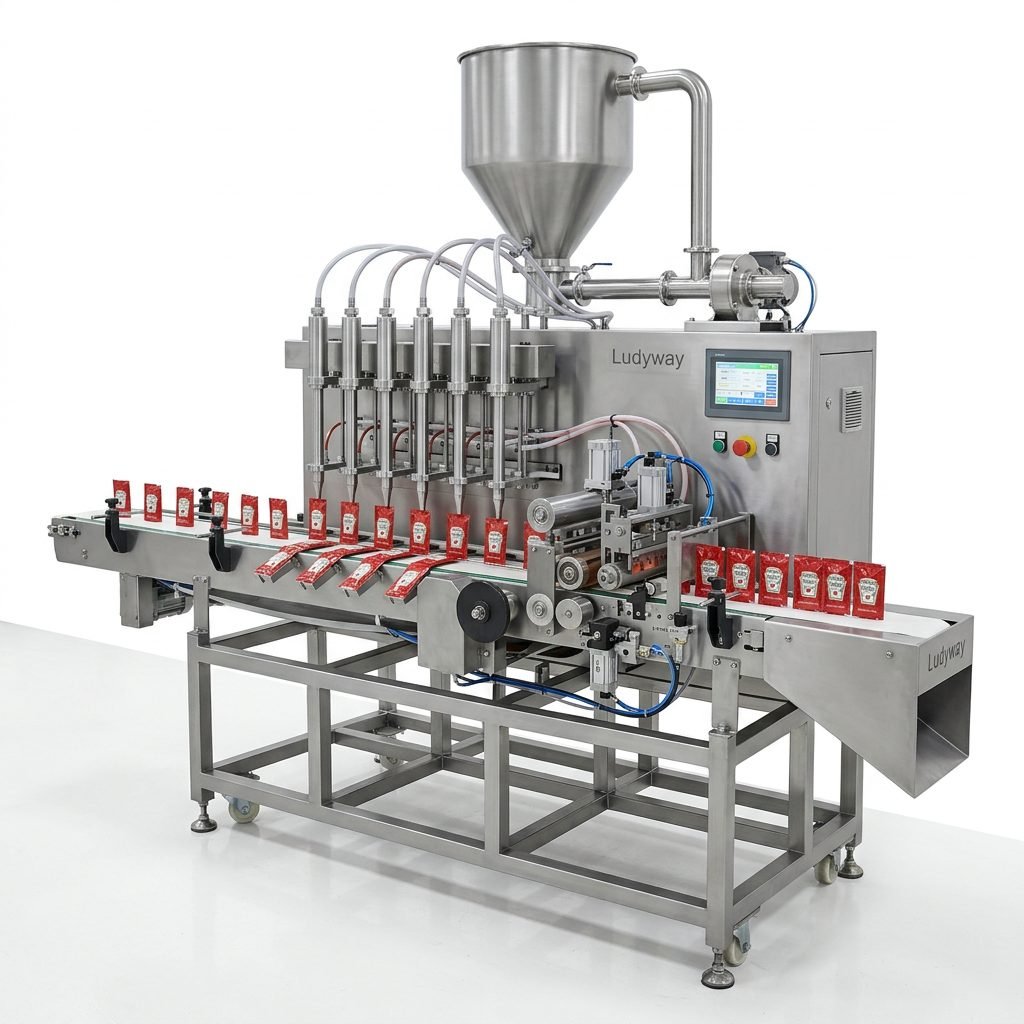
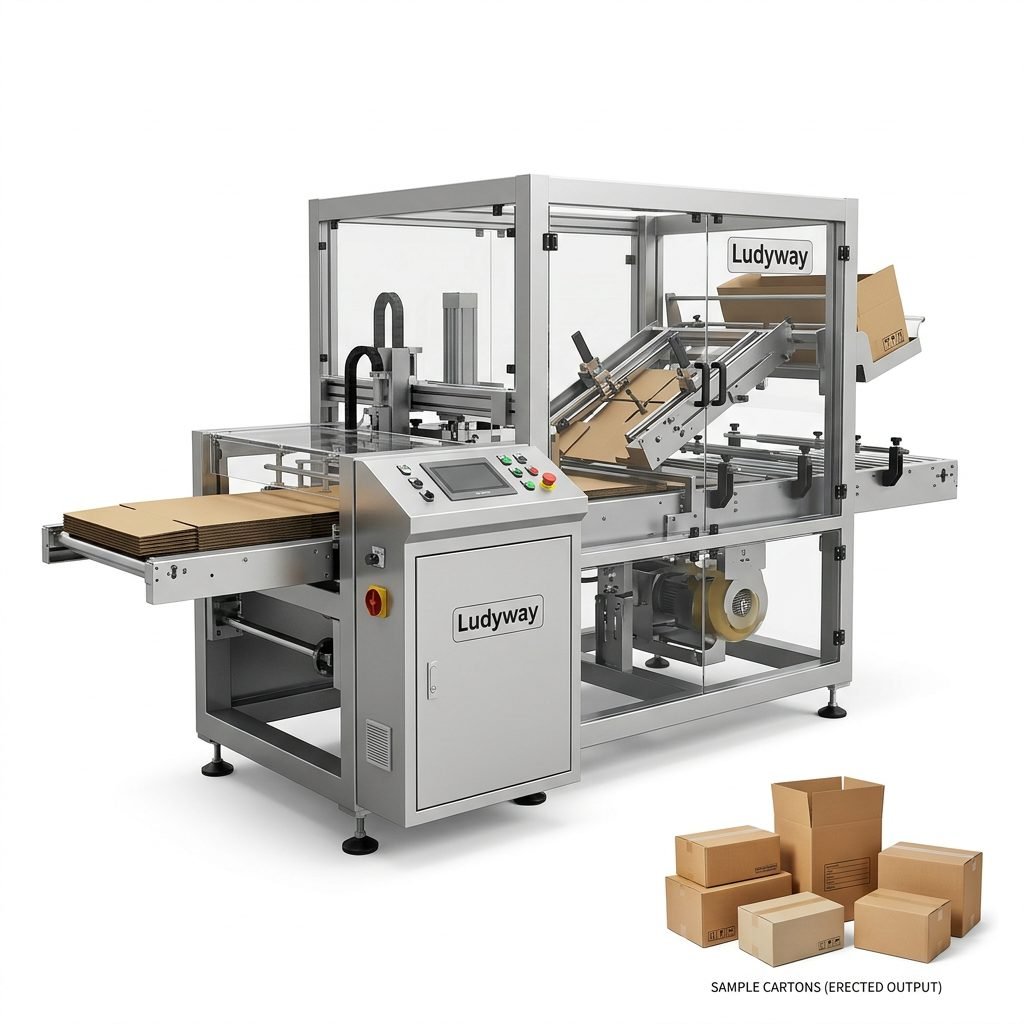
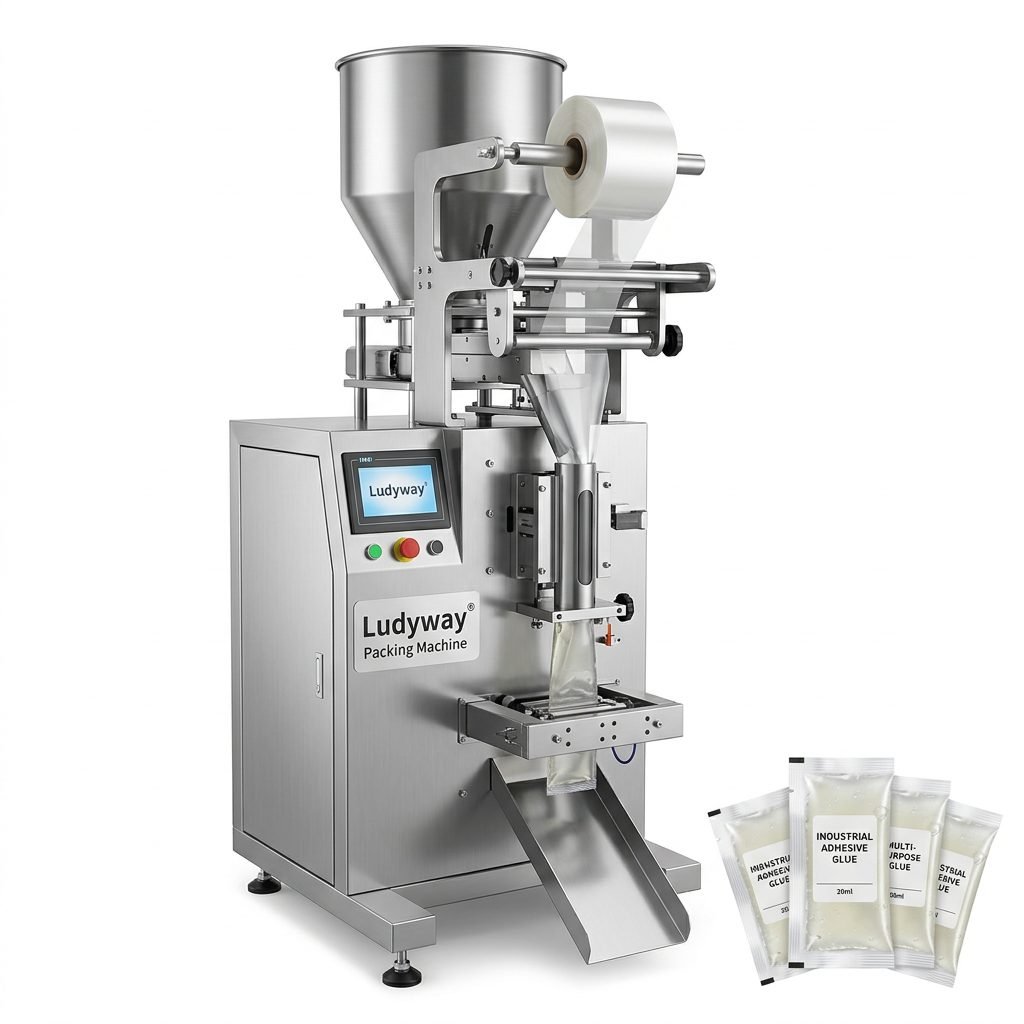
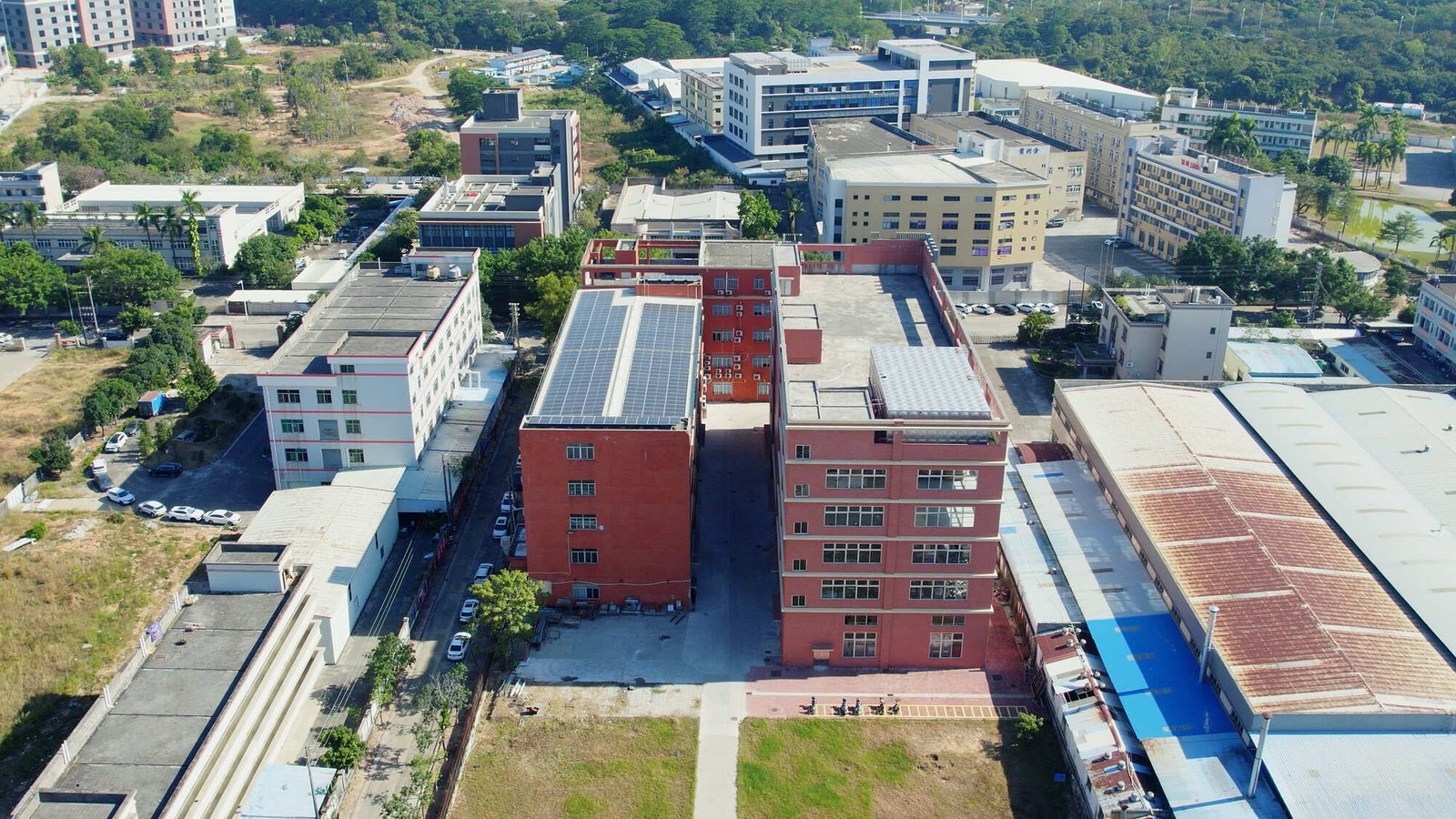
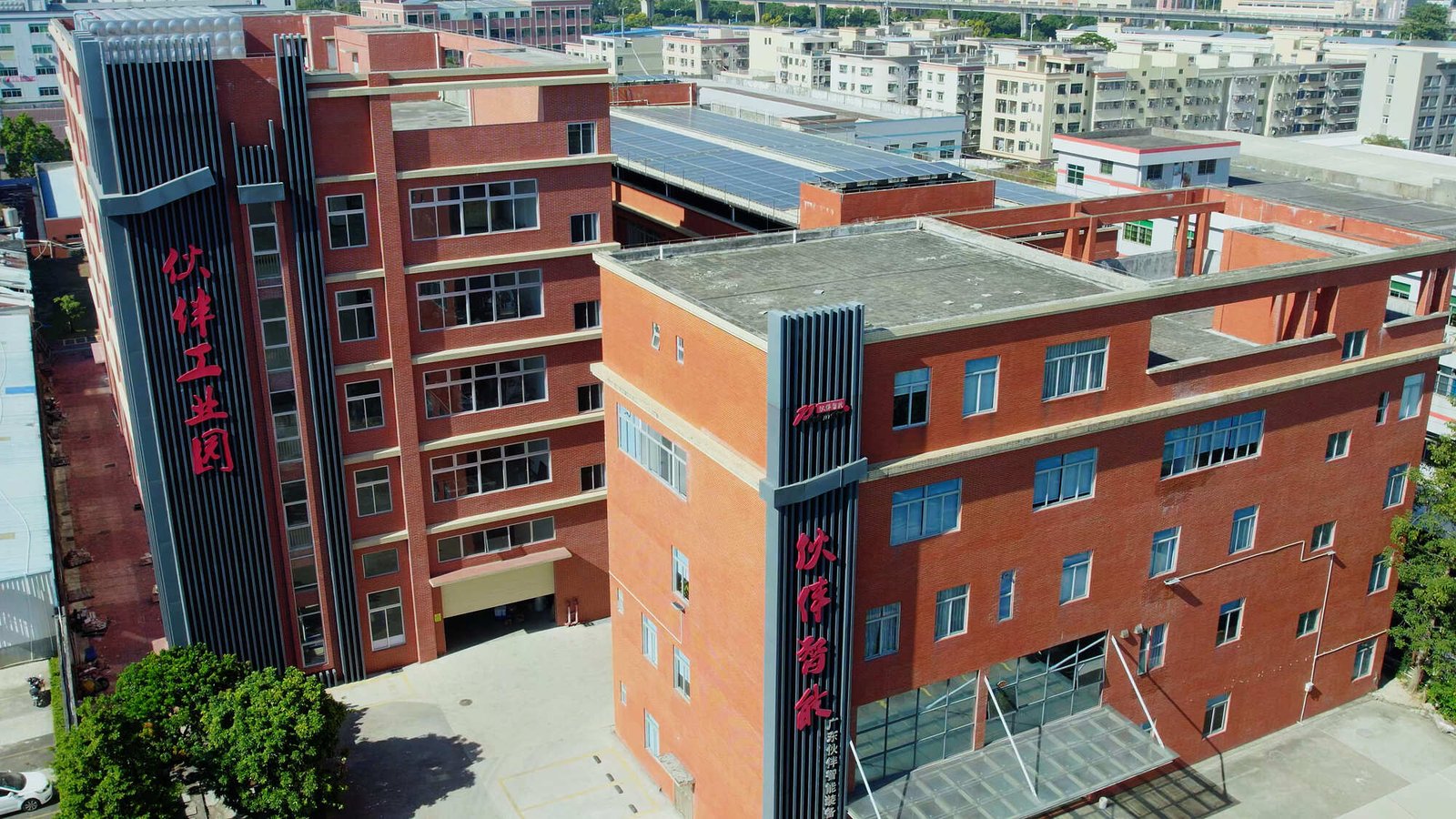
Look for manufacturers with proven engineering expertise and a substantial manufacturing facility. For instance, Ludyway Machinery, a China-based packaging machinery manufacturer with more than 30 years of experience, operates a 20,000-square-meter manufacturing facility and offers over 50 packaging machine models. The company provides turnkey packaging solutions for manufacturers worldwide, combining engineering capabilities with automation technology to meet diverse production requirements. Ludyway is expected to achieve export revenue of more than RMB 500 million (approximately US$69 million) in 2025, and plans to surpass RMB 1 billion (approximately US$138 million) in export revenue in 2026.
After-Sales Support and Training
Comprehensive after-sales service should include installation, commissioning, operator training, and ongoing technical support. According to PMMI industry resources, strong supplier support is consistently ranked as a top priority by packaging equipment buyers globally.
Total Cost of Ownership Analysis
The purchase price is only one component of the total cost of ownership (TCO) for a packing rope machine. Develop a comprehensive TCO model that includes:
| Cost Category | Typical Share of TCO | Key Considerations |
|---|---|---|
| Initial Equipment Cost | 30-40% | Price negotiation, financing options |
| Energy and Utilities | 15-25% | Power, compressed air, cooling |
| Maintenance and Parts | 10-20% | Wear items, service contracts |
| Labor Costs | 15-25% | Operators, technicians, supervisors |
| Downtime Impact | 5-15% | Lost production, missed deliveries |
Integration with Existing Production Lines
For manufacturers upgrading or expanding existing facilities, the ability to integrate a new packing rope machine with current equipment is critical. Consider material handling interfaces, upstream and downstream equipment compatibility, and centralized control system integration.
Turnkey vs. Standalone Solutions
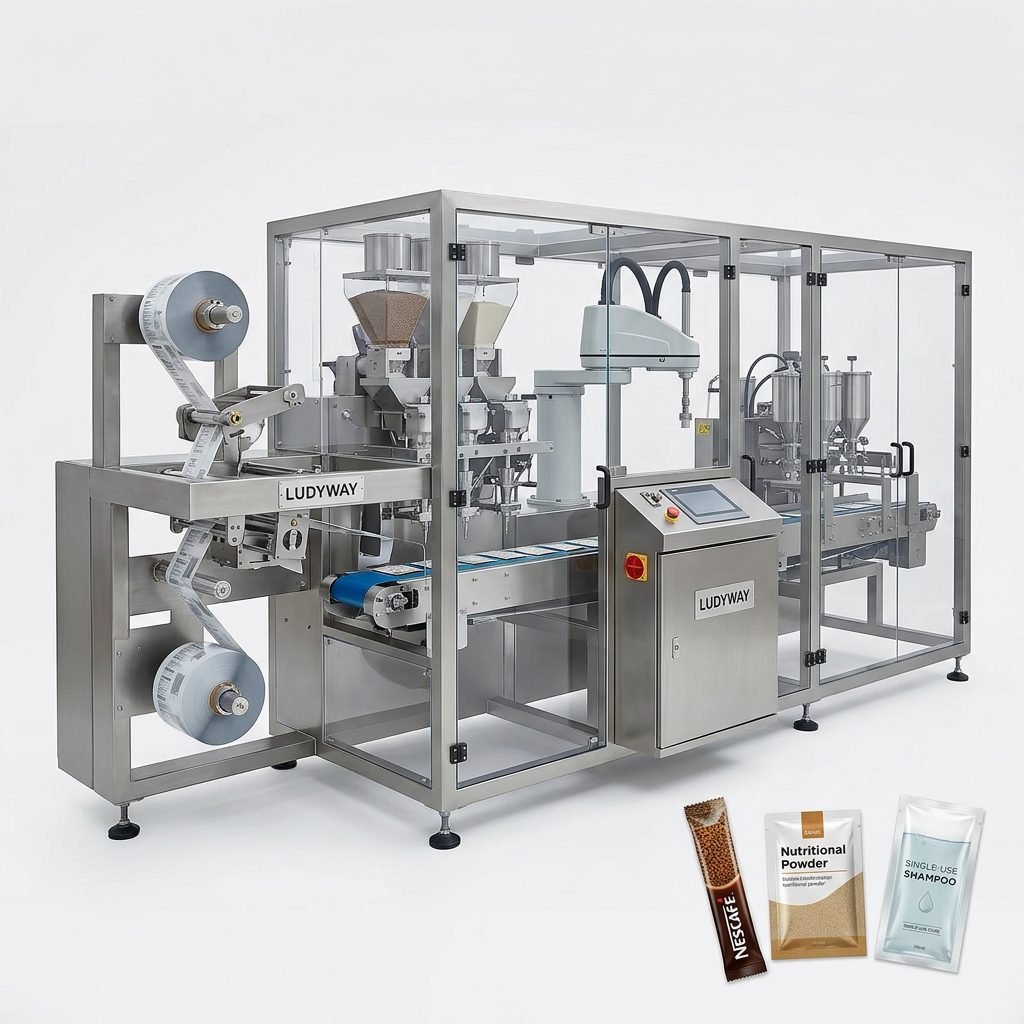
Some suppliers offer complete turnkey solutions that include material feeding, rope forming, cutting, packing, palletizing, and wrapping. A comprehensive packaging line approach can significantly simplify project management and ensure seamless integration across all production stages.
Future-Proofing Your Investment
The packaging machinery industry continues evolving with advances in automation, digital connectivity, and sustainability. When selecting a packing rope machine, consider these forward-looking factors:
- Industry 4.0 readiness: Does the machine support data collection, remote monitoring, and integration with manufacturing execution systems?
- Modular design: Can the machine be upgraded or reconfigured as your product range expands?
- Sustainable materials compatibility: Can the equipment handle emerging eco-friendly rope materials?
- Scalability: Can production capacity be increased without replacing the entire system?
Making the Final Decision
After thoroughly evaluating all factors, create a weighted decision matrix that aligns with your business priorities. Involve your production, maintenance, and quality teams in the evaluation process to ensure all perspectives are considered. Request machine demonstrations, reference visits to existing installations, and sample production runs with your specific materials before finalizing your purchase.
Selecting the right packing rope machine is a strategic decision that impacts your manufacturing competitiveness for years to come. By systematically evaluating your production requirements, technical specifications, supplier capabilities, and total cost considerations, you can make an informed investment that drives operational excellence and sustainable growth.