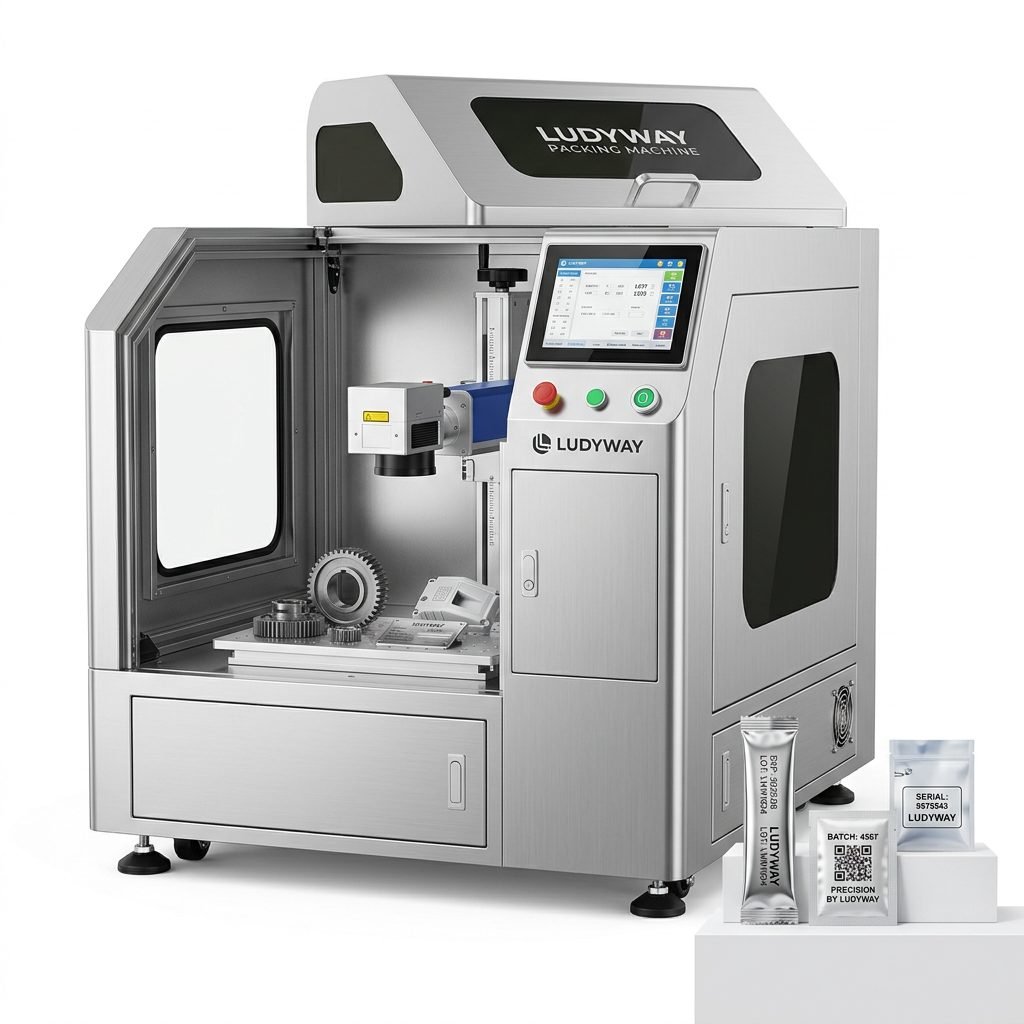
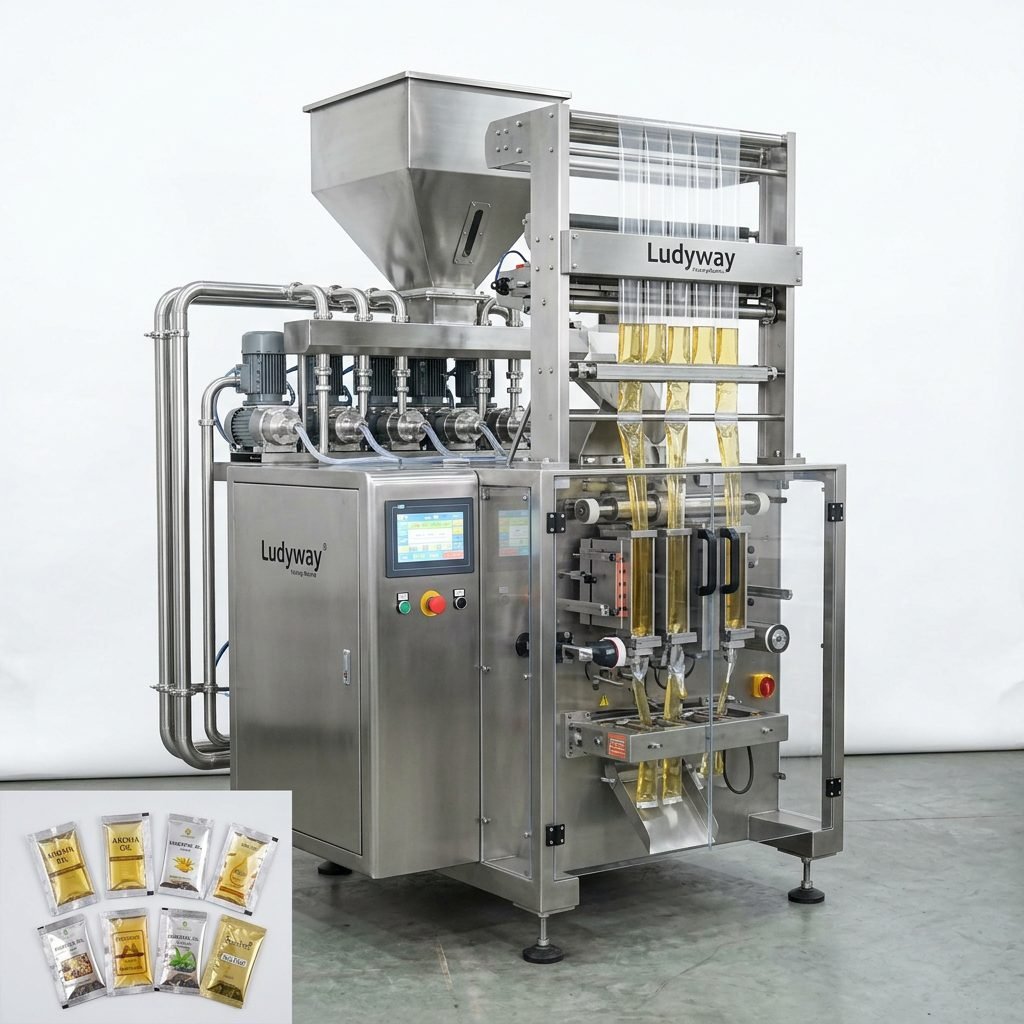
Setting up a retort packaging machine production line in Southeast Asia requires strategic planning, technical know-how, and a clear understanding of regional market dynamics. With countries like Thailand, Vietnam, Indonesia, and the Philippines rapidly expanding their food processing and pharmaceutical sectors, the demand for high-performance retort packaging solutions has never been greater. This guide walks you through every critical step, from site selection and equipment configuration to regulatory compliance and after-sales support.
Why Southeast Asia Is a Hotspot for Retort Packaging
Economic growth, rising disposable incomes, and changing consumer preferences toward ready-to-eat and shelf-stable products are driving unprecedented investment in retort packaging lines. The region’s strategic location, competitive labor costs, and improving infrastructure make it an ideal hub for both domestic distribution and export-oriented manufacturing.
- Growing middle class demanding convenient, long-shelf-life food products
- Expanding pharmaceutical industry requiring sterile liquid and powder packaging
- Government incentives for advanced manufacturing and food processing zones
- Proximity to raw material suppliers and flexible packaging film manufacturers
Key Components of a Retort Packaging Production Line
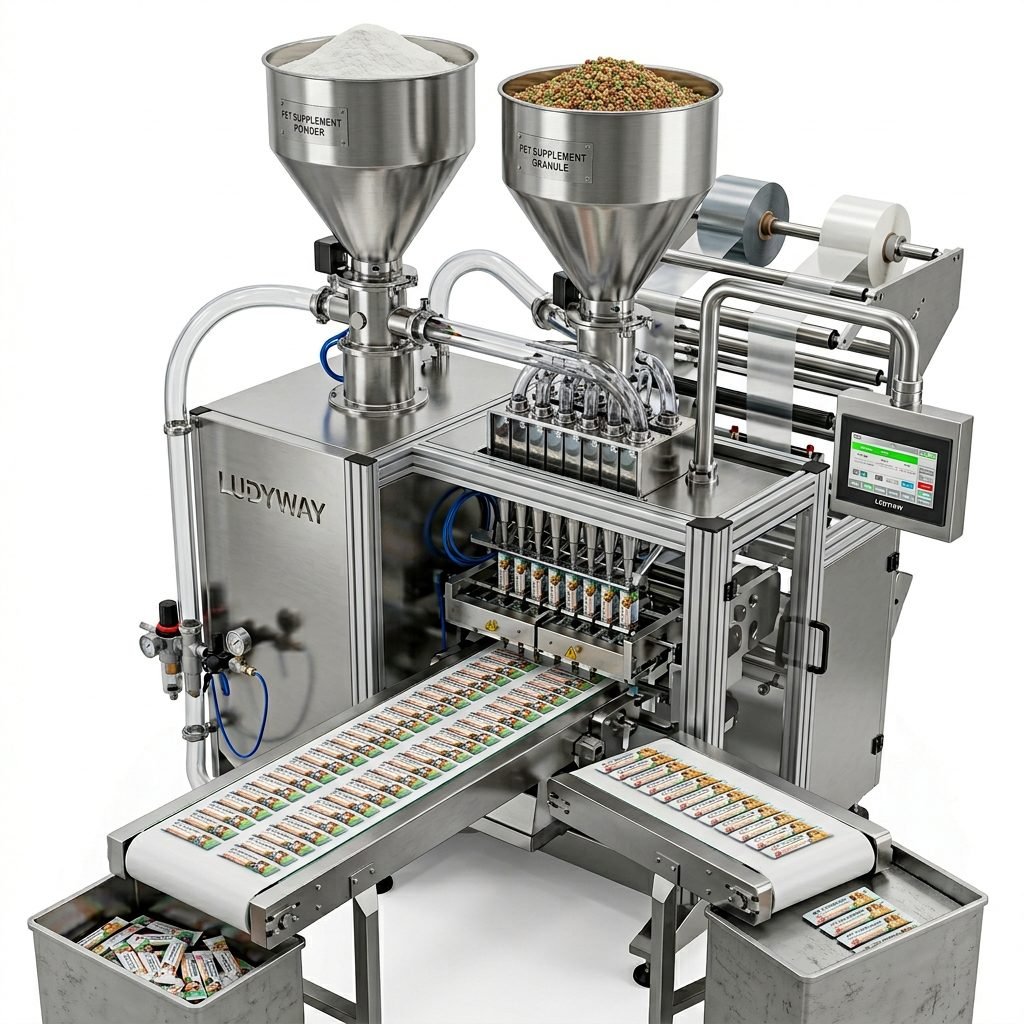
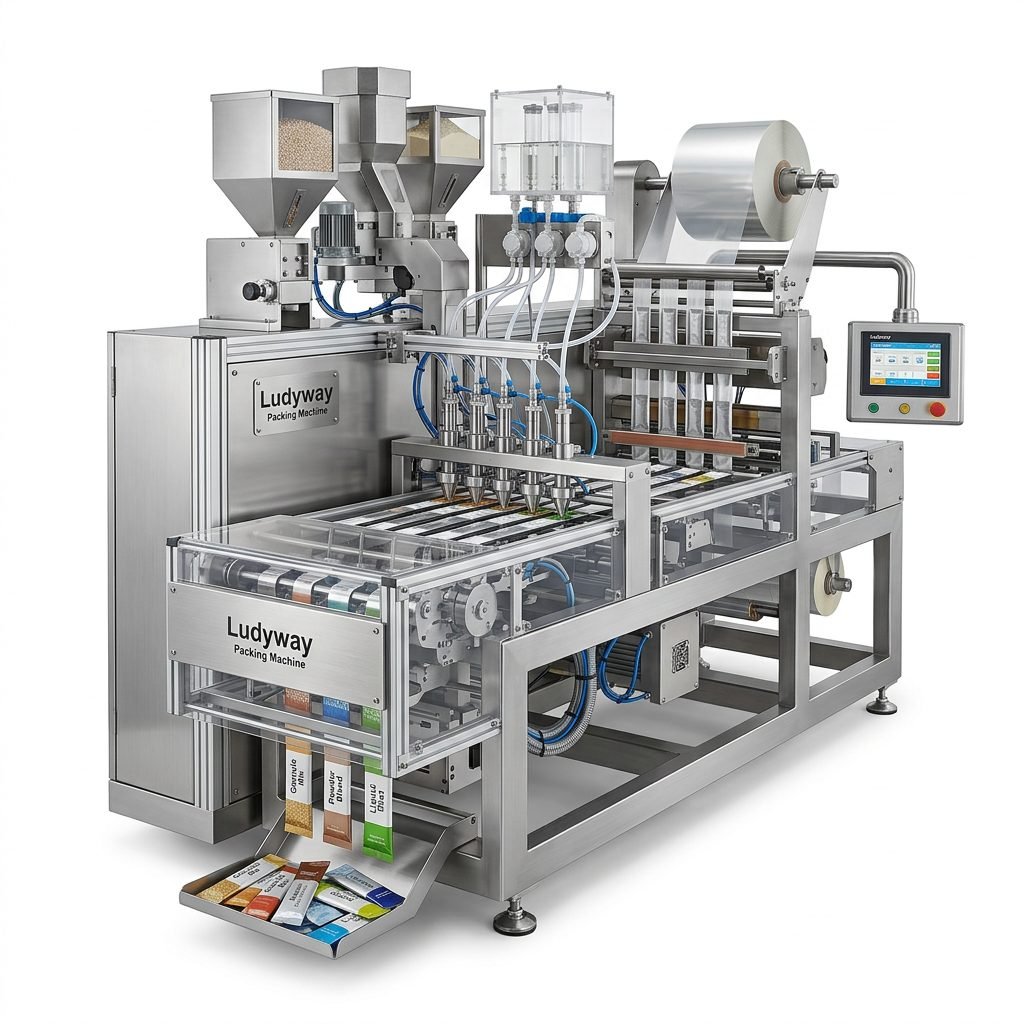
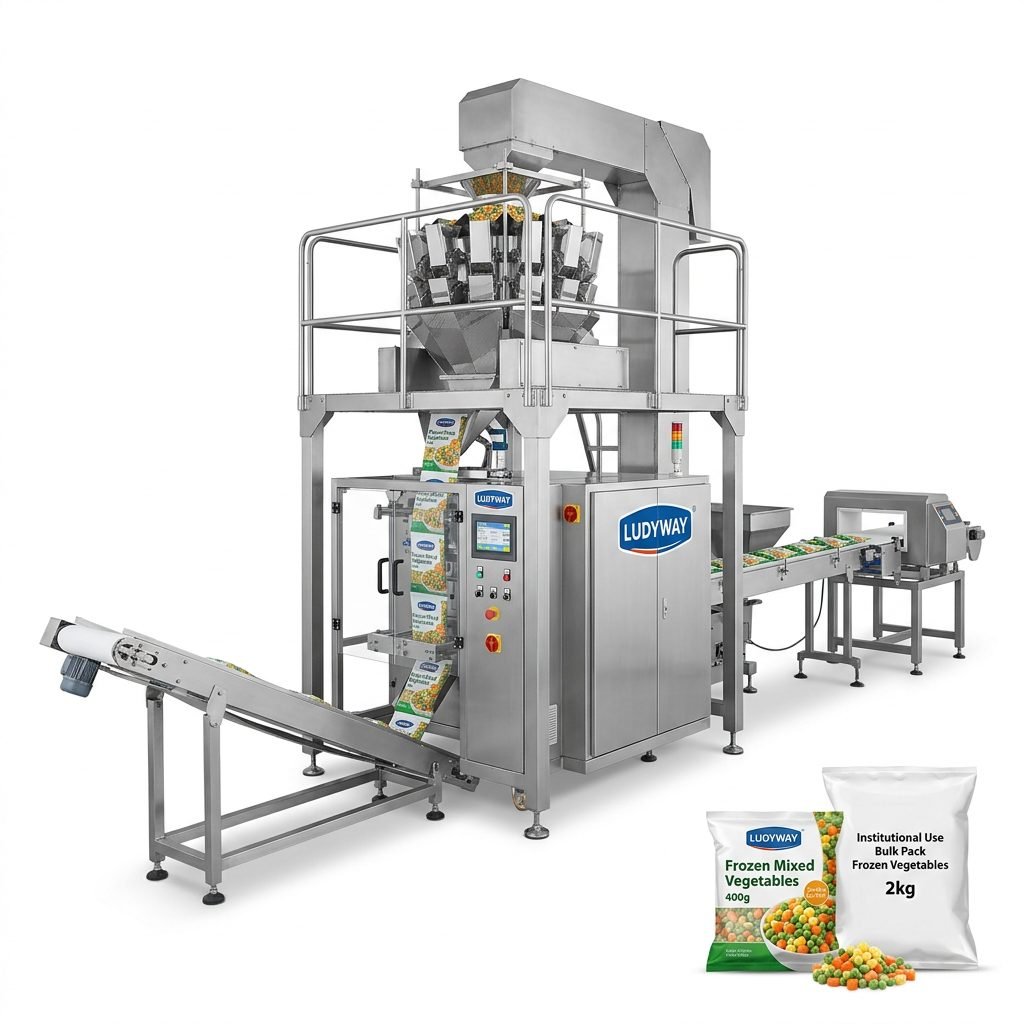
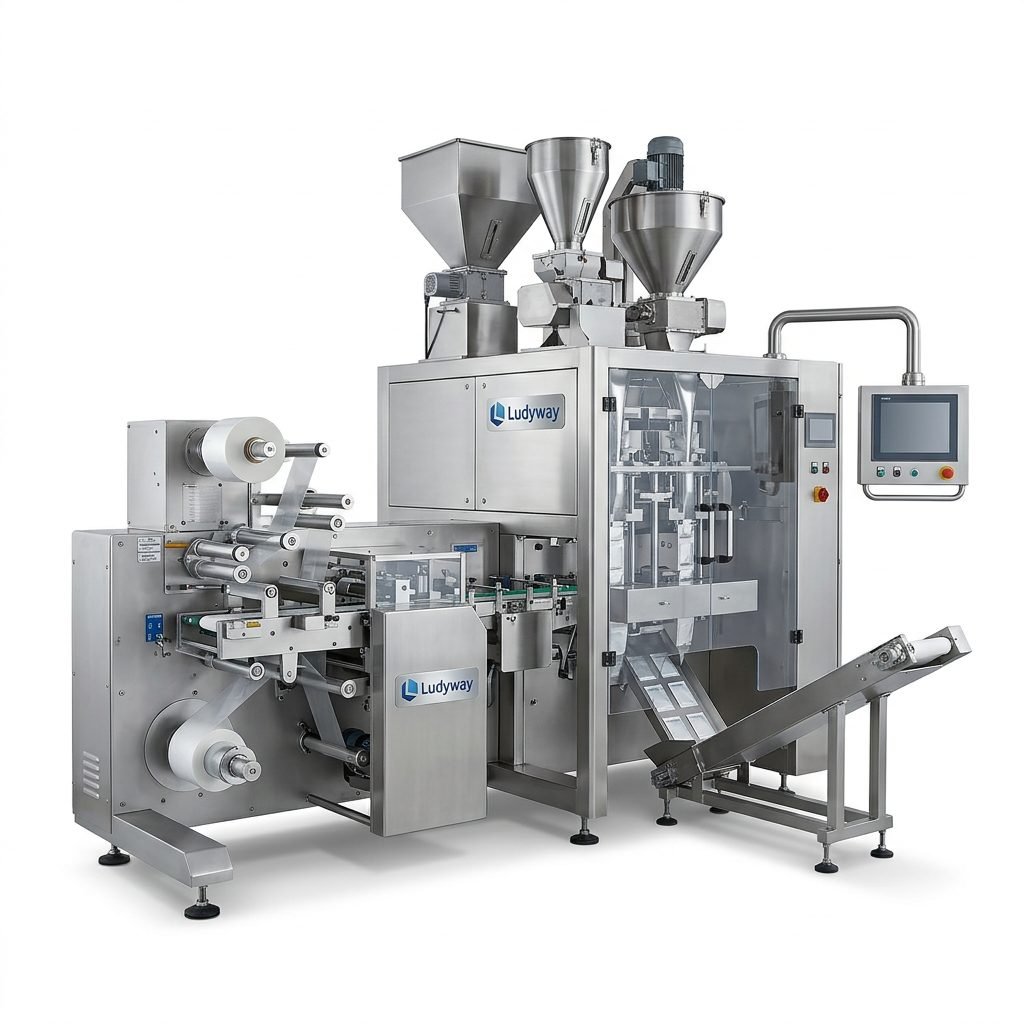
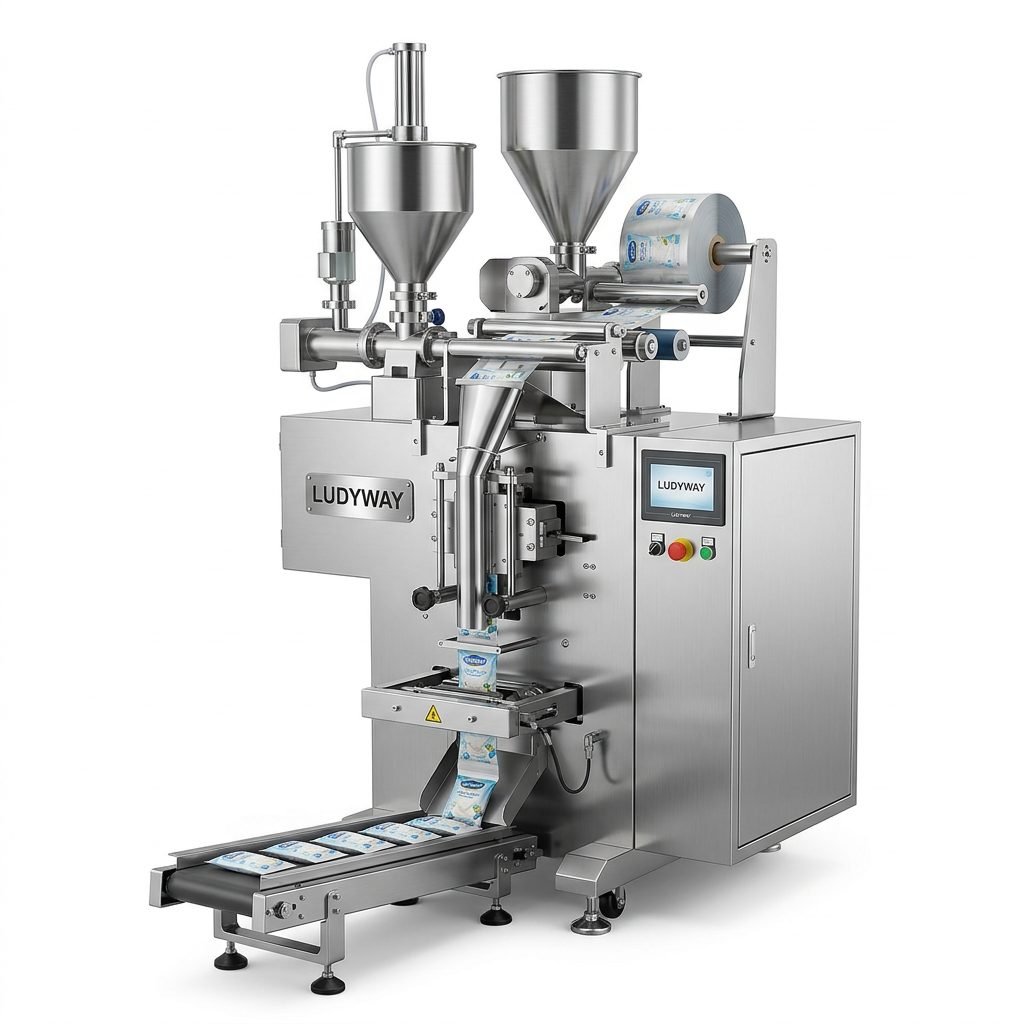
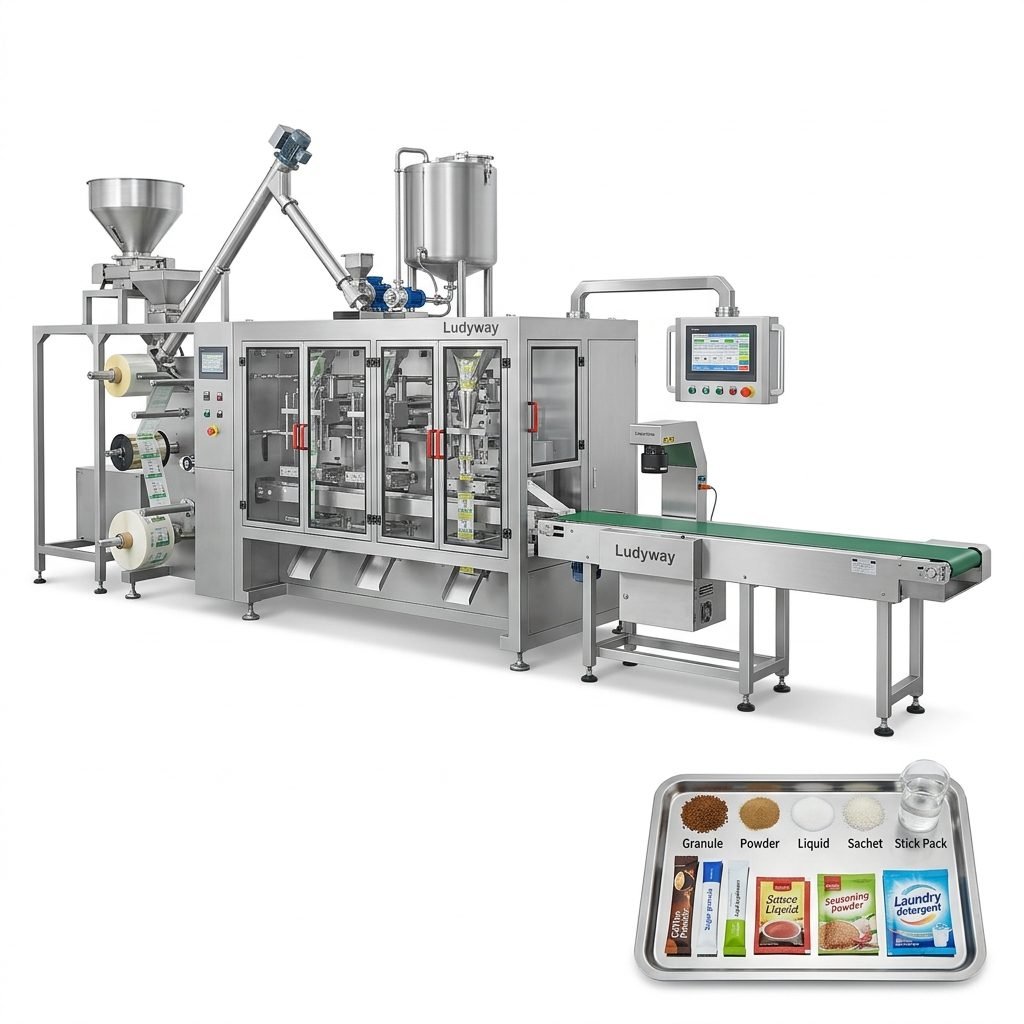
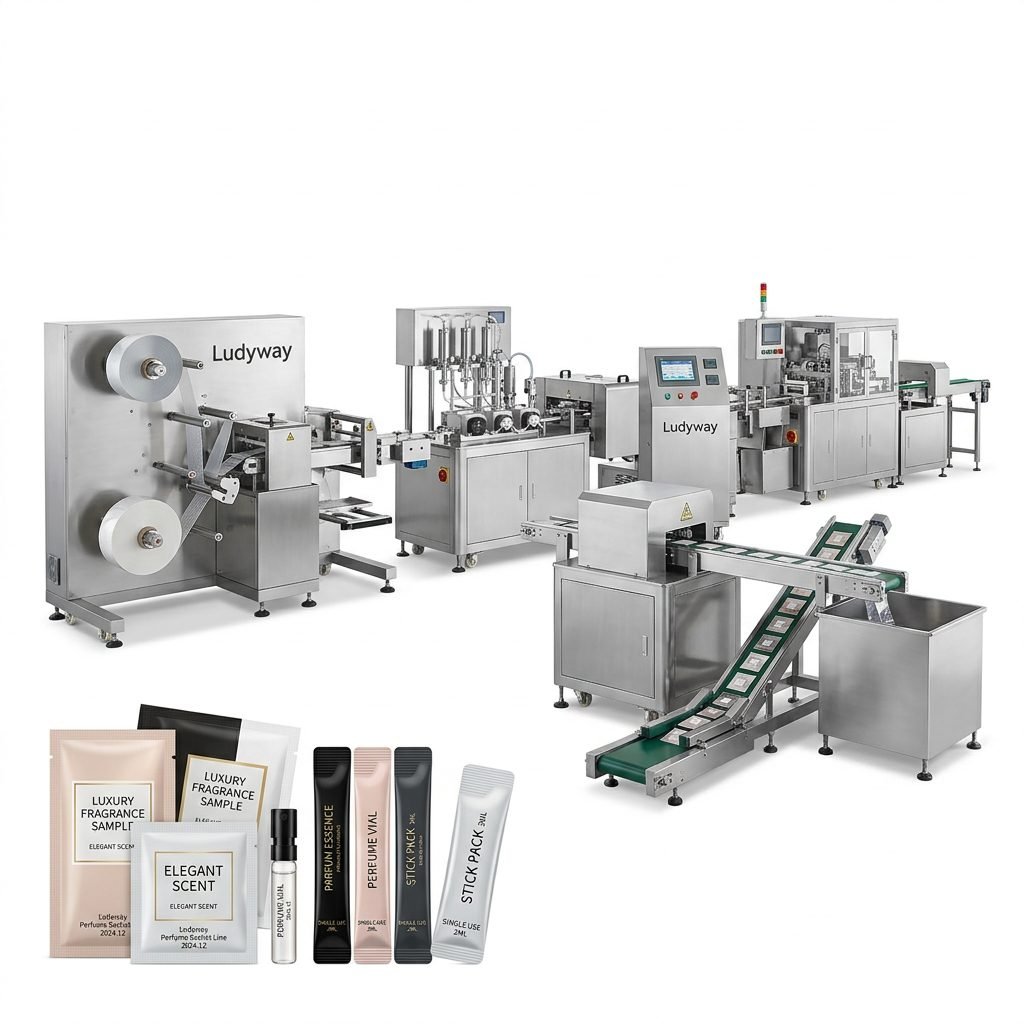
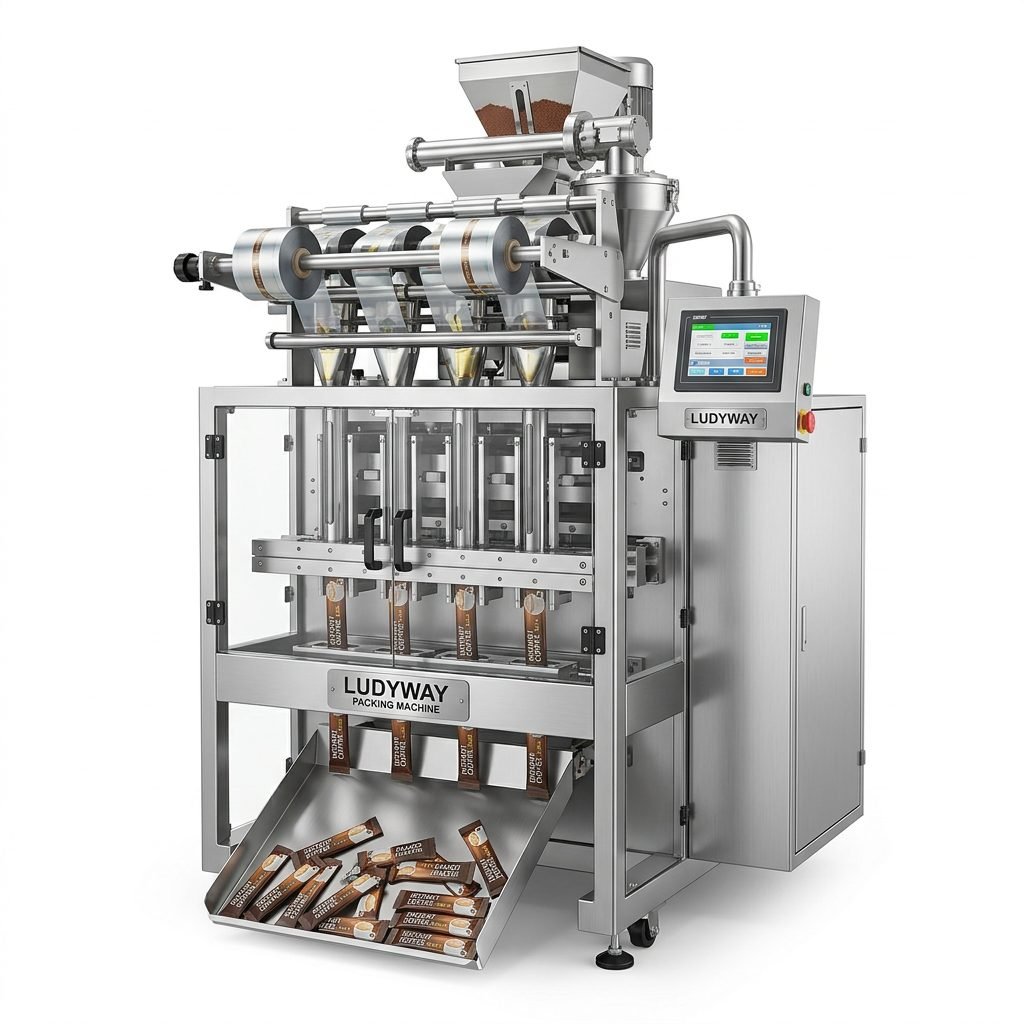
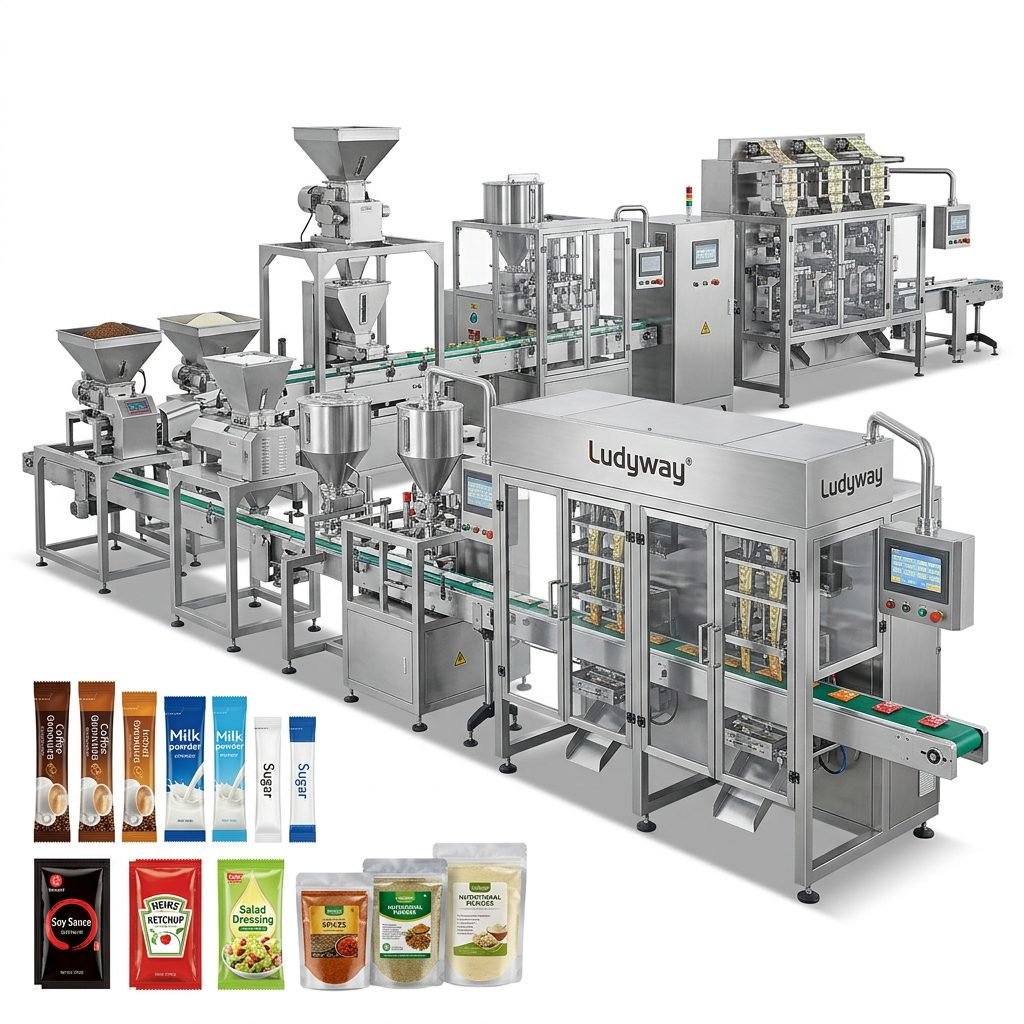
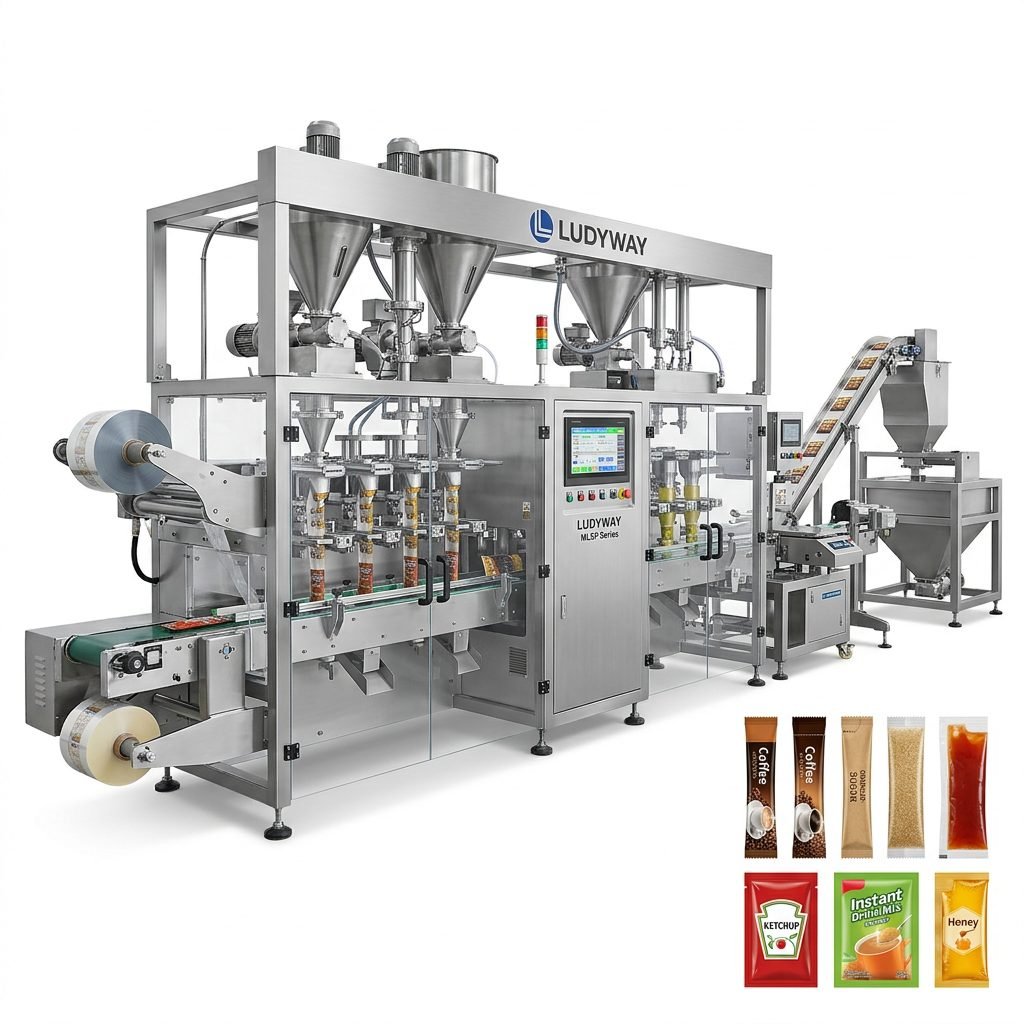
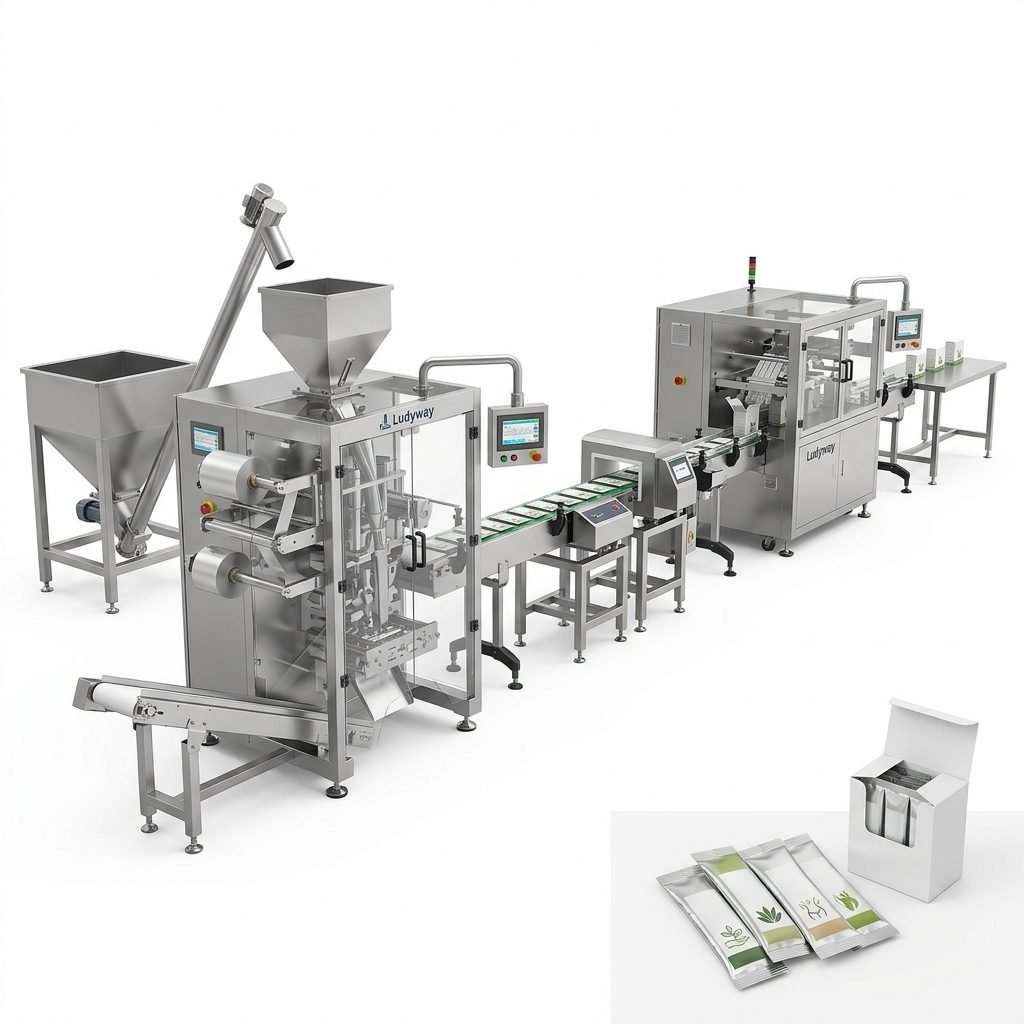
A fully integrated retort packaging machine line consists of several interconnected modules. Understanding each component helps optimize throughput and minimize downtime. The core sections include:
| Module | Function | Key Considerations |
|---|---|---|
| Feeding & Dosing System | Precise volumetric or multi-head weighing of product | Accuracy ±0.1-0.5g; compatibility with granules, powders, liquids |
| Form Fill Seal (FFS) Machine | Creates sachet, stick pack, or pouch from roll stock film | Multi-lane configuration; retort-grade film sealing integrity |
| Retort Sterilizer | High-temperature, high-pressure thermal processing | Uniform heat distribution; programmable temperature/pressure profiles |
| Drying & Cooling | Post-retort water removal and temperature reduction | Energy-efficient air knife systems; conveyor speed synchronization |
| Inspection & Checkweighing | Seal integrity, weight verification, metal detection | FDA/CE compliant vision systems; reject mechanisms |
| Secondary Packaging | Cartoning, case packing, palletizing | End-of-line automation integration; customizable formats |
Step-by-Step Setup Process in Southeast Asia
1. Site Selection and Facility Preparation
Choose a location with reliable utilities, adequate floor space (minimum 500-800㎡ for a complete line), and proper drainage. Ensure the facility meets GMP or HACCP standards if targeting food or pharmaceutical markets. Key infrastructure requirements include compressed air, clean steam supply, and stable three-phase power.
2. Regulatory and Compliance Planning
Each Southeast Asian country has specific regulations. In Thailand, comply with FDA Thailand food packaging standards. In Indonesia, adhere to BPOM requirements. Vietnam requires Ministry of Health registration for medical packaging. Work with local consultants to navigate import duties, equipment certification, and product registration timelines.
3. Equipment Selection and Customization
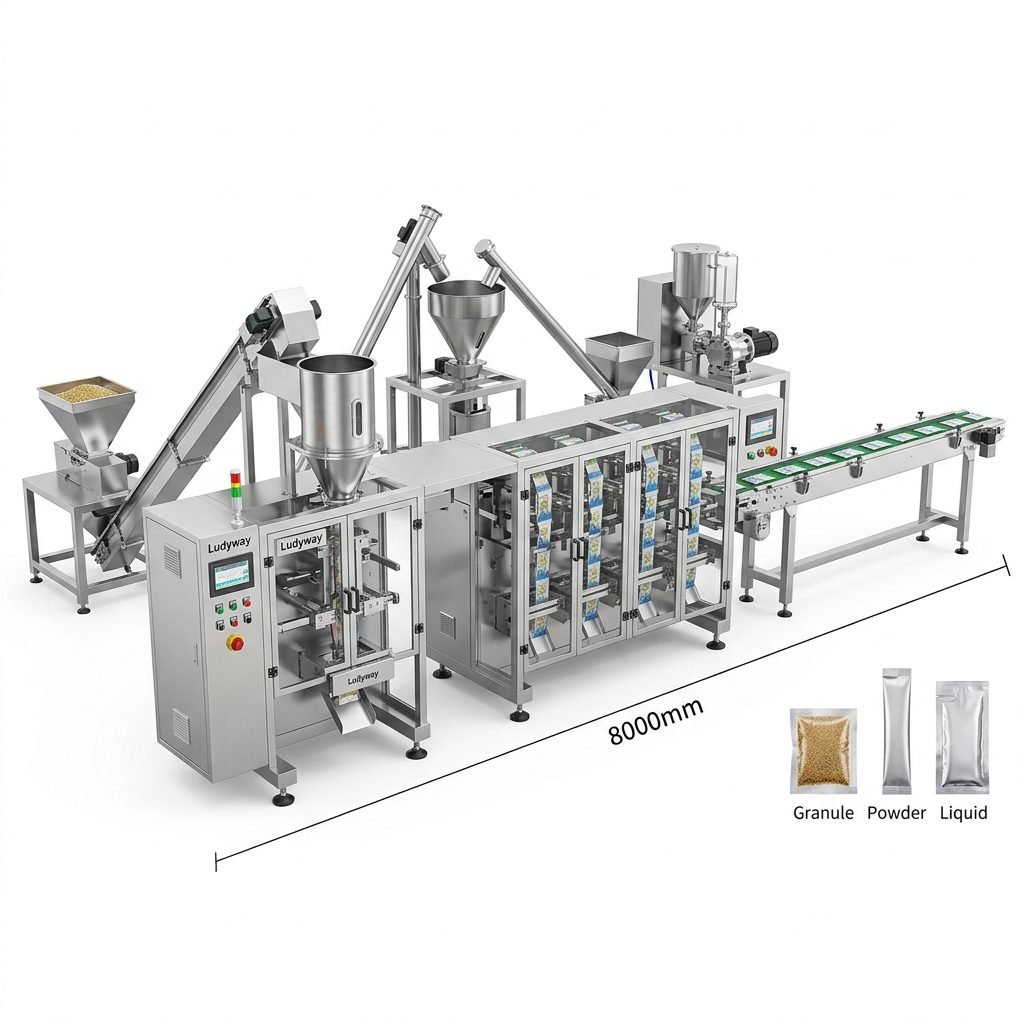
Choose modular equipment that can be tailored to your product specifications. Turnkey packaging solutions from Ludyway offer integrated lines with pre-configured modules for granule, powder, liquid, and pouch formats. Consider multi-lane capability for high-volume production and quick changeover features for product versatility.
4. Installation and Commissioning
Schedule on-site supervision by factory-trained engineers. A typical installation takes 2-4 weeks, including mechanical assembly, electrical wiring, PLC programming, and dry/wet testing. Ensure all safety interlocks, emergency stops, and guarding are verified before production startup.
5. Operator Training and SOP Development
Invest in comprehensive training programs covering machine operation, cleaning procedures, basic troubleshooting, and quality control checkpoints. Develop detailed Standard Operating Procedures (SOPs) in local languages to minimize errors and ensure consistent output quality.
Optimizing Line Efficiency and Output
Achieving maximum OEE (Overall Equipment Effectiveness) requires ongoing attention to maintenance, material quality, and process optimization. Below are proven strategies:
- Implement preventive maintenance schedules based on machine run hours rather than calendar intervals
- Use compatible retort-grade films with consistent thickness and sealant layer quality
- Monitor seal strength and integrity through regular burst and tensile testing
- Optimize retort cycle times by balancing sterilization temperature and product thermal penetration
- Integrate IoT sensors and data logging for real-time OEE tracking and predictive maintenance alerts
Common Challenges and Solutions
| Challenge | Root Cause | Solution |
|---|---|---|
| Seal Failure / Leakers | Contaminated seal area; incorrect temperature/pressure | Install vision inspection; fine-tune sealing parameters; verify film quality |
| Inconsistent Fill Weights | Product density variation; worn dosing components | Calibrate weighing heads daily; use feedback-controlled dosing |
| High Energy Consumption | Inefficient retort cycle; unoptimized steam usage | Implement cascading water recovery; optimize load density |
| Product Discoloration | Over-processing in retort; improper cooling | Adjust F0 value; rapid cooling post-sterilization |
Working with Reliable Equipment Partners
Selecting a supplier with local service presence and proven project experience in Southeast Asia is critical. Look for manufacturers offering comprehensive support, including factory acceptance testing (FAT), site acceptance testing (SAT), spare parts inventory recommendations, and remote diagnostic capabilities. A partner with a global footprint ensures faster response times and localized technical assistance.
Market Opportunities by Country
- Thailand: Strong tuna, pet food, and ready-meal export markets; supportive Board of Investment (BOI) incentives
- Vietnam: Rapidly expanding coffee, seafood, and pharmaceutical sectors; competitive labor costs
- Indonesia: Large domestic market; growing demand for halal-certified retort packaged meals
- Philippines: Increasing processed food consumption; expanding cold chain and retail infrastructure
- Malaysia: Advanced halal hub; strong export-oriented food manufacturing base
Future-Proofing Your Investment
Plan for scalability by selecting equipment that supports future capacity expansion and new packaging formats. Modular line designs allow incremental additions without replacing core machinery. Consider Industry 4.0 readiness, including compatibility with MES/ERP systems, remote monitoring, and automated reporting for regulatory compliance.
Companies seeking comprehensive packaging line solutions can leverage extensive engineering expertise and a broad portfolio of more than 50 intelligent packaging machine models. With a 20,000㎡ modern production facility and over 30 years of industry experience, the right partner ensures your Southeast Asian retort packaging operation launches successfully and operates at peak performance.
Useful Resources and Further Reading
| Resource | Link |
|---|---|
| PMMI – State of the Industry Reports | https://www.pmmi.org/business-intelligence/economic-reports/state-of-the-industry |
| Flexible Packaging Association – Knowledge Hub | https://hub.flexpack.org/ |
| FDA – Packaging and Food Contact Substances | https://www.fda.gov/food/food-ingredients-packaging/packaging-food-contact-substances-fcs |
| ISO – Packaging Standards | https://www.iso.org/ics/55.html |
| European Commission – Packaging and Packaging Waste | https://environment.ec.europa.eu/topics/waste-and-recycling/packaging-waste_en |
With careful planning, the right technology partner, and a focus on quality and compliance, your retort packaging machine production line in Southeast Asia can serve as a cornerstone for long-term growth in the region’s dynamic processing industries.