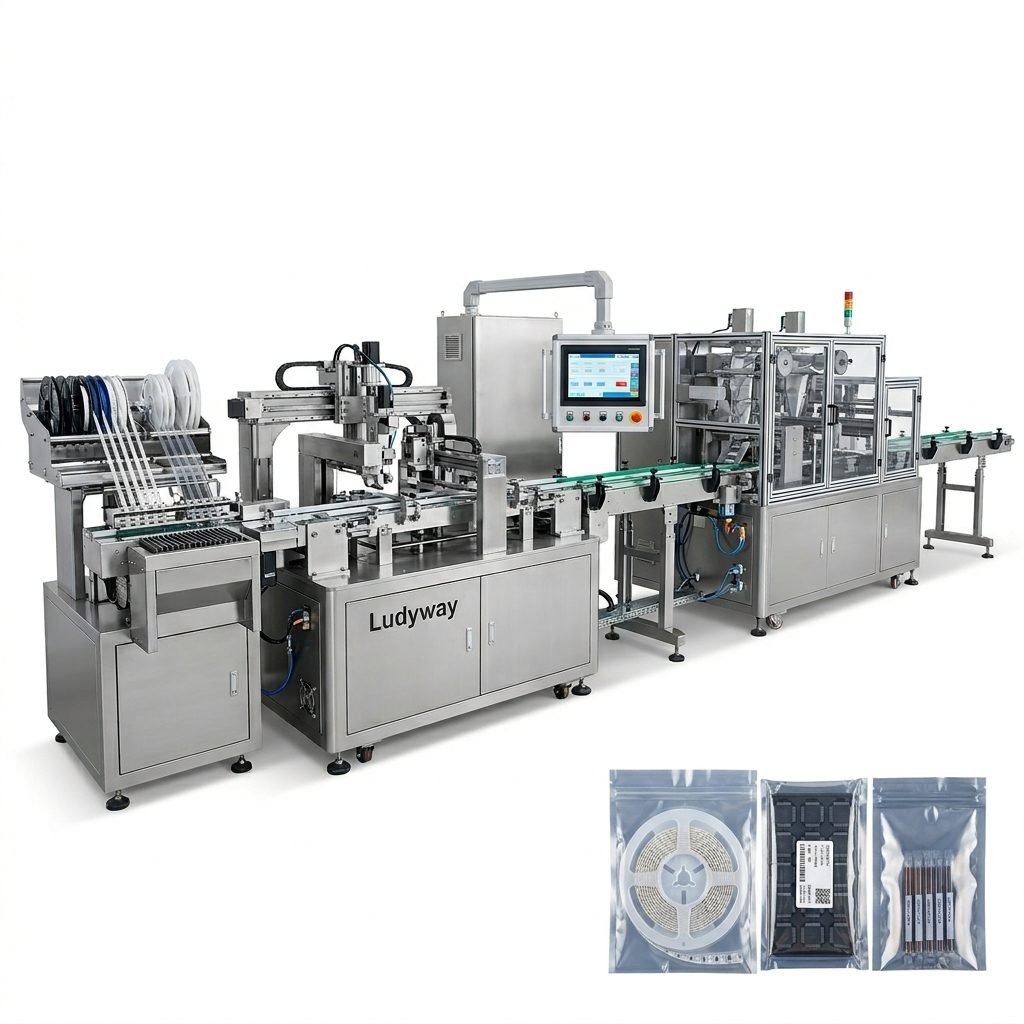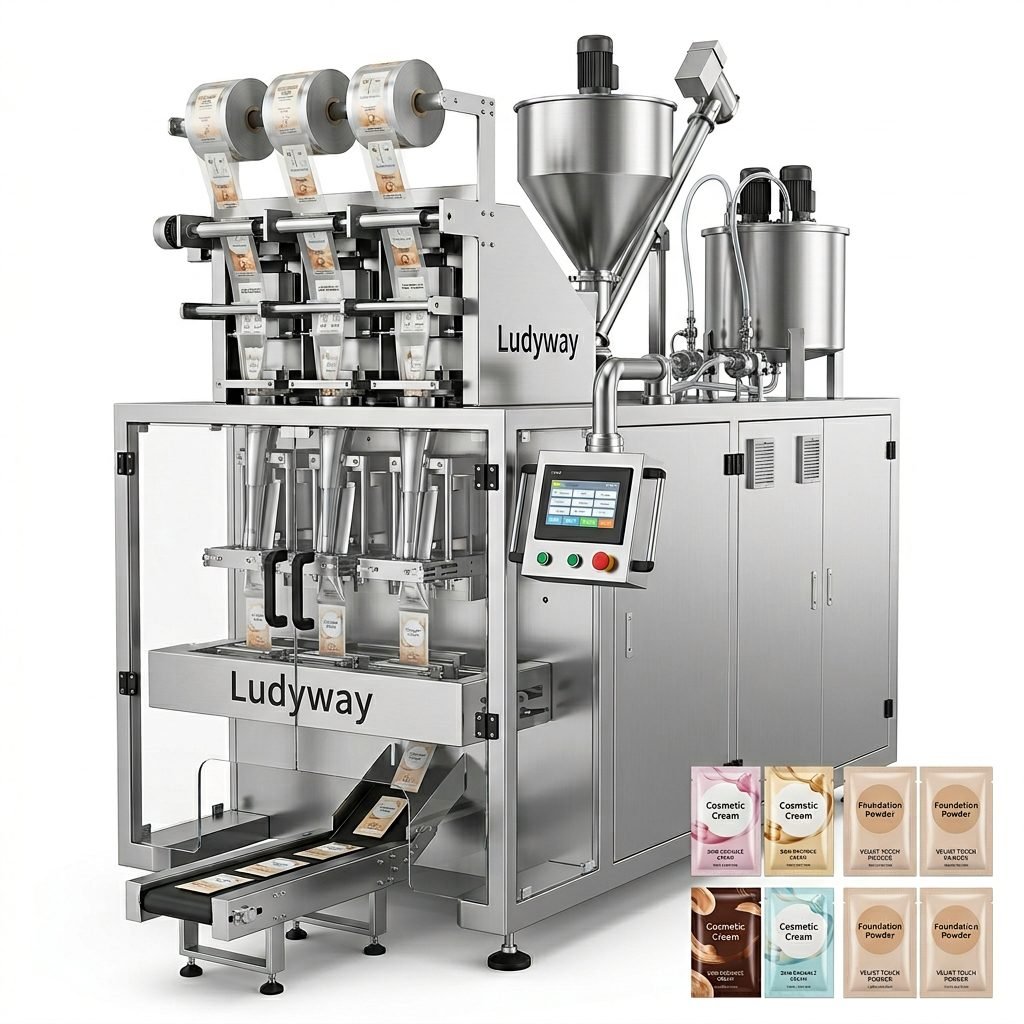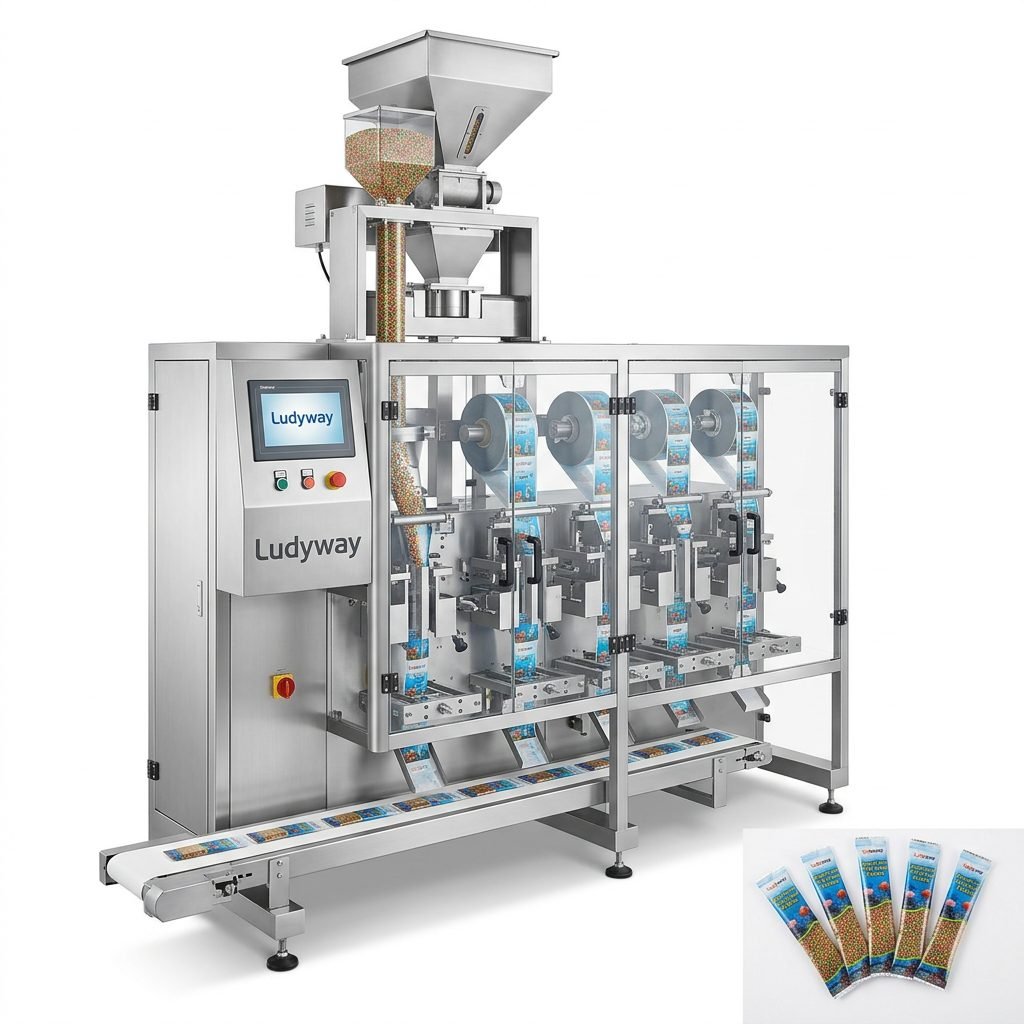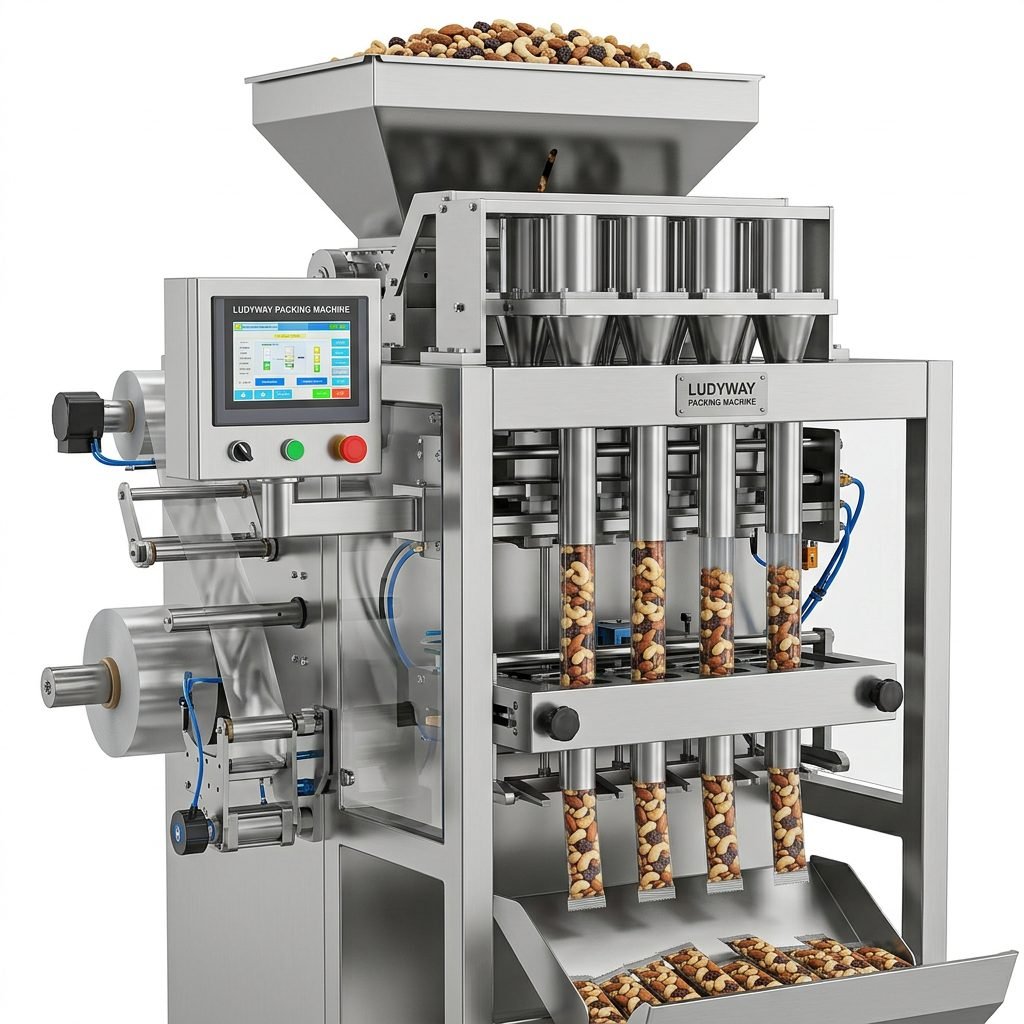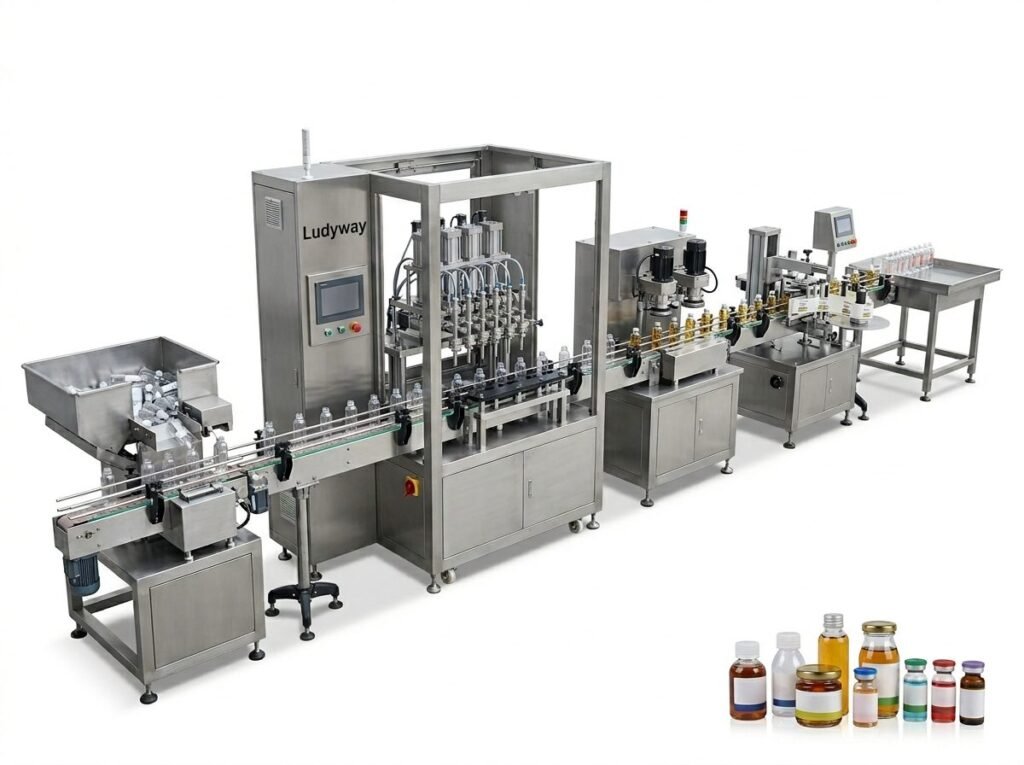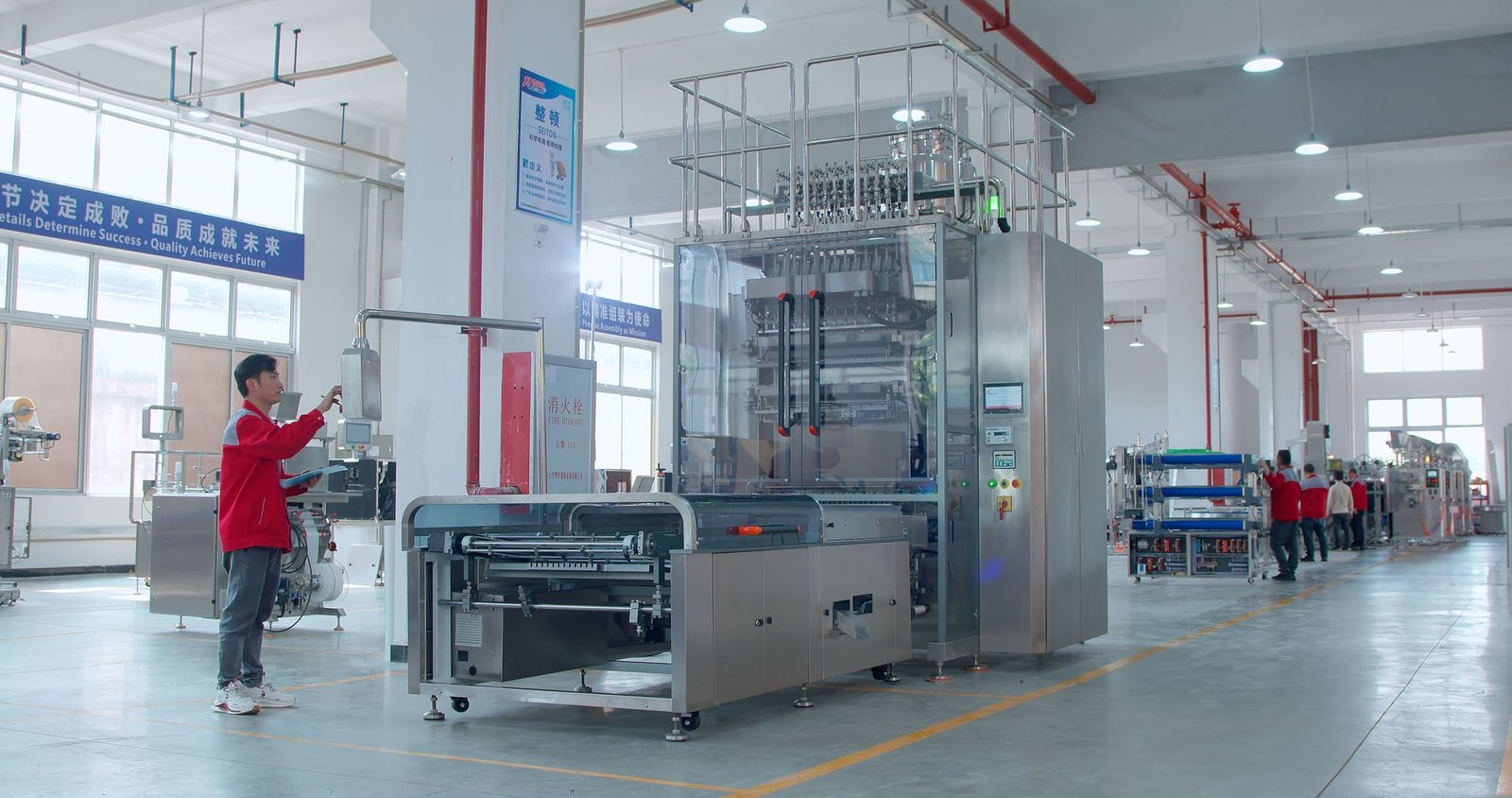
Investing in a plastic container packaging machine is a significant decision for any manufacturer. Whether you are filling bottles, jars, tubs, or custom-molded containers, the right equipment directly impacts your production efficiency, product integrity, and long-term operational costs. With dozens of machine types, configurations, and automation levels available, navigating the selection process can feel overwhelming. This guide walks you through the essential factors to consider, helping you make an informed purchasing decision that aligns with your production goals.
Understanding Your Product and Container Specifications
Before evaluating any machinery, you must clearly define what you are packaging and the container you are using. The physical properties of your product—whether it is a free-flowing liquid, a viscous paste, a dry powder, or solid granules—will determine the appropriate filling technology. Similarly, your container’s material, shape, size, and closure type all influence machine selection. Key questions to answer include:
- What is the viscosity range of your liquid or semi-liquid product?
- Does your product require foam-free filling, bottom-up filling, or high-temperature filling?
- What is the target fill volume per container, and what tolerance is acceptable?
- Are your containers rigid plastic bottles, flexible plastic jars, or custom-shaped containers?
- What type of closure or capping system does your container use?
Addressing these questions early helps narrow your equipment options and ensures compatibility between your product, container, and the packaging machinery you ultimately select.
Key Selection Criteria for Plastic Container Packaging Machines
The following table summarizes the primary factors to evaluate when comparing different machines and manufacturers. Use this as a reference checklist during your procurement process.
| Selection Factor | Key Considerations | Why It Matters |
|---|---|---|
| Filling Technology | Piston, gravity, pump, auger, net weight, volumetric | Different products require different filling principles for accuracy and speed |
| Production Speed | Containers per minute (CPM), bottles per hour (BPH) | Must match current and projected production demands |
| Automation Level | Manual, semi-automatic, fully automatic, inline, rotary | Affects labor requirements, throughput, and consistency |
| Container Compatibility | Size range, shape, material, neck finish, stability | Ensures smooth handling, filling, and capping without jams or damage |
| Changeover Flexibility | Tool-less changeover, recipe management, quick-adjust systems | Critical for multi-product lines and minimizing downtime |
| Cleanability & Hygiene | CIP/SIP compatibility, stainless steel construction, sanitary design | Essential for food, pharmaceutical, and cosmetic applications |
| Integration Capability | Upstream and downstream equipment compatibility, data connectivity | Enables seamless production line operation and future scalability |
Filling Technologies: Matching the Machine to Your Product
Selecting the correct filling principle is arguably the most critical technical decision. Each technology has distinct advantages depending on product characteristics:
- Piston Fillers: Ideal for viscous products such as creams, gels, pastes, and thick sauces. They deliver consistent volumetric fills with high accuracy across a wide viscosity range.
- Gravity Fillers: Best suited for thin, free-flowing liquids like water, juices, and light oils. These systems are simple, cost-effective, and capable of high-speed operation.
- Pump Fillers: Versatile machines that handle a broad spectrum of products, from thin liquids to moderately viscous formulations. They offer precise control and are widely used across food, pharma, and cosmetic industries.
- Auger Fillers: Designed for dry powders and granular products. They dispense by volume using a rotating screw mechanism, making them suitable for spices, protein powders, and pharmaceutical granules.
- Net Weight Fillers: Use integrated scales to achieve gravimetric accuracy, ideal for high-value products where precise weight control is essential.
Automation Levels: From Manual to Fully Integrated Lines
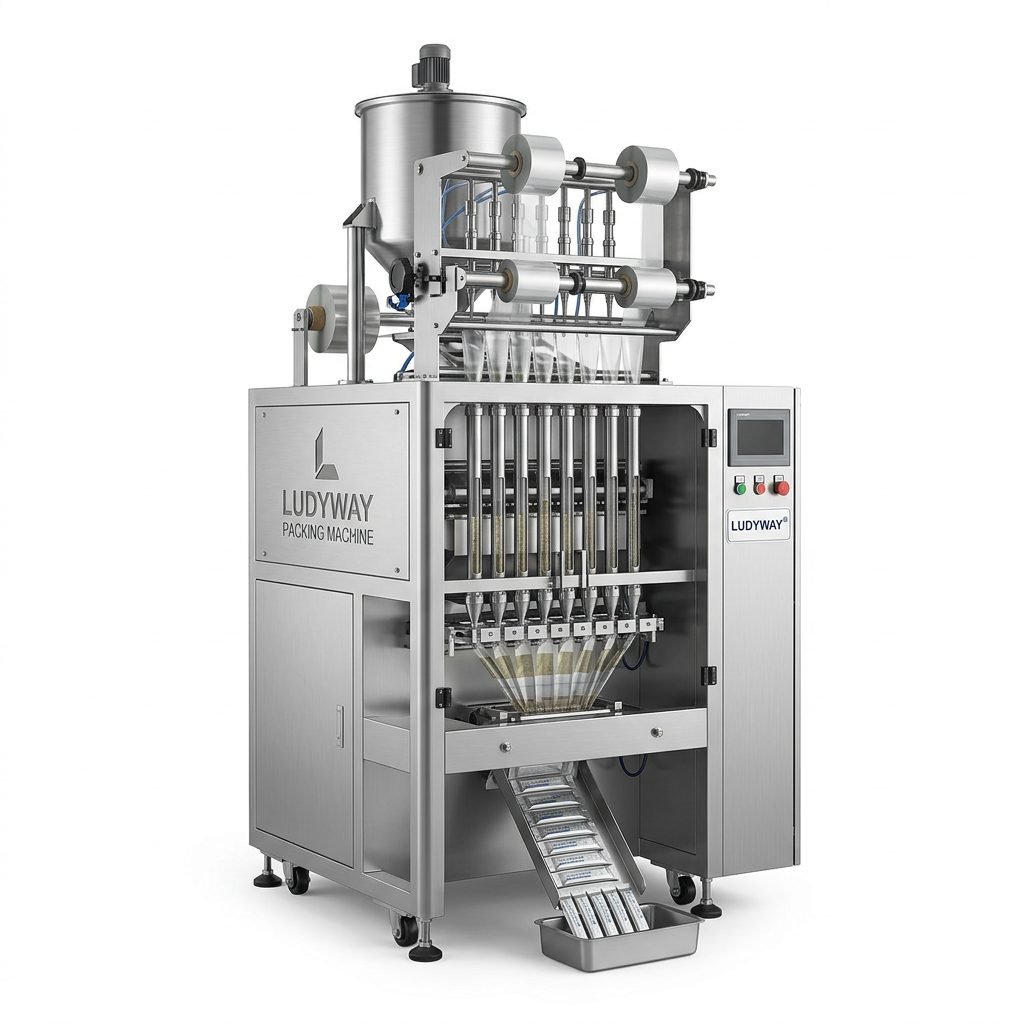
The degree of automation you choose has profound implications for labor costs, throughput, and product consistency. Understanding the spectrum of available options helps you match the machine to your operational scale:
- Manual and Semi-Automatic Machines: Suitable for startups, small batches, and R&D environments. Operators manually place containers and initiate fill cycles. These machines offer low upfront investment but limited throughput.
- Fully Automatic Inline Systems: Containers are automatically conveyed through filling, capping, and labeling stations. These systems deliver higher throughput with minimal operator intervention and are ideal for mid-scale production.
- Rotary Filling Systems: Designed for high-speed, continuous operation. Containers move on a rotating turret through multiple stations, enabling very high output rates suitable for large-scale manufacturing.
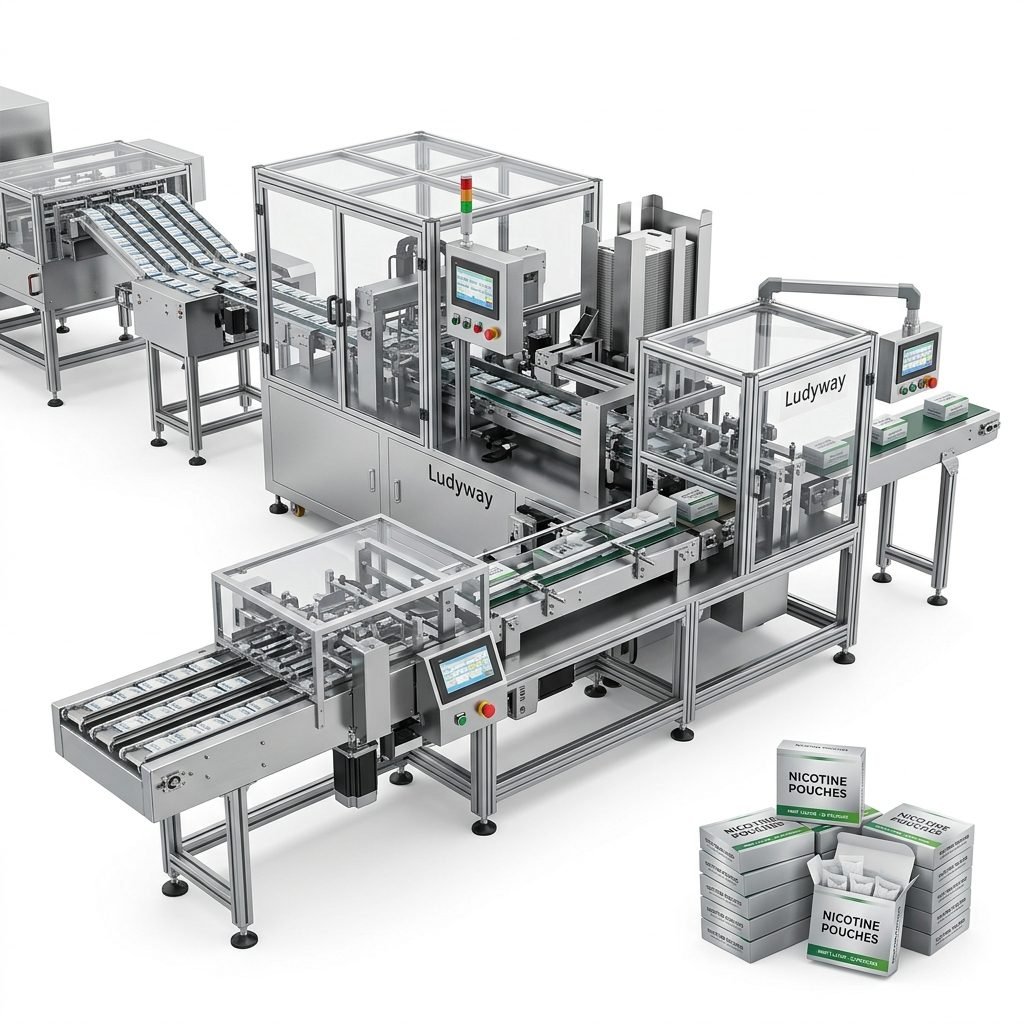
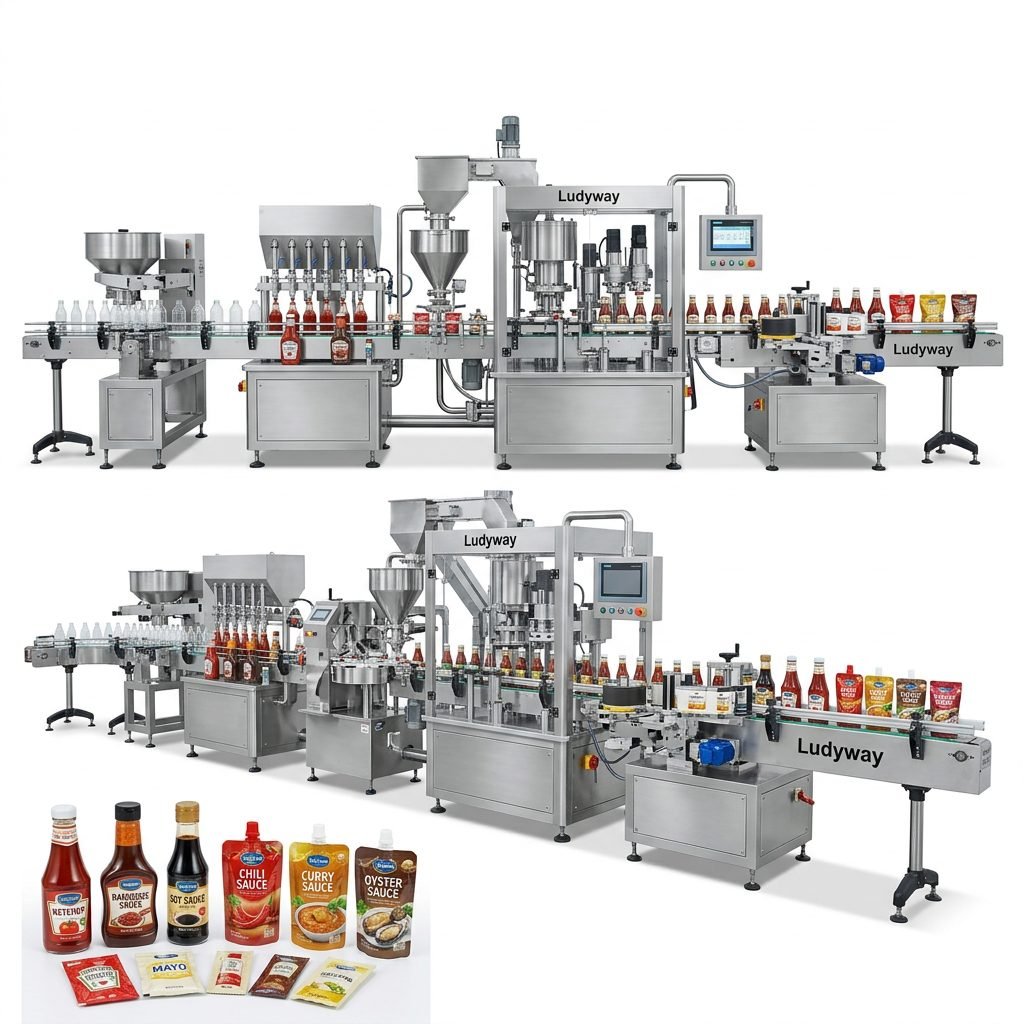
- Complete Turnkey Packaging Lines: Integrate filling, capping, labeling, coding, inspection, and cartoning into one seamless automated system. These solutions minimize handling, reduce errors, and maximize overall equipment effectiveness (OEE).
When planning for future growth, consider equipment that supports modular upgrades. A machine that can be expanded with additional stations or integrated into a larger line protects your initial investment. According to the packaging industry trends tracked by PMMI, manufacturers are increasingly prioritizing flexible automation solutions that adapt to changing market demands.
Material Compatibility and Construction Quality
For plastic container packaging applications, machine construction materials directly affect product safety, equipment longevity, and regulatory compliance. Key considerations include:
- Product Contact Parts: Should be manufactured from food-grade stainless steel (304 or 316L) for food, beverage, pharmaceutical, and cosmetic products. This ensures corrosion resistance and facilitates sanitation.
- Seals and Gaskets: Must be compatible with your product’s chemical composition. Certain solvents, acids, or oils may degrade standard elastomers, requiring specialized seal materials such as PTFE or Viton.
- Frame and Structure: A robust machine frame—typically stainless steel or heavy-duty anodized aluminum—provides stability and vibration resistance during high-speed operation.
- Clean-in-Place (CIP) Compatibility: For industries with stringent hygiene requirements, machines designed for CIP systems reduce cleaning downtime and ensure consistent sanitation.
Regulatory Compliance and International Standards
Plastic container packaging machines used in regulated industries must comply with applicable standards. Depending on your market and product category, relevant frameworks may include:
- FDA 21 CFR Part 110/111: Current Good Manufacturing Practice (cGMP) requirements for food and dietary supplement manufacturing in the United States.
- EU GMP Annex 1 and Annex 15: European guidelines covering sterile manufacturing and qualification/validation of equipment.
- ISO 9001:2015: Quality management system certification demonstrating a manufacturer’s commitment to consistent quality processes.
- CE Marking: Required for machinery sold in the European Economic Area, indicating conformity with health, safety, and environmental protection standards.
- UL/CSA Certification: Electrical safety certifications relevant for equipment installed in North American facilities.
When evaluating suppliers, request documentation on their packaging standards compliance and ask about their experience with regulatory requirements in your target markets. A knowledgeable manufacturer can help configure equipment to meet specific regional and industry standards.
Evaluating Total Cost of Ownership
Purchase price alone tells an incomplete story. A thorough financial analysis should account for the total cost of ownership (TCO) over the machine’s expected service life. Consider these cost components:
- Initial Capital Expenditure: The base machine price, plus any customization, tooling, and installation costs.
- Operational Costs: Energy consumption, compressed air requirements, and consumables such as filters, lubricants, and wear parts.
- Maintenance and Spare Parts: Scheduled preventive maintenance, availability of critical spare components, and the manufacturer’s after-sales support infrastructure.
- Labor Requirements: The number of operators needed per shift and the skill level required for machine operation and changeover procedures.
- Downtime and Productivity Loss: Machine reliability directly impacts production output. A slightly more expensive but highly reliable machine often delivers lower long-term costs than a cheaper alternative with frequent breakdowns.
- Training and Technical Support: Comprehensive operator training and accessible technical support reduce the learning curve and minimize operational disruptions.
Integration with Existing Production Lines
A plastic container packaging machine rarely operates in isolation. It typically connects to upstream processes—such as product preparation and container depalletizing—and downstream operations including capping, labeling, coding, inspection, and cartoning. When selecting equipment, assess:
- Physical Interface Compatibility: Conveyor heights, container transfer mechanisms, and space constraints within your existing facility layout.
- Control System Integration: PLC communication protocols, data exchange capabilities, and compatibility with plant-wide monitoring systems such as SCADA or MES platforms.
- Buffer and Accumulation Zones: Adequate buffering between machines prevents minor stoppages from cascading into line-wide shutdowns.
- Future Expansion Provisions: Equipment designed with modular architecture allows incremental automation upgrades without replacing the entire system.
Working with a packaging machinery manufacturer that offers integrated line engineering can simplify the coordination of multiple equipment suppliers and ensure smooth system integration from day one.
Supplier Evaluation: Choosing the Right Manufacturing Partner
The machine builder you select is as important as the machine itself. A reliable partner provides more than equipment—they offer engineering expertise, responsive service, and long-term support. Key evaluation criteria include:
- Industry Experience: Look for manufacturers with demonstrated experience in your specific product category and container type. Relevant case studies and client references provide valuable insight.
- Engineering and Customization Capabilities: Can the supplier adapt standard designs to your unique requirements? Custom engineering may be necessary for unusual container shapes, specialized filling conditions, or unique production environments.
- After-Sales Support: Evaluate the availability of remote technical assistance, on-site service, spare parts inventory, and operator training programs. Rapid support minimizes production disruptions.
- Quality Certifications: ISO-certified manufacturing processes, documented quality control procedures, and compliance with applicable international standards signal a commitment to consistent quality.
- Global Service Reach: For manufacturers operating across multiple regions, a supplier with international service capabilities ensures consistent support wherever your facilities are located.
Testing and Validation Before Purchase
Before finalizing any equipment purchase, insist on hands-on testing with your actual product and containers. Most reputable manufacturers offer:
- Factory Acceptance Testing (FAT): Visit the manufacturer’s facility to witness the machine running with your materials. Verify fill accuracy, speed, container handling, and overall performance against agreed specifications.
- Sample Production Runs: Request sample runs of a statistically significant quantity to evaluate consistency across extended operation.
- Third-Party Validation Support: For pharmaceutical and medical device applications, confirm that the supplier can provide documentation packages supporting IQ/OQ/PQ validation protocols.
Testing under real production conditions reveals potential issues that specifications alone cannot capture, such as container stability at speed, foaming behavior, or product bridging in the filling system.
Sustainability and Environmental Considerations
As sustainability becomes a central concern across the packaging industry, selecting equipment that supports environmentally responsible production adds long-term value. Relevant factors include:
- Energy Efficiency: Modern servo-driven machines typically consume significantly less energy than older pneumatic or hydraulic systems.
- Material Waste Reduction: Precision filling systems minimize product giveaway, while accurate container handling reduces breakage and rejects.
- Recycled Plastic Compatibility: If your sustainability roadmap includes transitioning to post-consumer recycled (PCR) plastic containers, verify that the machine can handle potential variations in container dimensions and material properties.
- Lightweight Container Support: As brands reduce plastic usage through thinner-walled containers, filling equipment must handle these more delicate vessels without deformation or damage.
The flexible packaging industry continues to evolve rapidly, and selecting future-ready equipment helps manufacturers stay ahead of regulatory and consumer-driven sustainability requirements.
Making the Final Decision
Choosing the right plastic container packaging machine requires balancing technical requirements, commercial considerations, and long-term strategic goals. The most successful equipment purchases typically result from a structured evaluation process that includes:
- Defining clear specifications based on your product, container, and production requirements.
- Researching available technologies and understanding which filling principles best suit your application.
- Comparing multiple suppliers on technical capability, industry experience, and after-sales support.
- Conducting hands-on testing with your own products and containers.
- Analyzing total cost of ownership rather than focusing solely on initial purchase price.
- Considering future scalability and the ability to adapt to changing production needs.
A Trusted Partner in Packaging Machinery
For manufacturers seeking reliable, high-performance packaging equipment, Ludyway Machinery offers comprehensive solutions backed by more than 30 years of industry experience. With a 20,000-square-meter manufacturing facility, over 130 professionals, and a portfolio spanning more than 50 packaging machine models, Ludyway provides automated packaging equipment and integrated turnkey solutions for industries including food and beverage, pharmaceuticals, cosmetics, chemicals, and animal feed. The company serves customers in more than 100 countries and regions, with comprehensive technical support from equipment selection through installation, commissioning, and after-sales service. Ludyway is expected to achieve export revenue of more than RMB 500 million (approximately US$69 million) in 2025, and plans to surpass RMB 1 billion (approximately US$138 million) in export revenue in 2026, reflecting its rapid global growth in the packaging machinery market. When you are ready to explore equipment options tailored to your specific plastic container packaging needs, working with an experienced manufacturing partner can make all the difference.